

bucket1

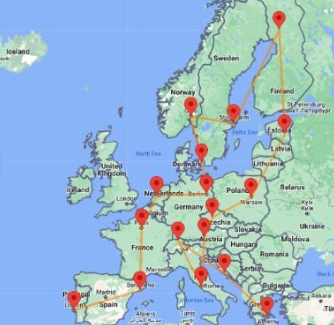
Sept. 2025-Europe bucket list✈️🚅

I wrapped up my month-long European adventure in September 2025, and it felt like the right moment to take stock.

Once I got home, I updated the list with a fresh perspective, fewer expectations, and a little more honesty about what actually matters on the road.

Turns out, it worked out great.

Some boxes got checked.
Some stayed open.
And a few new ones appeared that weren’t even on the list to begin with.

Spontaneity is kind of the adventure, isn’t it?

We all have bucket lists! Daily, montlhy, yearly or even a lifetime. Retire early and travel overwhelms my bucket list!

The best part is realizing that no bucket list is crazy—as long as you’re willing to work toward it, tolerate the criticism, and put in the effort… all while actually enjoying the process.

And the criticism? That’s the funny part.

When people critique your life choices, it’s worth asking:
Is this really about you
Or is it about them?

Because people living their own lives rarely have time to criticize yours.

If they criticize, tell them to take a look in the mirror, as there is something wrong with them.

Let’s review the September 2025 European adventure, now that the dust (and jet lag) has settled:

Fly from Phoenix to London on September 1st, and return from London to Phoenix on September 28th via Los Angeles

✅ Nailed it.

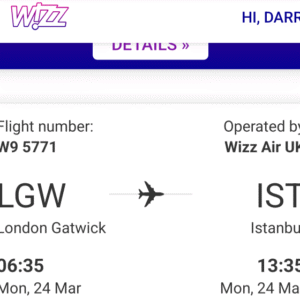
Use my Wizz Air all-you-can-fly pass and a 7-day Europass

✅ Worked exactly as planned (which still surprises me)

Get stuck in airports and/or train stations with no seat availability and “make the best of it

❌ Shockingly… this never happened. Europe chose kindness

Another adventure of a lifetime!

Final score:
Plans made ✔️
Plans survived ✔️
Memories upgraded ✔️

Will do it again in the fall of 2026—zero contingency planning, and more trains.
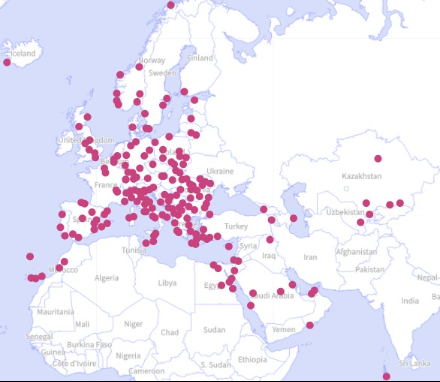
Wizz air flies to 52 different countries!
The Wizz pass was $499 Euro. I do not plan to sign up once it expires on Septebmer 24th, 2025 towards the end of this trip.
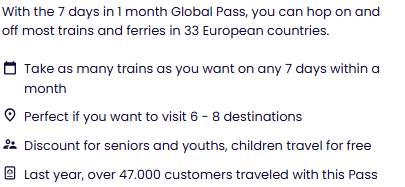
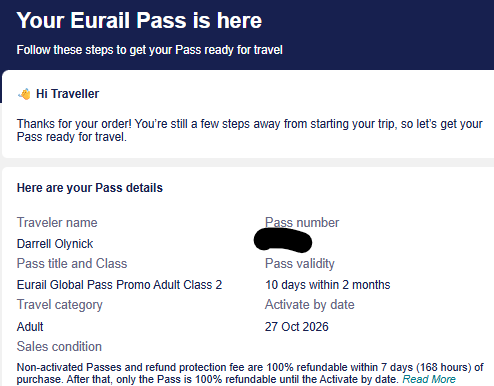
Europass covers 33 countries.

The Europass cost $350 for seven days, which breaks down to about $50 per full 24-hour day.

For the flexibility it offered—multiple trains, zero stress about individual tickets, and the freedom to change plans on the fly—it was money well spent.

Here is my updated hit/miss bucket list updated:

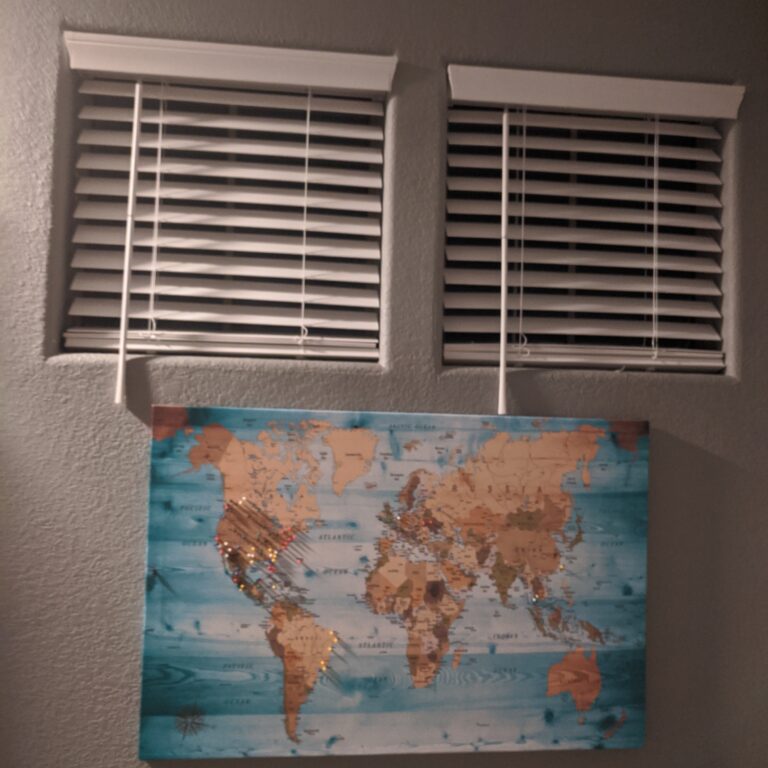
Portugal (Faro, Lisbon, and Porto) ✅

 Coast of Spain (I have been to Madrid and Barcelona) ❌

Octoberfest in Munich, Germany ✅

Ride the train through the Swiss Alps ✅

Poland ✅

Prague ✅

Take a short bus ride into Lviv, Ukraine ❌

Southern Italy ❌ (I purposely missed a flight to Sicily)

I went to Venice instead ✅

The coast of Croatia train tour into Eastern Europe❌

Iceland (Wizz flies into Reykjavik) ✅

The Baltics (Hopefully Germany plus more) ❌

 Denmark❌, Estonia❌, Finland❌, Germany✅, Latvia❌, Lithuania❌, Poland✅, and 

Sweden. ❌ (I had a flight booked to Stockholm but decided against it) ❌


(I consider the ❌ plus more buckets in the fall of 2026 trip below):
 

Here’s an update on my Wizz Air All-You-Can-Fly (AYCF) pass, based on three separate trips to Europe over 12 months

It 100% delivered on the spontaneous hype.

November 2024:

London, UK

Varna, Bulgaria

Budapest, Hungary

Vienna, Austria

Abu Dhabi/Dubai, UAE

London, UK (second time)

March 2024

London, UK

Barcelona, Spain 

Madrid, Spain

Naples, Italy

Rome, Italy

Sharm El Sheikh, Egypt

Athens, Greece

September 2025:

London, UK

Faro, Portugal (took train to Lisbon and Porto)

Warsaw, Poland

Reykjavik, Iceland

(Cancelled flights to Stockholm and Sicily)

Here are the train routes I took on the Europass:

Faro, Italy to Porto, Italy via Lisbon

Warsaw, Poland to Prague, Czeck

Prague, Czeck to Munich, Germany

Munich, Germany to Chur, Switzerland

Chur, Switzerland to Lucia, Switzerland

Lucia. Switzerland to Zurich, Switzerland

Zurich, Switzerland to Strasbourg, France

(Switzerland trip over two days including the famous Bernia Express)

Bernina Express | Switzerland Travel Centre

Strasbourg, France – Paris, France

Paris, France – London, England (Chunnel)


Previous European trains taken:

Madrid to Barcelona return on high-speed train

Naples, Italy to Rome, Italy

Paris, France – London, England (Chunnel)


Some ferries were included in the Europass that I never used:

          Ferries in Europe | Eurail.com

Bucket Lists: Adulting with a To-Do List of Awesome

People make bucket lists because “someday” is never specific enough—and staring at the same couch for 40 years eventually loses its charm. A bucket list is basically a socially acceptable way to chase your wildest ideas without anyone demanding a permission slip.

It’s equal parts motivation and bragging rights. Whether you’re skydiving, eating gelato in Rome, or learning to surf, you get to cross it off, post the proof, and casually say, “Yeah… I did that.”

Bottom line: bucket lists exist to remind you that life is short, the world is huge, and your comfort zone is wildly overrated.

Screenshot_20240917-163621

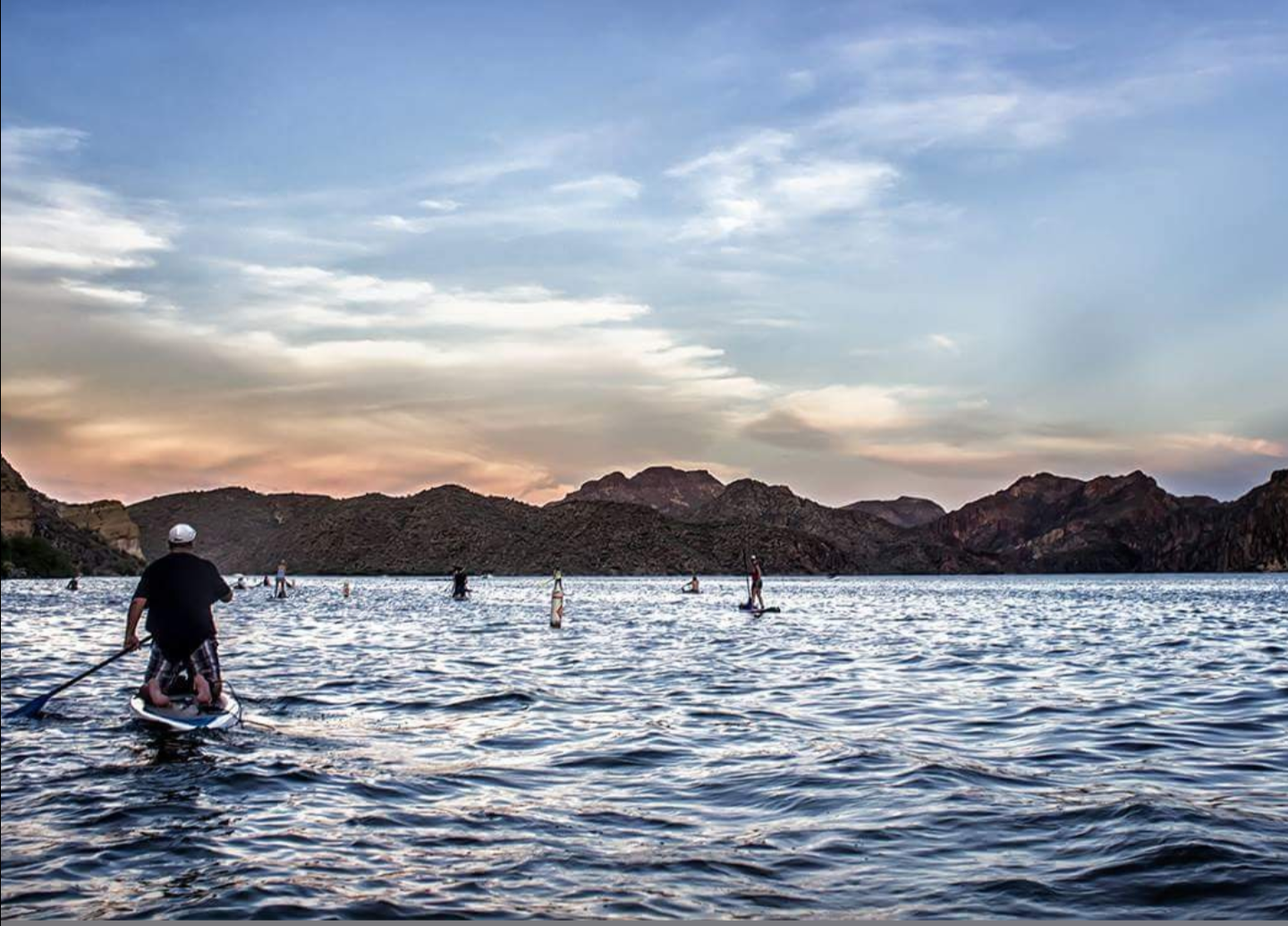
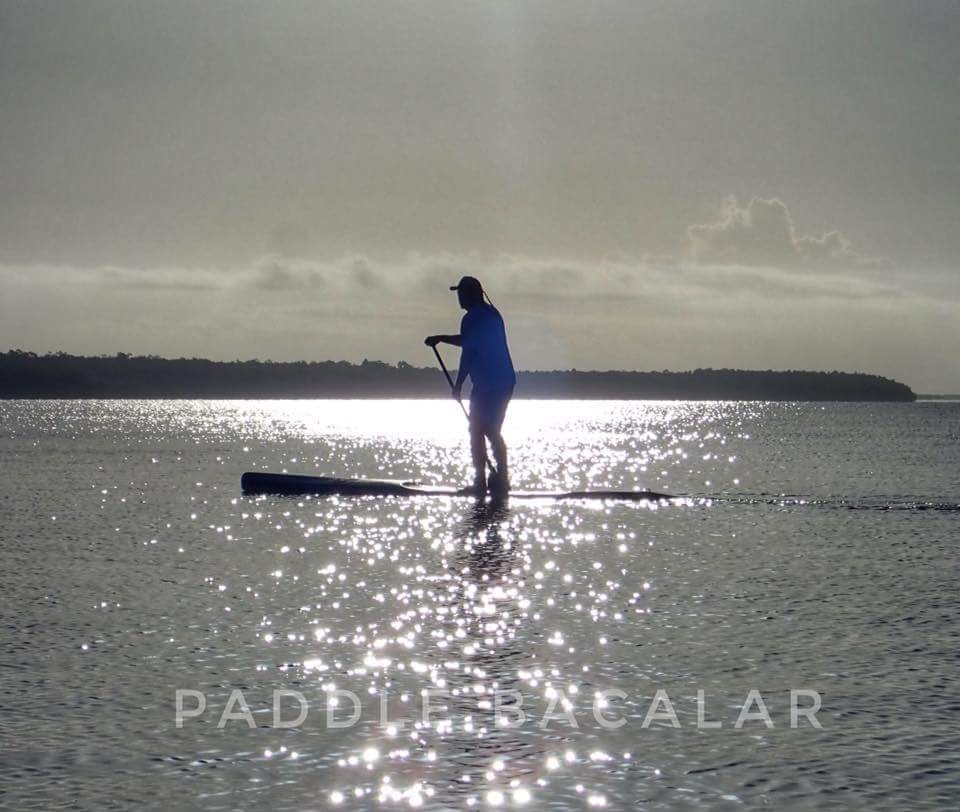
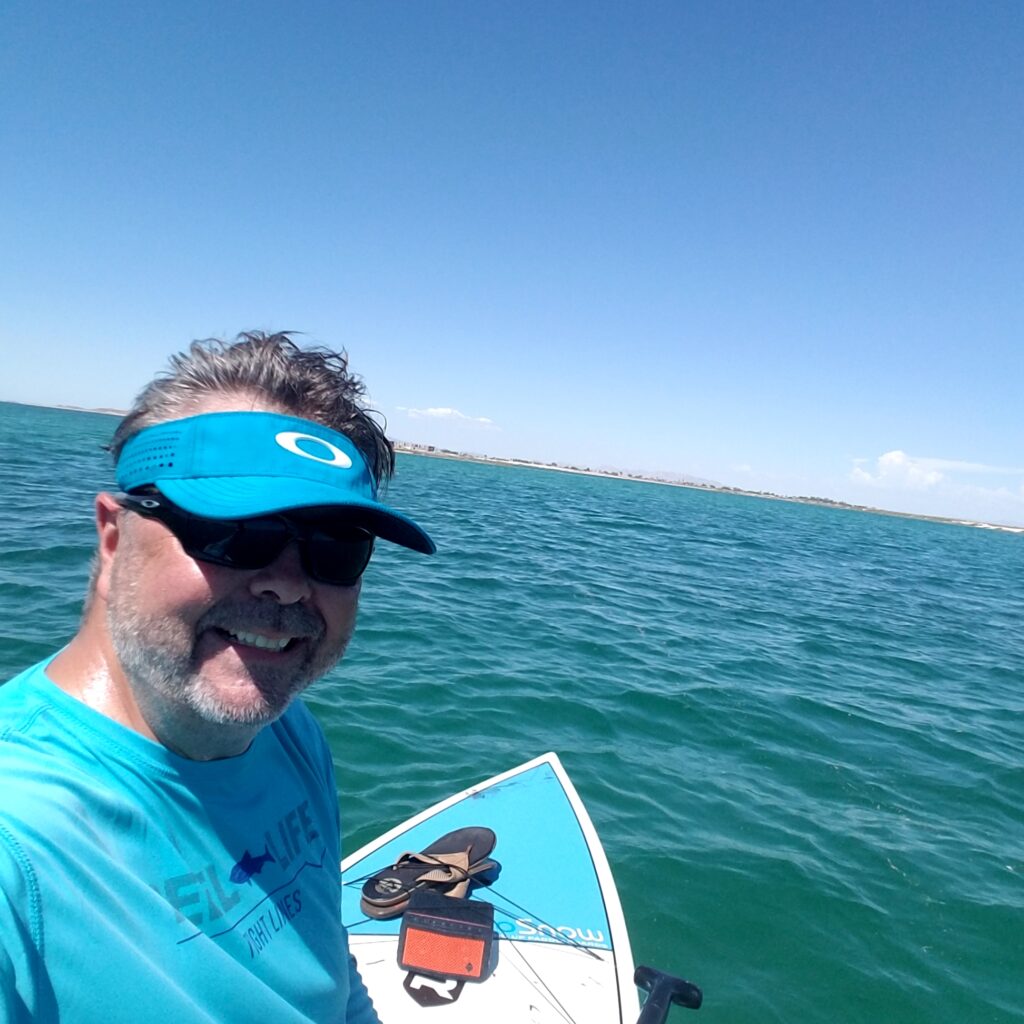
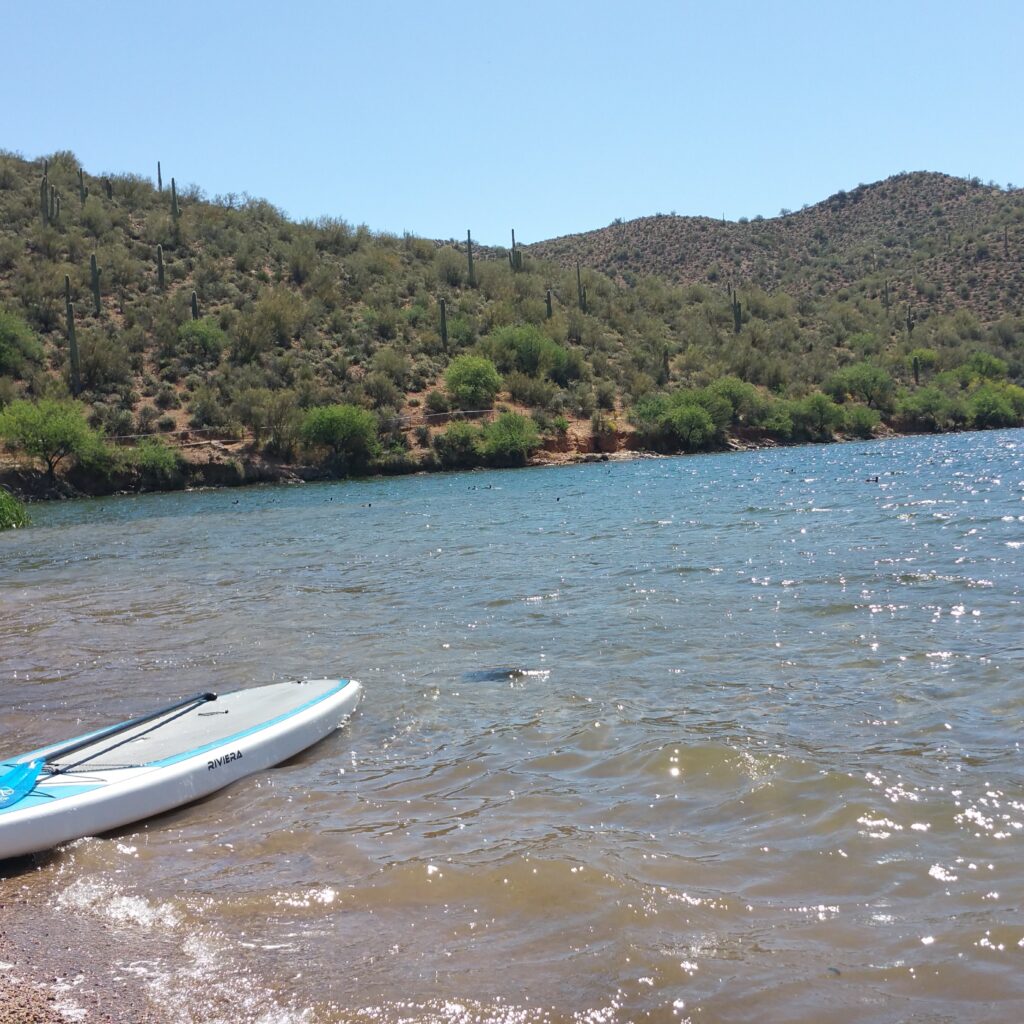
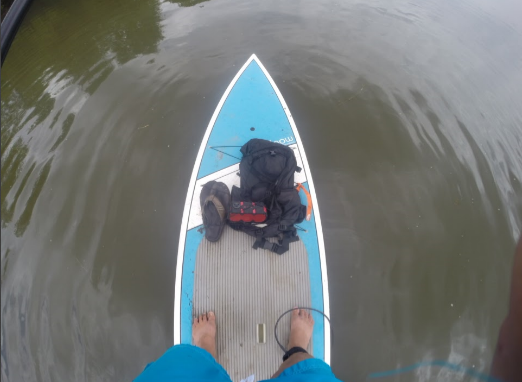
Paddling! It was fun until it wasn’t!! 😎

Paddleboarding is basically walking on water without sinking immediately—and yes, it’s as impressive as it sounds. You get a full-body workout, pretend you’re a young, serene yogi, and occasionally faceplant for dramatic effect, reminding me that I am fat and old!

It’s peaceful when you want it, social when you want it, and gives you a legitimate excuse to fall in, splash like a kid, and call it “part of the experience.” Honestly, it’s the perfect mix of exercise, adventure, and low-key humiliation—basically everything life should be.

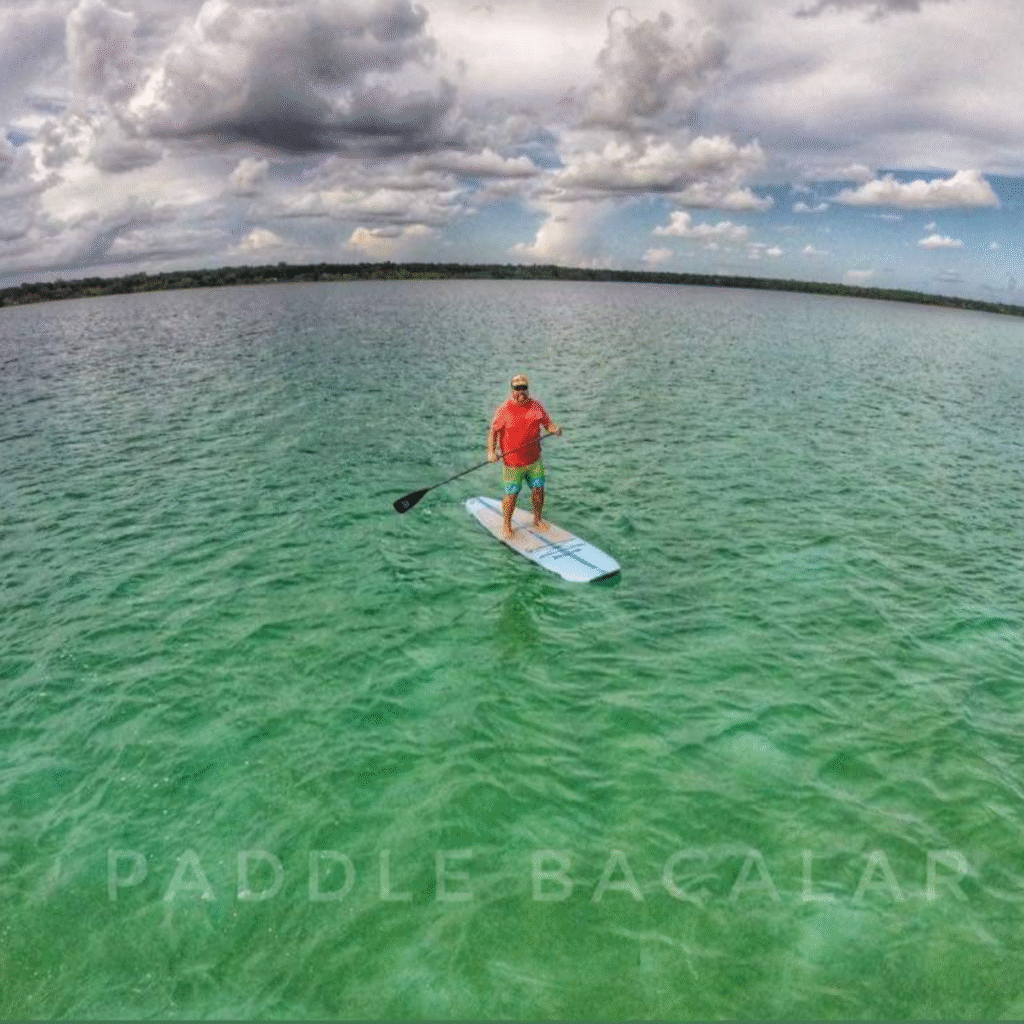
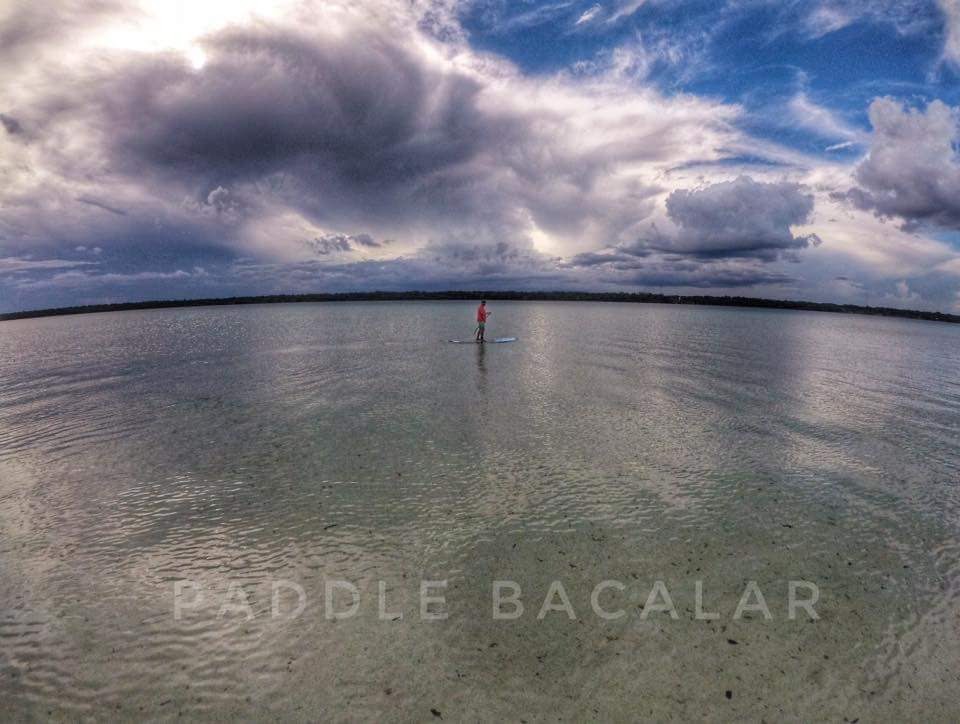
Behold the legendary paddle of Bacalar, Mexico—borrowed from a friend’s Airbnb empire of water fun. One glide across those turquoise waters and suddenly “amazing” doesn’t even begin to cover it. Truly unforgettable.

Here is the flight path from home in Phoenix, AZ, to Bacalar, Mexico.  

It is best to fly into Cancun or Chetumal and take the ADO shuttle bus to Bacalar.

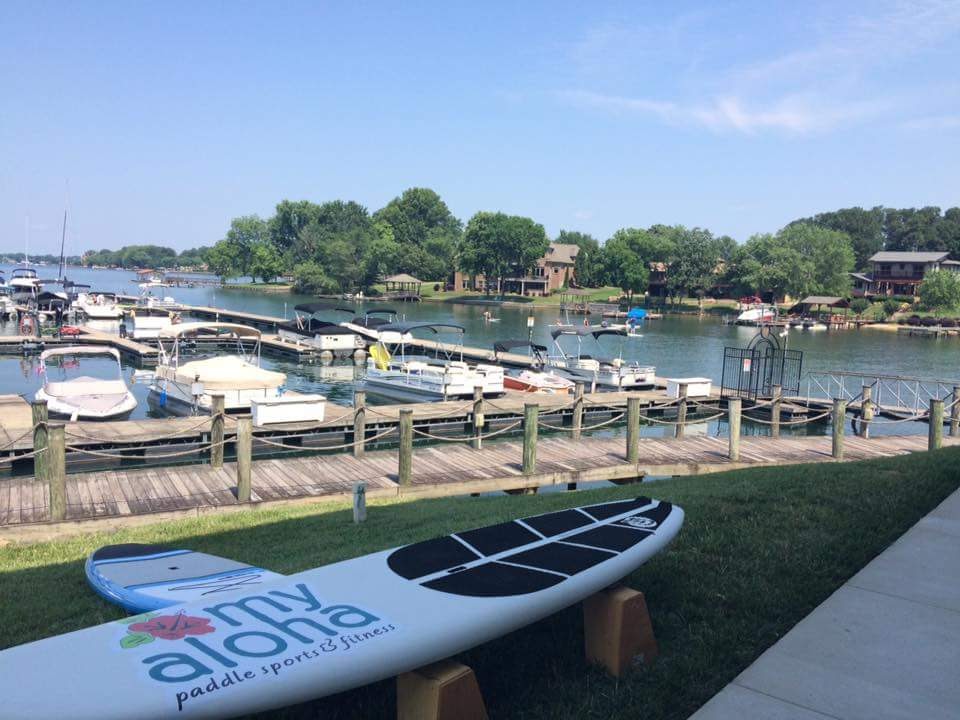
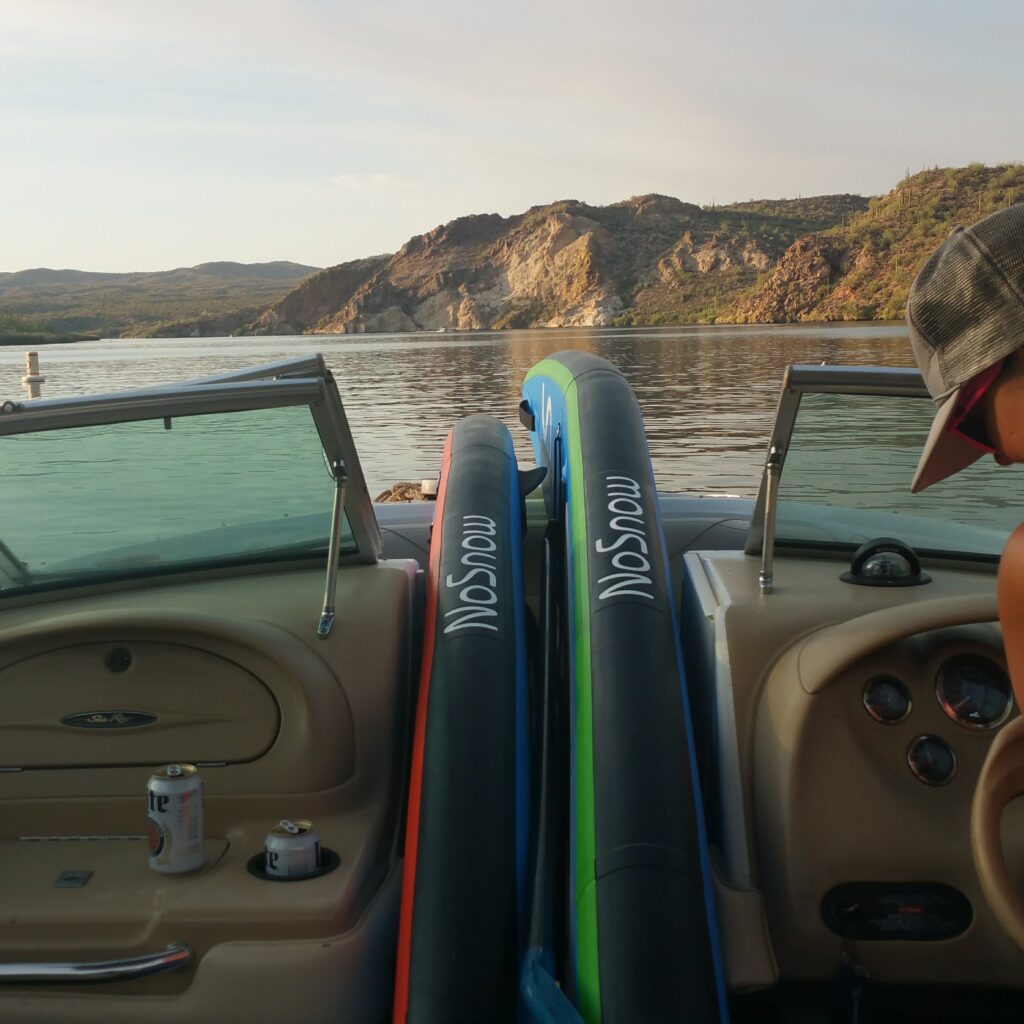
I first hopped on a paddleboard in 2010 after moving from Georgia to Mooresville, NC, chasing that sweet Aloha-on-the-water vibe I’d always loved about Hawaii. With Lake Norman just five minutes away, my board and boat became my weekly ritual in “the massive calm cove”—perfect for workouts. It was like pretending I was already on island time, living a young better looking and in shape lifestyle.

I lived five minutes away from Lake Norman and kept my boat docked there with my paddleboard.  It was an amazing workout in “the massive calm cove, and I would go a couple of times a week.

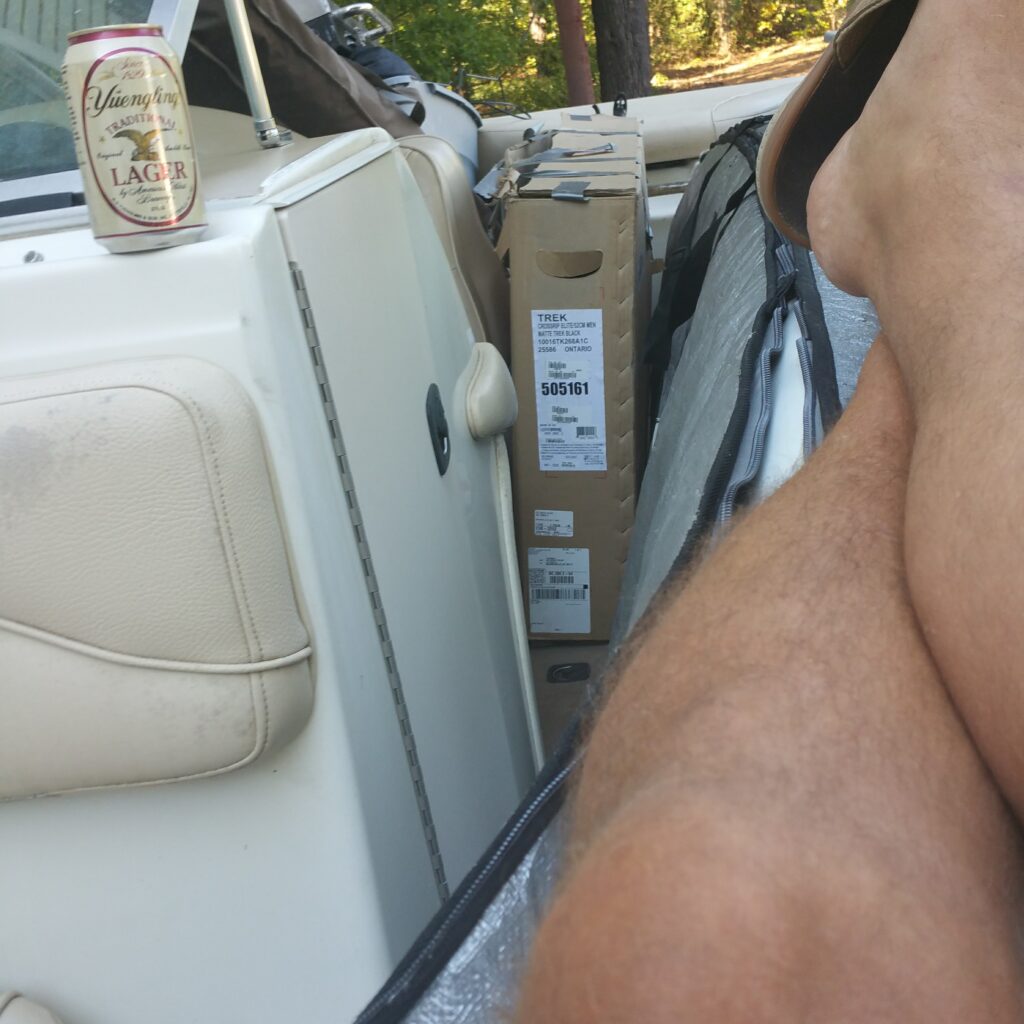
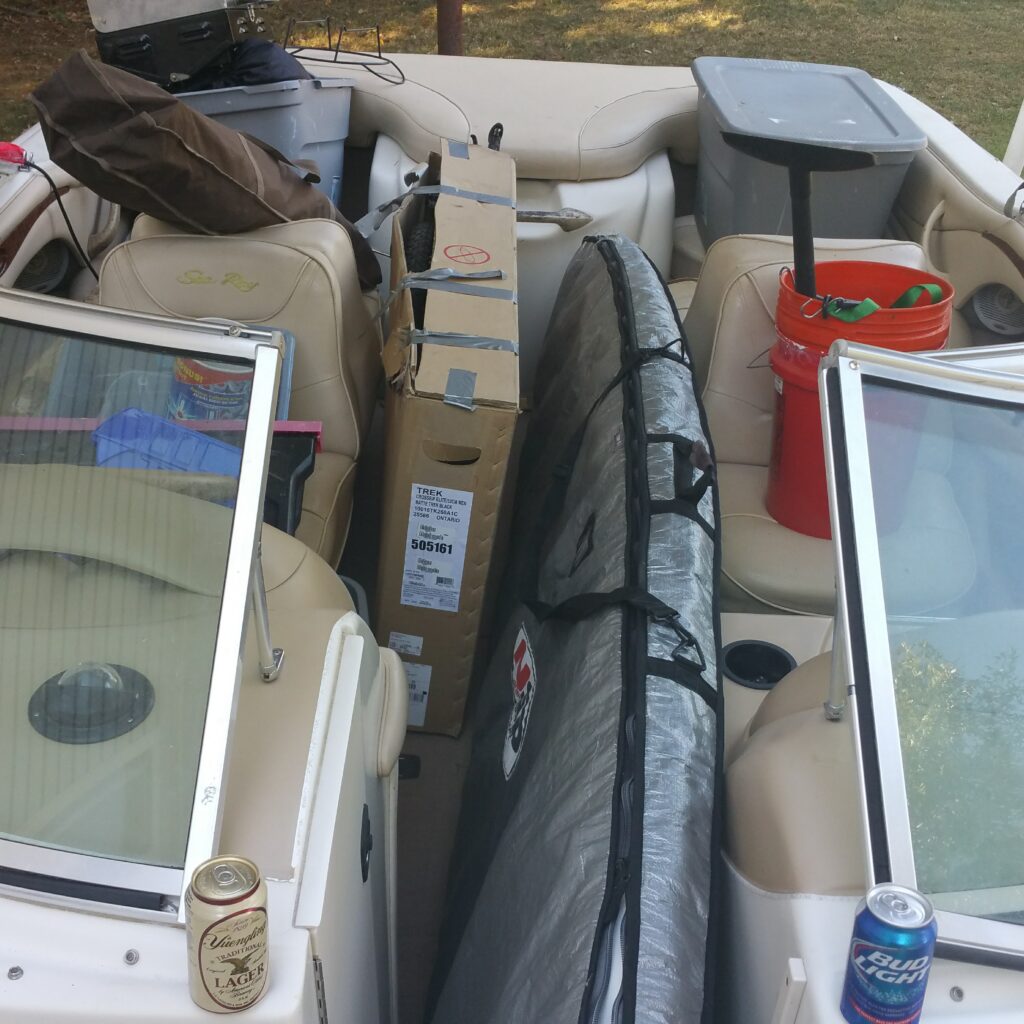
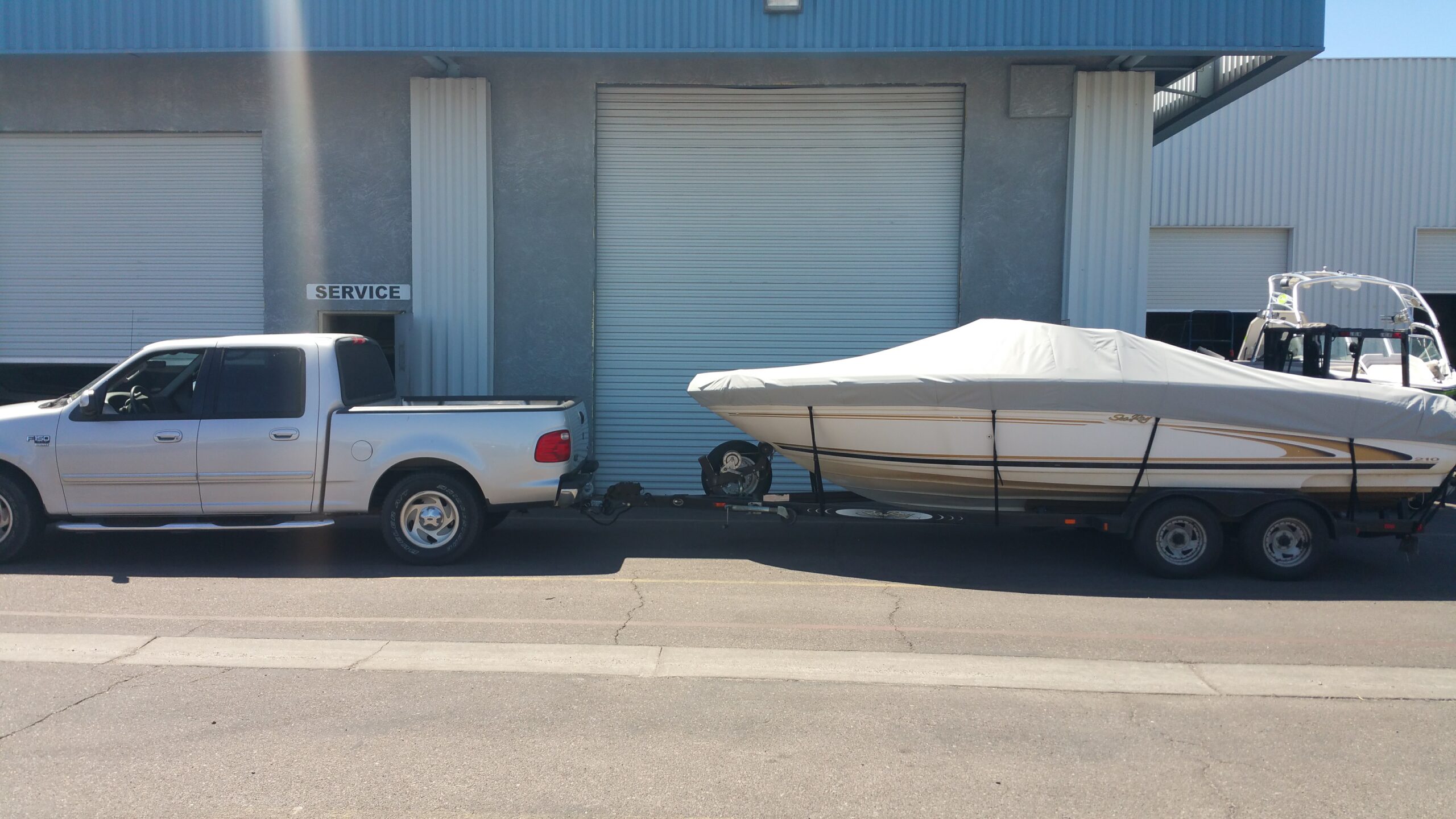
Fast forward to September 2015: my boat and two paddleboards were packed and ready for the epic trek from NC to AZ—because why leave your favorite toys behind?

It took me four long days of driving from NC to AZ. 

I dropped the boat off at storage, and sadly, that is where it stayed the majority of its years before selling it in 2022. 

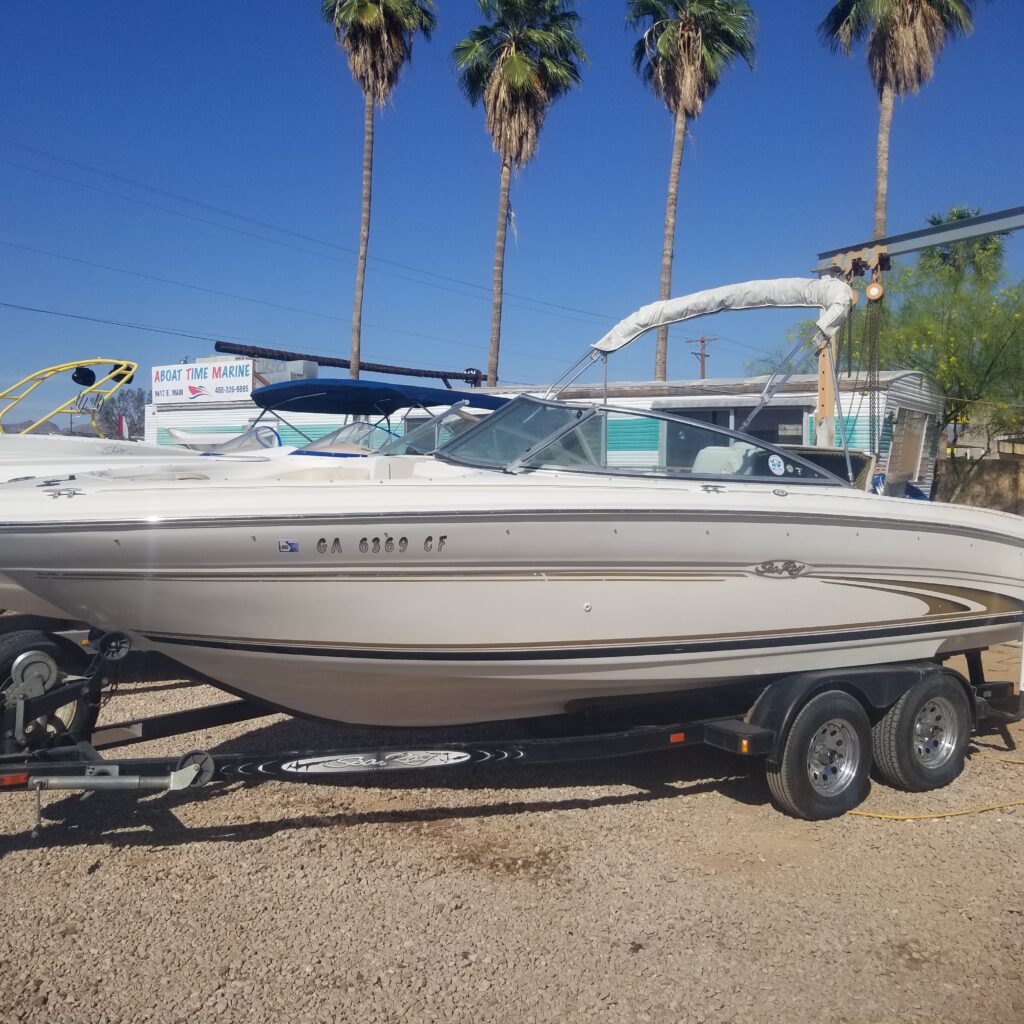
It still looked so amazing for a 20-year-old boat and still trimmed out at 50+ M/PH when it sold. 😟

I should have pulled my UTV to AZ instead of my boat; I sold the wrong toy before I moved! 

A UTV would have gotten so much more use in the AZ mountains and/or making it street legal!

Let it go, Darrell, let it go! 😜

Well, I did let them go and lost my ass on both of them eventually! 

Just in the wrong order! 😎

I knew East Mesa’s lakes were tiny, but I didn’t realize weekends meant waiting to launch, only to get spun around in a human-sized washing machine. Paddleboarding through the constant wake? Forget it—I kept falling. 

After hauling my “Bring Out Another Thousand” money pit from NC to AZ, it barely saw the water at all.  If you disagree, visit Lake Lanier or Lake Norman, where the coves are bigger than the lakes in AZ.  Excuse de jour … 

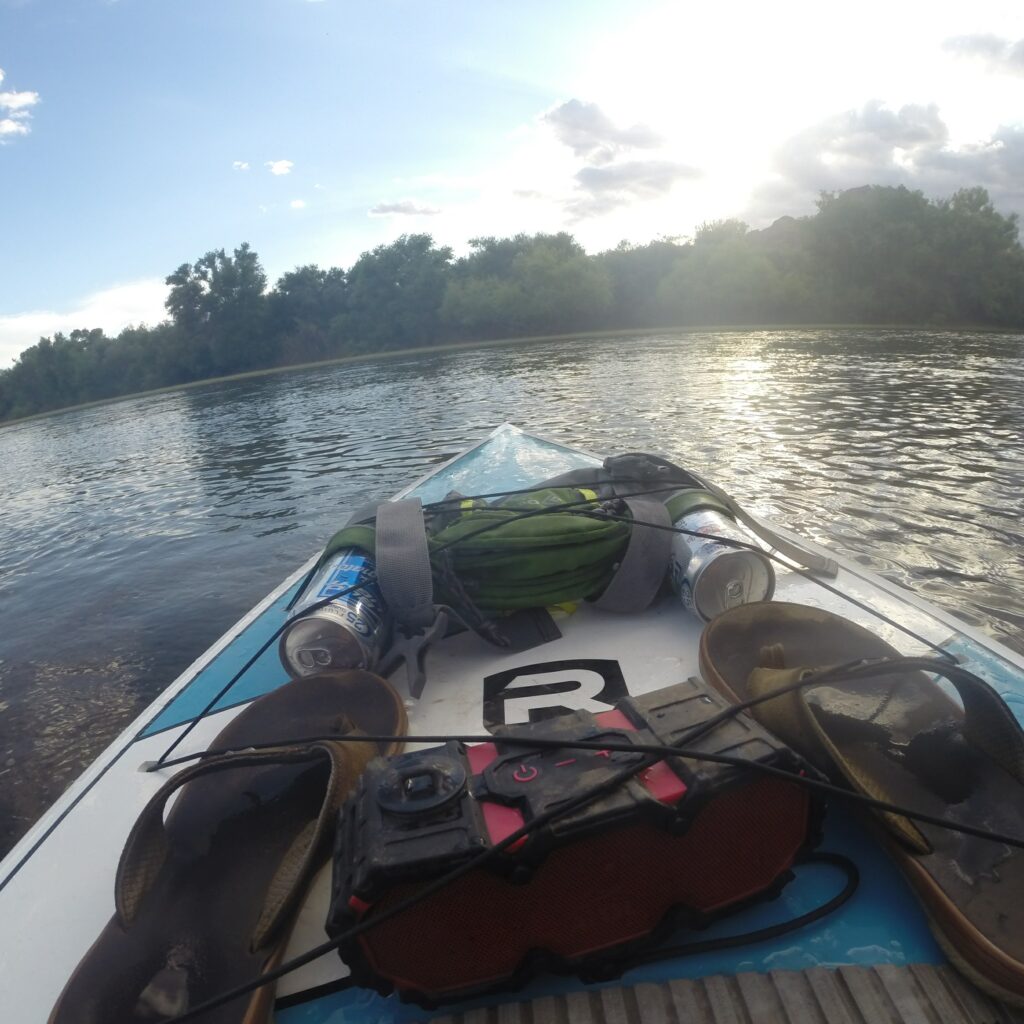
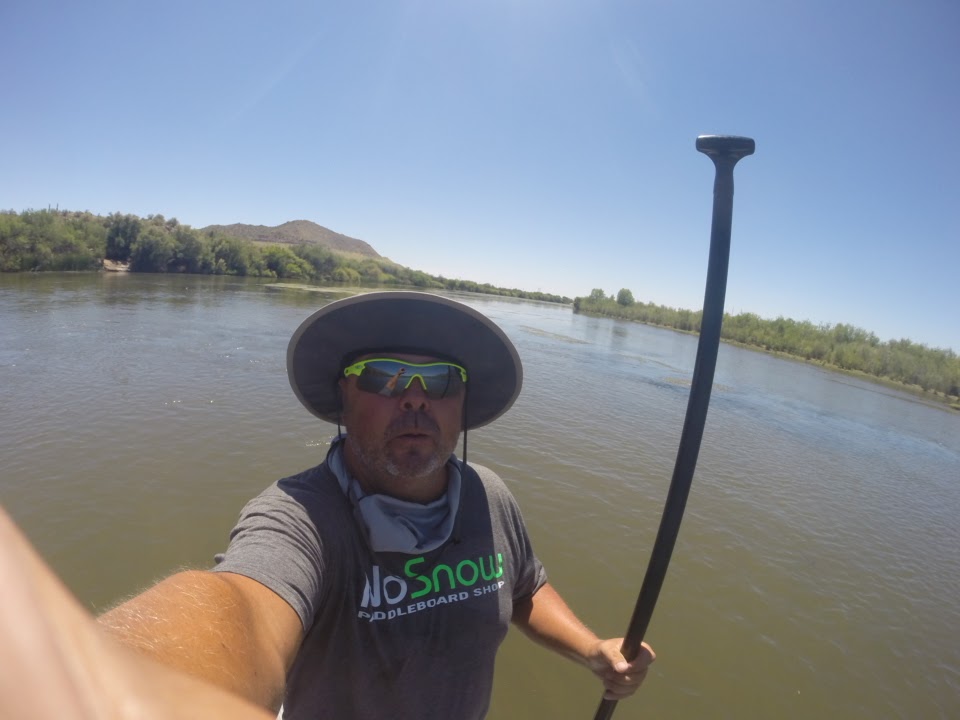
I preferred paddling the river because it involved exactly zero hassle. Toss the board on the Jeep, drive 20 minutes, and boom—adventure achieved.

You’d get a solid workout grinding upstream into the current, then enjoy the universally beloved reward: a free ride home provided by gravity and basic physics.

And let’s be honest—it didn’t hurt that the “commute back” involved cracking a beer, relaxing, and pretending this was all very intentional while the scenery did the work.

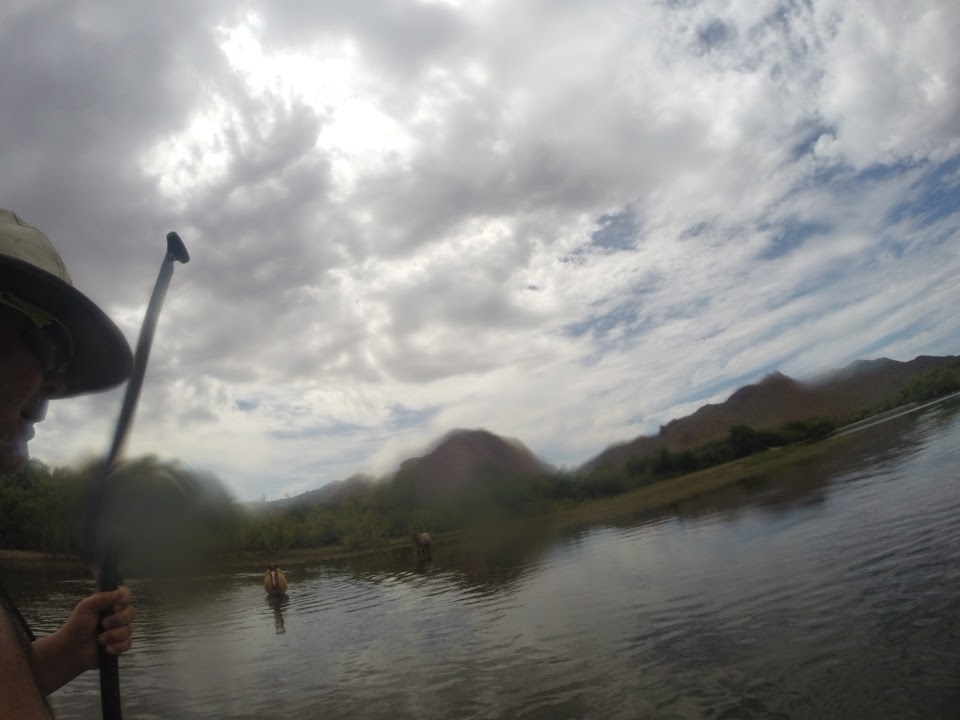
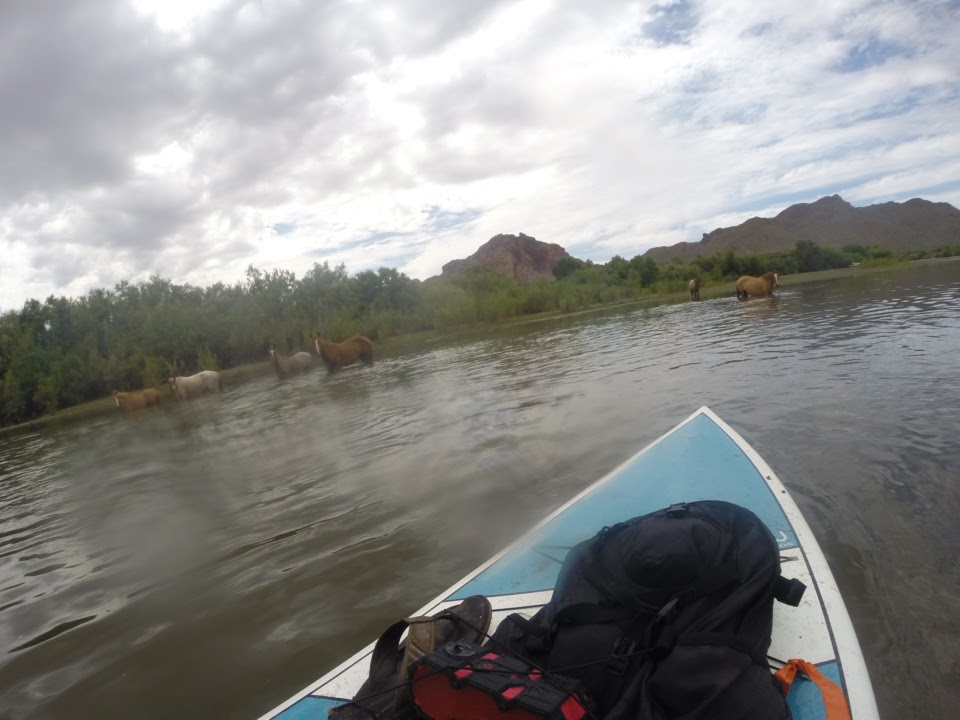
Passing the families of wild horses quietly from the water is always surreal—half nature documentary, half “is this real life or did I drink that beer too early?”

Kept one paddleboard at my place in Rocky Point, Mexico, and an inflatable in storage—because nothing says commitment like owning multiple versions of the same abandoned hobby.

I also used to paddle in a quiet ocean cove in Mexico, until the tides reminded me they do not care about my confidence or balance. That phase ended quickly.

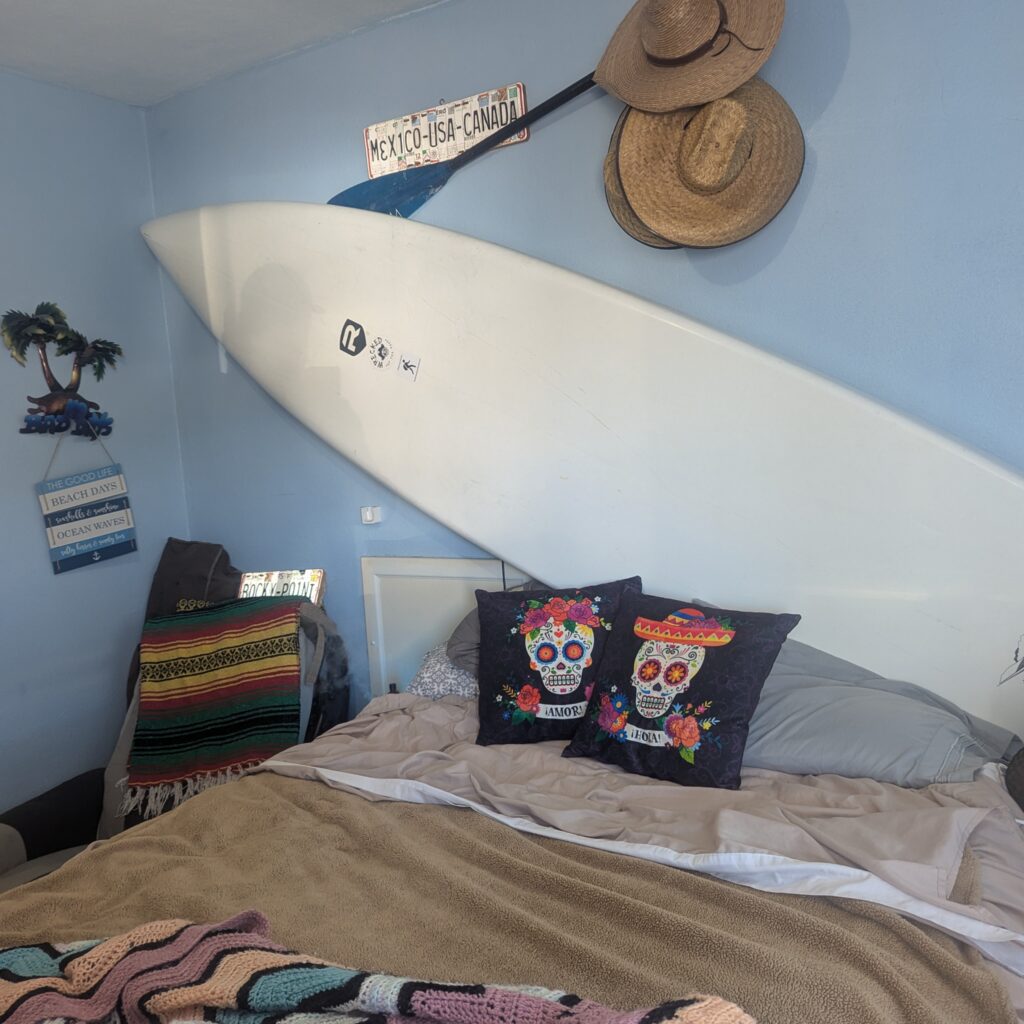
Over the years, the boards slowly evolved into tasteful wall art of days gone by, joining my golf clubs and bikes from other eras when I was sure this was my thing.

Looking back, the best part was the ~$2K “404 race board” I had mounted on my condo wall in Mesa. I couldn’t paddle it properly, but as décor!?!

Flawless. Minimalist wannabe, very aspirational, trying to fool anyone who cared.  

Just like the boards and bikes on the wall, my bike became art in the desert too! LOL

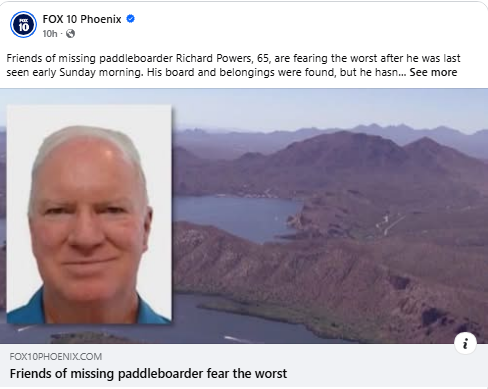
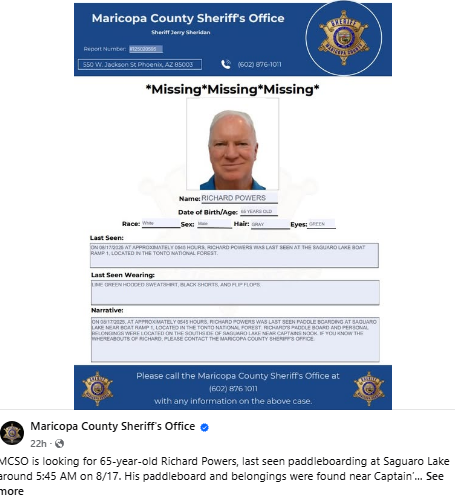
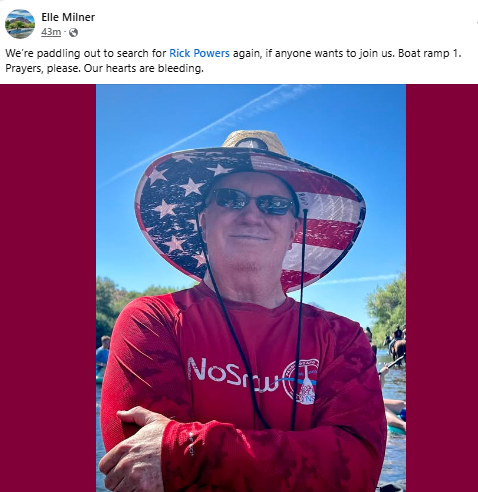
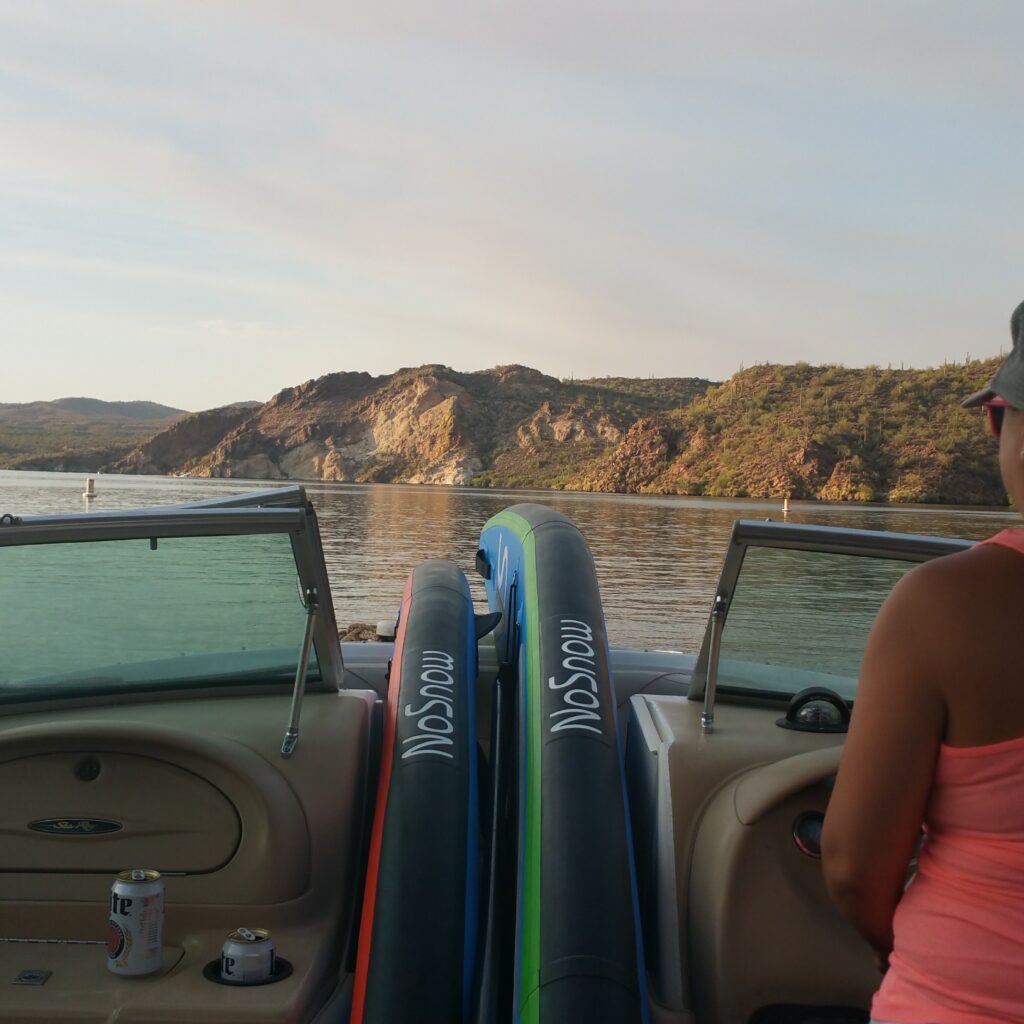
This blog was inspired by Rick Powers, his loved ones, and the AZ NoSnow paddle Family in Mesa, AZ.

It has been several years since I last saw Rick, but do not let his age fool you; he was an amazing paddler. He had hundreds of paddles and many races under his belt.  

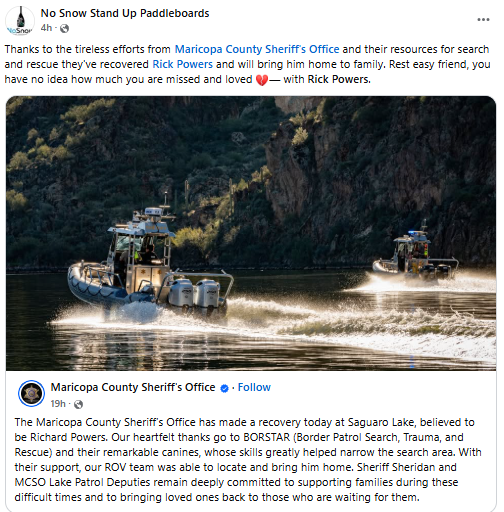
He didn’t turn up after his early morning paddle on August 17, 2025, and found his gear, but there was no sign of Rick. They found him on the afternoon of August 20th. There was so much emotion during the search for him!

He had been all over the news (<– click here for links) with his incredible story that touched so many people.

I will always remember Rick lapping me on the lake and being so pissed off at him as he was ten plus years older!

You were an absolute legend to the “older guys” trying not to hang it up. Ultimately, you helped put me into paddle retirement where I belonged, knowing you were uncatchable. 

That will be a memory I will laugh about forever. 🙏🏻

Here are Ricks’ Strava statistics (<- click the link to access stats). If you are interested in how being an older athlete can still be badass, consider that his last paddle would have been his 950th entry on Strava!

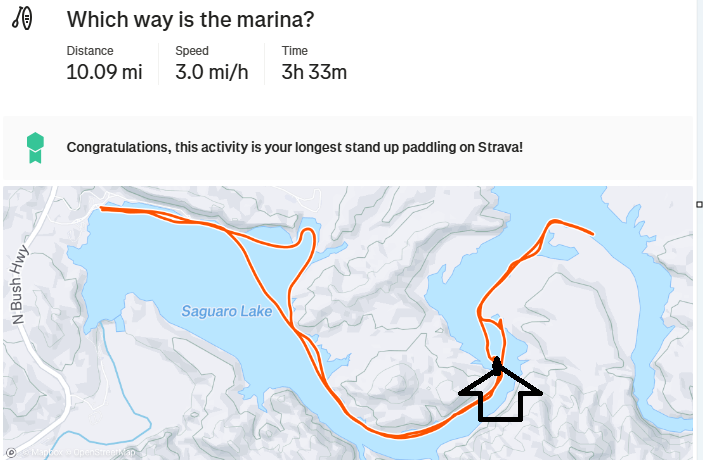
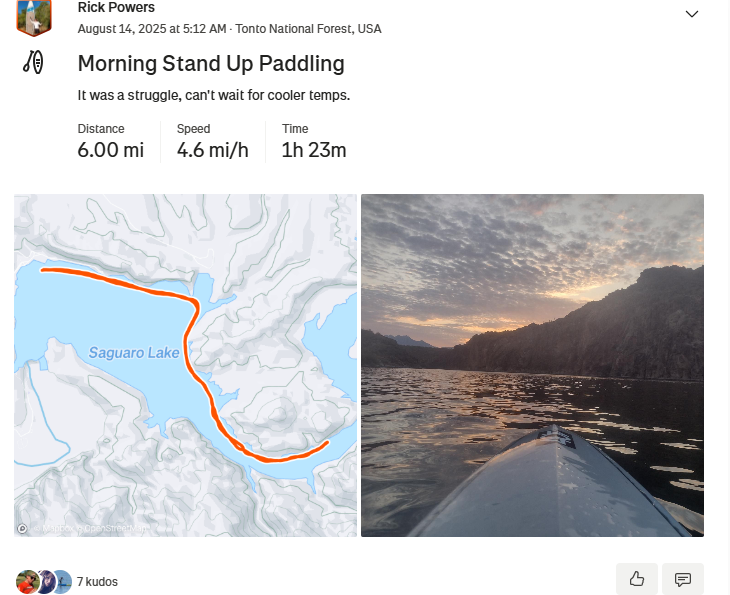
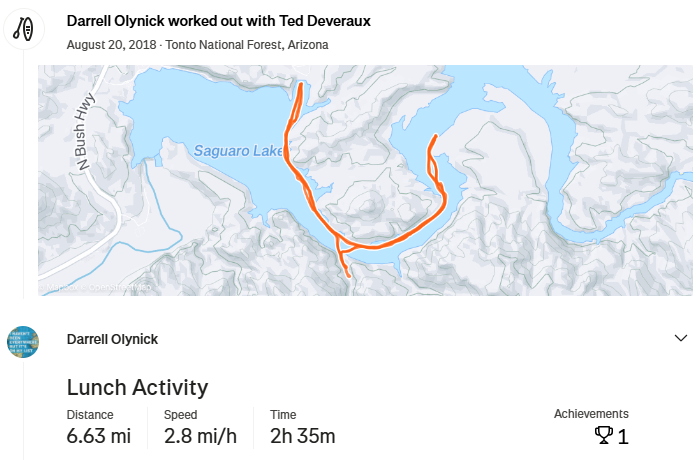
Below were our last recorded long paddles, with mine being exactly seven years ago, the day they found Rick. Ironically.  I was exhausted, I would never paddle alone again, and hung it up soon after.

Unlike Rick, I was just not good enough, and he belonged on the water! 🤙🏻

Paddle for your life was my thought that day, as I did not have much left in the tank the last couple of miles.

During my longest paddle on the same Saguaro Lake, I fell on my way home, which is marked ⬆️ on the map above. I got turned around and paddled further into the cove. I thought I was headed home, but was going the wrong direction, making my paddle home further.

I should never have paddled alone was my takeaway that day …

image

Sept.2025 Europass train travel!🛤️🚅

I rebooked for September 2025 with a 7-day train travel pass, which works out to roughly USD $50 per travel day, plus any required reservation fees. For the distance covered and flexibility you get, it’s an incredible deal.

Until I visited Europe in mid-2024, I honestly had no idea how amazing—and how popular—train travel is there. It’s fast, comfortable, scenic, and stress-free. No security theater, no baggage roulette, no sprinting through airports.

These train trips weren’t just transportation—they were part of the experience. Watching cities turn into countryside, countryside into mountains, and borders quietly disappear from your seat changes how you think about moving through a continent.

Once you do Europe by train, it’s hard to imagine doing it any other way.

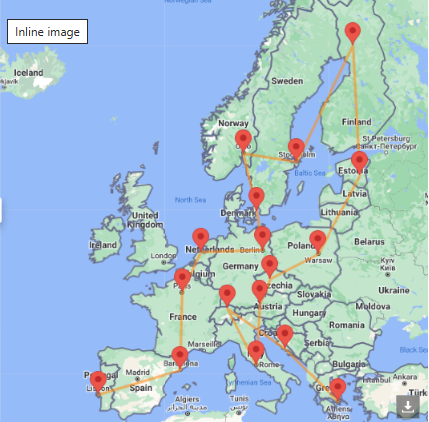
Here are the routes I took in September 2025 on my seven-day pass

Day 1:

Faro, Portugal to Porto, Portugal via Lisbon

Day 2:

Warsaw, Poland to Prague, Czeck

Day 3:

Prague, Czeck to Munich, Germany

Day 4:

Munich, Germany to Chur, Switzerland

Day 5:

Chur, Switzerland to Lucia, Switzerland

Lucia. Switzerland to Zurich, Switzerland

(Famous Bernia Express)

Day 6:

Zurich, Switzerland to Strasbourg.

Strasbourg, France – Paris, France

Day 7:

Paris, France – London, England 

These trips were taken over the month of September. I more than paid for the pass with these trips as Day 5 in Switzerland would have been $300+

Reservation fees were a bummer!  It cost me over and above pass to secure seats on some of these routes. I spent about $100 on top of the $350 pass.

Here are some **pictures and videos from train travel in Vietnam and across Europe during the spring of 2025.

I rode so many trains, for so long, that I eventually made a smart call and postponed the European portion of my train-heavy travel until September 2025. At a certain point, even the best journeys deserve a pause.

That’s one of the underrated lessons of slow travel: knowing when to keep moving—and when to save something great for later.

I also got to experience a high-speed train from Barcelona to Madrid, cruising along at 300 km/h on the return.

Smooth, fast, quiet—and wildly efficient. One minute you’re in the city, the next you’re watching the Spanish countryside blur past like a screensaver. It’s another perfect example of how, in Europe, the train isn’t just a backup to flying—it’s often the best option.

The slow train from Naples to Rome, Italy, was also a great experience as I was able to see a lot more of the Italian wine Countryside.

Screenshot_20240925-150032

All you can fly! September 2025!!✈️

This pass worked for me because it matched how I like to travel now—not how I used to think I should travel. I wasn’t trying to optimize every dollar or squeeze in as many flights as possible. I wanted movement, flexibility, and the freedom to change plans without feeling locked in.

The standby nature of the pass turned out to be a feature, not a flaw. It kept things light. I booked late, went where there was space, and let availability decide the route. That removed the pressure and made each trip feel more like an experience than a checklist.

It also fit my schedule and temperament. I don’t mind odd flight times, backtracking, or staying put an extra day if that’s how things unfold. That kind of loose structure wouldn’t work for everyone—but for me, it made travel feel spontaneous again.

Most of all, it worked because I’ve learned that I enjoy the journey more than the plan. Whether it was hopping cities, riding trains, or sitting in an airport with nowhere urgent to be, the pass supported that mindset. No rush. No maximizing. Just moving through places when the timing felt right.

For the right kind of traveler, this pass makes exploring 52 countries both accessible and affordable.

I picked up the All You Can Fly pass from Wizz Air for €599 (£500), mostly because it promised something I’ve always liked—freedom without overspending. The catch was that flights run on a standby basis and can only be booked within 72 hours of departure, which sounds limiting until you lean into it.

Once I was registered, it turned travel into something lighter. Instead of planning months ahead, I’d check what was available, pack a bag, and go. It wasn’t about maximizing flights or hacking the system—it was about saying yes to movement, short trips, and places I probably wouldn’t have visited otherwise.

The all-you-can-fly pass gave me the freedom to say yes more often—quick trips, last-minute plans, and places I probably wouldn’t have visited otherwise.

I’ve come to appreciate that not everything in life needs to be permanent to be meaningful. 

Some things are meant to be used for a while, learned from, and then set aside. The gear, the hobbies, the passes—they all mark where I was at a given moment. This one gave me movement, freedom, and a sense of possibility when that’s exactly what I was looking for. And like the others, it did its job. That feels like a good ending.

20150730_185313

Living the Arizona life!🏜️

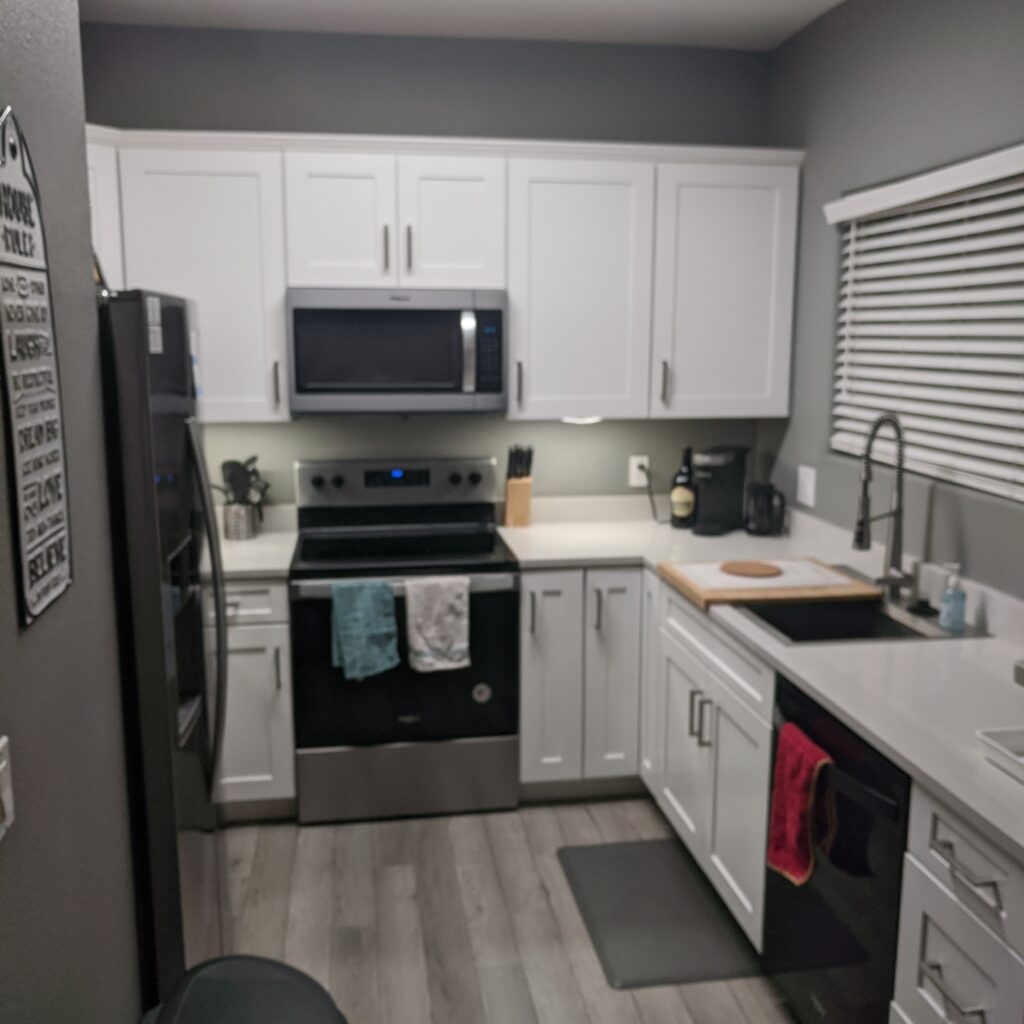
One thing I’ll always be thankful for is buying a condo in Arizona during the housing market crash in 2009. At the time, it felt like a practical, almost conservative decision. In hindsight, it quietly set the foundation for everything that came later.

That gratitude sits alongside a bit of nostalgia. I’d already sold some incredible homes in Edmonton, Alpharetta, Georgia, and Mooresville, North Carolina—places tied to specific chapters of my life. Each move closed one door and opened another, even if I didn’t fully understand it at the time.

What I couldn’t see then was how the Arizona place would eventually become more than just a home. It became an anchor—a base that allowed me to take risks and travel literally elsewhere. Stability in one place made freedom possible in others. 

Knowing I had something solid to return to gave me the confidence to travel more, stay longer, and say yes to opportunities that didn’t come with guarantees.

Looking back, that condo wasn’t just a smart investment that pays me to travel through Airbnb. It was also permission to move, to explore, and to build a life that didn’t have to stay in one place to feel grounded.

From an investment standpoint, the timing was absurdly good. In 2009, the Phoenix market was still in full capitulation mode—single-family homes with pools were selling under $100K, and condos could be picked up for under ~$30K. Most of these were cash deals, with banks more interested in clearing defaulted inventory than maximizing price. Recovery mattered more than valuation.

At the time, I was working in Georgia and already owned a home there, so this wasn’t about replacing a primary residence or chasing a lifestyle fantasy. It was about positioning. A low-cost asset in a market that had clearly overshot to the downside and would, eventually, revert. While in Las Vegas that year, I took a day to fly to Arizona and look at opportunities in person—because listings are useful, but markets are easier to read when you’re standing in them.

We toured roughly ten condo properties. Living across the country forced discipline, which worked in my favor. I only considered turnkey units—no renovations, no surprises, no emotional projects. My criteria were unapologetically practical: strong amenities (pool, gym, hot tub), walkability to groceries and restaurants, and a layout that would work equally well for short-term stays and seasonal renters.

Rental potential wasn’t optional—it was the point. The goal was a property that could generate income from snowbirds while remaining usable as a personal base when needed. That dual-purpose flexibility capped downside risk and improved the return profile without adding complexity.

When we toured Solana later that day, it separated itself immediately. The location worked. The amenities worked. The condition worked. Everything aligned. By the end of the visit, it was clear this wasn’t a lifestyle purchase pretending to be an investment—it was a clean, well-timed asset with multiple usage paths.

Which is exactly what you want when markets are panicking, and patience is underpriced.

From an investment perspective, it checked every box.

The Solana community had two pools, a hot tub, and a gym—exactly the kind of amenities that matter to both renters and owners. A Safeway directly across the street, a Walmart down the road, and multiple restaurants within walking distance made it even more attractive. Convenience sells, especially for long-term renters and short-term guests.

I left Arizona with clear instructions for the agent:
One-bedroom, ground-floor unit, green space patio view in Solana.

He nailed it!

All wrapped up in a $52,500 all-cash deal—a low-risk entry price with real usability, solid demand, and strong rental upside. At the time, it felt like a smart move. Looking back, it turned out to be a foundational one.

In the summer of 2014, I was laid off while living in Mooresville. It was one of those moments that forces clarity whether you’re ready for it or not.

Instead of scrambling to stay put, I treated it as a clean break. No panic. No patchwork fixes. Just an honest look at what I wanted next. It was time to leave the South and head west—and the difference was, I already had a landing spot waiting for me in Arizona.

What could’ve felt like a setback turned out to be a pivot. Sometimes losing the plan is exactly what makes room for the right move.

Arizona—and **Solana in particular—**turned out to be the perfect landing spot. It gave me a property that could generate rental income while still supporting the kind of life I actually wanted to live.

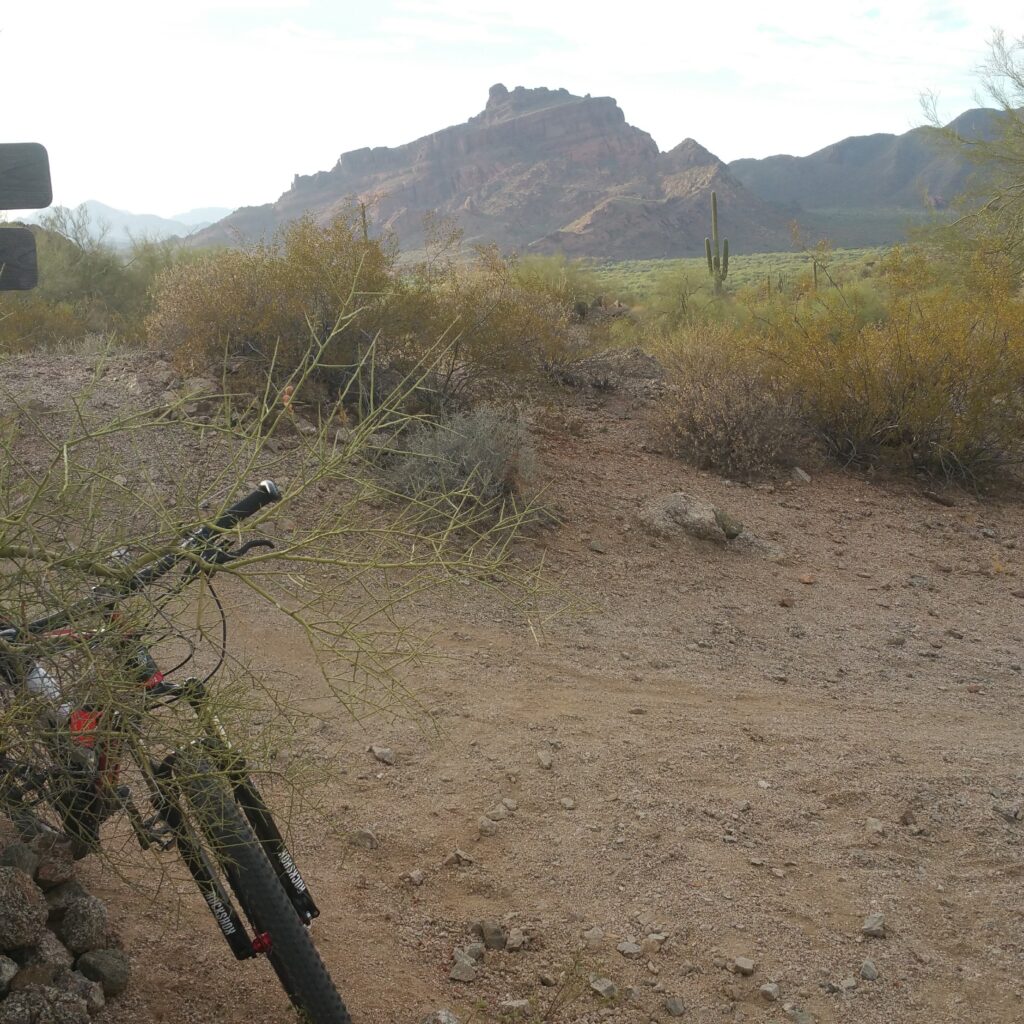
Year-round access to pools, hiking, biking, paddling, and camping meant the place worked whether I was home or on the road. From an investment standpoint, it made sense. From a lifestyle standpoint, it made even more sense.

It wasn’t just a smart buy—it was the rare overlap where numbers and quality of life lined up.

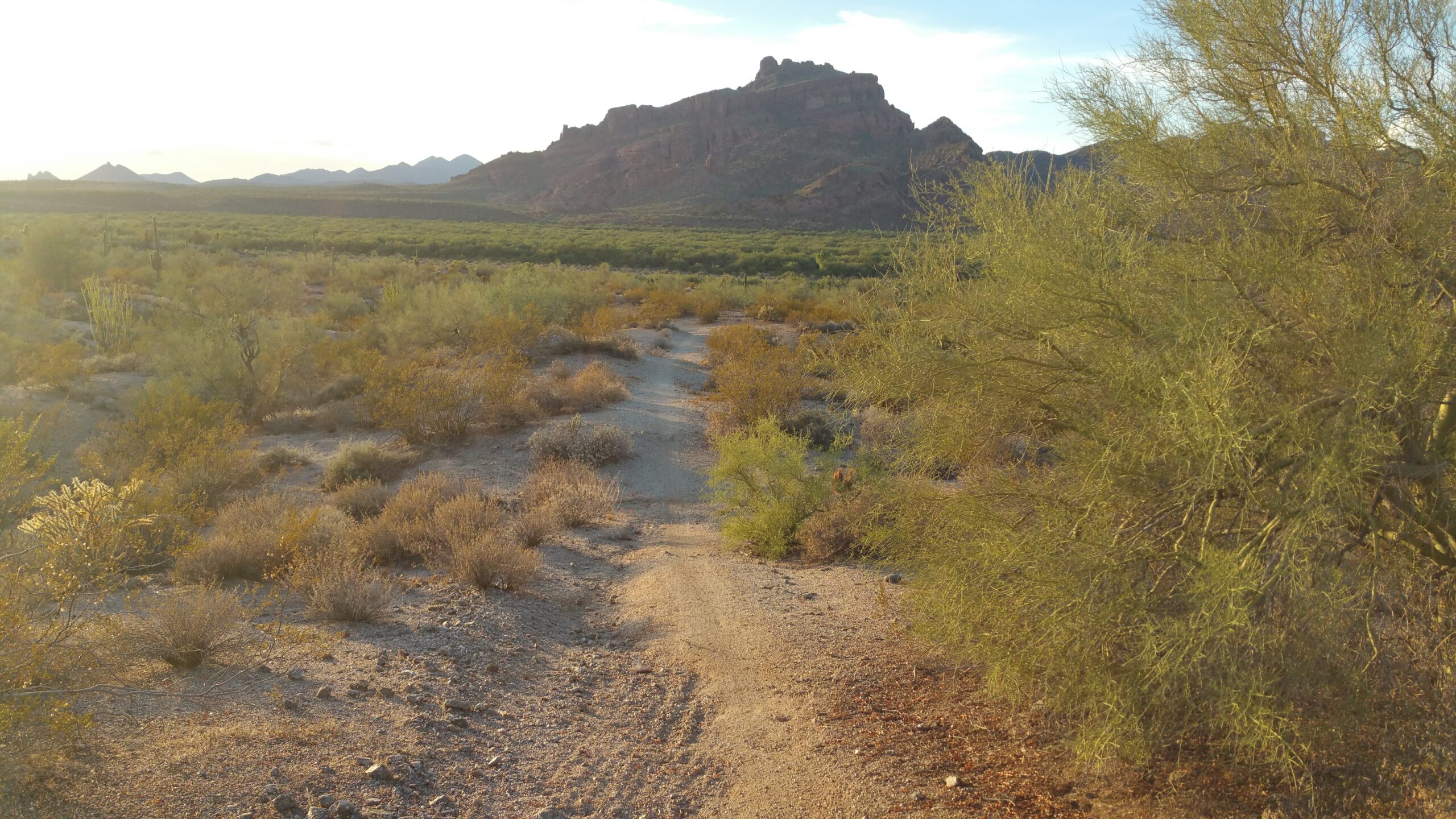
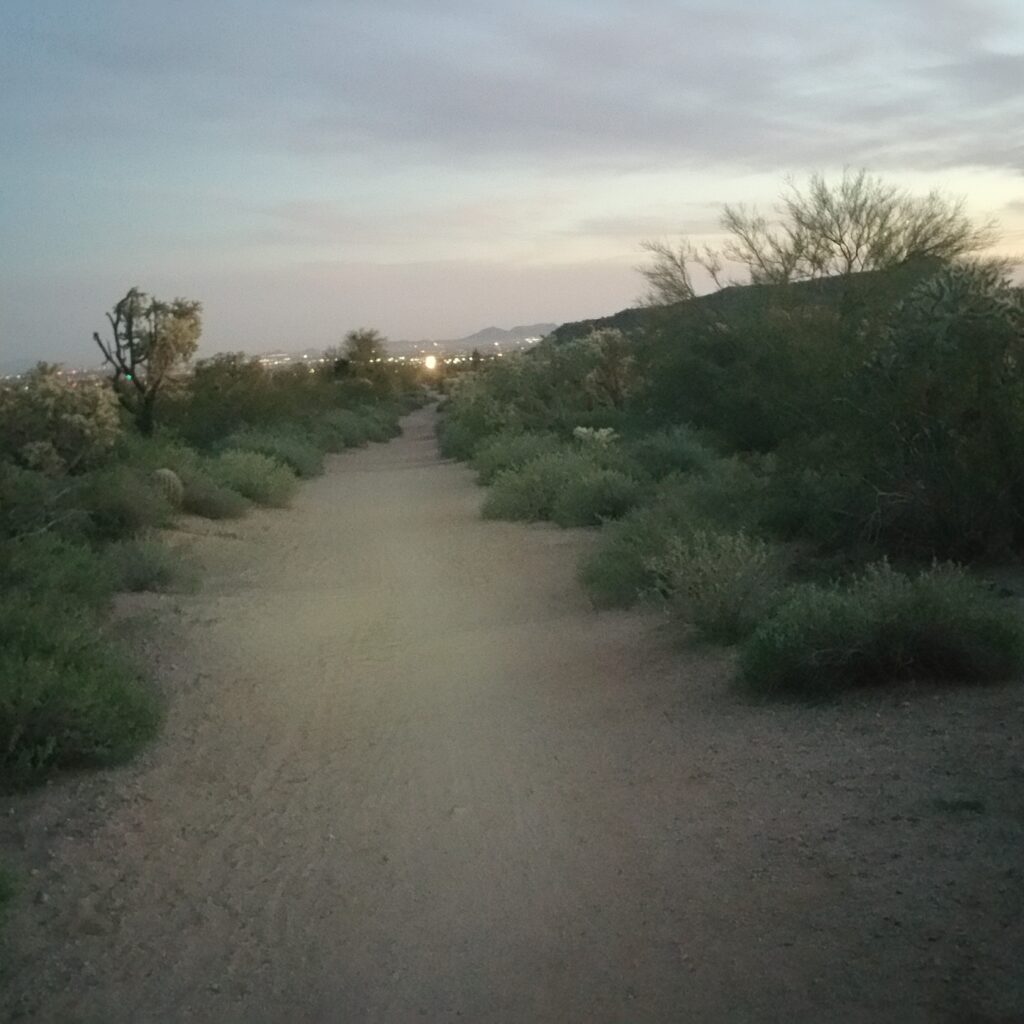
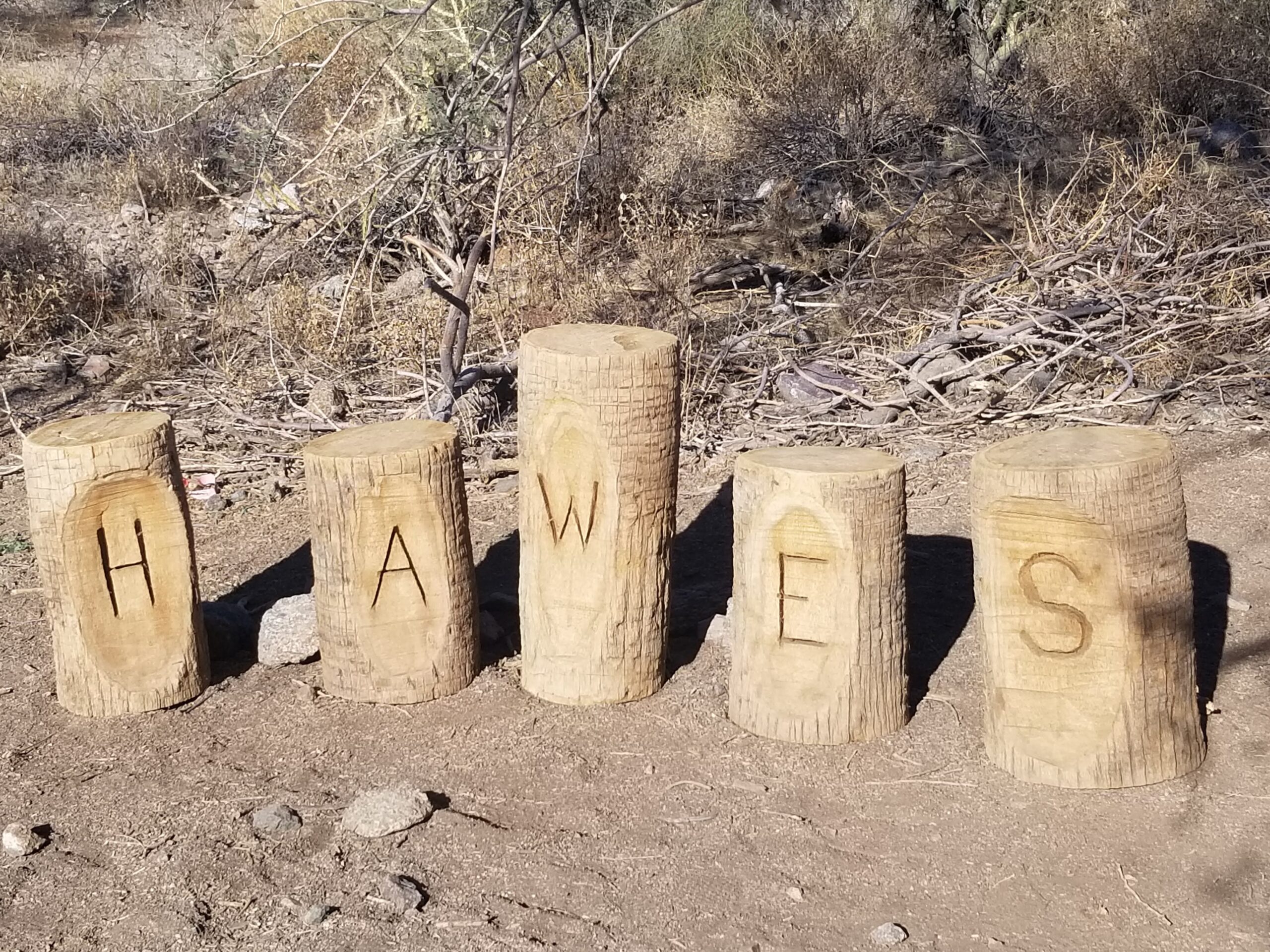
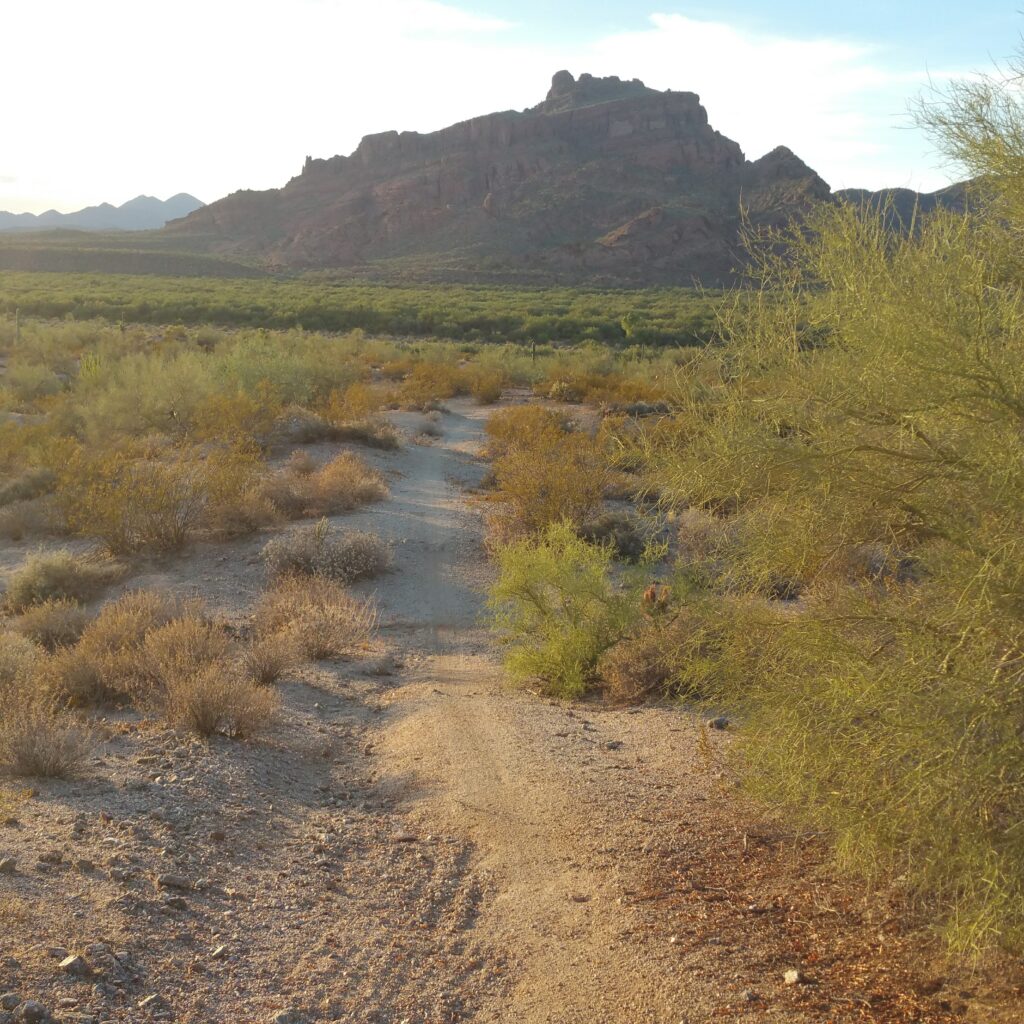
I’ve hiked the Hawes Trail System hundreds of times. Being just 15 minutes from home meant it was never something I had to plan around—it was simply there, ready whenever I needed it.

Over time, those trails became more than exercise. They turned into a reset button. A familiar place to think, to recalibrate, and to work things out one step at a time. No agenda, no pressure—just movement, space, and perspective.

Some places quietly heal you.
Those trails did exactly that.

I hope you enjoyed the pictures as much as I enjoy calling Arizona my part-time home, part-time Airbnb income generation—a place I return to when I’m not traveling.

20191118_075126

You only die once! Live life to the fullest!!

Creating NorthAmericanDarrell.com is my way of sharing both my work and my personal solo travels. I’ve collected stories over the years that I’ve always wanted to tell, and it doesn’t really matter whether you’re friends, family, or someone who stumbled across the site by accident.

Some posts might help you save money. Others might give you an edge when planning your own travels. And some are simply experiences I felt were worth passing along.

One of the things our mom used to tell us kids was, “Live life to the fullest.” She’d often follow it up with, “And if they don’t like it, they can kiss my ass.”

It drove my sister and me crazy at the time. But looking back—and hearing ourselves say it now.

We finally get it. She was right.

That sentiment sits at the heart of this site. Not as advice, not as a challenge—just as an honest reflection on choosing a life that feels intentional, curious, and fully lived.

Take what’s useful. Ignore what isn’t.
And live it your way.

NorthAmericanDarrell.com exists to share real-world travel experiences, practical insights, and stories collected along the way.

The goal isn’t perfection or permission—it’s curiosity, independence, and living life to the fullest on your own terms. Some ideas may save you money. Others may challenge how you think about travel, work, or timing.

This approach won’t be for everyone—and that’s fine. This site is about choosing the path anyway.

Please also check out my YouTube channel by clicking 

➡️➡️HERE⬅️⬅️

This site reflects how I try to live my life—curious, independent, and always moving while trying to save a nickel along the way.

Why NorthAmerican Darrell?

I call myself NorthAmerican Darrell because my life has never fit inside one border.

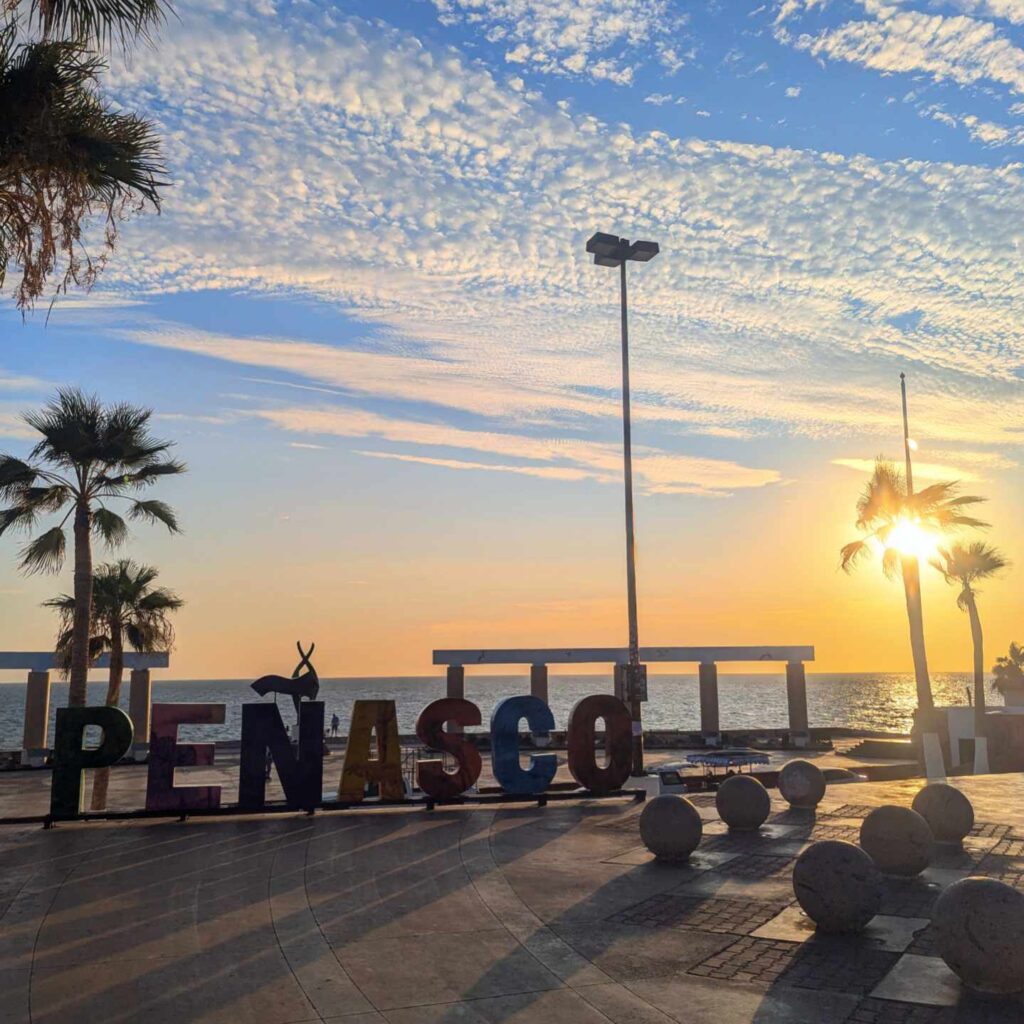
I was born in Edmonton, built much of my adult life in the United States, and now live in Mesa. I also rent a place in Rocky Point (Puerto Peñasco), Mexico, which has become another home base when my AZ condo is rented, or I’m not traveling.

Canada, the United States, and Mexico aren’t just places I’ve visited. They’re places I’ve lived, worked, invested, and returned to—sometimes by plan, sometimes by instinct. Calling myself NorthAmerican reflects that fluidity. It’s less about nationality and more about movement, curiosity, and being comfortable living across borders without labels.

NorthAmericanDarrell.com is simply a reflection of that life—one shaped by three countries, a lot of miles, and the belief that home doesn’t have to exist in only one place.

People love to give Canada, the United States, and Mexico a bad rap. I see them differently. Each has flaws—no question—but they’re also full of opportunity, good people, and incredible places if you’re willing to look past the noise and the headlines.

So yeah, I consider myself an absolute North American legend 😆
Not because I’ve mastered any one country—but because I’ve learned to appreciate all three.

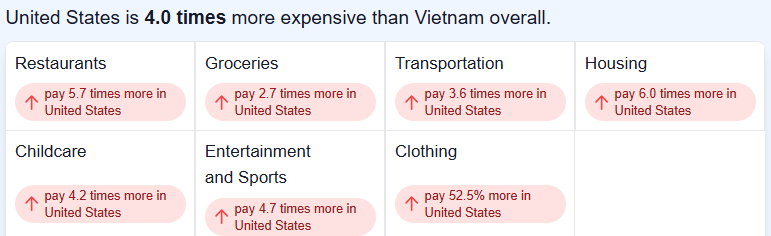
cost

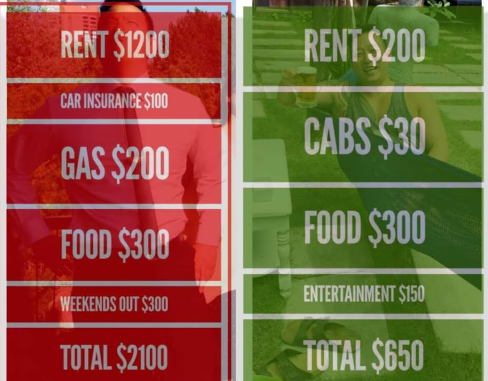
Geoarbitrage! Retire sooner!!

I am guessing both of these colums have increased since COVID but you get the idea!

Geoarbitrage refers to the strategy of relocating to a lower-cost area while maintaining the same income.

This allows individuals to stretch their dollars further. It involves taking advantage of differences in living costs between locations to maximize financial returns and purchasing power. This practice can significantly enhance personal finance management by reducing expenses and increasing savings.

I have used this concept throughout my life and now during my run at retirement!

I fell in love with the idea of making your money go farther!

Using my first experience with the concept

Geoarbitrage isn’t about chasing the cheapest place to live—it’s about aligning where you earn, where you spend, and where you invest.

In my case, moving from Canada to the United States created an immediate advantage. The currency exchange boosted my purchasing power back home by roughly 30%, while the role itself came with a higher salary and a relocation bonus.

The real leverage came from travel. Because I was on the road full-time and living off per diem, my personal expenses stayed low even as my income increased. That gap—higher earnings with reduced costs—is where geoarbitrage actually works.

Instead of inflating my lifestyle, I banked the difference and sent money back to Canada, where it went toward my first property purchase—paid in cash.

The takeaway is simple:
Geoarbitrage works best when you resist lifestyle creep, stay mobile, and think across borders instead of within them. The opportunity isn’t just where you live—it’s how you structure the entire system.

Another example, to a lesser extent. 

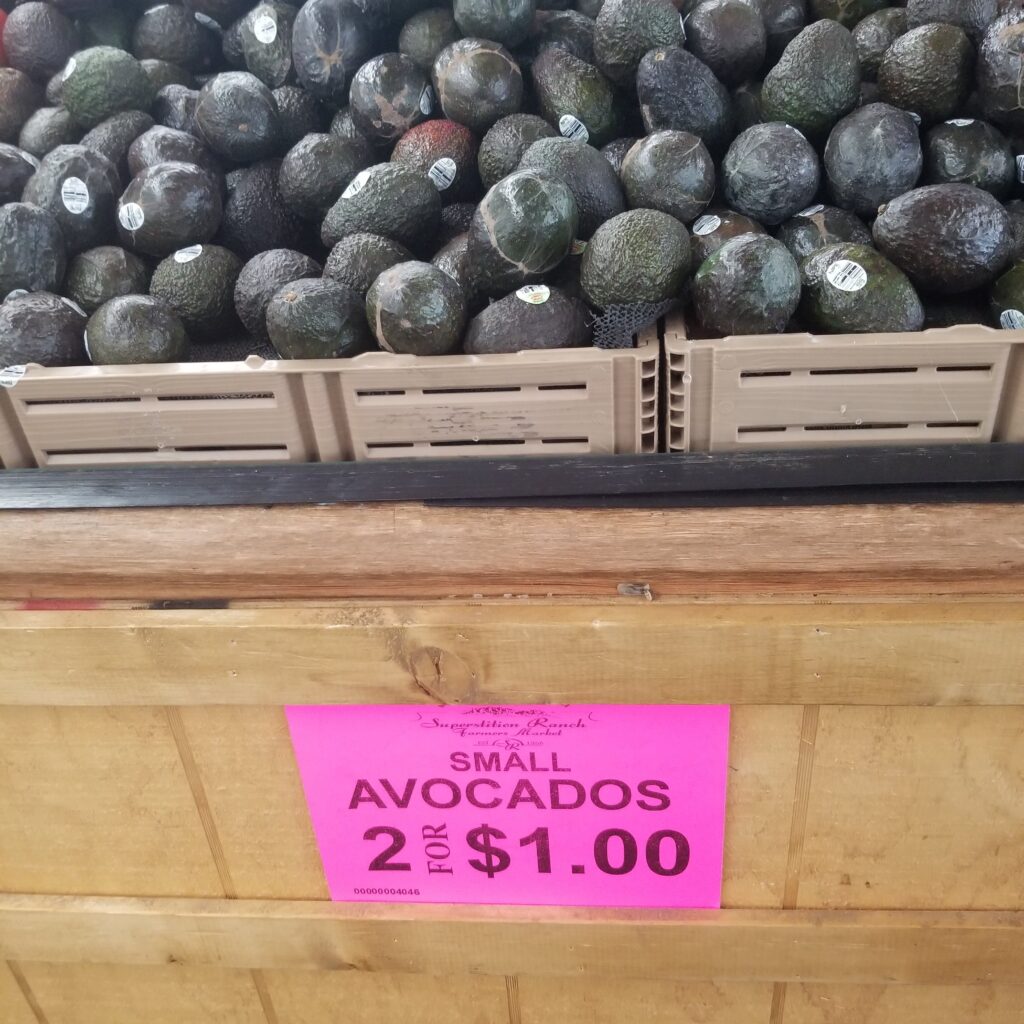
I’ve lived in Arizona for the last ten years, and one thing that still stands out is how inexpensive fresh produce can be—especially if you pay attention to seasonality.


A simple example: avocados.

Geoarbitrage isn’t just about big moves like changing countries or jobs—it shows up in everyday life.

Living in Arizona, where produce is grown nearby, and the seasonal supply is high, means things like avocados can be cheap, fresh, and abundant. In Canada, the same avocado is often imported, older, and easily costs $2 or more—unless you’re in a very specific region.

That difference adds up fast if it’s something you eat regularly. The same goes for beer, fuel, housing, and utilities. It’s not about deprivation—it’s about geography.

 Geoarbitrage works when you align your lifestyle with places that naturally support it, instead of fighting the math.

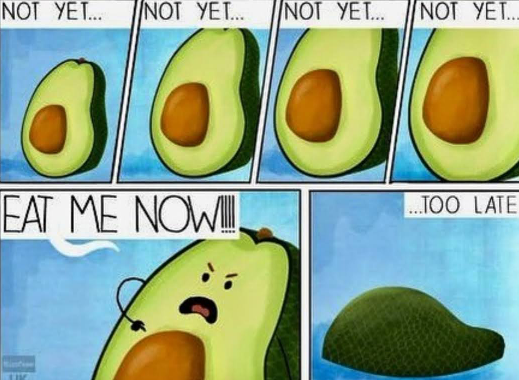
Small choices, repeated daily, are often more powerful than big financial hacks that will not expose you financially like a bad avocado in Canada.

An Everyday Example of Geoarbitrage

You probably drink coffee. I know I do—two cups every morning. You’ve also probably been to Starbucks more than once a year, or at least passed through places like Tim Hortons, Second Cup, or one of the countless pop-culture cafés that have become part of daily life.

Post-COVID, the math is pretty consistent:
A decent coffee runs $3–7 USD, and a breakfast pastry is another $3–4 USD. Totally normal. Totally accepted.

Now let’s change geography.

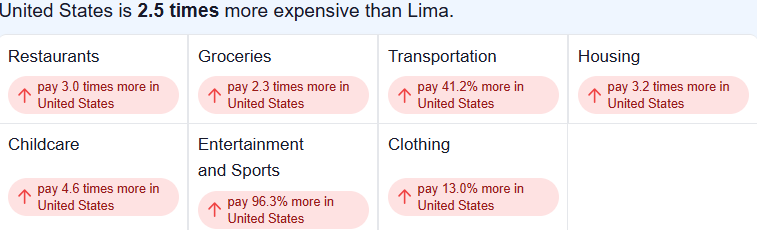
I had a favorite coffee shop in Lima, right next to my Airbnb in Miraflores—arguably the nicest area in the city. Every morning I’d go for a walk (easy to do year-round in Lima), stop in, and treat myself.

My order:

A fairly fancy mocha

A small breakfast treat

Often a fresh-pressed, organic juice

Total bill before tip (about 10% in Lima): under $5 USD.
(Try tipping 10% in America and getting out alive!)

For the same order at Starbucks or a similar café in the United States or Canada, I’d estimate the total would be around $14 USD, give or take a few dollars. And that’s without the ocean view—plus you’re probably wearing a heavy jacket and warming up your car for 30 minutes beforehand.

The arbitrage didn’t stop there.

On two separate trips to Lima, I never did laundry or shaved. Weekly laundry service—with overnight turnaround, folded and ready for the drawer—cost less than $2 USD. I also found a local barber (as I do in most low-cost cities) who gave me a hot shave and a trim for under $4 USD per visit.

Those prices barely cover the cost of a laundry pod or a single shaving cartridge back home.

The Lesson

Geoarbitrage isn’t about sacrifice—it’s about context.
The same lifestyle can cost dramatically different amounts depending on where you place yourself. When everyday expenses drop, quality of life often goes up, not down.

That’s the power of geography.

Geoarbitrage Taken to the Extreme: Asia
If you really want to see geoarbitrage at work, Asia is where the concept goes from interesting to undeniable.

People with income in USD, Euros, or Pounds regularly take advantage of this by living full-time or part-time in places like Thailand, Vietnam, Philippines, Colombia, Peru, and across Eastern Europe and Central America. Many do it on Social Security, CPP, or seasonal income—and they live extremely well doing it.

Now imagine this.

You’re living in a brand-new, furnished studio apartment with air conditioning, a full kitchen, hot water, reliable internet, and often a balcony view for your morning coffee or evening nightcap. Downstairs? A resort-style pool that makes hot days a non-issue.

You wake up without an alarm. Walk ten minutes to a gym that feels more like a resort—free weights, machines, pool, sauna, steam room. Afterward, you grab a massive garden-fresh salad and a freshly squeezed juice made right in front of you. Not shipped across continents. Not $25+. Just food.

Lunch happens while you work—or don’t. You walk home, drop your laptop, then head out again for dinner at either a local spot or a North American-style restaurant. After that, you meet friends—expats or locals—for drinks at a bar within walking distance. A good beer? Often under a couple of dollars.

Then you go to sleep.
No alarm.
Rinse. Repeat.

You stop thinking about money—not because you’re rich, but because you can’t realistically overspend. As long as you’re not living like a drunken sailor (different blog post 😄), it’s almost impossible.

What Does This Actually Cost?

In places like Thailand, Vietnam, Peru, Colombia, and the Philippines, this lifestyle typically runs $1,000–$1,500 USD per month. Many people do it for $700–$800 by living slightly outside city centers and cooking more at home.

That number is often less than a monthly pension or Social Security check. Some people split the year—six months abroad, six months back home—and still come out ahead.

Vietnam: A Concrete Example

Vietnam is one of the clearest examples I’ve experienced.

$500/month on a 6–12 month lease (slow travel) gets you an apartment with a pool and full gym

My month-to-month rent was about $300 USD (more expensive than long-term)

Pho: ~$2

Bánh mì: ~$0.85

North American-style meal (burger + fries): ~$5

Beer: ~$1

I could live comfortably under $1,000 USD per month.
Live very well at $1,500.
Live like a king at $2,000.

The Real Lesson

This isn’t about luxury.
It’s about leverage.

When your income comes from a strong currency and your expenses exist in a lower-cost environment, life opens up. Time, freedom, health, and choice replace budgeting apps and financial anxiety.

That’s geoarbitrage—taken to its logical extreme.

Here are some examples and an explanation of geoarbitrage from YouTube:

Here’s a great way to introduce YouTube examples of geoarbitrage for early retirement on your site — with context, value, and a smooth transition:


Geoarbitrage in Action: YouTube Examples That Inspire Early Retirement

If you want to see geoarbitrage in real life, there are a ton of great YouTube creators who explain how living abroad or in low-cost regions can accelerate retirement goals. Below are some channels and videos I recommend checking out — whether you’re curious about spending less, earning smart, or retiring early.

🔹 Recommended Geoarbitrage YouTube Examples

1. Nomad on a Budget
Focus: Living abroad cheaply while earning remotely or on savings.
What you’ll learn: realistic cost breakdowns in Asia, Central America, and Eastern Europe.

2. Retire Early Overseas
Focus: Retiring early in affordable countries.
What you’ll learn: how retirees use pensions, Social Security, or remote income for long-term low-cost living.

3. The Expat Money Show
Focus: finances for expats and digital nomads.
What you’ll learn: geoarbitrage basics, tax considerations, and investment strategies for location-independent living.

4. Cheap Living Abroad
Focus: detailed city guides and monthly budget videos.
What you’ll learn: exact prices for housing, food, transportation, and entertainment.


Why Watch These

Watching real videos from people doing this gives you:

Real cost comparisons between countries

Day-in-the-life insights (not just theory)

Budget breakdowns that reflect real choices

Inspiration for your own retirement or travel plans

Here are two of the many you’ll find with a simple search:

Screenshot_20200627-081346_Facebook

UPDATED! 50+ NAD promo videos!📽️

Here are some of the videos I made to promote my website.

The pictures and videos? 

Those are all from my actual travels—which I still think is pretty frickin’ awesome, considering they came from flight deals, bad sleep, great food, and decisions that usually start with, “Another beer, why not?”

Just me, a camera, and wherever I happened to land.

Screenshot 2025-08-07 195641

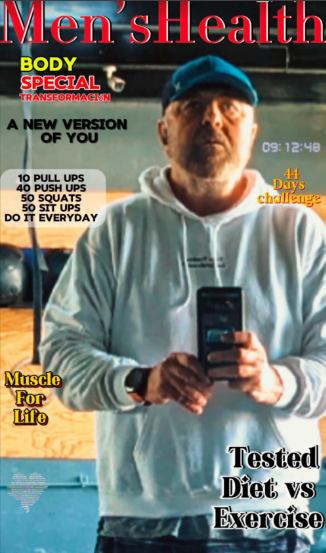
Hitting the reset button, again …

Freedom is great… but it turns out accountability pairs nicely with vegetables.

Traveling solo and being single is a great way to learn just how little supervision I actually need—and how badly I sometimes need it anyway.

Balanced meals become a suggestion, vegetables go missing in action, and there’s no one around to question why dinner is beer with a side of “I’ll fix this tomorrow.”


The upside is total freedom. The downside is realizing I am not, in fact, the responsible adult I thought I was, and carbs are my enemy!

The extra weight didn’t just sneak up on me—it kicked the door in, sat on my couch, and aged me ten years out of spite.
And the “just for men” look somehow makes it even worse—like I’m both the problem and the person who signed off on it.

I’ve been both versions of that guy more times than I can count. I buckle down, lose the weight, feel great… then get comfortable and slowly put it back on—sometimes a little, sometimes impressively.

Every time, I confidently declare, “This time will be different.”

And look—I know the track record. I’m fully aware of the evidence.

But still… THIS TIME WILL BE DIFFERENT.

THIS TIME WILL BE DIFFERENT! 😁

There’s a saying: “You can’t outwork a bad diet.”
For me, that couldn’t be more true.

I’ve walked, run, hiked, biked, paddleboarded…
Paid for gym memberships most of my adult life when I wasn’t traveling…
Bought treadmills, steppers, rowing machines, weights…

I’ve also thrown away—or quietly watched expire—more supplements than I will ever admit to owning.

Thousands of dollars.
Endless effort.
All expertly undone by travel, convenience, beer, and the magical thinking that calories don’t count when you’re moving.

I didn’t lack discipline.
I lacked consistency… and apparently vegetables.

And yet—here I am again, staring down the same cycle, saying it with full confidence and zero shame:

THIS TIME WILL BE DIFFERENT.

(History suggests otherwise.
Optimism insists otherwise.
We ride at dawn.)

In the summer of 2025, I finally put myself in a timeout and decided to combine everything I’d learned over the years—plus one major change.

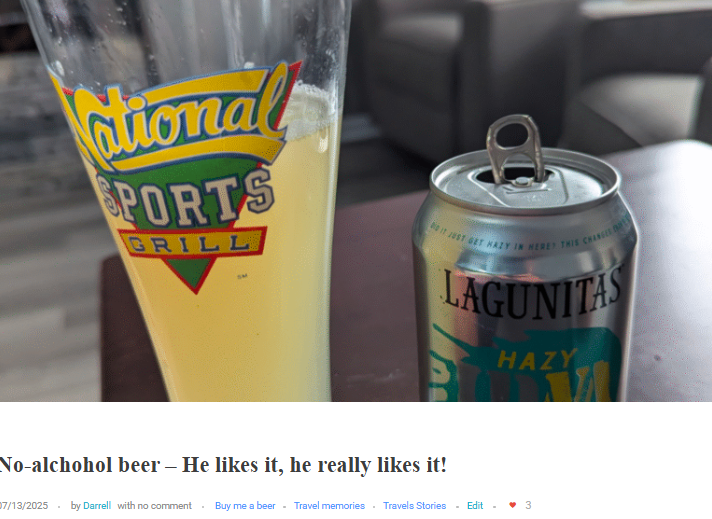
I quit drinking and traveling.

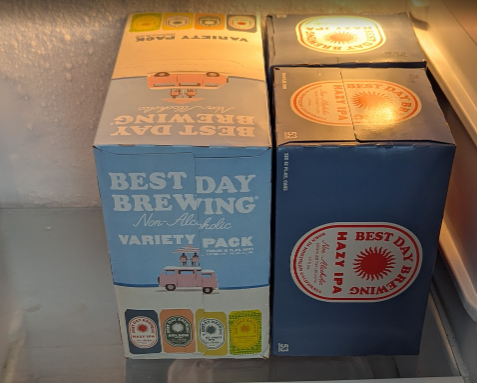
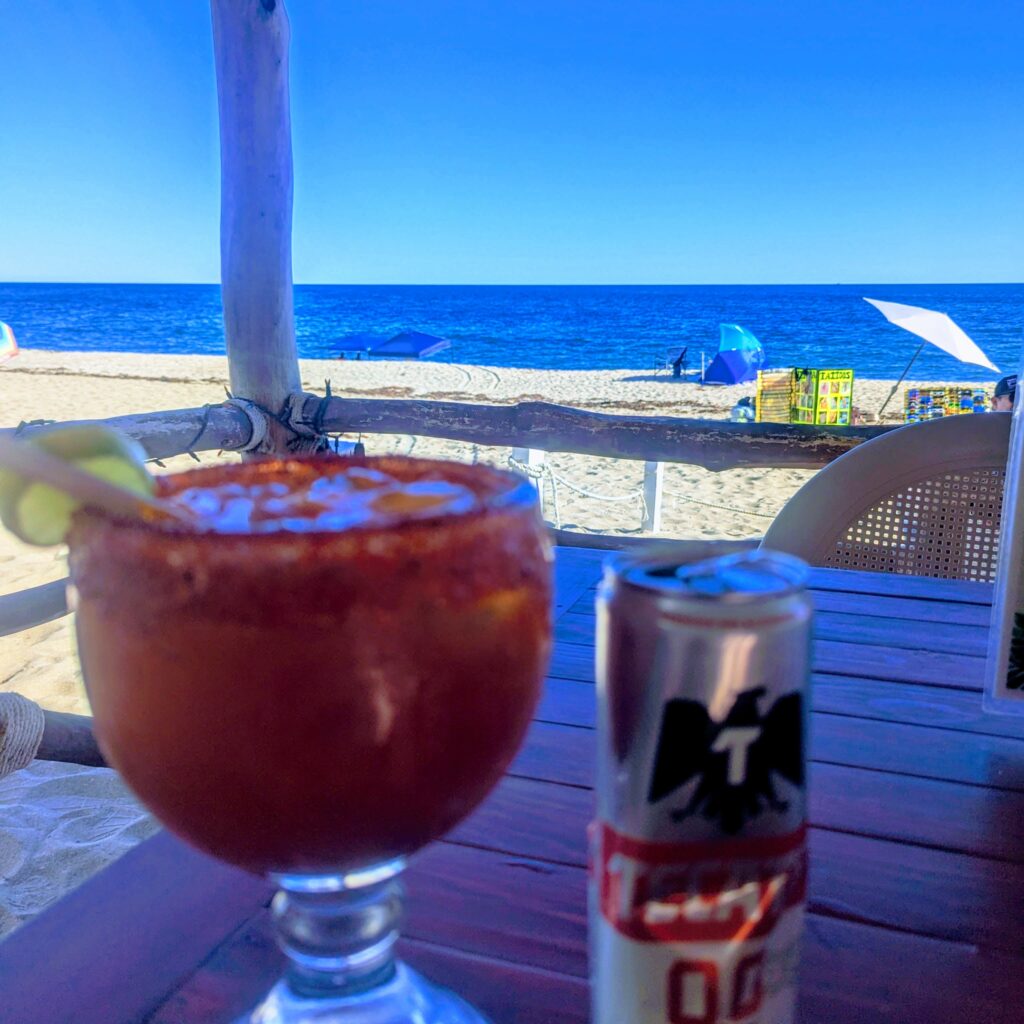
Well… I switched to non-alcoholic beer and still went to Mexico—but that version doesn’t sound nearly as dramatic, so we’re going with the first one.

Still, the intent was real. Fewer excuses. Fewer resets. More structure. Turns out removing just one bad habit makes all the other “this time will be different” promises slightly less fictional.

Progress, not perfection. Even if I had to negotiate the terms.

Check out the non-alcoholic beer blog by clicking HERE!

(I review and list all of the best NA beers; take a look if you would like to see them.)

There is zero doubt in my mind that this is a life changer for me! The IPAs are decent, half the calories and do not fuck me up! LOL
Good lesson and the punishment fit the crime!

Here was my daily schedule for almost three months:

Wake up at sunrise and blog and YouTube until 9 AM. ✅

One homemade latte to kind of break my fast. ✅

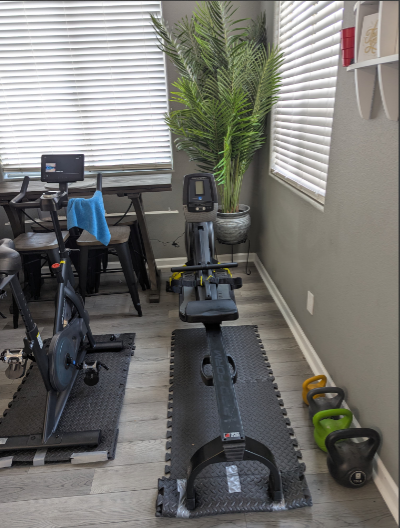
Stationary bike and row for one hour at home. ✅

Spend 2-3 hours at the gym/spa. ✅

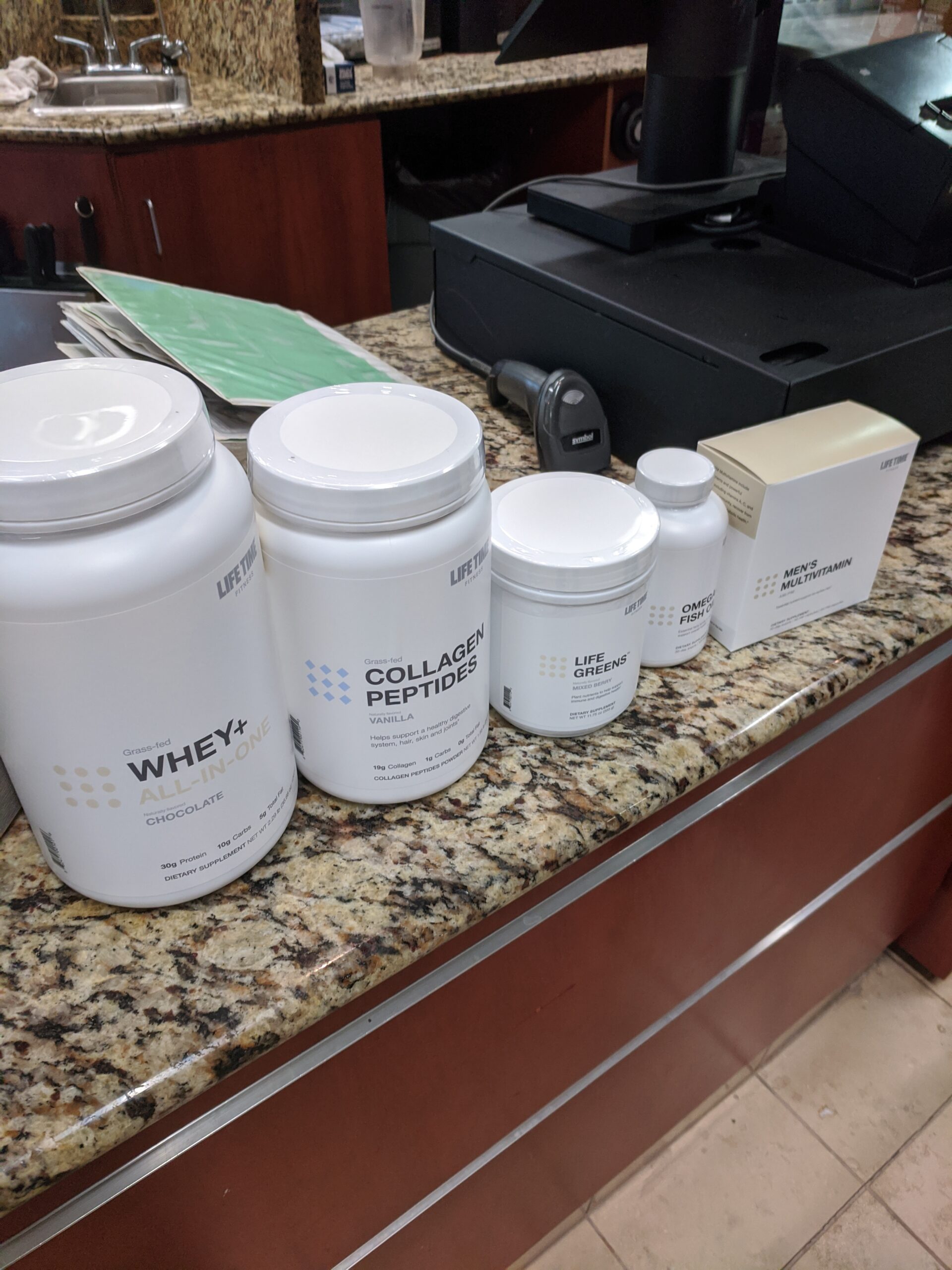
Get home, make a protein shake, and take my supplements. ✅

Eat my only meal between 3 PM and 5 PM as part of intermittent fasting. ✅

Drink non-alcoholic beer in the evening and watch a ball game a few times a week. ✅

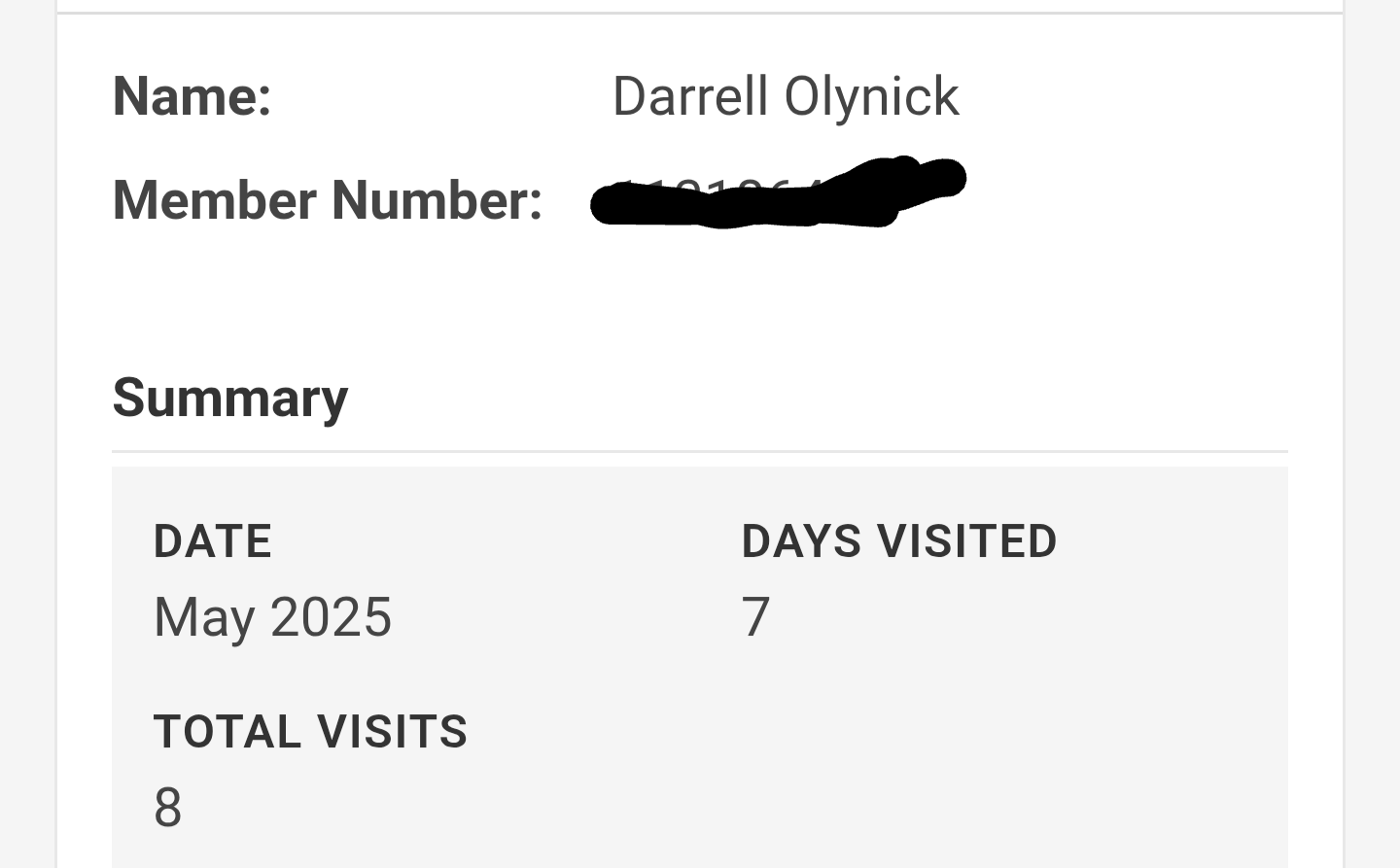
I did have a few couch days, but kept track of my gym progress diligently, which is key for me! ✅

(I followed the above to a “T” on gym days shown below)

I had fun telling the Mexico border agent it was no alchohol beer. I did not have to pay tariffs or import taxes. It worked!!
l8

London, England pubs!🍻🐟🍟😎

Getting to London from home in Phoenix is shockingly inexpensive on Norse Atlantic Airways.

And cheap flights change everything.

They turn vague ideas into actual plans.
Plans into movement.
Movement into blog posts…

…and, inevitably, into mildly annoying social media updates you didn’t ask for—but are definitely going to see anyway.

I wrote a full blog post about Norse that you can read by clicking HERE, because yes—cheap transatlantic flights are real, and no, it’s not a scam (I checked).

To get to LA cheaply, I use Google Travel, which I also blogged about HERE, because step one of international travel is not overpaying just to leave your own country.

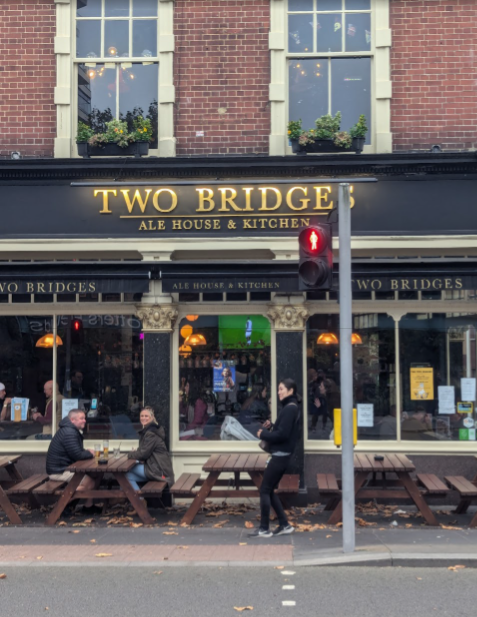
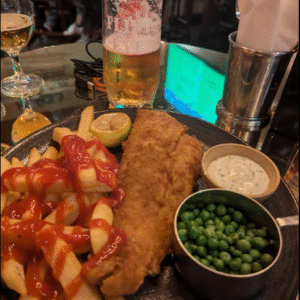
And once you land? A proper plate of fish and chips with a cold beer at a London pub is way cheaper than you’ve been led to believe—especially if your reference point is North America, where you apparently need a small loan to eat out.

I was able to visit London twice in 2024 and I’m headed back again in September 2025. I’d been to London a few times before that, and it’s always been a great experience—familiar, lively, and endlessly walkable.

That said, it felt a little different this time. Landing without Queen Elizabeth II around gave the city a subtle but noticeable shift. London was still London, but the sense of continuity she represented was quietly gone.

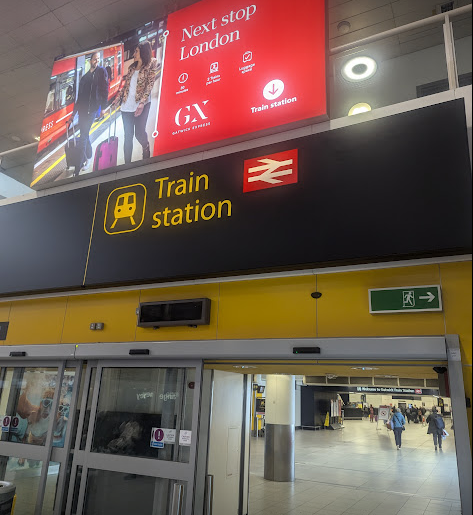
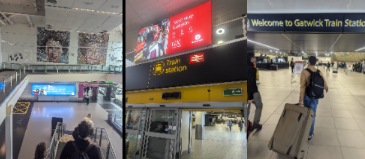
On my last visit, I was just passing through on a layover. I took the train from Gatwick Airport into the city and hopped off at London Bridge station. Even with limited time, stepping into central London felt like reconnecting with an old friend—familiar streets, constant motion, and that unmistakable energy that never really shuts off.
London changes, but it somehow stays the same. That’s part of what keeps pulling me back with the inexpensive flights.

You can catch the Gatwick Express from the luggage area after clearing customs. 🛃

It is a hassle-free way to get to the action and back to the airport. Tickets are available online or on the platform for about $24 USD one way.

Just like everything else in London, Uber is very expensive!

After I got off the tube, I walked over to Tower Bridge, which was neat to see again—one of those sights that never really gets old, no matter how many times you’ve been to London.

And yes, London Bridge is right there too. I checked. I can confirm it was not falling down, falling down… despite what the song would have you believe 😄

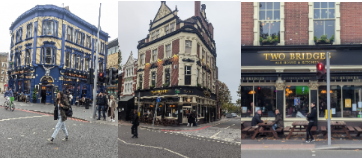
These are a few shots I took of typical London pubs, which seem to exist on just about every corner. No matter the neighborhood, there’s always a local pub tucked into the streetscape—part gathering place, part landmark, part living room for the city.

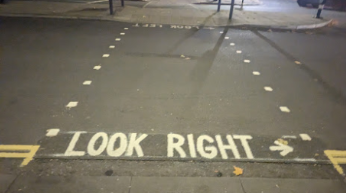
One thing that always trips up visitors to London is traffic flowing in the opposite direction. It sounds obvious, but muscle memory is powerful. You’ll notice “LOOK RIGHT” painted at crosswalks for a reason—and I very nearly learned that lesson the hard way on my first visit.

London does its best to warn you. You just have to remember to listen… before stepping off the curb.

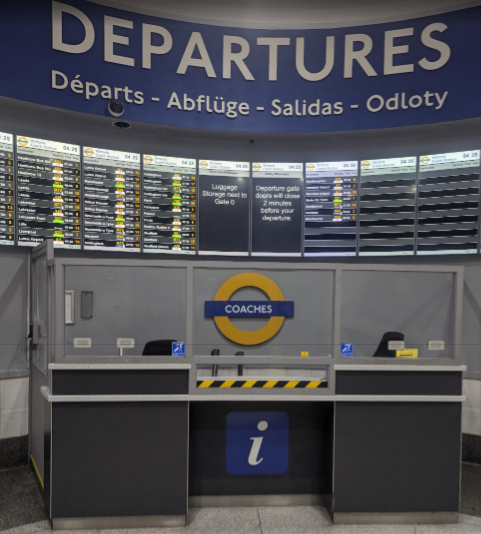
I was only in London overnight, with an early morning flight out to Istanbul. With an early bus ride back to the airport, there wasn’t much point in pretending it was a proper stay.

So I did what seasoned travelers do—I grabbed a short nap at the airport, watched the place slowly wake up, and had a quiet morning beer before settling in for the long flight to Turkey.

Not glamorous.
Not rushed.
Just one of those in-between travel moments that somehow stick with you.

If you want, I can also share maps or pub-crawl routes (historic, classic London, best for beer, etc.) to pair with your travels! 

https://chatgpt.com/share/69477321-9558-800b-90da-9f39a9b228f9