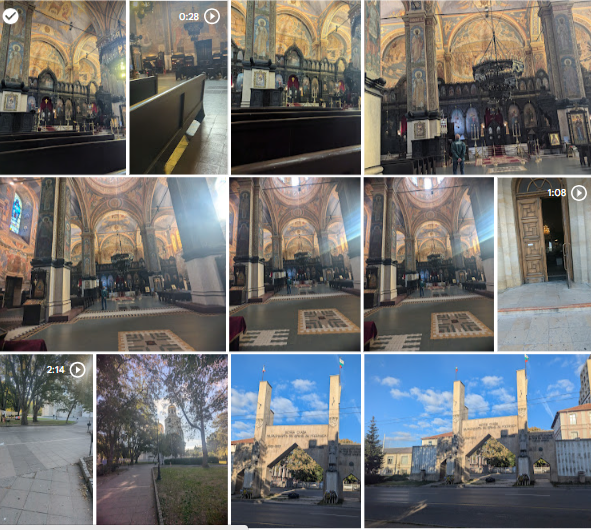
eurorail2

Eurorail-10 day pass CANCELLED!

I’ve bought three Euro rail passes so far.

2 of 3 have now been cancelled and refunded!

(Make sure you buy the cancellation insurance).

It has become obvious that Europe in general is not affordable for my adventures.  I have turned my attention to the Philippines and Asia in general.

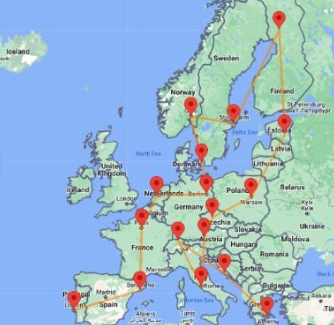
Here WAS the plan when I bought the THIRD pass before cancelling AGAIN:

The first two months/ten-day pass I canceled—I was burned out on Vietnam train travel.

The second, a one-month pass, I actually used, which immediately justified the obsession. (Portugal, Poland, the Czech Republic, Germany, Italy, Switzerland, France, and the UK)

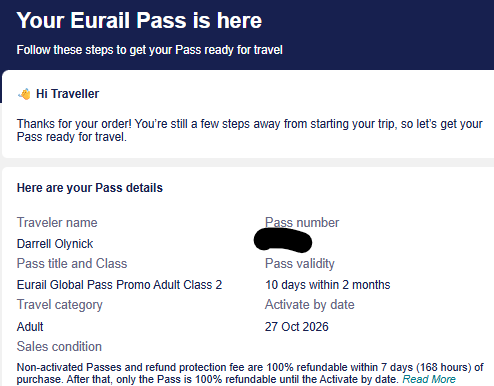
And now I’m already planning number three, a ten-day over two-month pass for a late 2026 adventure.

At this point, it’s not even about spontaneity—it’s about saving stupid amounts of money with the possibility of dropping pins across 33 countries in Europe.

Trains beat planes in Europe, bags don’t cost extra, and the scenery alone makes it feel like I’m hacking travel.

Traveling with financial responsibility, but make it European. 🚆😏

The pass I used in 2025 turned out to be so awesome that when it went back on sale, I didn’t hesitate—I booked another one immediately.

When something actually delivers on its promise and fits your travel style, the decision makes itself.

I’m not entirely sure how it will all unfold—I just know that late 2026 is going to involve seeing a lot more amazing places by rail throughout Europe.

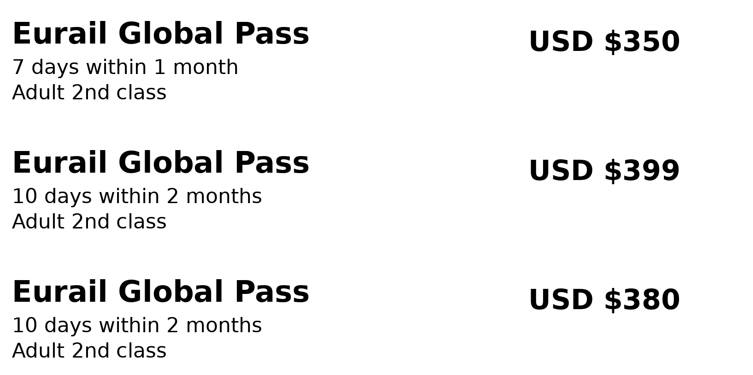
These rail passes go on sale 25% off fairly often, and when you run the numbers. It works out to less than $50 a day to ride the train for up to 24 hours at a time for ten days over two months.

My cheap ass took the train from Venice to Paris in a single day.
Fourteen-plus hours. Multiple connections. Less than $50.

Could I have flown? Of course.

But the quiet satisfaction of watching entire countries slide by looking out the window was mesmerizing.

Honestly, it wasn’t even that bad. Comfortable seat, snacks, scenery, and a beer cart. 

I’m fairly certain I can push this to 16+ hours next time just to prove a point.

At this stage, European rail isn’t transportation—it’s unlimited adventure at my fingertips!

thinner

15 Countries visited in 2025📍🌎😎

2025: My first full year taking a run at retirement!

2025 turned out to be my most traveled year ever—and somehow, I feel that I’m just getting started.

January – Vietnam
(HCMC, Nha Trang, Da Nang, Hoi An, Hue, Phu Quoc)

February – Cambodia & Thailand
(Siem Reap, Phnom Penh, Bangkok, Koh Samui, Koh Phangan, Koh Tao)

March – UK & Europe
(London, Greece, Iceland, Poland, Germany, Czech Republic, Switzerland, Italy)

April – October–US & Mexico

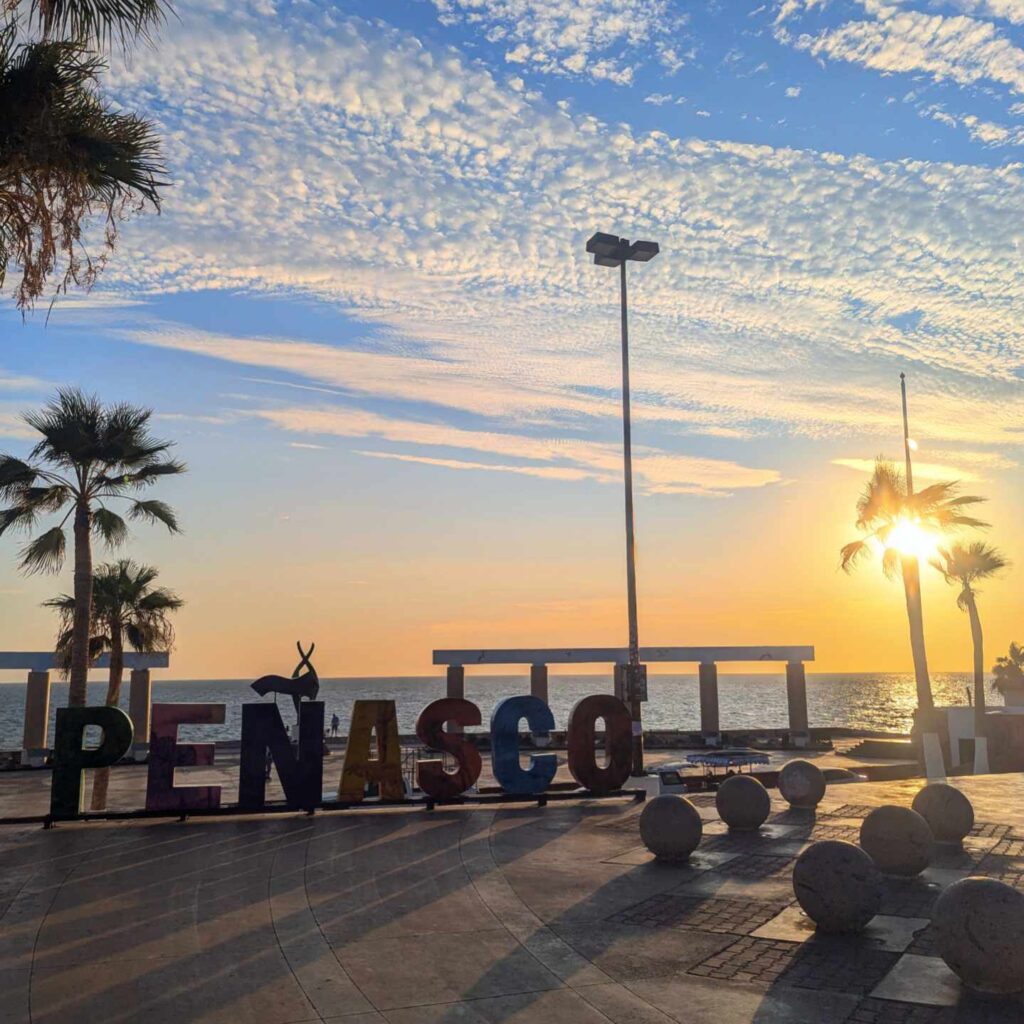
(Mesa and Rocky Point—two incredible home bases)

November & December – SE Asia
(Hanoi, Kuala Lumpur, Bali)

Every trip felt different. Every move resets my brain. And somehow, it all worked out absolutely perfect!

2026: Already Booked (Of Course It Is!)

January to mid-April
Mexico, Canada, Japan, South Korea, Philippines

May to October (Homebases in Mesa/Mexico)

Volaris + Frontier all-you-can-fly chaos—route TBD, cheap is guaranteed

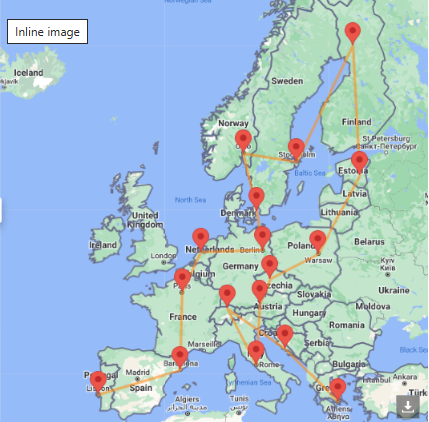
Nov and Dec– Europe by Rail-pass

Sweden, Finland, Norway, Denmark, Netherlands, Southern Spain/Portugal

Eastern Europe is still being self-negotiated with my grade-three attention span.

default

Paris and London – 100% tourist mode!

The days were officially counting down, and I needed to start migrating toward London for my 9:00 AM flight back to Arizona on September 28th, 2025.

This was immediately after I’d just crushed a bucket-list item in Venice, which—geographically speaking—put me on the wrong side of Europe for someone trying to go home.

The plan was simple and therefore doomed:

get closer to Paris, then slide into London like a responsible adult traveler.

The Universe, however, had other plans.

I missed a connection.
Fourteen-plus hours later, I found myself on a first-class high-speed train—not because I planned it, but because exhaustion, fate, and poor timing had teamed up against me.
Sometimes luxury isn’t a choice.
It’s a consequence.

My September 2025 European tour both started and ended in London. I passed through on September 1st on my way to Faro, Portugal, and returned at the end for less than 24 hours after bailing on Paris early.

I’d been to Paris about 20 years ago, and it only took about an hour to remember why it’s not for me. If you don’t speak French, people can be rude—I experienced that almost immediately while trying to buy a train ticket. Apparently asking for a ticket in English is a bold move.

If you love Paris (like my very fashion-conscious niece Amber), check out Norse Airlines—they’ll get you there cheaply. If you’re more like me, grumpy and impatient, plan a short visit and bail early.

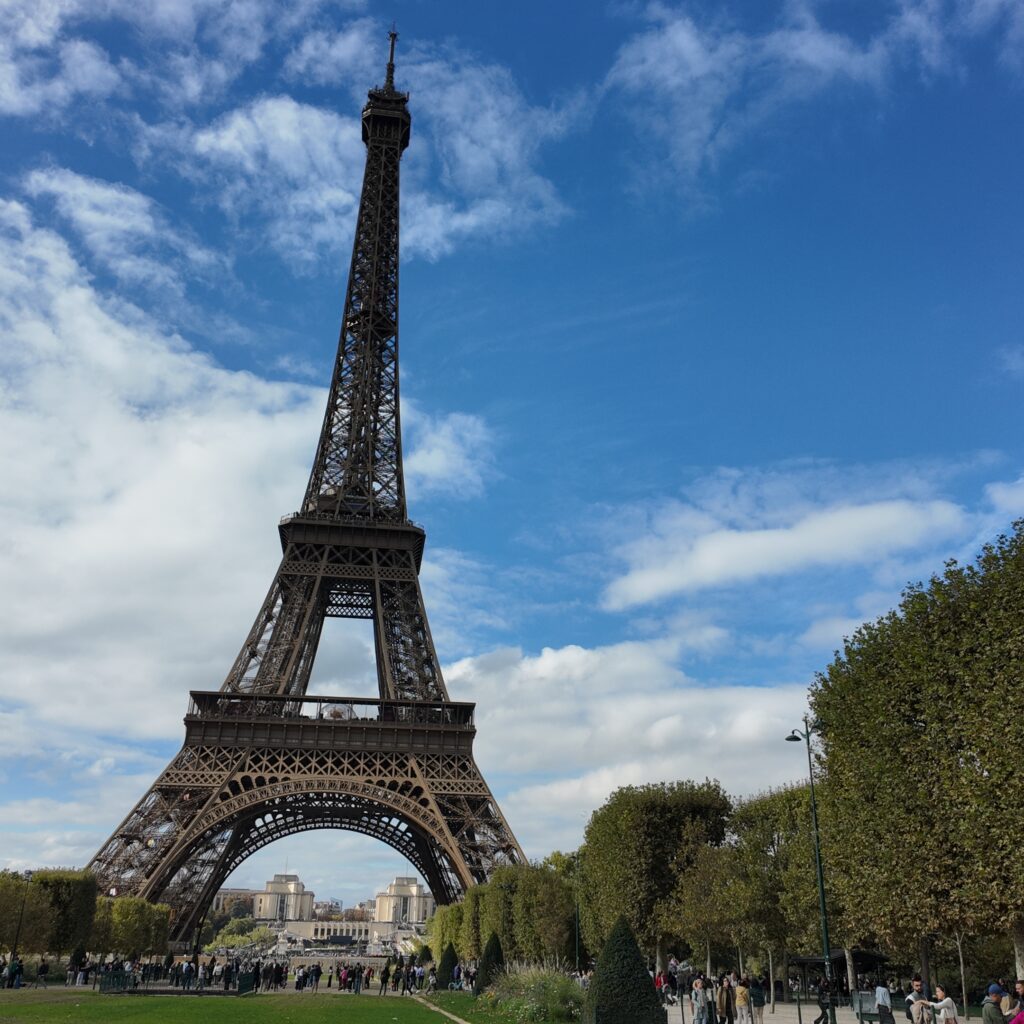
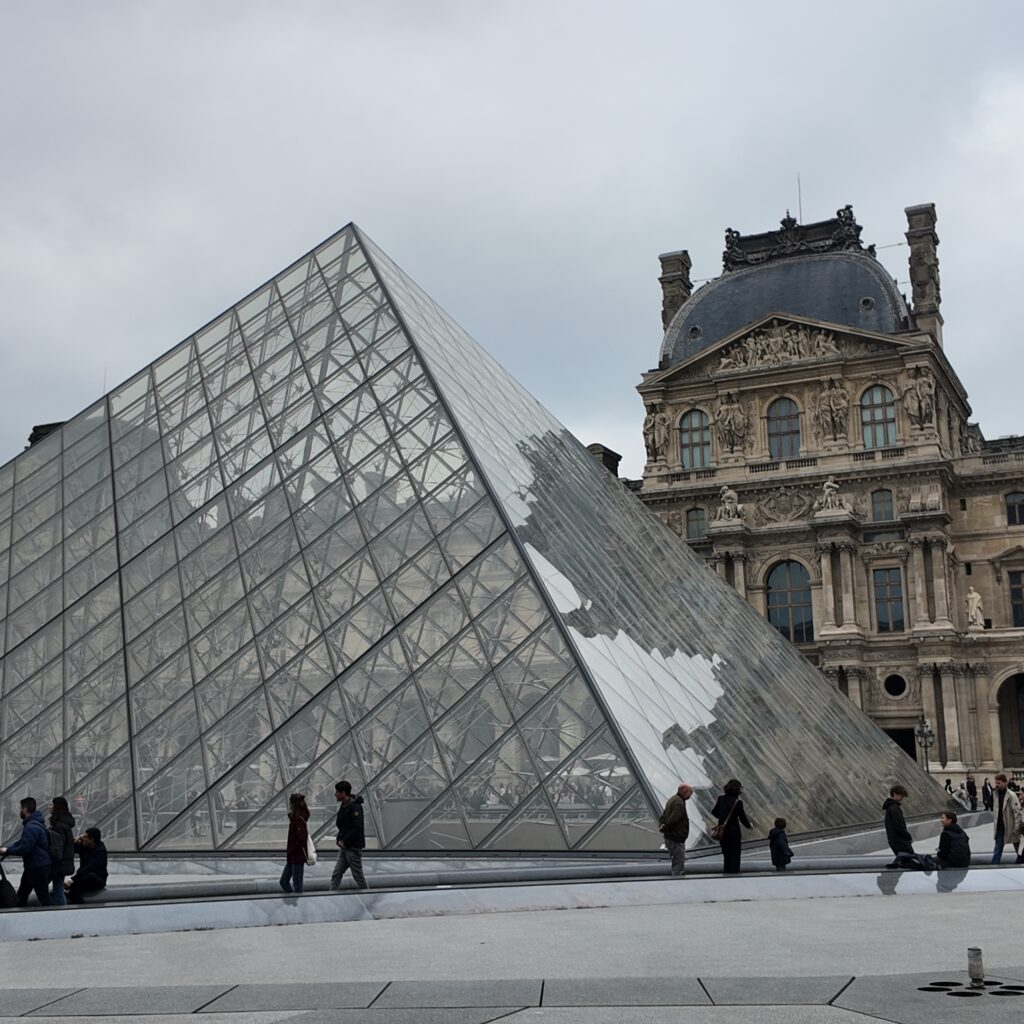
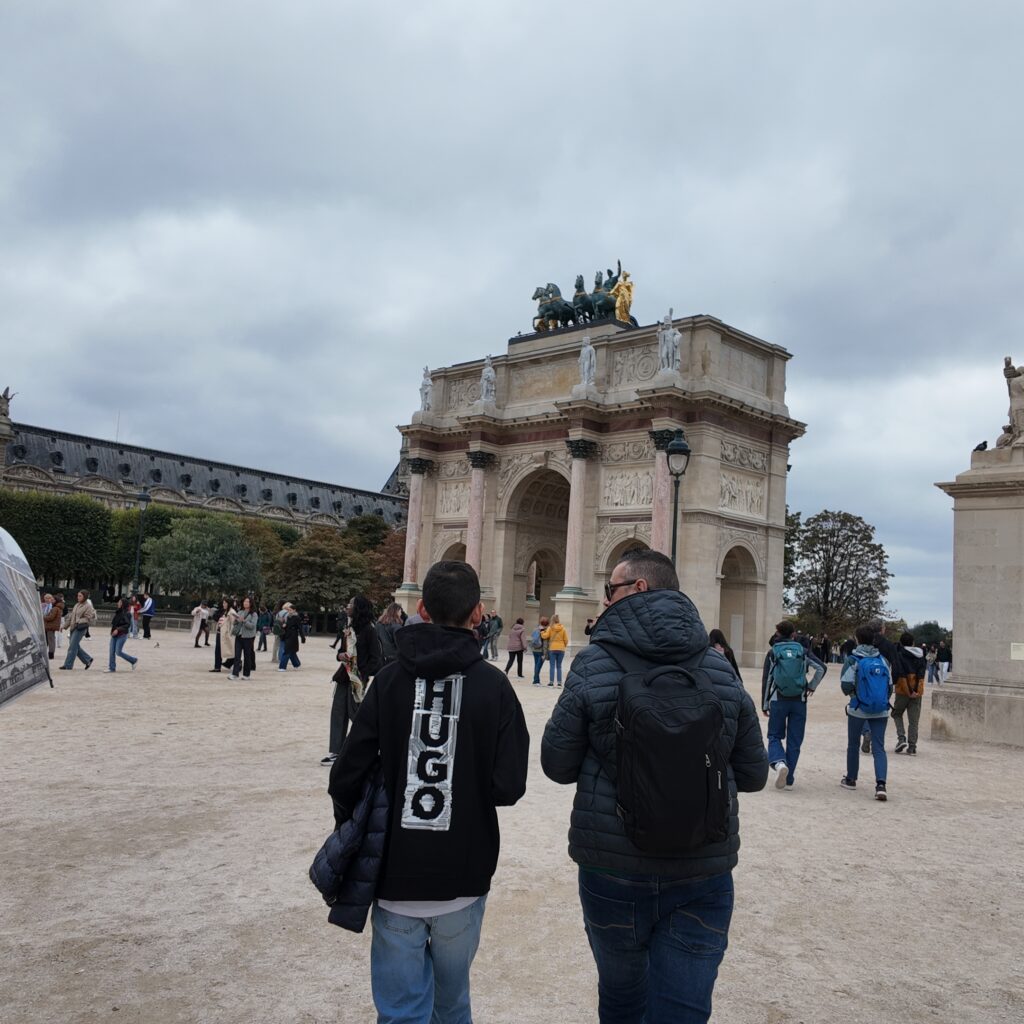
Below are a few photos from my brief stay in Paris—the week before the Louvre was robbed. I swear it wasn’t me. 😄

Eiffel tower ✅

Louvre ✅

Arc de Triomphe ✅

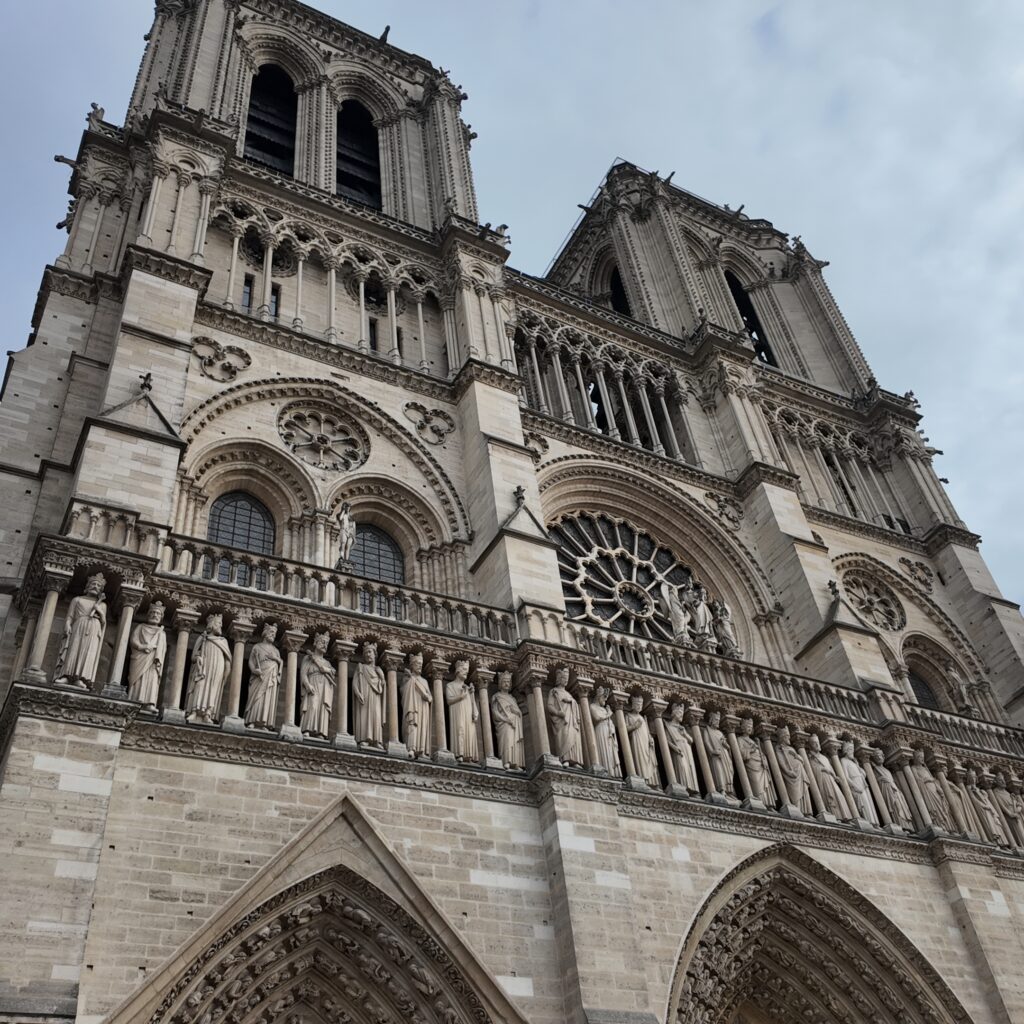
Notre Dame ✅

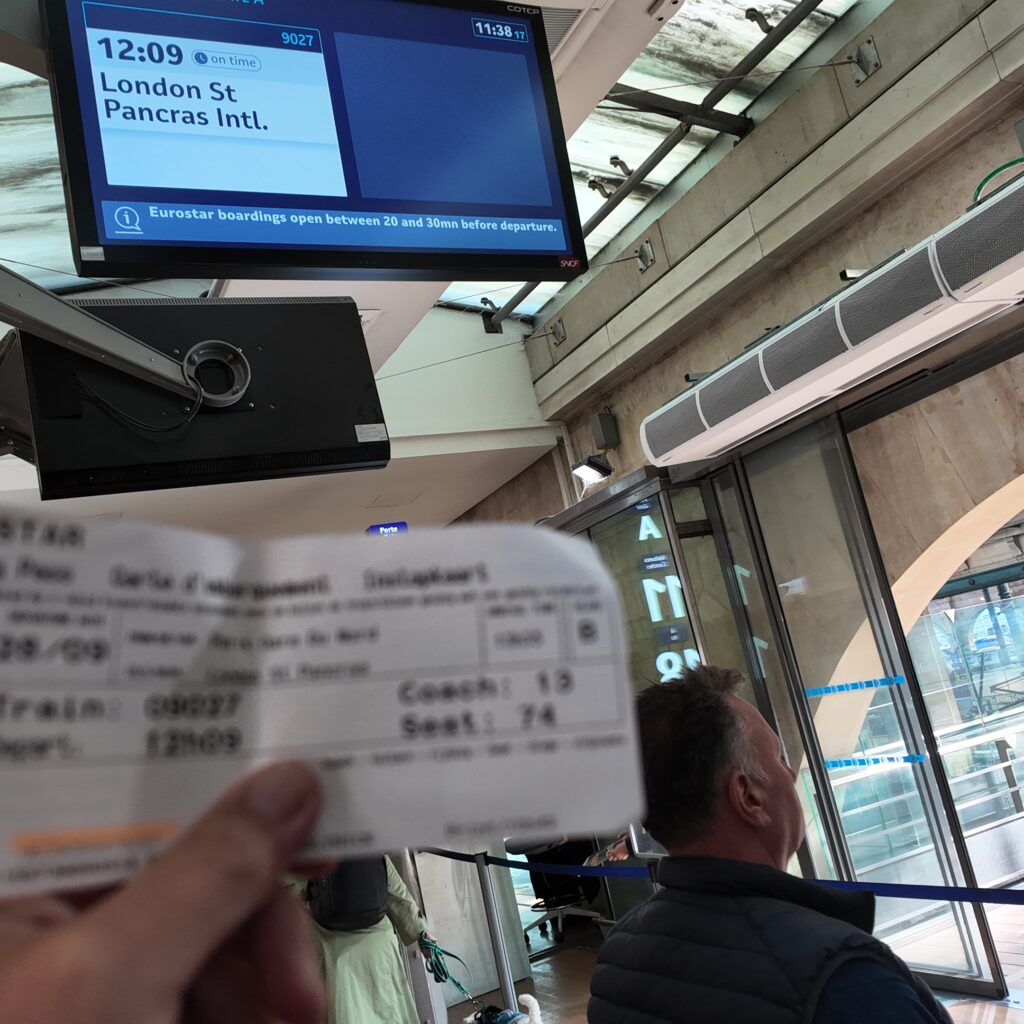
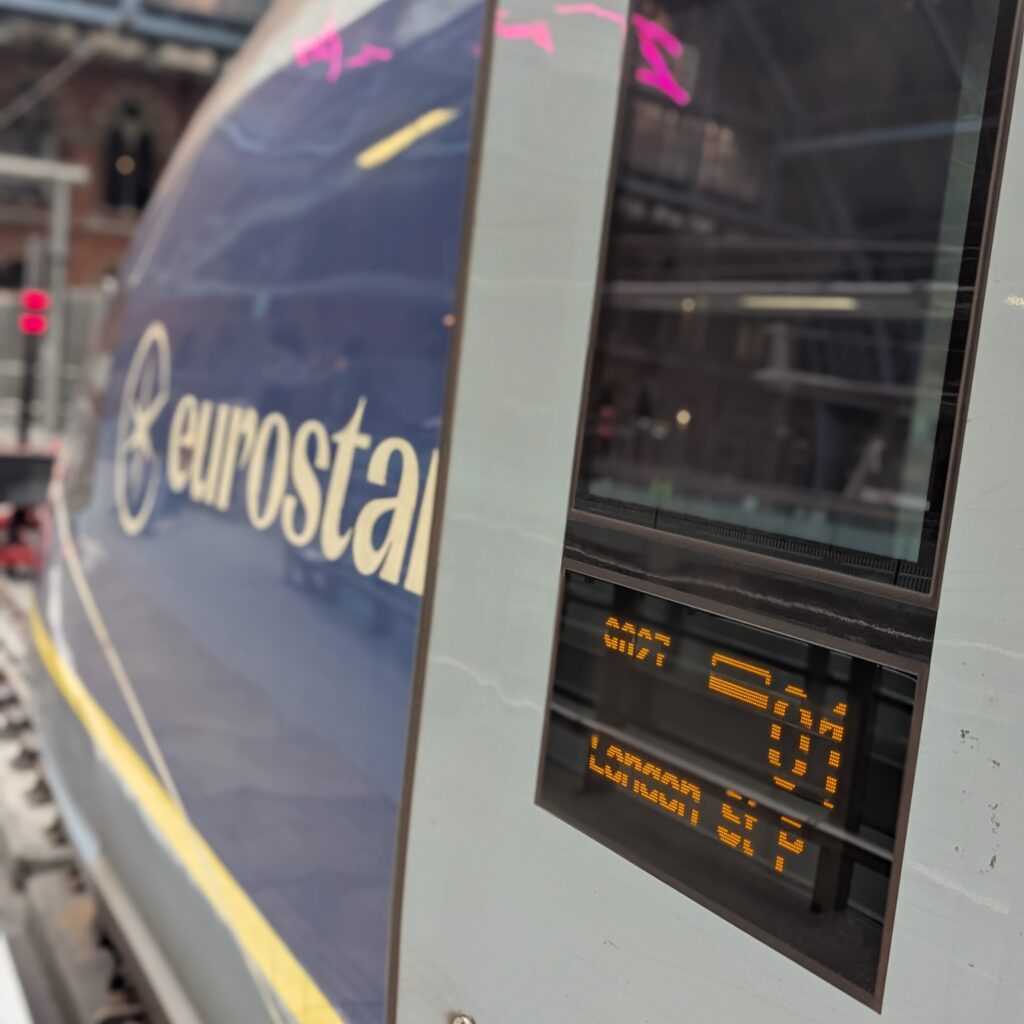
Train station to get to the Chunnel to London ✅

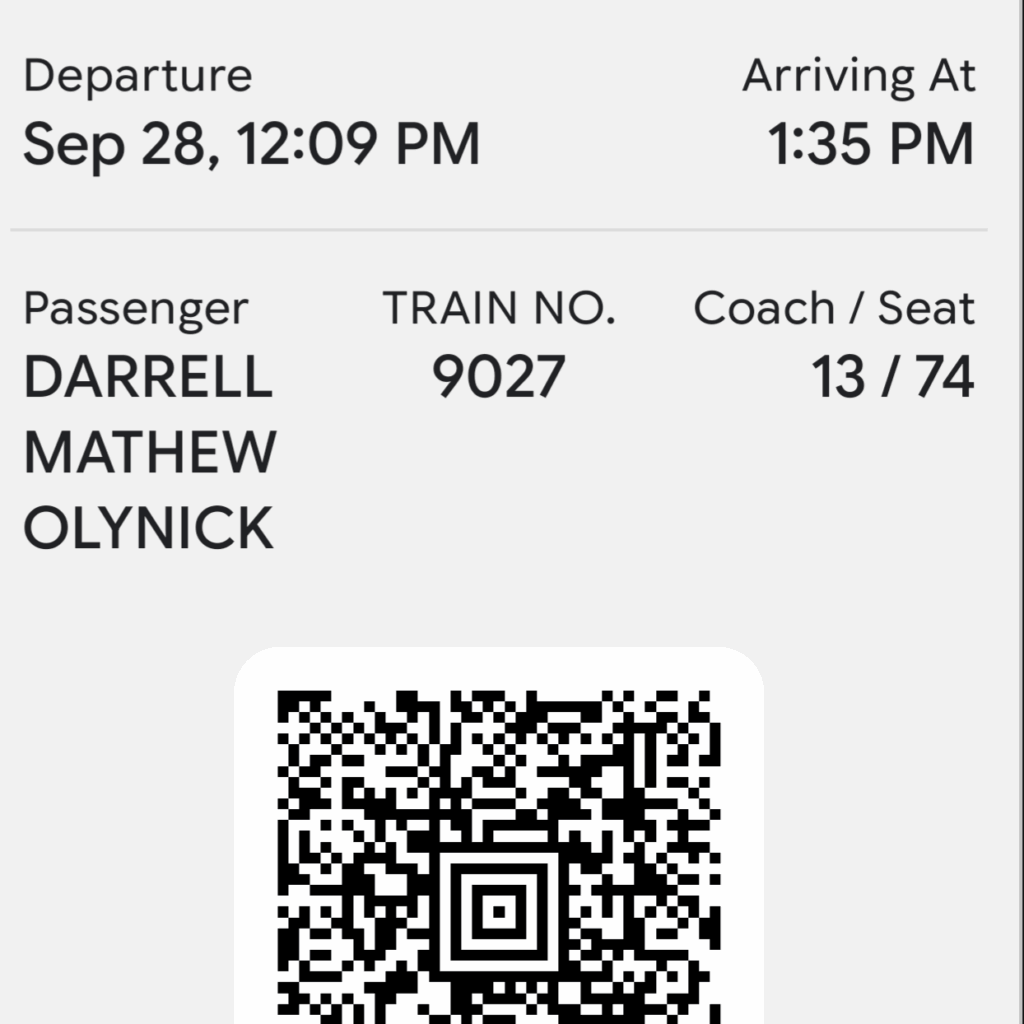
The high-speed Eurostar train between Paris and London is fantastic. It feels a lot like flying—security, early arrival, the whole routine—but it’s far more convenient than actually getting on a plane and dealing with an airport.

First things first, every time I arrive in London: 

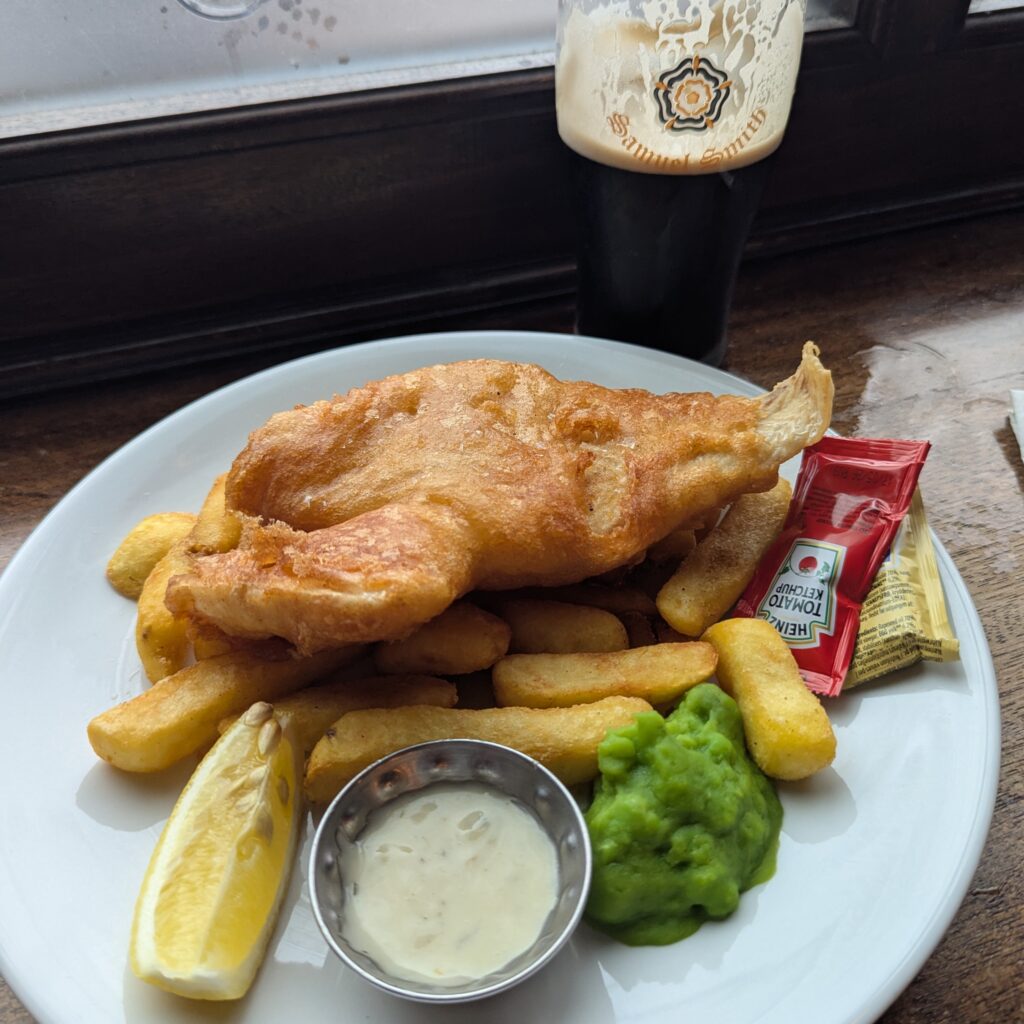
I find a pub, order fish and chips, and grab a cold pint. It’s not cheap—fish, chips, and a beer run about $40 USD—but it’s worth it every single time.

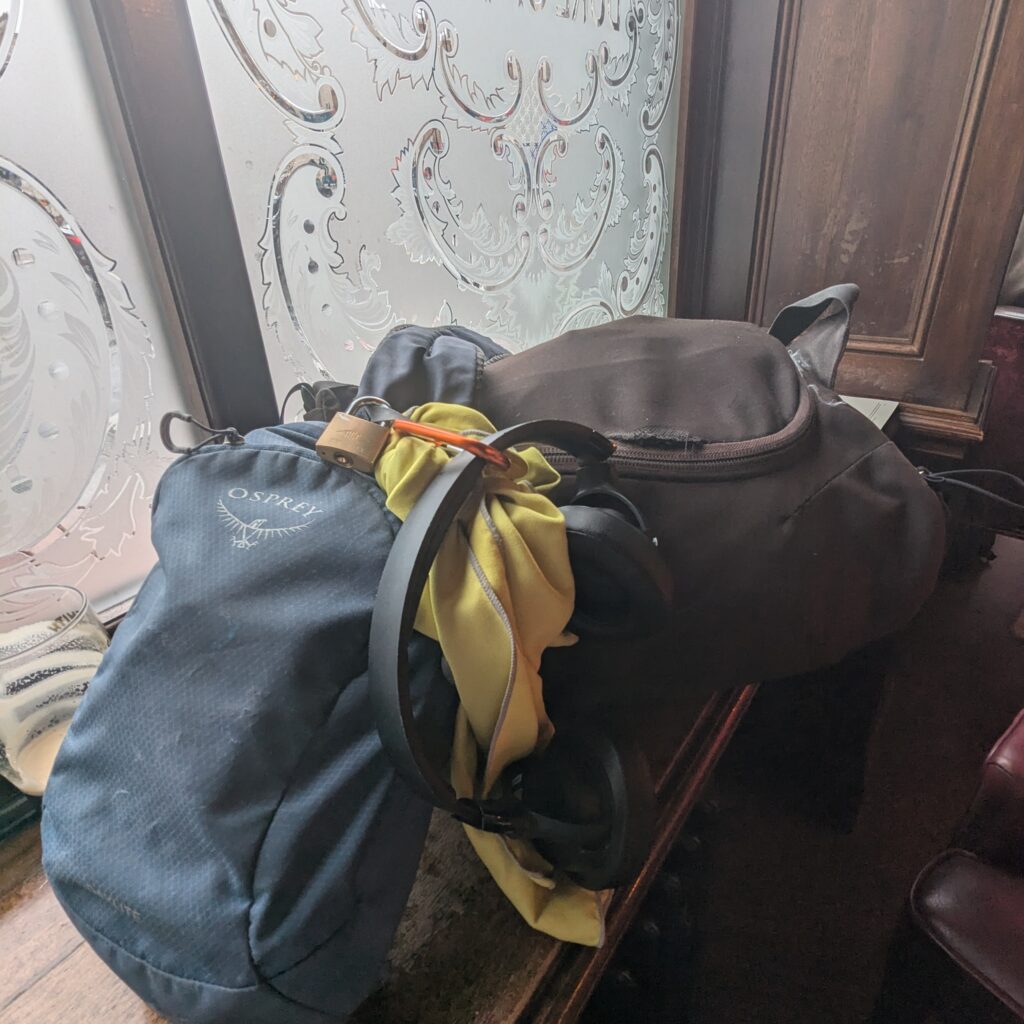
Check out how light I pack!

I landed in London at 2 p.m. and left the next morning, which meant attempting to see the entire city in under 24 hours. I did as much tourist stuff as humanly possible, and by the time I boarded my long flight home, I was running on fumes.

Fish and Chips ✅

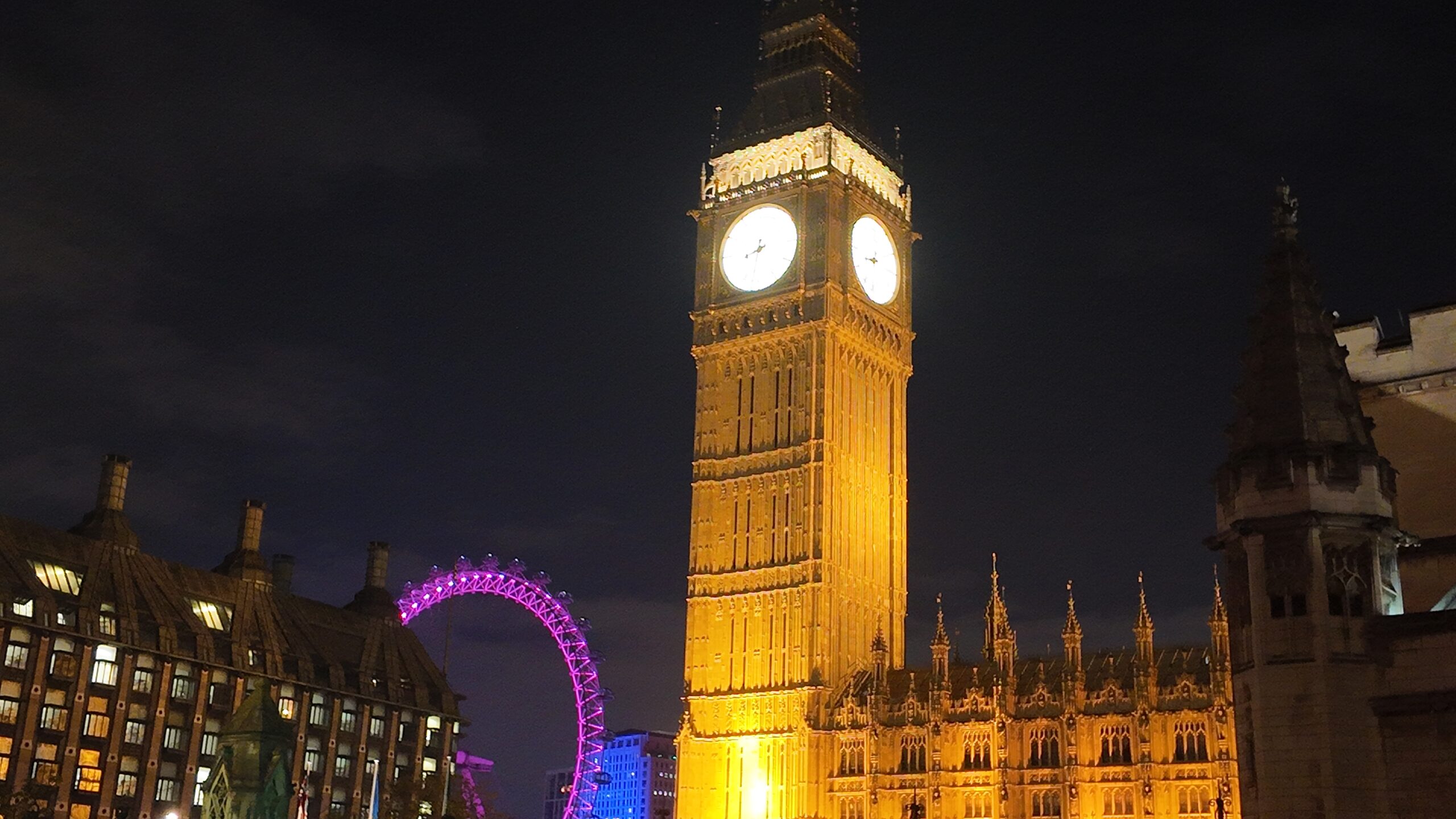
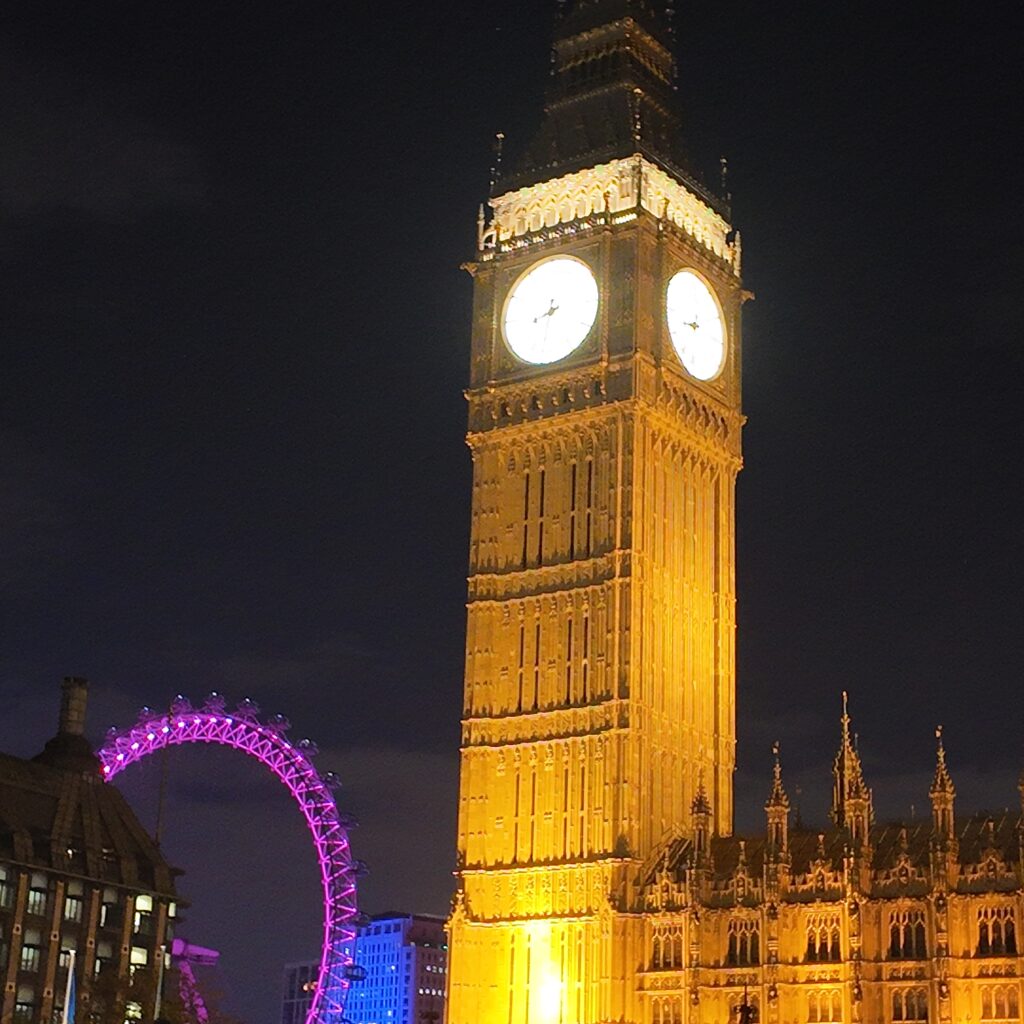
Big Ben✅

  London Eye ✅

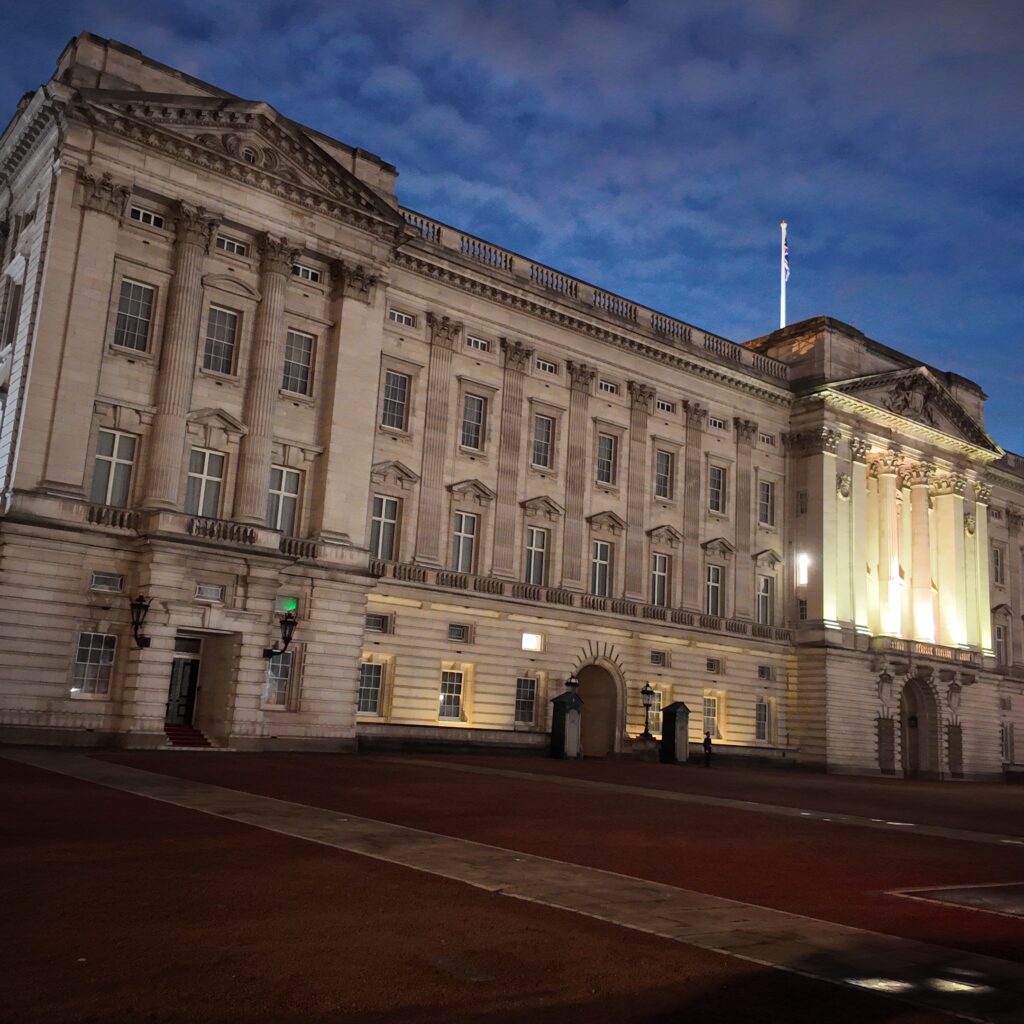
Buckingham Palace ✅

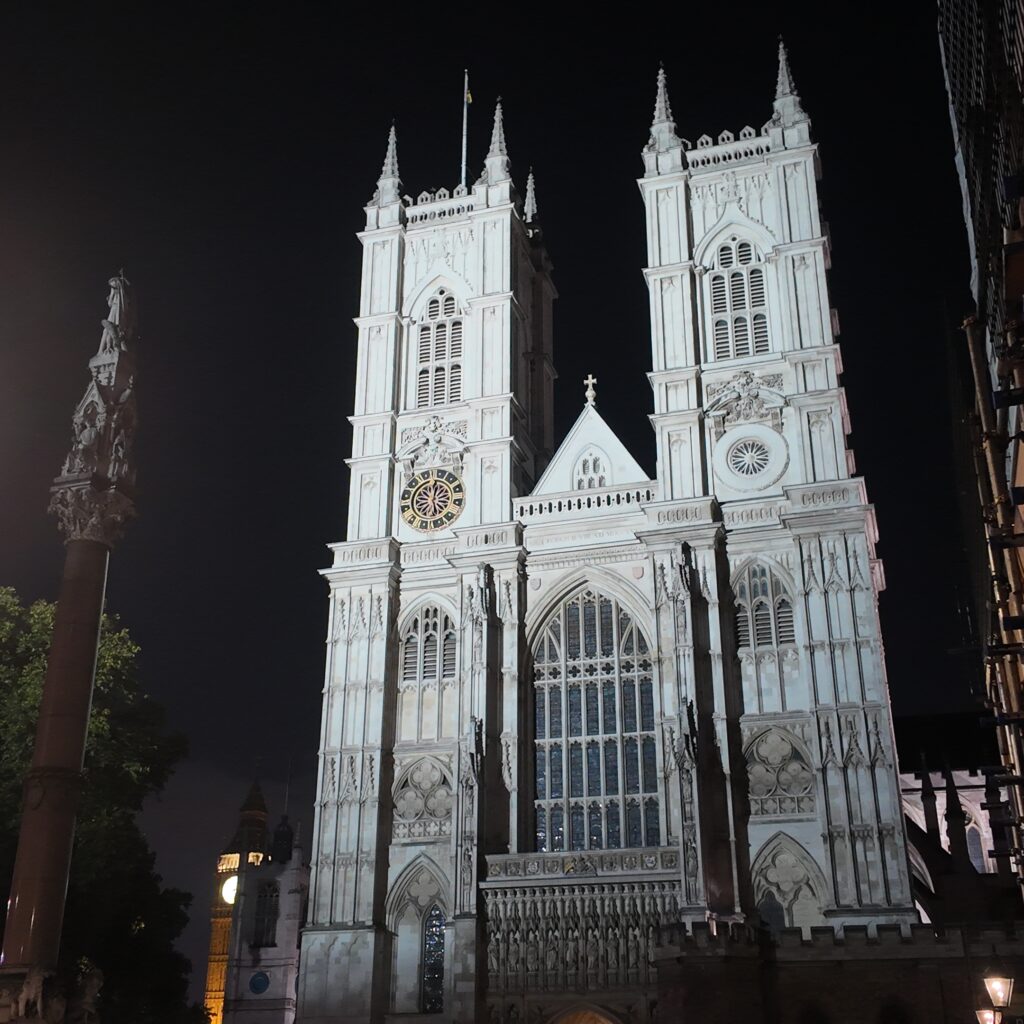
Westminster Abbey✅

Mission accomplished! đŸ™ŒđŸ»

I racked up over 25,000 steps, took a nap that felt more like a system reboot, and then dragged myself back toward Arizona. Planes, trains, and automobiles—because apparently, I enjoy suffering in multiple forms of transportation to save a dime ..

âœˆïžđŸš…đŸš—

Paris to London train ✅

London to Los Angeles flight ✅

Los Angeles to Phoenix rental car ✅

eBiked home from rental car drop-off. ✅

I can’t even begin to calculate how many miles I traveled last week—and honestly, ignorance feels healthier.

Czech Republic to Germany (Oktoberfest on September 20, because of course), then Switzerland, Italy, France, London, and finally back across the pond on September 28.

At this point, my passport deserves a nap, my legs are filing a formal complaint, and my internal clock has completely resigned.

default

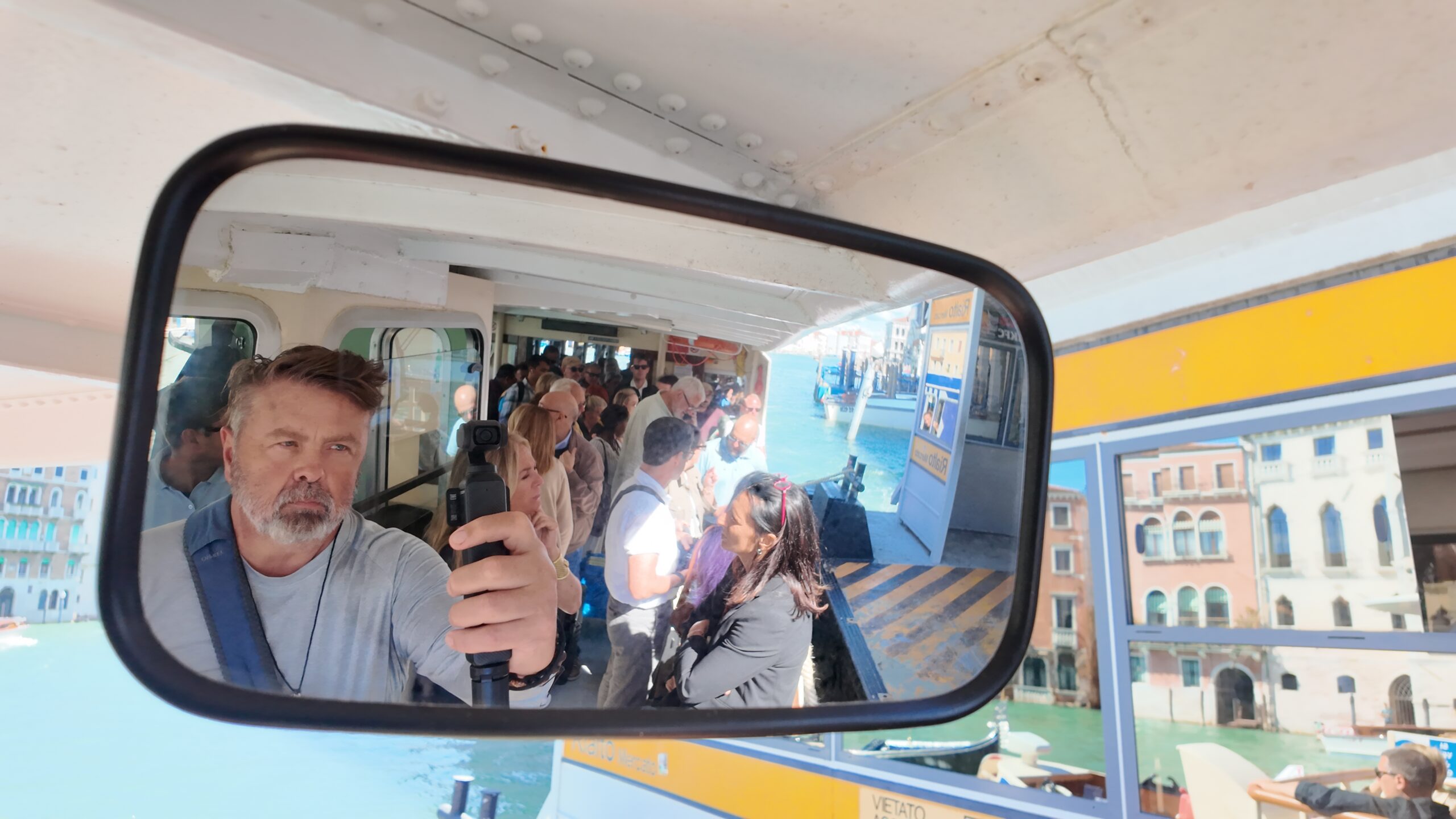
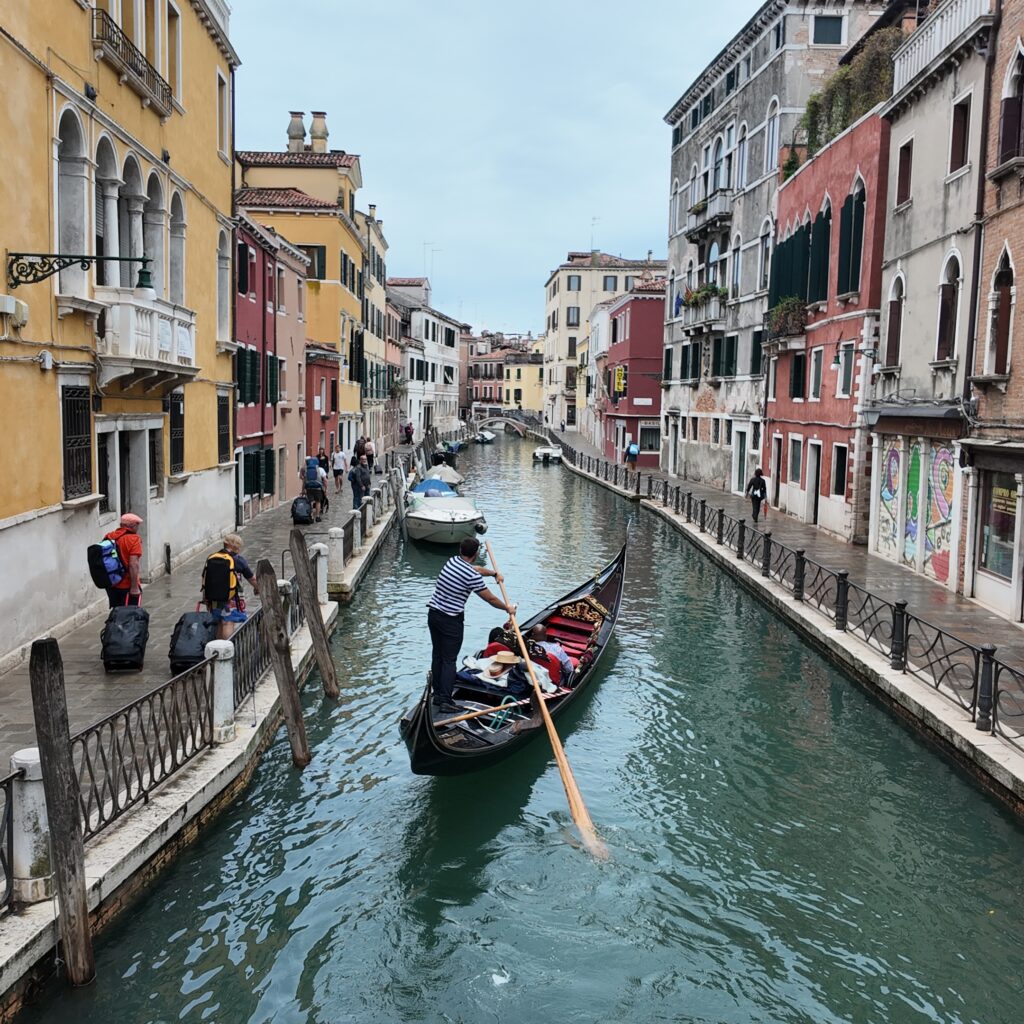
Venice, Italy – The Grand CanalđŸ›¶đŸ·đŸ‘đŸ»

I somehow managed to miss Venice the last time I was in Italy, so this time I overcorrected—with a casual 14+ hours on a train to make sure it happened.

To be fair, the journey was actually pretty incredible. We cut through a different part of Switzerland on the way to Milan, which would’ve been great if Milan hadn’t been in full Fashion Week mode. After about five minutes of that chaos, I was very happy to hop on the short train ride to Venice.

After that marathon travel day, my first Venice memory was asking someone in the train station, “Where’s the Grand Canal?” He pointed to my left and said, “You mean that one?”

Turns out the Venice Santa Lucia train station is literally sitting on the canal. Subtle city, Venice. Very subtle.

One of the things that completely blew my mind about Venice is that the water is the road. No streets—just canals. Water taxis, delivery boats, construction barges
 and yes, I even watched a casket float by with the family following along as part of a funeral.

It’s strangely beautiful and slightly surreal, and somehow all of it works. Watching everyone calmly navigate canal “traffic” like it’s rush hour on Main Street was one of the coolest parts of being there.

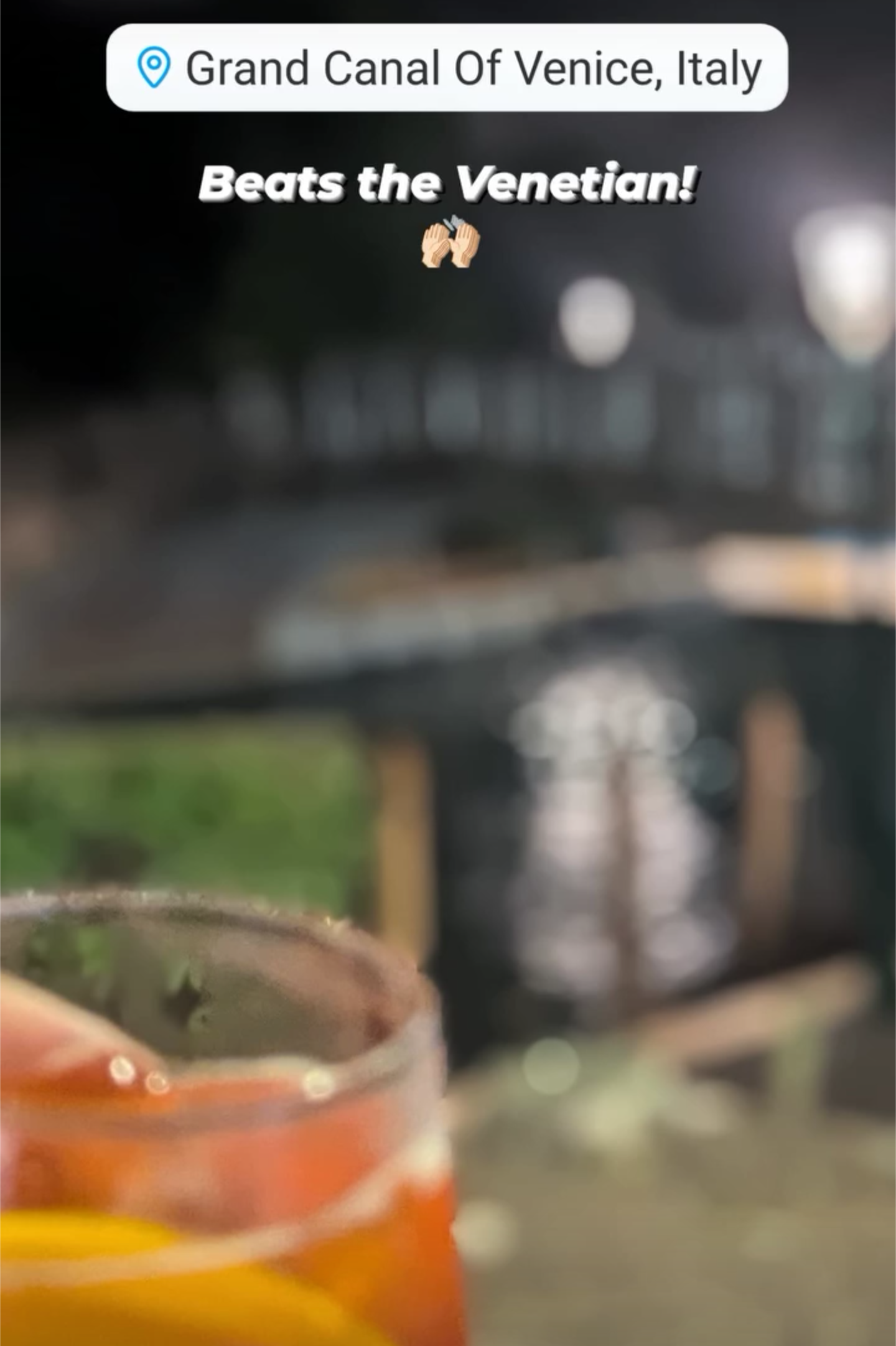
Pretty much everyone was lounging by the waterfront with a wine in hand, and of course, we all drowned in spritzers like it was a civic duty.

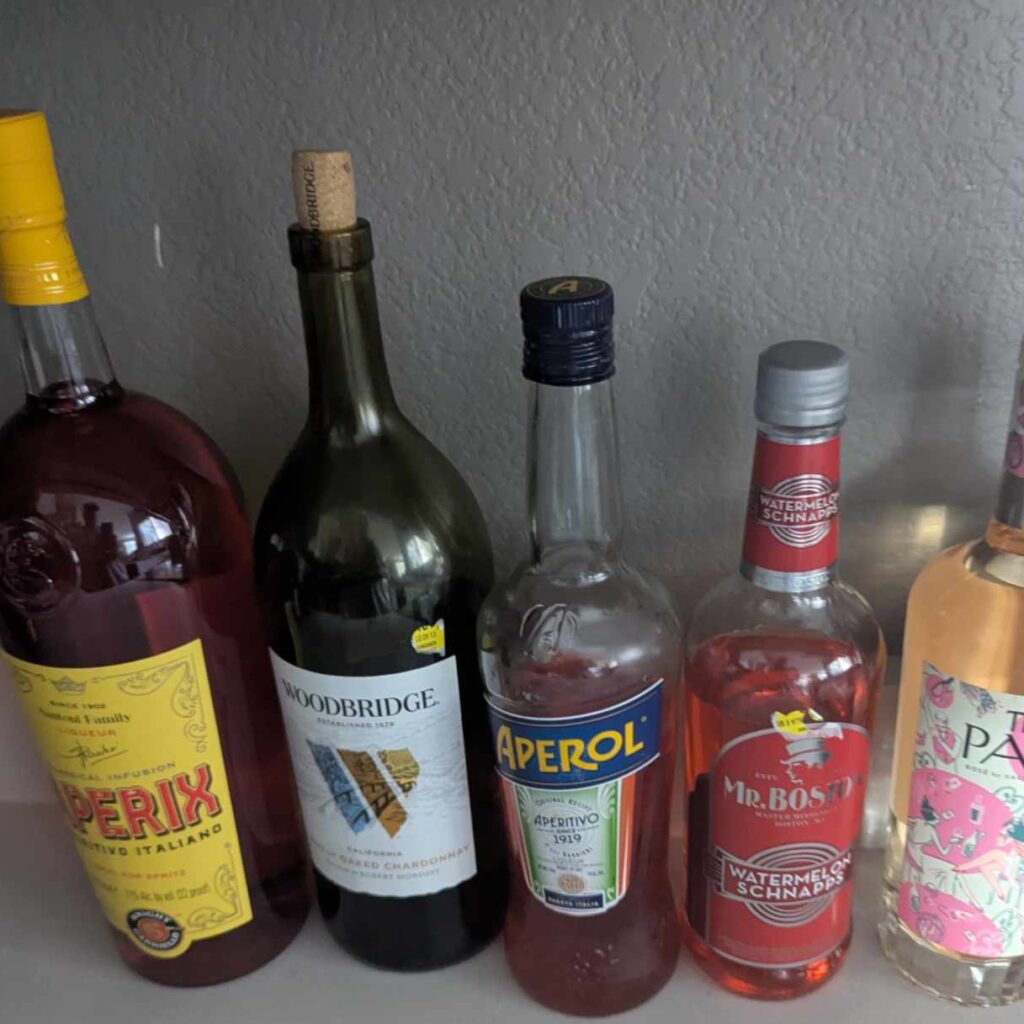
I enjoyed them so much that I stocked up when I got home—because nothing screams “this isn’t Venice” like sipping a sad spritzer in Arizona while staring at a cactus.

It’s not the Grand Canal, but it’s still pretty glorious during a Jay’s playoff game.

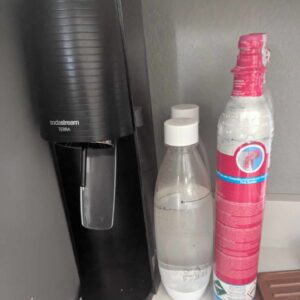
Mix some SodaStream soda water with your favorite alcohol flavoring (Aperol, Aperix, or Rosé—because why not), toss in white wine, fruit, and orange slices, and boom: Venice vibes at home. Bonus: it costs less than a dollar instead of €5–8+ per sad spritzer by the canal. 🙌

Here are a few more GEMs from my Venice adventure—because someone has to show off while I sip my homegrown “canal.” that hauls waste water in AZ.

Want more Grand Canal vibes (without the €8 spritzers)? Check out my videos on YouTube—watch canals, gondolas, and chaos unfold from the comfort of your own home.

www.YouTube.com/@NorthAmericanDarrell

Don’t forget to hit subscribe and dive into over 1,500 travel videos—because apparently, watching me roam the globe is considered quality entertainment.

Venice’s history began in the 5th century.

Refugees decided building a city on stilts in a swampy lagoon was a brilliant idea. By the Middle Ages, it became a maritime superpower, raking in riches while everyone else was figuring out taxes. Centuries later, it joined Italy, and today it’s a tourist mecca of canals, gondolas, and carnival chaos. Basically, it’s a city that floats, dazzles, and occasionally smells like history, depending on which alley waterway you visit.

default

Portugal – the beauty of the Algarves! 😍

My September 2025 European vacation began in Faro, Portugal, following a travel day that felt like it had its own time zone.

Uber from home to the airport!

light from Phoenix to LA 

8-hour layover in LA 

10-hour flight to London

3-hour London layover 

2-hour flight to Faro, Portugal. 

It was miserable. I even had loud, dry heaves when we touched down in London. I almost made it
 But nope. We had a “go around” because apparently, someone else’s plane hadn’t moved off the runway yet. That was the end of me for the day. đŸ“ąđŸ€źđŸ™‹đŸ»â€â™‚ïž

I really should cut people some slack when they say they don’t want to travel like me—clearly, they have better judgment but sitting at home is not an option.

The first week in Portugal was pure exhaustion—jet lag hit hard, and I barely had time to remember what day it was before I was off on the next adventure.

Totally worth it—Spain and Portugal were both at the top of my bucket list. I’ve barely scratched the surface of either, but who cares? 

Dropping pins does not need full coverage.

📍🌍😎

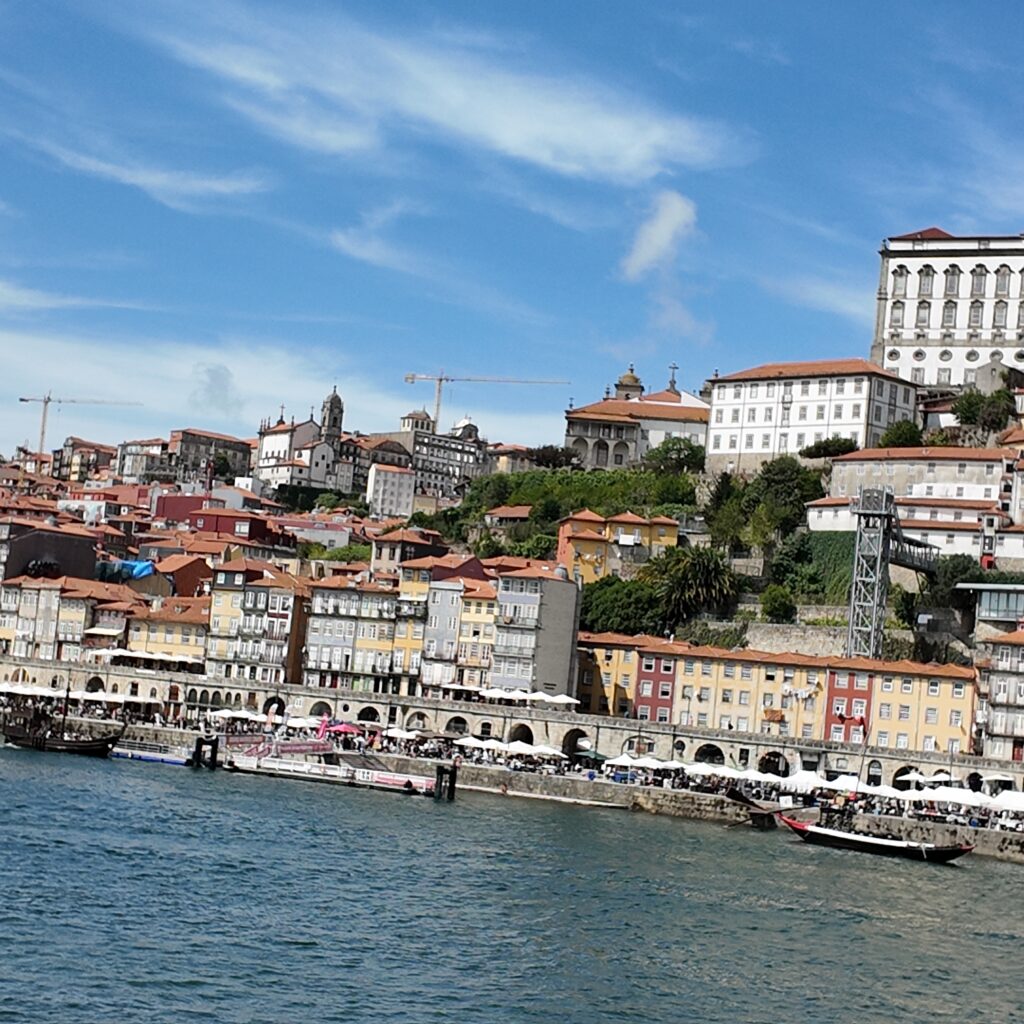
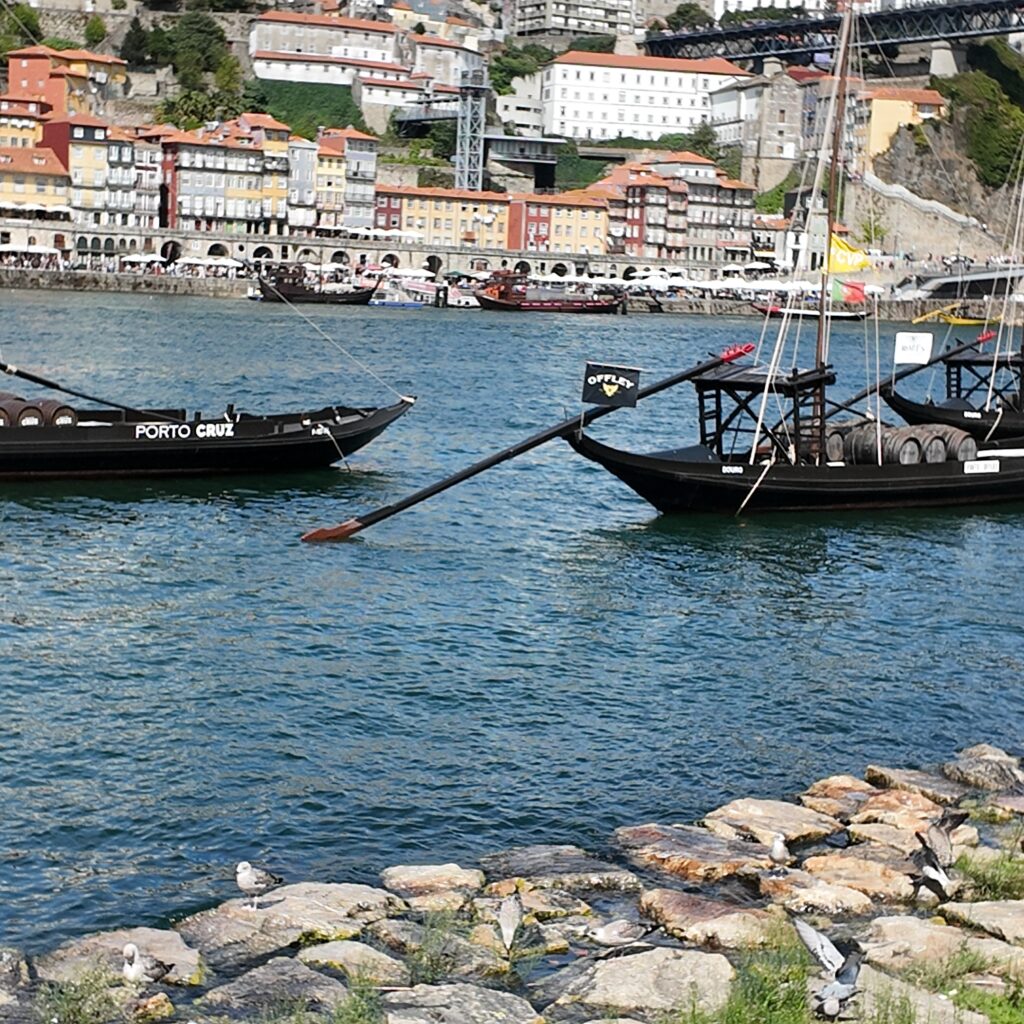
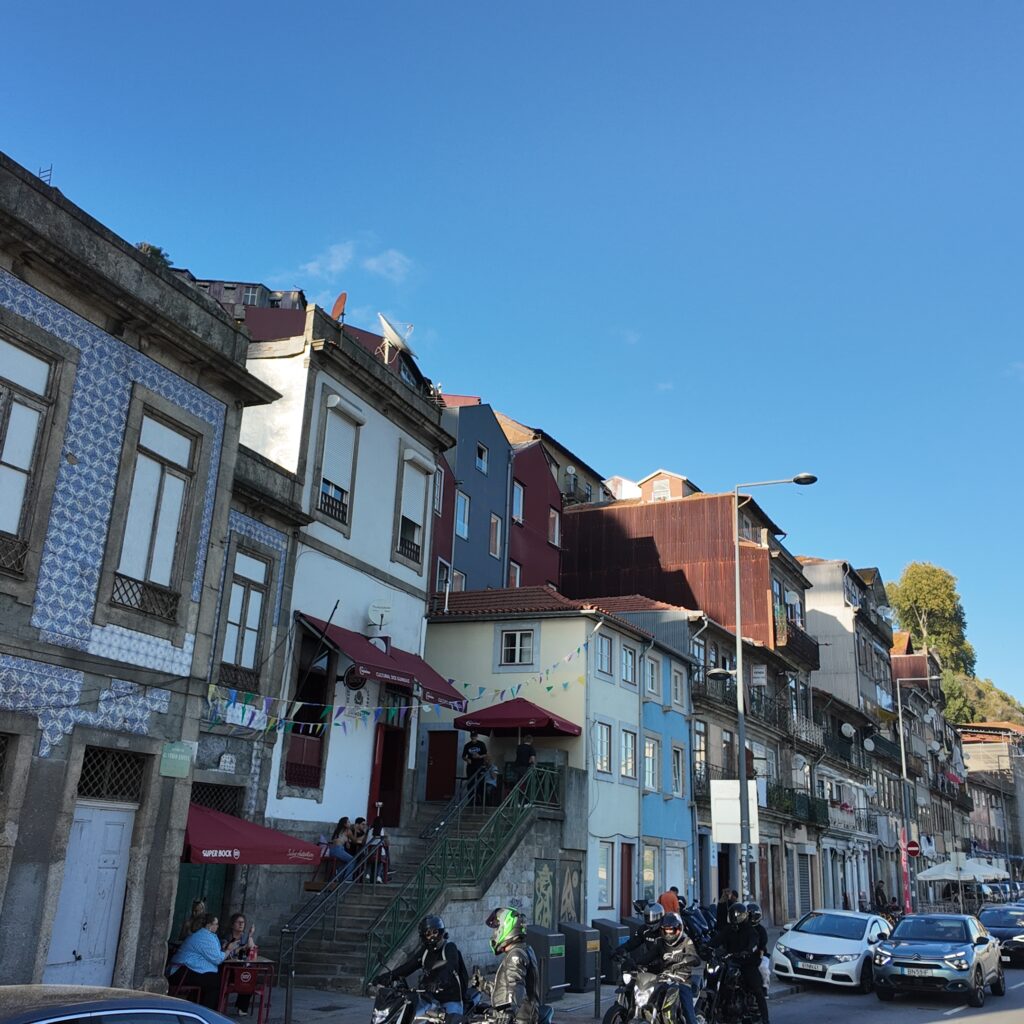
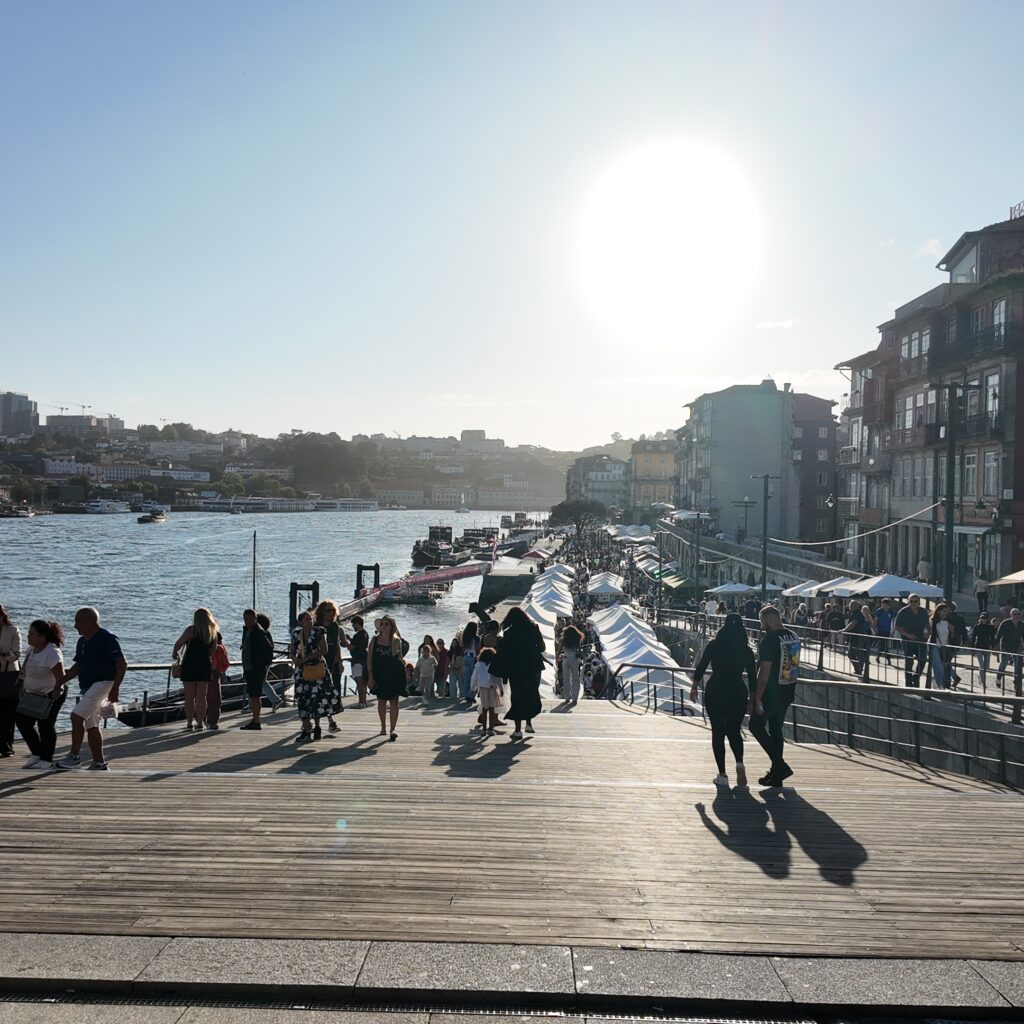
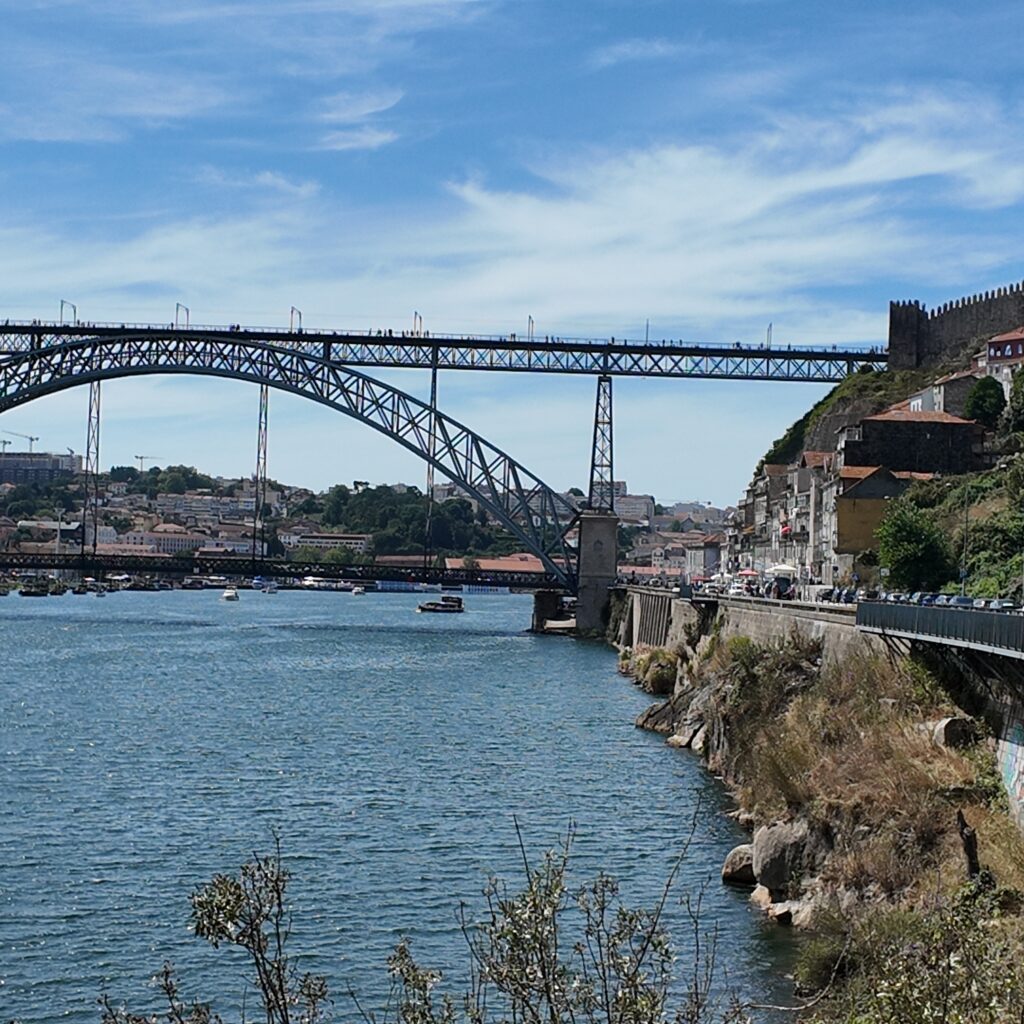
I had a great time in Faro and Lagos, just hanging out by the water and soaking it all in. But Porto—hands down—stole the show. It had been at the top of my bucket list for ages, and it did not disappoint. I also made sure to take in the short bus rides and longer train journeys along the coast, which were spectacular, pretending to be a local.

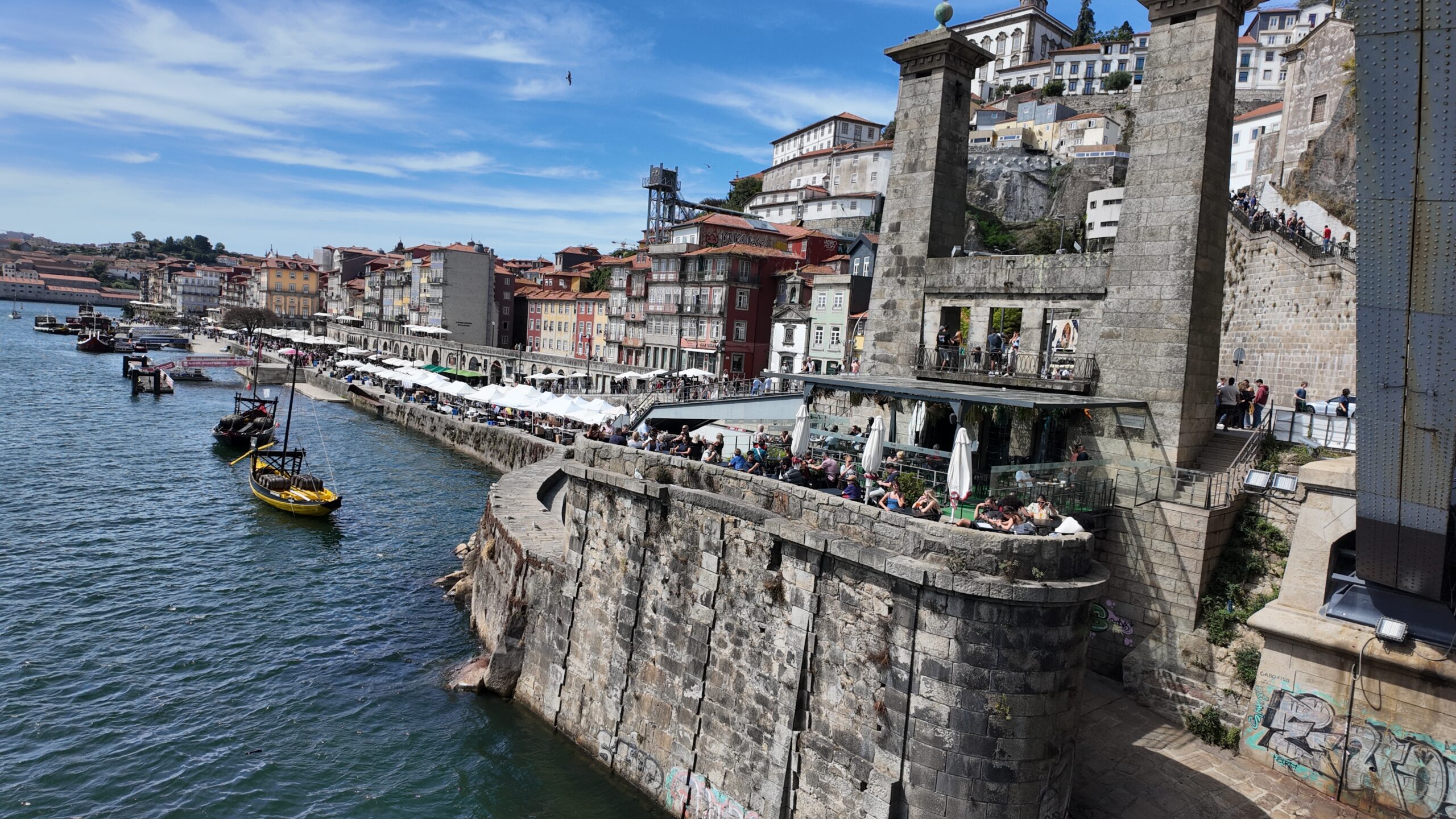
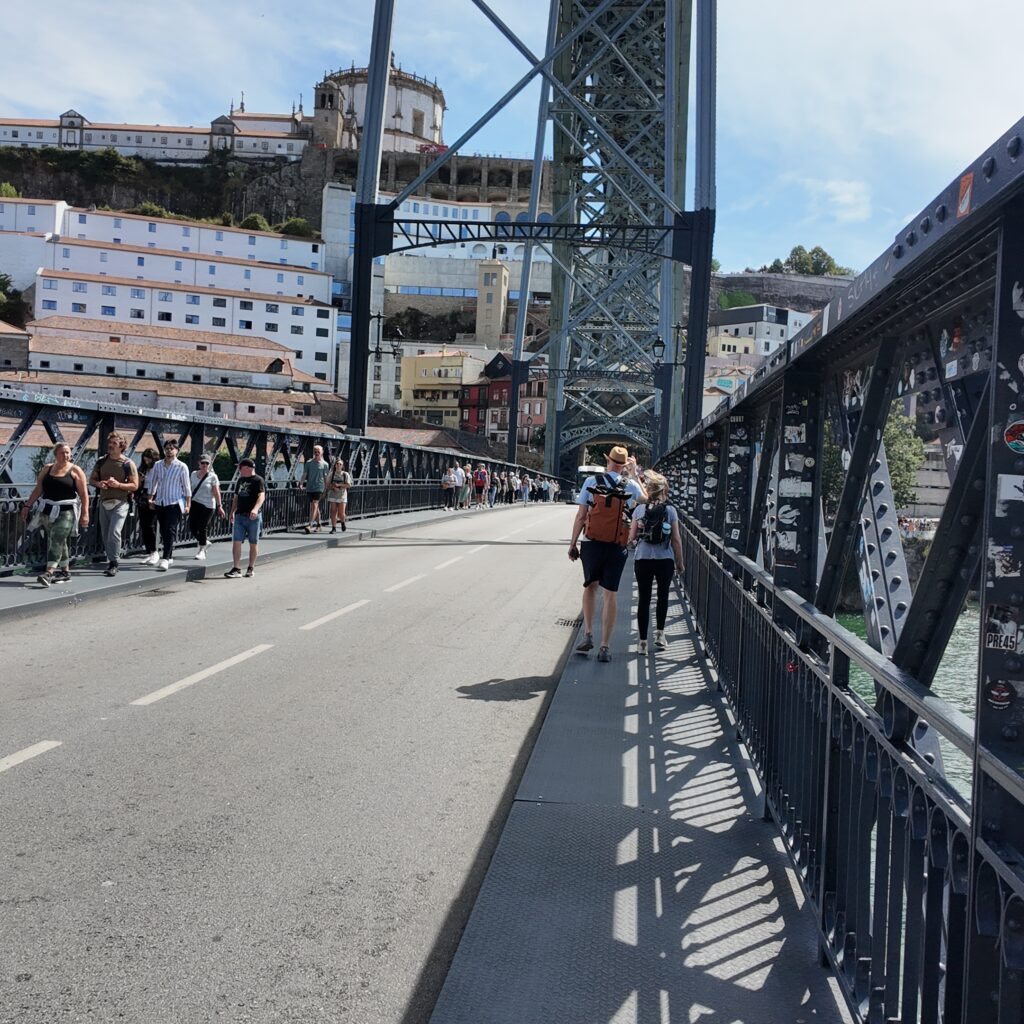
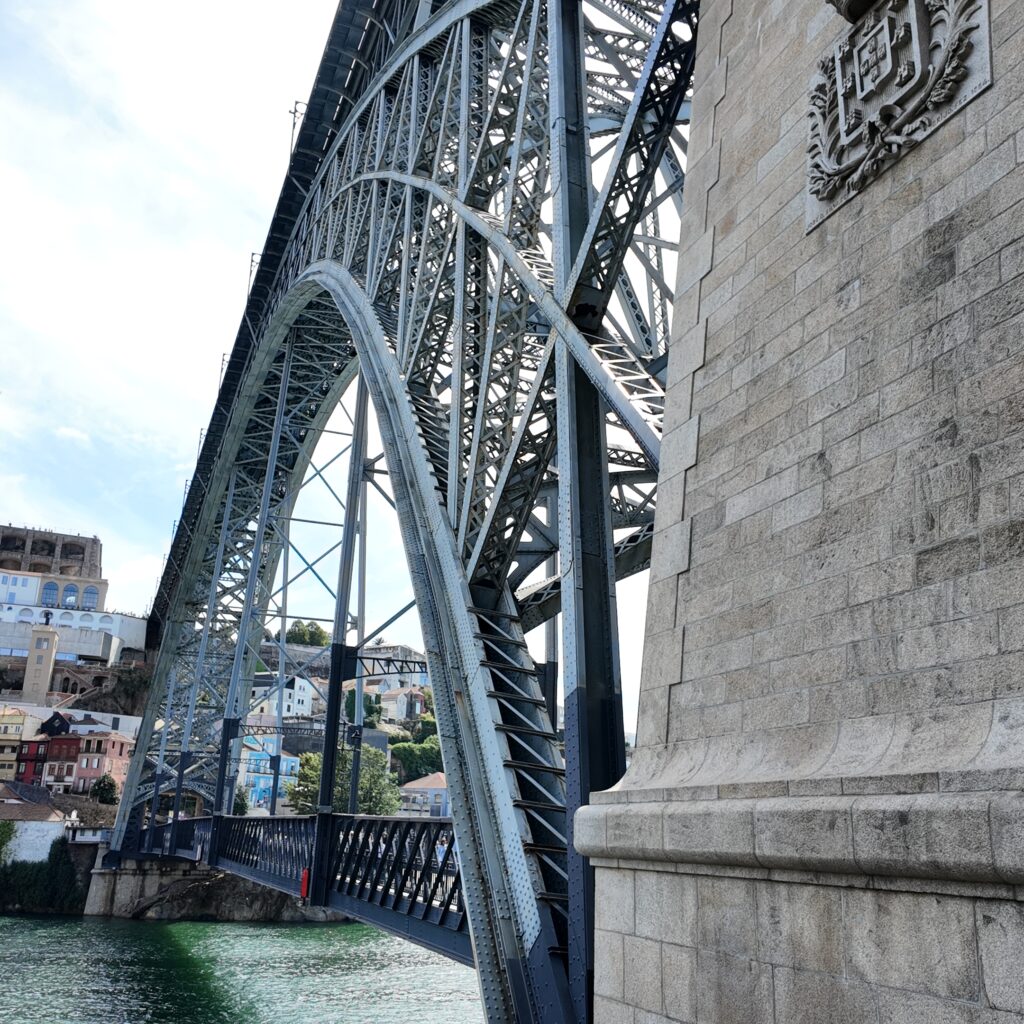
The city is split by the Douro River, and there are six famous bridges to cross at various points. The crown jewel is the Dom Luís Bridge—a stunning double-deck metal arch that links Porto with Vila Nova de Gaia. Honestly, I couldn’t stop taking pictures; it’s one of those “blink and you’ll miss it” moments that you also want to document from every possible angle.

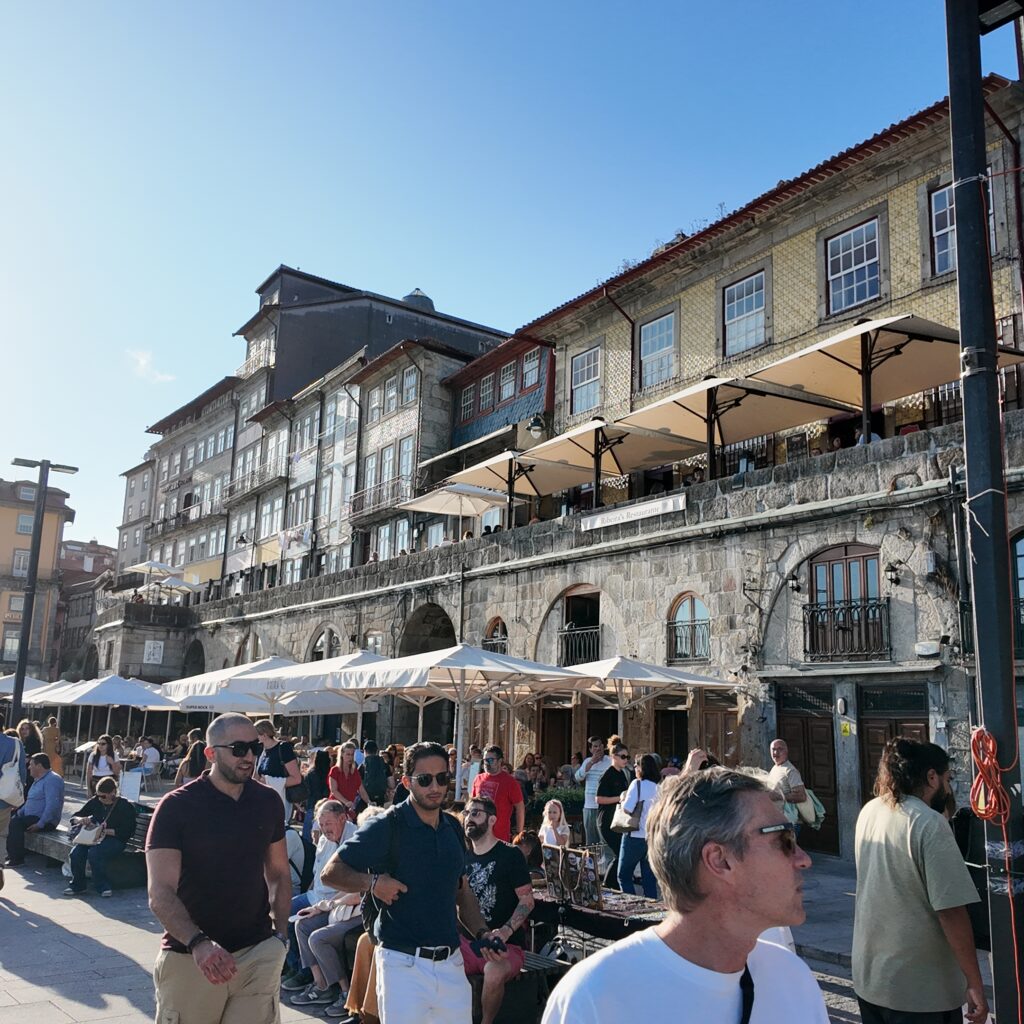
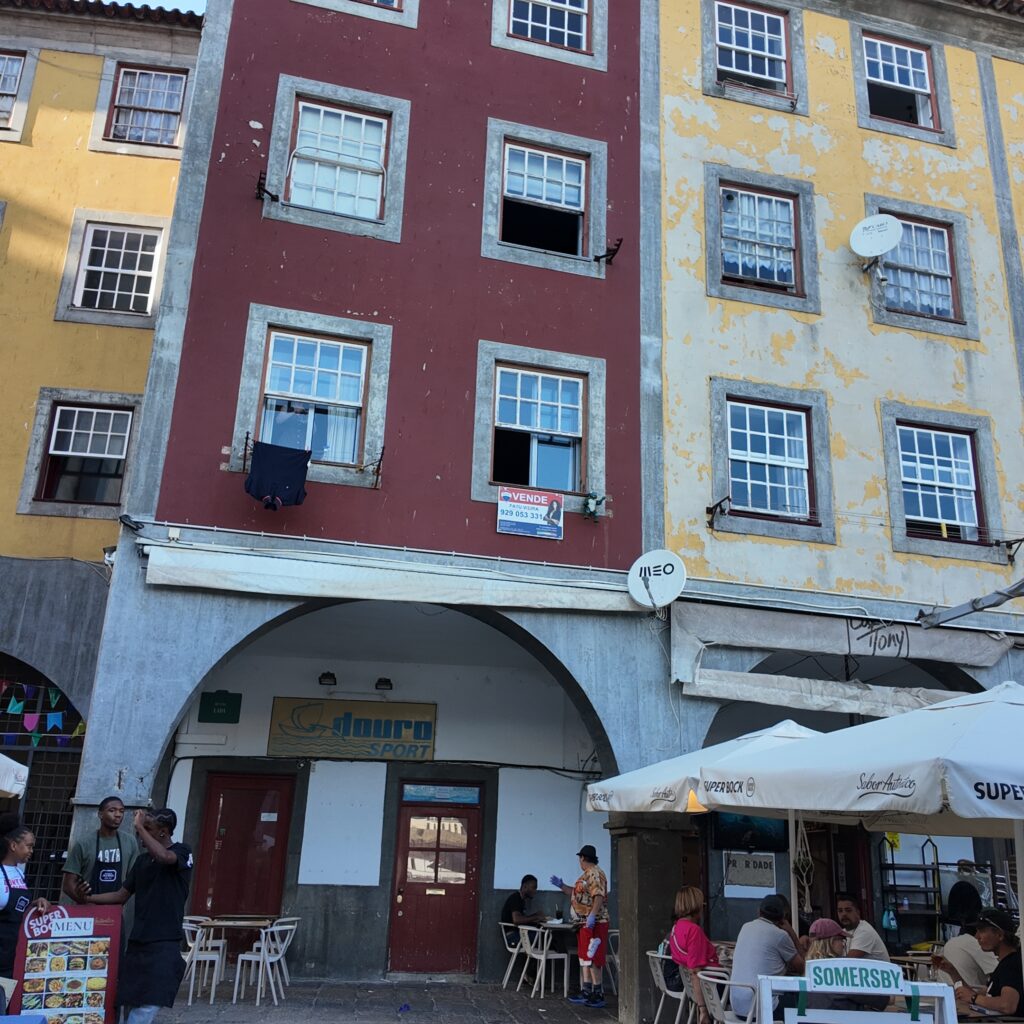
I spent a solid two days in Porto walking over 20,000 steps each day—up and down the river, soaking in the stunning architecture. The buildings lining the water are even more jaw-dropping in person. There’s also a gondola that gives you a sky-high view, but the line was so long I decided my legs had already earned a vacation of their own.

Want more Portugal chaos, cobblestones, and coastal views? Check out my YouTube channel for all the videos—no jet lag required.

www,YouTube.com/@NorthAmericanDarrell

Hit subscribe to dive into the full 1,500+ travel video catalog—because why stop at one continent when you can live vicariously through all of them?

Portugal’s history: Small Country, Big Ambitions

Portugal started getting serious in the 12th century, when Afonso I declared, “I’m king now,” and voilà—Portugal was officially a thing. Not content with being a tiny corner of Europe, the Portuguese set sail during the Age of Exploration, sending legends like Vasco da Gama around Africa to India and basically telling the world, “We’ll take it from here.”

They built an empire stretching across Asia, Africa, and Brazil—riches, spices, and cultural chaos included—while most Europeans were still figuring out how to map their own backyard. Today, Portugal is chill, gorgeous, and full of history: sun-soaked beaches, pastel-colored streets, port wine, and the occasional reminder that this tiny country once ruled the seas.

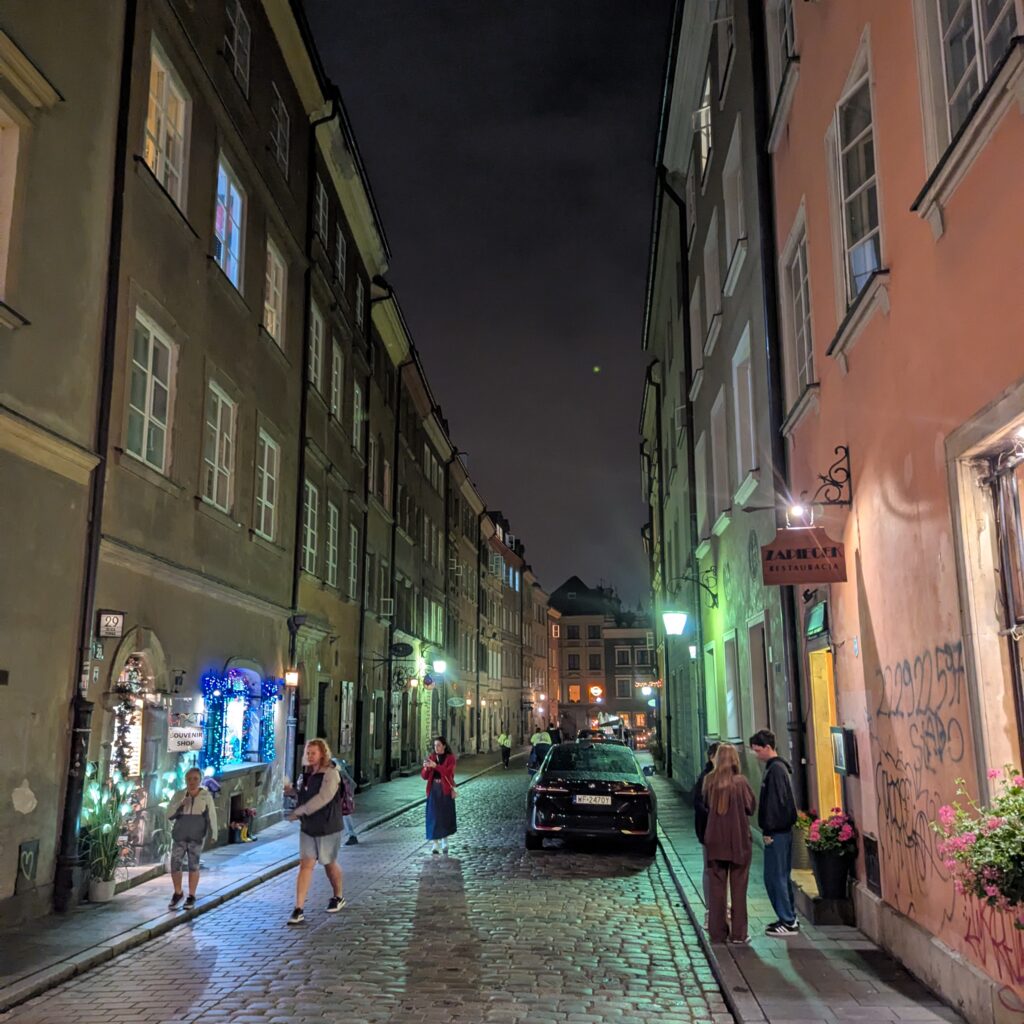
PXL_20250909_163011199

Warsaw, Poland – Just like Ukraine!

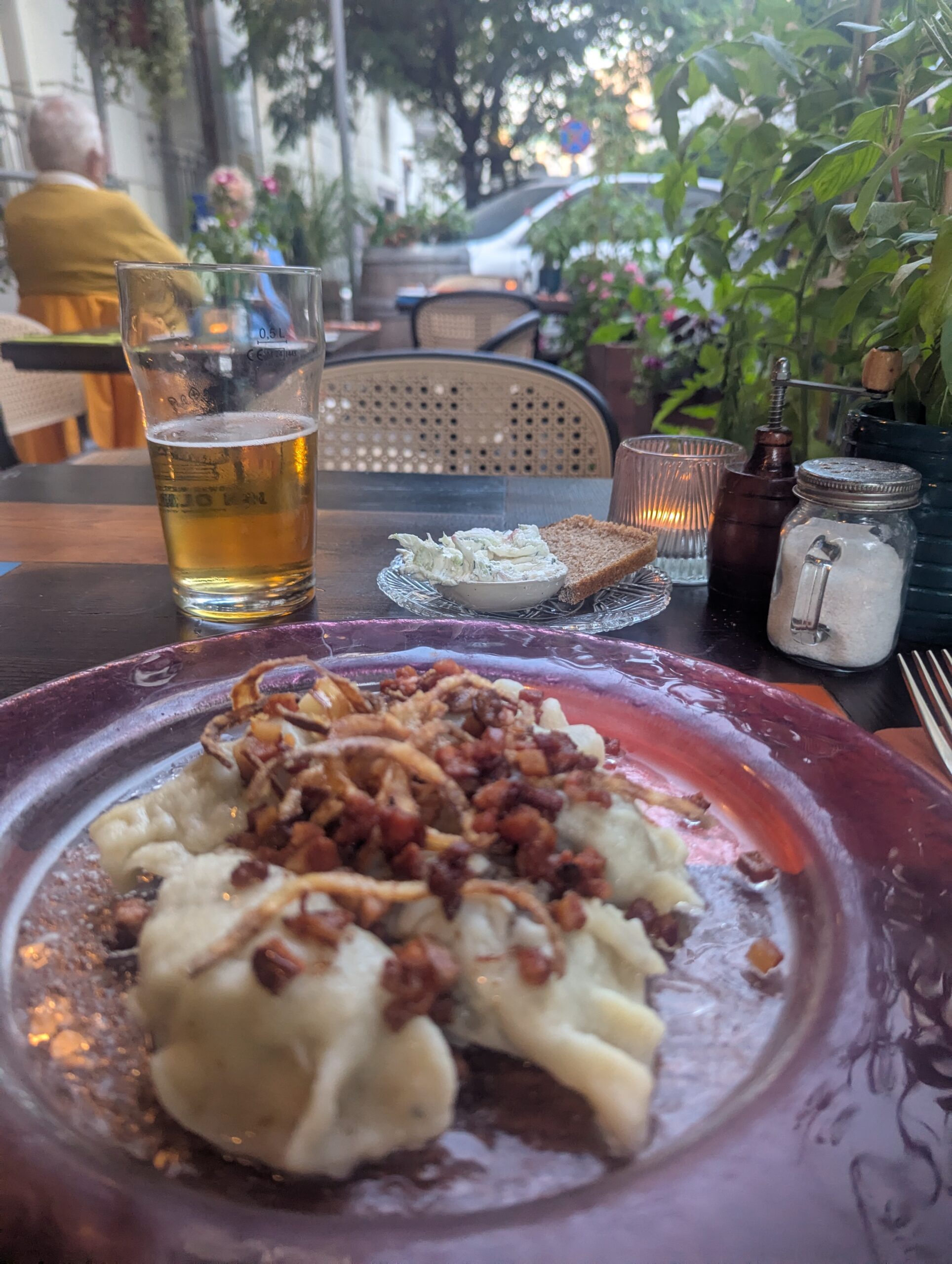
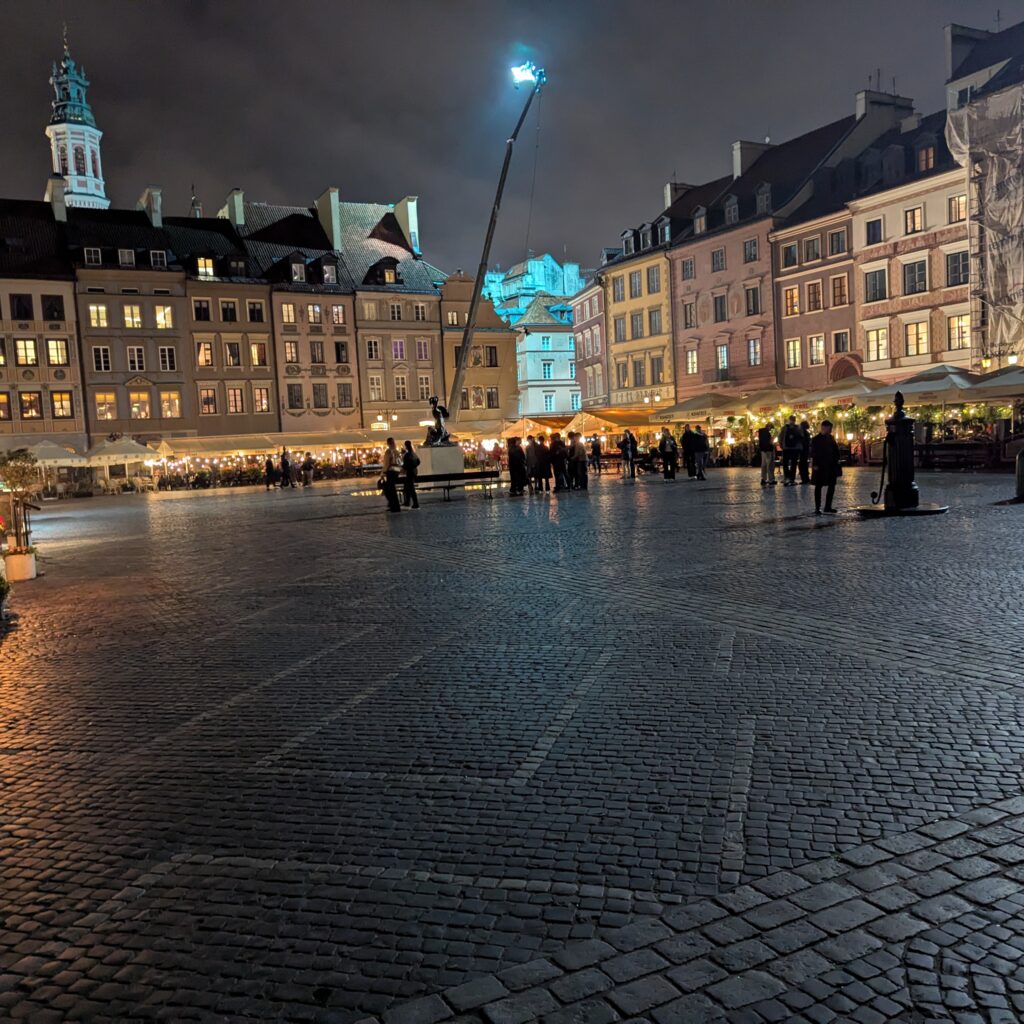
I have to say, Warsaw ended up being one of my favorite stops on the entire trip. There were no flashy tourist traps or overproduced experiences—just a calm, lived-in city with an easy rhythm and, most importantly, incredible food.

Everywhere you turned, people were speaking Polish (and Ukrainian), and pierogies weren’t just a menu item—they were practically a food group. Warm, simple, comforting food done right.

In a quiet, unexpected way, it reminded me of my mom in Heaven. The kind of comfort you don’t plan for, but recognize immediately when it shows up.

I spent three days in Warsaw before launching into a 48-hour Iceland whirlwind using my Wizz Air Pass—essentially a masterclass in how much jet lag one human can endure in two days.

Booking the flights there and back at the same time made me feel like a travel genius
 or someone who should probably be supervised, but no one wanted the job.

Coming back to Warsaw was pure relief. Slow walks, nonstop eating in Old Town, and convincing myself that aggressively shoving pierogies into my face absolutely counts toward my 10,000 daily steps. Balance is important.

Want more Warsaw adventures, pierogies, and wandering chaos? Check out my YouTube channel for all the videos—no passport required.

www.NorthAmericanDarrell.com

Smash that subscribe button and step into the beautifully chaotic universe of 1,600+ travel videos—with more questionable decisions added weekly.

Watch me:

Wander the globe with zero chill

Battle jet lag like a caffeinated (possibly drunken) superhero

Make deeply questionable food choices

And survive airports that appear to actively hate humanity

All from the comfort and safety of your couch

While you roast me. đŸ€˜đŸ»


Just real travel, bad ideas, and solid stories.

—all from the safety of your couch while making fun of me! đŸ€˜đŸ»

Warsaw history: The Phoenix City

Warsaw started out in the 13th century as a sleepy riverside settlement, minding its own business along the Vistula. By the 16th century, it said, “Move over Kraków, I’m the capital now,” and quickly became Poland’s political and cultural hub.

Over the centuries, foreign powers—Russia, Prussia, Austria—kept trying to boss Warsaw around, and the city responded with uprisings, rebellions, and general stubbornness. 

Then came World War II, when almost everything got flattened
 but Warsaw didn’t just sulk. It rose from the rubble, rebuilt its Old Town brick by brick, and now stands as a gleaming, slightly sarcastic symbol of resilience: “You can’t break me, folks, nice try.”

default

ReykjavĂ­k, Iceland – Hot springs! ♚

I didn’t end up using my Wizz Air All You Can Fly pass as much as I originally planned.

After experiencing European train travel, I found myself preferring it. Trains were smoother, more comfortable, and often more enjoyable overall, which made short-haul flights feel less appealing by comparison.

That said, I still managed to squeeze in a 48-hour trip from Warsaw to ReykjavĂ­k, finally checking Iceland off my bucket list.

That journey wrapped up my 23rd, 24th, and final flights on the €499 pass.

Looking back, it was a busy, sometimes chaotic stretch of travel—but also a reminder of how fortunate I am to keep moving, exploring, and learning what styles of travel work best for me.

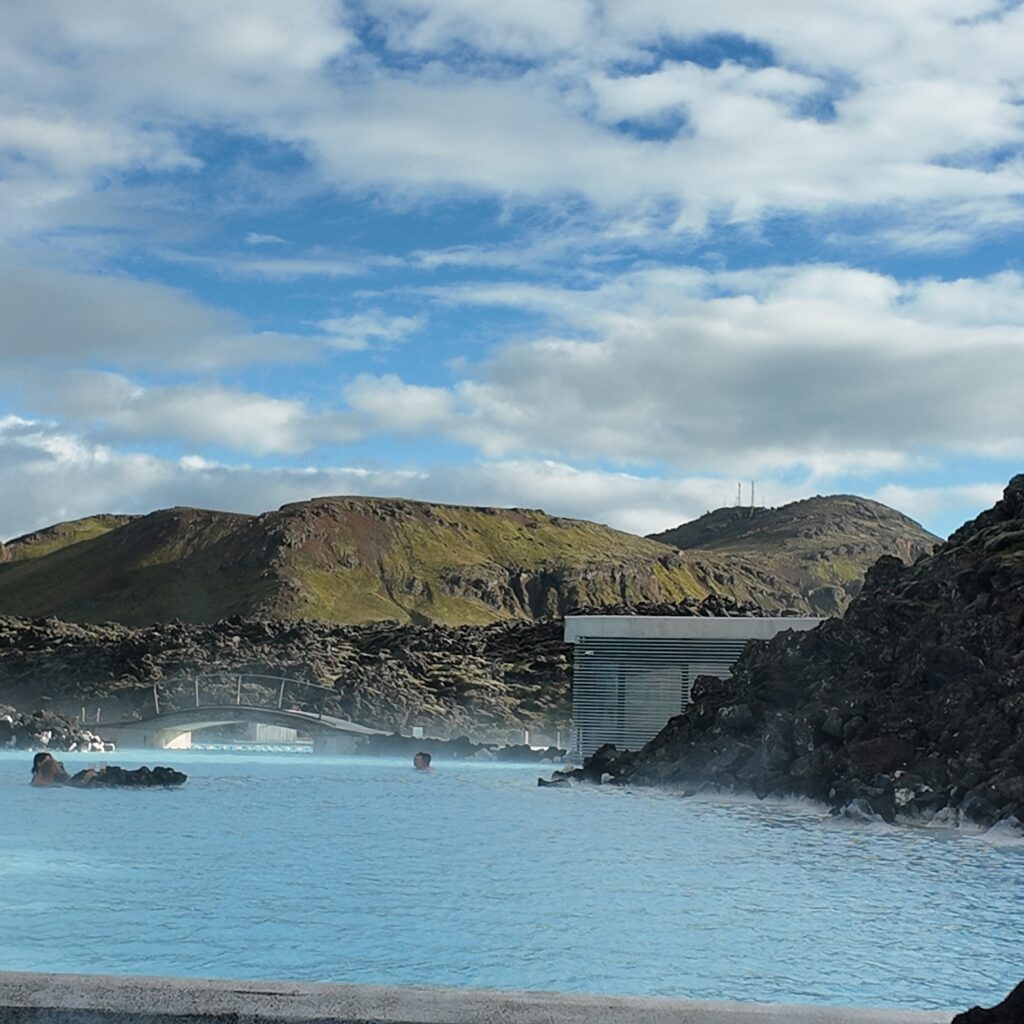
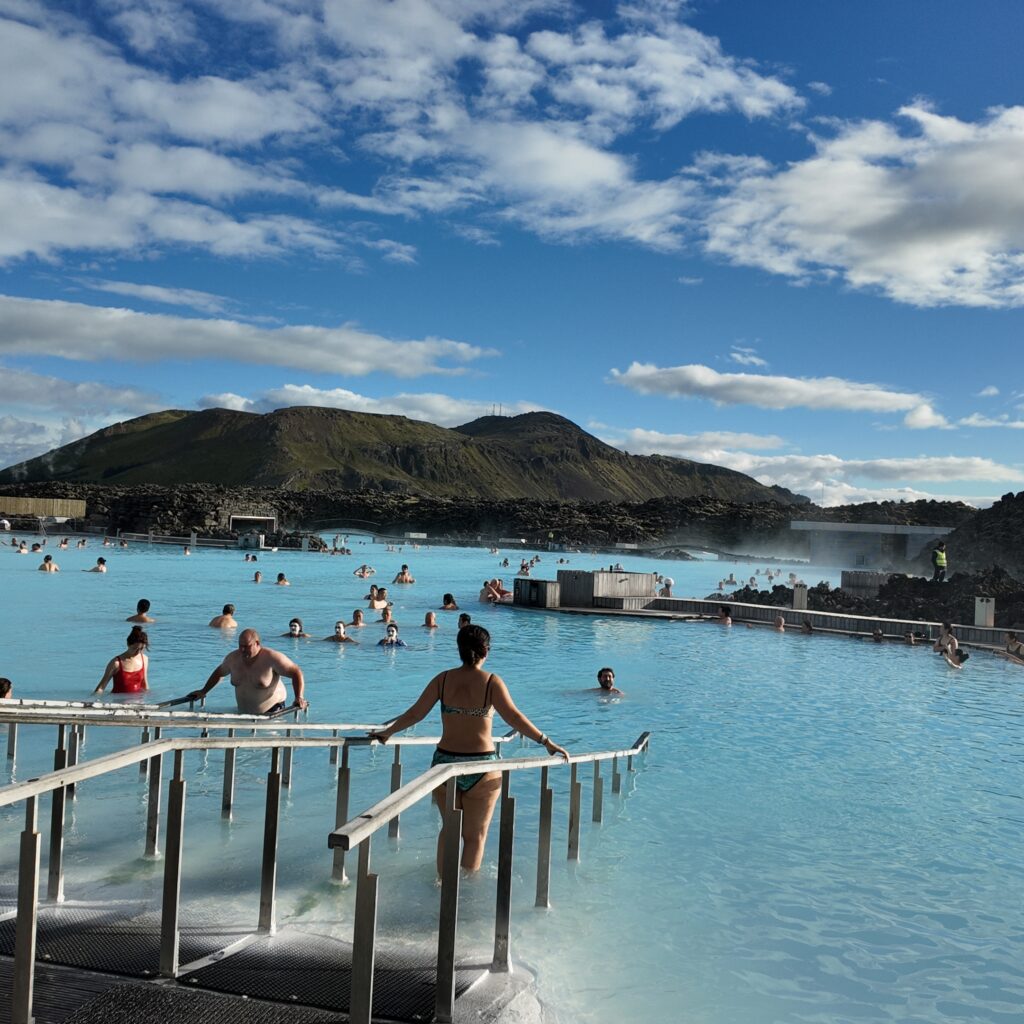
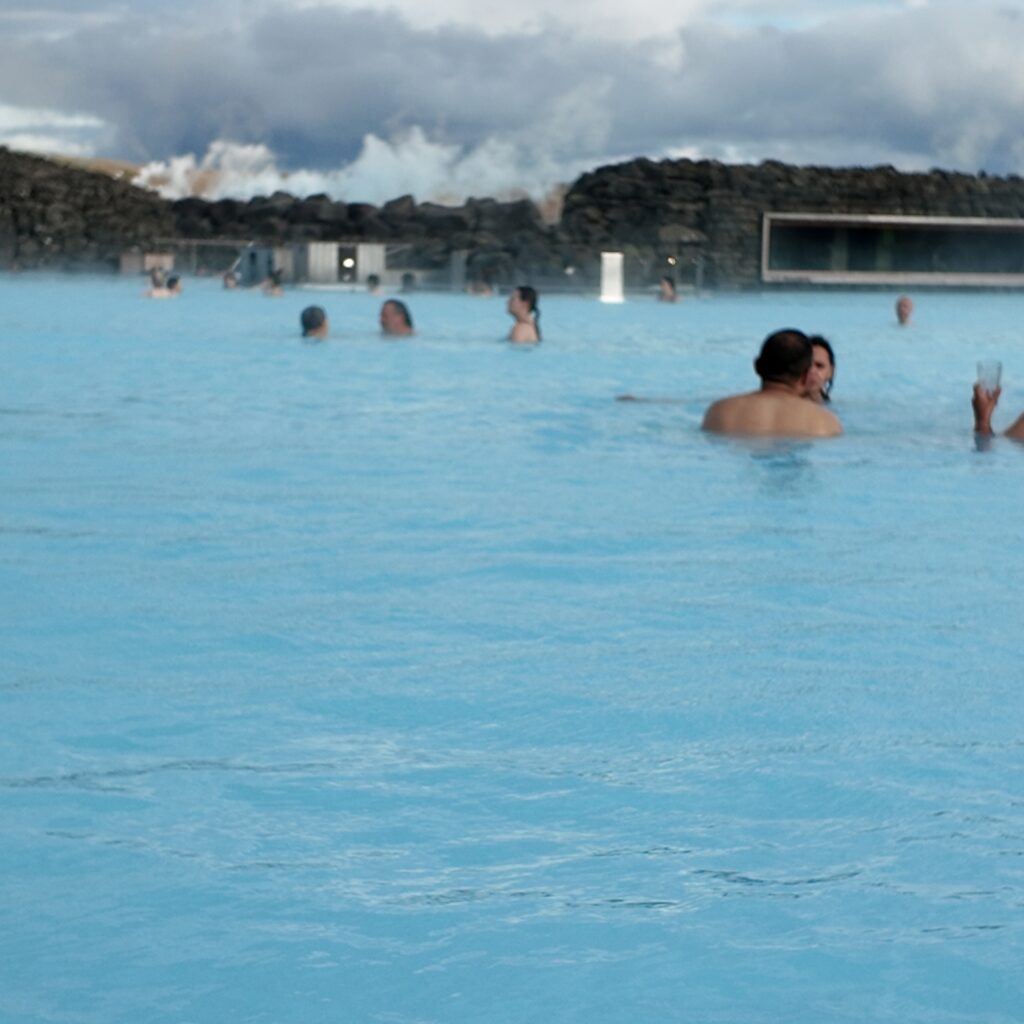
Hot springs entry came with a free beauty mask, mine did not work! 😆

A big part of using an AYCF pass is always having your next destination locked in. If you don’t, you risk getting stranded somewhere, staring at a snack bar and wondering if your life has quietly turned into a low-budget travel documentary. Since Iceland can only be reached by plane, that mattered. Thankfully, I booked my return flight at the same time as my departure, guaranteeing I’d make it back to the mainland. Score one for planning—or possibly luck.

I didn’t do much while I was there. I mostly walked around Reykjavík and visited two hot springs, which was exactly the point of the trip. Ironically, there was a public pool and hot spring complex right next to my hostel. After weeks away from my usual spa routine, it felt incredible. I rotated between three temperature-controlled pools, cold plunges, saunas, and steam rooms like a professional relaxation athlete.

I enjoyed it so much that I went back again the next morning before heading to the Blue Lagoon.

While soaking, I met a traveler from Seoul, a professional writer who was going through a rough patch. I got him laughing by telling him I spend hours writing things that almost nobody reads. He even offered to show me around when I visit Seoul in March—which perfectly sums up why I travel in the first place: strangers, shared moments, and unexpected laughs.

No cameras were allowed at the hot springs, which honestly felt like a gift. The attendant said phones distract from relaxation—and she was probably right. She also likely saved me from posting a thousand blurry photos of me pretending to be interesting.

Sometimes the best travel moments are the ones that don’t end up on camera at all.

Below are just a few snapshots and short videos from the Blue Lagoon—because words don’t quite do justice to soaking in steaming geothermal water while convincingly pretending you’re a sophisticated spa-goer.

If you want more, check out my YouTube channel for the full adventure (and all the bubbles I responsibly chose not to photograph):

NorthAmericanDarrell – YouTube

And yes—feel free to smash that subscribe button like it just stole your passport.

Iceland’s Hot Springs: Nature’s Hot Tub Since Forever

Icelanders didn’t waste time—they landed in the 9th century and thought, “Why chop wood when we can just soak?” And so began the country’s love affair with geothermal hot springs, perfect for bathing, cooking, and gossiping about Viking drama.

By the Middle Ages, these steamy pools were community centers, where locals scrubbed, plotted, and probably swapped embarrassing stories. Fast forward to today, and Iceland has turned those natural hot tubs into luxury spas like the Blue Lagoon, proving that even a volcanic island can serve up relaxation, selfies, and a little Icelandic sass.

default

Switzerland – Amazing!đŸš‚â›°ïž

Heading into my month-long European adventure, taking the train through the Swiss Alps was right at the top of my must-do list.

I hopped on in Munich on day one of three and made my way to the stunning mountainside town of Chur. I scored a hostel that used to be the town jail—steel doors everywhere, and I couldn’t help but wonder what stories those walls would tell. Mostly, I imagined about that one or maybe two times I spent in the slammer AKA the drunk tank! 😆

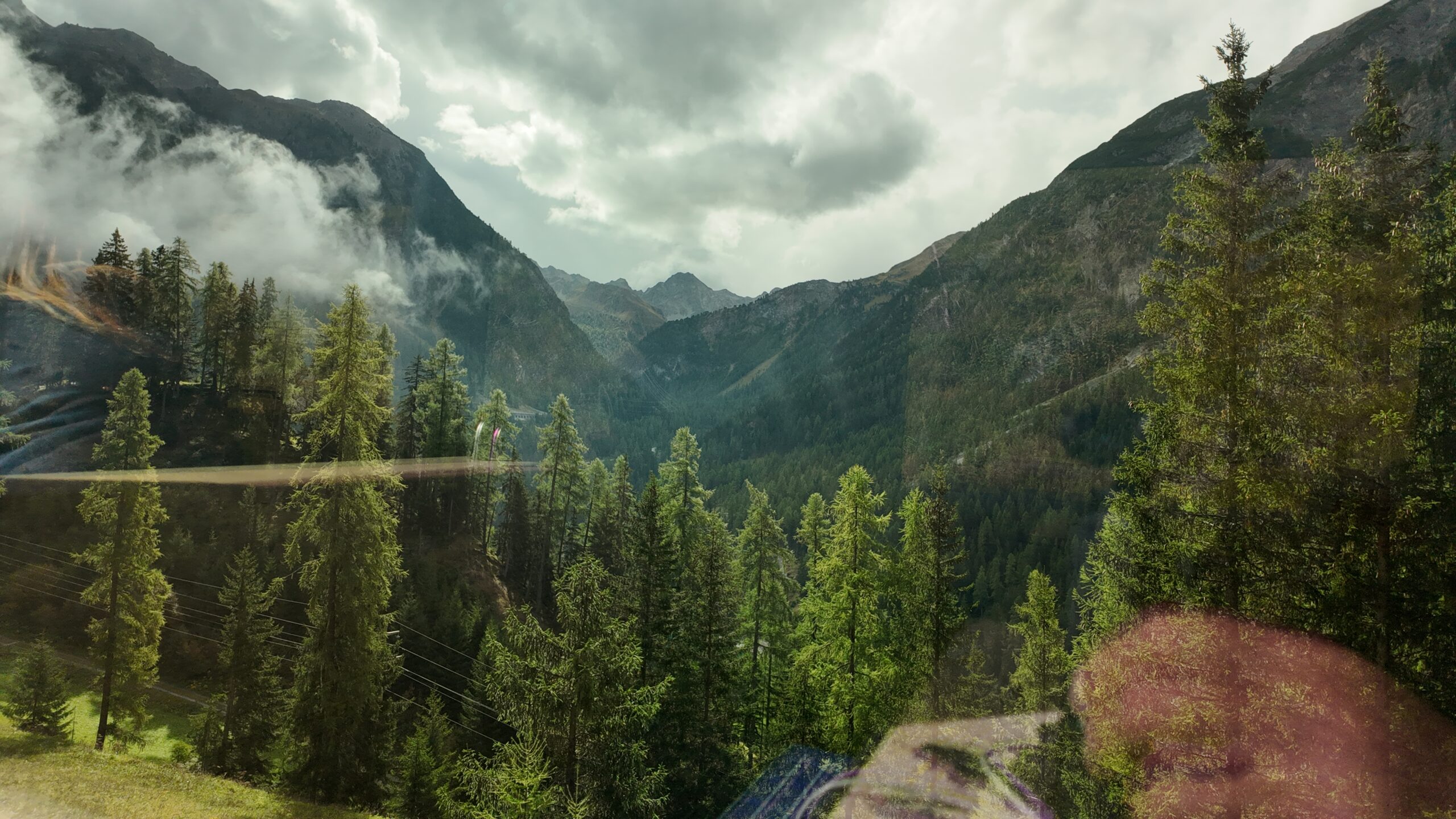
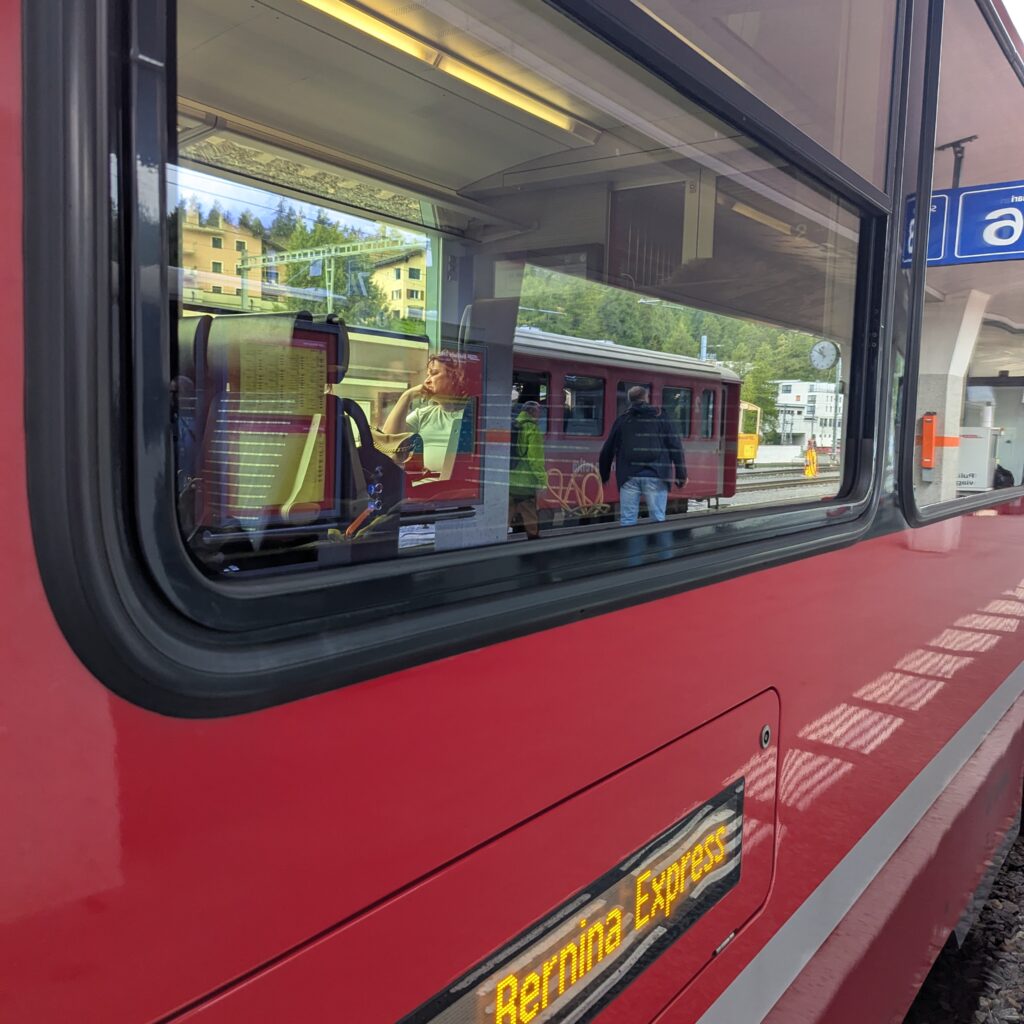
Day two was pure magic as I boarded the Bernina Express in Chur. The train snaked through the Swiss Alps like a caffeinated serpent, eventually dropping me off in Milan, Italy. From there, I hopped on a quick train to Venice for the next two nights—more on that in another blog.

Behold—the most famous leg of the trip: the Bernina Express! Stunning views, dizzying mountains, and just enough adrenaline to make you question why you didn’t just stay home with Netflix.

Day two was pure magic as I boarded the Bernina Express in Chur. The train snaked through the Swiss Alps like a caffeinated serpent, eventually dropping me off in Milan, Italy. From there, I hopped on a quick train to Venice for the next two nights—more on that in another blog.

Behold—the most famous leg of the trip: the Bernina Express! Stunning views, dizzying mountains, and just enough adrenaline to make you question why you didn’t just stay home with Netflix.www.youtube.com/@NorthAmericanDarrell

Consider subscribing as there are over 1500 travel videos and more added every week.

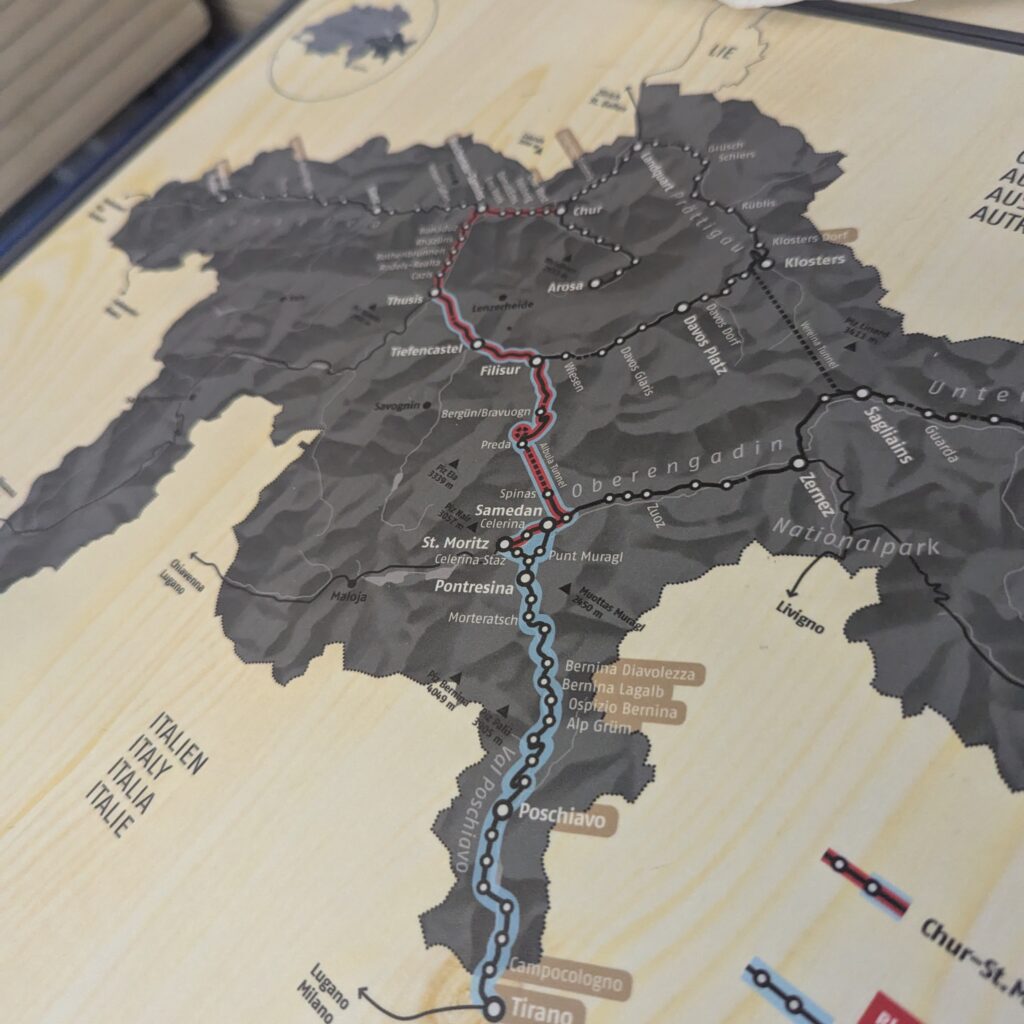
Some of the train tables had maps of the train routes in Switzerland.  It was enjoyable to follow instead of constantly looking at my phone, which I probably would have done anyway.  Here are some more videos, keeping in mind there are a lot more on my YouTube channel.  

www.YouTube.com/@NorthAmericanDarrell

I only stayed one night in Switzerland between train days.  There were many small towns along the way that were beautiful, but Chur was highly recommended.  The Hostel was an old jail that I read about, and really neat to experience.  All the doors were metal with heavy locks, and I wish those walls could talk.

Here is a walk around the amazing city of Chur, Switzerland, where I spent the night in jail. 😆

Swiss Railways: Trains, Mountains, and Obsessive Precision

Switzerland decided in the mid-1800s that it wasn’t going to let a few Alps get in the way of progress. The first line opened in 1847 between ZĂŒrich and Baden, and soon engineers were drilling tunnels, building bridges, and basically showing the mountains who was boss.

By the early 20th century, Swiss trains were punctual, efficient, and amazingly scenic, carrying passengers and freight across the country with clockwork precision. Today, the railways aren’t just transportation—they’re a national flex: ride a train, admire a glacier, and know that the Swiss probably have a spreadsheet tracking your exact arrival time. 🚂🇹🇭

555776621_1848596082425396_4926212415565141928_n

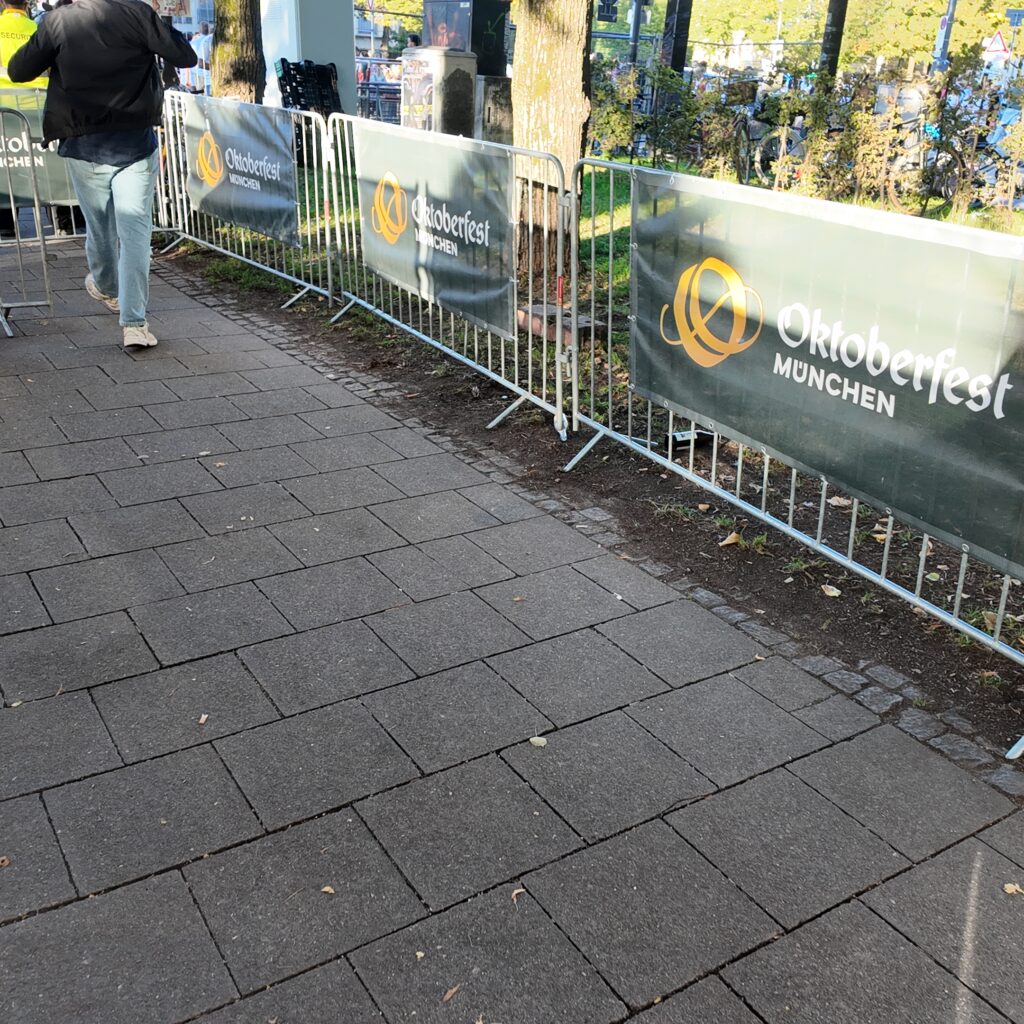
Munich đŸ»Oktoberfest 2025!đŸ»

When I realized my European adventure perfectly overlapped with Oktoberfest, I knew I was about to enter an adventure of epic proportions. 

Step one: surrender to the siren call of beer tents, pretzels the size of my forearm, and lederhosen-clad revelers who move faster than logic allows. đŸș

Each beer tent was a chapter: the first introduced me to the sacred art of “prost” -ing strangers; the second tested my limits with bratwurst heavier than my backpack; the third
 well, let’s just say gravity, hops, and I had a complicated conversation.

By the end of it, I had danced, sang, spilled, and cheered my way through the city. I emerged a wiser, stickier, and infinitely more entertained traveler, ready to continue my European quest. Oktoberfest didn’t just happen—it conquered me, one absurdly large beer at a time.

I figured getting to Munich for Oktoberfest would require strategic planning, so I made sure to stage myself nearby in the days leading up to opening weekend.

That “nearby” turned out to be Prague, Czech Republic, the week before—and it couldn’t have been easier.

Thanks to my Eurail pass and a reserved seat, the train ride was smooth, inexpensive, and almost luxurious compared to the chaos I knew awaited me in Munich. Little did I know, I was just a few hops away from becoming a full-fledged Oktoberfest warrior. đŸș

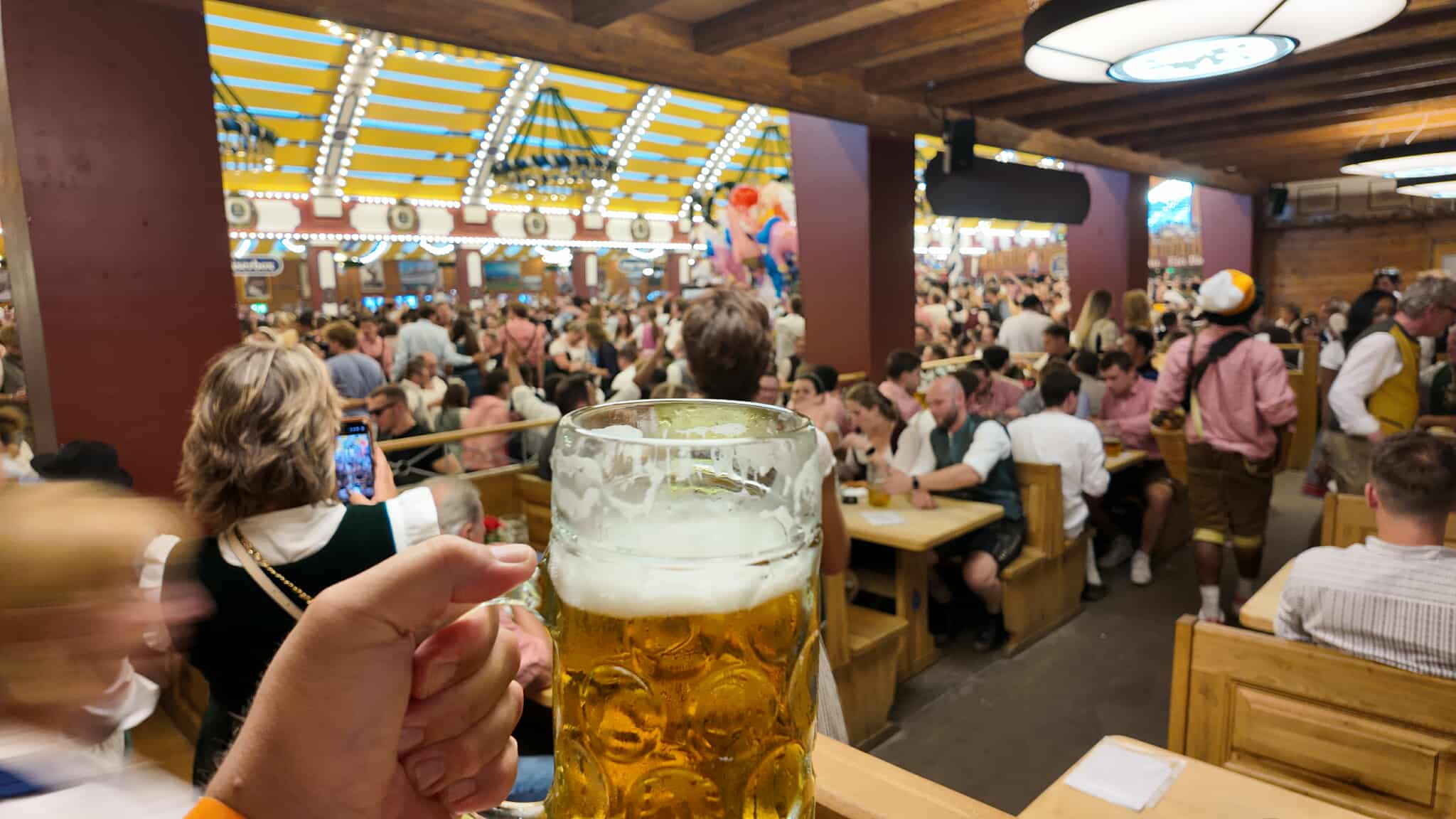
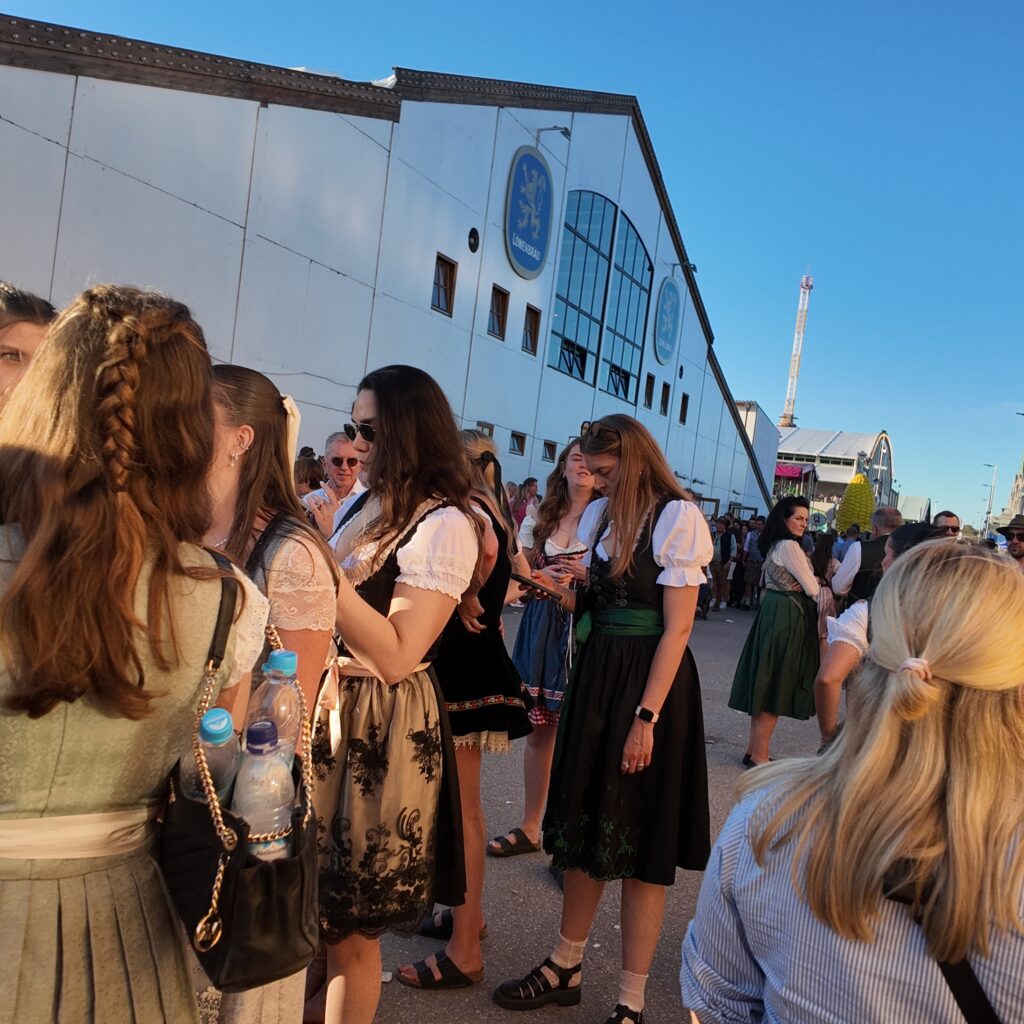
Captain Obvious alert: the beer tents were the best part. I wandered through three of the big ones, but spent most of my time at the massive LöwenbrĂ€u tent. The sing-alongs were pure magic—everything from Taylor Swift to Bon Jovi, and a few questionable karaoke choices in between. đŸșđŸŽ€

The crowd chants—“Oggy oggy oggy!” met with “Oi oi oi!”—followed by a rousing “Prost!” were absolutely unforgettable live. Honestly, it felt like being in a human blender of beer, music, and pure joy.

I could probably post a hundred pictures and videos, but who has that kind of time? Let’s just say, every snapshot screams: “I survived Oktoberfest and lived to tell the tale.”

For more Oktoberfest madness (and my epic camping adventure), head to my YouTube channel. You’re welcome.

www.YouTube.com/@NorthAmericanDarrell or by clicking the link below:

www.YouTube.com/@NorthAmericanDarrell

Subscribe now or risk missing me almost getting lost in 1,500 plus uploads.

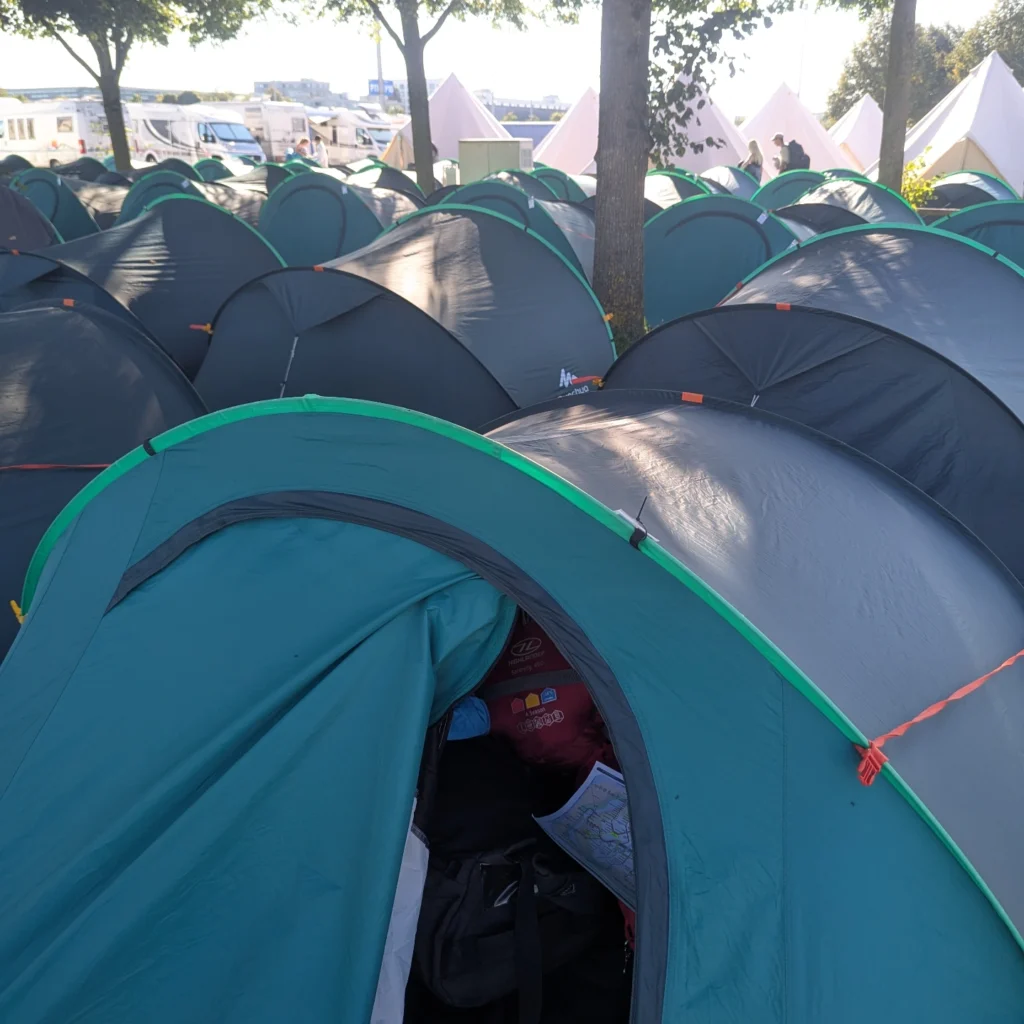
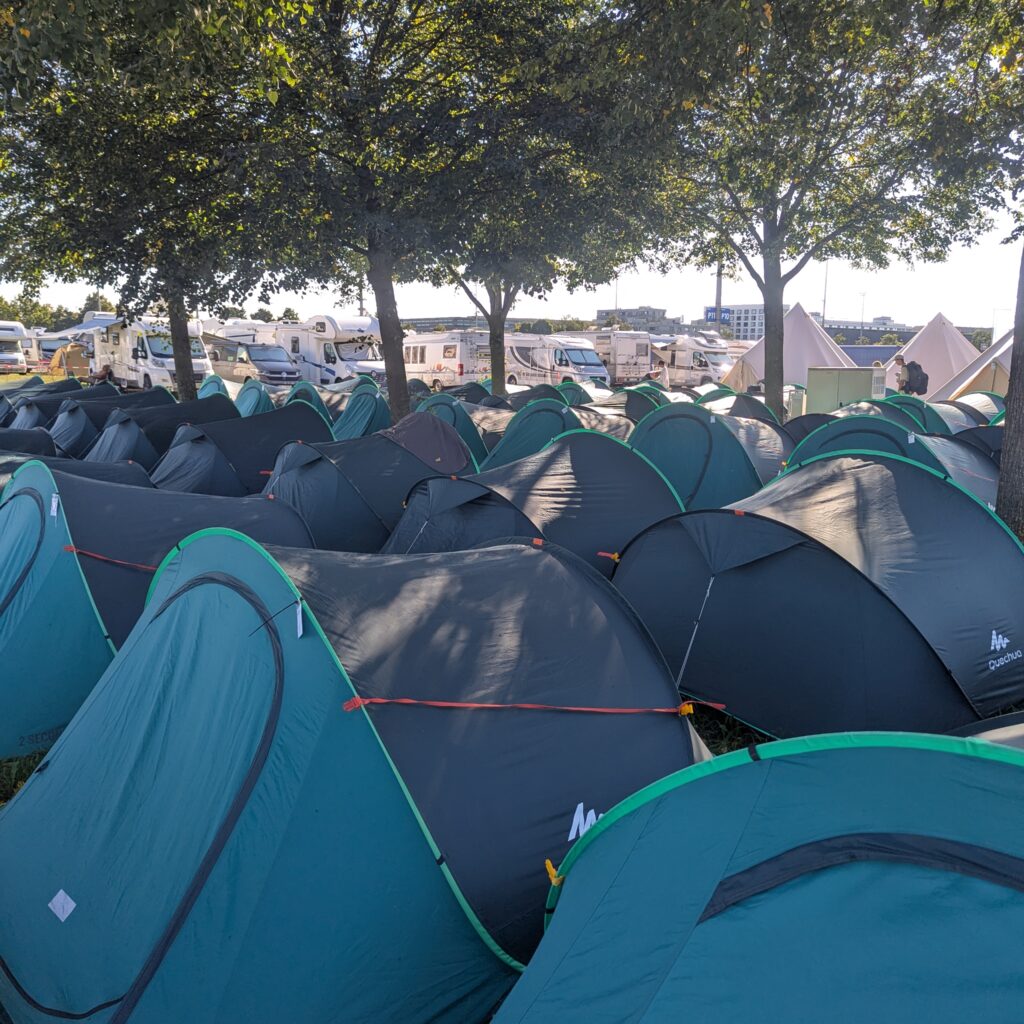
Accommodations for Oktoberfest were a bit tricky, but I ended up camping about a 30-minute train ride from the grounds. Perfect setup for the budget-minded traveler! They had single tents, double tents, and massive teepees with eight beds—basically a Bavarian version of “choose your own adventure.”

I went with the single tent—two nights for about $110 USD. Considering hotels were starting at $300 a night that weekend, I basically felt like I’d won the lottery. Simple breakfast included, plus a beer garden at the campground. And yes, there were plenty of RVs with German plates parked around—it looked like Oktoberfest on wheels. I half considered renting one and joining the mobile beer brigade. đŸș

The campground was like a state-run utopia for campers: spotless, orderly, and temporarily blessed with toilets and showers scrubbed multiple times a day. I timed it perfectly—striding in like a hero to claim the freshly sanitized throne and shower of destiny. 🚿đŸ’Ș

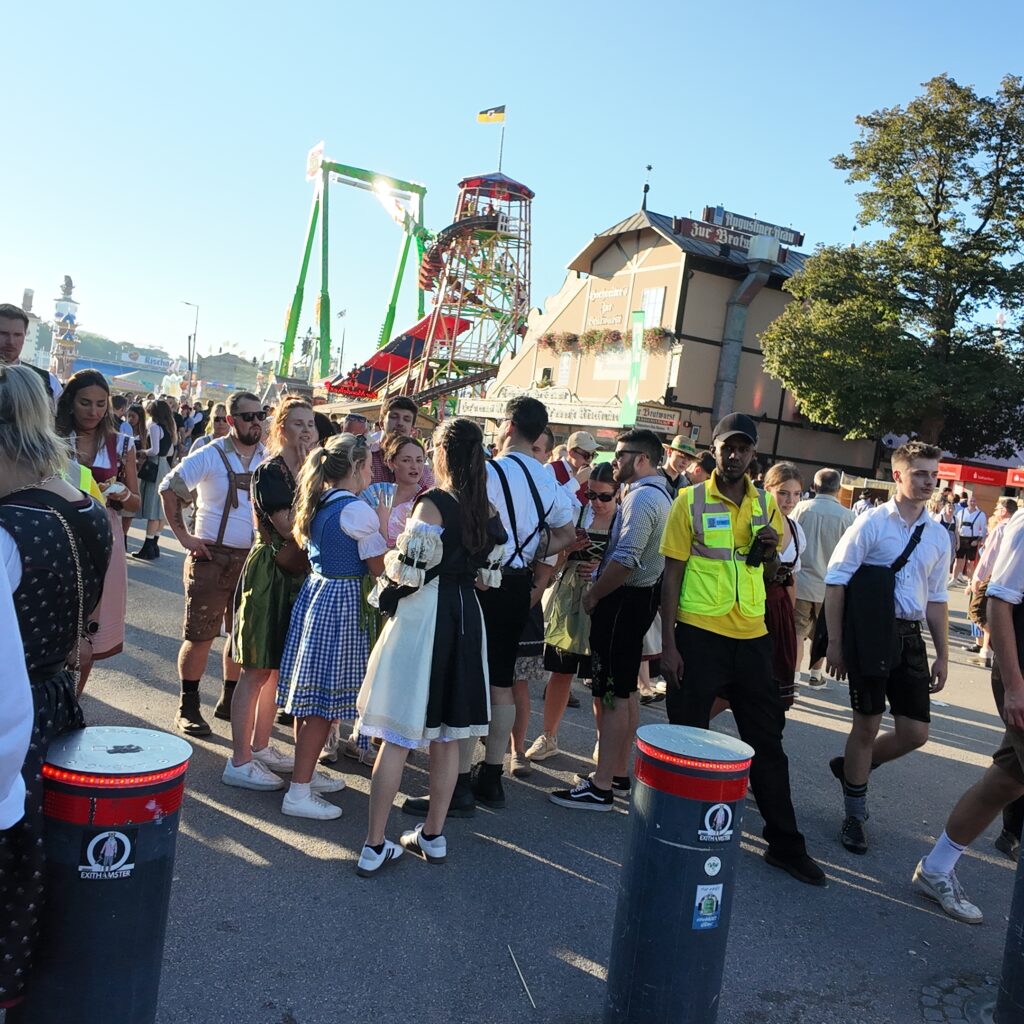
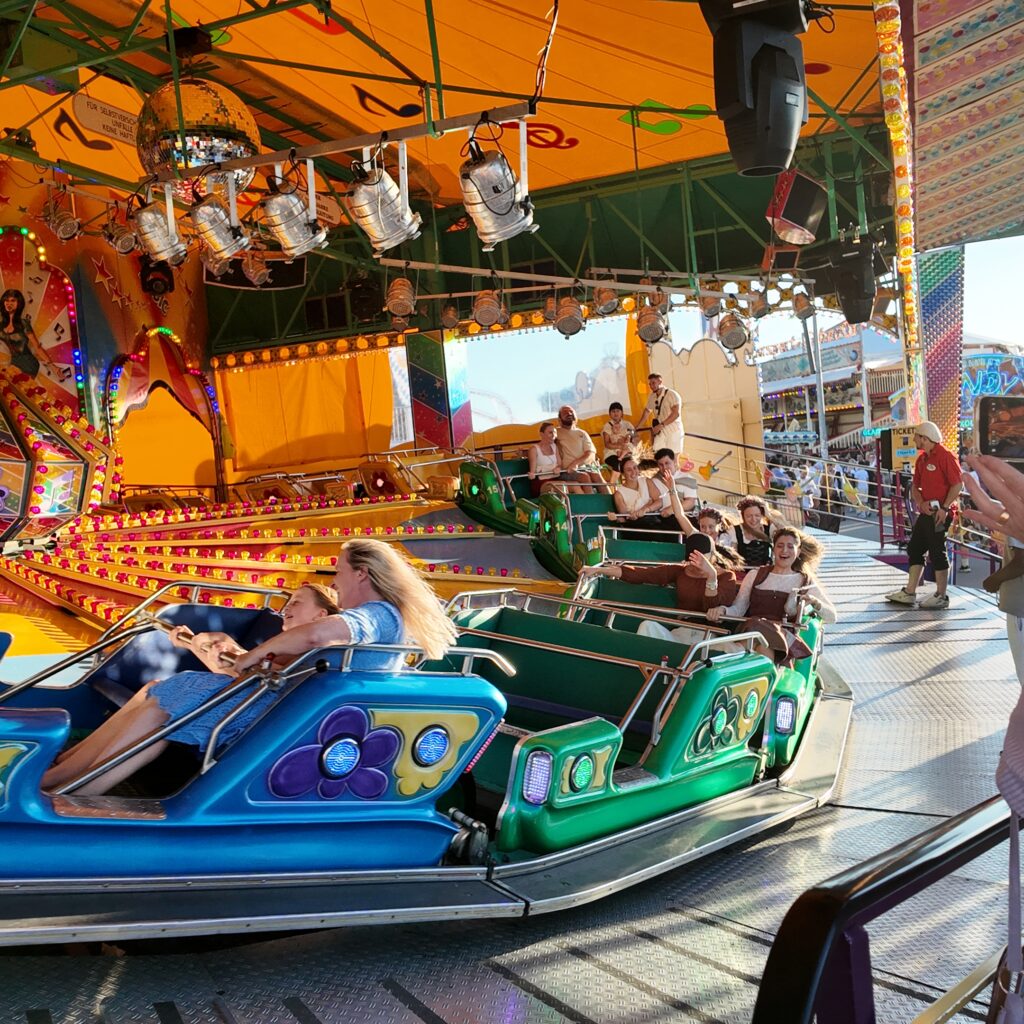
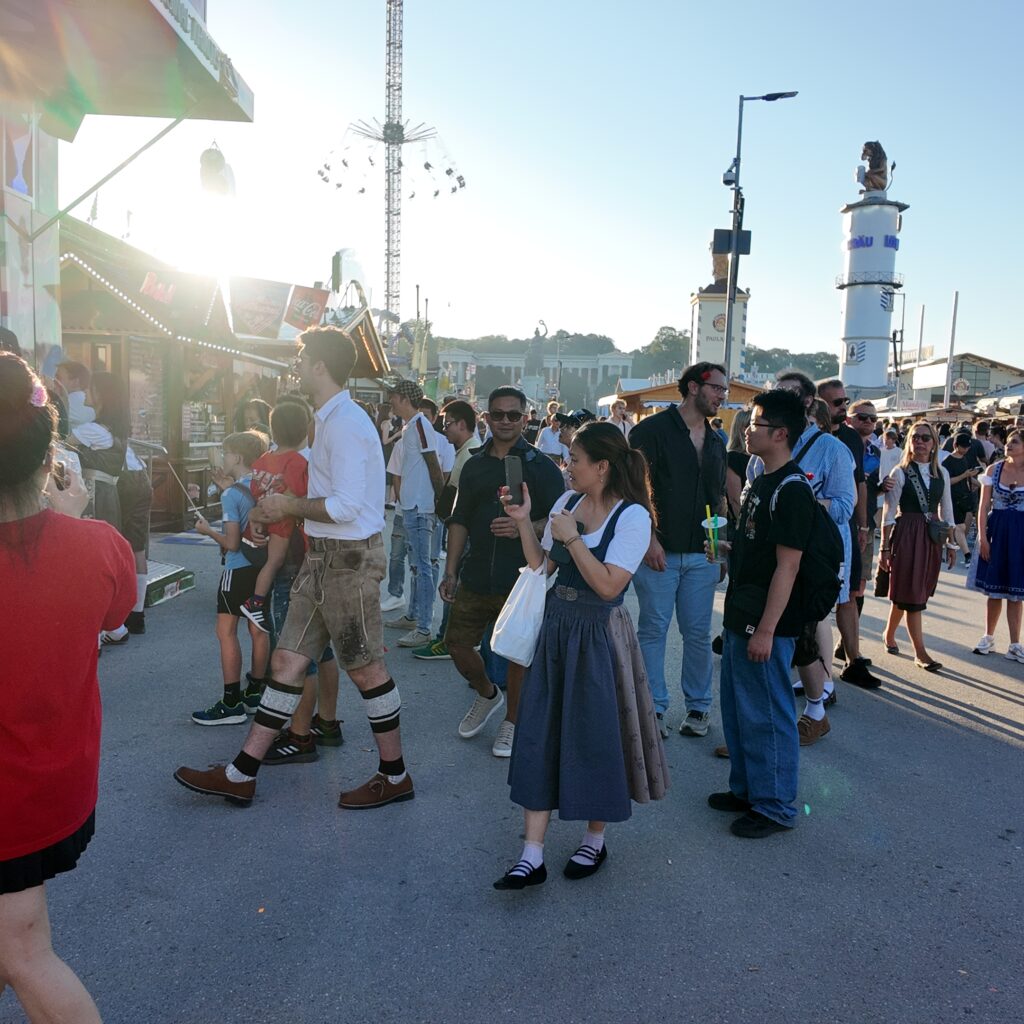
The Oktoberfest grounds and tents were massive—bigger than I ever imagined. Beyond the beer tents, there were rides, games, and food stands everywhere. In just two days, I managed to try five different German dishes—because, obviously, one can’t survive Oktoberfest on beer alone.

The Oktoberfest festivities literally take over Munich—and from what I hear, much of Germany. It’s an unbelievably proud tradition.

I met a guy who’s been pouring beers for over 40 years, with 30+ of those in this tent.

Honestly, I think that’s the pinnacle of German beer-pouring gigs! đŸș

The beer steins were all one liter each and cost about €16 (~$20 USD / $25 CAD). I could only handle two.

Asked around—apparently most locals manage 3–5. Incredible. đŸșđŸ’Ș

đŸșđŸšœđŸșđŸšœđŸșđŸšœđŸșđŸšœ

đŸ›ŒđŸ»đŸšœđŸšœđŸšœđŸšœđŸšœđŸšœ

Oktoberfest history:

Oktoberfest started in 1810 as a royal wedding party for Crown Prince Ludwig of Bavaria—complete with a horse race. The party was such a hit that it became an annual tradition, eventually swapping horses for beer tents, carnival rides, and way too much food. Today, millions flock to Munich to drink liter-sized steins, eat giant pretzels, and stumble out of tents like proud, slightly tipsy Bavarians. Basically, it’s a royal wedding that got wildly out of hand—and somehow the world loves it.

bucket1

Sept. 2025-Europe bucket listâœˆïžđŸš…

I wrapped up my month-long European adventure in September 2025, and it felt like the right moment to take stock.

Once I got home, I updated the list with a fresh perspective, fewer expectations, and a little more honesty about what actually matters on the road.

Turns out, it worked out great.

Some boxes got checked.
Some stayed open.
And a few new ones appeared that weren’t even on the list to begin with.

Spontaneity is kind of the adventure, isn’t it?

We all have bucket lists! Daily, montlhy, yearly or even a lifetime. Retire early and travel overwhelms my bucket list!

The best part is realizing that no bucket list is crazy—as long as you’re willing to work toward it, tolerate the criticism, and put in the effort
 all while actually enjoying the process.

And the criticism? That’s the funny part.

When people critique your life choices, it’s worth asking:
Is this really about you

Or is it about them?

Because people living their own lives rarely have time to criticize yours.

If they criticize, tell them to take a look in the mirror, as there is something wrong with them.

Let’s review the September 2025 European adventure, now that the dust (and jet lag) has settled:

Fly from Phoenix to London on September 1st, and return from London to Phoenix on September 28th via Los Angeles

✅ Nailed it.

Use my Wizz Air all-you-can-fly pass and a 7-day Europass

✅ Worked exactly as planned (which still surprises me)

Get stuck in airports and/or train stations with no seat availability and “make the best of it

❌ Shockingly
 this never happened. Europe chose kindness
Another adventure of a lifetime!

Final score:
Plans made ✔
Plans survived ✔
Memories upgraded ✔

Will do it again in the fall of 2026—zero contingency planning, and more trains.

Wizz air flies to 52 different countries!
The Wizz pass was $499 Euro. I do not plan to sign up once it expires on Septebmer 24th, 2025 towards the end of this trip.
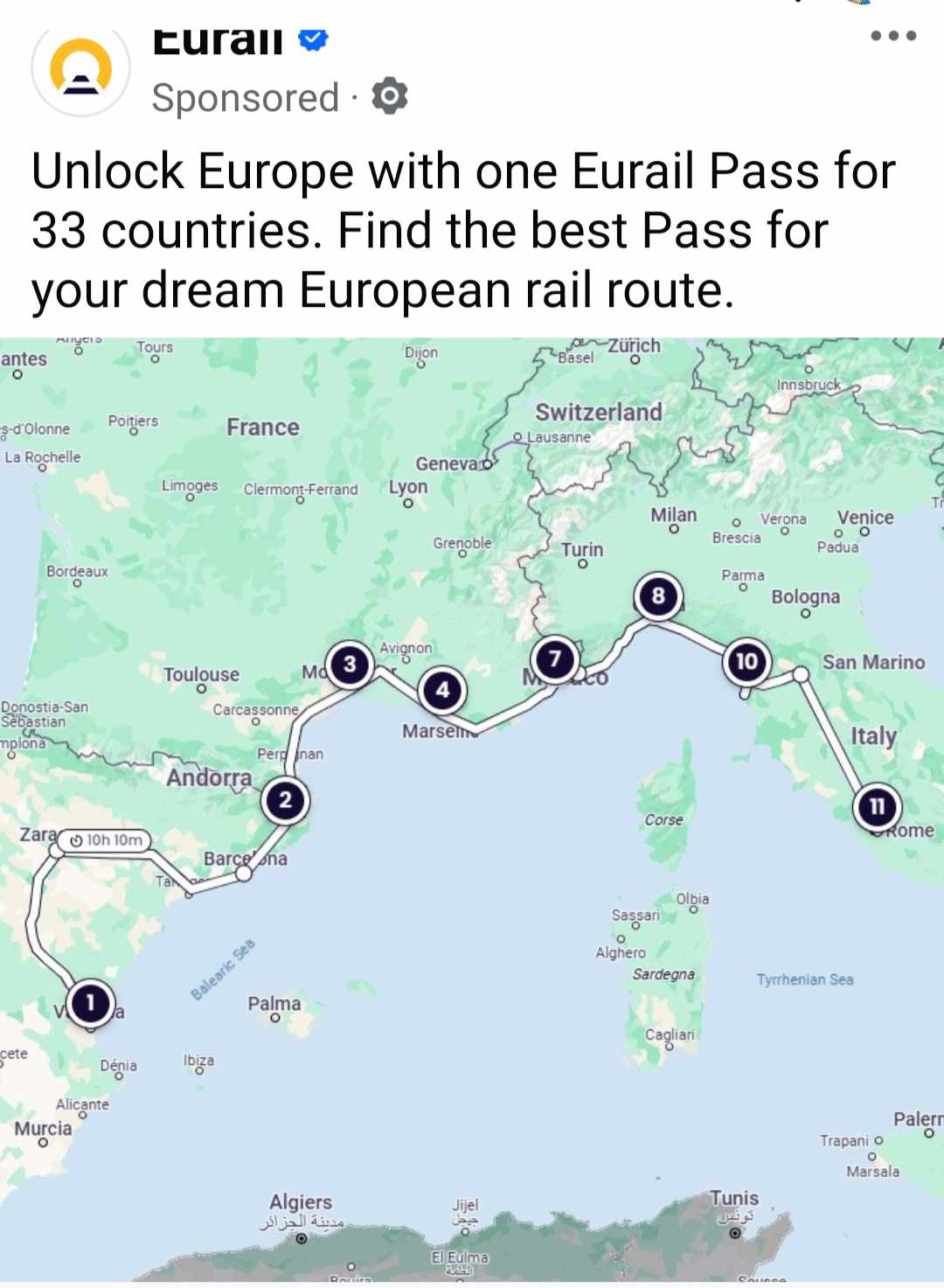
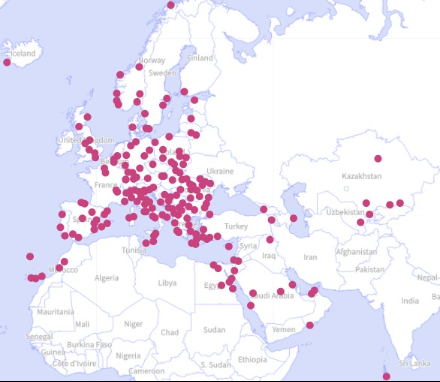
Europass covers 33 countries.

The Europass cost $350 for seven days, which breaks down to about $50 per full 24-hour day.

For the flexibility it offered—multiple trains, zero stress about individual tickets, and the freedom to change plans on the fly—it was money well spent.

Here is my updated hit/miss bucket list updated:

Portugal (Faro, Lisbon, and Porto) ✅

 Coast of Spain (I have been to Madrid and Barcelona) ❌

Octoberfest in Munich, Germany ✅

Ride the train through the Swiss Alps ✅

Poland ✅

Prague ✅

Take a short bus ride into Lviv, Ukraine ❌

Southern Italy ❌ (I purposely missed a flight to Sicily)

I went to Venice instead ✅

The coast of Croatia train tour into Eastern Europe❌

Iceland (Wizz flies into Reykjavik) ✅

The Baltics (Hopefully Germany plus more) ❌

 Denmark❌, Estonia❌, Finland❌, Germany✅, Latvia❌, Lithuania❌, Poland✅, and 

Sweden. ❌ (I had a flight booked to Stockholm but decided against it) ❌


(I consider the ❌ plus more buckets in the fall of 2026 trip below):


Here’s an update on my Wizz Air All-You-Can-Fly (AYCF) pass, based on three separate trips to Europe over 12 months—

It 100% delivered on the spontaneous hype.

November 2024:

London, UK

Varna, Bulgaria

Budapest, Hungary

Vienna, Austria

Abu Dhabi/Dubai, UAE

London, UK (second time)

March 2024

London, UK

Barcelona, Spain 

Madrid, Spain

Naples, Italy

Rome, Italy

Sharm El Sheikh, Egypt

Athens, Greece

September 2025:

London, UK

Faro, Portugal (took train to Lisbon and Porto)

Warsaw, Poland

Reykjavik, Iceland

(Cancelled flights to Stockholm and Sicily)

Here are the train routes I took on the Europass:

Faro, Italy to Porto, Italy via Lisbon

Warsaw, Poland to Prague, Czeck

Prague, Czeck to Munich, Germany

Munich, Germany to Chur, Switzerland

Chur, Switzerland to Lucia, Switzerland

Lucia. Switzerland to Zurich, Switzerland

Zurich, Switzerland to Strasbourg, France

(Switzerland trip over two days including the famous Bernia Express)

Bernina Express | Switzerland Travel Centre

Strasbourg, France – Paris, France

Paris, France – London, England (Chunnel)


Previous European trains taken:

Madrid to Barcelona return on high-speed train

Naples, Italy to Rome, Italy

Paris, France – London, England (Chunnel)


Some ferries were included in the Europass that I never used:

          Ferries in Europe | Eurail.com

Bucket Lists: Adulting with a To-Do List of Awesome

People make bucket lists because “someday” is never specific enough—and staring at the same couch for 40 years eventually loses its charm. A bucket list is basically a socially acceptable way to chase your wildest ideas without anyone demanding a permission slip.

It’s equal parts motivation and bragging rights. Whether you’re skydiving, eating gelato in Rome, or learning to surf, you get to cross it off, post the proof, and casually say, “Yeah
 I did that.”

Bottom line: bucket lists exist to remind you that life is short, the world is huge, and your comfort zone is wildly overrated.

image

Sept.2025 Europass train travel!đŸ›€ïžđŸš…

I rebooked for September 2025 with a 7-day train travel pass, which works out to roughly USD $50 per travel day, plus any required reservation fees. For the distance covered and flexibility you get, it’s an incredible deal.

Until I visited Europe in mid-2024, I honestly had no idea how amazing—and how popular—train travel is there. It’s fast, comfortable, scenic, and stress-free. No security theater, no baggage roulette, no sprinting through airports.

These train trips weren’t just transportation—they were part of the experience. Watching cities turn into countryside, countryside into mountains, and borders quietly disappear from your seat changes how you think about moving through a continent.

Once you do Europe by train, it’s hard to imagine doing it any other way.

Here are the routes I took in September 2025 on my seven-day pass

Day 1:

Faro, Portugal to Porto, Portugal via Lisbon

Day 2:

Warsaw, Poland to Prague, Czeck

Day 3:

Prague, Czeck to Munich, Germany

Day 4:

Munich, Germany to Chur, Switzerland

Day 5:

Chur, Switzerland to Lucia, Switzerland

Lucia. Switzerland to Zurich, Switzerland

(Famous Bernia Express)

Day 6:

Zurich, Switzerland to Strasbourg.

Strasbourg, France – Paris, France

Day 7:

Paris, France – London, England 

These trips were taken over the month of September. I more than paid for the pass with these trips as Day 5 in Switzerland would have been $300+

Reservation fees were a bummer!  It cost me over and above pass to secure seats on some of these routes. I spent about $100 on top of the $350 pass.

Here are some **pictures and videos from train travel in Vietnam and across Europe during the spring of 2025.

I rode so many trains, for so long, that I eventually made a smart call and postponed the European portion of my train-heavy travel until September 2025. At a certain point, even the best journeys deserve a pause.

That’s one of the underrated lessons of slow travel: knowing when to keep moving—and when to save something great for later.

I also got to experience a high-speed train from Barcelona to Madrid, cruising along at 300 km/h on the return.

Smooth, fast, quiet—and wildly efficient. One minute you’re in the city, the next you’re watching the Spanish countryside blur past like a screensaver. It’s another perfect example of how, in Europe, the train isn’t just a backup to flying—it’s often the best option.

The slow train from Naples to Rome, Italy, was also a great experience as I was able to see a lot more of the Italian wine Countryside.

Screenshot_20240925-150032

All you can fly! September 2025!!✈

This pass worked for me because it matched how I like to travel now—not how I used to think I should travel. I wasn’t trying to optimize every dollar or squeeze in as many flights as possible. I wanted movement, flexibility, and the freedom to change plans without feeling locked in.

The standby nature of the pass turned out to be a feature, not a flaw. It kept things light. I booked late, went where there was space, and let availability decide the route. That removed the pressure and made each trip feel more like an experience than a checklist.

It also fit my schedule and temperament. I don’t mind odd flight times, backtracking, or staying put an extra day if that’s how things unfold. That kind of loose structure wouldn’t work for everyone—but for me, it made travel feel spontaneous again.

Most of all, it worked because I’ve learned that I enjoy the journey more than the plan. Whether it was hopping cities, riding trains, or sitting in an airport with nowhere urgent to be, the pass supported that mindset. No rush. No maximizing. Just moving through places when the timing felt right.

For the right kind of traveler, this pass makes exploring 52 countries both accessible and affordable.

I picked up the All You Can Fly pass from Wizz Air for €599 (£500), mostly because it promised something I’ve always liked—freedom without overspending. The catch was that flights run on a standby basis and can only be booked within 72 hours of departure, which sounds limiting until you lean into it.

Once I was registered, it turned travel into something lighter. Instead of planning months ahead, I’d check what was available, pack a bag, and go. It wasn’t about maximizing flights or hacking the system—it was about saying yes to movement, short trips, and places I probably wouldn’t have visited otherwise.

The all-you-can-fly pass gave me the freedom to say yes more often—quick trips, last-minute plans, and places I probably wouldn’t have visited otherwise.

I’ve come to appreciate that not everything in life needs to be permanent to be meaningful. 

Some things are meant to be used for a while, learned from, and then set aside. The gear, the hobbies, the passes—they all mark where I was at a given moment. This one gave me movement, freedom, and a sense of possibility when that’s exactly what I was looking for. And like the others, it did its job. That feels like a good ending.

Screenshot 2025-08-07 195641

Hitting the reset button, again …

Freedom is great
 but it turns out accountability pairs nicely with vegetables.

Traveling solo and being single is a great way to learn just how little supervision I actually need—and how badly I sometimes need it anyway.

Balanced meals become a suggestion, vegetables go missing in action, and there’s no one around to question why dinner is beer with a side of “I’ll fix this tomorrow.”


The upside is total freedom. The downside is realizing I am not, in fact, the responsible adult I thought I was, and carbs are my enemy!

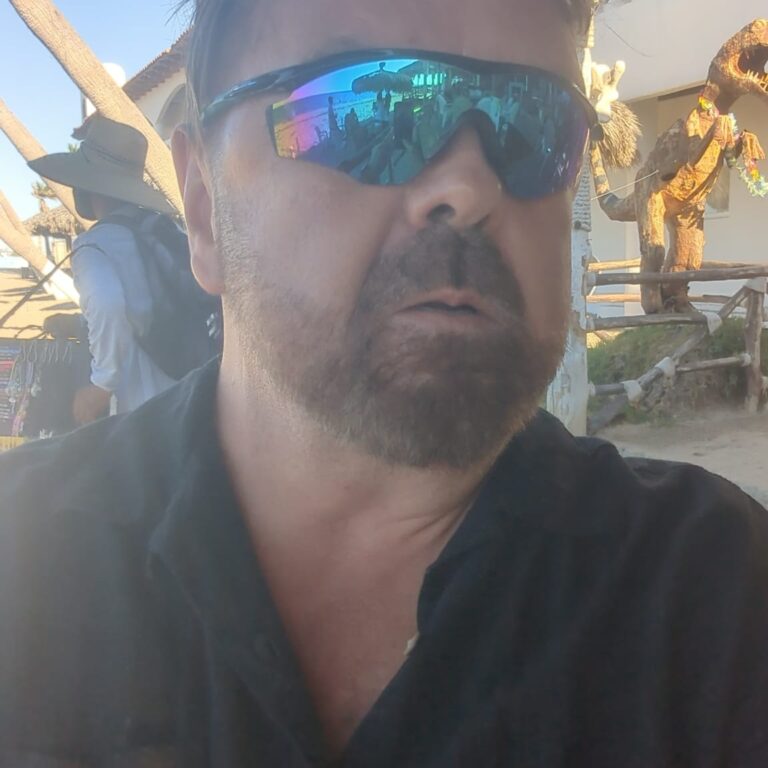
The extra weight didn’t just sneak up on me—it kicked the door in, sat on my couch, and aged me ten years out of spite.
And the “just for men” look somehow makes it even worse—like I’m both the problem and the person who signed off on it.

I’ve been both versions of that guy more times than I can count. I buckle down, lose the weight, feel great
 then get comfortable and slowly put it back on—sometimes a little, sometimes impressively.

Every time, I confidently declare, “This time will be different.”

And look—I know the track record. I’m fully aware of the evidence.

But still
 THIS TIME WILL BE DIFFERENT.

THIS TIME WILL BE DIFFERENT! 😁

There’s a saying: “You can’t outwork a bad diet.”
For me, that couldn’t be more true.

I’ve walked, run, hiked, biked, paddleboarded

Paid for gym memberships most of my adult life when I wasn’t traveling

Bought treadmills, steppers, rowing machines, weights


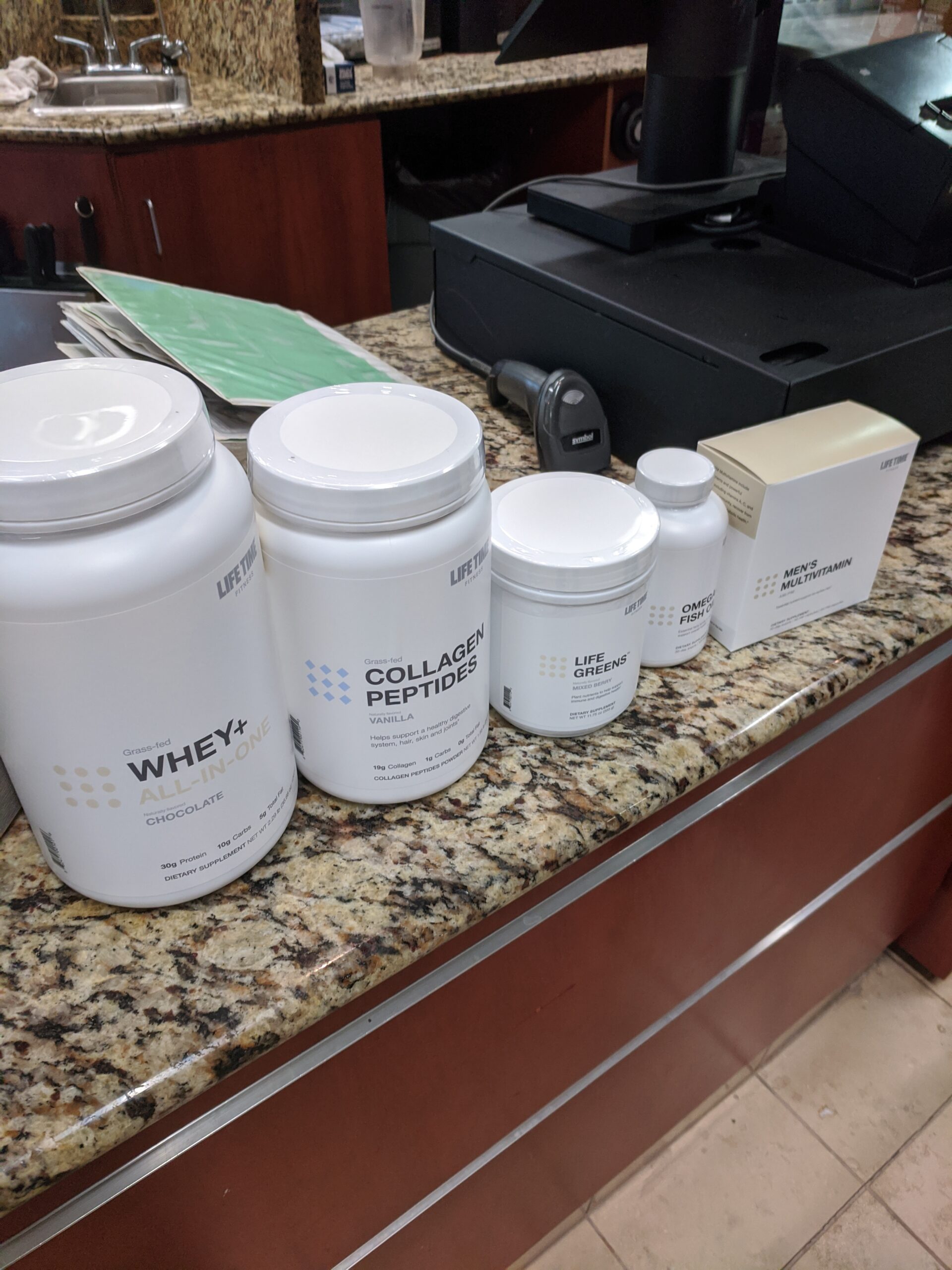
I’ve also thrown away—or quietly watched expire—more supplements than I will ever admit to owning.

Thousands of dollars.
Endless effort.
All expertly undone by travel, convenience, beer, and the magical thinking that calories don’t count when you’re moving.

I didn’t lack discipline.
I lacked consistency
 and apparently vegetables.

And yet—here I am again, staring down the same cycle, saying it with full confidence and zero shame:

THIS TIME WILL BE DIFFERENT.

(History suggests otherwise.
Optimism insists otherwise.
We ride at dawn.)

In the summer of 2025, I finally put myself in a timeout and decided to combine everything I’d learned over the years—plus one major change.

I quit drinking and traveling.

Well
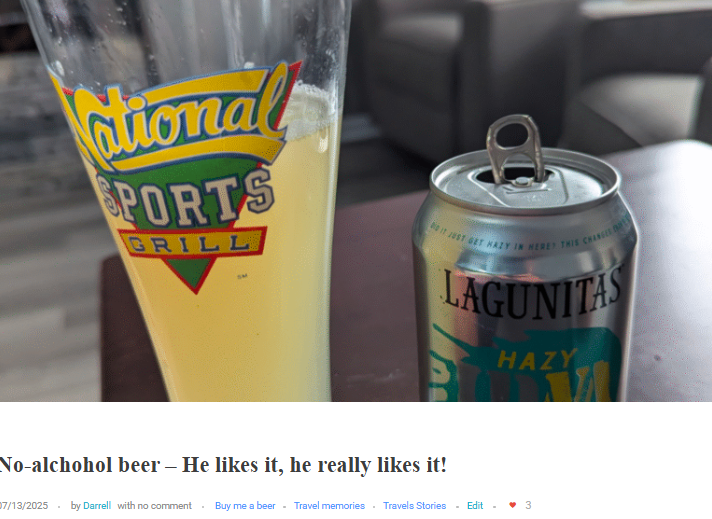
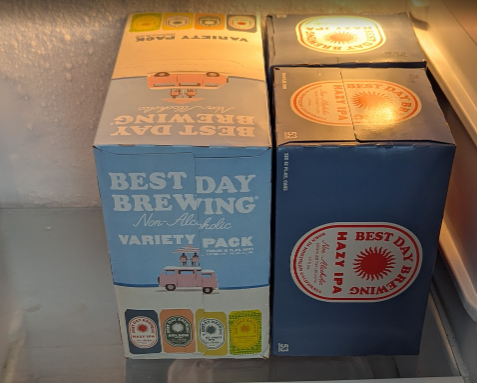
 I switched to non-alcoholic beer and still went to Mexico—but that version doesn’t sound nearly as dramatic, so we’re going with the first one.

Still, the intent was real. Fewer excuses. Fewer resets. More structure. Turns out removing just one bad habit makes all the other “this time will be different” promises slightly less fictional.

Progress, not perfection. Even if I had to negotiate the terms.

Check out the non-alcoholic beer blog by clicking HERE!

(I review and list all of the best NA beers; take a look if you would like to see them.)

There is zero doubt in my mind that this is a life changer for me! The IPAs are decent, half the calories and do not fuck me up! LOL
Good lesson and the punishment fit the crime!

Here was my daily schedule for almost three months:

Wake up at sunrise and blog and YouTube until 9 AM. ✅

One homemade latte to kind of break my fast. ✅

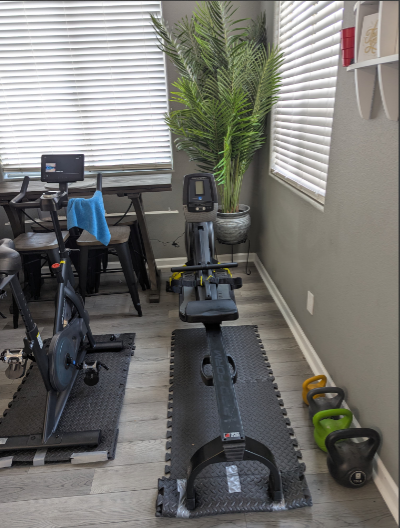
Stationary bike and row for one hour at home. ✅

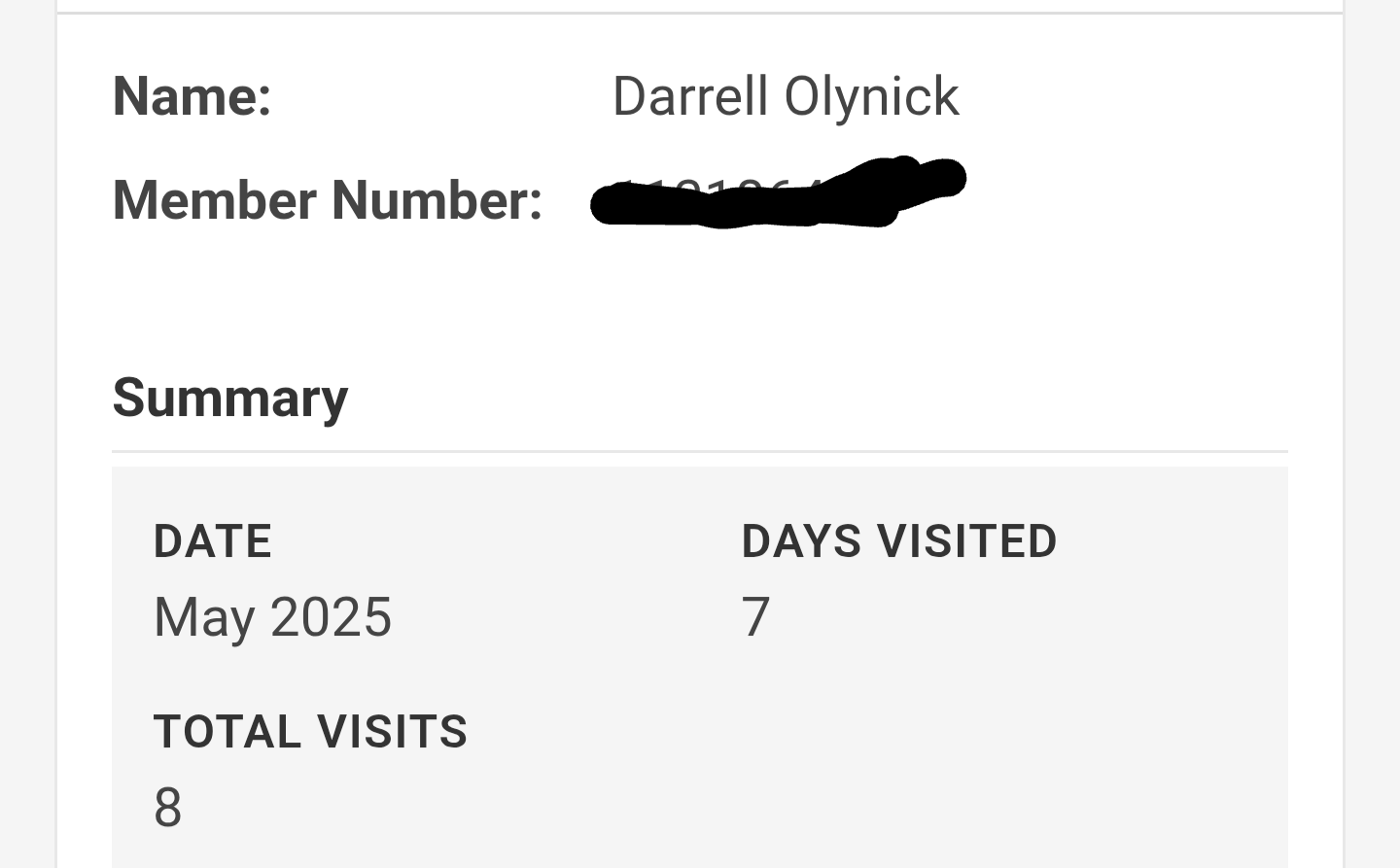
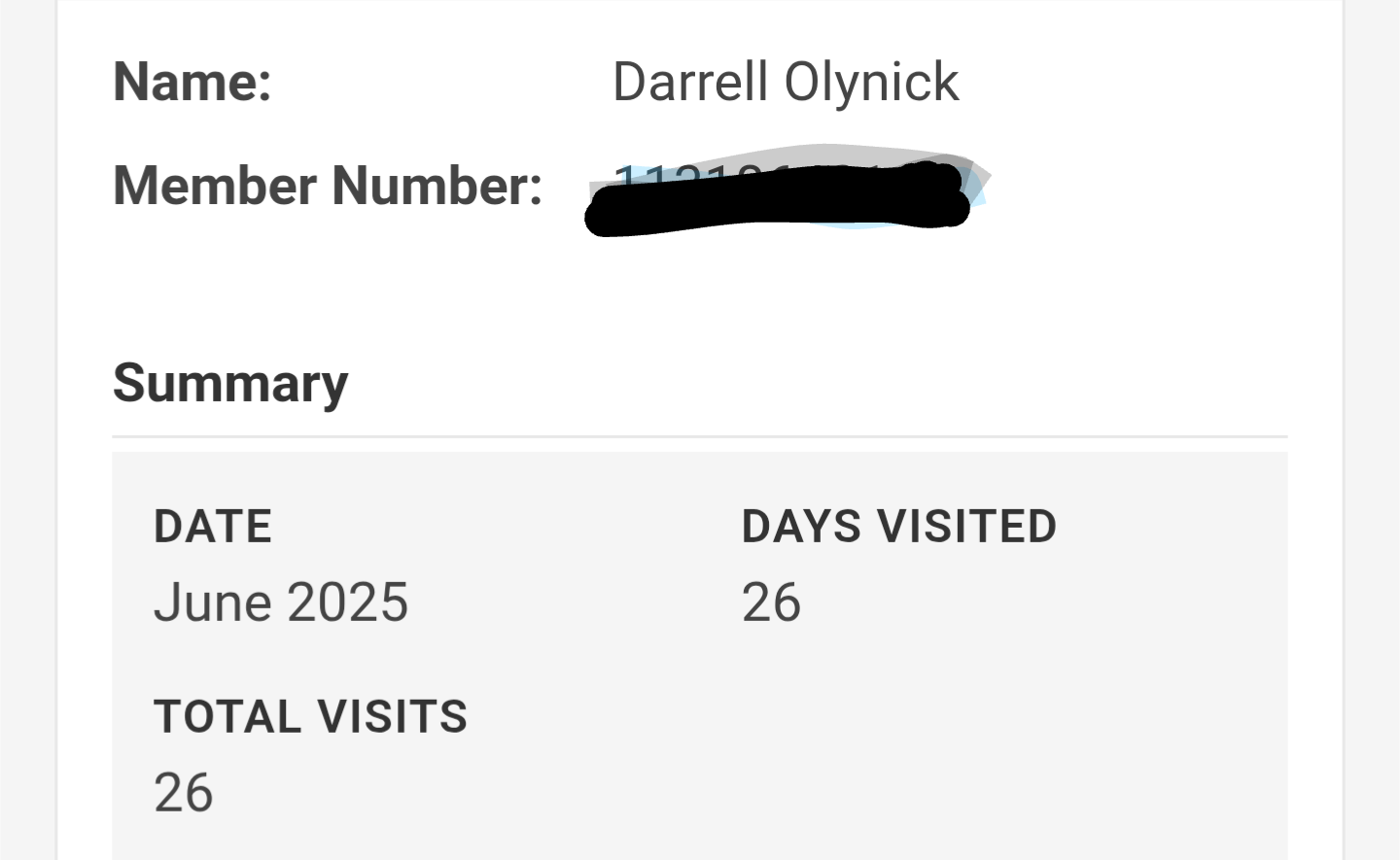
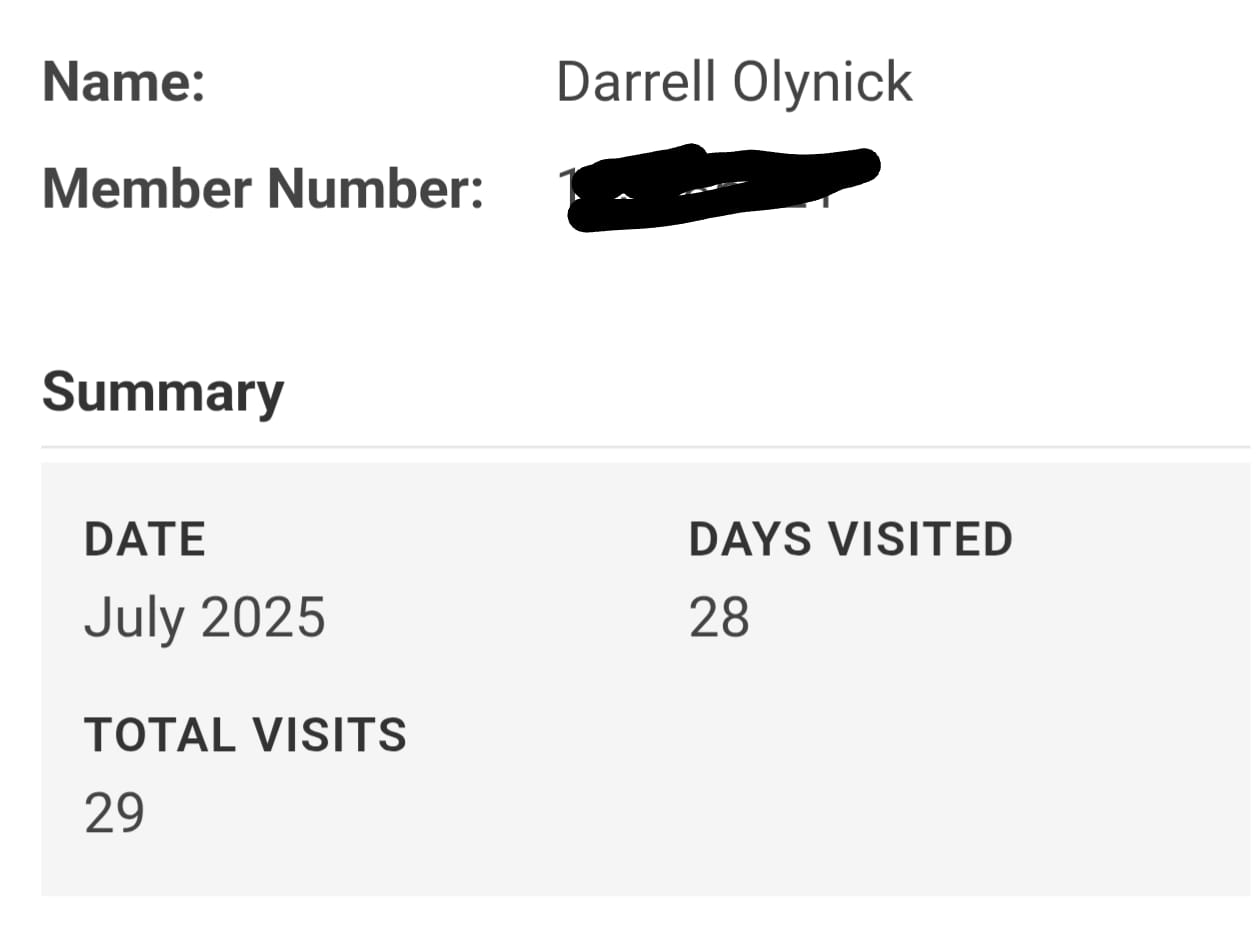
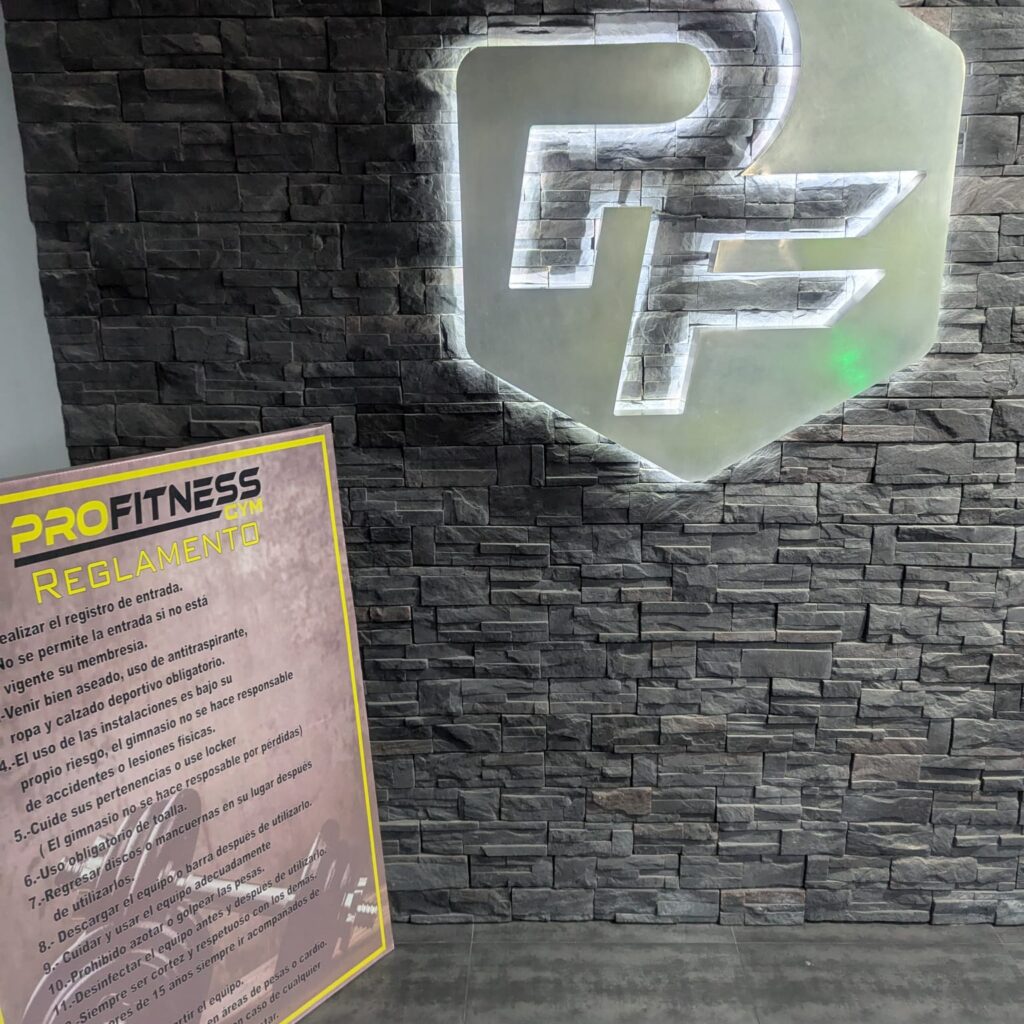
Spend 2-3 hours at the gym/spa. ✅

Get home, make a protein shake, and take my supplements. ✅

Eat my only meal between 3 PM and 5 PM as part of intermittent fasting. ✅

Drink non-alcoholic beer in the evening and watch a ball game a few times a week. ✅

I did have a few couch days, but kept track of my gym progress diligently, which is key for me! ✅

(I followed the above to a “T” on gym days shown below)

I had fun telling the Mexico border agent it was no alchohol beer. I did not have to pay tariffs or import taxes. It worked!!
default

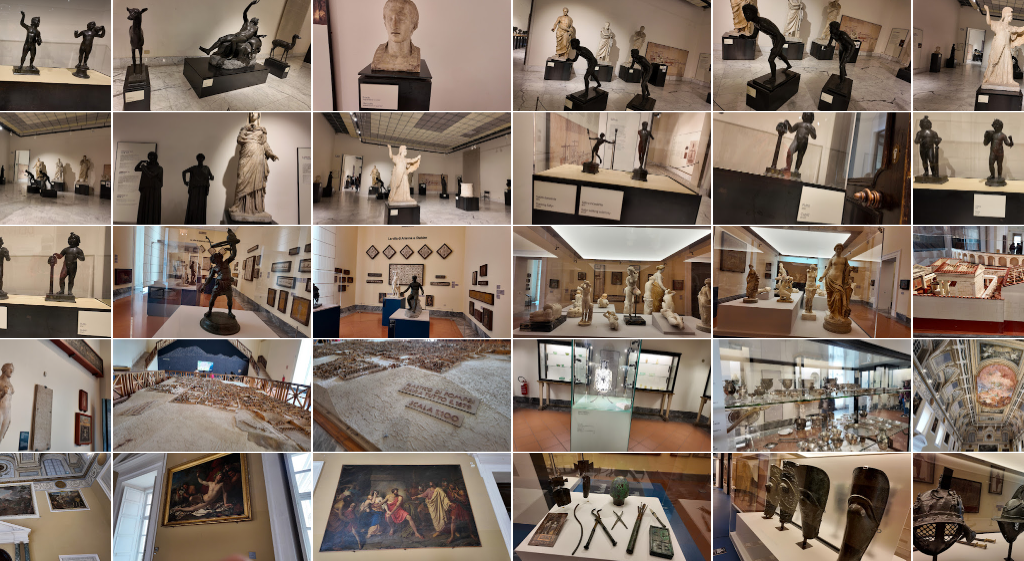
Naples, Italy – Pompeii Museum

Look for the cost, accommodation, and how to get there cheap at the bottom of this blog!

I am the first to admit that I knew very little about the history of Greece and Italy until my visit in the spring of 2025. Due to rain, I did not make it to the actual city, so this post will be dedicated to the Pompeii Museum in Naples, Italy.

From Wikipedia, the free encyclopedia. This article is about the ancient city of Pompeii. For the Classical Roman leader, see Pompey. For the Roman family, see Pompeia gens. For the Pacific Island, see Pohnpei.

Largely preserved under the ash, Pompeii offers a unique snapshot of Roman life, frozen at the moment it was buried, as well as insight into ancient urban planning. It was a wealthy town of 10,000 to 20,000 residents at the time it was destroyed. It hosted many fine public buildings and luxurious private houses with lavish decorations, furnishings, and artworks, which were the main attractions for early excavators; subsequent excavations have found hundreds of private homes and businesses reflecting various architectural styles and social classes, as well as numerous public buildings. Organic remains, including wooden objects and human bodies, were interred in the ash; their eventual decay allowed archaeologists to create molds of figures in their final moments of life. The numerous graffiti carved on outside walls and inside rooms provide a wealth of examples of the largely lost Vulgar Latin spoken colloquially at the time, contrasting with the formal language of classical writers.

Following its destruction, Pompeii remained largely undisturbed until its rediscovery in the late 16th century. Major excavations did not begin until the mid-18th century, which marked the emergence of modern archeology; initial efforts to unearth the city were haphazard or marred by looting, resulting in many items or sites being damaged or destroyed. By 1960, most of Pompeii had been uncovered but left in decay; further major excavations were banned or limited to targeted, prioritized areas. Since 2018, these efforts have led to discoveries in some previously unexplored areas of the city.

Pompeii is a UNESCO World Heritage Site, owing to its status as “the only archaeological site in the world that provides a complete picture of an ancient Roman city. 

It is among the most popular tourist attractions in Italy, with approximately 2.5 million visitors annually.

Pompeii was destroyed by the eruption of Mount Vesuvius on August 24, 79 CE. The volcanic debris covered the city, burying it beneath a blanket of ash and pumice.

Following its destruction, Pompeii remained largely undisturbed until its rediscovery in the late 16th century. Major excavations did not begin until the mid-18th century, which marked the emergence of modern archeology;[5] initial efforts to unearth the city were haphazard or marred by looting, resulting in many items or sites being damaged or destroyed.[6] By 1960, most of Pompeii had been uncovered but left in decay;[7] further major excavations were banned or limited to targeted, prioritized areas. 

Since 2018, these efforts have led to discoveries in some previously unexplored areas of the city.

Less than ten years ago, which is what made this museum so fascinating to me. Here is the entrance:

I must have taken over a hundred pictures and videos, as everywhere you looked was incredible. 

Here are some favorite pictures, a nd you can find all of the pictures here:

One of the most incredible things about Pompeii is that they are still discovering new things as they continue to roll back time, excavating the site.  

The ruins at Pompeii were first discovered late in the 16th century by the architect Domenico Fontana. Herculaneum was discovered in 1709, and systematic excavation began there in 1738. Work did not begin at Pompeii until 1748, and in 176,3 an inscription (“Rei publicae Pompeianorum”) was found that identified the site as Pompeii. The work at these towns in the mid-18th century marked the start of the modern science of archaeology.

Here is a recent article I found that explains they are still discovering ruins:

Archaeologists make a breakthrough as life-size sculptures are discovered in a Pompeii tomb

Archaeologists make a breakthrough as life-size sculptures are discovered in a Pompeii tomb

Visitors to the site of Pompeii, the ancient Roman town buried (and so preserved for thousands of years) by the eruption of Mount Vesuvius in 79 AD, don’t often think to look beyond the city walls. And it’s easy to understand why: there’s plenty on offer within this monumentally well-preserved town, from jewel-like wall paintings of myths and legends like Helen of Troy, to the majestic amphitheatre and sumptuously stuccoed baths.

But step outside the gates for a moment, and you’re in a very different – yet no less important – world.

For the ancient Romans, the roads and paths leading into and out of cities were crucial: not just for getting places, but as a very real kind of “memory lane”. Tombs lined these ancient byways – some simply bearing inscriptions to the memories of loved ones lost, others, more grand, accommodating space for friends and family to feast in remembrance of the dead.

Some of the tombs even address the passerby directly, as if their occupant could speak again, and pass on what they’ve learned. Take one Pompeian example, set up by the freedman Publius Vesonius Phileros, which opens with ineffable politeness: “Stranger, wait a while if it’s no trouble, and learn what not to do.”

Going into Pompeii, and leaving it, was about being reminded of ways of living and ways of dying – as well as an invitation to tip your hat to those who trod the path before you, and to learn from their example.

Click the link to read the entire article.

During my travels, I try to balance the cheap, thrifty and going for it while trying to remain on budget. It normally makes me feel like I missed out when leaving a new City/Country.

Rain or Shine, I will visit Pompeii as I missed out. I will share some sweet dance moves too! đŸ•ș

How to get to Italy, cheaply: I recommend flying Norse Airlines from Los Angeles to Rome for $220. You can get to Los Angeles cheaply from anywhere in Canada and the United States using Google Travel. Consider staying in LA a day or two, doubling up your vacation, and saving a ton of money.  It is a quick ~$13 train ride from Rome to Naples. Keep in mind that the high-speed train can be very expensive, so check out the milk run to see the countryside.

Where I stayed: Hopestel Secret Garden. It was a great hostel in a historic building in the city center.  I paid $28 euros / USD 30 a night, which is spectacular for Naples City center.  There are also studio rooms that can be rented for about $12,5, which is also a steal in the area.

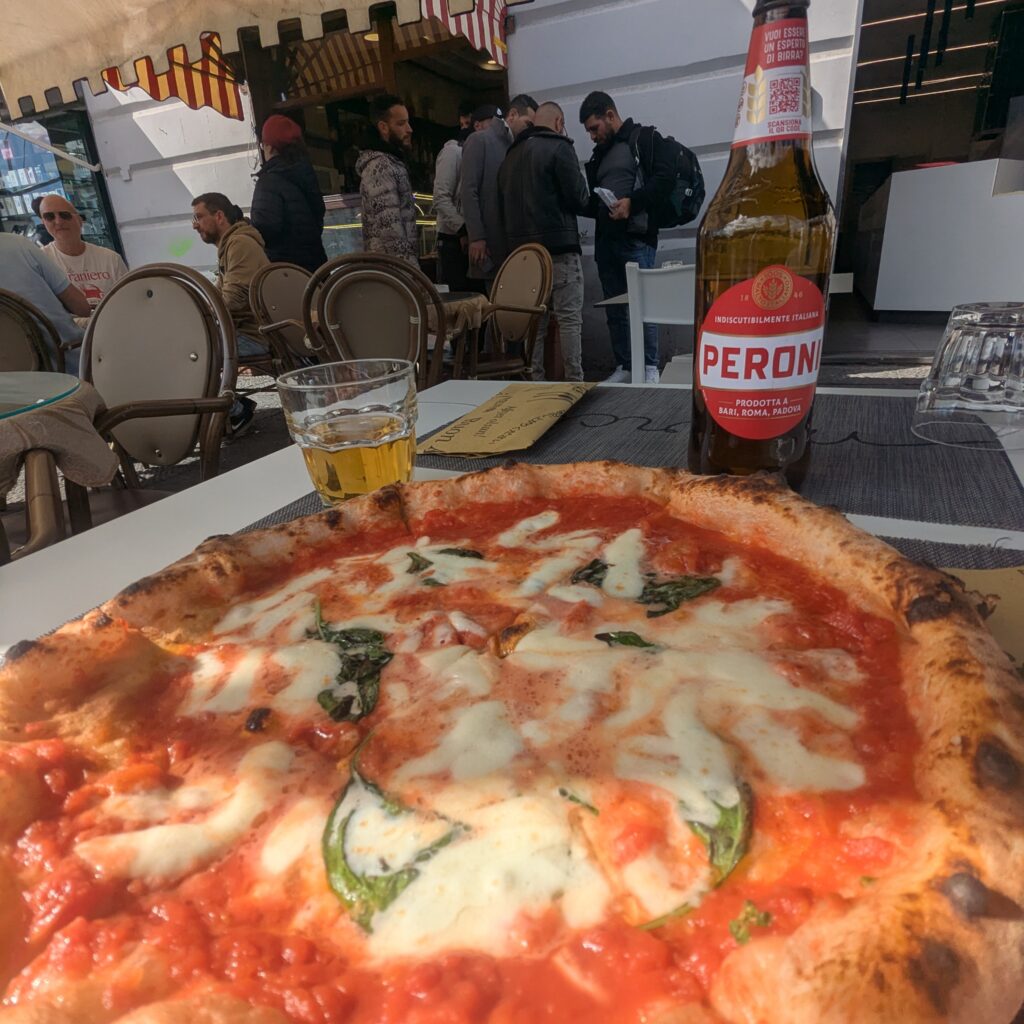
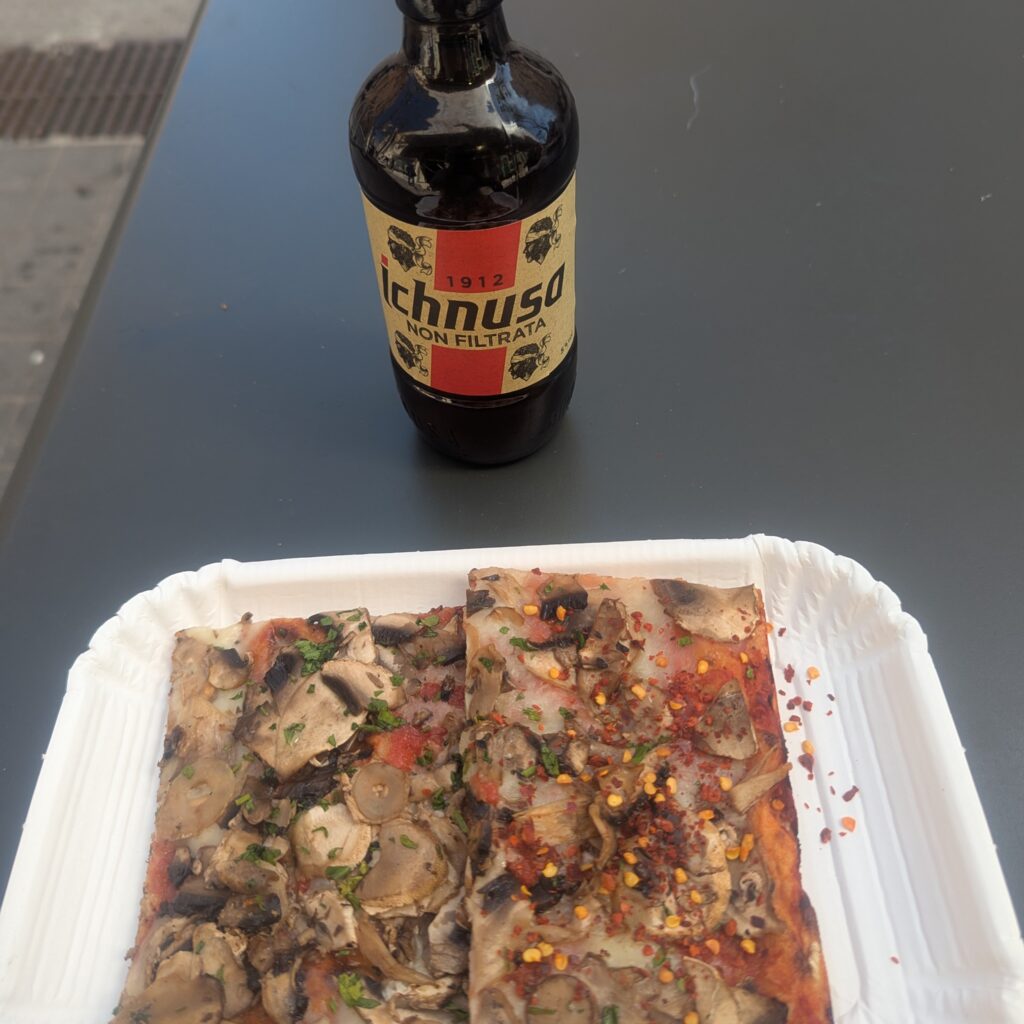
The best local beer and meal: PIZZA!  It was a no-brainer since Napoli is where pizza was invented. I tried several different variations and washed it down with a local Ichnusa unfiltered brewski, which hit the spot every time.

Would I return? 100% YES! I missed the most important historical area due to rain, Pompeii.

plane3

Three months looking out windows!

I left Arizona on January 12th and didn’t return until April 7th, 2025, heading first to Vietnam and then bouncing across the globe. In order, I visited:

Vietnam → Cambodia → Thailand → London (twice) → Singapore → Greece → Turkey → Egypt → Italy → Spain

Eight of those ten countries were brand-new pins on my map, which made the whole thing feel even more unreal. 📍🌍

I spent the first three months slowly moving through Vietnam, Cambodia, and Thailand. After that, I flipped the switch and went full chaos mode with my all-you-can-fly pass—whizzing (Wizz Air style) through London, Singapore, Greece, Turkey, Egypt, Italy, and Spain.

Here’s the actual chain of planes, trains, ferries, and buses that somehow all worked:

✈ Phoenix → Los Angeles
✈ Los Angeles → Singapore
✈ Singapore → Saigon (HCMC)

🚆 Saigon → Nha Trang
🚆 Nha Trang → Huáșż
🚆 Huáșż → Da Nang
🚆 Da Nang → Hoi An
🚆 Da Nang → Saigon
🚱 Saigon → PhĂș Quốc
🚱 PhĂș Quốc → Saigon

🚌 Saigon → Phnom Penh
🚌 Phnom Penh → Siem Reap
🚌 Siem Reap → Angkor Wat

🚌 Angkor Wat → Bangkok
🚱 Bangkok → Koh Tao
🚱 Koh Tao → Koh Phangan
🚱 Koh Phangan → Koh Samui

🚱🚌 Koh Samui → Bangkok
✈ Bangkok → Singapore
✈ Singapore → Athens

✈ Athens → Istanbul
🚱 Istanbul → Princess Islands (day trip)
✈ Istanbul → London
✈ London → Sharm El Sheikh, Egypt
✈ Sharm El Sheikh → London
✈ London → Naples
🚆 Naples → Rome

✈ Rome → Madrid
🚆 Madrid → Barcelona
🚆 Barcelona → Madrid
✈ Madrid → Rome
✈ Rome → Los Angeles
✈ LAX → Phoenix

(That doesn’t even include all the local buses, metros, tuk-tuks, and 25+ ride share ((Grab/Uber/Bolt/InDrive)) rides along the way.)

Three months in Southeast Asia.
Then a rapid-fire lap through Europe, the Middle East, and North Africa.

It sounds insane written out like this—and honestly, it kind of was.

But that’s part of the fun.
And after traveling like this for three straight months


Sometimes all you can do is drop a blog and watch miserable people be jealous. 😄

This was, by far, the longest—and most expensive—trip of my life.

I blew through my budget. And once that happened, I made the call to keep going anyway, because I was already there. I ended up canceling my Eurail pass and coming home three weeks early to stop the financial bleeding.
At the time, I didn’t think I’d ever use my all-you-can-fly pass again, so I went into “see everything now” mode and stacked as many countries as I could. I still missed a few, which means there’s a pretty good chance I’ll give it one more run someday—especially since I’m not renewing the pass.
And here’s the truth:

I have zero regrets about spending money on travel.
Not at the end of this trip.
Not at the end of any trip.

What I do have is better awareness.

Travel is worth it.
The memories are worth it.
The experiences are worth it.

I just need to be smarter next time in Europe and use train travel—pace it better, plan a little tighter, and learn from the mistakes without losing the magic.

That’s not regret.
That’s learning and sharing.

pope

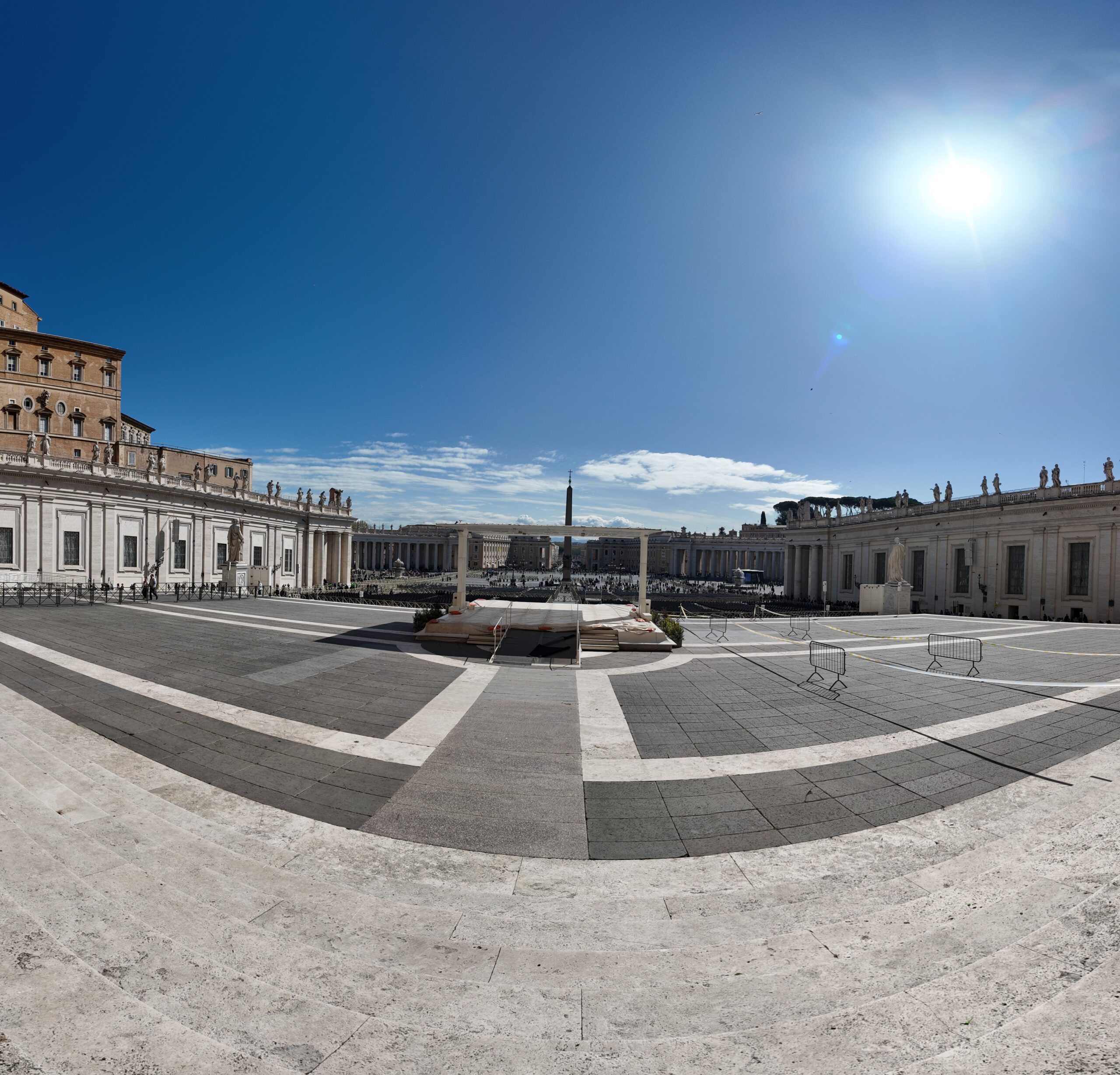
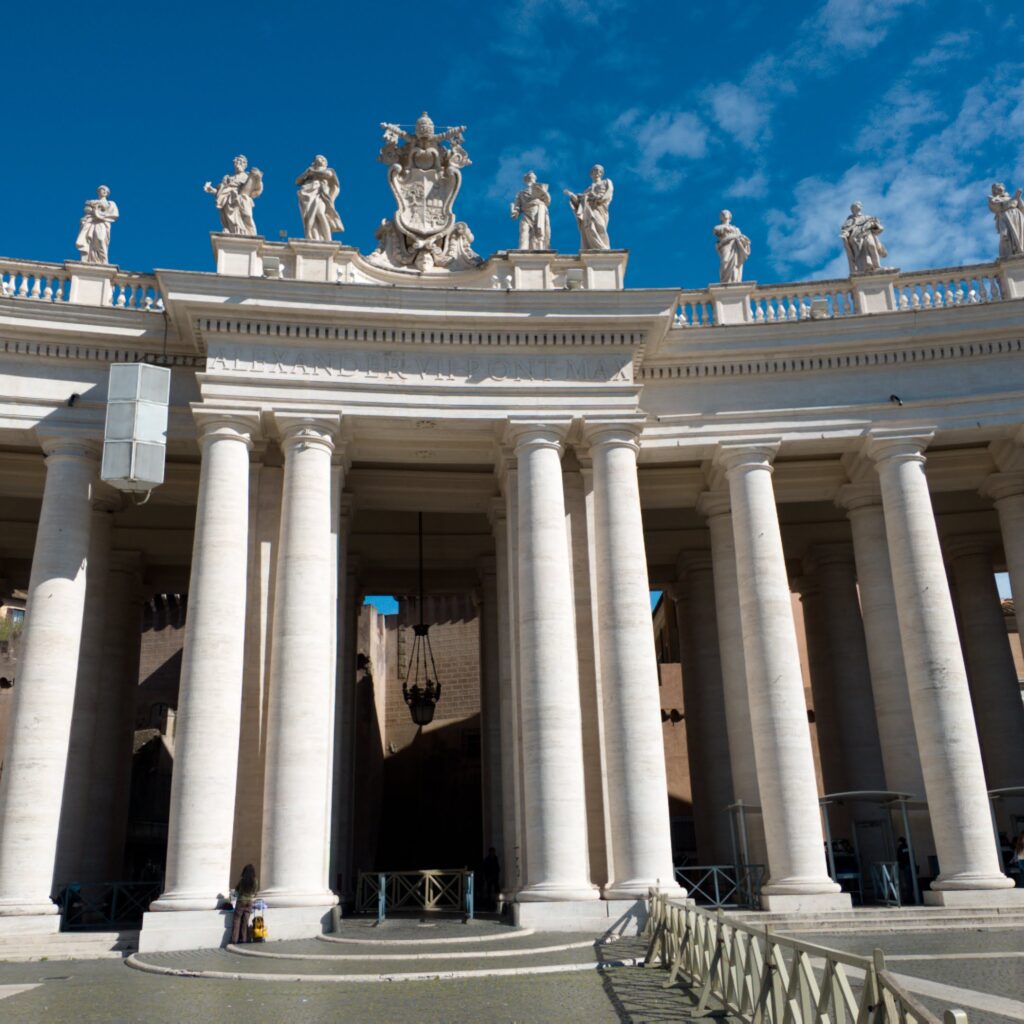
Rome, Italy – Second visit to Vatican City!

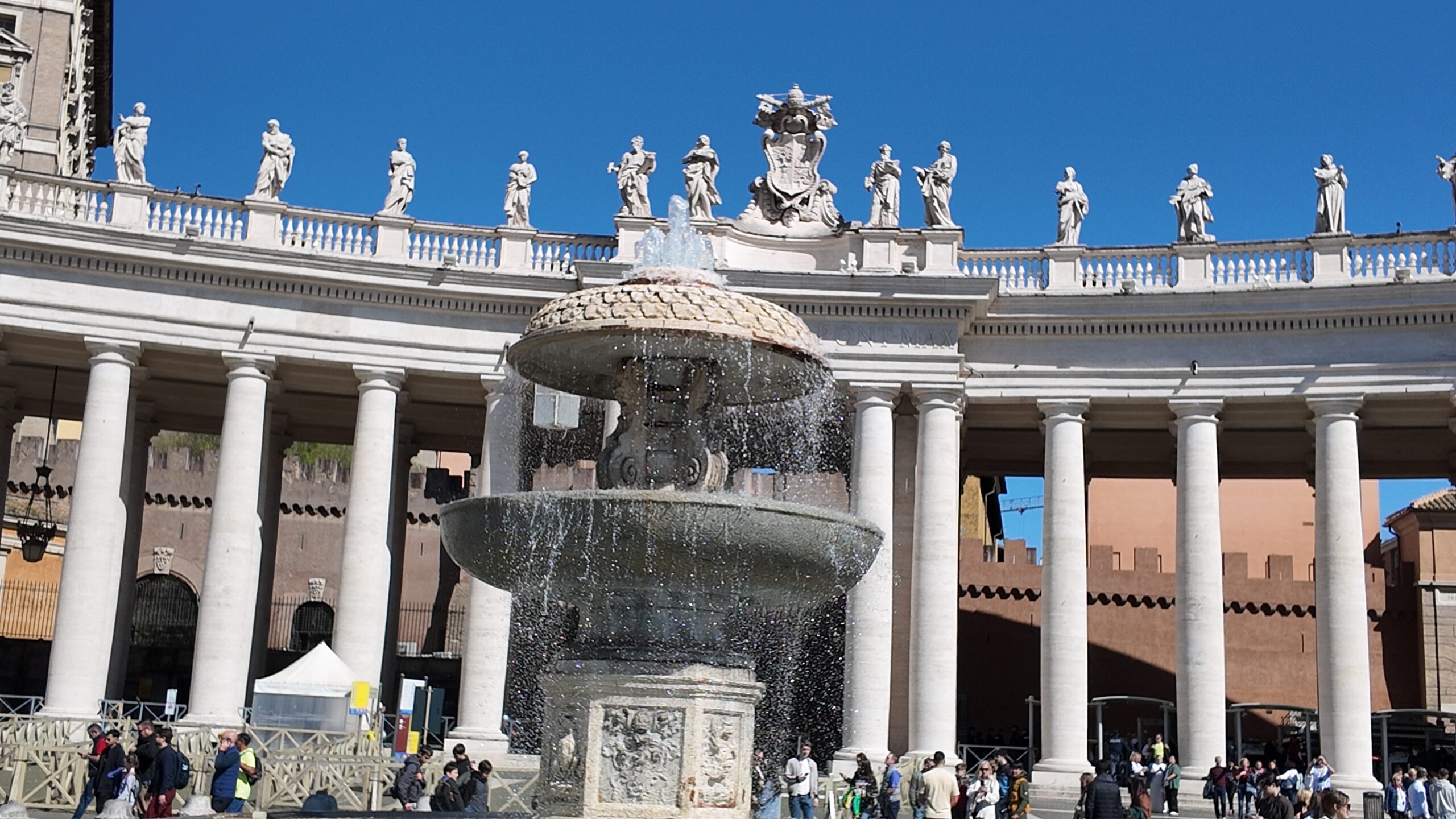
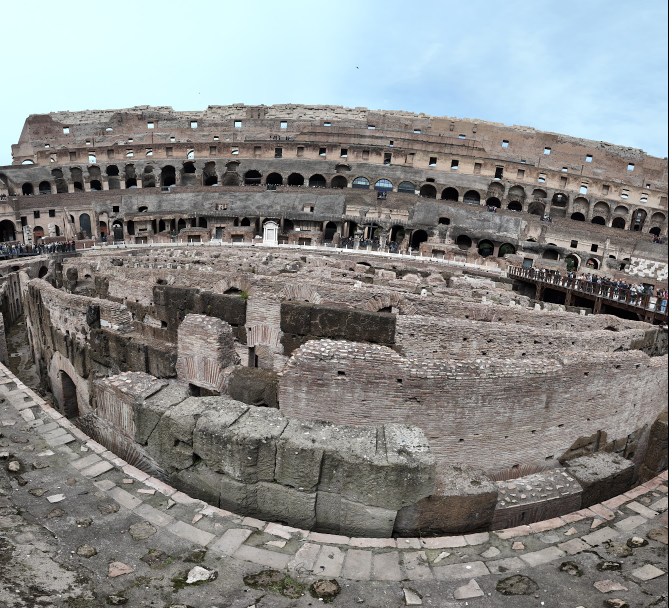
I spent the last day of my recent travels in Rome, a place I’d already explored before. I’d checked off most of the major tourist traps on earlier visits, but it still felt essential to revisit the Colosseum and Vatican City—some places deserve more than one look.

Ironically, I chose a Sunday, which meant the Vatican Museums and the Sistine Chapel were closed. Not ideal—or so I thought at the time.

Unbeknownst to me, I was about to get a much bigger—and completely unexpected—treat that day.

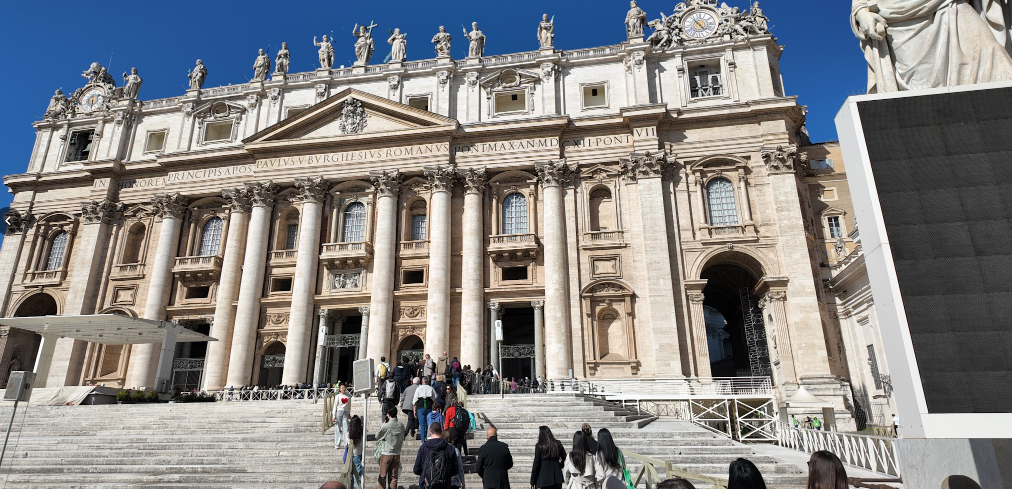
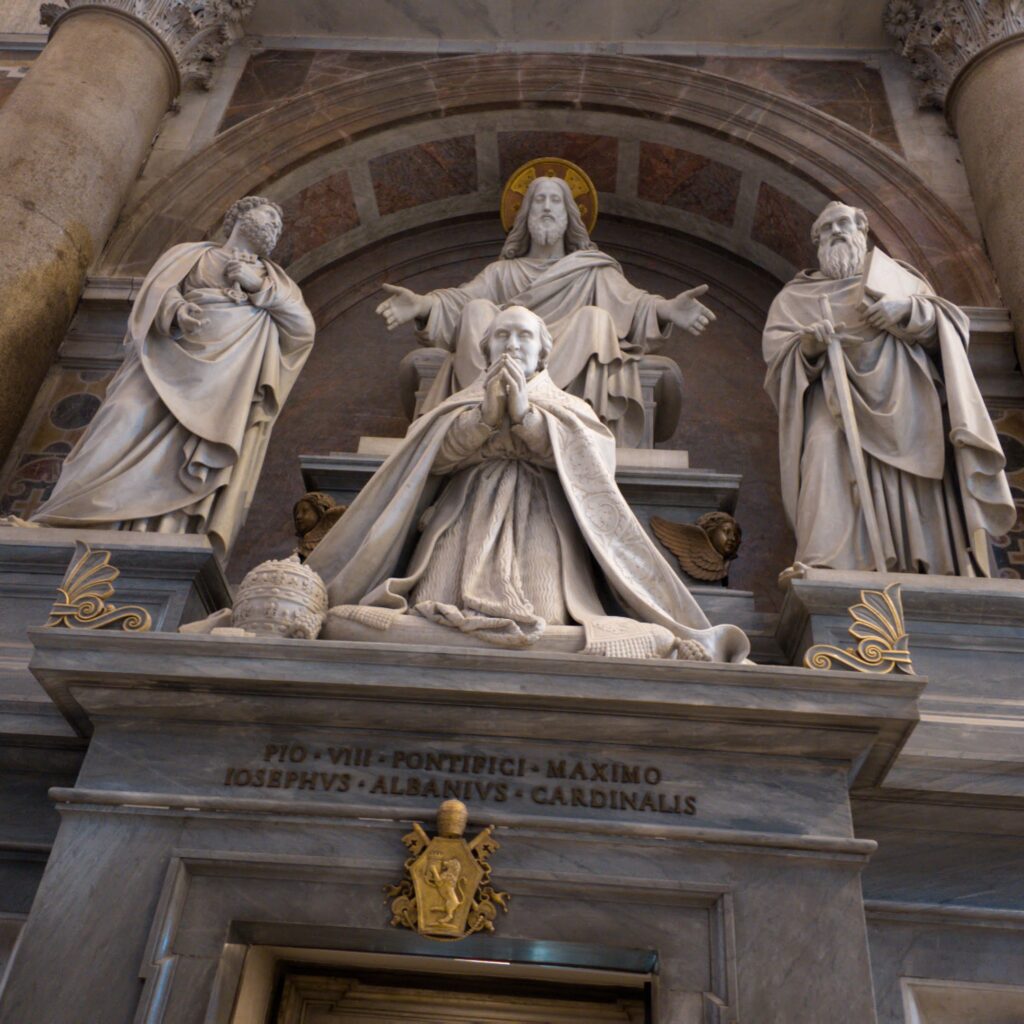
Below is a video I took earlier in the week, showing St. Peter’s Basilica from the outside, walking inside, and soaking in the atmosphere. Even without the museums open, this place never disappoints.

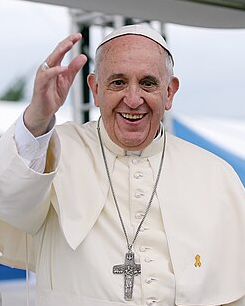
It was simply a good feeling knowing I was there on a day when Pope Francis was well enough to make a public appearance. With Holy Week approaching, it felt like an important moment—likely a quiet test of strength and endurance ahead of what is normally an incredibly demanding time.

Sadly, I later learned that he had to cut his speech short due to shortness of breath—and that this appearance would turn out to be his final public speaking engagement before his passing. Knowing that now adds a weight to the experience that I didn’t fully understand in the moment.

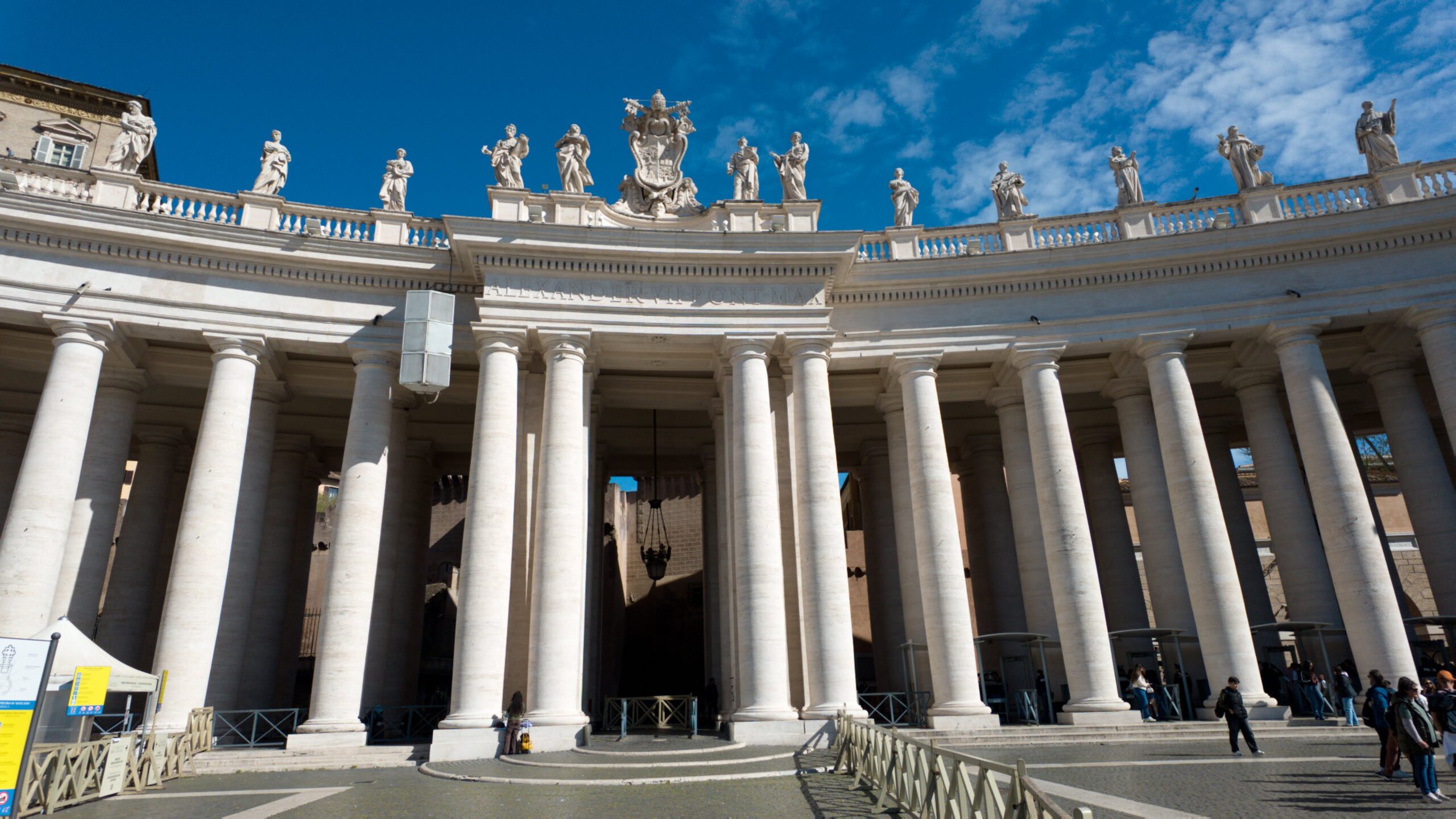
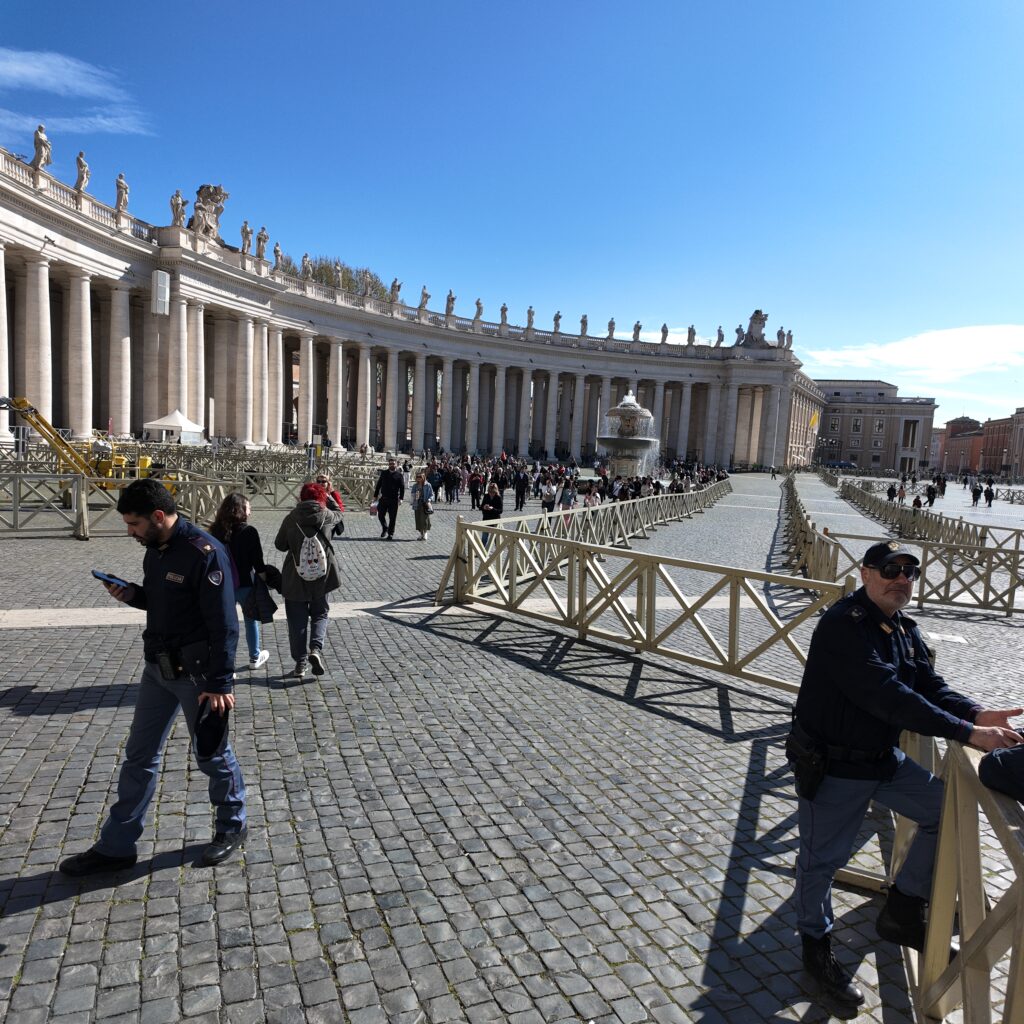
As I walked through Vatican City, the atmosphere felt different—solemn, but meaningful. A massive crowd was lined up to enter St. Peter’s Basilica, far larger than anything I’d seen earlier in the week.

It was one of those rare travel moments where you realize you weren’t just visiting a historic place—you were quietly present for a small but significant piece of history.

How to get to Italy (cheap)

If you’re coming from North America, I highly recommend flying Norse Atlantic Airways from Los Angeles to Rome for around $220 USD.

Getting to Los Angeles is easy and inexpensive from almost anywhere in Canada or the U.S. if you use Google Travel. Even better—consider staying in LA for a day or two. You essentially double your vacation while still saving a ton of money overall.


Where I stayed

I stayed at Freedom Traveler, which offered a single bed for €40 a night. Hotels in Rome can easily run $150+, so this was a no-brainer.

If dorms aren’t your thing, they also have private studio-style rooms for under $100, which is excellent value if you just want a quiet place to sleep. I stayed here twice—once before and once after my trip to Barcelona—and the staff were fantastic, always helping me get the best room available.


Best local meal & drink

Pizza. Obviously. 🍕

Rome is packed with corner spots selling freshly made pizza, and walking past them without stopping should honestly be illegal. While wine dominates in Italy (vino everywhere), I kept laughing because I’d walk into places with 10 taps, and every single one was wine. Beer lovers, adjust expectations accordingly.

My favorite pizza spot was just around the corner from Vatican City. I grabbed three slices (yes, all at once—you can see them stacked in the photo), and it was hands-down the best pizza I had in Italy.


Would I return?

To Rome specifically? Probably not.

Once I spent a full day at Vatican City and the Colosseum, I was ready to move on. I’d originally planned to stay a full week, but instead booked a last-minute trip to Barcelona to break things up.

That said, Italy absolutely deserves more time—just maybe not all in Rome. Cities like Venice, Sicily, Milan, Capri, and the Amalfi Coast are all worth visiting. One important lesson learned the hard way: book train tickets early. Last-minute fares were over $200, sometimes 5× the normal price, which is no different than flights.

If you plan to stay within one country, trains are amazing—but procrastination is expensive.

spain

Real Madrid & Barcelona FC stadiums!

The first week of April 2025 was my last week on this adventure. I left on January 12th, and it was time to return home to Arizona. My Airbnb tenants were checking out, and I had a home to go back to, finally.

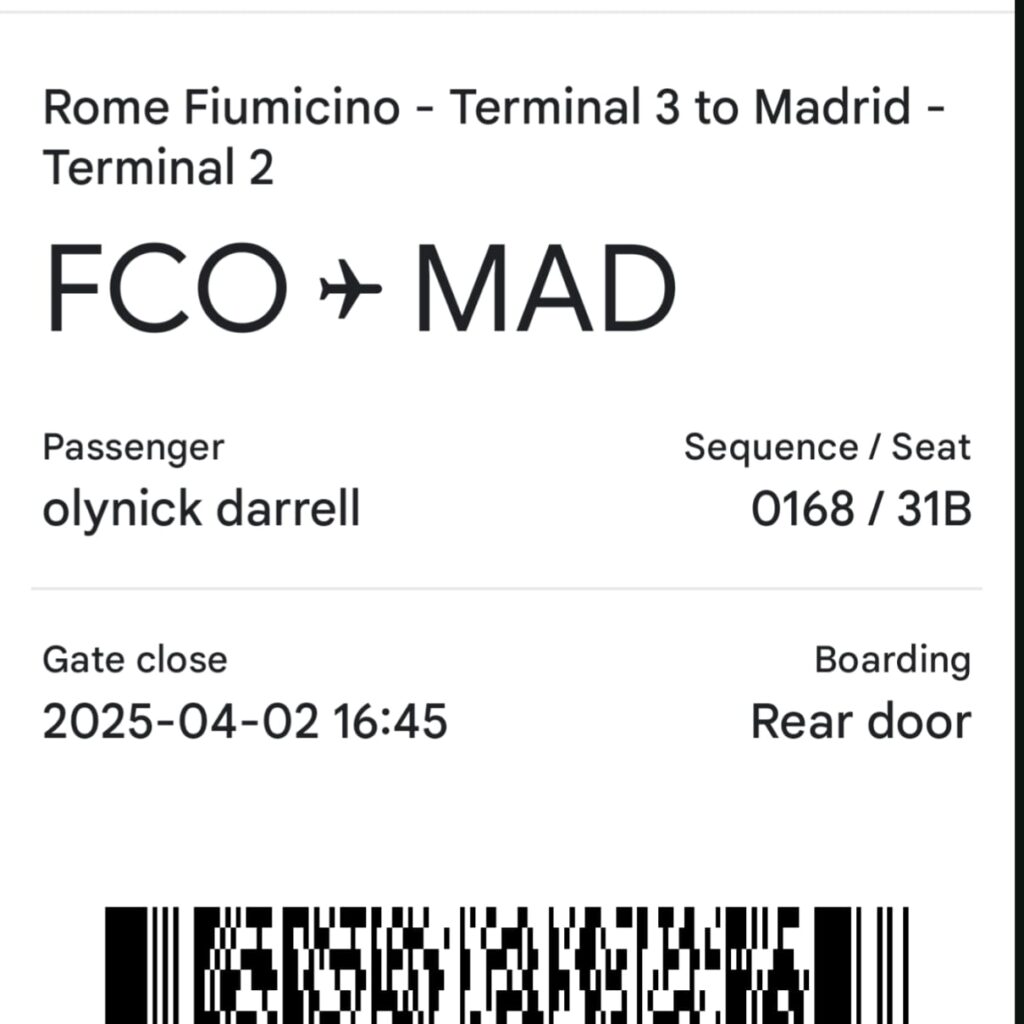
The plan was to hang around Italy since my flight left from Rome on April 7th. 

My first day, I toured the Colosseum, and the second day was the Vatican. I did not want to spend five more days in Rome, and the train to Venice was over $200 return.

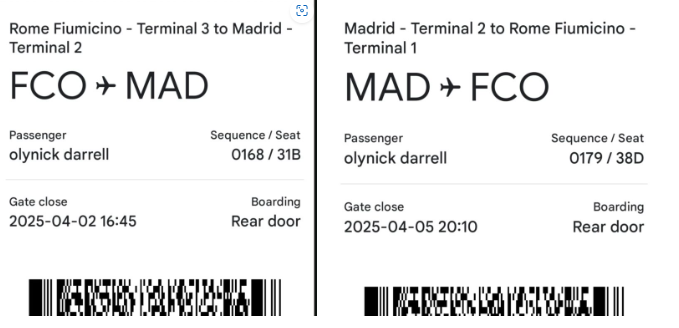
I checked out my Wizz Pass to see if there was availability to depart and return within a 72-hour window. My choices were Gdansk, Poland, or Madrid, Spain. I honestly did consider Poland before I found the Madrid flight.  

Ultimately, I chose Madrid so I could also visit Barcelona with a quick train ride.

There is no better feeling than booking a last-minute flight for $10 on an all-you-can-fly pass!

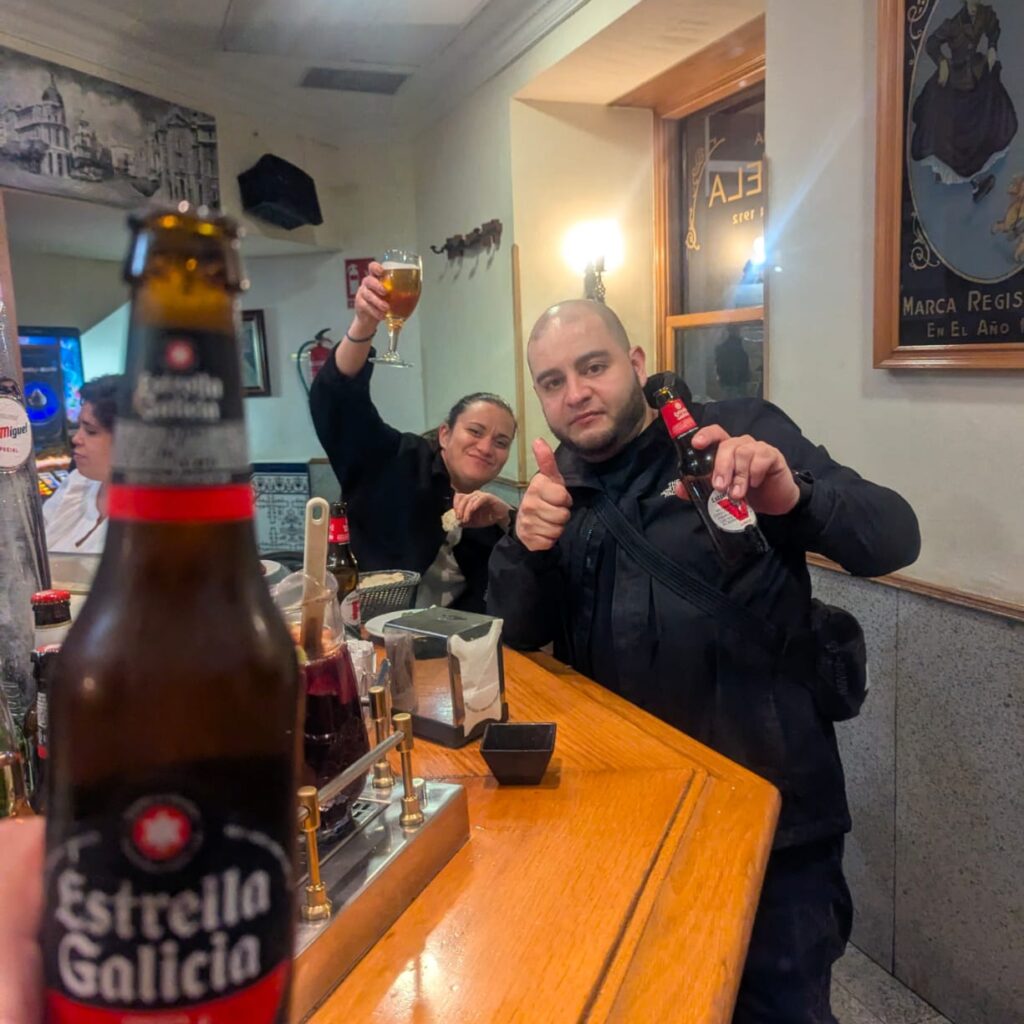
One minute, I am in Italy and the next day flying to Spain, watching football locals in a Madrid pub!  It sure beats working for a living!!

I also like to think that I am responsible when traveling, but not this time. Once I arrived in Madrid, I was very hungry, so I went to find food. I thought there was food in the Irish pub, but only beer. 

I was going to find a hostel after the game as I stayed for the whole game, plus, whoopsie! 

GOOOOAAAALLLLLL!!! âšœđŸ„…

After the game, slight panic started as it was after midnight, dark, rainy, and in a City I had never been to in my life.  How is that for an adrenaline rush!  I reset and looked for food and nailed it!

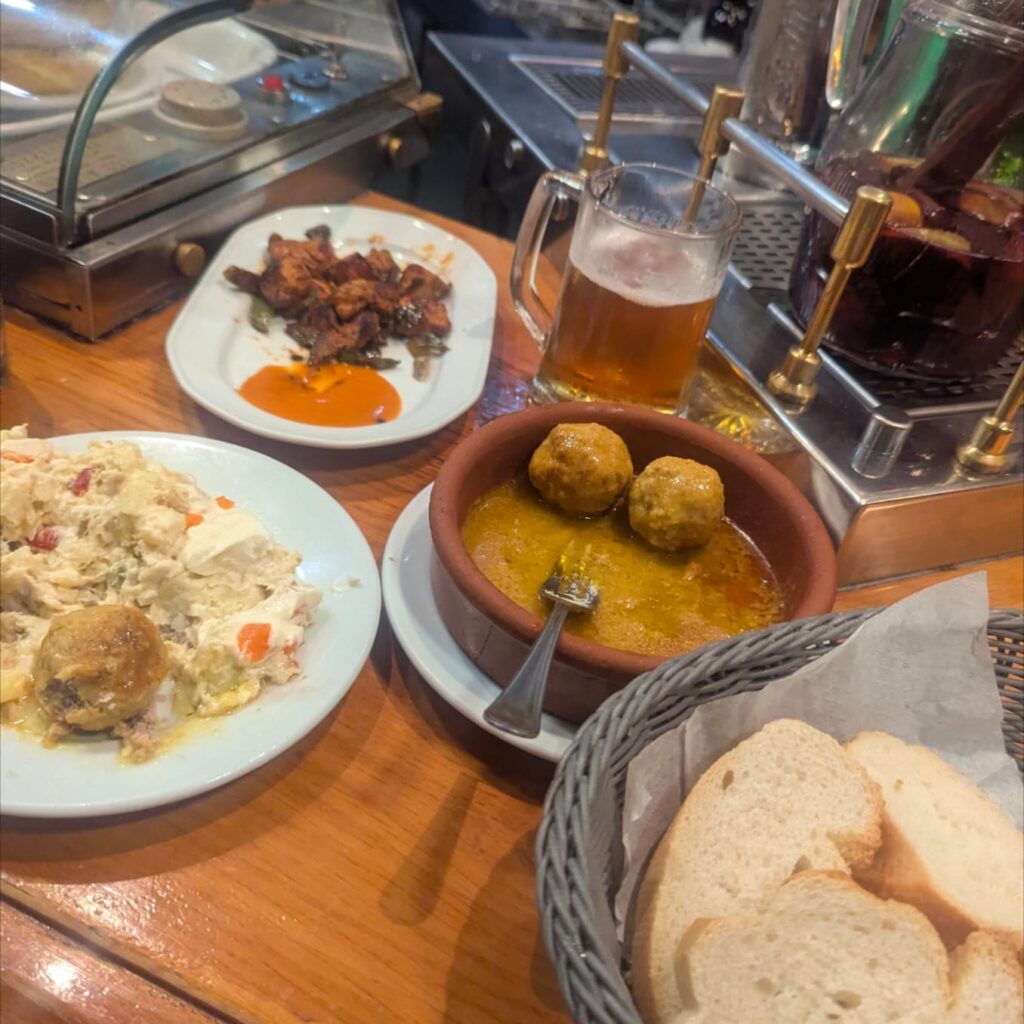
I have honestly never had Tapa’s before, as it reminds me of the foos-fos that go for Dim Sum or Sushi.  Well, holy shit – I am foo fucking foo for this Tapa’s gig!!  Check this out!

Pushing 2 AM, still no hostel, but new friends!  We pigged out on so many items!

Since it was past midnight and check-in time, I set out on foot, in the rain and half in the bag, looking for a place to sleep.

** I have a string chain around my neck with two charms, a cross and a foot for adventure.  I was rubbing the cross this time, and it always works out!  ***

After knocking on door after door, I came to find out that the entire City center was sold out. 

Well SHIT!!  This is where I do my best thinking, WTF now dumbass?  Why not head to the train station, catch a high-speed train to Barcelona for $40?  Perfect recovery plan!!

I was able to get a couple of hours’ sleep on the train, even though it was going 300K/H.  I woke up in Barcelona (huge bucket list,) and I was able to find a great hostel in the city center for $30 a night.  After touring the city for a couple of days, I was off to find the biggest attraction, the Barcelona FC iconic Stadium, on my last day.

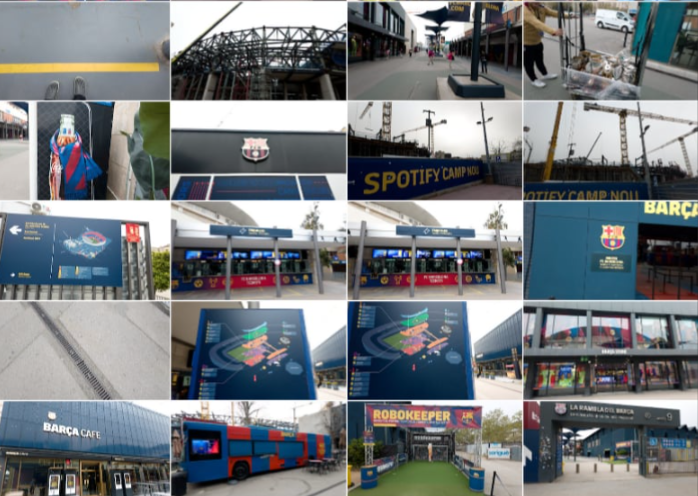
Ironically, the football stadium was closed for renovations.  I visited the amazing team store and do not think I have seen anything else like it in the world. It was massive:

I cannot wait to reference this memory when the new ultra-modern stadium opens. I can say, I sat in this pub pre-gaming months/years earlier, preparing for the grand opening. LOL

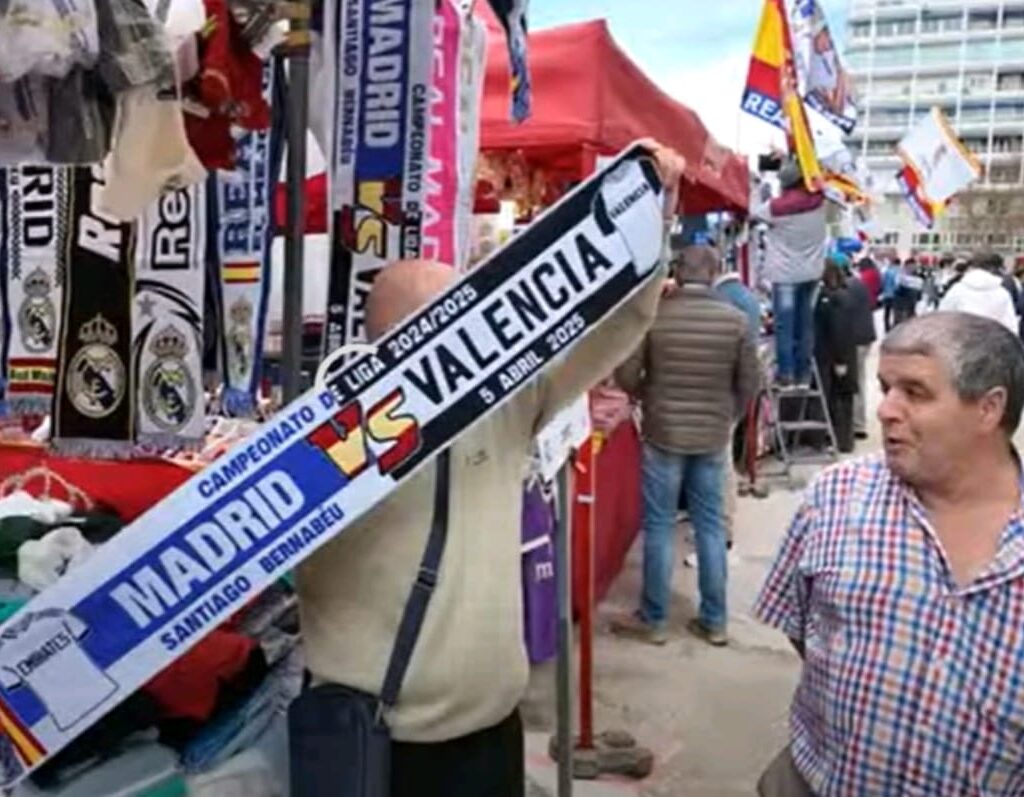
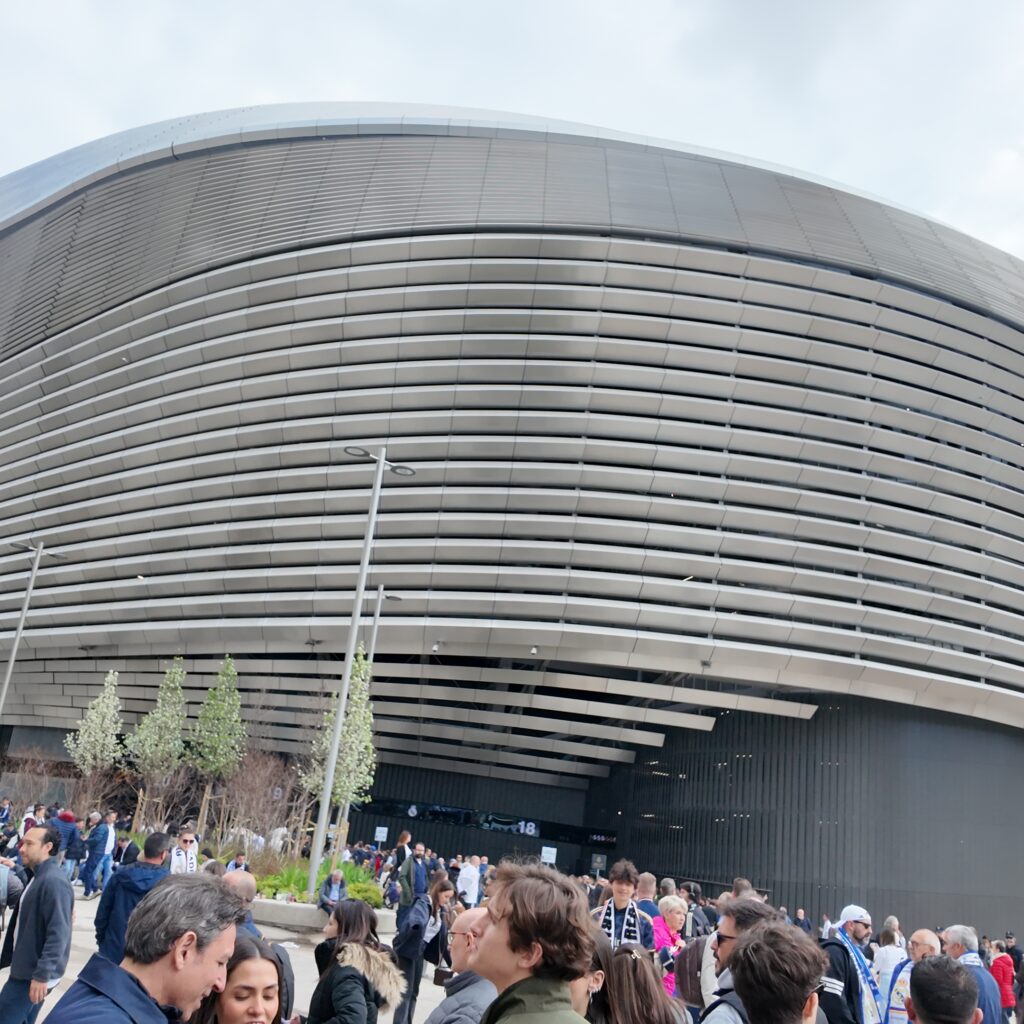
I had better luck when I got back to Madrid.  I was able to take the metro with fans to a Real Madrid game and experience gameday.  I was flying back to Rome that night, so I could not go to the game, but this was amazing enough without paying hundreds of dollars for tickets.

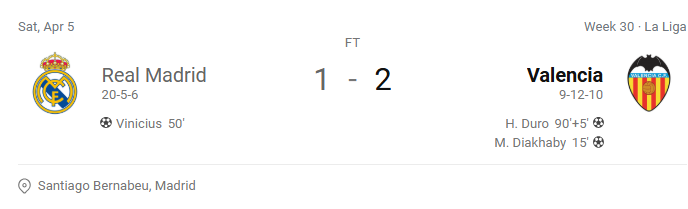
It was a match between Barcelona FC and Valencia, and here is a little pre-game action:

After waiting an hour walking around as fans entered the stadium, I needed to leave.  I was one of the few who headed the other direction on the metro as more fans arrived for the game.

It looks like I missed a great game which an exciting ending with the visiting team winning!

default

Spain – Madrid and Barcelona!

Spain and Portugal have always sat high on my European bucket list—mostly because they’re supposed to be two of the cheapest countries in Western Europe.
And yeah
 cheap is relative. Because from what I saw, they weren’t dramatically cheaper overall—just different flavors of expensive.

Still, when a deal shows up, you don’t argue with it.

I grabbed a last-minute return flight to Madrid using my all-you-can-fly pass on Wizz Air. No overthinking. No spreadsheets. Just click.

The schedule was aggressive:

Land in Madrid late Wednesday night

Fly back to Rome on Saturday night

Then turn around and fly home to Phoenix Monday morning

Was it enough time?
Absolutely not.

Was it still worth it?
Also yes.

That’s kind of the tradeoff when you chase cheap flights and flexibility—you don’t always get enough time, but you get access. A taste. A reason to come back. And sometimes that’s all a city owes you on the first visit.

Madrid wasn’t done with me.
I just ran out of runway.

As I blogged about in my Spain football blog, 

I managed to squeeze in both Madrid and Barcelona—along with their legendary football stadiums—by bouncing back and forth on Spain’s high-speed rail.

The train itself was unreal. I’ve taken the Channel Tunnel between London and Paris, but somehow this felt even faster. Smooth, quiet, no drama—and at times we were pushing nearly 300 km/h.

Blink and you’re in another city.
No airport security.
No wasted hours.
Just sit down, watch the countryside blur, and suddenly you’re somewhere else entirely.

Being able to visit Santiago BernabĂ©u Stadium and Camp Nou on the same short trip felt borderline unfair—in the best way.

Spain’s rail system alone is reason enough to come back and do it properly next time.

Fast trains, football temples, and not enough time—
a recurring theme of this trip.

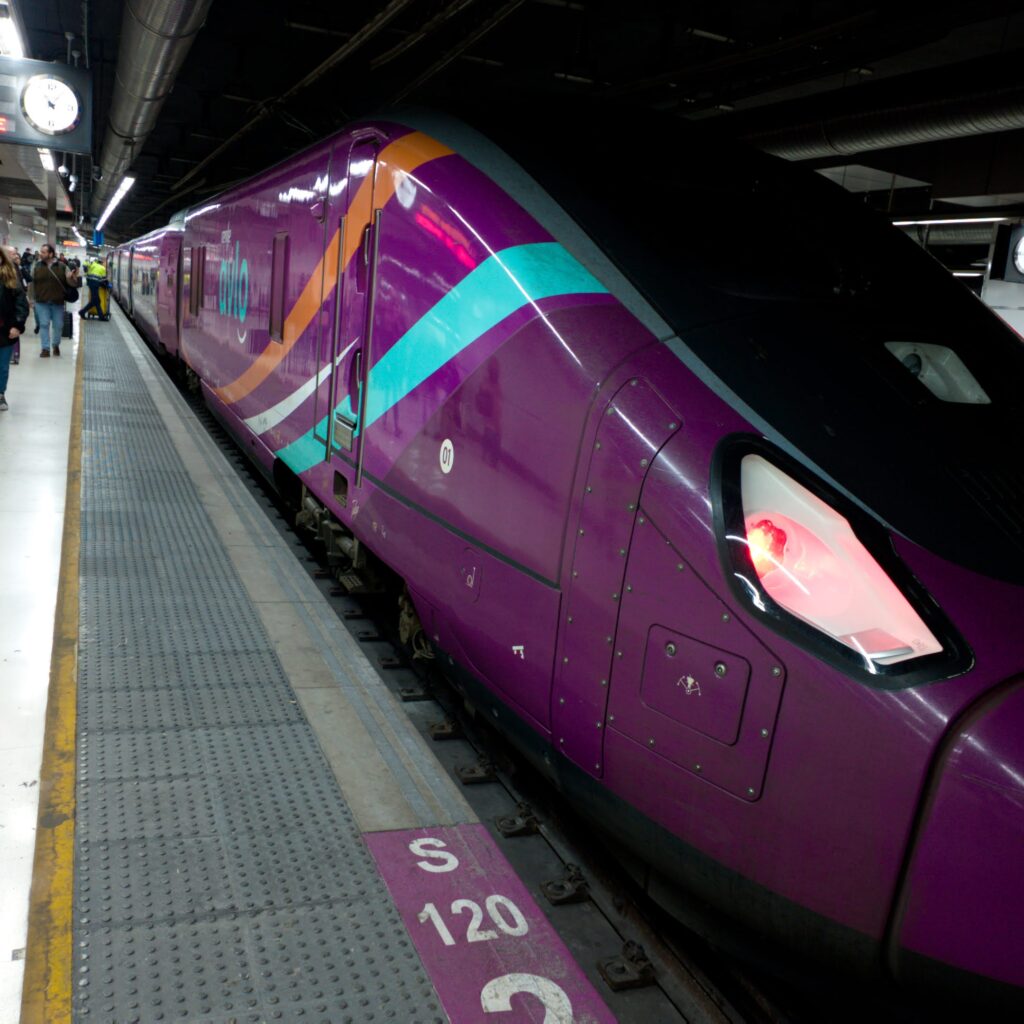
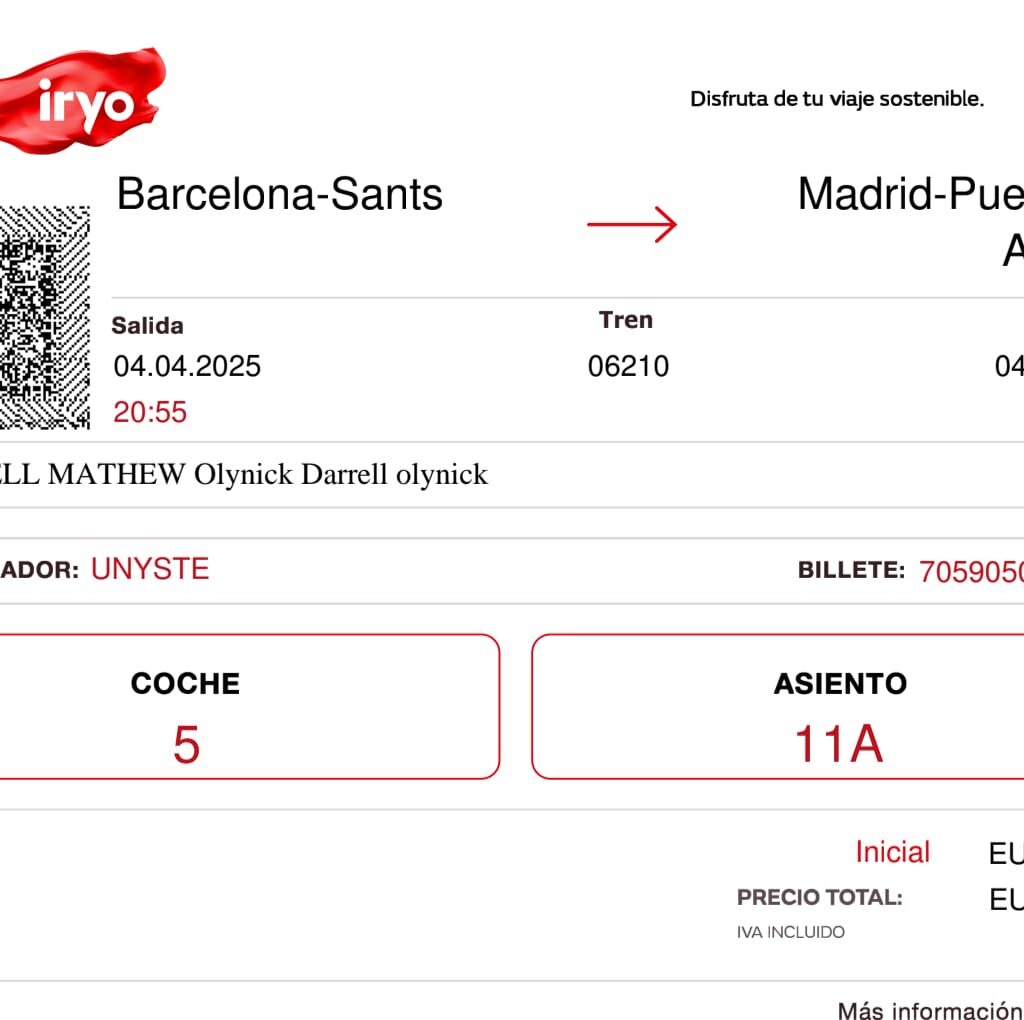
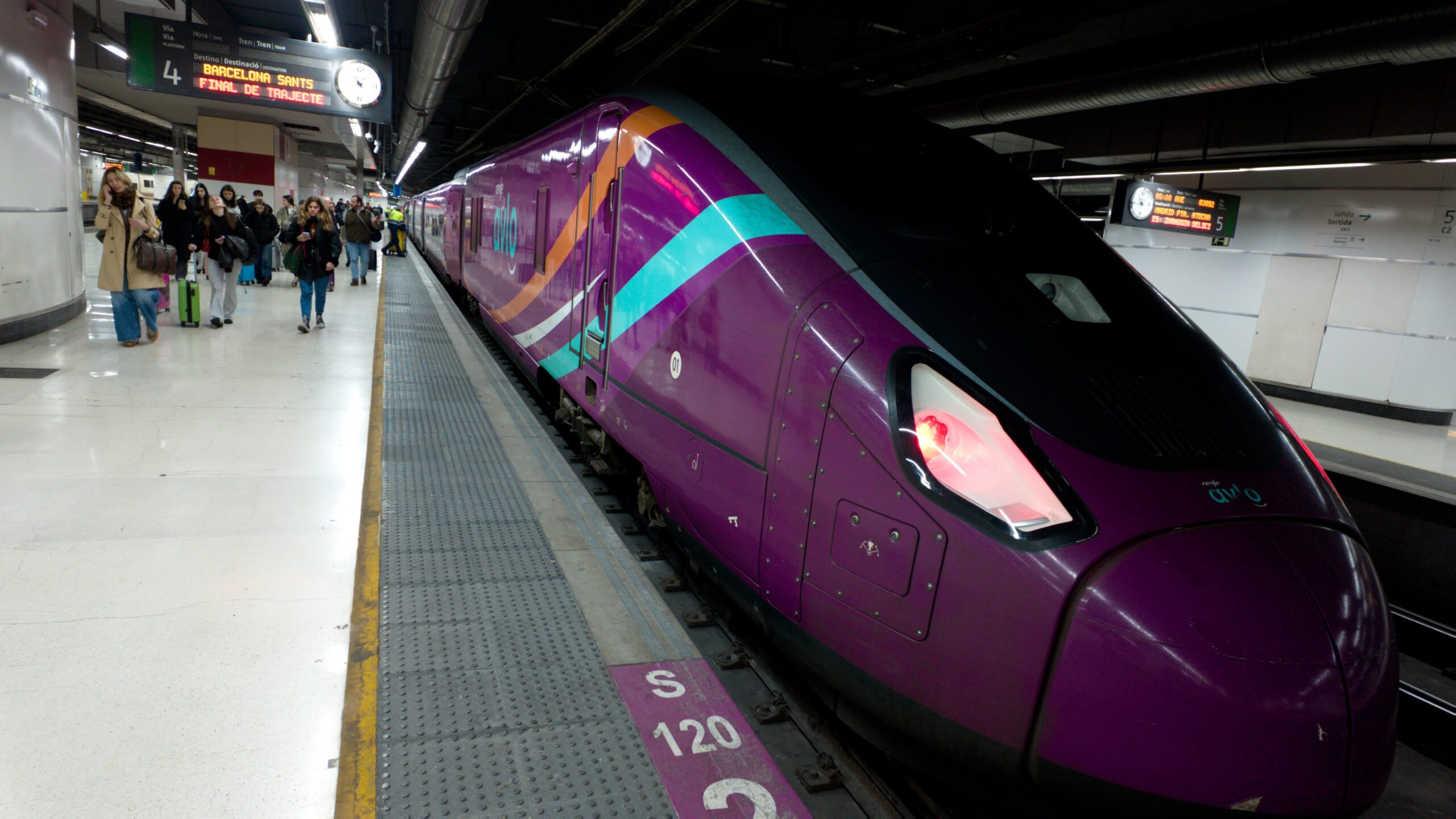
One of the best parts was having real competition on the route. There were multiple high-speed rail companies to choose from—Renfe, iryo, and Ouigo—which kept prices refreshingly reasonable.

I paid $40 to go from Madrid to Barcelona, and $63 to head back on a Saturday night. For speeds pushing 300 km/h, that’s borderline absurd value.

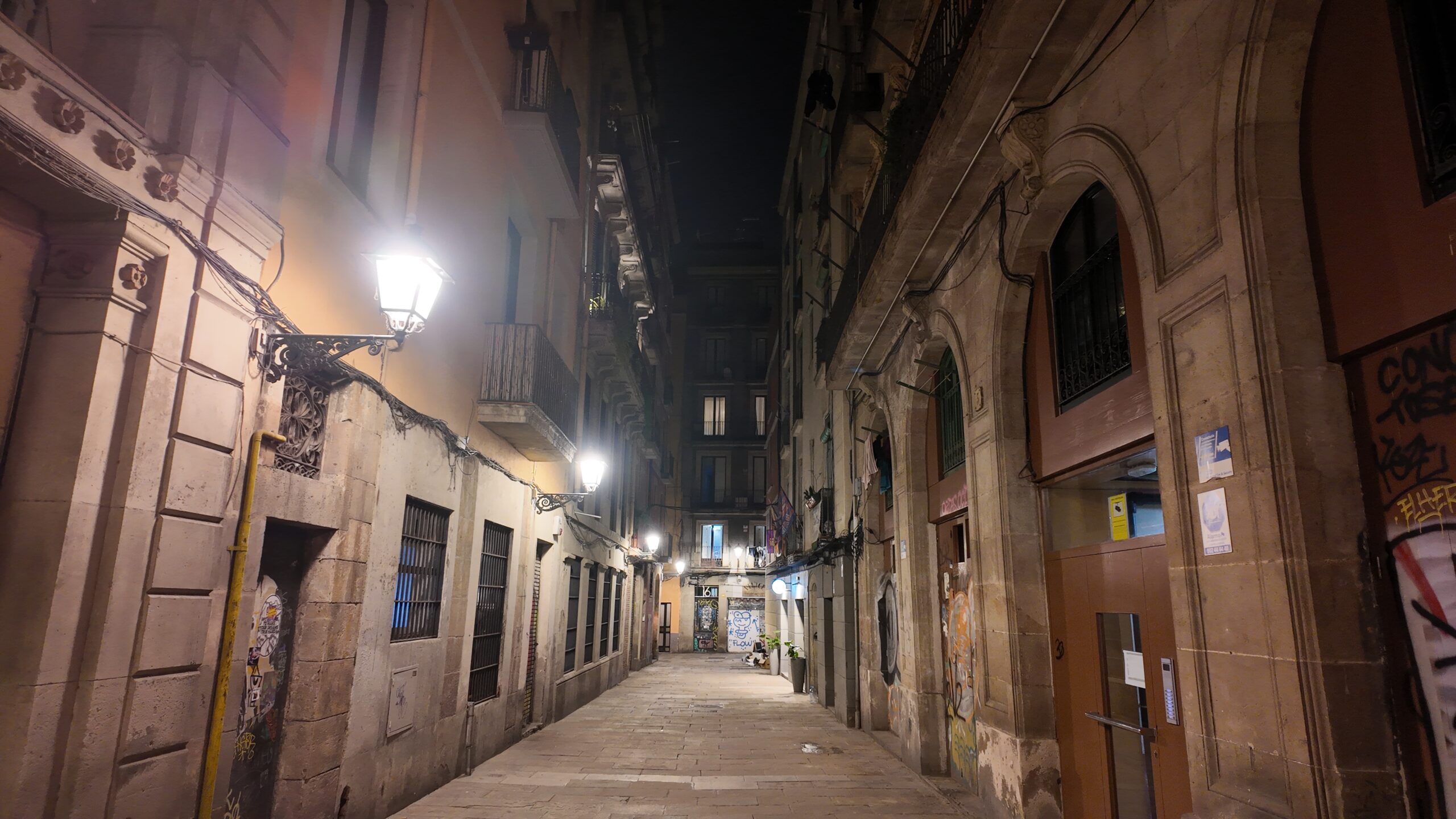
Barcelona itself was instantly likable—especially the city center. Narrow, cobblestoned streets, tight corners, and that old-world layout that forces you to slow down and wander. It felt lived-in, textured, and human-scale in a way that makes getting lost part of the experience.

Fast trains, fair prices, and streets meant for wandering—
Spain quietly does this part very well.

I spent two days in Barcelona, which barely scratched the surface. If there’s one obvious advantage Barcelona has, it’s the location—you get the best of both worlds: a major city and the sea.

Being right on the Mediterranean Sea changes the whole feel of the place. I took a bus tour that covered roughly 30 miles of coastline, and even in the off-season it was impressive. Beaches, waterfront neighborhoods, long promenades—it just keeps going.

I couldn’t help but imagine how unreal it must be in the summertime, when the city fully leans into that coastal lifestyle. Barcelona feels like a place where you could slow down, stay longer, and let the city and the sea split your attention evenly.

Two days wasn’t enough.
But it was enough to know I’ll be back.

I spent most of the day just riding the metro around the city.

I only spent a few hours in Madrid before bolting to Barcelona, so I made sure I came back to Spain for a proper wrap-up.

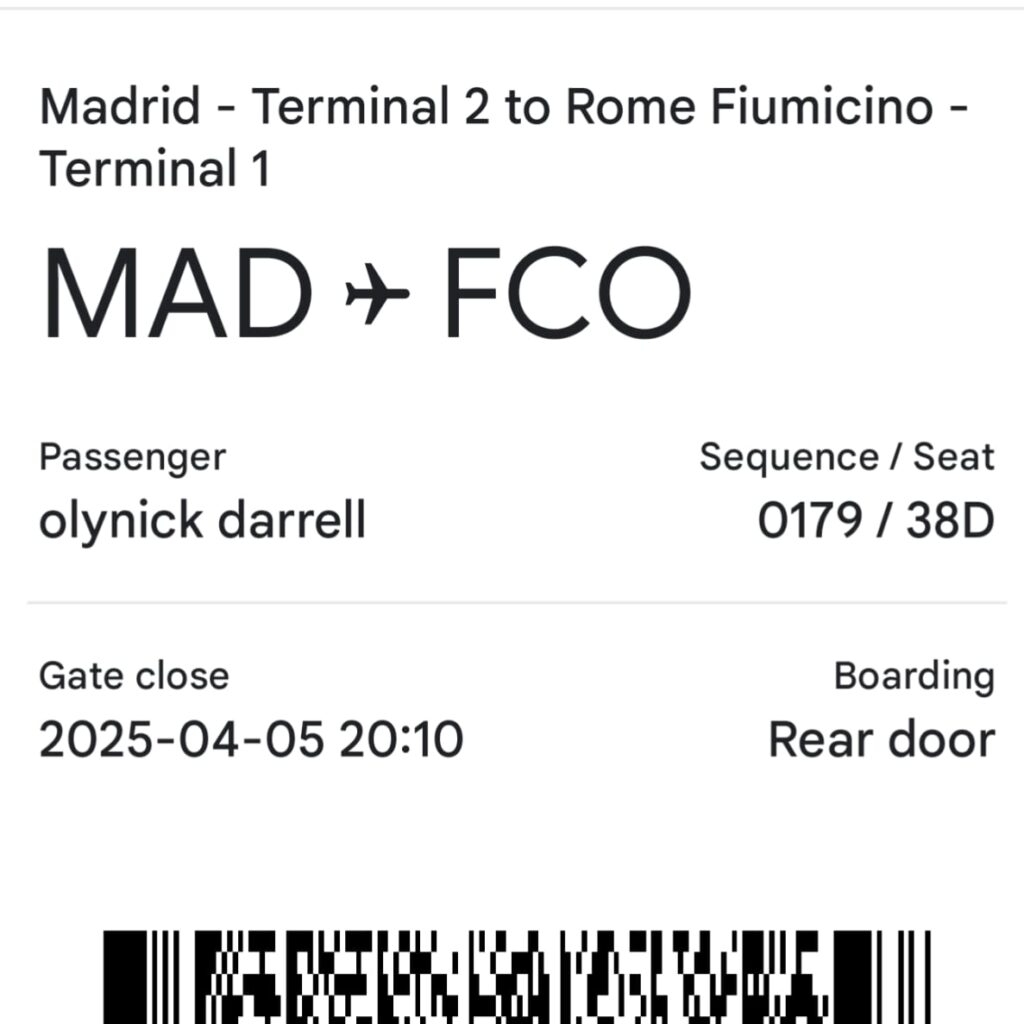
I arrived back in Madrid on 04/04/25, checked into an excellent hostel, and booked just one night. One of the underrated perks of hostel life is flexibility—you can store your bags, grab a towel, and even shower later in the day. That worked perfectly since my flight didn’t leave Madrid until 9:00 PM on 04/05/25.

With limited time, I kept the list tight. There were only a few things I needed to see:

Santiago Bernabéu Stadium

Royal Palace of Madrid

Puerta de Alcalá (Madrid’s Arc de Triomphe)

No rushing.
No overplanning.

Just enough time to close the Spain chapter properly—exactly the way it deserved.

Real Madrid — pre-game vibes!

I caught the buzz outside Santiago Bernabéu Stadium as fans poured in and the energy started to build. Scarves out, chants warming up, that unmistakable match-day electricity in the air.

Unfortunately, I had to catch a flight back to Rome later that day, so I couldn’t stay for the match itself.

Still—soaking in the atmosphere was more than enough to remind me why football culture in Madrid hits differently.

FB_IMG_1436933494145

Naples and Rome – pizza everywhere!🍕

âŹ†ïžHigh School gym classâŹ†ïž


My first stop was Naples—or Napoli, as the locals correctly call it—the original, unapologetic version reminded me of High School gym class.

Fast-paced, intense, a little rough around the edges, and absolutely unforgettable history.

Home of the Pizza! 

The history of pizza began in antiquity, as various ancient cultures produced flatbreads with several toppings. Pizza today is an Italian dish with a flat dough-based base and toppings, with significant Italian roots in history.

A precursor of pizza was probably the focaccia, a flatbread known to the Romans as panis focacius, to which toppings were then added. Modern pizza evolved from similar flatbread dishes in Naples, Italy, between the 16th and mid-18th centuries.

The word pizza was first documented in 997 CE in Gaeta[4] and successively in different parts of central and southern Italy. Furthermore, the Etymological Dictionary of the Italian Language explains the word pizza as coming from dialectal pinza, ‘clamp’, as in modern Italian pinze, ‘pliers, pincers, tongs, forceps’. Their origin is from Latin pincere, ‘to pound, stamp’.

I had pizza every day that I was in Italy and even had a couple two a day!!

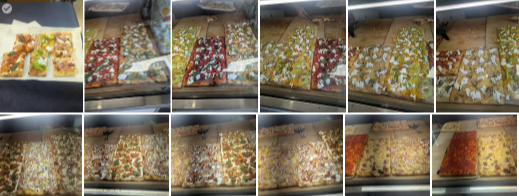
The below was one of my favorites near Vatican City. The Chef will make pizzas on massive sheets and then place them in the window for display.  Once you decide on a flavor or three, in my case, on this day, in the top left.  They take a pair of scissors, cut to your desired size and weight it for the amount. 


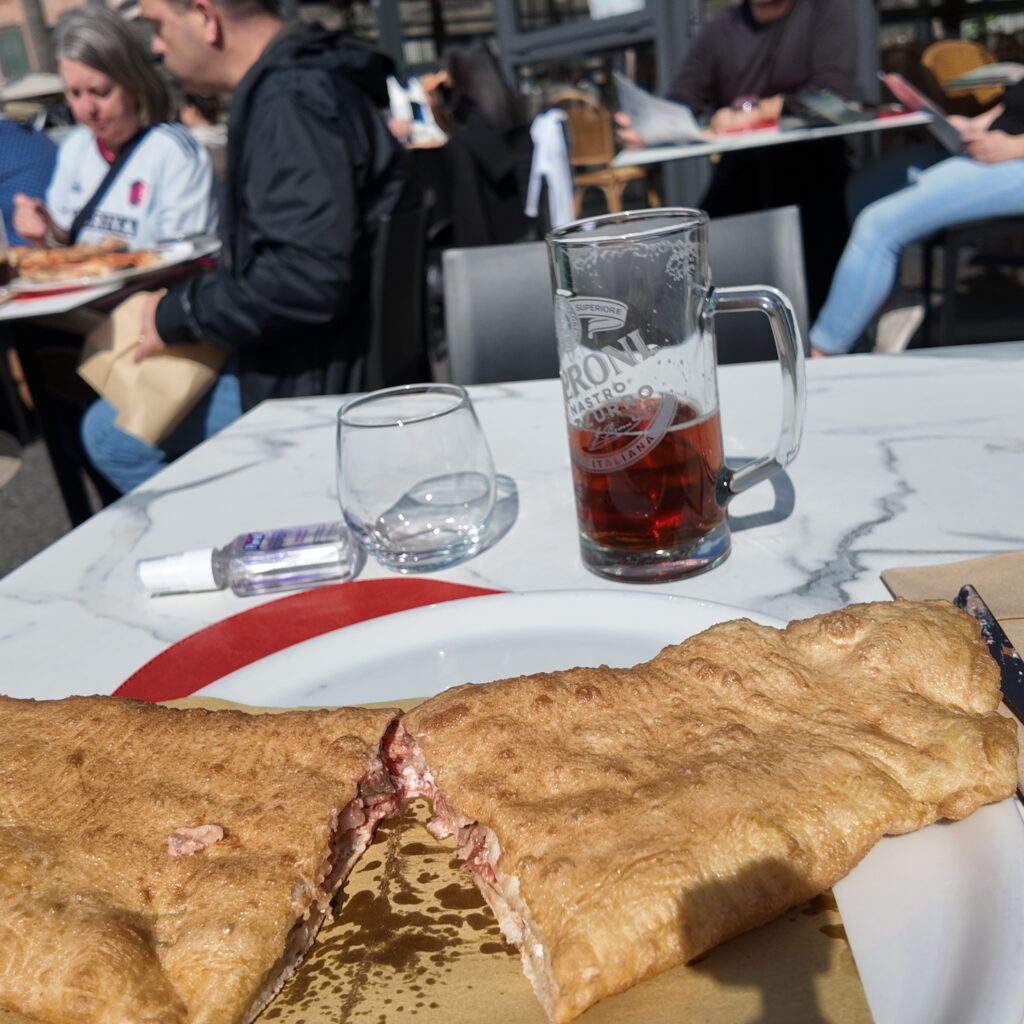
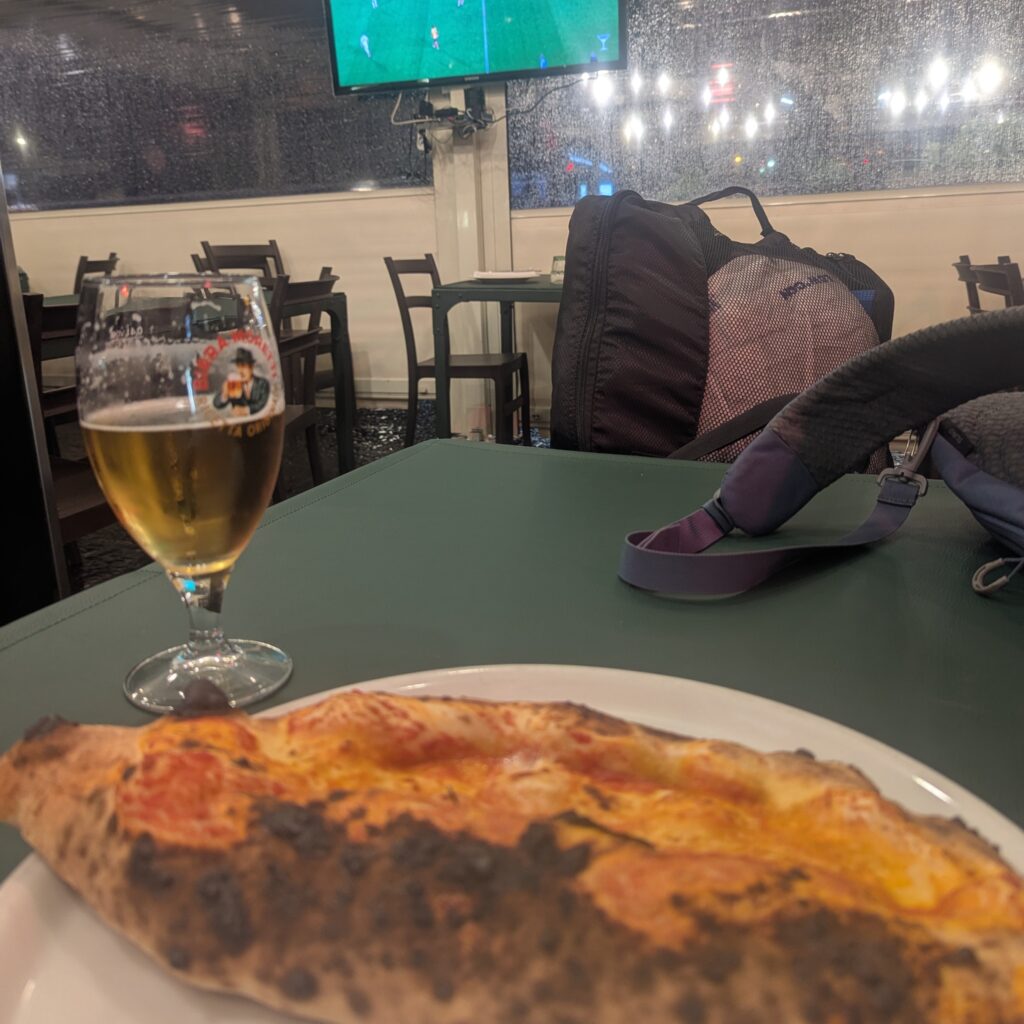
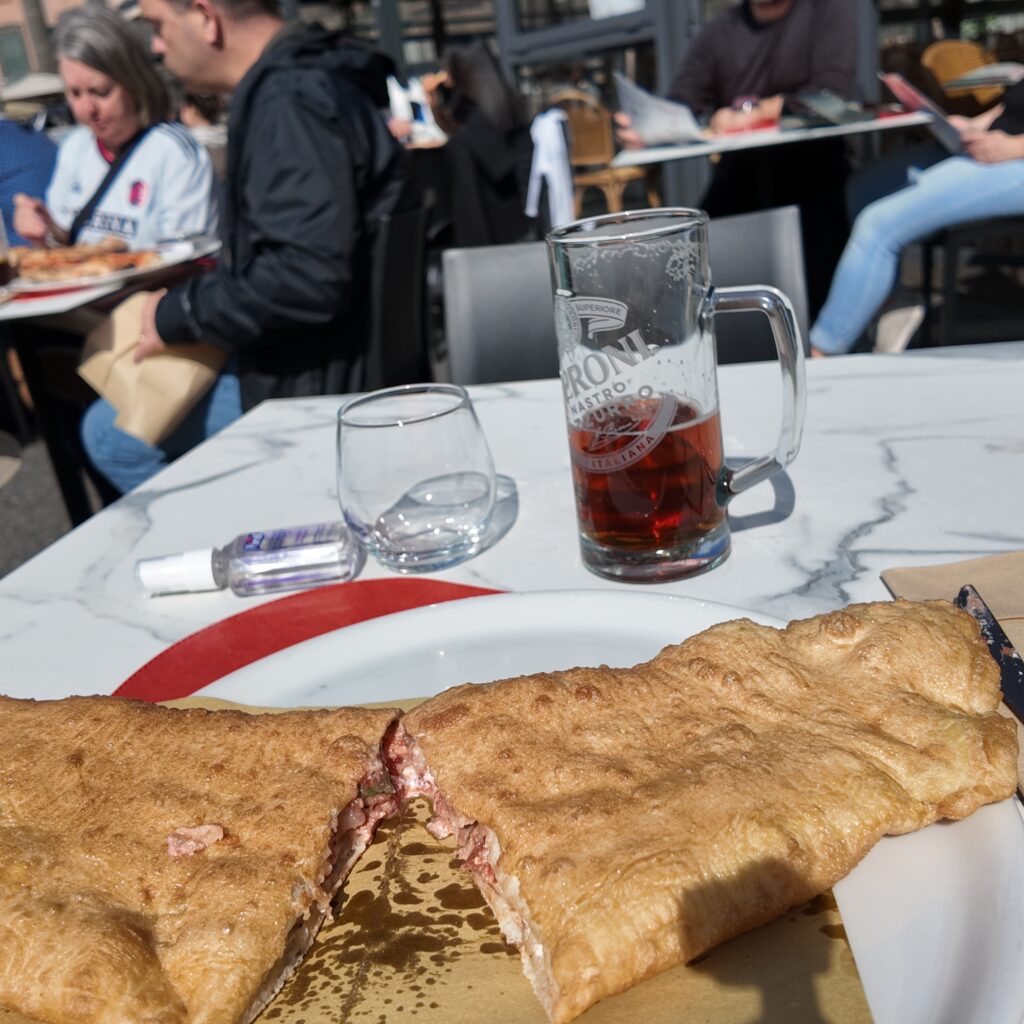
Below is fried pizza—basically a calzone that made better life choices and went into the fryer instead of the oven.

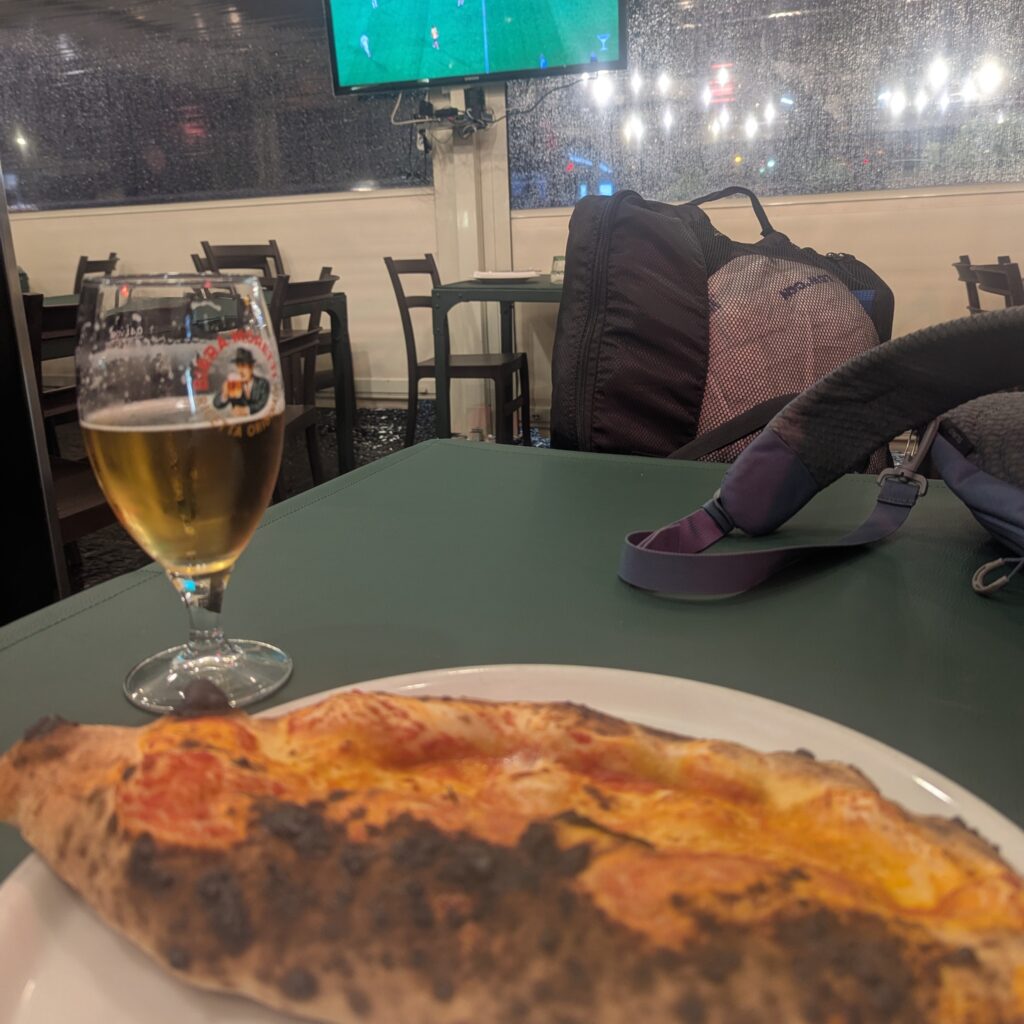
The second photo is my first meal after landing in Naples.
Stromboli is my favorite, so this one felt less like a meal and more like a reunion.

The rest?
Just random pizza stops along the way.
No plan.
No regrets for eating and not even being hungry!

Yummy!! 🍕😄

I definitely ate my share of pizza throughout Italy, especially Naples.

Every now and then I’d think, “Maybe I should order something else
”
And then immediately decide—
nope.

When you’re in the birthplace of pizza, branching out feels less like curiosity and more like betrayal.

You tell ’em, Boss!

DJI_20250402152318_0005_D

Rome – The Vatican & St Peter’s Basilica

When in Rome – visiting the Vatican and St. Peter’s Basilica was not an option! I needed to throw a few Hail Mary’s so not a better place to make some peace. We had a good talk, and we are good! 👌 The Vatican grounds were a short 15-minute metro ride from my hostel and easy to access.  It was amazing to think that I could hop on a metro train and be there in under 20 minutes.

I blogged about my second time visiting, but here are more details, pictures, and videos.

The train ride from my hostel to Vatican City was under 20 minutes:

Once you exit the Vatican station, there is a short walk to St Peter’s Square.

The Pope has been very sick and made his last appearance the week I was in Rome before passing away.

Pope Francis (born Jorge Mario Bergoglio, 17 December 1936 – 21 April 2025) was head of the Catholic Church and sovereign of the Vatican City State from 13 March 2013 until he death in 2025. He was the first Jesuit pope, the first Latin American, and the first born or raised outside Europe since the 8th-century Syrian pope Gregory III.

Born in Buenos Aires, Argentina, to a family of Italian origin, Bergoglio was inspired to join the Jesuits in 1958 after recovering from a severe illness. He was ordained a Catholic priest in 1969, and from 1973 to 1979, he was the Jesuit provincial superior in Argentina. He became the archbishop of Buenos Aires in 1998 and was created a cardinal in 2001 by Pope John Paul II. Following the resignation of Pope Benedict XVI, the 2013 papal conclave elected Bergoglio as pope on 13 March. He chose Francis as his papal name in honor of Saint Francis of Assisi.

Throughout his papacy, Francis was noted for his humility, emphasis on God’s mercy, international visibility, commitment to interreligious dialogue, and concern for the poor, migrants, and refugees. Francis believed the Catholic Church should demonstrate more inclusivity to LGBTQ people, and stated that although blessings of same-sex unions are not permitted, individuals in same-sex relationships can be blessed as long as the blessing is not given in a liturgical context.[2] Francis made women full members of dicasteries in the Roman Curia.[3][4] Francis convened the Synod on Synodality, which was described as the culmination of his papacy and the most important event in the Catholic Church since the Second Vatican Council.[4][5][6] Francis was known for having a less formal approach to the papacy than his predecessors by, for instance, choosing to reside in the Domus Sanctae Marthae guesthouse rather than in the papal apartments of the Apostolic Palace used by previous popes. In addition, due to both his Jesuit and Ignatian aesthetic, he was known for favoring simpler vestments devoid of ornamentation, including refusing the traditional papal mozzetta cape upon his election, choosing silver instead of gold for his piscatory ring, and keeping the same pectoral cross he had as cardinal.

Here are some additional pictures of my two days spent in Vatican City.

RIP Pope Francis (born Jorge Mario Bergoglio, 17 December 1936 – 21 April 2025)

DJI_20250403135623_0070_D

Italy train travel! Fast and faster!!

I am at the point in my travels where I was supposed to be using a Europass to travel Europe by train.  

I bailed on that plan a month ago after taking a 20-hour train trip up and down the Vietnam coast.  I realize that taking a train across Europe would be a lot nicer than Vietnam but sitting in coach would be the same back breaking experience.

Here was the plan, and I still feel good about my decision as it is time to go home:

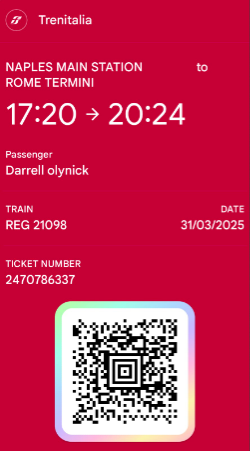
I did get a chance to take a train from Naples to Rome, which was pretty awesome and had me second-guessing. The ten-day Europass was an amazing deal, but taking the train once scratched that itch for $13 USD.

It was not the highspeed train as that was $60 and would have been an hour a half instead of four hours.

Since I enjoyed my first train experience in Europe, I followed it up with another train trip later that week! 

This time, I took the smoking fast-speed train between Madrid and Barcelona, Spain.

The train almost hit 300KM/H (292KM hour was the highest I noticed as I fell in and out of sleep for the three-hour trip.)  Imagine a flight doing ~500KM/H is about an hour and a half, and the train doing ~300KM/H is about three hours.

Amazing!

I had taken the “Chunnel” from London to Paris in the past, but this was a great reminder of how fast train travel can be compared to flying. The line at the train station was a lot longer than most airports, as they do not have the same setup, which can delay travel.

Lucky for me, I am a dumbass and went to the wrong departure station.  Once I realized it, I took a 15-minute taxi to the correct station and cut to the front of the line with my sob or SOB story, so it took less than five minutes as opposed to over an hour. 

It was stressful, but it worked out perfectly as I did not sleep.  I landed in Madrid and took the subway to the City Center and there was a football game on, so I jumped into the fun without finding a hostel.

After the game, I grabbed some tapas and beer and quickly found out that the prices were $150 euros that night.  After a bit of panic, walking in the rain and soul searching my shitty situation, I headed to the wrong train station. It all worked out amazingly as always!  

Check out all those tapas and awesome local beer!

The closest I have ever experienced Tapas is when a Ukrainian whips up a meal with whatever is in the fridge, and it turns out to be a five-star meal.  Same idea, a little bit of everything and refilling your plate.

What an amazing sequence of events, which is why I love to travel so much!  

col2

Italy! The Colosseum experience!!

Below is the Colessem location about Rome and Italy in general.

The top can be zoomed in and out if you are curious!

I am not a big history guy, but Athens, Greece, and now Rome, Italy, had me caught up in the experience!

From Wikipedia, the free encyclopedia, for all of us, as it was so overwhelming:

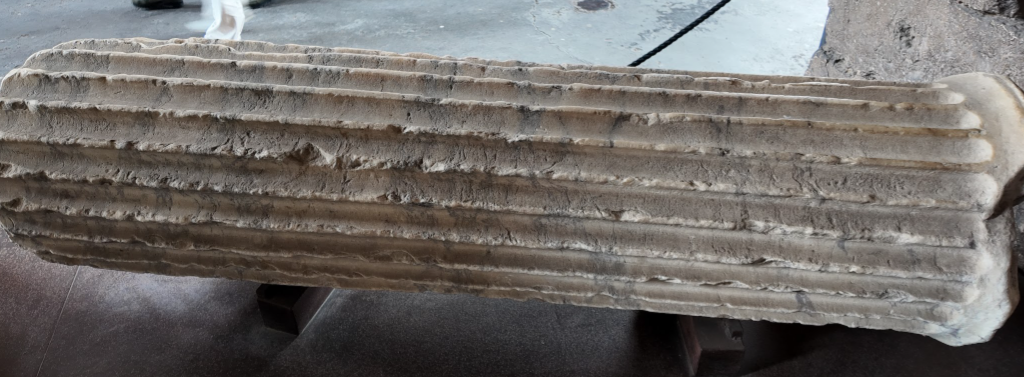
The Colosseum ultimately derives from the Ancient Greek word “kolossos,” meaning a large statue or giant. It is an elliptical amphitheatre in the centre of Rome, Italy, just east of the Roman Forum. 

It is the largest ancient amphitheatre ever built, and is still the largest standing amphitheatre in the world, despite its age. Construction began under the Emperor Vespasian (r. 69–79 AD) and was completed in AD 80 under his successor and heir, Titus. 

Further modifications were made during the reign of Domitian (r. 81–96). The three emperors who were patrons of the work are known as the Flavian dynasty, and the amphitheatre was named the Flavian Amphitheatre (Latin: Amphitheatrum Flavium; Italian: Anfiteatro Flavio by later classicists and archaeologists for its association with their family name (Flavius).

The Colosseum is built of travertine limestone, tuff (volcanic rock), and brick-faced concrete. It could hold an estimated 50,000 to 80,000 spectators at various points in its history,[4][5] having an average audience of some 65,000; it was used for gladiatorial contests and public spectacles including animal hunts, executions, re-enactments of famous battles, dramas based on Roman mythology, and briefly mock sea battles.

The building ceased to be used for entertainment in the early medieval era. It was later reused for such purposes as housing, workshops, quarters for a religious order, a fortress, a quarry, and a Christian shrine.

Although substantially ruined by earthquakes and stone robbers taking spolia, the Colosseum is still a renowned symbol of Imperial Rome and was listed as one of the New 7 Wonders of the World. It is one of Rome’s most popular tourist attractions and has links to the Catholic Church, as each Good Friday, the Pope leads a torchlit “Way of the Cross” procession that starts in the area around the Colosseum. The Colosseum is depicted on the Italian version of the 5 euro cent coin.

It was about a 30-minute walk from my hostel to the Colosseum and the ancient ruins area.

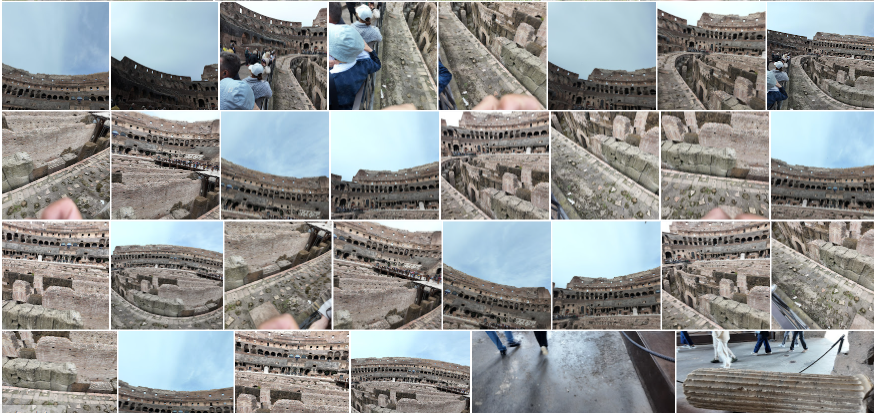
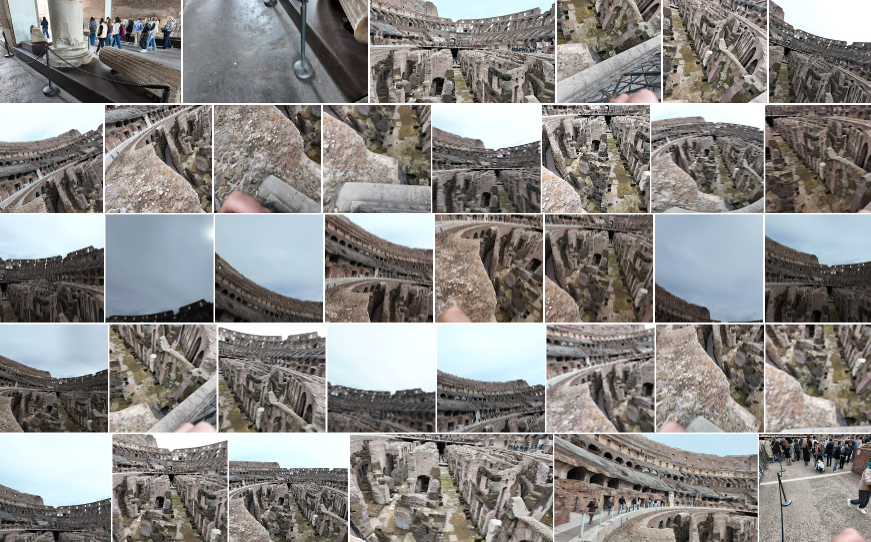
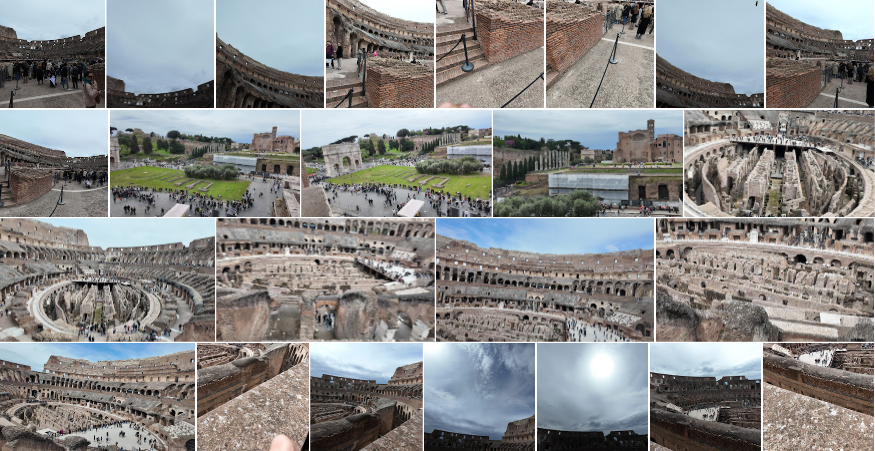
I rarely pay to enter tourist traps, but this was another one that I could not miss out on. Here are some pictures and videos of the Colosseum inside and out.  It was so amazing to see, and unsure if these will help portray it properly

The area around the Colosseum, including the ruins, is an incredible experience.

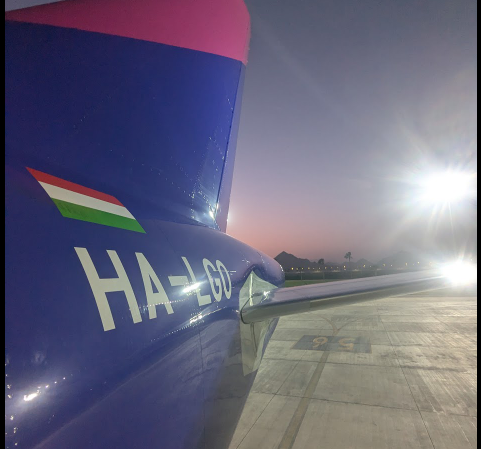
wizz tail

Naples, Italy – home of PIZZA!🍕

When the moon hits your eye like a big pizza, you visit the home of the pizza!!  There are several variations, and so far, the stromboli and fried pizza have been amazing. 

As my European travels start to wind down on this adventure, I’ve found myself staying in hostels—and getting more comfortable with them than I ever expected.

In Naples, the average hotel costs around €75–€100 per night, which is roughly equivalent to the same price in U.S. dollars. The hostel I’m currently staying in? €28 a night—and honestly, it’s been great.

More importantly, I’ve met some genuinely like-minded people along the way. Good conversations, shared stories, and the reminder that travel isn’t always about where you stay—it’s about who you run into when you get there.

Turns out comfort isn’t always about square footage. Sometimes it’s just good people and a cheaper bed.

I honestly don’t remember ever paying to visit a museum. It’s just never really been my thing.

But after visiting Athens, and now Naples, the history became impossible to ignore—and even harder to resist.

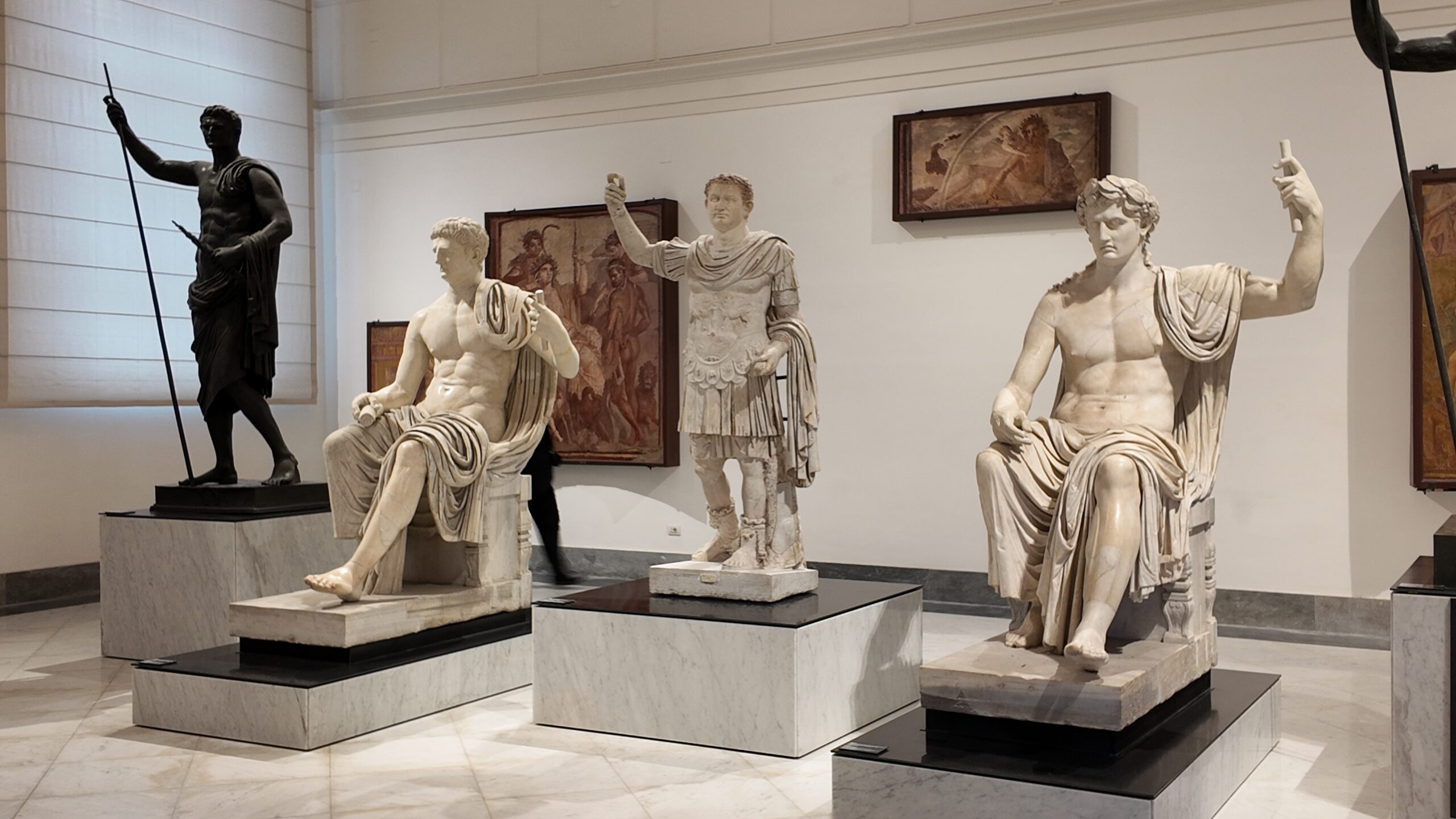
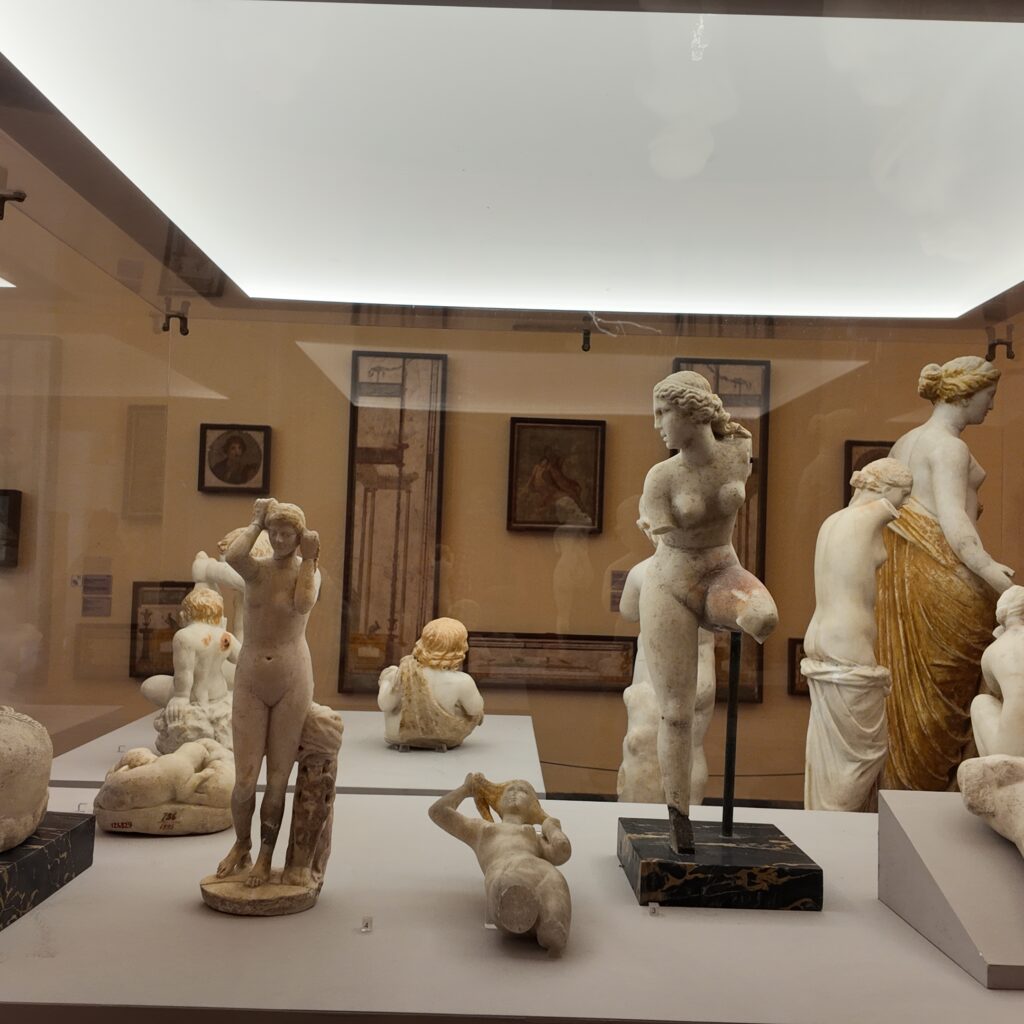
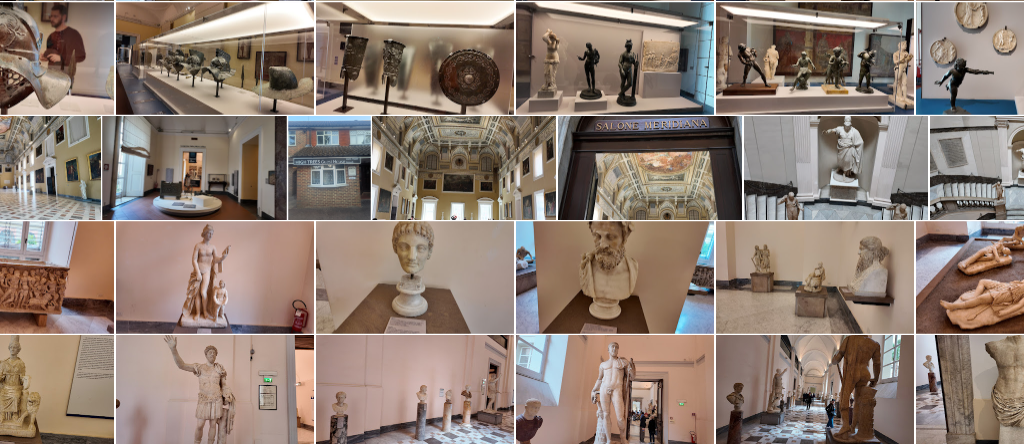
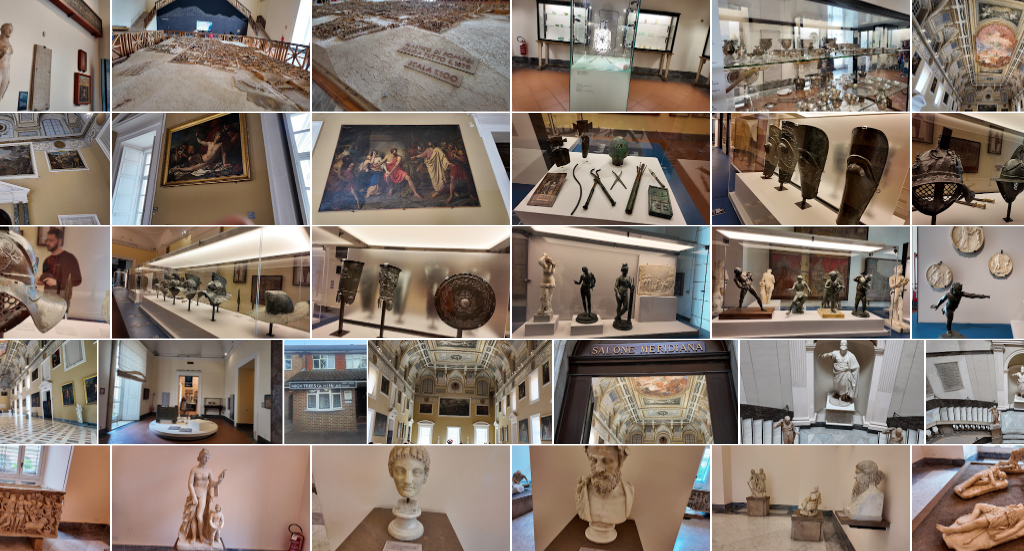
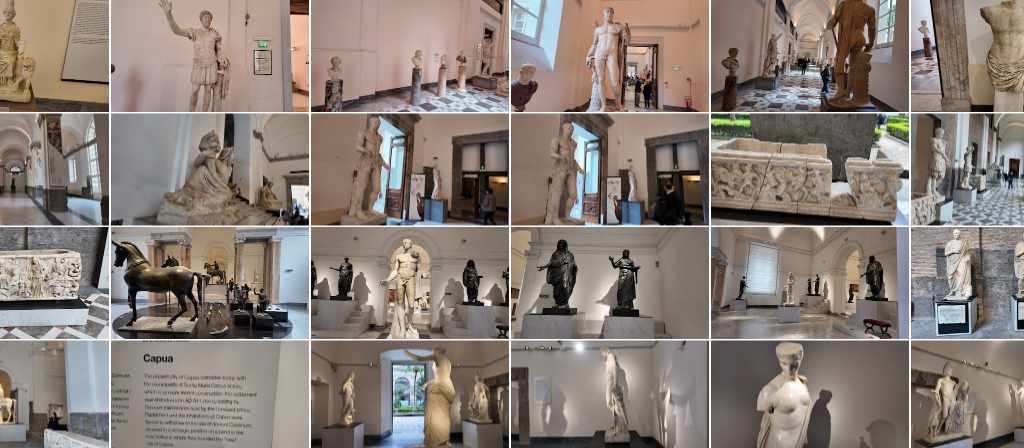
So I did something completely out of character and spent my first day in Naples inside the Naples National Archaeological Museum.

And honestly?
I was blown away.

Room after room of artifacts, sculptures, and stories that somehow survived centuries—and here I was, just standing there in quiet amazement, wondering how this was never on my radar before.

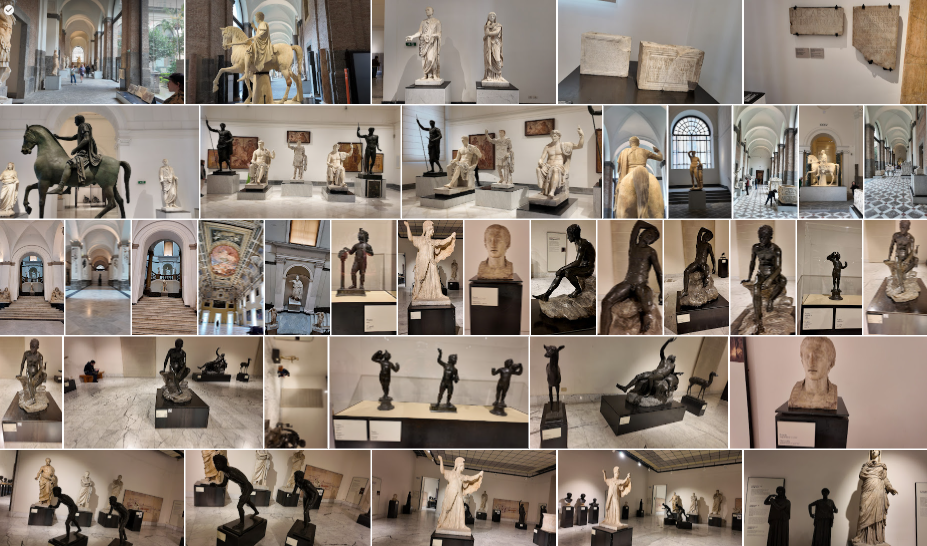
These are some photos and videos from that first day—proof that even the most stubborn non-museum person can still be humbled by European history.

The weather has been cold and rainy, so I’m still debating how to spend the next day or two here before heading to Rome.

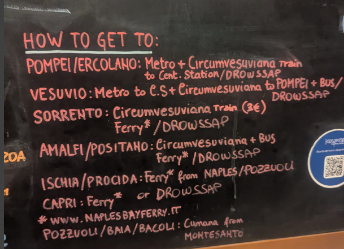
Fortunately, this is where hostels really shine.

Below are just some of the amazing options posted around the hostel—things to do, places to eat, and budget-friendly ideas I probably wouldn’t have found on my own.

That’s another underrated perk of staying in hostels:
Someone has already done the homework, and they did it cheaply.

rome1

My big fat Greek weekend!

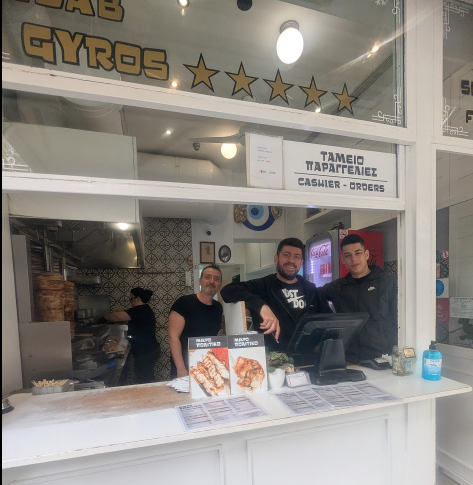
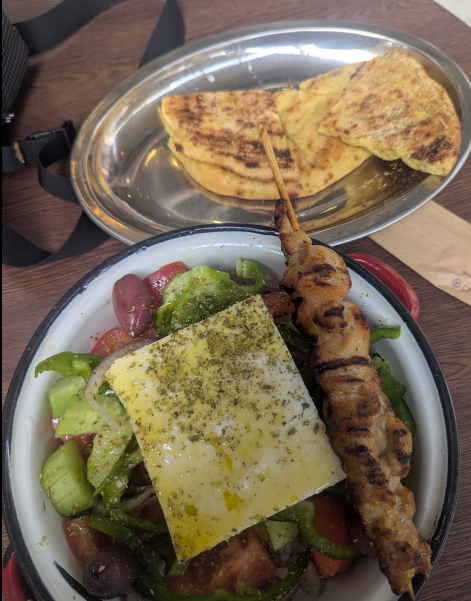
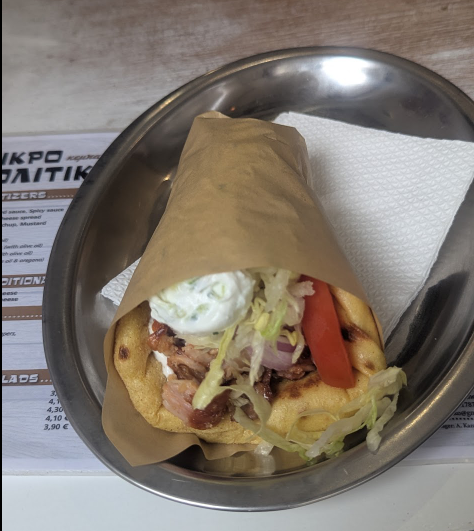
Feta cheese – they put that amazing shit of everything in Athens. This is an amazing Armenian Family that kept the Greek dishes coming over the weekend.

The Greek salad with a slab of feta and olives and lamb gyro were the best!!

This family kept the feta flowing for me!

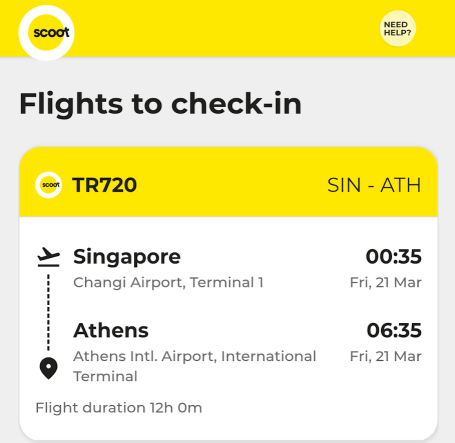
I spent a couple of months touring Asia (Vietnam, Cambodia, and Thailand).  I spent my last days in Singapore before leaving for Europe.  It was also the first time I flew on discount airline Scoot, which is a low-cost subsidiary of Singapore Airlines. I stress low cost as it had nothing like the feel of my favorite Airline, Singapore Airlines.

Now that the important introduction is over, the food, I can explain traveling in and out of Athens a bit more.

I was able to travel to Athens, Greece for a few days, the third weekend of March 2025. I left Asia after 70 days touring Vietnam, Cambodia, Thailand, and Singapore. It was a 12-hour flight from Singapore to Athens, but I booked it several months ago, so it was only a couple of hundred dollars. đŸ‘đŸ»

It was a long flight, but I was able to make do with the onboard amenities. 😁

I left Athens and headed to London for a quick overnight trip to use my Wizz all-you-can-fly pass to Istanbul, Turkey.

After those long flights, I am always discombobulated (more than normal).  I needed to navigate the metro system to get to my hostel, which was extra challenging.

I always tailor my accommodations to the price of the city, and Athens was not cheap.  

I ended up biting the bullet and booking an amazing room in a hostel for $50 a night.  I know you’re thinking, $50 a night is cheap, but multiply that by 84 nights, which is the length of this trip.  That would have been USD 4,200 for accommodations alone!!

Anyway, I was able to catch up on my sleep, regroup, and reenergize. 

I knew I would only have the weekend in Athens, so I booked a three-day pass on the double-decker bus that stops at all of the tourist traps. I tend to do that when there is a lot to see in a city in a short amount of time, as it is worth it.

One of the biggest draws on the tour and in Athens is the Acropolis and the Parthenon.

Here is a clip for the wiki that explained to both of us:

The Acropolis of Athens (Ancient Greek: áŒĄ ገÎșÏÏŒÏ€ÎżÎ»Îčς Ï„áż¶Îœ áŒˆÎžÎ·Îœáż¶Îœ, romanized: hē Akropolis tƍn Athēnƍn; Modern Greek: ΑÎșÏÏŒÏ€ÎżÎ»Î· ΑΞηΜώΜ, romanized: AkrĂłpoli AthinĂłn) is an ancient citadel located on a rocky outcrop above the city of Athens, Greece, and contains the remains of several ancient buildings of great architectural and historical significance, the most famous being the Parthenon. 

The word Acropolis is from Greek ጄÎșÏÎżÎœ (akron) ‘highest point, extremity’ and πόλÎčς (polis) ‘city’.[1] The term acropolis is generic and there are many other acropoleis in Greece. During ancient times the Acropolis of Athens was also more properly known as Cecropia, after the legendary serpent-man Cecrops, the supposed first Athenian king.

While there is evidence that the hill was inhabited as early as the 4th millennium BC, it was Pericles (c. 495–429 BC) in the fifth century BC who coordinated the construction of the buildings whose present remains are the site’s most important ones, including the Parthenon, the Propylaea, the Erechtheion and the Temple of Athena Nike. 

The Parthenon and the other buildings were seriously damaged during the 1687 siege by the Venetians during the Morean War when gunpowder being stored by the then Turkish rulers in the Parthenon was hit by a Venetian bombardment and exploded.

Another big draw was the temple of the Olympian Zeus:

Here is more wiki history that I did not know either:

Dedicated to Zeus, the Temple of Olympian Zeus, also called the Olympieion, was the largest temple in ancient Greece. Though the Parthenon is better preserved, the Temple of Olympian Zeus was an even more monumental structure in its day. The temple dates to the sixth century BC but was not completed until the second century AD by the Emperor Hadrian. In front of the Olympieion, not far from the entrance, stands Hadrian’s Arch at the end of Dionysiou Areopagitou.

It’s easy to imagine the grand impression this temple made in its complete form. More than a hundred enormous marble columns once supported the grandiose sanctuary. Only 15 columns remain standing, and another surviving column lies on the ground, but the ruins’ monumental presence gives a sense of the massive size of the original building. The gigantic structure was a befitting shrine to Zeus, the ancient Greeks’ most all-powerful God, known as the King of the Gods.


Greece is also known for its amazing islands which is dealed here if you are interested:

It was pretty cool to hear the references between the inaugural Olympic Games in 1896 and the 2004 modern-day Olympics during the tours.  

They would share the new venues, in the city and oceanside, and I was also able to see the very first venue, The Parathion.

I did not leave the mainland but toured the amazing coast on the bus for hours.

V4

Varna, Bulgaria – The black sea!

My first flight on my Wizz all-you-can-fly pass was from London, Gatwick, to Varna, Bulgaria.

I found a one-way flight for USD $109 so I could start using my pass!

If you want to know more about the Wizz Pass, you can check my blog here.

Once I landed and cleared Customs in London, I went straight to the Wizz app to see what was available. l knew the Varna flight left a few hours after I landed, having done prior research. 

It was still available, so the first flight was booked on my pass!

If you want to know more about the Wizz Pass, you can check my blog here.

Once I arrived in Varna, I got the familiar feeling that I was back in Ukraine.  It has been over 20 years, but Eastern Europe is not as developed. The language felt familiar even though I failed Ukrainian 10 in high school, LOL!

Being Ukrainian, the prices were right up my alley!  I paid under $5 for some awesome cabbage soup with a roll and a drink.

This was one of the most beautiful Churches I have visited!