acc3

Green card, Citizenship & travel visas🛂

I’ve been dealing with travel visas for over 25 years—long enough to know this topic is wildly misunderstood by anyone who’s never actually lived it.

You can’t just let people casually wander into a country

unless, apparently, you’re shopping for votes.

Like it or not, visas are 100% necessary.
Not glamorous.
Not fun.
Necessary.

My travel saga started in the late 1990s, flying for work between Calgary, Canada and Dallas, Texas.

I regularly traveled from our manufacturing plant in Calgary to our U.S. headquarters in Dallas. And every trip began exactly the same way:
Me, arriving at the Calgary airport—already sweating—fully aware that my real journey was about to begin
 with U.S. Immigration.

The script never changed.

Agent: Purpose of travel?
Me: Meetings.
Agent: How long?
Me: One week.
Agent: That’s a long meeting.
Me: We have meetings all week.
Agent: Go sit in our office.

Me (internally): Yes sir. Thank you sir. I respect the process and my fragile freedom.

Then came the waiting.

The agents would let me slowly marinate in anxiety—right up until five minutes before boarding.

Agent: You’re free to go.
Me: Immediately sprinting to the gate like I’d just been released from a minimum-security prison.

Every.
Single.
Time.

đŸƒđŸ»â€âžĄïžâœˆïž

Eventually, I graduated to actual work visas.
Real ones.
Laminated.
Official.
Very fancy.

I would calmly present my current visa to the immigration officer, exactly as instructed.

[“DO NOT ANSWER QUESTIONS.”]

The office rules were very clear:
Show the visa.
Say nothing.

Apparently, immigration officers are highly trained professionals whose primary job is to trick you into saying one wrong word, realize you have the wrong visa, and deny you entry—
purely by accident.
On your part.

This never happened to me.
I suspect it’s because they eventually recognized me.

“Oh. It’s this guy again.”

Somewhere along the way, I stopped being “potential international threat” and became “frequent flyer with anxiety.”

Eventually, I moved to the United States full-time, which—shockingly—required an entirely different visa.

I will forever clutch my citizenship like it’s a winning lottery ticket.

Ten years and dozens of visas later, I finally received my United States Permanent Resident card—
the government’s way of saying, “Fine. You can stay.”

“TEN YEARS LATER”

Another ten years passed, and—six months after my green card expired on January 13, 2019—I officially became a U.S. citizen on July 3, 2019.

Yes, there was a brief but thrilling period where I existed in pure bureaucratic limbo:
No longer green-card valid, not yet American enough.

USA Immigration has always loved a good cliffhanger.

Then, just in time for Independence Day sales, fireworks, and historically poor life choices


I became a U.S. citizen.

Sworn in by DJT himself.

Roll credits. đŸ‡ș🇾🎆

My entire immigration journey took roughly 20 years.

Two decades of forms, fees, interviews, fingerprints, photos—and the low-grade terror of checking the mailbox.

So yes, I tend to notice immigration policy.

Between 2020 and 2024, under a Democratic administration, millions of migrants were allowed into the U.S. with what appeared to be minimal vetting. Many arrived with criminal records, some unvaccinated, and many had their expenses covered.

At the exact same time, Americans were required to get vaccinated while enduring shutdowns that hit them financially.

That contrast did not go unnoticed.

The current Republican administration, by contrast, treats border security as non-negotiable. Their 2025 immigration policies can best be summarized as FAFO—and they are the strongest I’ve seen.

And just for context—so this doesn’t sound like vibes-only commentary—I’ve also held travel visas for:

Thailand (three of them), Cambodia, and Vietnam (two).

Turns out, when you’ve played immigration on hard mode across multiple countries, you develop opinions.

Earned ones.

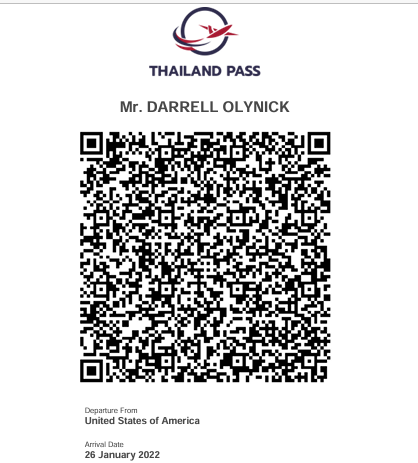
This pass was just after COVID and there were many hoops to jump through!

Cambodia Immigration — departing Vietnam

No computers.
No scanners.
No backup system.

Just pens, paper, and deeply suspicious vibes.

Everything was done by hand.
Every passport.
Every stamp.
Every long, silent glance that felt like a background check conducted telepathically.

The process took hours—not because anything was wrong, but because time itself had chosen to opt out.
The heat was oppressive.
The fans were decorative.
The concept of “boarding time” was aspirational.

This was immigration in its purest form:

slow, deliberate, and completely immune to deadlines.

And watching it all unfold, I realized something oddly comforting—

no matter the country,
no matter the technology,
no matter the system


immigration always finds a way to remind you who’s really in charge.

These Asian visas are extremely strict.

As in: follow the rules
 or enjoy a complimentary tour of the prison system.

There’s no confusion about the process.

No gray area.
No “I didn’t know.”

You follow the entry requirements, or there are consequences.

And somehow—miraculously—when you follow the immigration process wherever you go, you avoid those consequences entirely.

Seems 100% fair to me.

Legal immigration history:

It didn’t start with some fancy red carpet—it started when governments realized people moving freely could get
 complicated. Back in the 19th century, countries like the U.S., Canada, and Australia were basically like, “Sure, come on in
 as long as you check a box or two.”

Then came the U.S. Immigration Act of 1882, which basically said, “Not everyone’s invited to the party.” Fast forward to the early 1900s: Ellis Island became the ultimate checkpoint, where millions of hopeful immigrants faced the judgment of border agents, health inspections, and that ever-important first glimpse of America.

By the mid-20th century, things got organized: work visas, student visas, green cards
 a whole bureaucratic buffet. Today, legal immigration is basically a government-approved, multi-step obstacle course—and yes, you can survive it, but only if you brought your paperwork, patience, and maybe a stiff drink. đŸč

Screenshot_20240917-163621

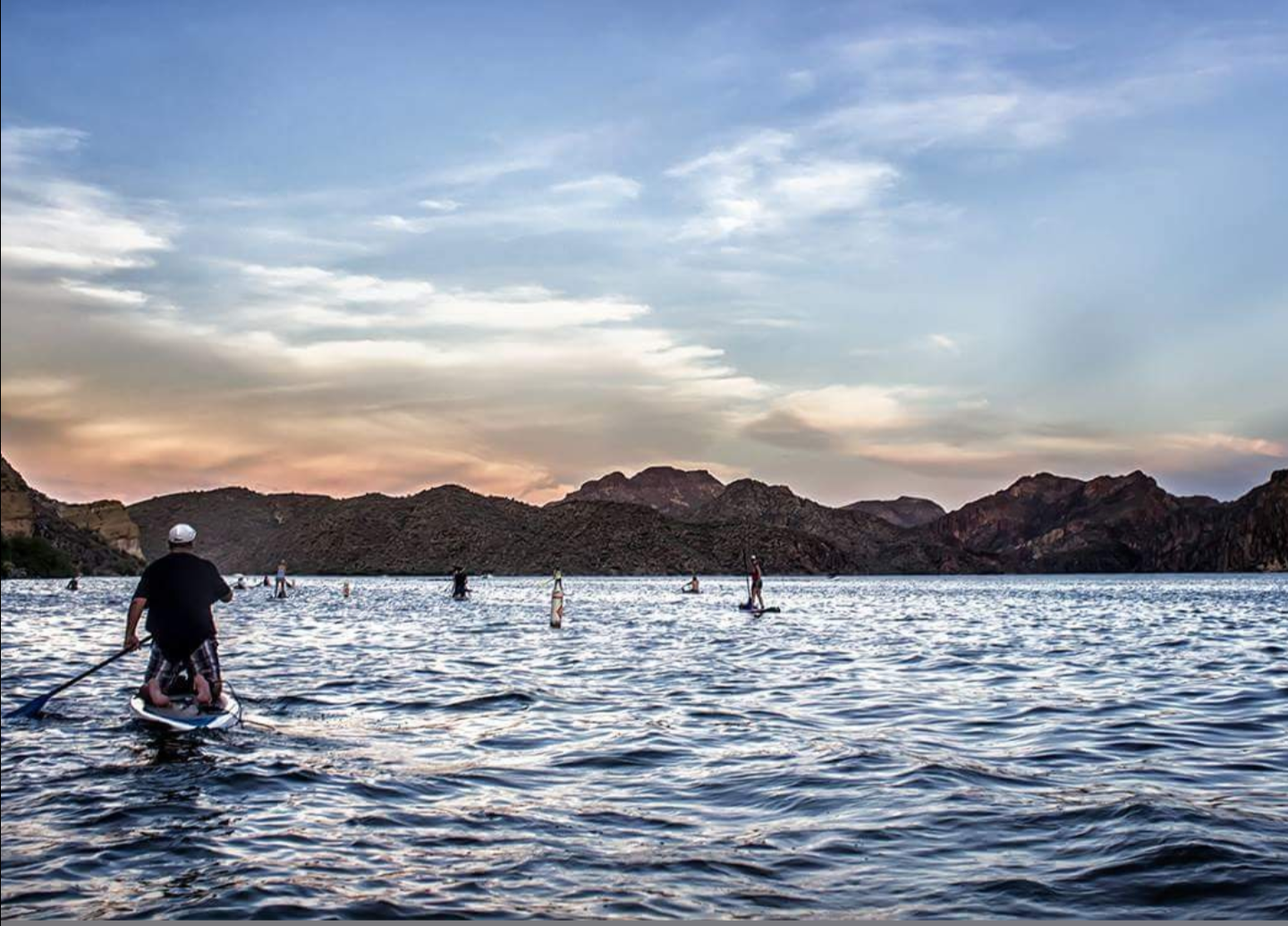
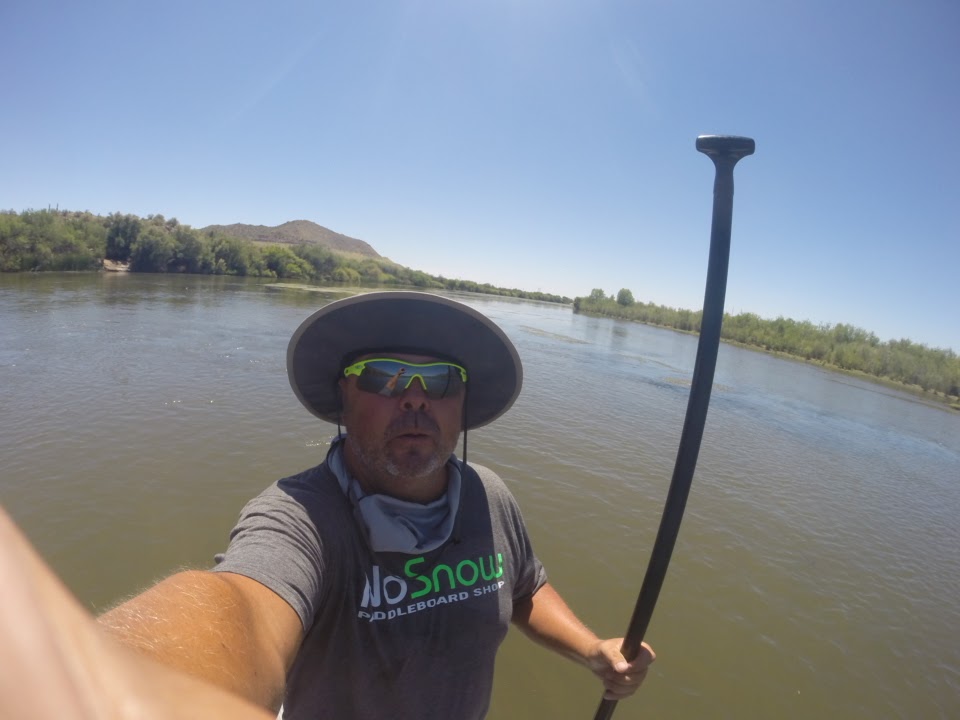
Paddling! It was fun until it wasn’t!! 😎

Paddleboarding is basically walking on water without sinking immediately—and yes, it’s as impressive as it sounds. You get a full-body workout, pretend you’re a young, serene yogi, and occasionally faceplant for dramatic effect, reminding me that I am fat and old!

It’s peaceful when you want it, social when you want it, and gives you a legitimate excuse to fall in, splash like a kid, and call it “part of the experience.” Honestly, it’s the perfect mix of exercise, adventure, and low-key humiliation—basically everything life should be.

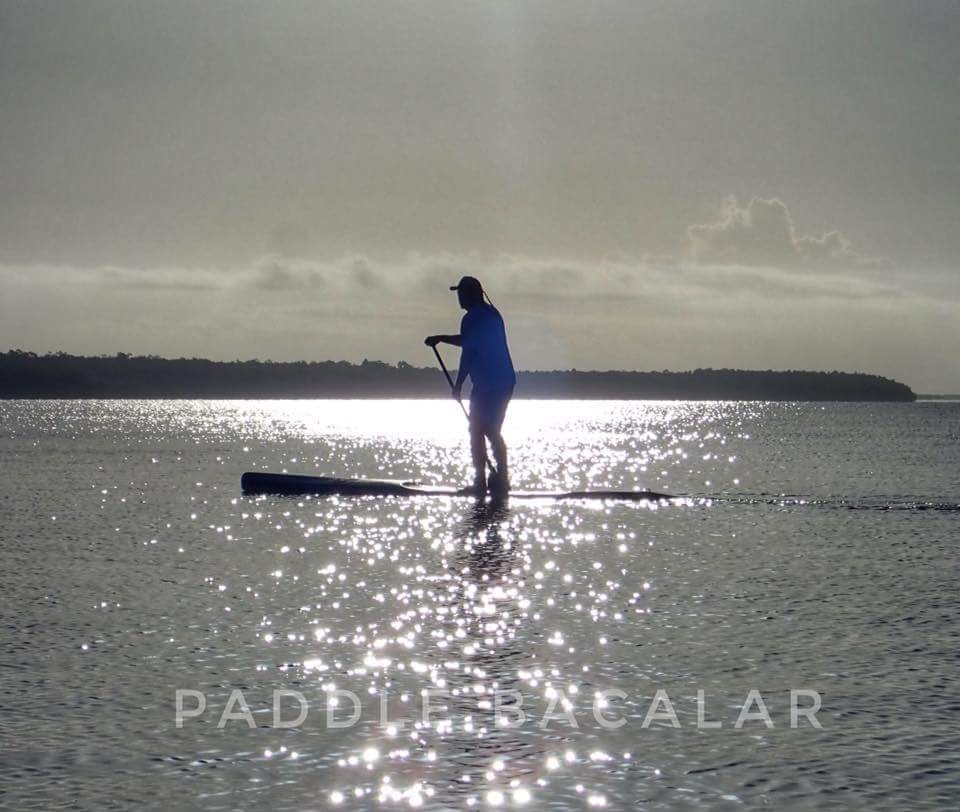
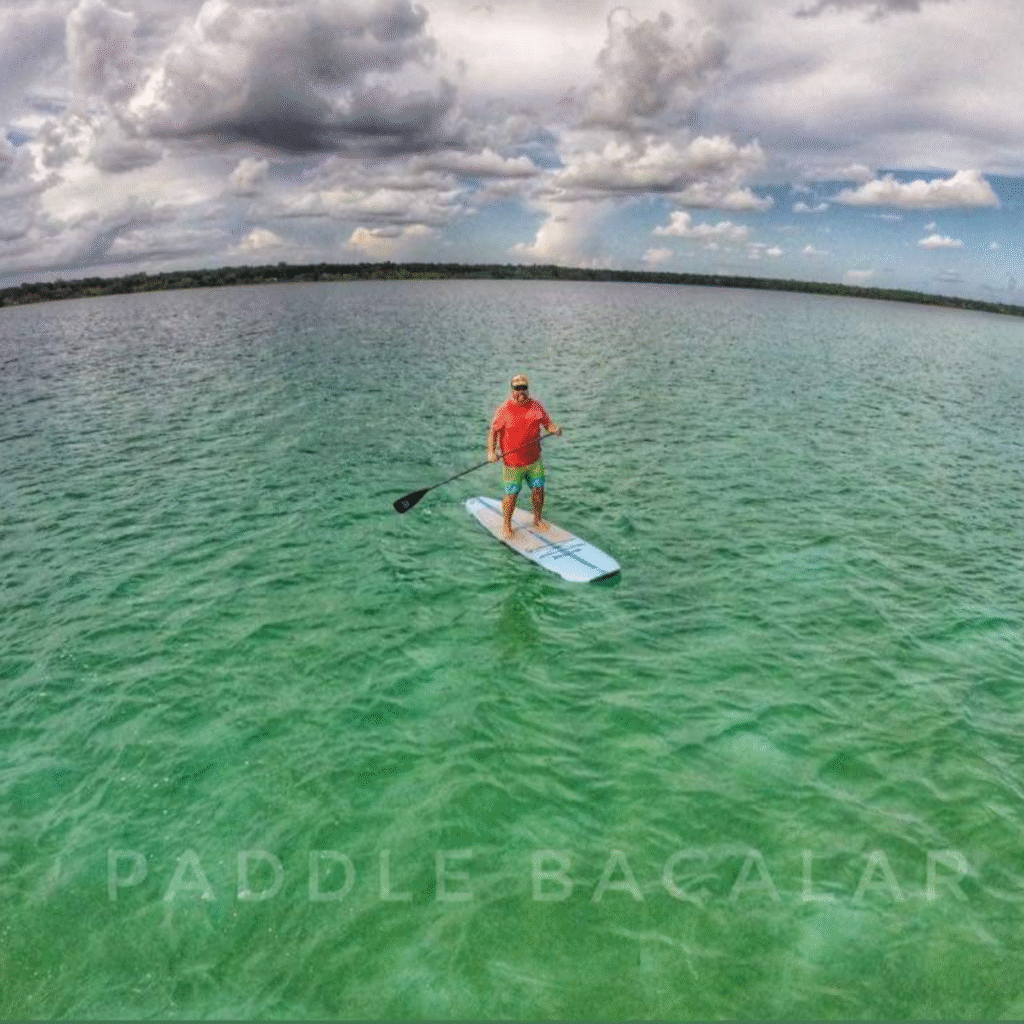
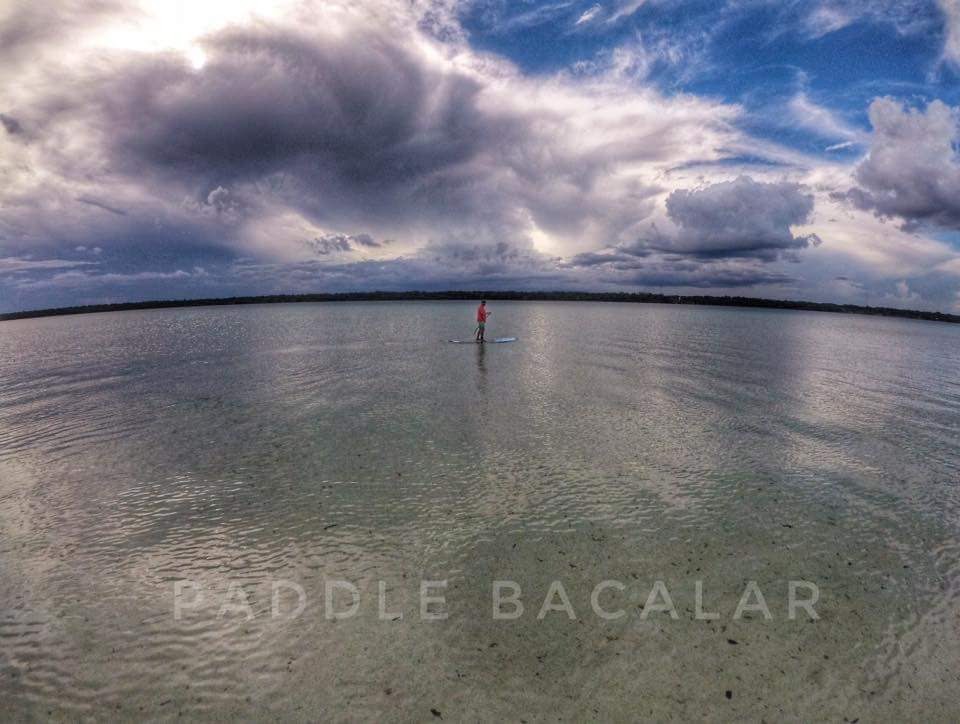
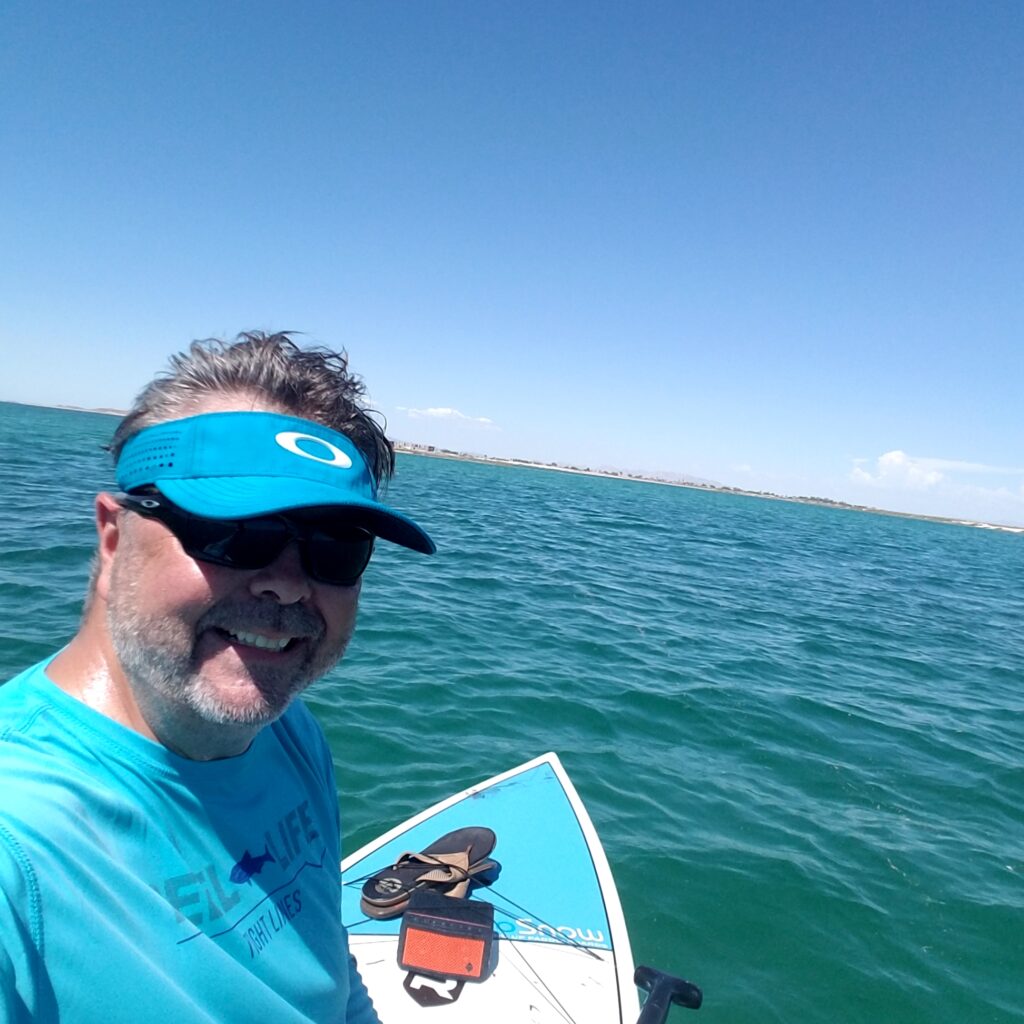
Behold the legendary paddle of Bacalar, Mexico—borrowed from a friend’s Airbnb empire of water fun. One glide across those turquoise waters and suddenly “amazing” doesn’t even begin to cover it. Truly unforgettable.

Here is the flight path from home in Phoenix, AZ, to Bacalar, Mexico.  

It is best to fly into Cancun or Chetumal and take the ADO shuttle bus to Bacalar.

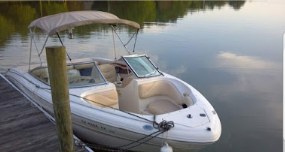
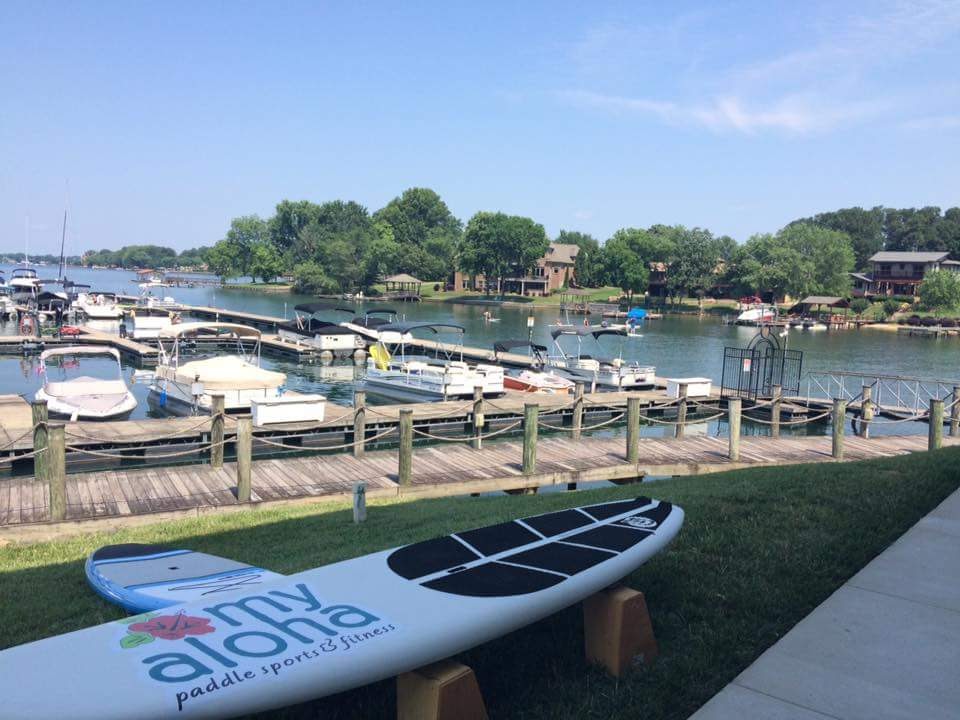
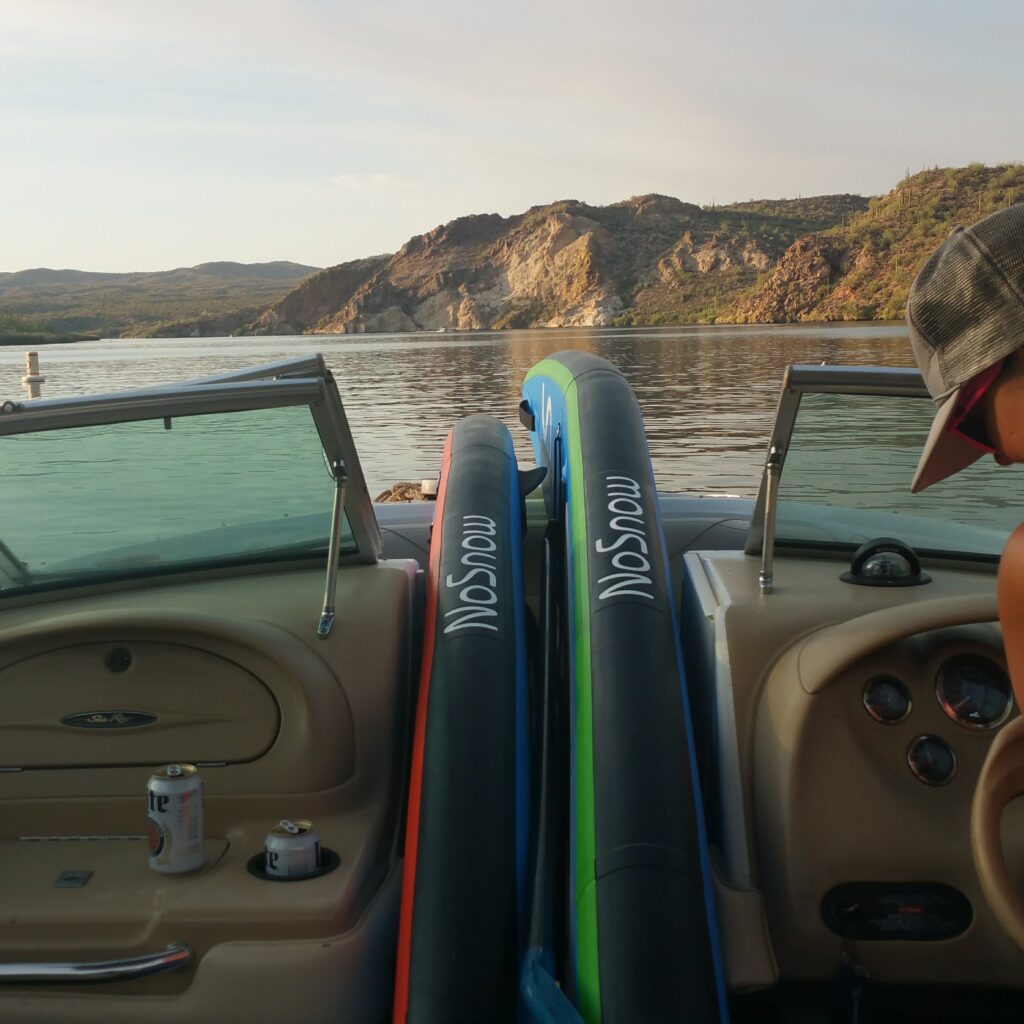
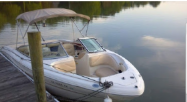
I first hopped on a paddleboard in 2010 after moving from Georgia to Mooresville, NC, chasing that sweet Aloha-on-the-water vibe I’d always loved about Hawaii. With Lake Norman just five minutes away, my board and boat became my weekly ritual in “the massive calm cove”—perfect for workouts. It was like pretending I was already on island time, living a young better looking and in shape lifestyle.

I lived five minutes away from Lake Norman and kept my boat docked there with my paddleboard.  It was an amazing workout in “the massive calm cove, and I would go a couple of times a week.

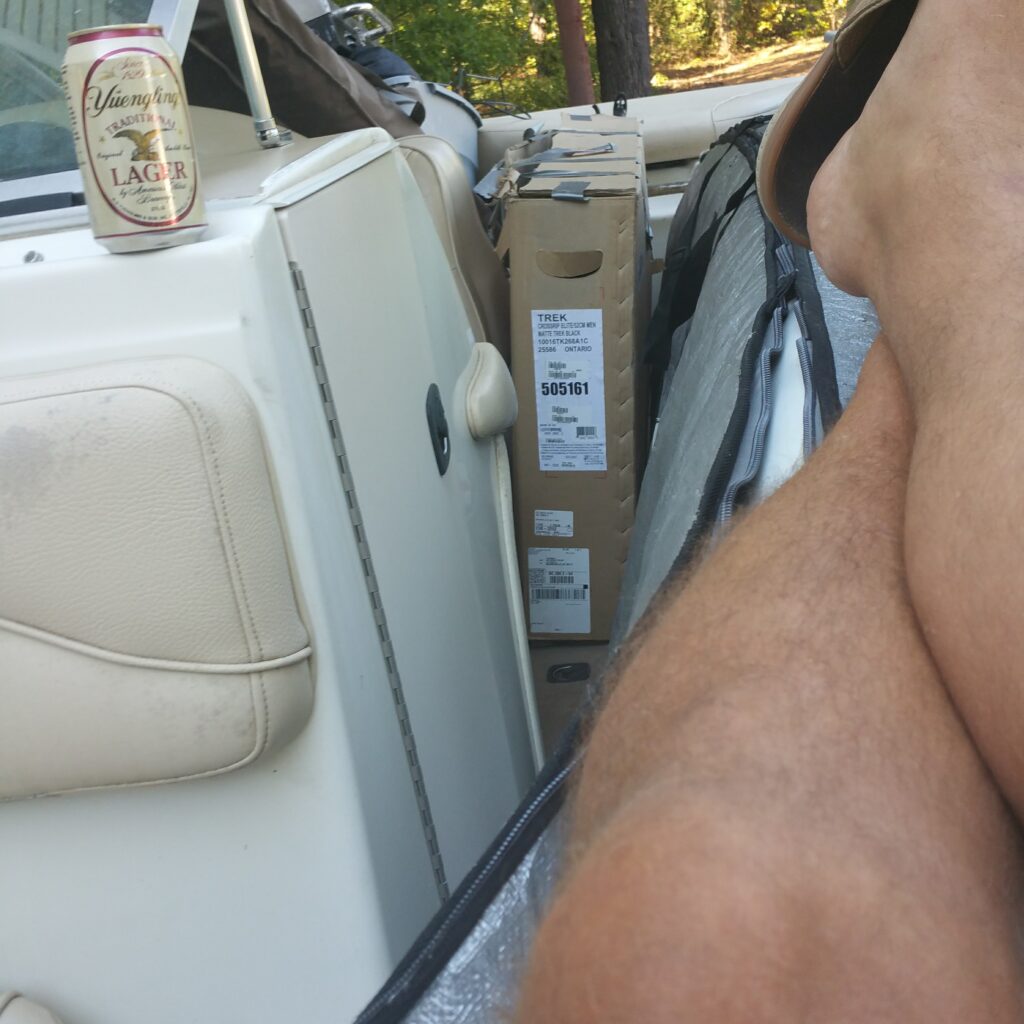
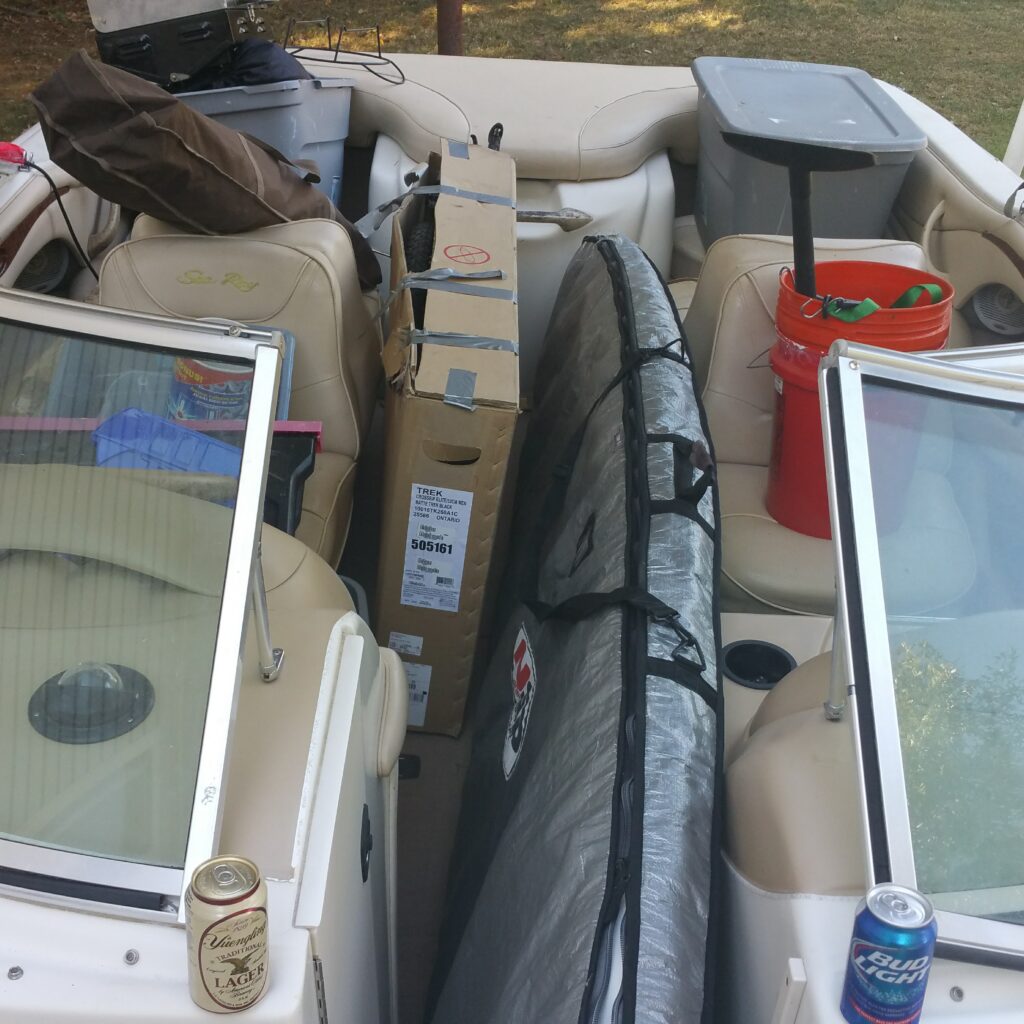
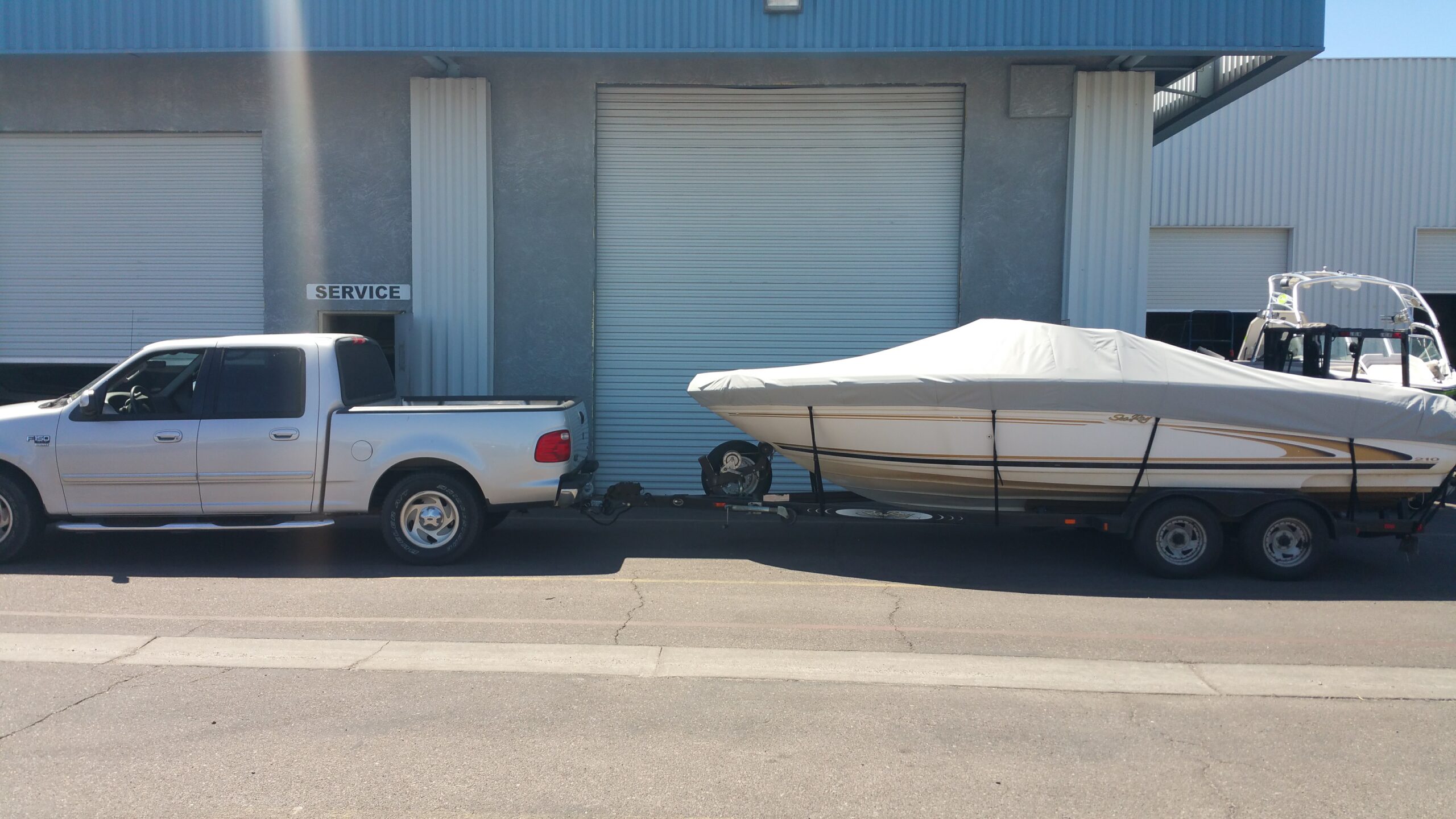
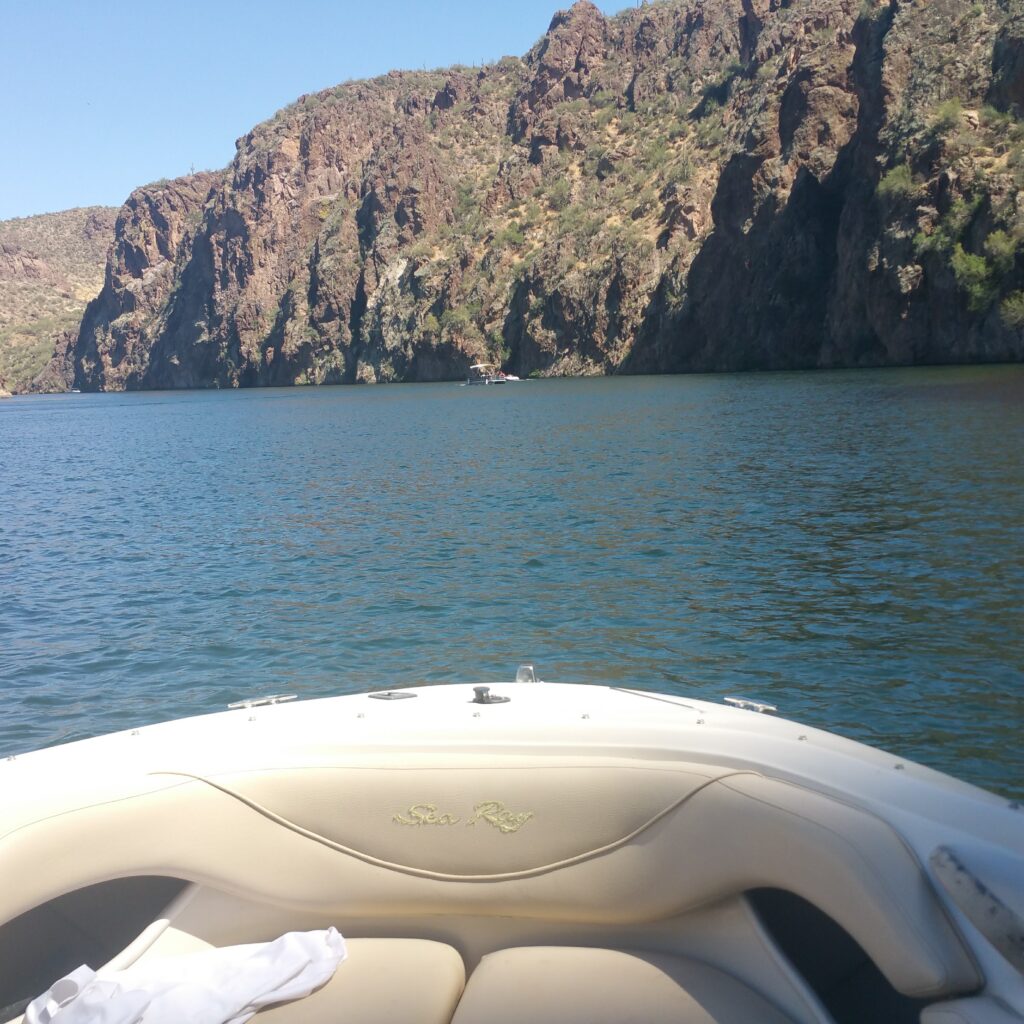
Fast forward to September 2015: my boat and two paddleboards were packed and ready for the epic trek from NC to AZ—because why leave your favorite toys behind?

It took me four long days of driving from NC to AZ. 

I dropped the boat off at storage, and sadly, that is where it stayed the majority of its years before selling it in 2022. 

It still looked so amazing for a 20-year-old boat and still trimmed out at 50+ M/PH when it sold. 😟

I should have pulled my UTV to AZ instead of my boat; I sold the wrong toy before I moved! 

A UTV would have gotten so much more use in the AZ mountains and/or making it street legal!

Let it go, Darrell, let it go! 😜

Well, I did let them go and lost my ass on both of them eventually! 

Just in the wrong order! 😎

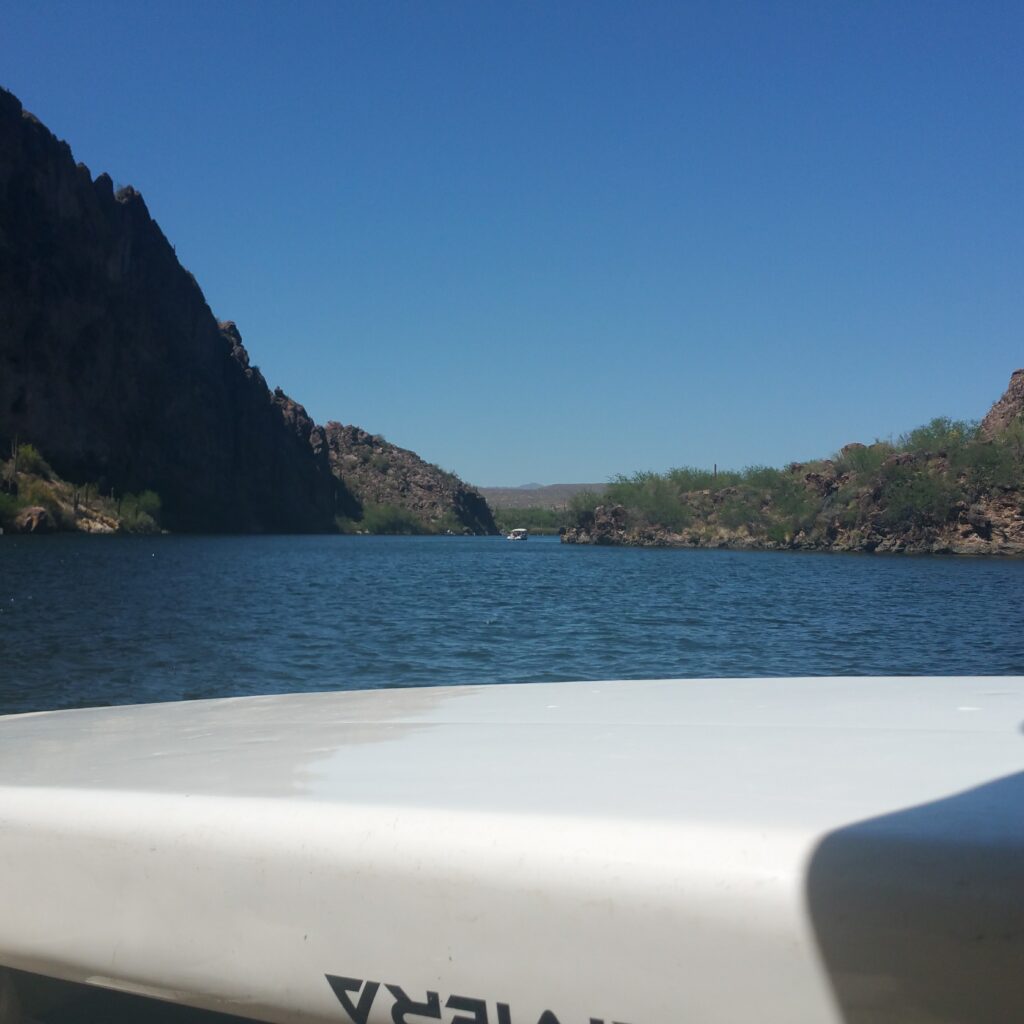
I knew East Mesa’s lakes were tiny, but I didn’t realize weekends meant waiting to launch, only to get spun around in a human-sized washing machine. Paddleboarding through the constant wake? Forget it—I kept falling. 

After hauling my “Bring Out Another Thousand” money pit from NC to AZ, it barely saw the water at all.  If you disagree, visit Lake Lanier or Lake Norman, where the coves are bigger than the lakes in AZ.  Excuse de jour … 

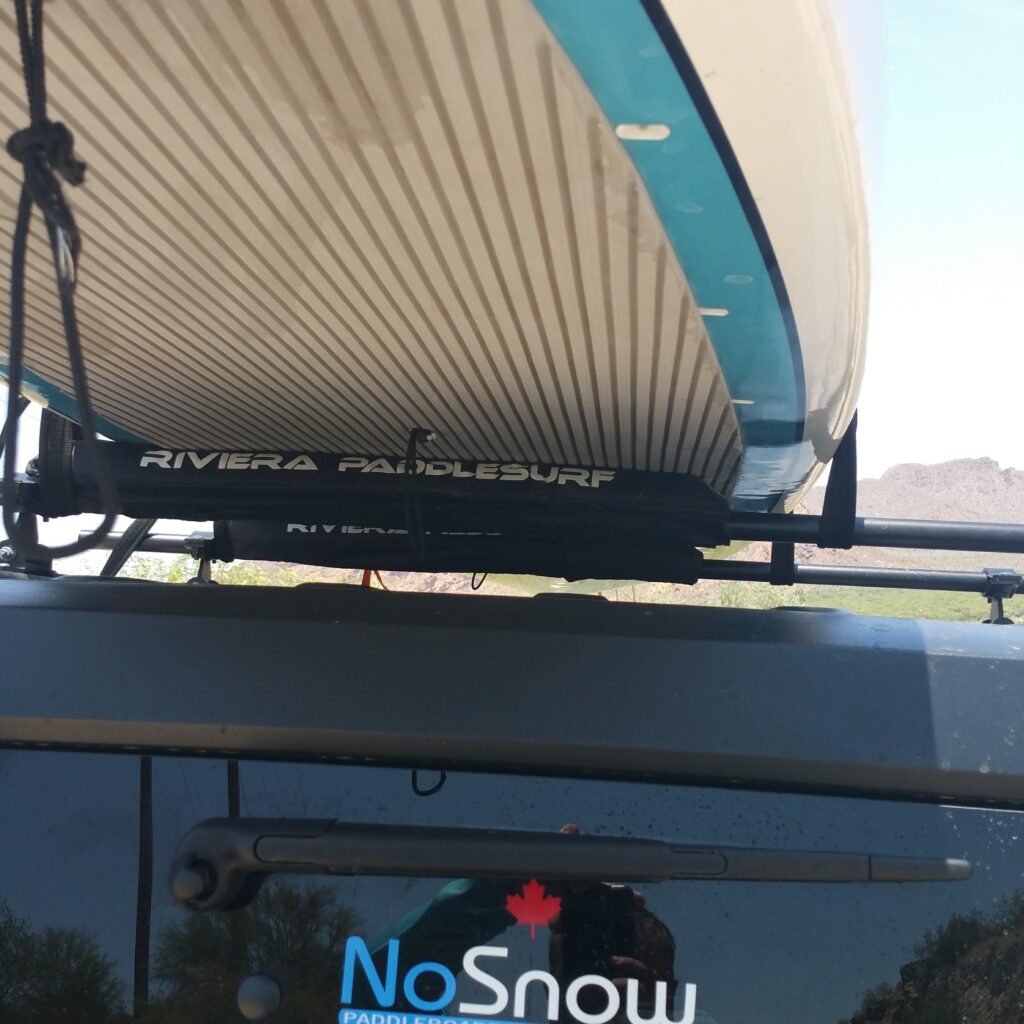
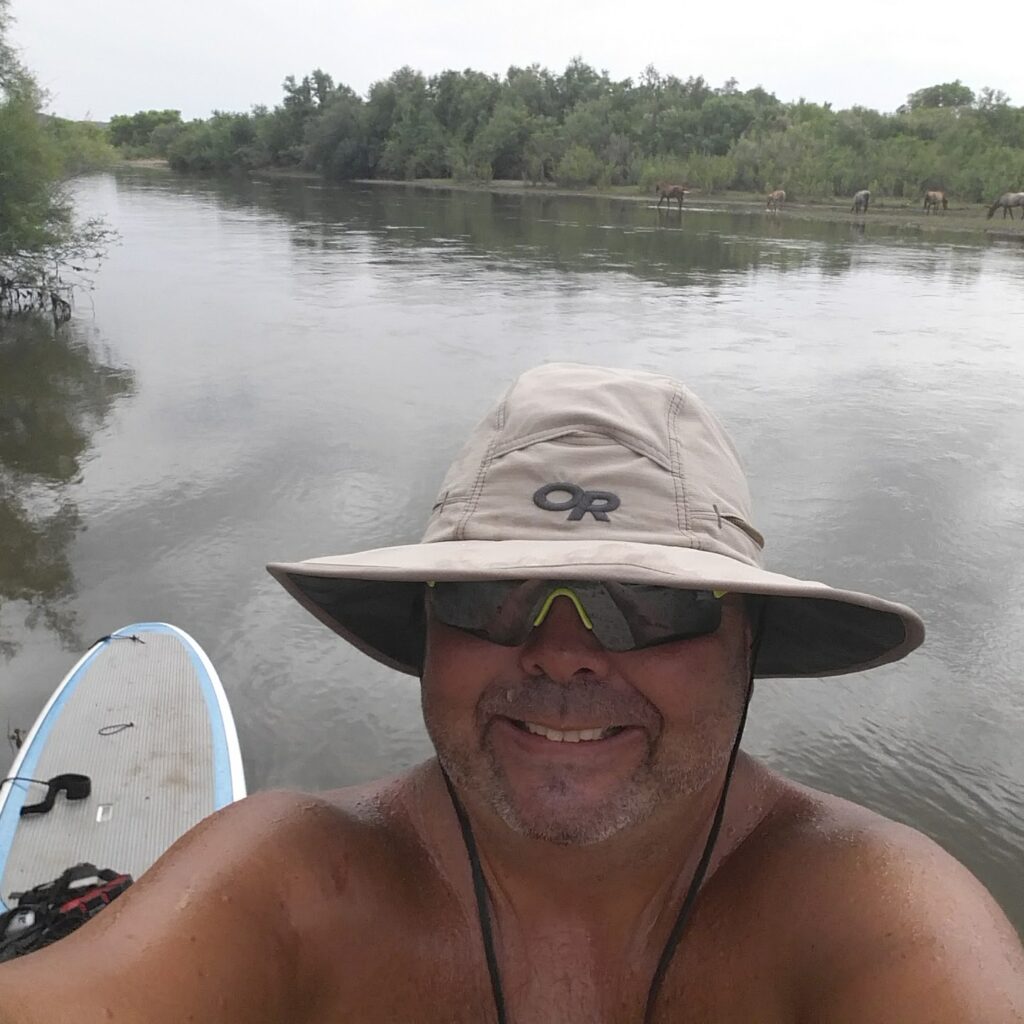
I preferred paddling the river because it involved exactly zero hassle. Toss the board on the Jeep, drive 20 minutes, and boom—adventure achieved.

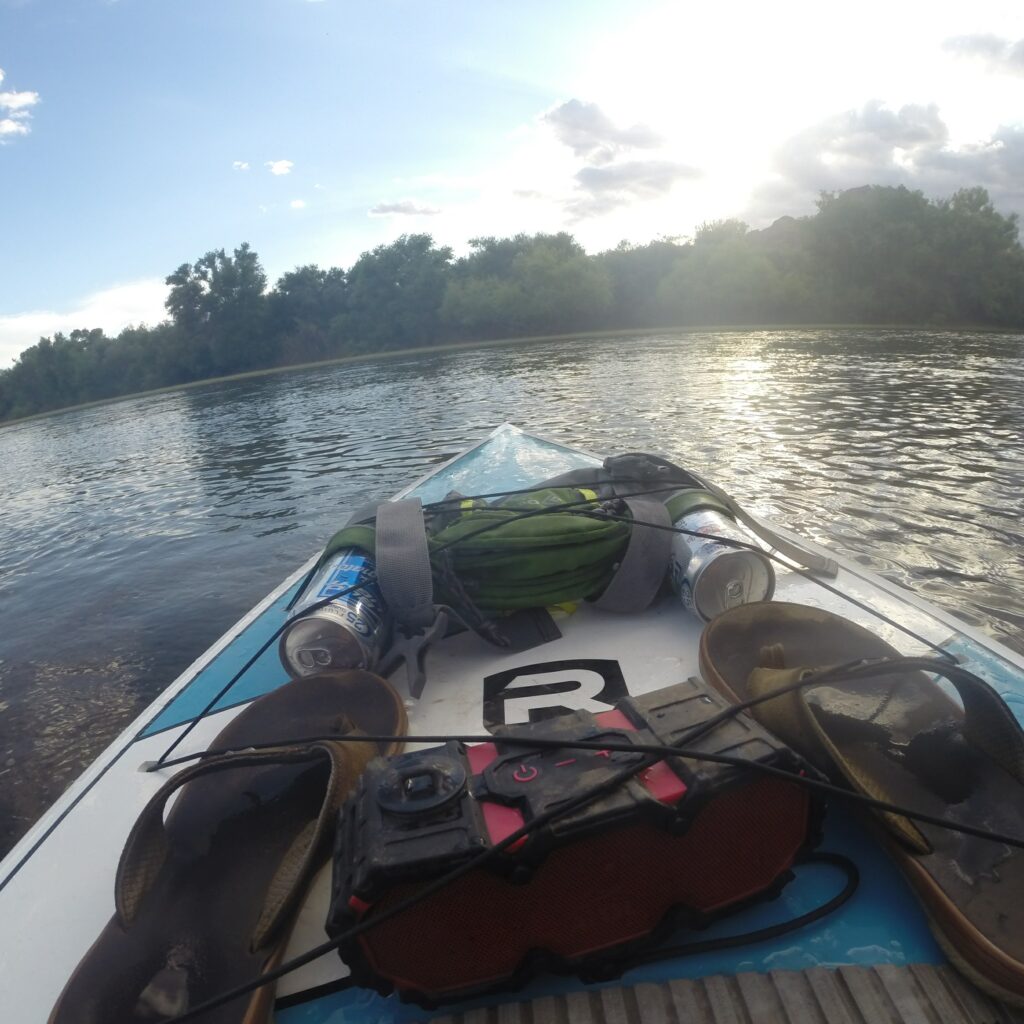
You’d get a solid workout grinding upstream into the current, then enjoy the universally beloved reward: a free ride home provided by gravity and basic physics.

And let’s be honest—it didn’t hurt that the “commute back” involved cracking a beer, relaxing, and pretending this was all very intentional while the scenery did the work.

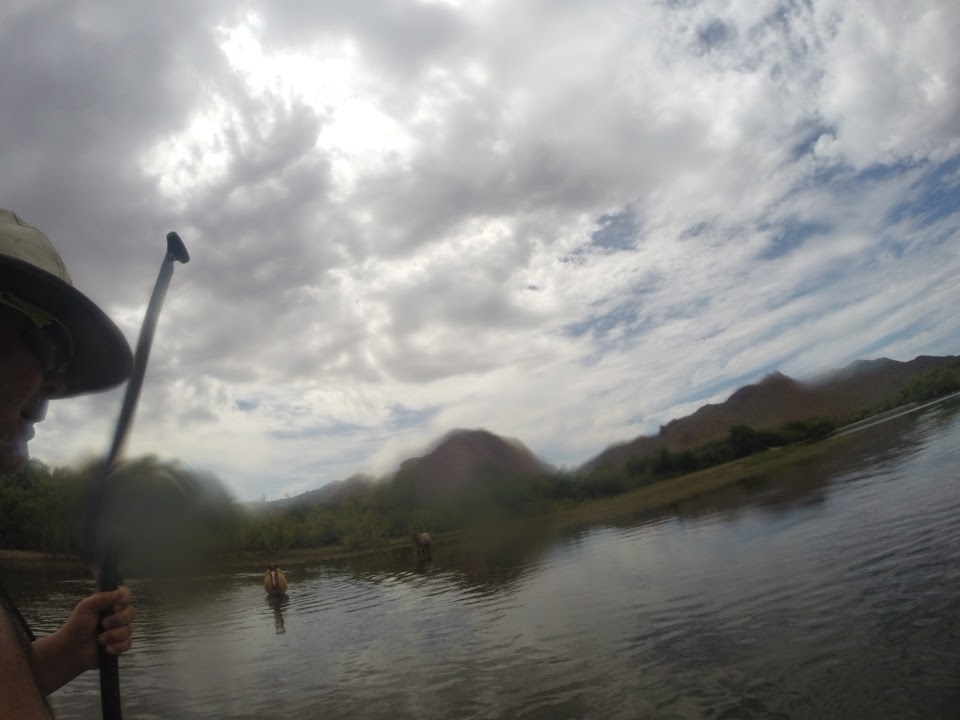
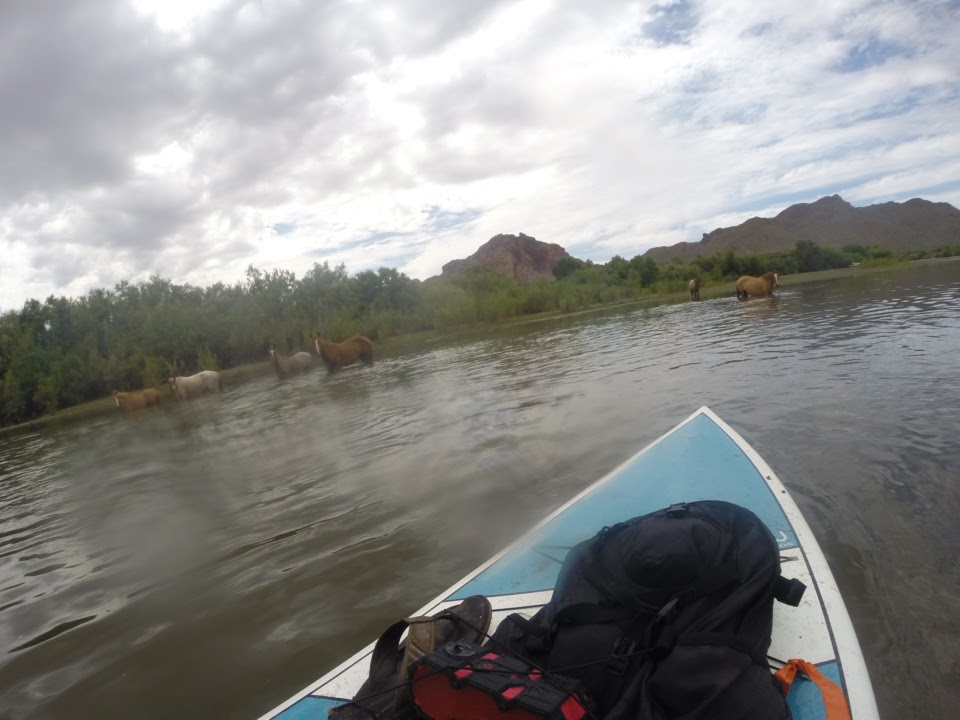
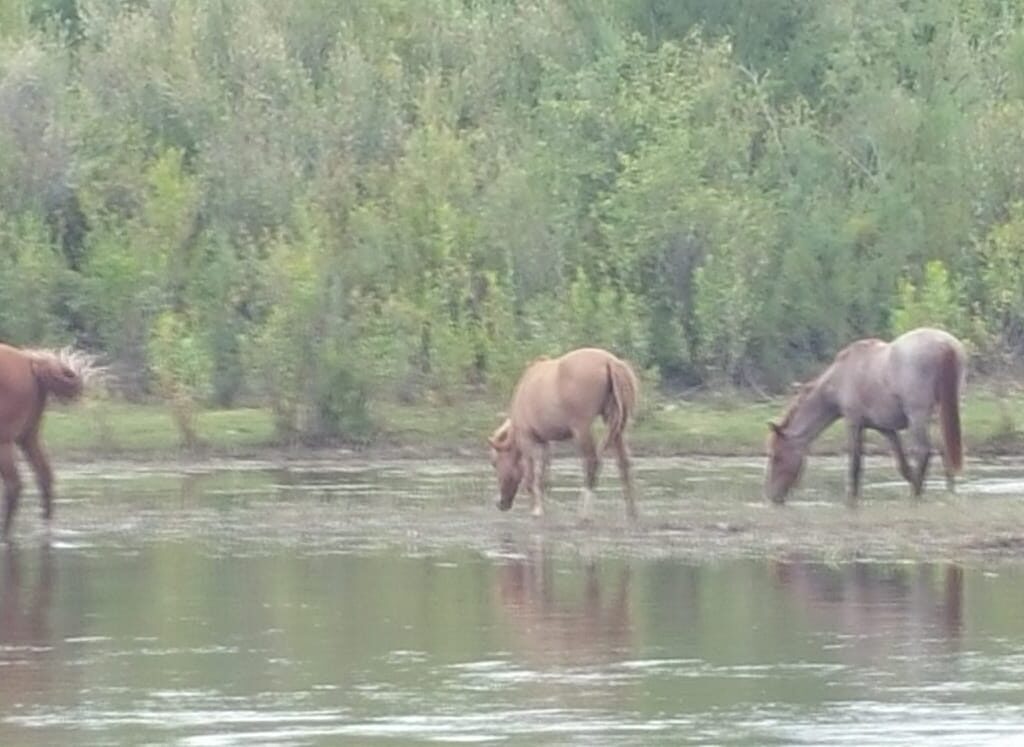
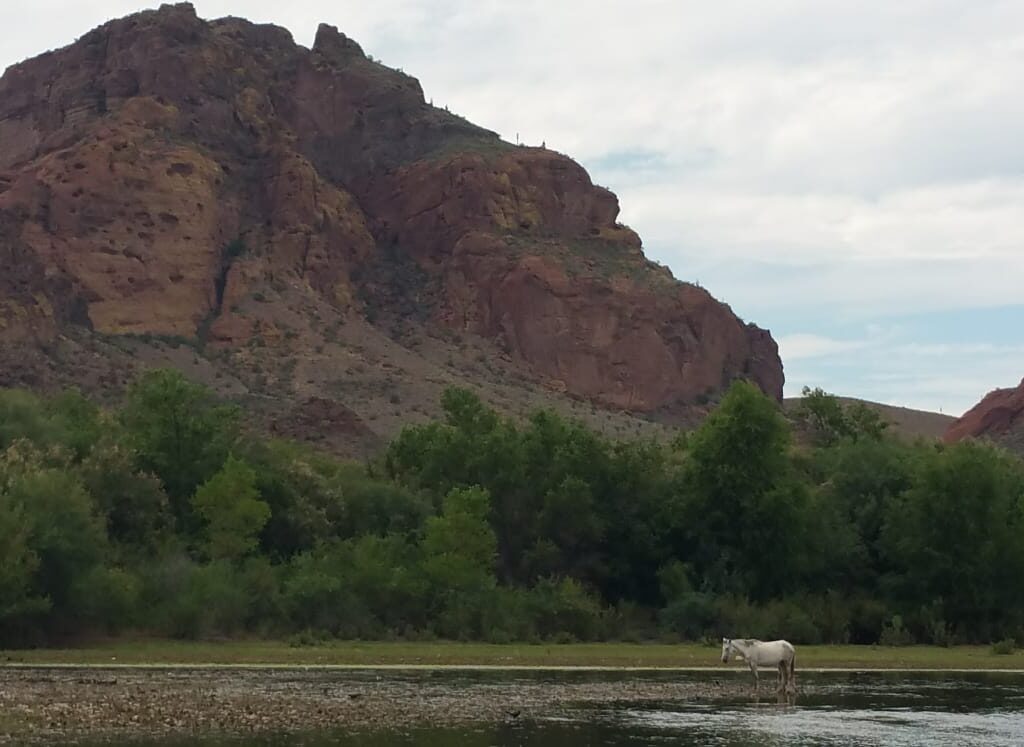
Passing the families of wild horses quietly from the water is always surreal—half nature documentary, half “is this real life or did I drink that beer too early?”

Kept one paddleboard at my place in Rocky Point, Mexico, and an inflatable in storage—because nothing says commitment like owning multiple versions of the same abandoned hobby.

I also used to paddle in a quiet ocean cove in Mexico, until the tides reminded me they do not care about my confidence or balance. That phase ended quickly.

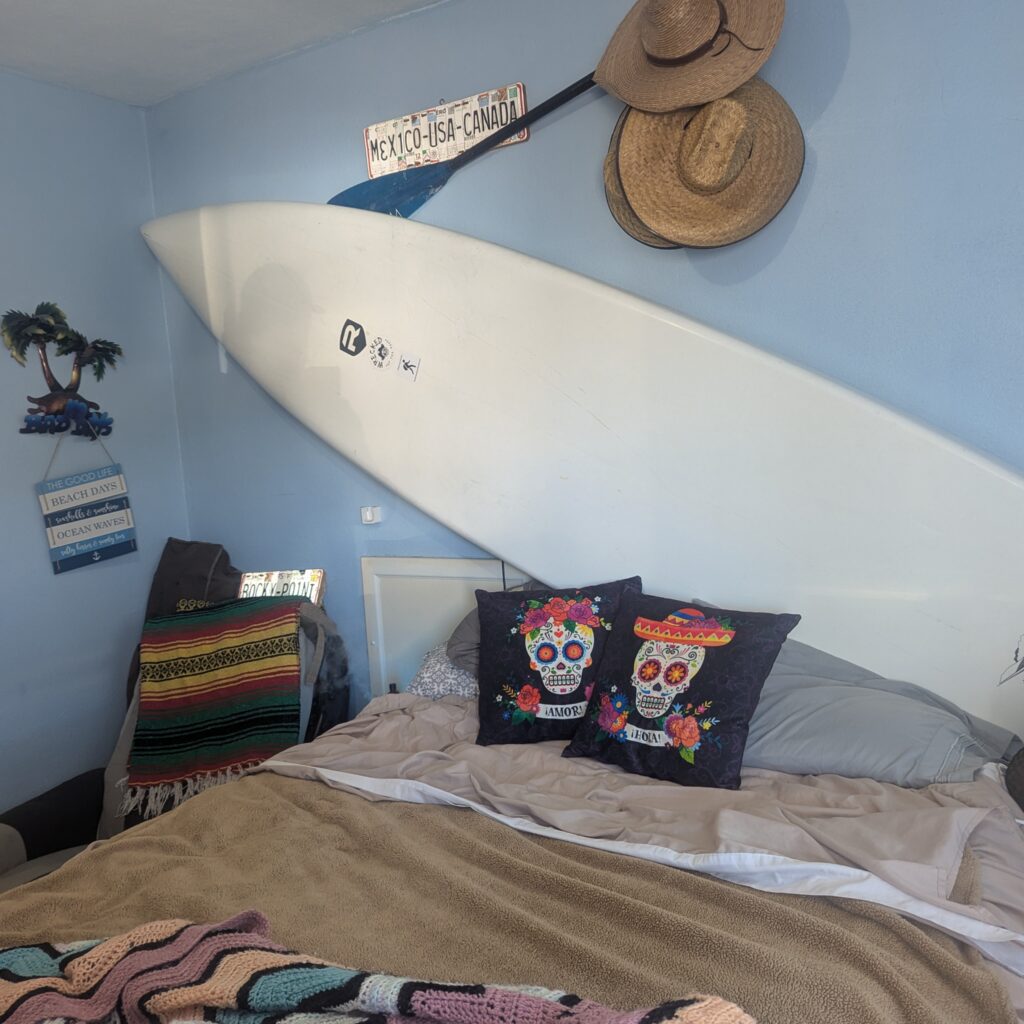
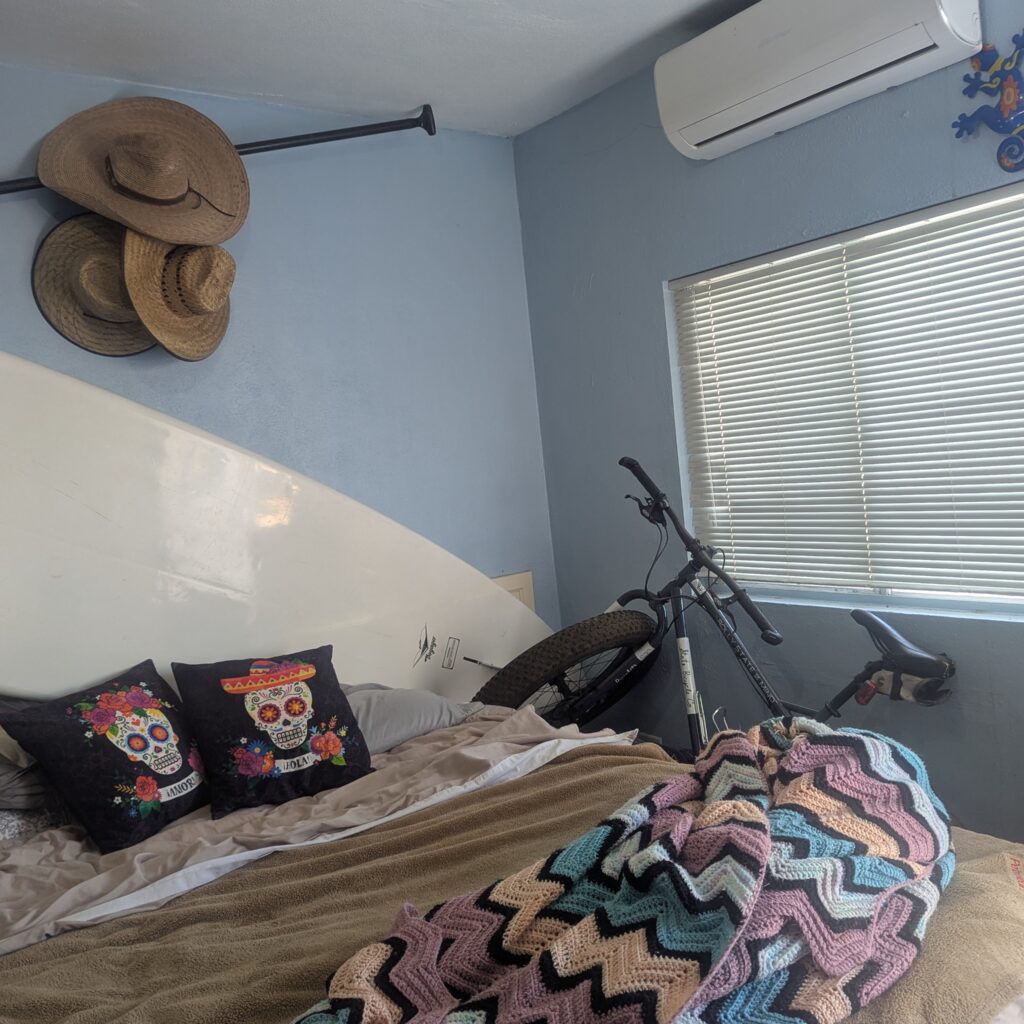
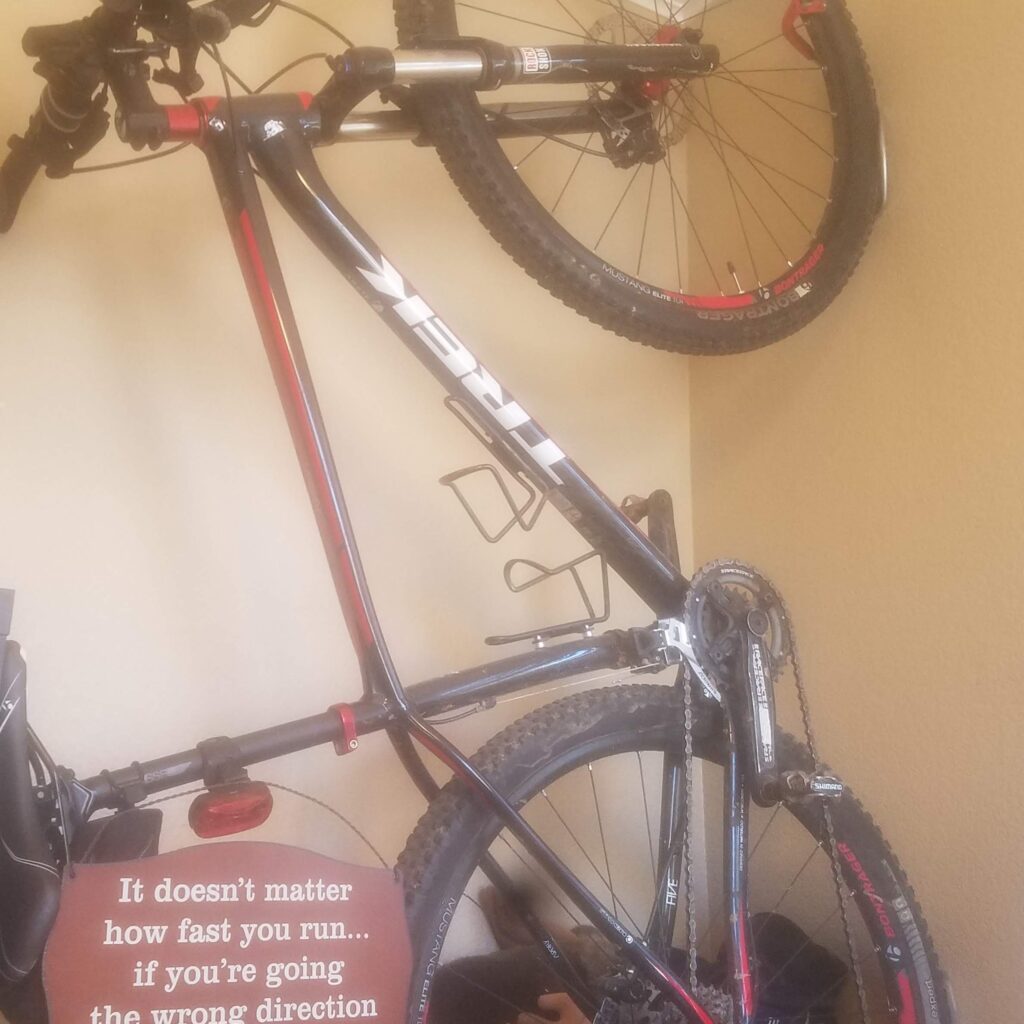
Over the years, the boards slowly evolved into tasteful wall art of days gone by, joining my golf clubs and bikes from other eras when I was sure this was my thing.

Looking back, the best part was the ~$2K “404 race board” I had mounted on my condo wall in Mesa. I couldn’t paddle it properly, but as dĂ©cor!?!

Flawless. Minimalist wannabe, very aspirational, trying to fool anyone who cared.  

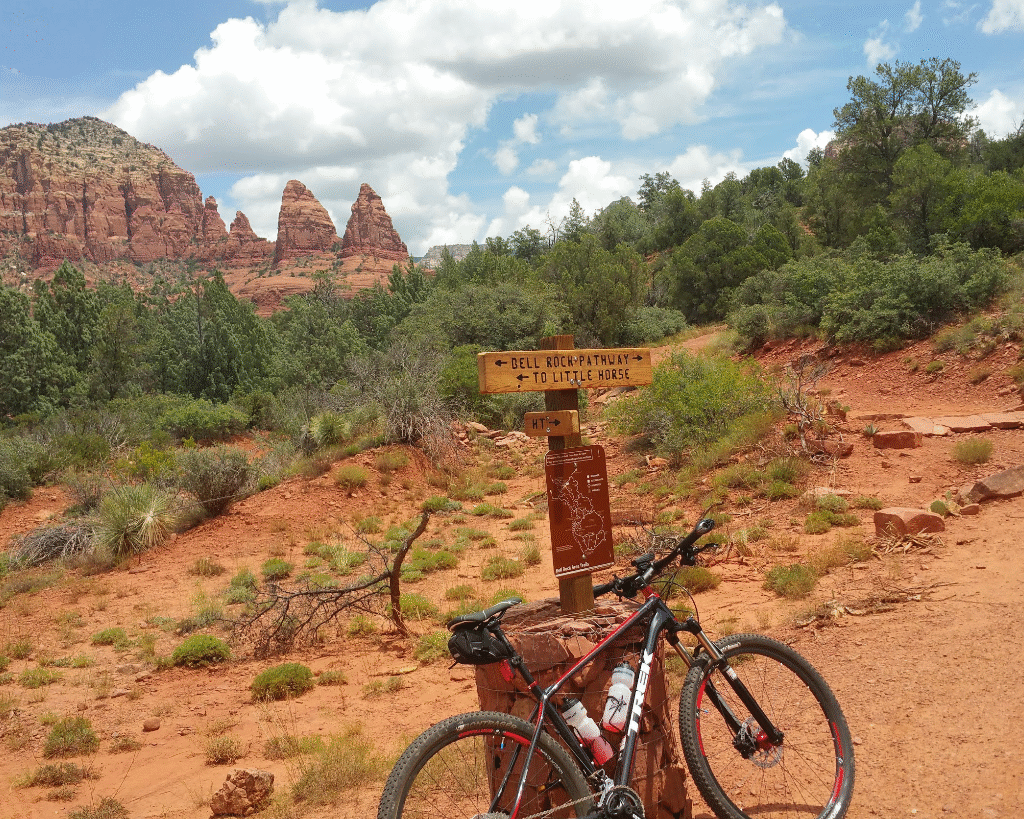
Just like the boards and bikes on the wall, my bike became art in the desert too! LOL

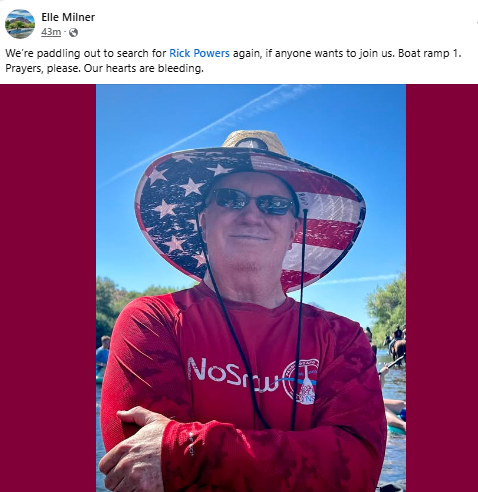
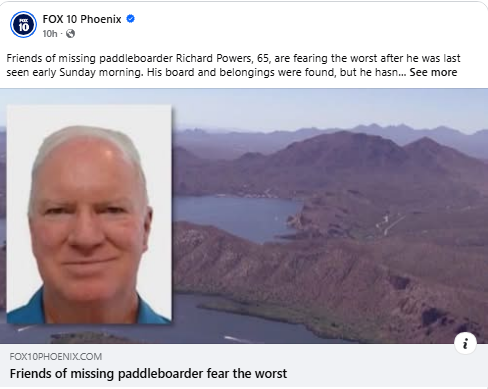
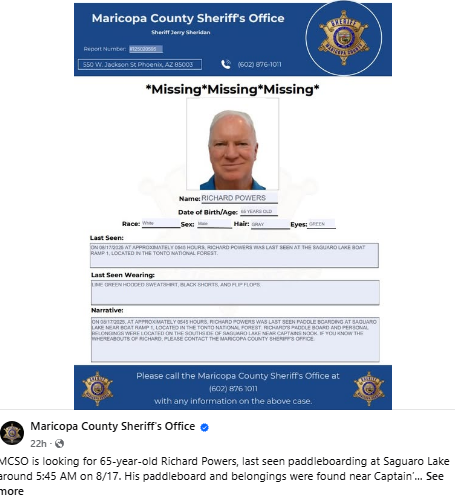
This blog was inspired by Rick Powers, his loved ones, and the AZ NoSnow paddle Family in Mesa, AZ.

It has been several years since I last saw Rick, but do not let his age fool you; he was an amazing paddler. He had hundreds of paddles and many races under his belt.  

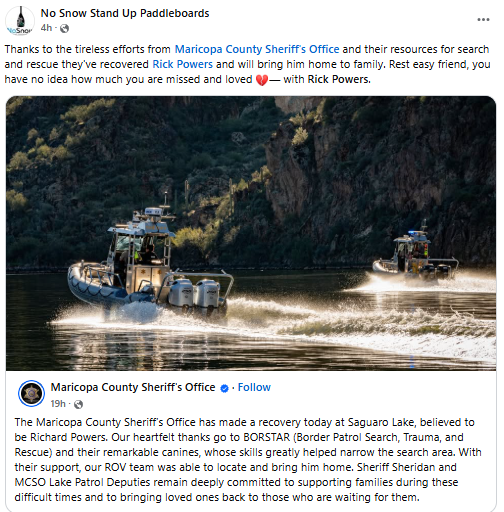
He didn’t turn up after his early morning paddle on August 17, 2025, and found his gear, but there was no sign of Rick. They found him on the afternoon of August 20th. There was so much emotion during the search for him!

He had been all over the news (<– click here for links) with his incredible story that touched so many people.

I will always remember Rick lapping me on the lake and being so pissed off at him as he was ten plus years older!

You were an absolute legend to the “older guys” trying not to hang it up. Ultimately, you helped put me into paddle retirement where I belonged, knowing you were uncatchable. 

That will be a memory I will laugh about forever.Â đŸ™đŸ»

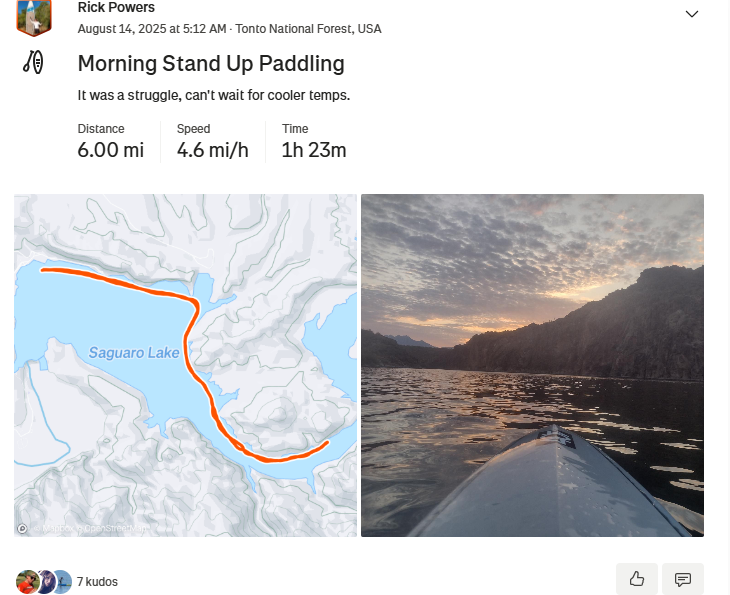
Here are Ricks’ Strava statistics (<- click the link to access stats). If you are interested in how being an older athlete can still be badass, consider that his last paddle would have been his 950th entry on Strava!

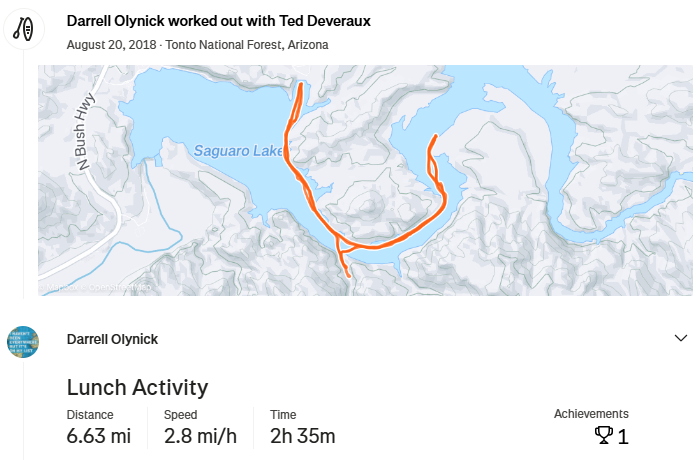
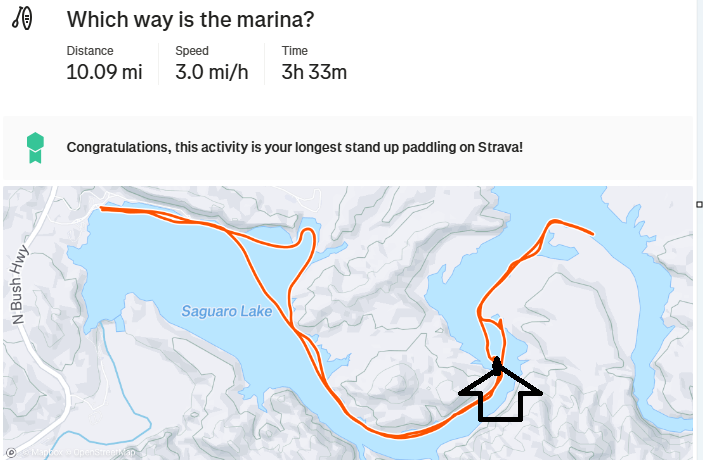
Below were our last recorded long paddles, with mine being exactly seven years ago, the day they found Rick. Ironically.  I was exhausted, I would never paddle alone again, and hung it up soon after.

Unlike Rick, I was just not good enough, and he belonged on the water! đŸ€™đŸ»

Paddle for your life was my thought that day, as I did not have much left in the tank the last couple of miles.

During my longest paddle on the same Saguaro Lake, I fell on my way home, which is marked âŹ†ïž on the map above. I got turned around and paddled further into the cove. I thought I was headed home, but was going the wrong direction, making my paddle home further.

I should never have paddled alone was my takeaway that day …

20150507_202125

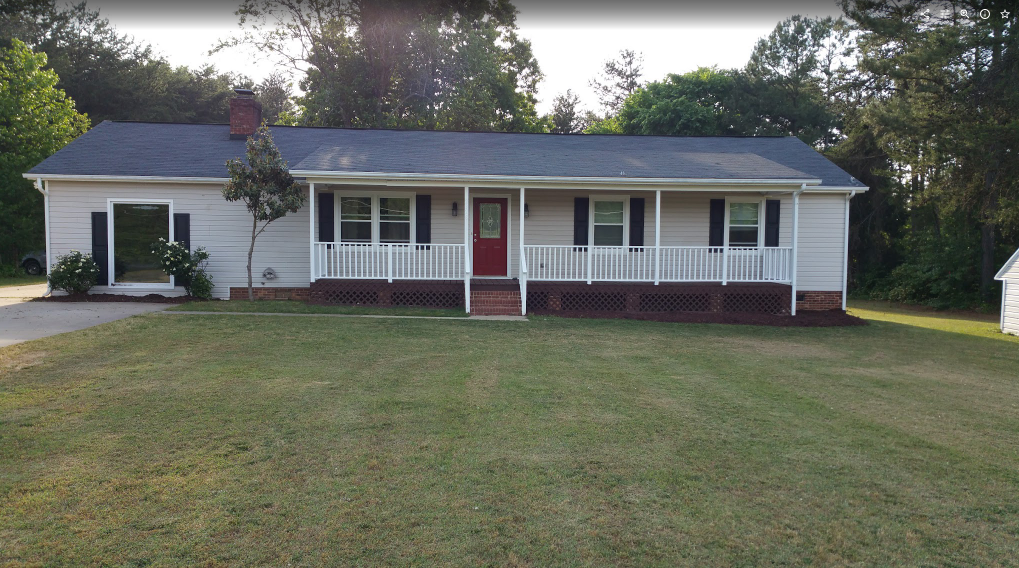
Moorseville, NC – Home 2010-2015 (Acerage life)

In 2003, after nearly five years on the road in telecommunications, I transitioned into a desk role in Alpharetta, Georgia. The move provided stability, but more importantly, it set the foundation for more deliberate financial decisions.

I was brought in to support Verizon Wireless 3G operations across Georgia and Alabama as a Customer Support Account Manager (CSAM). The role was operationally demanding—24/7/365 availability—and involved outage response, root-cause analysis, network upgrades, and ensuring system reliability. It was high accountability work, but it also came with consistent income and upward mobility.

By 2010, the company secured the 4G contract for North Carolina, South Carolina, and Tennessee, and I was promoted to manage all three states. That promotion triggered a relocation to Mooresville, North Carolina, a growing area near Lake Norman.

Rather than renting, I took an asset-first approach.

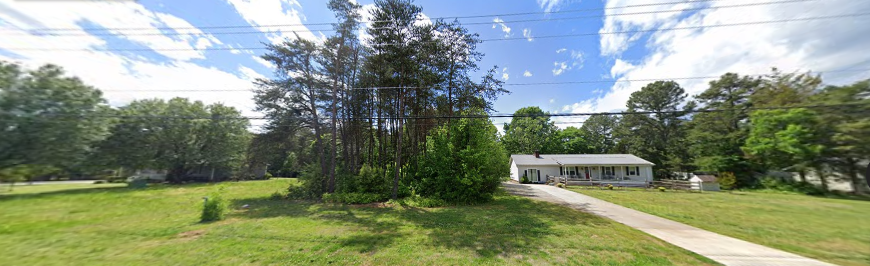
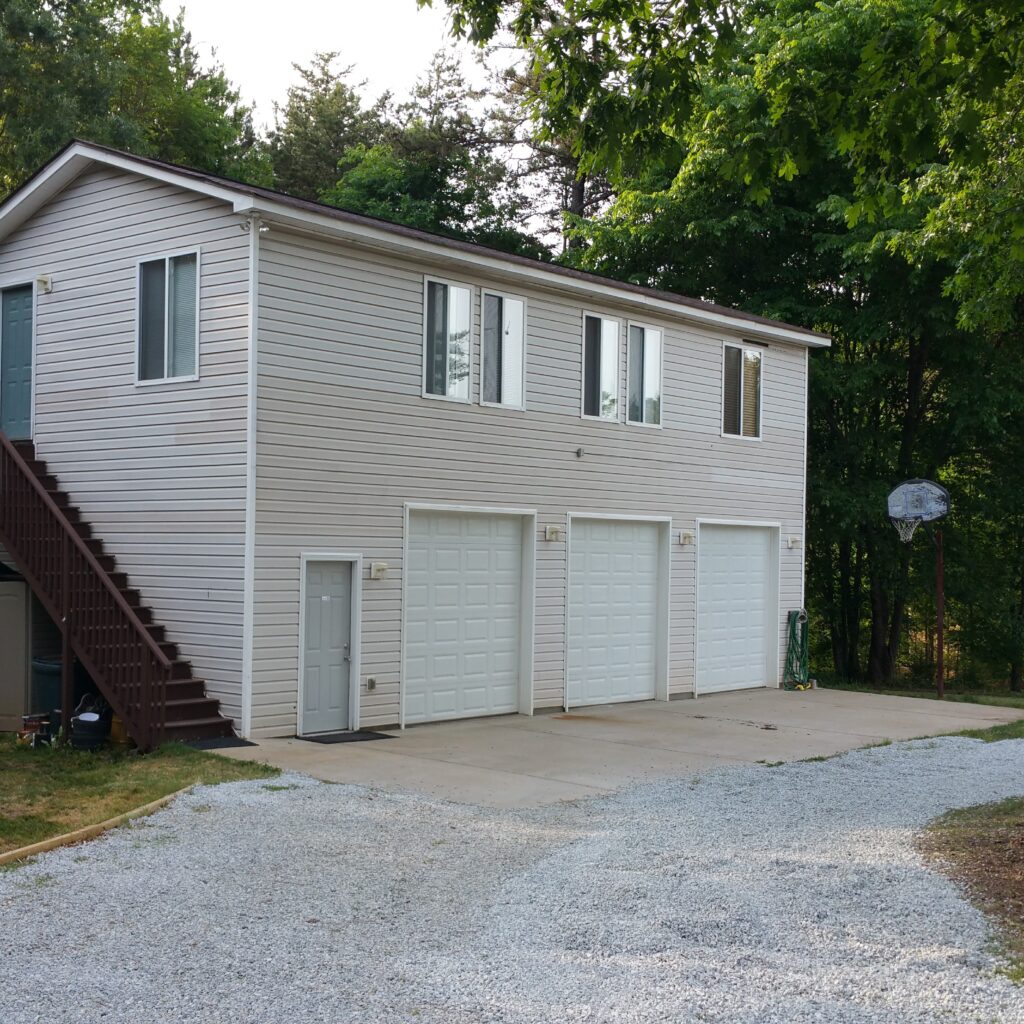
I purchased acreage with an existing manufactured home and a three-car garage with a loft. The strategy was straightforward:

Rent the front house to cover the mortgage

Live in the loft above the garage at minimal cost

Maintain flexibility while building equity

I later acquired the adjacent lot, bringing the total to three acres, increasing long-term land value and optionality.

At the same time, I kept my Georgia property as a rental, using the tenant’s payments to aggressively pay down that mortgage. That tenant remained for over 13 years and eventually purchased the property as-is, eliminating renovation costs and maximizing net return. Rising home values and higher interest rates later made that outcome even more favorable.

This approach wasn’t about lifestyle—it was about leverage:

Stable W-2 income

Cash-flowing real estate

Minimal personal housing costs

Long-term appreciation

Living near Lake Norman was a bonus, not the goal. The real value was in structuring housing as an asset rather than an expense—something that has quietly supported every major move I’ve made since.

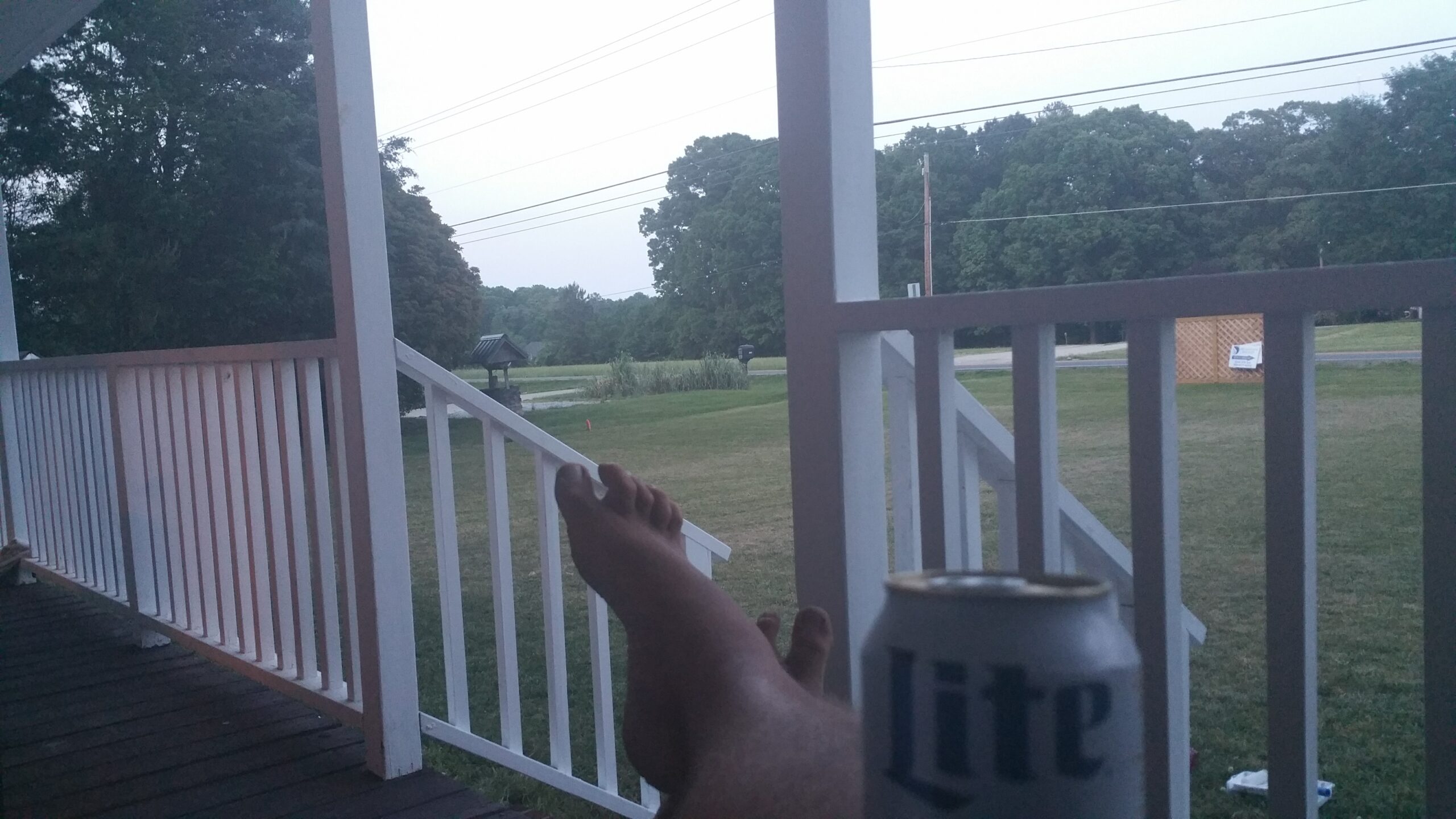
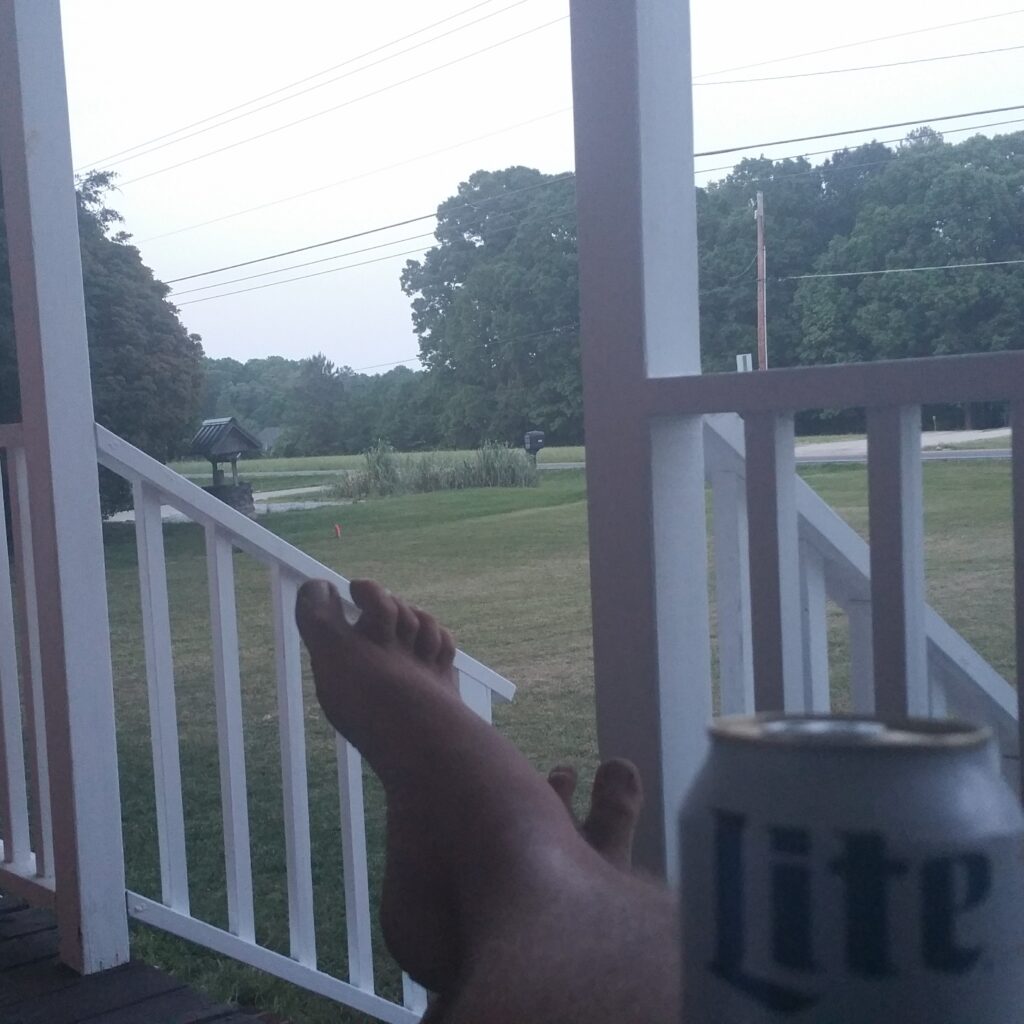
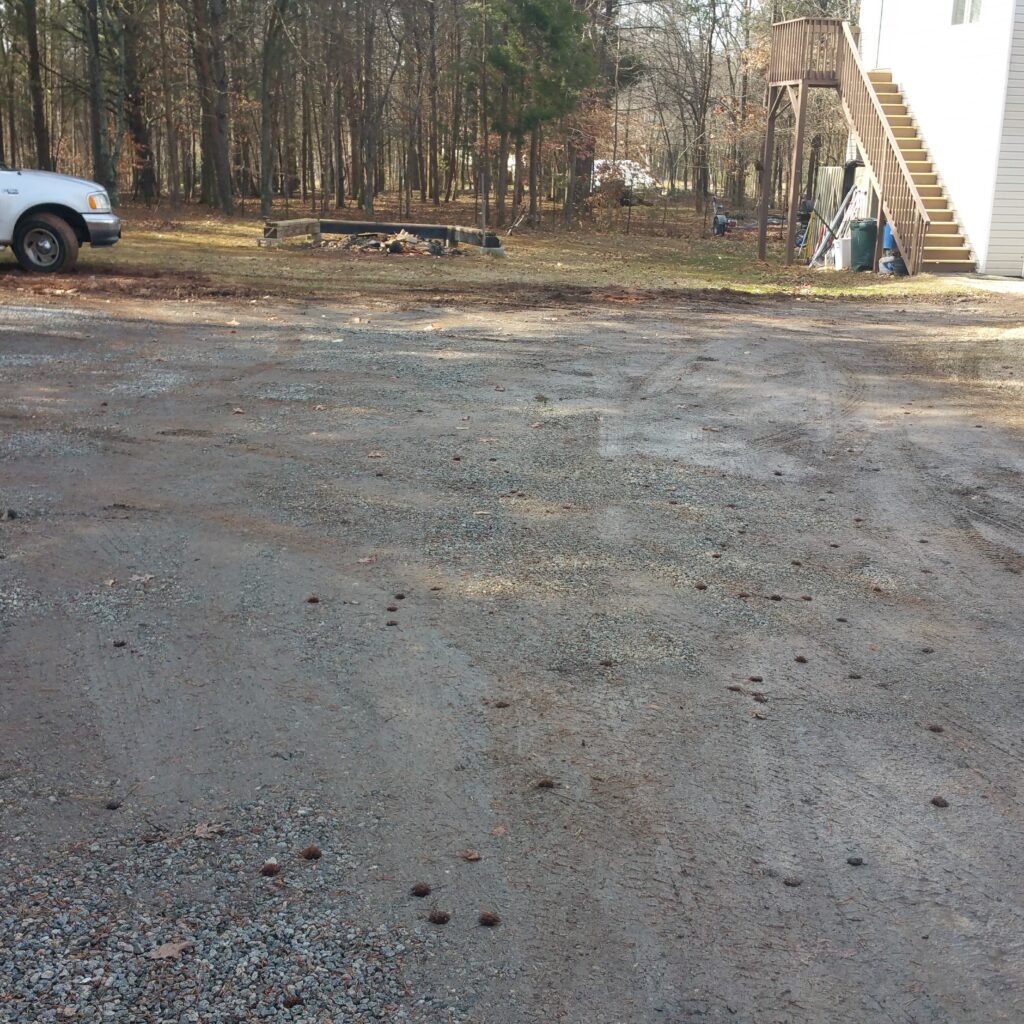
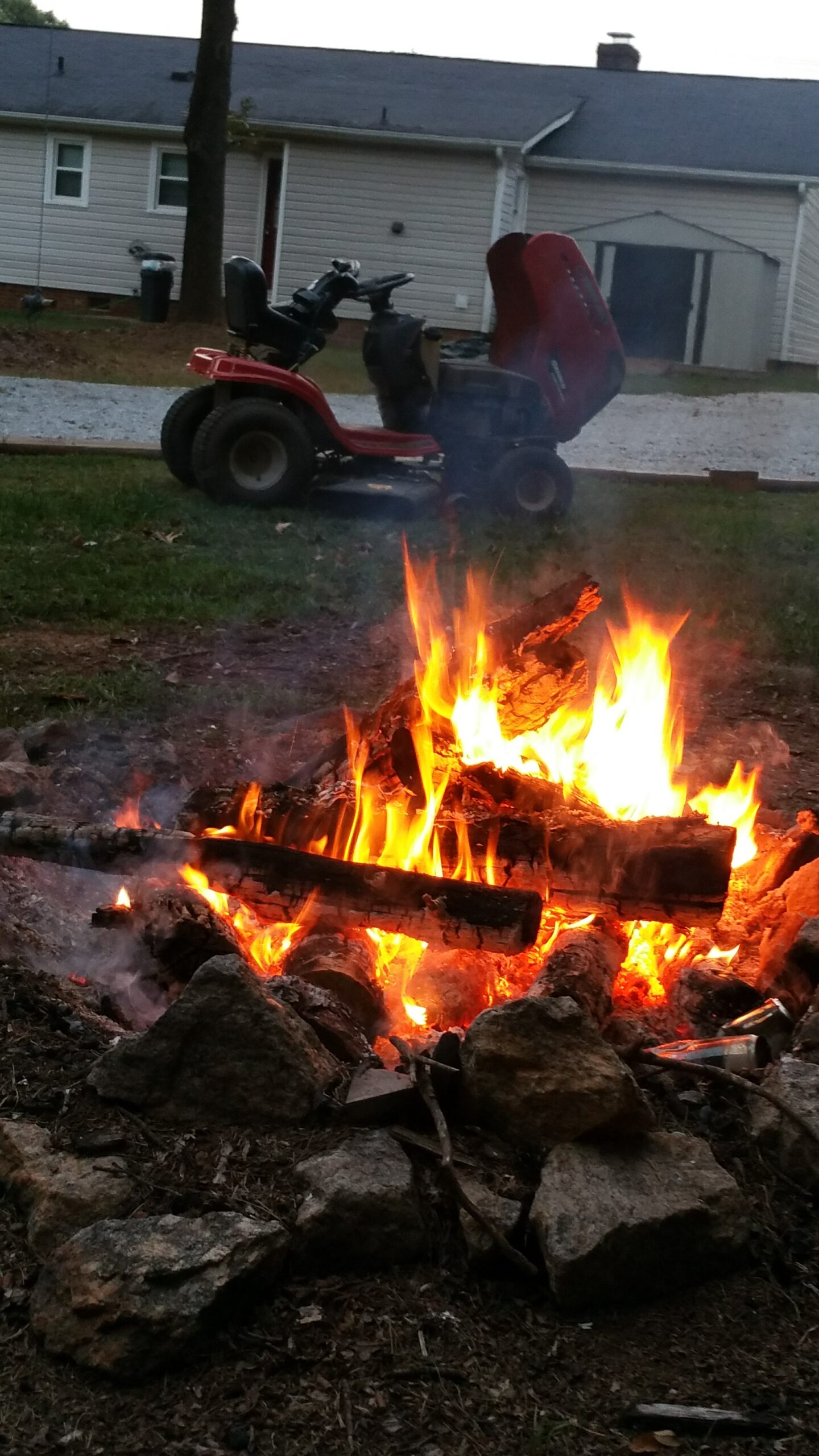
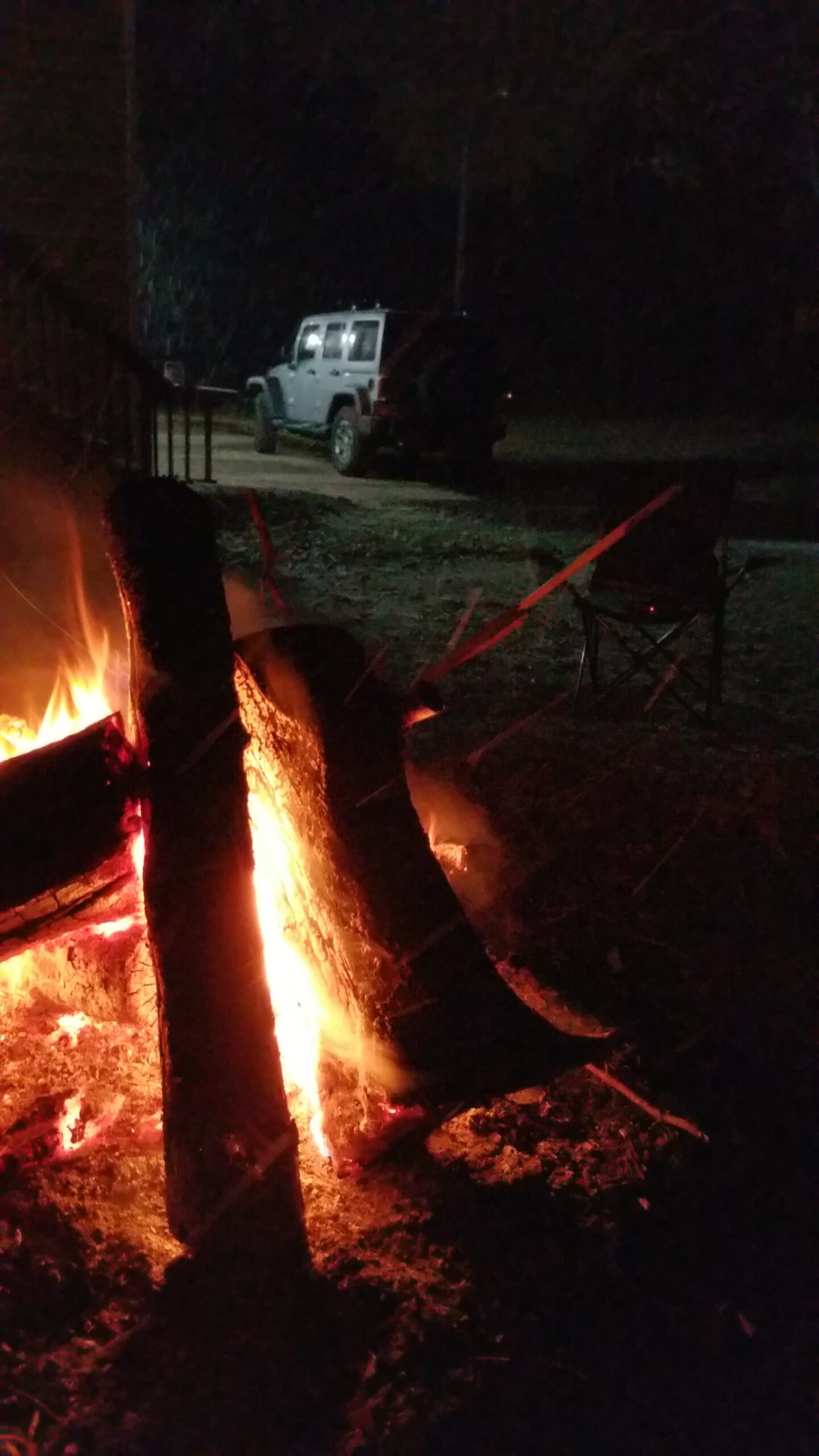
Bonfires, riding mowers, lake life, and a lot of beer, working on the yard!

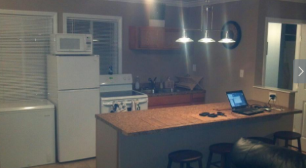
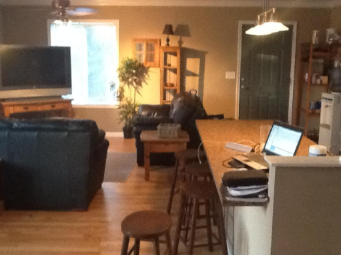
The loft above the garage turned out to be an incredible setup—two bedrooms and a full kitchen overlooking the common area. It was functional, comfortable, and honestly better than most apartments I’d lived in, with the added bonus of costing me almost nothing to live there.

I poured a meaningful amount of capital—and even more sweat equity—into preparing the property for an eventual flip. I knew the 4G assignment had a shelf life, so the strategy was always clear: improve the asset while I was living there basically for free while waiting for the phone call from HR.

I also picked up the adjacent lot, pushing the total footprint to just over three acres. That added real utility—room to maintain, expand, and justify an endless stream of projects. More space meant more optionality, both operationally and on resale options.  I could move them together or separately, which is what eventually happened.

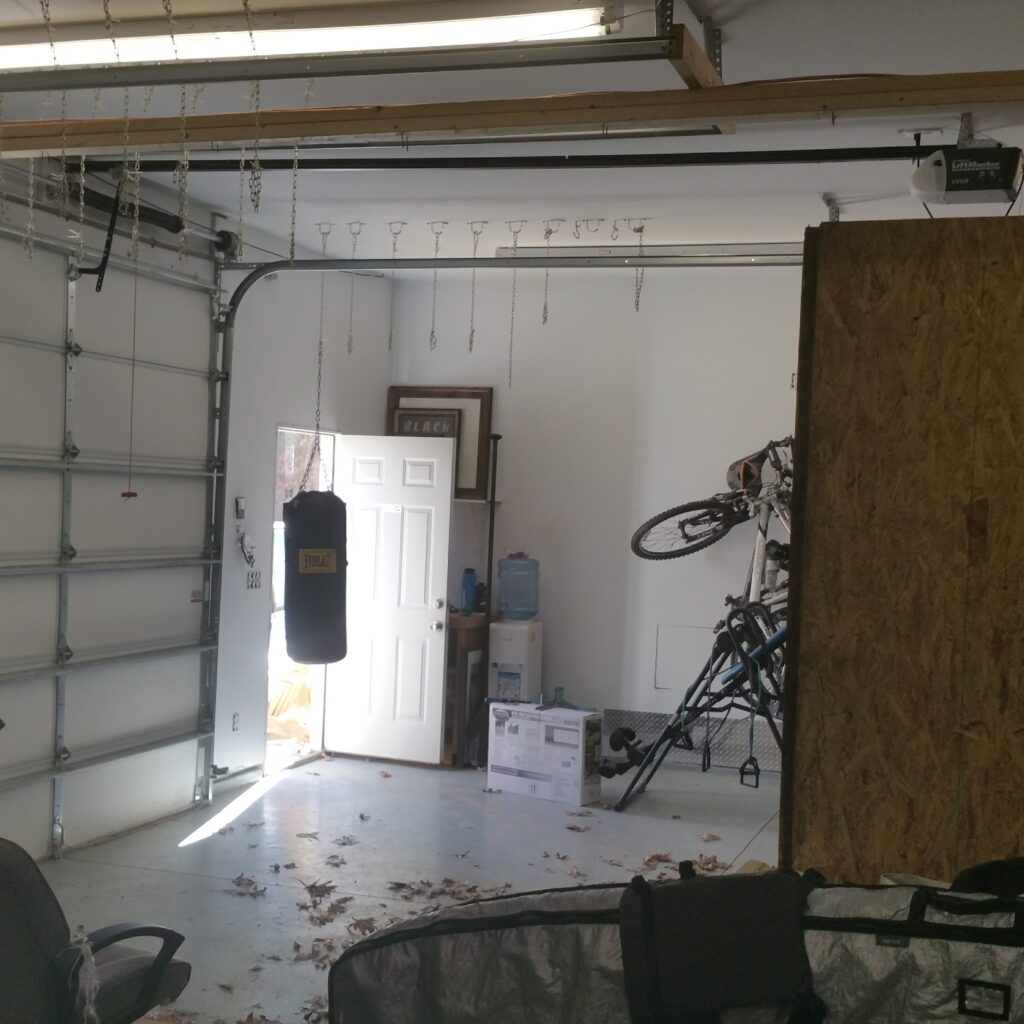
But the real differentiator was the garage. Three full-sized bay doors and a bathroom turned it from storage into infrastructure. A legitimate man cave, yes—but more importantly, a flexible, future-proof space that made the property easier to live in and easier to sell for a tradesperson.

That’s the throughline: every upgrade pulled double duty. Livability on the front end. Liquidity on the back.

I eventually rented out the loft, so I added a temporary wall and split the garage accordingly. Two bays stayed with the house; one bay—with a washer and dryer—went with the loft. It was an absurdly good setup. Honestly, if Airbnb had been a thing back then, I would’ve printed money. And given where the market went, the property has probably doubled by now anyway.

But at some point, scale stops being impressive and starts being exhausting.

I was working 60-hour weeks, traveling across the Carolinas and Tennessee on short notice. At the same time, I was managing a rental in Georgia and had my Arizona condo leased out to snowbirds. I used to joke that I had “seven toilets for one asshole,” which was funny right up until it wasn’t.
The day I officially decided to sell is burned into my memory.

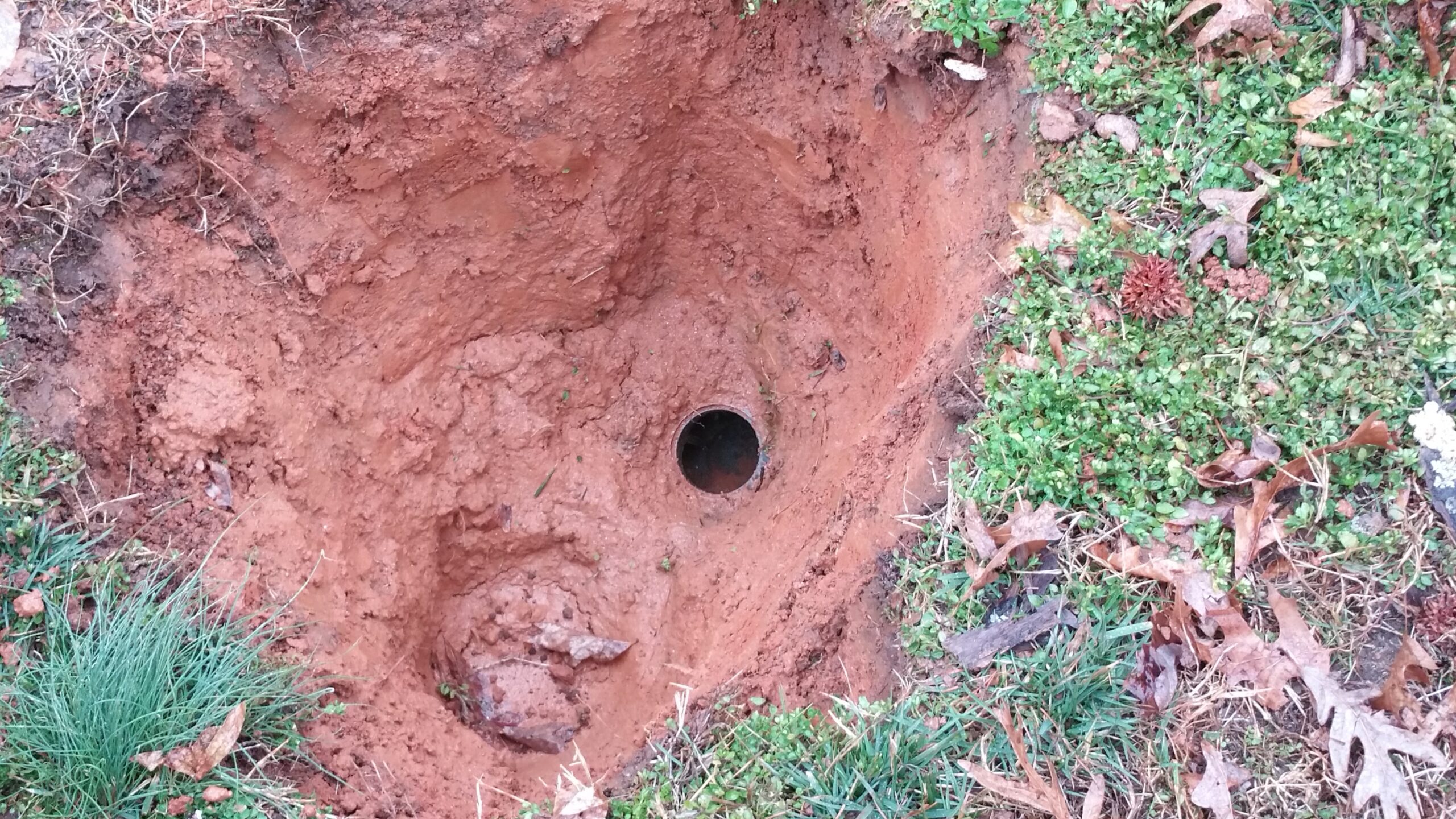
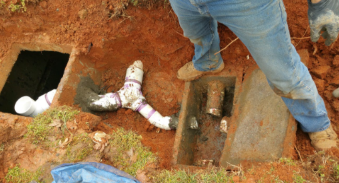
The septic tank was seeping. The yard smelled awful. I could see pools forming, and I knew that whatever was happening wasn’t going to be cheap or simple. I called someone out, and sure enough, the yard had to be dug up. One of the two septic fields wasn’t working properly—turns out a switch had failed, leaving one field to do all the work until it overflowed.
On top of that, the tank itself was full and needed to be pumped.

Shitter. Was. Full.

That was the moment it clicked: this wasn’t about money anymore. It was about bandwidth. I’d built something impressive—but I was managing it alone, and the margin for error had vanished. Selling wasn’t a failure. It was triage.

And honestly? It was the right call.

The septic repair itself ran about $5K, but the real cost was psychological. The idea that it could turn into a $50K full replacement was enough. On top of that, both the front and back houses needed new roofs, and every spring came with the annual termite situation. It was always something. Manageable in isolation—exhausting in aggregate.

Not long after, I was laid off after 18 years with the same company, which effectively decided for me. After more than 12 years in the South, I was done. I packed it up and moved to Arizona, where my condo was already waiting.

I knew my telecom days were winding down, which is exactly why I’d bought that condo in the first place—a soft landing spot closer to home in Canada. The timing worked. I was able to bank the sale of the acreage, move west, and reset without scrambling.

All told, it was a great run: seven years in Georgia and five more living the acreage life in North Carolina. I wouldn’t trade it. Especially not my time in Mooresville, better known as Race City USA, where most of the drivers and garages are based.

Dale Earnhardt Jr. lived about 15 minutes from me on his western ranch. No invites for me—but proximity counts for something, right?

Thanks for the memories, Mooresville.
No regrets. Just chapters, and those five years were amazing!