
newest

02/01/2024 – Mandatory meeting!👋🏻

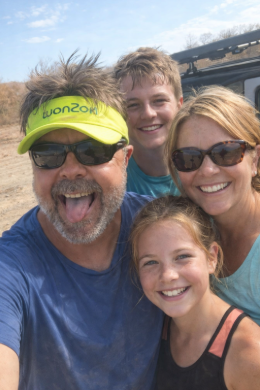
Today, February 1st, 2026, marks two years that I have been “taking a run at retirement”.  I refer to it that way, as I am not sure how it will all work out. 

So far, so good, as I blog from Cebu, Philippines.

Three weeks after completing my 7th year with PayPal, I got a “mandatory meeting invite” on February 1st, 2024.

This was the second time; my career was also abruptly cut short after 18-years with Northern Telecom/Nortel/Ericsson.  

Hindsight is always 20/20; both situations worked out for the best long term. 25 years was enough for me, and it was time to take a run at retirement!  

All those years of hard work, strategizing, overthinking, and so many mistakes!

The travel dream was finally coming to fruition.

Aside from finances, which I blogged about HERE, health insurance is one of the biggest drivers for early retirement. 

I found a great setup through trial and error for insurance, as I also blogged about HERE.

Again, so far so good! 🤞🏻

Soon after getting laid off, I started planning NorthAmericanDarrell.com, and my YouTube channel, which you can check out by clicking HERE.  Please consider following my channel!

I had always wanted to share my past, present, and future travel experiences. 

A solo traveler, vlogger, YouTuber, Geoarbitrage with a dry sense of humor.

“Freedom 50” turned into a “Freedom 55” after the COVID market correction, and ultimately “Freedom 52” traveling lifestyle.

Just another example, life cannot always be planned.

“Freedom 54” is just around the corner!

Cheers to another year living the dream! 🙌🏻

tony1

Vietnam slow travel like Bourdain!

I spent a month traveling slowly through Hanoi, Vietnam, with a brief stop in Malaysia and Indonesia along the way.

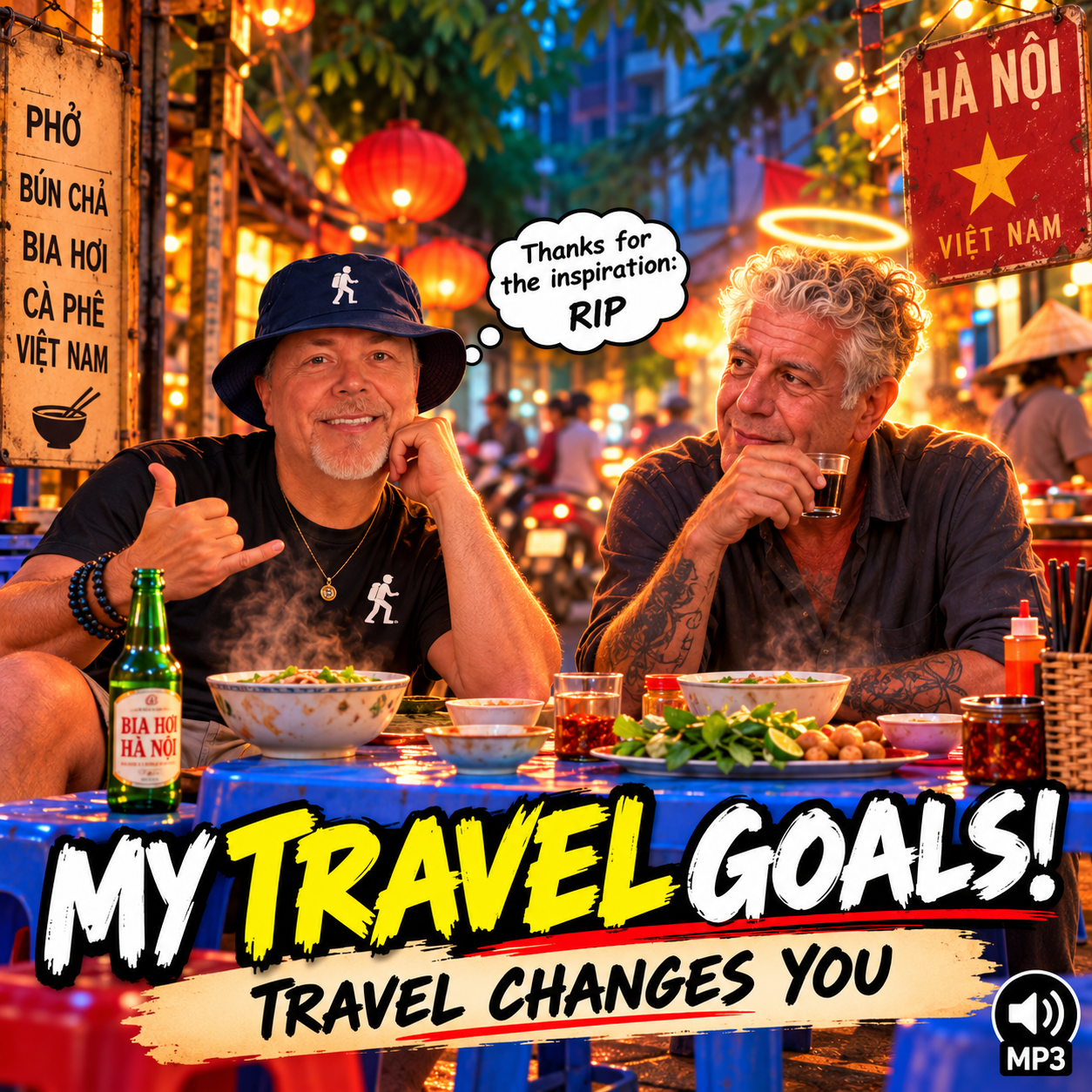
I started the journey on November 17th, 2025, carrying with me the influence of Anthony Bourdain—his insistence on slowing down, eating where locals eat, and staying far away from anything that felt packaged or performative.

Anthony Bourdain loved Vietnam because it hit everything he cared about at once:
cheap plastic stools, perfect food, zero pretension, and a country that doesn’t apologize for being itself.

Vietnam showed him that:

Great food doesn’t need luxury — just balance, patience, and obsession (hello, phở broth simmered for days).

Street food is democracy — everyone eats together, shoulder to shoulder.

History lives at the table — wars, survival, pride, and resilience all show up in a bowl of noodles.

Hanoi, especially, felt like home to him: chaotic but calm, blunt but generous. He once said Vietnam changed his life, and it wasn’t poetic exaggeration — it reset how he understood food, travel, and humility.

In short:
Vietnam wasn’t a destination to Bourdain — it was proof that the world makes sense if you sit down, shut up, and eat what locals eat. 

This is exactly how I like to travel, as he adds so much truth in his stories.

What I found personally during my time spent all over in Vietnam in 2025 echoed everything he preached. The best meals on plastic stools, the richest conversations in unplanned moments, and the most meaningful experiences far from the tourist traps. It wasn’t about checking boxes or chasing luxury—it was about paying attention. It was one of those trips that reminds you why you travel in the first place. 

One for the Anthony Bourdain books but first was the long ass travel day!

I left my home base in Rocky Point, Mexico, pointed myself halfway across the world, and landed in Hanoi. I rented an Airbnb for 30 days—not to rush through highlights, but to live slowly, observe, and settle into the rhythm of the city the way Anthony Bourdain always encouraged.

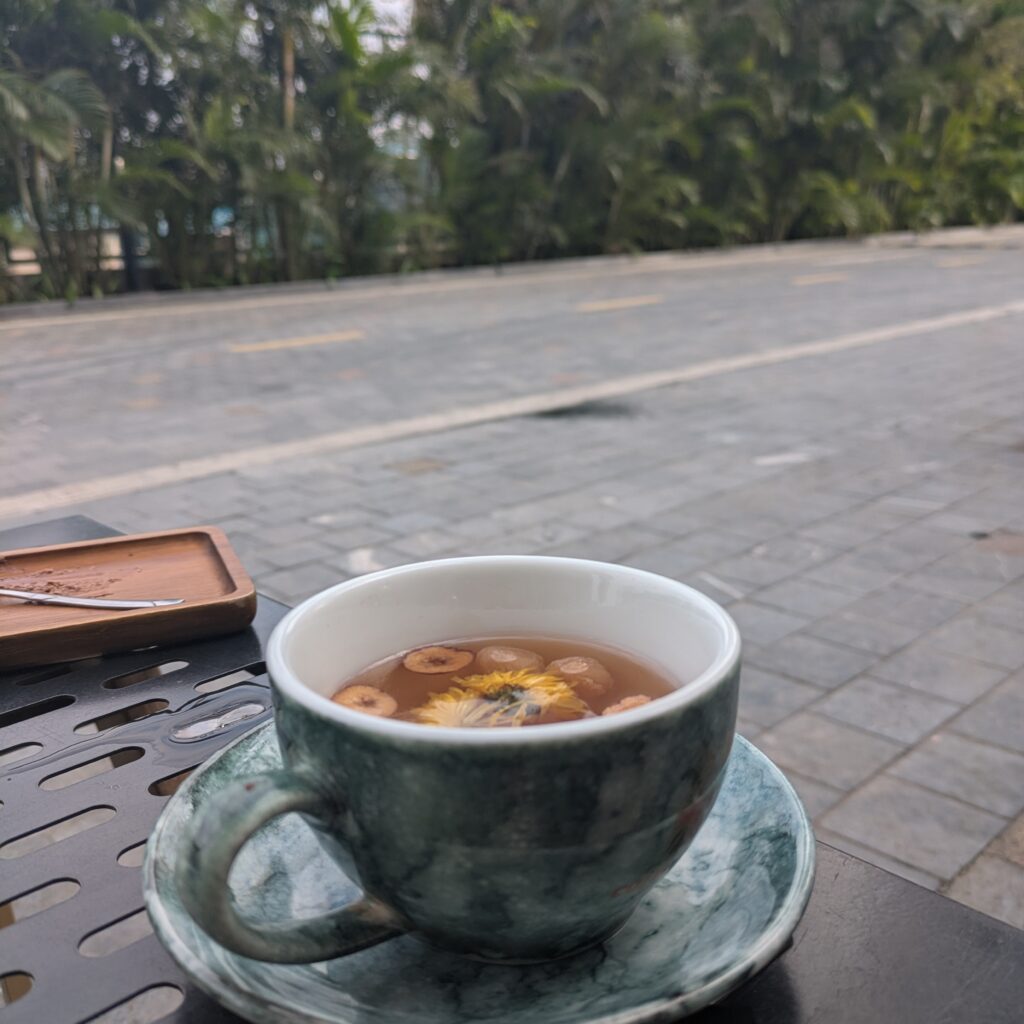
Hanoi wasn’t a stop on a checklist. It was a place to wake up early, start with a great walk, amazing coffee and/or tea, and let the days unfold without forcing meaning or accomplishment onto them.

Anthony Bourdain had this quiet belief that home wasn’t a fixed place—it was something you could build anywhere by paying attention. In Hanoi, I really understood that logic, and it hit me in the feels, big time!

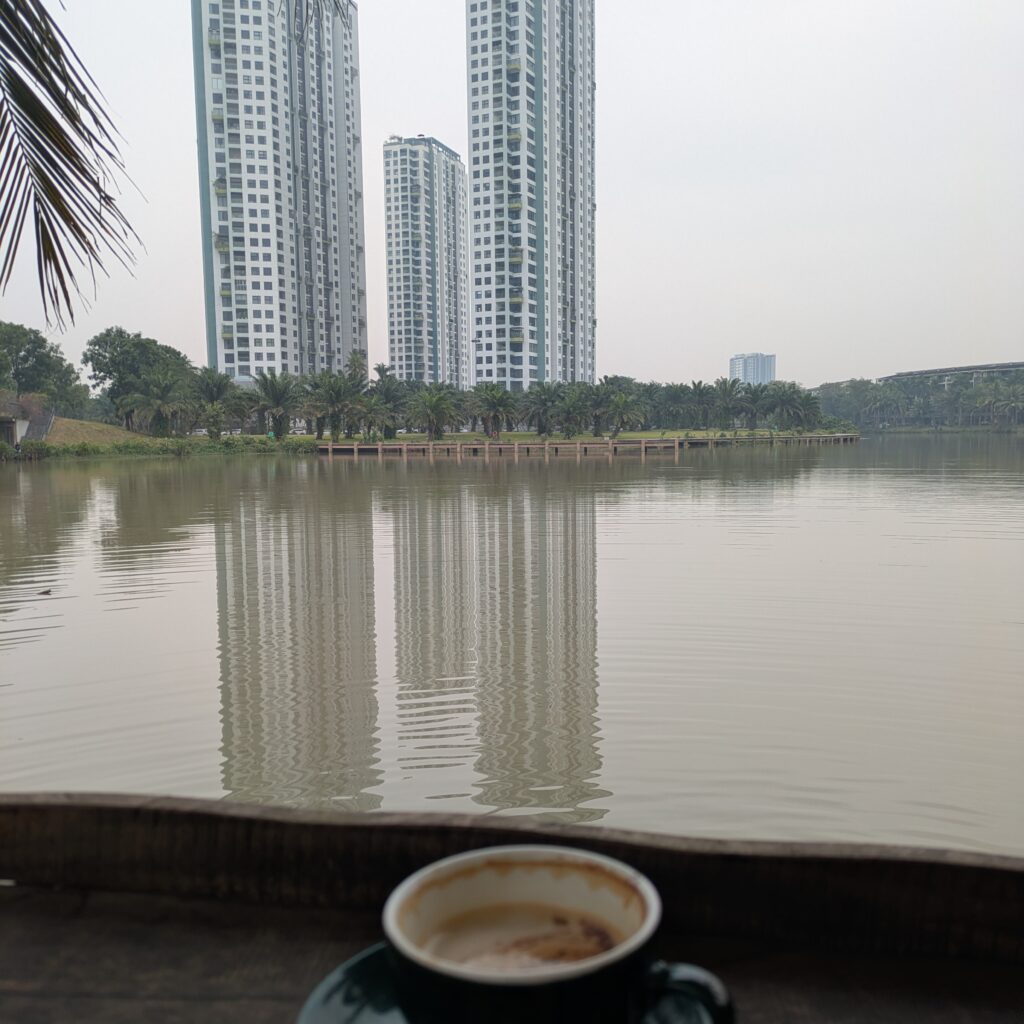
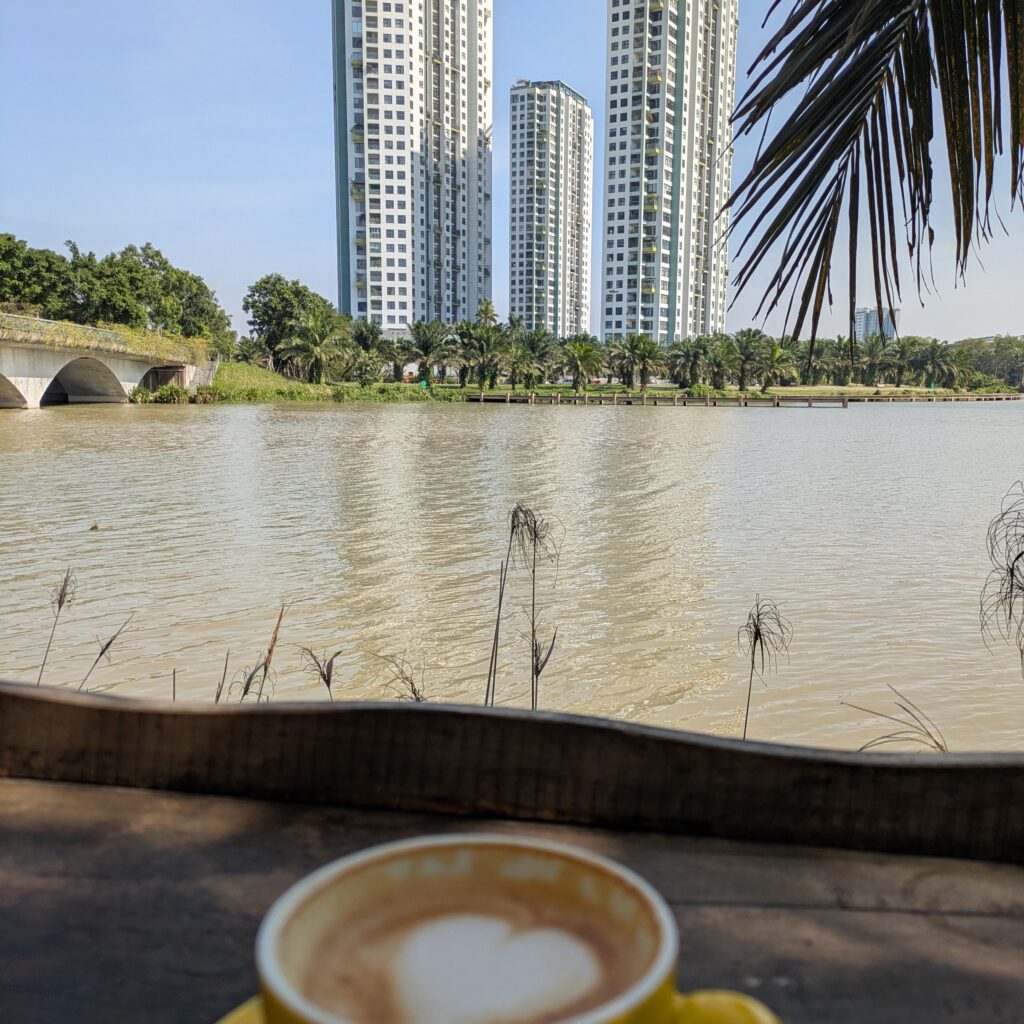
My condo sat beside a man-made lake with miles of walkways, and each morning I fell into a rhythm: long walks as the neighborhood woke up, Vietnamese coffee strong enough to slow time, and—on game days—listening to the Oilers from halfway across the world. 

Nothing about it felt temporary or borrowed; it just screamed this is what you have been looking for.

That was the lesson Tony kept trying to teach: when you slow down, eat simply, and let life happen around you, even the most unfamiliar place can start to feel like home.

From my experience, there are exactly two kinds of Vietnamese people: chain smokers, and those who walk and exercise tirelessly, as if it’s a second full-time job. There’s no in-between.

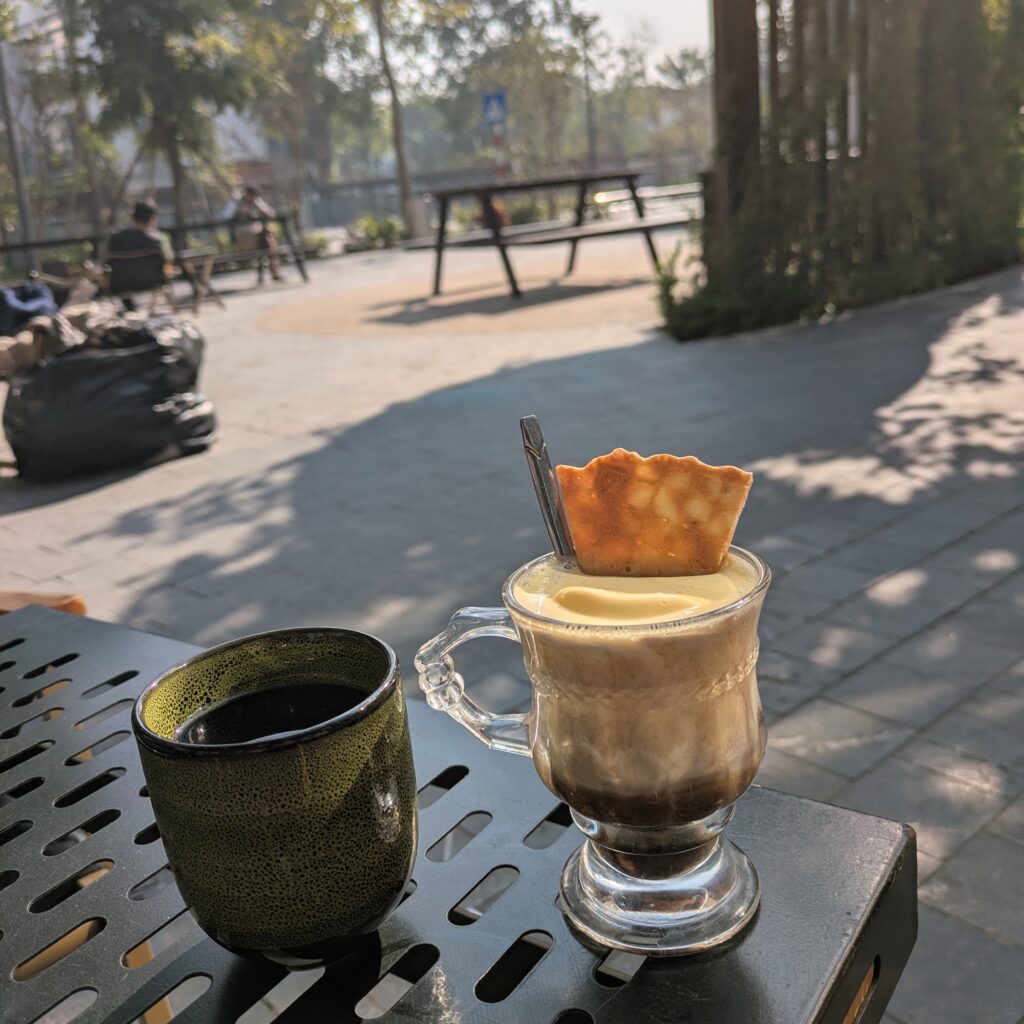
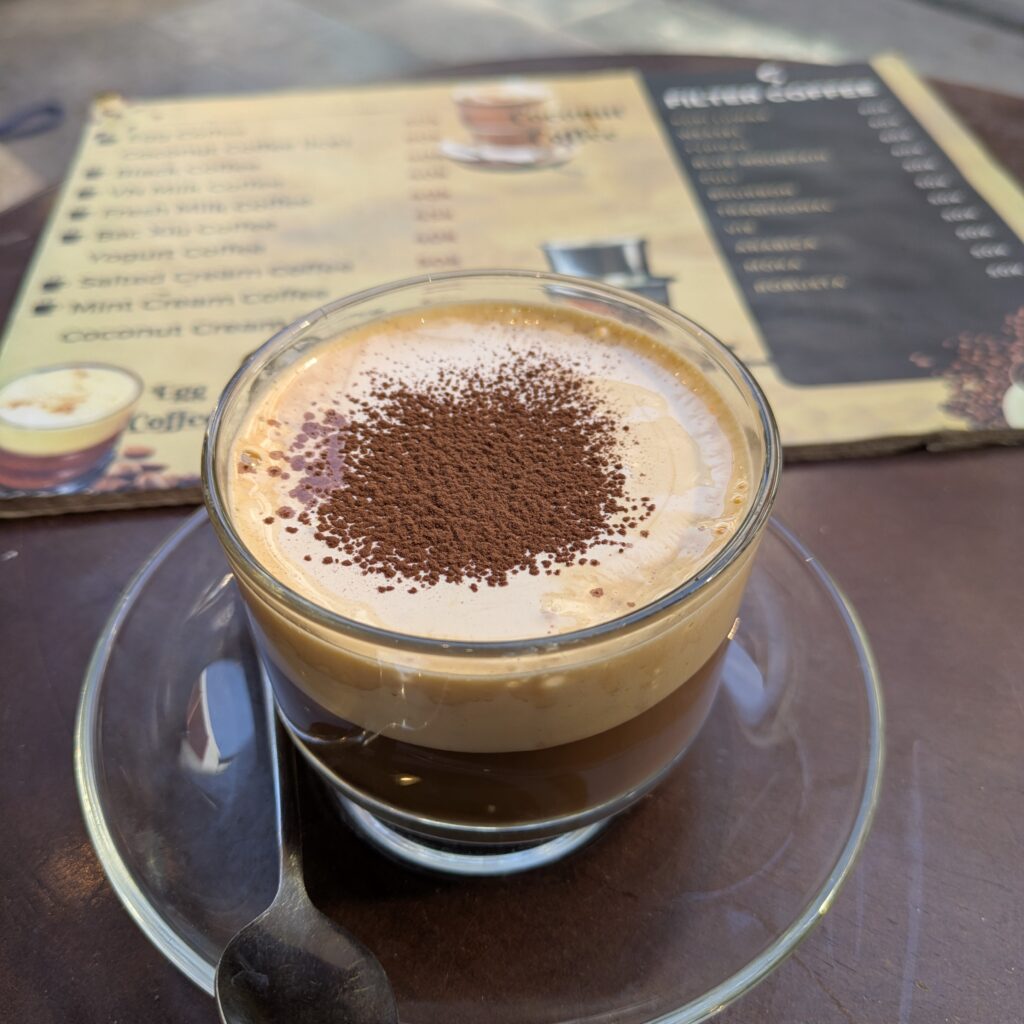
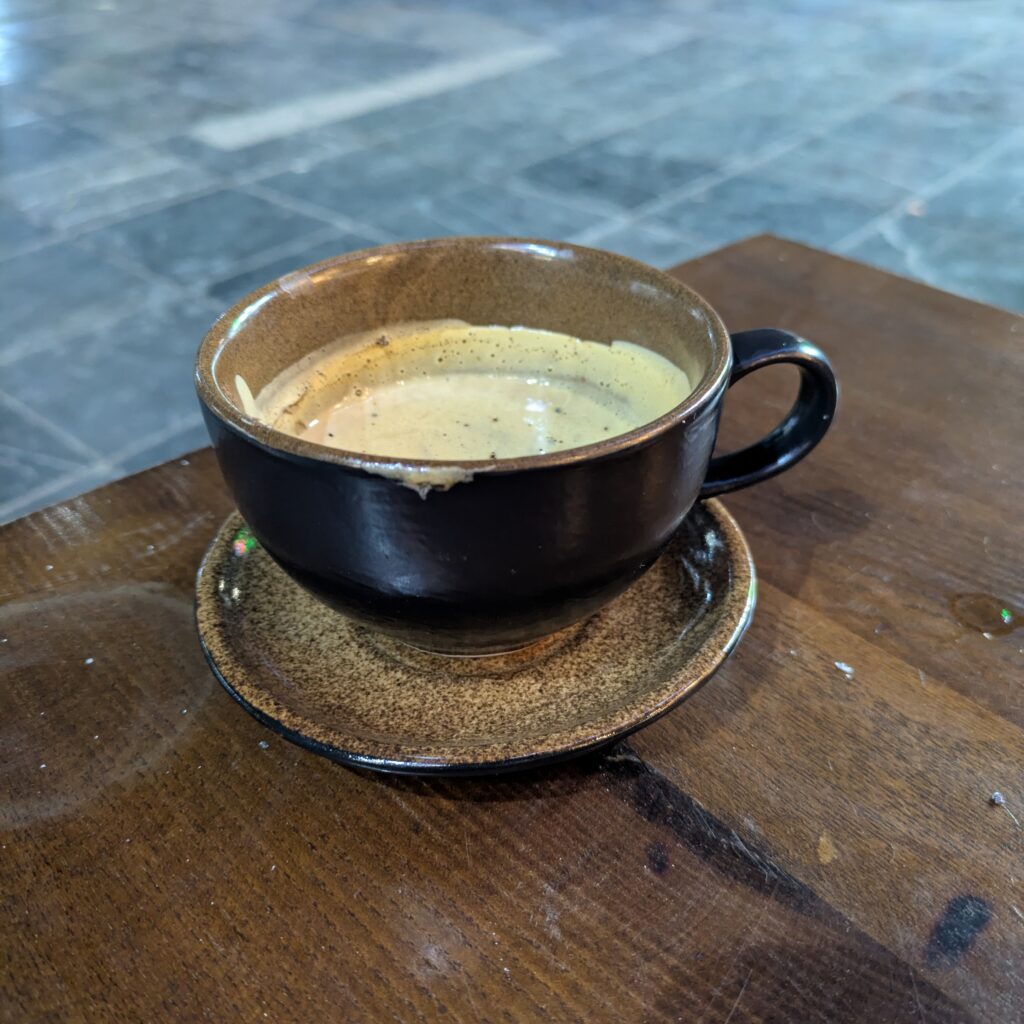
My days in Hanoi followed that rhythm—long walks around the lake, endless steps on quiet paths, and daily coffee stops that felt less like breaks and more like rituals. Watching life unfold from a plastic chair with a strong Vietnamese egg coffee became one of the highlights of the trip.

Amazing all around, and without a doubt, a place I’ll stay again.

I had every intention of staying in the Hanoi area the entire time. That was the plan. Then I checked flights—because that’s usually where good plans go to die—and remembered Anthony Bourdain’s unofficial rule: 

When the door opens, you walk through it.

So I said yes.

I found myself on an unplanned road trip through Malaysia and Bali, crossing off two massive bucket-list items not because it was efficient or sensible—but because the inexpensive opportunity was there.

That was always Tony’s point. The best trips don’t come from sticking to the plan—they come from having the nerve to abandon it. He has basically reached legend status for me at this point!

Keeping my rent under $300 back at my home base in the eco park in Hanoi was the quiet enabler of all this. That single number is what turned the road trip from a cautious “should I?” into a very relaxed “why not?”.

When your biggest monthly expense isn’t chasing you down, spontaneity stops feeling reckless and starts feeling practical. Flights become opportunities. Detours make sense. And saying yes—like Tony always preached—suddenly costs a lot less.

grinch

Christmas 2025 – You’re a mean one …

Christmas time is for kids, since I do not have any minions, it is not my favorite holiday.

We all have regrets, but again, we all have to play the cards we dealt ourselves!

It’s not meant as pity, pride, or judgment—just a sincere look at my life, told with a level of honesty most people rarely allow.

Thinking about having a family—and then creating a fake one on ChatGPT—hits a special kind of loneliness during the holidays, with just enough imaginary alimony and child support to keep it extremely real.

That’s part of why, most days, I am grateful for my life, as this is how it was supposed to work out.

Not because family is bad or wrong—but because forcing a life that didn’t fit would cost me more than it gave back. Freedom mattered more to me than appearances. Movement mattered more than checking boxes that society forces you to check whether you want them or not. 

I didn’t have a good father, and the fear of becoming anything like him was always front and center. He bailed on my mom and me in the worst possible way, and that kind of exit leaves a mark whether you want it to or not.

For a long time, that experience quietly shaped my decisions.

That awareness didn’t fix everything, but it ultimately changed my thought process. And sometimes, that’s enough to start choosing differently—on purpose.

Chasing a different dream became my outlet, my structure, and, honestly, my mission. I have lived life in many different cities, having a lot of conversations and many life experiences with people who saw life differently. It became pretty obvious that the way most people lived life was not the only option. 

It was not the same generational life, over and over. 

Go to College

Get married

Buy a house and have kids

Work until you’re 67+ 

Enjoy maybe five to ten years of retirement while your body starts to fail you.

I didn’t opt out of life—I opted into my version of it.

Less scripted.
Less predictable.
More honest with who I am

I’m learning to be good with that, and people who judge my alternative lifestyle should, too.👍🏻

The Grinch that hated winter in Canada!

The cold. 

The snow. 

The shoveling. 

Driving on a skating rink.

The heating bills should feel normal.

Extreme taxes at every angle. 

(carbon taxes?!) 🫡

The lies people told themselves, “It was normal not to feel your face going outside.

While Family and friends in Canada scraped windshields, living a great Family life!

The Grinch did the math.

Sunshine was cheaper elsewhere.

A lot of money could also be made elsewhere.

So, while others layered sweaters, he booked a one-way ticket south. 

He turned in his snow boots for flip-flops.

He drank iced coffee in December.

They said he “You missed the reason for the season,” and called him a sellout!

The Grinch said, “I optimized my life,” in my own way!

He didn’t steal Christmas.
He *Geoarbitraged it!

*Geoarbitrage is the practice of living in a location with a lower cost of living while maintaining the same income, allowing individuals to save and invest more effectively. This concept is often associated with the FIRE (Financial Independence, Retire Early) movement, where individuals leverage geographic differences to maximize their financial resources.

⬇️Click to read more on my Geoarbitrage goals⬇️

Geoarbitrage – retire sooner 

stickpack

Legend in my own mind – A Mocumentary!

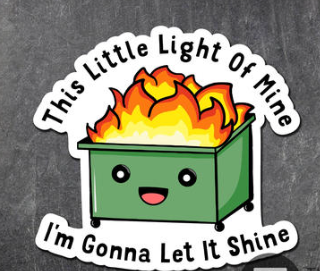
Another reason I started this website was to help me navigate the absolute chaos that is early retirement. At least twice a week, I’m convinced market fluctuations are about to force me into a very tastefully decorated dumpster.

2025 was my first full year taking a serious swing at retirement—emphasis on swing.

Even with the site’s modest traffic (hi Sis! 👋), I’ve genuinely loved writing.

Which means it might be time for my next fun travel project?!

And speaking of big ideas… here’s my first book proposal from a ghostwriting company:

“North American Darrell – A Legend in my own mind”

A traveler’s mocumentary …


Project Vision:

Darrell, your story is more than travel.
It’s about freedom, the kind that comes from defying convention, exploring the world solo, and
mastering the art of geoarbitrage. You’ve already built a digital footprint that thousands of
people dream of, through your website, vlogs, and life experiences.

What’s missing now is the next chapter:
Transforming North American Darrell into a published brand, a professional, inspiring book
and digital identity that cements your journey as a living example of how to live smarter, freer,
and bolder.
This isn’t just a book project. It’s a brand evolution, from traveler to author, from storyteller
to inspiration.

Our Understanding of Your Vision
You’re not looking to “just publish a book.”
You want something that:
• Reflects your authentic voice and humor, not ghostwritten into something artificial.
• Organizes your blog posts and memories into a cohesive travel autobiography.
• Establishes your legacy and builds on the momentum of NorthAmericanDarrell.com
and your YouTube channel.
• Generates passive income and brand credibility, creating new opportunities for
collaborations, sponsorships, and future travel projects.
What We’ll Do for You


1. Structural Blueprint (Book Framework Development)
We’ll organize your content into a professional book structure tailored to your style:
• Categorize posts into themes: Travel Adventures, Life Reflections, Humor, Turning
Points and Modern Freedom
• Group your stories into chapters for maximum reader engagement
• Suggest transitions and hooks that keep readers turning pages
• Deliver a fully editable outline and story placement plan you can keep for future use
projects
Result: A clear, publish-ready roadmap of your book that preserves your voice.

2. Editorial Collaboration & Story Enhancement
We’ll guide you chapter by chapter:
• Edit and enhance your existing drafts for clarity, humor, and pacing
• Strengthen dialogue and narrative flow without changing your tone
• Provide professional feedback and suggestions to make your stories resonate with a
wide audience
Result: Your words shine, professionally polished, but still 100% you

3. Professional Formatting & Book Design
• Format for eBook & Paperback (Amazon KDP, Ingram Spark)
• Design a bold, minimalist cover inspired by your travel photography
• Interior layout optimized for short-story pacing, section variety, and readability
Result: A premium, reader-friendly book that looks as great as it reads.

4. Publishing & Branding Setup
• Distribution across Amazon, Kindle, Barnes & Noble, and other platforms if
required
• Category selection, keywords, and optimization to maximize discoverability
Result: Your book reaches readers globally, with professional presentation and discoverability.

5. Optional Add-On: Pre-Marketing & Website Optimization
To amplify your book launch, we recommend a pre-marketing and brand optimization
package:

• Website Upgrade: Ensure NorthAmericanDarrell.com is polished, visually attractive,
mobile-friendly, and optimized for your book launch
• Pre-Launch Marketing: Build anticipation with a teaser campaign using your blog
posts, travel clips, and email list
• Social Media Strategy: Align your book promotion with your social channels for
organic reach and engagement
• Email Campaigns & Lead Capture: Collect leads from your audience for pre-orders
and newsletter sign-ups
• Launch Momentum: Create a strategy to drive early reviews, engagement, and initial
book sales

Benefits:
• Position your book as a professional, must-read travel memoir
• Turn existing followers into early readers and brand advocates
• Increase visibility and traction for a higher-impact launch
• Future-proof your online brand for subsequent books, courses, or media opportunities.

I’ve always wanted to write an autobiography once I had a website—clearly the natural next step.

Making it a mocumentary seems wiser. Less pressure, more jokes.

A mockumentary is a type of film, TV show, or video that mimics the style of a documentary and is often comedic. It looks like a serious documentary—with interviews, “real” footage, and narration—but the events, characters, or situations are made up, exaggerated, or absurd for humor or satire.

Key features:

Basically, it’s a fake documentary that makes you laugh, sometimes by tricking you into thinking it’s not real.

You can’t finish a dream

unless you start dreaming it first.

Stay tuned… or don’t. I’ll be here either way.

default

Portugal – the beauty of the Algarves! 😍

My September 2025 European vacation began in Faro, Portugal, following a travel day that felt like it had its own time zone.

Uber from home to the airport!

light from Phoenix to LA 

8-hour layover in LA 

10-hour flight to London

3-hour London layover 

2-hour flight to Faro, Portugal. 

It was miserable. I even had loud, dry heaves when we touched down in London. I almost made it… But nope. We had a “go around” because apparently, someone else’s plane hadn’t moved off the runway yet. That was the end of me for the day. 📢🤮🙋🏻‍♂️

I really should cut people some slack when they say they don’t want to travel like me—clearly, they have better judgment but sitting at home is not an option.

The first week in Portugal was pure exhaustion—jet lag hit hard, and I barely had time to remember what day it was before I was off on the next adventure.

Totally worth it—Spain and Portugal were both at the top of my bucket list. I’ve barely scratched the surface of either, but who cares? 

Dropping pins does not need full coverage.

📍🌍😎

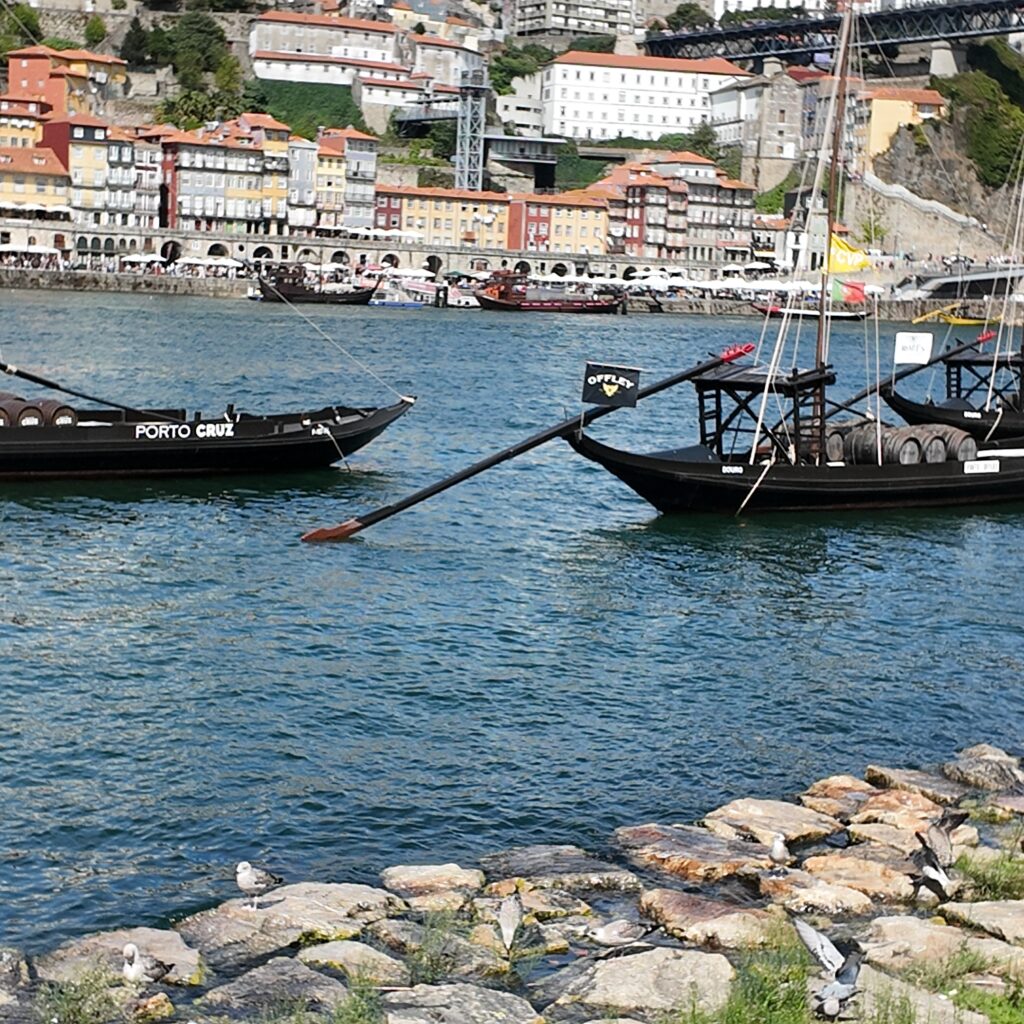
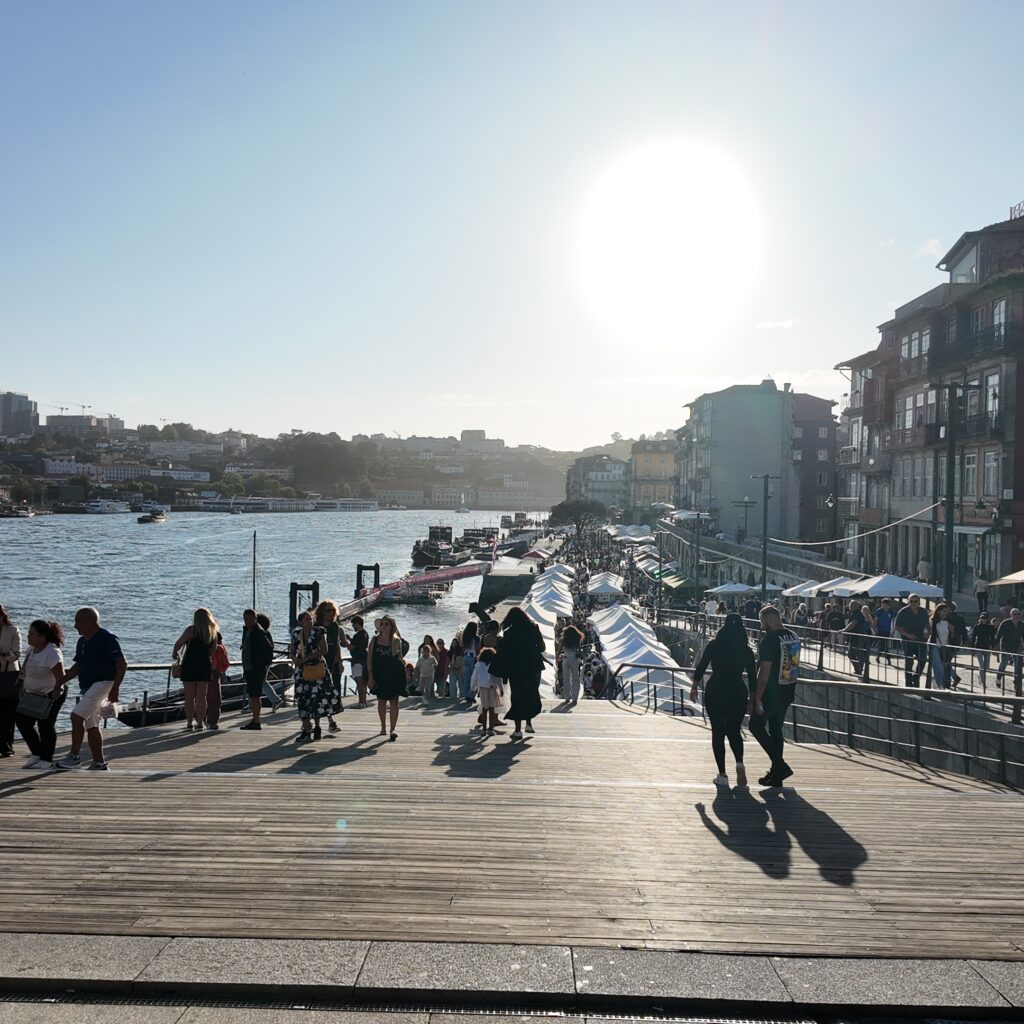
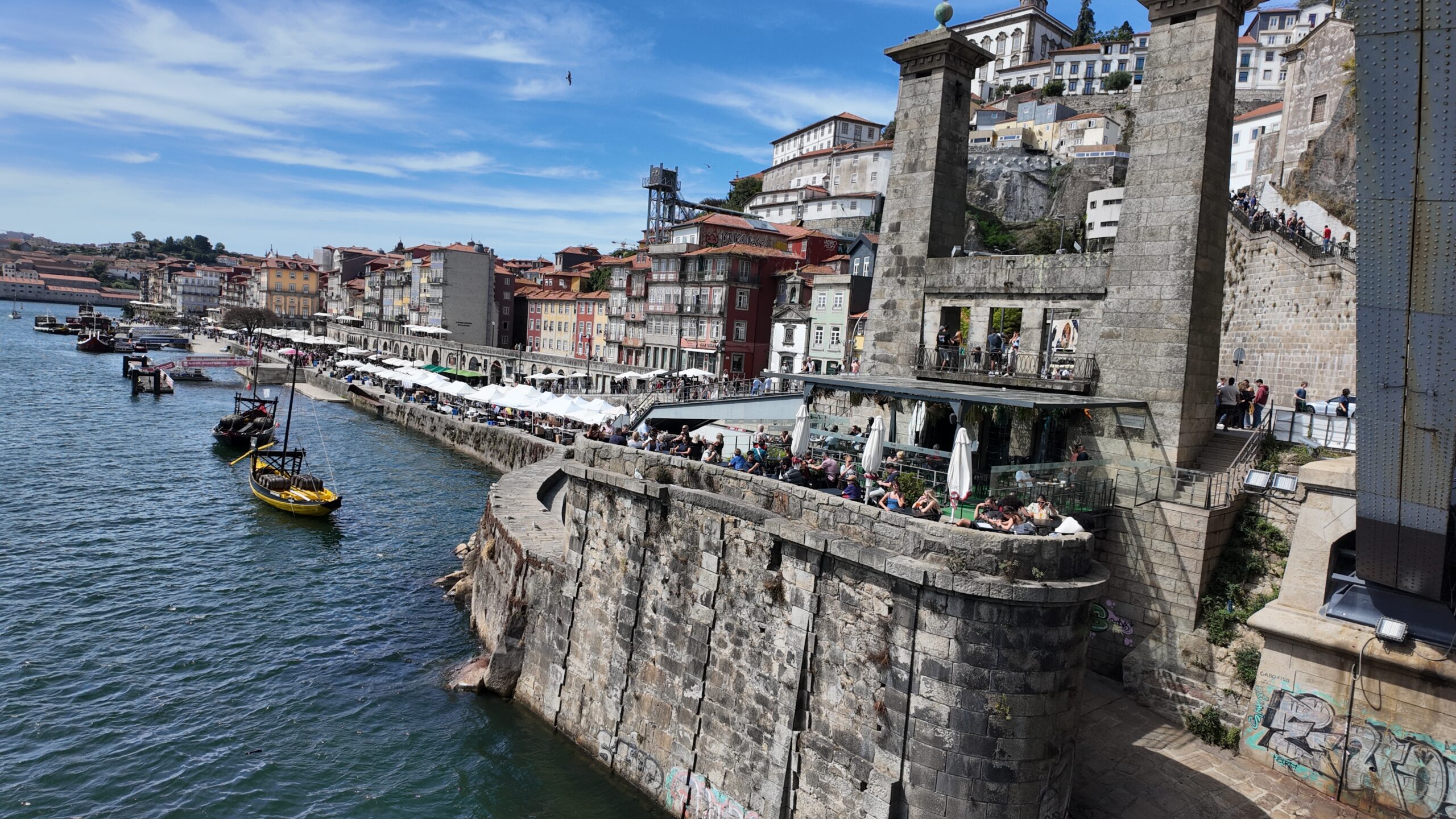
I had a great time in Faro and Lagos, just hanging out by the water and soaking it all in. But Porto—hands down—stole the show. It had been at the top of my bucket list for ages, and it did not disappoint. I also made sure to take in the short bus rides and longer train journeys along the coast, which were spectacular, pretending to be a local.

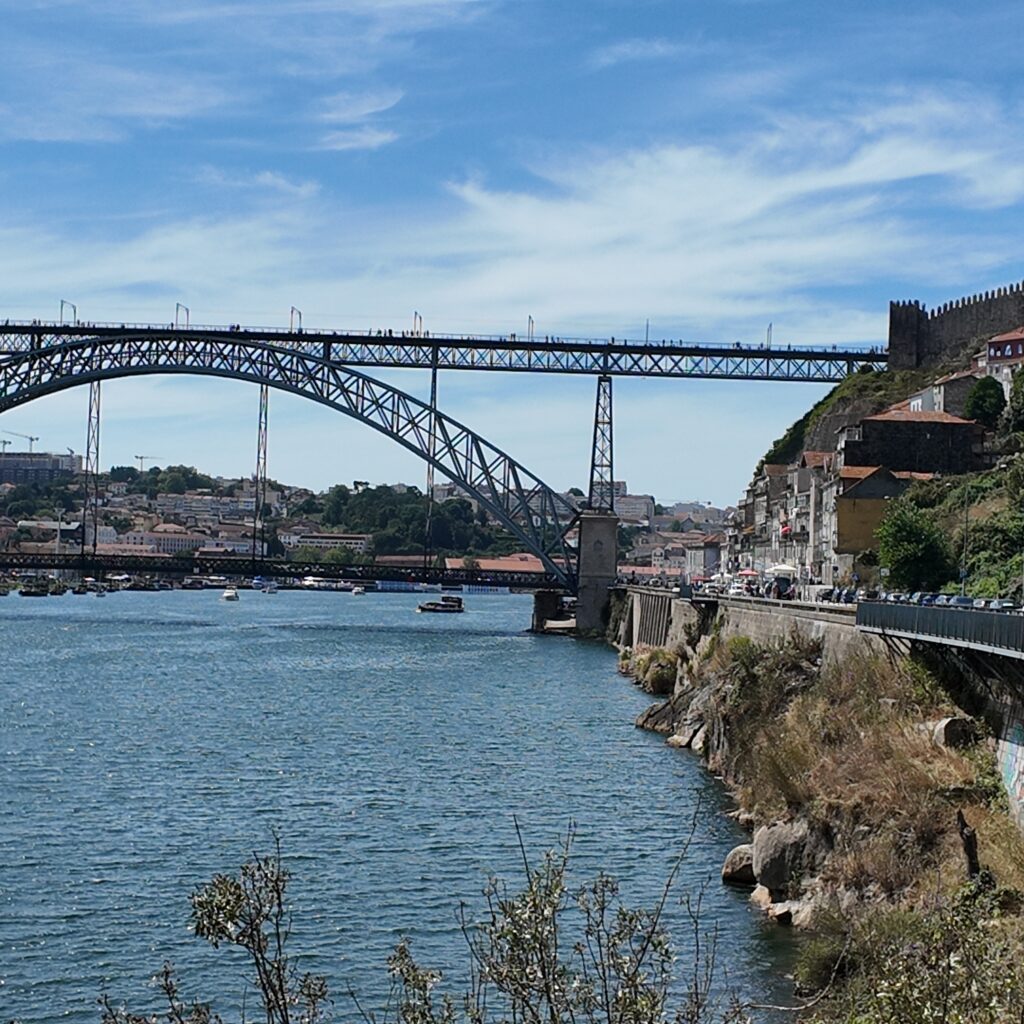
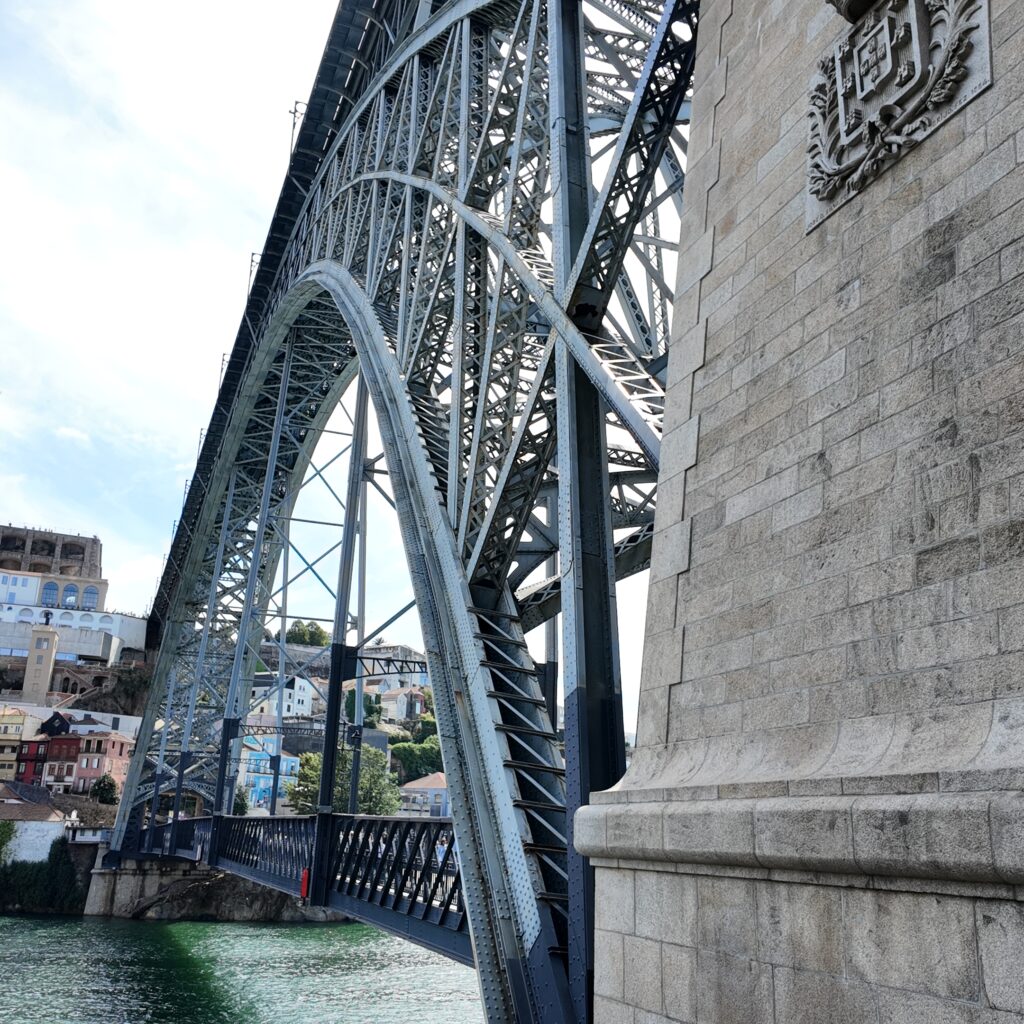
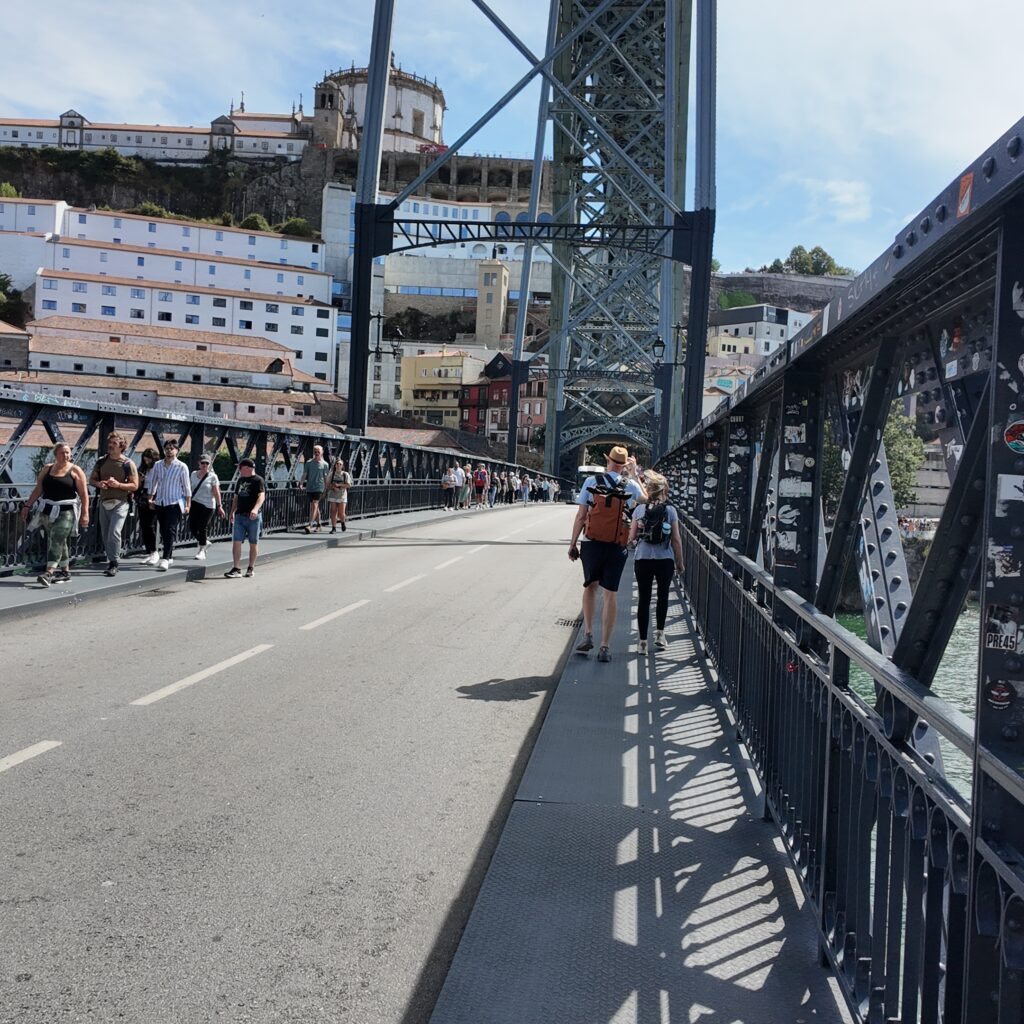
The city is split by the Douro River, and there are six famous bridges to cross at various points. The crown jewel is the Dom Luís Bridge—a stunning double-deck metal arch that links Porto with Vila Nova de Gaia. Honestly, I couldn’t stop taking pictures; it’s one of those “blink and you’ll miss it” moments that you also want to document from every possible angle.

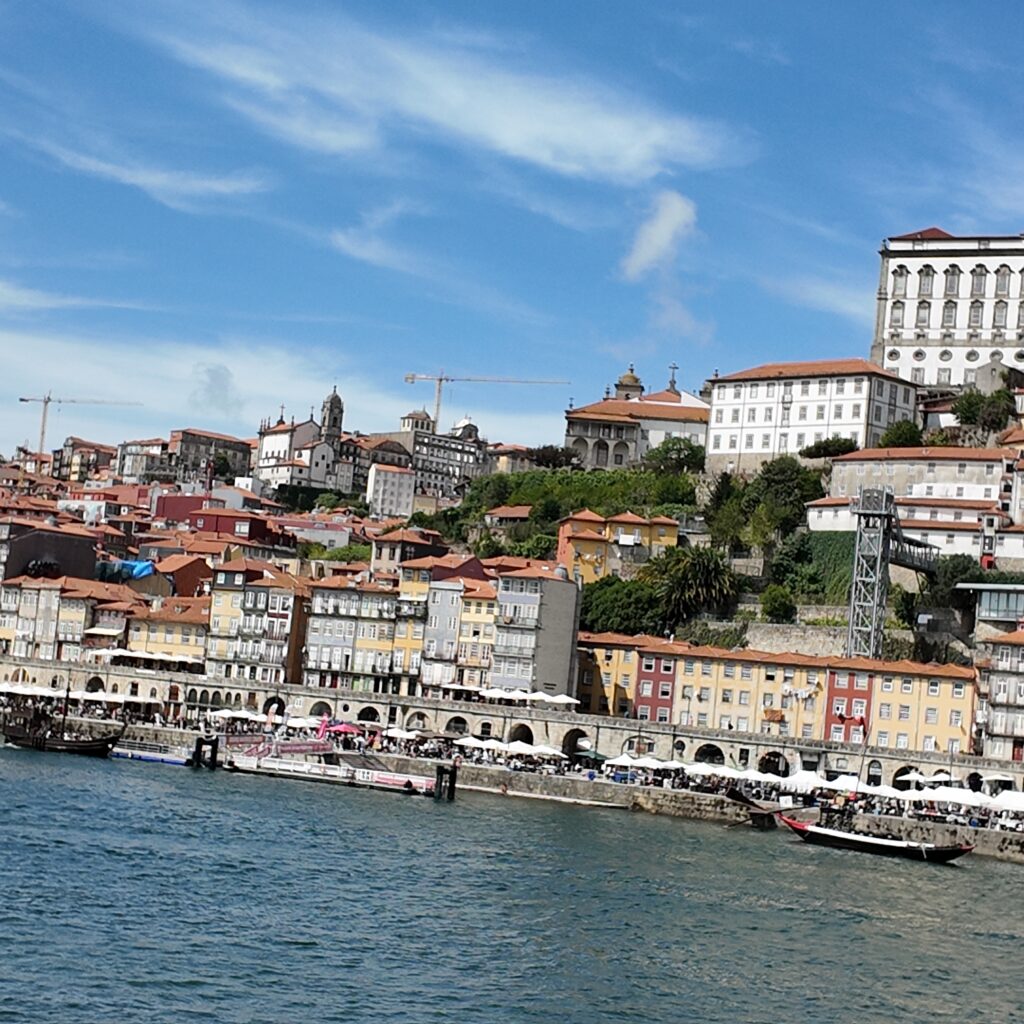
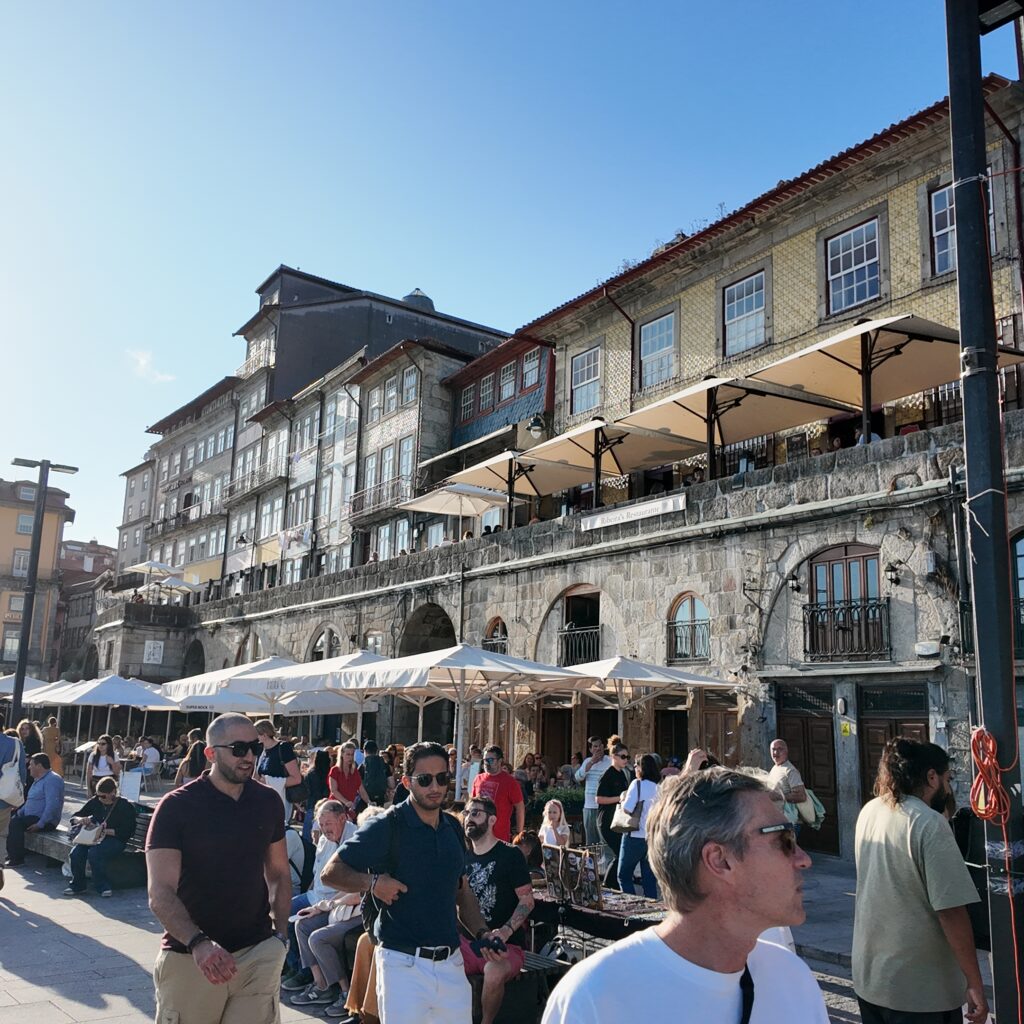
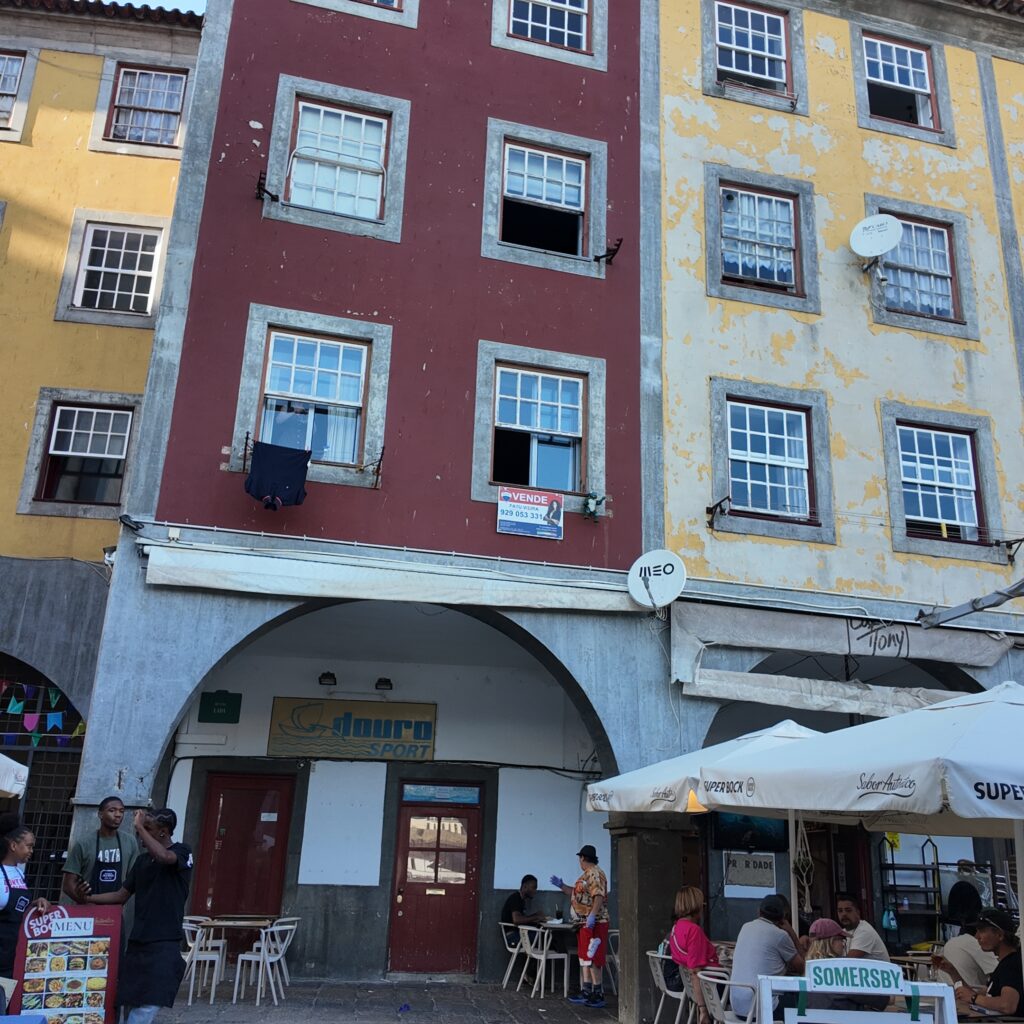
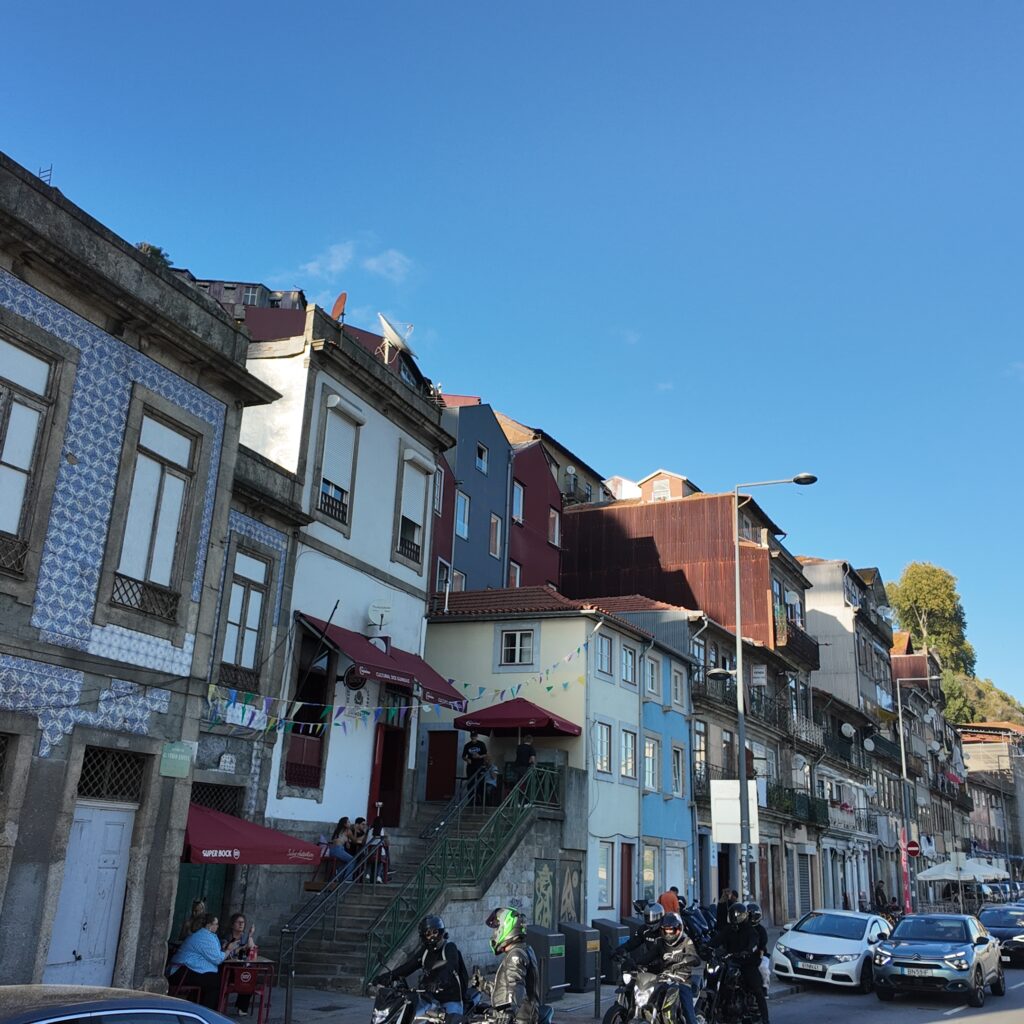
I spent a solid two days in Porto walking over 20,000 steps each day—up and down the river, soaking in the stunning architecture. The buildings lining the water are even more jaw-dropping in person. There’s also a gondola that gives you a sky-high view, but the line was so long I decided my legs had already earned a vacation of their own.

Want more Portugal chaos, cobblestones, and coastal views? Check out my YouTube channel for all the videos—no jet lag required.

www,YouTube.com/@NorthAmericanDarrell

Hit subscribe to dive into the full 1,500+ travel video catalog—because why stop at one continent when you can live vicariously through all of them?

Portugal’s history: Small Country, Big Ambitions

Portugal started getting serious in the 12th century, when Afonso I declared, “I’m king now,” and voilà—Portugal was officially a thing. Not content with being a tiny corner of Europe, the Portuguese set sail during the Age of Exploration, sending legends like Vasco da Gama around Africa to India and basically telling the world, “We’ll take it from here.”

They built an empire stretching across Asia, Africa, and Brazil—riches, spices, and cultural chaos included—while most Europeans were still figuring out how to map their own backyard. Today, Portugal is chill, gorgeous, and full of history: sun-soaked beaches, pastel-colored streets, port wine, and the occasional reminder that this tiny country once ruled the seas.

default

Prague, Czech – beer is served half full?!🤔

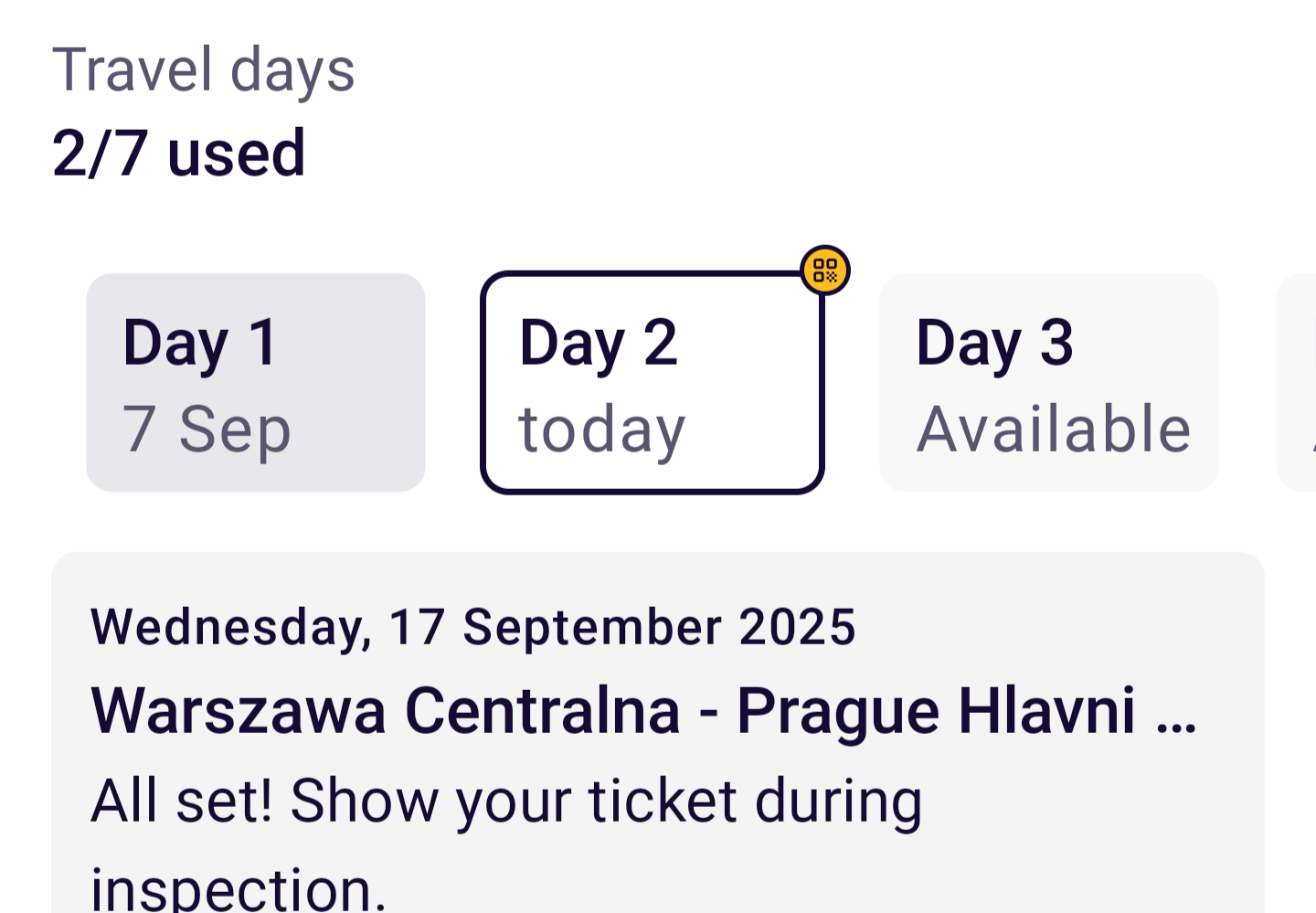
As September 19th, 2025 crept closer, I was happily settled in Warsaw—but quietly plotting Munich for the first weekend of Oktoberfest. With my Eurail pass, booking the trip was almost absurdly easy: 

Warsaw to Prague, then a short hop into Munich.

Portugal. Poland. Iceland. And now Prague.

Everything was lining up so cleanly. Routes connected. Dates made sense. Just a perfectly unfolding chain of cities—one rail segment at a time.

This was day two using my Eurorail pass. Day one was used getting from Faro to Porto Portugal along the amazing coast. Massive wins using the pass the first two days.

The Czech Republic has always intrigued me—between its legendary international hockey and, of course, its world-class beer, how could it not? I only spent a couple of days in Prague, but every minute landed. The city feels effortlessly historic without being frozen in time, the beer is somehow even better than advertised, and there’s a rhythm to the place that invites you to slow down and look around.

It was one of those stops that proves you don’t need weeks somewhere for it to leave a mark. Sometimes a place shows you exactly what it is right away—and Prague did that beautifully.

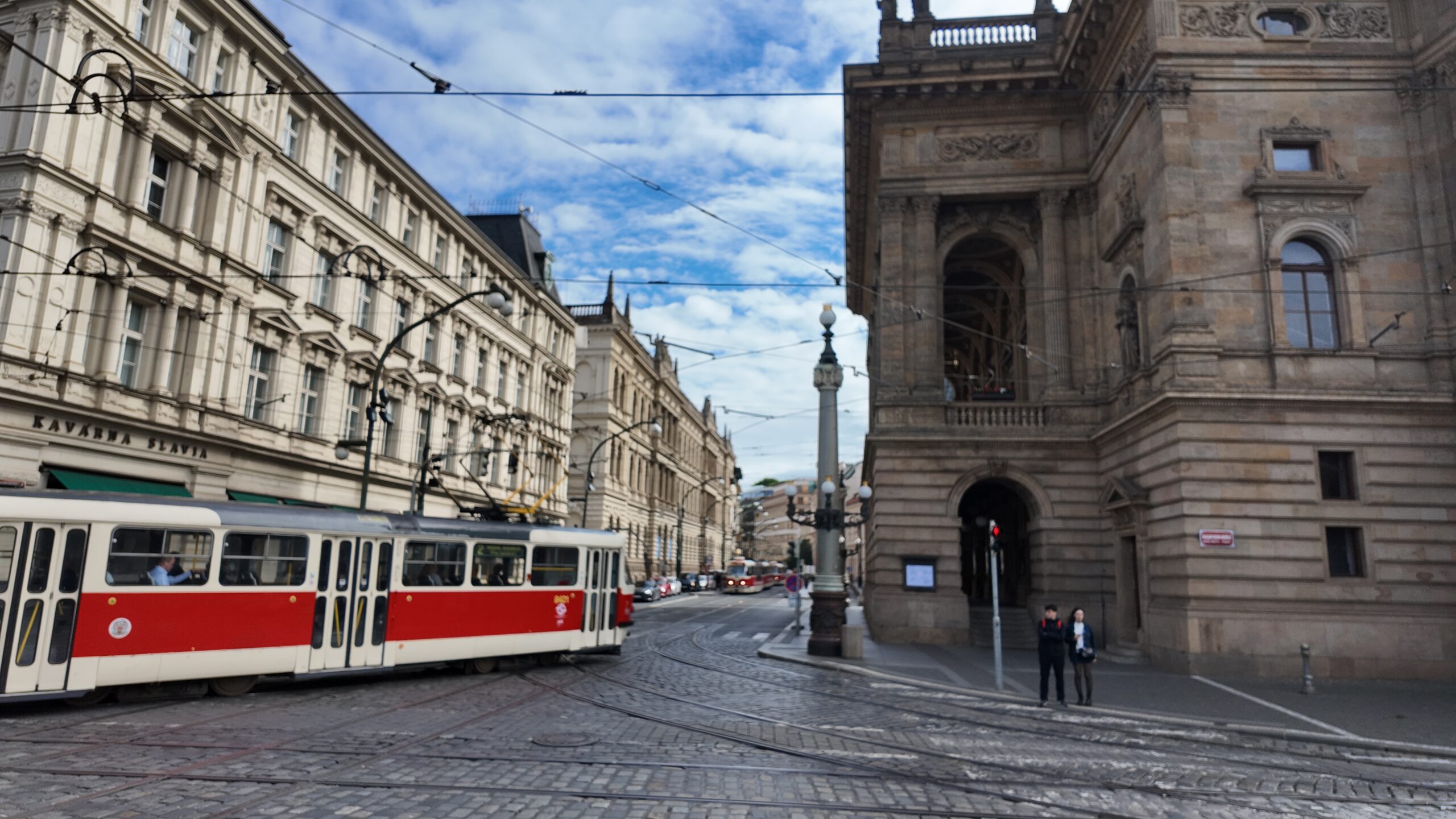
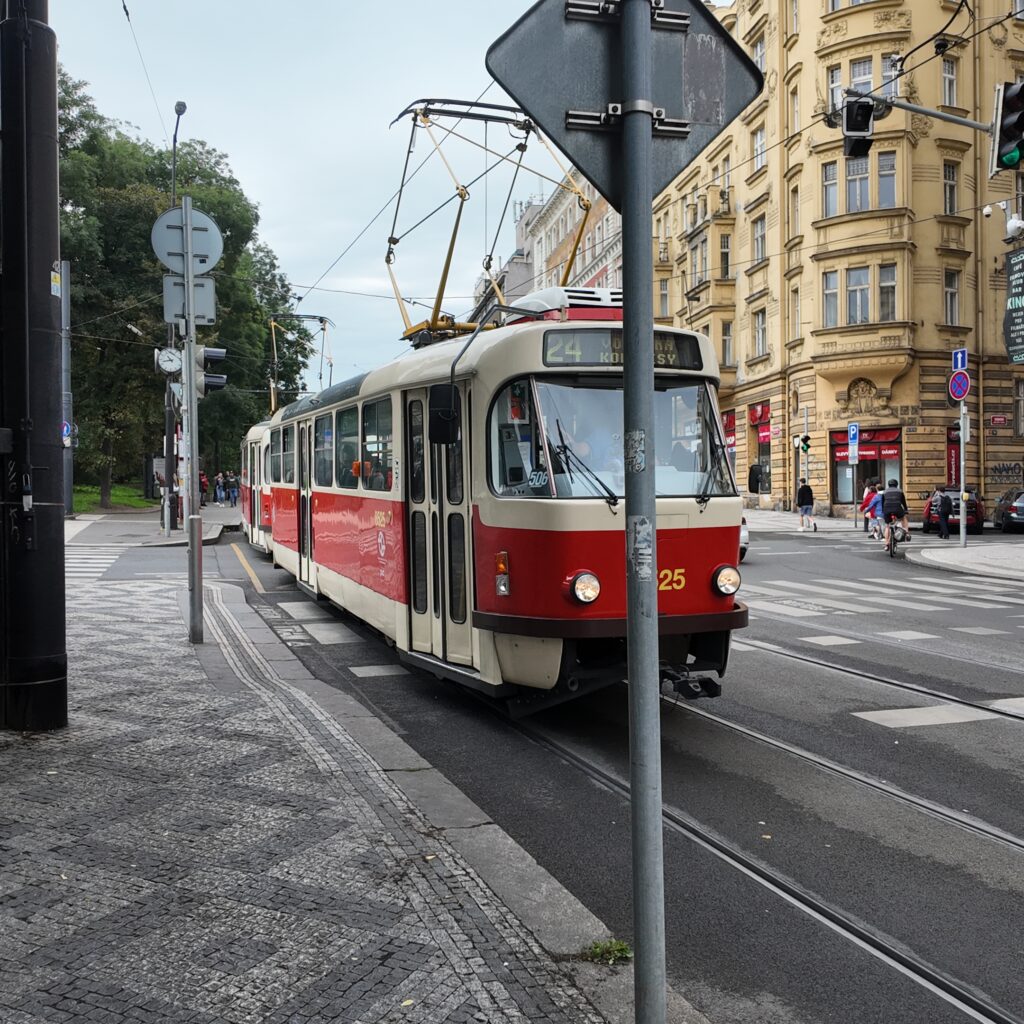
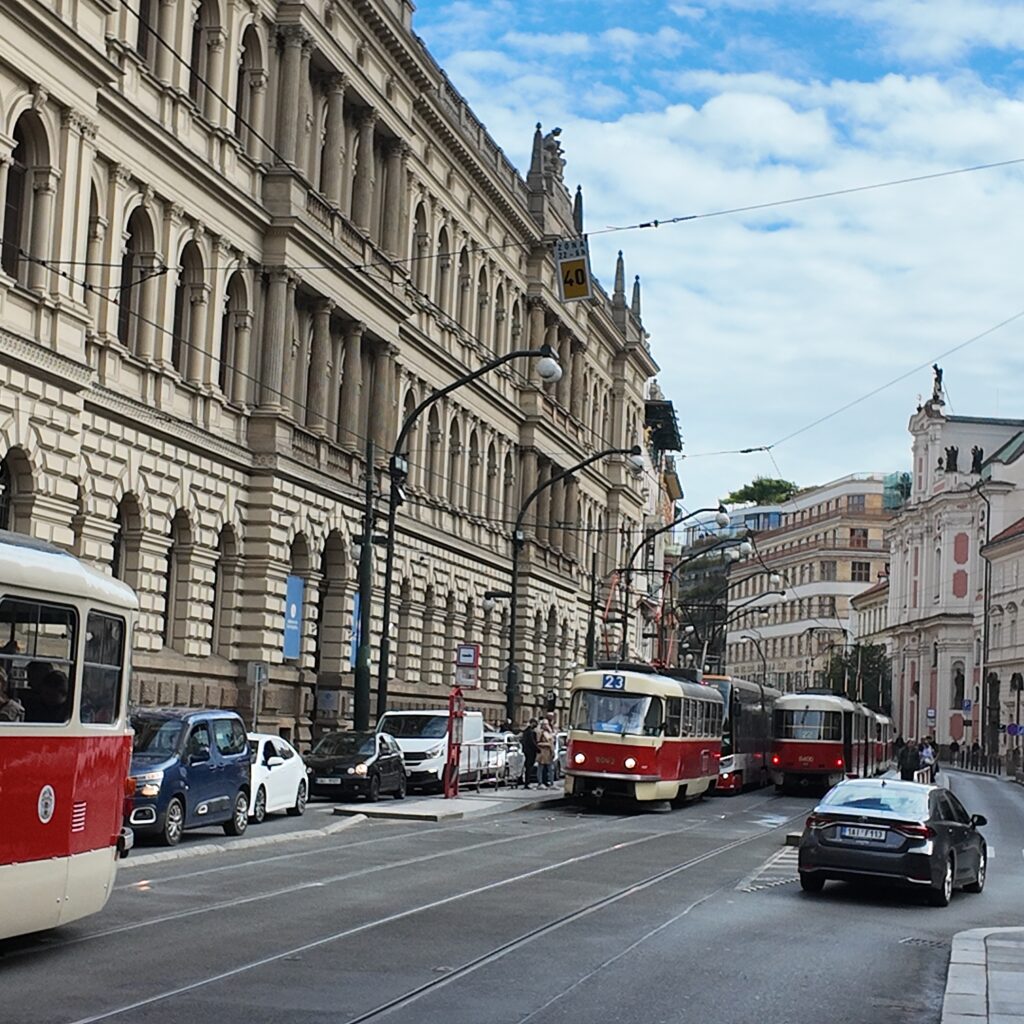
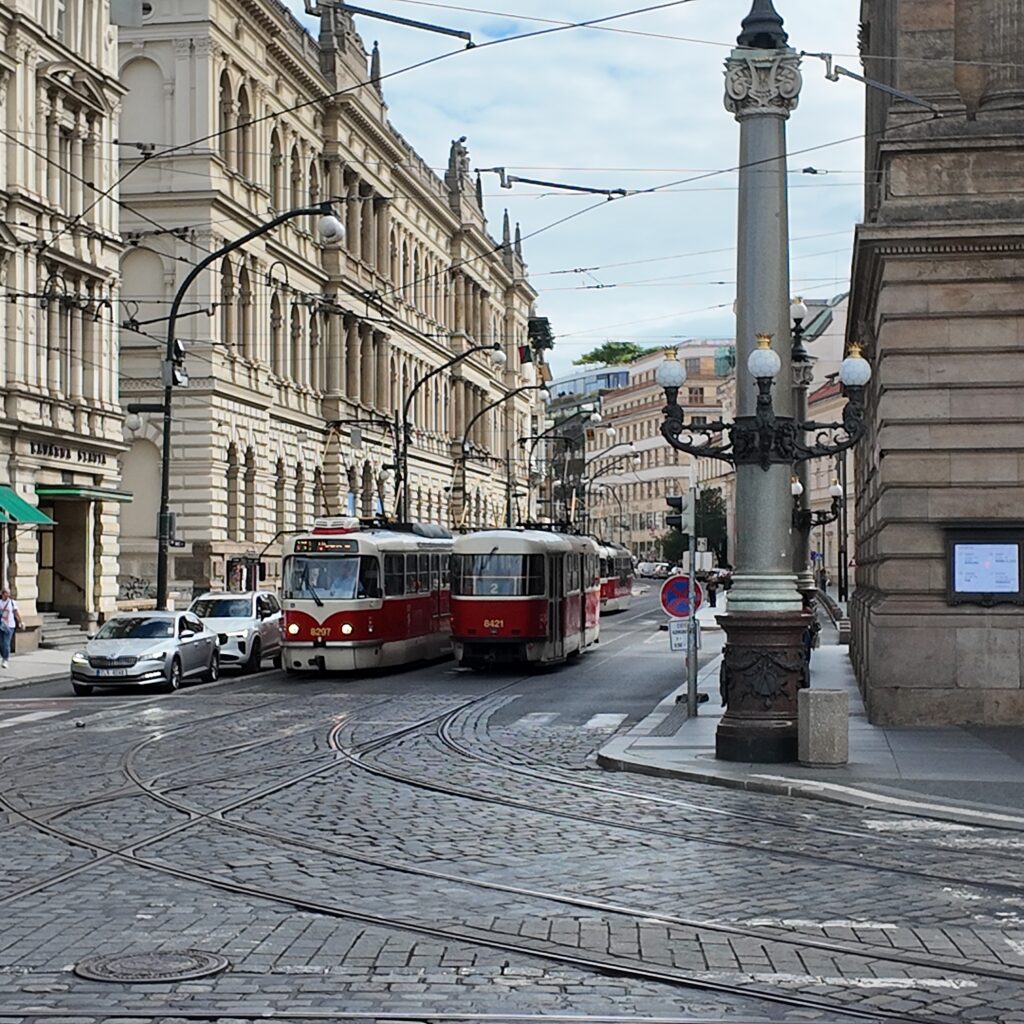
There’s something undeniably awesome about streetcars sharing the road with everyday traffic. I first saw it in Vienna and thought, “Okay, that’s pretty neat.” But Prague? Prague turns it into an art form.

You’ve got ancient, rattling trams rubbing elbows with sleek, modern ones—both weaving through cars, bikes, and pedestrians like they’re operating inside some chaotic, high-speed safe zone. Everyone somehow knows where everything else is going. No hesitation. No drama. Just motion.

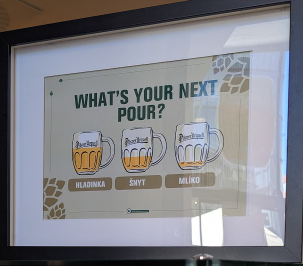
The beer in Prague is something else entirely. They pour it with half the glass—sometimes more—foam. There’s even a style called Mlíko where about 75% of what you’re holding is foam… and you pay full price for the privilege.

I ended up in a lively debate with a bartender about it. He swore it “tastes better that way.” I countered with my very scientific position: 90% of a beer lives in the top 10% of the glass—and yes, we are both professionals. We laughed. The foam probably laughed. And I still drank it.

Because when in Prague, you surrender to the professionals. 🍻

Czeck beer musuem ... If you;re ordreing a "Mliko", it's apprantly your last beer of tghe night. I still do not understand! LOL
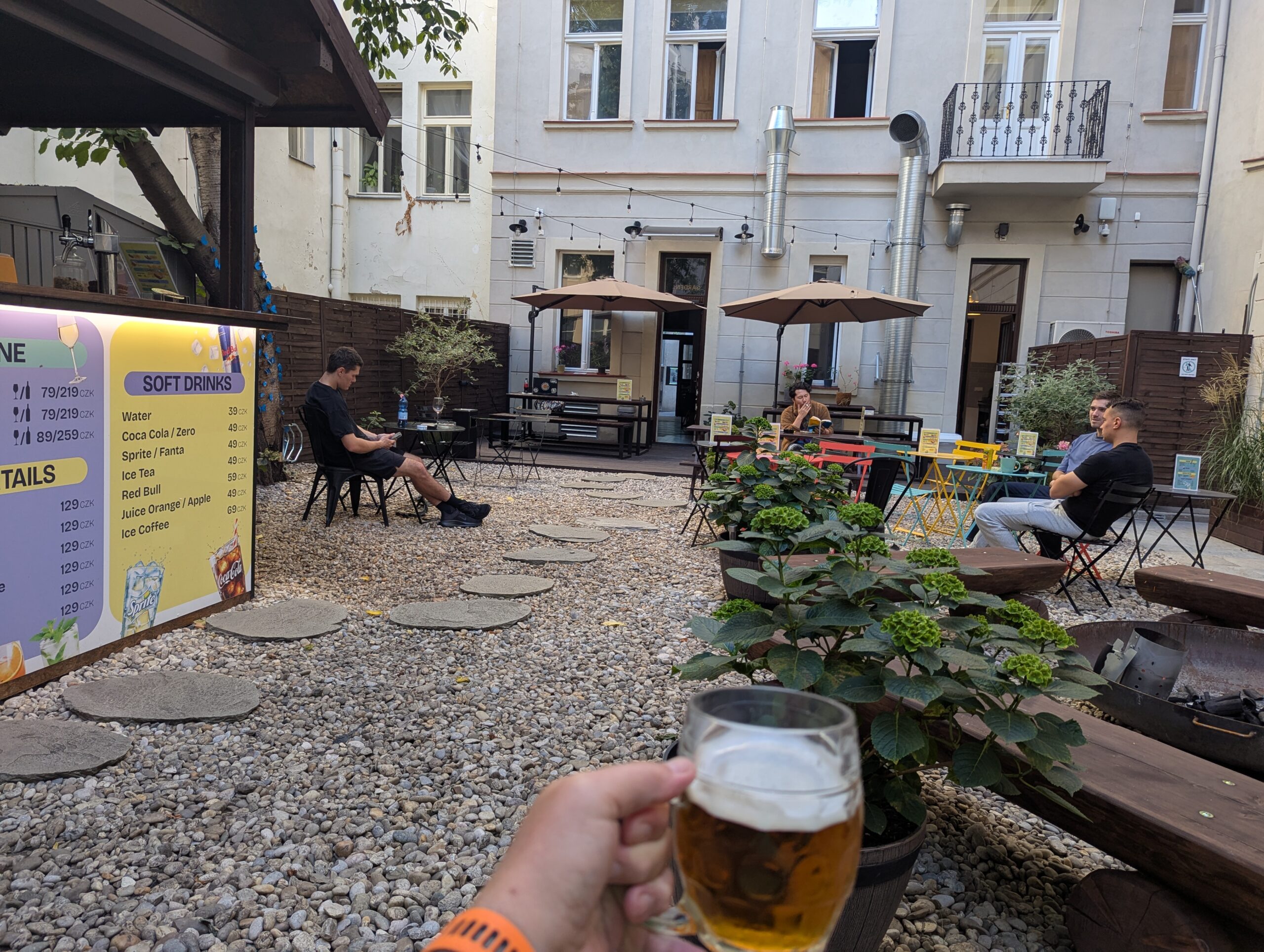
Beer in my amazing $20 a night hostel courtyard! That is how much beer you get once the foam goes away! 🍺

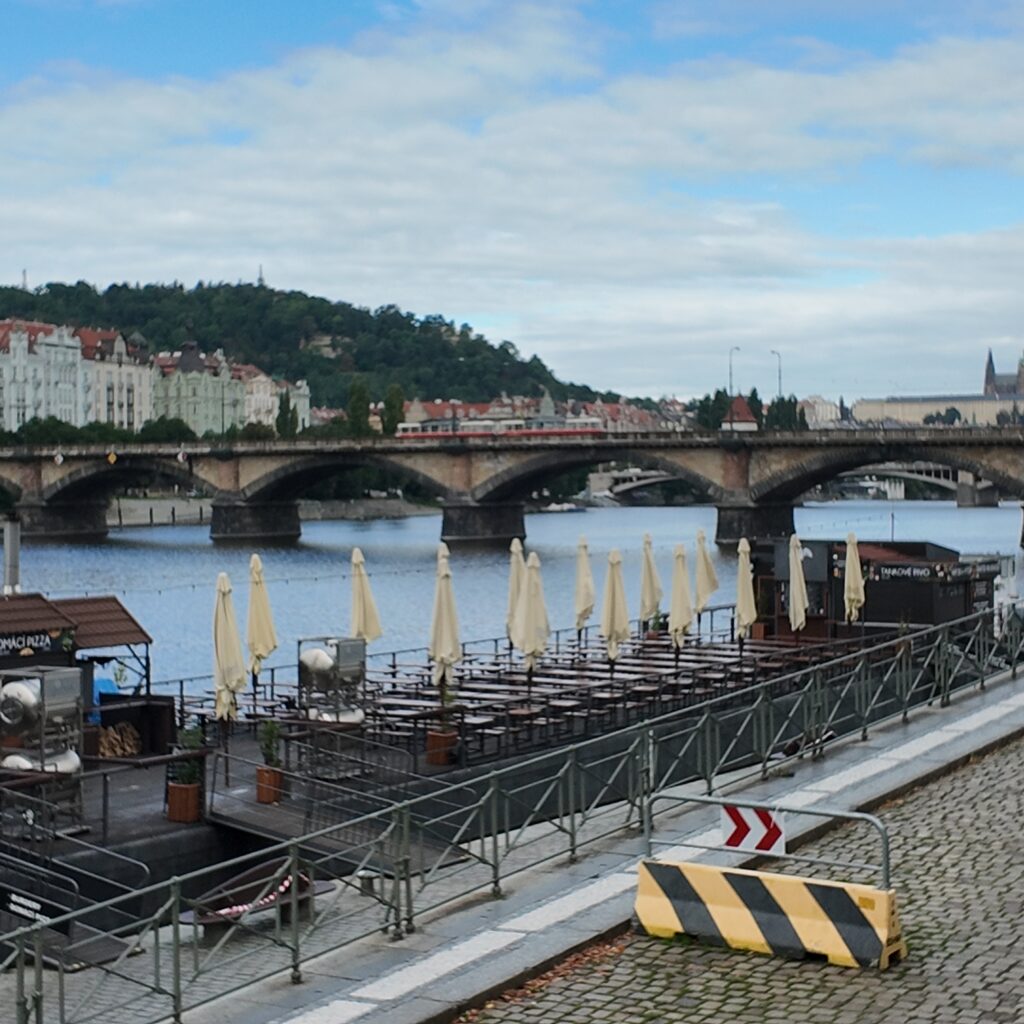
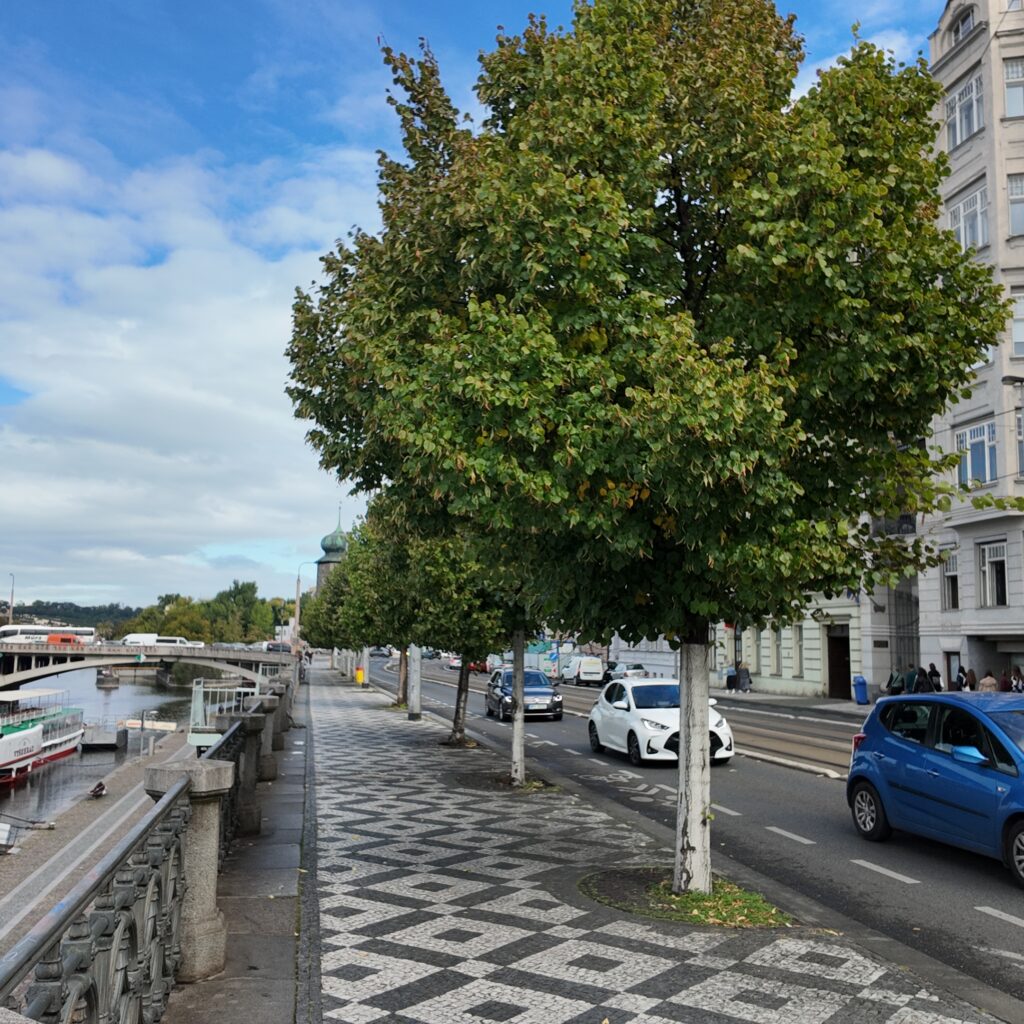
The city itself—and especially the riverside—was incredible. I can only imagine how stunning it must be in winter… though, to be honest, I’d probably never make it outside in that kind of cold.

So instead, here are a few pictures and videos—so you can admire Prague from a warm, safe spot, just as nature intended.

Want more Czech Republic adventures—and proof that I walked way too much? Head over to my YouTube channel for videos, chaos, and maybe a beer or two:

www.YouTube.com/@NorthAmericanDarrell

There are over 1,600 travel videos from around the globe—enough to make your couch feel like first class.
Apparently, my wandering now qualifies as educational content.

Prague history: The City That Time Forgot… and Then Perfected

Prague started way back in the 9th century as a collection of hilltop settlements around what’s now Prague Castle—basically, medieval real estate with a view. By the Middle Ages, it became the capital of Bohemia and a cultural powerhouse, where kings built castles, churches, and universities while everyone else was still figuring out plumbing.

Under Charles IV, the city got fancy: the oldest university in Central Europe, bridges, cathedrals… Prague basically said, “We do grandeur better.” Fast forward a few centuries, and the city survived wars, empires, and communism, only to emerge in 1989 via the Velvet Revolution as a stunning, slightly magical city where Gothic spires, cobblestone streets, and craft beer coexist in perfect harmony.

default

Reykjavík, Iceland – Hot springs! ♨️

I didn’t end up using my Wizz Air All You Can Fly pass as much as I originally planned.

After experiencing European train travel, I found myself preferring it. Trains were smoother, more comfortable, and often more enjoyable overall, which made short-haul flights feel less appealing by comparison.

That said, I still managed to squeeze in a 48-hour trip from Warsaw to Reykjavík, finally checking Iceland off my bucket list.

That journey wrapped up my 23rd, 24th, and final flights on the €499 pass.

Looking back, it was a busy, sometimes chaotic stretch of travel—but also a reminder of how fortunate I am to keep moving, exploring, and learning what styles of travel work best for me.

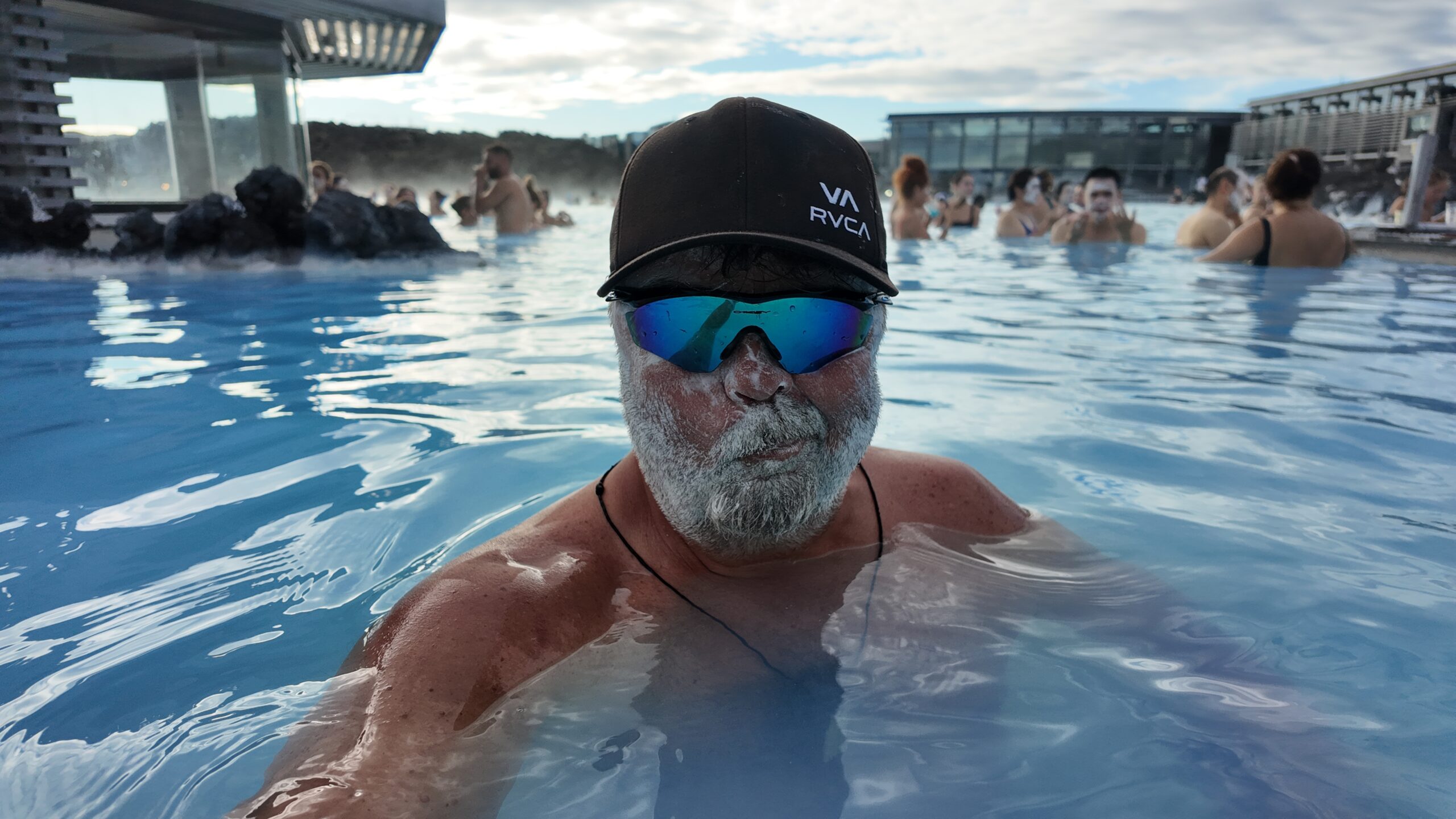
Hot springs entry came with a free beauty mask, mine did not work! 😆

A big part of using an AYCF pass is always having your next destination locked in. If you don’t, you risk getting stranded somewhere, staring at a snack bar and wondering if your life has quietly turned into a low-budget travel documentary. Since Iceland can only be reached by plane, that mattered. Thankfully, I booked my return flight at the same time as my departure, guaranteeing I’d make it back to the mainland. Score one for planning—or possibly luck.

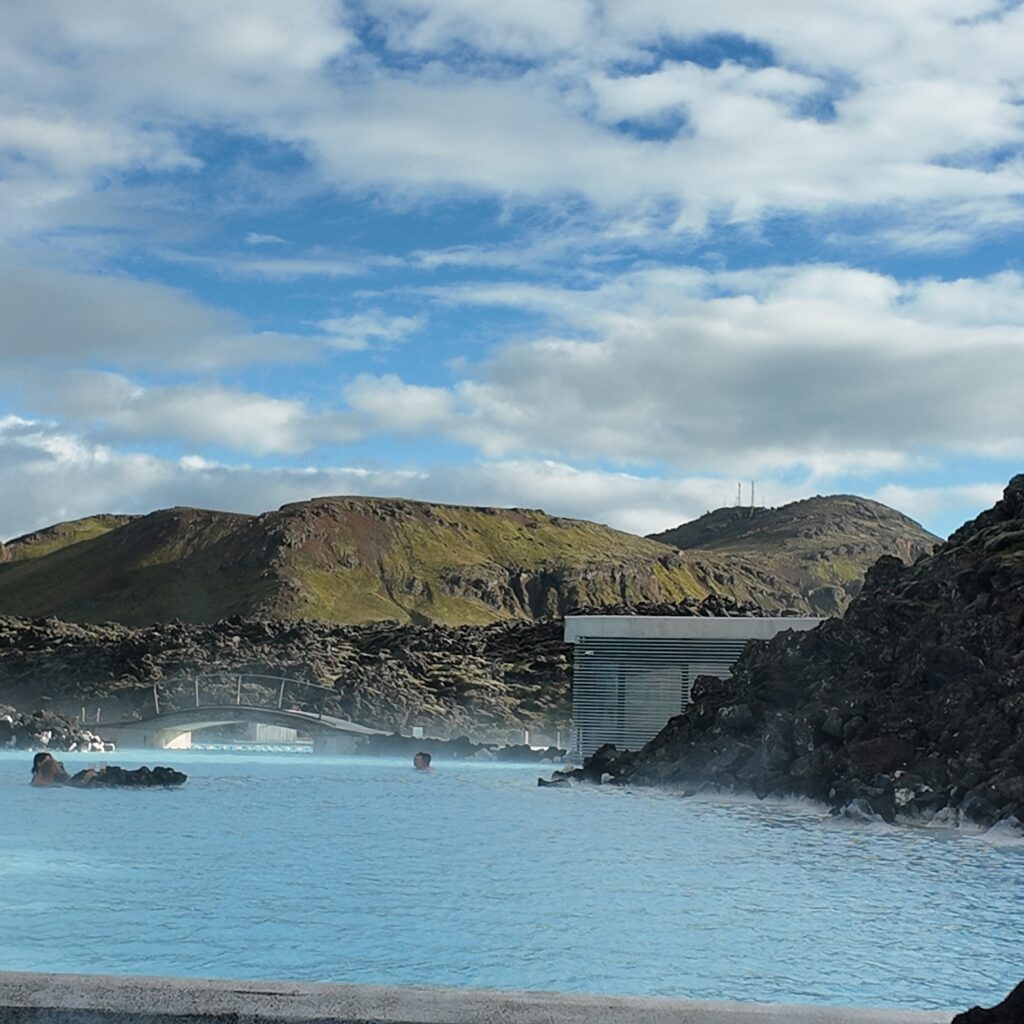
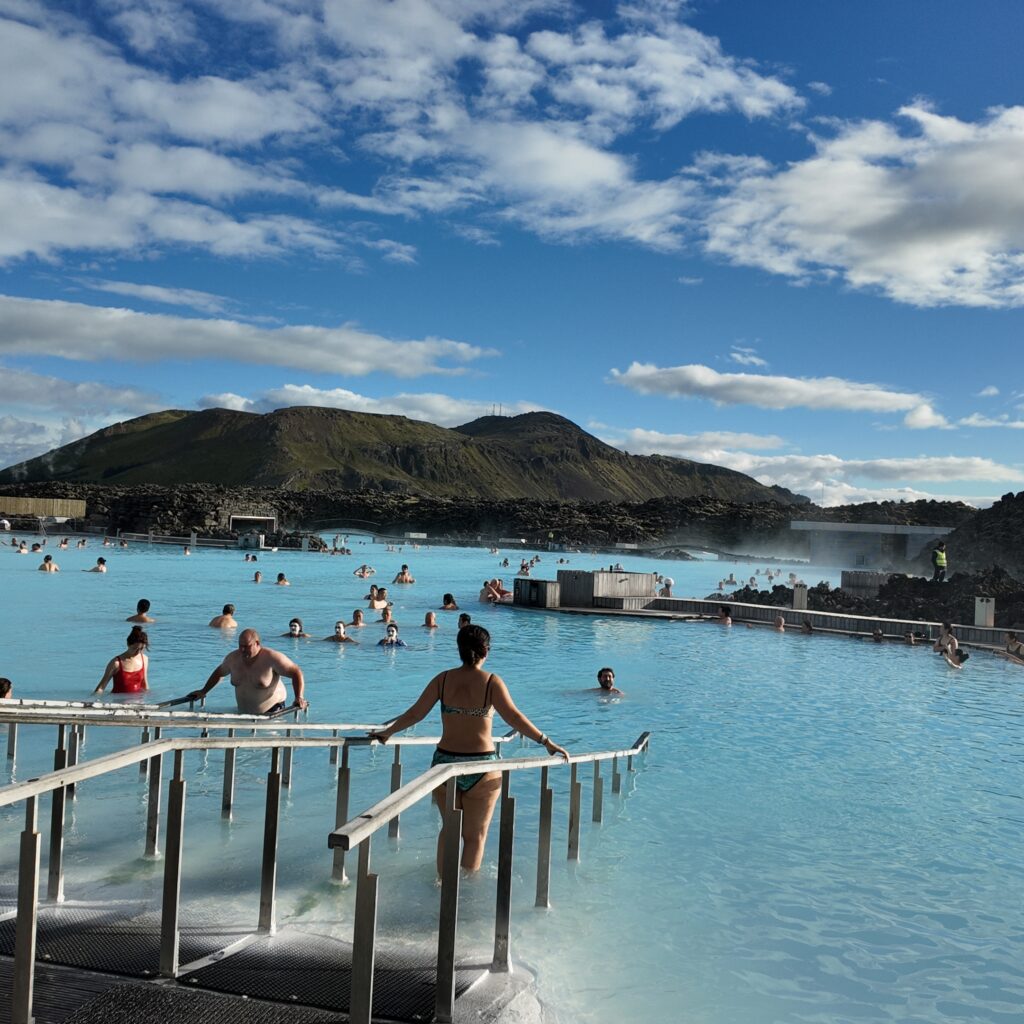
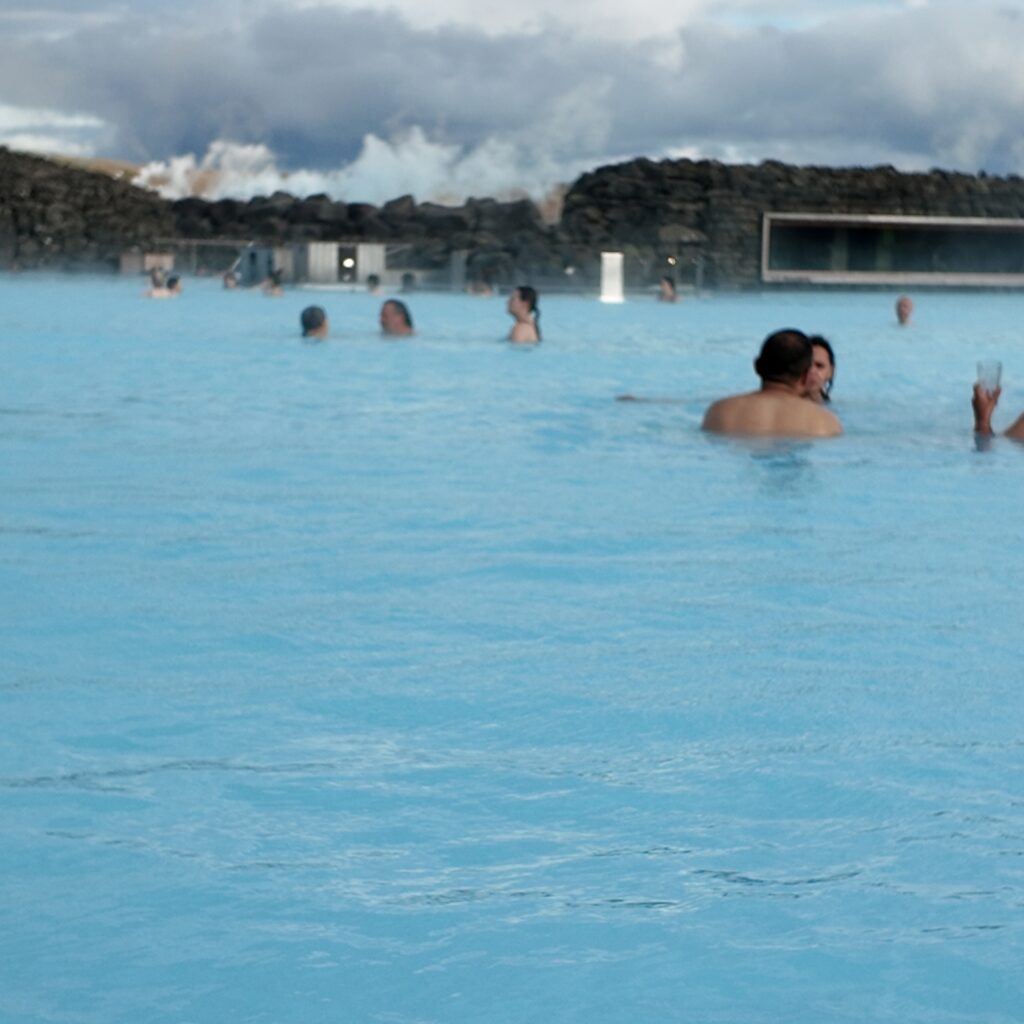
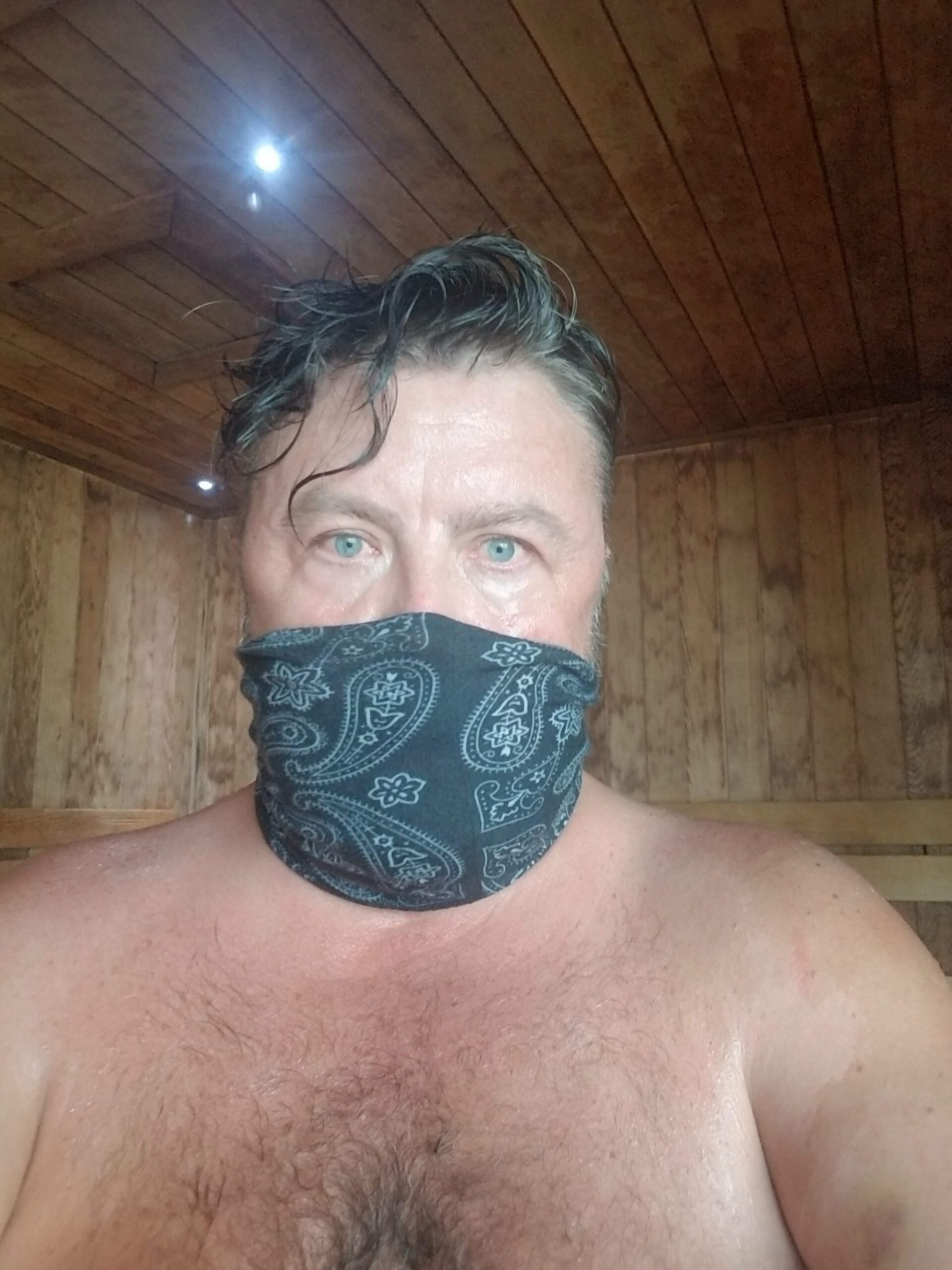
I didn’t do much while I was there. I mostly walked around Reykjavík and visited two hot springs, which was exactly the point of the trip. Ironically, there was a public pool and hot spring complex right next to my hostel. After weeks away from my usual spa routine, it felt incredible. I rotated between three temperature-controlled pools, cold plunges, saunas, and steam rooms like a professional relaxation athlete.

I enjoyed it so much that I went back again the next morning before heading to the Blue Lagoon.

While soaking, I met a traveler from Seoul, a professional writer who was going through a rough patch. I got him laughing by telling him I spend hours writing things that almost nobody reads. He even offered to show me around when I visit Seoul in March—which perfectly sums up why I travel in the first place: strangers, shared moments, and unexpected laughs.

No cameras were allowed at the hot springs, which honestly felt like a gift. The attendant said phones distract from relaxation—and she was probably right. She also likely saved me from posting a thousand blurry photos of me pretending to be interesting.

Sometimes the best travel moments are the ones that don’t end up on camera at all.

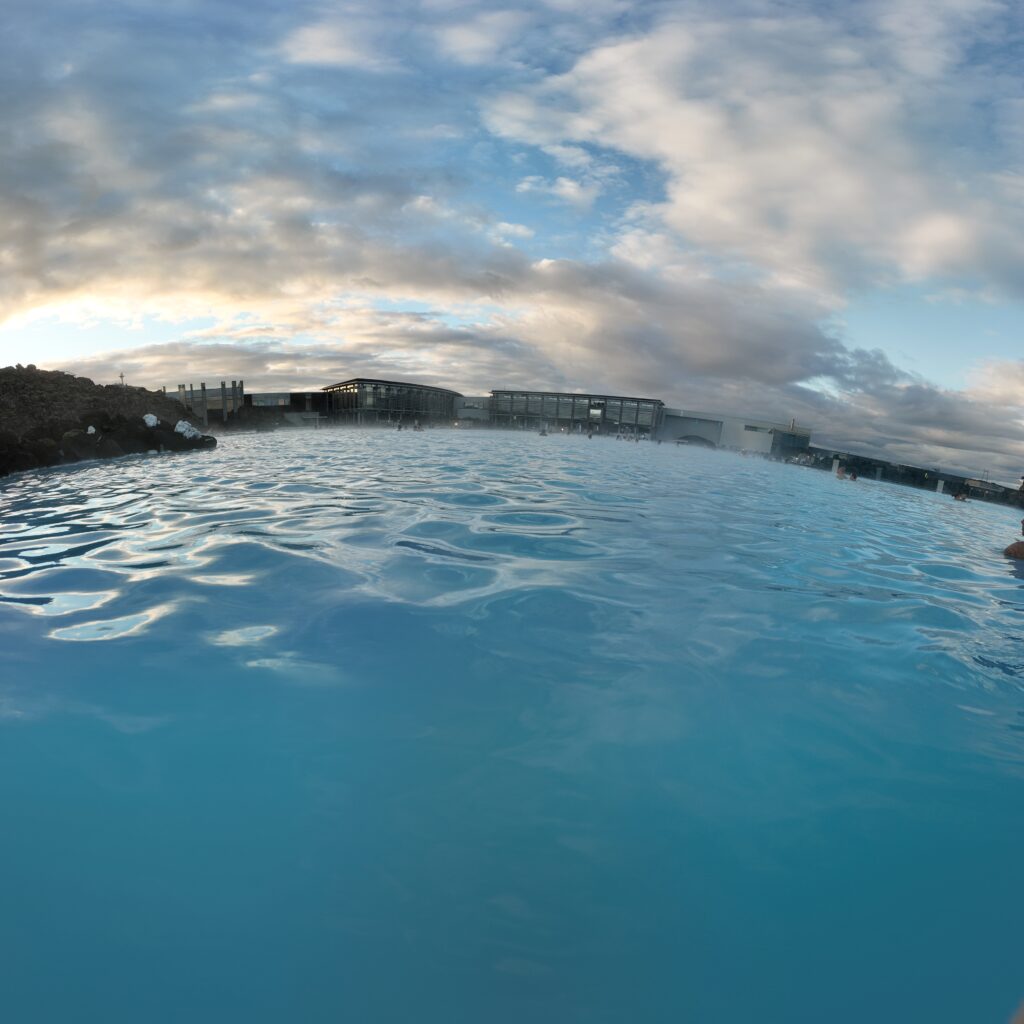
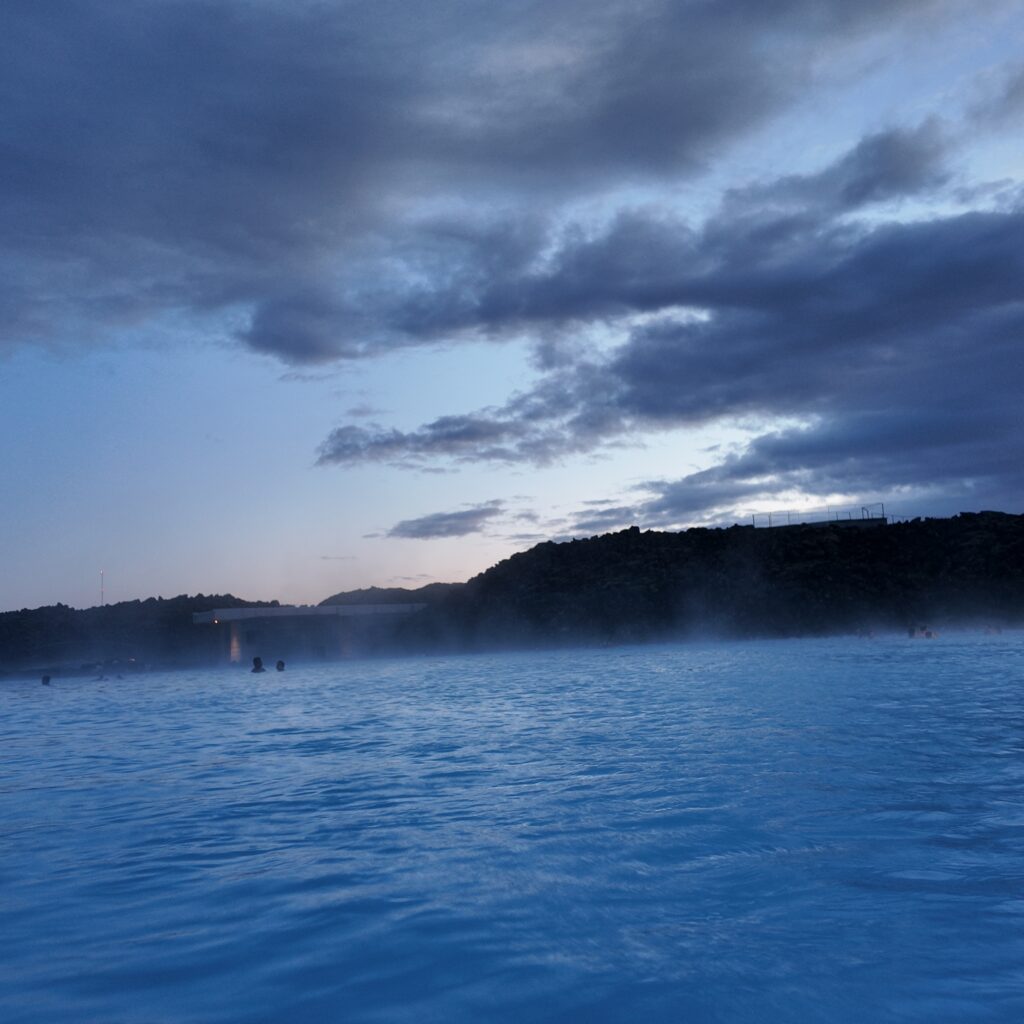
Below are just a few snapshots and short videos from the Blue Lagoon—because words don’t quite do justice to soaking in steaming geothermal water while convincingly pretending you’re a sophisticated spa-goer.

If you want more, check out my YouTube channel for the full adventure (and all the bubbles I responsibly chose not to photograph):

NorthAmericanDarrell – YouTube

And yes—feel free to smash that subscribe button like it just stole your passport.

Iceland’s Hot Springs: Nature’s Hot Tub Since Forever

Icelanders didn’t waste time—they landed in the 9th century and thought, “Why chop wood when we can just soak?” And so began the country’s love affair with geothermal hot springs, perfect for bathing, cooking, and gossiping about Viking drama.

By the Middle Ages, these steamy pools were community centers, where locals scrubbed, plotted, and probably swapped embarrassing stories. Fast forward to today, and Iceland has turned those natural hot tubs into luxury spas like the Blue Lagoon, proving that even a volcanic island can serve up relaxation, selfies, and a little Icelandic sass.

555776621_1848596082425396_4926212415565141928_n

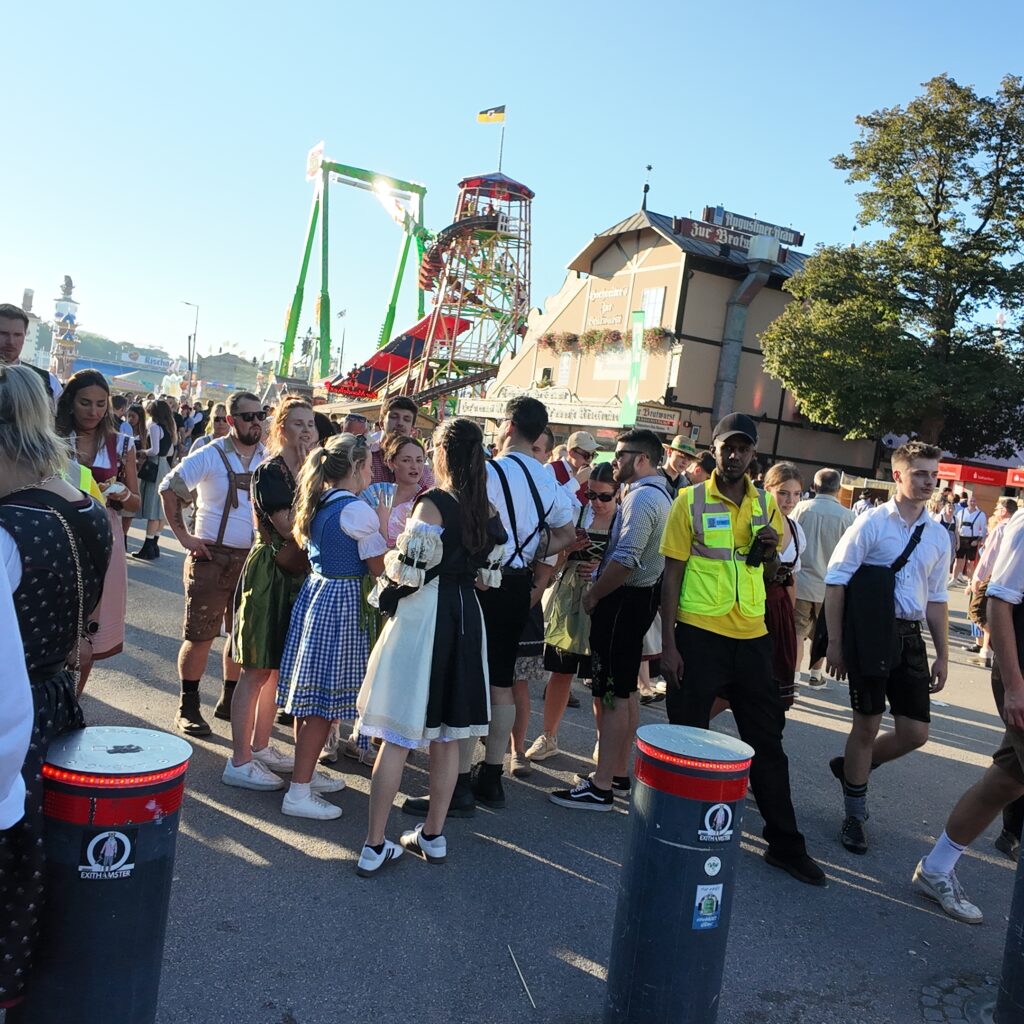
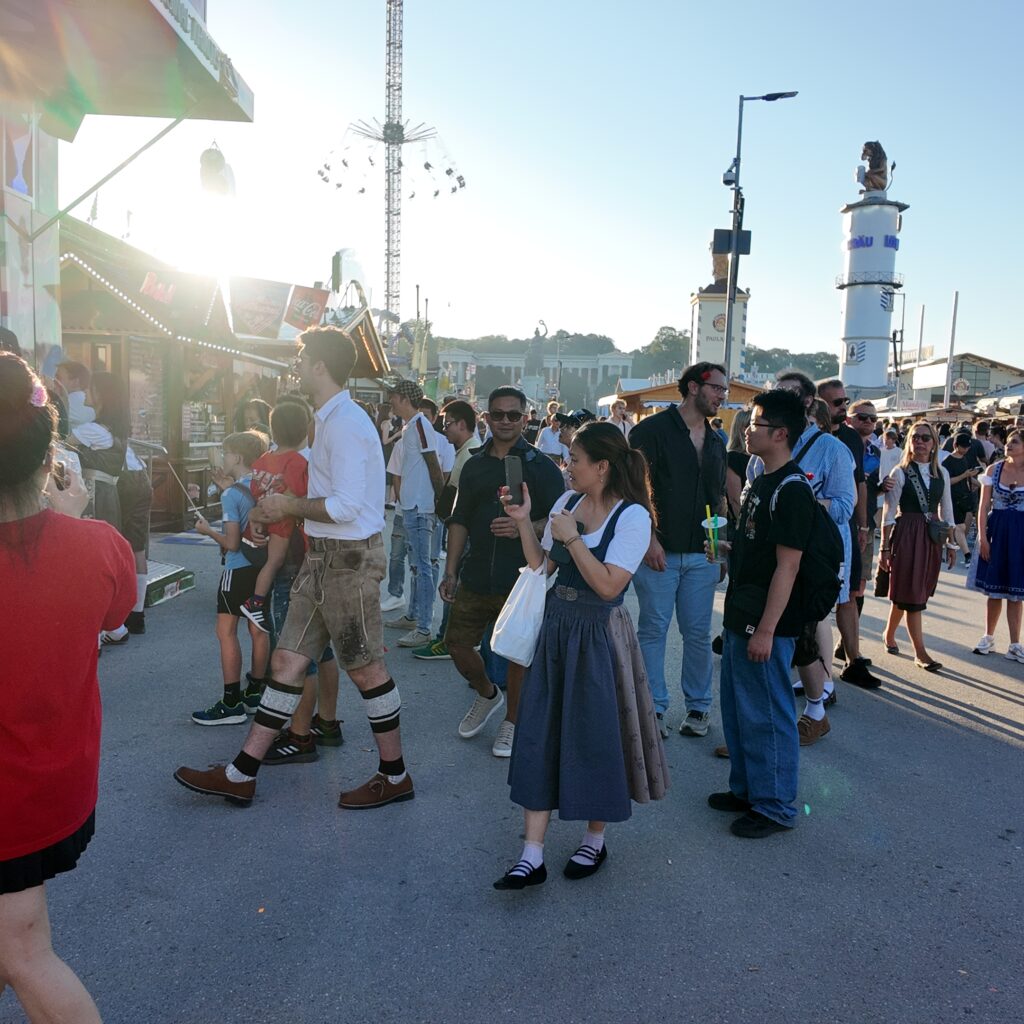
Munich 🍻Oktoberfest 2025!🍻

When I realized my European adventure perfectly overlapped with Oktoberfest, I knew I was about to enter an adventure of epic proportions. 

Step one: surrender to the siren call of beer tents, pretzels the size of my forearm, and lederhosen-clad revelers who move faster than logic allows. 🍺

Each beer tent was a chapter: the first introduced me to the sacred art of “prost” -ing strangers; the second tested my limits with bratwurst heavier than my backpack; the third… well, let’s just say gravity, hops, and I had a complicated conversation.

By the end of it, I had danced, sang, spilled, and cheered my way through the city. I emerged a wiser, stickier, and infinitely more entertained traveler, ready to continue my European quest. Oktoberfest didn’t just happen—it conquered me, one absurdly large beer at a time.
I figured getting to Munich for Oktoberfest would require strategic planning, so I made sure to stage myself nearby in the days leading up to opening weekend.

That “nearby” turned out to be Prague, Czech Republic, the week before—and it couldn’t have been easier.

Thanks to my Eurail pass and a reserved seat, the train ride was smooth, inexpensive, and almost luxurious compared to the chaos I knew awaited me in Munich. Little did I know, I was just a few hops away from becoming a full-fledged Oktoberfest warrior. 🍺

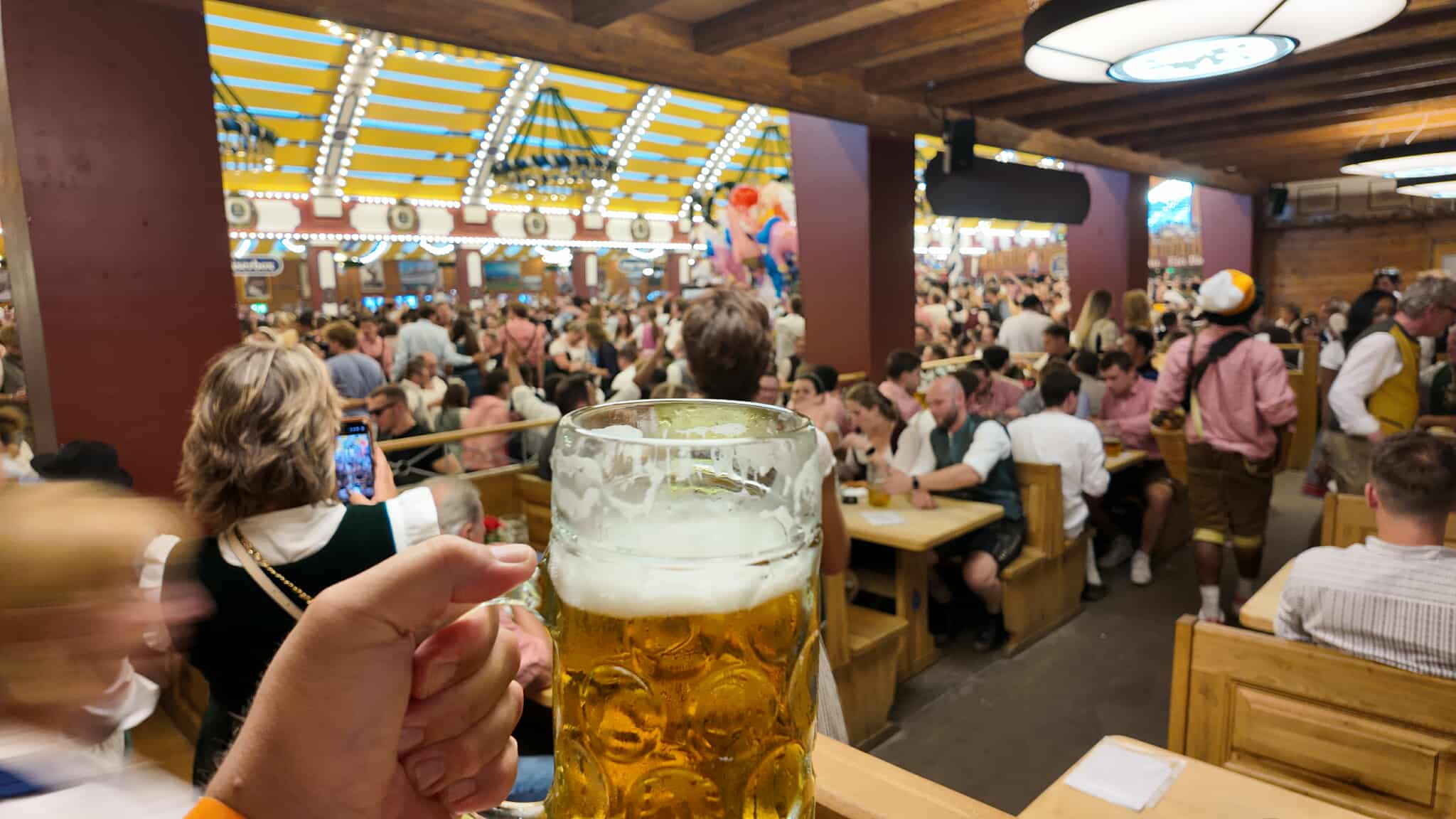
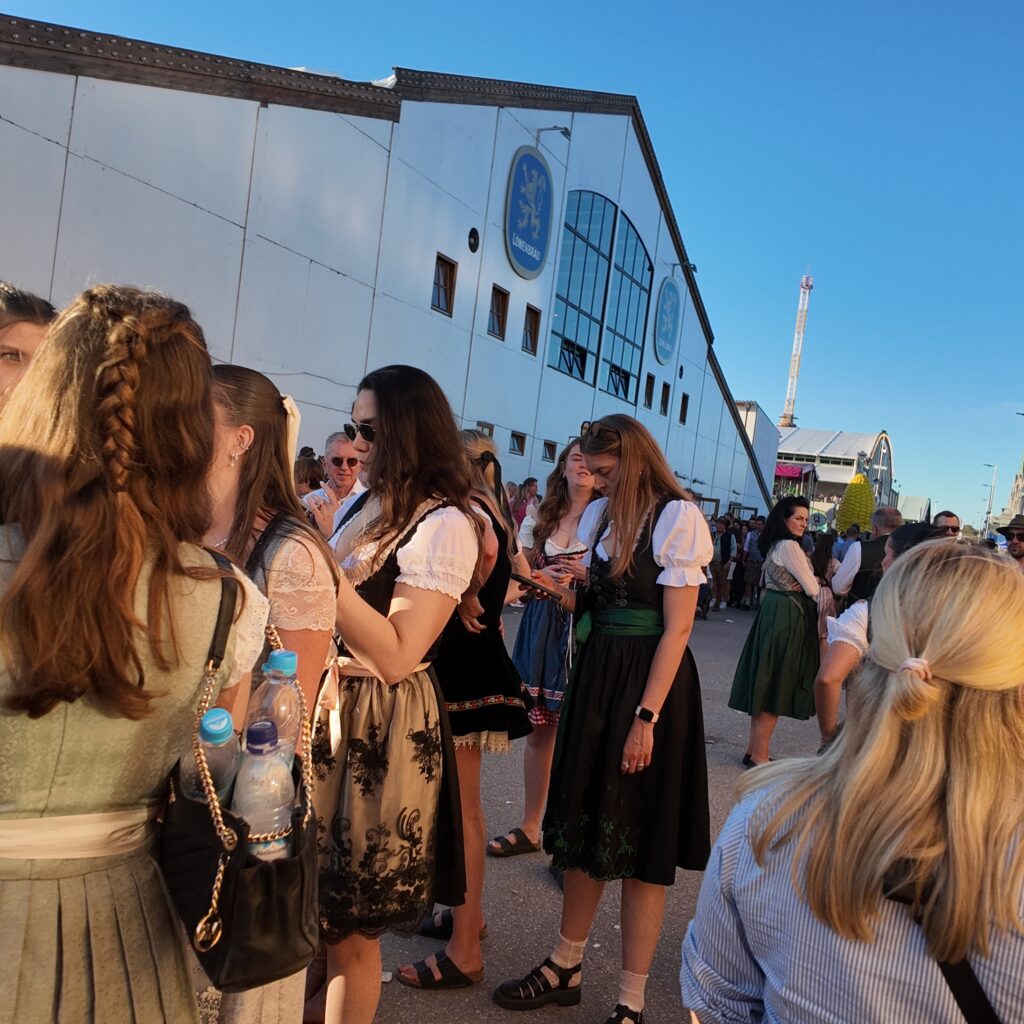
Captain Obvious alert: the beer tents were the best part. I wandered through three of the big ones, but spent most of my time at the massive Löwenbräu tent. The sing-alongs were pure magic—everything from Taylor Swift to Bon Jovi, and a few questionable karaoke choices in between. 🍺🎤

The crowd chants—“Oggy oggy oggy!” met with “Oi oi oi!”—followed by a rousing “Prost!” were absolutely unforgettable live. Honestly, it felt like being in a human blender of beer, music, and pure joy.

I could probably post a hundred pictures and videos, but who has that kind of time? Let’s just say, every snapshot screams: “I survived Oktoberfest and lived to tell the tale.”

For more Oktoberfest madness (and my epic camping adventure), head to my YouTube channel. You’re welcome.

www.YouTube.com/@NorthAmericanDarrell or by clicking the link below:

www.YouTube.com/@NorthAmericanDarrell

Subscribe now or risk missing me almost getting lost in 1,500 plus uploads.

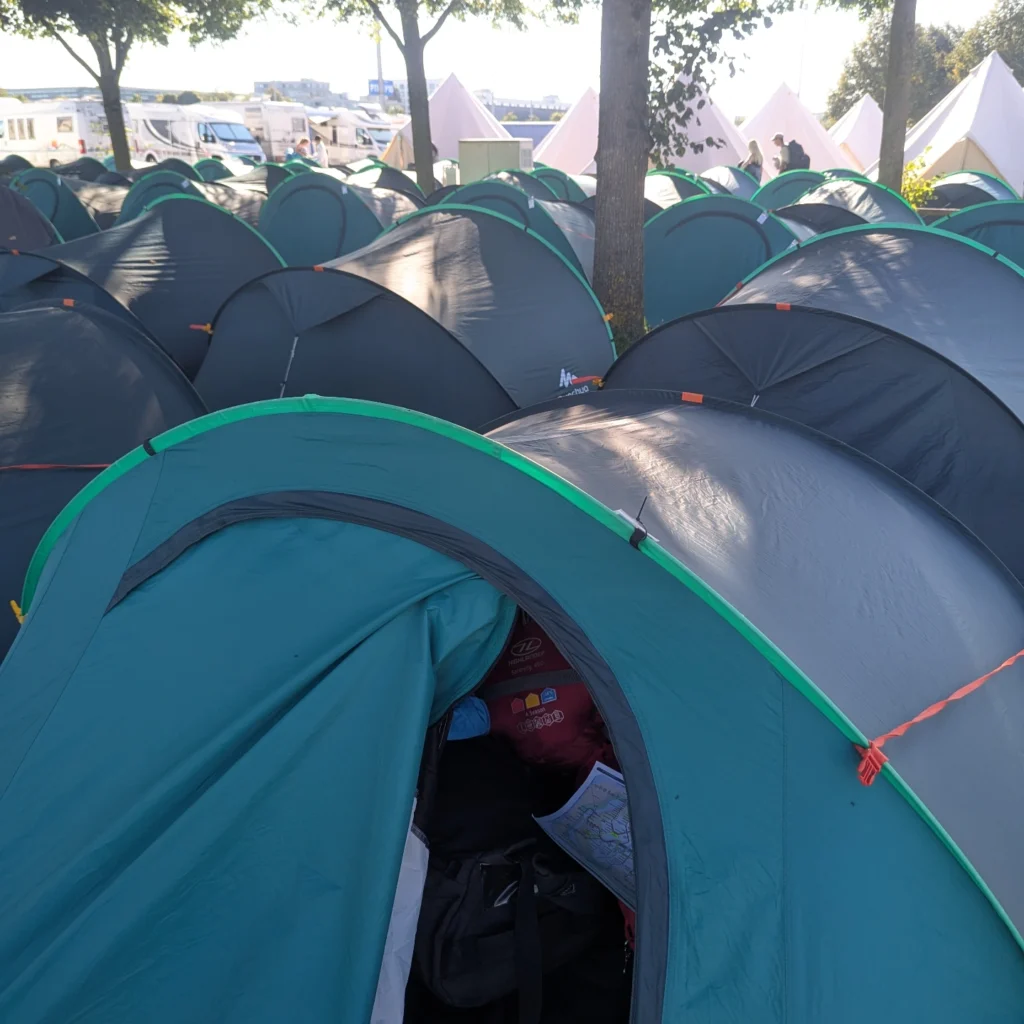
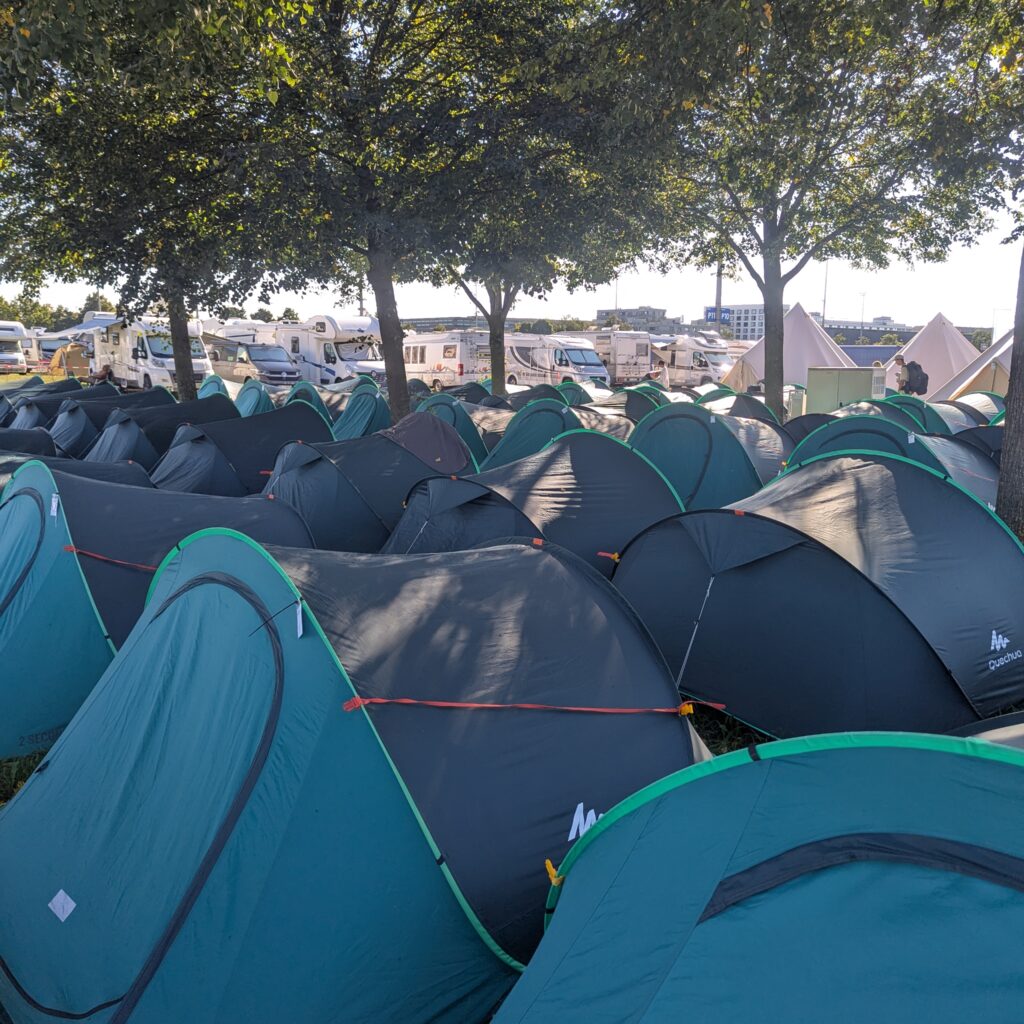
Accommodations for Oktoberfest were a bit tricky, but I ended up camping about a 30-minute train ride from the grounds. Perfect setup for the budget-minded traveler! They had single tents, double tents, and massive teepees with eight beds—basically a Bavarian version of “choose your own adventure.”

I went with the single tent—two nights for about $110 USD. Considering hotels were starting at $300 a night that weekend, I basically felt like I’d won the lottery. Simple breakfast included, plus a beer garden at the campground. And yes, there were plenty of RVs with German plates parked around—it looked like Oktoberfest on wheels. I half considered renting one and joining the mobile beer brigade. 🍺

The campground was like a state-run utopia for campers: spotless, orderly, and temporarily blessed with toilets and showers scrubbed multiple times a day. I timed it perfectly—striding in like a hero to claim the freshly sanitized throne and shower of destiny. 🚿💪

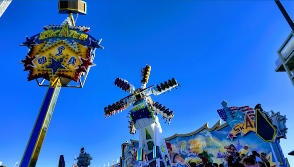
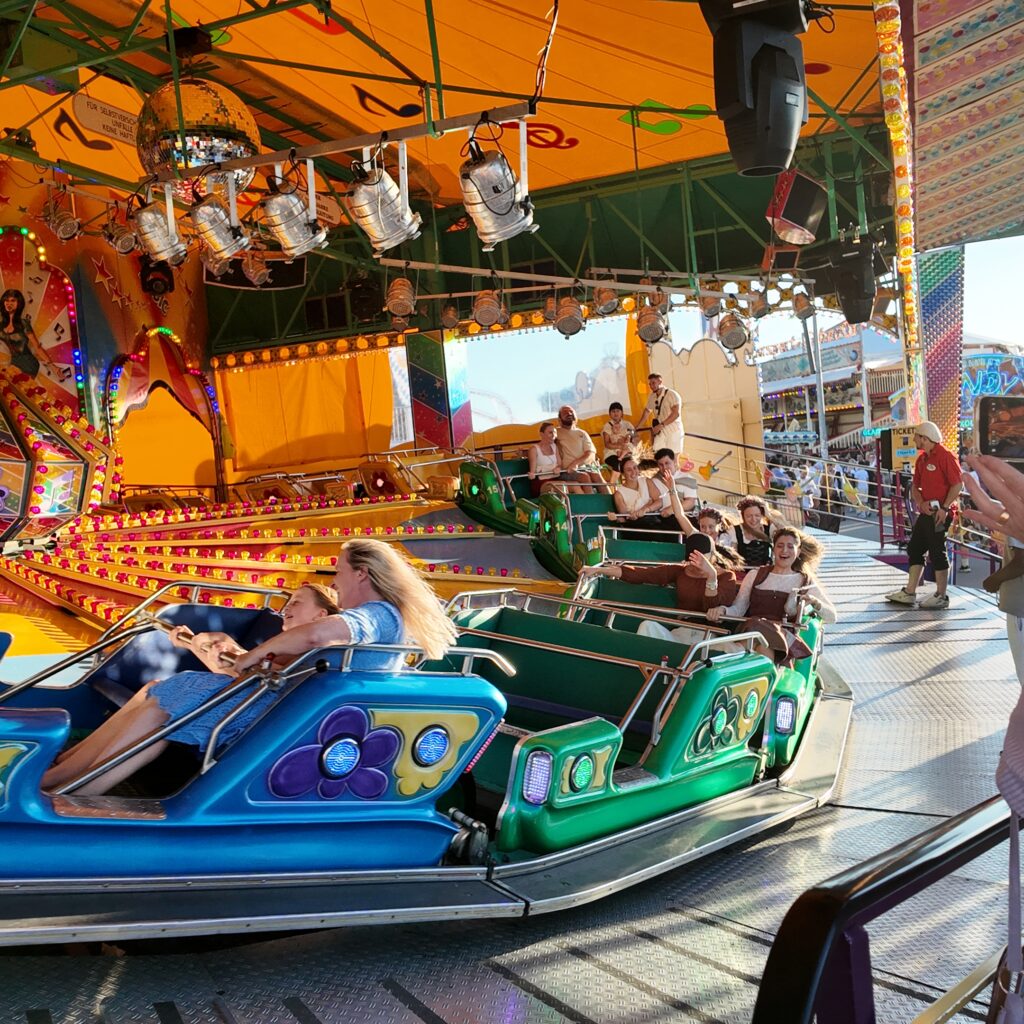
The Oktoberfest grounds and tents were massive—bigger than I ever imagined. Beyond the beer tents, there were rides, games, and food stands everywhere. In just two days, I managed to try five different German dishes—because, obviously, one can’t survive Oktoberfest on beer alone.

The Oktoberfest festivities literally take over Munich—and from what I hear, much of Germany. It’s an unbelievably proud tradition.

I met a guy who’s been pouring beers for over 40 years, with 30+ of those in this tent.

Honestly, I think that’s the pinnacle of German beer-pouring gigs! 🍺

The beer steins were all one liter each and cost about €16 (~$20 USD / $25 CAD). I could only handle two.

Asked around—apparently most locals manage 3–5. Incredible. 🍺💪

🍺🚽🍺🚽🍺🚽🍺🚽

🛌🏻🚽🚽🚽🚽🚽🚽

Oktoberfest history:

Oktoberfest started in 1810 as a royal wedding party for Crown Prince Ludwig of Bavaria—complete with a horse race. The party was such a hit that it became an annual tradition, eventually swapping horses for beer tents, carnival rides, and way too much food. Today, millions flock to Munich to drink liter-sized steins, eat giant pretzels, and stumble out of tents like proud, slightly tipsy Bavarians. Basically, it’s a royal wedding that got wildly out of hand—and somehow the world loves it.

20150730_185313

Living the Arizona life!🏜️

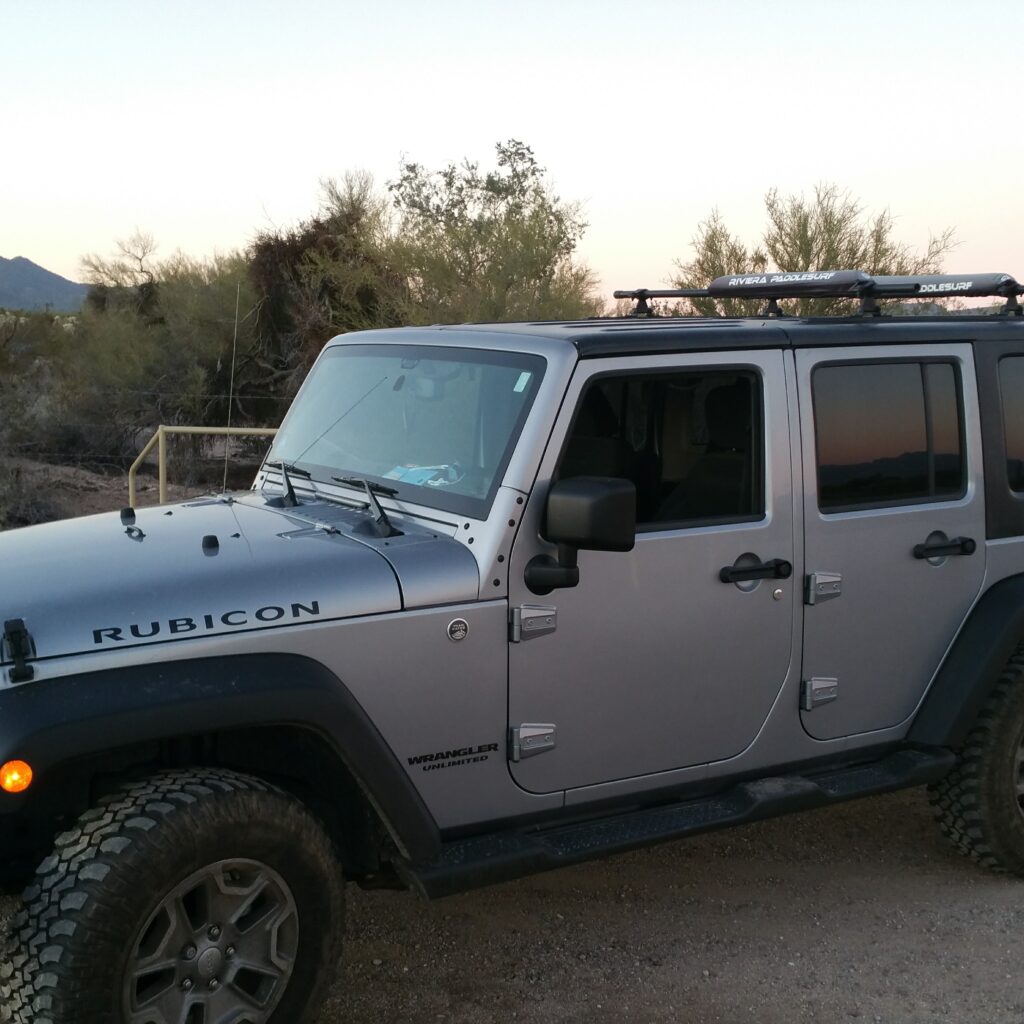
One thing I’ll always be thankful for is buying a condo in Arizona during the housing market crash in 2009. At the time, it felt like a practical, almost conservative decision. In hindsight, it quietly set the foundation for everything that came later.

That gratitude sits alongside a bit of nostalgia. I’d already sold some incredible homes in Edmonton, Alpharetta, Georgia, and Mooresville, North Carolina—places tied to specific chapters of my life. Each move closed one door and opened another, even if I didn’t fully understand it at the time.

What I couldn’t see then was how the Arizona place would eventually become more than just a home. It became an anchor—a base that allowed me to take risks and travel literally elsewhere. Stability in one place made freedom possible in others. 

Knowing I had something solid to return to gave me the confidence to travel more, stay longer, and say yes to opportunities that didn’t come with guarantees.

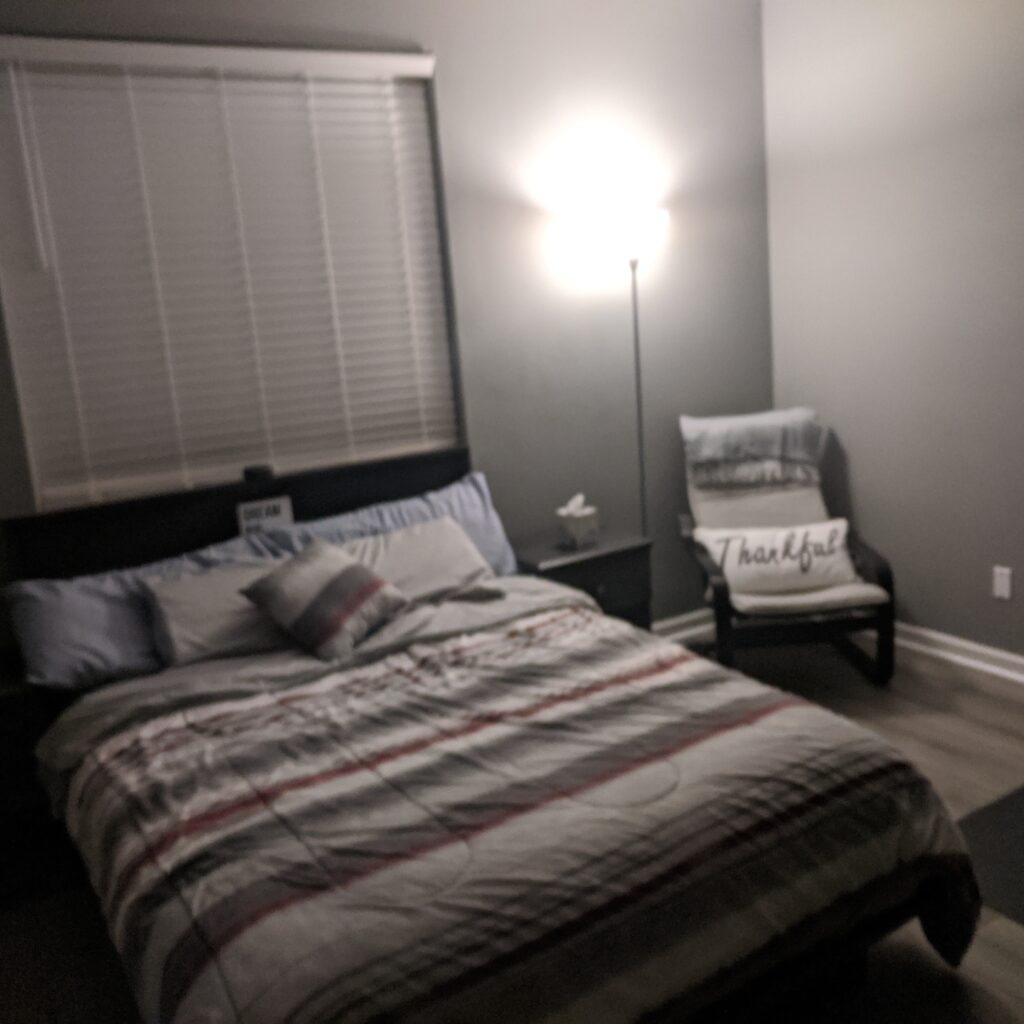
Looking back, that condo wasn’t just a smart investment that pays me to travel through Airbnb. It was also permission to move, to explore, and to build a life that didn’t have to stay in one place to feel grounded.

From an investment standpoint, the timing was absurdly good. In 2009, the Phoenix market was still in full capitulation mode—single-family homes with pools were selling under $100K, and condos could be picked up for under ~$30K. Most of these were cash deals, with banks more interested in clearing defaulted inventory than maximizing price. Recovery mattered more than valuation.

At the time, I was working in Georgia and already owned a home there, so this wasn’t about replacing a primary residence or chasing a lifestyle fantasy. It was about positioning. A low-cost asset in a market that had clearly overshot to the downside and would, eventually, revert. While in Las Vegas that year, I took a day to fly to Arizona and look at opportunities in person—because listings are useful, but markets are easier to read when you’re standing in them.

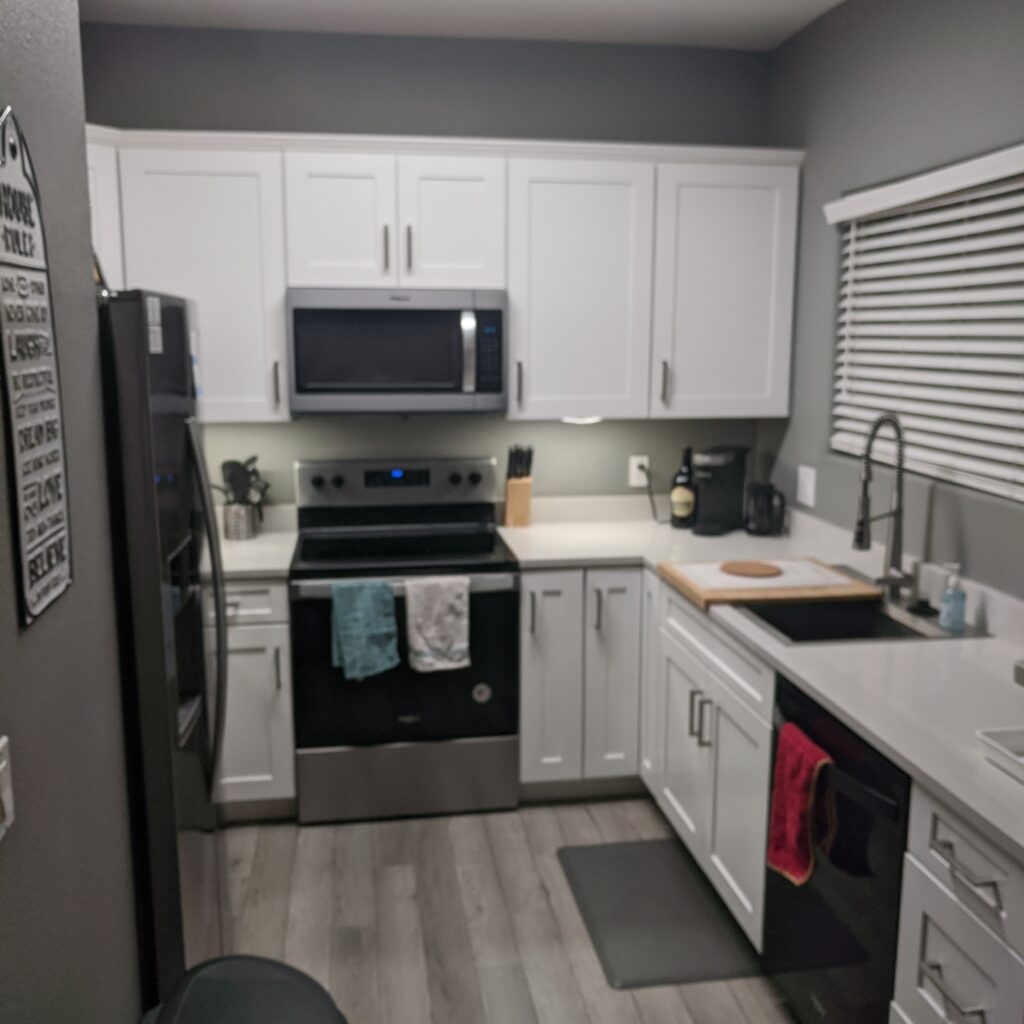
We toured roughly ten condo properties. Living across the country forced discipline, which worked in my favor. I only considered turnkey units—no renovations, no surprises, no emotional projects. My criteria were unapologetically practical: strong amenities (pool, gym, hot tub), walkability to groceries and restaurants, and a layout that would work equally well for short-term stays and seasonal renters.

Rental potential wasn’t optional—it was the point. The goal was a property that could generate income from snowbirds while remaining usable as a personal base when needed. That dual-purpose flexibility capped downside risk and improved the return profile without adding complexity.

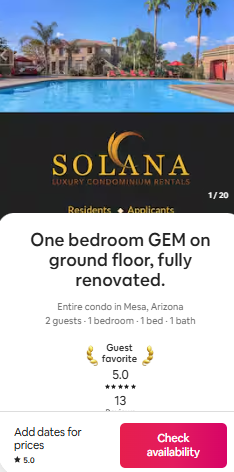
When we toured Solana later that day, it separated itself immediately. The location worked. The amenities worked. The condition worked. Everything aligned. By the end of the visit, it was clear this wasn’t a lifestyle purchase pretending to be an investment—it was a clean, well-timed asset with multiple usage paths.

Which is exactly what you want when markets are panicking, and patience is underpriced.

From an investment perspective, it checked every box.

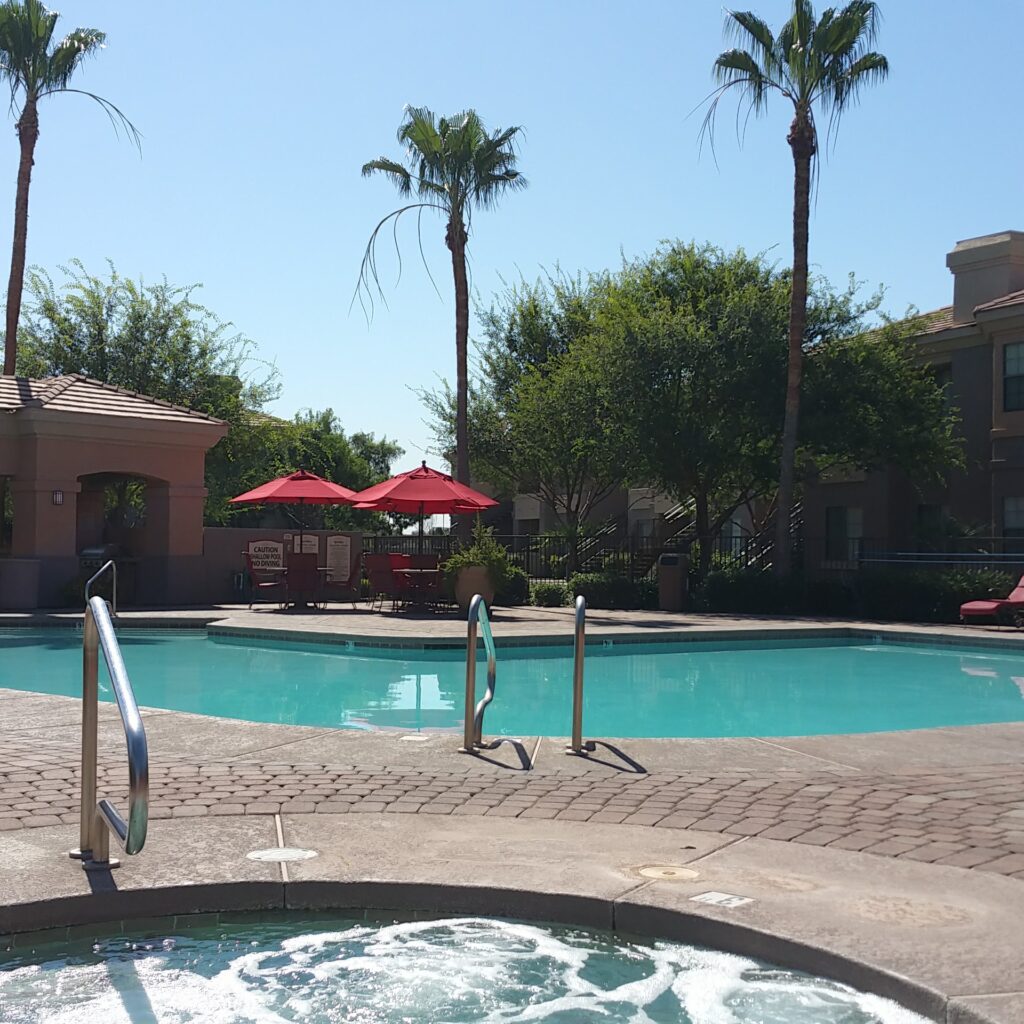
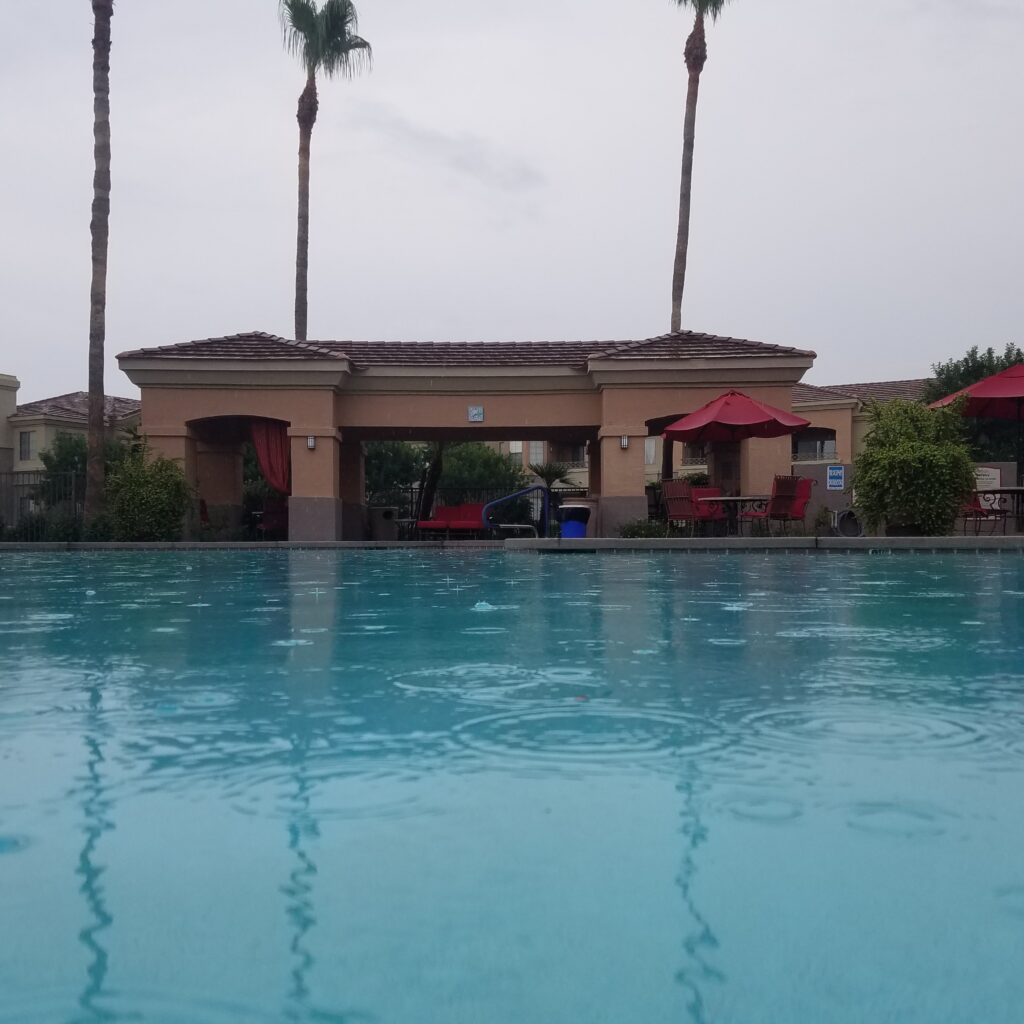
The Solana community had two pools, a hot tub, and a gym—exactly the kind of amenities that matter to both renters and owners. A Safeway directly across the street, a Walmart down the road, and multiple restaurants within walking distance made it even more attractive. Convenience sells, especially for long-term renters and short-term guests.

I left Arizona with clear instructions for the agent:
One-bedroom, ground-floor unit, green space patio view in Solana.

He nailed it!

All wrapped up in a $52,500 all-cash deal—a low-risk entry price with real usability, solid demand, and strong rental upside. At the time, it felt like a smart move. Looking back, it turned out to be a foundational one.

In the summer of 2014, I was laid off while living in Mooresville. It was one of those moments that forces clarity whether you’re ready for it or not.

Instead of scrambling to stay put, I treated it as a clean break. No panic. No patchwork fixes. Just an honest look at what I wanted next. It was time to leave the South and head west—and the difference was, I already had a landing spot waiting for me in Arizona.

What could’ve felt like a setback turned out to be a pivot. Sometimes losing the plan is exactly what makes room for the right move.

Arizona—and **Solana in particular—**turned out to be the perfect landing spot. It gave me a property that could generate rental income while still supporting the kind of life I actually wanted to live.

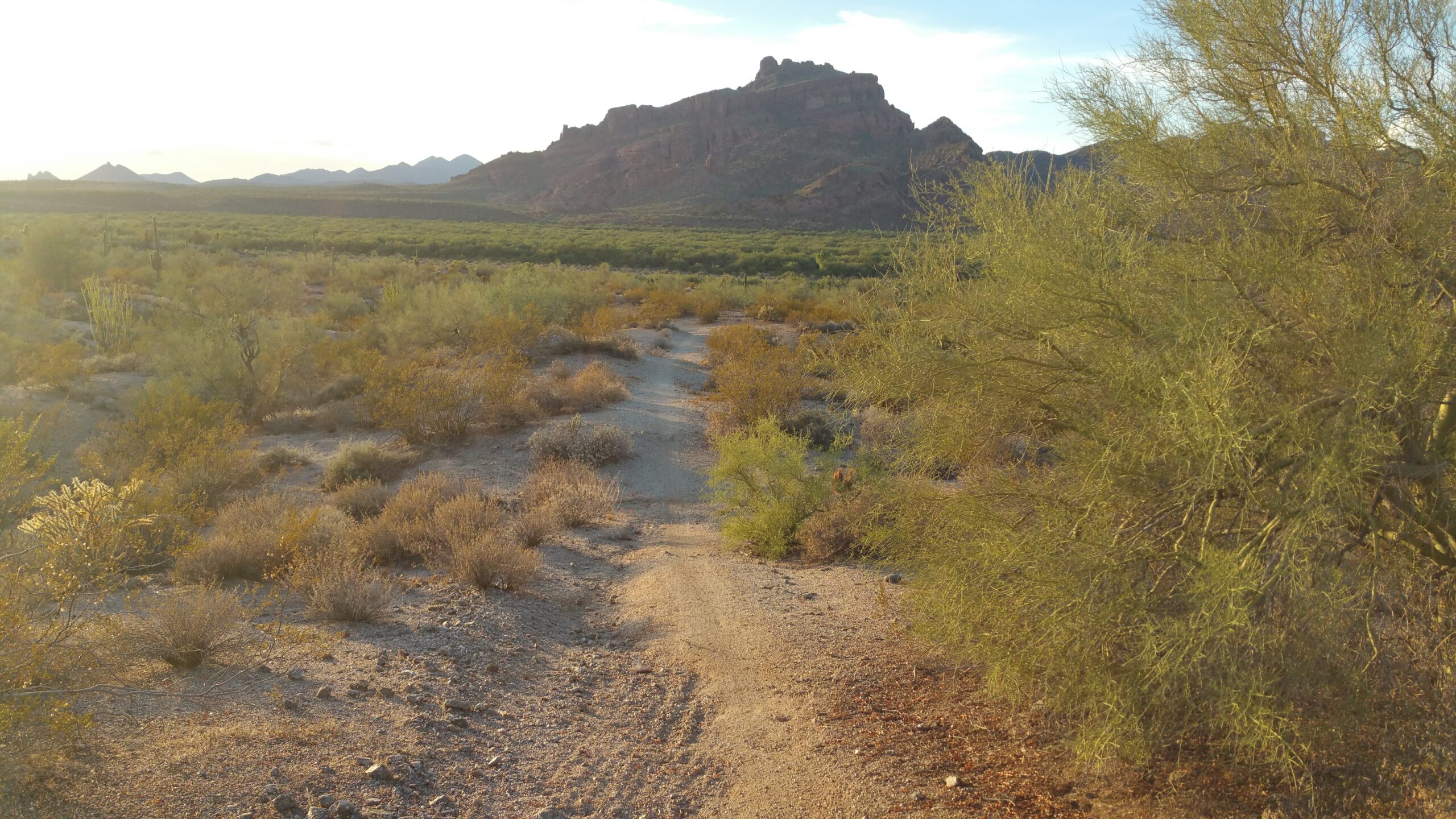
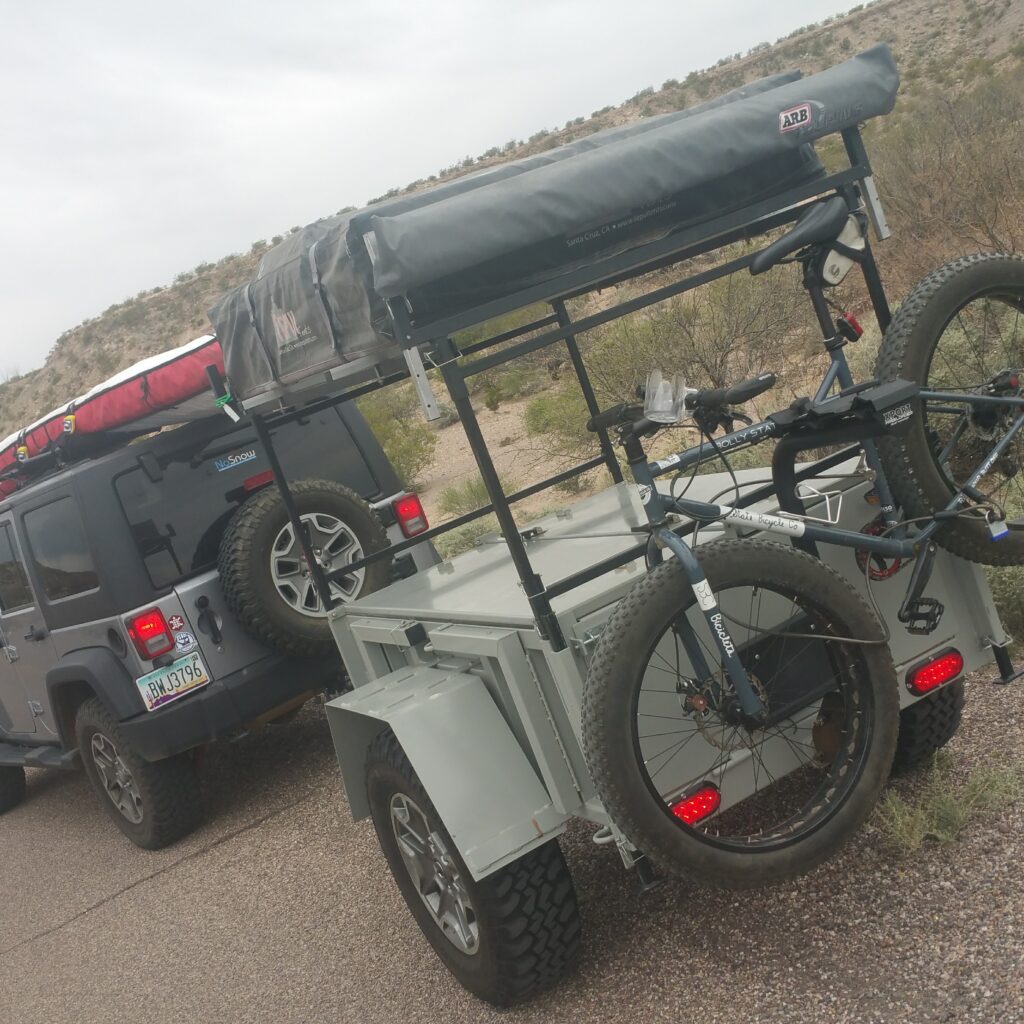
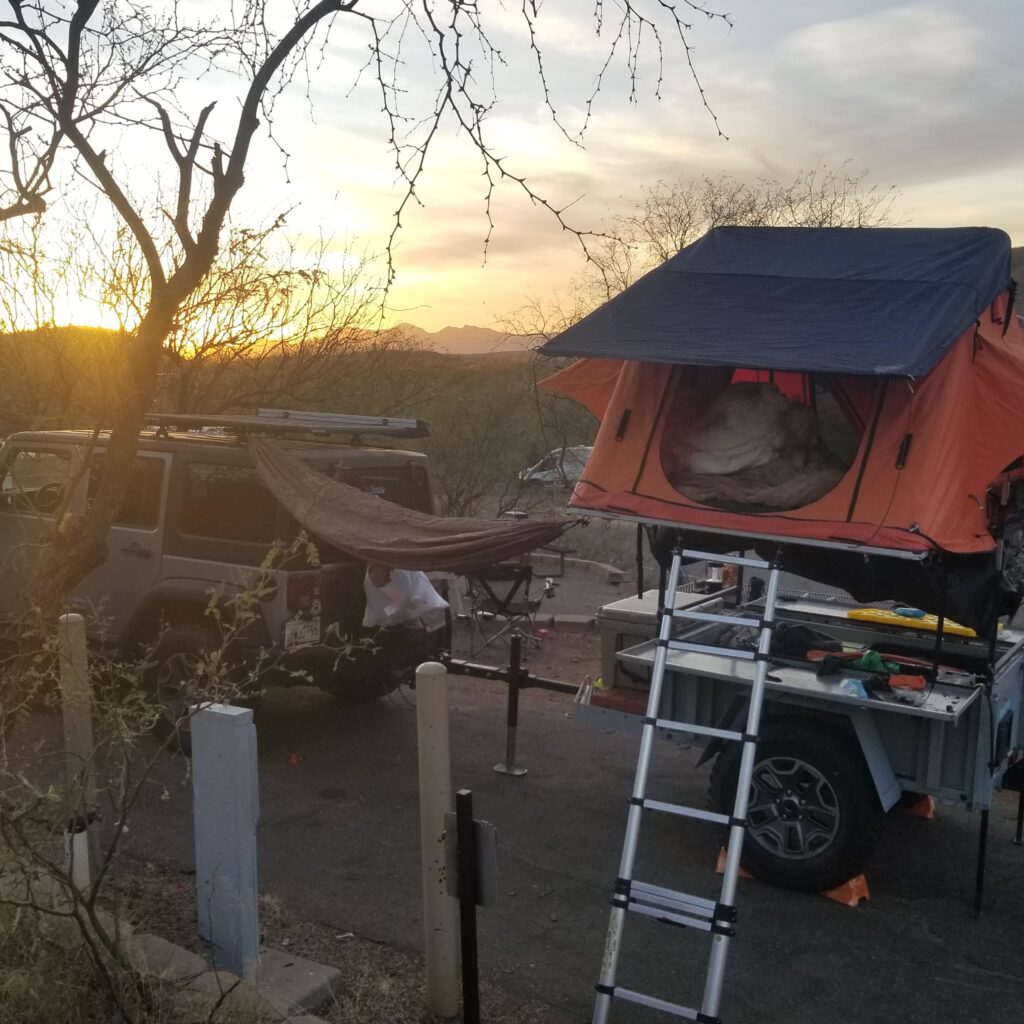
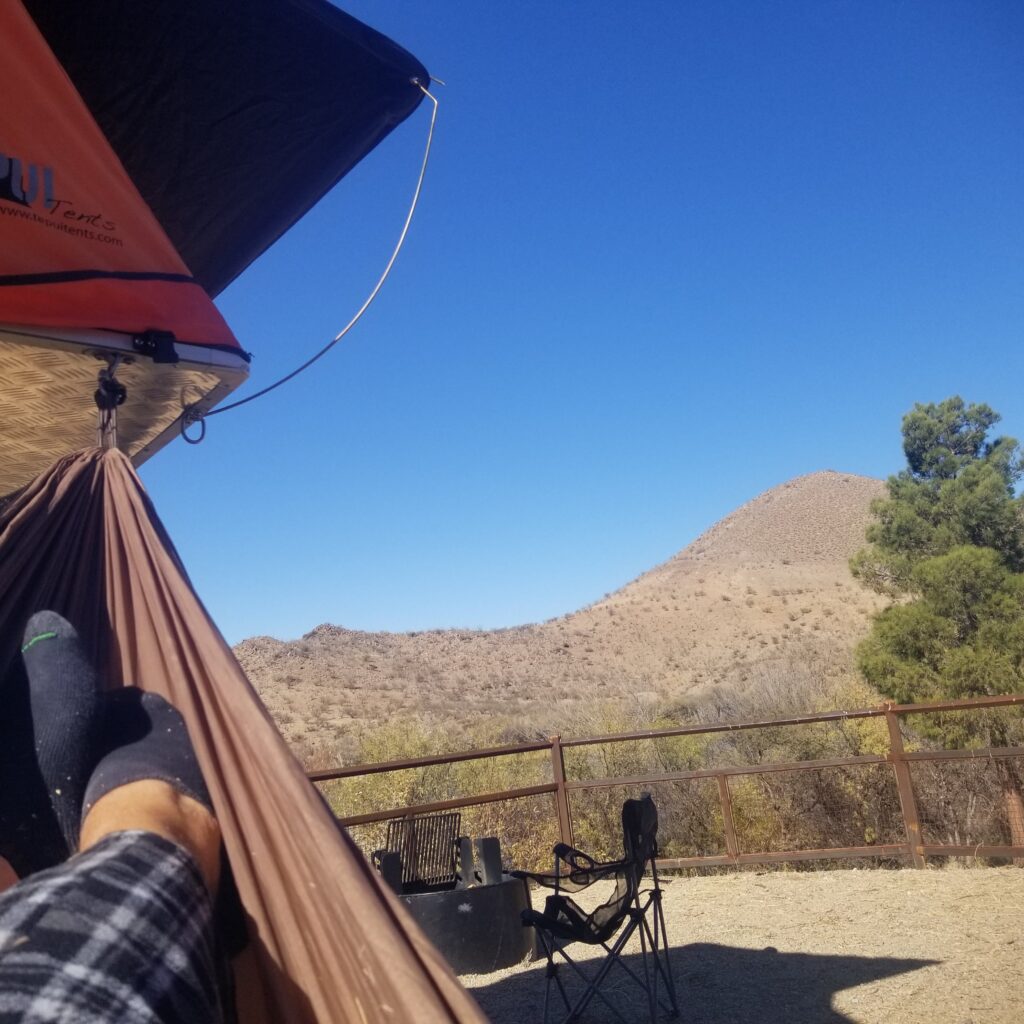
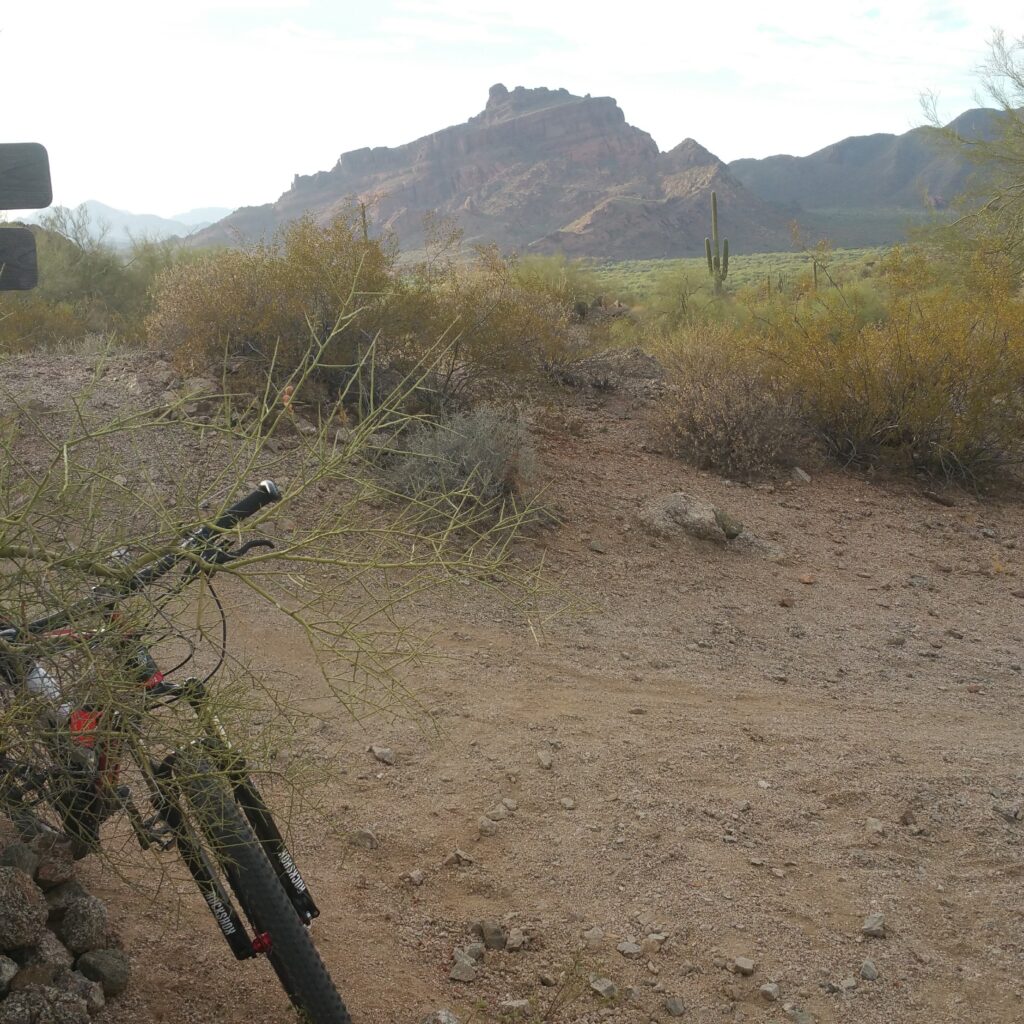
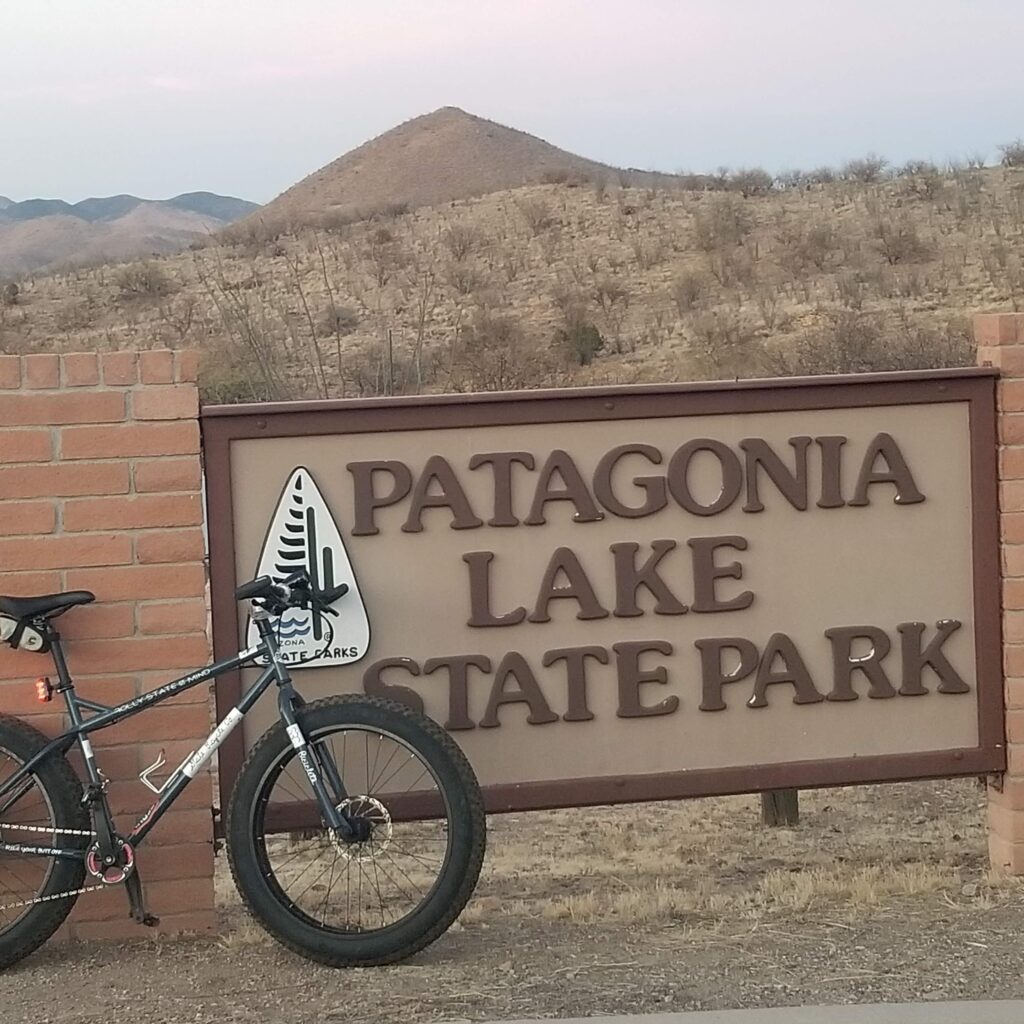
Year-round access to pools, hiking, biking, paddling, and camping meant the place worked whether I was home or on the road. From an investment standpoint, it made sense. From a lifestyle standpoint, it made even more sense.

It wasn’t just a smart buy—it was the rare overlap where numbers and quality of life lined up.

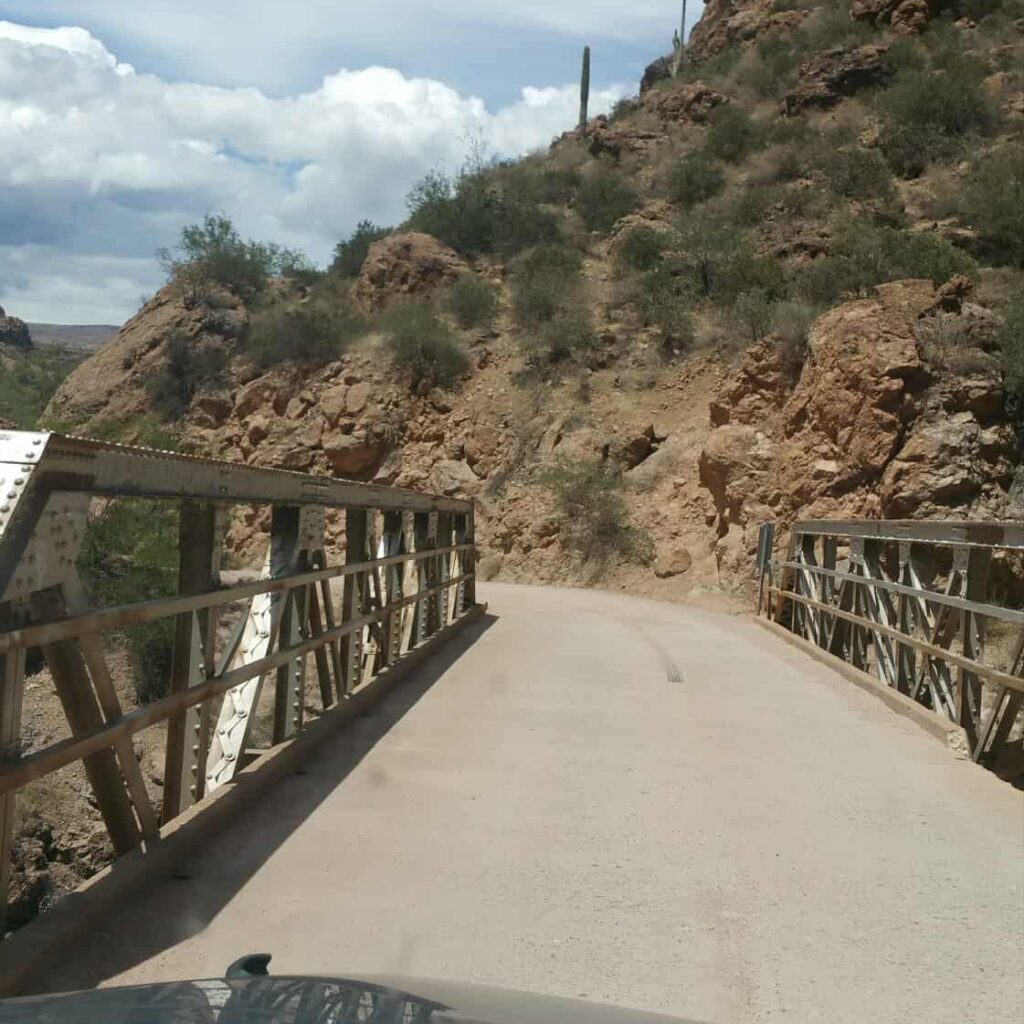
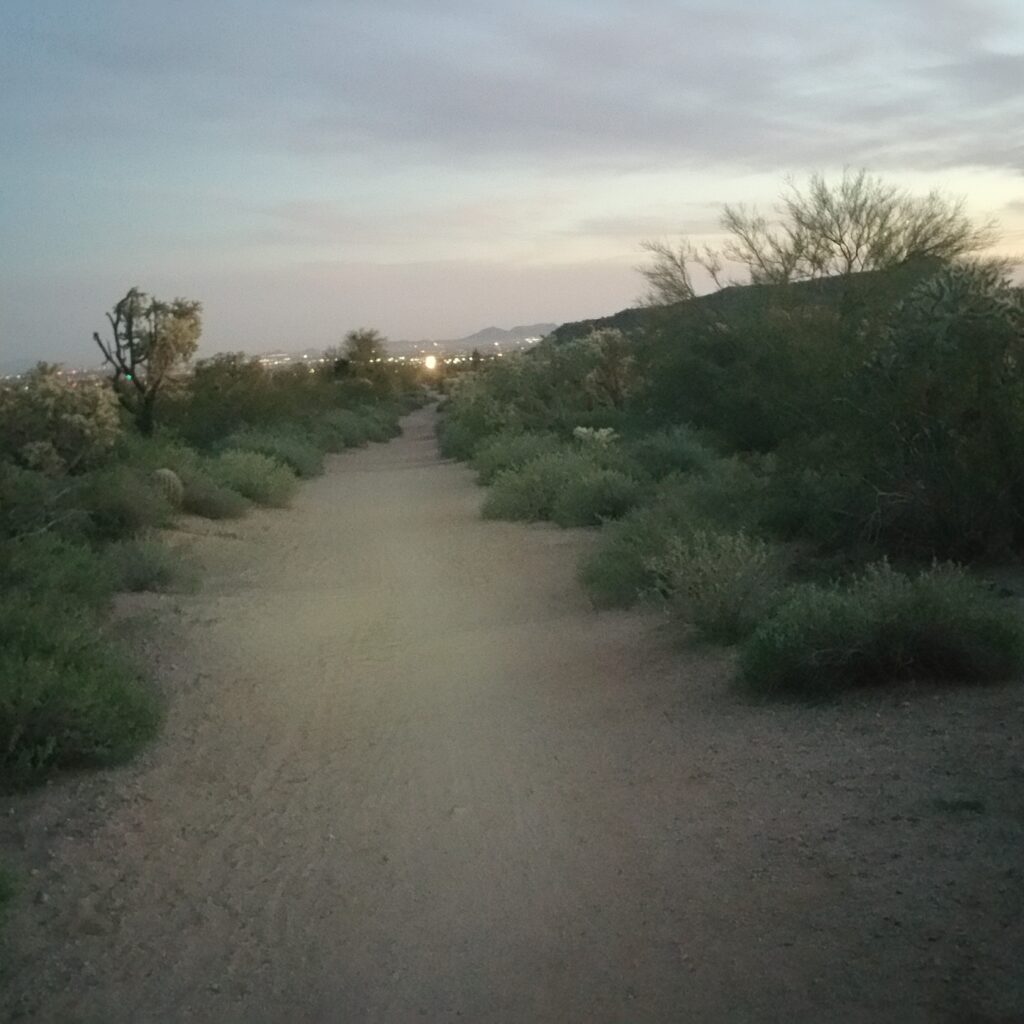
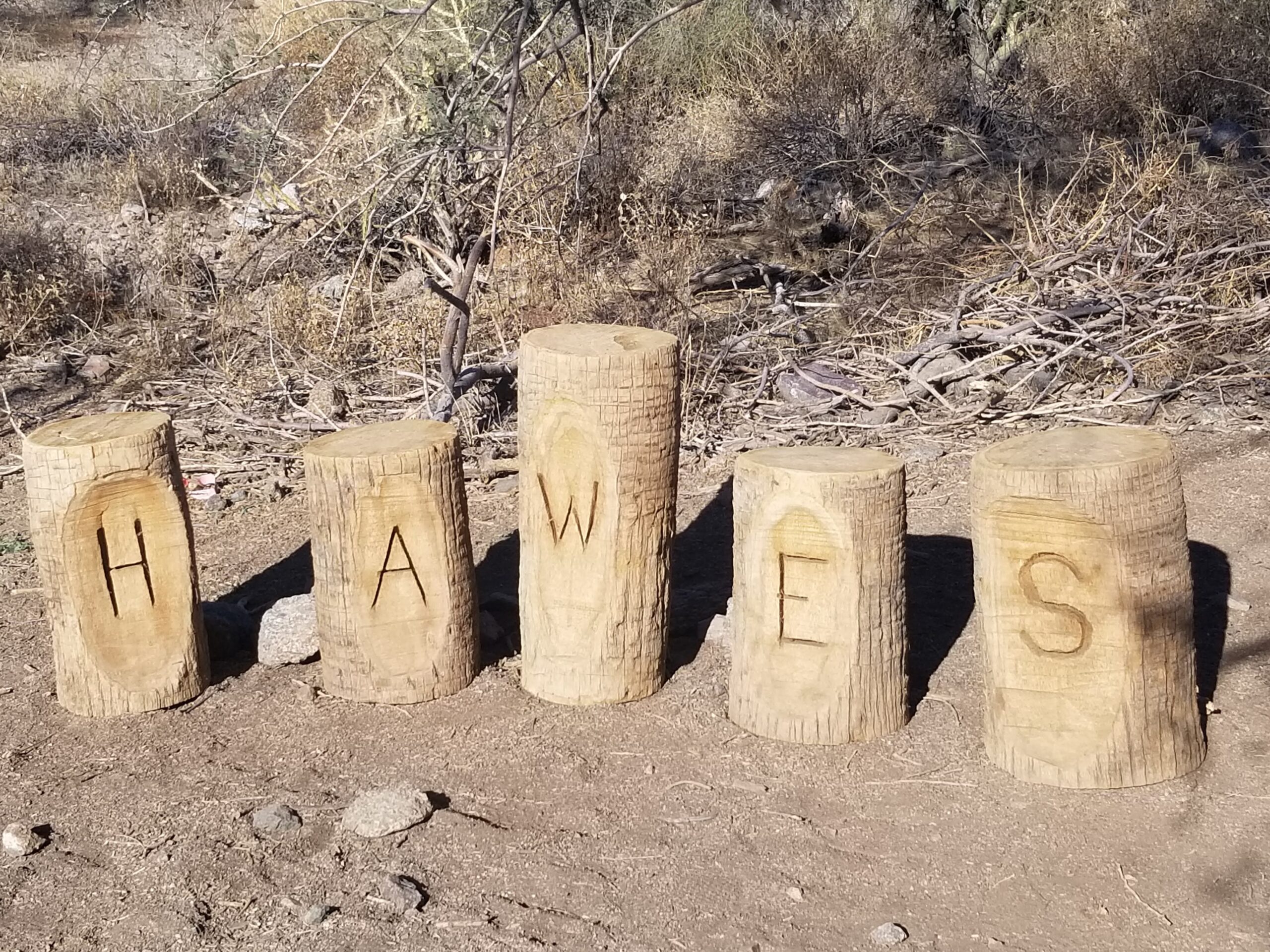
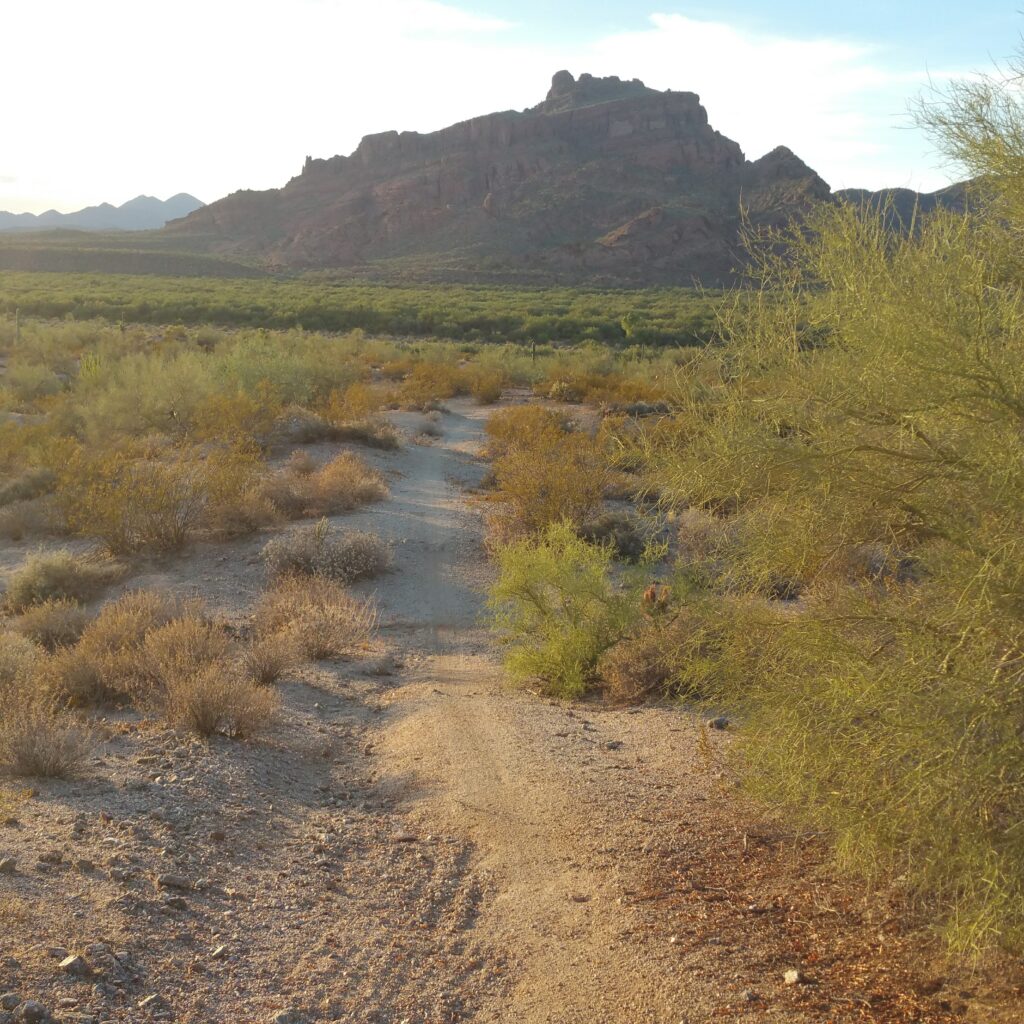
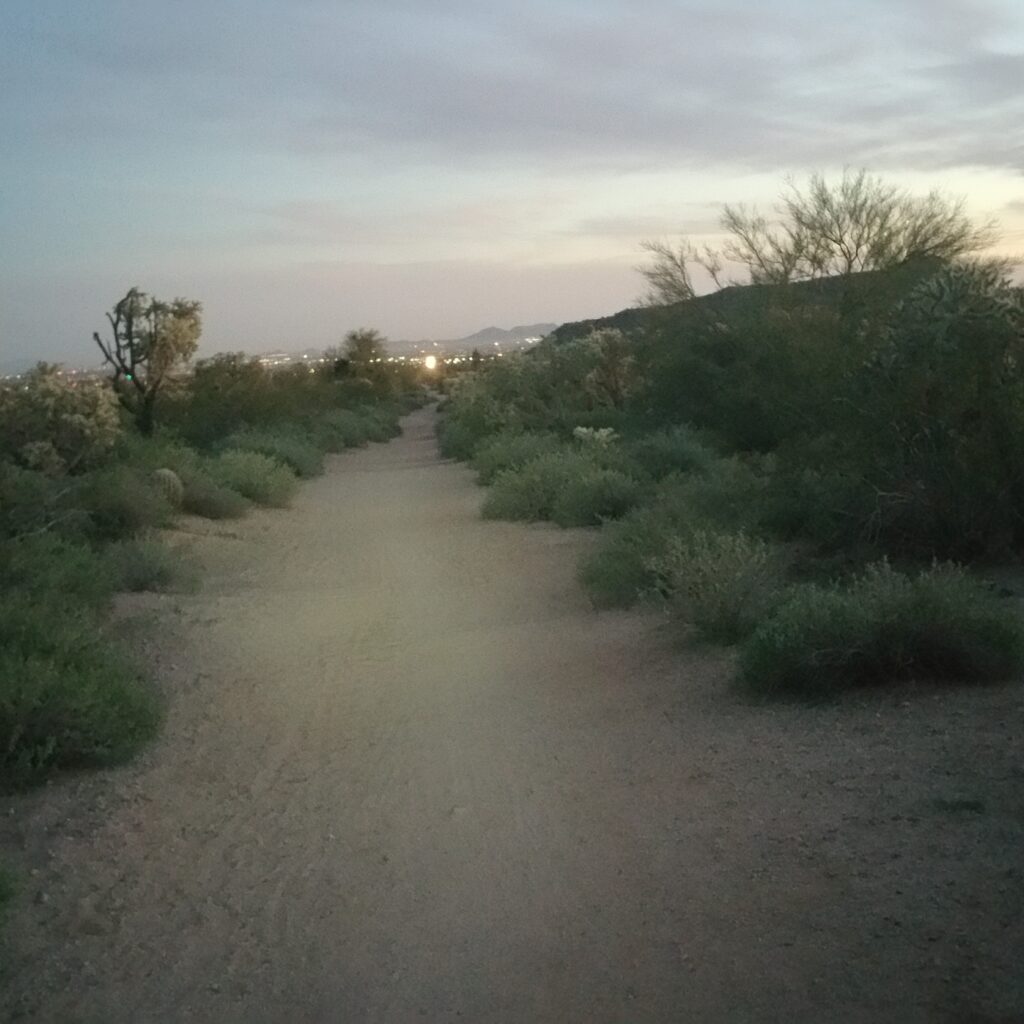
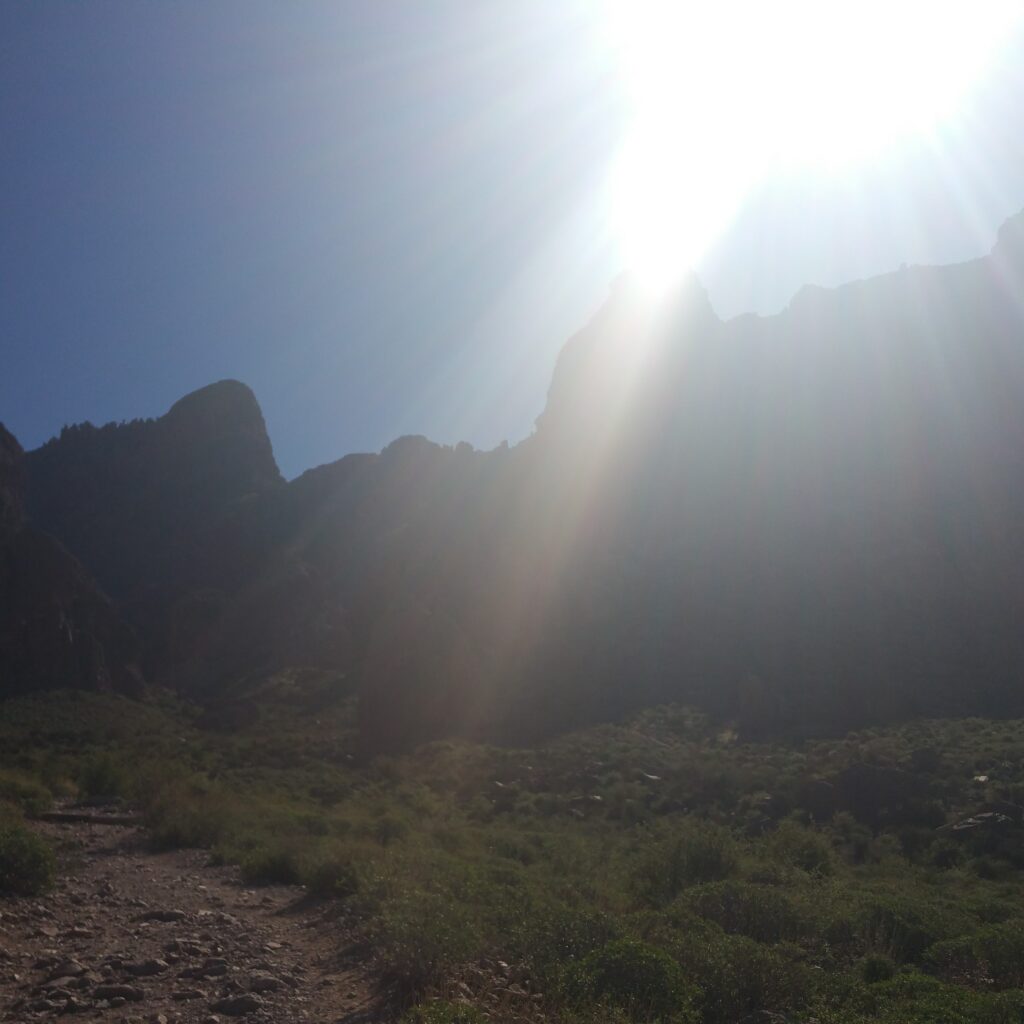
I’ve hiked the Hawes Trail System hundreds of times. Being just 15 minutes from home meant it was never something I had to plan around—it was simply there, ready whenever I needed it.

Over time, those trails became more than exercise. They turned into a reset button. A familiar place to think, to recalibrate, and to work things out one step at a time. No agenda, no pressure—just movement, space, and perspective.

Some places quietly heal you.
Those trails did exactly that.

I hope you enjoyed the pictures as much as I enjoy calling Arizona my part-time home, part-time Airbnb income generation—a place I return to when I’m not traveling.

Screenshot 2024-06-01 083940

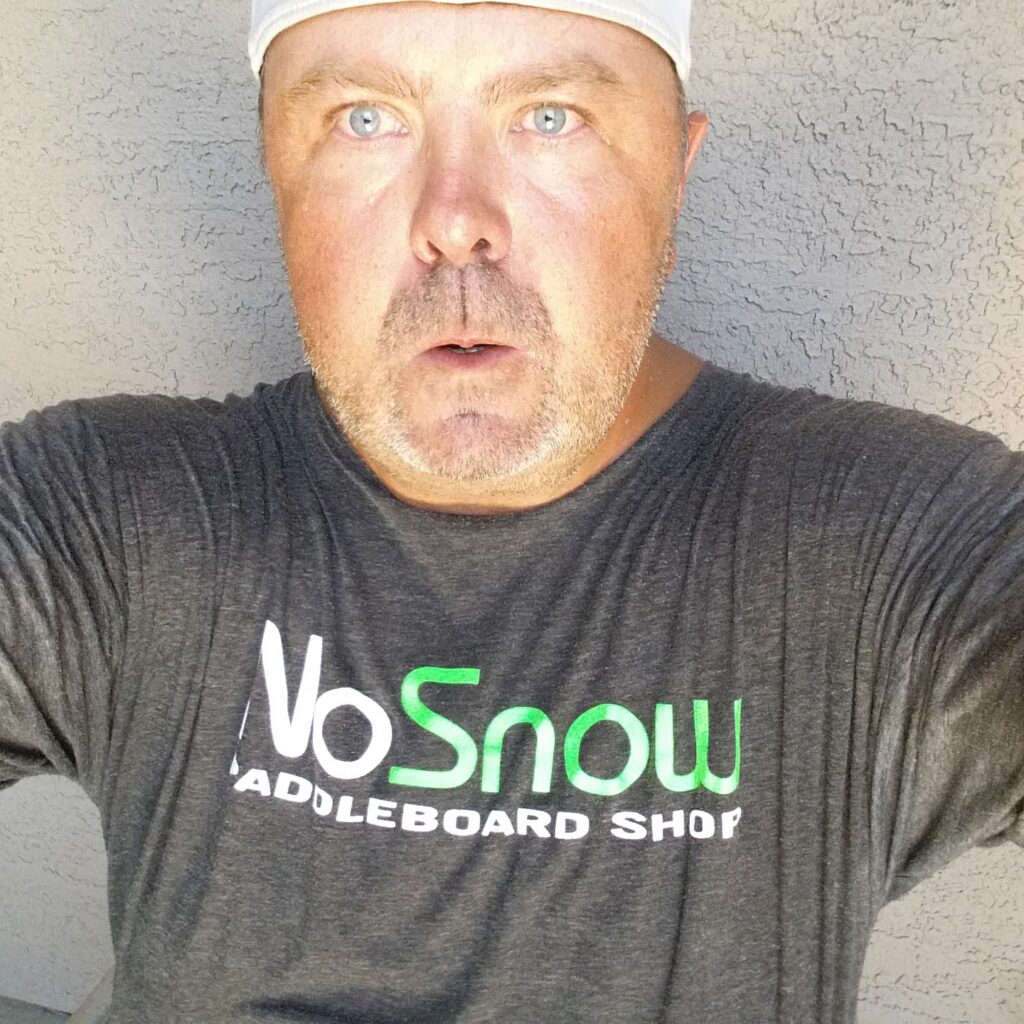
Who is NorthAmerican Darrell?🤓

A Legend in My Own Mind

“A Legend in my own mind” is probably the best way to describe me. I’ve always looked at life a little differently than most people.
 
I was born in Edmonton and raised in the late 70’s and early ’80s, when life felt a lot simpler. We rode our bikes all day, played outside until the streetlights came on, and grew up without the internet or cell phones dominating every second of life.
 
Back then, Canada was the only world I knew—until my first big trip to Southern California, Las Vegas, and Mexico as a teenager. I still remember falling asleep under the Christmas tree holding my airline ticket after reading it hundreds of times. Real paper tickets with carbon copies for every flight segment. Hard to imagine now!
 
Just like today, I couldn’t stop talking about the trip to anyone who would listen (which honestly wasn’t many people then—or now). California, Las Vegas, and Acapulco, Mexico sounded like another planet to a kid from Edmonton. We drove all over Southern California, made our way through Las Vegas, and eventually flew to Acapulco.
 
Those memories stayed with me forever. That trip sparked something in me, and I fell in love with travel, America, and Mexico almost instantly.
 
What I never could have imagined back then was that I would eventually live in Southern California, Las Vegas, and Mexico. These days, when I’m not traveling, I split my time between Mesa, Arizona, and Rocky Point, Mexico.
 
Looking back now, it feels like I had a plan all along—even if I didn’t fully understand it at the time. No matter what happened in life, I was always going to chase freedom, travel, and a different path than most people around me.
 
The makings of a solo traveler.
 

After high school in Edmonton and a few false starts, my first real break came when I enrolled in Telecommunications at NAIT. It took me three years to complete a two-year diploma—largely because I wasn’t exactly a model student and my favorite bar, Ezzies, was just across the field.

A week before graduating in December 1995, I interviewed with Northern Telecom, Canada’s largest company at the time. Considering I was in the bottom half of my class, it was a miracle. Somehow, I crushed the interview! 

Overnight, I went from making $5.50 an hour PT to $13.80 FT career. 

Life was good!

I relocated to Calgary in January 1996. Within a couple of years, I was traveling regularly to the company’s Richardson, Texas headquarters. I was boarding planes in freezing Calgary and stepping off three hours later in shorts. I was falling hard for the American dream.

Then I met a flight attendant—another sign of things to come.

Eventually, I was offered a job in Texas, given a work visa, and started traveling full-time. Work had me crisscrossing the U.S. and eventually traveling internationally. My girlfriend followed along and could fly me anywhere, anytime.

Holy shit—my dreams were happening.

That relationship didn’t last, but I still thank her to this day (especially when I jokingly ask for free flights). She’s built a great life raising twin boys, and I’m genuinely happy for her.

Those years permanently warped my brain. I became a travel junkie—unable to stay put, always chasing the next deal. I was turning into North American Darrell.

My next chapter came after 18 years at Northern Telecom, when I landed a job at PayPal. Great company, brutal call-center role. I learned a lot about money management—mostly by dealing with people who didn’t have any. I could have moved up, but I didn’t have the piss and vinegar left. I already had health insurance, investments, and one eye firmly on my Freedom50 travel dream.

Then it happened again.

Laid off.
Northern Telecom in 2014.
PayPal in 2024.

Twenty-five-plus years of service—gone.

There I was in 2024: 52, single AF, unemployed, but financially stable enough to travel whenever and wherever I wanted. I started looking back at my life choices.

Almost everyone I knew had followed the script: marriage, kids, grandkids, 9–5 jobs, one-week vacations, summers at the lake. There’s nothing wrong with that life—but it was never mine.

Statistically, men die at around 73. That leaves maybe 5–10 years of retirement if you’re lucky and healthy. I watched coworkers grind their whole lives only to barely enjoy the end. I lost family members far too young.

Should I have kept my houses in Edmonton, Atlanta, and Charlotte?
My first Edmonton house was 2,400 square feet, custom-built, and mortgage-free. I didn’t even use one of the three bathrooms before selling it. 

Who walks away from that? 🕺

I could’ve settled in Calgary, Dallas, Southern California… or one of the many places I lived temporarily—Las Vegas, Austin, San Antonio, Mexico City, Acapulco, even Brazil.

Corporate condos, friendships, relationships, opportunities. Sometimes I wonder if my life was just a mirage interpreting the way I want as we get get older.

Instead, I chose something different.

In 2015, I settled into a small, turnkey, mortgage-free condo in Arizona, which I Airbnb and use as a home base along with my studio apartment in Rocky Point, Mexico

This is my second attempt at blogging about a life shaped by travel, work, and personal wins and loses. This time, I’m keeping at it trying to ignoring the critics. 

I want to share what I’ve learned and continue to learn about slow travel, inexpensive living, and geoarbitrage—living well while spending less by choosing where and how to live.

Slow travel is about staying longer, living like a local, and letting your dollar go further.

Welcome to my crazy blogging dream:

NorthAmericanDarrell.com

and

www.YouTube.com/@NorthAmericanDarrell

LFG!!