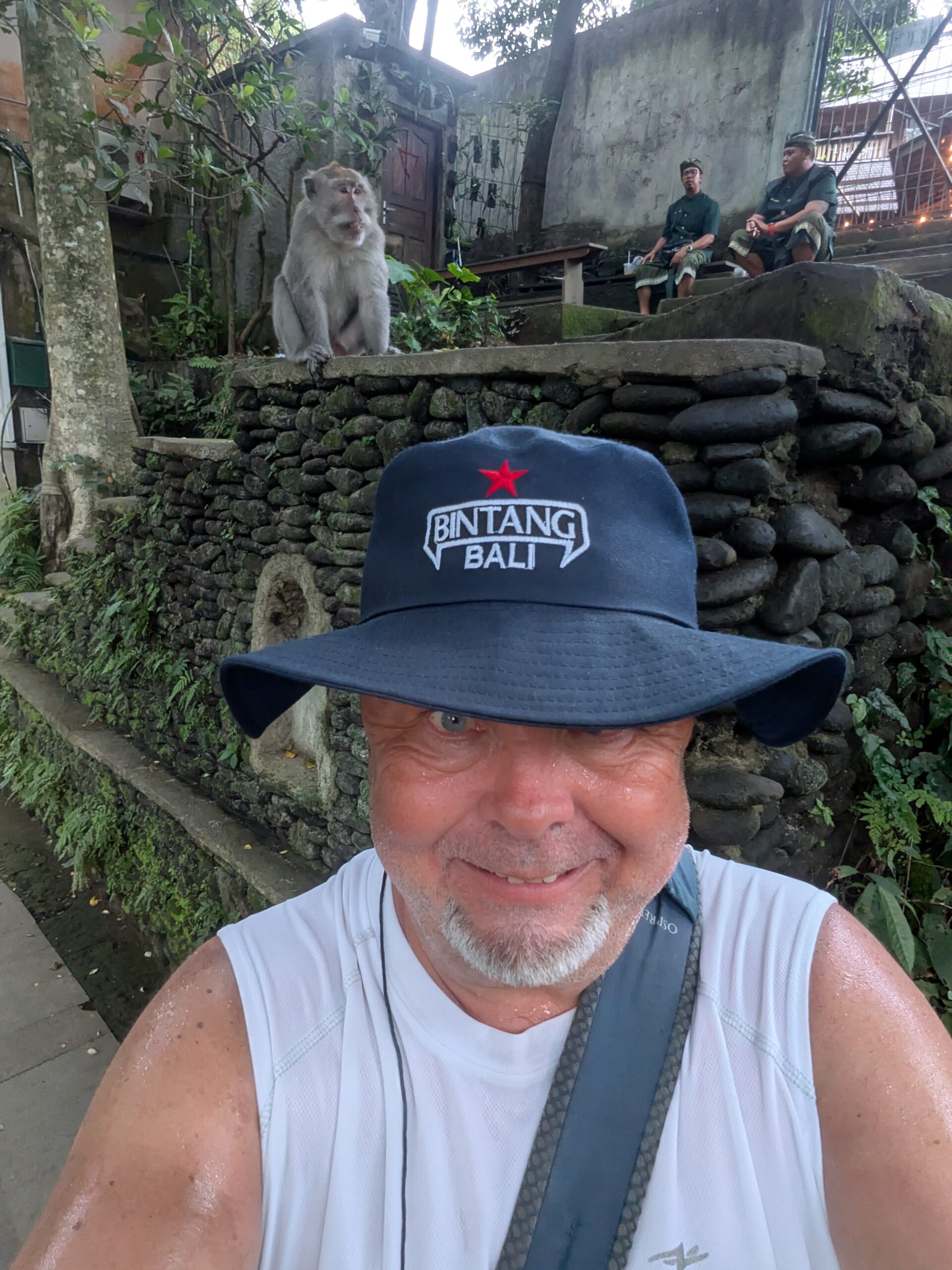
PXL_20251211_064515287

A little bit of monkey business …🐒

just a back rub


They say monkeys are basically people. 

Case closed. 

đŸ”œPlease don’t make me explain this againđŸ”œ

đŸ«Ł.

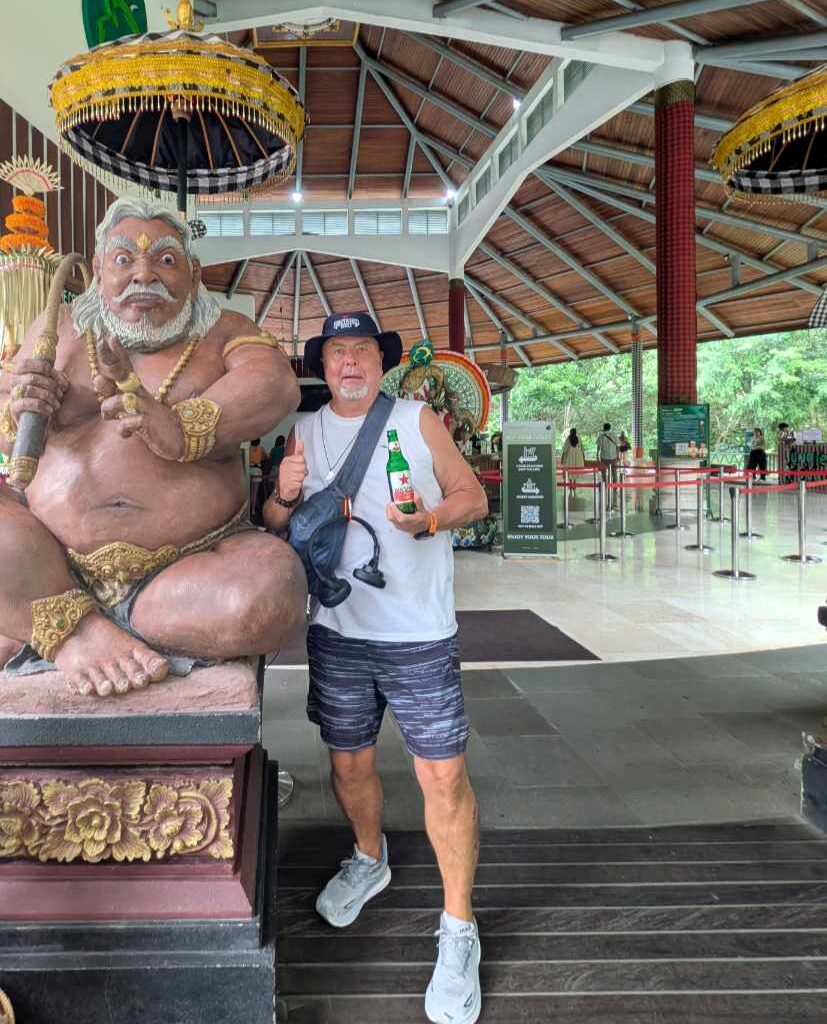
I spent a fun few hours wandering around the Sacred Monkey Forest Sanctuary in Ubud, which was equal parts entertaining and mildly threatening.

I’ve had the chance to see different species of monkeys in Thailand. The Philippines and Costa Rica, as well, and I can confidently say this is a global truth:

They’re all kind of assholes.

The rules are posted everywhere posted in the park:

1. Don’t bother them while they’re eating.

2. Don’t look them in the eye.

What they don’t explain is what happens if you do both.đŸ€”

Spoiler alert:
They absolutely explain it to you themselves.

Still, it’s an incredible experience—just keep your snacks hidden, your sunglasses tight, and your confidence low. 

âŹ‡ïžClick play – Exhibit EHâŹ‡ïž

The monkeys run that park, and they know it. 🐒😅

The cool part is how organized it all is. The staff actually knows the different monkey groups—their neighborhoods, their territories, and which troop belongs where inside the park. 

It’s not chaos; it’s a full-on monkey city with zoning laws and unwritten rules.

Watching them interact, I’m pretty sure these monkeys use gang signals, have beef with rival crews, and settle disputes with intense staring contests.

And honestly?
I wouldn’t be shocked if they listen to Snoop Dogg, too.

Same confidence.
Same “this is my block” energy.
Zero respect for personal space.

You’re just a visitor in their neighborhood—and they make sure you never forget it. 

For additional clarification, please refer back to Exhibit EH. 
Here’s a little throwback to some other fun with monkeys in Costa Rica.

Part of The NorthAmerican Darrell Project—and easily one of the most unsettling wildlife experiences I’ve ever had.

If you’ve never heard a howler monkey before, imagine:

a demon

trapped in a jungle

screaming through a broken megaphone

I woke up convinced something terrible was happening outside, so I went for a pre-dawn walk. Turns out it was just monkeys
 aggressively announcing their presence to the entire rainforest.

Spooky.
Loud.
Unforgettable

Manuel Antonio National Park – Quepos, Costa Rica

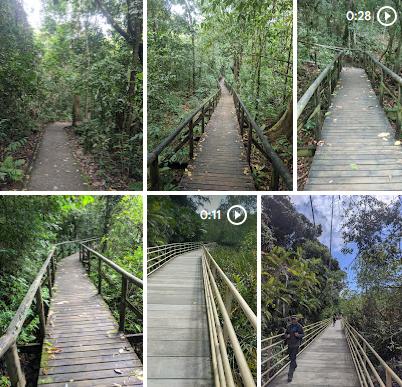
I’ve visited Manuel Antonio National Park in Quepos, Costa Rica, a couple of times.

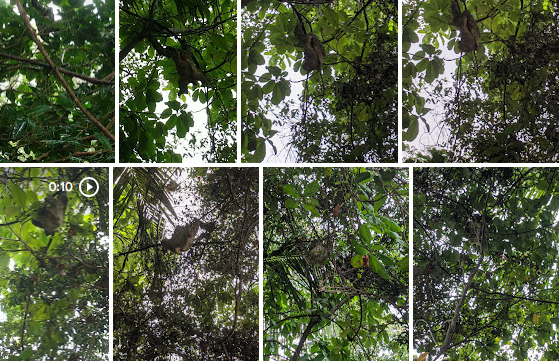
Manuel Antonio is beautiful. Jungle trails, beaches, sloths, monkeys everywhere. What they don’t emphasize enough is that the animals there are professional thieves.

No food out.
Backpack zipped.
Situational awareness is high.

That’s when I realized Manuel Antonio isn’t a park—you’re just walking through their neighborhood. The monkeys aren’t cute mascots; they are just trying to steal the show from the sloths we came to see. They’re organized, confident, and clearly working in teams. One distracts, one steals, one watches for tourists making bad decisions like watching them eat or looking them in the eye

Just another fun Costa Rica lesson learned:
You are not the main character in Manuel Antonio. 

IMG_20240327_150237

Santiago, Chili – there was no chill here!

When I was laid off in February 2024, the very first thing I did was start planning a trip through Central America and South America. It felt like the right response—movement, perspective, and a chance to reconnect with places that had stuck with me before. Seeing South America again was just as incredible as I remembered.

The trip started in Phoenix and unfolded like this:

  • Phoenix → Los Angeles 🚌

  • Los Angeles → Guatemala → Costa Rica → Peru ✈✈✈

  • Lima → Chile → Argentina → Uruguay → Guatemala → Los Angeles → Phoenix ✈✈✈✈✈✈

I visited several cities in each country along the way, letting the trip evolve naturally instead of rushing through it. Every stop had its own rhythm, but one city stood out enough that it deserved its own post:

Santiago.

Set against the Andes, Santiago surprised me—in good ways and a few unexpected ones. So rather than trying to cover everything at once, I wanted to slow it down and give the city its own space.

Santiago, Chile—that story comes next.

I took the bus to Los Angeles, then used my Volaris all-you-can-fly pass to work my way south:
Los Angeles → Guatemala → Costa Rica → Lima.

The Volaris pass costs about $200 per year and is based on availability. In reality, I rarely have any issues using it—there are usually seats open if you’re flexible.

Once you’ve invested the $200, the pricing becomes almost ridiculous. I could fly from Los Angeles to Guatemala for about $80, and that same plane continued on to San JosĂ© for another $30. I’d already done both of those routes before, so I knew Volaris could reliably get me as far south as Lima.

From there, I switched airlines.

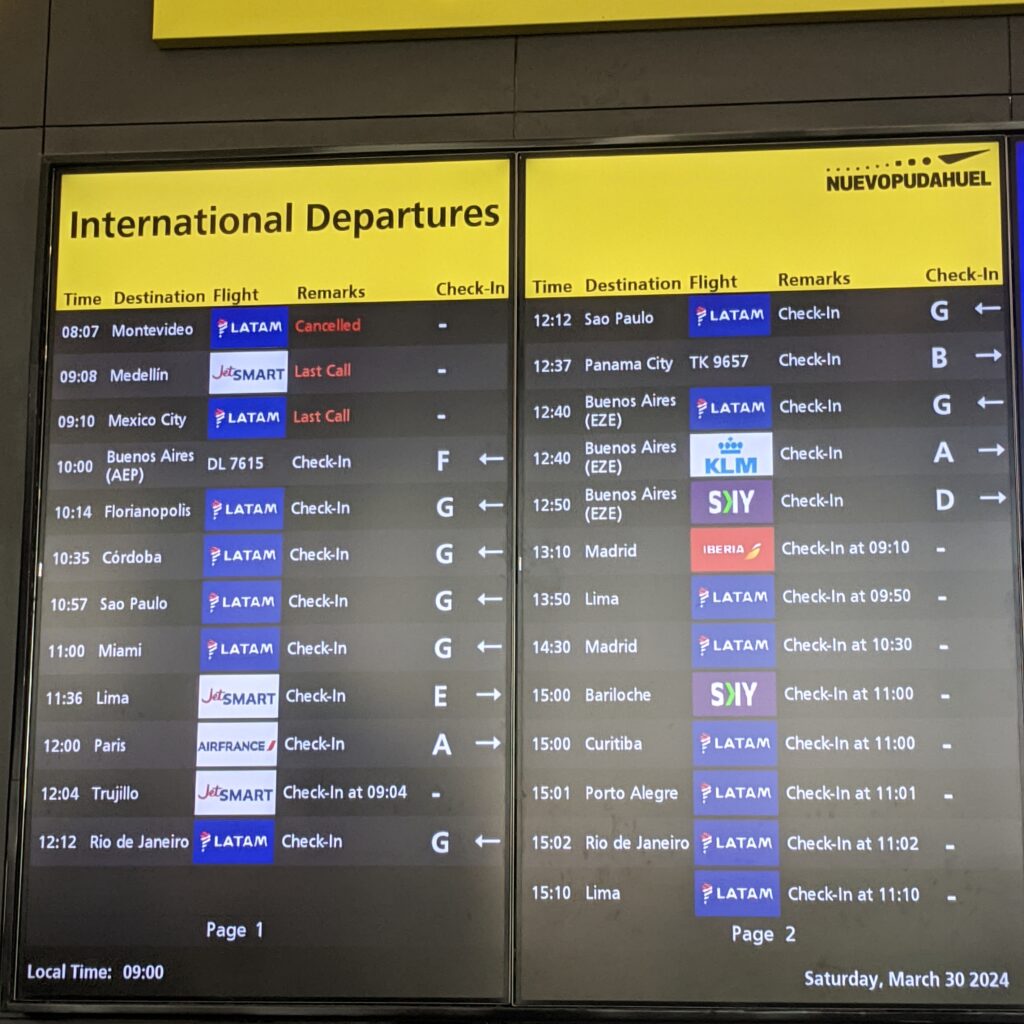
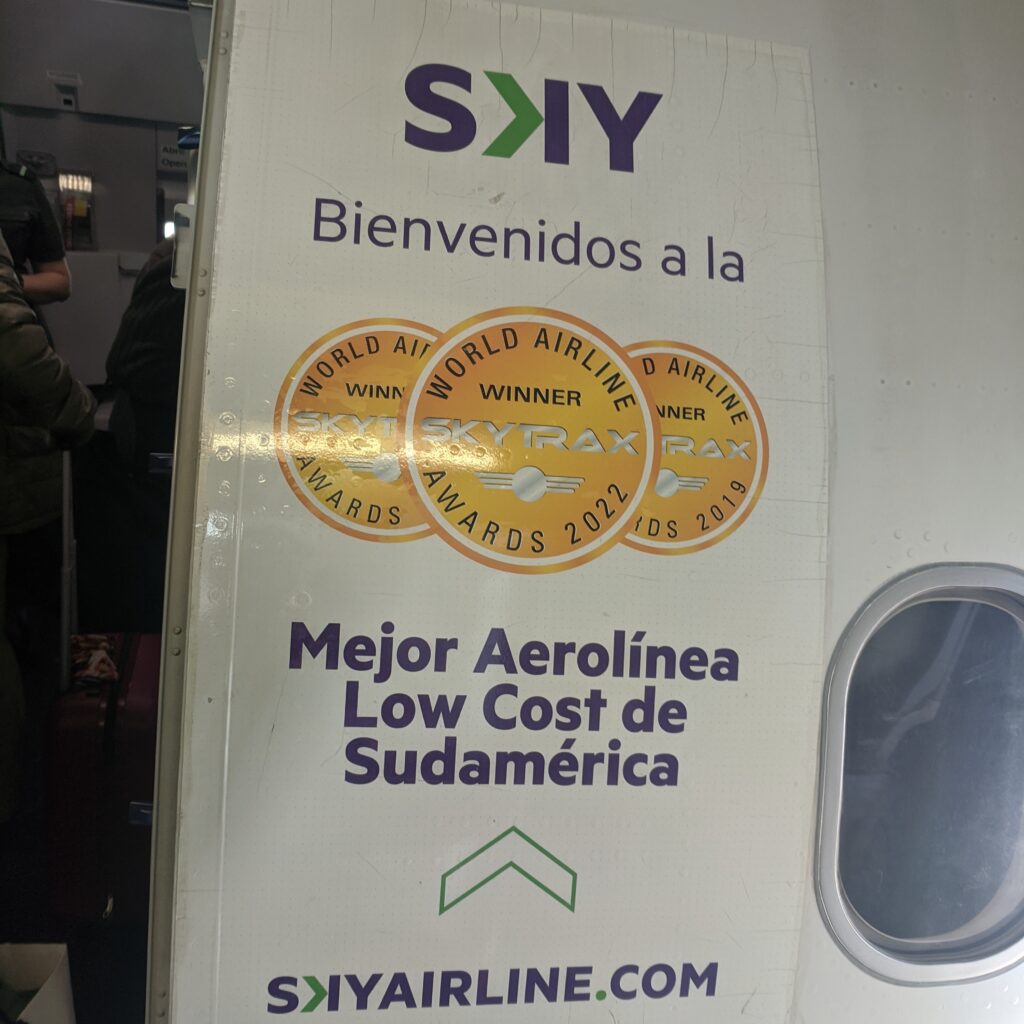
I used SKY Airline to fly from Lima to Santiago, and then on to Buenos Aires—which was an excellent leg of the trip.

After Buenos Aires, I took a ferry over to Uruguay for a few days, then headed back to Argentina and returned to Lima. From there, my Volaris pass kicked back in and carried me the rest of the way home.

By mixing an all-you-can-fly pass with low-cost regional airlines, I was able to move through Central and South America efficiently—and incredibly cheaply. It’s a perfect example of how flexible routing and inexpensive flights can turn a big trip into a very affordable one.

$57,950 Chilean Peso = $61.02 US Dollar

Santiago is a massive city, and one of the things that stood out to me immediately was the level of visible poverty. In some ways, it reminded me of my first experiences in Brazil—that sharp contrast between modern city life and deep, systemic hardship existing side by side.

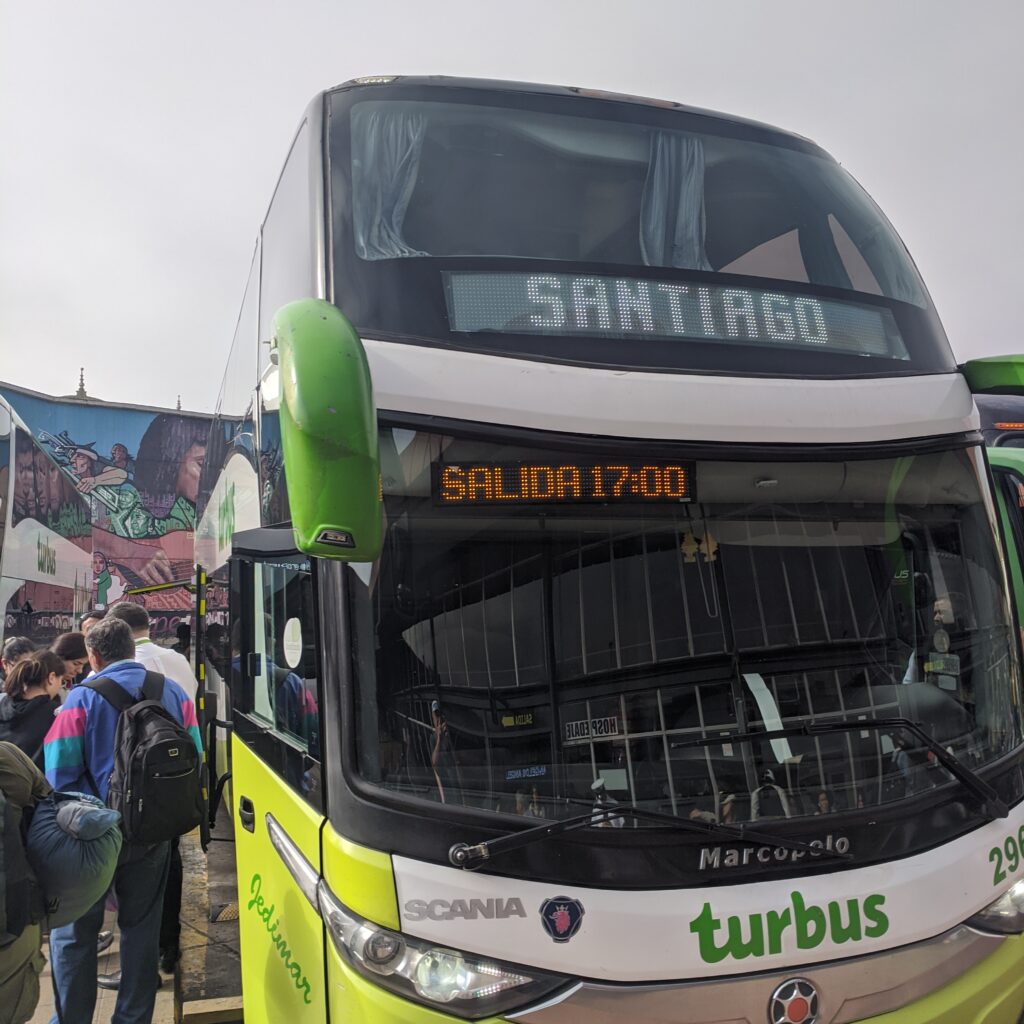
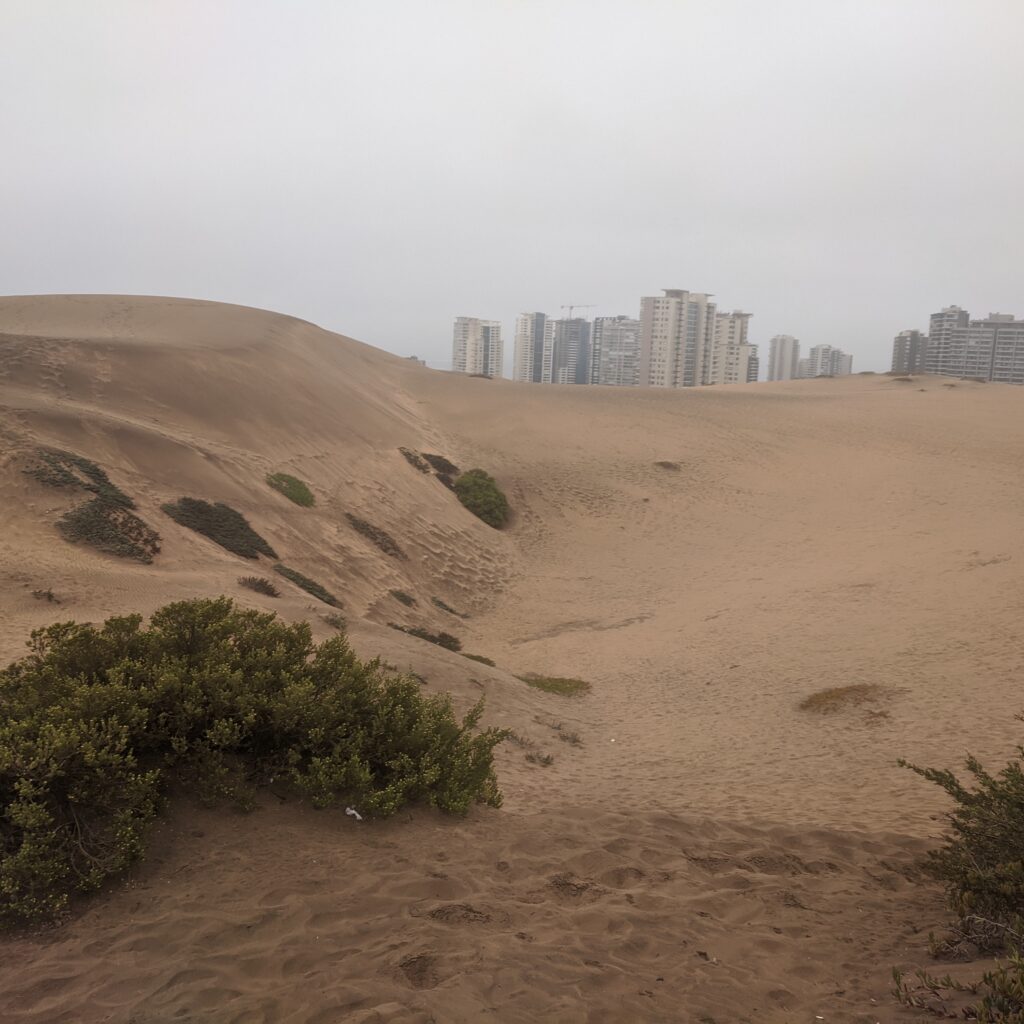
I took a day trip to ConcĂłn, a popular resort town known for its dunes, beaches, boardwalk, and nightlife. The destination itself was polished and relaxed, but the bus ride there told a different story.

We passed through several small towns along the way. Kids were playing soccer in open spaces surrounded by trash—laughing, running, fully present in the moment. It was striking and uncomfortable at the same time.

I’d seen this before in Brazil, and seeing it again was a reminder of how widespread poverty can be across parts of South America. Informal housing climbing hillsides, communities built wherever space allows, and families making the best of what they have—it’s impossible not to notice when you’re moving through the region by ground instead of flying over it.

Travel like this has a way of pulling you out of abstractions. The inequality isn’t theoretical—it’s right outside the bus window. And while places like Santiago and Concón have their beauty and energy, those moments in between are often what stay with you the longest.

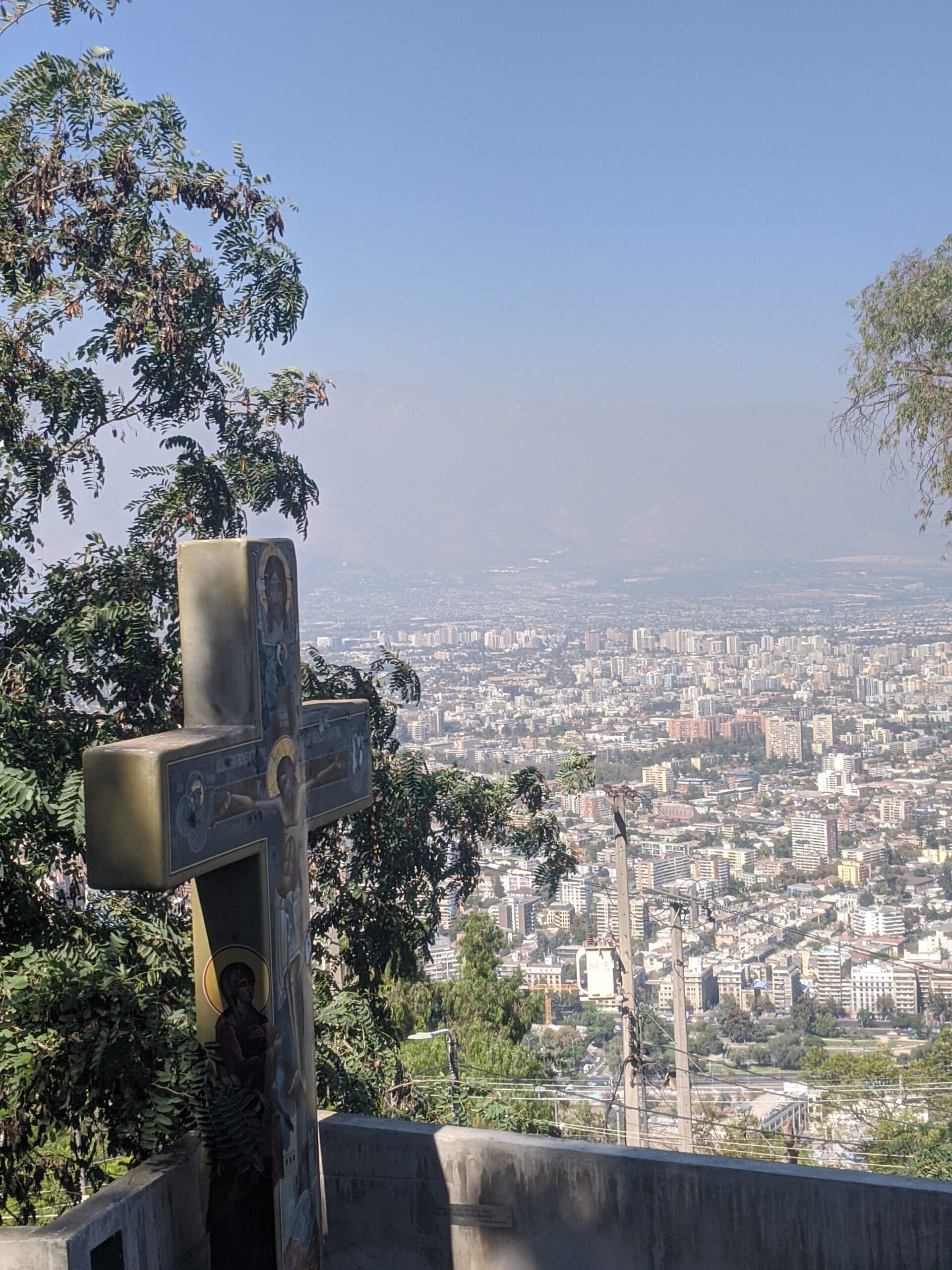
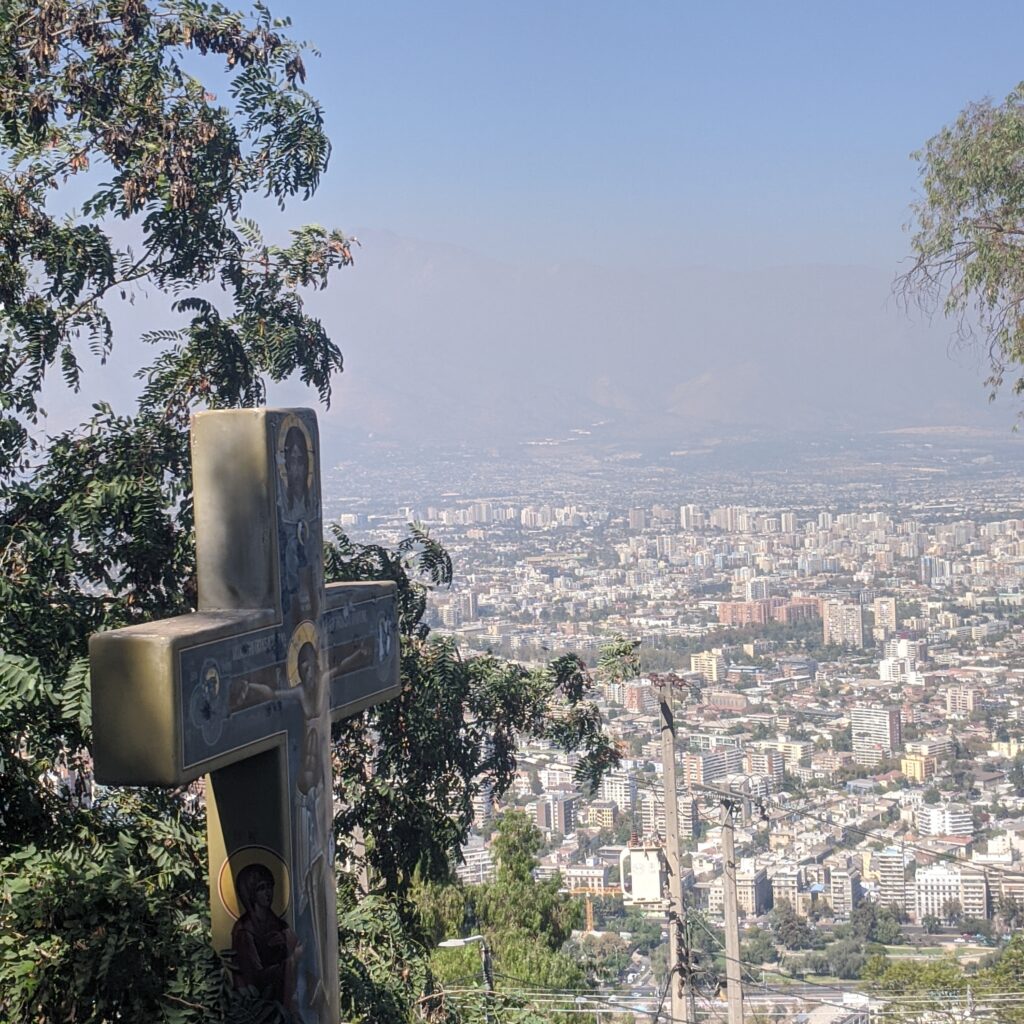
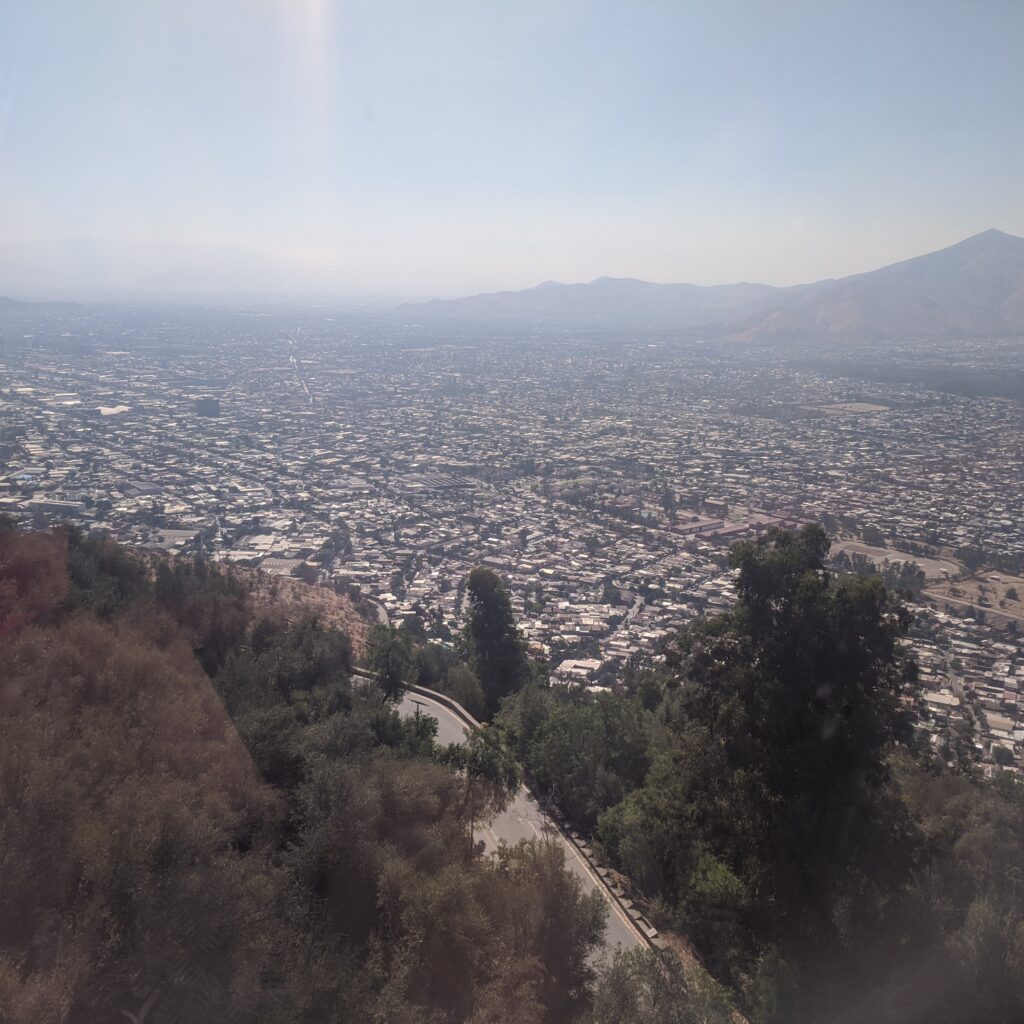
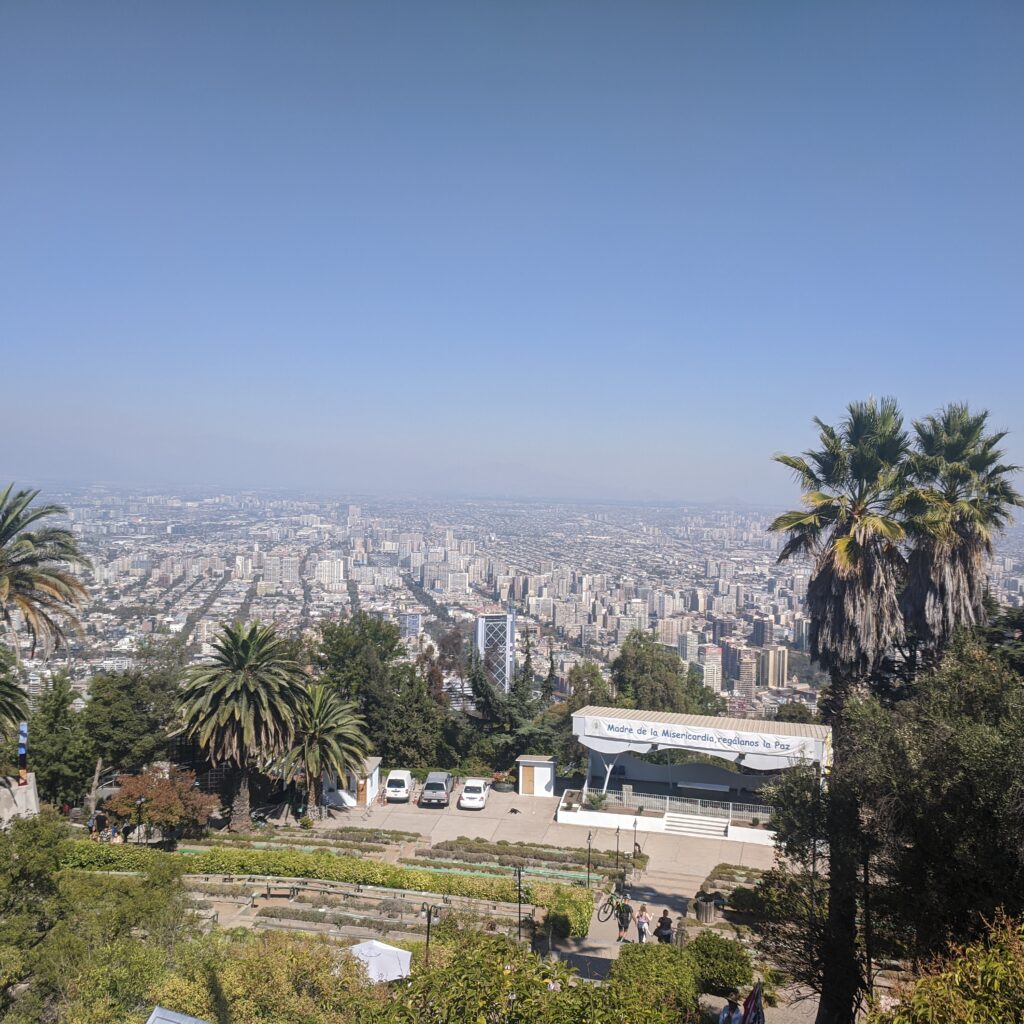
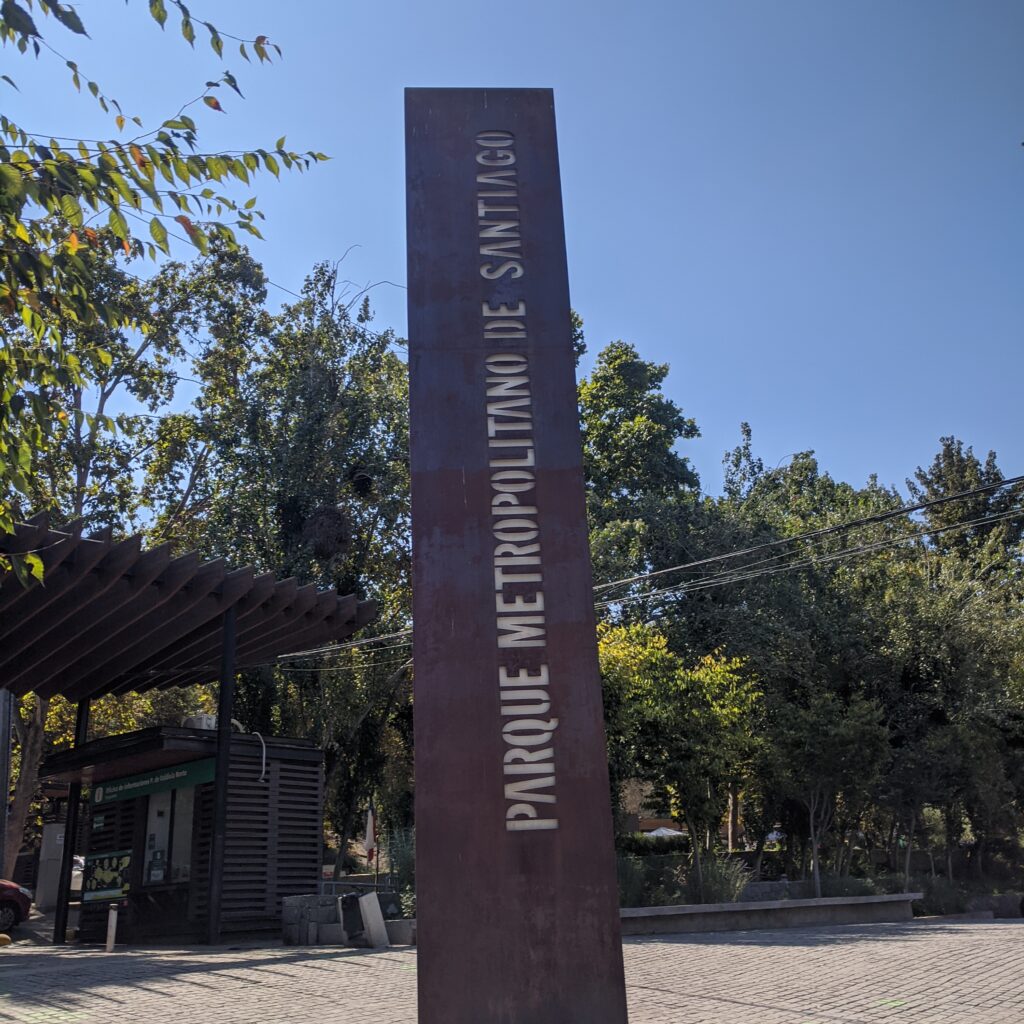
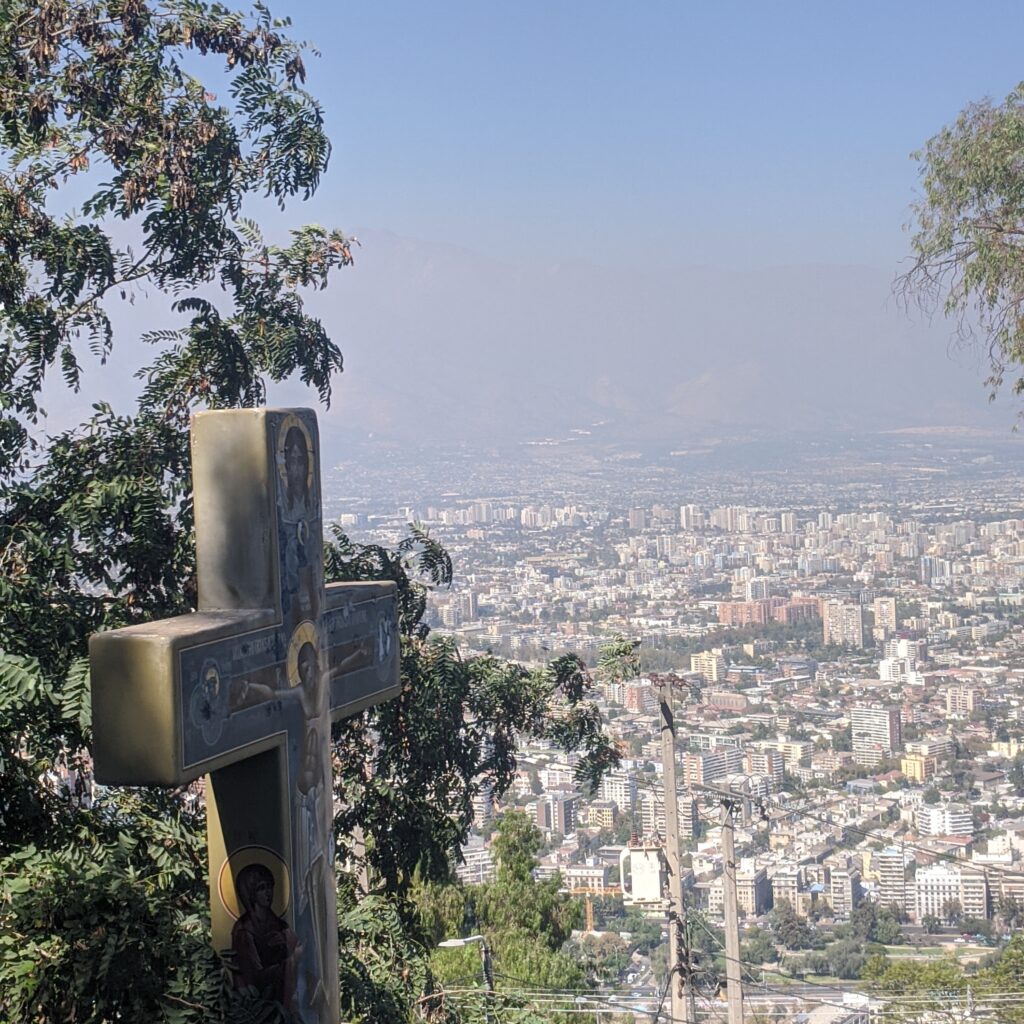
The biggest highlight of my time in Santiago was visiting Metropolitan Park of San CristĂłbal Hill. Getting up high above the city completely changed my perspective and made it crystal clear just how massive Santiago really is.

From the top of San Cristóbal Hill, the city stretches endlessly in every direction, with the Andes looming in the background and neighborhoods blending into one another as far as the eye can see. It’s one of those viewpoints where everything clicks—the scale, the density, and the complexity of the city all at once.

Pictures never fully capture it, but they come close. I’ve included a few photos (and a video) here, and I hope they do it justice. Standing up there, looking out over Santiago, was one of those quiet travel moments where you just stop and take it all in.

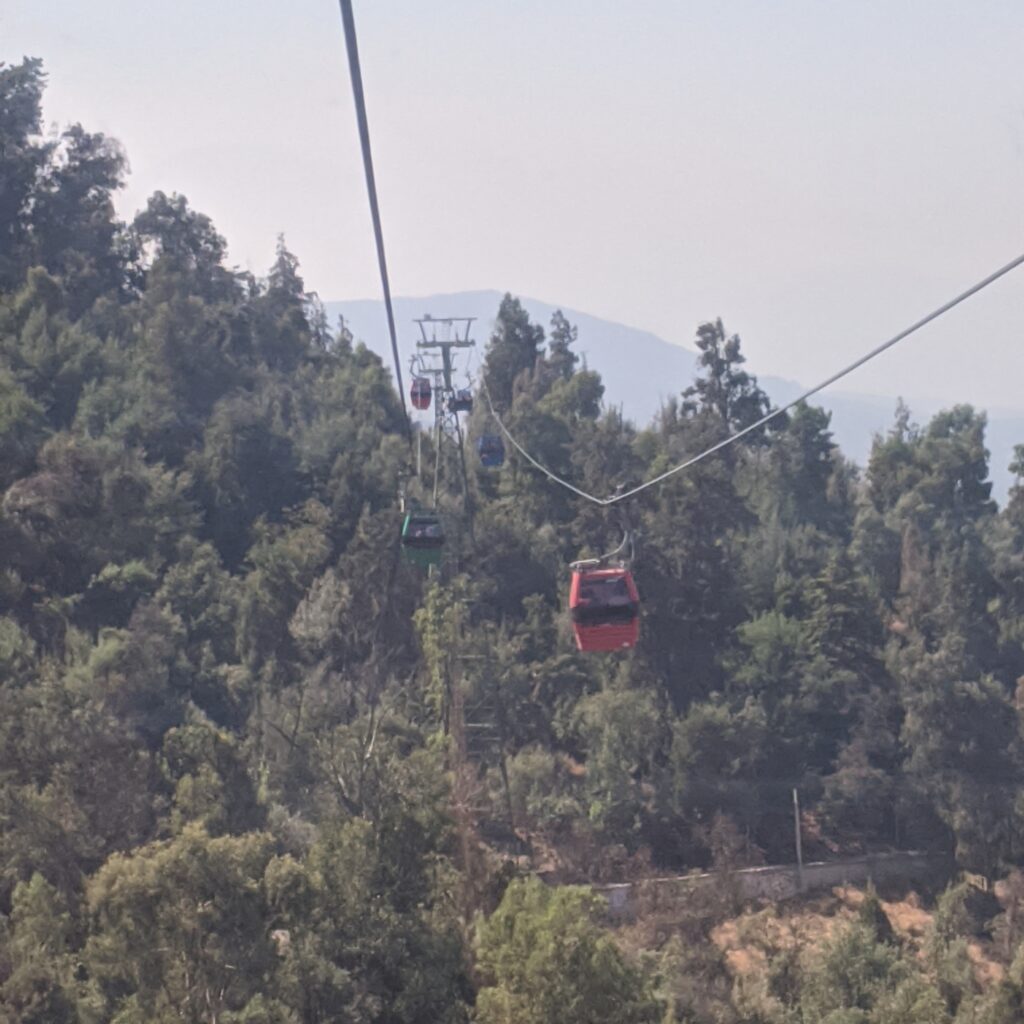
After a fun ride up, we finally reached the top—and somehow, the view was even better than what we’d seen on the way up. Standing there above Santiago, with the city spread out in every direction, really put its scale into perspective.

It was one of those moments where you stop taking pictures, stop moving, and just take it in.

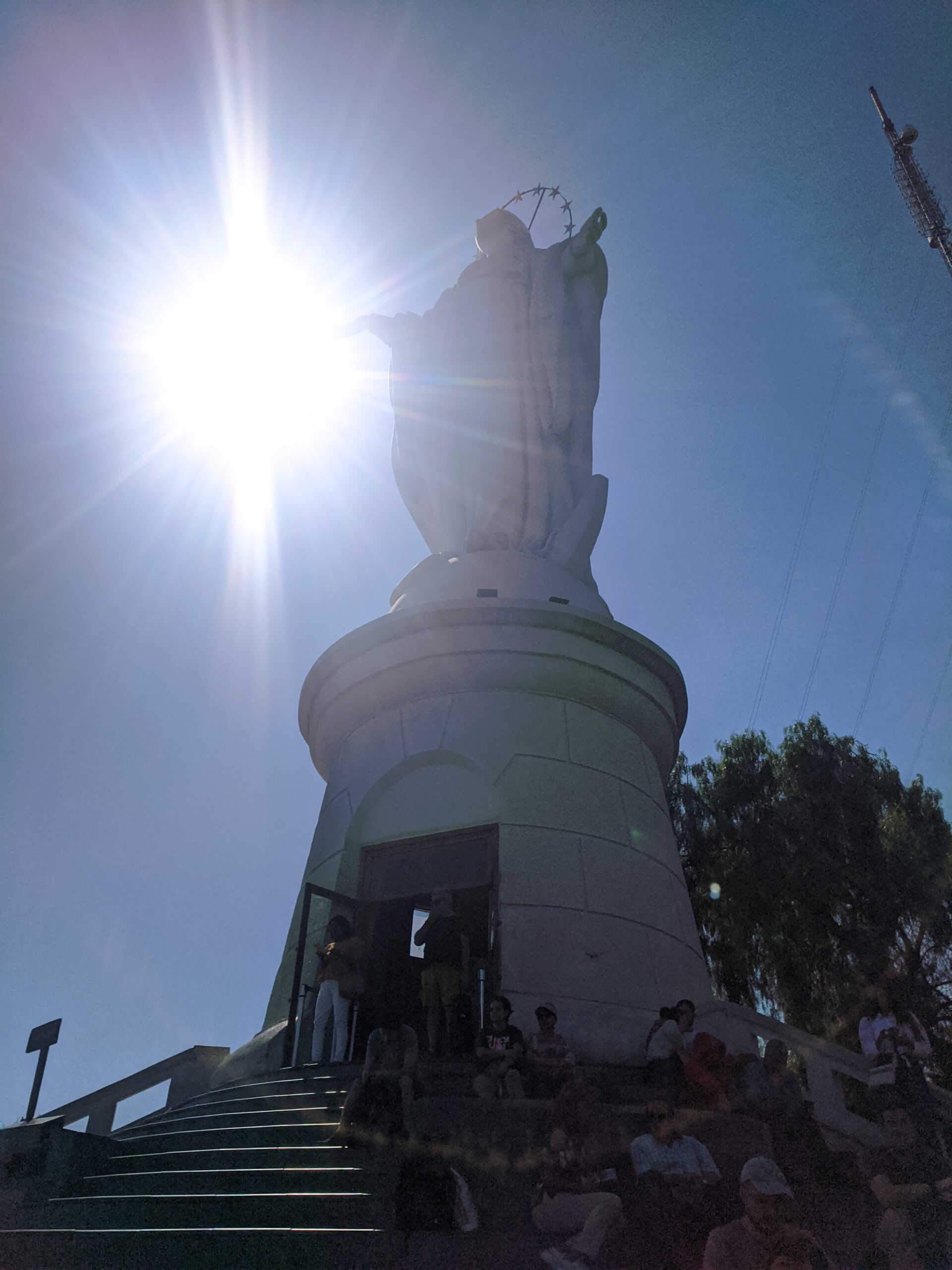
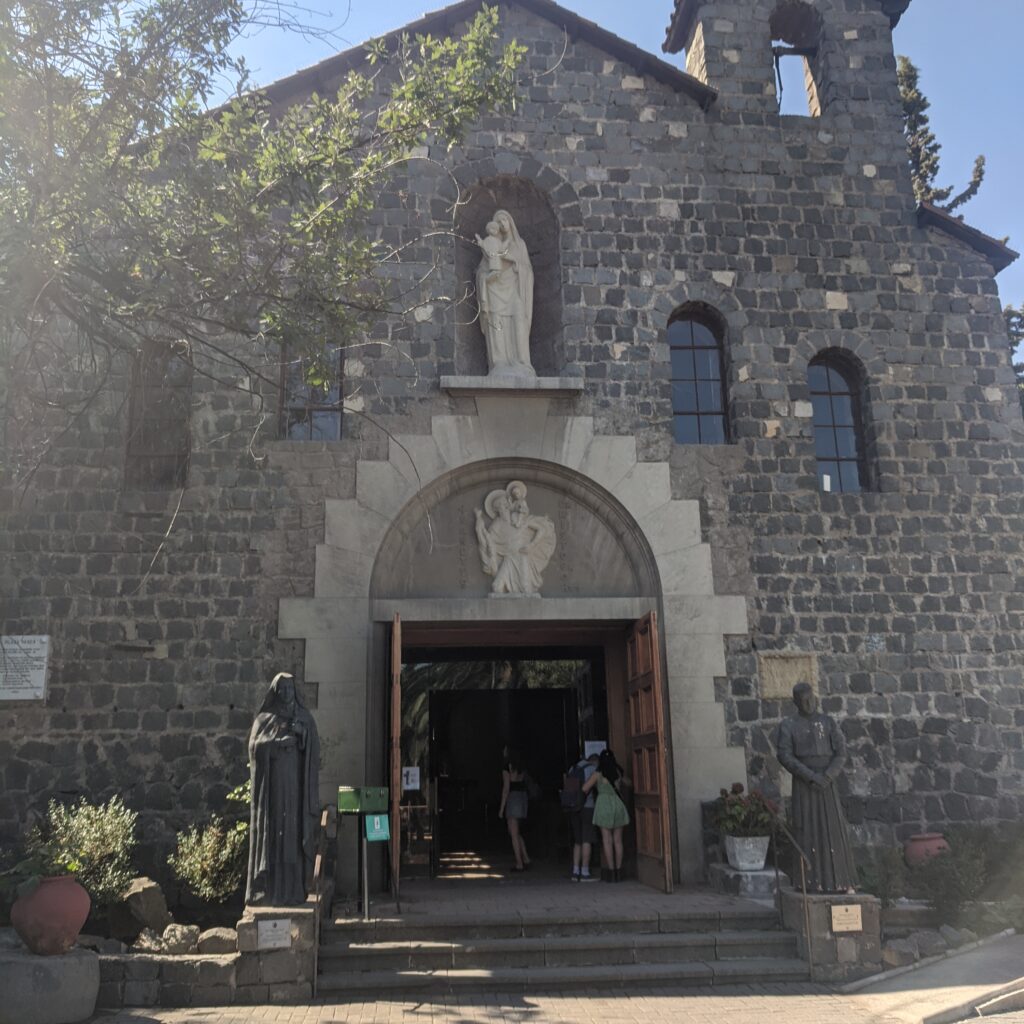
At the top of Cerro San Cristóbal, there’s a beautiful little church that feels quiet and understated compared to what comes next. Just beyond it stands the massive Virgen de la Inmaculada Concepción, watching over the entire city from above.

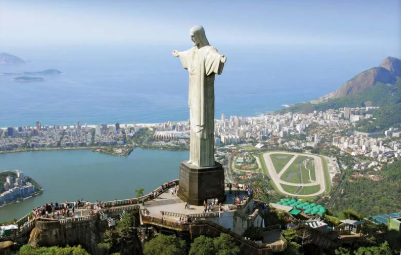
Seeing it immediately reminded me of Christ the Redeemer in Rio de Janeiro. Different scale and style, but the same feeling—these monuments aren’t just landmarks, they’re symbols. You feel their presence long before you understand their significance.

Standing up there, with Santiago spread out below, it was one of those moments where travel connects places in your memory. Chile and Brazil, different cultures and landscapes, but tied together by perspective, altitude, and awe.

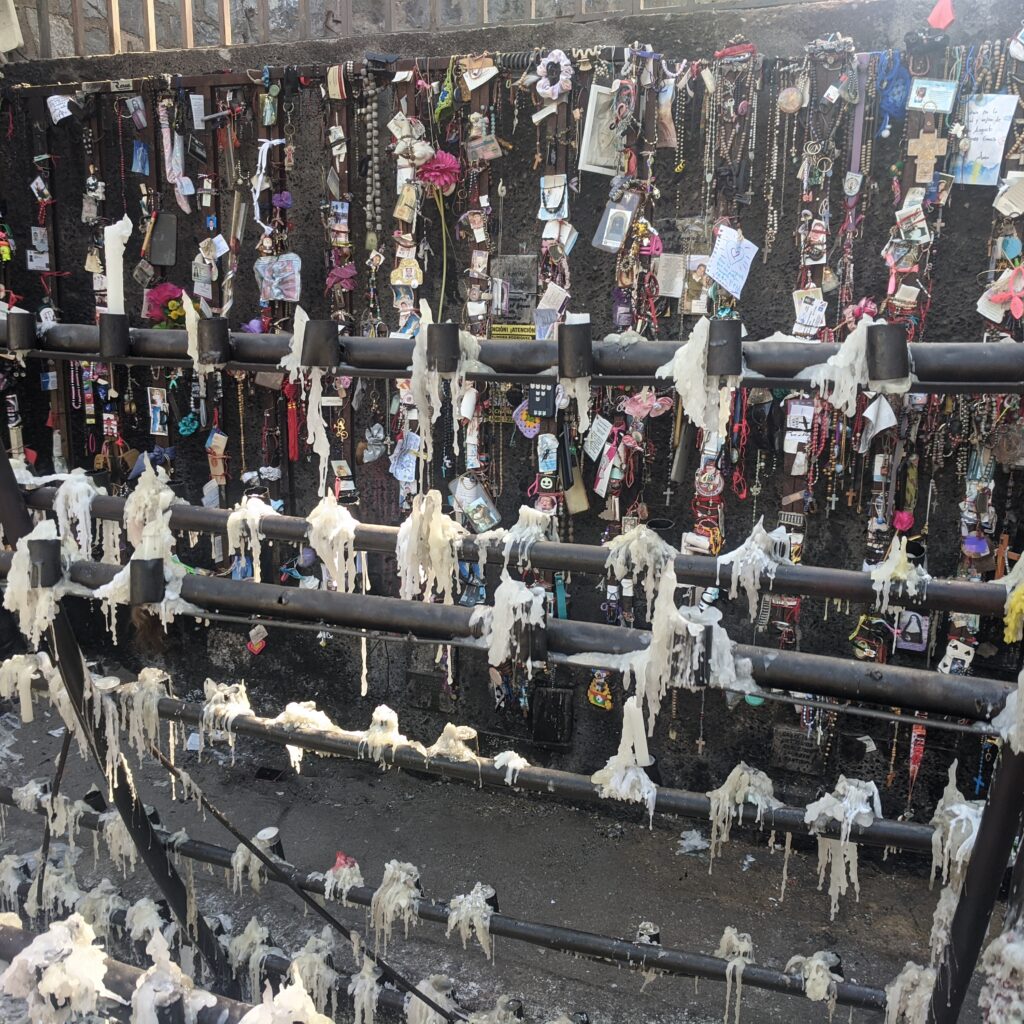
Every time I visit a church somewhere in the world, there’s that familiar ritual—lighting a candle for someone you want to pray for, and leaving a small donation. It’s simple, quiet, and grounding, no matter where you are.

My mom used to do this all the time, later in her life. Every church visit meant a candle lit, a pause, and a moment of intention.

And I know—without a doubt—that a lot of those candles were a prayer for me. đŸ™đŸ»

Check out my YouTube channel for 1,500+ travel videos from around the world, focused on geoarbitrage, slow travel, and living well without overspending. Real cities, real costs, real movement—nothing rushed, nothing staged.

NorthAmericanDarrell – YouTube

Smash that subscribe button like it’s the last beer in the fridge on a Saturday night.

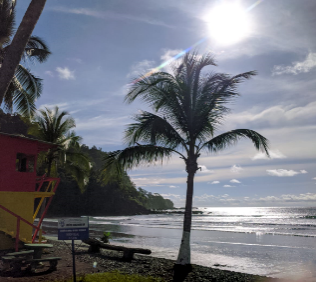
costalifeguard

Costa Rican adventures!đŸ”đŸŠ„đŸŒ§ïžđŸŒŽđŸ©Ž

The first time I traveled to Costa Rica was to Tamarindo and then twice to Jaco on my Volaris, all fly pass. Both cities were amazing for different reasons. 

The closest airport to Tamarindo is Liberia which is about 30 minutes and Tamarindo is accessible by bus. In my opinion, Tamarindo is more of a party town with more nightlife but there is nothing wrong with visiting. 

Jaco is about a two-hour bus ride from the San Jose airport, and it was a lot more my style. 

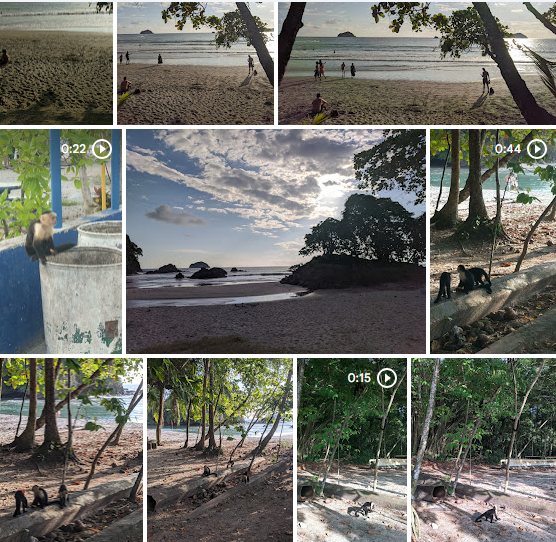
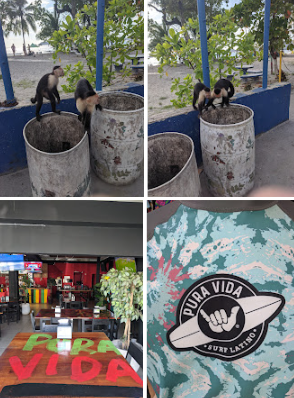
It is slower-paced, and I found a lot more to do in the area, including Manuel Antonio National Park. The park is located near Quepos, and it can be reached by local bus from Jaco in about an hour. In Quepos and especially the park, you will find tons of monkeys and, with a keen eye or a tour guide, sloths. 

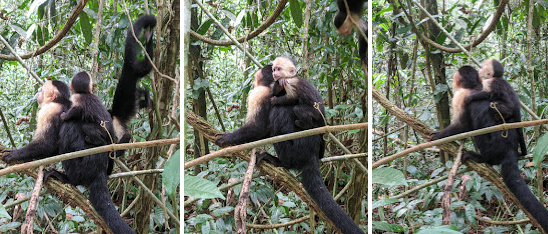
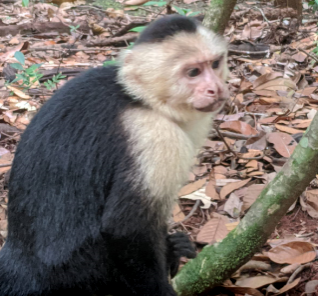
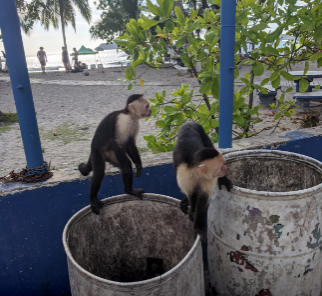
Both monkeys and sloths are synonymous when someone brings up Costa Rica, along with the breathtaking beaches and rainforests.  Both monkeys and sloths are mysterious creatures in many different ways. Monkeys in my opinion as little assholes, I have experienced their antics in Thailand and Costa Rica. They will steal right from your hand, throw their shit at you and howl like crazy giving you the creeps at night. 

I have seen it all happen, which can be maddening if they get your phone, wallet, sunglasses, or nail you with a deuce.  The howling monkeys were next to my Airbnb in Tamarin, which was wild.

These picutres were taken in the city of Quepos and within the Nationaly Park.

Costa Rica is not that expensive if you do it right. I have stayed in the La Hacienda in Jaco twice, and this sweet Airbnb in Tamarindo that had an amazing patio with a hammock. 

I rented a room in both places for about USD 35 a night, but you can get a hostel bed for under $20 a night in Jaco. It is a short walk from the bus stop that drops you off in San Jose, and the bus that takes you to Manuel Antonio Park via Quepos.

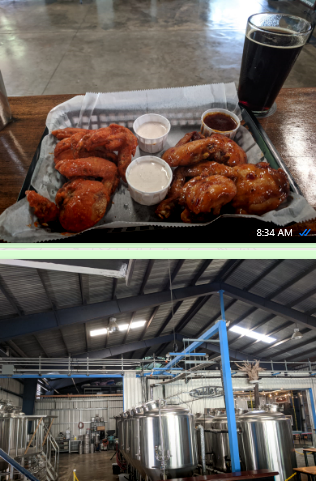
I also have had the absolute best hamburger in my life at Ridiculous Burgers and the most amazing Coconut flavored beer and wings at Puddlefish Brewery both times I have visited. You’re missing out if you do not hit all of these places in Jaco! 

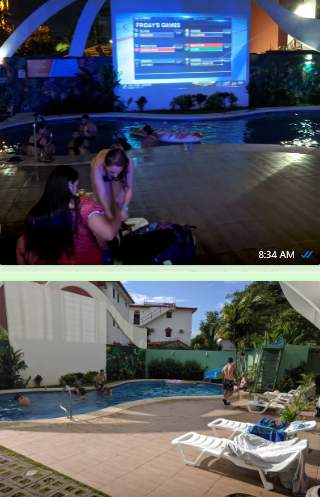
The below is the hostel, so amazing to catch the Oilers game from the pool too!

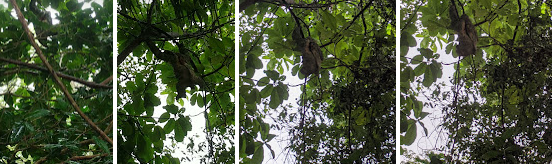
My visit to Tamarindo was awesome and I got to experience the howling monkeys.  This was a park next to my Airbnb first thing in the morning.  They woke me up every morning so I wanted to see if I could catch a glimpse of them.

They were so loud and a bit creepy to see and, especially hear them doing their thing!Â