thinner

15 Countries visited in 2025📍🌎😎

2025: My first full year taking a run at retirement!

2025 turned out to be my most traveled year ever—and somehow, I feel that I’m just getting started.

January – Vietnam
(HCMC, Nha Trang, Da Nang, Hoi An, Hue, Phu Quoc)

February – Cambodia & Thailand
(Siem Reap, Phnom Penh, Bangkok, Koh Samui, Koh Phangan, Koh Tao)

March – UK & Europe
(London, Greece, Iceland, Poland, Germany, Czech Republic, Switzerland, Italy)

April – October–US & Mexico

(Mesa and Rocky Point—two incredible home bases)

November & December – SE Asia
(Hanoi, Kuala Lumpur, Bali)

Every trip felt different. Every move resets my brain. And somehow, it all worked out absolutely perfect!

2026: Already Booked (Of Course It Is!)

January to mid-April
Mexico, Canada, Japan, South Korea, Philippines

May to October (Homebases in Mesa/Mexico)

Volaris + Frontier all-you-can-fly chaos—route TBD, cheap is guaranteed

Nov and Dec– Europe by Rail-pass

Sweden, Finland, Norway, Denmark, Netherlands, Southern Spain/Portugal

Eastern Europe is still being self-negotiated with my grade-three attention span.

grinch

Christmas 2025 – You’re a mean one …

Christmas time is for kids, since I do not have any minions, it is not my favorite holiday.

We all have regrets, but again, we all have to play the cards we dealt ourselves!

It’s not meant as pity, pride, or judgment—just a sincere look at my life, told with a level of honesty most people rarely allow.

Thinking about having a family—and then creating a fake one on ChatGPT—hits a special kind of loneliness during the holidays, with just enough imaginary alimony and child support to keep it extremely real.

That’s part of why, most days, I am grateful for my life, as this is how it was supposed to work out.

Not because family is bad or wrong—but because forcing a life that didn’t fit would cost me more than it gave back. Freedom mattered more to me than appearances. Movement mattered more than checking boxes that society forces you to check whether you want them or not. 

I didn’t have a good father, and the fear of becoming anything like him was always front and center. He bailed on my mom and me in the worst possible way, and that kind of exit leaves a mark whether you want it to or not.

For a long time, that experience quietly shaped my decisions.

That awareness didn’t fix everything, but it ultimately changed my thought process. And sometimes, that’s enough to start choosing differently—on purpose.

Chasing a different dream became my outlet, my structure, and, honestly, my mission. I have lived life in many different cities, having a lot of conversations and many life experiences with people who saw life differently. It became pretty obvious that the way most people lived life was not the only option. 

It was not the same generational life, over and over. 

Go to College

Get married

Buy a house and have kids

Work until you’re 67+ 

Enjoy maybe five to ten years of retirement while your body starts to fail you.

I didn’t opt out of life—I opted into my version of it.

Less scripted.
Less predictable.
More honest with who I am

I’m learning to be good with that, and people who judge my alternative lifestyle should, too.đŸ‘đŸ»

The Grinch that hated winter in Canada!

The cold. 

The snow. 

The shoveling. 

Driving on a skating rink.

The heating bills should feel normal.

Extreme taxes at every angle. 

(carbon taxes?!) đŸ«Ą

The lies people told themselves, “It was normal not to feel your face going outside.

While Family and friends in Canada scraped windshields, living a great Family life!

The Grinch did the math.

Sunshine was cheaper elsewhere.

A lot of money could also be made elsewhere.

So, while others layered sweaters, he booked a one-way ticket south. 

He turned in his snow boots for flip-flops.

He drank iced coffee in December.

They said he “You missed the reason for the season,” and called him a sellout!

The Grinch said, “I optimized my life,” in my own way!

He didn’t steal Christmas.
He *Geoarbitraged it!

*Geoarbitrage is the practice of living in a location with a lower cost of living while maintaining the same income, allowing individuals to save and invest more effectively. This concept is often associated with the FIRE (Financial Independence, Retire Early) movement, where individuals leverage geographic differences to maximize their financial resources.

âŹ‡ïžClick to read more on my Geoarbitrage goalsâŹ‡ïž
Geoarbitrage – retire sooner 

acc3

Green card, Citizenship & travel visas🛂

I’ve been dealing with travel visas for over 25 years—long enough to know this topic is wildly misunderstood by anyone who’s never actually lived it.

You can’t just let people casually wander into a country

unless, apparently, you’re shopping for votes.

Like it or not, visas are 100% necessary.
Not glamorous.
Not fun.
Necessary.

My travel saga started in the late 1990s, flying for work between Calgary, Canada and Dallas, Texas.

I regularly traveled from our manufacturing plant in Calgary to our U.S. headquarters in Dallas. And every trip began exactly the same way:
Me, arriving at the Calgary airport—already sweating—fully aware that my real journey was about to begin
 with U.S. Immigration.

The script never changed.

Agent: Purpose of travel?
Me: Meetings.
Agent: How long?
Me: One week.
Agent: That’s a long meeting.
Me: We have meetings all week.
Agent: Go sit in our office.

Me (internally): Yes sir. Thank you sir. I respect the process and my fragile freedom.

Then came the waiting.

The agents would let me slowly marinate in anxiety—right up until five minutes before boarding.

Agent: You’re free to go.
Me: Immediately sprinting to the gate like I’d just been released from a minimum-security prison.

Every.
Single.
Time.

đŸƒđŸ»â€âžĄïžâœˆïž

Eventually, I graduated to actual work visas.
Real ones.
Laminated.
Official.
Very fancy.

I would calmly present my current visa to the immigration officer, exactly as instructed.

[“DO NOT ANSWER QUESTIONS.”]

The office rules were very clear:
Show the visa.
Say nothing.

Apparently, immigration officers are highly trained professionals whose primary job is to trick you into saying one wrong word, realize you have the wrong visa, and deny you entry—
purely by accident.
On your part.

This never happened to me.
I suspect it’s because they eventually recognized me.

“Oh. It’s this guy again.”

Somewhere along the way, I stopped being “potential international threat” and became “frequent flyer with anxiety.”

Eventually, I moved to the United States full-time, which—shockingly—required an entirely different visa.

I will forever clutch my citizenship like it’s a winning lottery ticket.

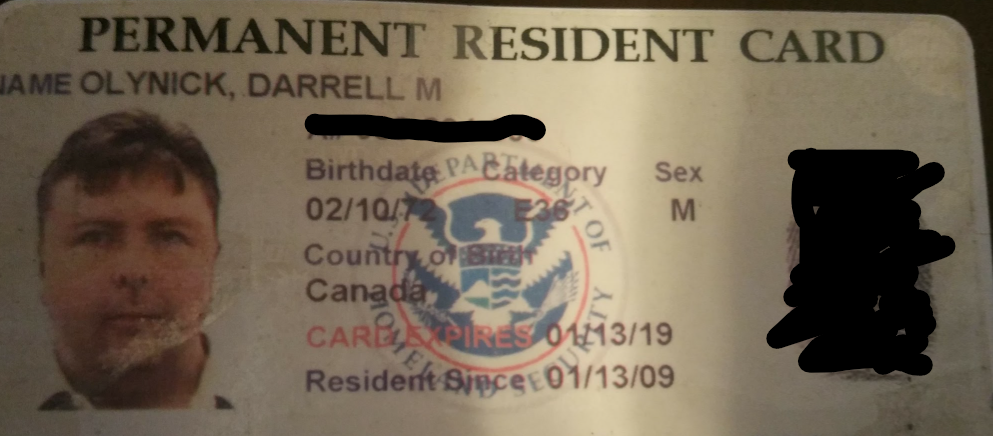
Ten years and dozens of visas later, I finally received my United States Permanent Resident card—
the government’s way of saying, “Fine. You can stay.”

“TEN YEARS LATER”

Another ten years passed, and—six months after my green card expired on January 13, 2019—I officially became a U.S. citizen on July 3, 2019.

Yes, there was a brief but thrilling period where I existed in pure bureaucratic limbo:
No longer green-card valid, not yet American enough.

USA Immigration has always loved a good cliffhanger.

Then, just in time for Independence Day sales, fireworks, and historically poor life choices


I became a U.S. citizen.

Sworn in by DJT himself.

Roll credits. đŸ‡ș🇾🎆

My entire immigration journey took roughly 20 years.

Two decades of forms, fees, interviews, fingerprints, photos—and the low-grade terror of checking the mailbox.

So yes, I tend to notice immigration policy.

Between 2020 and 2024, under a Democratic administration, millions of migrants were allowed into the U.S. with what appeared to be minimal vetting. Many arrived with criminal records, some unvaccinated, and many had their expenses covered.

At the exact same time, Americans were required to get vaccinated while enduring shutdowns that hit them financially.

That contrast did not go unnoticed.

The current Republican administration, by contrast, treats border security as non-negotiable. Their 2025 immigration policies can best be summarized as FAFO—and they are the strongest I’ve seen.

And just for context—so this doesn’t sound like vibes-only commentary—I’ve also held travel visas for:

Thailand (three of them), Cambodia, and Vietnam (two).

Turns out, when you’ve played immigration on hard mode across multiple countries, you develop opinions.

Earned ones.

This pass was just after COVID and there were many hoops to jump through!

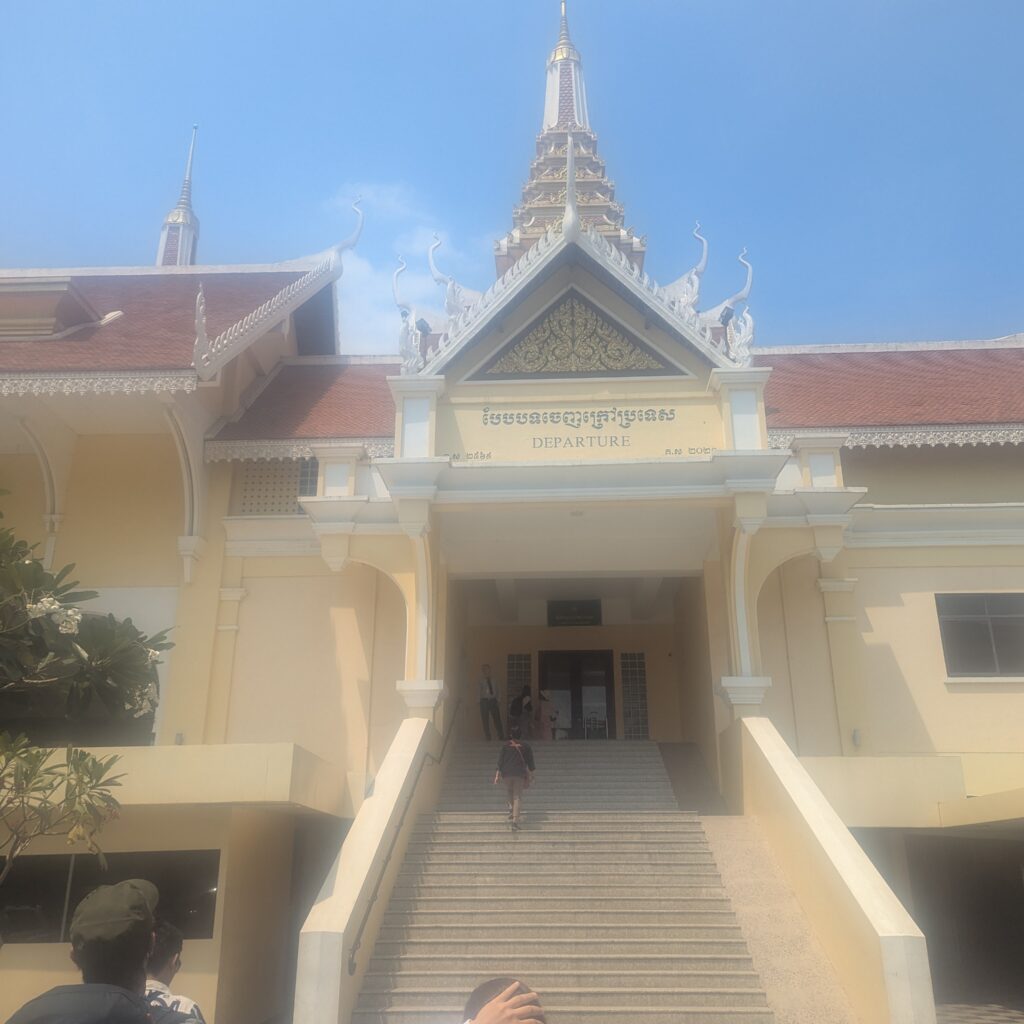
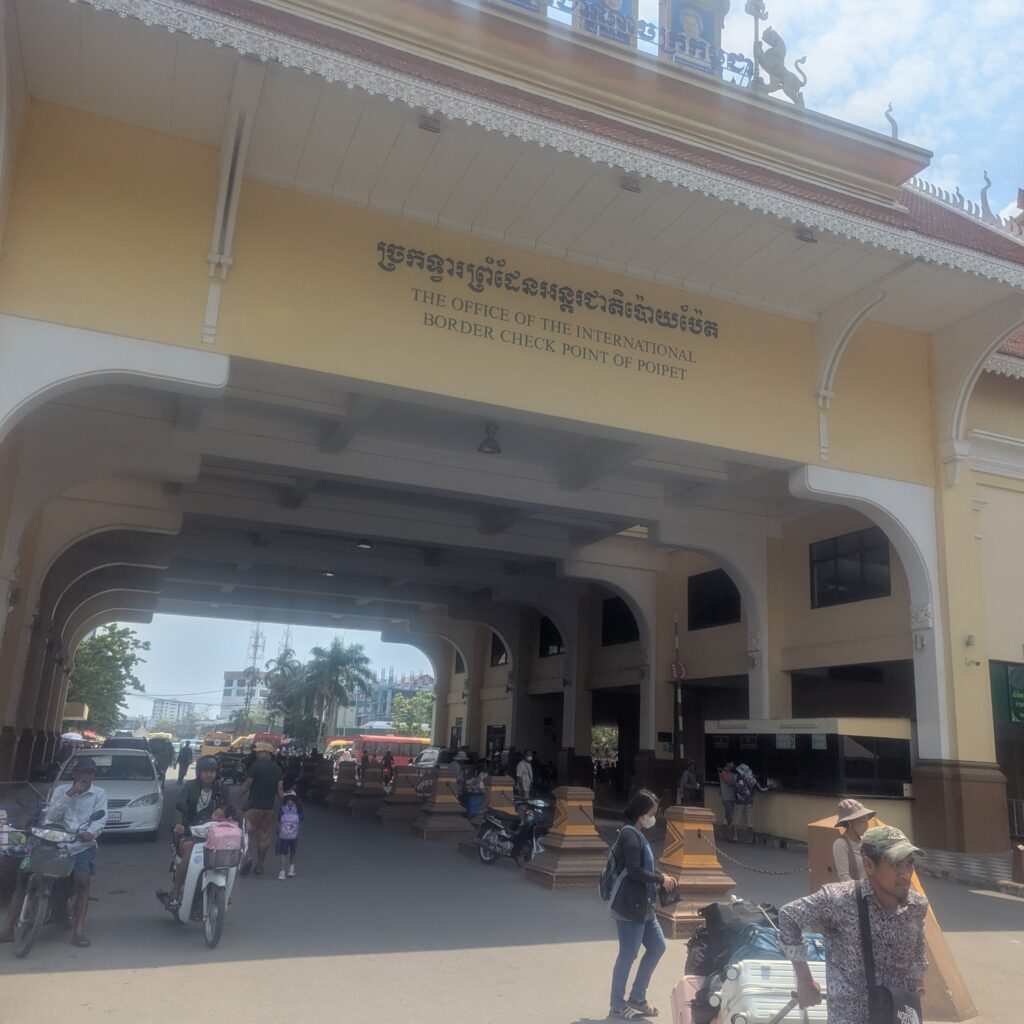
Cambodia Immigration — departing Vietnam

No computers.
No scanners.
No backup system.

Just pens, paper, and deeply suspicious vibes.

Everything was done by hand.
Every passport.
Every stamp.
Every long, silent glance that felt like a background check conducted telepathically.

The process took hours—not because anything was wrong, but because time itself had chosen to opt out.
The heat was oppressive.
The fans were decorative.
The concept of “boarding time” was aspirational.

This was immigration in its purest form:

slow, deliberate, and completely immune to deadlines.

And watching it all unfold, I realized something oddly comforting—

no matter the country,
no matter the technology,
no matter the system


immigration always finds a way to remind you who’s really in charge.

These Asian visas are extremely strict.

As in: follow the rules
 or enjoy a complimentary tour of the prison system.

There’s no confusion about the process.

No gray area.
No “I didn’t know.”

You follow the entry requirements, or there are consequences.

And somehow—miraculously—when you follow the immigration process wherever you go, you avoid those consequences entirely.

Seems 100% fair to me.

Legal immigration history:

It didn’t start with some fancy red carpet—it started when governments realized people moving freely could get
 complicated. Back in the 19th century, countries like the U.S., Canada, and Australia were basically like, “Sure, come on in
 as long as you check a box or two.”

Then came the U.S. Immigration Act of 1882, which basically said, “Not everyone’s invited to the party.” Fast forward to the early 1900s: Ellis Island became the ultimate checkpoint, where millions of hopeful immigrants faced the judgment of border agents, health inspections, and that ever-important first glimpse of America.

By the mid-20th century, things got organized: work visas, student visas, green cards
 a whole bureaucratic buffet. Today, legal immigration is basically a government-approved, multi-step obstacle course—and yes, you can survive it, but only if you brought your paperwork, patience, and maybe a stiff drink. đŸč

Screenshot_20240917-163621

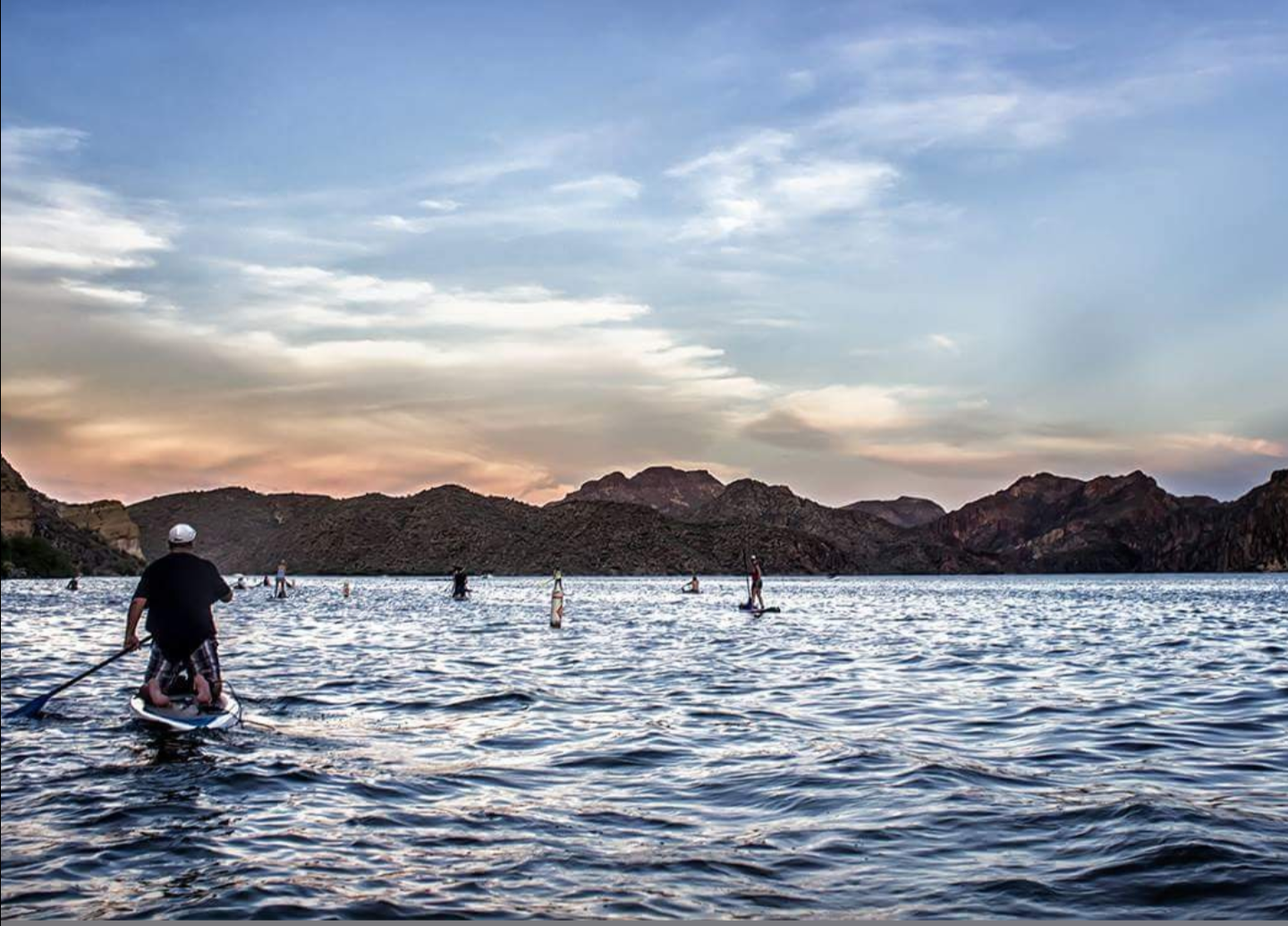
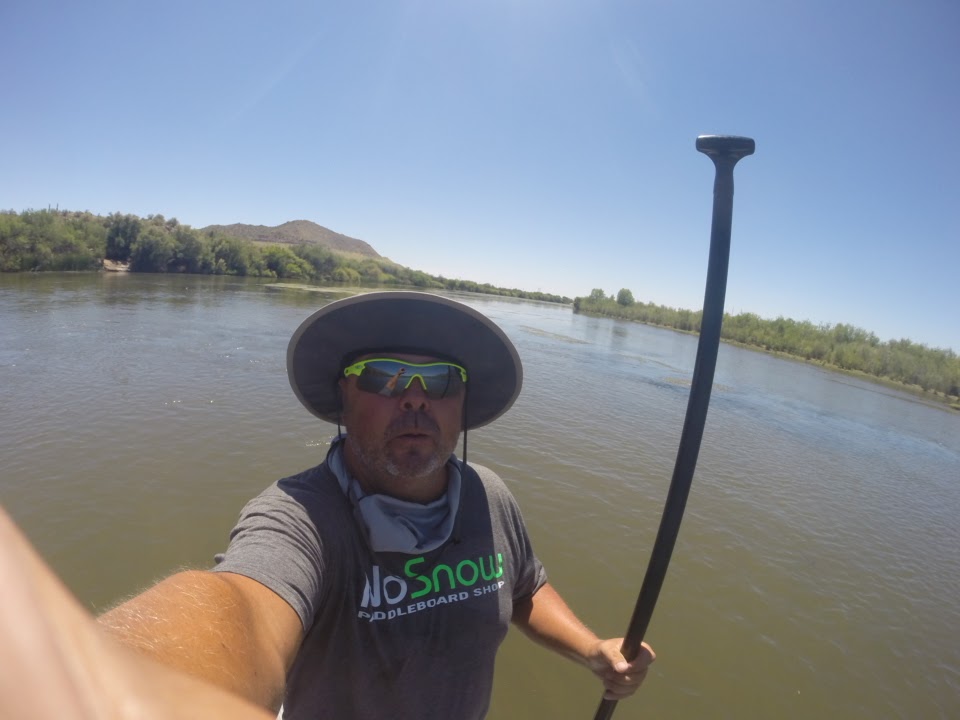
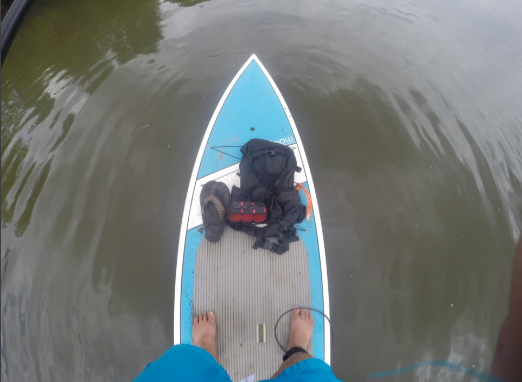
Paddling! It was fun until it wasn’t!! 😎

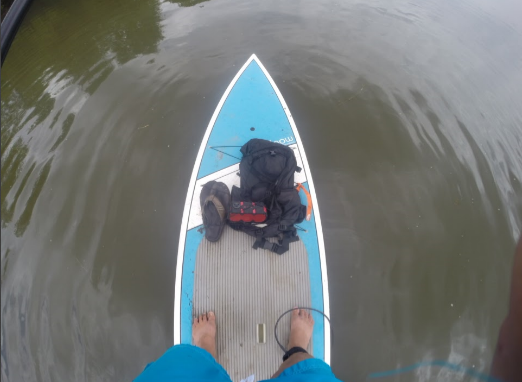
Paddleboarding is basically walking on water without sinking immediately—and yes, it’s as impressive as it sounds. You get a full-body workout, pretend you’re a young, serene yogi, and occasionally faceplant for dramatic effect, reminding me that I am fat and old!

It’s peaceful when you want it, social when you want it, and gives you a legitimate excuse to fall in, splash like a kid, and call it “part of the experience.” Honestly, it’s the perfect mix of exercise, adventure, and low-key humiliation—basically everything life should be.

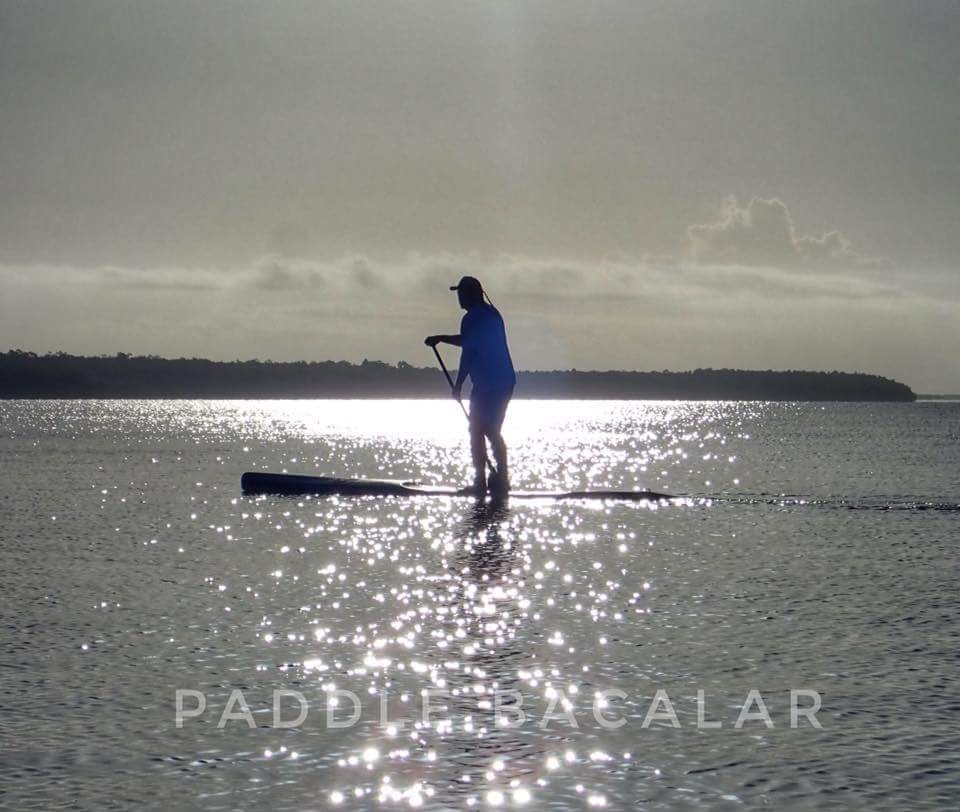
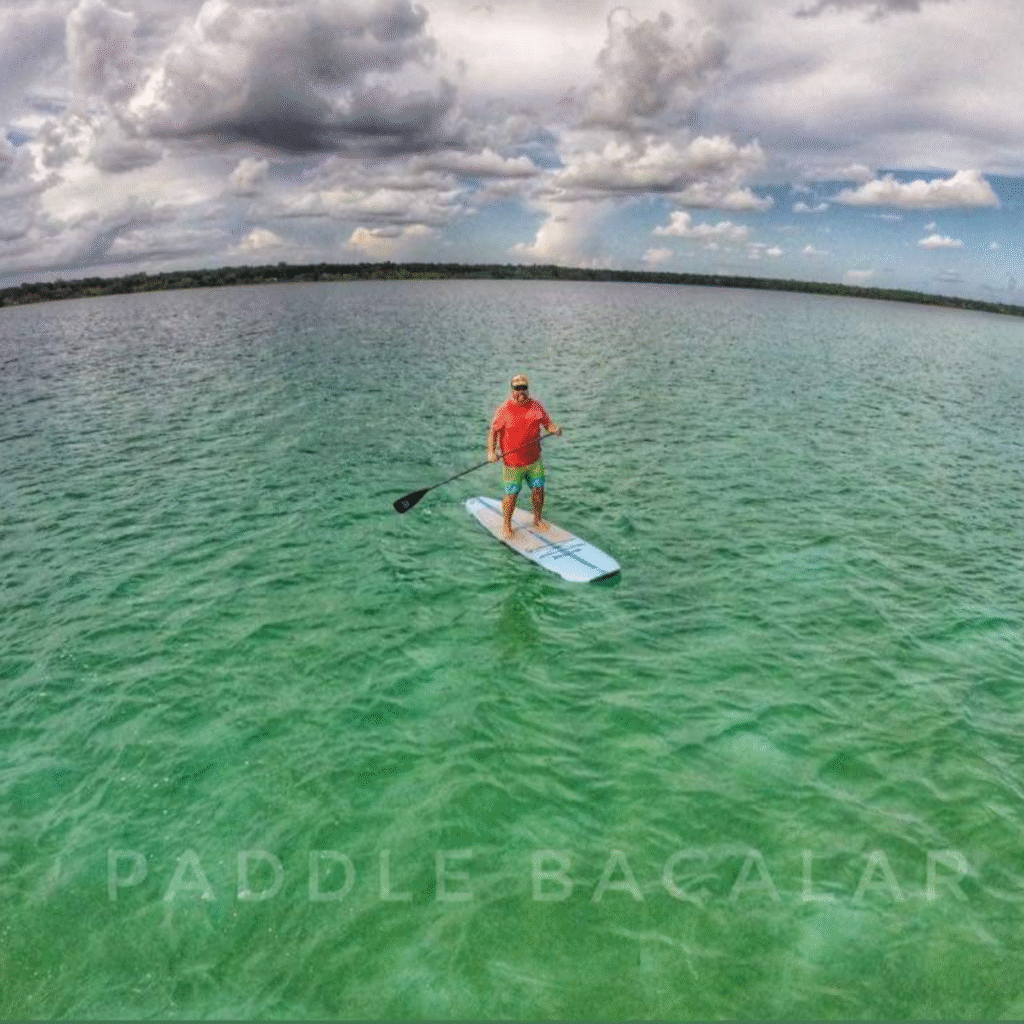
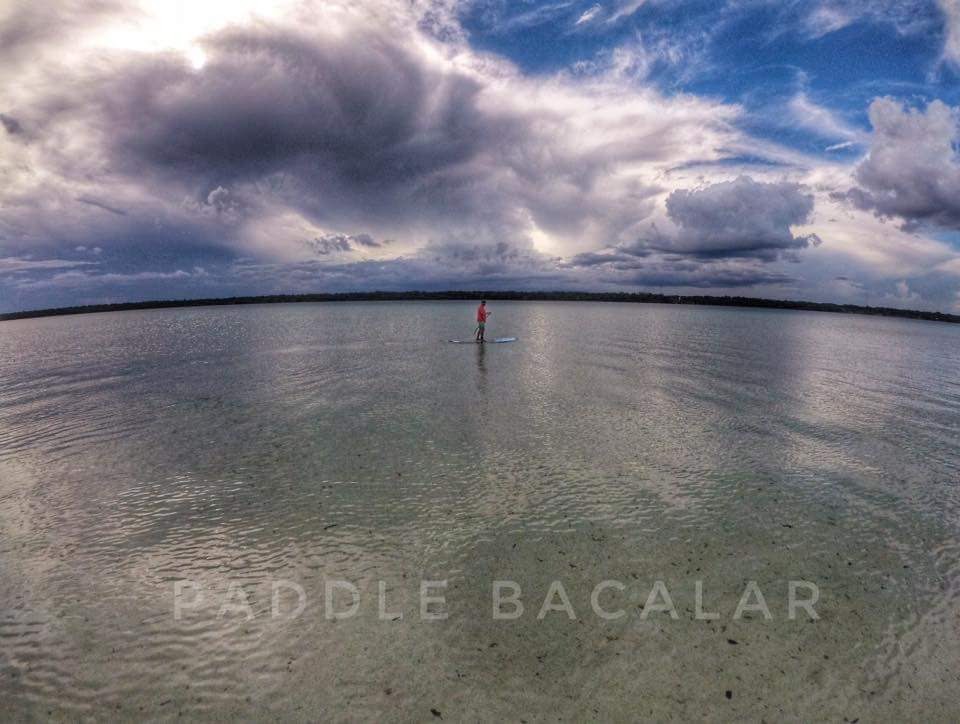
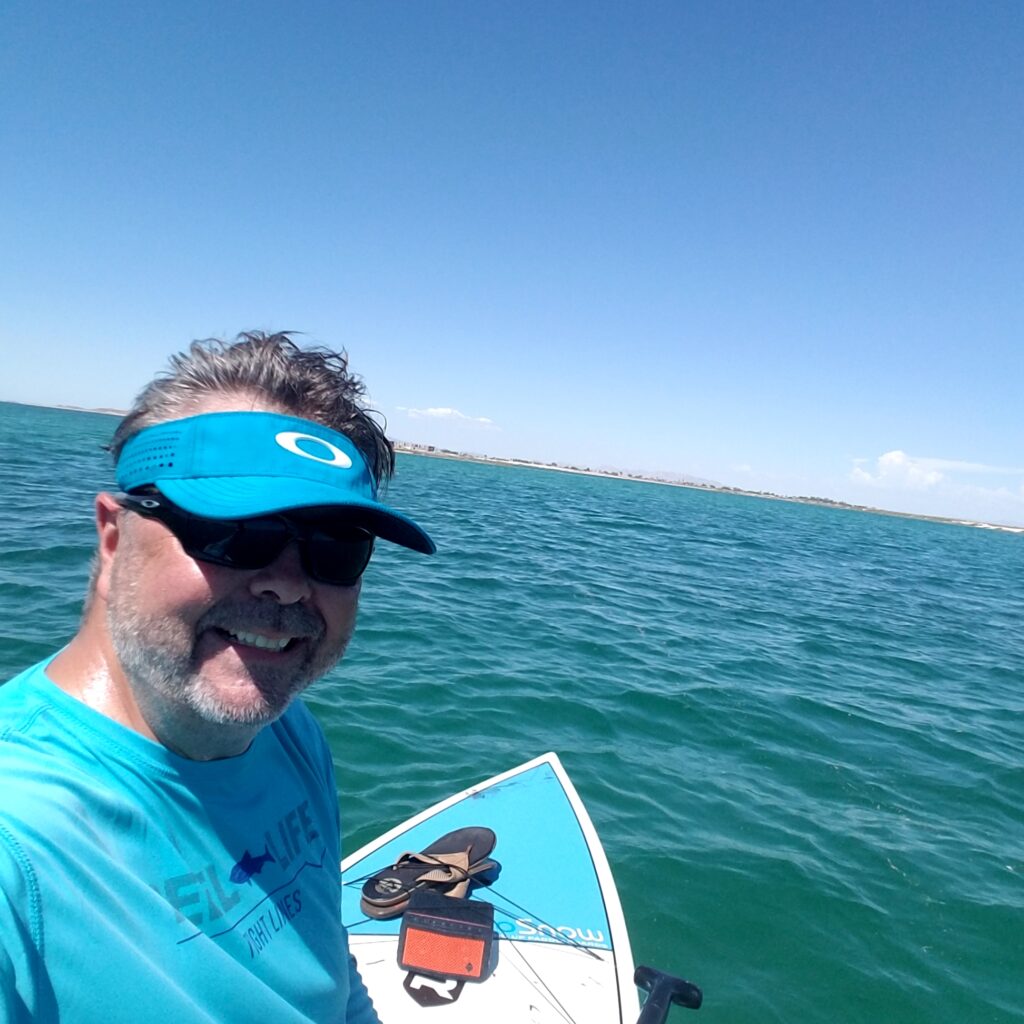
Behold the legendary paddle of Bacalar, Mexico—borrowed from a friend’s Airbnb empire of water fun. One glide across those turquoise waters and suddenly “amazing” doesn’t even begin to cover it. Truly unforgettable.

Here is the flight path from home in Phoenix, AZ, to Bacalar, Mexico.  

It is best to fly into Cancun or Chetumal and take the ADO shuttle bus to Bacalar.

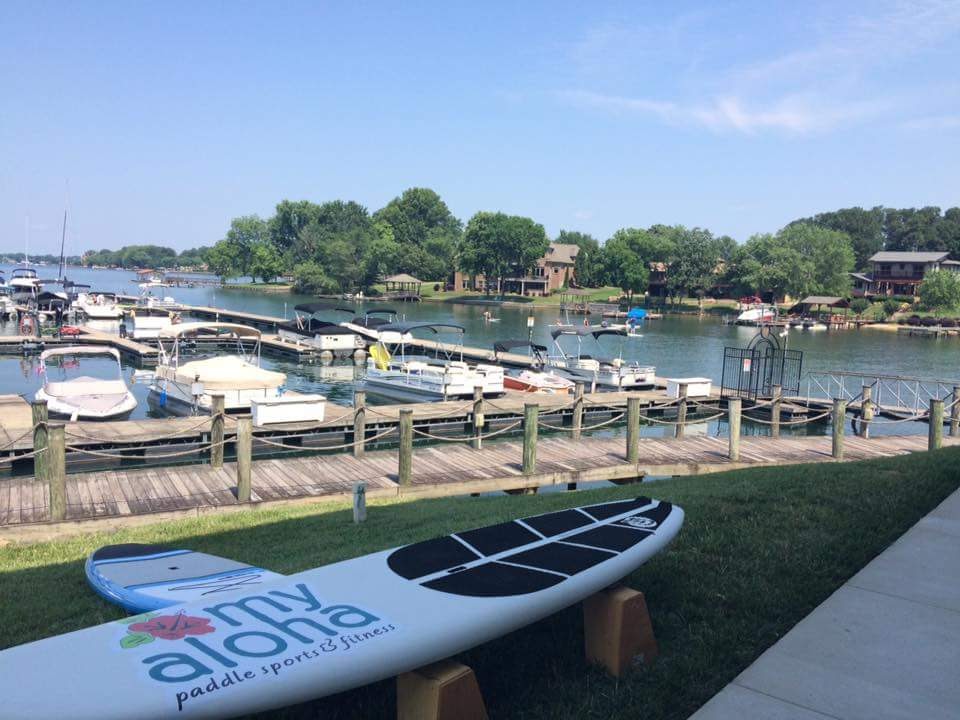
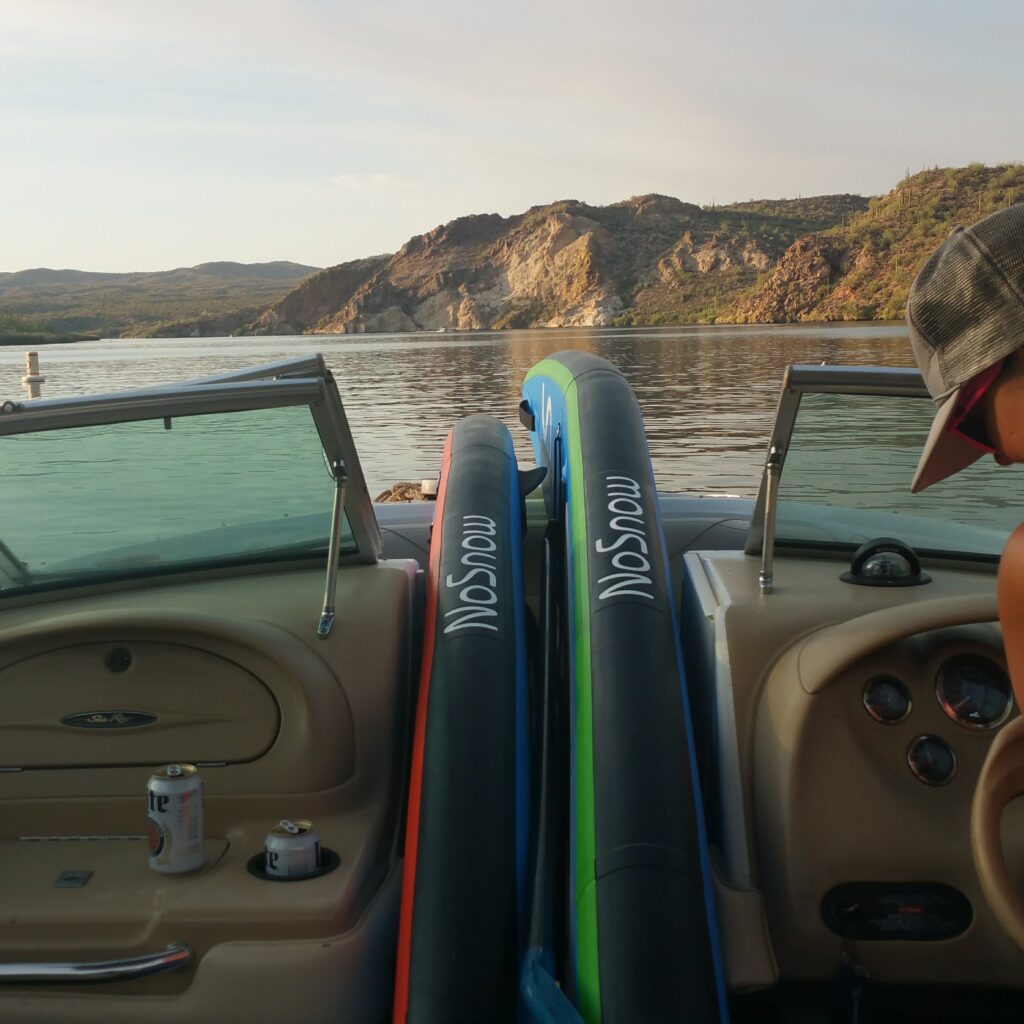
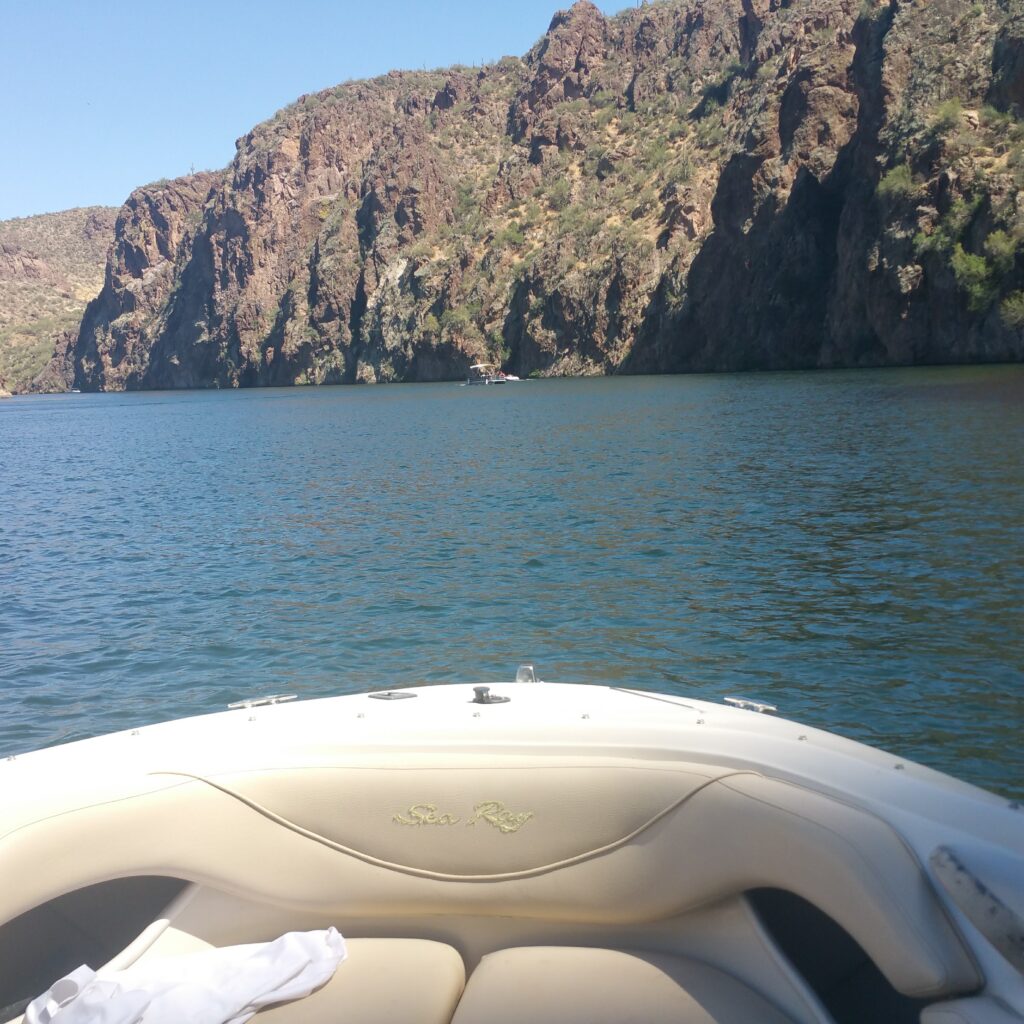
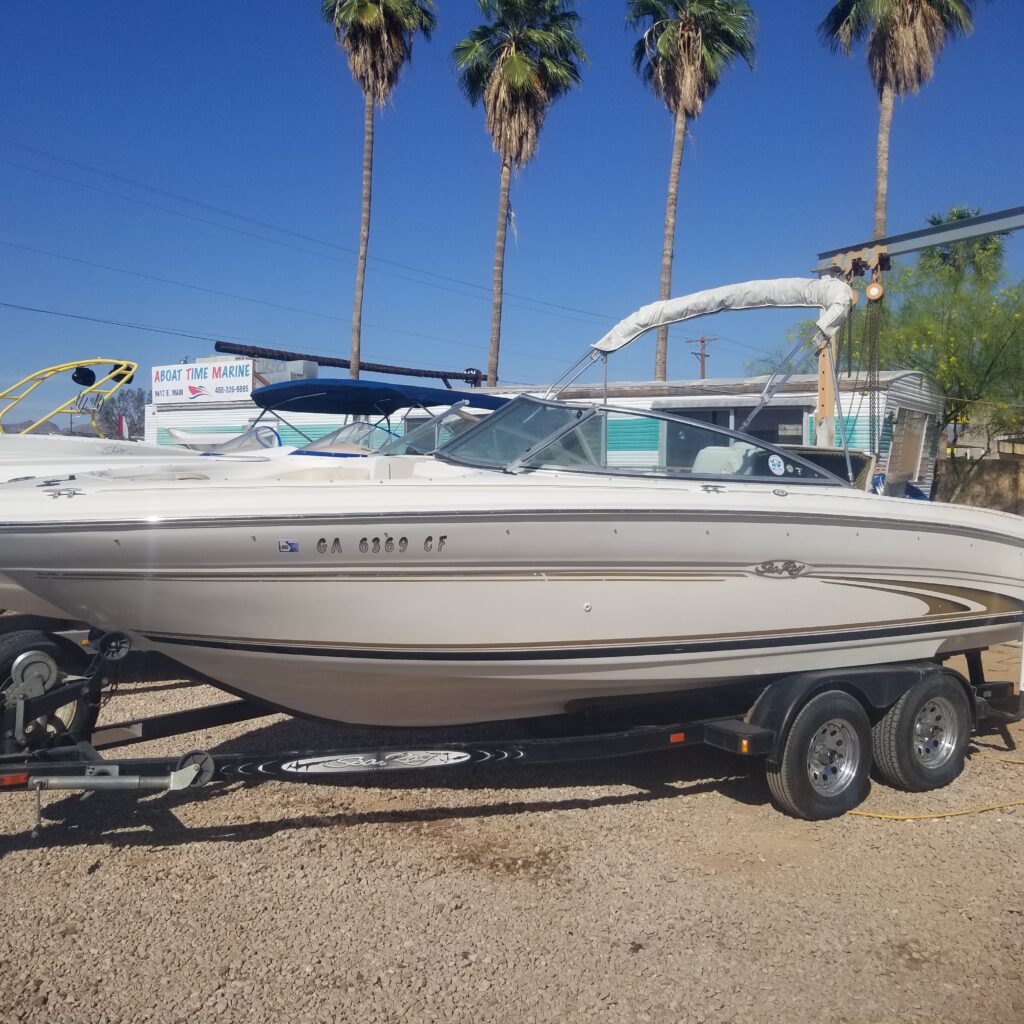
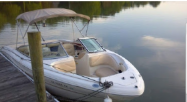
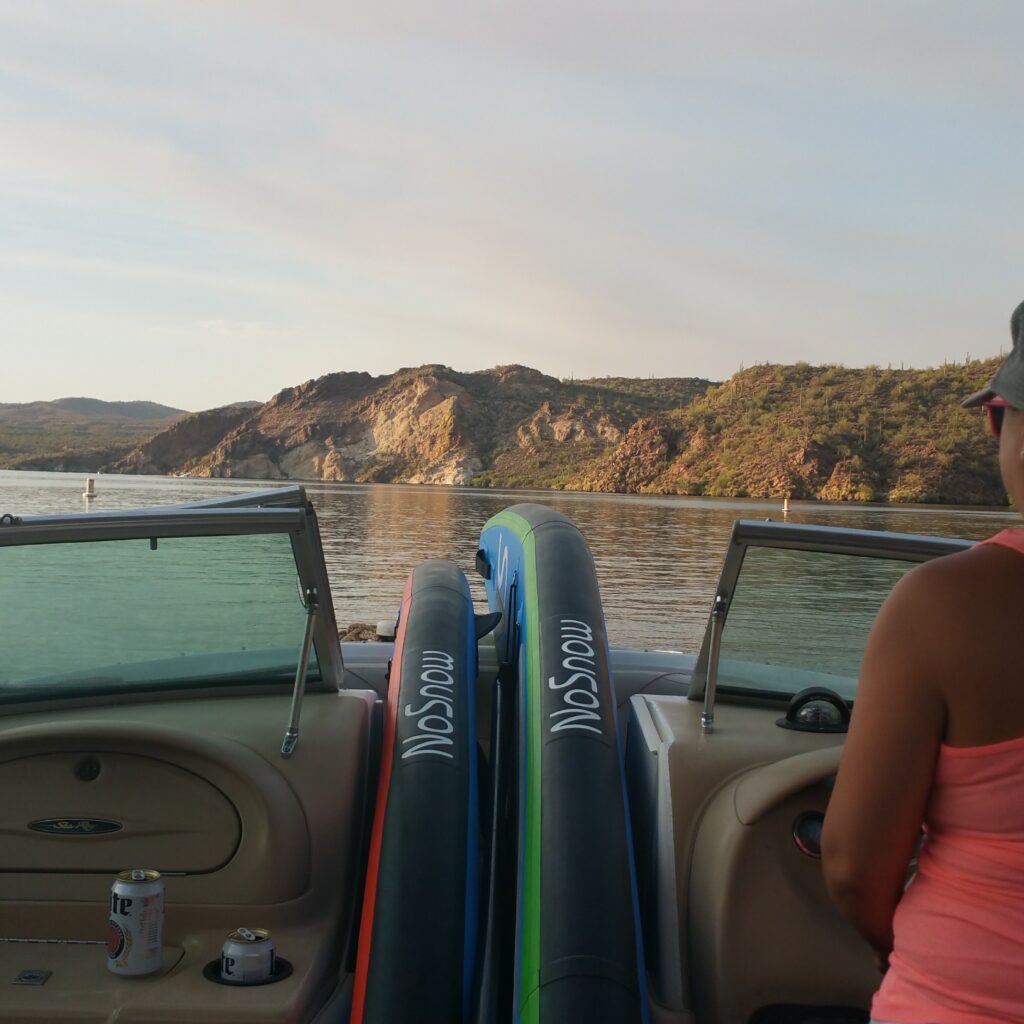
I first hopped on a paddleboard in 2010 after moving from Georgia to Mooresville, NC, chasing that sweet Aloha-on-the-water vibe I’d always loved about Hawaii. With Lake Norman just five minutes away, my board and boat became my weekly ritual in “the massive calm cove”—perfect for workouts. It was like pretending I was already on island time, living a young better looking and in shape lifestyle.

I lived five minutes away from Lake Norman and kept my boat docked there with my paddleboard.  It was an amazing workout in “the massive calm cove, and I would go a couple of times a week.

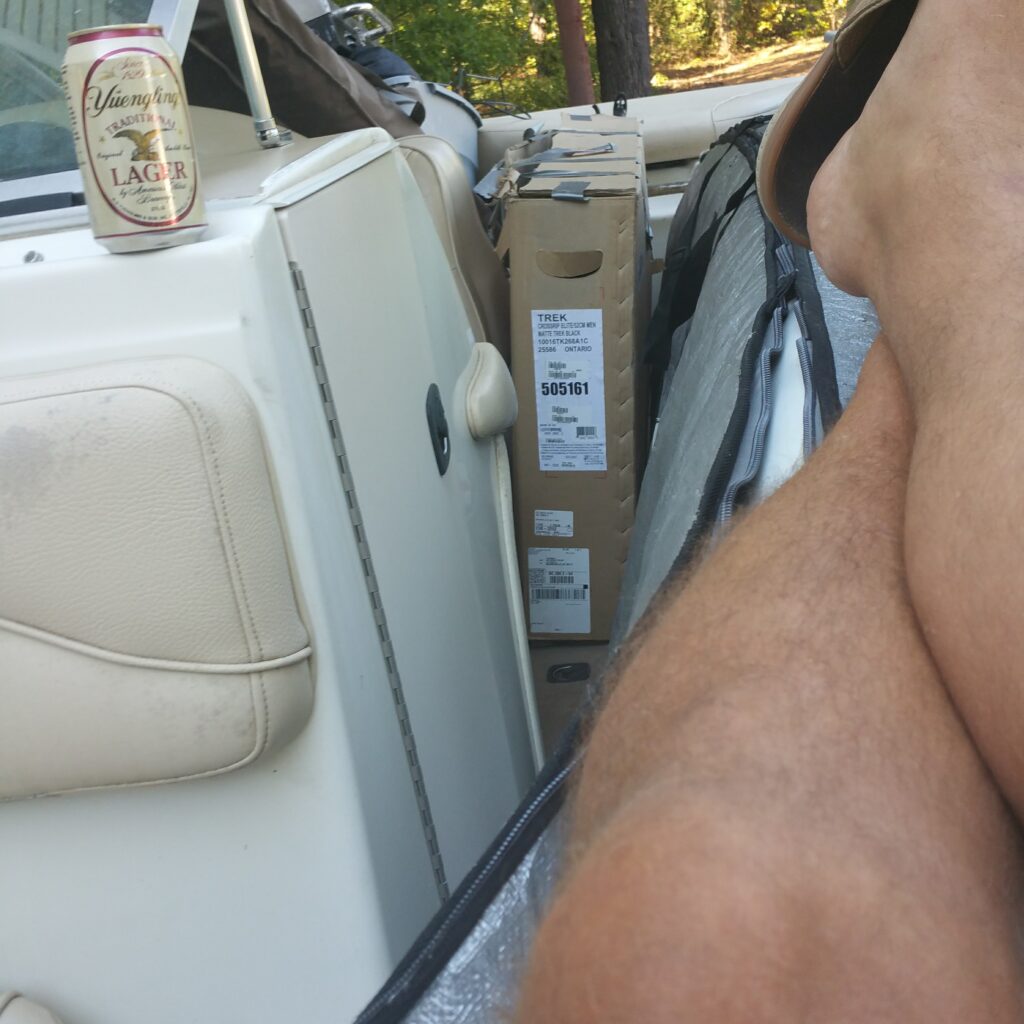
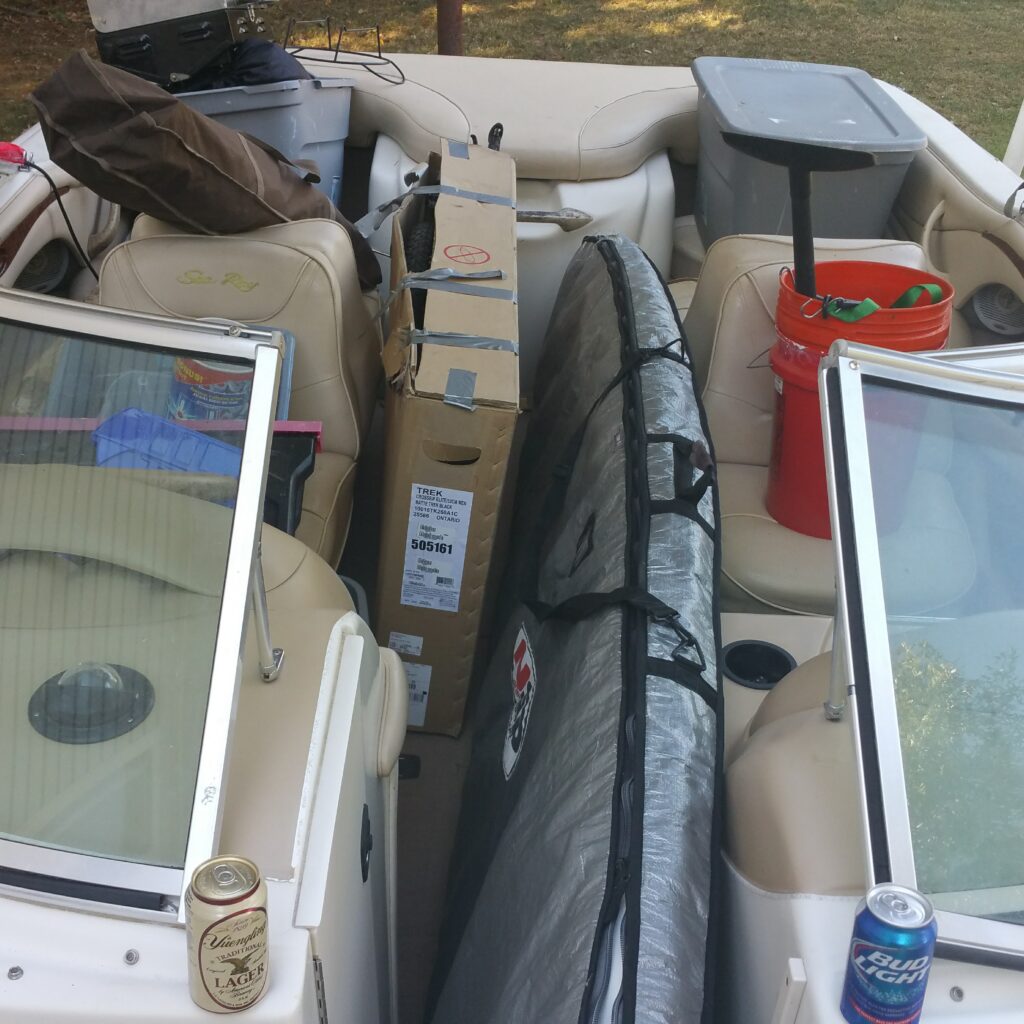
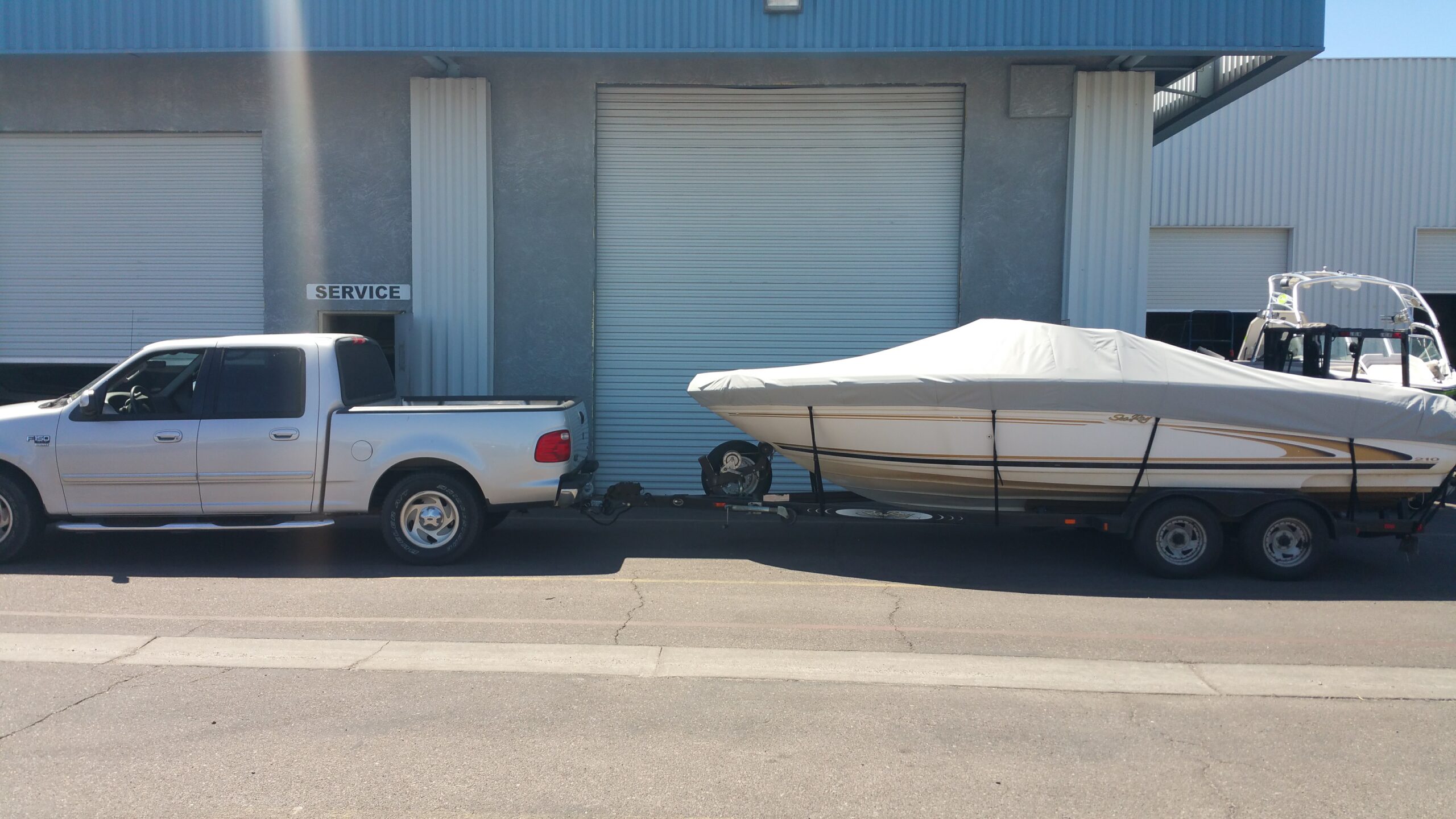
Fast forward to September 2015: my boat and two paddleboards were packed and ready for the epic trek from NC to AZ—because why leave your favorite toys behind?

It took me four long days of driving from NC to AZ. 

I dropped the boat off at storage, and sadly, that is where it stayed the majority of its years before selling it in 2022. 

It still looked so amazing for a 20-year-old boat and still trimmed out at 50+ M/PH when it sold. 😟

I should have pulled my UTV to AZ instead of my boat; I sold the wrong toy before I moved! 

A UTV would have gotten so much more use in the AZ mountains and/or making it street legal!

Let it go, Darrell, let it go! 😜

Well, I did let them go and lost my ass on both of them eventually! 

Just in the wrong order! 😎

I knew East Mesa’s lakes were tiny, but I didn’t realize weekends meant waiting to launch, only to get spun around in a human-sized washing machine. Paddleboarding through the constant wake? Forget it—I kept falling. 

After hauling my “Bring Out Another Thousand” money pit from NC to AZ, it barely saw the water at all.  If you disagree, visit Lake Lanier or Lake Norman, where the coves are bigger than the lakes in AZ.  Excuse de jour … 

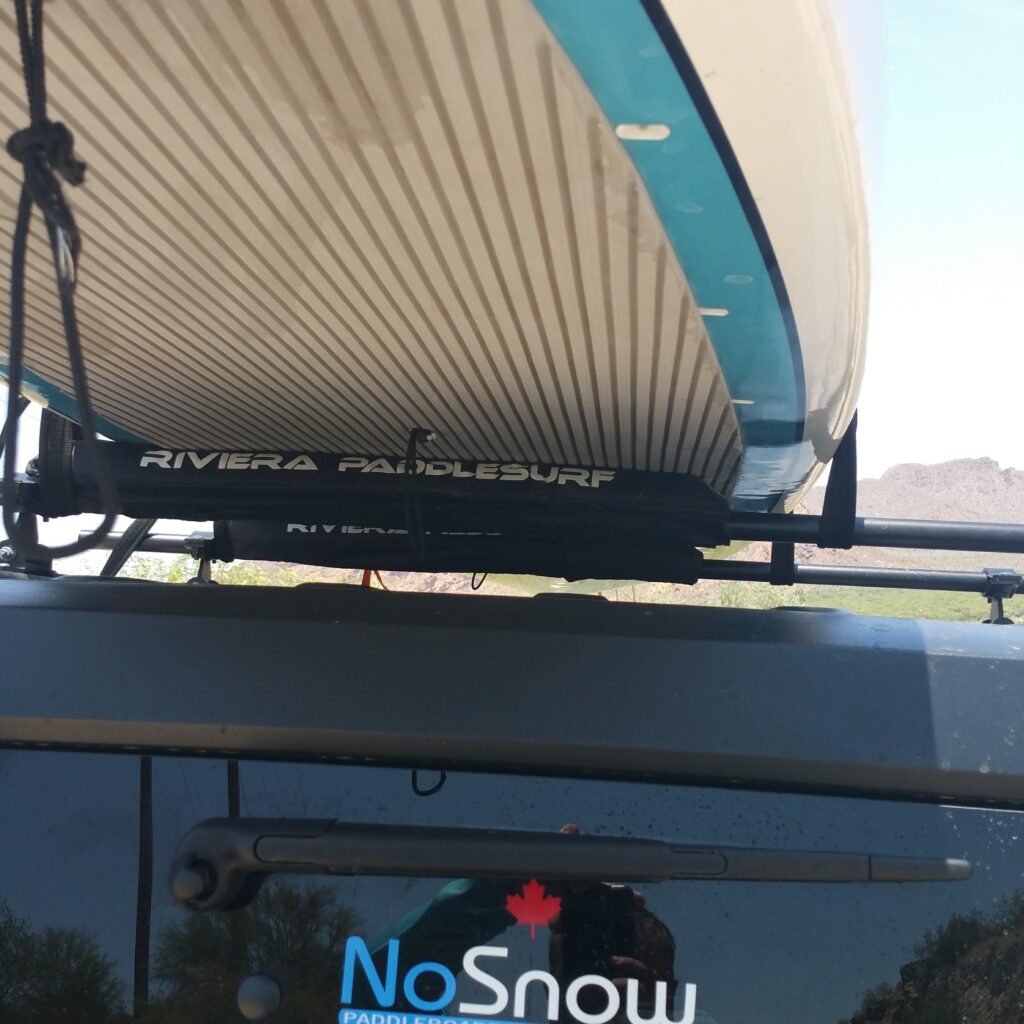
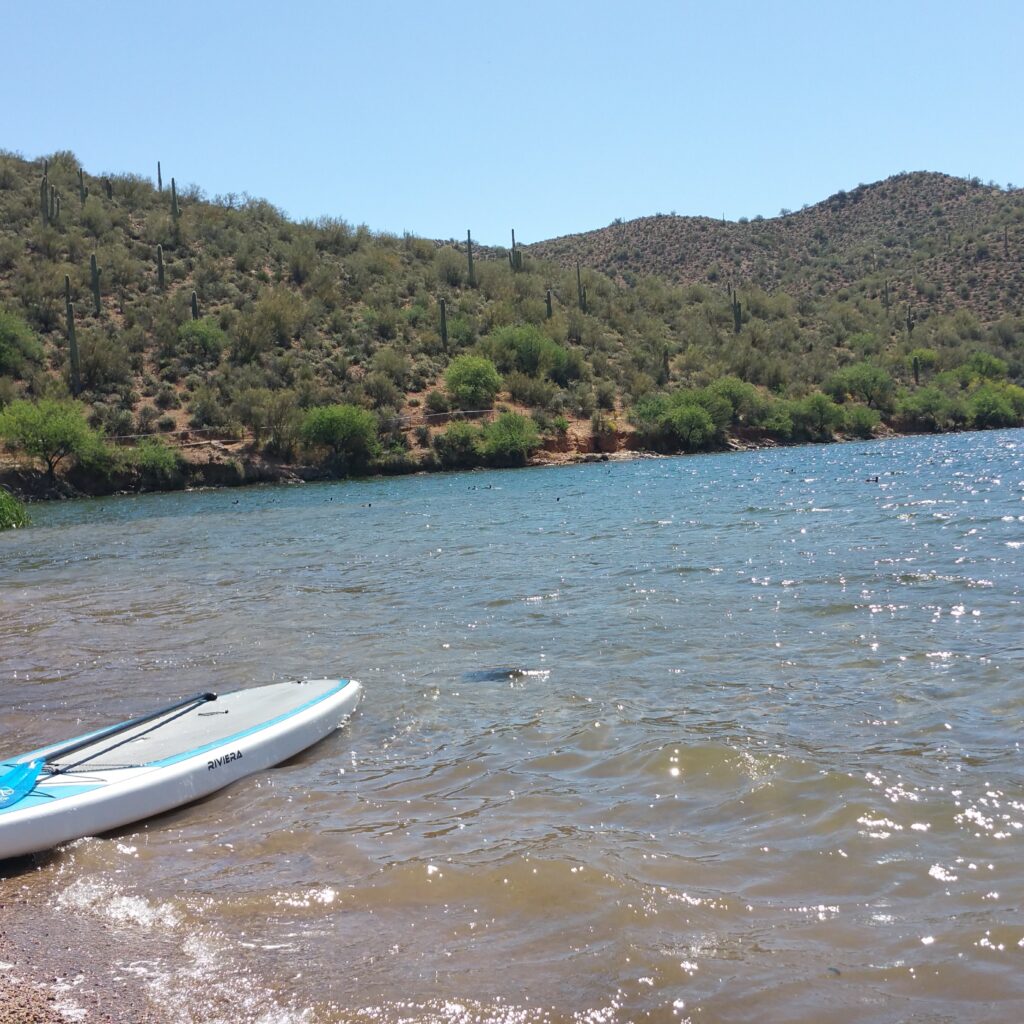
I preferred paddling the river because it involved exactly zero hassle. Toss the board on the Jeep, drive 20 minutes, and boom—adventure achieved.

You’d get a solid workout grinding upstream into the current, then enjoy the universally beloved reward: a free ride home provided by gravity and basic physics.

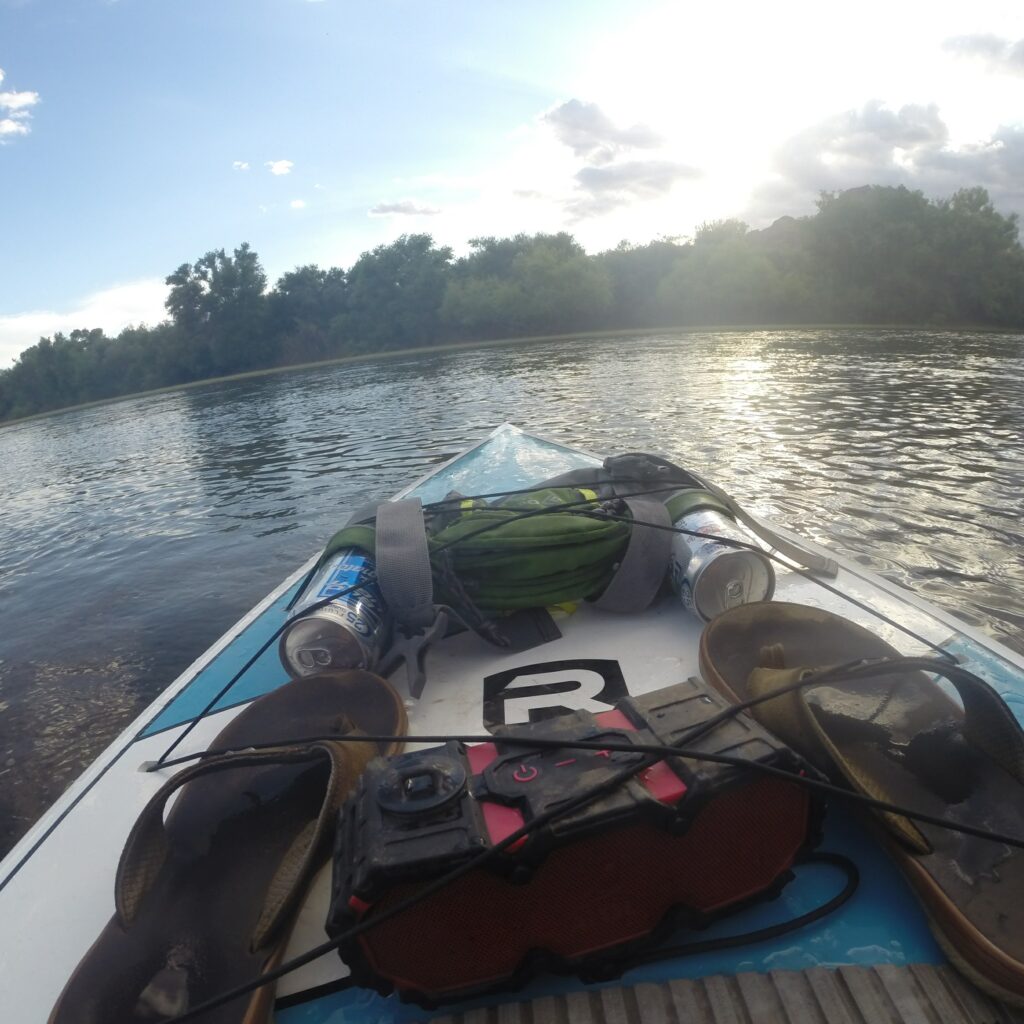
And let’s be honest—it didn’t hurt that the “commute back” involved cracking a beer, relaxing, and pretending this was all very intentional while the scenery did the work.

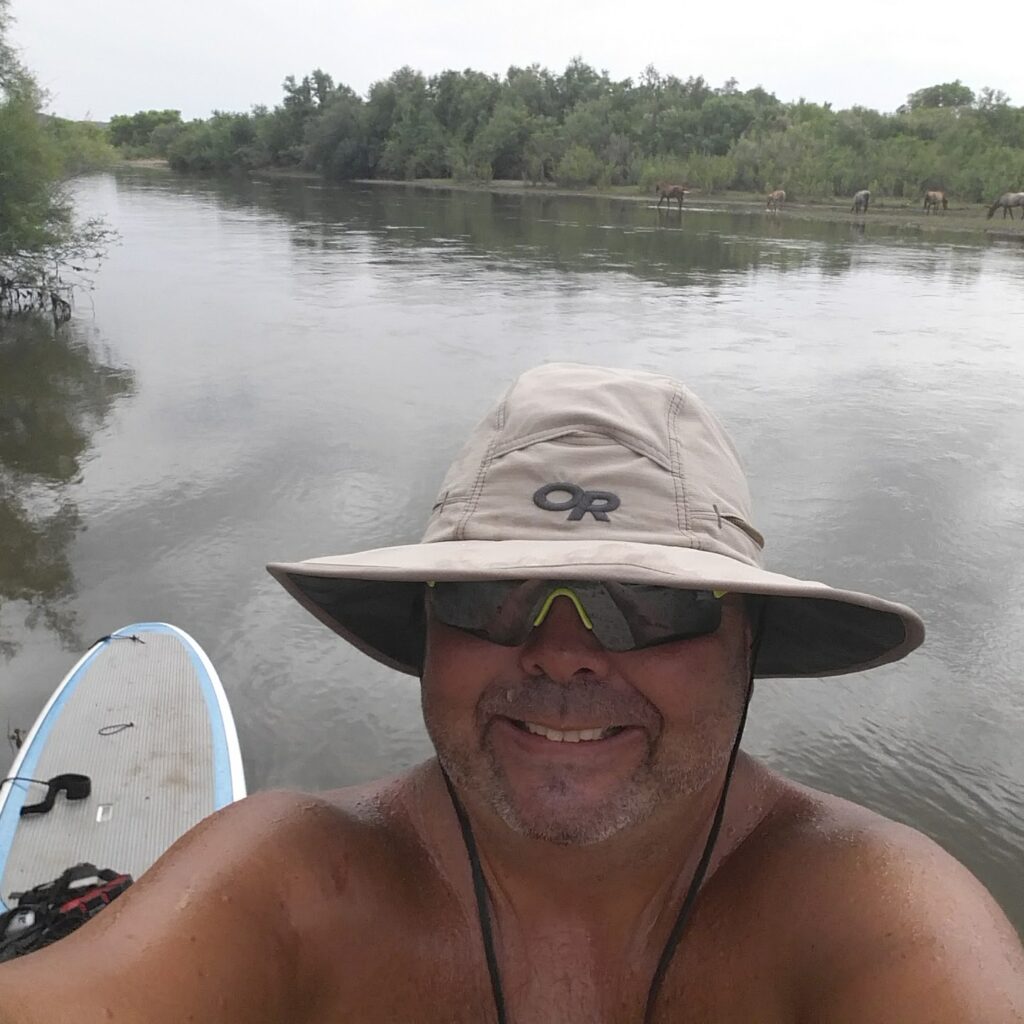
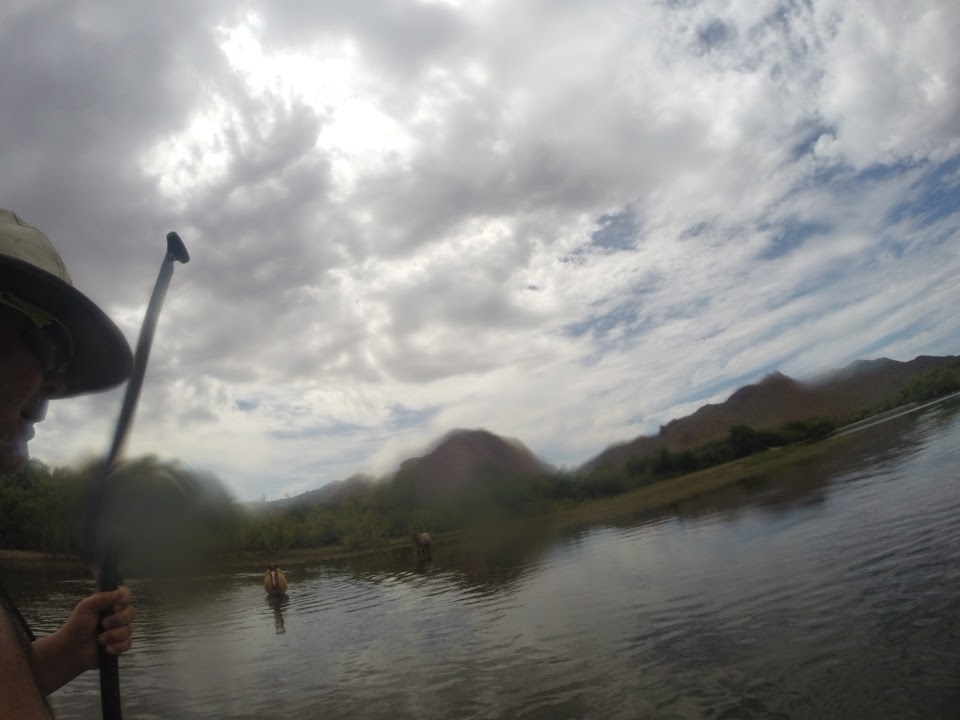
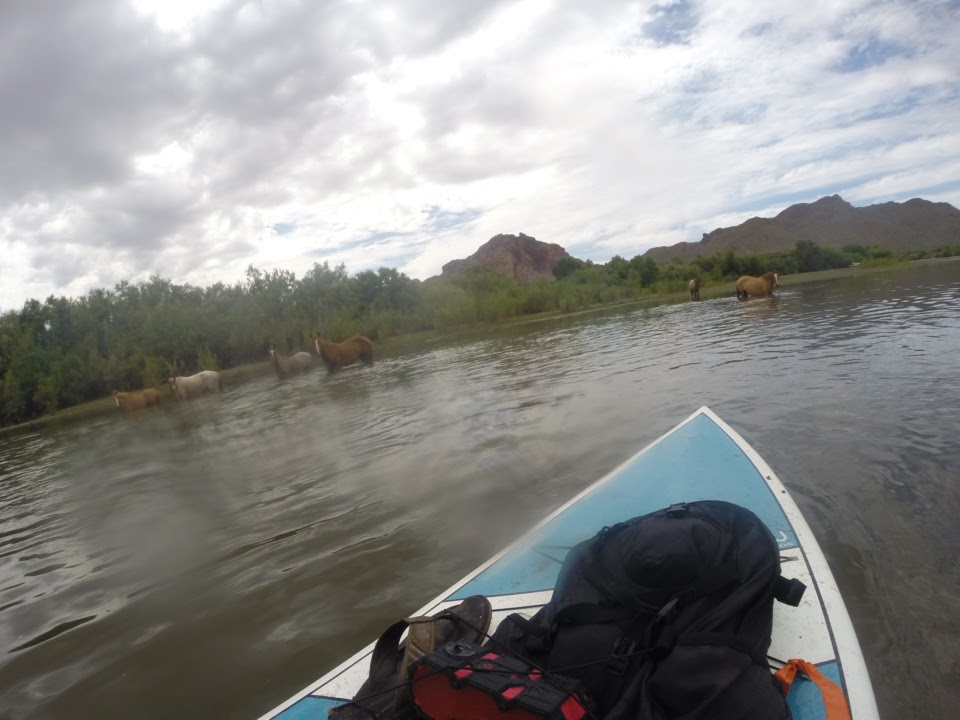
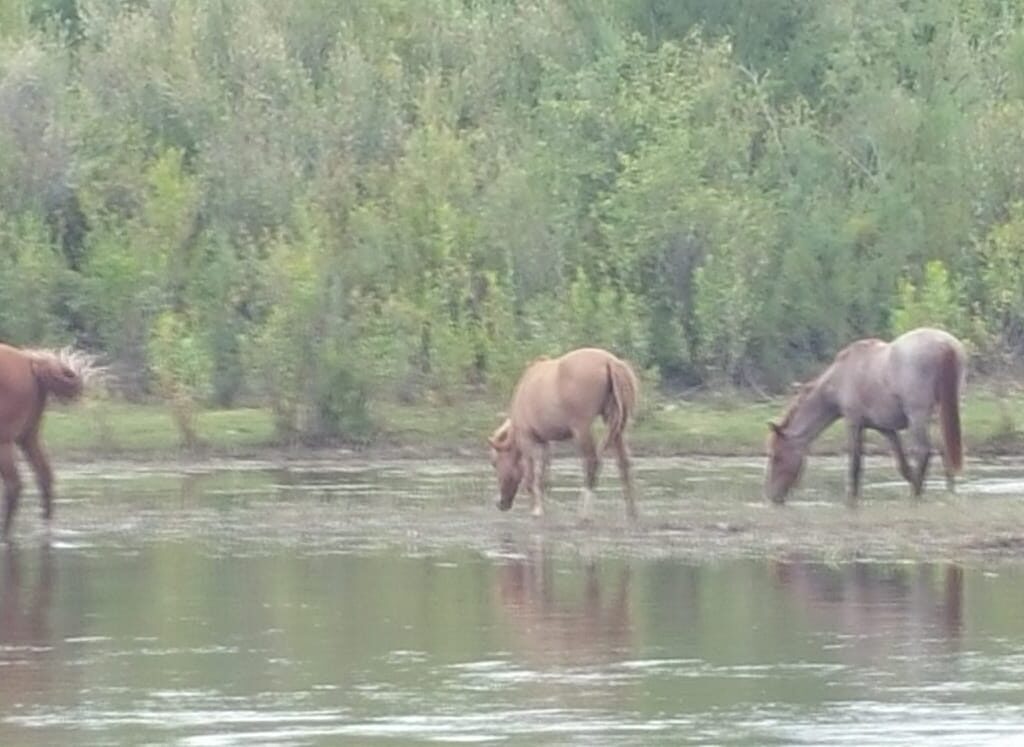
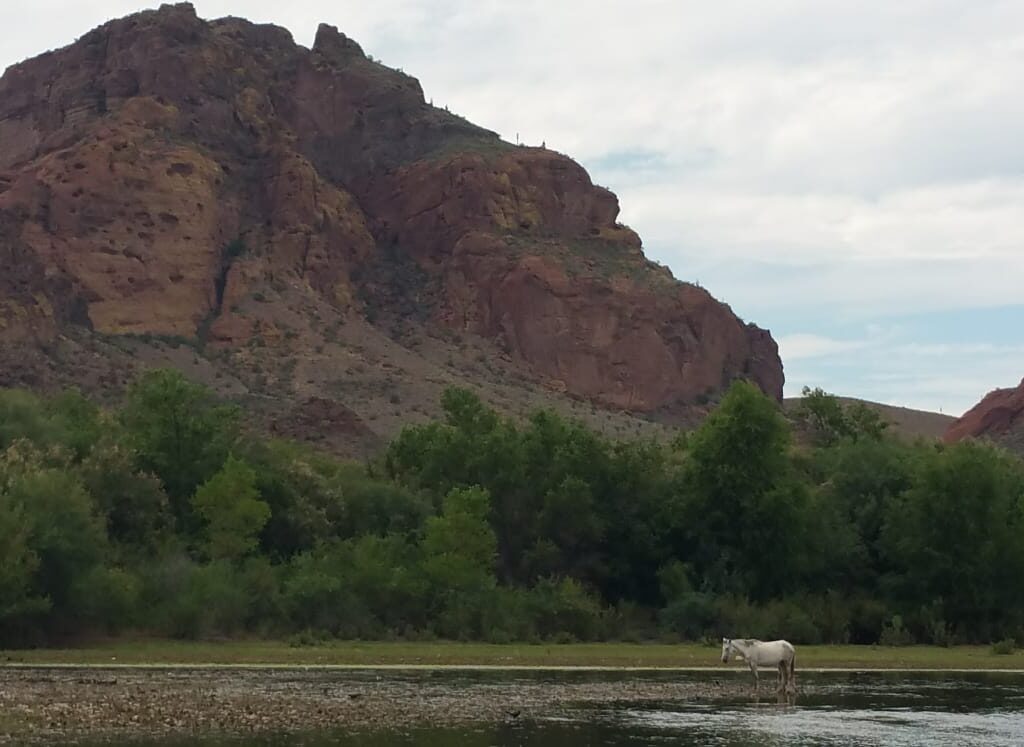
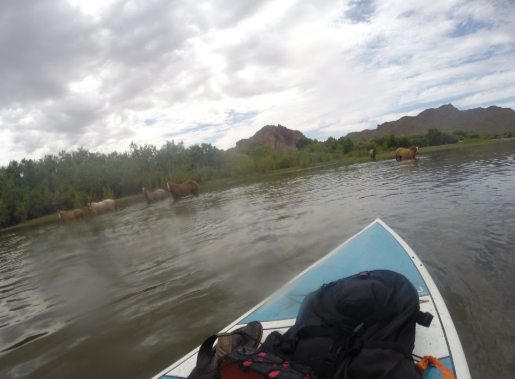
Passing the families of wild horses quietly from the water is always surreal—half nature documentary, half “is this real life or did I drink that beer too early?”

Kept one paddleboard at my place in Rocky Point, Mexico, and an inflatable in storage—because nothing says commitment like owning multiple versions of the same abandoned hobby.

I also used to paddle in a quiet ocean cove in Mexico, until the tides reminded me they do not care about my confidence or balance. That phase ended quickly.

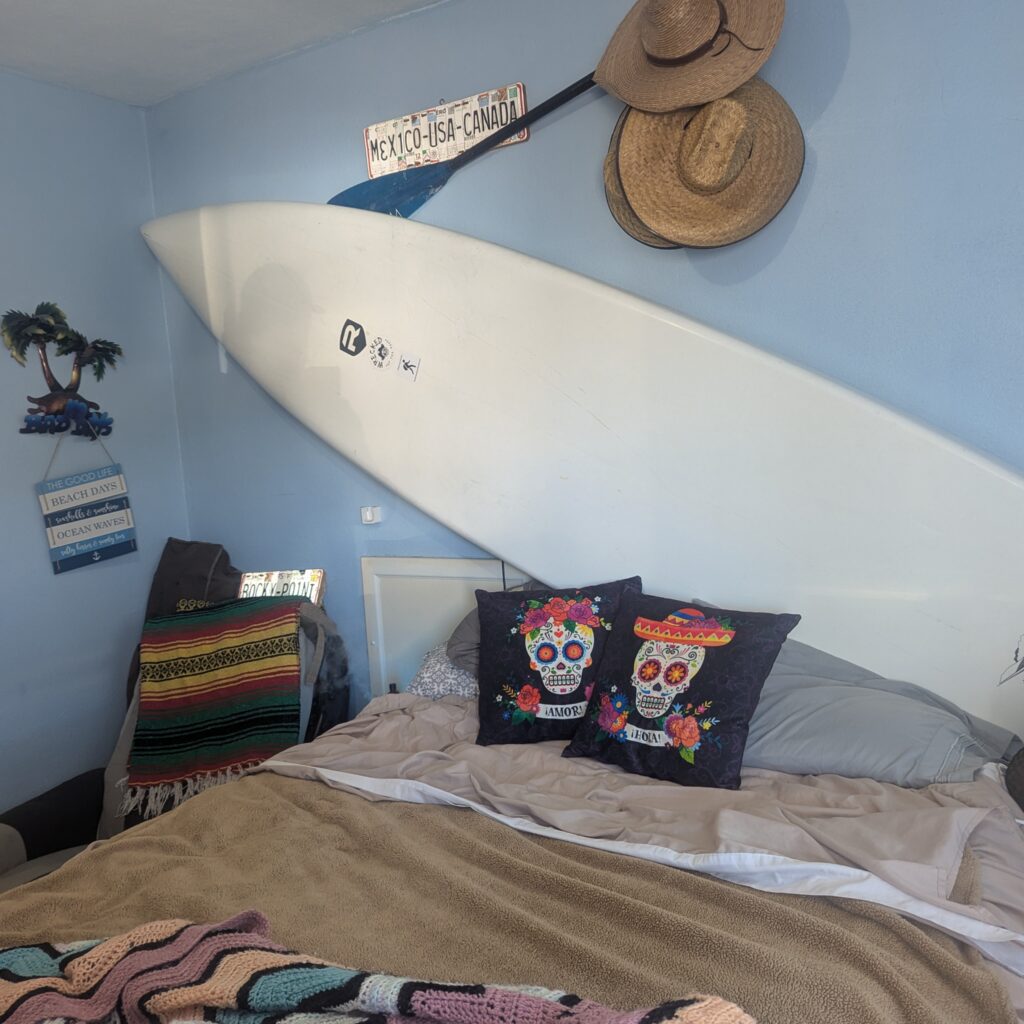
Over the years, the boards slowly evolved into tasteful wall art of days gone by, joining my golf clubs and bikes from other eras when I was sure this was my thing.

Looking back, the best part was the ~$2K “404 race board” I had mounted on my condo wall in Mesa. I couldn’t paddle it properly, but as dĂ©cor!?!

Flawless. Minimalist wannabe, very aspirational, trying to fool anyone who cared.  

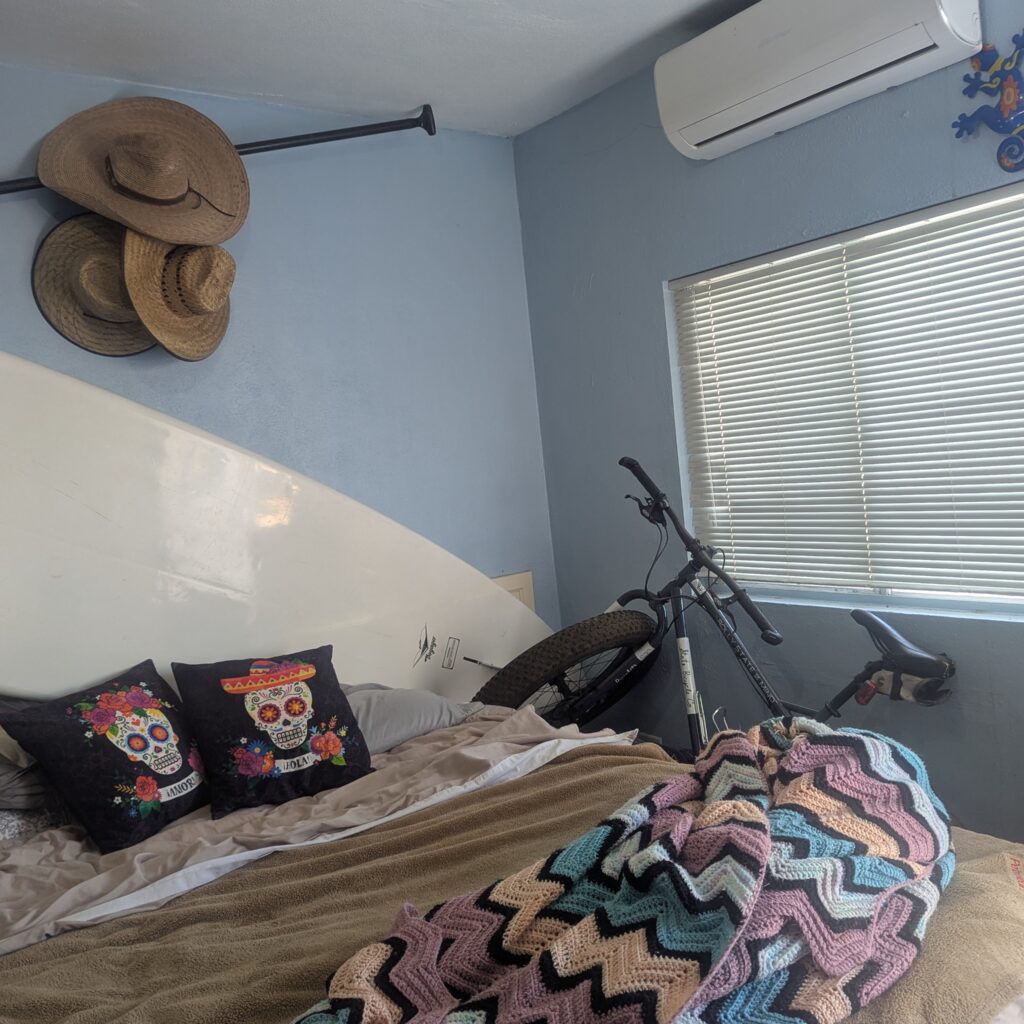
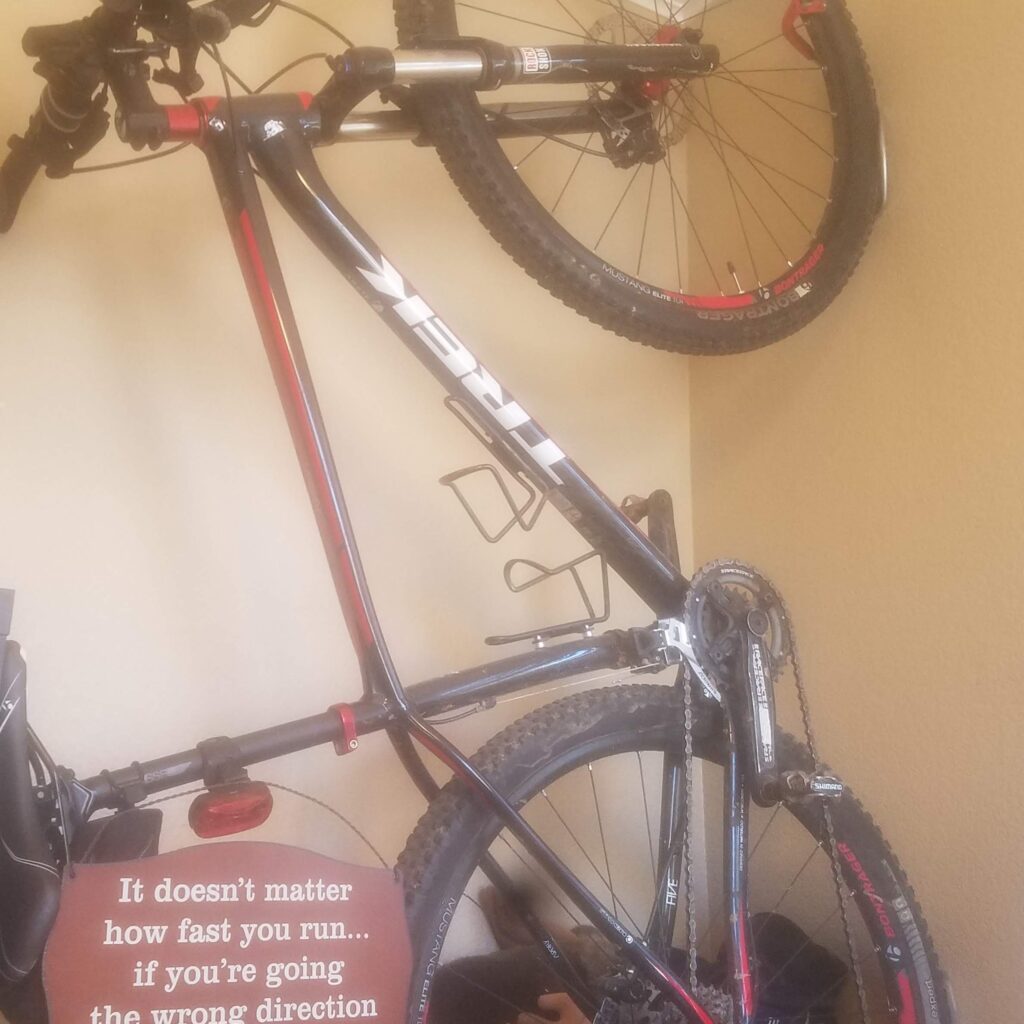
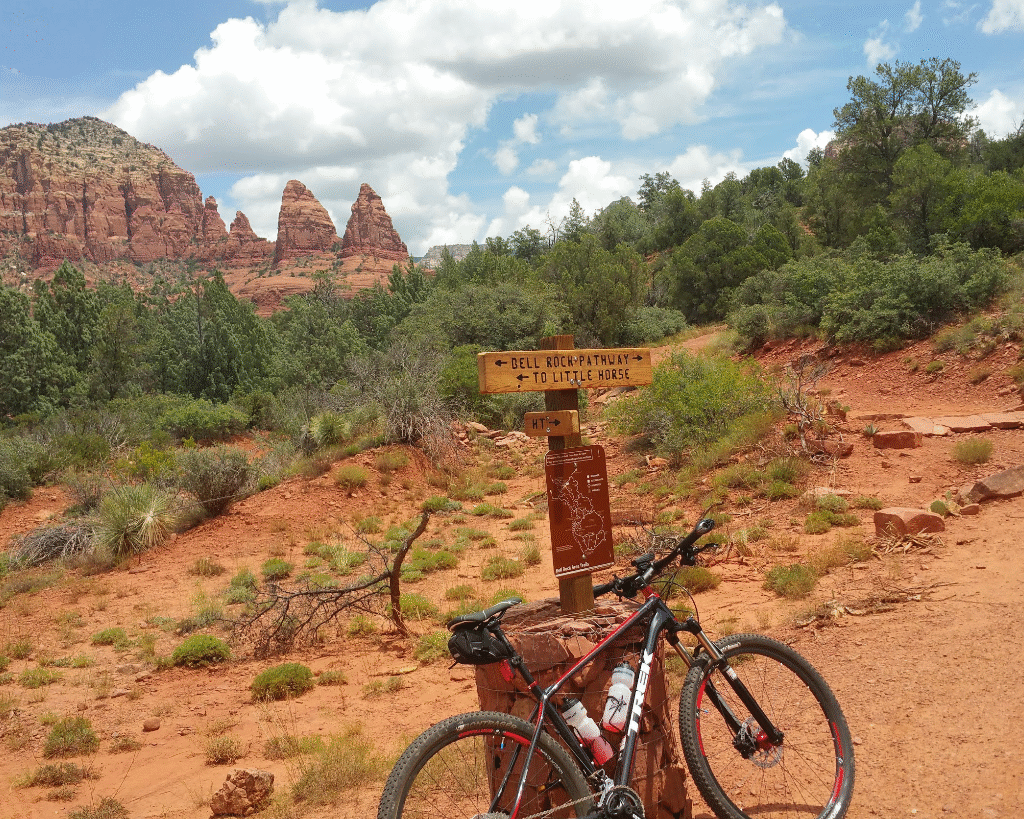
Just like the boards and bikes on the wall, my bike became art in the desert too! LOL

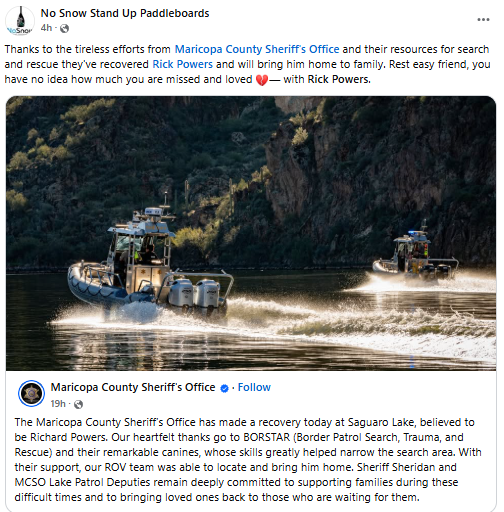
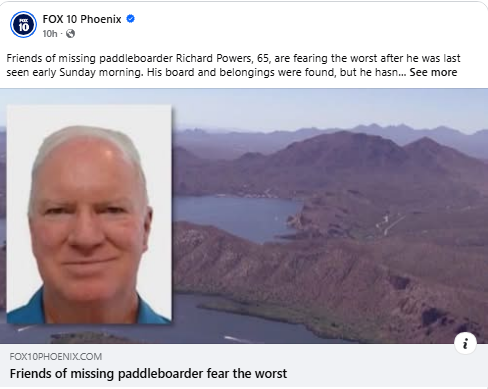
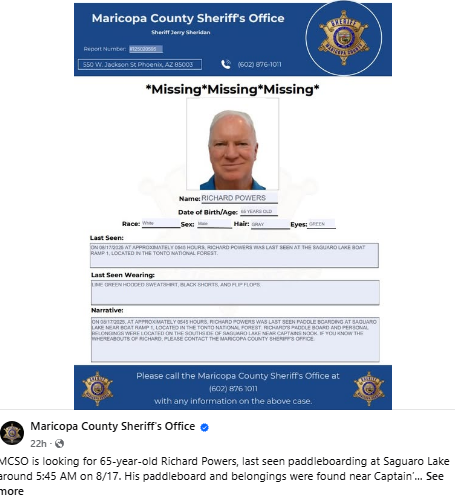
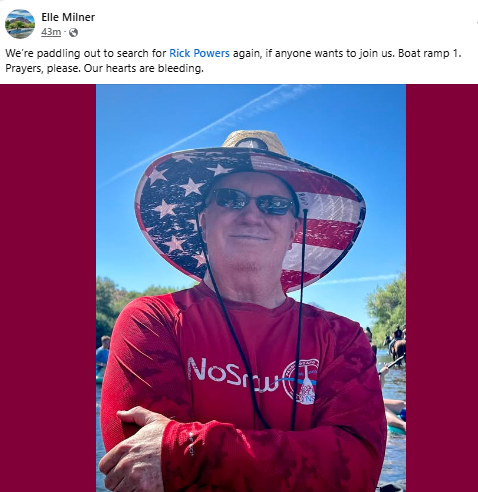
This blog was inspired by Rick Powers, his loved ones, and the AZ NoSnow paddle Family in Mesa, AZ.

It has been several years since I last saw Rick, but do not let his age fool you; he was an amazing paddler. He had hundreds of paddles and many races under his belt.  

He didn’t turn up after his early morning paddle on August 17, 2025, and found his gear, but there was no sign of Rick. They found him on the afternoon of August 20th. There was so much emotion during the search for him!

He had been all over the news (<– click here for links) with his incredible story that touched so many people.

I will always remember Rick lapping me on the lake and being so pissed off at him as he was ten plus years older!

You were an absolute legend to the “older guys” trying not to hang it up. Ultimately, you helped put me into paddle retirement where I belonged, knowing you were uncatchable. 

That will be a memory I will laugh about forever.Â đŸ™đŸ»

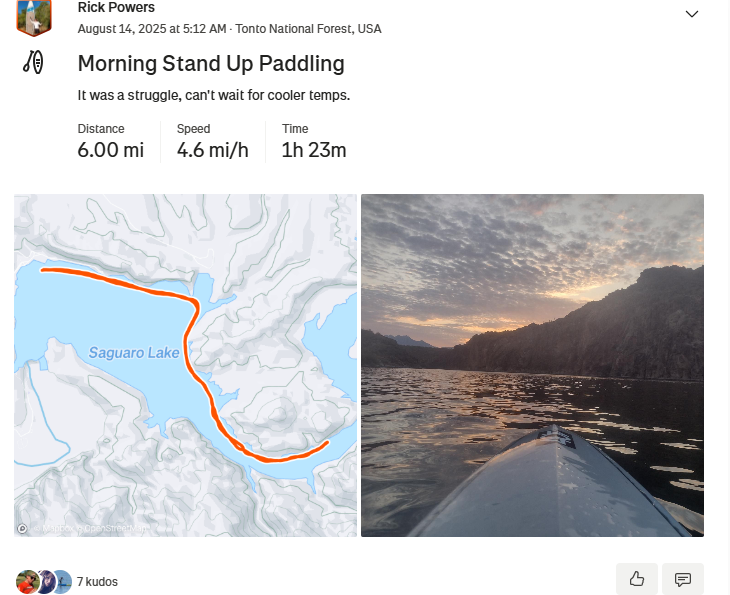
Here are Ricks’ Strava statistics (<- click the link to access stats). If you are interested in how being an older athlete can still be badass, consider that his last paddle would have been his 950th entry on Strava!

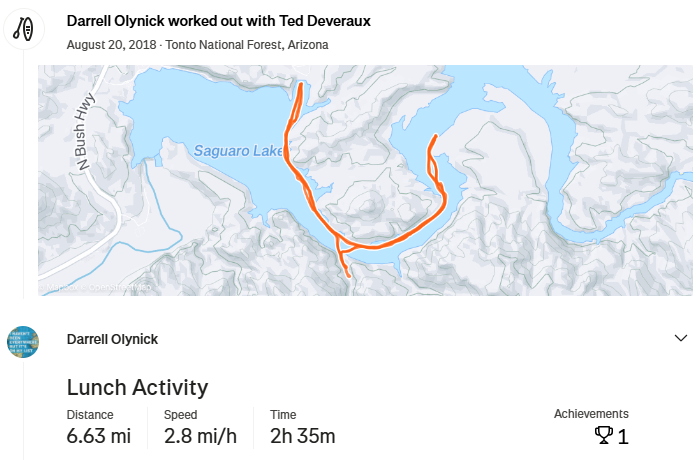
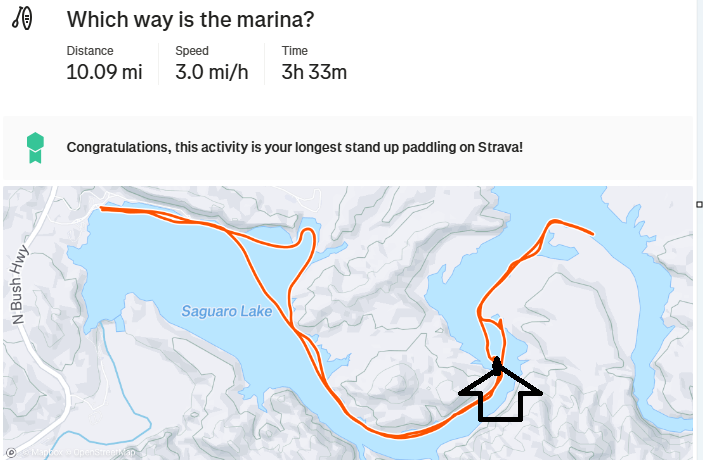
Below were our last recorded long paddles, with mine being exactly seven years ago, the day they found Rick. Ironically.  I was exhausted, I would never paddle alone again, and hung it up soon after.

Unlike Rick, I was just not good enough, and he belonged on the water! đŸ€™đŸ»

Paddle for your life was my thought that day, as I did not have much left in the tank the last couple of miles.

During my longest paddle on the same Saguaro Lake, I fell on my way home, which is marked âŹ†ïž on the map above. I got turned around and paddled further into the cove. I thought I was headed home, but was going the wrong direction, making my paddle home further.

I should never have paddled alone was my takeaway that day …

20150730_185313

Living the Arizona life!đŸœïž

One thing I’ll always be thankful for is buying a condo in Arizona during the housing market crash in 2009. At the time, it felt like a practical, almost conservative decision. In hindsight, it quietly set the foundation for everything that came later.

That gratitude sits alongside a bit of nostalgia. I’d already sold some incredible homes in Edmonton, Alpharetta, Georgia, and Mooresville, North Carolina—places tied to specific chapters of my life. Each move closed one door and opened another, even if I didn’t fully understand it at the time.

What I couldn’t see then was how the Arizona place would eventually become more than just a home. It became an anchor—a base that allowed me to take risks and travel literally elsewhere. Stability in one place made freedom possible in others. 

Knowing I had something solid to return to gave me the confidence to travel more, stay longer, and say yes to opportunities that didn’t come with guarantees.

Looking back, that condo wasn’t just a smart investment that pays me to travel through Airbnb. It was also permission to move, to explore, and to build a life that didn’t have to stay in one place to feel grounded.

From an investment standpoint, the timing was absurdly good. In 2009, the Phoenix market was still in full capitulation mode—single-family homes with pools were selling under $100K, and condos could be picked up for under ~$30K. Most of these were cash deals, with banks more interested in clearing defaulted inventory than maximizing price. Recovery mattered more than valuation.
At the time, I was working in Georgia and already owned a home there, so this wasn’t about replacing a primary residence or chasing a lifestyle fantasy. It was about positioning. A low-cost asset in a market that had clearly overshot to the downside and would, eventually, revert. While in Las Vegas that year, I took a day to fly to Arizona and look at opportunities in person—because listings are useful, but markets are easier to read when you’re standing in them.

We toured roughly ten condo properties. Living across the country forced discipline, which worked in my favor. I only considered turnkey units—no renovations, no surprises, no emotional projects. My criteria were unapologetically practical: strong amenities (pool, gym, hot tub), walkability to groceries and restaurants, and a layout that would work equally well for short-term stays and seasonal renters.

Rental potential wasn’t optional—it was the point. The goal was a property that could generate income from snowbirds while remaining usable as a personal base when needed. That dual-purpose flexibility capped downside risk and improved the return profile without adding complexity.

When we toured Solana later that day, it separated itself immediately. The location worked. The amenities worked. The condition worked. Everything aligned. By the end of the visit, it was clear this wasn’t a lifestyle purchase pretending to be an investment—it was a clean, well-timed asset with multiple usage paths.

Which is exactly what you want when markets are panicking, and patience is underpriced.

From an investment perspective, it checked every box.

The Solana community had two pools, a hot tub, and a gym—exactly the kind of amenities that matter to both renters and owners. A Safeway directly across the street, a Walmart down the road, and multiple restaurants within walking distance made it even more attractive. Convenience sells, especially for long-term renters and short-term guests.

I left Arizona with clear instructions for the agent:
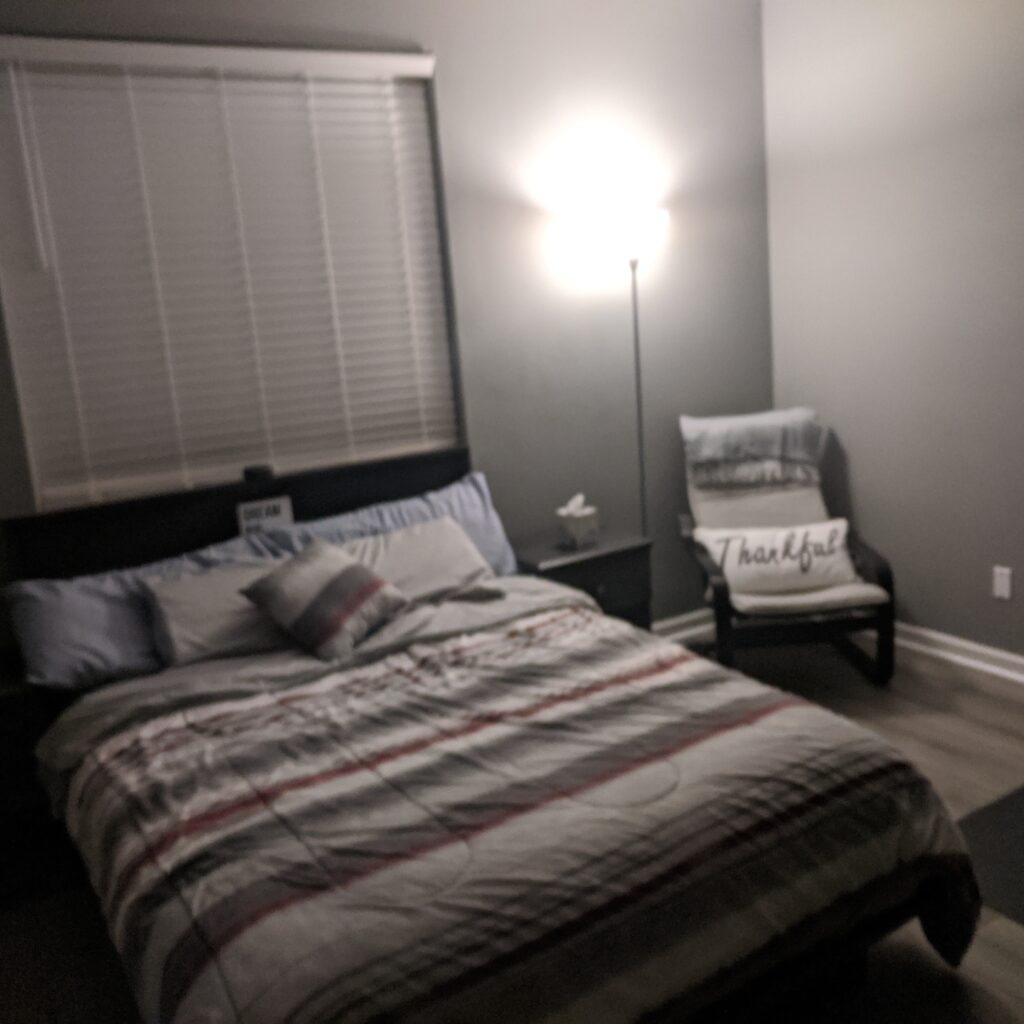
One-bedroom, ground-floor unit, green space patio view in Solana.

He nailed it!

All wrapped up in a $52,500 all-cash deal—a low-risk entry price with real usability, solid demand, and strong rental upside. At the time, it felt like a smart move. Looking back, it turned out to be a foundational one.

In the summer of 2014, I was laid off while living in Mooresville. It was one of those moments that forces clarity whether you’re ready for it or not.

Instead of scrambling to stay put, I treated it as a clean break. No panic. No patchwork fixes. Just an honest look at what I wanted next. It was time to leave the South and head west—and the difference was, I already had a landing spot waiting for me in Arizona.

What could’ve felt like a setback turned out to be a pivot. Sometimes losing the plan is exactly what makes room for the right move.

Arizona—and **Solana in particular—**turned out to be the perfect landing spot. It gave me a property that could generate rental income while still supporting the kind of life I actually wanted to live.

Year-round access to pools, hiking, biking, paddling, and camping meant the place worked whether I was home or on the road. From an investment standpoint, it made sense. From a lifestyle standpoint, it made even more sense.

It wasn’t just a smart buy—it was the rare overlap where numbers and quality of life lined up.

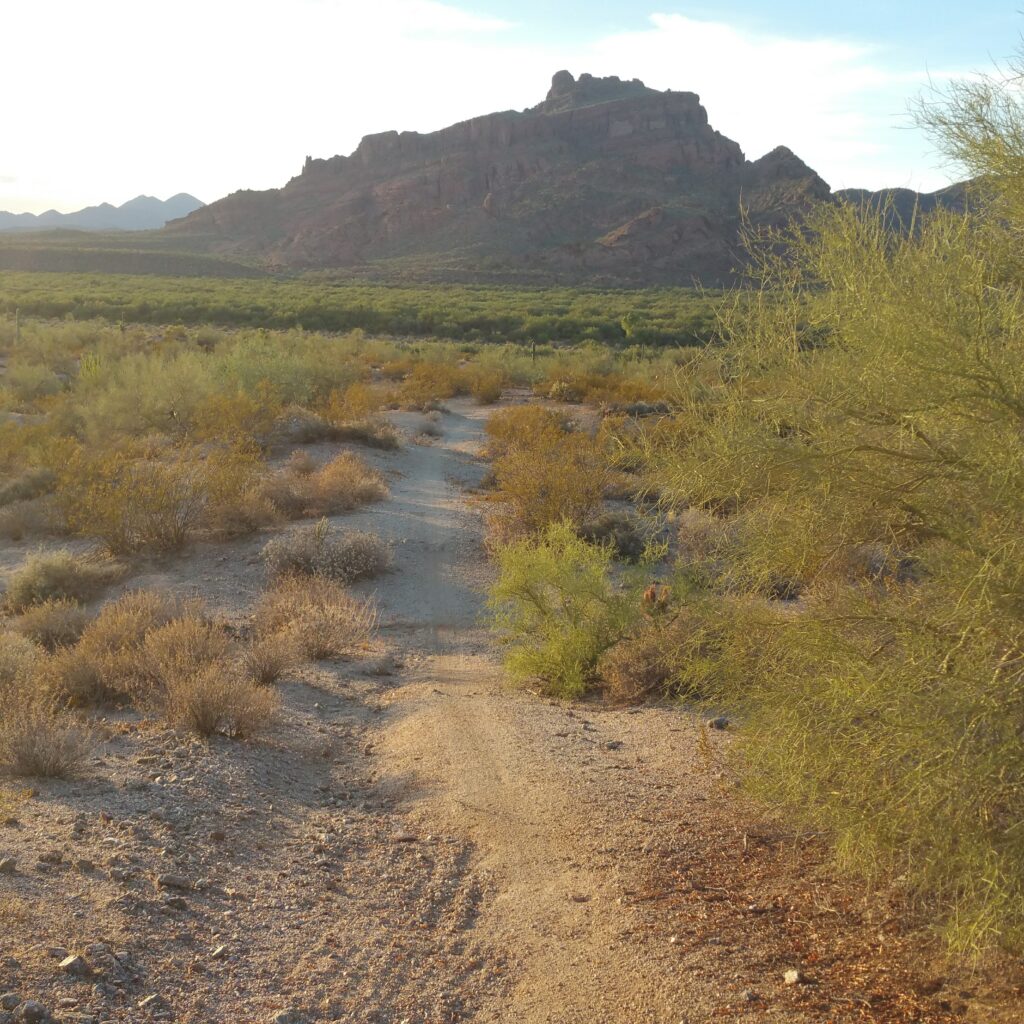
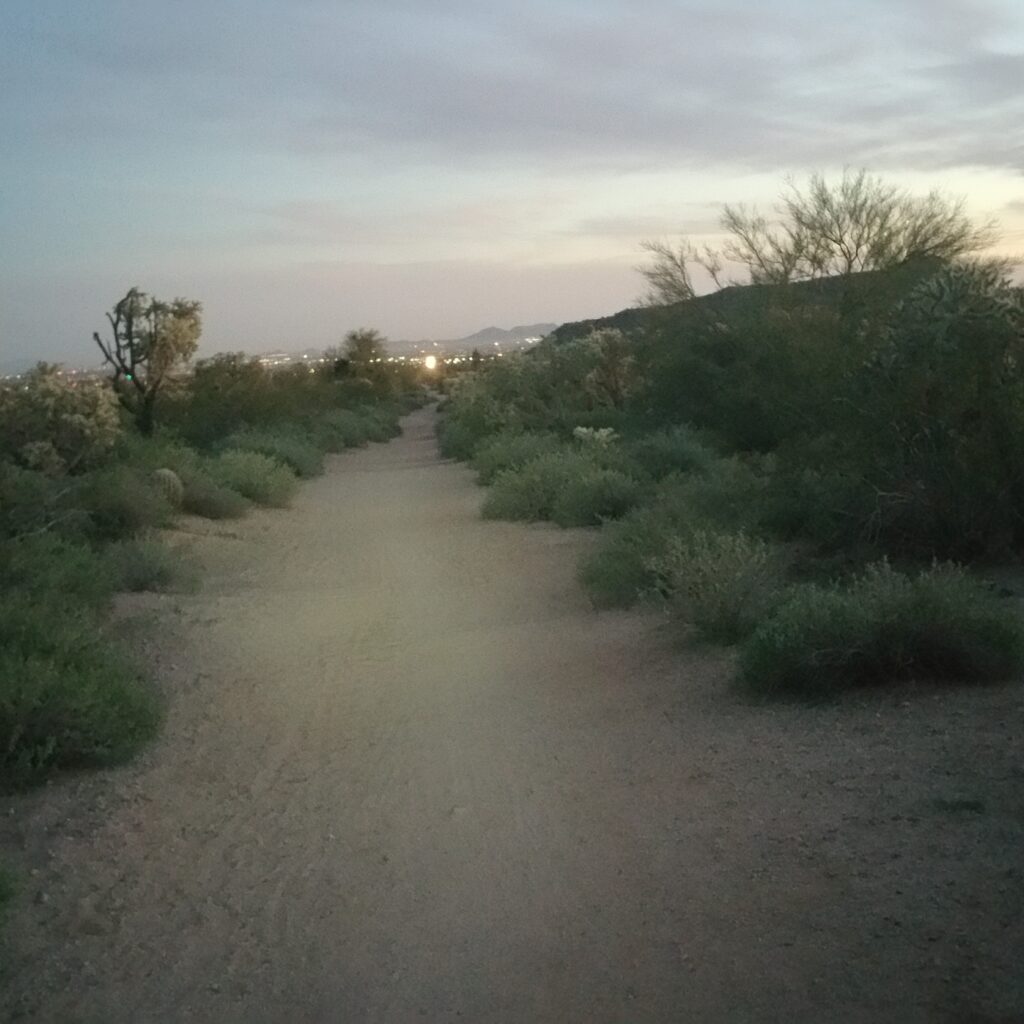
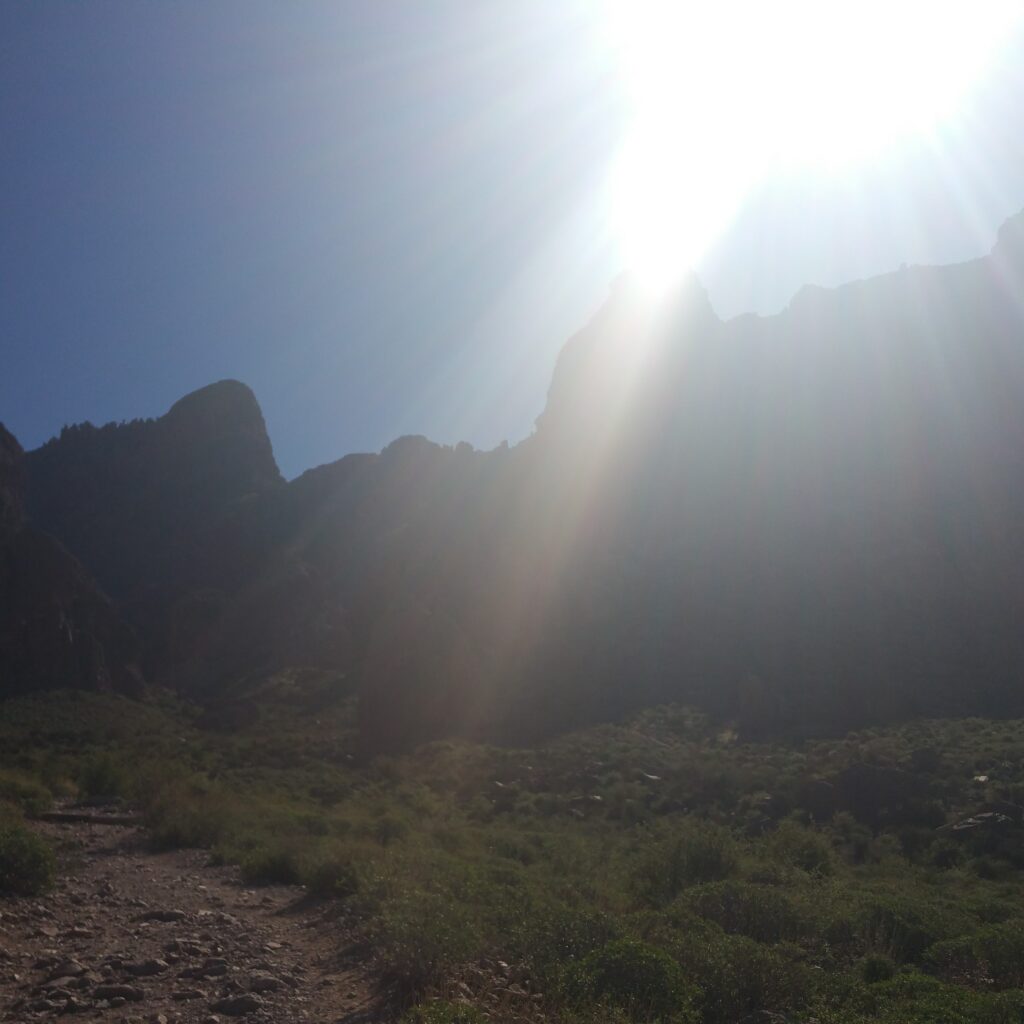
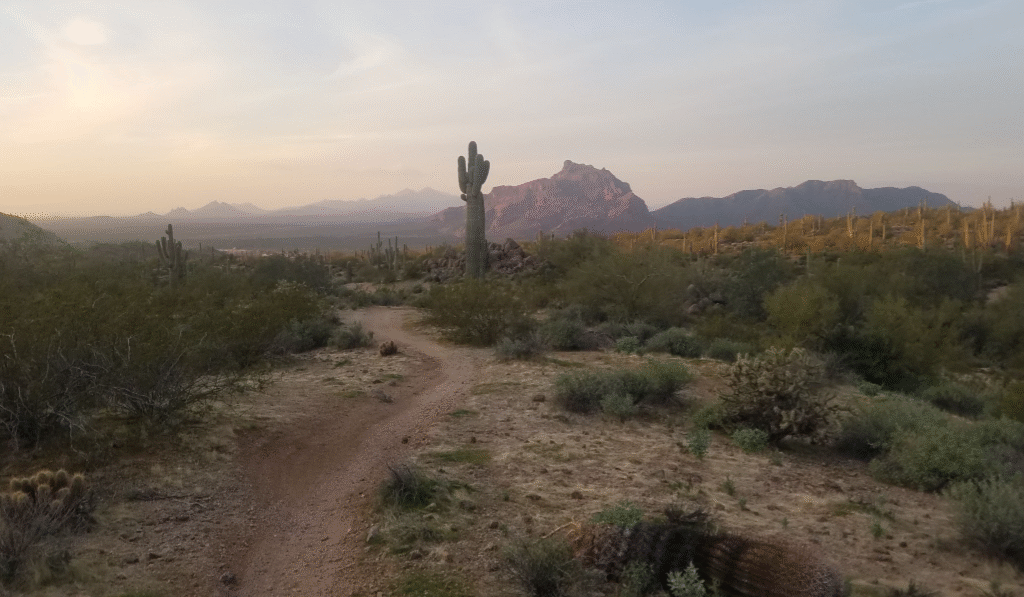
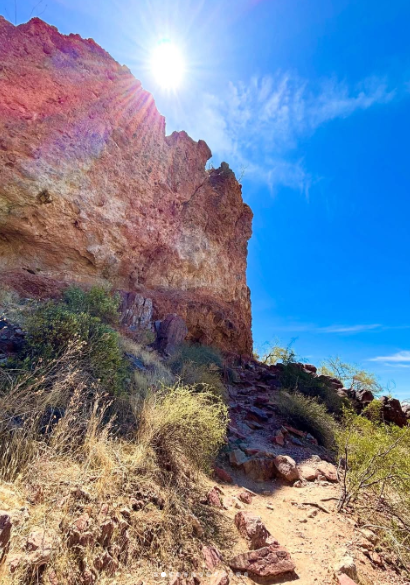
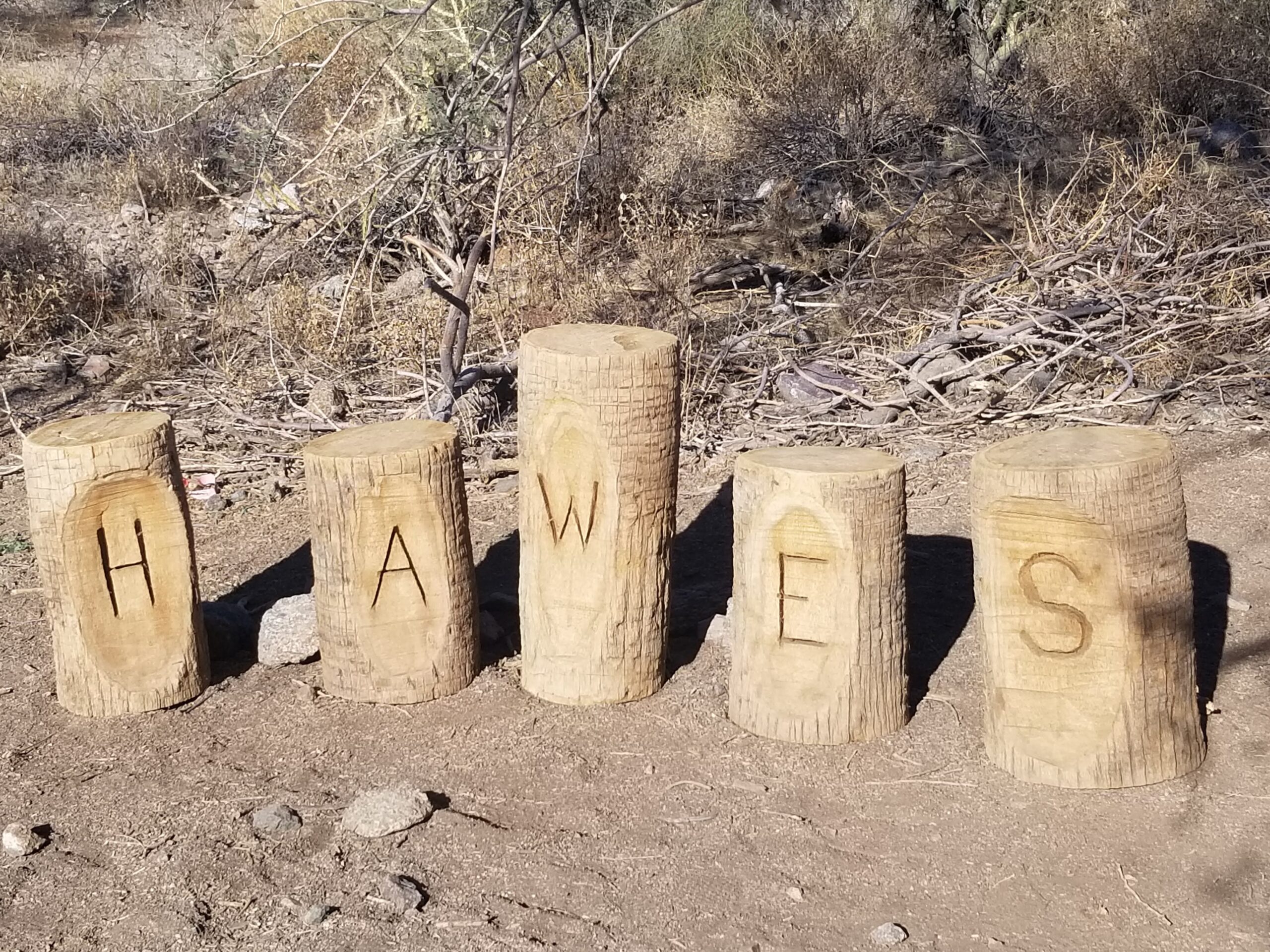
I’ve hiked the Hawes Trail System hundreds of times. Being just 15 minutes from home meant it was never something I had to plan around—it was simply there, ready whenever I needed it.

Over time, those trails became more than exercise. They turned into a reset button. A familiar place to think, to recalibrate, and to work things out one step at a time. No agenda, no pressure—just movement, space, and perspective.

Some places quietly heal you.
Those trails did exactly that.

I hope you enjoyed the pictures as much as I enjoy calling Arizona my part-time home, part-time Airbnb income generation—a place I return to when I’m not traveling.

H19

Hawaii – miss you, see you soon!! đŸ€™đŸ»

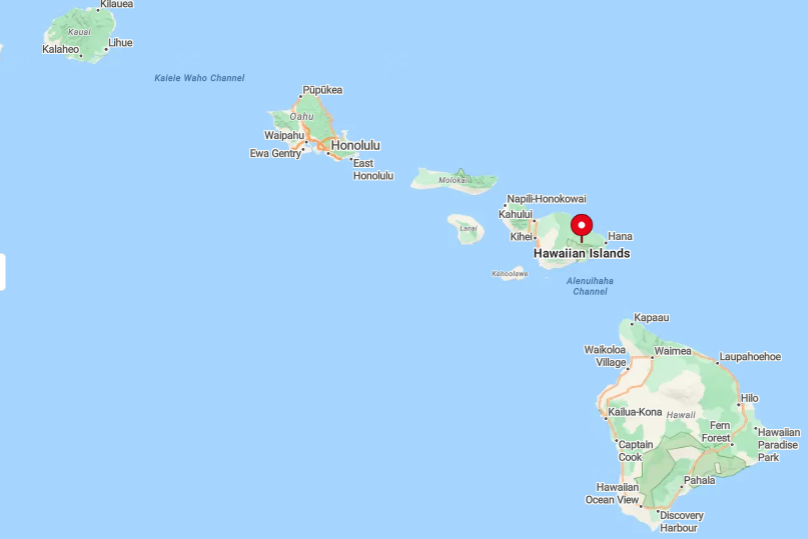
I have been fortunate enough to go to Hawaii several times and lived there for four months at the end of 2022 into 2023. I was at the end of my rope with my job and took my show on the road incognito.

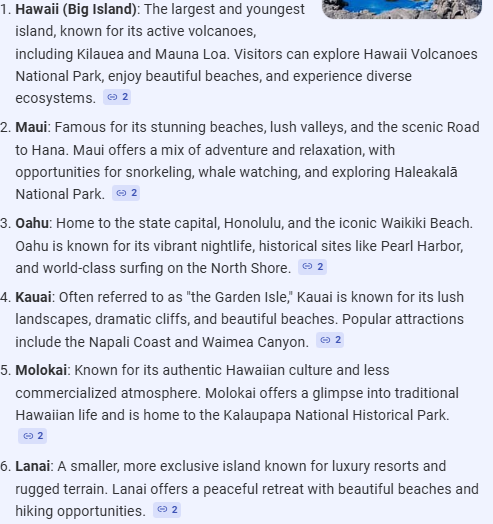
I have visited almost every island except Kauai and Molokai.

Each Island had its vibe for me.  Expensive, touristy, inexpensive, better food, and of course, fishing.  I do not need to go back to Maui or Lanai, as there was not much there for me.  Maui is super expensive, and Lanai is a dot on the map that is extinct since they took the Dole factory and moved it to Oahu near the North Shore.

My choices come down to two: Oahu, as it is the least expensive, and the local transportation, and Kona for the fishing and friends.  These are the two I spent the most time on, including my incongnito work trips.

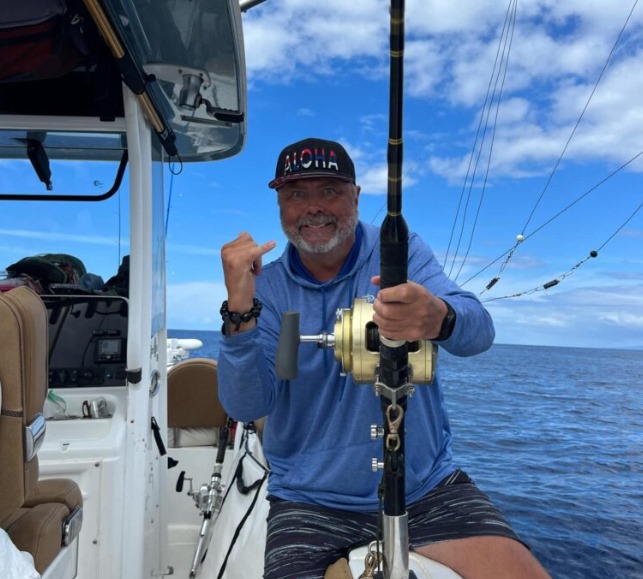
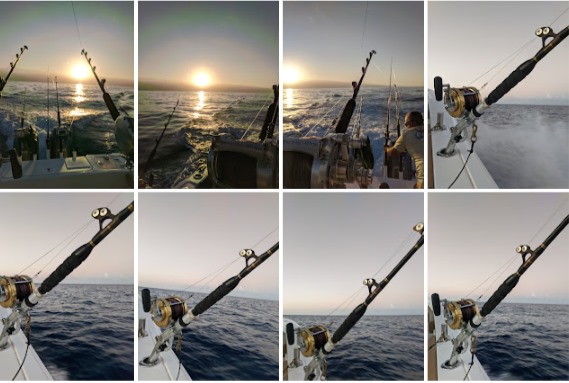
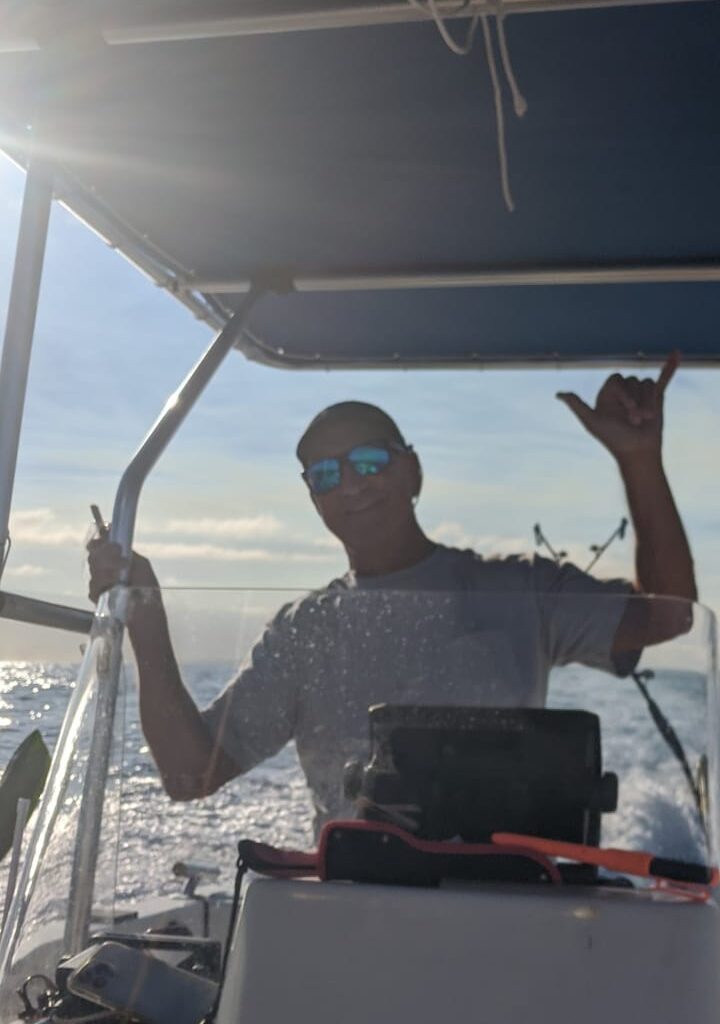
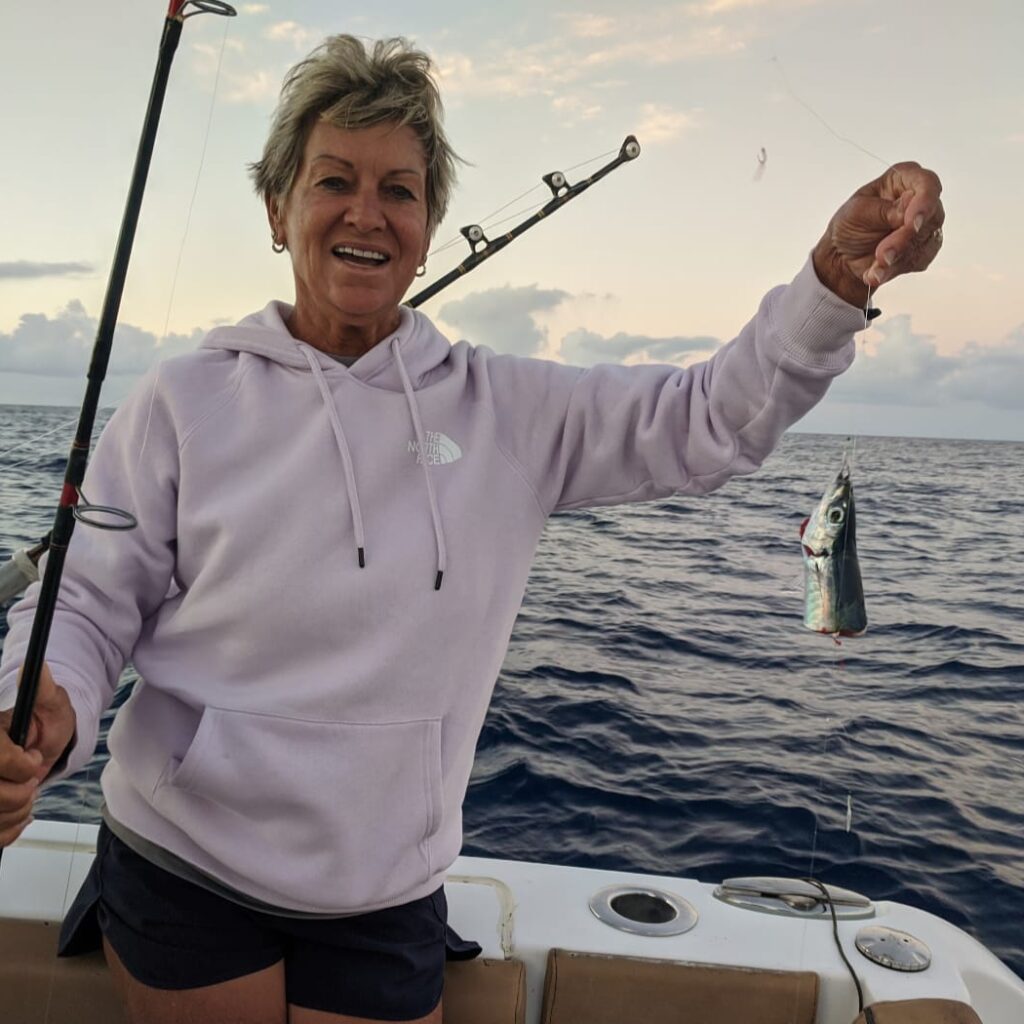
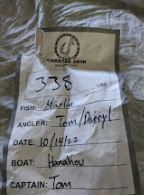
Let’s start with my favorite, hands down, Kona!  I was lucky enough to meet first mate Sue in my first week there, who introduced me to her fishing crew, and I never looked back.  They were some of the most fun traveling days of my life to date out on that boat catching my dream fish, a 338 Marlin!  The weight changes with each story, as it was such an EPIC day, and the official weight was 334 lbs, and we smoked it at Captain Tom’s.  

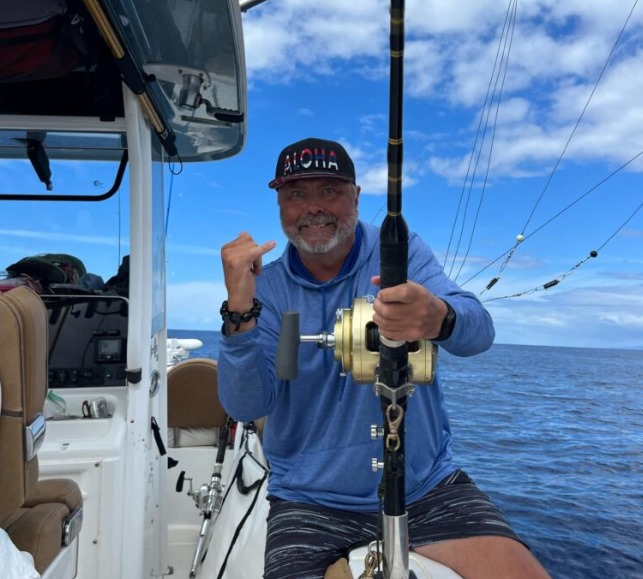
It tasted like fishy, spicy jerky, and it was unforgettable, as you can see from my smile while reeling it in that day.

This is an absolute dream crew (makes me dream of going deep-sea fishing again)!

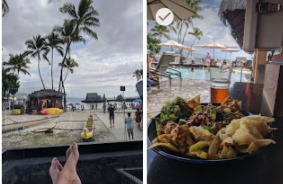
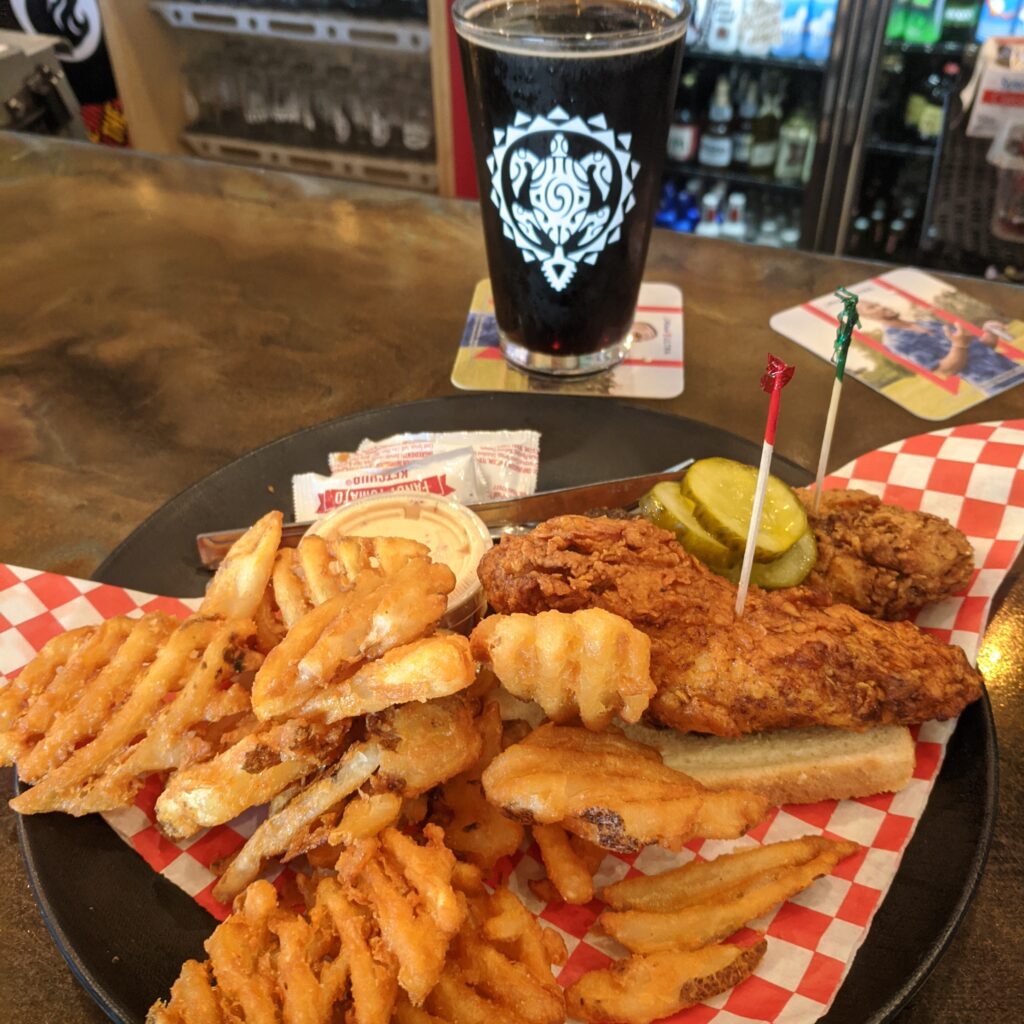
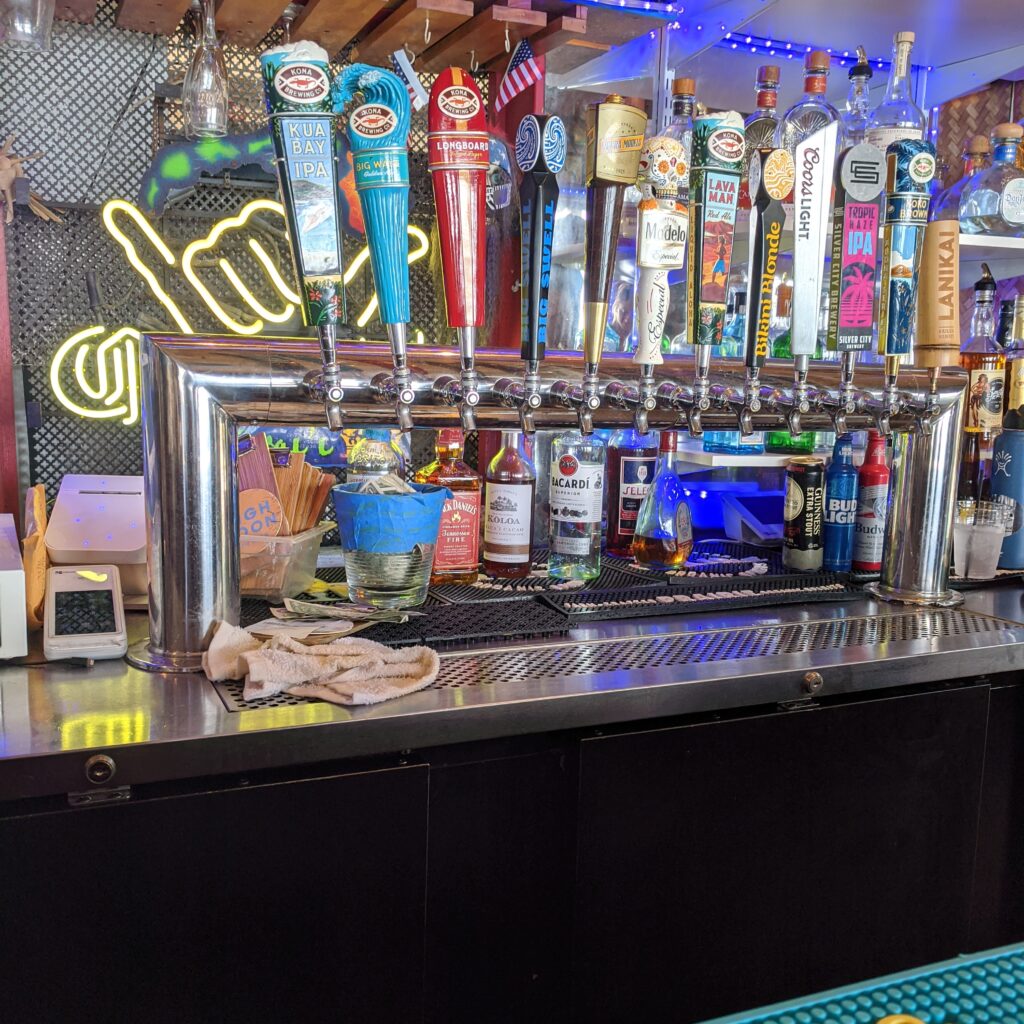
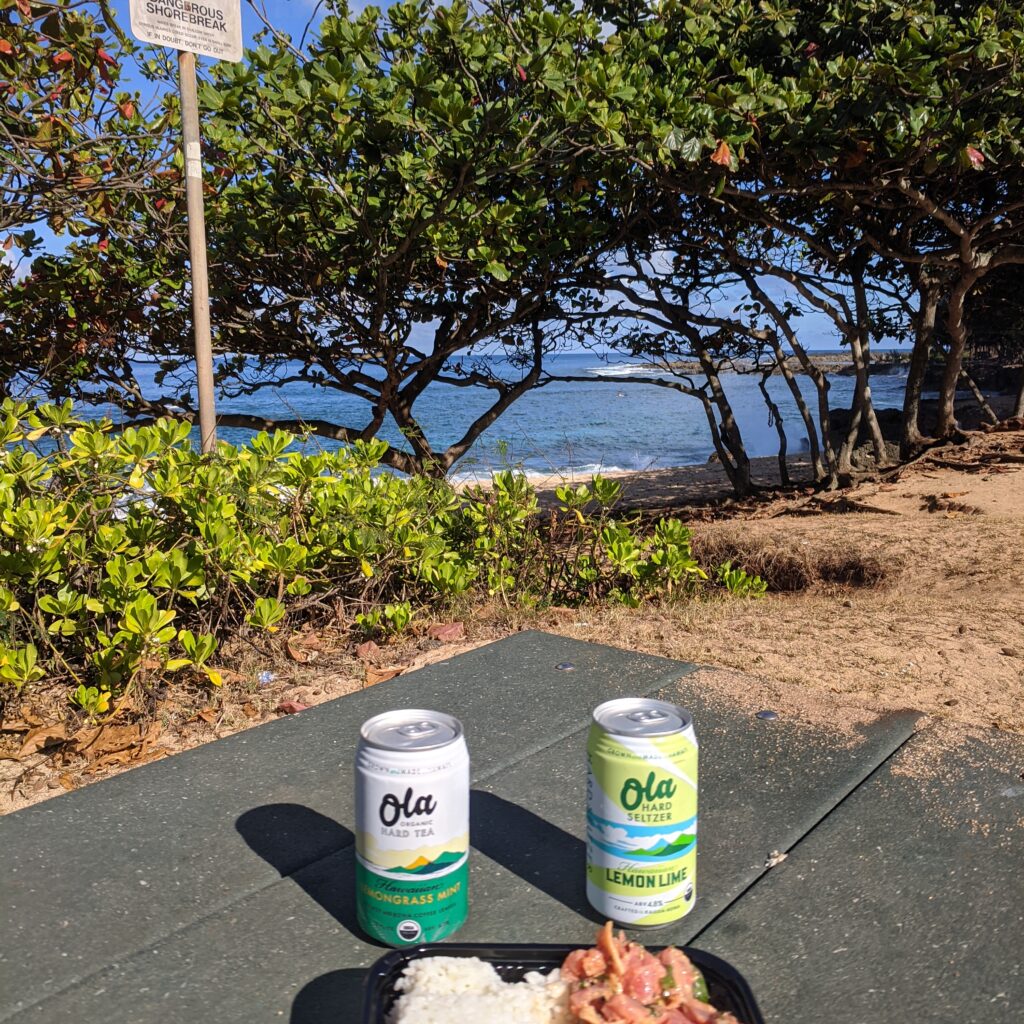
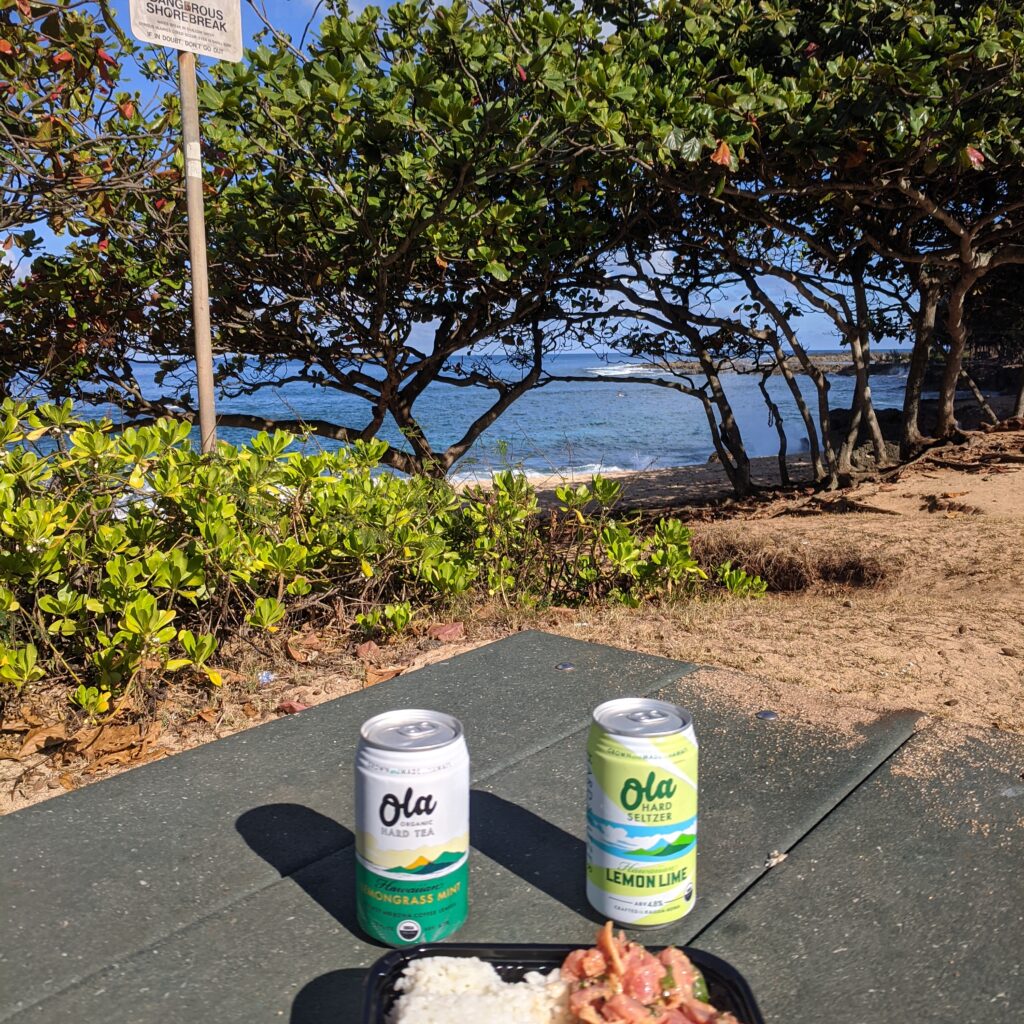
I was also able to find great, inexpensive food and happy hours.  There was the big hotel on Ali Drive where I would crush local IPAs and Kona ahi tuna nachos by the pool overlooking the ocean.  The Kona Brewery, where I could try all of their beers on tap and take a growler home. O’la Seltzer Brewery, where they made the best seltzers, including Lemongrass, which was my favorite drink while eating Ahi tuna.  Willie’s Chicken serves the best chicken tenders (my favorite), and Da Shark Shack is a local dive bar where they’d show Oilers games for me and serve my favorite fish, Ono.  

I would take the free trolley around town, which would drop me off at all my favorites.

Other than fishing and friends, here are just some of my favorites mentioned that keep me coming back to Kona.

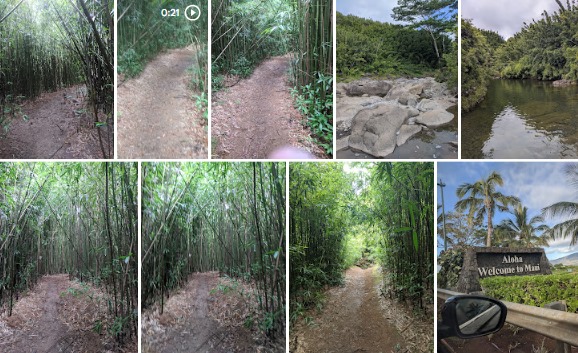
No mistakes can be made visiting any of the Hawaiian Islands except saving a few bucks here and there. It all comes down to choice.  I know people who love Maui, too.  The road to Hana is stunning, but it was one and done for me, especially after Lahaina burned down and the politics and conspiracy theories that followed.

The historic town of Lahaina, the former capital of the Kingdom of Hawaii, was damaged beyond recognition in the weeklong series of fires. A community plagued by a housing crisis and power struggles with the tourism industry was among the issues tested in the aftermath of the wildfire.  Oddly enough, Oprah’s and the properties were untouched by the fires while they begged for donations to rebuild the Island. 🙄

Honolulu, Oahu, fits me best for many reasons.  I have an Airbnb that I have stayed at several times for $35 a night or $1000 a month.  I am able to catch the bus to Waikiki or the North Shore for $2 and find all of the GEMs.

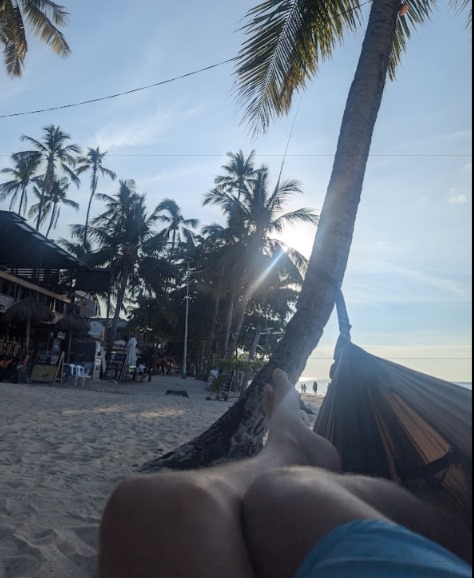
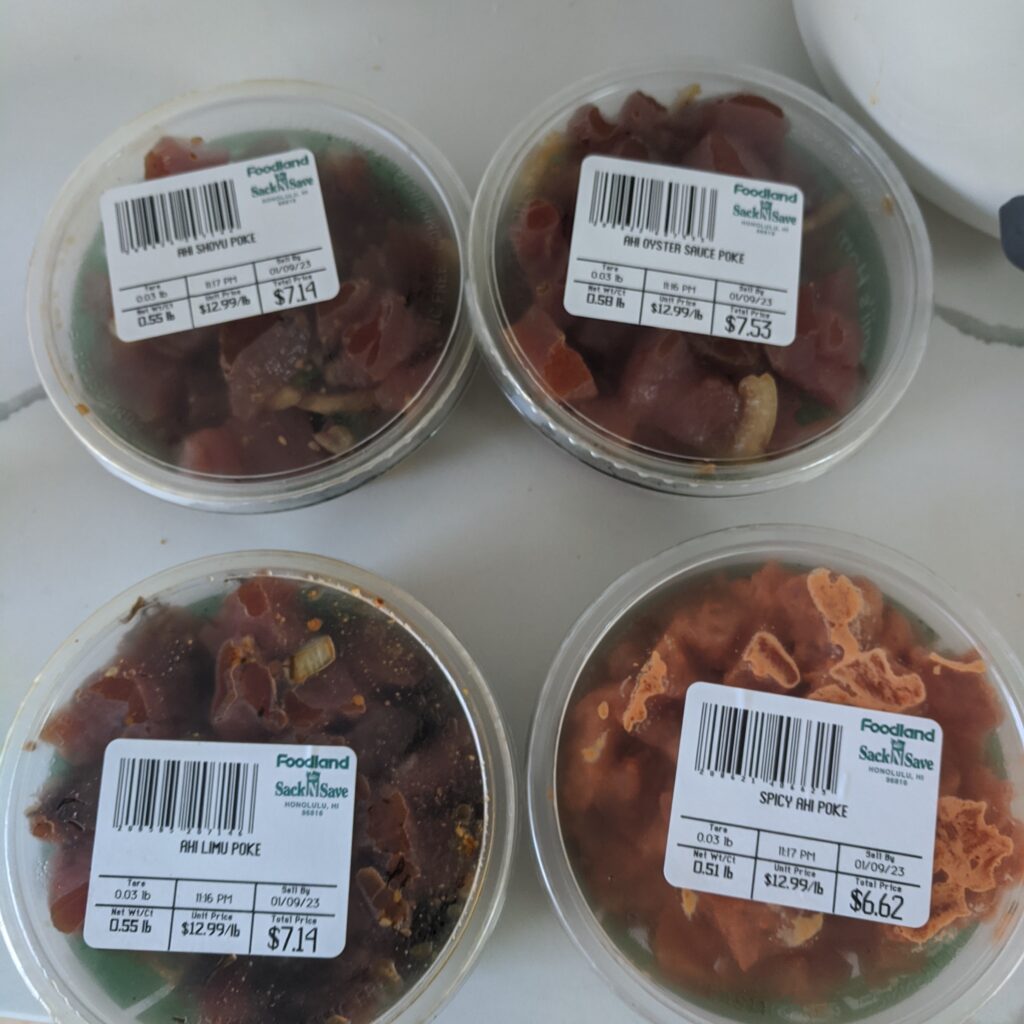
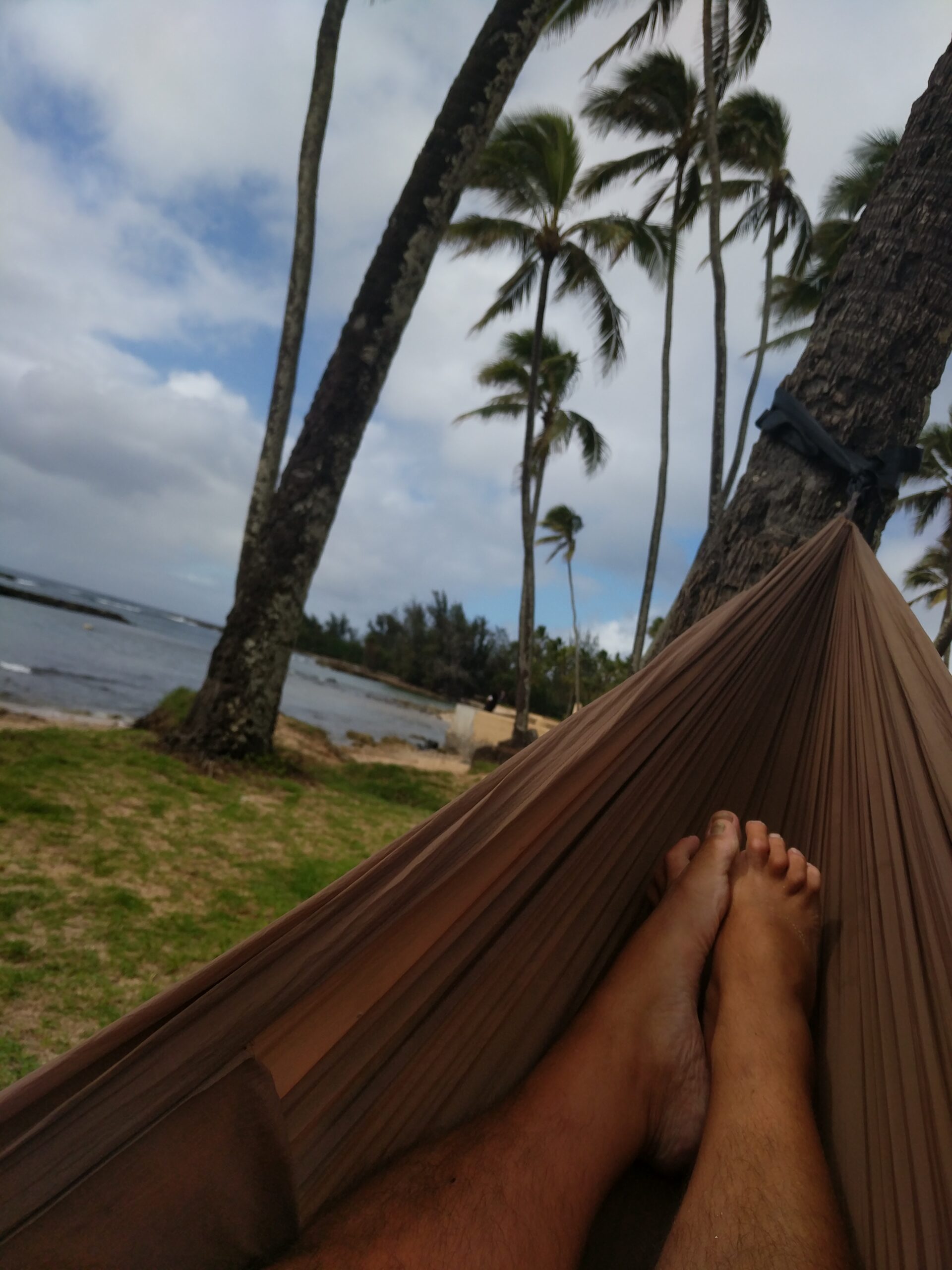
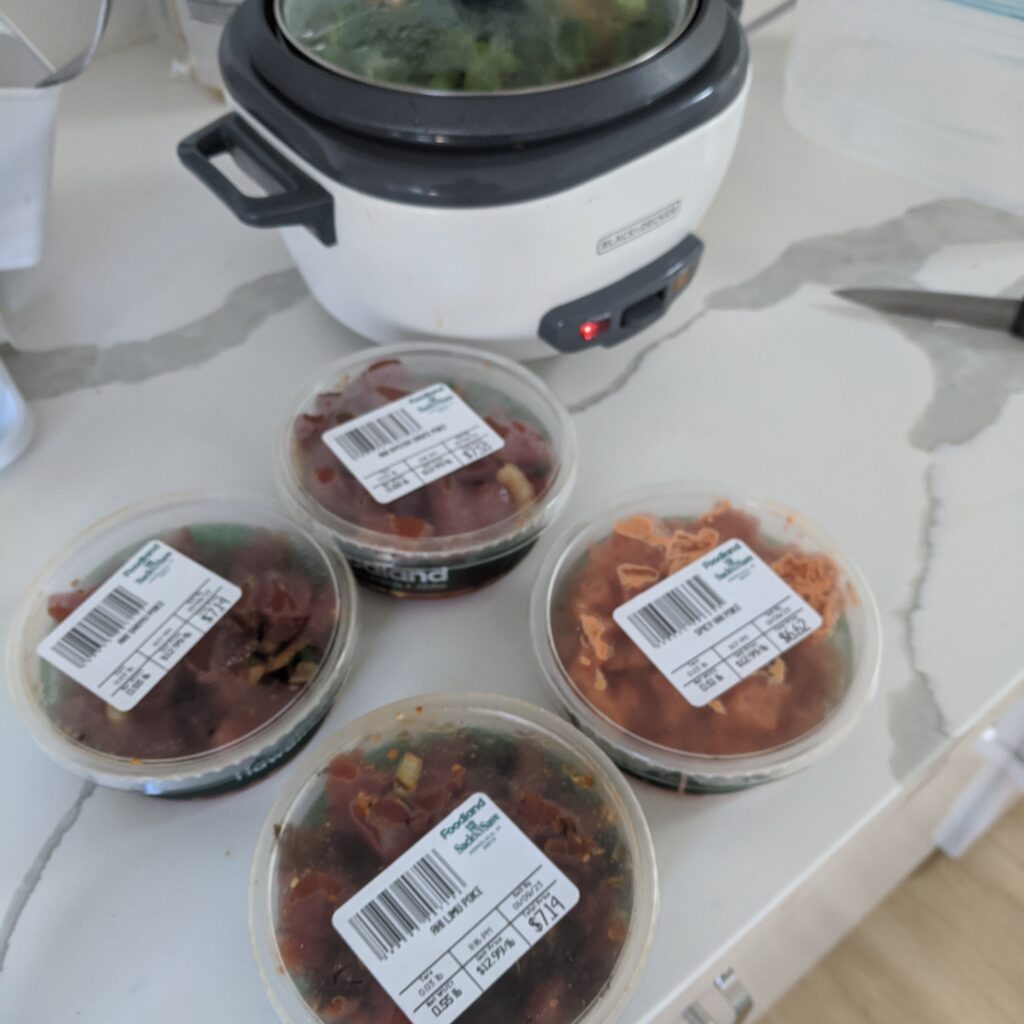
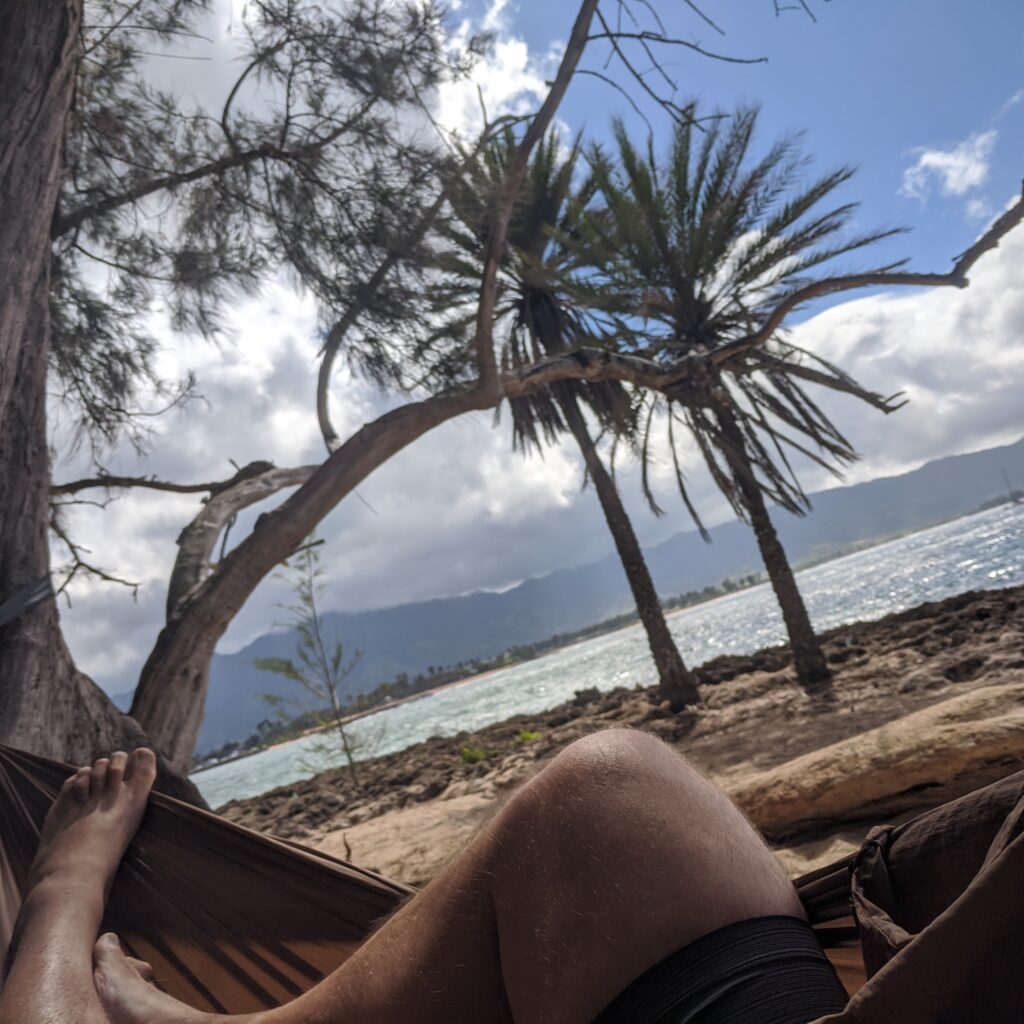
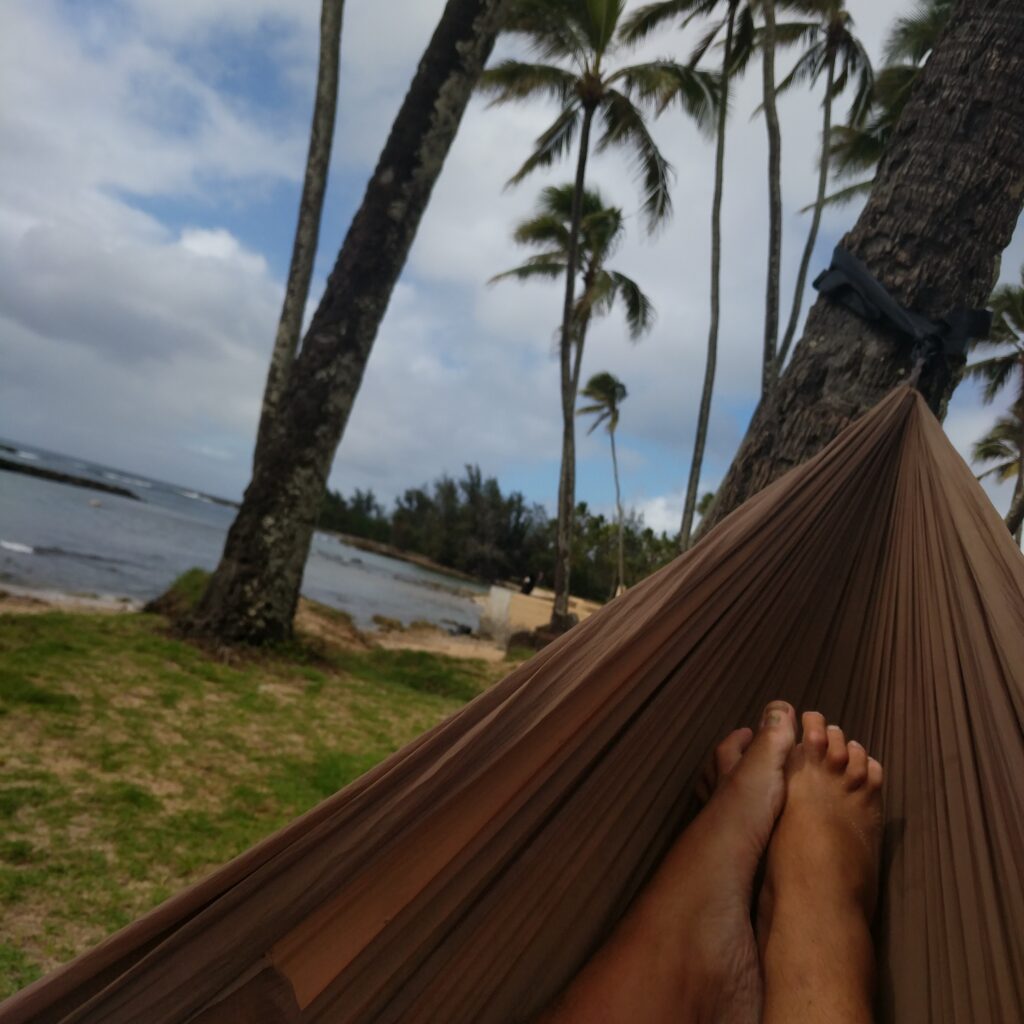
My favorite ways to kill a day are to pack my hammock, beach chair, and beers, and take the bus to Waikiki or the North shore.  I would wing it from there, hitting my favorites: Foodland poke from the deli, Yard house happy hour, and stopping in at the ABC store on the way to the beach with my hammock.  

Cost-wise, this plan cannot be beat as a solo traveler, and I plan to keep it in my routine.

I would not be able to keep returning to paradise without cutting a few corners along the way.  

Let me know if you need help saving a buck or two!!

IMG-20250507-WA0005

AZ: PT home, PT Airbnb & FT awesome!

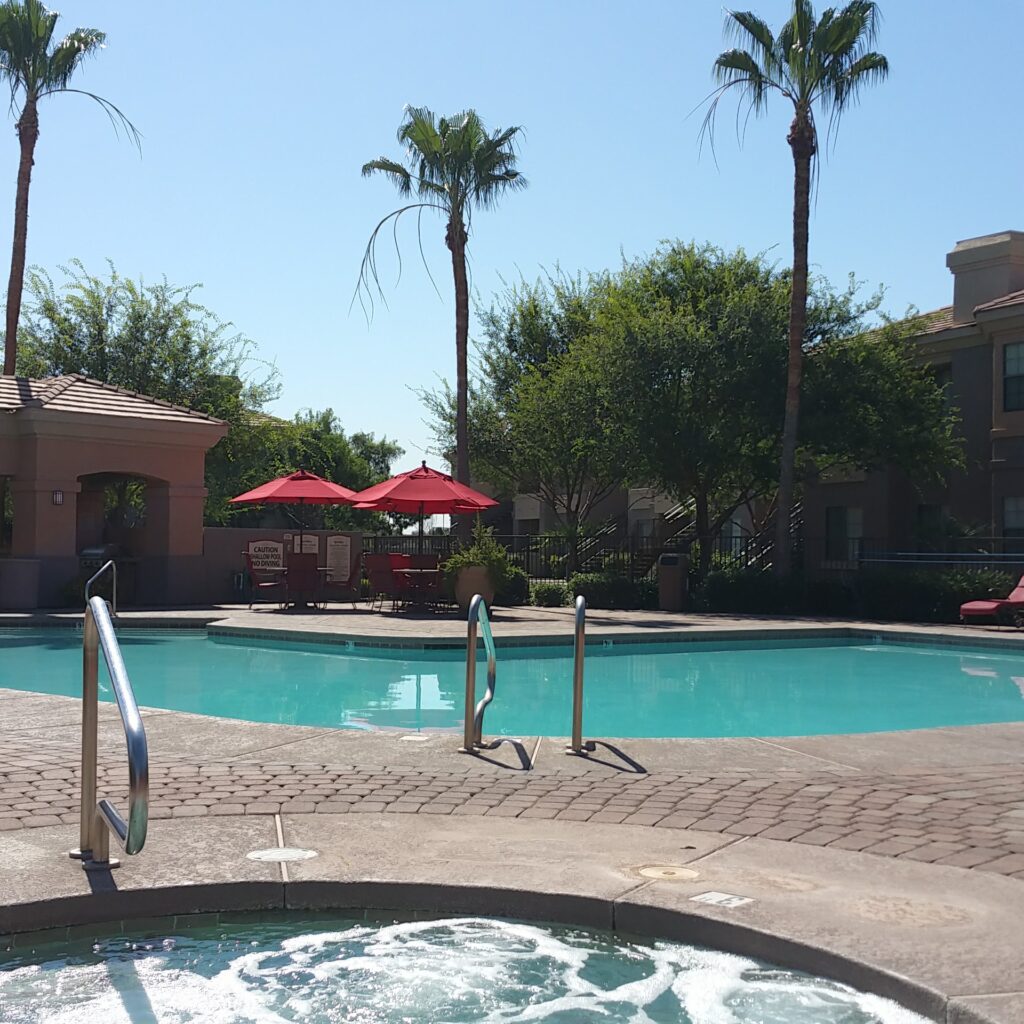
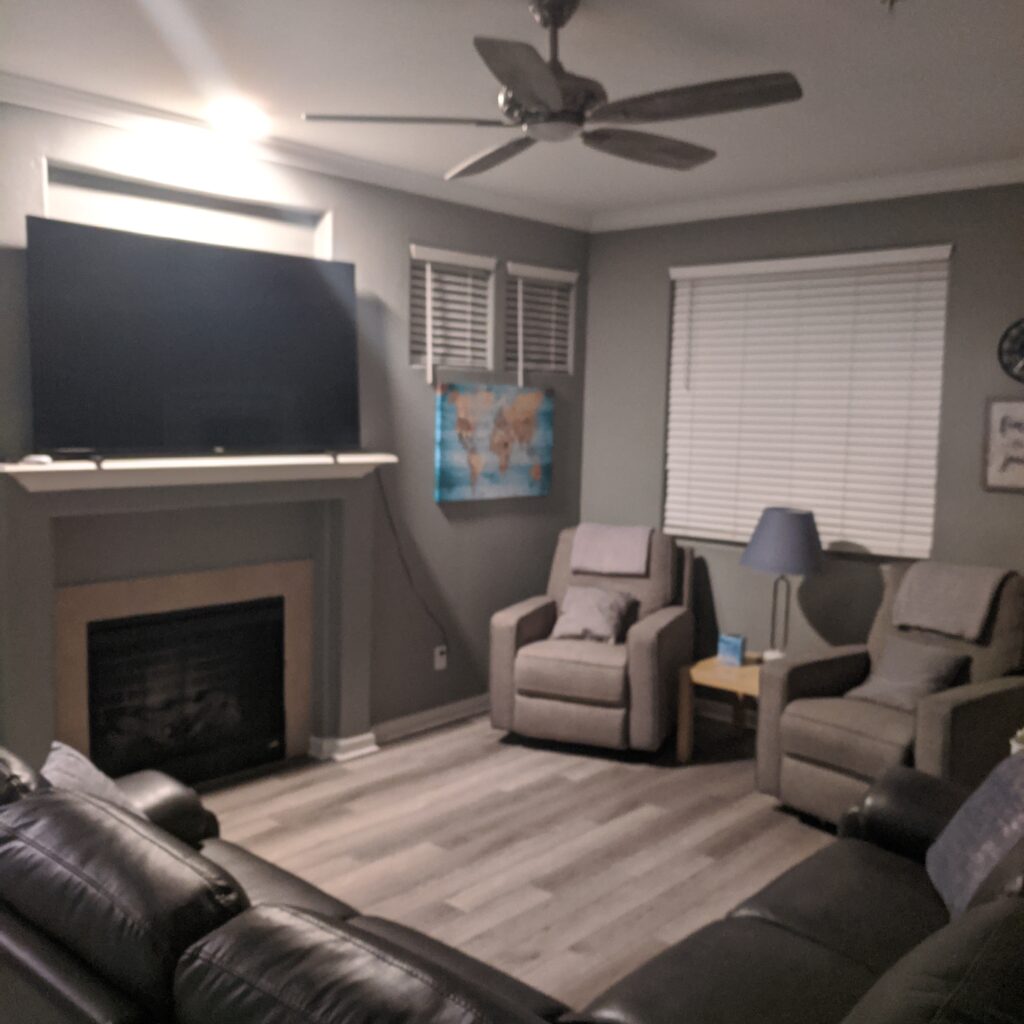
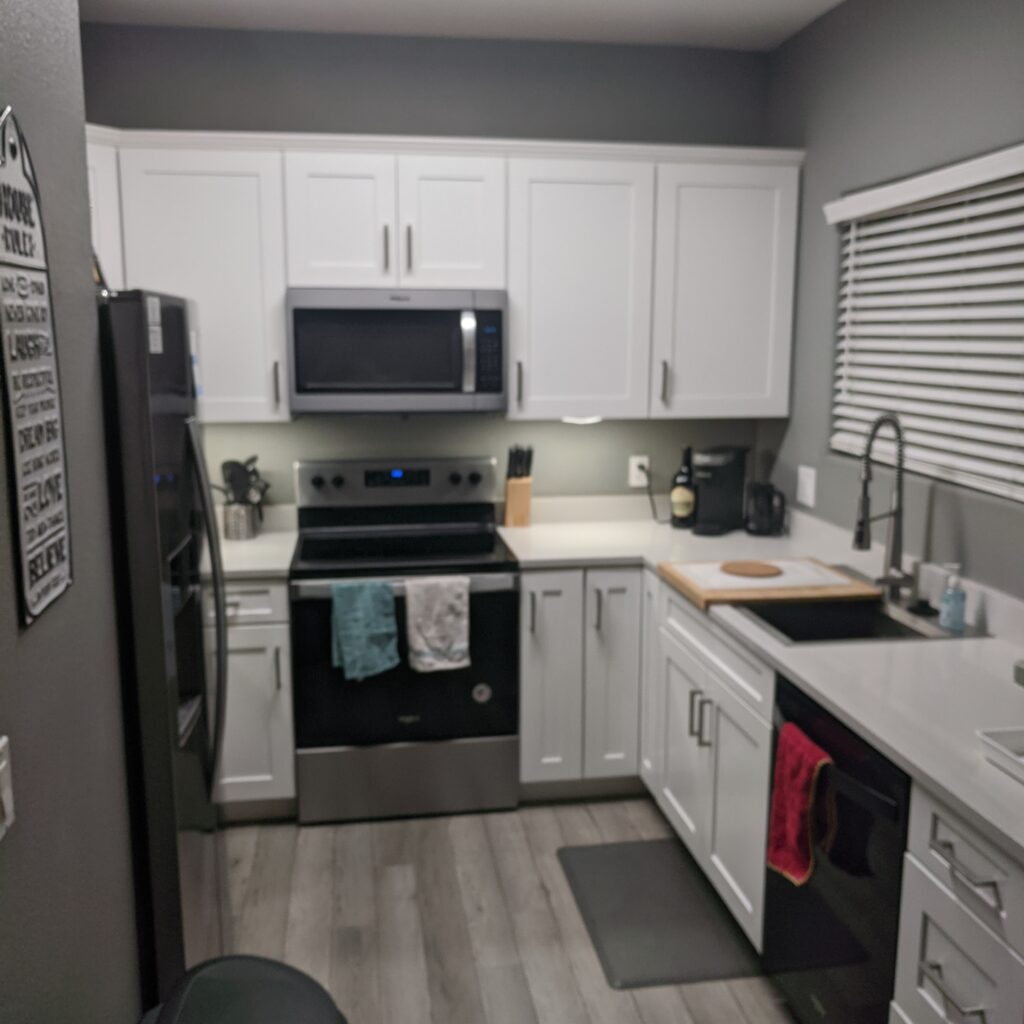
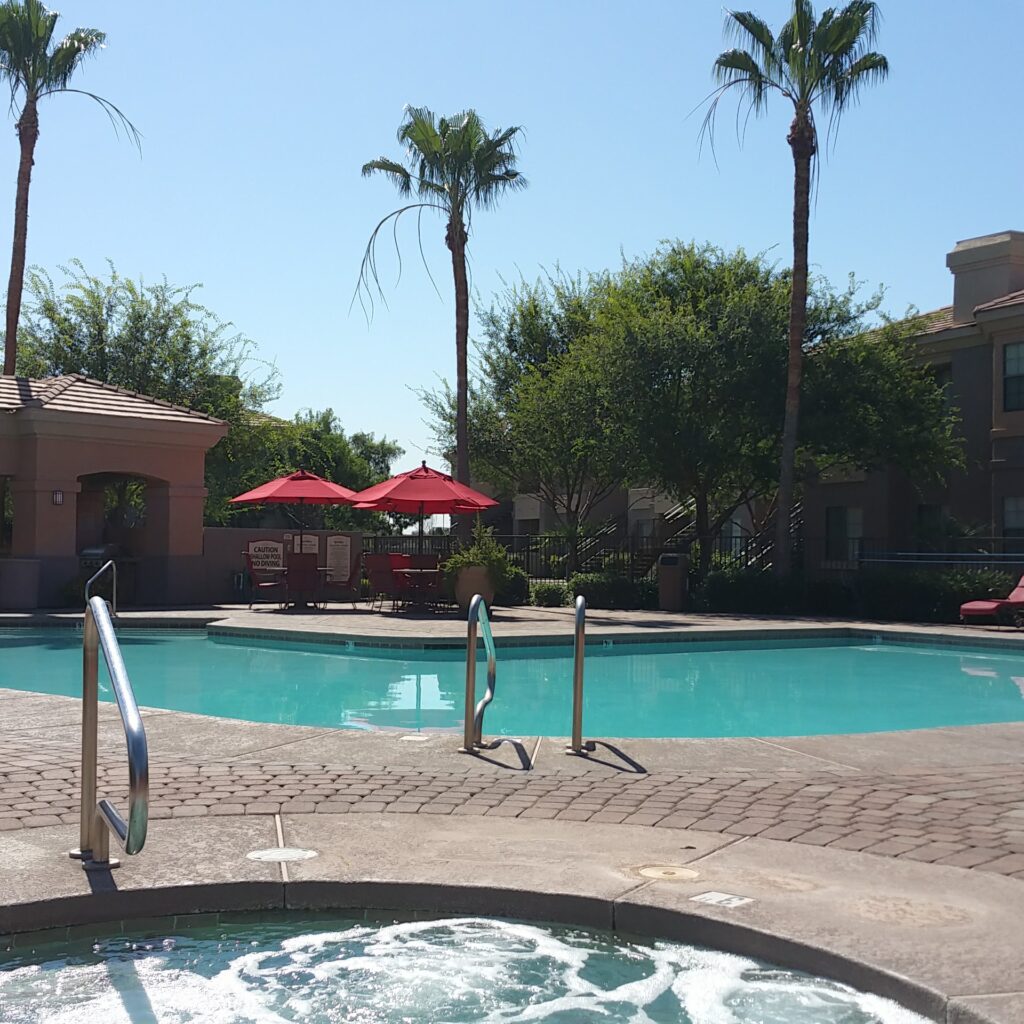
This is the large, heated pool and hot tub right at the front of the property. There’s also a smaller pool in the back, and my condo sits perfectly between the two—which is honestly the ideal setup. Maximum pool access, minimal effort.

This is the view the moment you walk in the front door.
Pools. Palm trees. Adult beverages.

That instant “I’m definitely not at work anymore” feeling never gets old.

And if you want to work from paradise, I’ve got that covered, too.

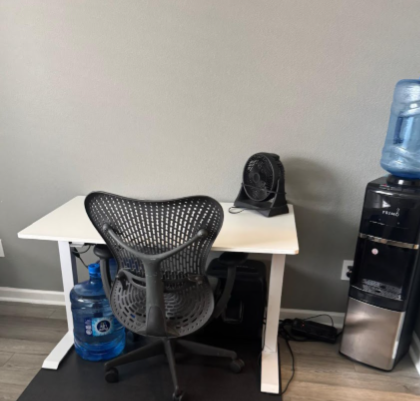
The setup includes a proper sit/stand desk and an ergonomic chair, so it’s an actual work-from-home space—not a balanced laptop on the couch pretending this is a fine situation. It’s comfortable, functional, and easy to settle into.

Now imagine the water-cooler conversations when people ask how work is going
 and you casually mention sunshine, pools, and palm trees.

Yeah—those stories tend to make friends, family, and coworkers just a little jealous. 😎

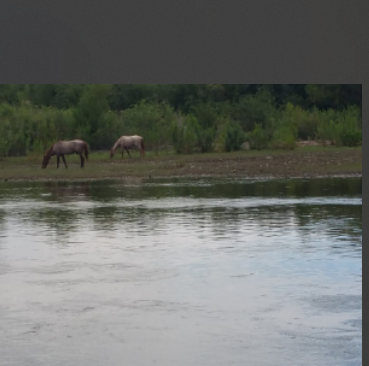
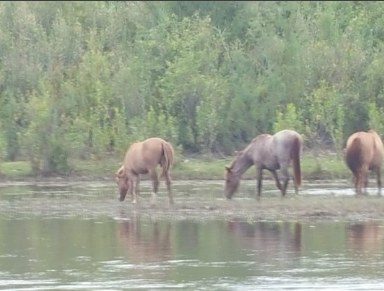
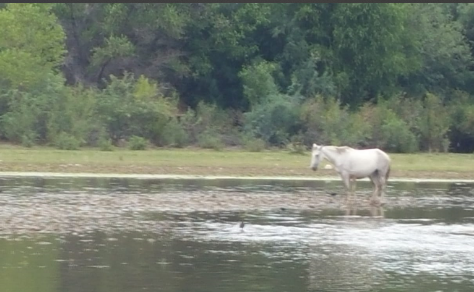
Less than a 30-minute drive puts you at the Salt River in the Tonto National Forest, where you’ll find one of Arizona’s coolest—and most unexpected—surprises: wild horses roaming freely along the river.

You can kayak, paddleboard, float, or just hang out by the water, and there’s a very real chance they’ll wander right past you like it’s no big deal. No fences. No zoos. Just horses doing horse things with desert cliffs in the background.

It’s one of those only-in-Arizona moments that sounds fake until you see it for yourself—and even then, it never really gets old.

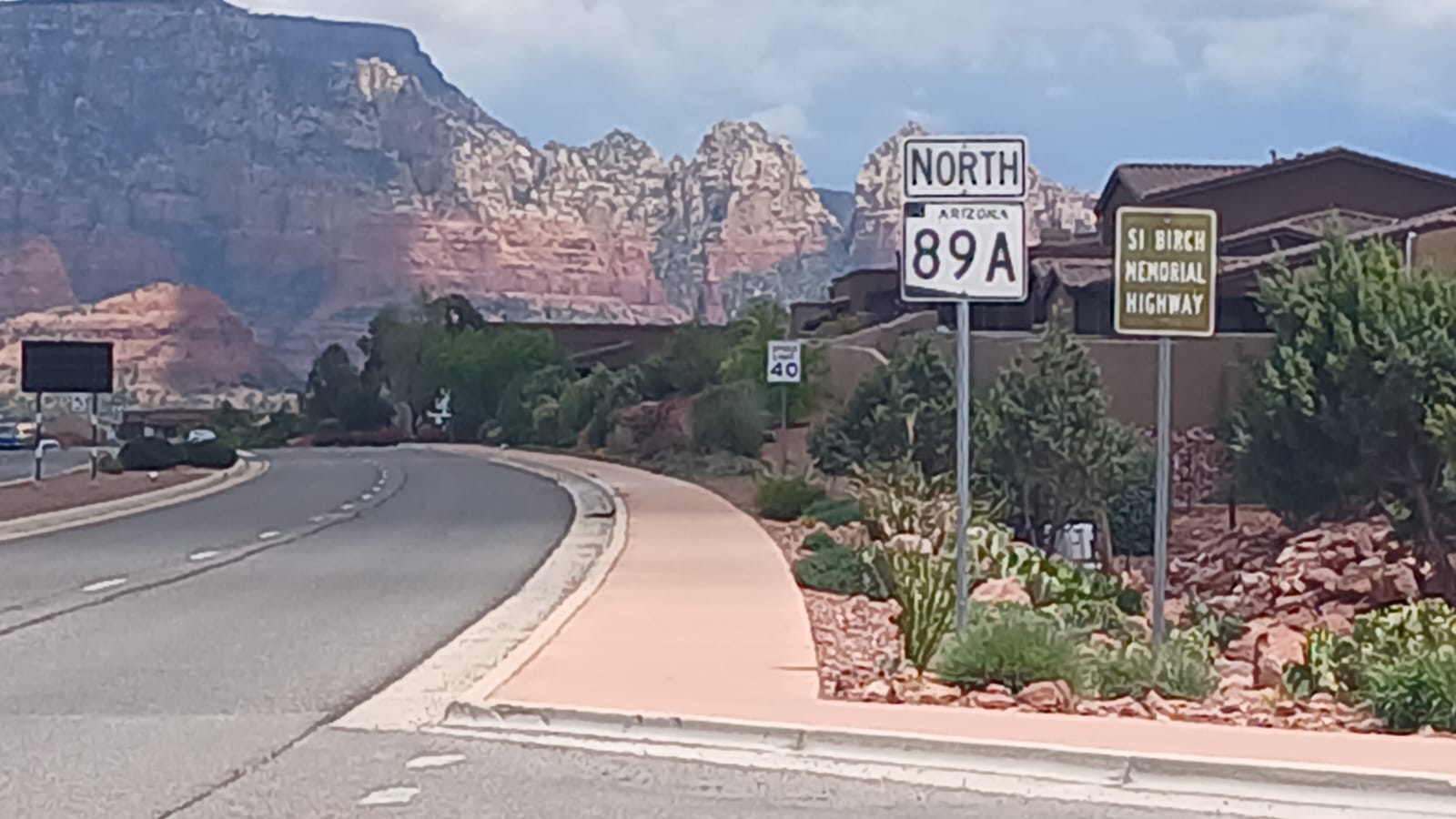
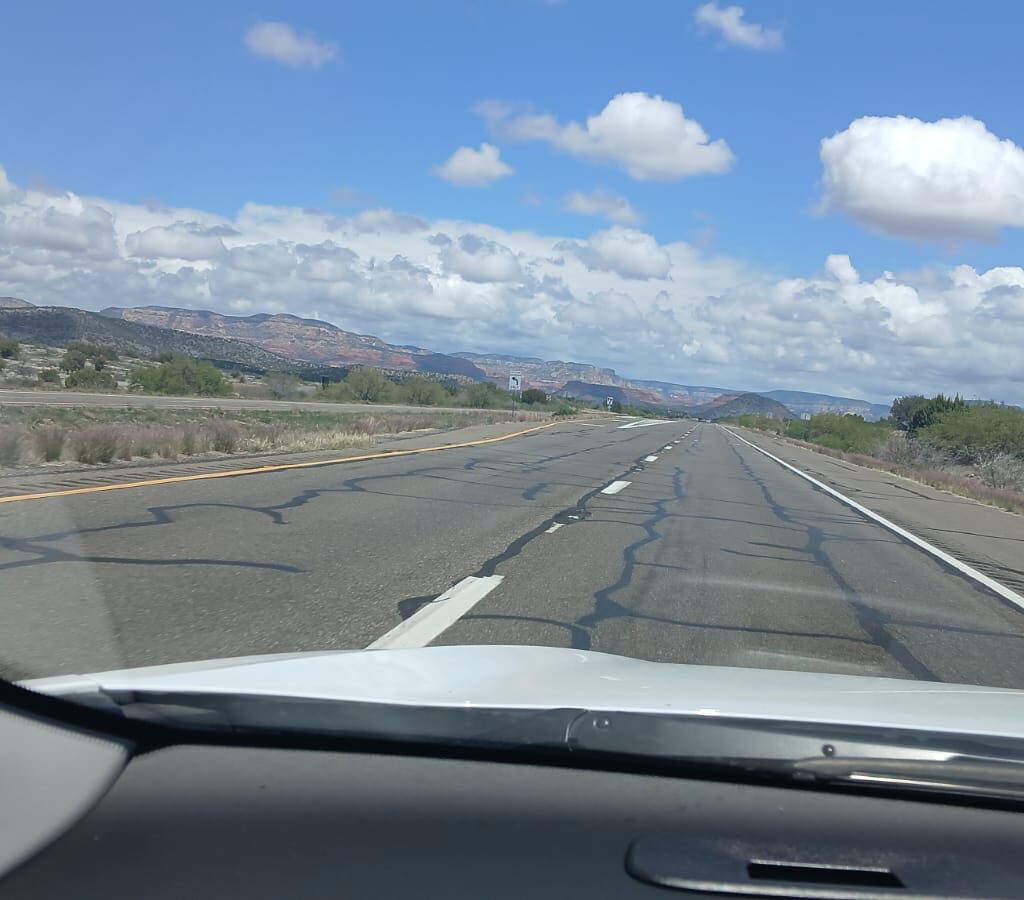
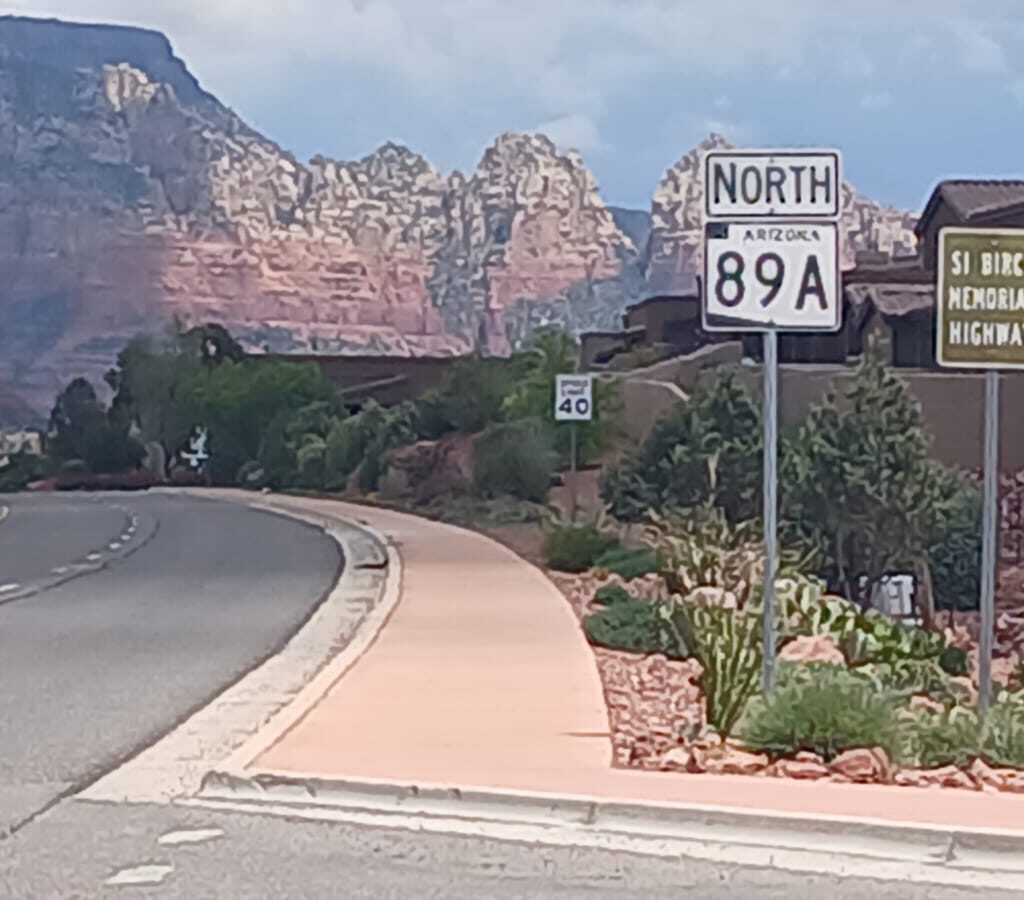
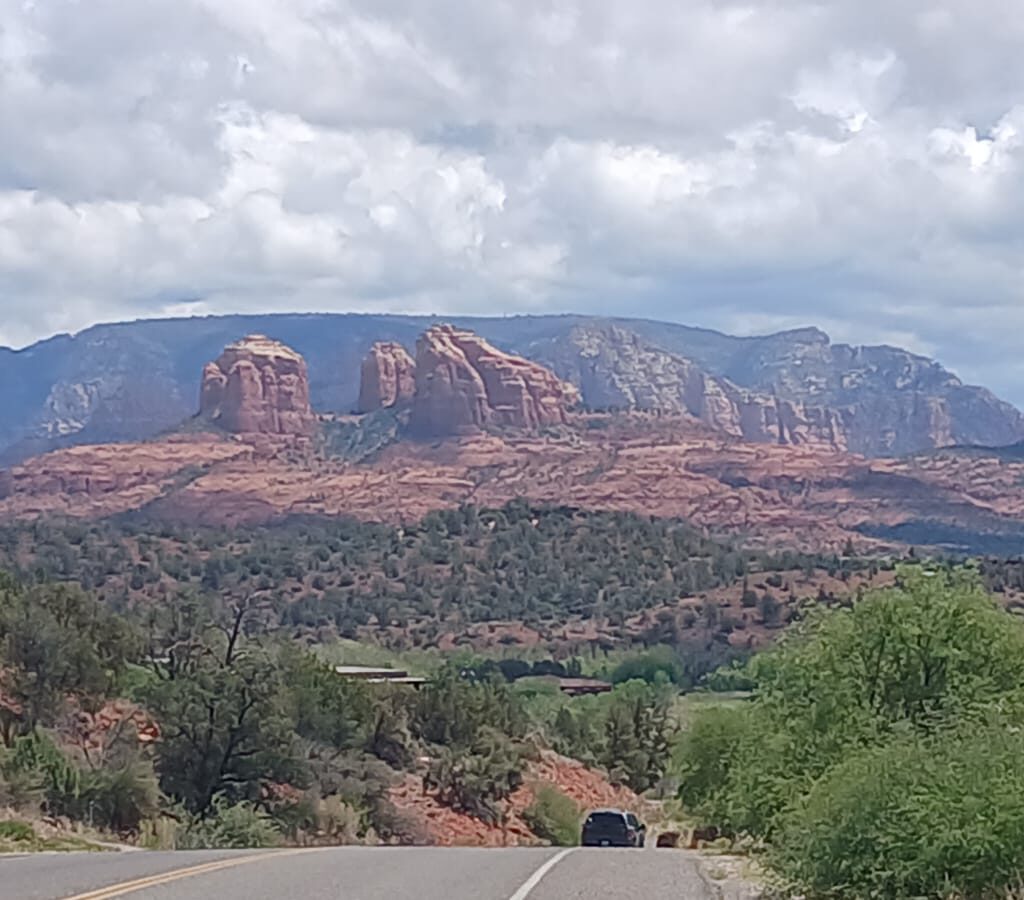
Less than a couple of hours’ drive from Mesa puts you in Sedona—a place that almost doesn’t feel real the first time you see it.

The red rock formations are absolutely captivating. Whether you’re hiking, driving through town, or just pulling over to stare at the scenery, Sedona has a way of slowing everything down. The light changes constantly, the views never repeat, and it somehow feels both grounding and otherworldly at the same time.

It’s one of those places that makes you grateful you didn’t stay home—and a perfect reminder of how much variety Arizona packs into a short drive.

Book on Airbnb—or reach out directly for Friends & Family pricing—and come experience Arizona for yourself.

Beautiful landscapes, endless adventure, warm weather, and wide-open space are all waiting. Arizona is ready when you are. đŸŒ”âœš

Photo tour – Listing editor – Airbnb

Wide-open space, warm weather, endless adventure—Arizona is ready when you are. đŸŒ”âœš

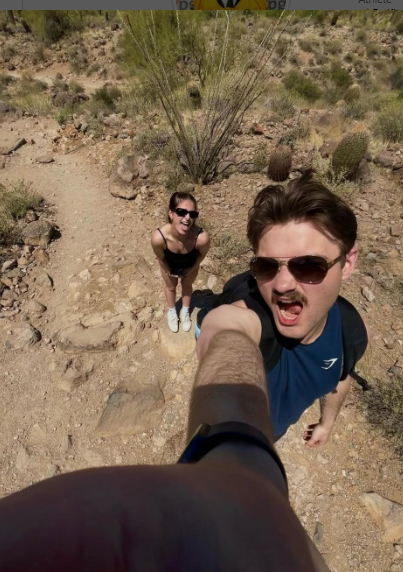
My nephew and his GF visited from Canada and had an amazing adventure during their visit in the Spring of 2025!

Click below to book your stay or send me a PM from the contacts on the homepage with any questions.

Photo tour – Listing editor – Airbnb

There is nothing like the top off a Jeep and driving through the AZ mountains with the tunes cranked.

Arizona can fix this situation—at least temporarily—if you’re lucky enough to stay at my Airbnb. 

Side effects may include:

 Constant happiness

Hiking locally or a road trip to Sedona

Paddling the Salt River with the wild horses

Cold pool drinks by the pools

Planning another trip here before you leave.

Photo tour – Listing editor – Airbnb

IMG_20220524_083049_1

Credit card points game – #winning!

I’ve been back and forth to Hawaii several times over the last few years, mostly by stacking credit card points and being flexible with travel dates.

At one point, I even worked remotely there for four months, which was every bit as amazing as it sounds. Same workday
 wildly different backdrop.

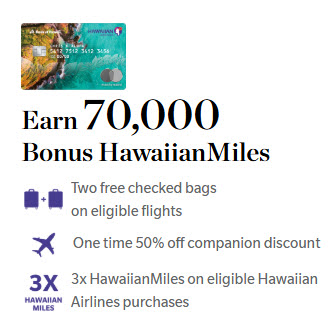
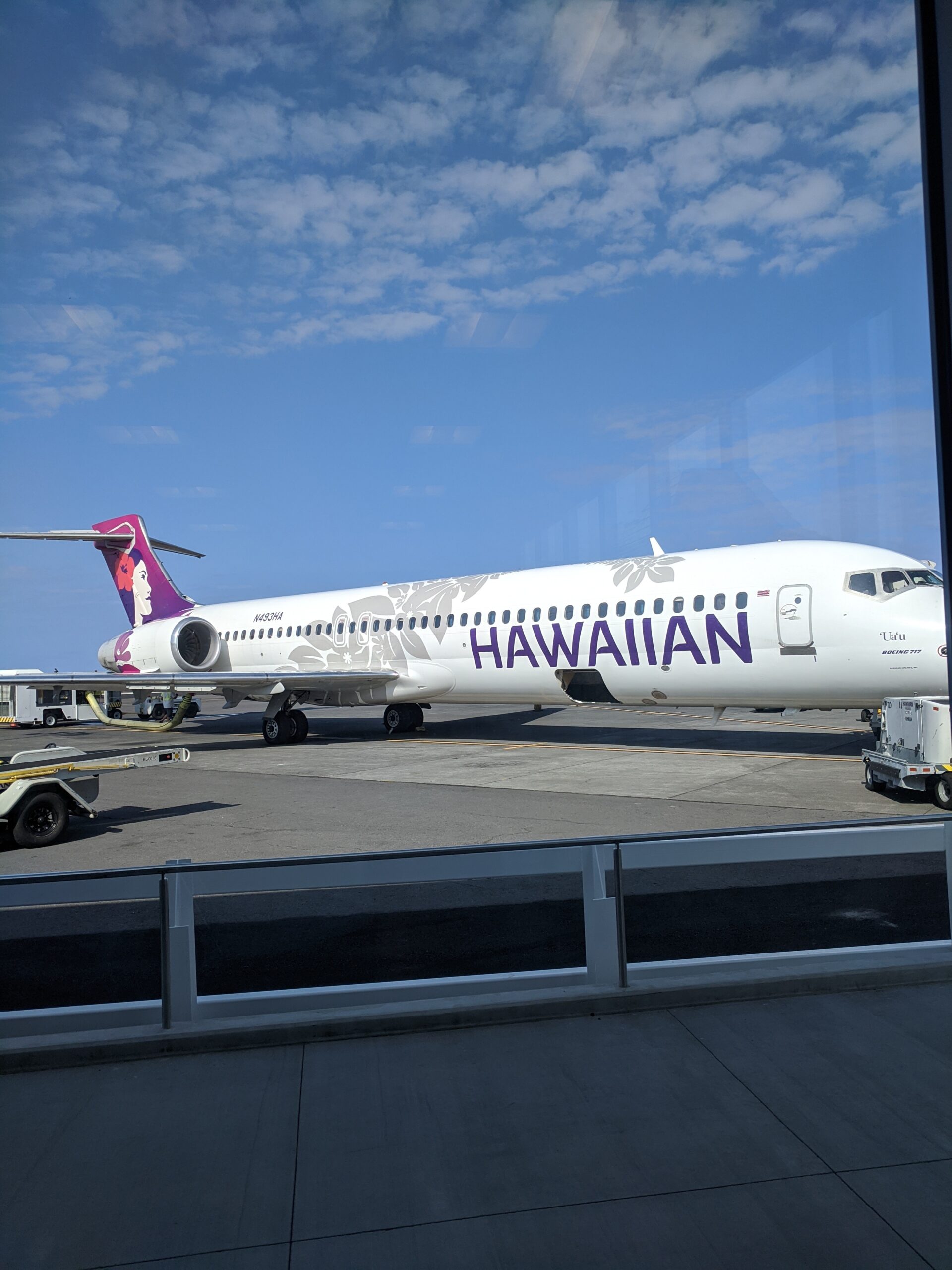
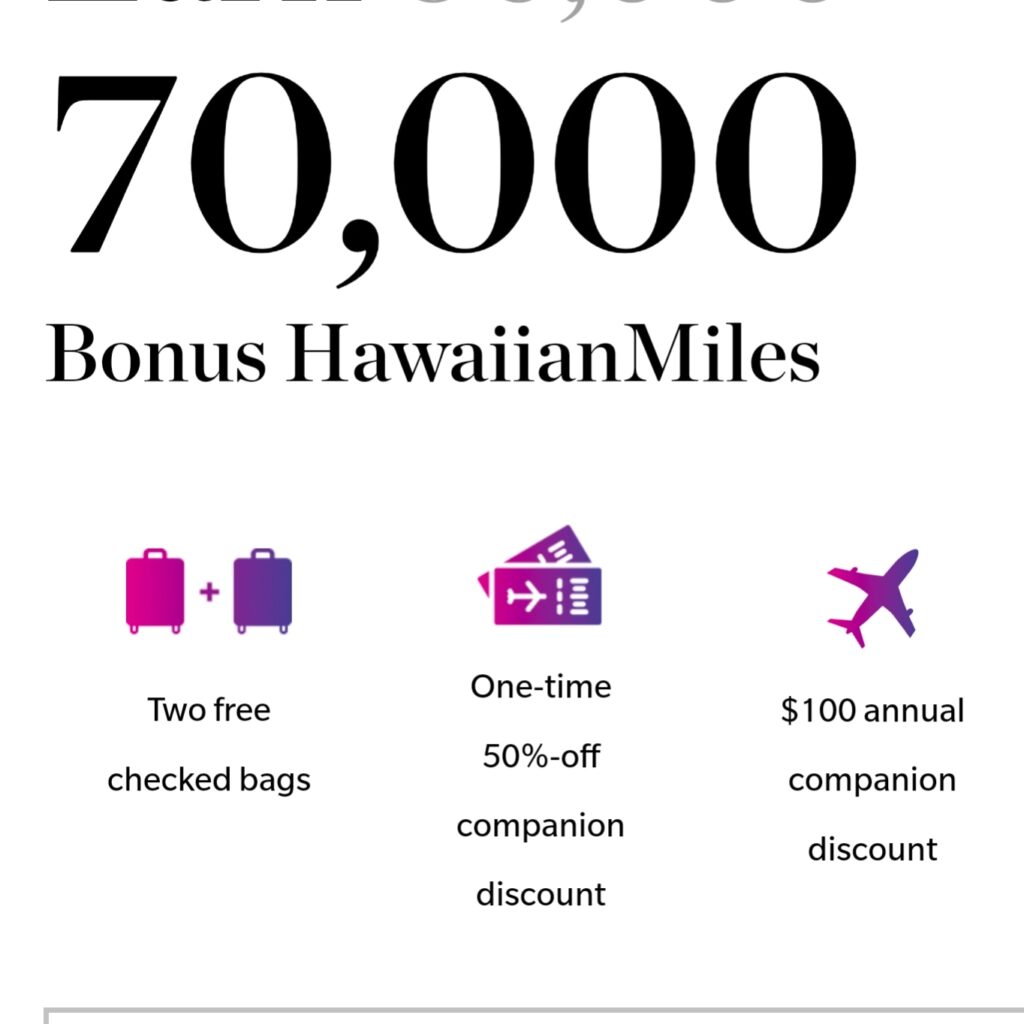
A few of those trips were on Hawaiian Airlines, where I signed up for their credit card bonus on the plane (yes, that’s a thing). The offer was 70,000 points, with a $100 annual fee that was waived the first year. Between that bonus and flying back and forth—and hopping around the islands—I ended up with 100,000+ points without much effort.

That’s really the theme here:
nothing extreme, nothing fancy—just pay attention to opportunities, stay flexible, and let the math work in your favor.

Hawaii doesn’t have to be a once-in-a-lifetime trip. With points, timing, and remote work, it can just be
 life for a while. đŸŒŽâœˆïž

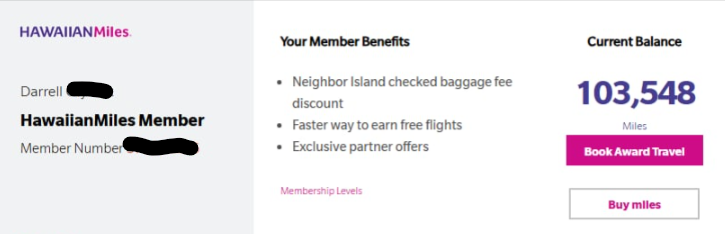
I’ve already burned some of the points over the last couple of years, but I still had 103,000 points sitting there—just waiting to be used.

So I put them to work and booked my February 2026 trip to Japan and South Korea.

And let me tell you
 This booking is an absolute GEM.

This is exactly why I’m obsessive about points and flexibility. Credit card bonuses, strategic flights, and a little patience turned into a massive trip that would’ve cost a small fortune out of pocket.

Sunshine in Hawaii âžĄïžÂ , neon nights in Tokyo âžĄïžÂ , street food in Seoul
All powered by points.

That’s the game.

You read that correctly


30,000 points.
Five bucks.
Plus tax.

That’s not a typo. That’s a credit-card-points mic drop. âœˆïžđŸ”„

#NorthAmericanDarrell

This is where points nerd magic really paid off.

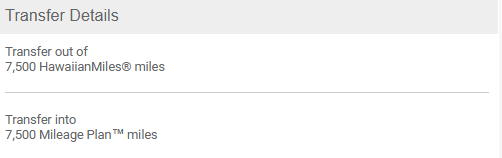
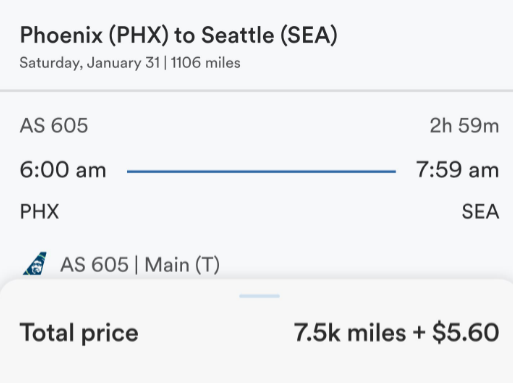
I was also able to transfer the remaining 7,500 miles from Hawaiian Airlines to Alaska Airlines to cover my flight from **Phoenix

So if you’re keeping score at home


👉 Phoenix → Tokyo, Japan:
$11.20 total.

That’s not a typo.
That’s points, patience, and playing the long game.

This is why I preach flexibility, credit-card strategy, and thinking a few trips ahead. You don’t need luxury spending or manufactured nonsense—just consistency and timing.

Sometimes the best travel wins aren’t about where you’re going

They’re about how little it costs to get there.

front big ga house

Cumming, GA – Home 2003-2010

In 2003, I finally got off the road from my telecommunications job and took a desk role in Alpharetta, which felt both responsible and slightly suspicious.

I’d been traveling nonstop for about five years, and honestly, I was done. Fortunately, an old manager reached out and offered me a desk job supporting Verizon Wireless 3G operations for Georgia and Alabama as a Customer Support Associate (CSAM). My role was to make sure the Norel product behaved itself—and when it didn’t, I worked directly with Verizon to manage outages and issues.

Once problems were identified, I handled root cause analysis, presented the findings, explained how we’d fix it, and—most importantly—made sure it never happened again. In theory.

I was also responsible for ensuring new network components were introduced, upgraded, and deployed properly. It was a 24/7/365 operation, with other states backing each other up. Stressful? Absolutely. But it was also a great time in my life, and Georgia turned out to be an amazing place to land after years of living out of a suitcase.

What made it especially pivotal was the timing. I was in the middle of building a house in Edmonton while simultaneously being offered this desk job in Georgia. Two very different lives pulling in opposite directions.

I still think about that decision. I’m almost certain that if the Georgia job hadn’t come along, I would have moved to Edmonton. I was finished with road work—and road work was finished with me. I couldn’t keep up with the demand anymore, which would have meant losing my job. And since my U.S. work visa was tied directly to employment, staying in the States wouldn’t have been an option.

I loved that Edmonton house. I loved it even more because it didn’t have a mortgage.

Thanks to years of road work, favorable exchange rates, and converting USD to Canadian dollars at exactly the right time, I was able to pay for it in cash. đŸ€‘ That part still makes me smile.

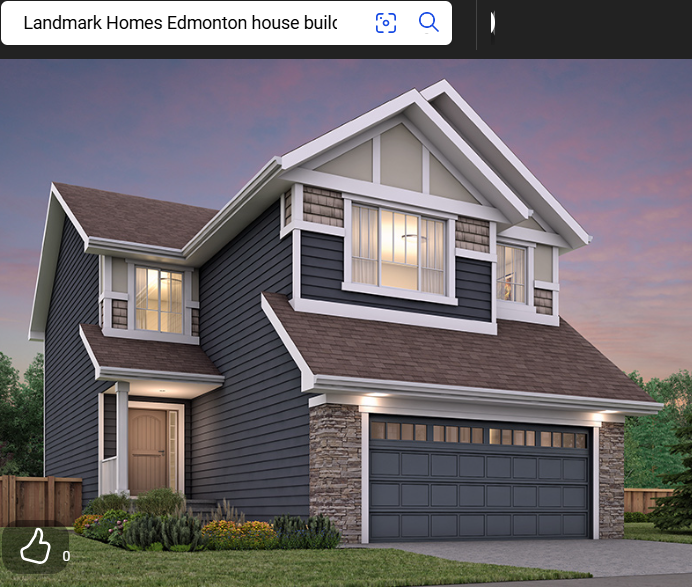
I can’t remember the exact model of the house, but I do remember the square footage and the builder. If this wasn’t the exact model, it was close—it definitely had a bonus room above the garage, which at the time felt like peak adulthood.

What I remember most clearly, though, is that I chose the worst possible color scheme. Think teal siding with brown trim. Not tasteful teal. Aggressively teal. The kind of choice you make when you’re more excited about square footage than aesthetics.

This was also pre-smart home, pre-everything. So naturally, despite the fact that wireless Bluetooth and Wi-Fi were already a thing, I ran cables everywhere like an absolute dumbass. Through walls. Into places that never needed them. All because I wanted security cameras and—wait for it—a TV above the TV. A bold vision in the early 2000s, and one that required way more effort than it deserved.

Looking back, it was wildly overengineered and completely unnecessary. But at the time? It felt futuristic.

I’ll write a separate blog about the Edmonton house at some point, because honestly, it was an incredible experience in my life and deserves its own spotlight.

But for now, back to the choice that actually got made—the house in Georgia. And no, that one was no slouch either.
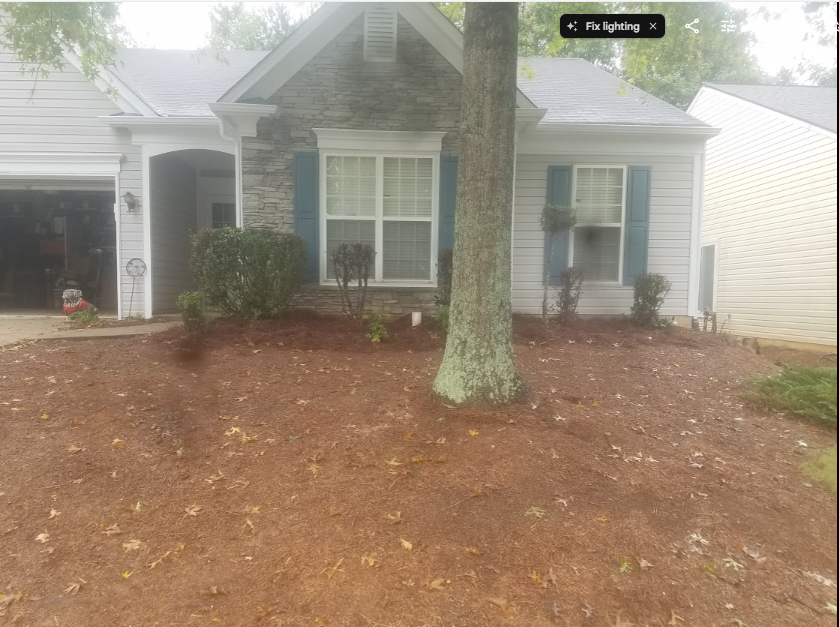
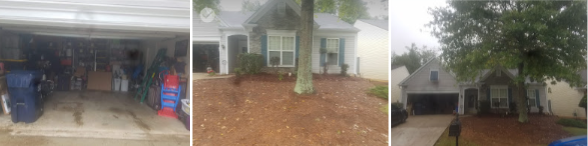
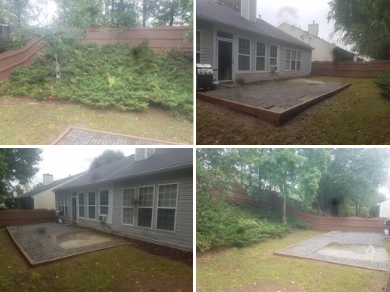
These pictures were taken ten years after I moved out. I didn’t realize it at the time, but this ended up being the last annual maintenance trip I’d ever need to make. For years, I’d fly down, trim the bushes practically down to the roots so they’d survive another twelve months, and this time I would’ve finally fixed and painted the fence too.

Funny how you never know it’s the last time when you’re in it.

You can see the empty spot on the patio where the hot tub time machine used to live. That backyard saw a lot of good times. There was a fire pit, and a pergola-style gazebo over the hot tub, complete with lights and speakers—basically a perfectly engineered relaxation zone before I even knew I needed one.

The same guy who rented the house for over ten years eventually bought it as is. I gave him a fair deal and worked directly with him and his financer to get everything done smoothly. I was relieved to be done with the ongoing headaches of long-distance ownership—but I’d be lying if I said I don’t miss that house, and that area, quite a bit.

Some places just stick with you.

And of course

GO Atlanta Braves! đŸȘ“đŸȘ“đŸȘ“

20150507_202125

Moorseville, NC – Home 2010-2015 (Acerage life)

In 2003, after nearly five years on the road in telecommunications, I transitioned into a desk role in Alpharetta, Georgia. The move provided stability, but more importantly, it set the foundation for more deliberate financial decisions.

I was brought in to support Verizon Wireless 3G operations across Georgia and Alabama as a Customer Support Account Manager (CSAM). The role was operationally demanding—24/7/365 availability—and involved outage response, root-cause analysis, network upgrades, and ensuring system reliability. It was high accountability work, but it also came with consistent income and upward mobility.

By 2010, the company secured the 4G contract for North Carolina, South Carolina, and Tennessee, and I was promoted to manage all three states. That promotion triggered a relocation to Mooresville, North Carolina, a growing area near Lake Norman.

Rather than renting, I took an asset-first approach.

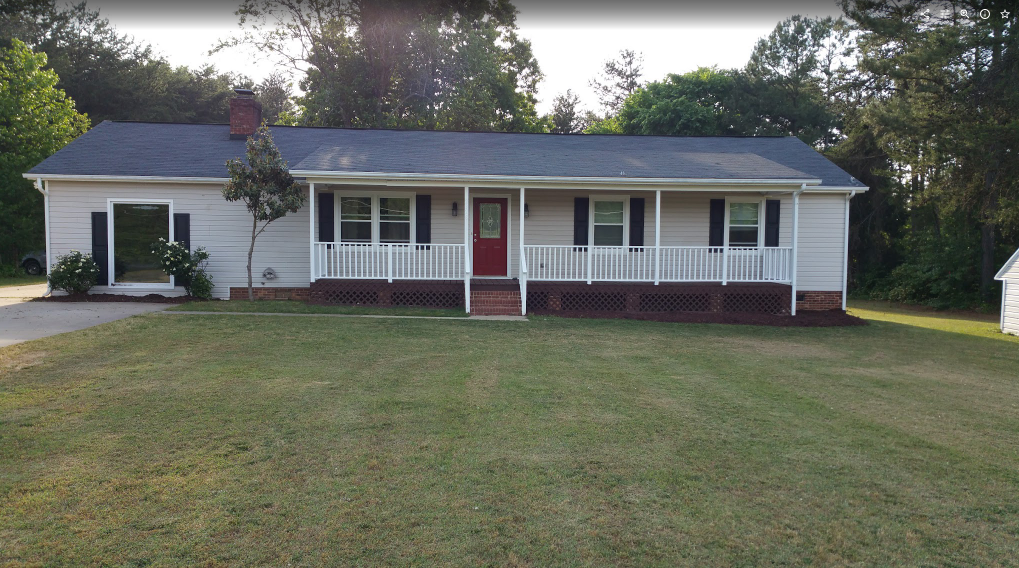
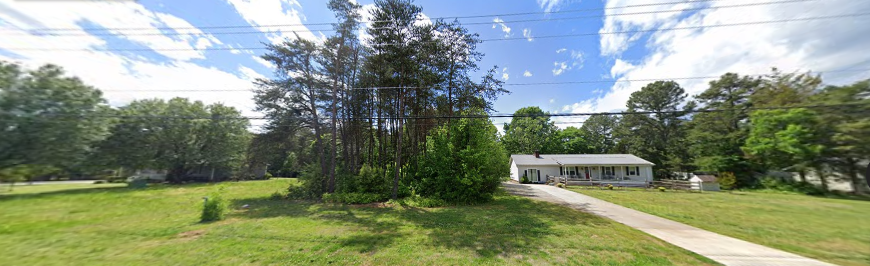
I purchased acreage with an existing manufactured home and a three-car garage with a loft. The strategy was straightforward:

Rent the front house to cover the mortgage

Live in the loft above the garage at minimal cost

Maintain flexibility while building equity

I later acquired the adjacent lot, bringing the total to three acres, increasing long-term land value and optionality.

At the same time, I kept my Georgia property as a rental, using the tenant’s payments to aggressively pay down that mortgage. That tenant remained for over 13 years and eventually purchased the property as-is, eliminating renovation costs and maximizing net return. Rising home values and higher interest rates later made that outcome even more favorable.

This approach wasn’t about lifestyle—it was about leverage:

Stable W-2 income

Cash-flowing real estate

Minimal personal housing costs

Long-term appreciation

Living near Lake Norman was a bonus, not the goal. The real value was in structuring housing as an asset rather than an expense—something that has quietly supported every major move I’ve made since.

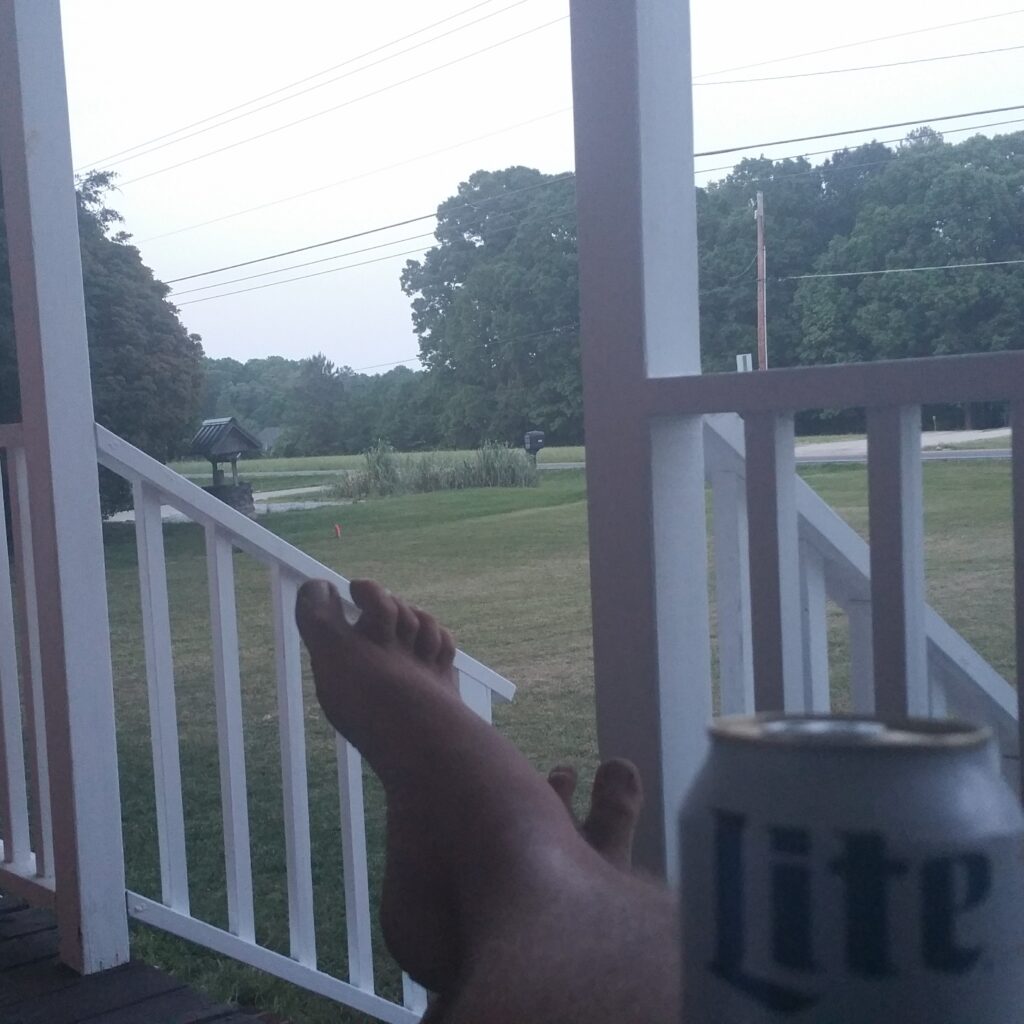
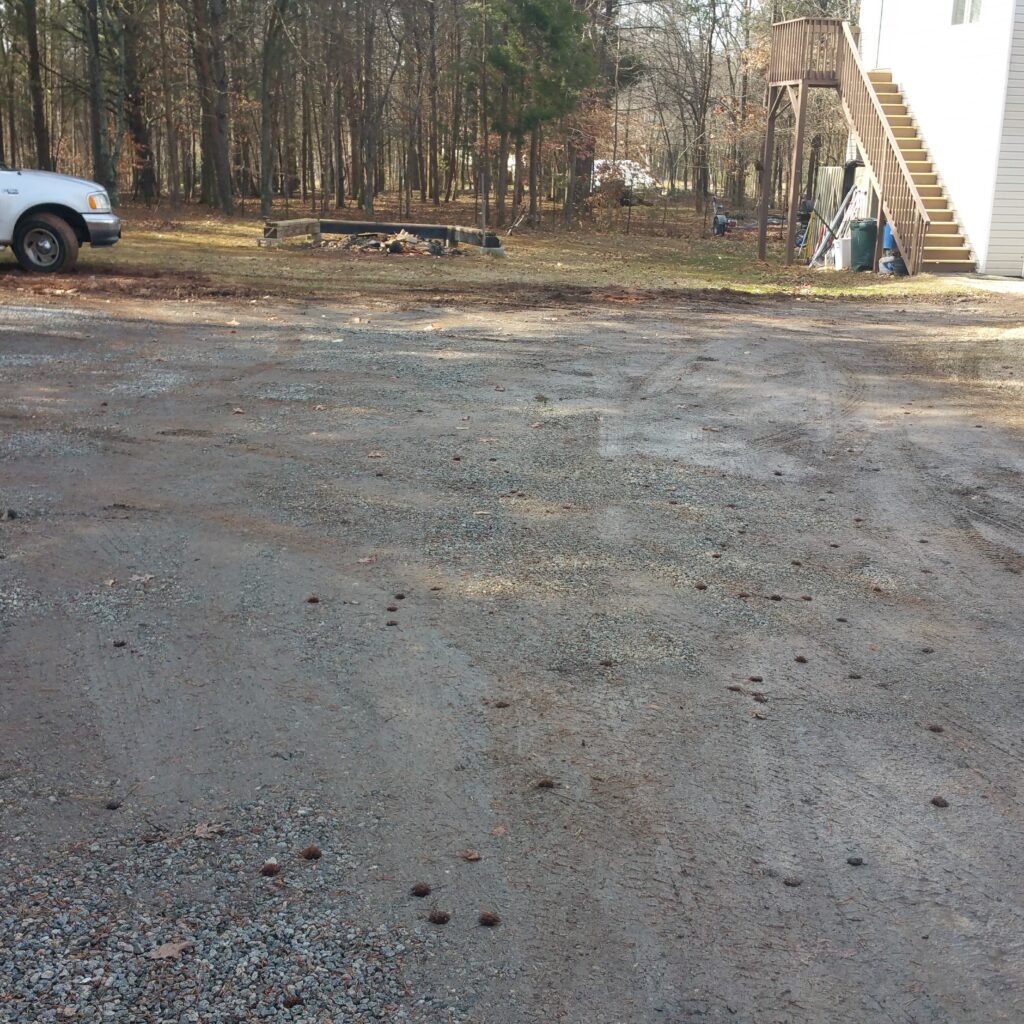
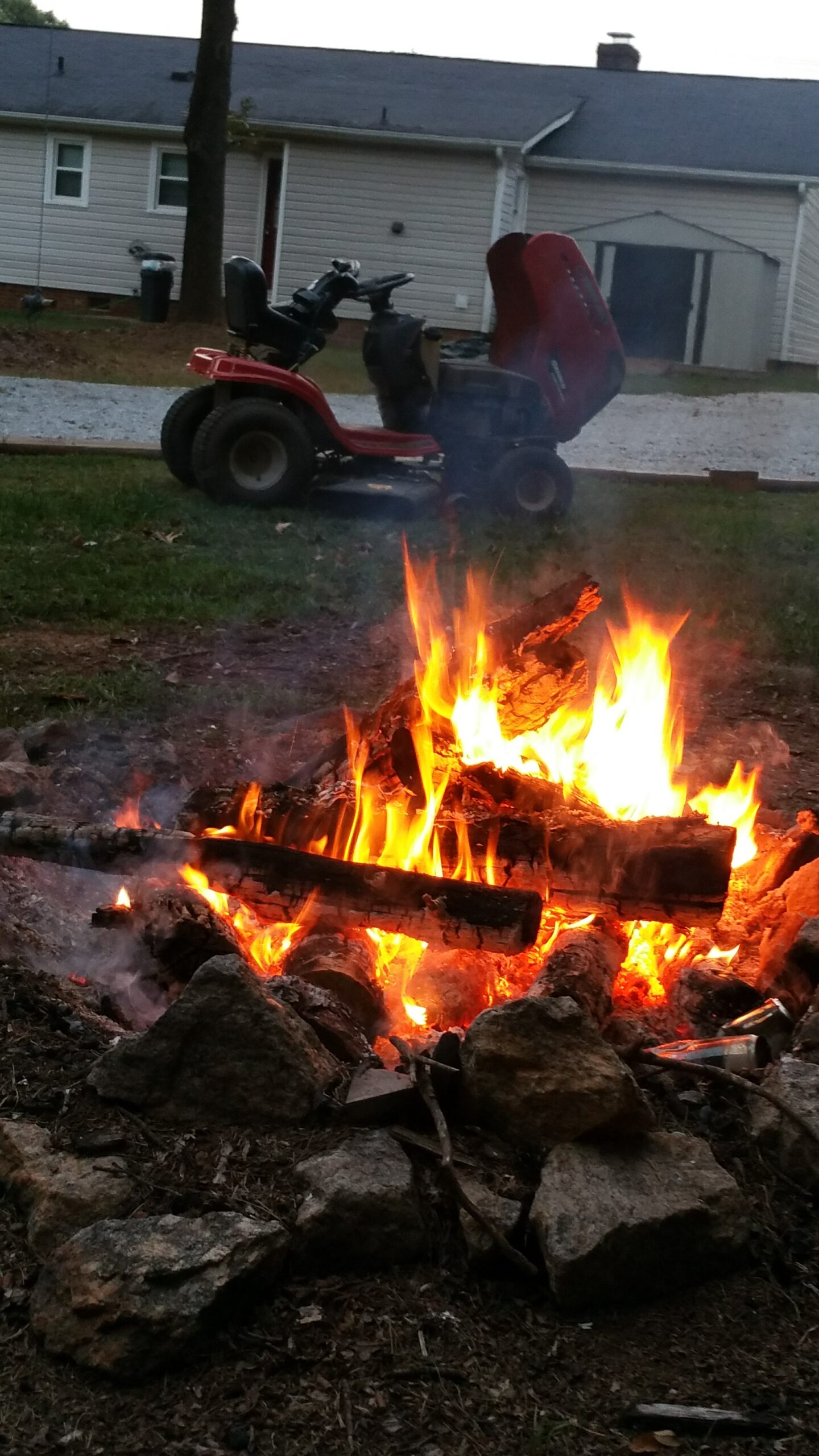
Bonfires, riding mowers, lake life, and a lot of beer, working on the yard!

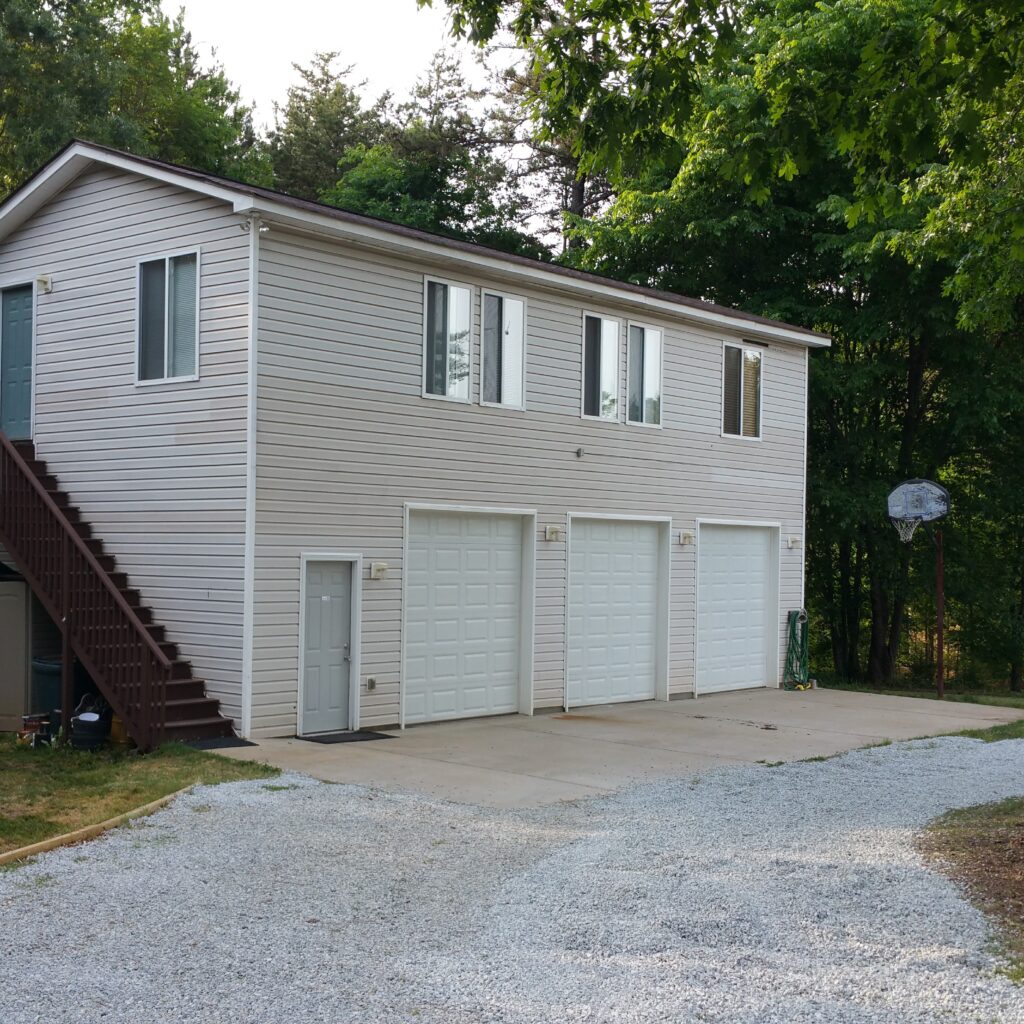
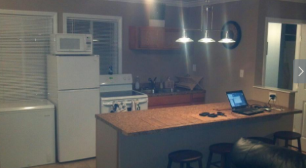
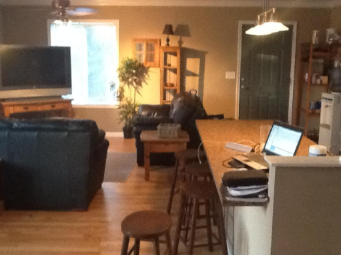
The loft above the garage turned out to be an incredible setup—two bedrooms and a full kitchen overlooking the common area. It was functional, comfortable, and honestly better than most apartments I’d lived in, with the added bonus of costing me almost nothing to live there.

I poured a meaningful amount of capital—and even more sweat equity—into preparing the property for an eventual flip. I knew the 4G assignment had a shelf life, so the strategy was always clear: improve the asset while I was living there basically for free while waiting for the phone call from HR.

I also picked up the adjacent lot, pushing the total footprint to just over three acres. That added real utility—room to maintain, expand, and justify an endless stream of projects. More space meant more optionality, both operationally and on resale options.  I could move them together or separately, which is what eventually happened.

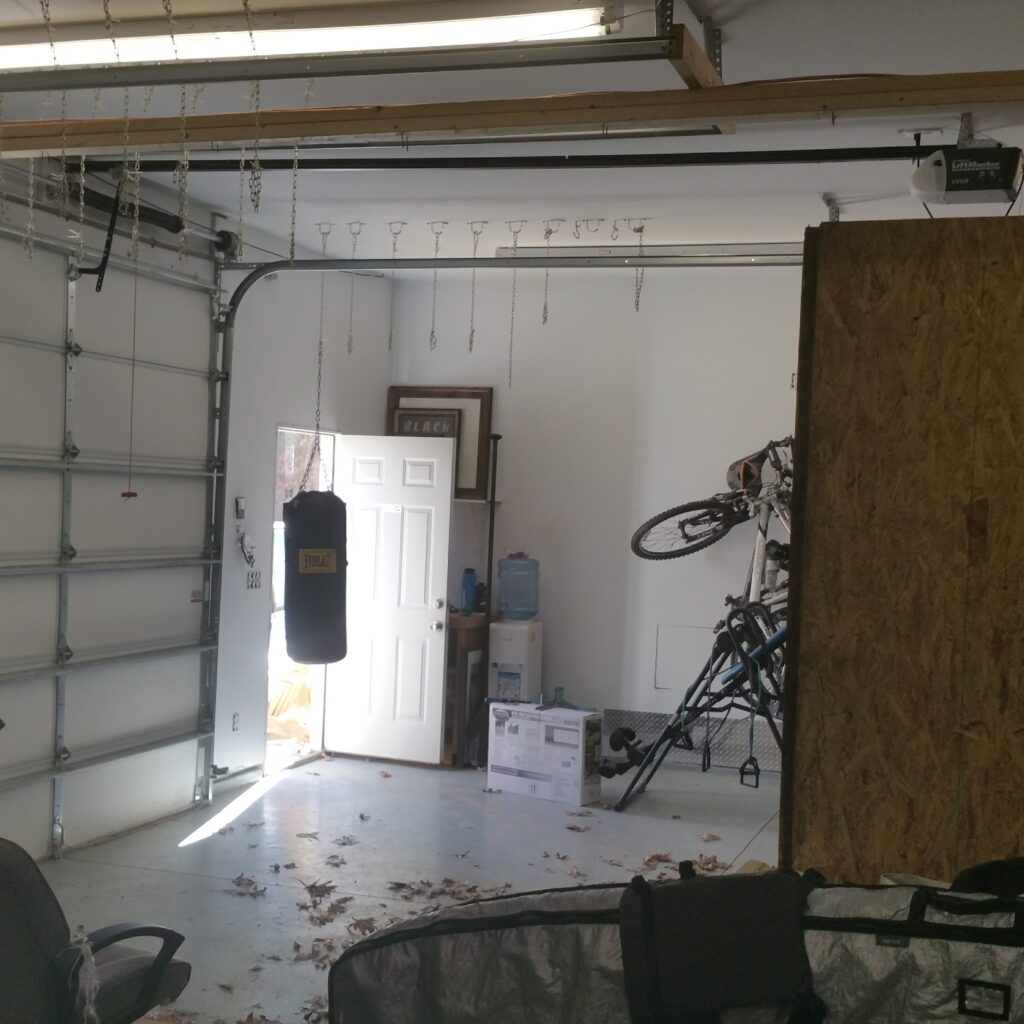
But the real differentiator was the garage. Three full-sized bay doors and a bathroom turned it from storage into infrastructure. A legitimate man cave, yes—but more importantly, a flexible, future-proof space that made the property easier to live in and easier to sell for a tradesperson.

That’s the throughline: every upgrade pulled double duty. Livability on the front end. Liquidity on the back.

I eventually rented out the loft, so I added a temporary wall and split the garage accordingly. Two bays stayed with the house; one bay—with a washer and dryer—went with the loft. It was an absurdly good setup. Honestly, if Airbnb had been a thing back then, I would’ve printed money. And given where the market went, the property has probably doubled by now anyway.

But at some point, scale stops being impressive and starts being exhausting.

I was working 60-hour weeks, traveling across the Carolinas and Tennessee on short notice. At the same time, I was managing a rental in Georgia and had my Arizona condo leased out to snowbirds. I used to joke that I had “seven toilets for one asshole,” which was funny right up until it wasn’t.

The day I officially decided to sell is burned into my memory.

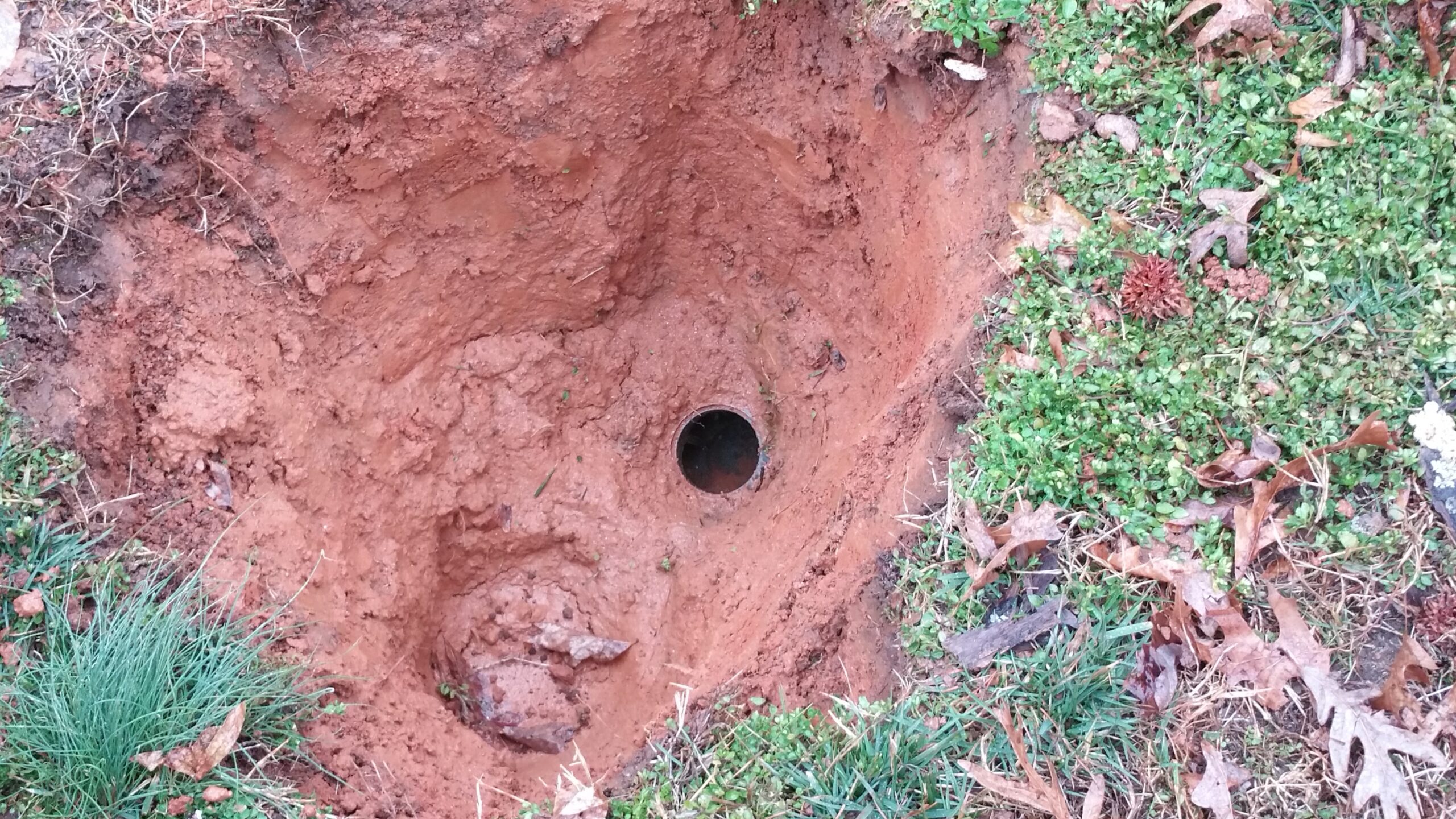
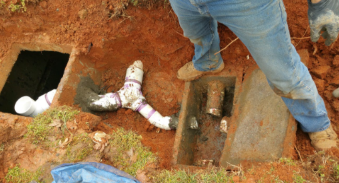
The septic tank was seeping. The yard smelled awful. I could see pools forming, and I knew that whatever was happening wasn’t going to be cheap or simple. I called someone out, and sure enough, the yard had to be dug up. One of the two septic fields wasn’t working properly—turns out a switch had failed, leaving one field to do all the work until it overflowed.

On top of that, the tank itself was full and needed to be pumped.

Shitter. Was. Full.
That was the moment it clicked: this wasn’t about money anymore. It was about bandwidth. I’d built something impressive—but I was managing it alone, and the margin for error had vanished. Selling wasn’t a failure. It was triage.

And honestly? It was the right call.

The septic repair itself ran about $5K, but the real cost was psychological. The idea that it could turn into a $50K full replacement was enough. On top of that, both the front and back houses needed new roofs, and every spring came with the annual termite situation. It was always something. Manageable in isolation—exhausting in aggregate.

Not long after, I was laid off after 18 years with the same company, which effectively decided for me. After more than 12 years in the South, I was done. I packed it up and moved to Arizona, where my condo was already waiting.

I knew my telecom days were winding down, which is exactly why I’d bought that condo in the first place—a soft landing spot closer to home in Canada. The timing worked. I was able to bank the sale of the acreage, move west, and reset without scrambling.

All told, it was a great run: seven years in Georgia and five more living the acreage life in North Carolina. I wouldn’t trade it. Especially not my time in Mooresville, better known as Race City USA, where most of the drivers and garages are based.

Dale Earnhardt Jr. lived about 15 minutes from me on his western ranch. No invites for me—but proximity counts for something, right?
Thanks for the memories, Mooresville.
No regrets. Just chapters, and those five years were amazing!

IMG_20231006_071532

Hammock camping – St Croix BVI đŸïžđŸ•ïž

This was an adventure for the ages—
outdoor camping, rain, wind, and cold-soaked everything.

The kind of trip that’s miserable in the moment
 and legendary forever.
I headed to beautiful St. Croix and camped through a tropical storm.

It was Wednesday, October 4th, 2023


And it was the very first flight I ever took using my Frontier Airlines All-You-Can-Fly pass—which immediately set the tone by becoming one of the biggest (and possibly craziest) adventures I’ve done.

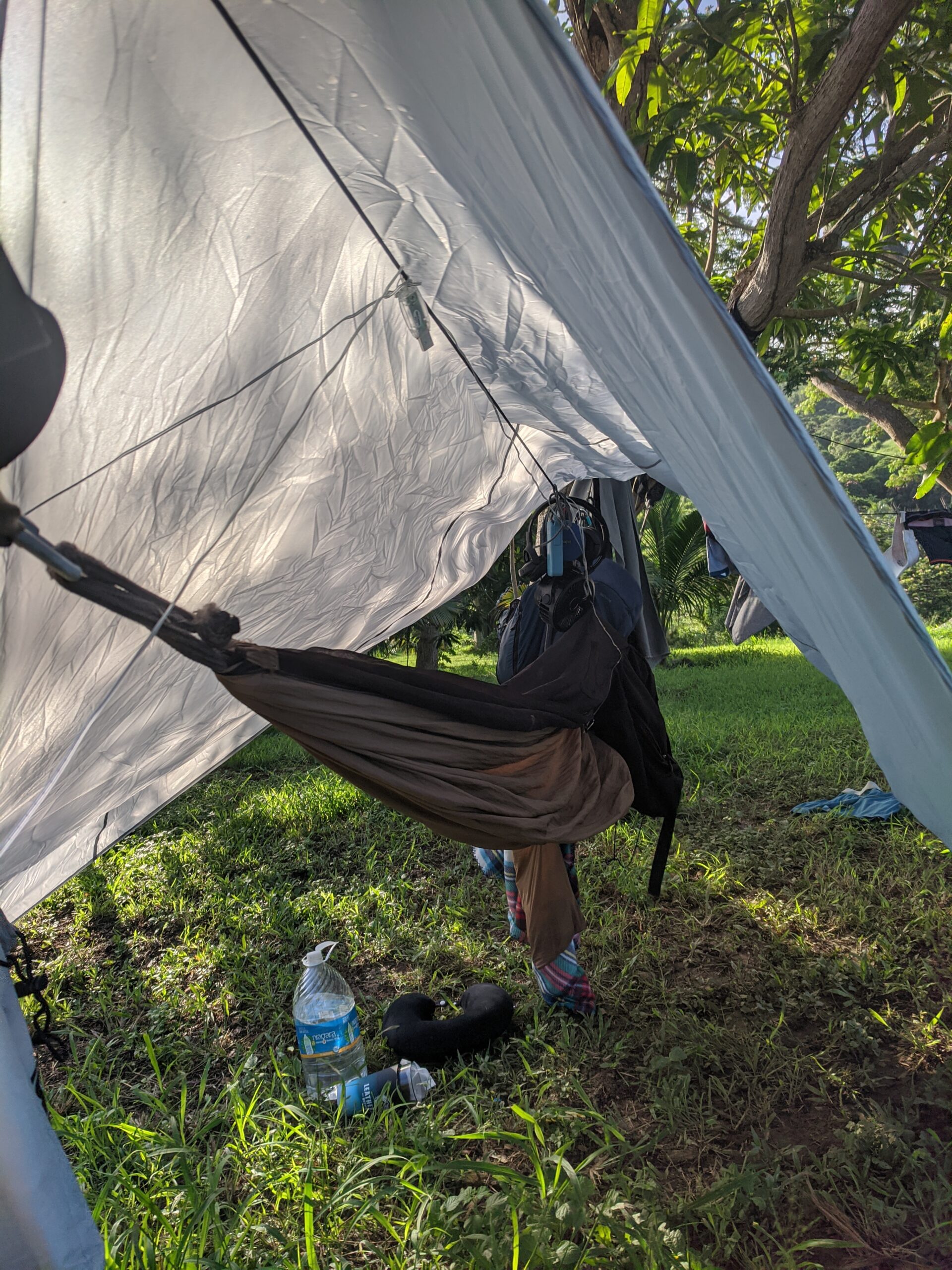
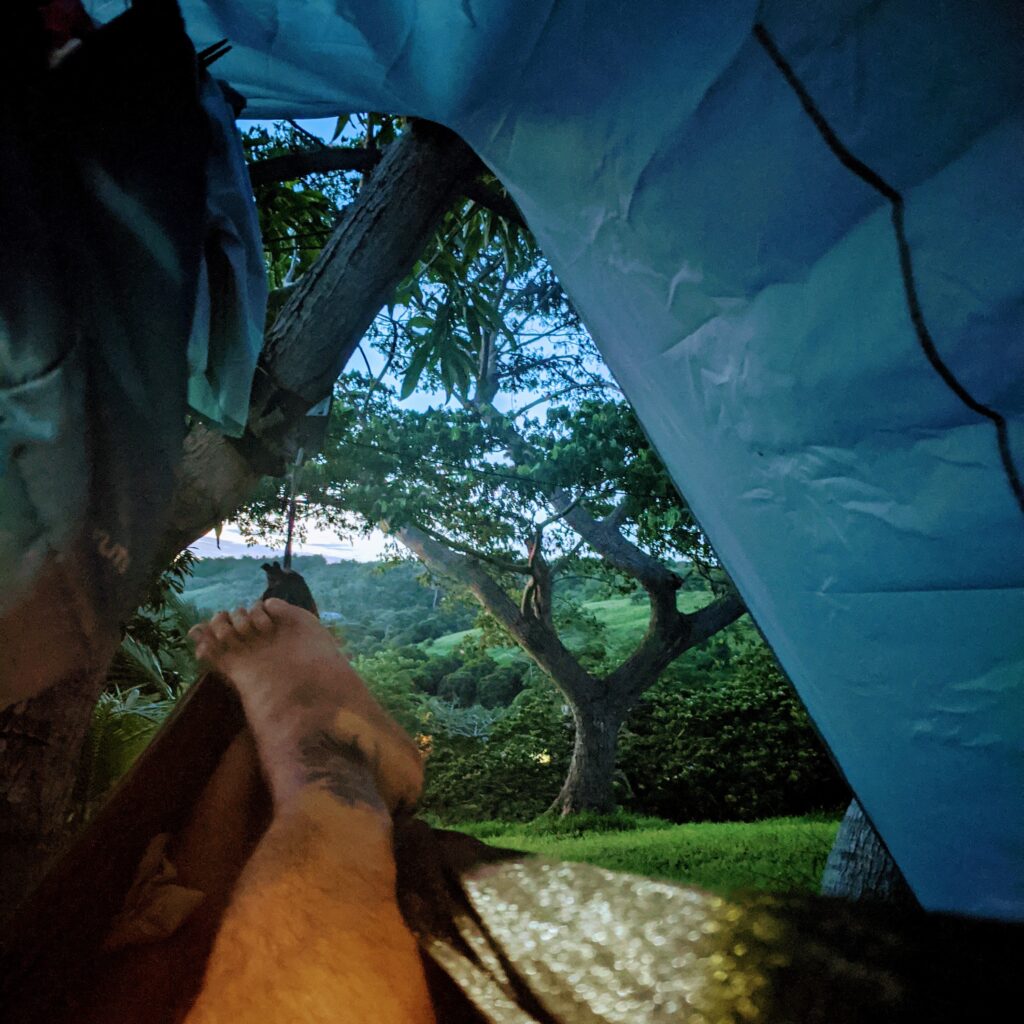
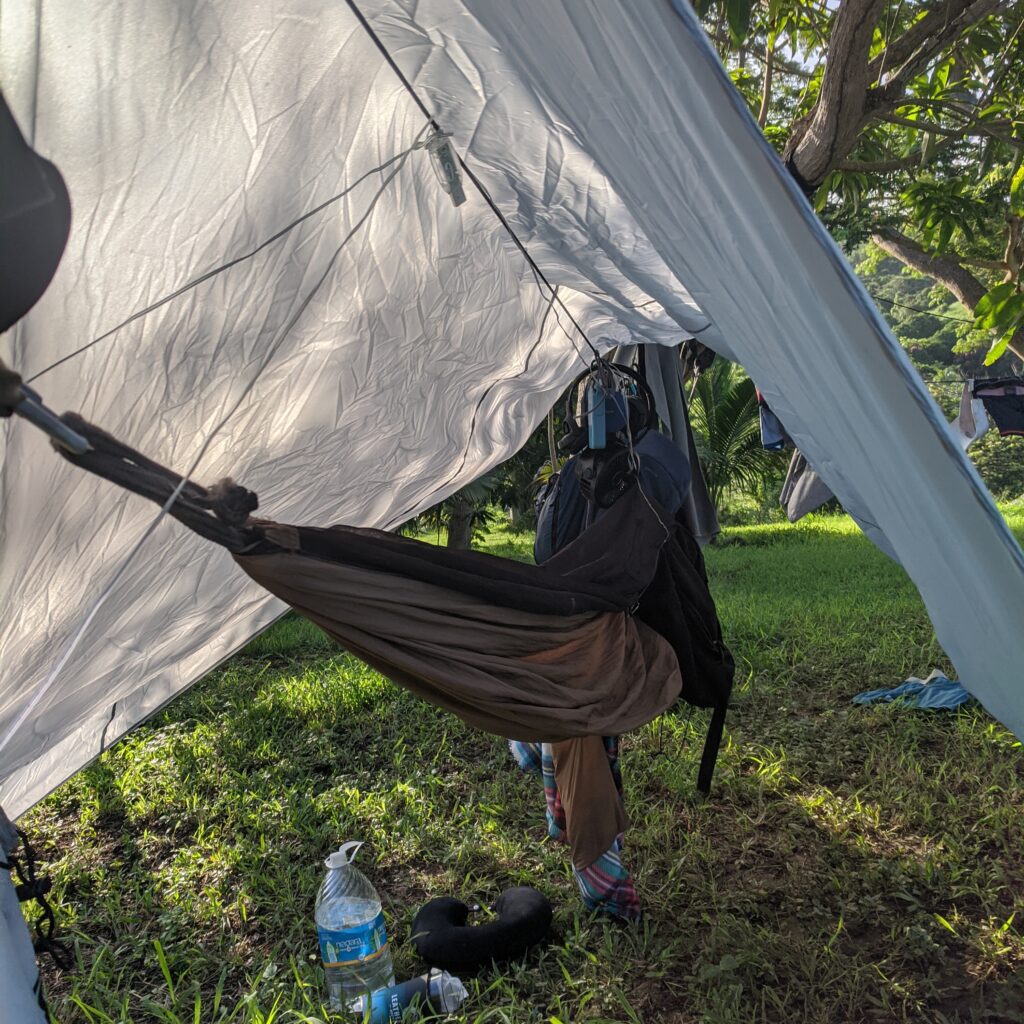
I’ve traveled with my hammock all over the place. It’s compact, lightweight, and all I need are two trees to be comfortable. This trip was no different. I packed my hammock, a rain fly, and the bare-bones camping essentials and figured I’d let the island handle the rest.

What I didn’t plan on was a tropical storm.

Wind.
Rain.
THUNDER and lightning.
More rain.

Still, there’s something oddly satisfying about riding out nature with a plan for the next night.  I hunkered down in the fort and never saw another drop of rain or wind for the rest of the trip.  

It wasn’t glamorous, but it was unforgettable—and that’s the point.

I had all the base-camp essentials dialed in—running water, a flushable toilet, a beer fridge, and a perfectly chosen setup spot.

This wasn’t roughing it
 this was Living Life to the Fullest with a side of regret …

Everything was in place for an amazing few days exploring the island of St. Croix. I had the gear, the location, and the mindset. All that was left was to let the island do what islands do best—surprise you.

There was a tropical storm in the islands that first night—which, for the record, is technically less intense than a full-blown hurricane.

I had convinced myself it meant “a little rain.”

I was buckled in, hammock tight, rain fly secured, feeling smugly prepared


LMAO. đŸŒȘ

What I actually got was wind, sideways rain, and Mother Nature reminding me who really runs the campground.

If I’d used proper tent pegs that first night, everything would have worked out just fine. Instead, I spent the evening soaked and shivering, with my rain fly snapping like a flag in a hurricane—every gust reminding me that optimism is not a weatherproofing strategy.

But after that brutal first night, everything changed.

Once the storm passed and I fixed my setup, it transformed from the worst night of rest into the absolute best. I slept peacefully, wrapped in my hammock, listening to the forest breathe—leaves rustling, insects humming—while a gentle breeze from my little ceiling fan kept things cool.

From survival mode to pure bliss in one night.

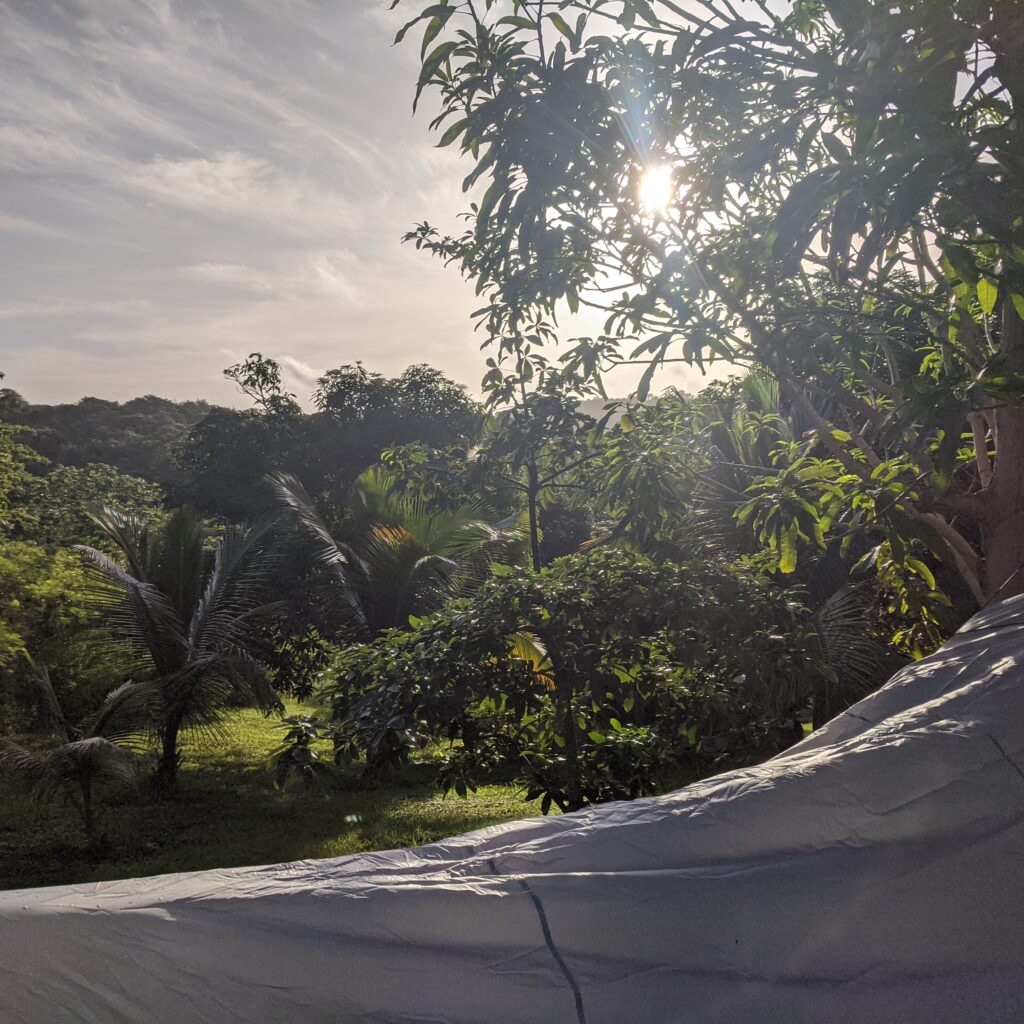
It was about a 30-minute walk to the beach, which was another reason the camping was so inexpensive—just far enough to save on accommodations and justify the next beer. The beach bar had an unreal view too. 😎
Nothing like earning your sunset with a walk, then immediately undoing it with a cold drink and a front-row seat to the horizon.
Lesson learned—and filed under experience beats theory.

Next time, I’ll bring proper tent pegs.

And yes

I will absolutely be hammock camping in the islands again. 🌮

IMG_20230207_144404

Honolulu, HI – incognito office!
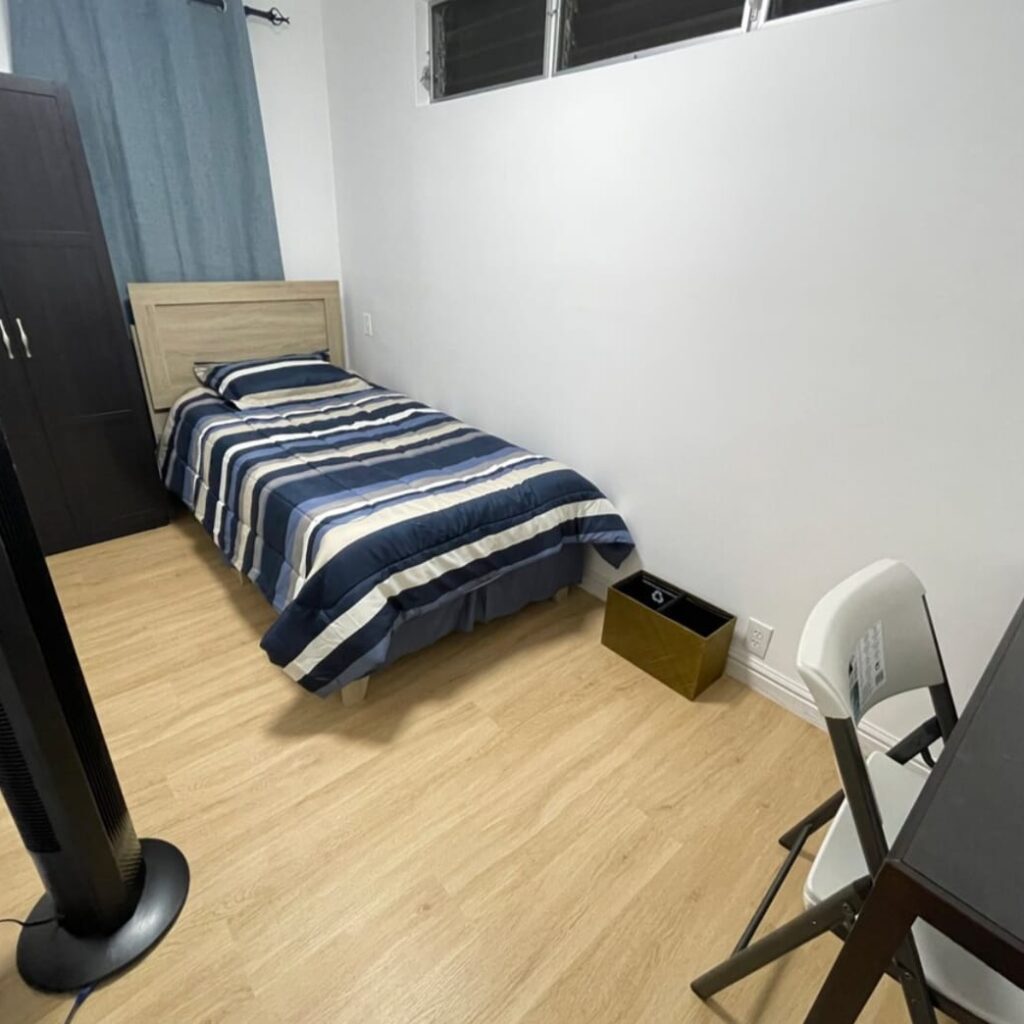
I have stayed in the same Honolulu Airbnb three times, and I love it!  I stayed there for two months to start 2023 working incognito.  My AZ condo was rented on Airbnb, so it was like an awesome house swap while living in Hawaii.

It was perfect for me as I was only home to sleep and work; otherwise, I was touring the island or fishing in Kona, and I wrote a post about the amazing fishing here. 

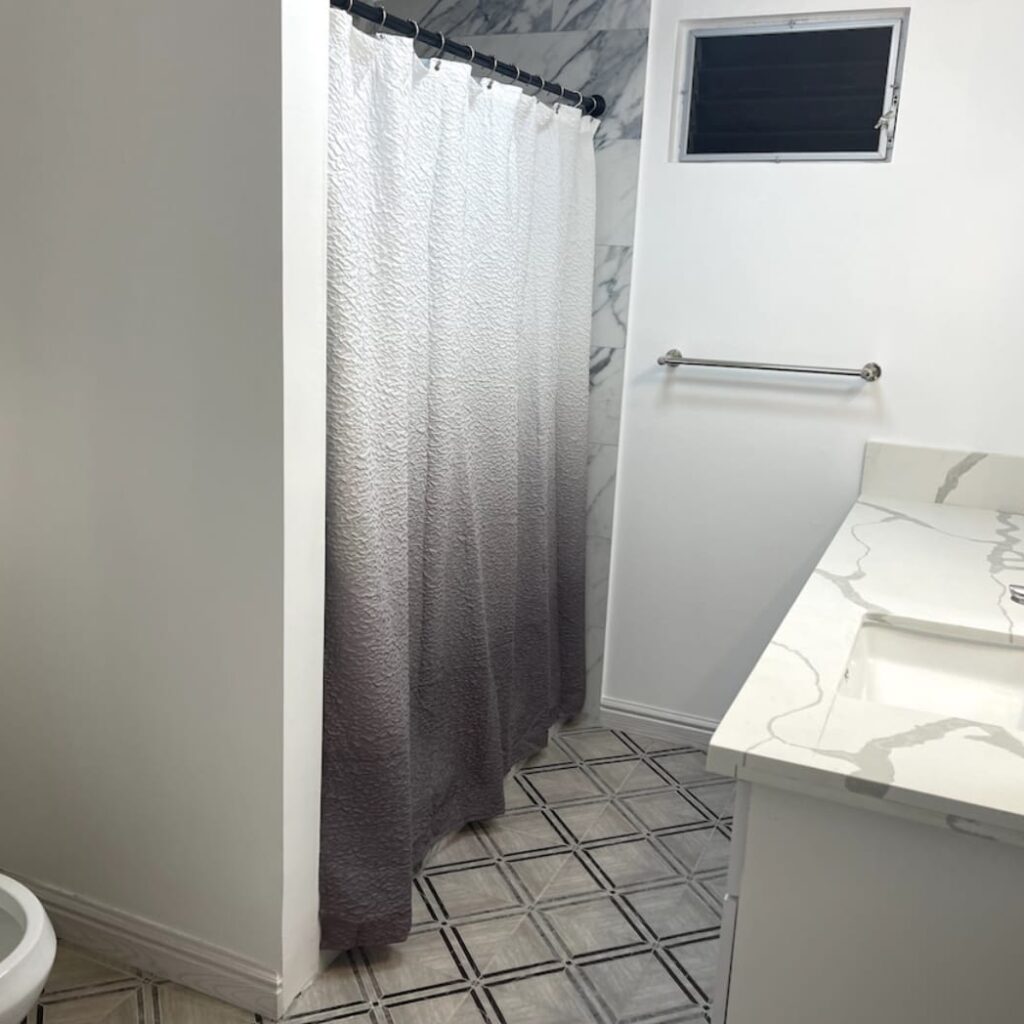
It is a studio with a single bed in a complex that has five units with a shared bathroom and kitchen. There is occupancy, a nd it is not in the best area near Chinatown, but I have never had an issue, as I am normally home by dark or soon after.  

I was working incognito in Hawaii for three months, which was awesome as I only worked a four-day week.  

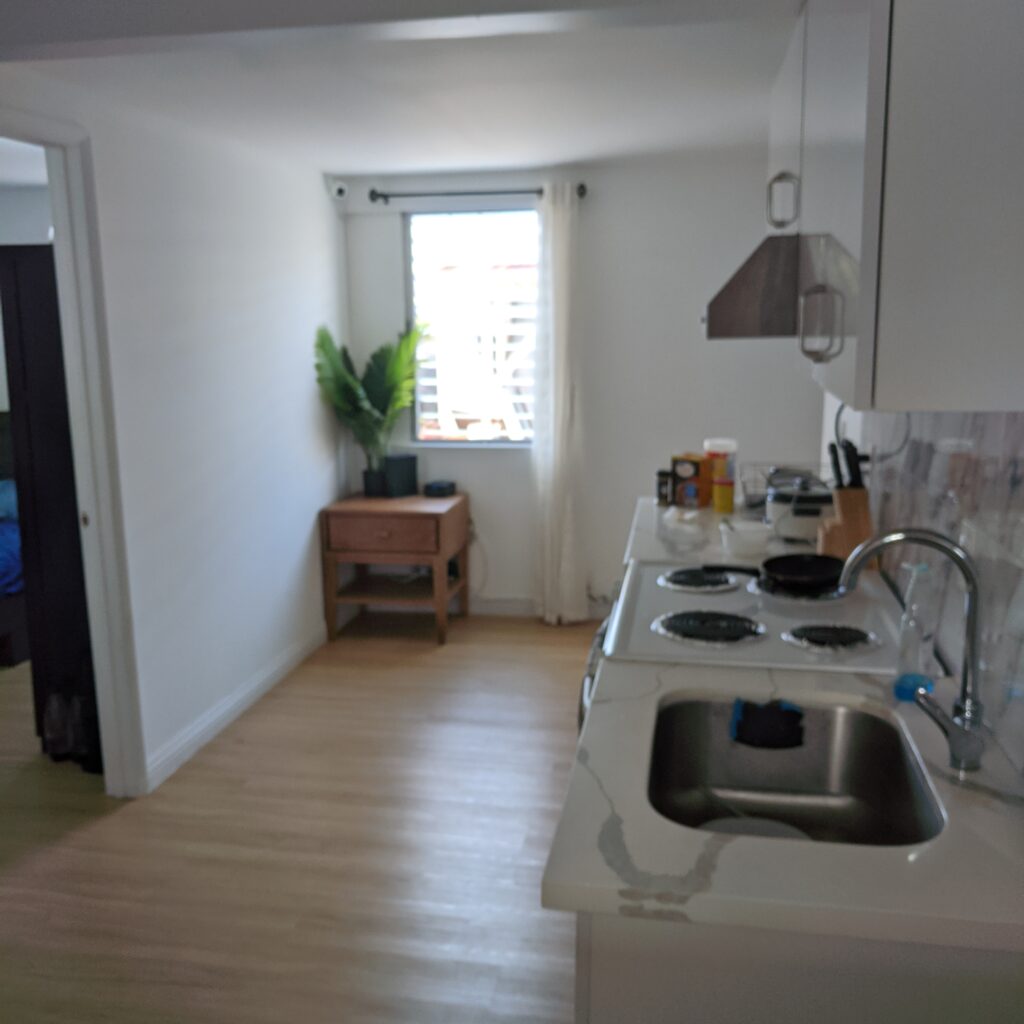
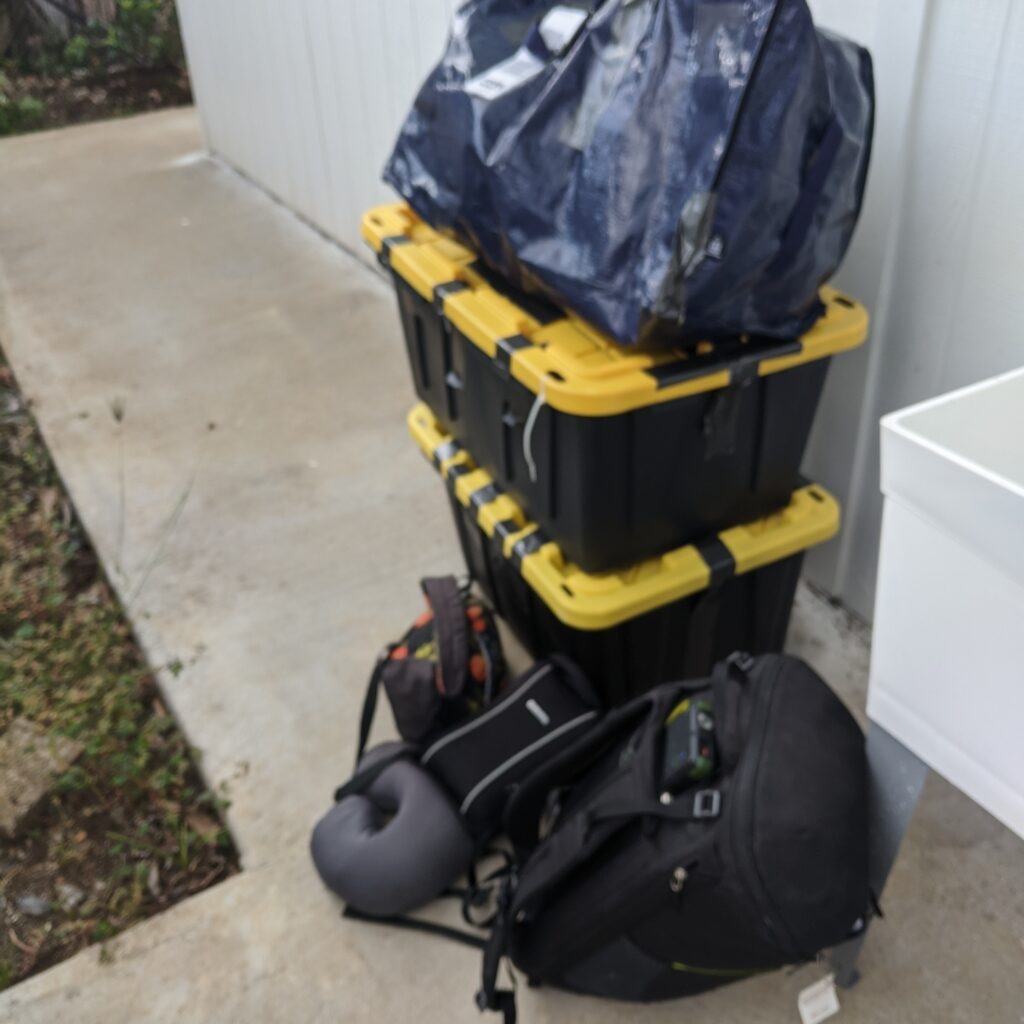
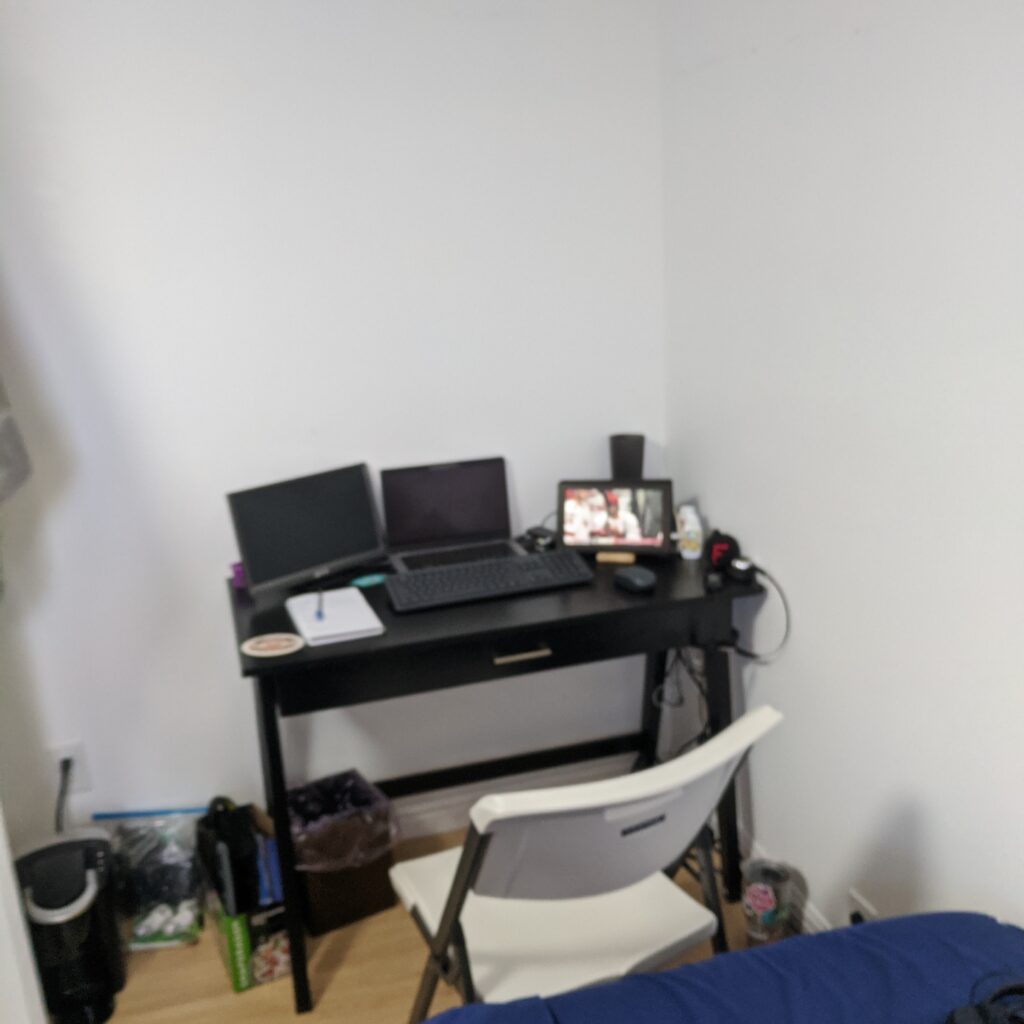
I spent the first six weeks in Kona and the second six weeks here in Honolulu.  I normally like to pack light but, I brought two container of crap this time.  Just to be fair, one was my home office, and stuff that was needed day-to-day work.  Thanks, Southwest Airlines, for the two free bags/containers so I could work seamlessly under the radar in paradise.  

As you can see, I even brought the Keurig and watched sports the whole day while working!  Thanks Phil!! 

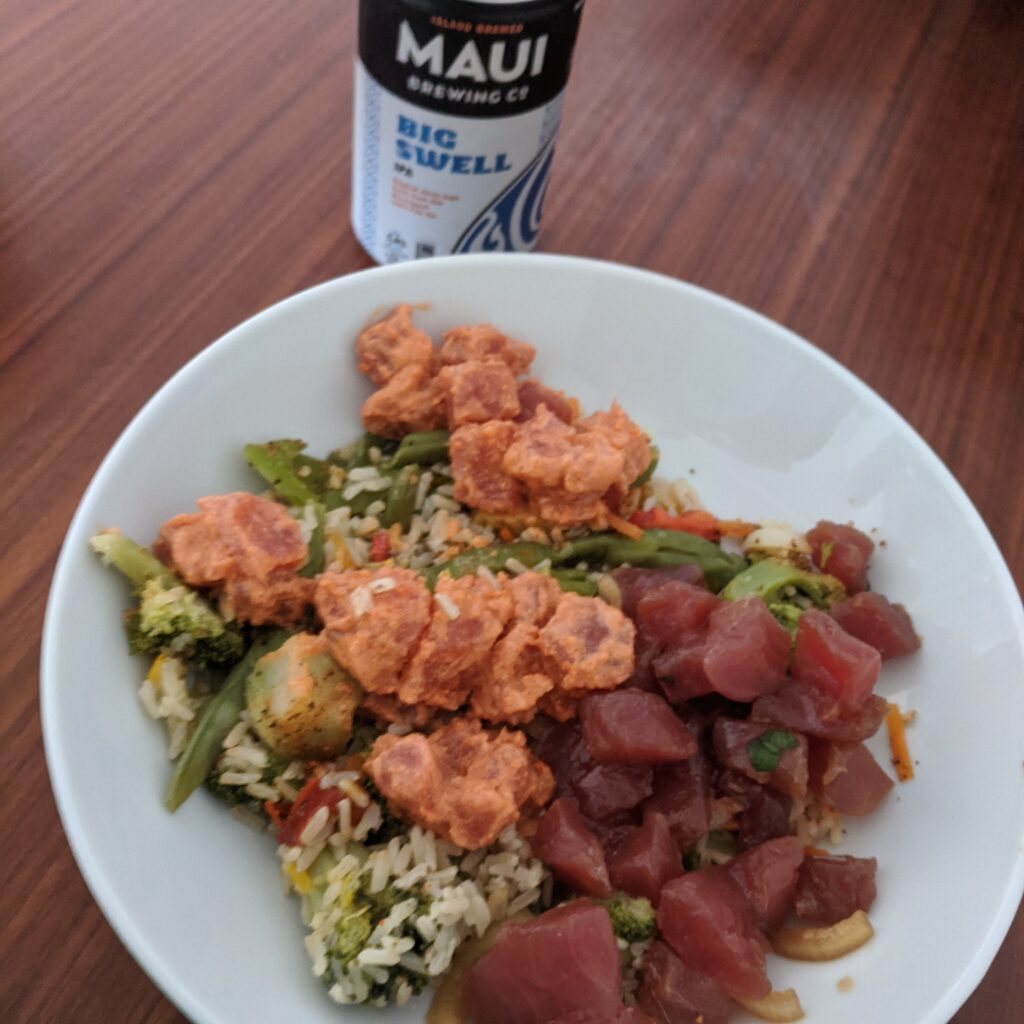
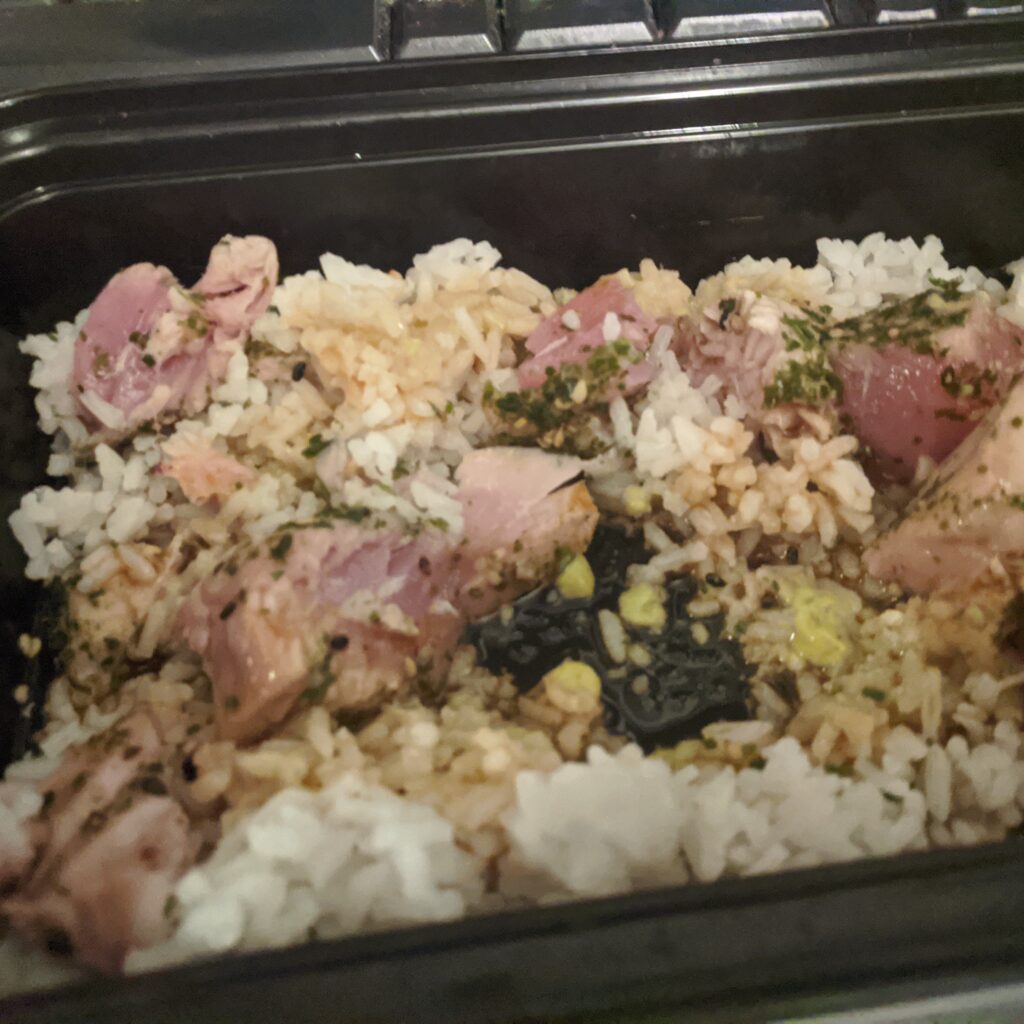
I also brought my slow cooker as I knew I would be eating at home four days a week.  I would go to the grocery store down the street and get different flavors of fresh ahi tuna.  I would eat it with rice and then eat the leftovers almost every single day!  So fresh, affordable and awesome with a local beer.

The walk to the bus stop is five minutes with buses going directly to Waikiki in 30 minutes or the North Shore in two hours. 

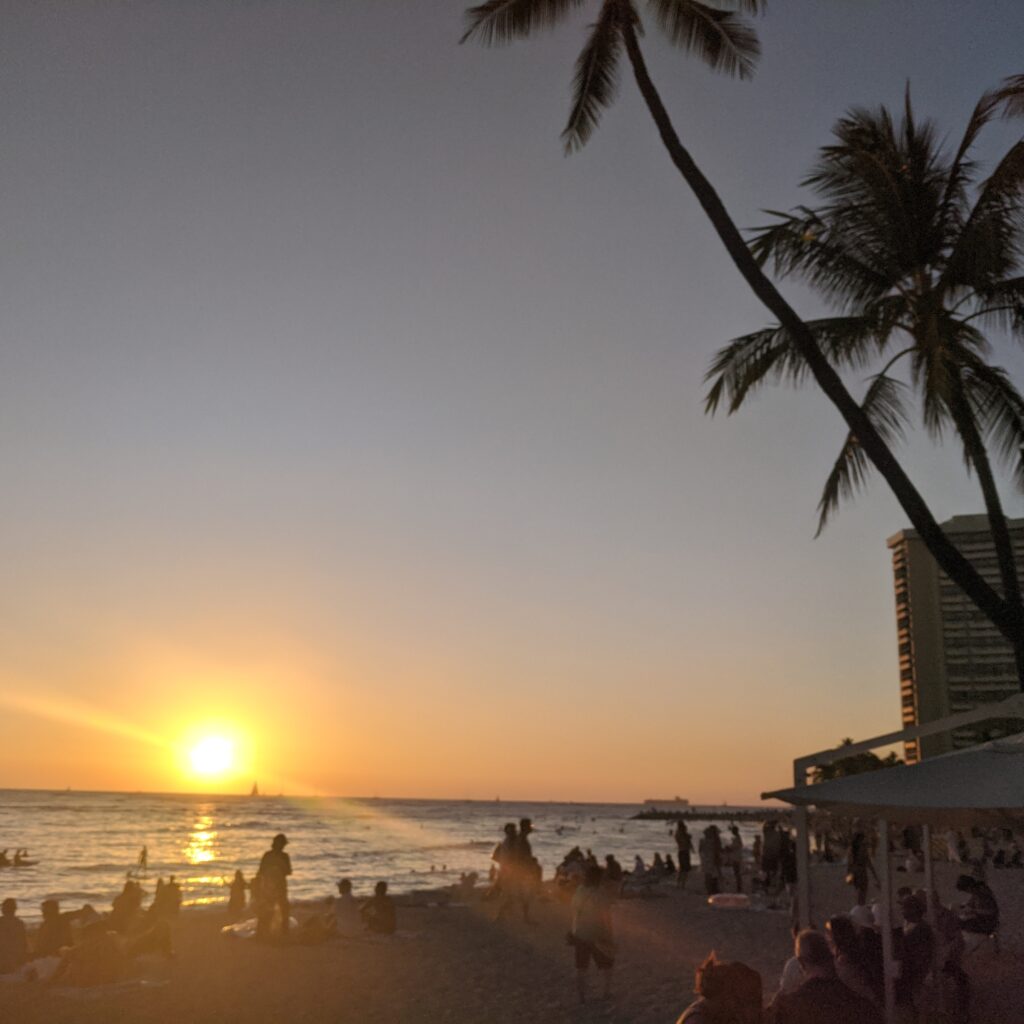
I have taken both buses many times for $2.50, packing a cooler, hammock, and lawn chair.  Both beaches are spectacular for different reasons.  Waikiki is famous for Duke’s, but there are always thousands of people packing the beach.

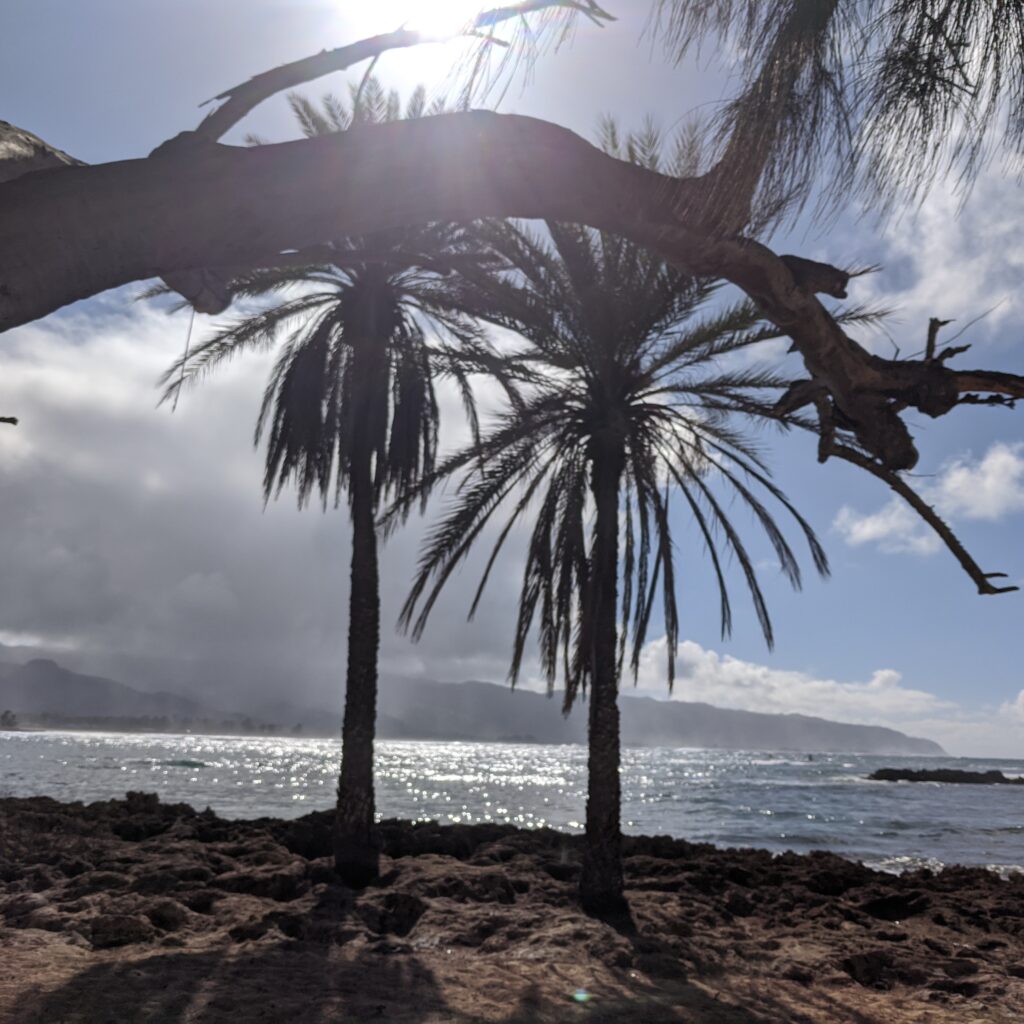
Here is the North Shore experience, which is incredible!  

Surfin’ U.S.A.

đŸ„đŸ»â€â™‚ïžđŸ„đŸ»â€â™€ïžđŸ„đŸ»đŸ„đŸœâ€â™€ïžđŸ„â€â™‚ïž

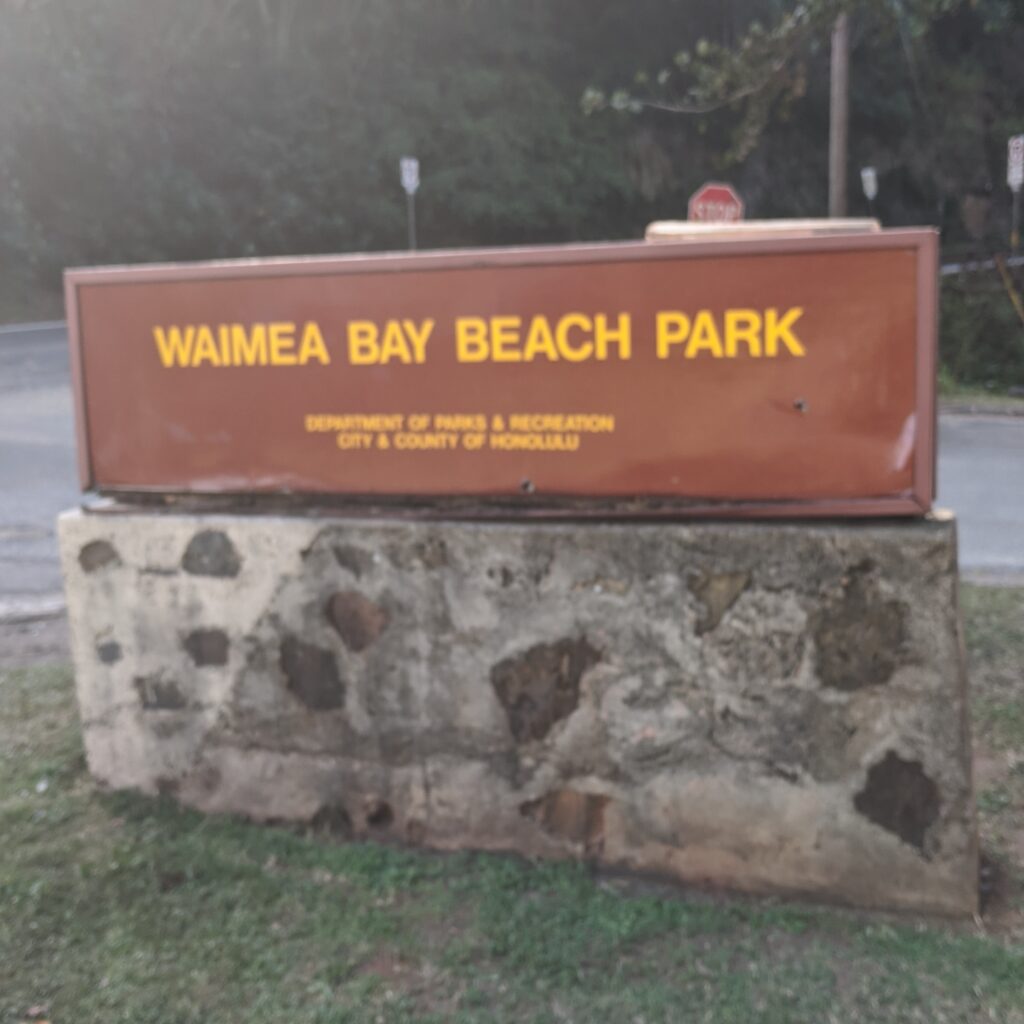
At Waimea Bay (inside, outside)
Everybody’s gone surfin’

đŸ„đŸ»â€â™‚ïžđŸ„đŸ»â€â™€ïžđŸ„đŸ»đŸ„đŸœâ€â™€ïžđŸ„â€â™‚ïž
Surfin’ U.S.A.

Grabbing some fresh ahi and a couple of local seltzers between naps is amazing, too!

Here is the Waikiki experience!

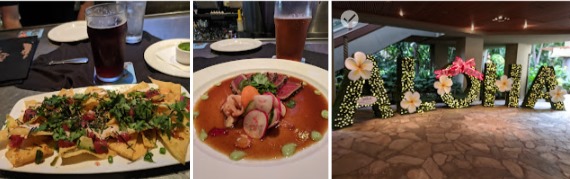
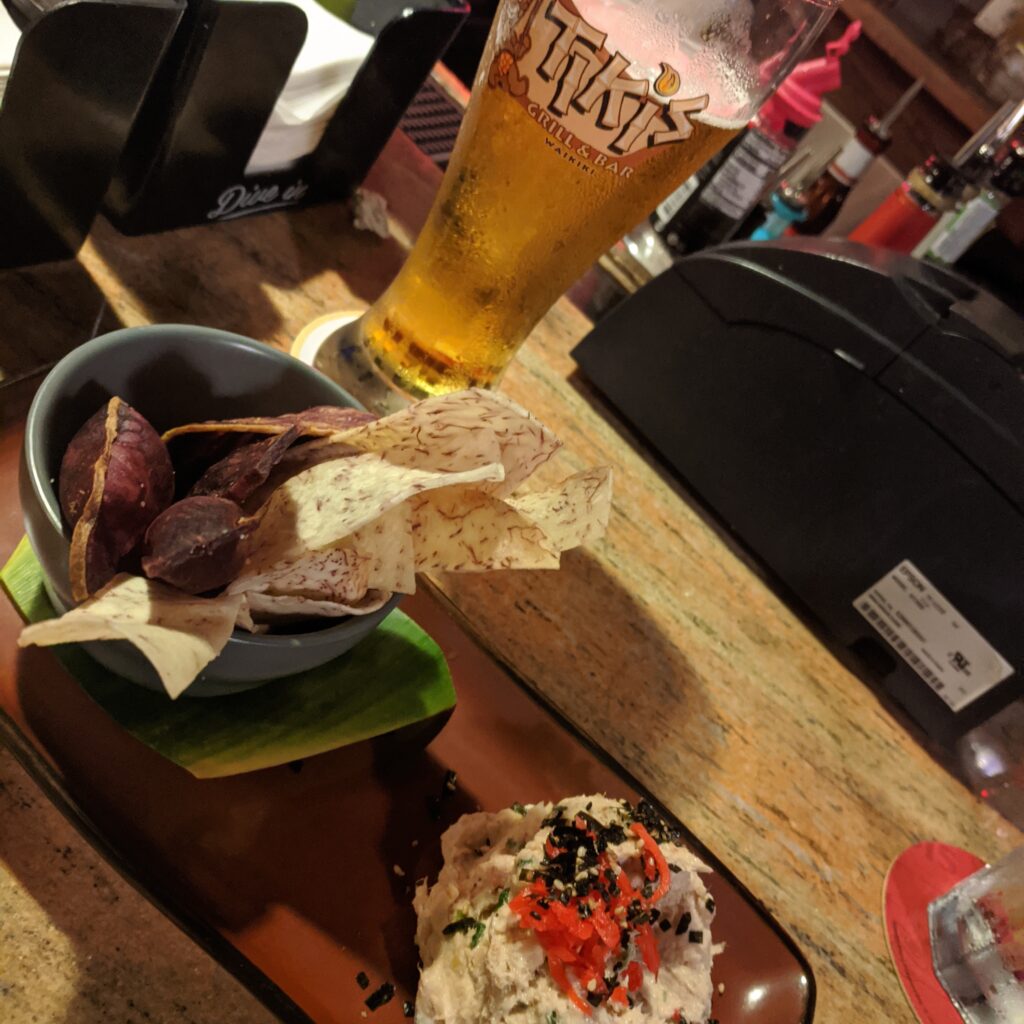
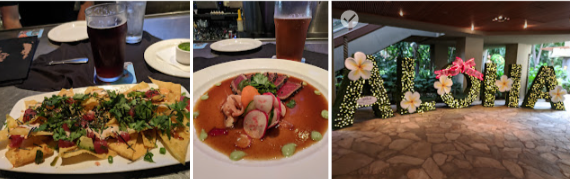
My favorite thing to do in Waikiki is catch happy hour at the Yard House, which is 2-5:30 Monday to Friday.  Waikiki is not the cheapest place, so grabbing an early dinner and beer is affordable.  The pole and poke nachos and a Coconut porter brewed in Hawaii are my favorite, as shown below:

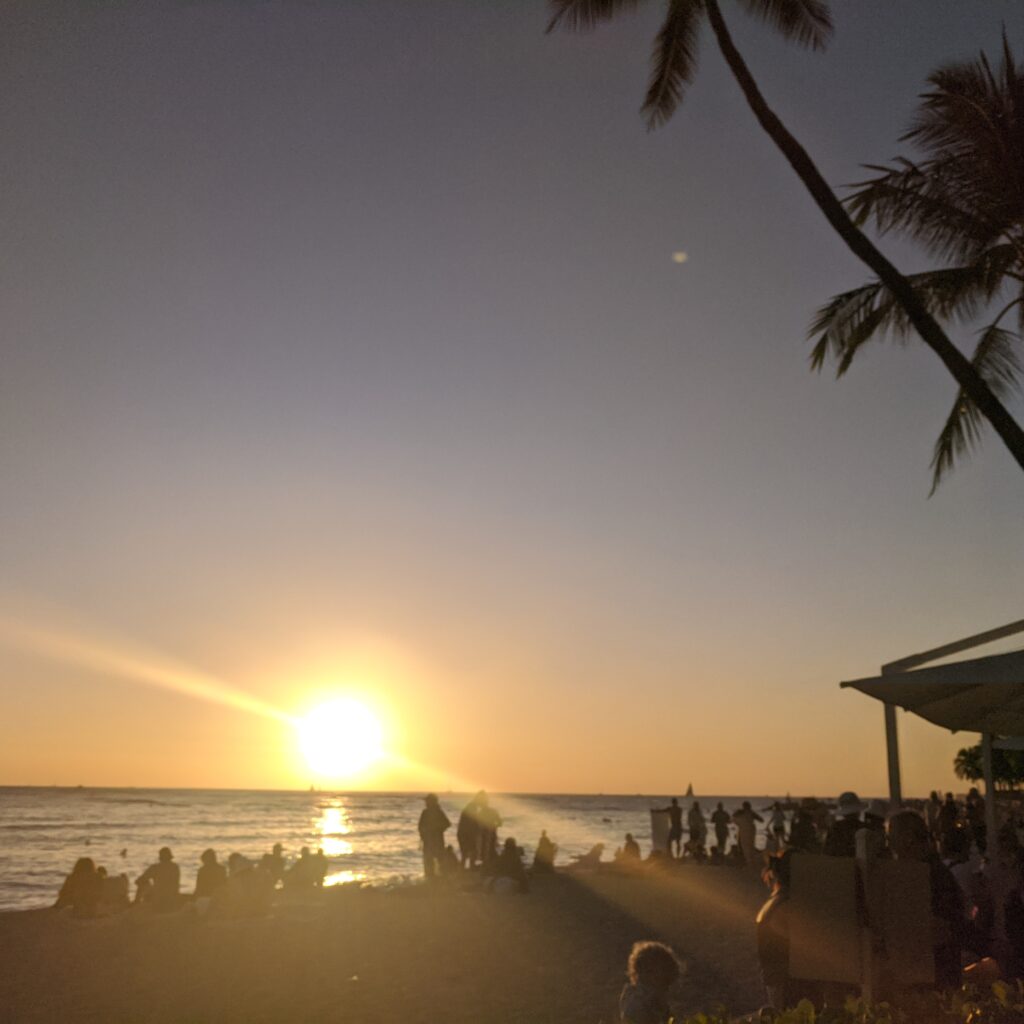
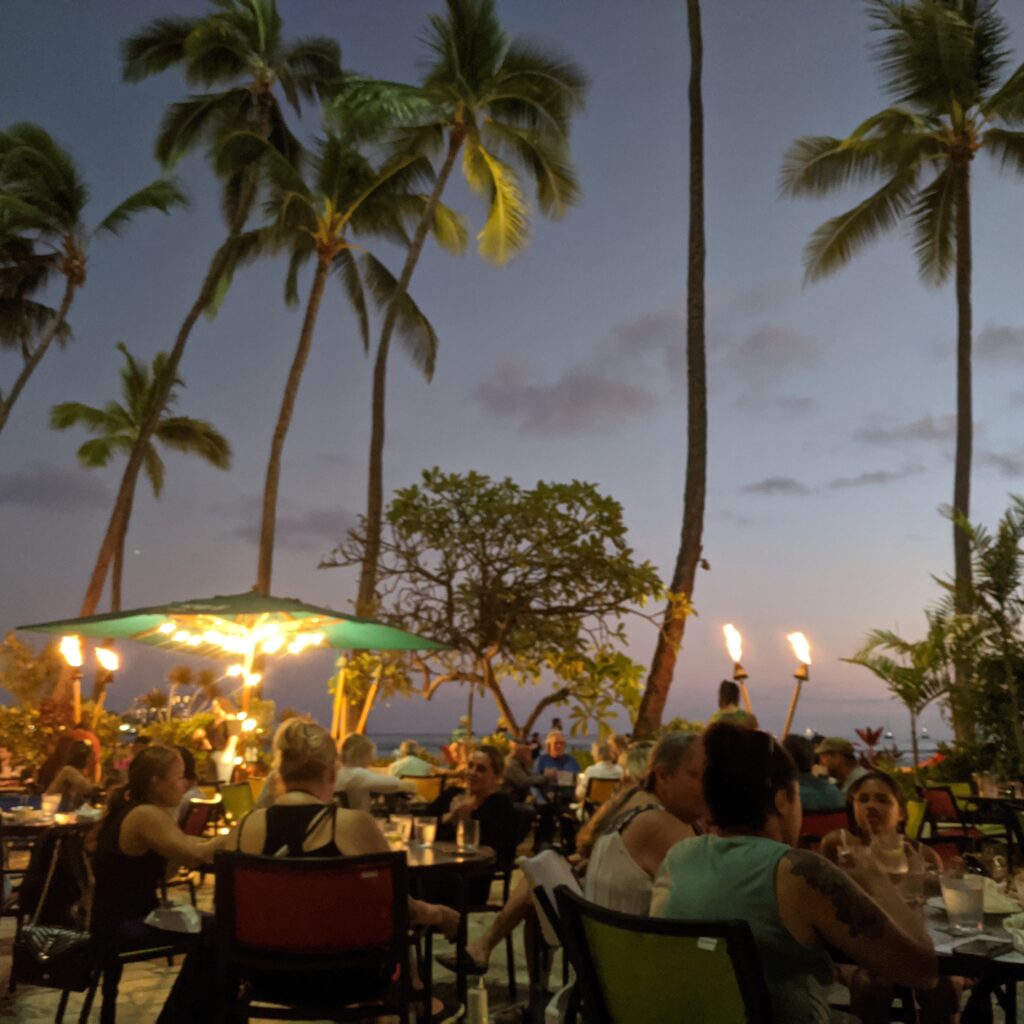
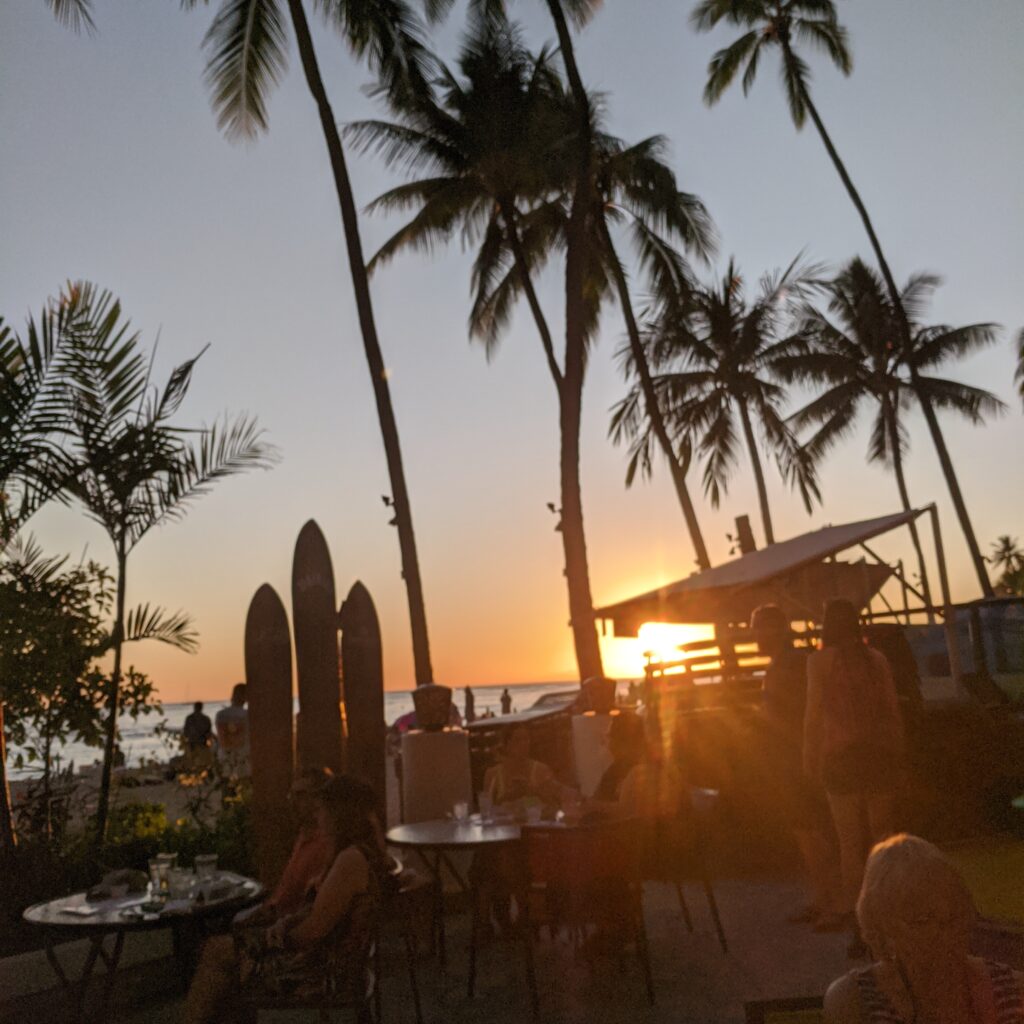
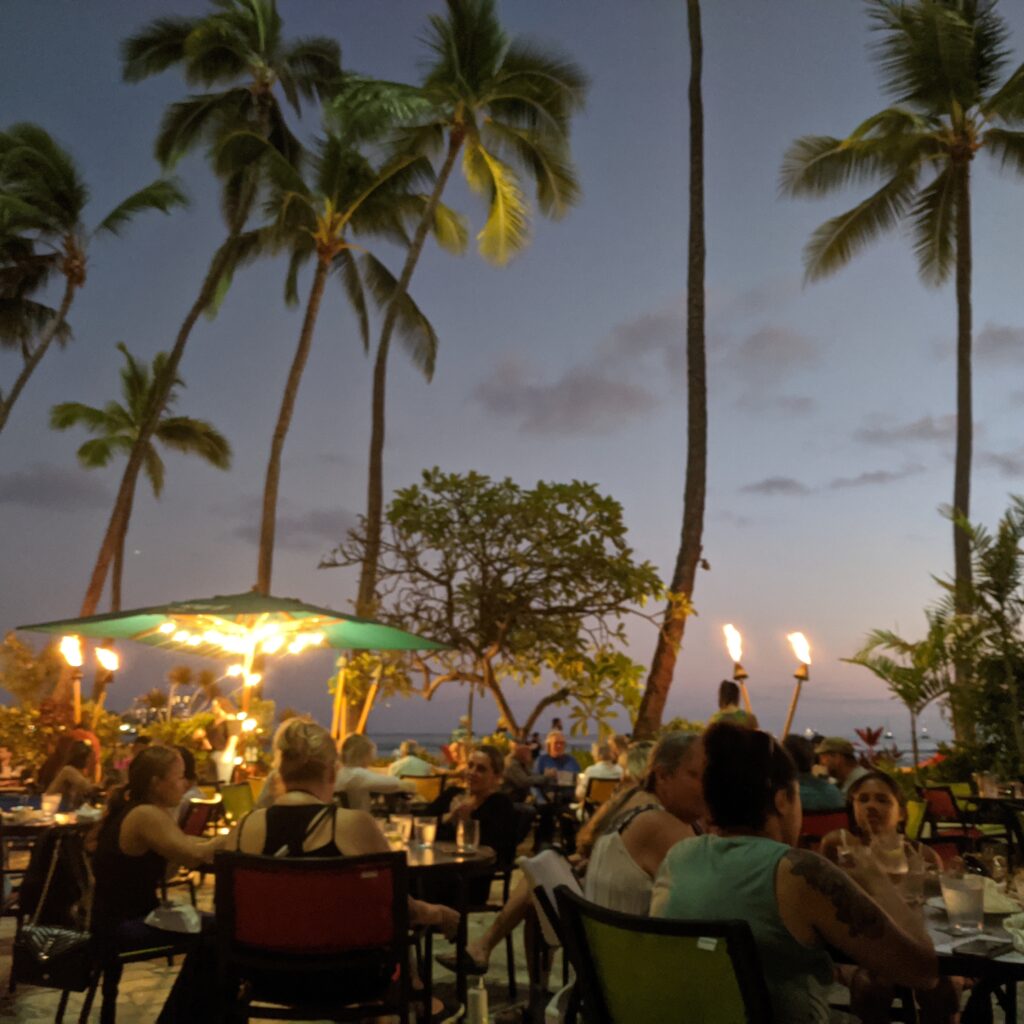
After dinner, I stroll down main street and sit at the Mai Tai beach bar or Dukes and listen to live music and the waves. 

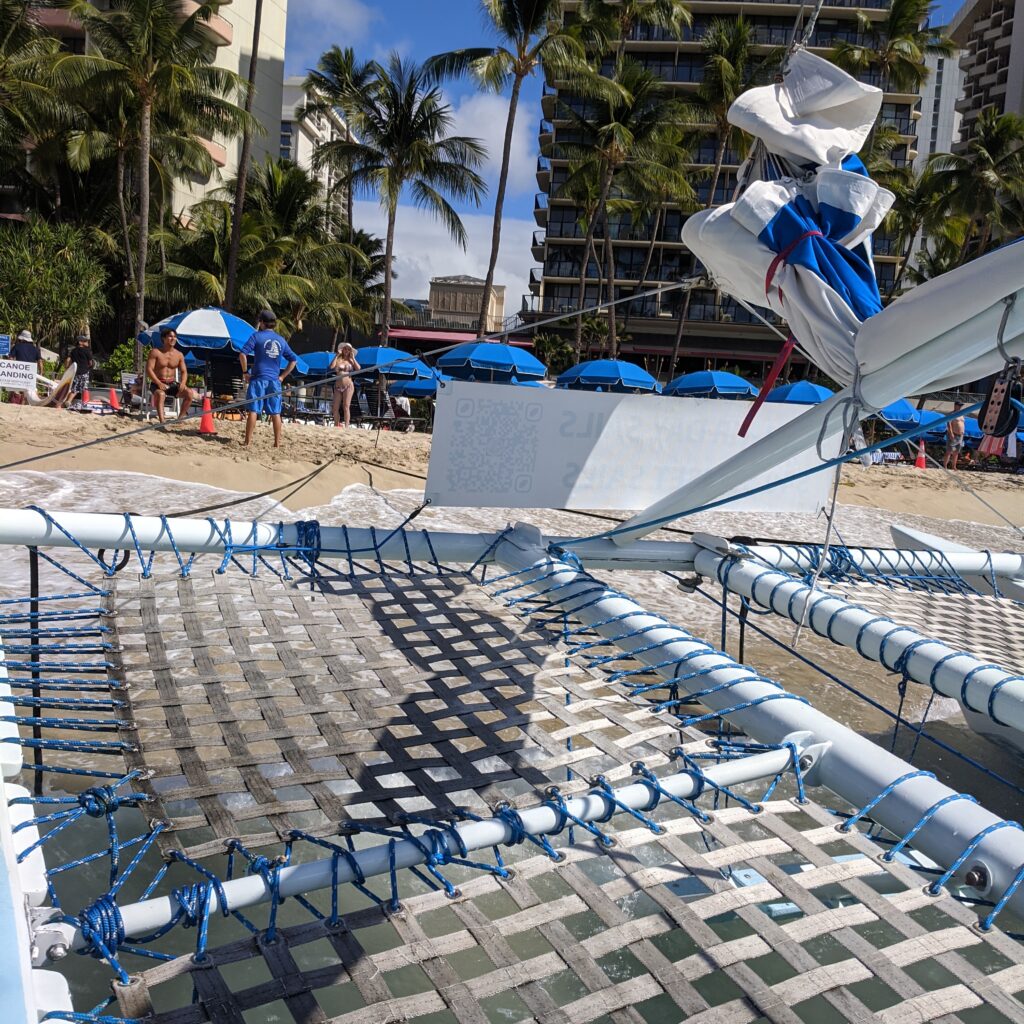
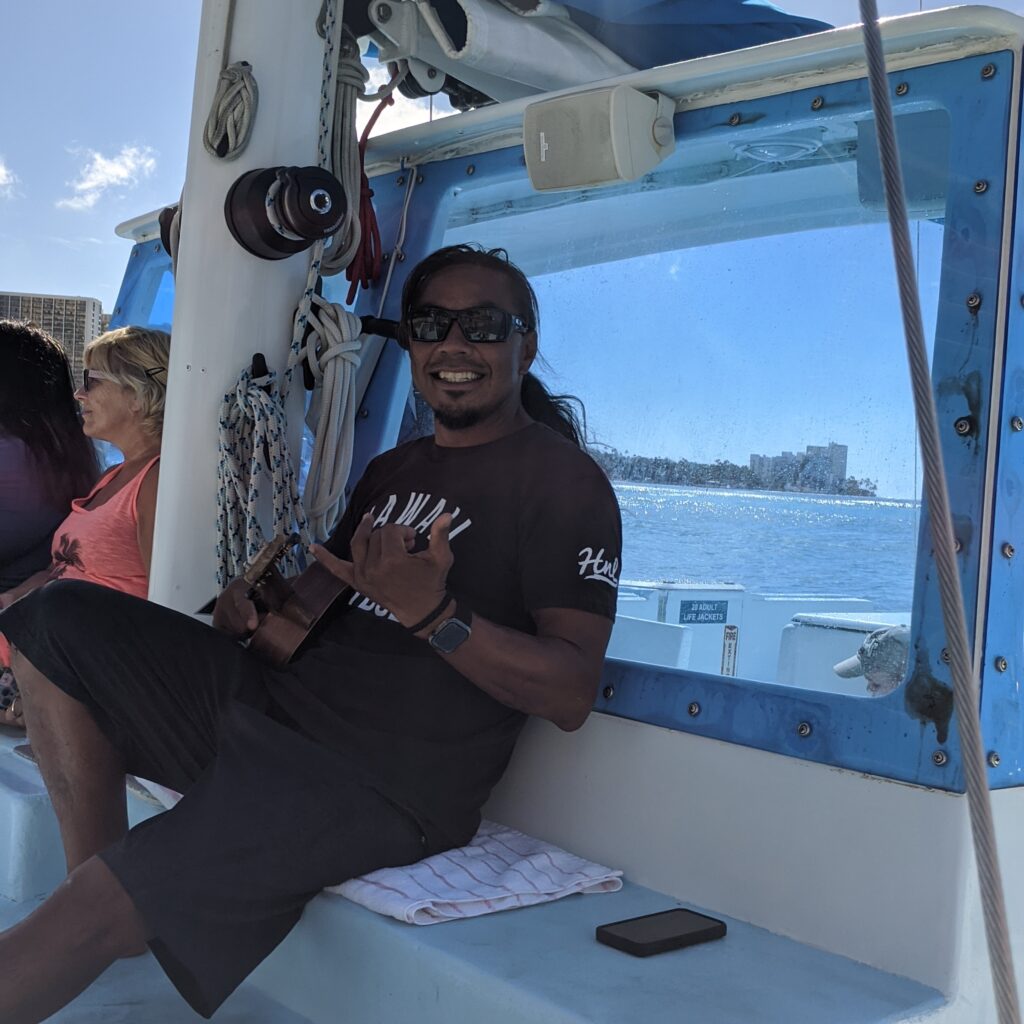
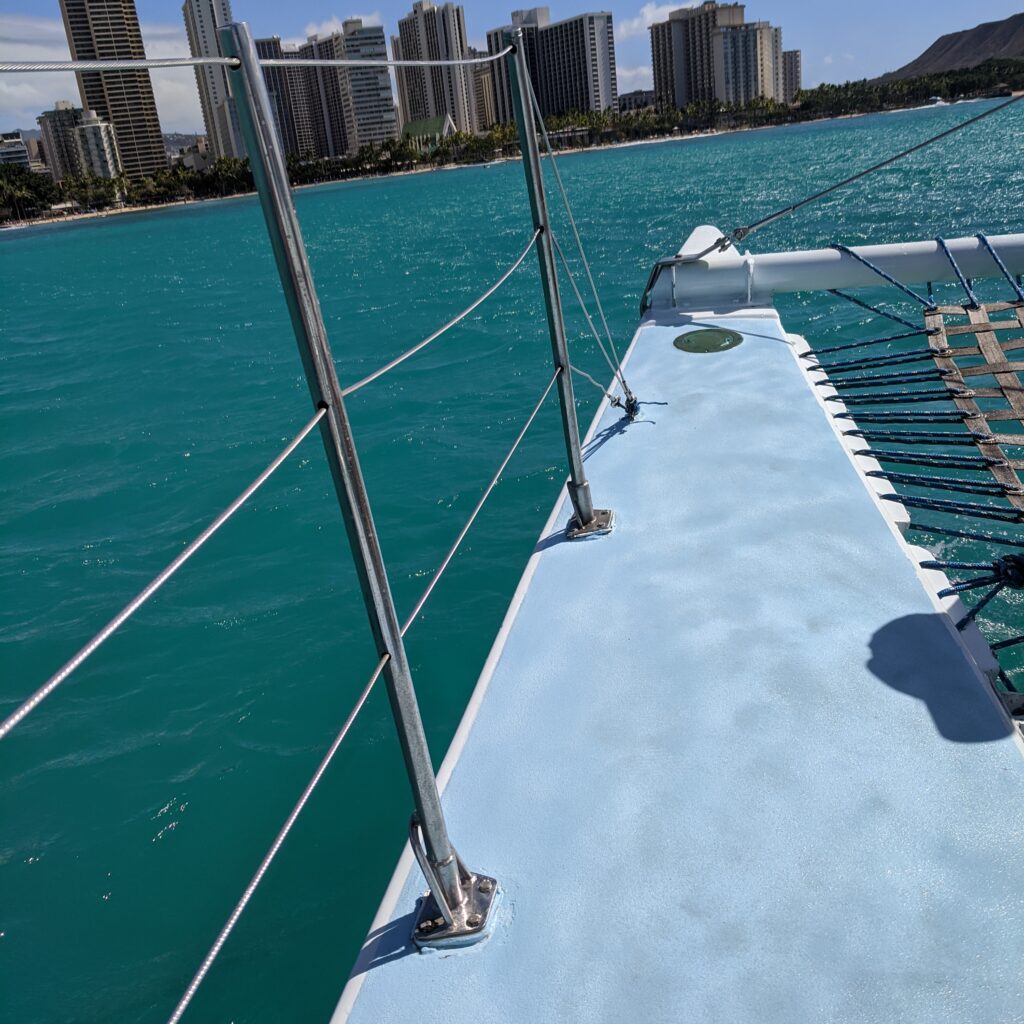
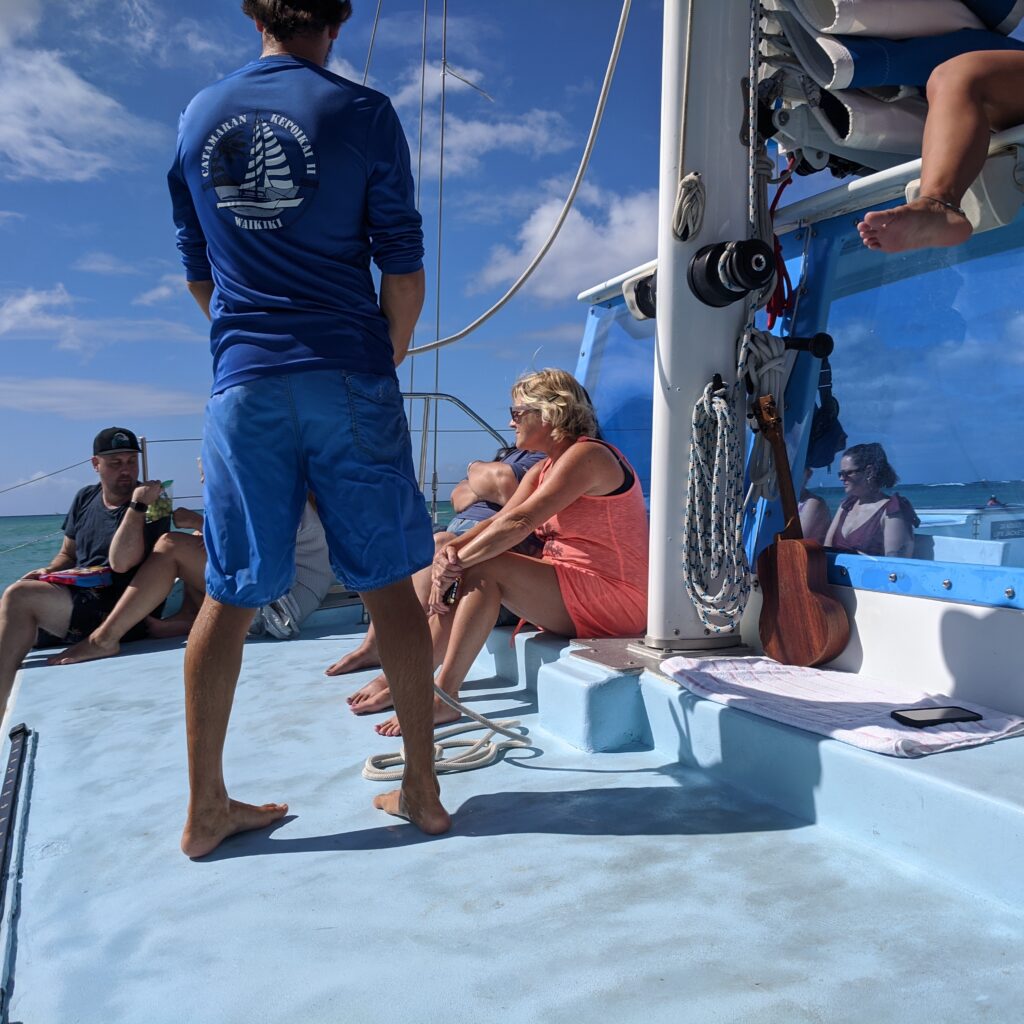
There is a fun catamaran that will take you out to make it makes for a perfect day!  Check Groupon for different sailing adventures or cut a cash deal with them if you want to go a few times!  

DCIM103GOPROG2163087.JPG

Fishing in Kona, Hawaii! 🎣

Meeting my first mate, Sue, and her husband Steve at Planet Fitness during my first week in Kona in the fall of 2022 was such an amazing sequence of events. I was there for two months, and it could not have started any better.  

I found fishing buddies, and they were good at it too!

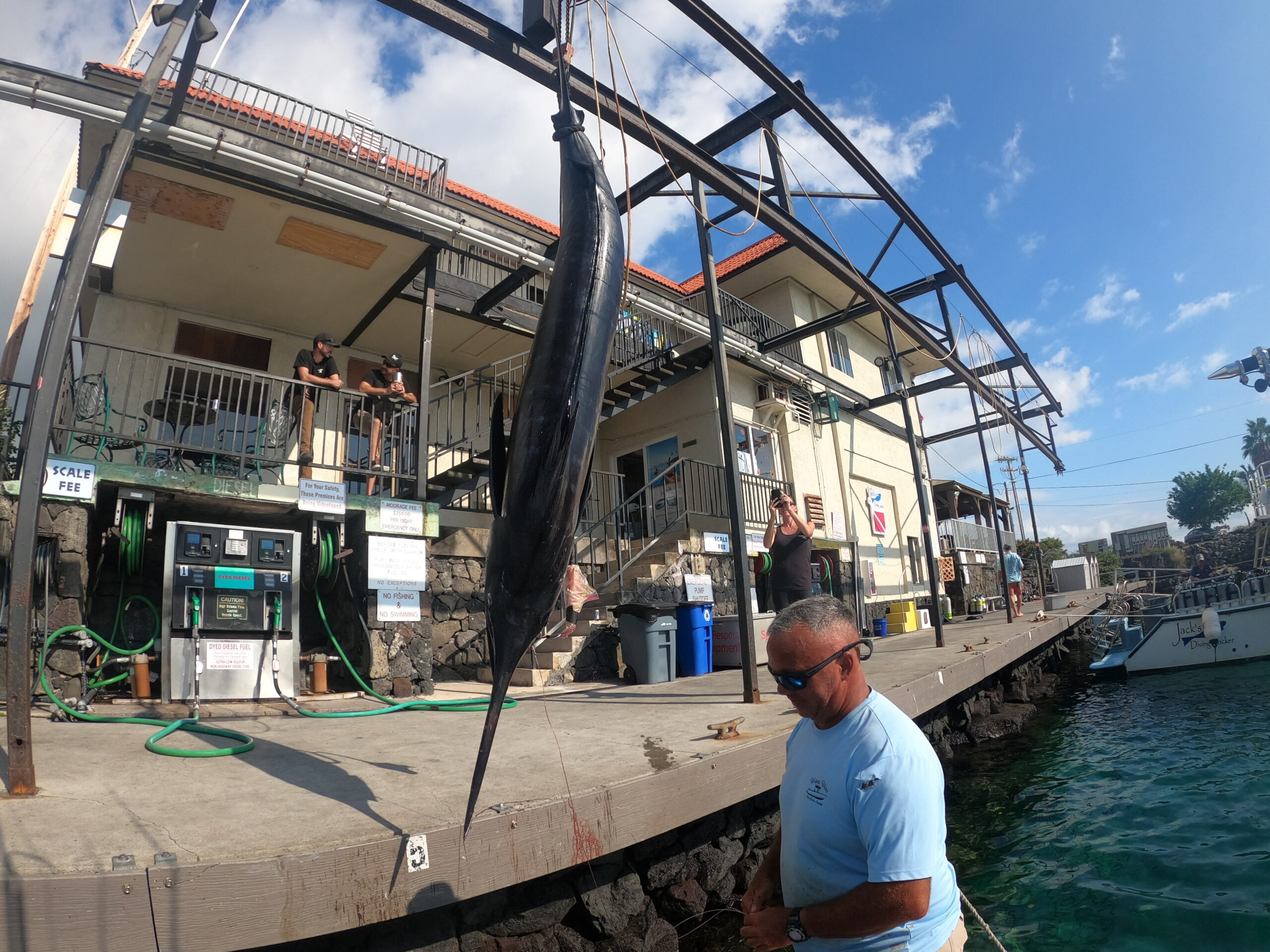
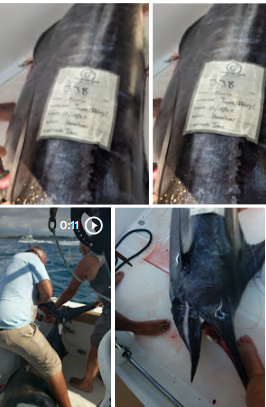
It would make my fishing dreams come true the following week, catching a 350 lb+ marlin, pictured above, getting weighed at the harbor. I remember it like it happened yesterday, and it was the largest fish caught on Captain Tom’s boat Honu Hua “at the time.  

In the Summer of 2024, they broke my record with a 550 lb+ marlin, giving me reason to keep going back.  

Look at the size of that marlin!!

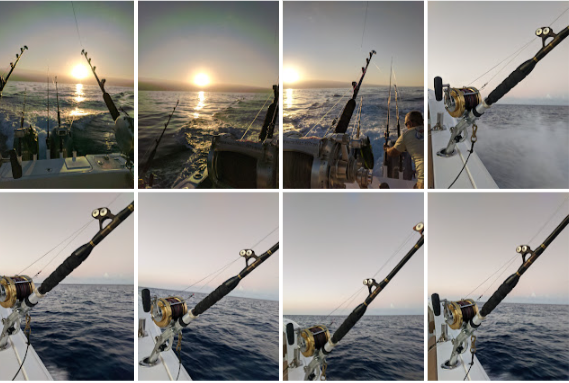
Back to my fish story! Sue picked me up at crack ass so we could leave the docks at 6 AM. I walked up to the boat, and Sue introduced me to Captain Tom, Aunt Tootsie, and Uncle Bobby.

(Uncle/Aunt is a Hawaiian term of respect when introducing someone older than you.) 

The first thing I said was that it was a dream to catch a marlin and watch it jump while reeling it i, and holy shit, did I ever!  The first thing I remember reeling her in is seeing her jump, I said to the crew, Look at that Marlin jump way over there and the unanimous reply was; 

“That’s your fish, dumbass, REEL”.

It took me about 90 minutes to reel her in, and we have some great videos below. I was not handing off the rod and had to crank with two hands at times.  We laughed a lot as the marlin made it to the boat and took off a few times, with me yelling at her the whole time.  

First things first, I caught a Mahi Mahi right off the hop in the first video!  So awesome tasting too! After that, all hell broke loose with my marlin madness!  Enjoy!!

What a fricken’ beauty, Marlin and Captain Tom!  Reach out to fish if you are in Kona!  Tell him NorthAmerican Darrell sent you, as he will share some of our fun time, guaranteed!  

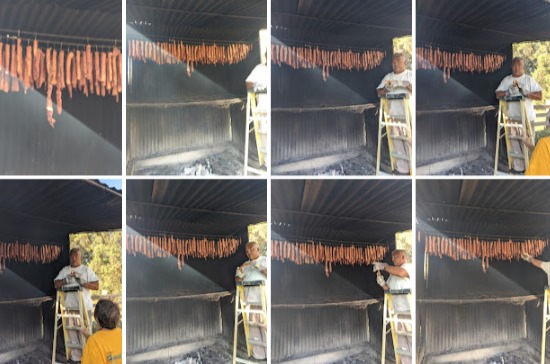
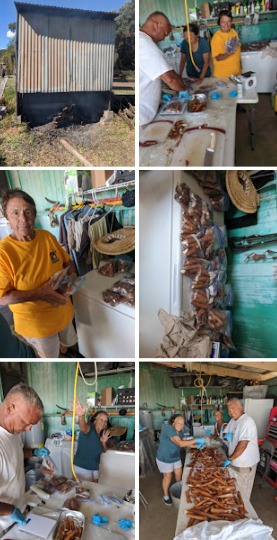
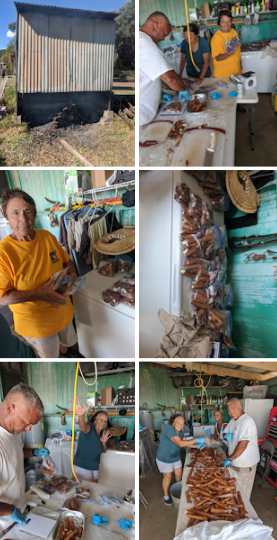
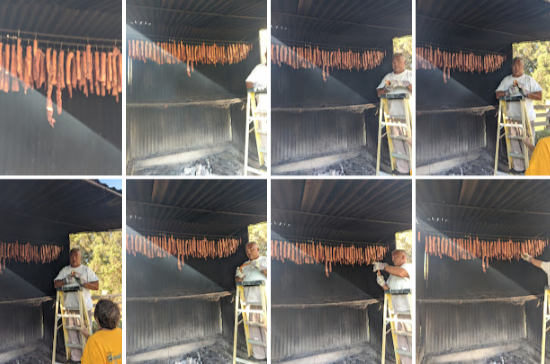
We went to Captain Tom’s and smoked her in an old shack behind his house, making the best-tasting fish jerky!  It was marinated for days and hung on hooks for four hours!!

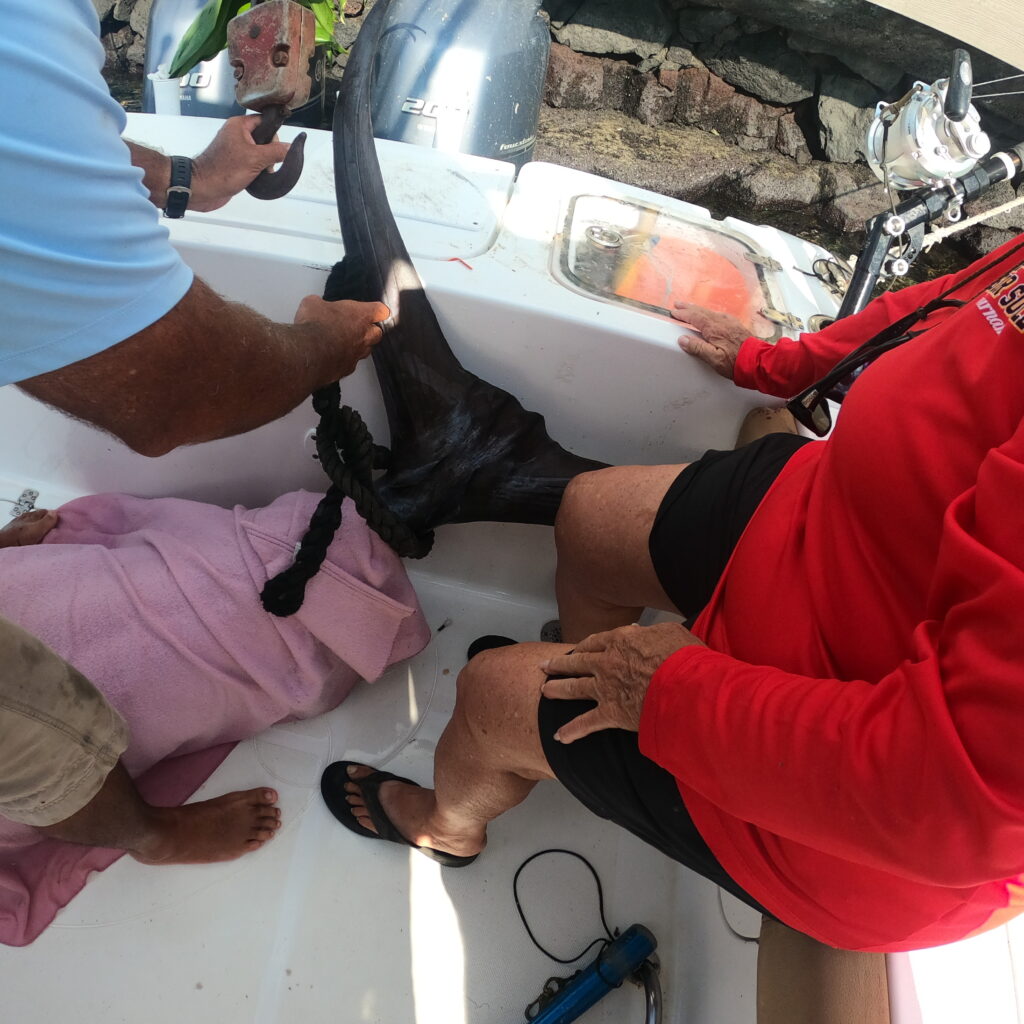
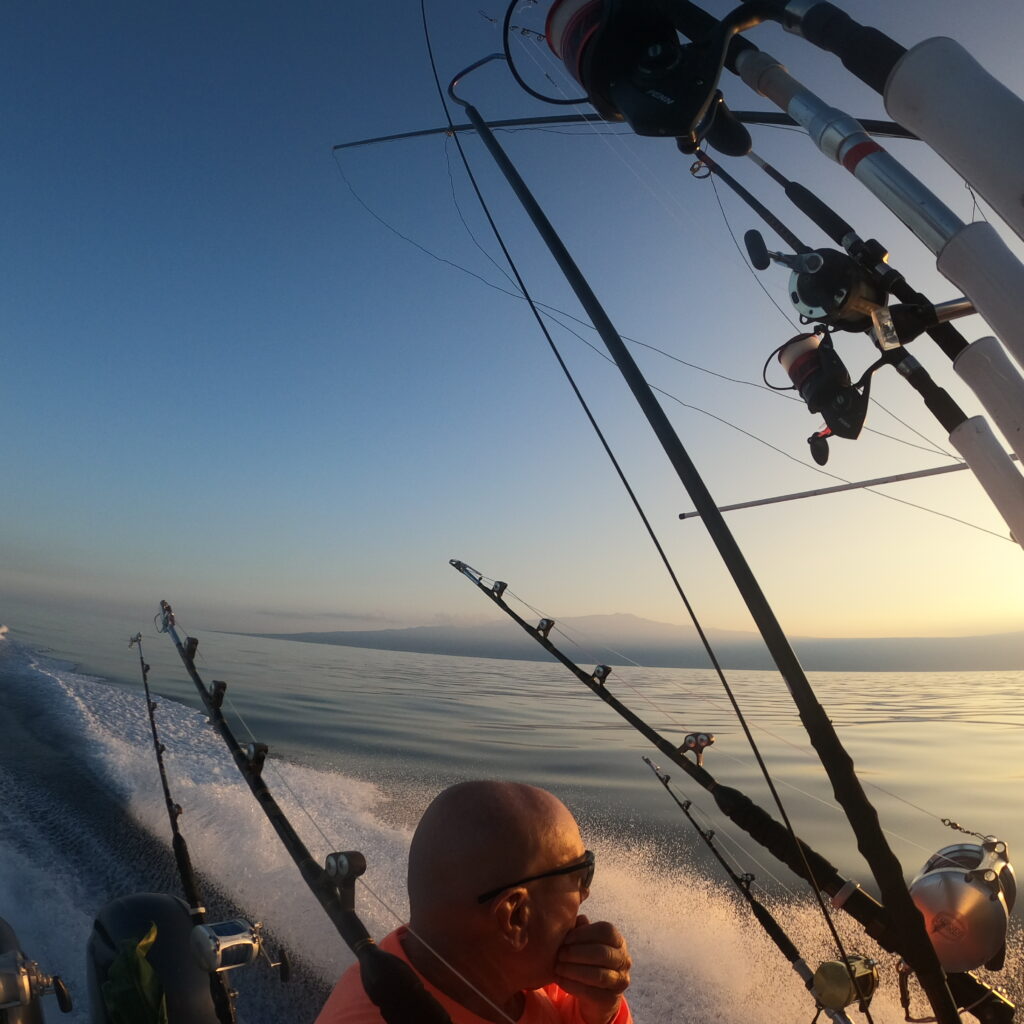
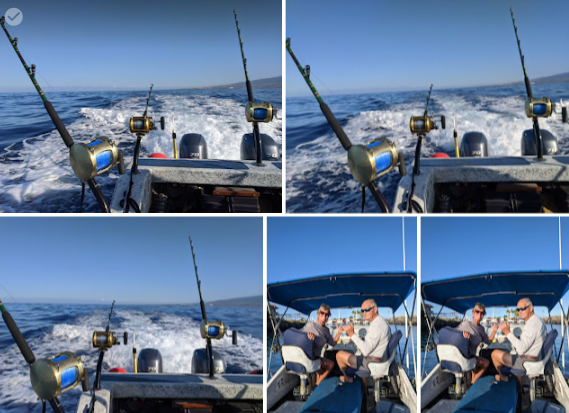
Here are some videos and pictures from another trip with other awesome peeps! The laughs and cruising are almost as fun as the catch, every single trip. We landed a double marlin, two on hook at the same time, which was total mayhem for about 15 minutes!!  

I was able to reel mine in, but we lost the other one. Rookies, LOL!

I could literally share hundreds of pictures and videos of my fishing trips!

Here are 50ish, and you can find more on my YouTube, LOL!

www.YouTube.com/@NorthAmericanDarrell

If you’re planning on being in Kona and would like to meet Captain Tom and first mate Sue for an amazing and cost-effective fishing experience, send me an email or a WhatsApp message from the homepage, and I can work out the logistics. Hell yeah!! 

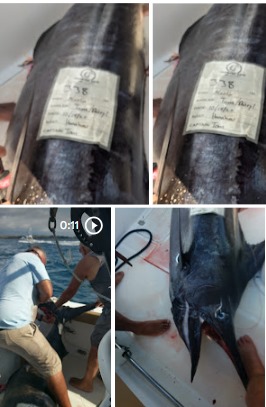
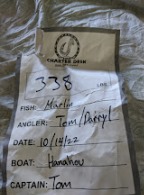
I catch myself saying that the marlin was 350lbs, busted!  338 is the official weight, and I have that paper too!

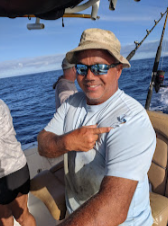
The picture of Captain Tom pointing to the hole in his shirt was my marlin nearly taking him out, so close!  That is his favorite fishing shirt, and he wore it the next two times we went out for a good laugh.

On the right, you will see Tom and his family’s process of smoking the marlin and packaging the marlin.  I cannot remember how many pounds they sell for, but I took a couple of pounds home, which is so amazing!

Screenshot 2024-02-19 092607

Kona, Hawaii – Island life on the cheap!đŸïž

Back in late 2022 and early 2023, I worked remotely from Hawaii for four months, which was absolutely awesome.

It was also mildly stressful, considering there’s a three-hour time difference between Hawaii and Phoenix—and my company had no idea I was in Hawaii.

Early mornings? Brutal.
Sunsets on the beach after work? Worth it.

I just adjusted my calendar, smiled on Zoom, and pretended palm trees were a very convincing virtual background. 🌮😎

Remote work hits different when your biggest daily problem is deciding which beach to “work from” next.

Imagine flying from the West Coast to Hawaii for about $100 USD.
Sounds fake. It’s not. I’ve done it several times.

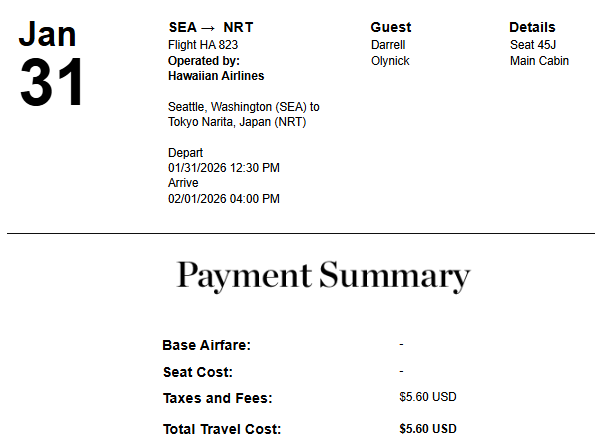
I even grabbed a Hawaiian Airlines Mastercard that basically said, “Congrats, you’re going to Hawaii again.” Four flights for $5.60 each after one purchase? Don’t mind if I irresponsibly do.

35,000 points.
$5.60 out of pocket.
Seattle to Tokyo. 

I have paid more for an airport coffee many times!

Another example of why people think I’m annoyingly cheap. đŸ€‘

I spent the first two months in Kona staying at a concentration camp Airbnb. 

It can only be described as a maximum-security Airbnb.

Seriously—this place had more rules than a parole agreement. I’ve never experienced anything like it. I was stuck, so I adapted
 but wow. The hosts clearly hated each other, and their mood swings directly affected the rulebook. And yes, the rules changed. Daily. Based on vibes.

At one point, there were 28+ rules, which I had to shrink to a microscopic font just to fit on one page. Think less “vacation rental” and more “choose your behavior wisely.”

I made the best of it by treating the place like a charging station:
Work. Sleep. Leave immediately.

If I wasn’t working or unconscious, I was gone.

The second two months were spent in Honolulu on Oahu, which felt like parole had finally been granted. I wrote a separate blog about that stay, which you can read HERE.

Lesson learned:
Not all Airbnbs are created equal.
Some are destinations.
Some are endurance tests.

Despite the Airbnb being one mood swing away from solitary confinement, it worked out great—I met some amazing people who completely saved the experience.

The second two months were spent in amazing Honolulu, Oahu, in a spectacular place that felt like a complete reset. I wrote a separate blog about that chapter, which you can read HERE.

It still worked out great, because along the way I met some incredible people who turned it into a genuinely local experience.

We went deep-sea fishing and caught my dream fish—a marlin over 350 pounds. The captain later invited us to his home to smoke the marlin, which was unreal. The best way I can describe it is fish jerky with the texture of beef jerky, finished with a lightly spicy marinade. Absolutely next-level.

We fished three times during my first two-month stay and returned twice more on later trips. I also wrote a separate post focused entirely on those fishing adventures, which you can read by clicking HERE.

I was working four days a week, which left me with three full days off. Most mornings, I’d walk to the gym, shower there, and then spend the rest of the day bouncing around town using the downtown Kona trolley, which is completely free. That routine introduced me to Kona in a way that felt natural, not touristy.

I’ve now been to Kona four times:

Once at what I now lovingly refer to as Auschwitz Airbnb (details below),

Once at another Airbnb where an earthquake woke me up, and

Twice at the Kona Beach Hostel, run by a Ukrainian woman who somehow always upgraded me for free.

That hostel is now my go-to whenever I’m back to fish.
If you want an introduction, let me know. Thanks, Victoria!

I spent most days riding the bus around the island, visiting Hilo and a bunch of smaller towns—mostly because I was rarely home and had nowhere better to be. The local Kona trolley deserves special recognition though. It’s one of the best free features on the island, running end to end through Kona and stopping at all of my soon-to-be favorite spots.

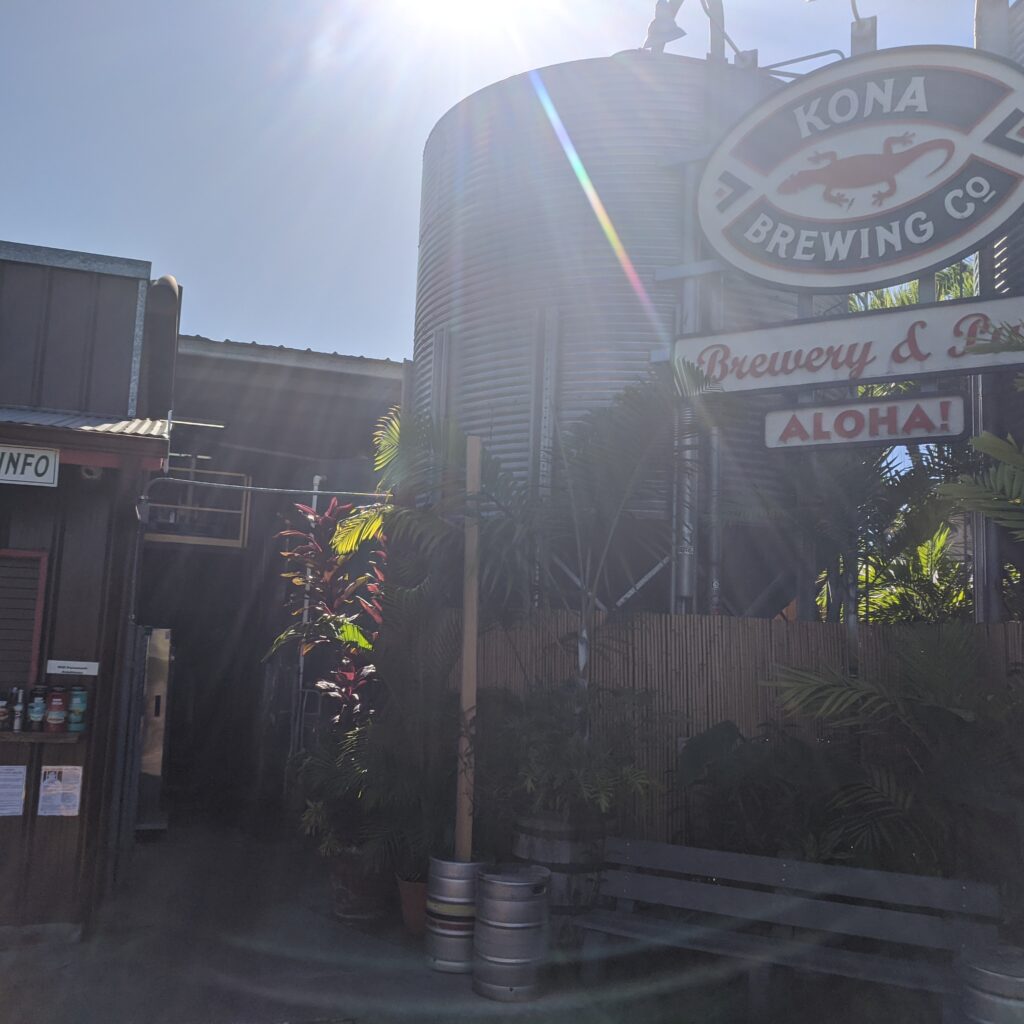
Including Kona Brewing Company—which we’ve all tried back home, but hits a little different when you’re drinking it where it’s actually made. Fresh, local, and dangerously easy to justify as “cultural research.”

Kona Brewery – we all have tasted it, but I was getting it right from the tit!

O’la Seltzer Brewery – they used all of the island flavors to create seltzer magic that went awesome with poke!!

Willie’s Hot Chicken – the absolute best chicken fingers and live music on the island.

Two-Step diving – Just like the name, there are two steps into the water, and you’re in snorkeling paradise.

Foodland Poke Bar – I would get the absolute best poke lunch and dinner for under $10.

Quinn’s almost by the sea – This was where I found the absolute best one, the absolute best tasting fish. 

Harbor House restaurant – this is where in the marina where we would often go after fishing, as it was in the marina.

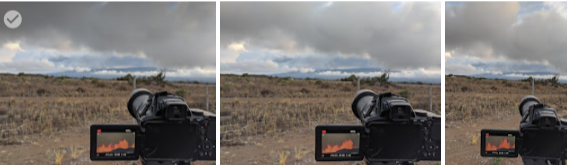
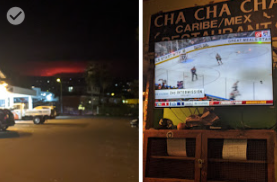
The whole time I was in Kona, there was an active volcano.  You could see it across the island, and we even visited to get a closer look a couple of times. 

During my two months there, the active volcano lit up the night sky like something out of a sci-fi movie. The photos above were as close as we could safely get—and of course it was cloudy that day—but the drive home at night was unreal, with an orange glow stretching across the horizon.

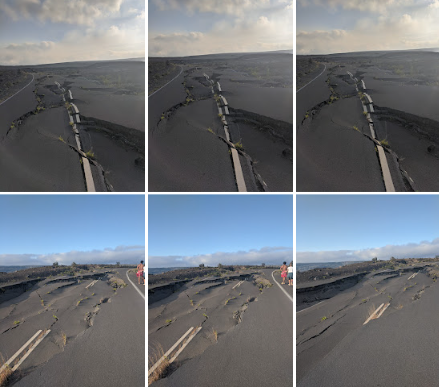
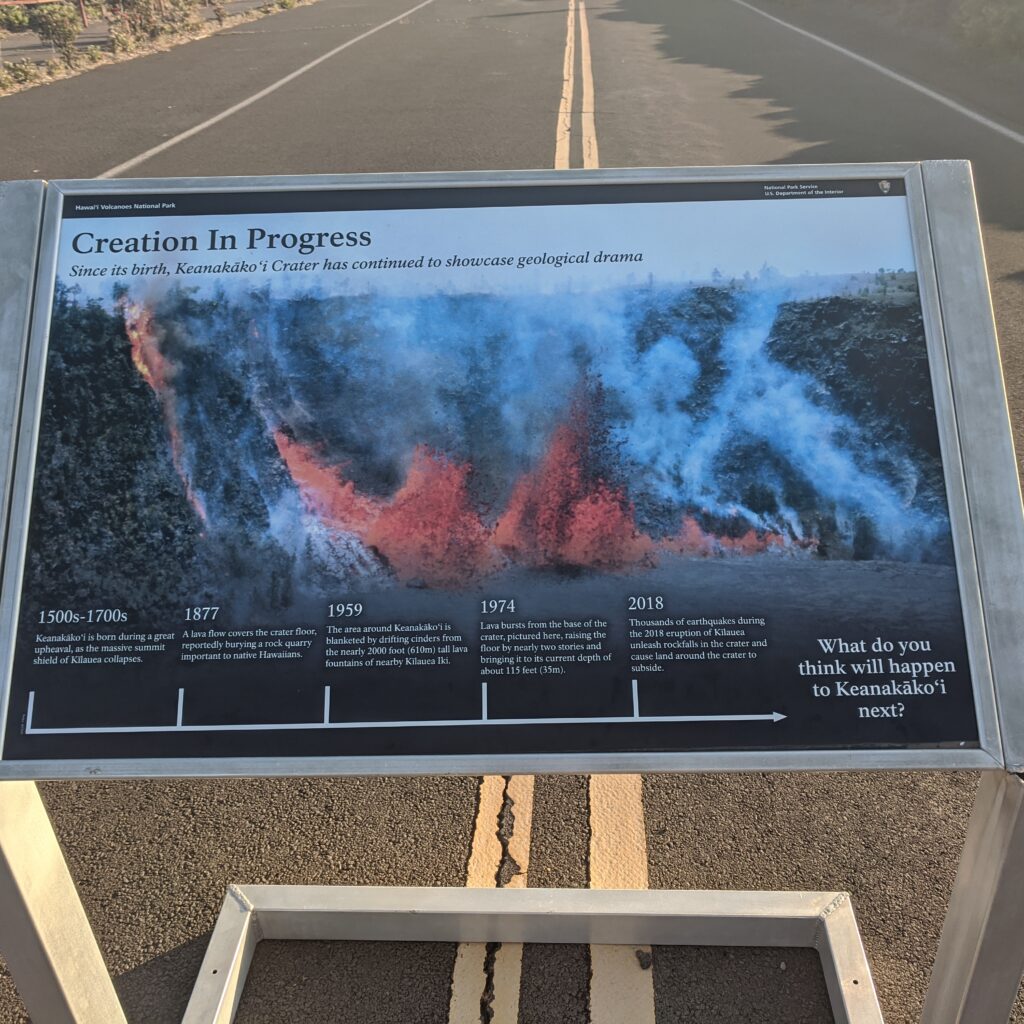
I also visited Hawaii Volcanoes National Park before the eruption to see it up close. You could clearly see how the earthquakes had torn up sections of the road, a reminder that the island does whatever it wants, whenever it wants.

Even crazier—you could see the glow from across the island at night, right from my Airbnb. Hawaii doesn’t ease you into moments like that. It just casually drops them into your evening and says, “Yeah
 this happens.”

Hawaii doesn’t ask for your attention—it just reminds you who’s in charge, then goes back to erupting like it’s no big deal.

I’d watch the Edmonton Oilers play hockey while an active volcano lit up the sky outside.

Hard to beat that for an intermission show.

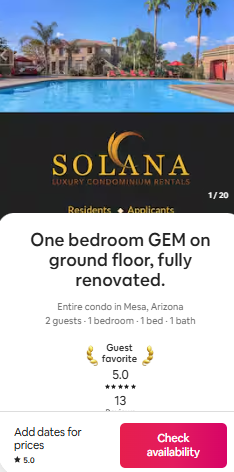
solana

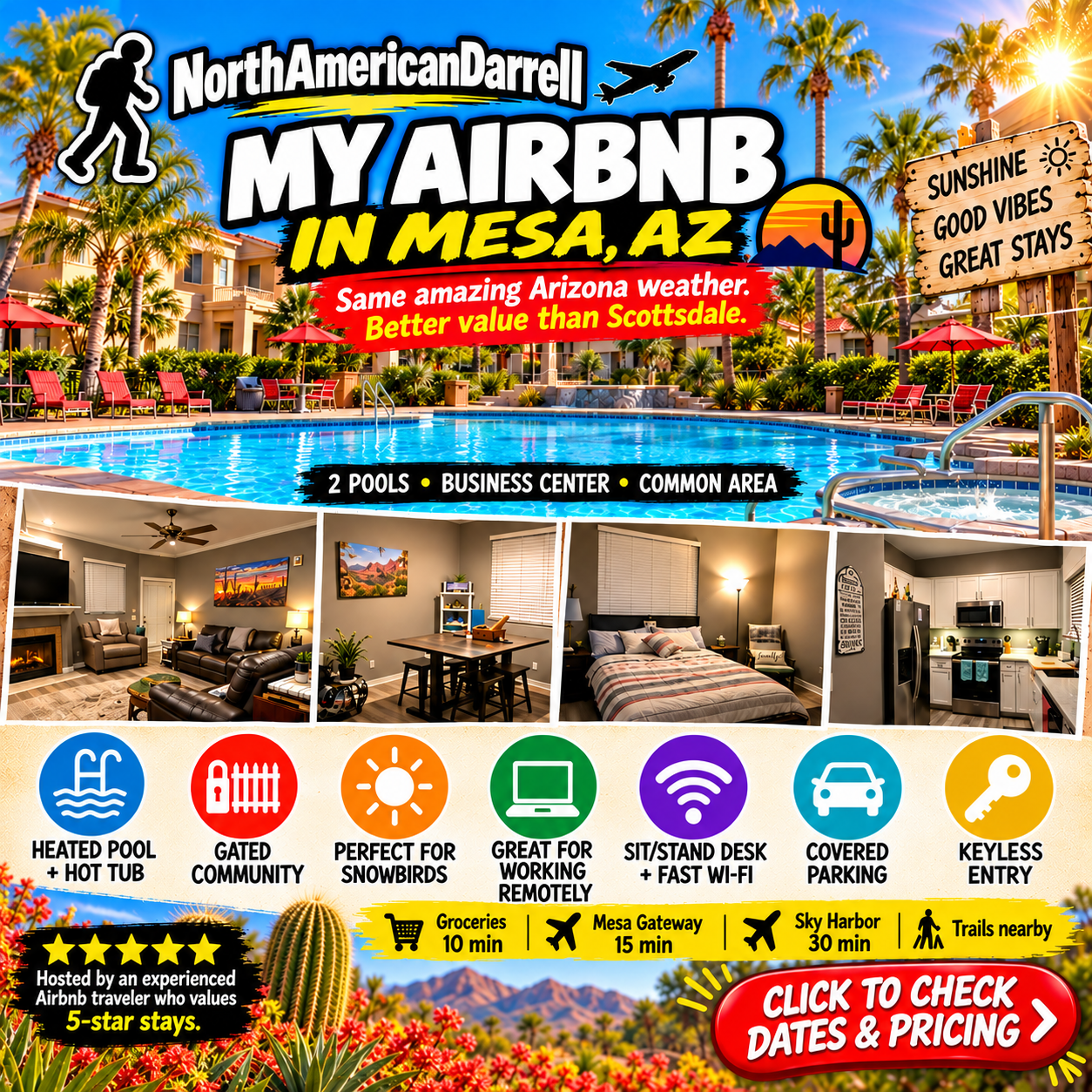
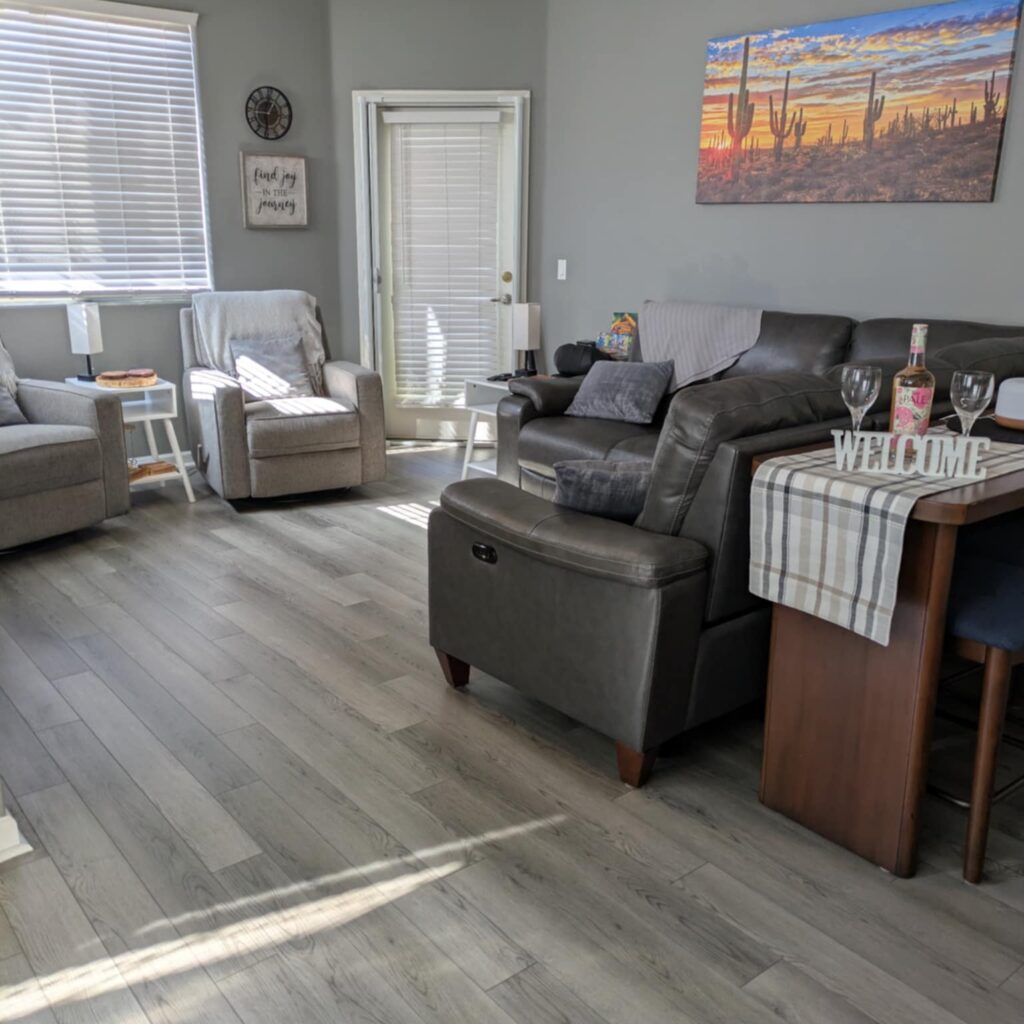
My Airbnb in Mesa, AZ! đŸŒ„đŸŒ”đŸŒžđŸ˜Ž

The heated pool, hot tub, and neighborhood are perfect for snowbirds or those looking to escape the cold! 

The link to my amazing condo:

âžĄïžâžĄïžÂ AirbnbÂ âŹ…ïžâŹ…ïž

Make sure you check out the weekly 10% and monthly 20% discounts.

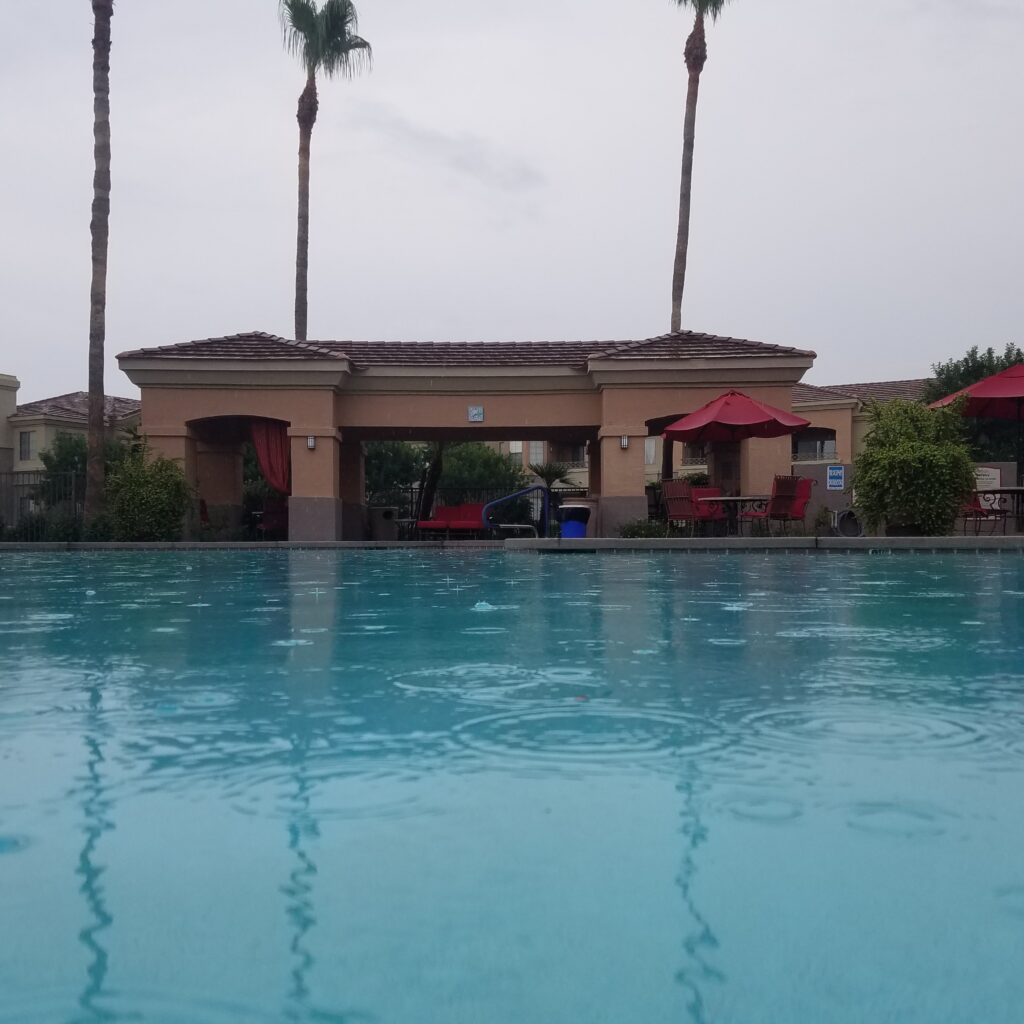
Gated community living at its finest with two pools (main pool heated), a hot tub, and a business center with a common area for printing or playing pool.

Check out the website for the exact location and more information on the property: 

Click hereâžĄïžÂ : Solana Luxury Condominium Rentals | Apartments in Gilbert, AZ

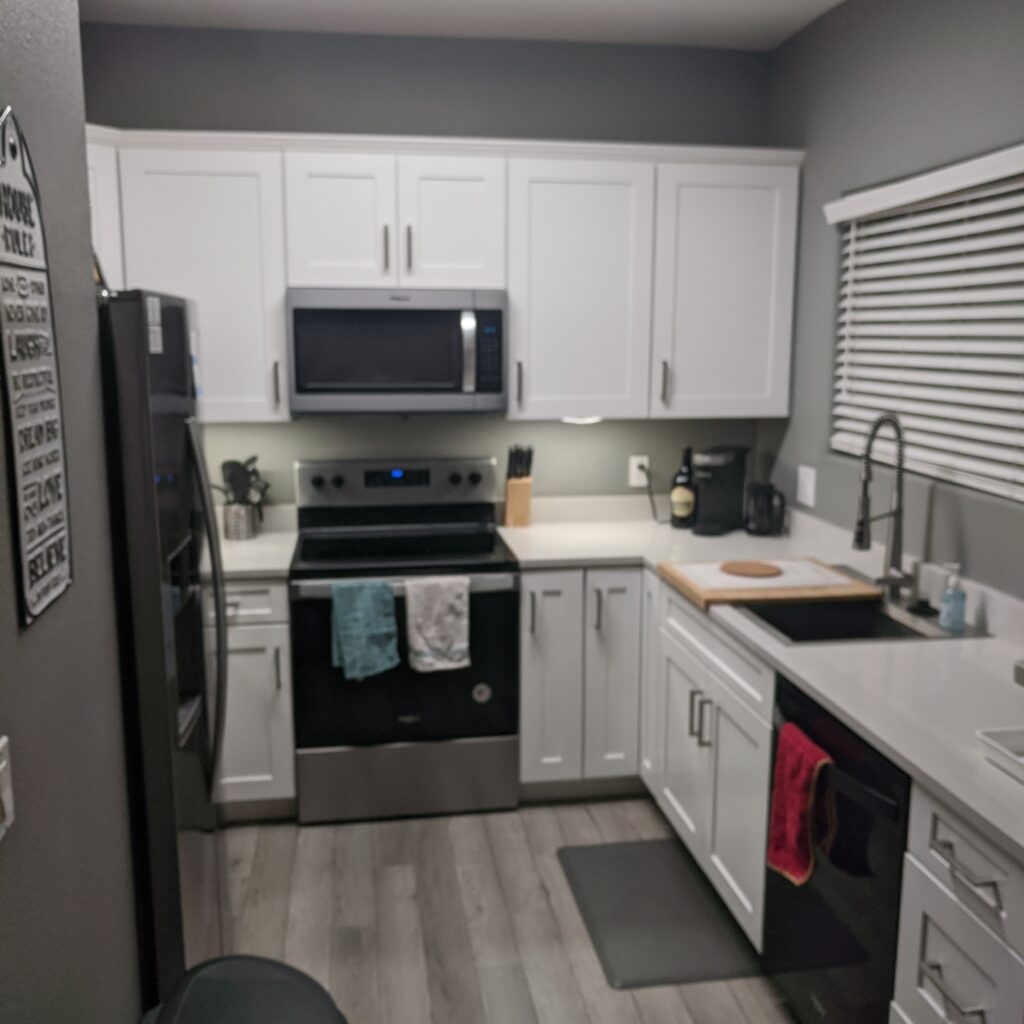
Perfect for working from home!

Ergonomic sit/stand desk
Ergonomic desk chair.
High-speed internet.
Black and white laser printer, shredder, and water cooler in the office area.

Guest access:

One covered parking spot.
Additional uncovered parking for guests.
Keyless entry to the complex and the condo.

Other things to note:

(Below links are from 85206 zip code)

Walking:
Safeway/Fry’s/Sprouts 10 minutes
Walmart 20 minutes
Restaurants near me – Search
A canal trail system for walking/biking is 5 minutes away – Search

Driving:
Sky Harbor airport: 30 minutes 

Mesa Gateway Airport: 15 minutes

ASU main campus: 30 minutes

Cardinals football: 1 hour+

Suns/Mercury basketball: 30 minutes

Valley light rail station: 15 minutes

Downtown Scottsdale: 30 minutes

Mountain hiking/biking: Hawes’s trail, 20 minutes.

I have stayed in over, click below to read my blog:

âžĄïž100 Airbnb’s around the worldâŹ…ïž

I try to use my experiences to pay it forward with my guests. 

There is no better feeling than ensuring my guests have a great stay!

I pride myself on a five-star rating!  

Here are some recent guest comments:

A happy guest is a potential repeat guest! 

One Of The Best Places For Retirees In 2025 Is A City In Arizona With Unparalleled Hiking And Outdoor Activities

Scottsdale is generally 20-30% higher than Mesa, AZ, for accommodations, so why pay the extra money?

Data provider Niche released its 2025 rankings of top places to retire, with Scottsdale, Arizona, topping the list. Scottsdale earned an A grade for its public schools, benefits to families, and its nightlife. Also, when you consider that Arizona had one of the best economies in 2024, it’s no wonder that the city has a median income that exceeds national rates. Scottsdale boasts a median income of $107,372, whereas, according to data from the Federal Reserve Bank of St. Louis, the national median income was $80,610 as of 2023.

Aside from the economic potential in the city, Niche also points out the bars, restaurants, and outdoor benefits of living in Scottsdale. The city not only provides a good blend of urban and rural offerings, but it also offers beautiful desert views that can add scenery to golfing, hiking, and arts and cultural experiences. As a bonus, per the U.S. Census Bureau, a retired person living in Scottsdale would have a hard time being lonely, considering 26.2% of the population is age 65 and above. With that in mind, there can be some financial considerations to keep in mind.

The cost of living can ultimately be a deterrent for some retirees hoping to move to Scottsdale. Per a Mortgage Bankers Association release, the national median mortgage payment for new buyers in the U.S. was $2,173 per month as of March 2025. And, according to the Federal Reserve Bank of St. Louis, the median sale price for homes in the first quarter of 2025 was $416,900. Meanwhile, the median asking rent in the 50 largest metros in the U.S., per March 2025 data from Realtor.com, was $1,694 per month. In Scottsdale, the median sale price of a home is closer to $941,000, well above the national median for the sale price of a home in the U.S. Meanwhile, according to Zillow, the average rental rate in Scottsdale was a whopping $3,090 — or between $1,800 to $2,500 for a one-bedroom.

According to Arizona-based Berkshire Hathaway realtor Michelle Miller, home values rose 14.4% in 2024. Similarly, she estimates that the average monthly expense for a single person in Scottsdale was around $3,639 in late 2024. Utilities, including internet, cost between $300 to $450 per month, while transportation costs were roughly $200 to $250 with insurance per month. Not to mention, a month of groceries costs between $300 to $400. However, you will avoid the cost of crime that comes with living in some of America’s most dangerous cities, since both violent and property crime in Scottsdale fall below national average rates.

While you will pay more for the benefits of living in Scottsdale, there are many benefits to enjoy. For one thing, it’s sunny almost every day of the year, with temperatures averaging around 69 degrees Fahrenheit in January, with highs of 105 degrees Fahrenheit in warmer months like August. The city also offers many free to attend events, like the Scottsdale location of the Arizona Community Farmers’ Market. 

Meanwhile, you can also take advantage of day trips to nearby Old Creek Canyon, the Grand Canyon, or even the San Francisco Peaks. You can also consider renting a cabin at Kartchner Caverns State Park, with guided tours of nearby caves. The Sonoita/Elgin area is considered Arizona’s wine country, where wineries like Sonoita Vineyards offer regular tours and tastings. These natural amenities make Arizona one of the best budget vacation destinations in the U.S.Â