622414710_3039579372880273_6888685053055311705_n

Cebu, Philippines – Moalboal! 🚌

I preach about setting up shop for the long term, building routines, becoming a regular… and then, not long after, I’m on a road trip. 

The contradiction is the sweet spot for me.

The way I see it, as long as your slow-travel home base comes with low rent, everything else stays in bounds. 

Cheap rent makes spontaneity affordable. You’re not “breaking the budget”—you’re spending the surplus your lifestyle was designed to fit my inability to stay put. 

Thanks, Mom!!.

Slow travel for me isn’t always about staying still.

It’s about building a base so light that motion never feels financially irresponsible, paying for two places at once.

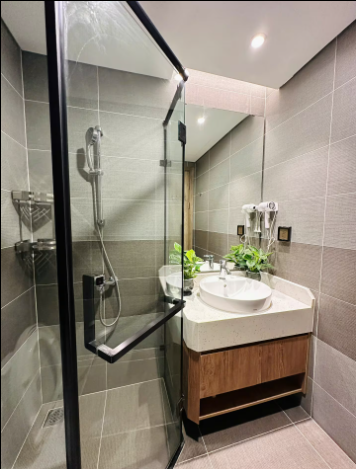
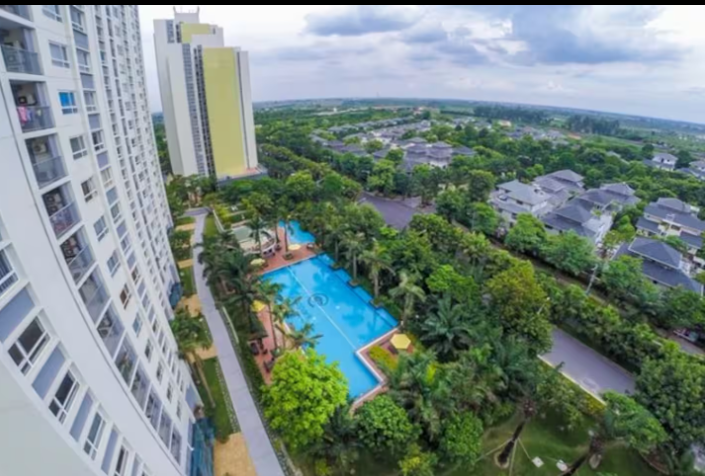
Here is a tour of my $450 a month Cebu condo I shared in 2024 during my first visit to the Philippines.

The road trip opportunities are exactly what I envisioned when I returned to the same condo in late January 2026.  

The rent was still $450 a month, and the road-trip opportunities in the area are endless, both within the Philippines and throughout Asia.  

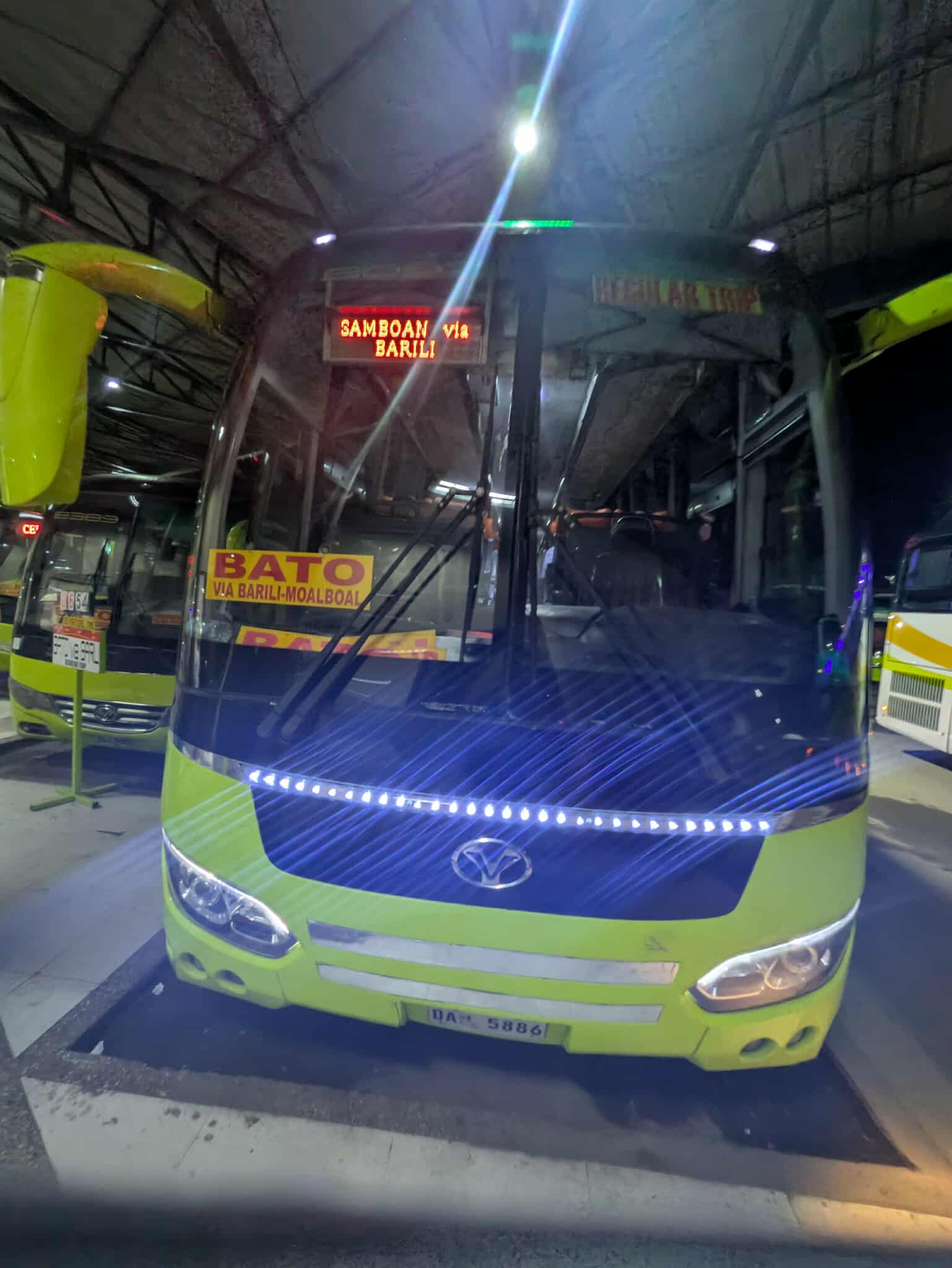
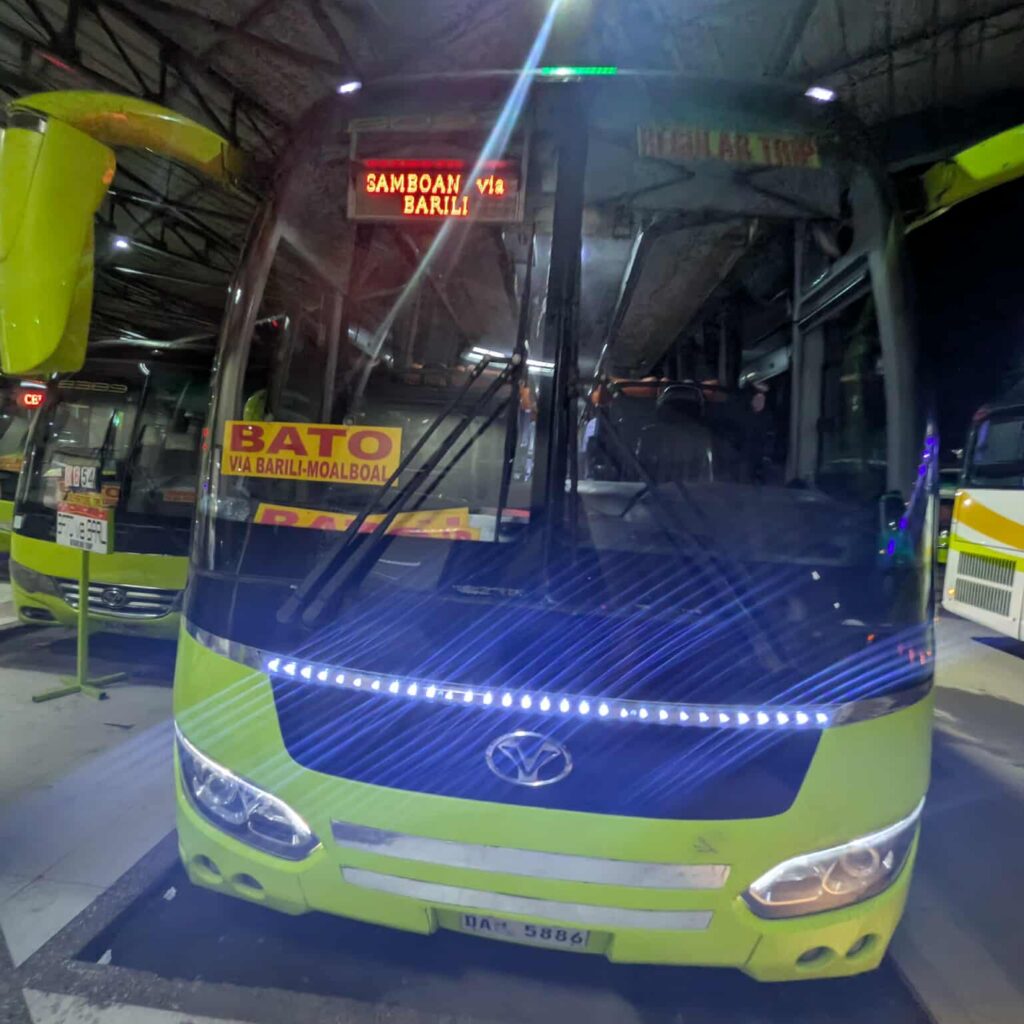
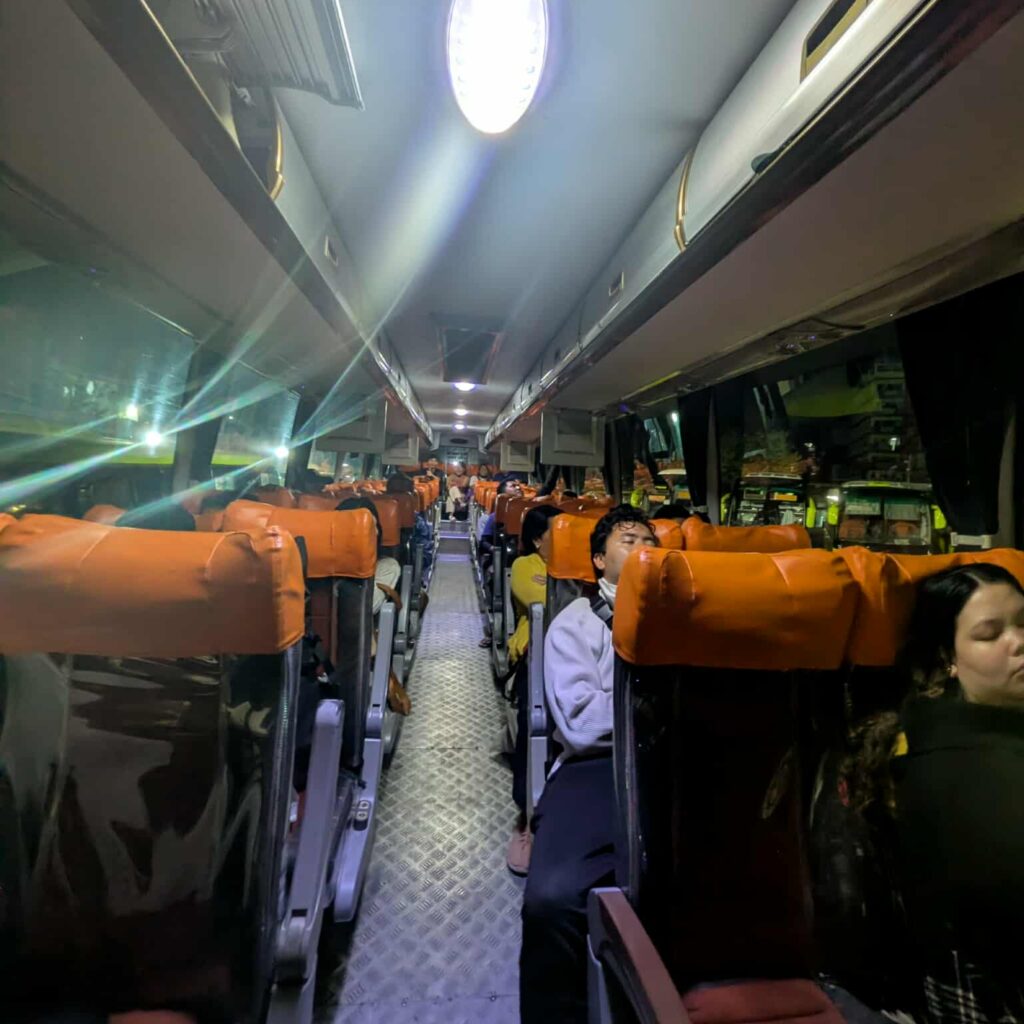
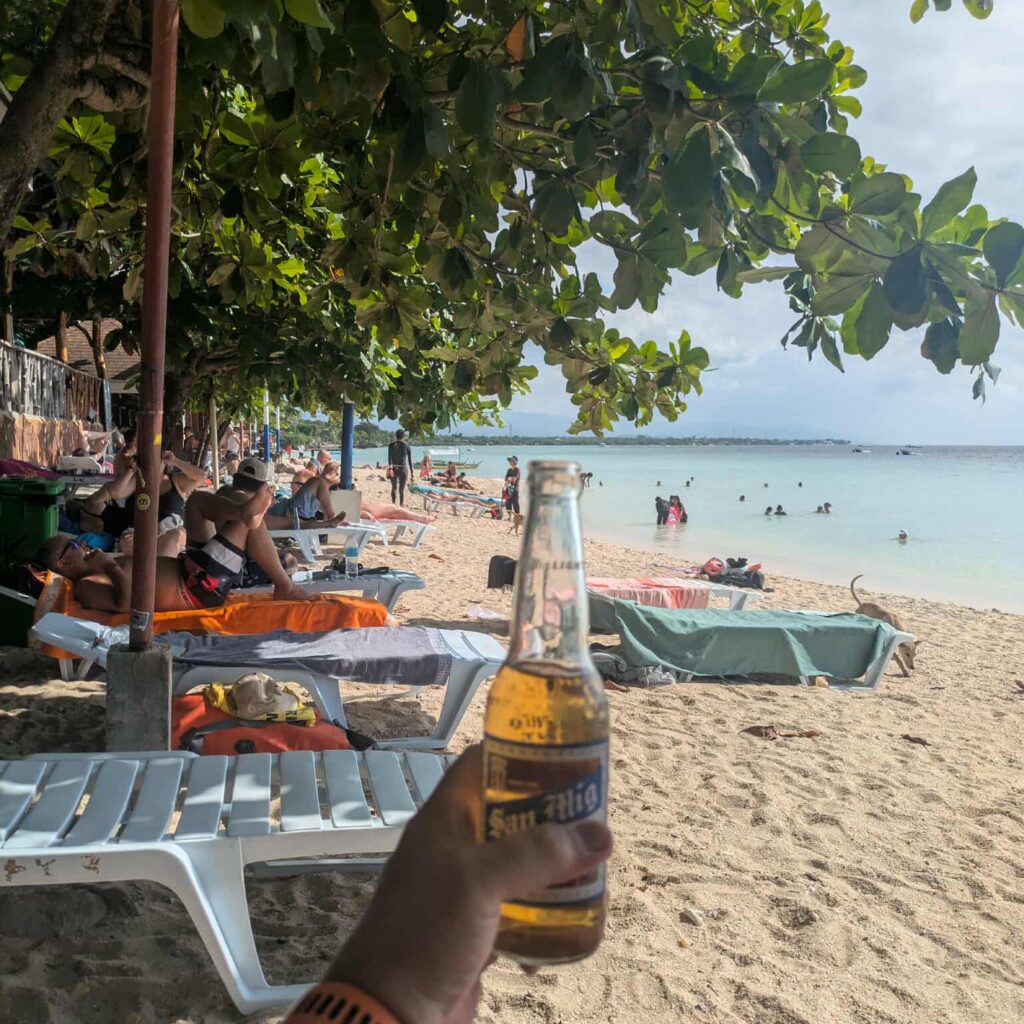
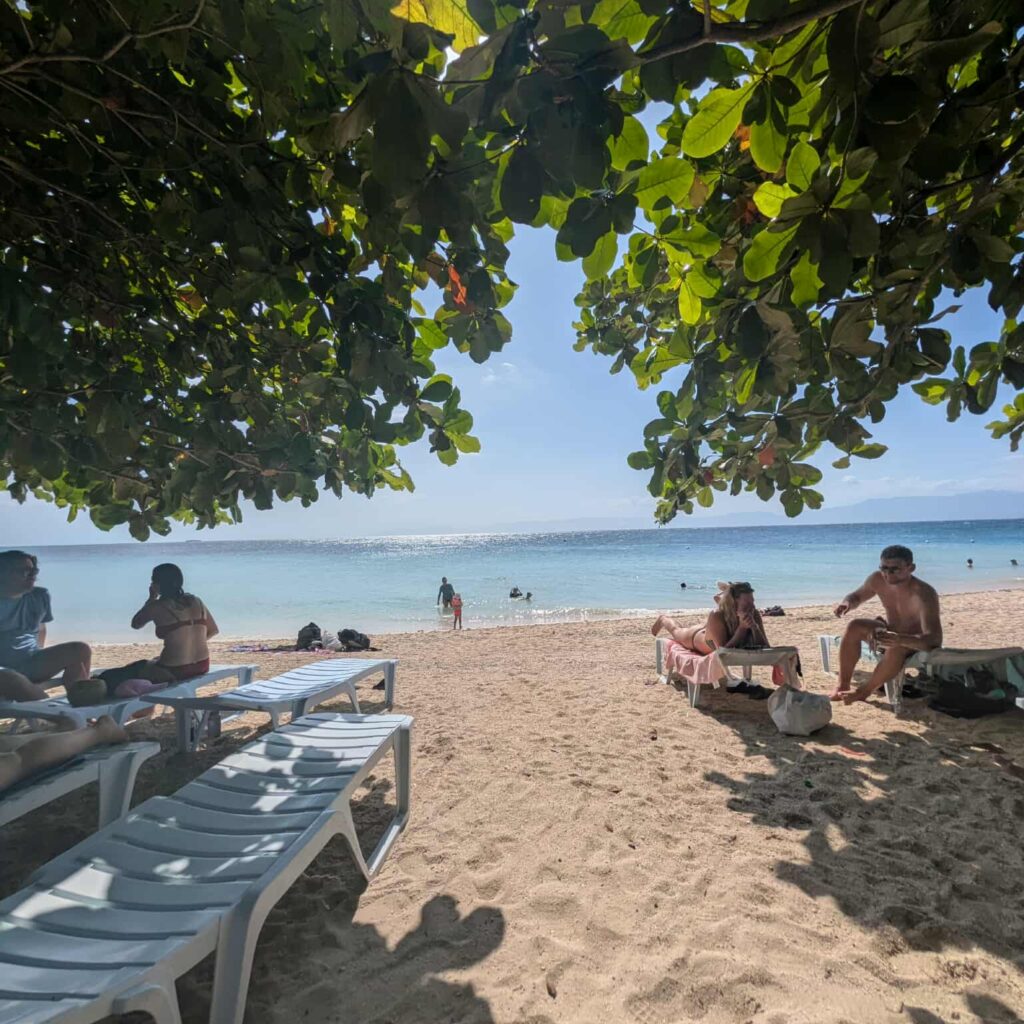
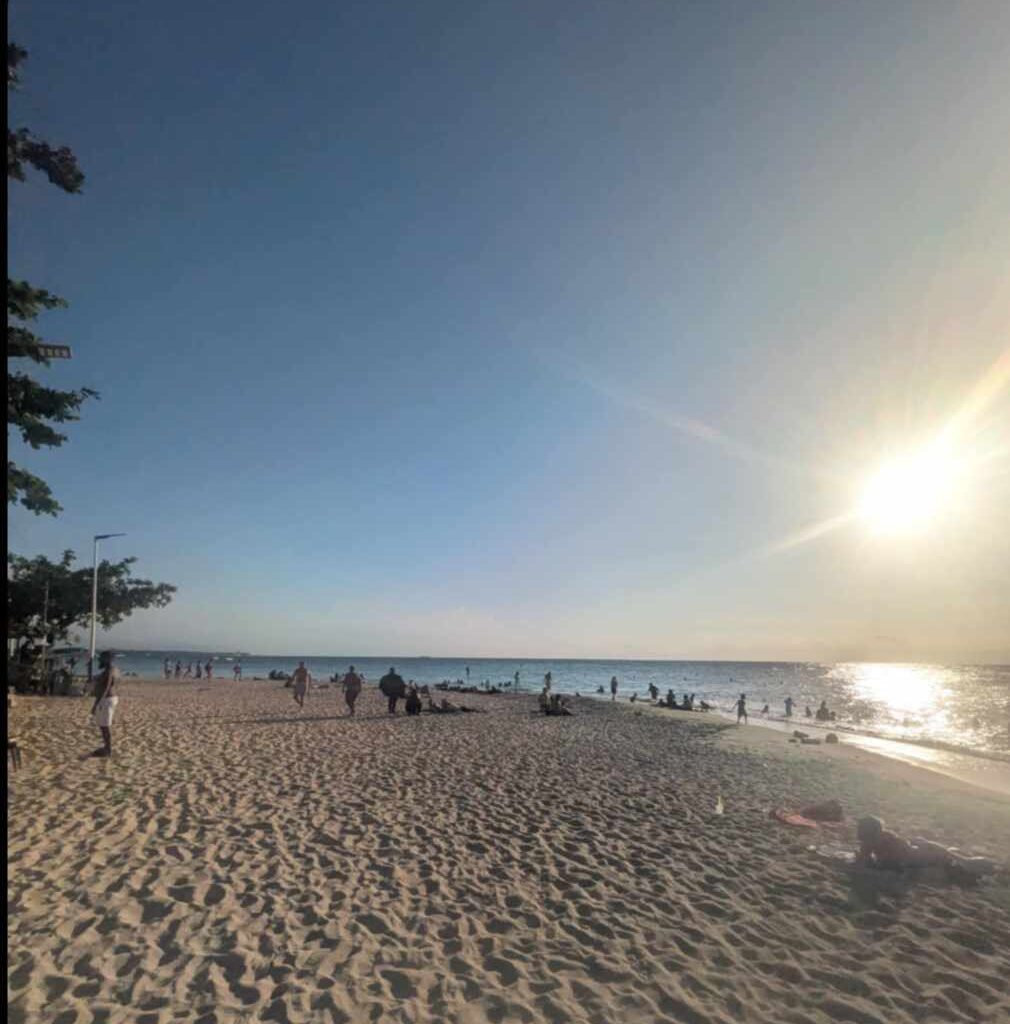
After a few days of arriving, I woke up this morning at three AM with insomnia, hopped on a bus, and three hours later I was in Moalboal, Cebu, drinking beer on beautiful Sandy Beach.

That beats a trip to the bathroom!

The bus trip was under $10 while, while a basic room was less than $25 USD per night.

That low price included a wake-up call! 

🐓📢🛌🏻

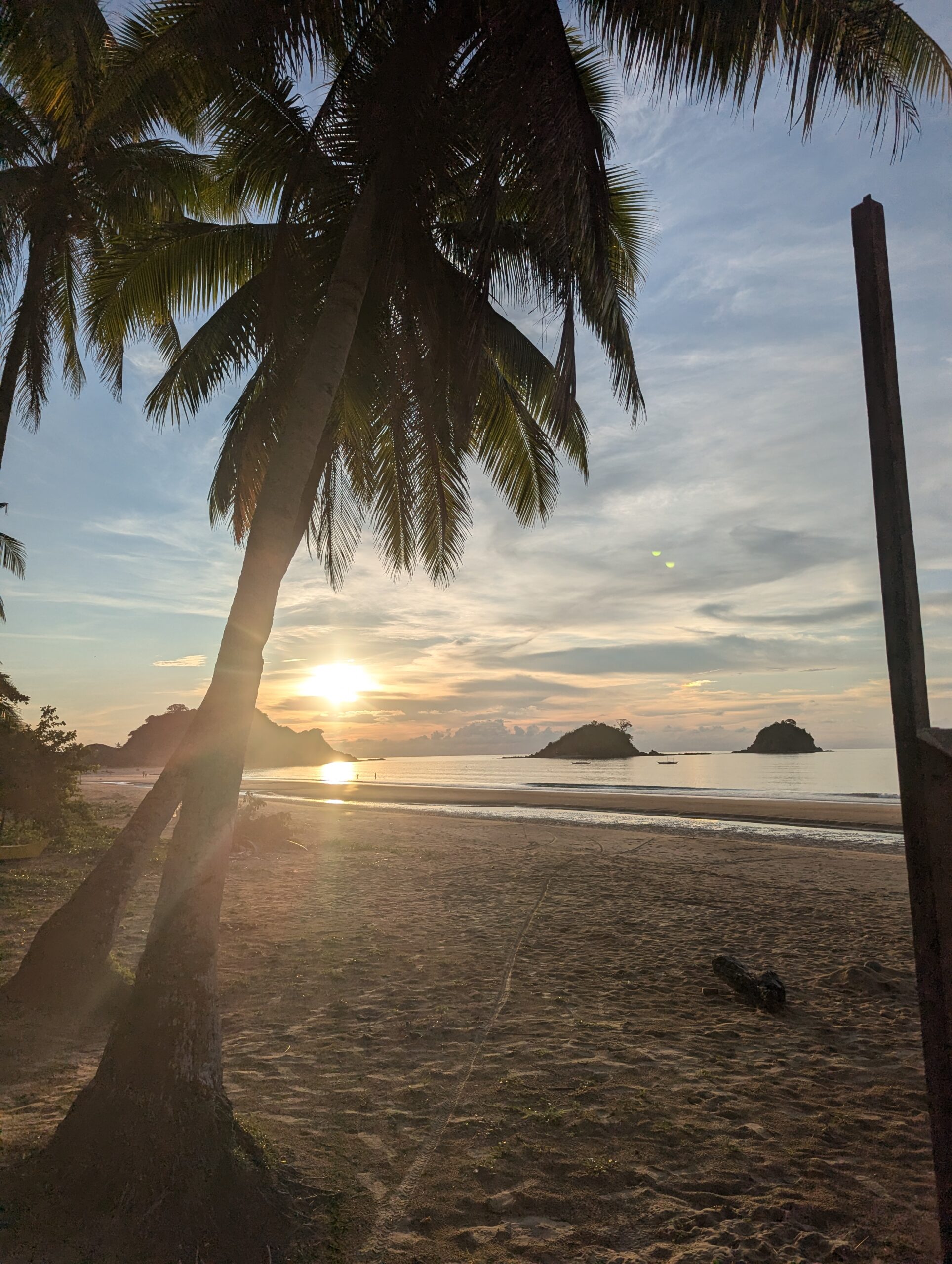
The beach was as good as it gets—beer cold as ice and scenery so spectacular it felt illegal. Every direction was a postcard for a travel magazine or an amazing blog for inexpensive travel …

The first road trip worked out perfectly, and I’ve already got three absurdly cheap flights booked for February.

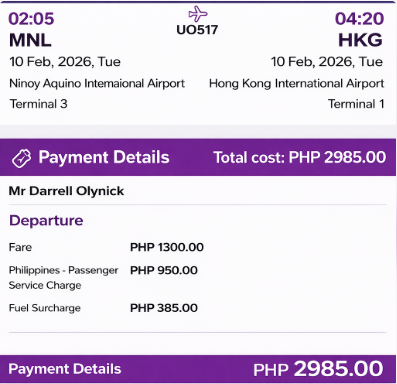
Hong Kong, 9th visa run; $225 ✈️

Dumaguete / Siquijor, 19th; $60 ✈️🚢

Siargao, Philippines, 29th; $60 ✈️

Slow travel, bending the rules while living life to the fullest!

PXL_20240926_093508954

Cebu, Philippines – It’s HOT!♨️😎

Schawetty 🥎⚾

I talk about “slow travel” all the time, but it’s not just a vibe—it’s a filter. 

The right place has to check a lot of boxes. Otherwise, it’s just a stop, not a home base, and here is what Cebu offers:

Affordability is non-negotiable:

$450 a month for rent

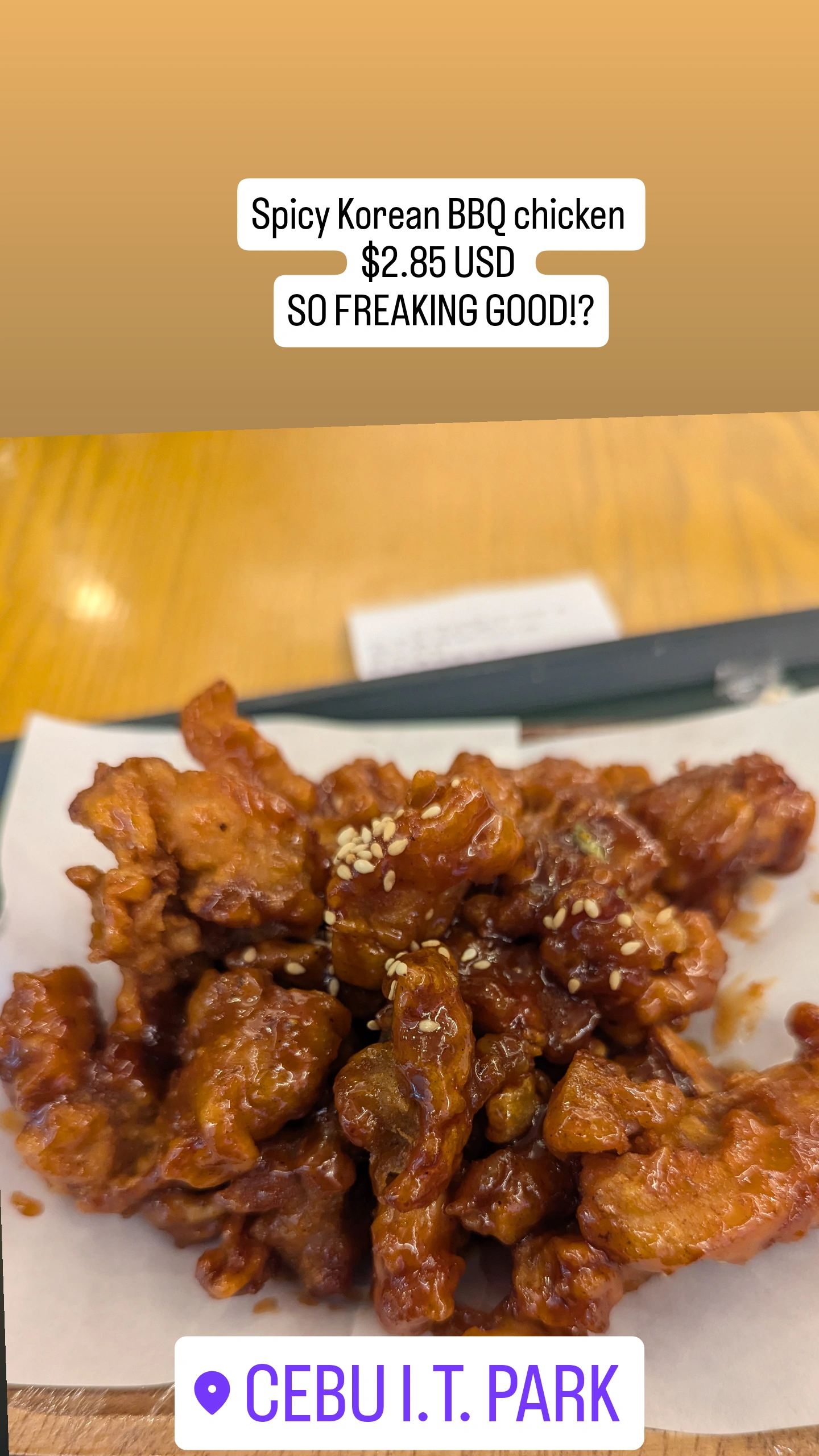
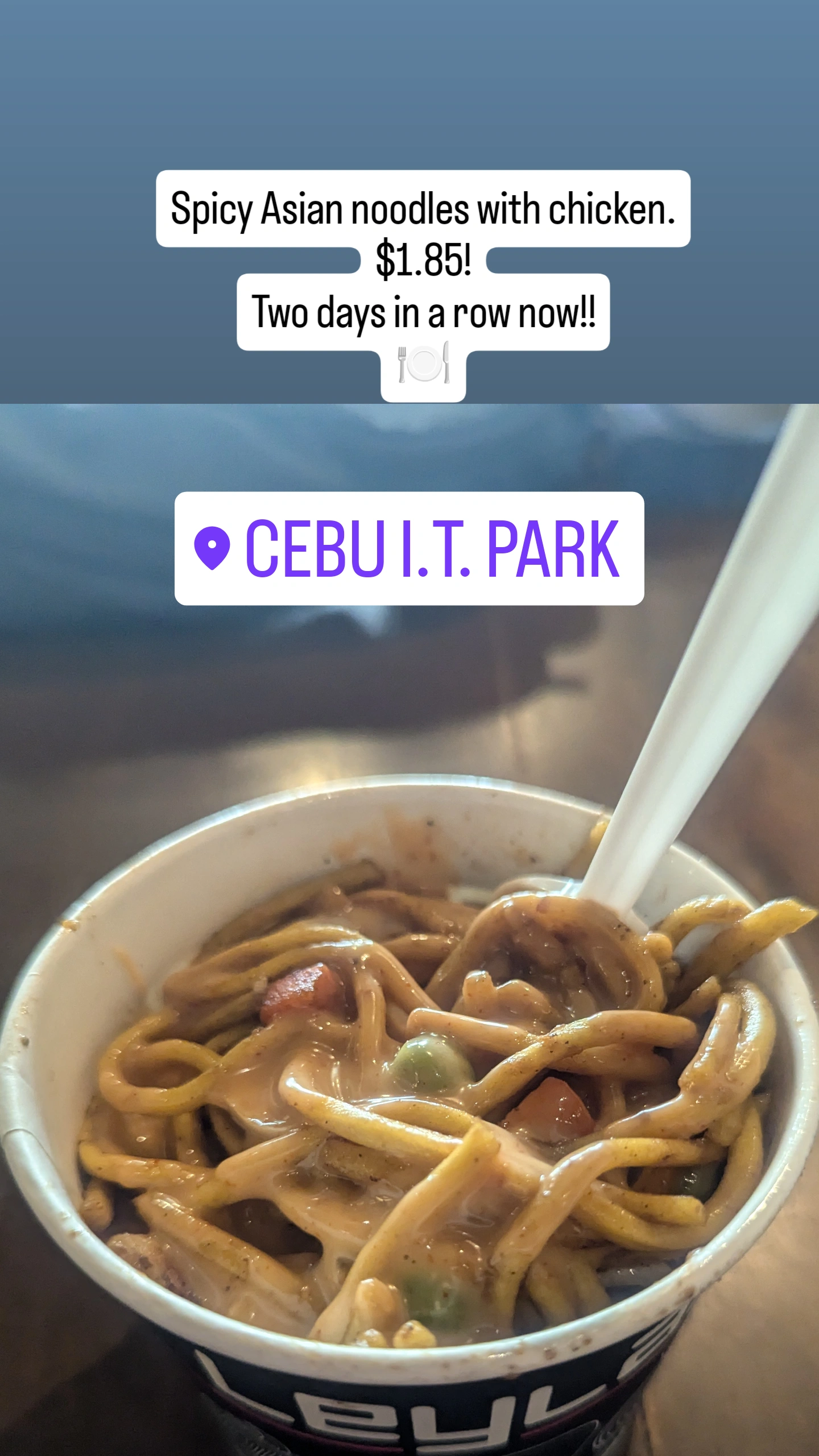
Meals under $5 USD

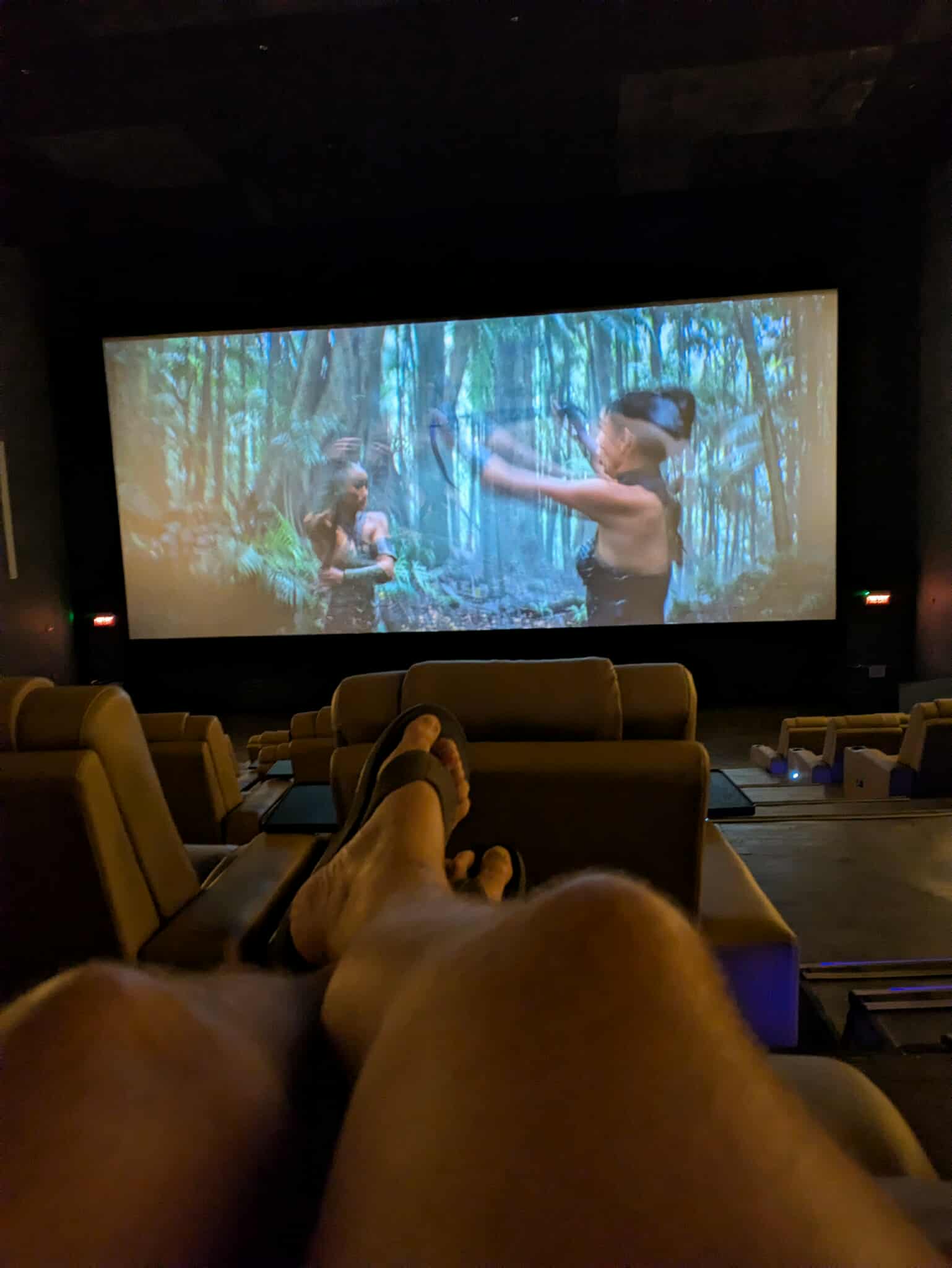
Movies cost around $5

Cheap road trips:

Uber/Grab/local bus are super inexpensive

Flights around Asia for under $100 (often less)

Ferries to nearby islands for under $20

Convenience matters too:

My Cebu IT Park neighborhood is open 24/7/365.
Meals. Movies. Groceries. Coffee. Everything.

Cebu hits the numbers, life stops feeling like a meter is running.

It’s built for call-center workers who operate around the clock, which means I can live normally at any hour.  

No planning my life around business hours.

That’s the slow-travel sweet spot:

Productive Day One.

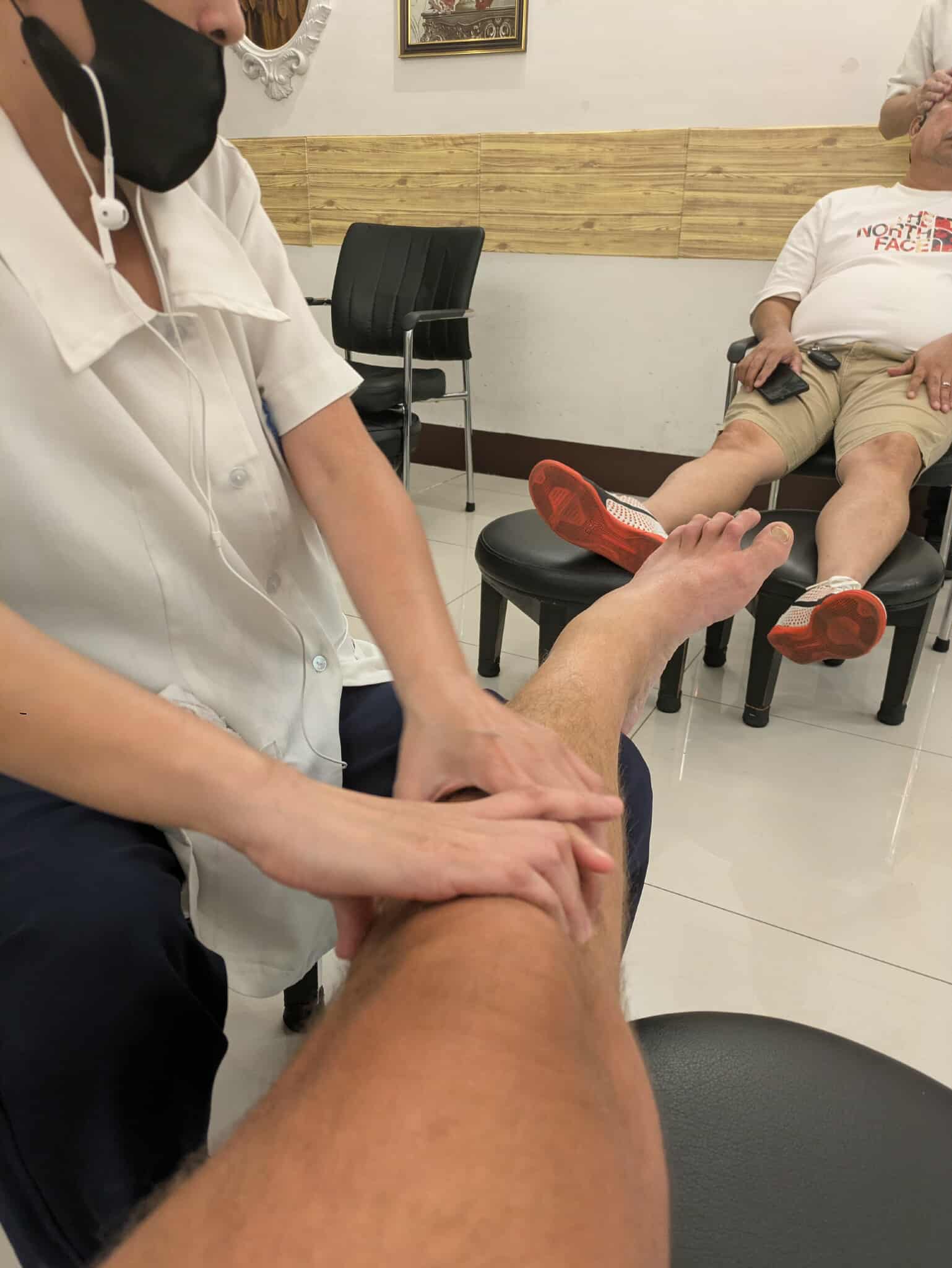
One-hour chair massage — $5

Movie ticket — $5

Favorite Korean BBQ – $3

Favorite noodle spot – $2

Old food photos (food was gone, quickly!)

And the big win?

I locked in a long-term, optional lease, giving me the option to settle in the long term.

Slow travel isn’t just about wandering—it’s about setting up a life that checks as many boxes as possible.

Day one delivered.

$5 Hour long seated massage!
$5 Lazy boy movie seating! 🍿
Photo frommy last visit to Cebut!

It’s been less than two days, so I’m trying to keep my expectations in check—but I’ve already started laying the groundwork for what’s next.

Two road trips are on the board.
Siquijor ferry to rope swing adventure? Locked in.
And Hong Kong for my birthday? Flight booked

That’s the beauty of this place: you settle in, get comfortable, and still leave room for spontaneous trips. 

Home base on one end. Adventure, on the other hand. 

Everything is inexpensive, keeping the options wide open!

$50 one way! Unsure how long iu will stay!!

Living life to the fullest in the Philippines!

618369460_1147279377275468_8850120824571500803_n

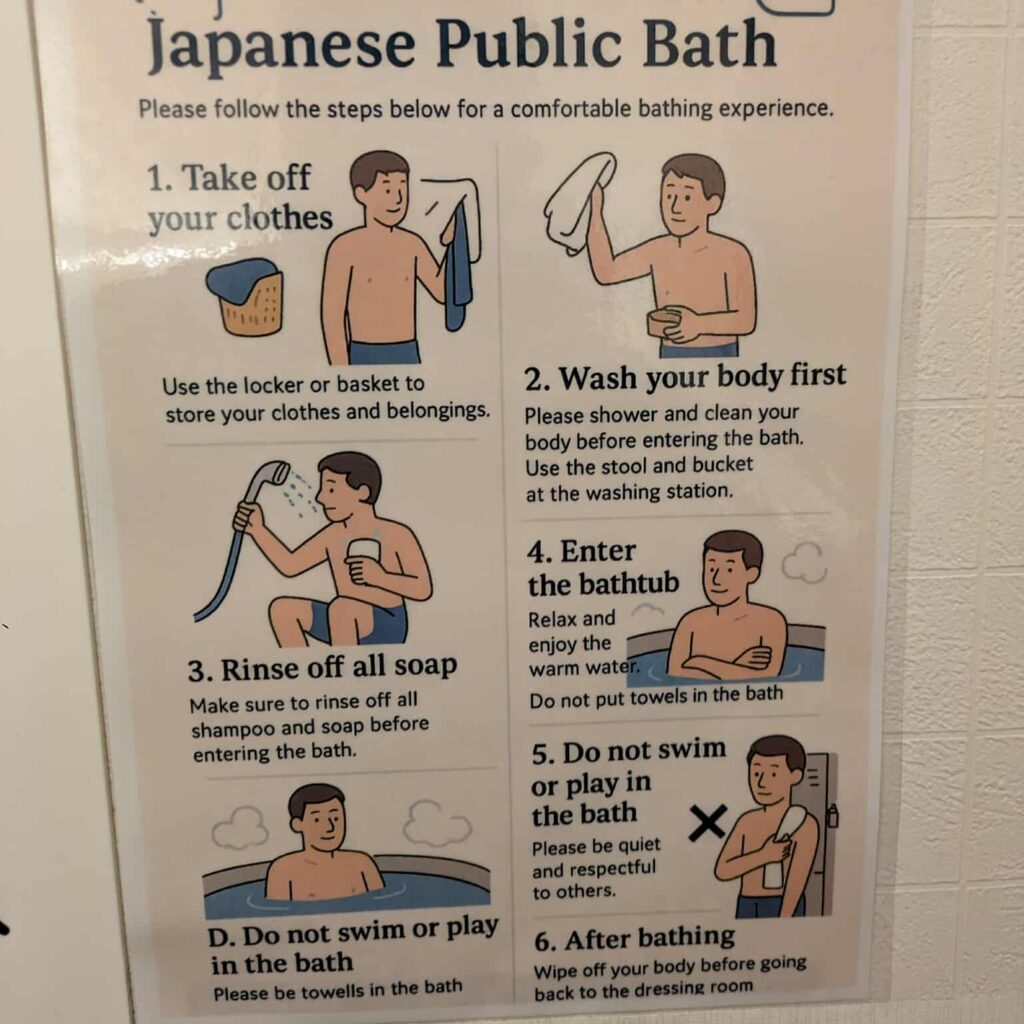
Japanese bathhouse – Tokyo Airbnb

I blogged about my Tokyo accommodations in a blog that you can read by clicking HERE

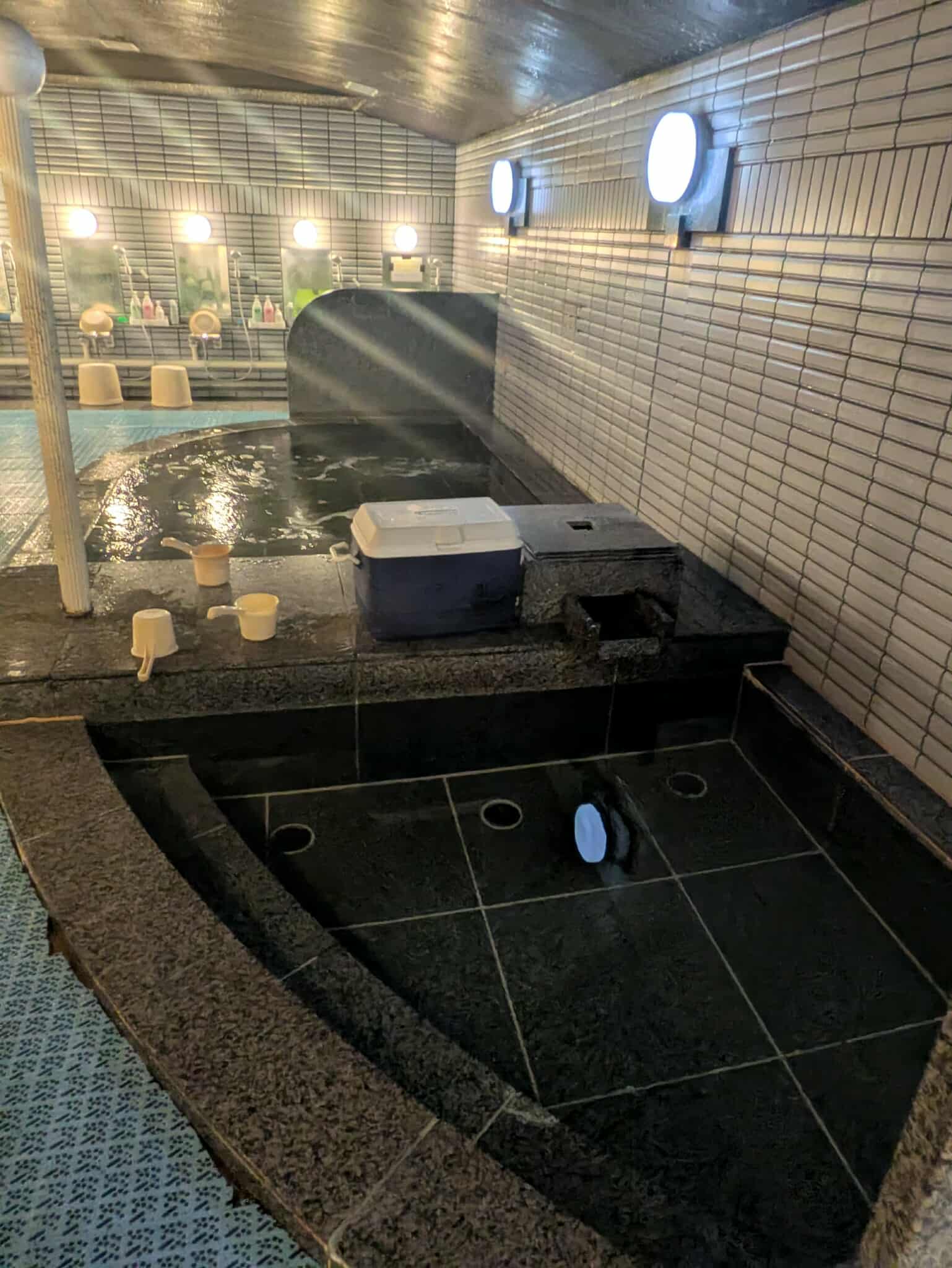
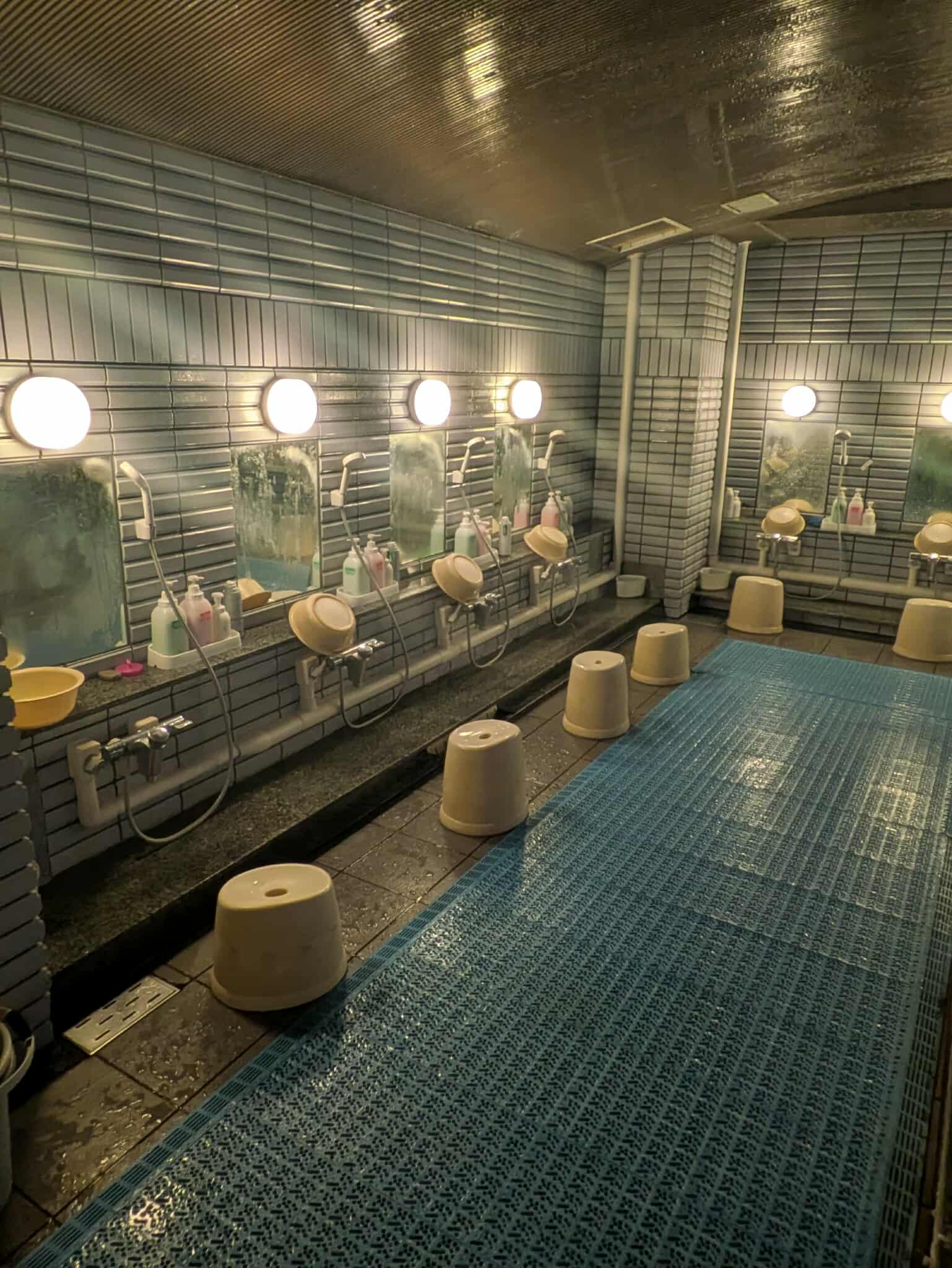
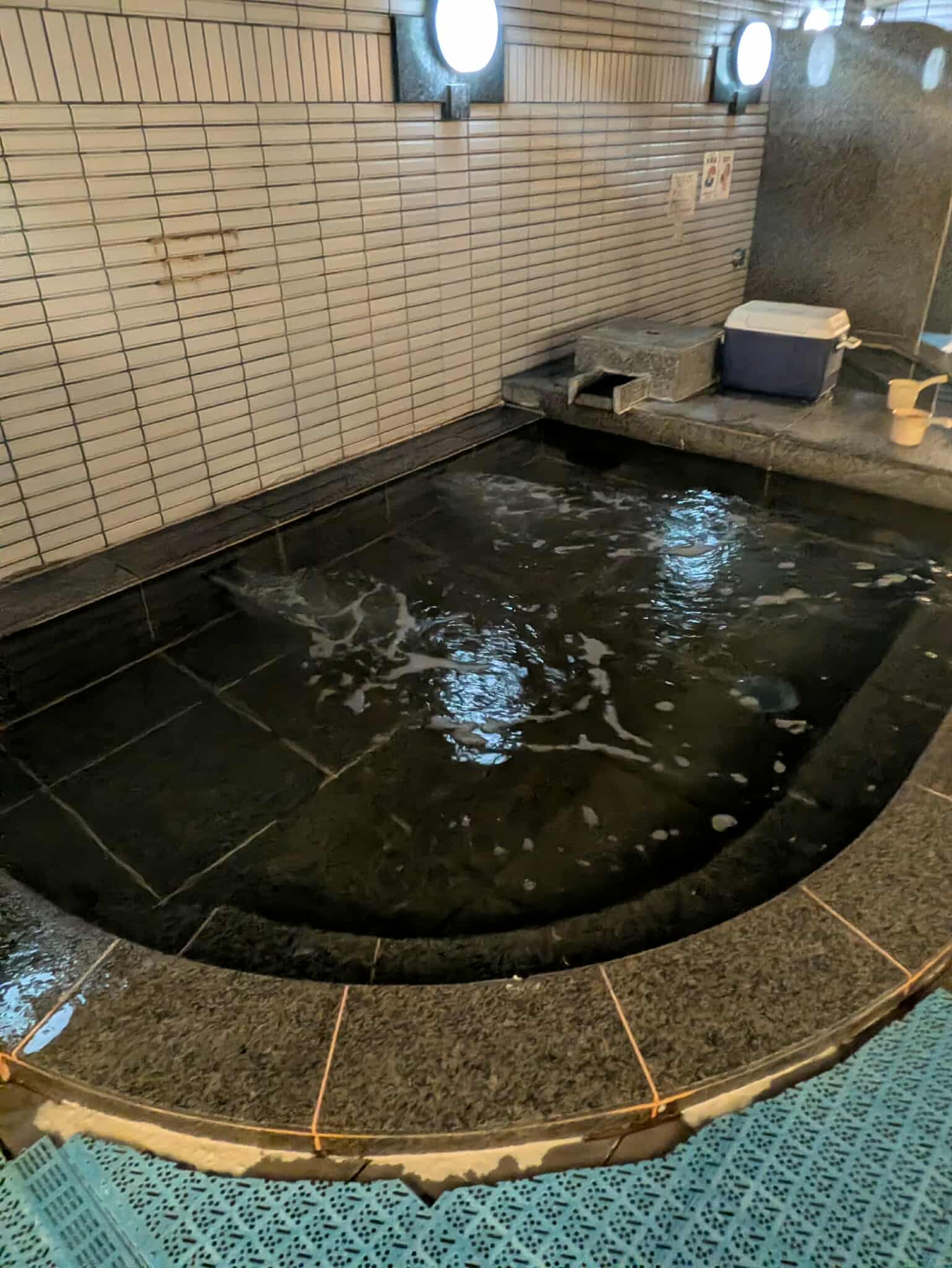
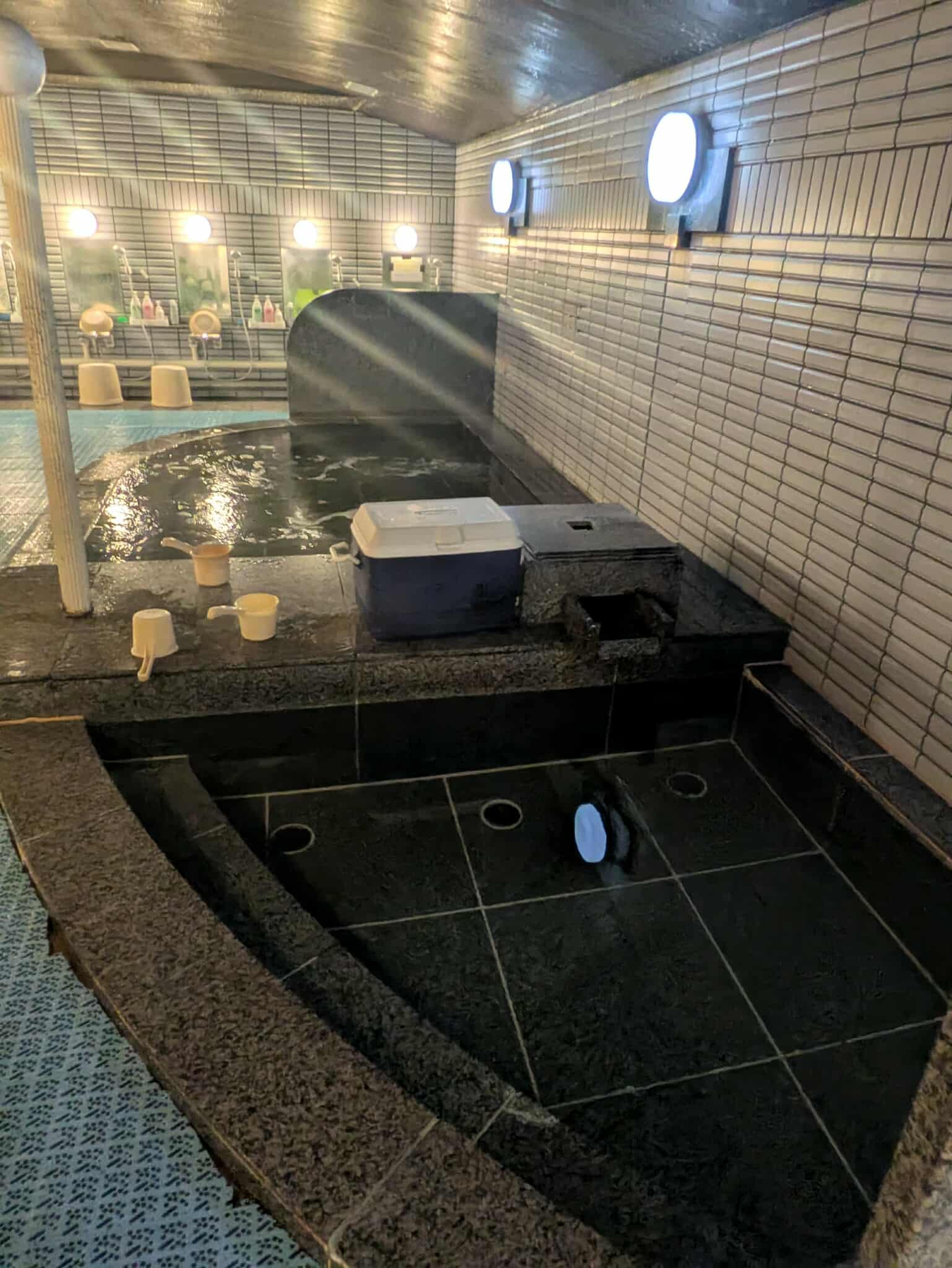
After just two nights in this Airbnb, I extended for another week—and I may stretch it to three. The deciding factor? An all-male, no-cackling, blissfully quiet Japanese bathhouse spa on the top floor… included in the $25-a-night price.

At that point, it stops being lodging and starts feeling like a life upgrade to feel better.

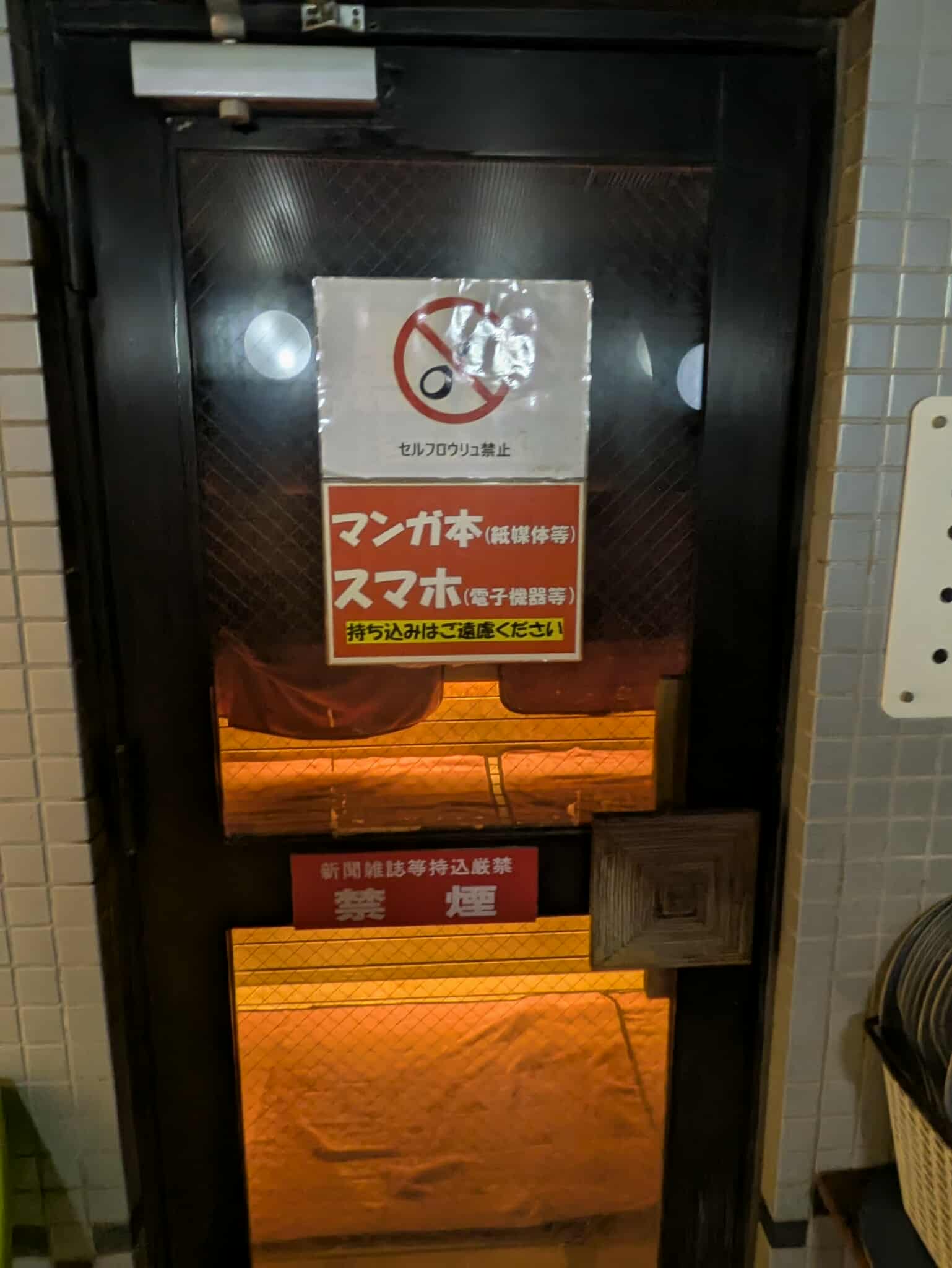
A hot soak to loosen everything that travel tightens. Cold plunge to wake the soul back up. Sauna room to melt what’s left. Repeat as needed. No chatter, no scrolling—just heat, silence, and reset.

It’s become bookends for my days: explore, wander, eat, blog… then soak it all away before sleep, and having this built into my stay feels absurdly luxurious. It’s not just a spa visit—it’s a lifestyle upgrade.

I was a little concerned about the water filtration at first—but the good news is they do a full deep clean every few days. 

Crystal clear, spotless, and zero sketch factor. 

Grossness thoughts officially averted, kinda!

The routine is downright magical:

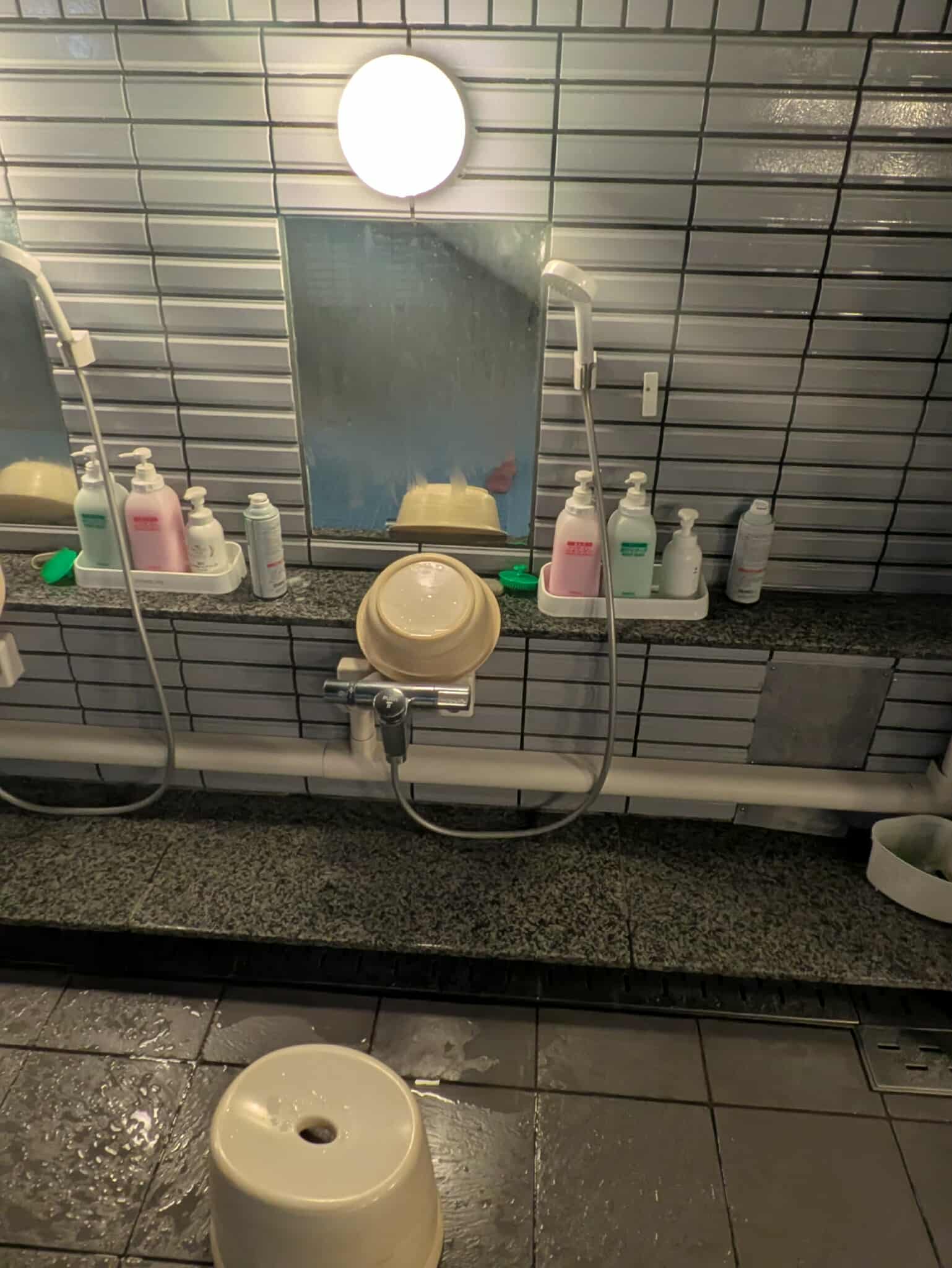
Shower 🚿

Hot tub ♨️

Cold plunge 🧊

Sauna 🥵

Repeat 🔁

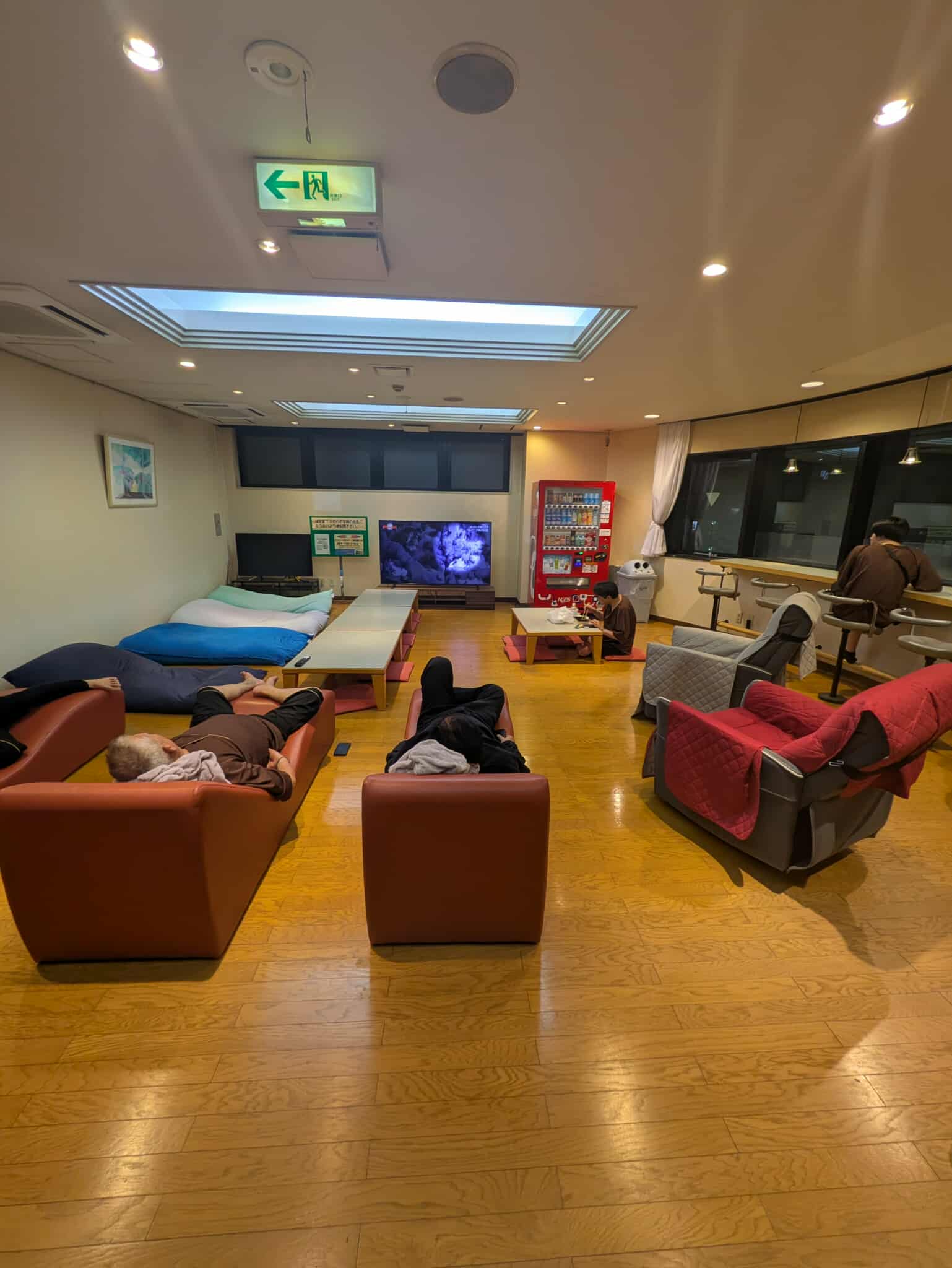
Finish in the common area, doing absolutely nothing with a cold beer and some tunes. ☺️

It’s simple. It’s quiet. It resets everything—body, mind, shitty attitude.

If I’ve said it once, Mom said it a thousand times:

Live life to the fullest!

Sometimes it means sitting still, realizing you hacked your own happiness.

japan1

Japan – February 2026! 🏯

Travel planning is such a fine line with me.  Financially, I know I need to slow travel, BUT there is always so much to see and do everywhere I go do my best to balance it out.  

I had already booked my flights and accommodations for the first month of my trip and planned to leave on January 30th.

Well, that changed as I left two weeks early! 😎


January 15/16, 2026

Rocky Point to Phoenix to change over luggage.  

Phoenix to Seattle 

Seattle to Tokyo


January 16th – XX Tokyo ✈️

Northern Japan daytrips by bullet train.

Disneyland Japan


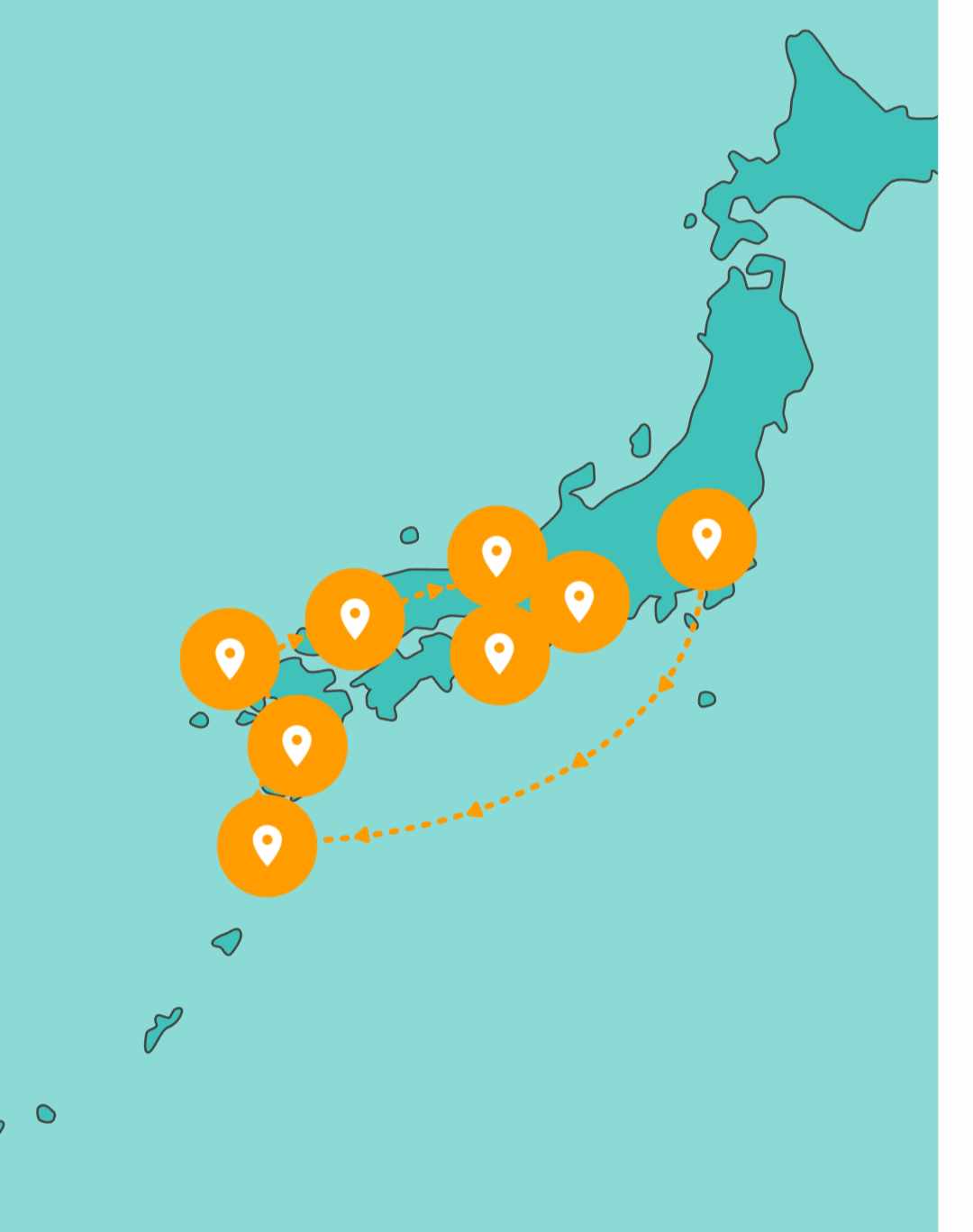
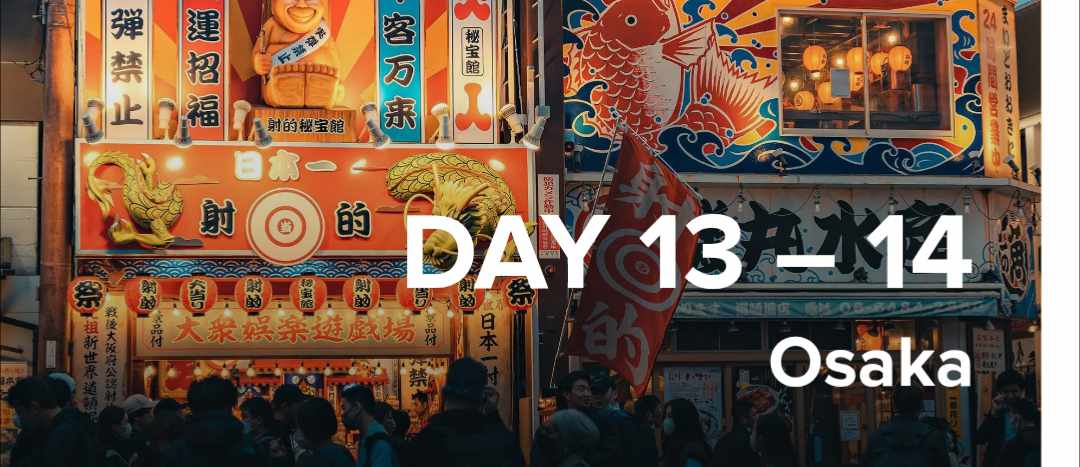
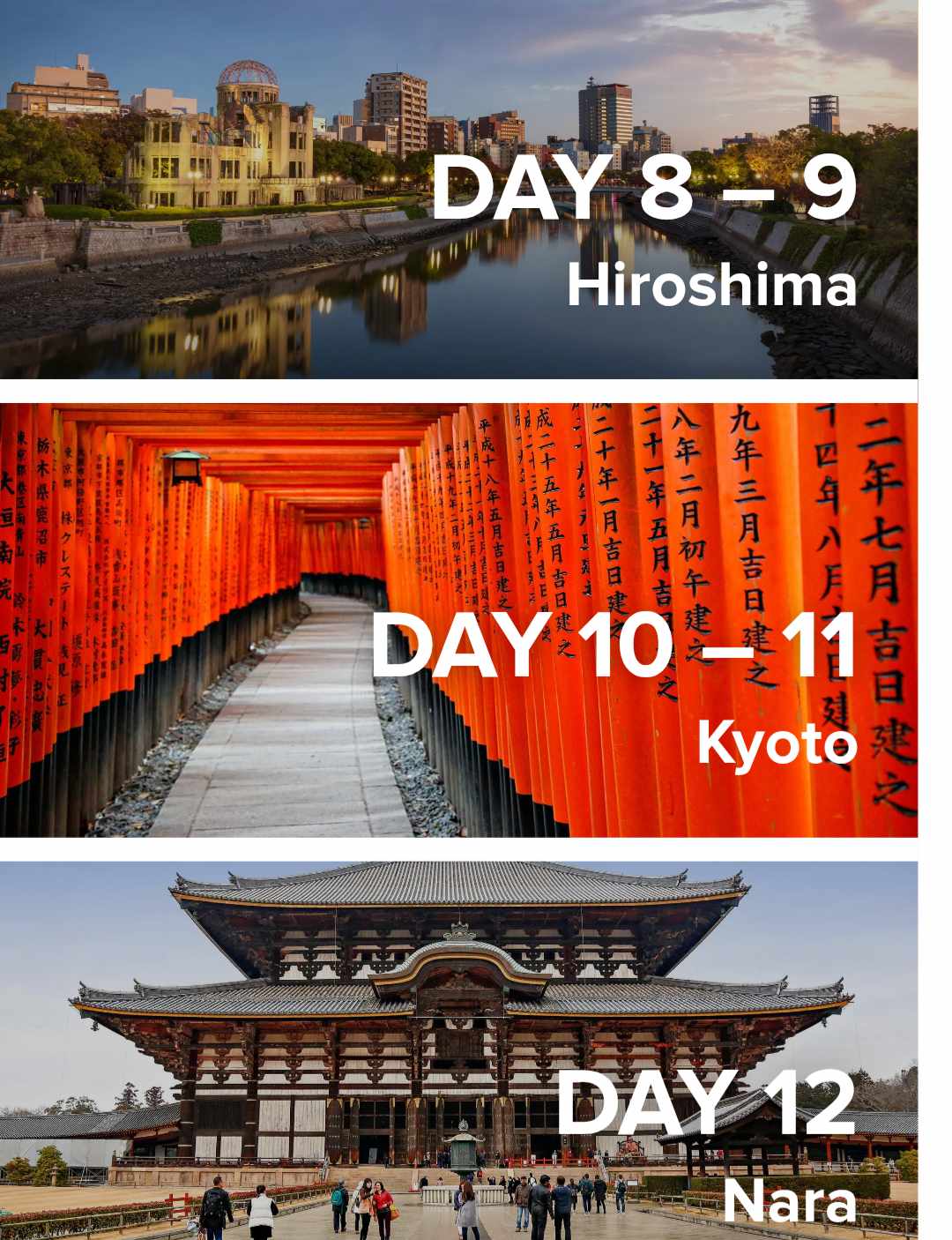
February 8th-22nd Kyoto/Osaka 🚄

Central Japan daytrips by bullet train.

Universal Japan


February 22nd-January 30th Okinawa ✈️

Living the Japanese island life!


March 1st – XX ✈️🚢

Visit other islands in the Japanese Archipelago. 


March XX – April 15th

Travel to Korea and finish the adventure in the Philippines.

The struggle is real when you’re trying to go with the flow and plan an itinerary. I’ve learned the hard way that you still need some outline—at least flights in and out—if you want things to make financial sense.

The problem? When travel days roll around, I’m always conflicted. I’m either ready to go, or I want to stay longer… and somehow, I’m ambivalent, either way and every time. 

That’s the price of insanity; I guess, as there is never a middle ground with me. 😁

Here is a 14-day itinerary that I will use as a guideline for my bullet train day trips.

WANT BIGGER FONT ON TRAIN TRAVEL IN JAPAN?

CLICK THE LINK BELOW LINK:

 ➡️ MORE BOOKING DETAILS ⬅️

Here are the USD prices plans, leaning towards the 7-day pass:

7-day trip:  $322

14-day $513

21 days $642

Click HERE to read my blog on Japan train travel.


Japan offers a wide variety of experiences for me to see:

Cultural 

Natural wonders

Culinary

Seasonal.

There is a lot to see, but I can plan “train days” to see some and below is a breakdown:

Cultural Experiences

Visit Historic Temples and Shrines: Explore iconic sites like Fushimi Inari-taisha Shrine in Kyoto, known for its thousands of vermilion torii gates, and Senso-ji Temple in Tokyo, the city’s oldest temple.

Participate in a Tea Ceremony: Experience the traditional Japanese tea ceremony, which emphasizes harmony, respect, purity, and tranquility.

Attend a Sumo Wrestling Match: Witness the unique sport of sumo, which is deeply rooted in Japanese culture, at one of the tournaments held throughout the year.

Natural Wonders
Cherry Blossom Viewing: Visit during spring to enjoy the breathtaking cherry blossoms (sakura) in parks and gardens, a quintessential Japanese experience.

Hike in National Parks: Explore Japan’s stunning landscapes, such as the Japanese Alps or the trails around Mount Fuji, which offer breathtaking views and a chance to connect with nature.

Culinary Adventures
Savor Authentic Japanese Cuisine: Indulge in local dishes like sushi, ramen, and okonomiyaki. Cities like Osaka and Fukuoka are famous for their street food.

Visit Nishiki Market: Experience the vibrant atmosphere of this traditional market in Kyoto, where you can sample various local delicacies and shop for unique souvenirs.

Unique Attractions
Ghibli Museum: Immerse yourself in the world of Studio Ghibli at this enchanting museum in Mitaka, Tokyo, dedicated to the beloved animated films.

Universal Studios Japan: Enjoy thrilling rides and attractions based on popular movies and franchises, making it a fun destination for families.

Seasonal Activities
Winter Sports: Experience world-class skiing in Hokkaido or Nagano during the winter months, along with relaxing in hot springs (onsen).

Summer Festivals: Participate in lively summer festivals featuring fireworks, traditional dances, and food stalls, showcasing Japan’s vibrant culture.

Japan is a destination that caters to a wide range of interests, ensuring that every traveler can find something memorable to experience. Whether you’re drawn to its rich history, stunning nature, or delicious food, Japan promises an unforgettable adventure.

Powered by cheap flights, poor decisions, and absolute freedom.

DO YOUR HAPPY DANCE!

PXL_20251127_040528083.MP (1)

Vietnam – slow travel life at its finest!☕🧘🏻

I’ve been dreaming about Vietnam ever since I watched Anthony Bourdain on Parts Unknown. Vietnam felt like one of Tony’s true loves—the kind of place he didn’t just visit, but listened to. He chased meals down side streets, sat on plastic stools, and showed that the best moments were always far from the tourist traps. Watching him there made travel feel quieter, more honest—less about seeing things, and more about understanding them. Vietnam wasn’t a backdrop for Tony; it was a reminder of how travel is supposed to feel.

Anthony Bourdain lived a life that blended food, travel, honesty, and deep contradiction—one that resonated because he never pretended to have it all figured out. Like me, I just go with the flow while traveling to a new place.

In 2025, I rented a condo for over two months in Vietnam—not as an experiment, but as confirmation. Five weeks in Ho Chi Minh City (Saigon), followed by a month in Hanoi. I wasn’t glued to either place; I took road trips, disappeared for stretches, did what I wanted. But I always came back to my own place. A real home base. Which, it turns out, changes everything.

This was slow travel exactly as I’d imagined it: living in the city instead of orbiting it. Falling into routines. Becoming a regular. Building friendships. Having days that felt both normal and quietly exceptional. Life didn’t pause for travel—travel became life.

At this point, I’m not pitching a dream or romanticizing a theory. I ran the play. It worked. And now it’s very hard to take seriously any version of life that costs more and delivers less.

Both apartments were under $400 USD per month, which quietly solves a lot of problems. With a stable, inexpensive home base, I could take road trips without uprooting my entire life. Most of my belongings stayed put, luggage stayed minimal, and travel stayed efficient instead of exhausting.  I made side trips over Vietnam at the beginning of 2025 while taking my show on the road to Malaysia and Indonesia at the end of the year.

This is the underrated advantage of slow travel: logistics scale down while freedom scales up. Low rent means less financial pressure, fewer bags, and more optionality. When your housing costs are that low, movement becomes modular—you leave, explore, come back, repeat—without ever feeling like you’re starting over.

I made some side trips across Vietnam in early 2025 (Nah Trang, Da Nang, Vung Tau, Hue, and Phu Quoc). I then fully committed to the chaos and took my show to Malaysia and Indonesia later in the year kocking out two massive bucket lists.

It’s not a hack. It’s just better planning. And once you’ve lived this way, it’s hard to take expensive inconvenience seriously ever again, which is why it will be a massive part of my future travel items in Kuala Lumpur and Bali.

If you made it this far by chance and want to learn more about my slow travel plans.  

You can read my blog on the topic by clicking

➡️HERE⬅️

In the end, slow travel keeps the costs low and the adventures high—and that’s the whole point around here.

train

11/17/25 Hanoi ~24-hours of travel!

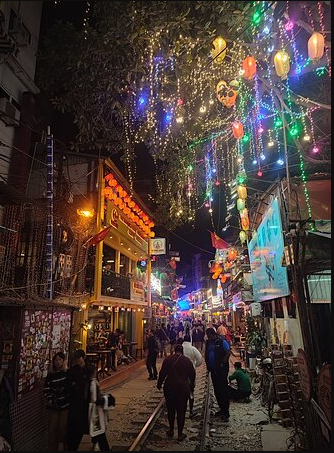
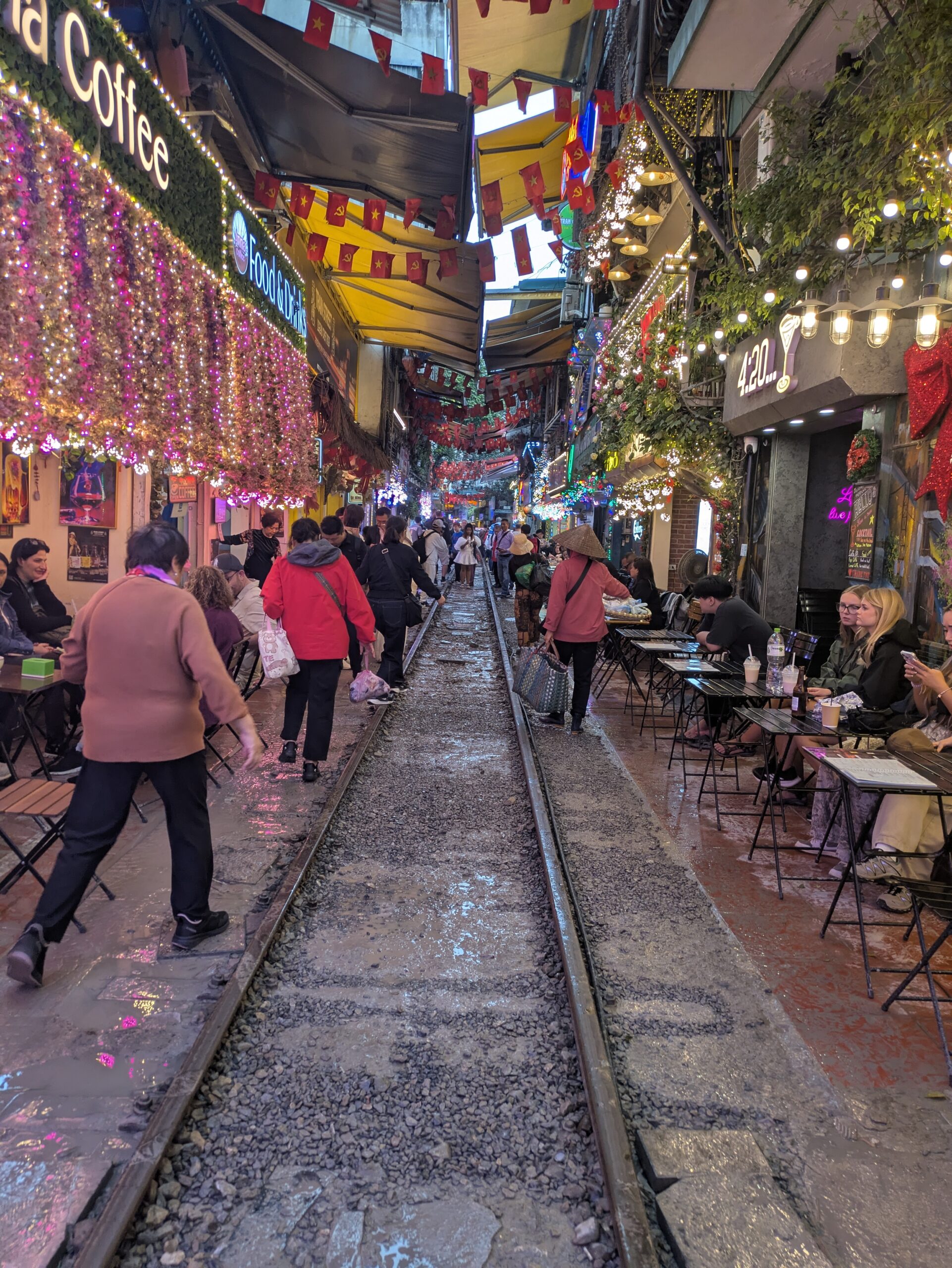
I started 2025 in Ho Chi Minh City, Vietnam, and I’ll be ending the year in Hanoi — and honestly, I could 100% get used to visiting Vietnam. The energy, the food, the landscapes, the coffee culture… it’s way too easy to fall in love with.

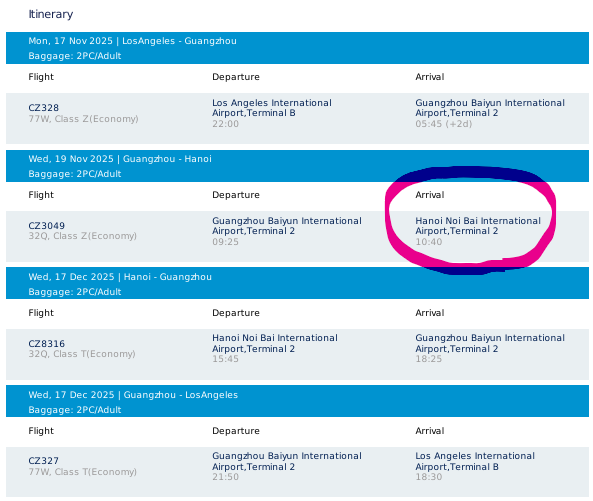
But first… I have to survive this 24-hour travel gauntlet:

9:30 AM

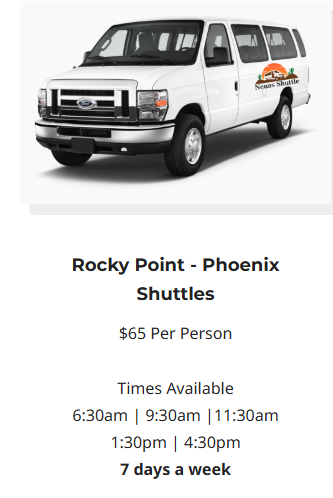
4-hour shuttle from Rocky Point, Mexico → Phoenix Airport

3:30 PM / 5:15 PM

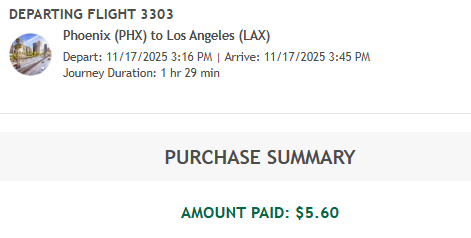
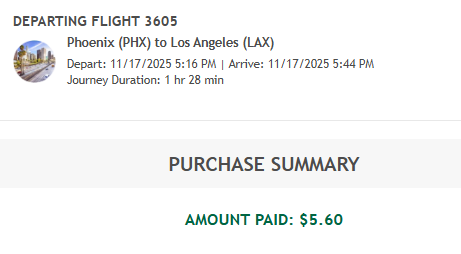
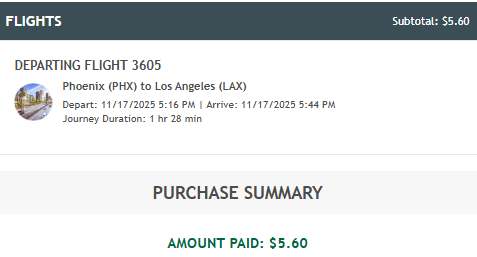
1.5-hour Phoenix → Los Angeles flight
(Yes… I booked two refundable options because I don’t trust the universe. 🫣

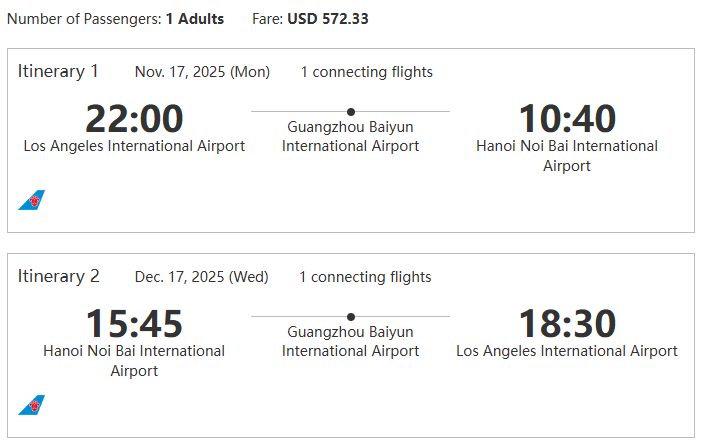
10:00 PM

15-hour long-haul from Los Angeles → Guangzhou, China

3 hours from Guangzhou, China to Hanoi, Vietnam

Bonus insanity:

Approximately 8 more hours of layovers, airport wandering, questionable terminal coffee, and whatever chaos China Southern or the universe continues to throw at me.

Mission accomplished!

mostvisited

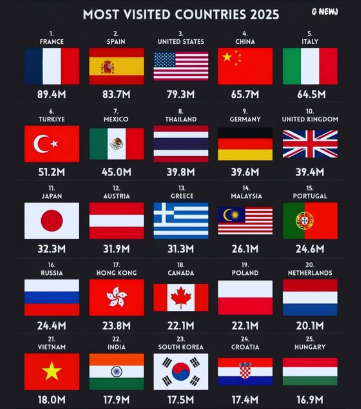
25 most visited Countries *21 completed!🌎

“I hope that giddy ‘new place’ feeling never goes away. At this point, I’ve only got 4 of the top 25 most visited countries left to catch… but who’s counting?” 🙋🏻‍♂️🤘🏻

Completed:

1-France, Paris twice, and leaving was the best part!

2 Spain, Madrid and Barcelona!

3-USA, So much fun, so many places lived and visited!

4-China, Guangzhou airport counts, right?

5-Italy, Venice, Rome, Naples, and Milan

6-Turkey, Istanbul, and the Princes’ Islands.

7-Mexico, so many Coronas and a bit of tequila everywhere!

9-Germany, Oktoberfest in Munich

10-UK, London pubs several times

12-Austria, Vienna

13-Greece, Athens

14-Malaysia, Kuala Lumpur

15-Portugal, Algarves, and coastal train adventure

16-Russia, Moscow airport counts, right?

18-Canada, born to leave the cold!

19-Poland, Warsaw

21-Vietnam, HCMC, Phu Quoc, and Hanoi, among other places.

And 25-Hungary. Budapest

Remaining:

11 – *Japan (February 2026, #1 tourist spot finally happening)

17 – Hong Kong (still there, still expensive- CHINA!)

20 – *Netherlands (flat but impressive, 2026 Europass 🤞🏻)

22 – India (interest level: zero, zilch – nada!)

23 – *South Korea (March 2026, scheduled obsession)

24 – *Croatia (Europass vibes plans for 2026 🤞🏻)


“My retirement often seems that it is on life support but keeps whispering one more flight.”

PXL_20251213_082811692

Hanoi, Vietnam – Nov.17/25🍜🫖

There’s a balance I’m always chasing when I travel—but I wish I understood it better, so I’d stop booking flights. I know I need to begin with lower-cost, slower journeys, and once again, Vietnam felt like the perfect calibration.

I landed in Hanoi, Vietnam on November 17th, 2025—because apparently I like good decisions.

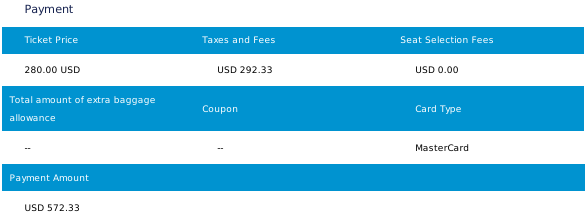
~$572 for the flight and ~$263 for an entire month’s rent (yes, a month).

I skipped Northern Vietnam earlier in 2025, so this trip was basically my “fine, I’ll do it properly this time” trip. 🪣📃

Used points to get from Phoenix to Los Angeles and back home to Phoenix on the cheap!!🤑
$572 for a return flight from Los Angeles to Hanoi, Vietnam

Anytime I find a cheap flight, I’ve learned to check the accommodations before I start emotionally packing.

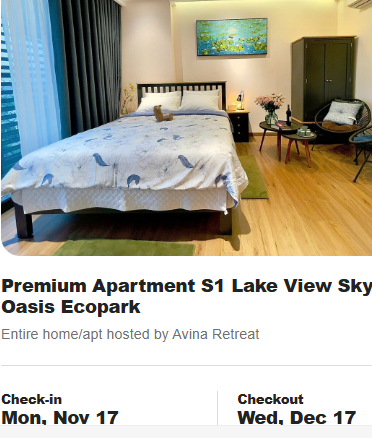
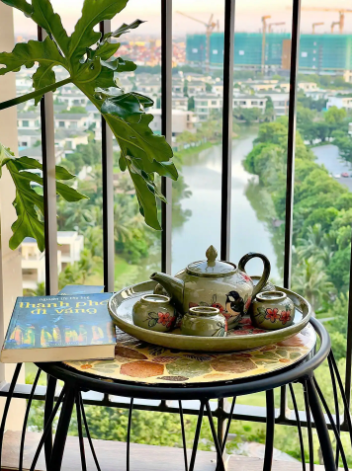
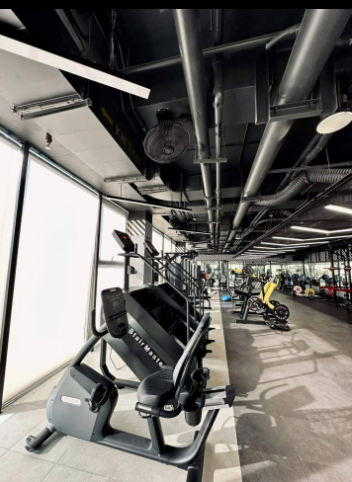
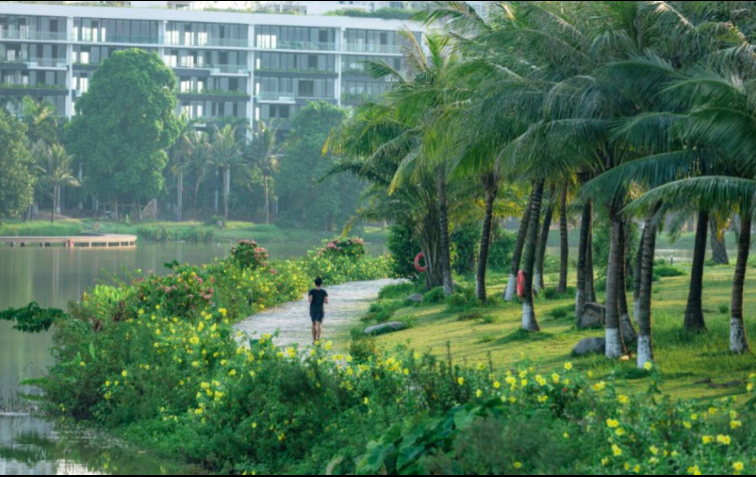
I knew it would be budget-friendly, but I didn’t expect a full-on resort situation—pool, gym, and a games room with a river view… all for “are we sure this is real?” prices.

An entire month $263/$9 day (Pool, gym, games room studio on the lake.)

The history of Hanoi: A City That Refuses to Sit Still

Hanoi has been around for over 1,000 years, which basically means it has more history than most people have Instagram posts. It started as a sleepy riverside settlement until Emperor Lý Thái Tổ decided in 1010 to move the capital there and call it Thăng Long—“Rising Dragon”—because why settle for boring when you can be mythical?

Fast forward a few centuries, and Hanoi became a cultural, educational, and political hotspot, surviving invasions, occupations, and a fair share of bureaucratic headaches. The French showed up in the late 1800s, built boulevards, colonial buildings, and cafés where you can still sip coffee pretending you’re in Paris.

After a mid-20th century revolution and reunification, Hanoi officially became the capital of Vietnam, a city where ancient temples, motorbike chaos, and modern skyscrapers collide. Basically, it’s a city that refuses to sit still—and you’ll love every chaotic, delicious, history-packed second of it.

default

Paris and London – 100% tourist mode!

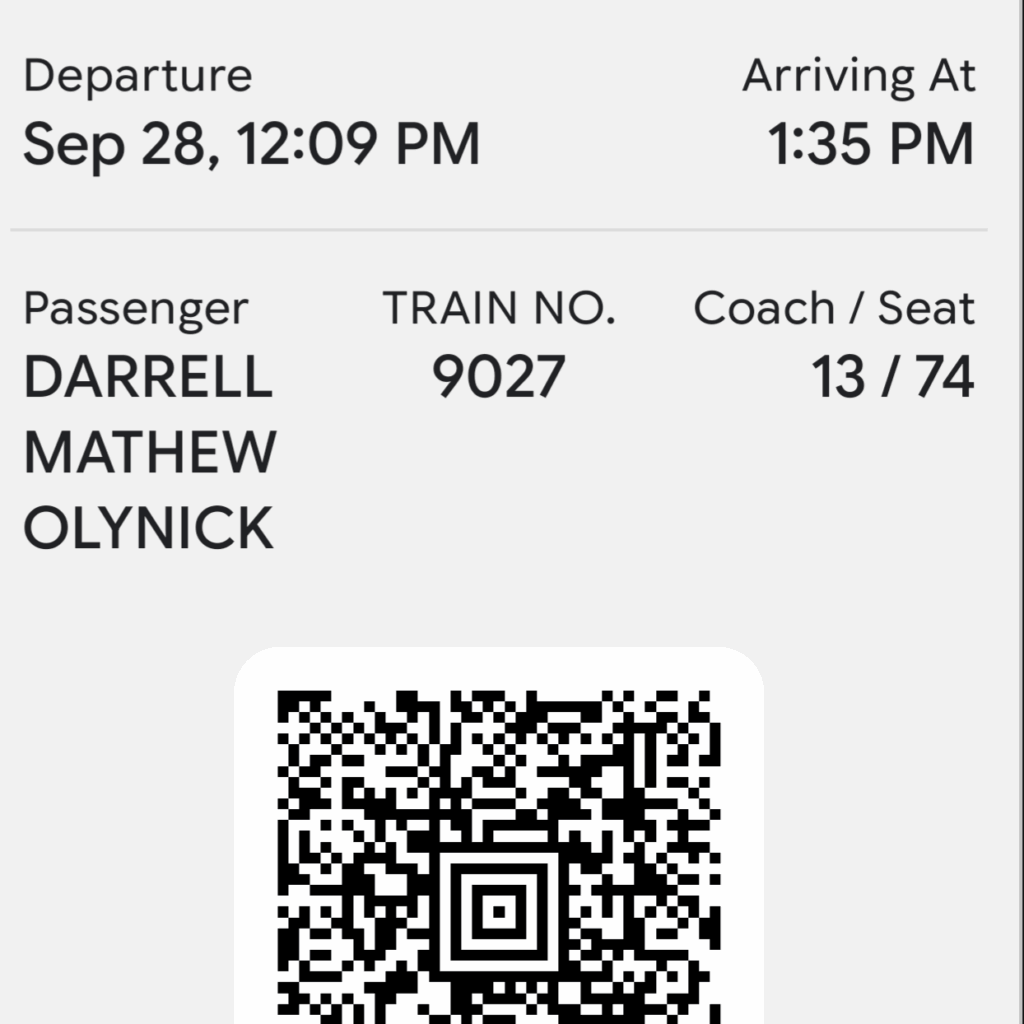
The days were officially counting down, and I needed to start migrating toward London for my 9:00 AM flight back to Arizona on September 28th, 2025.

This was immediately after I’d just crushed a bucket-list item in Venice, which—geographically speaking—put me on the wrong side of Europe for someone trying to go home.

The plan was simple and therefore doomed:

get closer to Paris, then slide into London like a responsible adult traveler.

The Universe, however, had other plans.

I missed a connection.

Fourteen-plus hours later, I found myself on a first-class high-speed train—not because I planned it, but because exhaustion, fate, and poor timing had teamed up against me.

Sometimes luxury isn’t a choice.
It’s a consequence.

My September 2025 European tour both started and ended in London. I passed through on September 1st on my way to Faro, Portugal, and returned at the end for less than 24 hours after bailing on Paris early.

I’d been to Paris about 20 years ago, and it only took about an hour to remember why it’s not for me. If you don’t speak French, people can be rude—I experienced that almost immediately while trying to buy a train ticket. Apparently asking for a ticket in English is a bold move.

If you love Paris (like my very fashion-conscious niece Amber), check out Norse Airlines—they’ll get you there cheaply. If you’re more like me, grumpy and impatient, plan a short visit and bail early.

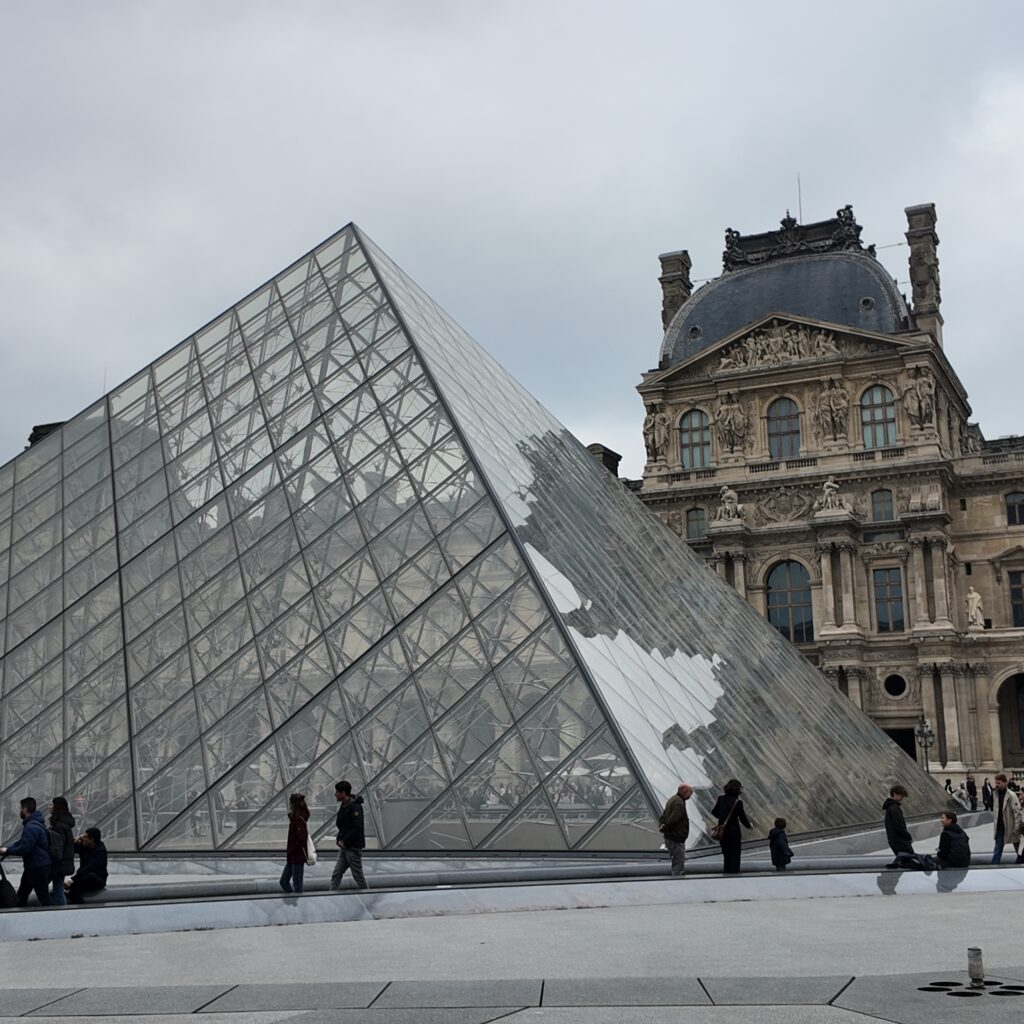
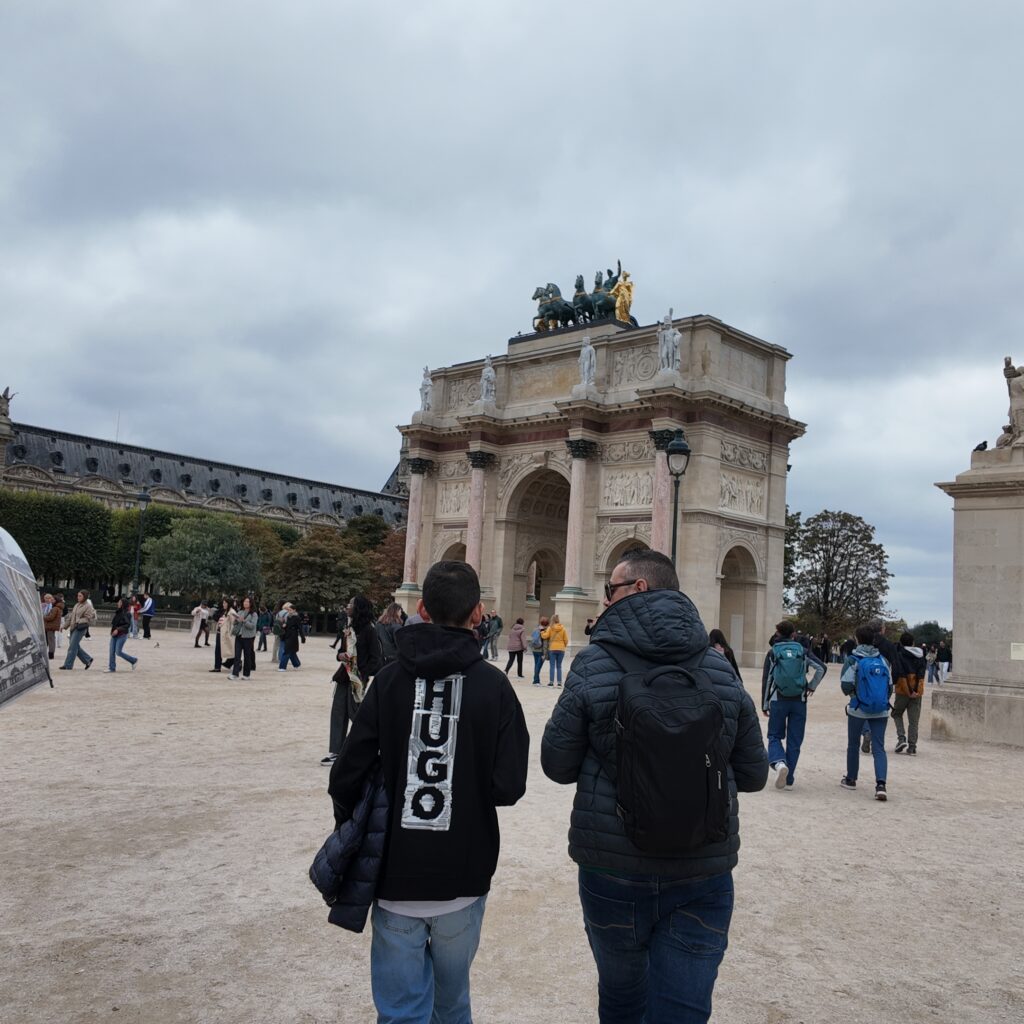
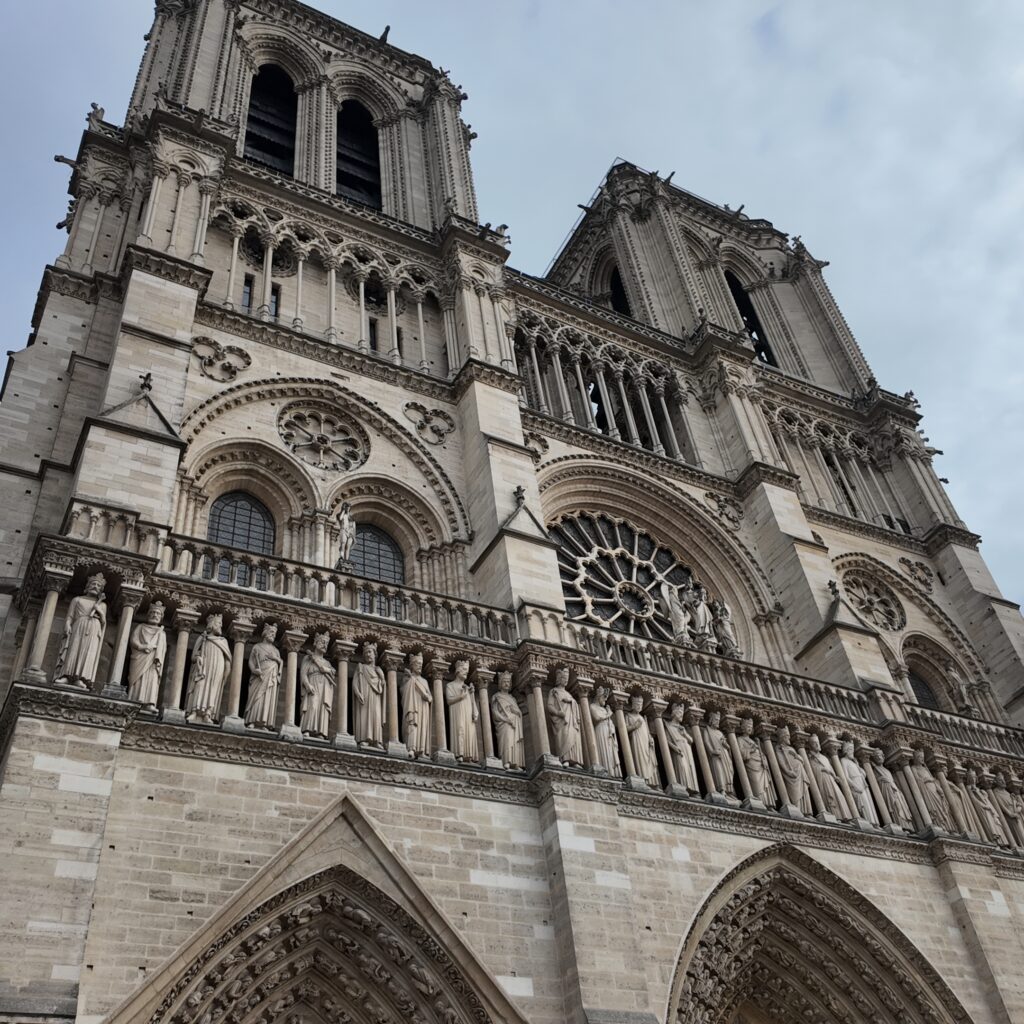
Below are a few photos from my brief stay in Paris—the week before the Louvre was robbed. I swear it wasn’t me. 😄

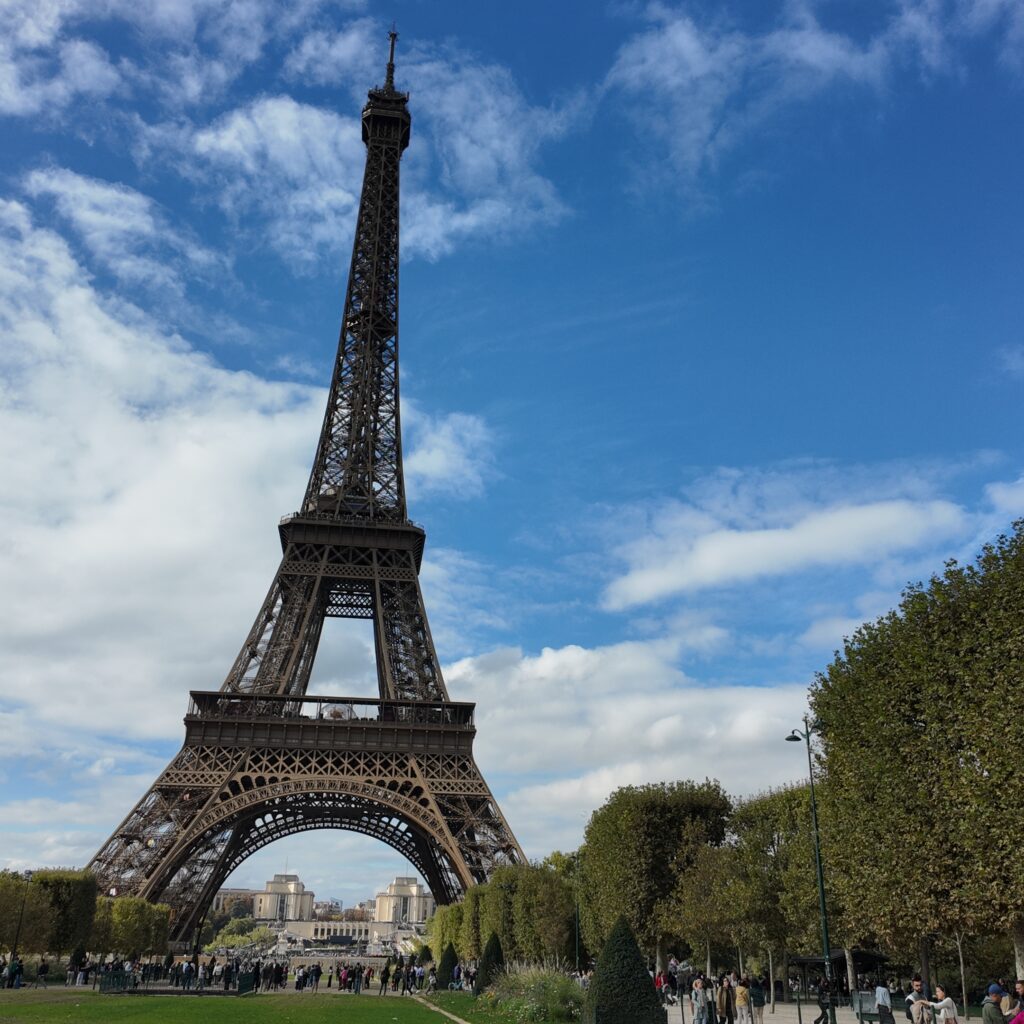
Eiffel tower ✅

Louvre ✅

Arc de Triomphe ✅

Notre Dame ✅

Train station to get to the Chunnel to London ✅

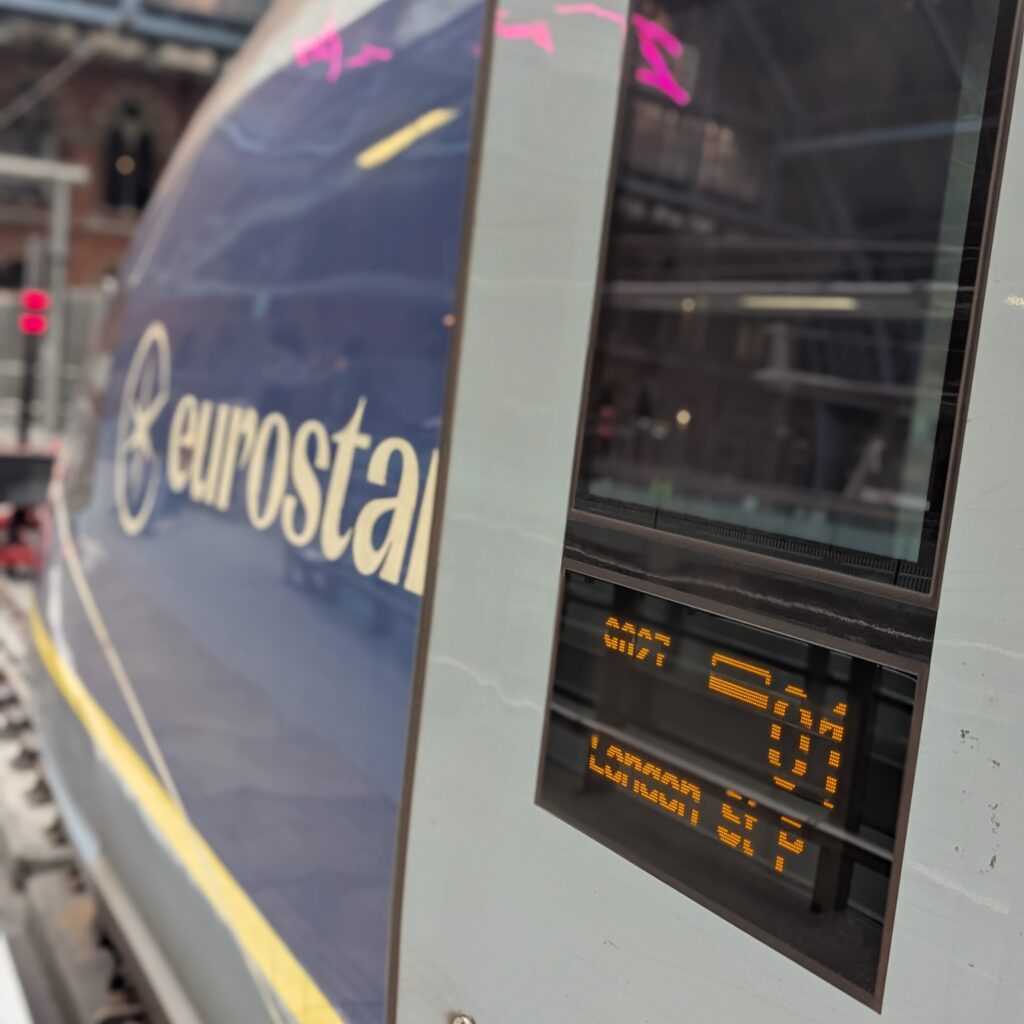
The high-speed Eurostar train between Paris and London is fantastic. It feels a lot like flying—security, early arrival, the whole routine—but it’s far more convenient than actually getting on a plane and dealing with an airport.

First things first, every time I arrive in London: 

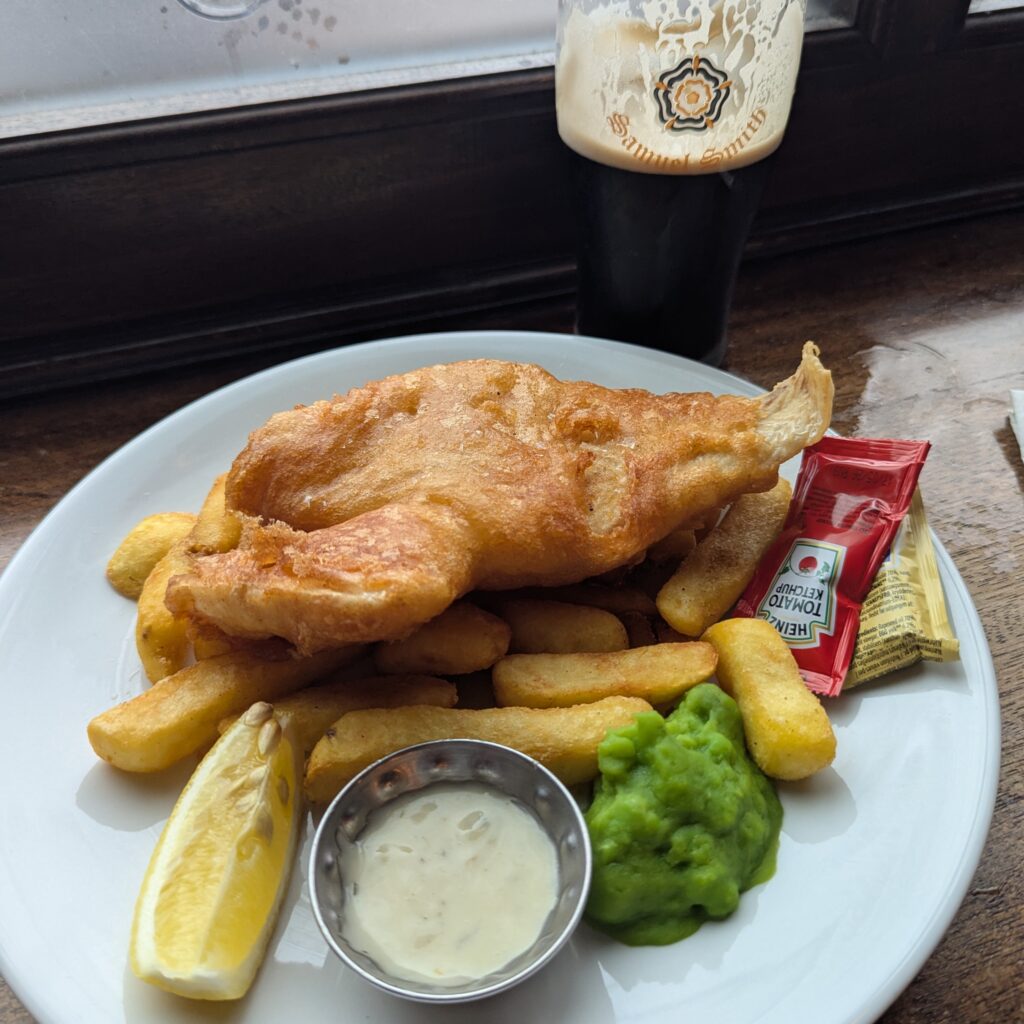
I find a pub, order fish and chips, and grab a cold pint. It’s not cheap—fish, chips, and a beer run about $40 USD—but it’s worth it every single time.

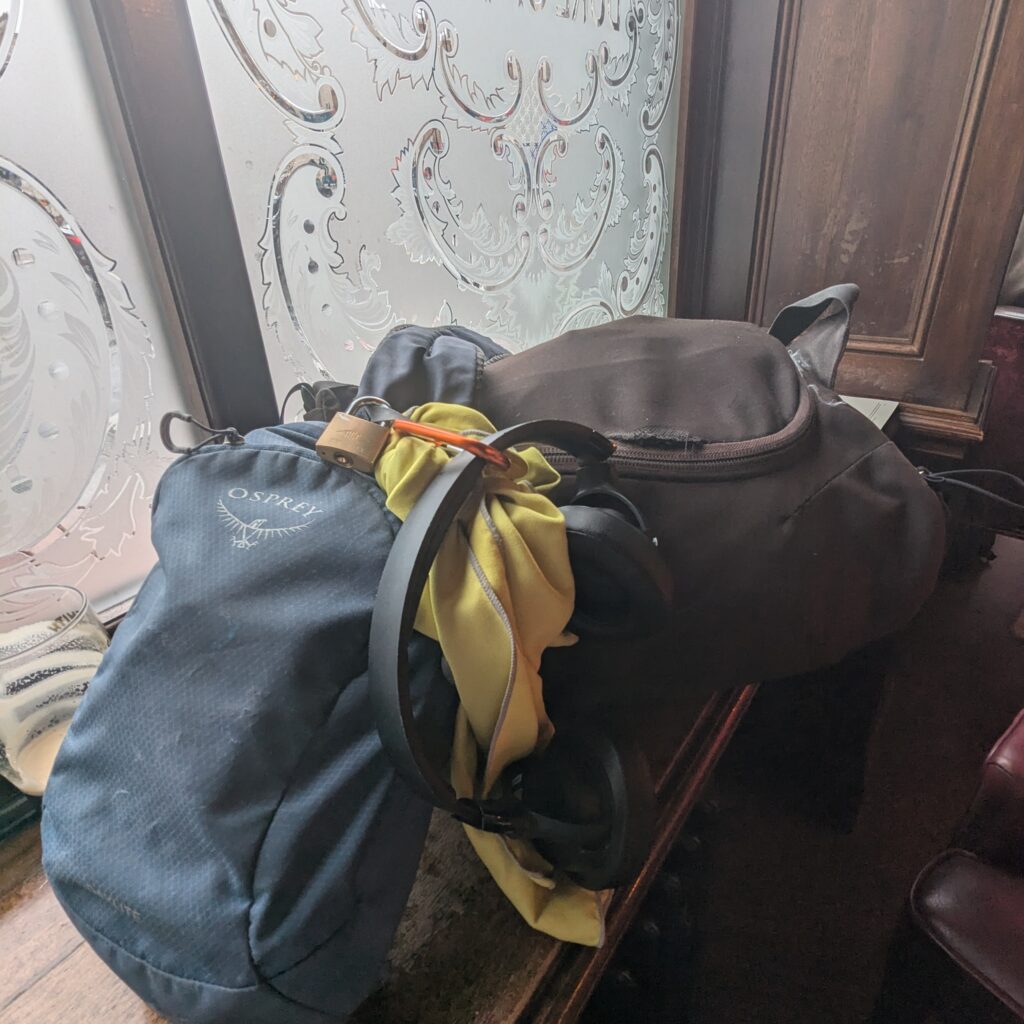
Check out how light I pack!

I landed in London at 2 p.m. and left the next morning, which meant attempting to see the entire city in under 24 hours. I did as much tourist stuff as humanly possible, and by the time I boarded my long flight home, I was running on fumes.

Fish and Chips ✅

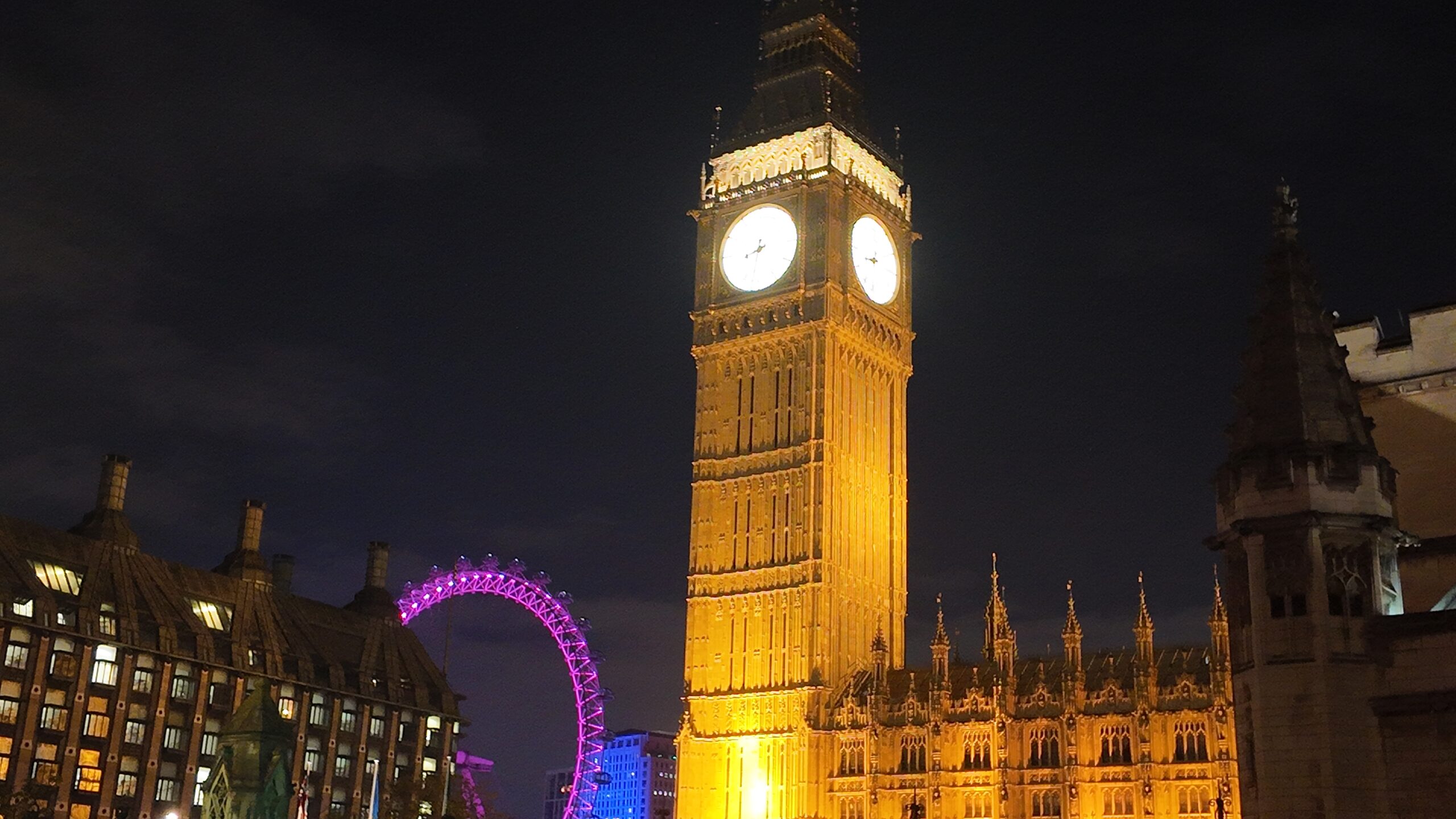
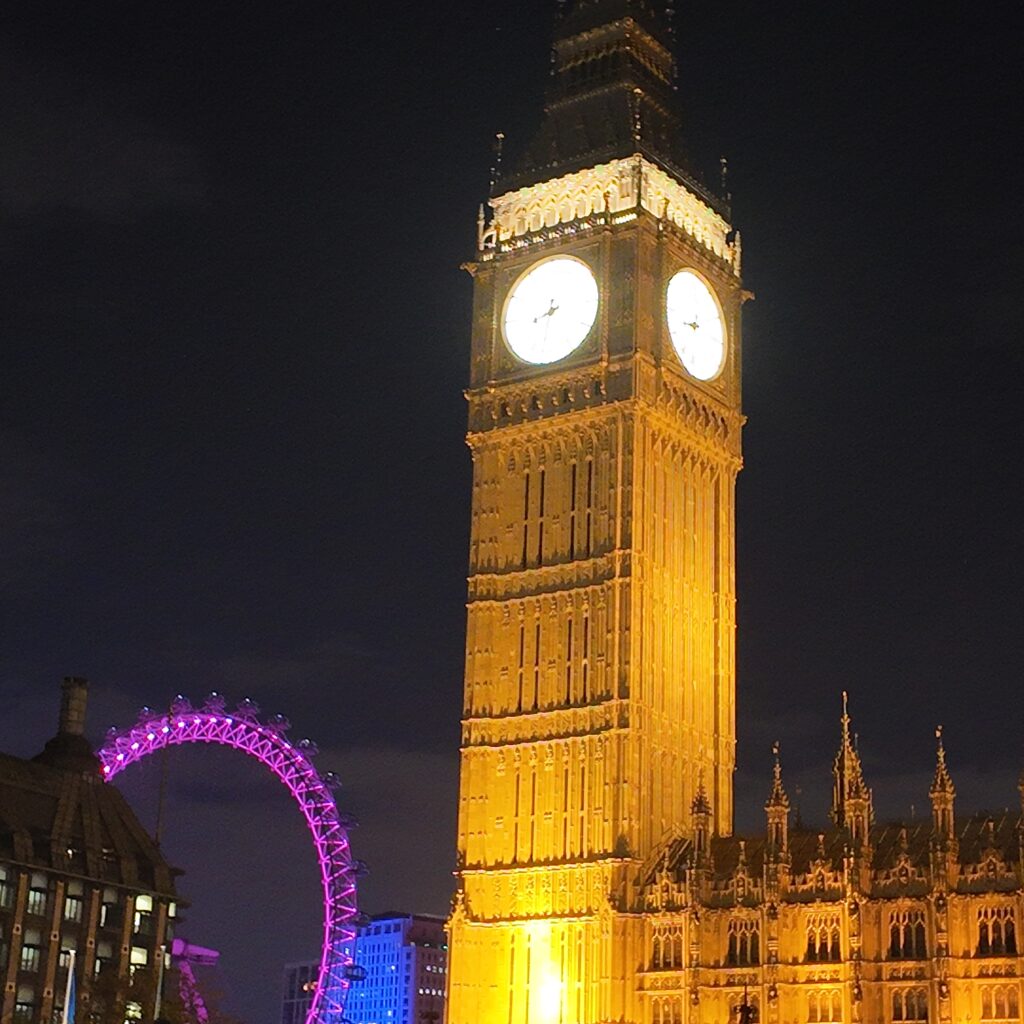
Big Ben✅

  London Eye ✅

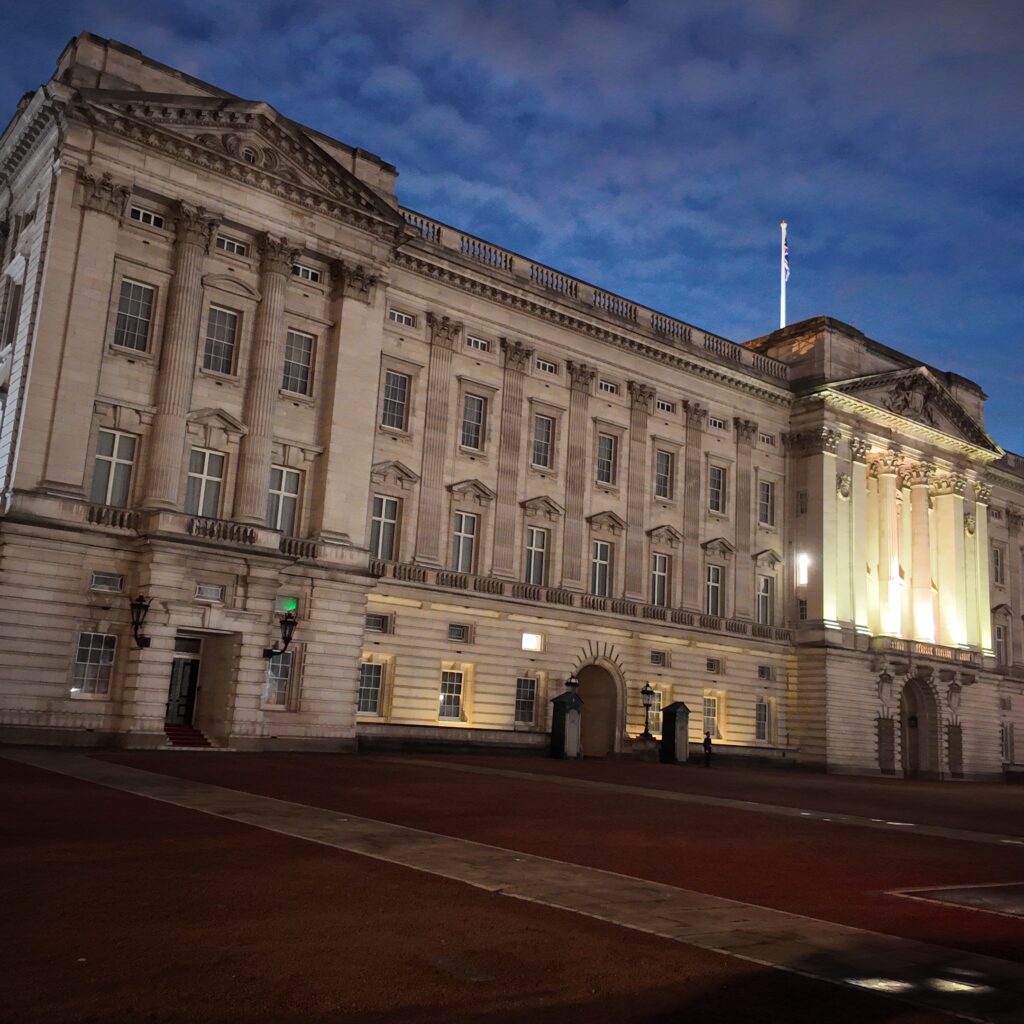
Buckingham Palace ✅

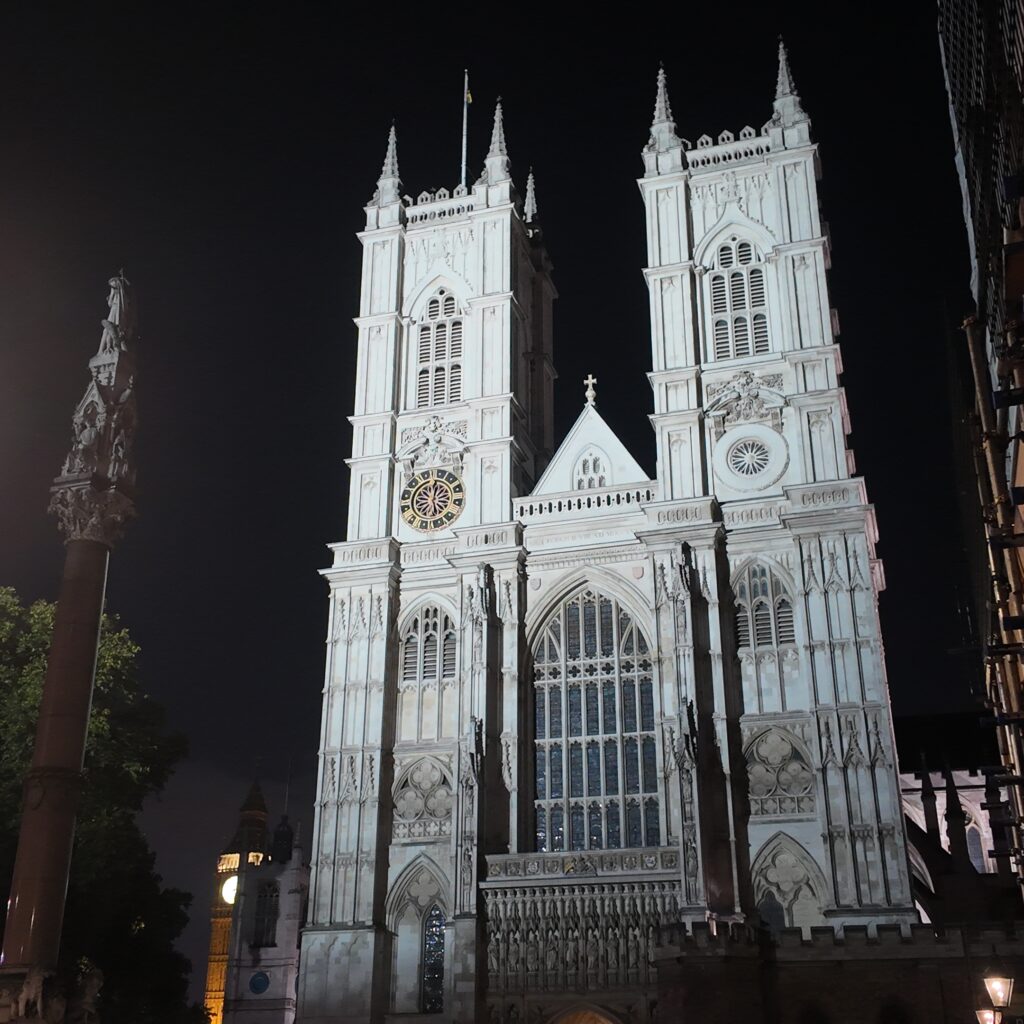
Westminster Abbey✅

Mission accomplished! 🙌🏻

I racked up over 25,000 steps, took a nap that felt more like a system reboot, and then dragged myself back toward Arizona. Planes, trains, and automobiles—because apparently, I enjoy suffering in multiple forms of transportation to save a dime ..

✈️🚅🚗

Paris to London train ✅

London to Los Angeles flight ✅

Los Angeles to Phoenix rental car ✅

eBiked home from rental car drop-off. ✅

I can’t even begin to calculate how many miles I traveled last week—and honestly, ignorance feels healthier.

Czech Republic to Germany (Oktoberfest on September 20, because of course), then Switzerland, Italy, France, London, and finally back across the pond on September 28.

At this point, my passport deserves a nap, my legs are filing a formal complaint, and my internal clock has completely resigned.

20150730_185313

Living the Arizona life!🏜️

One thing I’ll always be thankful for is buying a condo in Arizona during the housing market crash in 2009. At the time, it felt like a practical, almost conservative decision. In hindsight, it quietly set the foundation for everything that came later.

That gratitude sits alongside a bit of nostalgia. I’d already sold some incredible homes in Edmonton, Alpharetta, Georgia, and Mooresville, North Carolina—places tied to specific chapters of my life. Each move closed one door and opened another, even if I didn’t fully understand it at the time.

What I couldn’t see then was how the Arizona place would eventually become more than just a home. It became an anchor—a base that allowed me to take risks and travel literally elsewhere. Stability in one place made freedom possible in others. 

Knowing I had something solid to return to gave me the confidence to travel more, stay longer, and say yes to opportunities that didn’t come with guarantees.

Looking back, that condo wasn’t just a smart investment that pays me to travel through Airbnb. It was also permission to move, to explore, and to build a life that didn’t have to stay in one place to feel grounded.

From an investment standpoint, the timing was absurdly good. In 2009, the Phoenix market was still in full capitulation mode—single-family homes with pools were selling under $100K, and condos could be picked up for under ~$30K. Most of these were cash deals, with banks more interested in clearing defaulted inventory than maximizing price. Recovery mattered more than valuation.

At the time, I was working in Georgia and already owned a home there, so this wasn’t about replacing a primary residence or chasing a lifestyle fantasy. It was about positioning. A low-cost asset in a market that had clearly overshot to the downside and would, eventually, revert. While in Las Vegas that year, I took a day to fly to Arizona and look at opportunities in person—because listings are useful, but markets are easier to read when you’re standing in them.

We toured roughly ten condo properties. Living across the country forced discipline, which worked in my favor. I only considered turnkey units—no renovations, no surprises, no emotional projects. My criteria were unapologetically practical: strong amenities (pool, gym, hot tub), walkability to groceries and restaurants, and a layout that would work equally well for short-term stays and seasonal renters.

Rental potential wasn’t optional—it was the point. The goal was a property that could generate income from snowbirds while remaining usable as a personal base when needed. That dual-purpose flexibility capped downside risk and improved the return profile without adding complexity.

When we toured Solana later that day, it separated itself immediately. The location worked. The amenities worked. The condition worked. Everything aligned. By the end of the visit, it was clear this wasn’t a lifestyle purchase pretending to be an investment—it was a clean, well-timed asset with multiple usage paths.

Which is exactly what you want when markets are panicking, and patience is underpriced.

From an investment perspective, it checked every box.

The Solana community had two pools, a hot tub, and a gym—exactly the kind of amenities that matter to both renters and owners. A Safeway directly across the street, a Walmart down the road, and multiple restaurants within walking distance made it even more attractive. Convenience sells, especially for long-term renters and short-term guests.

I left Arizona with clear instructions for the agent:
One-bedroom, ground-floor unit, green space patio view in Solana.

He nailed it!

All wrapped up in a $52,500 all-cash deal—a low-risk entry price with real usability, solid demand, and strong rental upside. At the time, it felt like a smart move. Looking back, it turned out to be a foundational one.

In the summer of 2014, I was laid off while living in Mooresville. It was one of those moments that forces clarity whether you’re ready for it or not.

Instead of scrambling to stay put, I treated it as a clean break. No panic. No patchwork fixes. Just an honest look at what I wanted next. It was time to leave the South and head west—and the difference was, I already had a landing spot waiting for me in Arizona.

What could’ve felt like a setback turned out to be a pivot. Sometimes losing the plan is exactly what makes room for the right move.

Arizona—and **Solana in particular—**turned out to be the perfect landing spot. It gave me a property that could generate rental income while still supporting the kind of life I actually wanted to live.

Year-round access to pools, hiking, biking, paddling, and camping meant the place worked whether I was home or on the road. From an investment standpoint, it made sense. From a lifestyle standpoint, it made even more sense.

It wasn’t just a smart buy—it was the rare overlap where numbers and quality of life lined up.

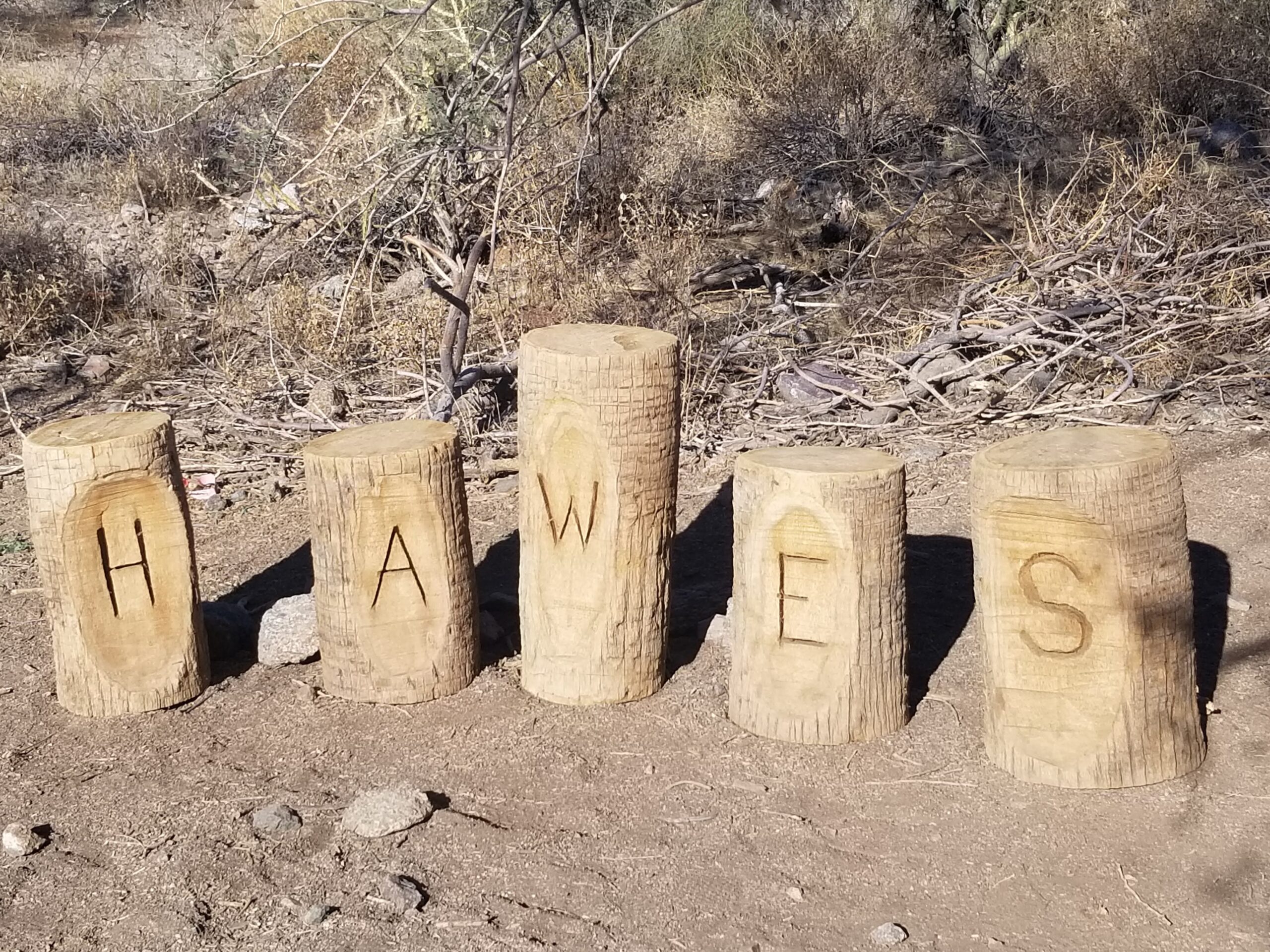
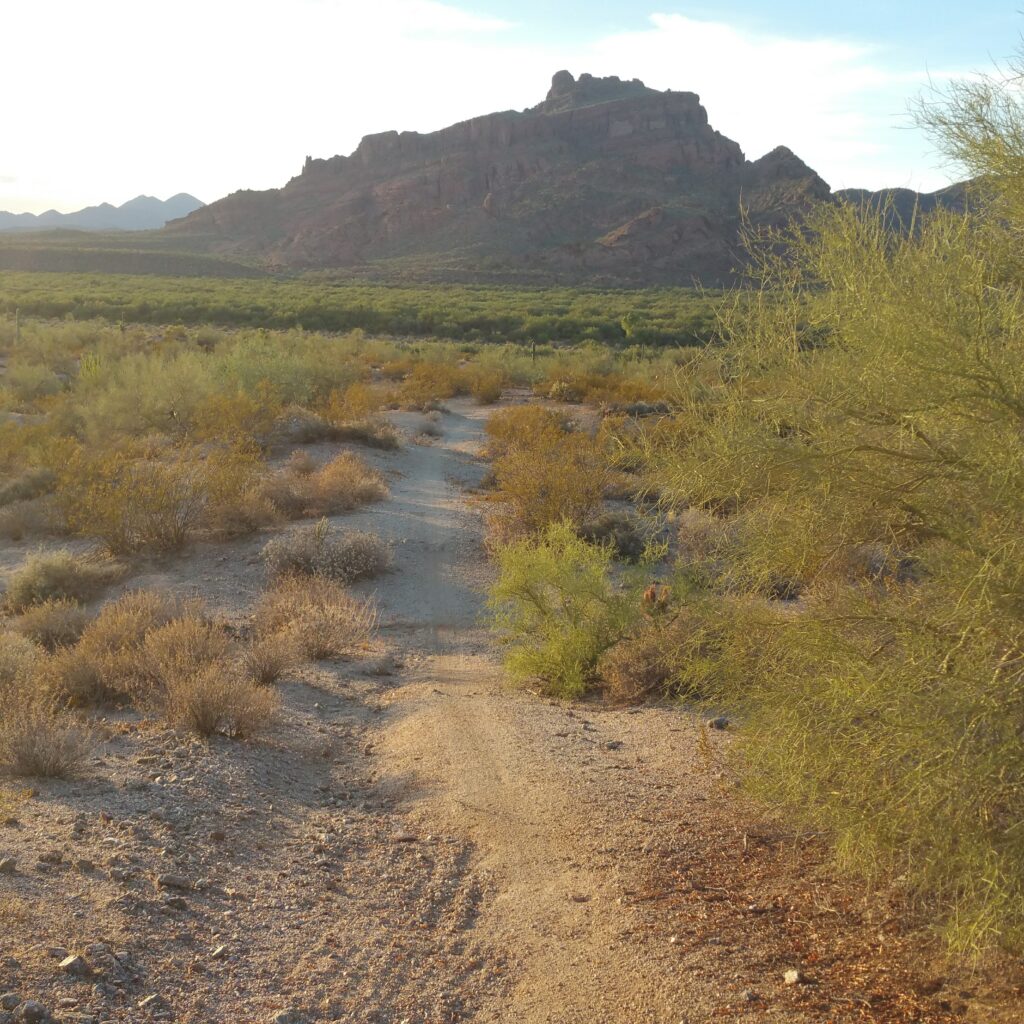
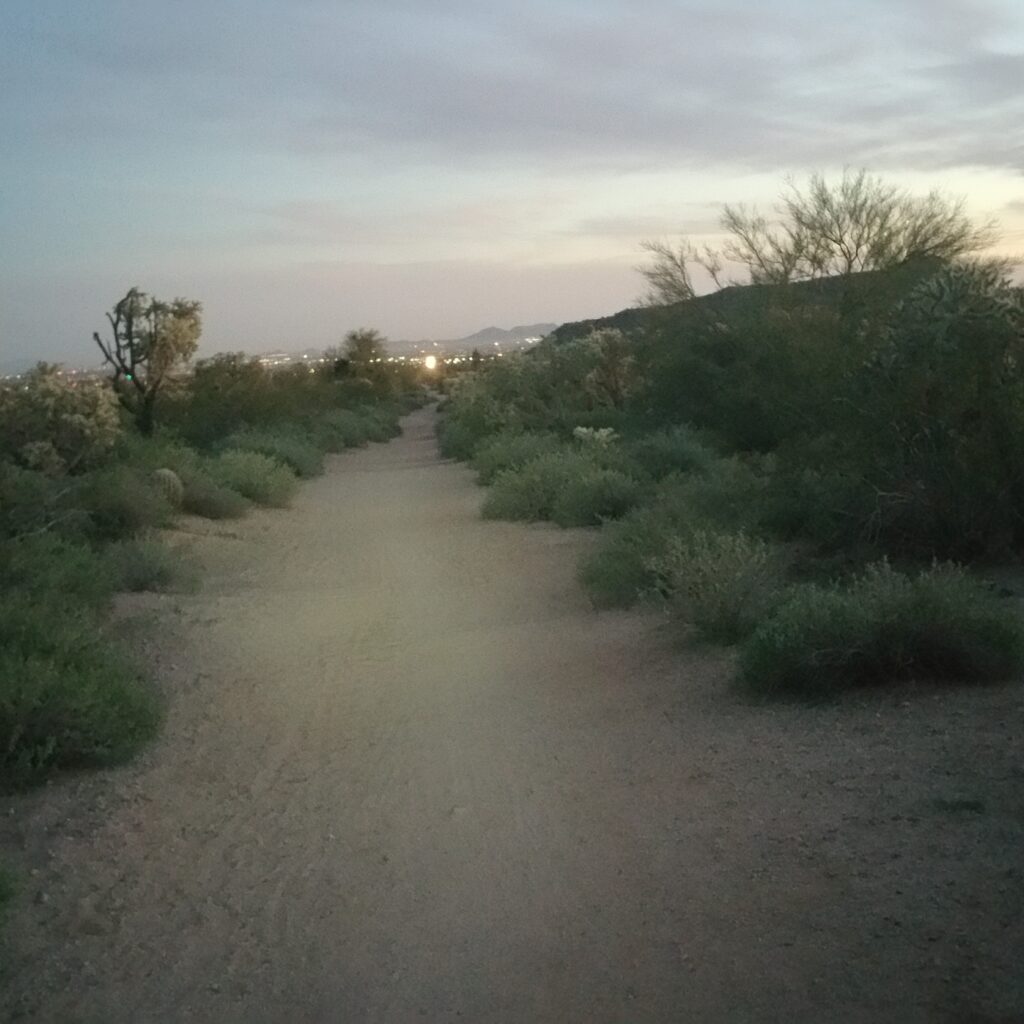
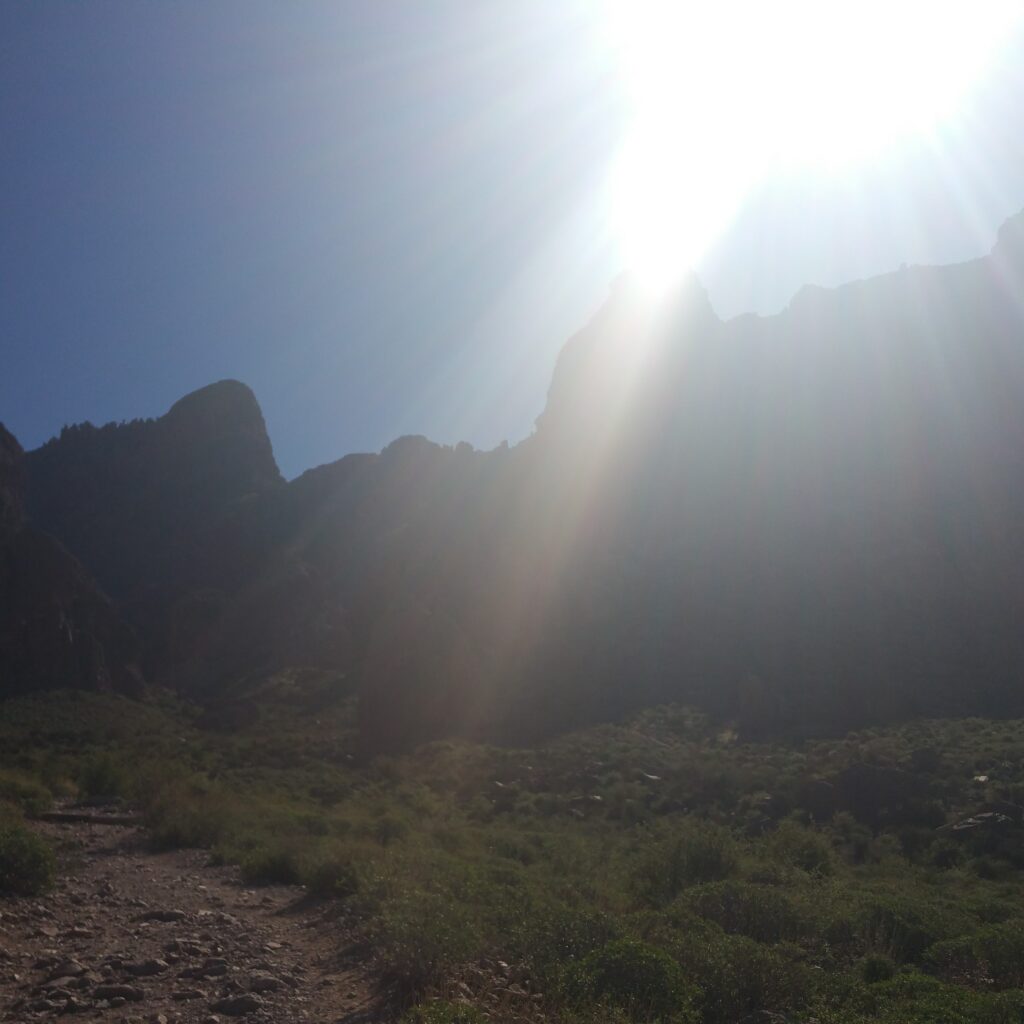
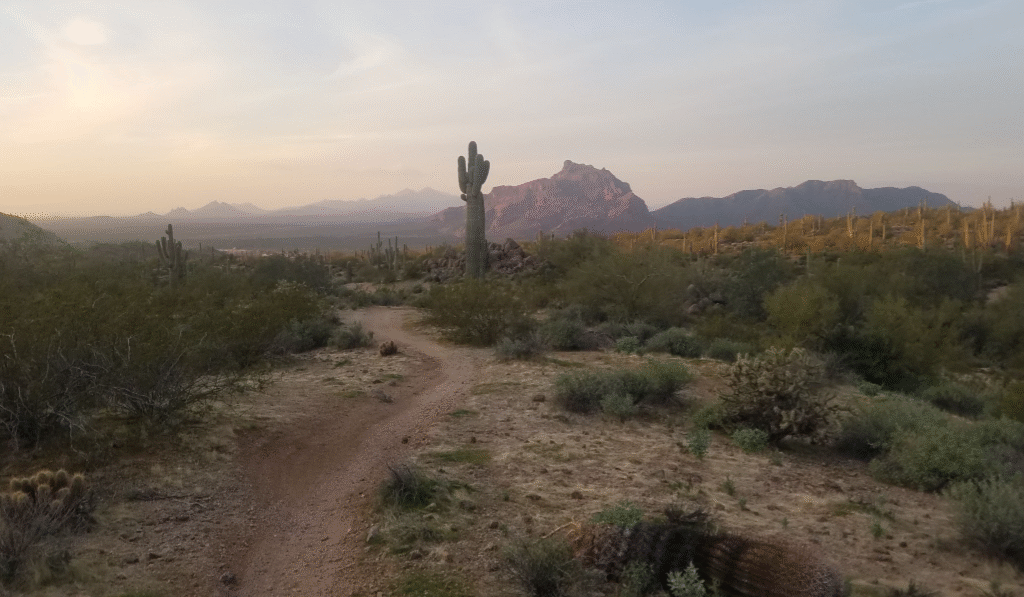
I’ve hiked the Hawes Trail System hundreds of times. Being just 15 minutes from home meant it was never something I had to plan around—it was simply there, ready whenever I needed it.

Over time, those trails became more than exercise. They turned into a reset button. A familiar place to think, to recalibrate, and to work things out one step at a time. No agenda, no pressure—just movement, space, and perspective.

Some places quietly heal you.
Those trails did exactly that.

I hope you enjoyed the pictures as much as I enjoy calling Arizona my part-time home, part-time Airbnb income generation—a place I return to when I’m not traveling.

IMG_20240402_080108 (1)

Uruguay – ferry, bus from Buenos Aires!

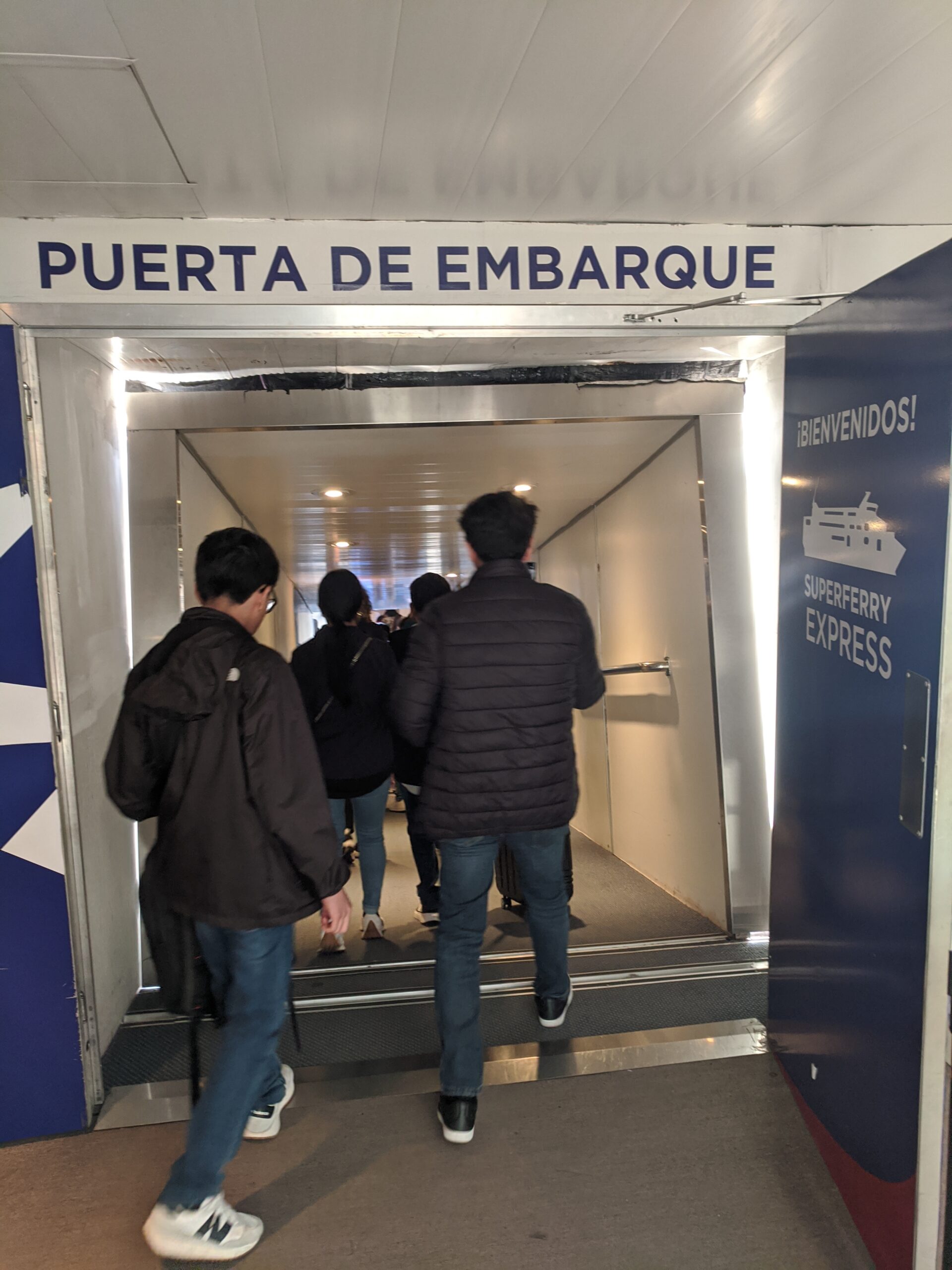
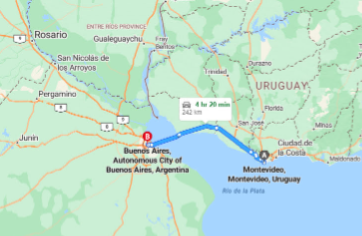
As part of my 2024 trip—which took me through Central America and into South America—I made a stop in Uruguay. Getting there was easy and inexpensive thanks to a short ferry ride from Buenos Aires across the Río de la Plata.

It was one of those classic travel decisions: cheap ferry, new country, zero downside. So… why not?

That’s one of the underrated perks of slow travel—when borders are close, transport is affordable, and curiosity wins.

I did not know what to expect as I had not read much about Uruguay. It was just the fact that I was so close to getting to experience it, and I took advantage of dropping another pin on the map. 📍🌏

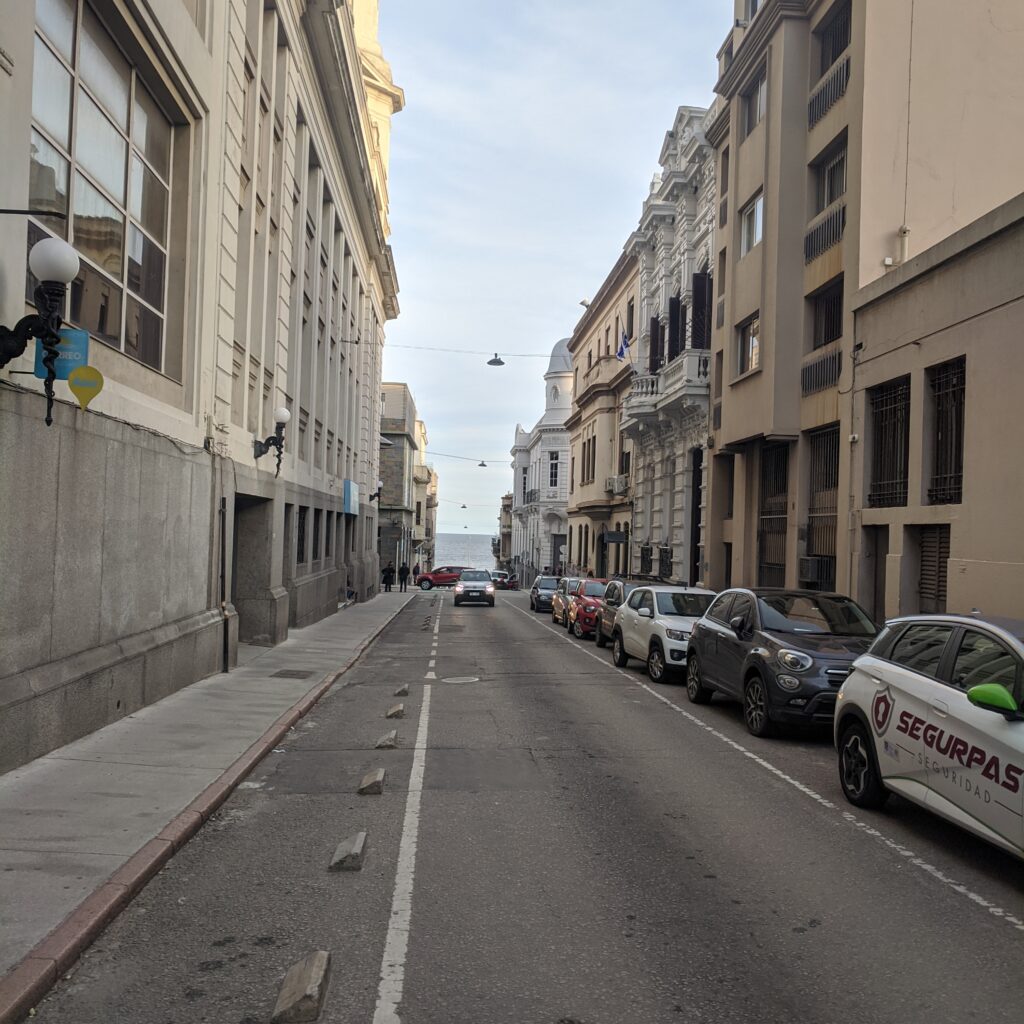
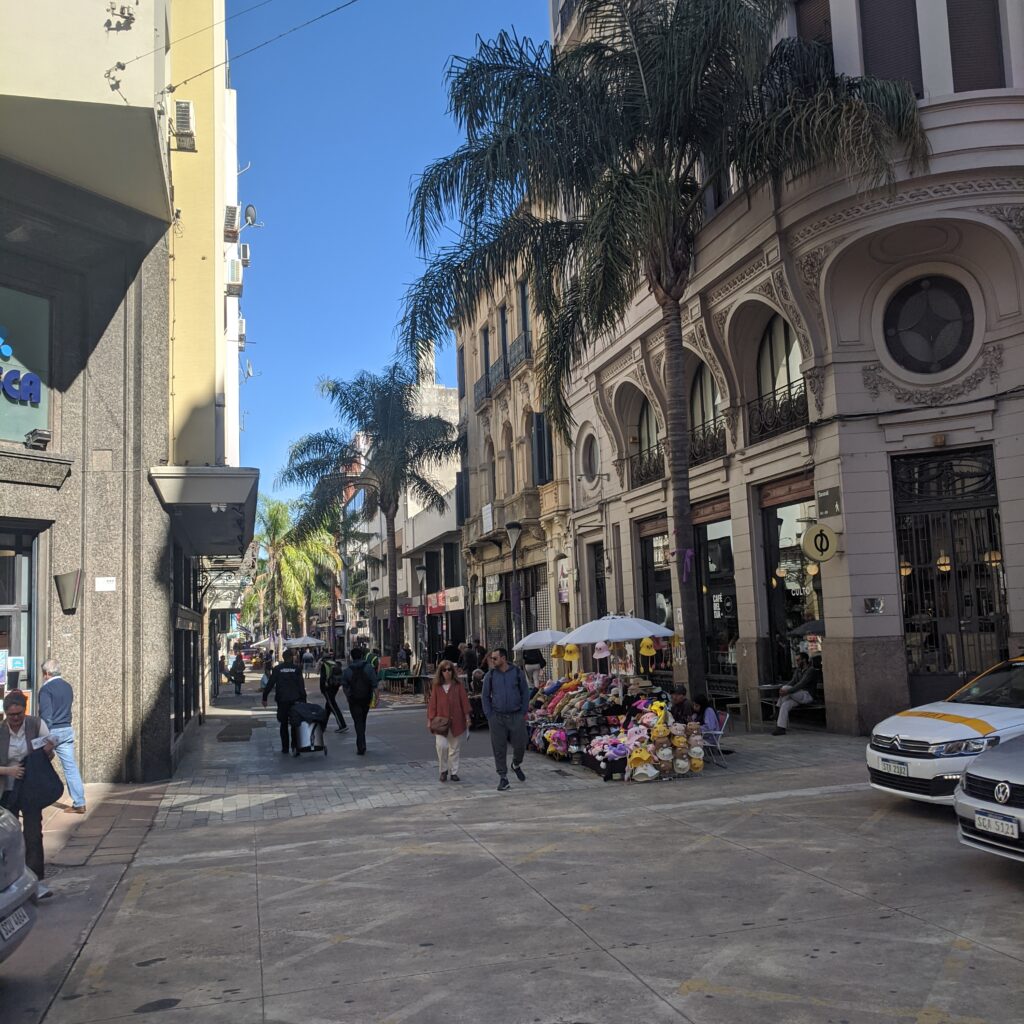
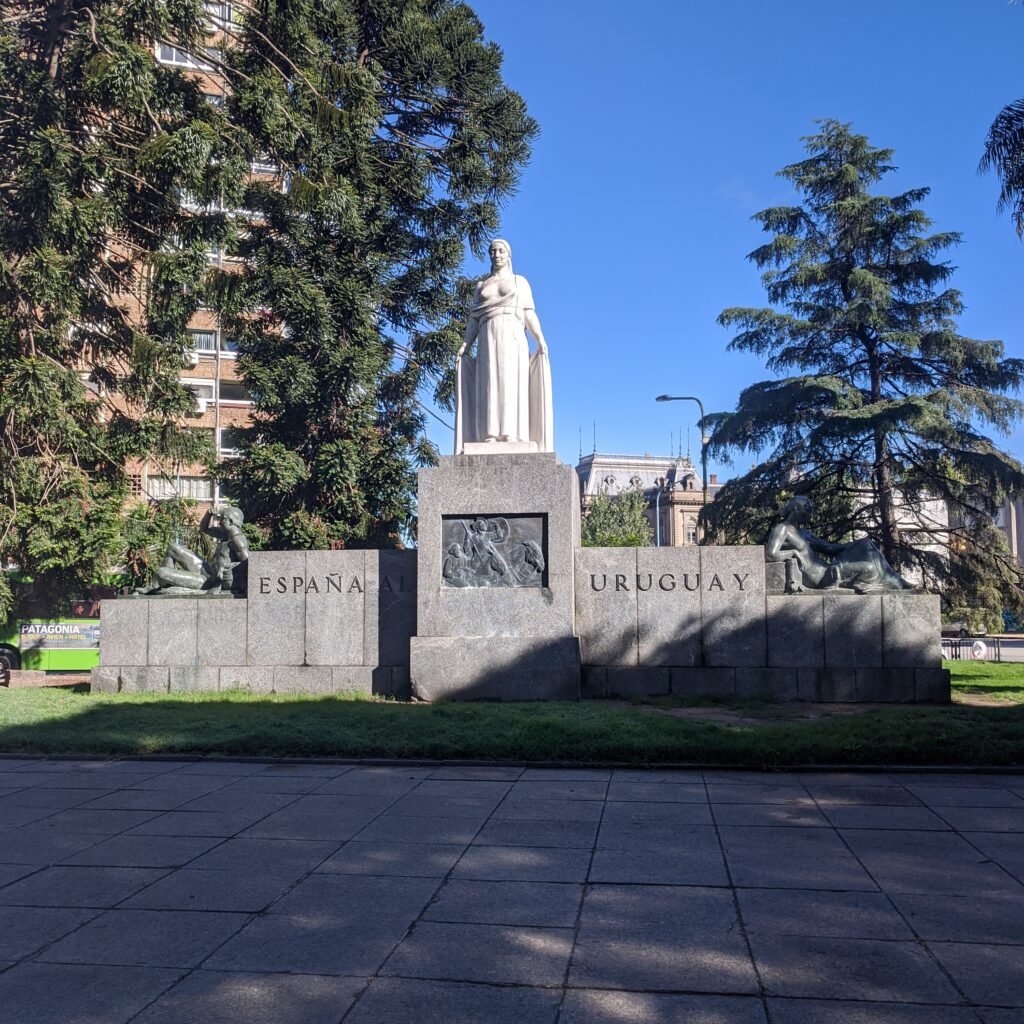
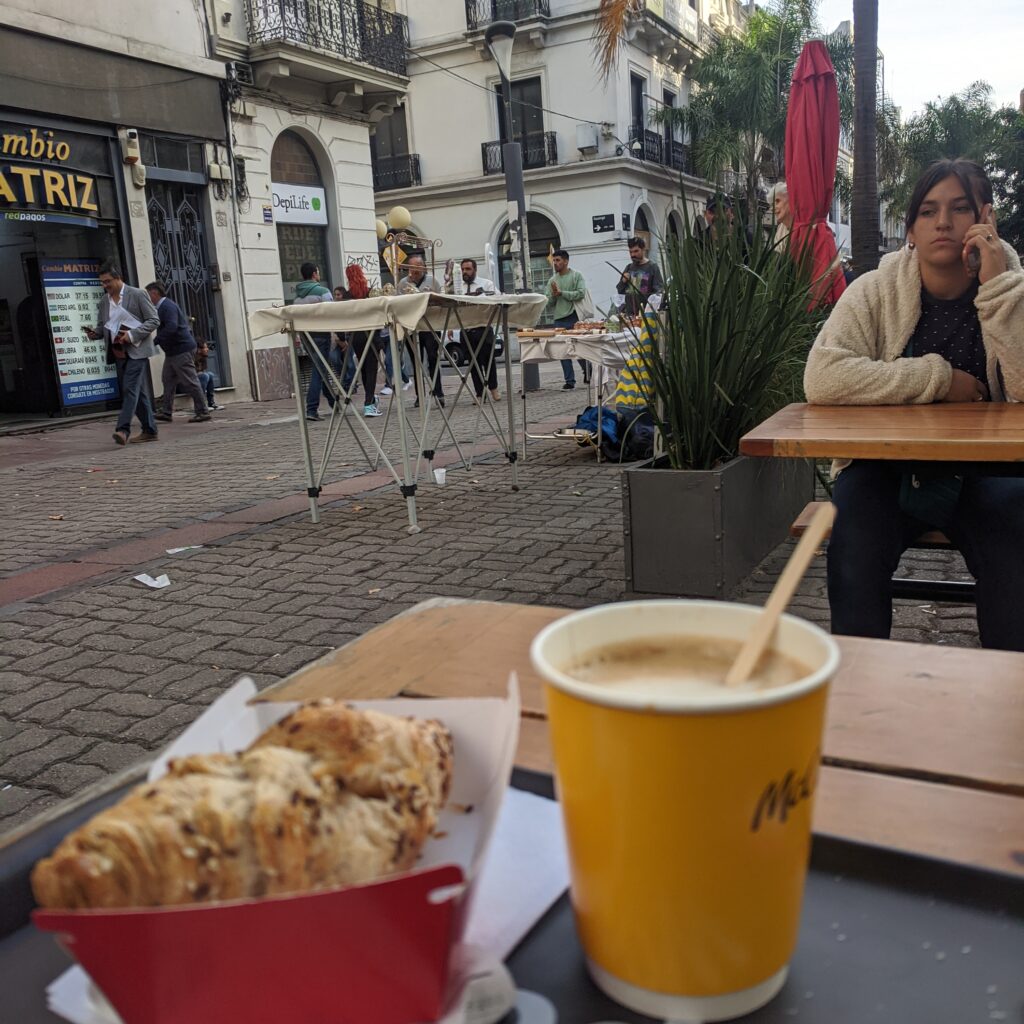
Montevideo has a great beach walk, very nice cobblestone downtown, and friendly people, but I do not need to go back.  There was nothing that stood out like most Countries other than my Airbnb. 

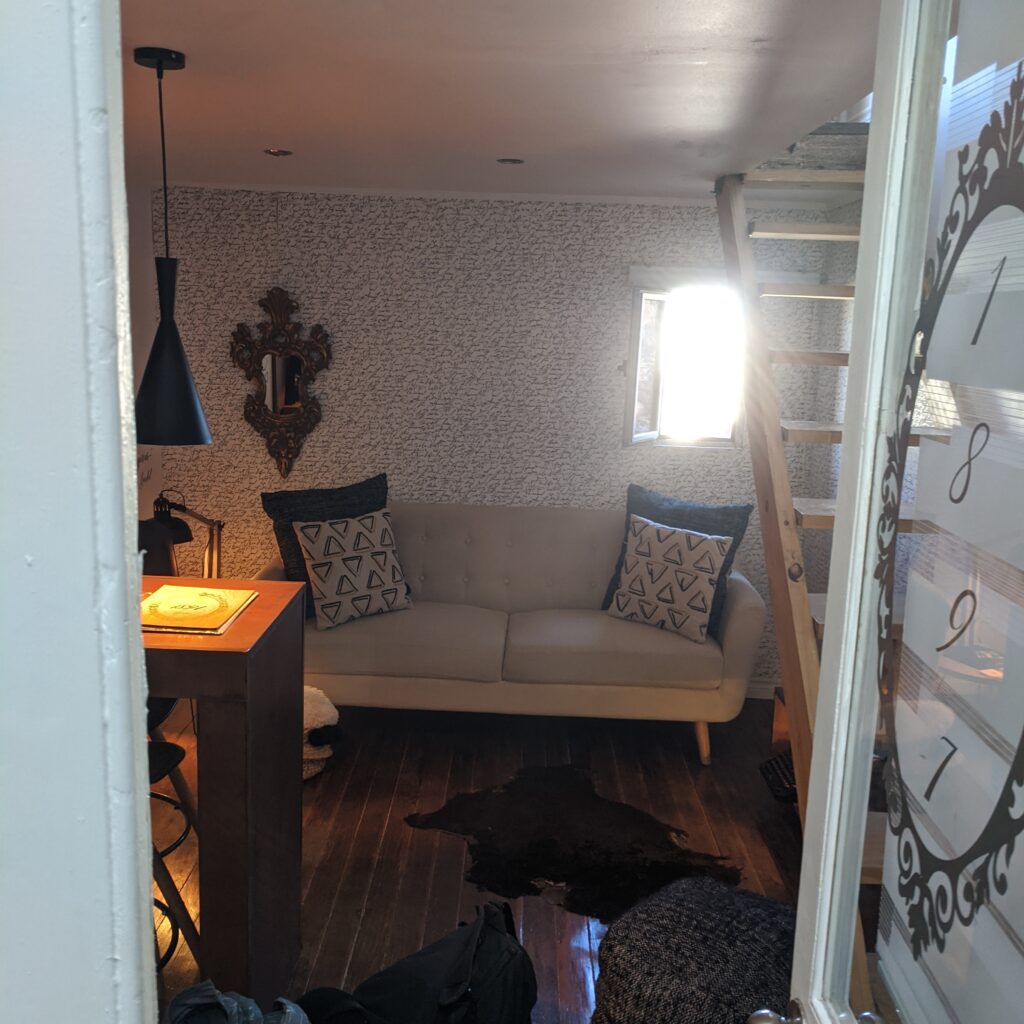
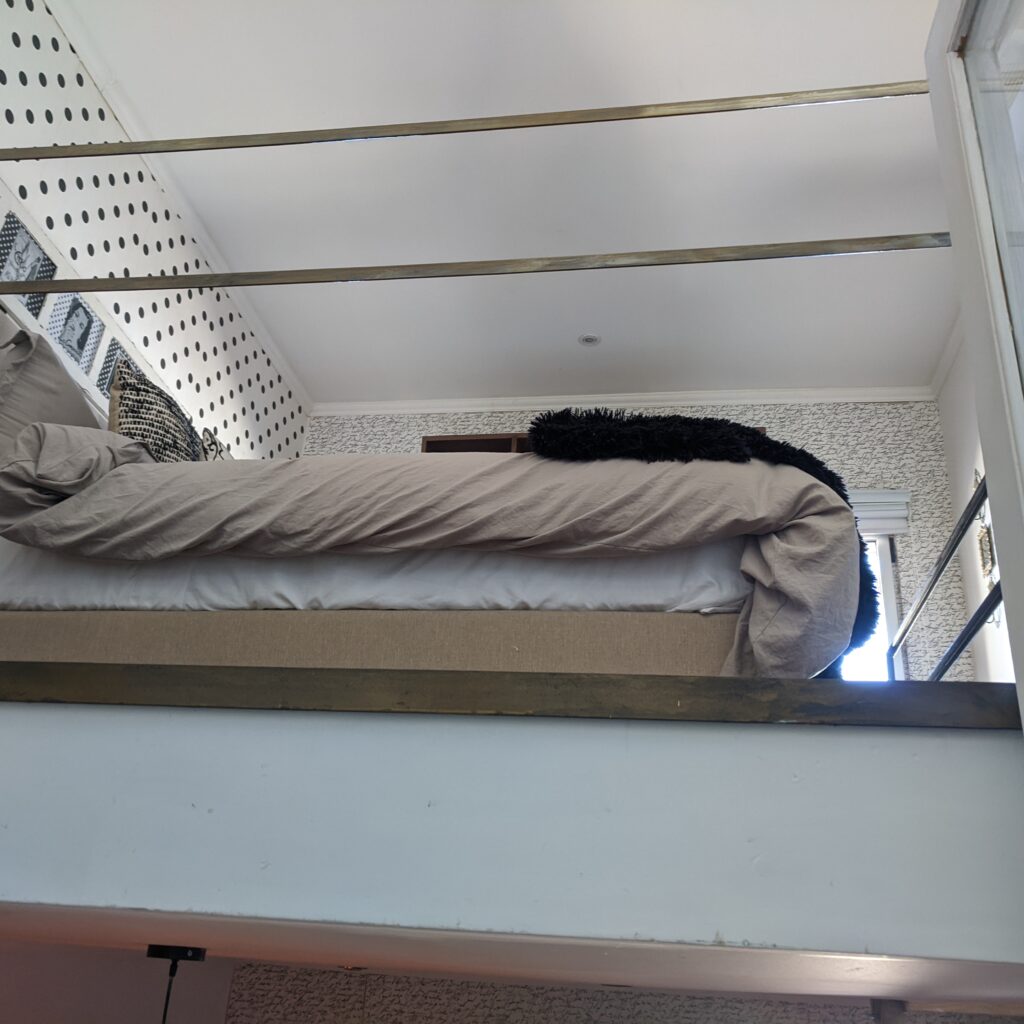
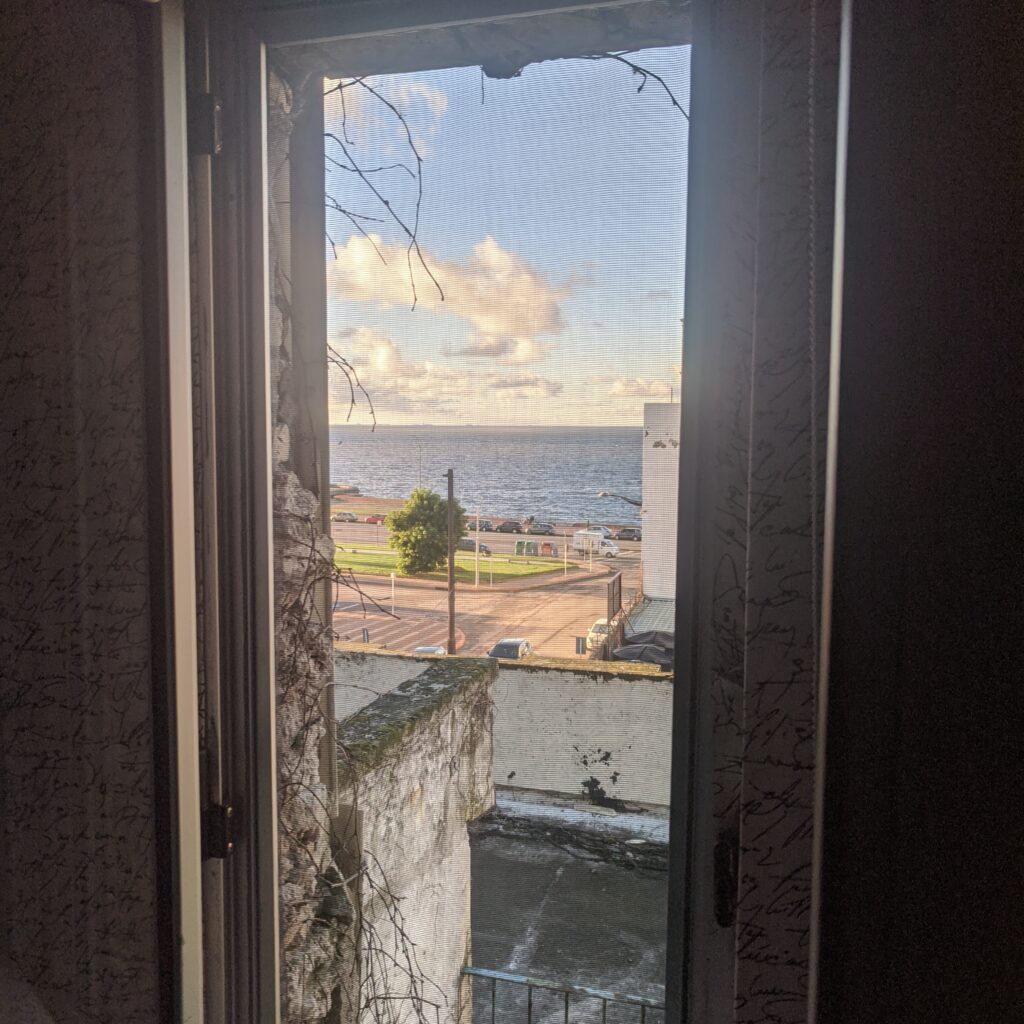
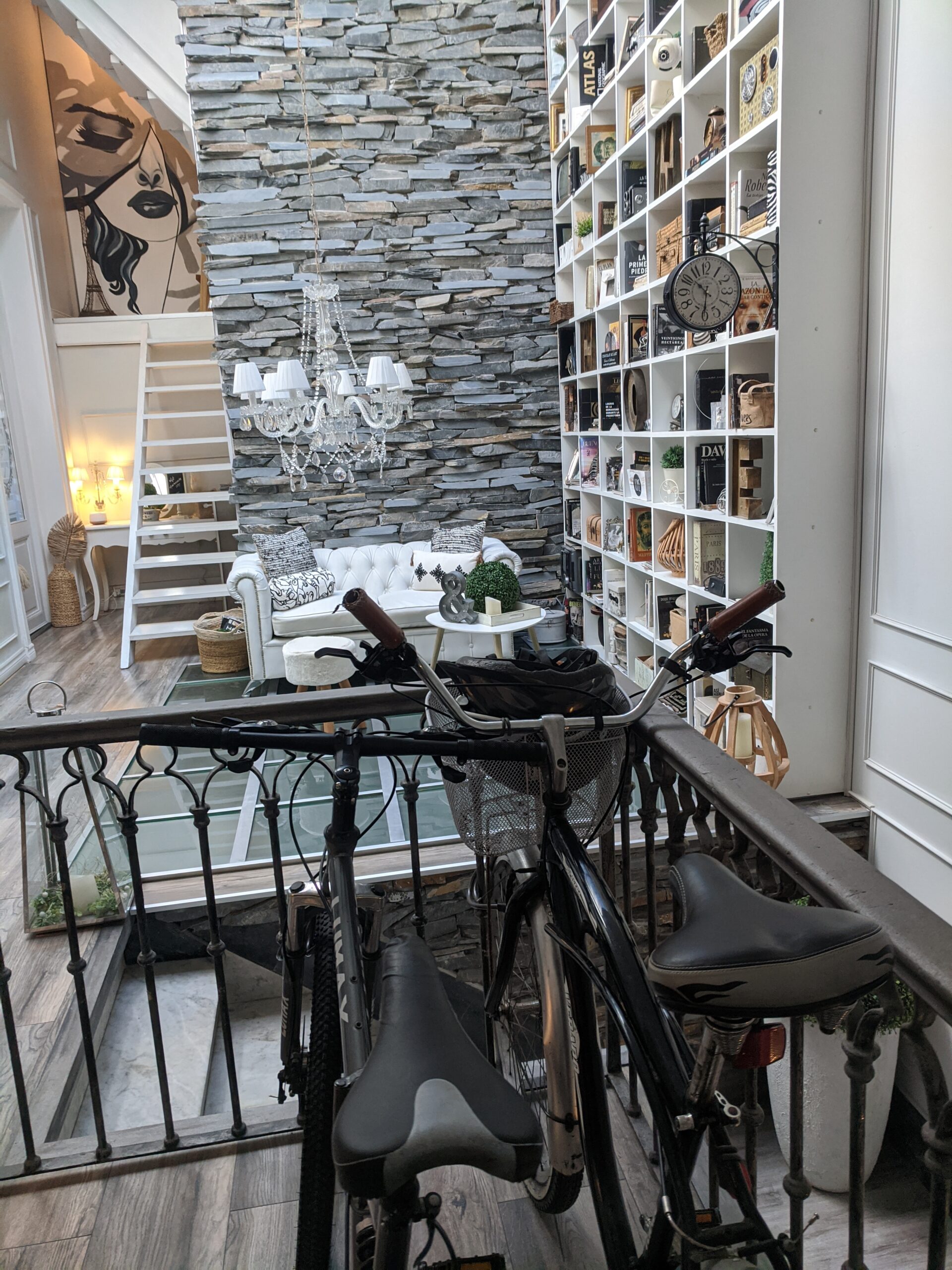
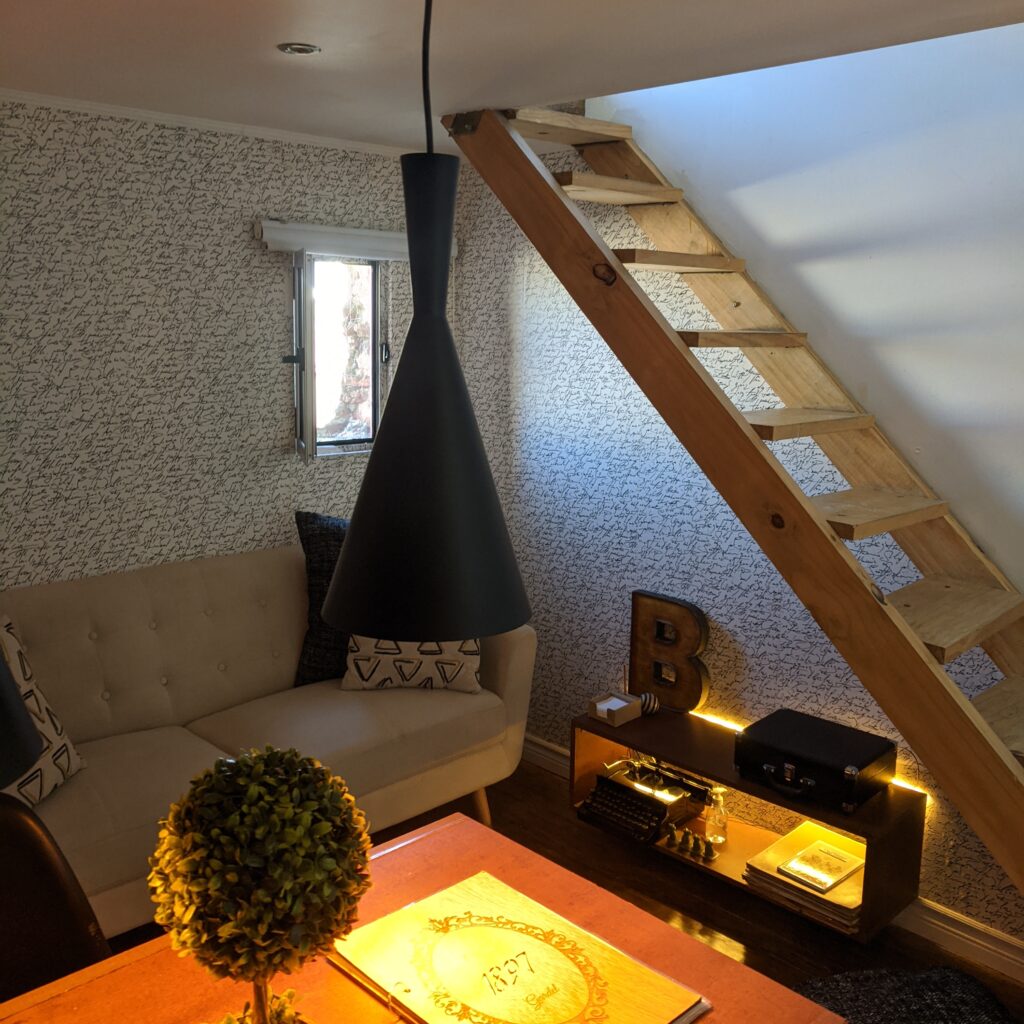
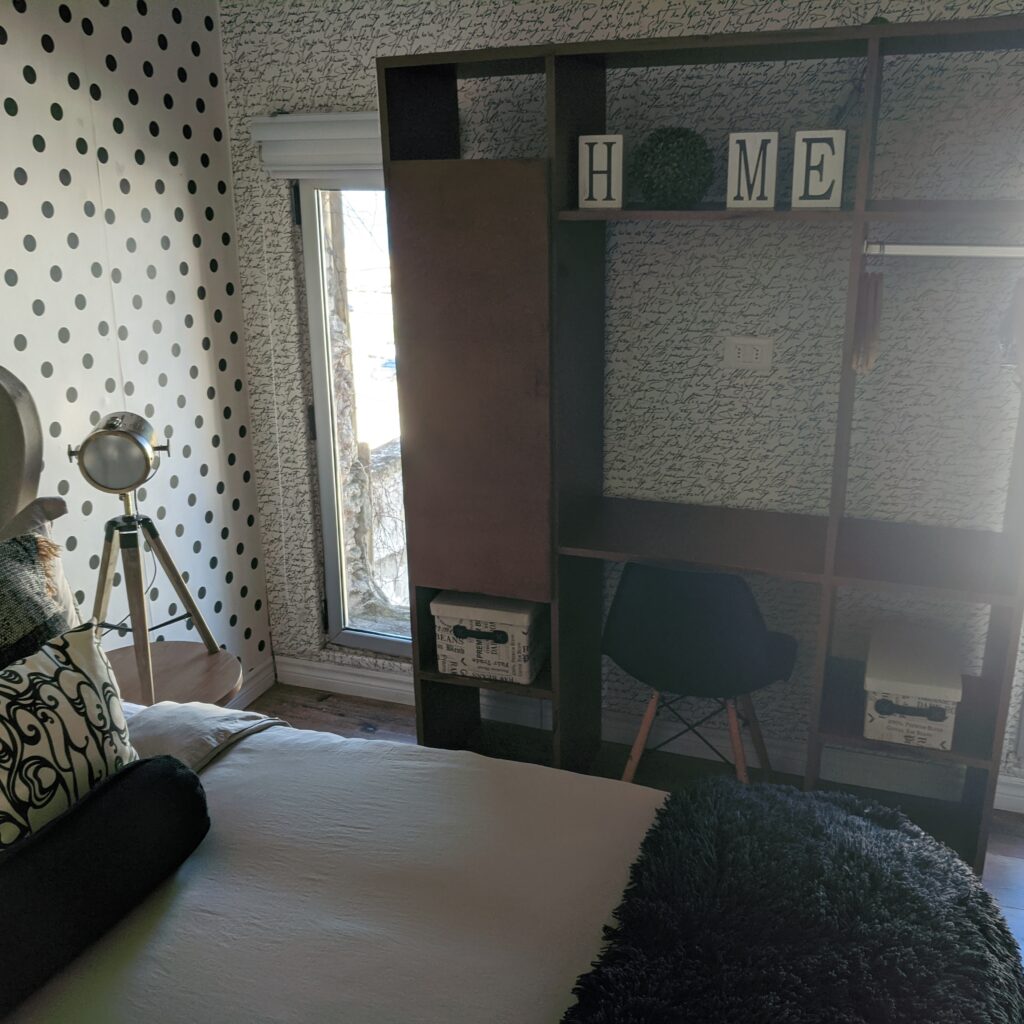
I have never experienced so much pride in the presentation of this place.  Every little nook and cranny had something awesome displayed and check out the view from the bedroom!

The couple who ran the Airbnb were architecture lawyers from Argentina, and their background showed in every detail. Their shared love of music and antiques turned the place into an absolute gem—not flashy, just deeply thoughtful.

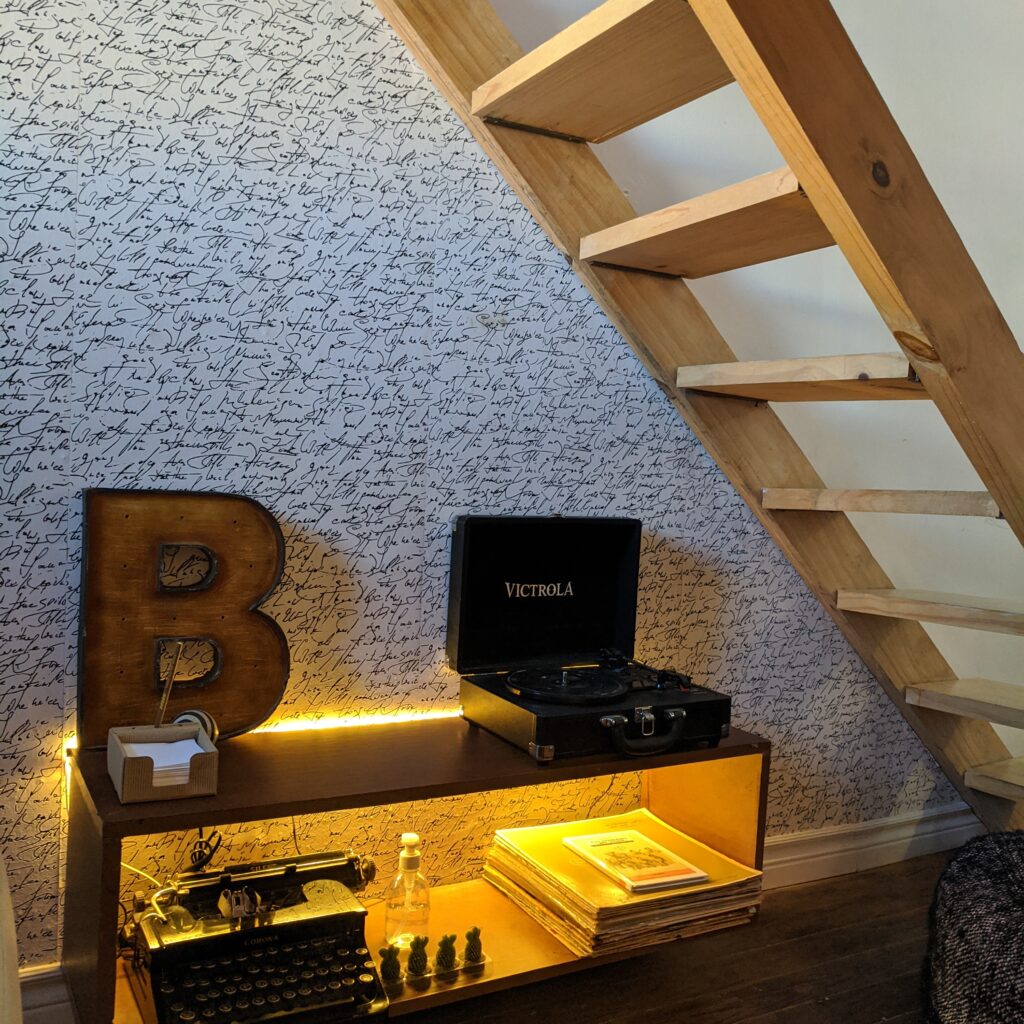
The lobby alone set the tone. A full wall of antiques, each piece clearly chosen with care, paired with calming music that made you slow down the moment you walked in. It didn’t feel like a rental—it felt like someone’s personal sanctuary that they happened to share.

It was one of those stays where the space itself becomes part of the travel experience. Honestly, that Airbnb left more of an impression on me than the city itself—and that says a lot.

There were hundreds and hundreds of trinkets throughout the property—every room, every corner, every shelf had something interesting to notice. During the day, jazz music played softly in the lobby, setting a calm, timeless mood. In my room, there was even a record player with a small collection of old jazz records. Sitting there, listening to vinyl and staring at the bookcase, felt almost meditative.

The Airbnb itself was about $25 a night, perfectly located between the main street and the ocean in Montevideo. You really couldn’t ask for a better setup.

It was hands down the best Airbnb experience I’ve ever had. Not because it was luxurious, but because it was thoughtful. Every detail felt intentional, personal, and cared for—and I’m genuinely glad I got to experience it. Some places stick with you because of what you see outside. This one stayed with me because of what was inside.

After spending the previous week in Argentina, the food scene in Montevideo was a bit of a shock—in the wrong direction.

Coming off Argentina’s absolute paradise of steaks, flavor, and value, these two meals were both underwhelming and overpriced. Not terrible in a dramatic sense, just disappointing enough that you immediately stop ordering food with any enthusiasm.

To be fair, I didn’t go to Montevideo for the cuisine—and after Argentina, that became very clear. Sometimes travel is about incredible meals. Other times, it’s about the place, the stay, and the experience around it.

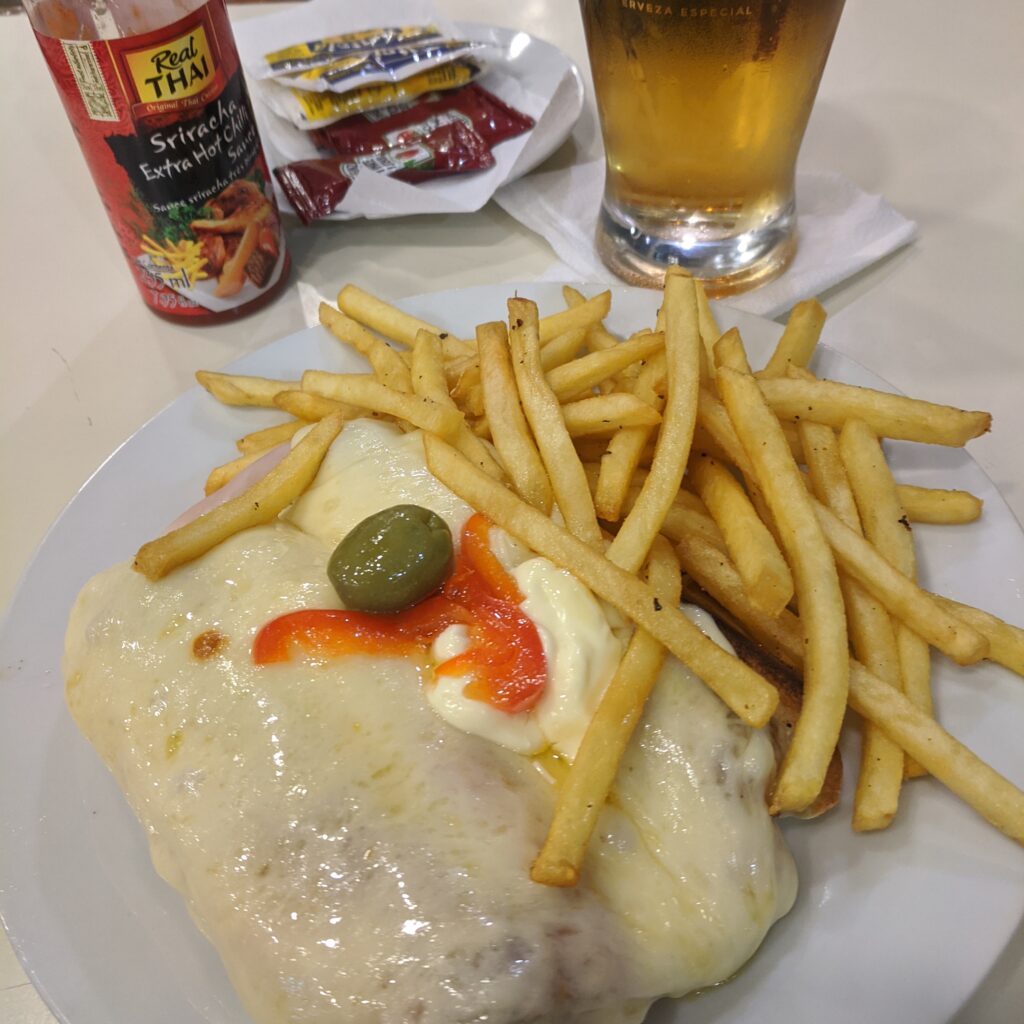
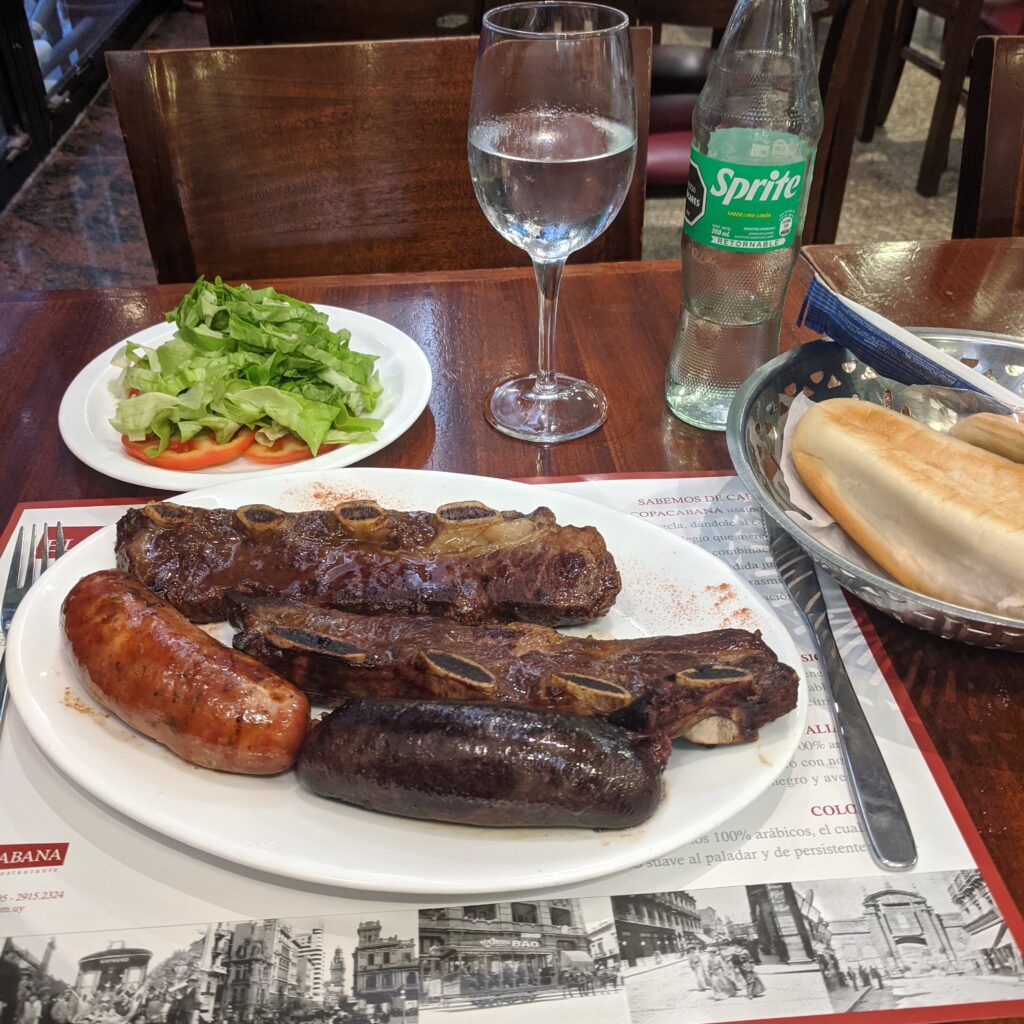
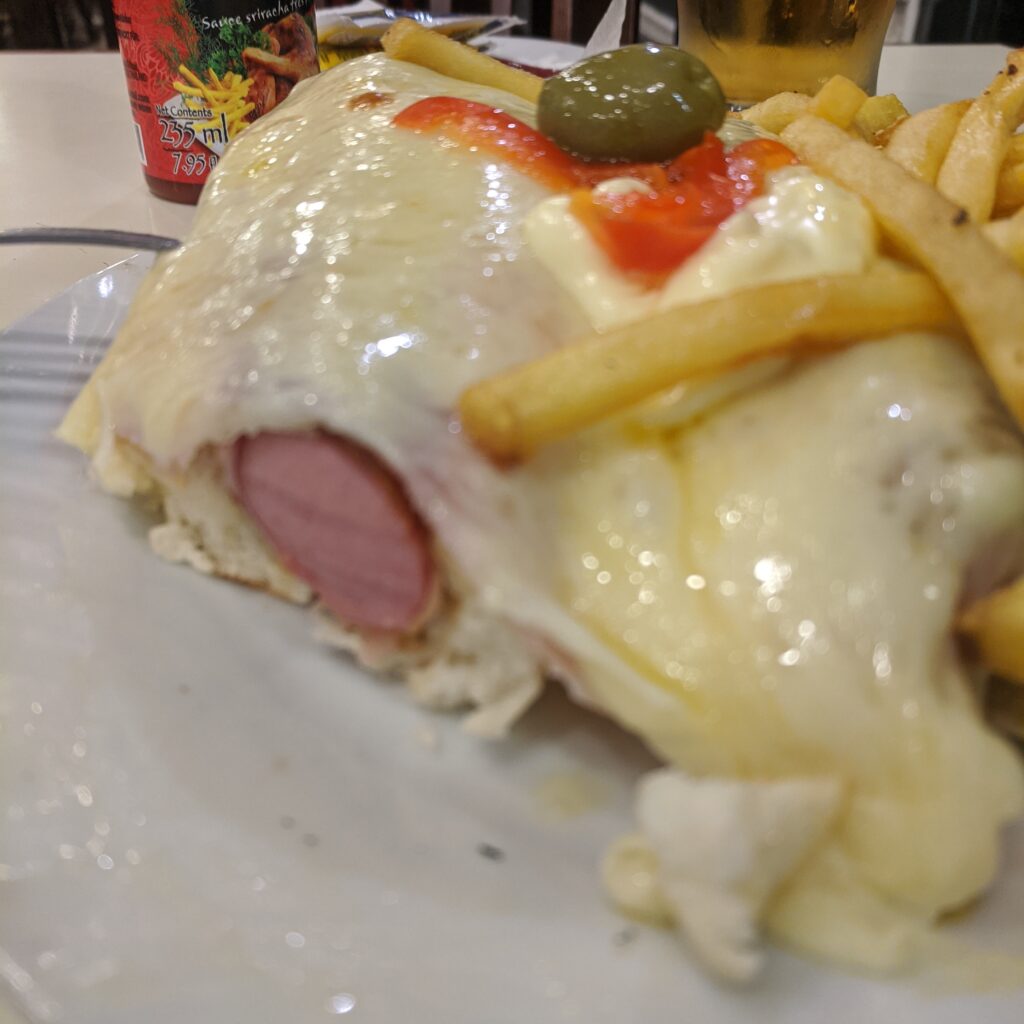
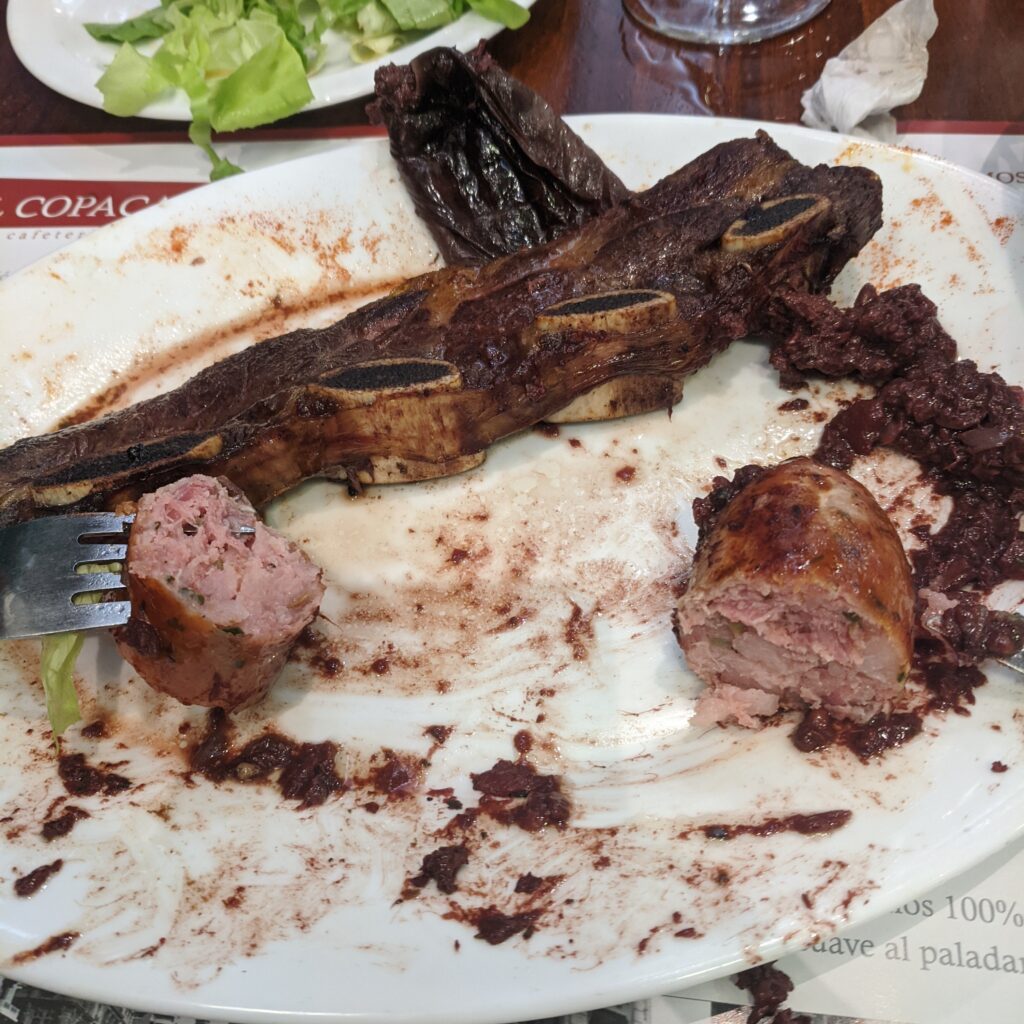
I played it safe both times and ordered the house special, mostly because I honestly didn’t know what else to order.

On the left: two hot dogs buried under what felt like five pounds of cheese. Just… not good. At all.
On the right: a meat plate that ran about $50, and when I cut into it, it was practically raw.

After a week of steak perfection in Argentina, this was a rough landing. I wasn’t expecting miracles, but I also wasn’t expecting hot dogs drowned in cheese or an expensive plate of meat that never met a grill properly.

It honestly may have just been bad luck both times. That said, after paying $50 for food that was raw and borderline inedible, I was beyond annoyed. I ended up calling my credit card company—and they refunded the charge without hesitation. It was the first time in my life I’d ever done that, which tells you how bad it was.

Thankfully, Montevideo redeemed itself in other ways. The city itself is relaxed and walkable, the coastline is beautiful, and that Airbnb more than made up for the food disappointment.

Between the thoughtful design, the music, the ocean proximity, and the price point, it was an incredible stay—especially considering how inexpensive it was. Sometimes travel works out that way: the meals miss, but the place, the vibe, and where you rest your head absolutely deliver.

A Brief History of Uruguay

Uruguay’s history is shaped by its position between two giantsArgentina and Brazil—and by centuries of struggle over who would control it.

Indigenous Roots

Before Europeans arrived, the region was inhabited primarily by the Charrúa people. They were semi-nomadic hunters and resisted colonization fiercely. Tragically, most of the Charrúa population was wiped out during the 19th century, making Uruguay one of the few South American countries with a very small remaining Indigenous population today.

Spanish vs. Portuguese Tug-of-War

Unlike much of South America, Uruguay wasn’t immediately colonized. Spain and Portugal both wanted it, largely because of its strategic location along the Río de la Plata.

  • Colonia del Sacramento was founded by the Portuguese in 1680

  • Spain countered by establishing Montevideo in 1726

For over a century, control of the region shifted back and forth between the two empires.

Independence & Artigas

Uruguay’s path to independence was complicated. The country’s national hero, José Gervasio Artigas, led resistance movements in the early 1800s, advocating federalism and local autonomy.

After periods of occupation by both Argentina and Brazil, Uruguay finally became an independent nation in 1828, largely as a buffer state to prevent conflict between its neighbors.

20th Century: Stability & Reform

In the early 1900s, Uruguay earned a reputation as one of the most progressive countries in the world:

Early adoption of free public education

Separation of church and state

Strong labor protections and social welfare programs

This era gave Uruguay the nickname “the Switzerland of South America.”

Dictatorship & Recovery

Like many Latin American countries, Uruguay experienced a military dictatorship from 1973 to 1985. Democracy was restored peacefully, and since then, Uruguay has been one of the most stable, democratic, and transparent nations in the region.

Modern Uruguay

Today, Uruguay is known for:

Strong democratic institutions

High quality of life

Liberal policies (early legalization of same-sex marriage and cannabis)

A calm, understated culture compared to its neighbors

It’s not flashy. It’s not chaotic. And for many people, that’s exactly the appeal.

IMG_20240406_142756

Buenos Aires, Argentina! ⚽🏟️🤤🥩

When I was laid off in February 2024, the very first thing I did was start planning a trip through Central America and South America. I’d been there before, but seeing South America again felt different this time—less rushed, more intentional, and exactly what I needed.

The journey started in Phoenix and unfolded like this:

Phoenix → Los Angeles 🚌

Los Angeles → Guatemala → Costa Rica → Peru ✈️✈️✈️✈️

Lima → Chile → Argentina → Uruguay → Guatemala → Los Angeles → Phoenix ✈️✈️✈️✈️✈️✈️✈️

Along the way, I visited multiple cities in each country, took my time, and let the trip evolve as it went. Every stop had its own rhythm and personality.

That said, one place stood out enough that it deserved its own post: Buenos Aires.

There’s something about Buenos Aires—the food, the architecture, the pace of life—that makes it linger in your head long after you leave. So instead of trying to cover everything at once, I wanted to slow it down and give that city the space it deserves.

Buenos Aires, Argentina—It was absolutely unforgettable!


I took the bus to Los Angeles, then used my Volaris all-you-can-fly pass to work my way through Guatemala, San José, and on to Lima.

The pass costs about $200 per year and runs on availability. In real life, I’ve rarely had issues—if you’re flexible with timing and routing, there are almost always seats open.

It’s a perfect example of how cheap flights can unlock big trips. With a little patience, that single pass turns Los Angeles into a gateway to Central and South America.

Once you’ve paid the $200, the prices get kind of ridiculous. I could fly from Los Angeles to Guatemala for about $80. The same plane continues on to San José for another $30. I’d done both routes before, so I knew I could push as far south as Lima and then switch airlines.

From there, SKY Airline took me from Lima to Santiago, and then on to Buenos Aires—which was fantastic.

I hopped a ferry over to Uruguay for a few days, then back to Argentina, back to Lima, and finally used my Volaris pass to get the rest of the way home. The result: a surprisingly long, surprisingly affordable trip.

Now—let’s focus on Buenos Aires (BA), since the intro mirrors my Santiago, Chile post.

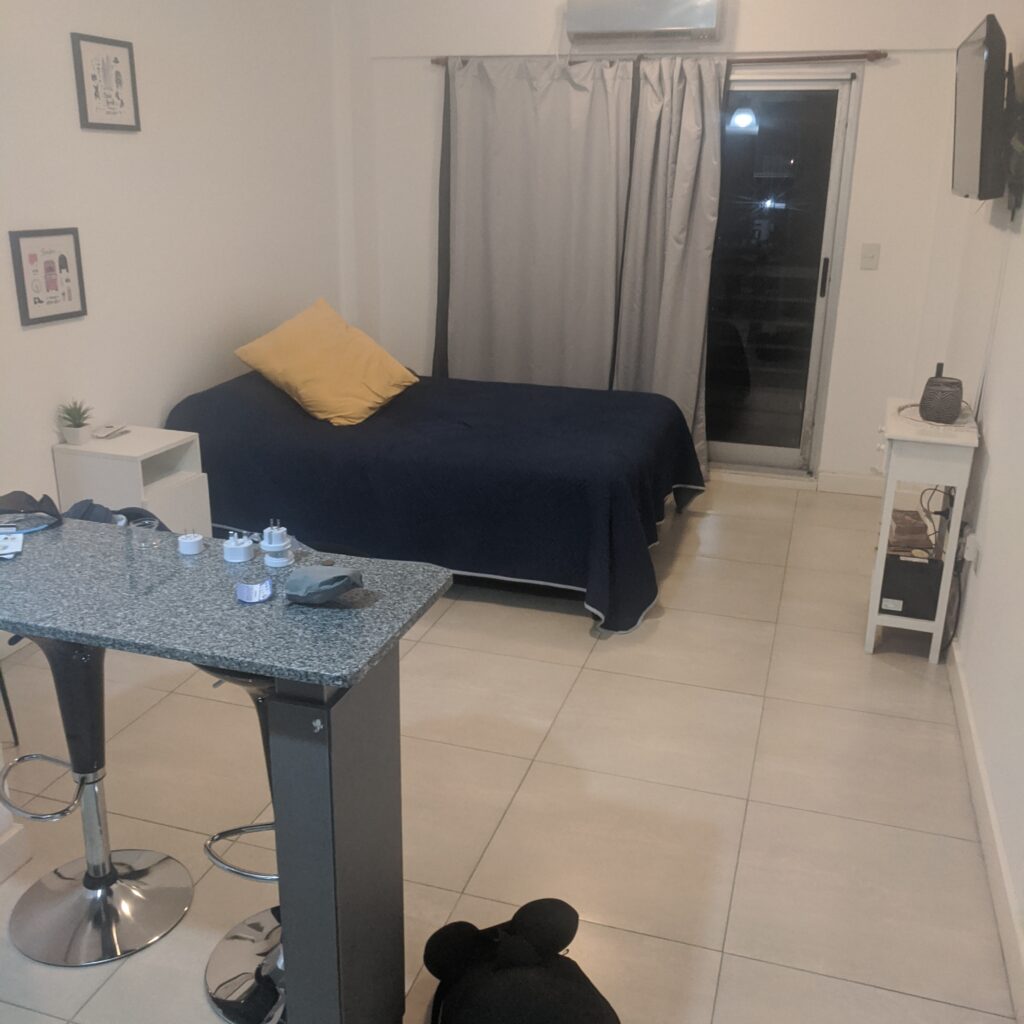
This was my $20-a-night studio in a high-rise near downtown Buenos Aires. The accommodations were cheap, the food was even cheaper, and the value was off the charts.

To get oriented, I jumped on the double-decker bus and knocked out all the tourist traps in one go—easy, efficient, and worth every peso.

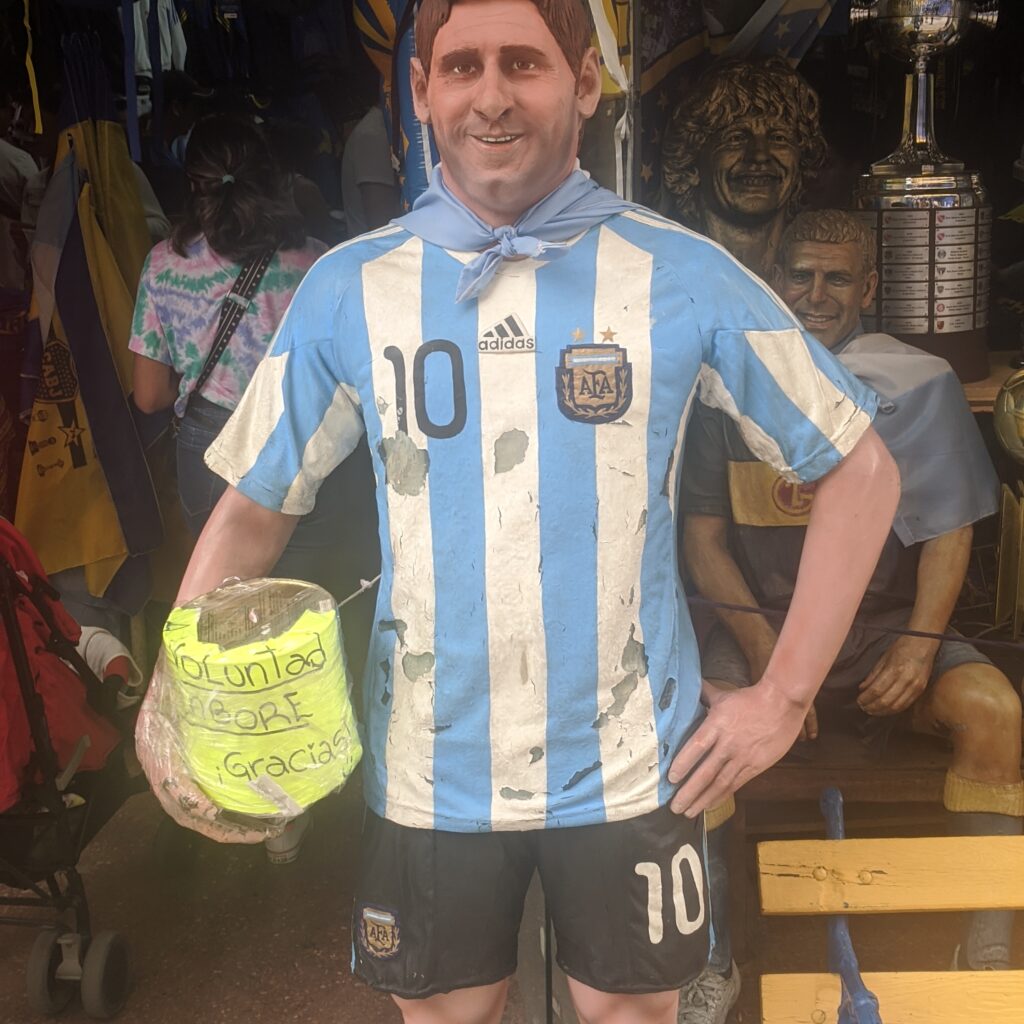
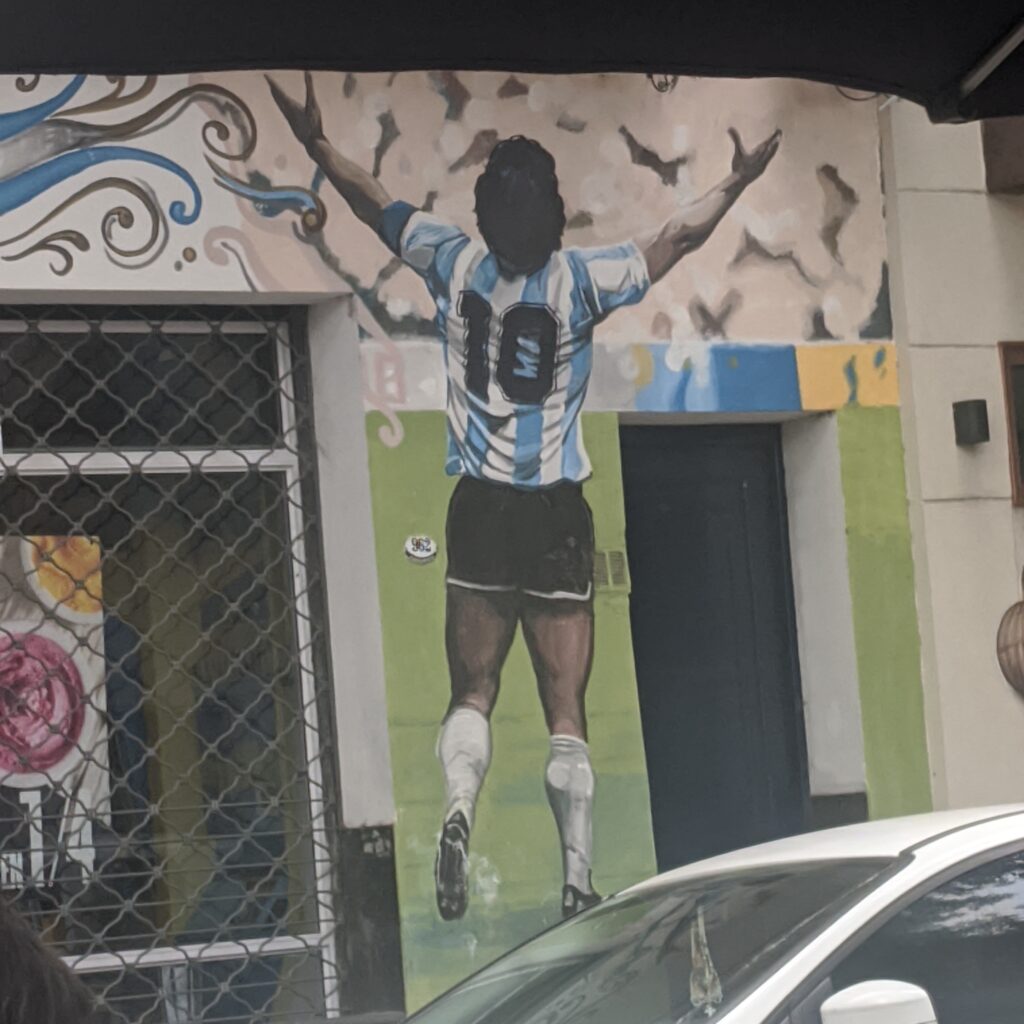
When people think of legendary sports figures from Argentina, two names usually come to mind almost immediately:

Diego Maradona
and…
Jorge.

Yes—Jorge.

More formally known as Lionel Messi, whose full name is Jorge Lionel Messi. In Argentina, he’s earned the rare privilege of first-name-only status—right alongside Maradona.

Maradona represents the raw, rebellious, almost mythological side of Argentine football. Chaos, genius, controversy, and magic all wrapped into one flawed human.
Messi represents precision, consistency, and quiet brilliance. A machine built for beauty. Different eras, different personalities—but both are stitched deep into the country’s identity.

You don’t need to follow football closely to feel it here.

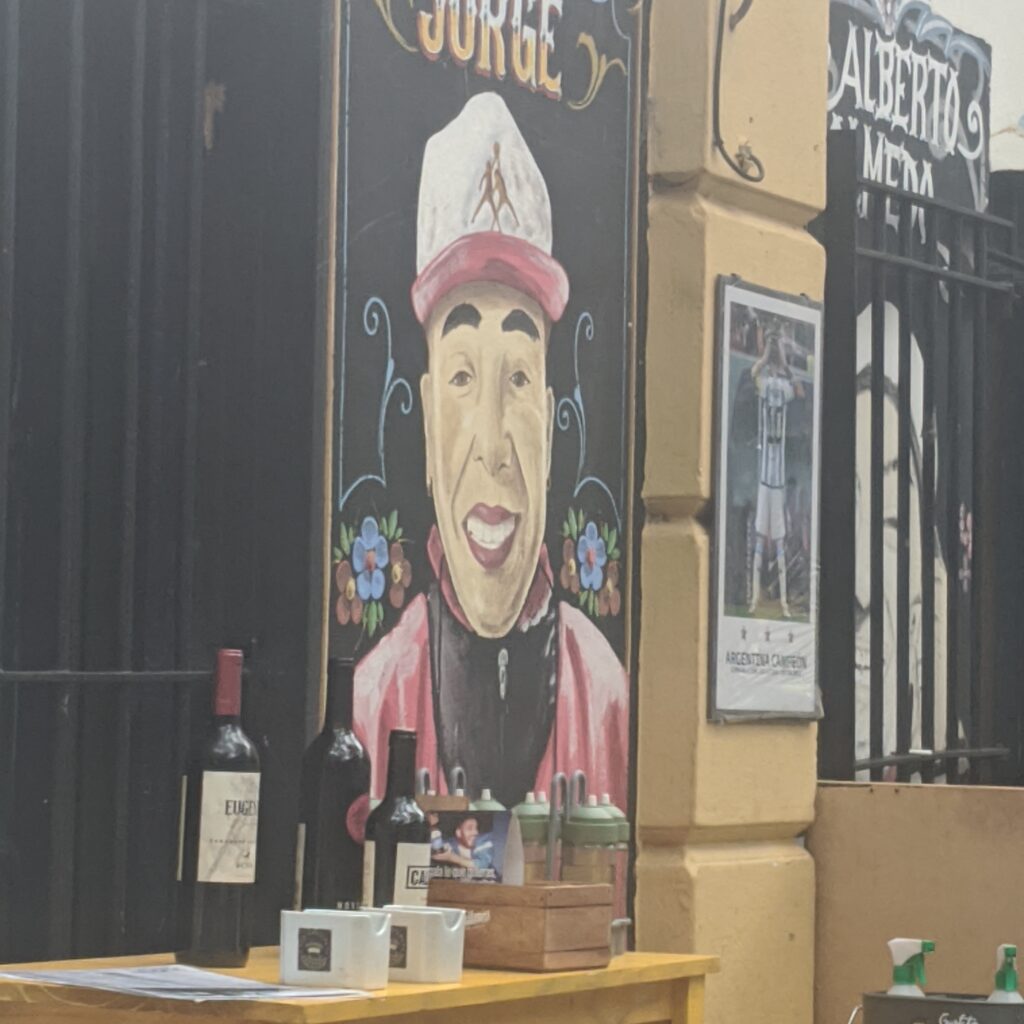
Murals.
Jerseys.
Taxi conversations.
Corner cafés with TVs permanently tuned to replays.

These men aren’t just athletes in Argentina—they’re cultural landmarks.

Maradona’s legacy is shouted.
Messi is spoken of with reverence.

For context, Maradona earned 91 international caps, scored 34 goals, and played in four FIFA World Cups. His crowning moment came in 1986, when he captained Argentina to victory in Mexico—delivering both the infamous “Hand of God” goal and the “Goal of the Century” against England in the same match.

Messi’s story is different—longer, quieter, more surgical—but no less historic. His arc completed itself when he finally lifted the World Cup in 2022, cementing what many already believed.

Both were revolutionary in their own ways.

But as you walk the streets of Argentina, past walls covered in paint and memory, it’s easy to tell who the original folk hero was.

One name lives in legend.
The other lives in legacy.

Maradona…
and Jorge

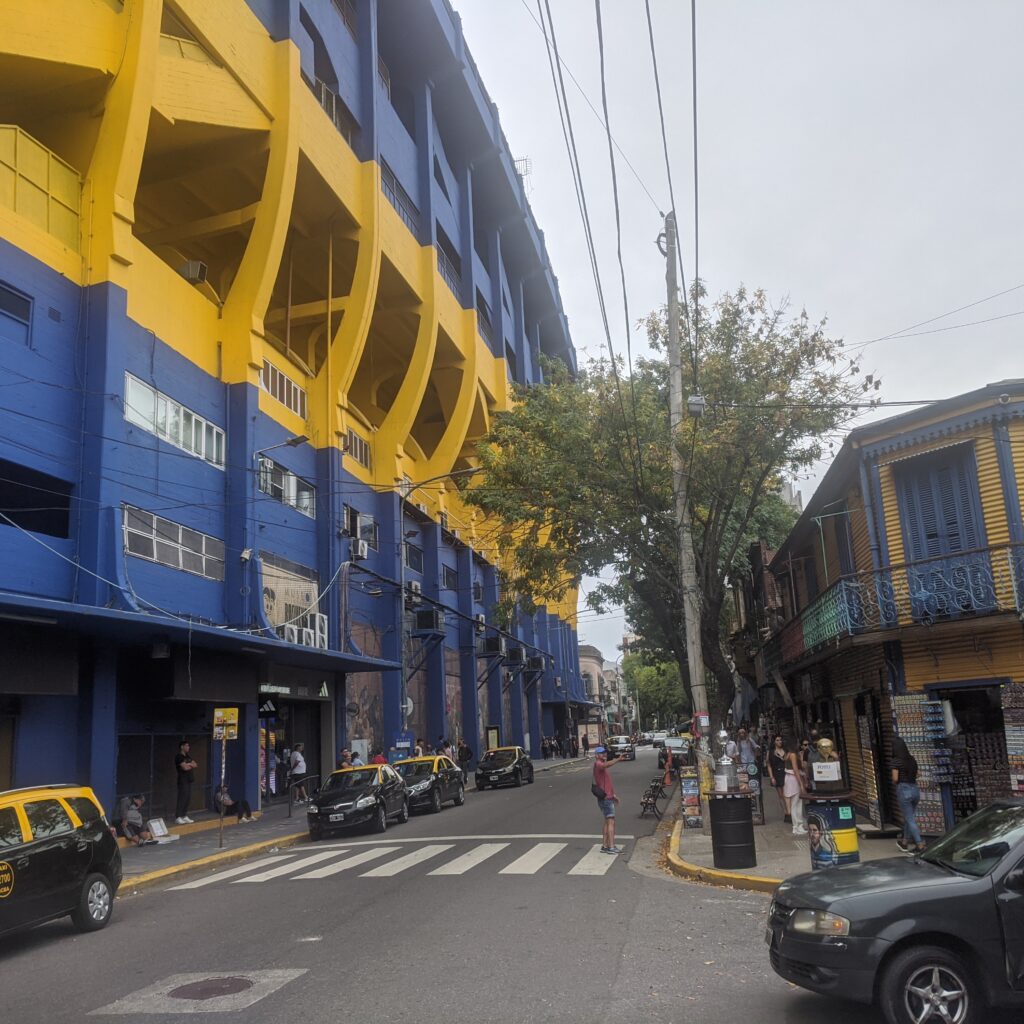
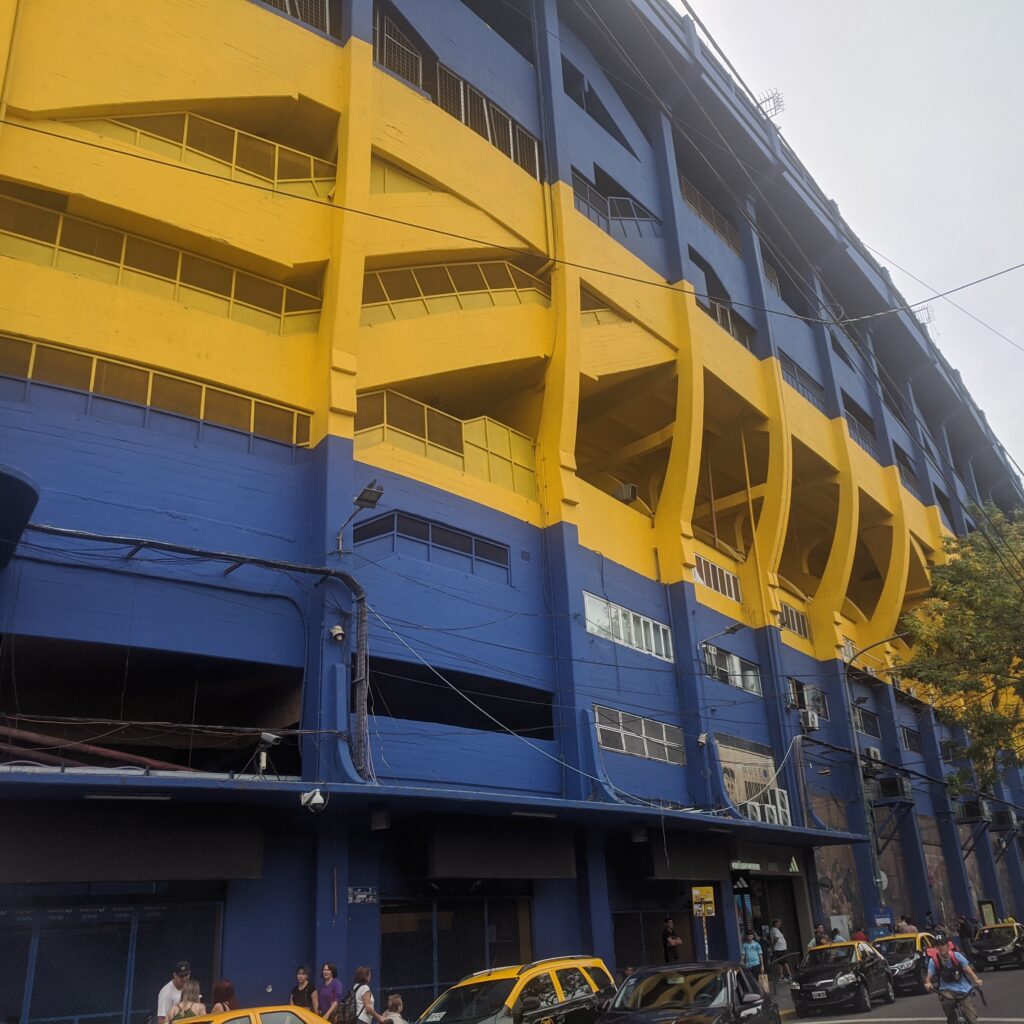
I also visited Boca Juniors, the club that Diego Maradona helped turn into a legend.

Their home stadium, La Bombonera, is considered one of the most famous—and intimidating—stadiums in the world.

Even empty, it has a pulse.

The impossibly steep stands, the tight neighborhood pressing in around it, and the history baked into the concrete make it feel less like a stadium and more like a shrine. It doesn’t whisper; it hums.

You don’t need a match day to understand why Boca—and Maradona—mean so much here.
You just have to stand still and listen and watch the fans interact.

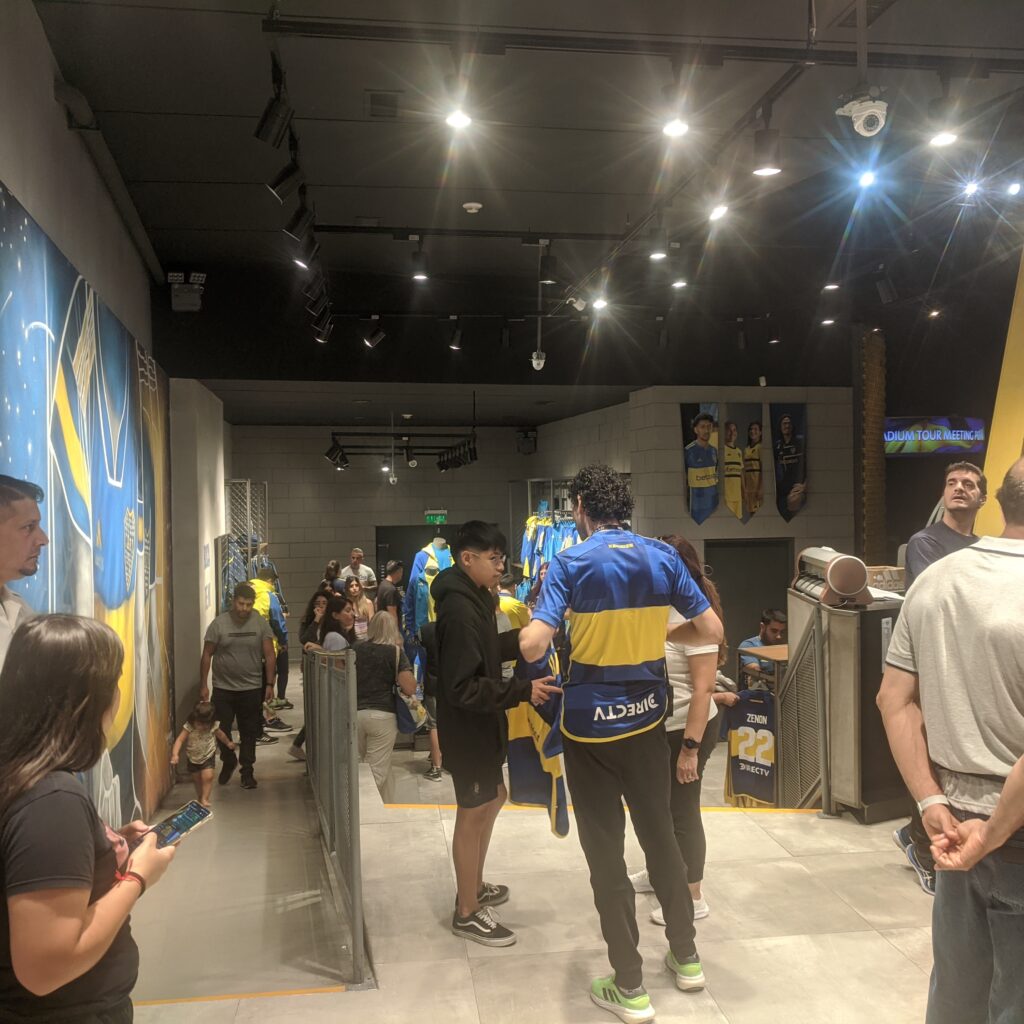
I toured the neighborhood and the La Boca football museum!

Club Atlético Boca Juniors is a professional sports club based in La Boca, one of the most iconic—and unapologetically colorful—areas of Buenos Aires. The club is best known for its men’s football team, which, since earning promotion in 1913, has never left the Argentine Primera División.

Boca Juniors is the most successful club in Argentina, with 74 official titles, including:

35 Primera División championships

17 domestic cup titles

Plus an honorary title awarded by the Argentine Football Association for Boca’s influential 1925 European tour, which helped put Argentine football on the global map.

Simply put, Boca Juniors isn’t just a club—it’s an institution.

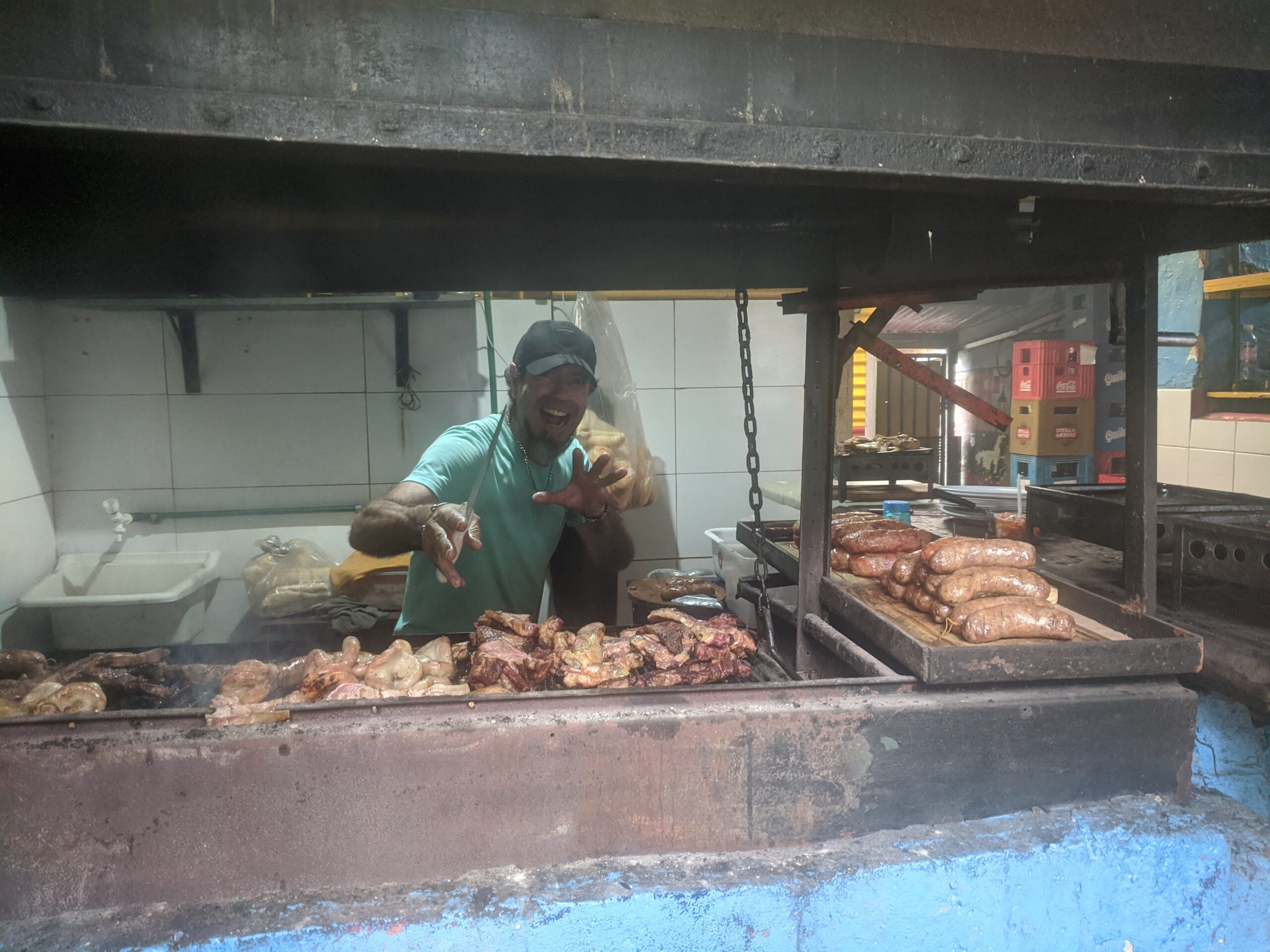
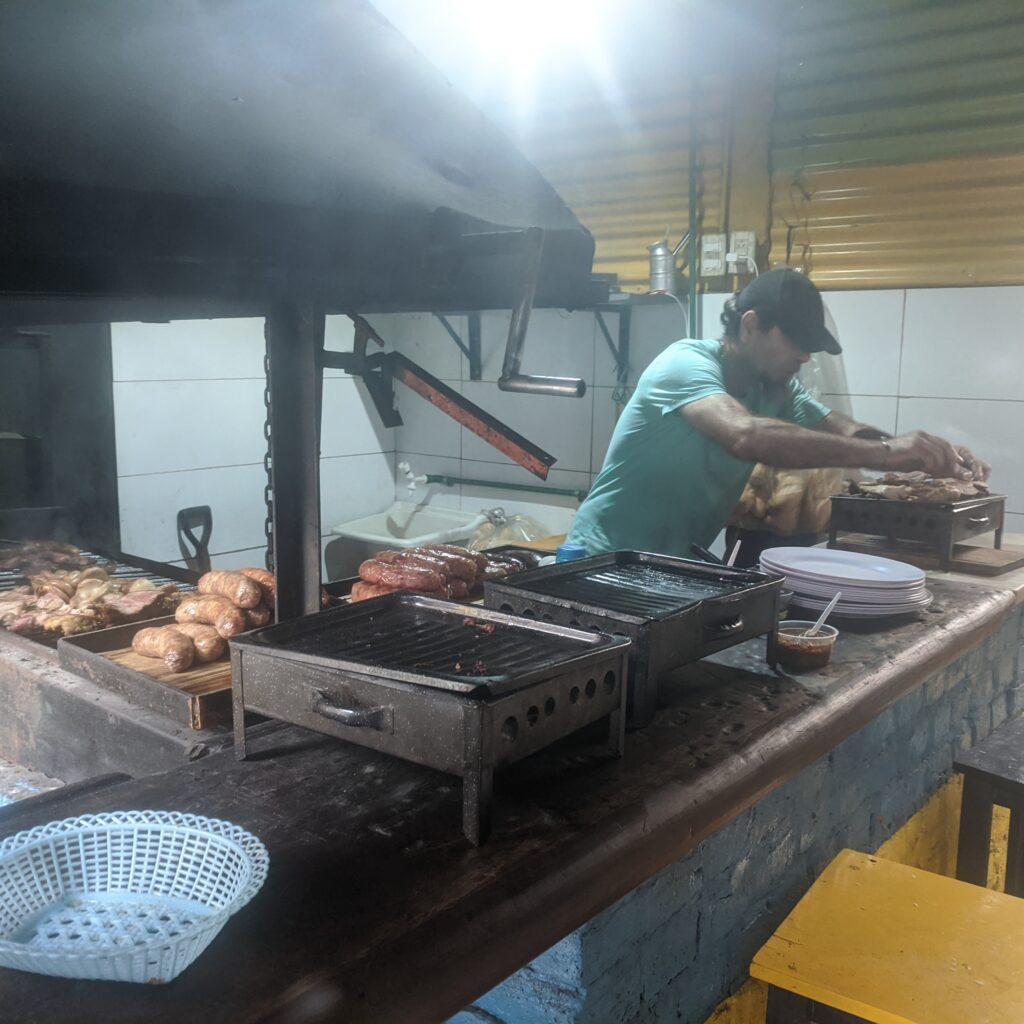
Argentina is also famous for its steak and meat—very much in the same league as Brazil. And after touring La Bombonera, I had one of the best meals of my life.

I told the cook I wanted to try all the meats. He understood the assignment.

Sausage links.
Multiple cuts of steak.
A plate that arrived full… and disappeared even faster.

It was gone before I even thought to take a picture—which, honestly, might be the highest compliment of all. 🥩

I ate steak almost every evening in Buenos Aires, and the portions were massive. A proper steak dinner would run about $12 USD, and more often than not, I’d be eating the leftovers for breakfast the next morning.

What really stood out was how the steaks were served. They weren’t just slabs of meat dropped on a plate—they were layered with extras like eggs, tomatoes, and other simple additions that somehow made the meal even better. No fancy sauces, no nonsense. Just quality beef, cooked properly, and paired in a way that made every plate feel both affordable and unforgettable.

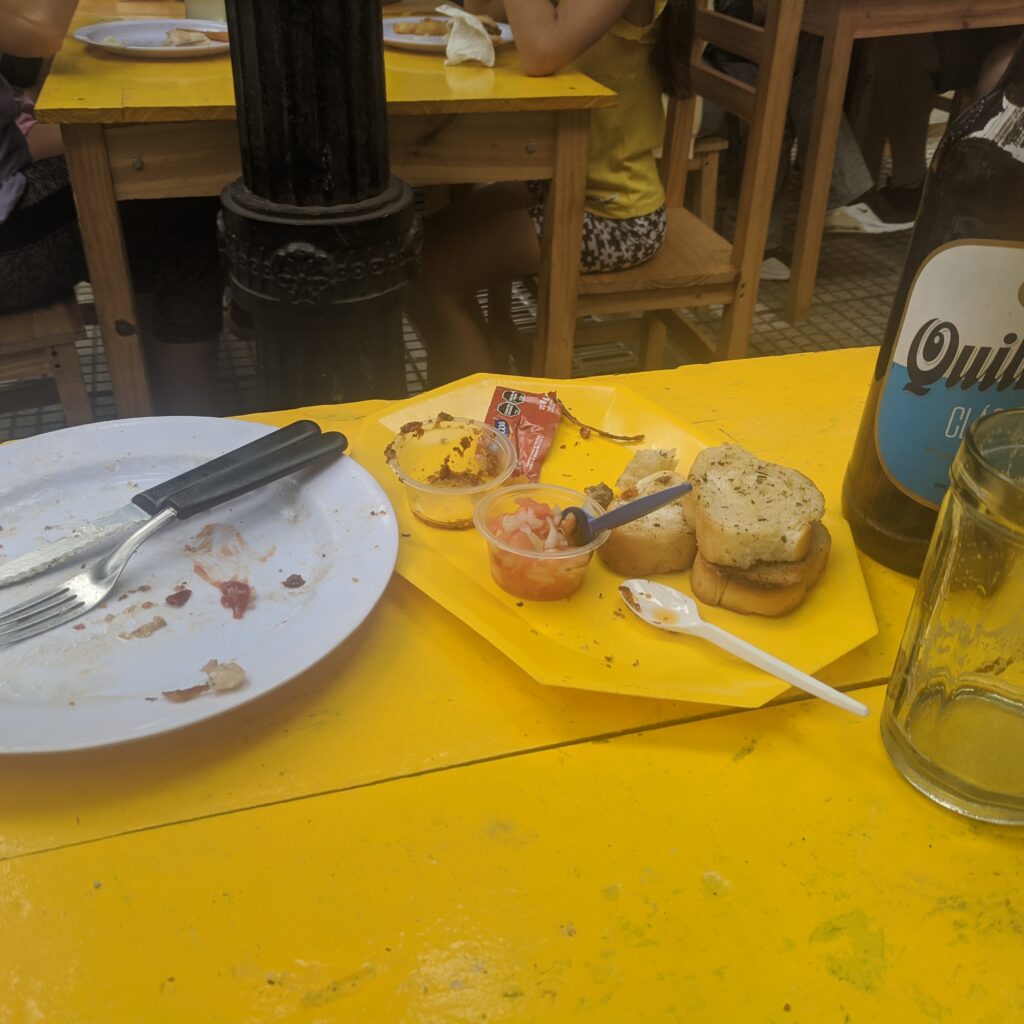
I know I took pictures of just about every meal, but somehow I can’t find them as of this post—which honestly might be a blessing. Some things are better remembered than documented.

Below are a few representative shots, along with an article that dives into why Argentine steak is often considered the best in the world. It comes down to the cattle, the grass, the simplicity, and the culture around cooking meat. After eating my way through Buenos Aires, I get it.

Some cities impress you.
Others feed you so well that they ruin steaks everywhere else.

Argentina is also known as a true mecca for meat lovers, and many people argue it produces the best steak in the world. After eating my way through the country, it’s hard to disagree.

From grass-fed cattle to unique cuts of beef and time-honored cooking methods, Argentine steak is a craft—from start to finish.

You can’t talk about Argentine steak without talking about the cows.

While Argentina is home to several cattle breeds, the best beef comes from cows that graze freely on the legendary Las Pampas.

So what exactly are Las Pampas?

They span roughly 750,000 square kilometers of vast, mostly flat grasslands, famous for a temperate climate that produces exceptionally nutritious grass. Cows here spend their lives roaming and grazing naturally, rather than being grain-fed in confined spaces. The result is beef that’s leaner, more flavorful, and widely considered healthier than many alternatives.

Then there’s the cooking.

Argentina’s signature Asado technique is simple, deliberate, and deeply respectful of the meat. No heavy marinades. No distractions. Just fire, salt, time, and experience. The goal is always the same: let the quality of the beef speak for itself.

From pasture to plate, Argentine steak isn’t just food—it’s culture.

If you want to go deeper into why Argentina is considered the global capital of steak, you can read the full article HERE, which breaks down the land, the cattle, the cuts, and the traditions that make Argentine beef so unforgettable.

After experiencing it firsthand, I get the hype.

Argentina doesn’t just serve steak—
it sets the standard. 🥩🇦🇷

IMG-20250507-WA0005

AZ: PT home, PT Airbnb & FT awesome!

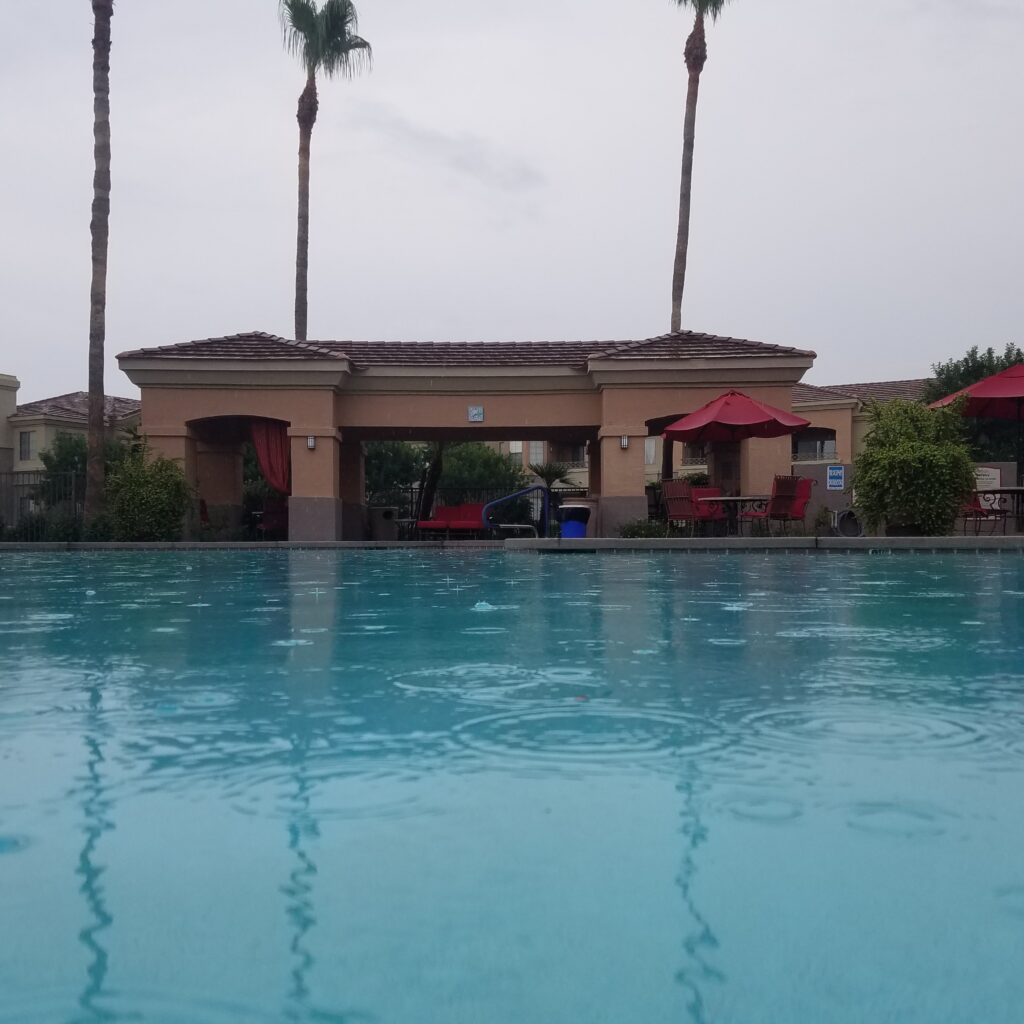
This is the large, heated pool and hot tub right at the front of the property. There’s also a smaller pool in the back, and my condo sits perfectly between the two—which is honestly the ideal setup. Maximum pool access, minimal effort.

This is the view the moment you walk in the front door.
Pools. Palm trees. Adult beverages.

That instant “I’m definitely not at work anymore” feeling never gets old.

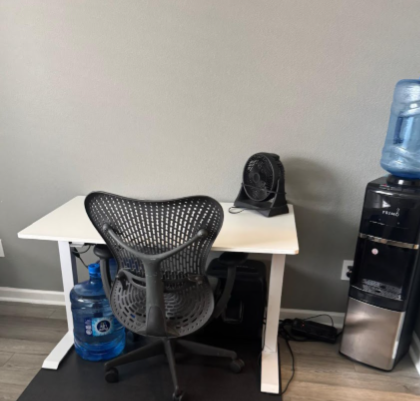
And if you want to work from paradise, I’ve got that covered, too.

The setup includes a proper sit/stand desk and an ergonomic chair, so it’s an actual work-from-home space—not a balanced laptop on the couch pretending this is a fine situation. It’s comfortable, functional, and easy to settle into.

Now imagine the water-cooler conversations when people ask how work is going… and you casually mention sunshine, pools, and palm trees.

Yeah—those stories tend to make friends, family, and coworkers just a little jealous. 😎

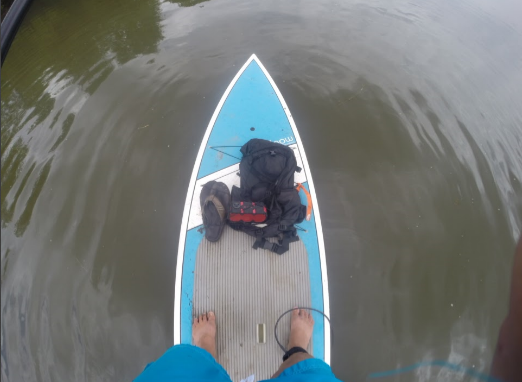
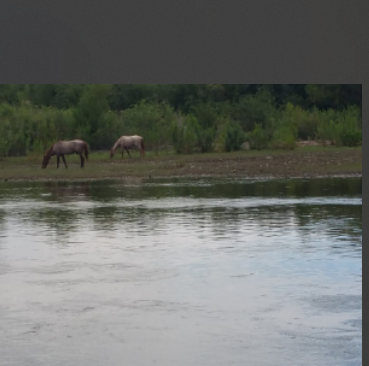
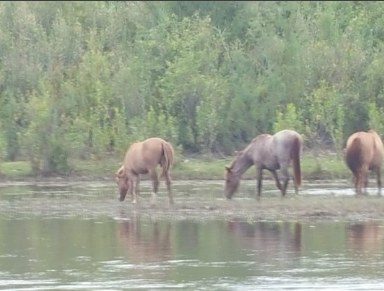
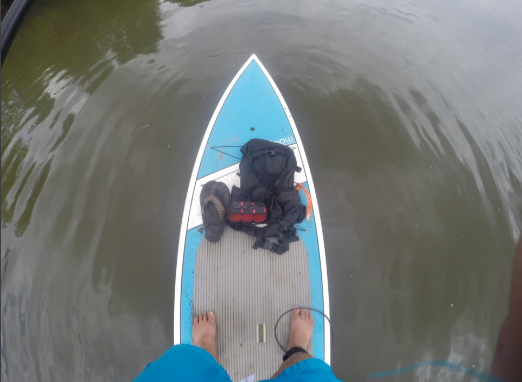
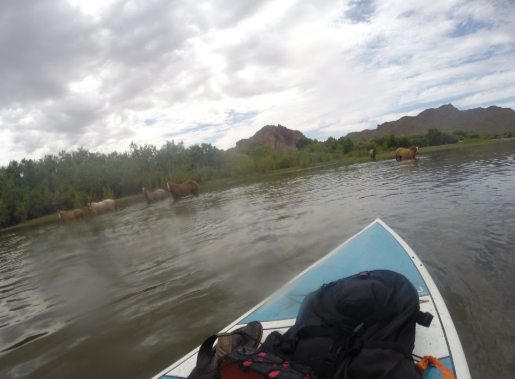
Less than a 30-minute drive puts you at the Salt River in the Tonto National Forest, where you’ll find one of Arizona’s coolest—and most unexpected—surprises: wild horses roaming freely along the river.

You can kayak, paddleboard, float, or just hang out by the water, and there’s a very real chance they’ll wander right past you like it’s no big deal. No fences. No zoos. Just horses doing horse things with desert cliffs in the background.

It’s one of those only-in-Arizona moments that sounds fake until you see it for yourself—and even then, it never really gets old.

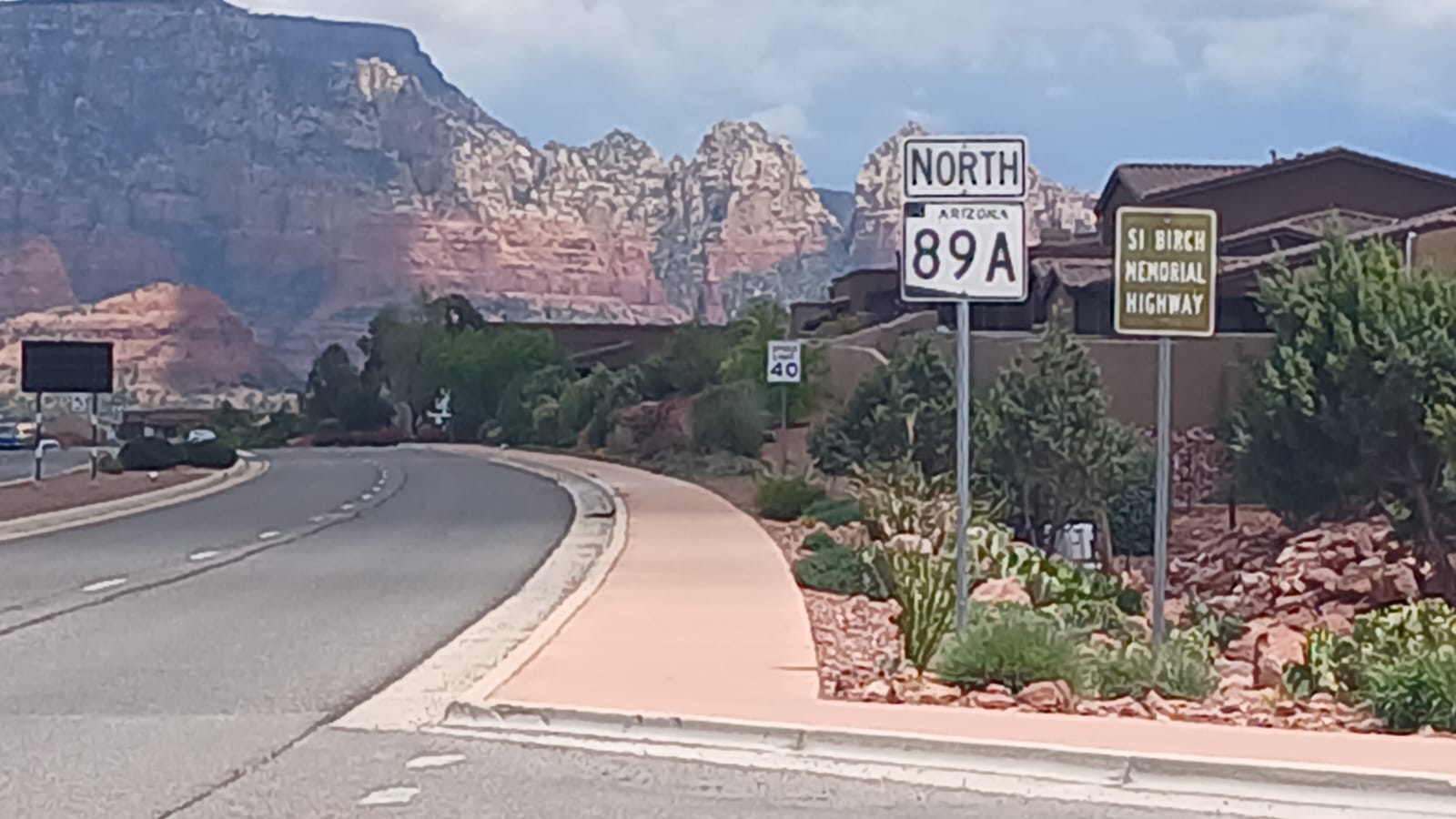
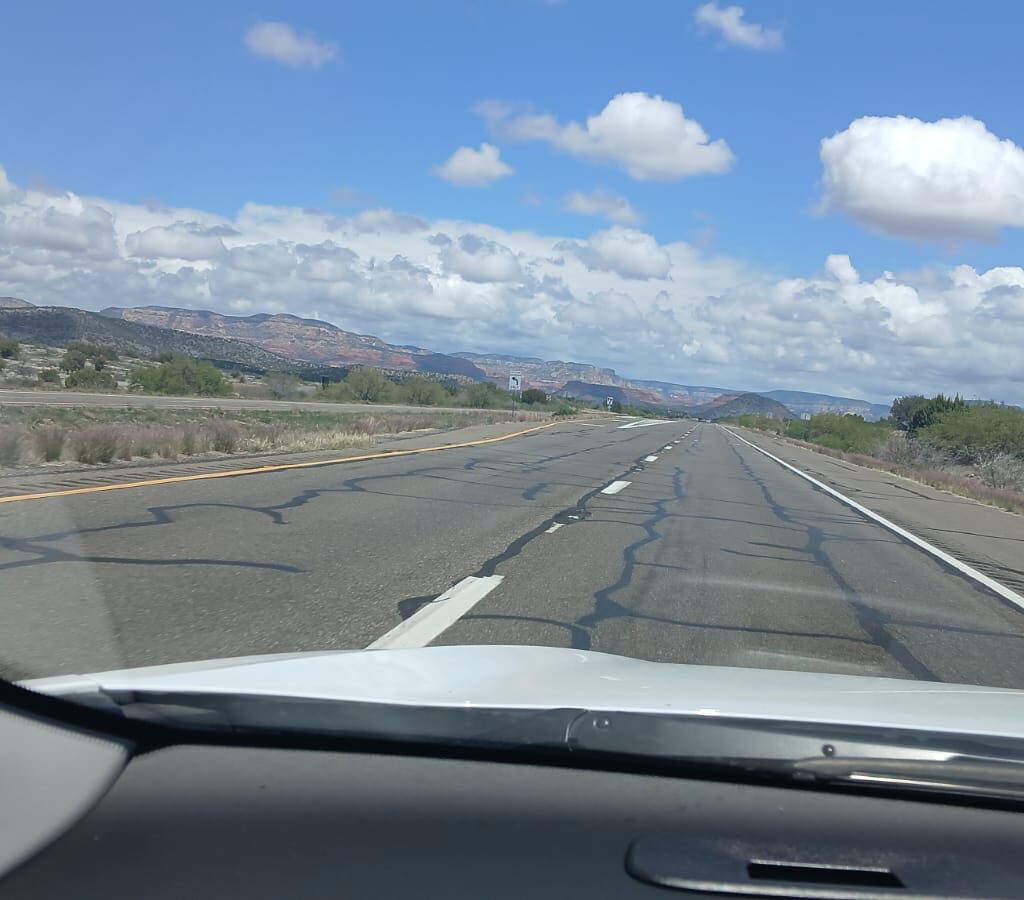
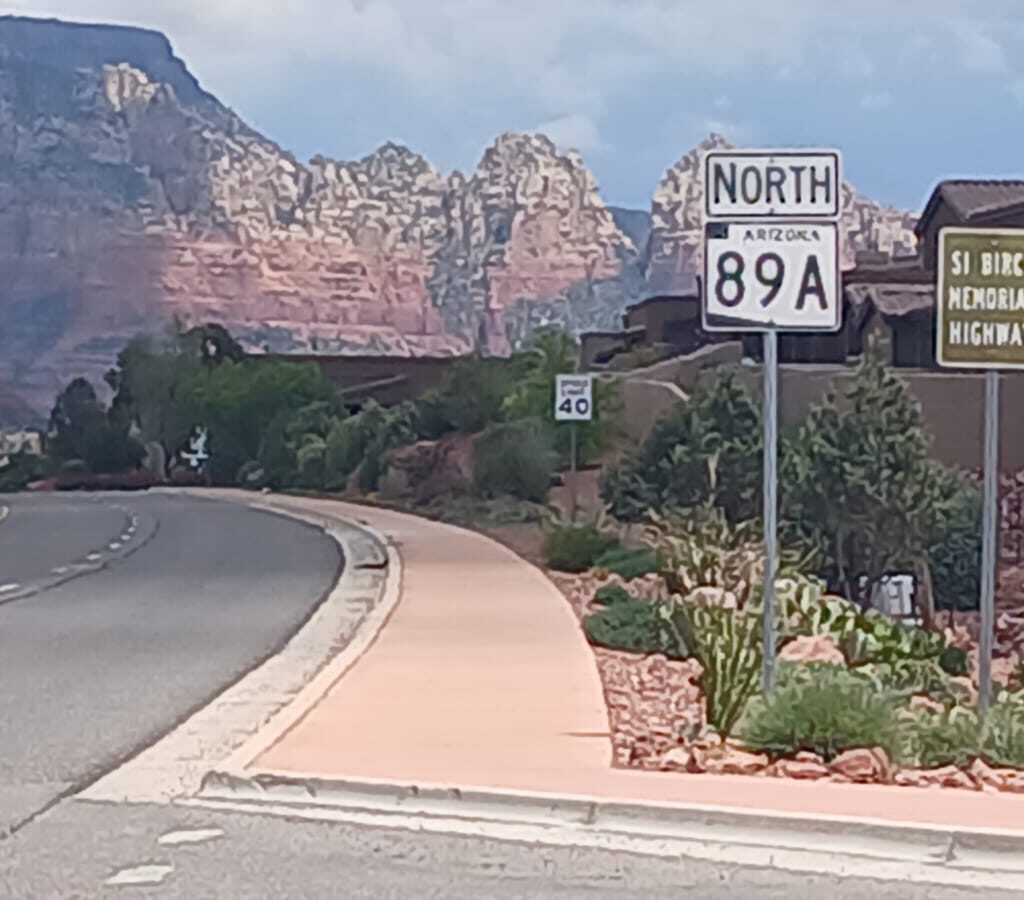
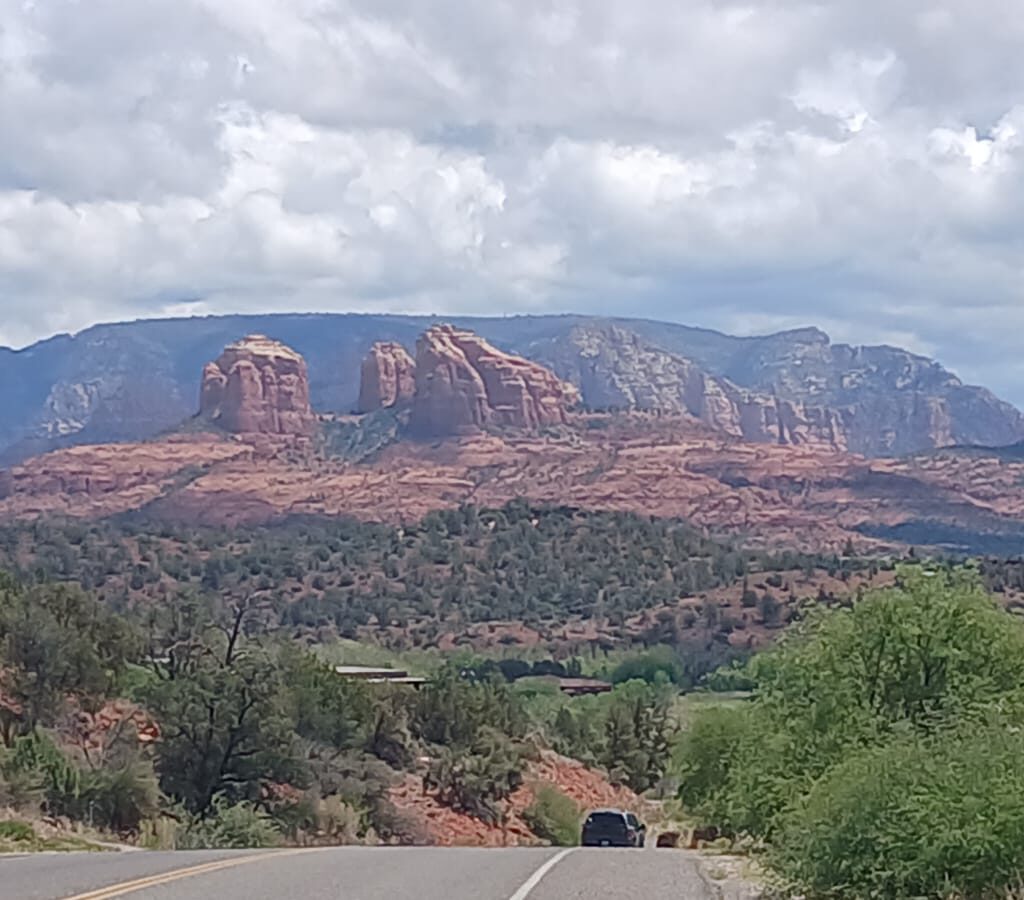
Less than a couple of hours’ drive from Mesa puts you in Sedona—a place that almost doesn’t feel real the first time you see it.

The red rock formations are absolutely captivating. Whether you’re hiking, driving through town, or just pulling over to stare at the scenery, Sedona has a way of slowing everything down. The light changes constantly, the views never repeat, and it somehow feels both grounding and otherworldly at the same time.

It’s one of those places that makes you grateful you didn’t stay home—and a perfect reminder of how much variety Arizona packs into a short drive.

Book on Airbnb—or reach out directly for Friends & Family pricing—and come experience Arizona for yourself.

Beautiful landscapes, endless adventure, warm weather, and wide-open space are all waiting. Arizona is ready when you are. 🌵✨

Photo tour – Listing editor – Airbnb

Wide-open space, warm weather, endless adventure—Arizona is ready when you are. 🌵✨

My nephew and his GF visited from Canada and had an amazing adventure during their visit in the Spring of 2025!

Click below to book your stay or send me a PM from the contacts on the homepage with any questions.

Photo tour – Listing editor – Airbnb

There is nothing like the top off a Jeep and driving through the AZ mountains with the tunes cranked.

Arizona can fix this situation—at least temporarily—if you’re lucky enough to stay at my Airbnb. 

Side effects may include:

 Constant happiness

Hiking locally or a road trip to Sedona

Paddling the Salt River with the wild horses

Cold pool drinks by the pools

Planning another trip here before you leave.

Photo tour – Listing editor – Airbnb

plane3

Three months looking out windows!

I left Arizona on January 12th and didn’t return until April 7th, 2025, heading first to Vietnam and then bouncing across the globe. In order, I visited:

Vietnam → Cambodia → Thailand → London (twice) → Singapore → Greece → Turkey → Egypt → Italy → Spain

Eight of those ten countries were brand-new pins on my map, which made the whole thing feel even more unreal. 📍🌍

I spent the first three months slowly moving through Vietnam, Cambodia, and Thailand. After that, I flipped the switch and went full chaos mode with my all-you-can-fly pass—whizzing (Wizz Air style) through London, Singapore, Greece, Turkey, Egypt, Italy, and Spain.

Here’s the actual chain of planes, trains, ferries, and buses that somehow all worked:

✈️ Phoenix → Los Angeles
✈️ Los Angeles → Singapore
✈️ Singapore → Saigon (HCMC)

🚆 Saigon → Nha Trang
🚆 Nha Trang → Huế
🚆 Huế → Da Nang
🚆 Da Nang → Hoi An
🚆 Da Nang → Saigon
🚢 Saigon → Phú Quốc
🚢 Phú Quốc → Saigon

🚌 Saigon → Phnom Penh
🚌 Phnom Penh → Siem Reap
🚌 Siem Reap → Angkor Wat

🚌 Angkor Wat → Bangkok
🚢 Bangkok → Koh Tao
🚢 Koh Tao → Koh Phangan
🚢 Koh Phangan → Koh Samui

🚢🚌 Koh Samui → Bangkok
✈️ Bangkok → Singapore
✈️ Singapore → Athens

✈️ Athens → Istanbul
🚢 Istanbul → Princess Islands (day trip)
✈️ Istanbul → London
✈️ London → Sharm El Sheikh, Egypt
✈️ Sharm El Sheikh → London
✈️ London → Naples
🚆 Naples → Rome

✈️ Rome → Madrid
🚆 Madrid → Barcelona
🚆 Barcelona → Madrid
✈️ Madrid → Rome
✈️ Rome → Los Angeles
✈️ LAX → Phoenix

(That doesn’t even include all the local buses, metros, tuk-tuks, and 25+ ride share ((Grab/Uber/Bolt/InDrive)) rides along the way.)

Three months in Southeast Asia.
Then a rapid-fire lap through Europe, the Middle East, and North Africa.

It sounds insane written out like this—and honestly, it kind of was.

But that’s part of the fun.
And after traveling like this for three straight months…

Sometimes all you can do is drop a blog and watch miserable people be jealous. 😄

This was, by far, the longest—and most expensive—trip of my life.

I blew through my budget. And once that happened, I made the call to keep going anyway, because I was already there. I ended up canceling my Eurail pass and coming home three weeks early to stop the financial bleeding.

At the time, I didn’t think I’d ever use my all-you-can-fly pass again, so I went into “see everything now” mode and stacked as many countries as I could. I still missed a few, which means there’s a pretty good chance I’ll give it one more run someday—especially since I’m not renewing the pass.
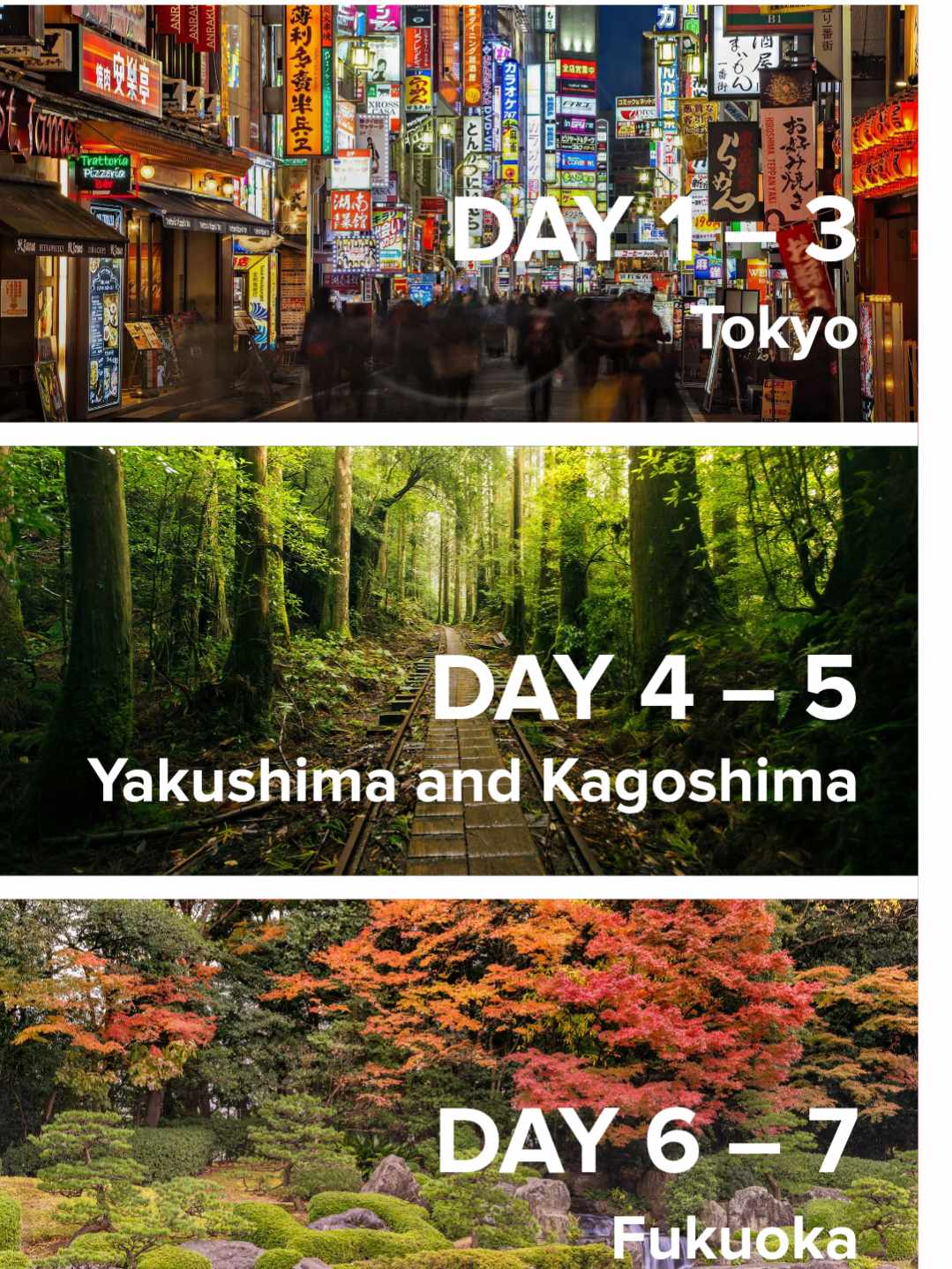
And here’s the truth:

I have zero regrets about spending money on travel.
Not at the end of this trip.
Not at the end of any trip.

What I do have is better awareness.

Travel is worth it.
The memories are worth it.
The experiences are worth it.

I just need to be smarter next time in Europe and use train travel—pace it better, plan a little tighter, and learn from the mistakes without losing the magic.

That’s not regret.
That’s learning and sharing.