Here is the podcast version which can be found on my website www.NorthAmericanDarrell.com
NorthAmericanDarrell Podcast
Episode 8 — The Bucket Strategy
Welcome back to the NorthAmericanDarrell Podcast.
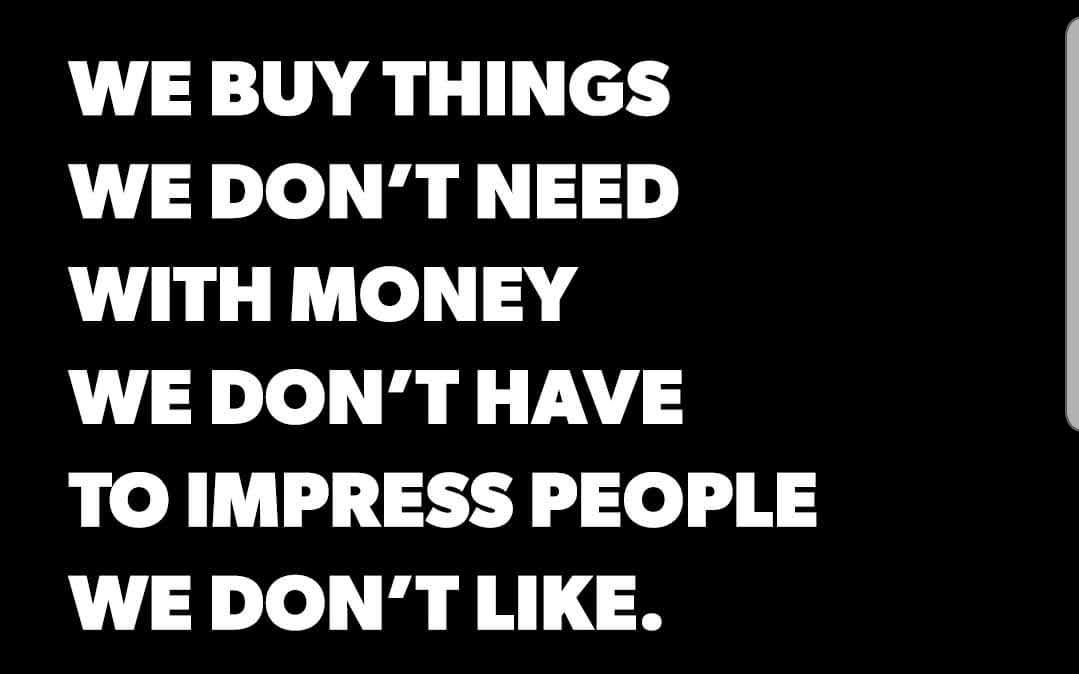
There’s an old saying I’ve always liked…
We buy things we don’t need…
To impress people we don’t like…
With money we don’t have.
[amused] Pretty much sums up a good chunk of society, doesn’t it?
For a while, I was guilty of it too.
But somewhere along the way, I started asking myself a different question.
What if I stopped measuring success by what I owned… and started measuring it by how much of my time I owned?
What would you choose?
A newer car sitting in the driveway?
Or another year where you didn’t have to punch a clock?
There isn’t a right answer.
But my answer changed as I got older.
And that’s where my retirement bucket strategy came in.
People occasionally ask me how I was able to take a run at early retirement after getting laid off at fifty-two.
It wasn’t one brilliant investment.
It definitely wasn’t because I predicted the future.
[laughs] If I could do that, this would be a very different podcast.
It was decades of saving, investing, owning property, making mistakes, recovering from those mistakes—and eventually organizing everything around one simple idea:
I needed enough money in one bucket to get me to the next bucket.
That’s it.
Think about your own situation for a second.
If you wanted to stop working before traditional retirement age…
What would have to pay your bills between your last paycheck and your first retirement check?
That’s the problem I needed to solve.
My circumstances obviously aren’t everybody’s circumstances.
I’m single.
I never married.
I don’t have children or college tuition to worry about.
Apparently, I’ve finally reached my true calling…
[laughs]
Crazy Uncle Darrell.
Those things absolutely changed my financial equation.
But I’m not suggesting anyone copy my life.
I’m suggesting you look at your equation.
Maybe you have a pension.
Maybe you have a 401(k).
Maybe it’s an RRSP in Canada.
Maybe you own a house with a lot of equity.
Maybe you have rental income.
Maybe you’re starting later than you’d like.
The question isn’t:
“Can I do what Darrell did?”
The better question is:
“What could I do with what I have?”
That’s where buckets helped me.
My First Bucket — The Bridge
My first bucket is basically my bridge between working and traditional retirement.
Money from selling properties in North Carolina and Georgia eventually became accessible money I could live from without waiting for traditional retirement age.
Originally, I had these separated into two buckets.
Then life happened.
I was laid off at fifty-two—about three years earlier than I had planned.
So the plan changed.
I combined those buckets.
Today, I essentially pay myself a monthly paycheck from that money.
My Airbnb income helps supplement it.
Eventually, selling my Arizona condo could add to it.
And I try—sometimes successfully…
[laughs]
sometimes not so successfully…
to stay within my budget.
That’s my bridge.
What’s yours?
If you stopped working tomorrow, what income or savings would carry you through the first five or ten years?
And if the answer is “I don’t have one”…
That’s useful information too.
Because now you know which bucket needs attention.
My Second Bucket — Retirement Investments
Waiting behind my bridge money are the retirement accounts I contributed to throughout my career.
My American 401(k).
My Canadian RRSP.
Paycheck after paycheck went into those accounts for decades.
And then compound interest did what compound interest does best…
It needed time.
My goal is to leave that money alone for as long as reasonably possible.
Why?
Because every year I can fund my lifestyle without unnecessarily draining those accounts gives them another year to potentially grow.
That’s one reason my current lifestyle matters so much.
Living for less isn’t only about spending less today.
It can also mean leaving tomorrow’s money alone longer.
Would moving somewhere less expensive change your retirement math?
Could downsizing?
Could eliminating a car?
Could renting instead of owning?
Could working one more year make a huge difference?
Or—here’s the question people sometimes forget—
could spending less allow you to work one year less?
That’s geoarbitrage.
And it’s becoming a pretty important part of my experiment.
My Third Bucket — Government Benefits
Then comes another bucket I hope not to touch until much later.
Government retirement benefits from Canada and the United States.
My goal, God willing, is to delay those as long as it makes sense—hopefully somewhere close to sixty-seven.
That gives my earlier buckets a very specific job:
Get Darrell to the next bucket.
[laughs] Preferably without requiring Darrell to get another job.
That’s the whole strategy.
It doesn’t mean I know exactly what my life looks like at sixty-seven.
I don’t.
Maybe I’m living primarily in Southeast Asia.
Maybe I’m still spending part of the year in Arizona.
Maybe I’ll look back at this podcast and laugh at how wrong I was about everything.
That’s okay.
A financial plan shouldn’t be a prison sentence.
It’s a roadmap that you keep updating when life changes.
Mine already has.
So What Are Your Buckets?
This is the part I think matters more than my numbers.
Forget my retirement for a minute.
What does yours look like?
What age would you actually like to stop working?
What would you need every month?
What’s available to you before traditional retirement age?
What’s waiting for you later?
Could something you already own become part of the bridge?
And maybe the biggest question…
How much is enough?
Because eventually I realized I wasn’t trying to become rich.
I was trying to become free.
That’s a very different target.
I also use a professional financial advisor because I don’t pretend to know everything.
I pay a mechanic when my vehicle needs expertise.
I go to a doctor when my body needs expertise.
So I’m comfortable paying someone qualified to help me manage something I’ve spent decades building.
The strategy itself isn’t magic.
And mine certainly isn’t the only version of a bucket strategy.
Search for it. Read about it. Talk to a qualified professional and figure out whether some version makes sense for you.
My buckets aren’t your buckets.
My timeline isn’t your timeline.
And my definition of retirement might not look anything like yours.
But maybe there’s one question worth taking away from this episode:
If your money could buy you more time instead of more stuff… which would you choose?
I know my answer now.
I’m choosing time.
I’m choosing experiences.
I’m choosing travel.
And I’m taking my own run at early retirement.
Will it work exactly the way I planned?
[amused]
Ask me when I’m sixty-seven.
Until then…
I’m going to keep adjusting the buckets, watching the budget, and trying to enjoy the years those buckets were designed to give me.
Thanks for listening to the NorthAmericanDarrell Podcast.
Until the next episode…
Live life to the fullest.






































 Click
Click 
























 )
)