acc3

Green card, Citizenship & travel visas🛂

I’ve been dealing with travel visas for over 25 years—long enough to know this topic is wildly misunderstood by anyone who’s never actually lived it.

You can’t just let people casually wander into a country

unless, apparently, you’re shopping for votes.

Like it or not, visas are 100% necessary.
Not glamorous.
Not fun.
Necessary.

My travel saga started in the late 1990s, flying for work between Calgary, Canada and Dallas, Texas.

I regularly traveled from our manufacturing plant in Calgary to our U.S. headquarters in Dallas. And every trip began exactly the same way:
Me, arriving at the Calgary airport—already sweating—fully aware that my real journey was about to begin
 with U.S. Immigration.

The script never changed.

Agent: Purpose of travel?
Me: Meetings.
Agent: How long?
Me: One week.
Agent: That’s a long meeting.
Me: We have meetings all week.
Agent: Go sit in our office.

Me (internally): Yes sir. Thank you sir. I respect the process and my fragile freedom.

Then came the waiting.

The agents would let me slowly marinate in anxiety—right up until five minutes before boarding.

Agent: You’re free to go.
Me: Immediately sprinting to the gate like I’d just been released from a minimum-security prison.

Every.
Single.
Time.

đŸƒđŸ»â€âžĄïžâœˆïž

Eventually, I graduated to actual work visas.
Real ones.
Laminated.
Official.
Very fancy.

I would calmly present my current visa to the immigration officer, exactly as instructed.

[“DO NOT ANSWER QUESTIONS.”]

The office rules were very clear:
Show the visa.
Say nothing.

Apparently, immigration officers are highly trained professionals whose primary job is to trick you into saying one wrong word, realize you have the wrong visa, and deny you entry—
purely by accident.
On your part.

This never happened to me.
I suspect it’s because they eventually recognized me.

“Oh. It’s this guy again.”

Somewhere along the way, I stopped being “potential international threat” and became “frequent flyer with anxiety.”

Eventually, I moved to the United States full-time, which—shockingly—required an entirely different visa.

I will forever clutch my citizenship like it’s a winning lottery ticket.

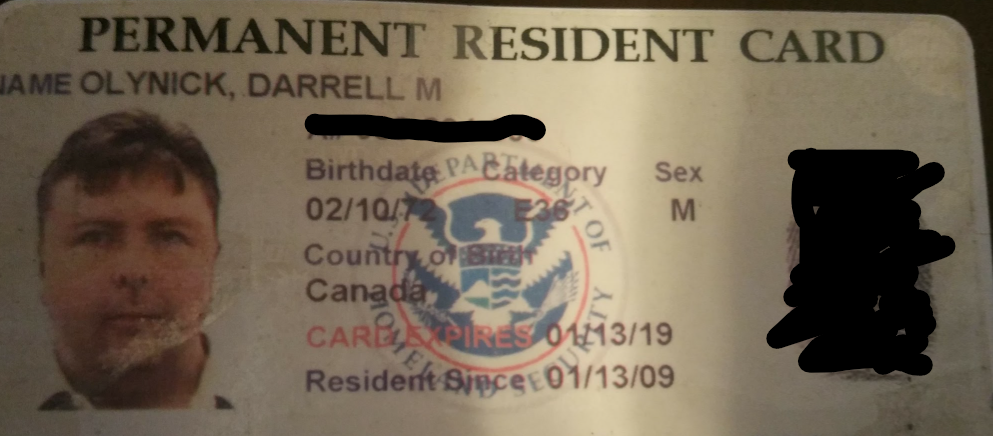
Ten years and dozens of visas later, I finally received my United States Permanent Resident card—
the government’s way of saying, “Fine. You can stay.”

“TEN YEARS LATER”

Another ten years passed, and—six months after my green card expired on January 13, 2019—I officially became a U.S. citizen on July 3, 2019.

Yes, there was a brief but thrilling period where I existed in pure bureaucratic limbo:
No longer green-card valid, not yet American enough.

USA Immigration has always loved a good cliffhanger.

Then, just in time for Independence Day sales, fireworks, and historically poor life choices


I became a U.S. citizen.

Sworn in by DJT himself.

Roll credits. đŸ‡ș🇾🎆

My entire immigration journey took roughly 20 years.

Two decades of forms, fees, interviews, fingerprints, photos—and the low-grade terror of checking the mailbox.

So yes, I tend to notice immigration policy.

Between 2020 and 2024, under a Democratic administration, millions of migrants were allowed into the U.S. with what appeared to be minimal vetting. Many arrived with criminal records, some unvaccinated, and many had their expenses covered.

At the exact same time, Americans were required to get vaccinated while enduring shutdowns that hit them financially.

That contrast did not go unnoticed.

The current Republican administration, by contrast, treats border security as non-negotiable. Their 2025 immigration policies can best be summarized as FAFO—and they are the strongest I’ve seen.

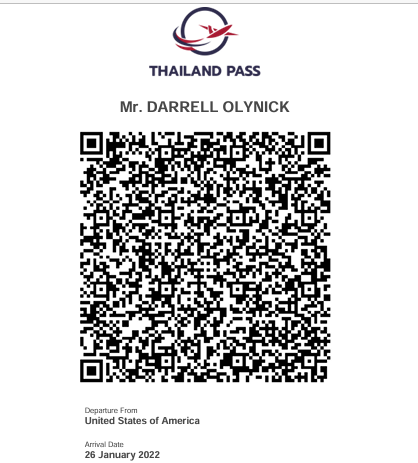
And just for context—so this doesn’t sound like vibes-only commentary—I’ve also held travel visas for:

Thailand (three of them), Cambodia, and Vietnam (two).

Turns out, when you’ve played immigration on hard mode across multiple countries, you develop opinions.

Earned ones.

This pass was just after COVID and there were many hoops to jump through!

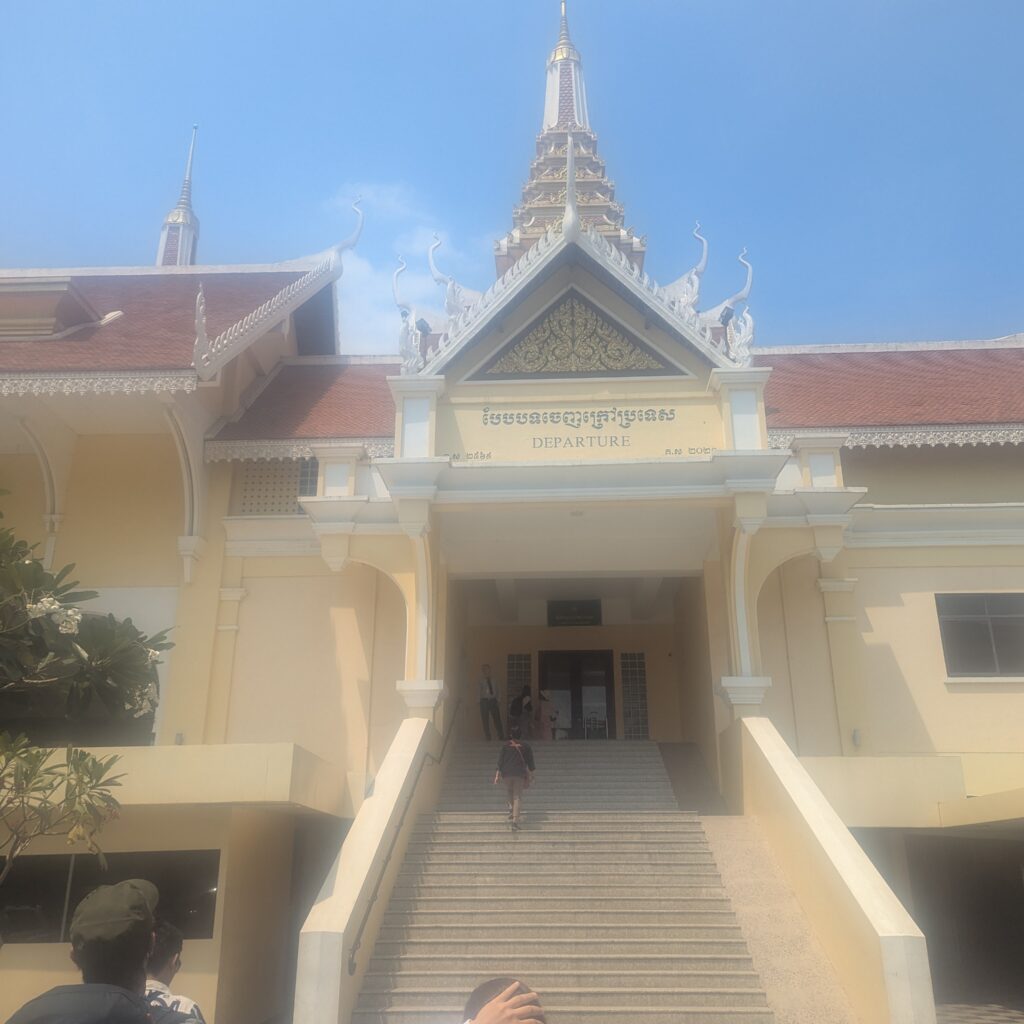
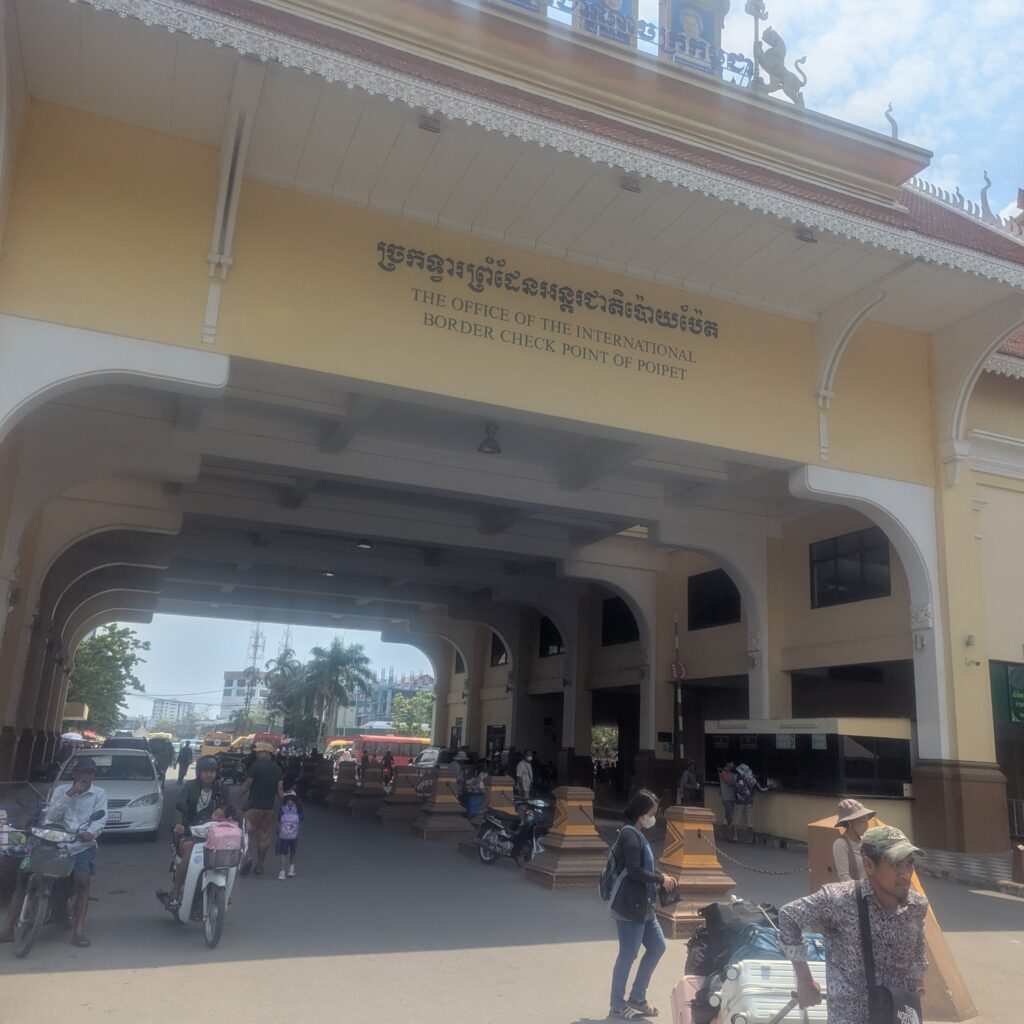
Cambodia Immigration — departing Vietnam

No computers.
No scanners.
No backup system.

Just pens, paper, and deeply suspicious vibes.

Everything was done by hand.
Every passport.
Every stamp.
Every long, silent glance that felt like a background check conducted telepathically.

The process took hours—not because anything was wrong, but because time itself had chosen to opt out.
The heat was oppressive.
The fans were decorative.
The concept of “boarding time” was aspirational.

This was immigration in its purest form:

slow, deliberate, and completely immune to deadlines.

And watching it all unfold, I realized something oddly comforting—

no matter the country,
no matter the technology,
no matter the system


immigration always finds a way to remind you who’s really in charge.

These Asian visas are extremely strict.

As in: follow the rules
 or enjoy a complimentary tour of the prison system.

There’s no confusion about the process.

No gray area.
No “I didn’t know.”

You follow the entry requirements, or there are consequences.

And somehow—miraculously—when you follow the immigration process wherever you go, you avoid those consequences entirely.

Seems 100% fair to me.

Legal immigration history:

It didn’t start with some fancy red carpet—it started when governments realized people moving freely could get
 complicated. Back in the 19th century, countries like the U.S., Canada, and Australia were basically like, “Sure, come on in
 as long as you check a box or two.”

Then came the U.S. Immigration Act of 1882, which basically said, “Not everyone’s invited to the party.” Fast forward to the early 1900s: Ellis Island became the ultimate checkpoint, where millions of hopeful immigrants faced the judgment of border agents, health inspections, and that ever-important first glimpse of America.

By the mid-20th century, things got organized: work visas, student visas, green cards
 a whole bureaucratic buffet. Today, legal immigration is basically a government-approved, multi-step obstacle course—and yes, you can survive it, but only if you brought your paperwork, patience, and maybe a stiff drink. đŸč

Screenshot_20240917-163621

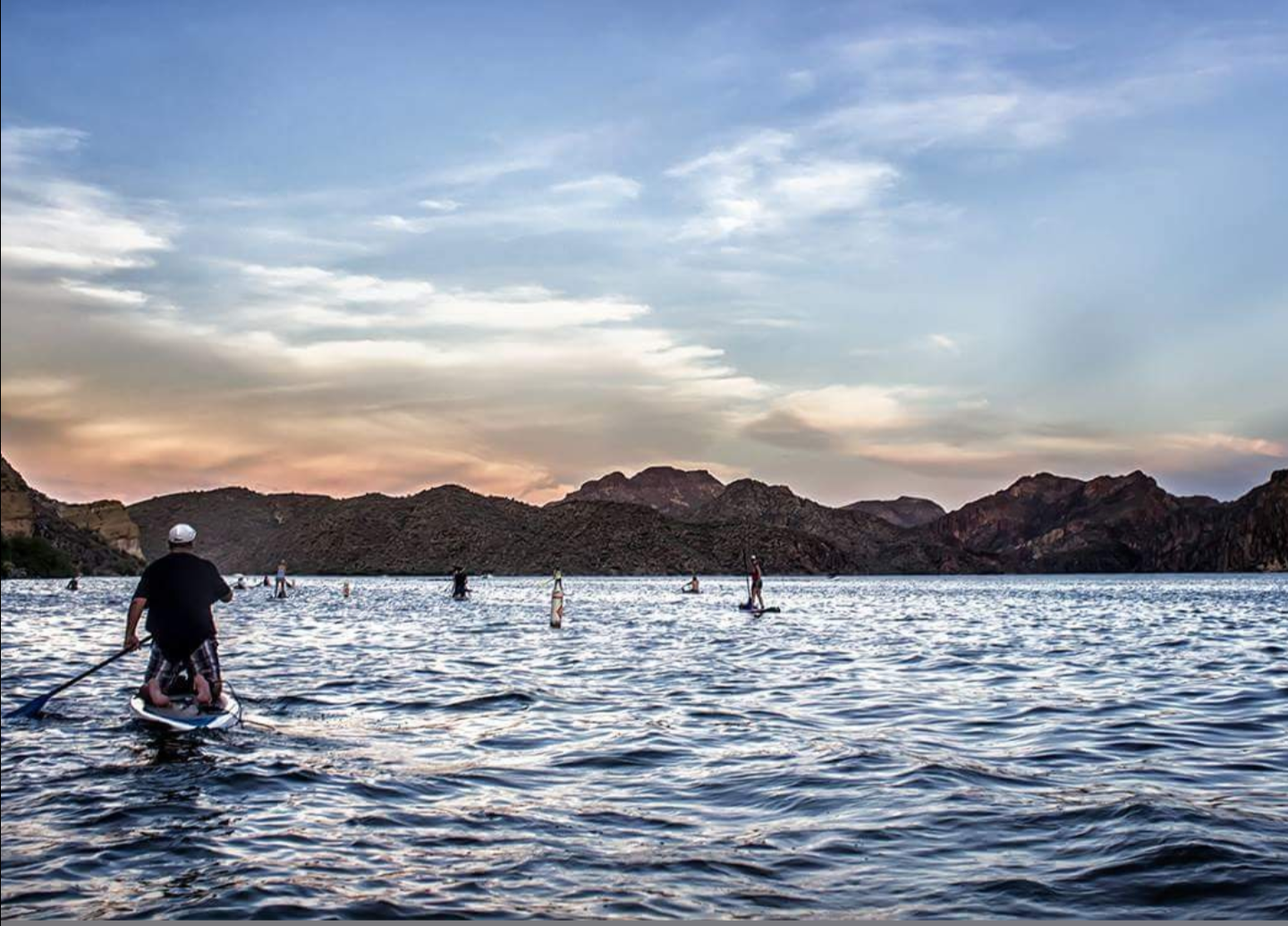
Paddling! It was fun until it wasn’t!! 😎

Paddleboarding is basically walking on water without sinking immediately—and yes, it’s as impressive as it sounds. You get a full-body workout, pretend you’re a young, serene yogi, and occasionally faceplant for dramatic effect, reminding me that I am fat and old!

It’s peaceful when you want it, social when you want it, and gives you a legitimate excuse to fall in, splash like a kid, and call it “part of the experience.” Honestly, it’s the perfect mix of exercise, adventure, and low-key humiliation—basically everything life should be.

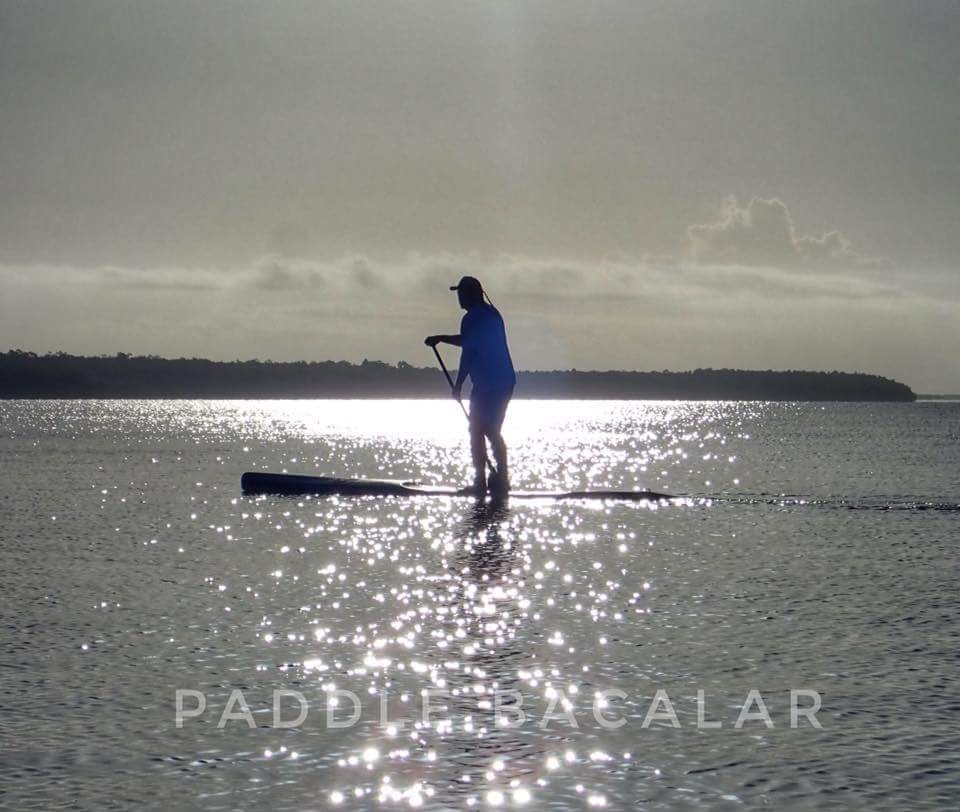
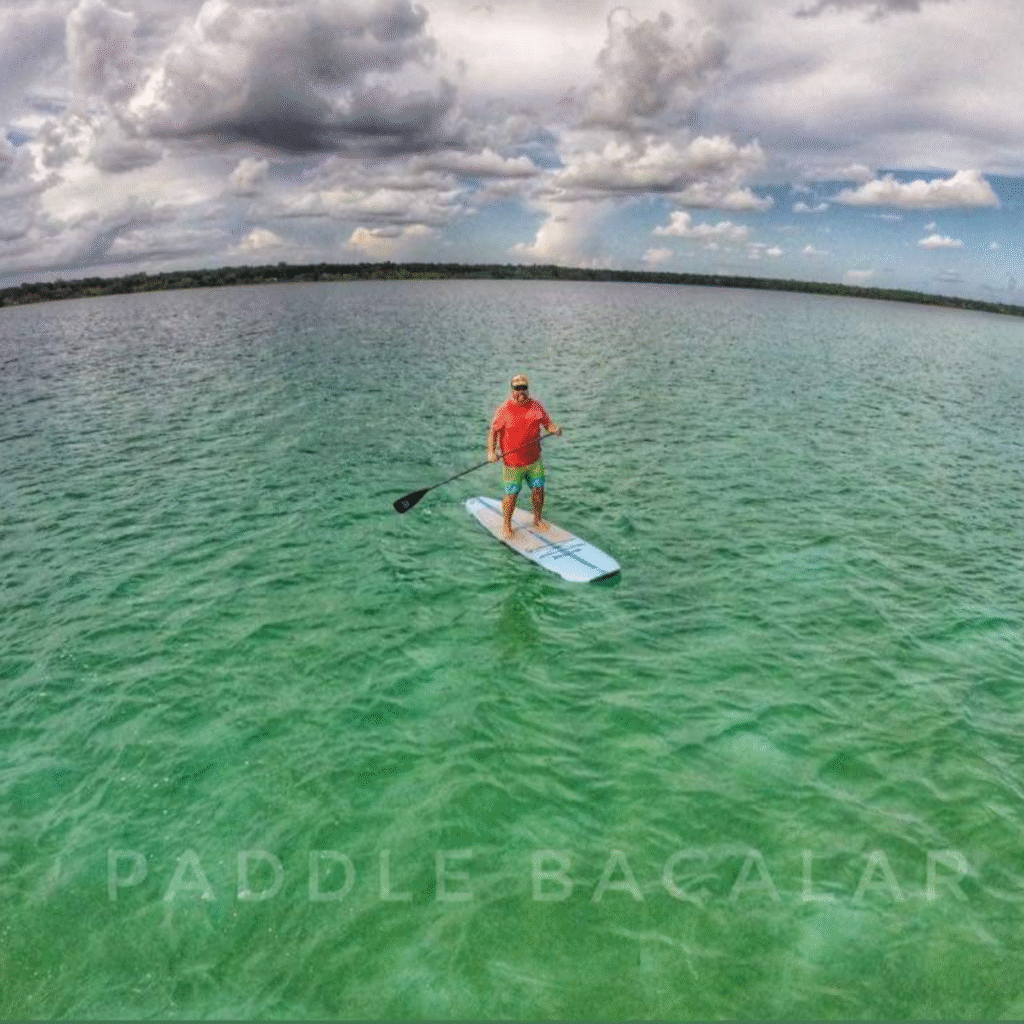
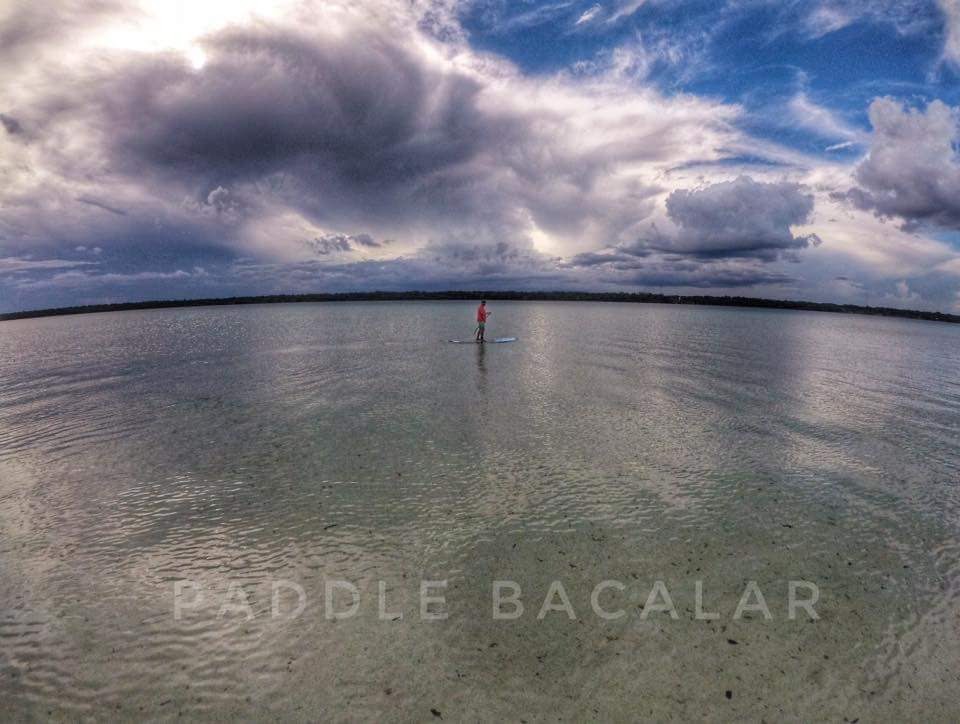
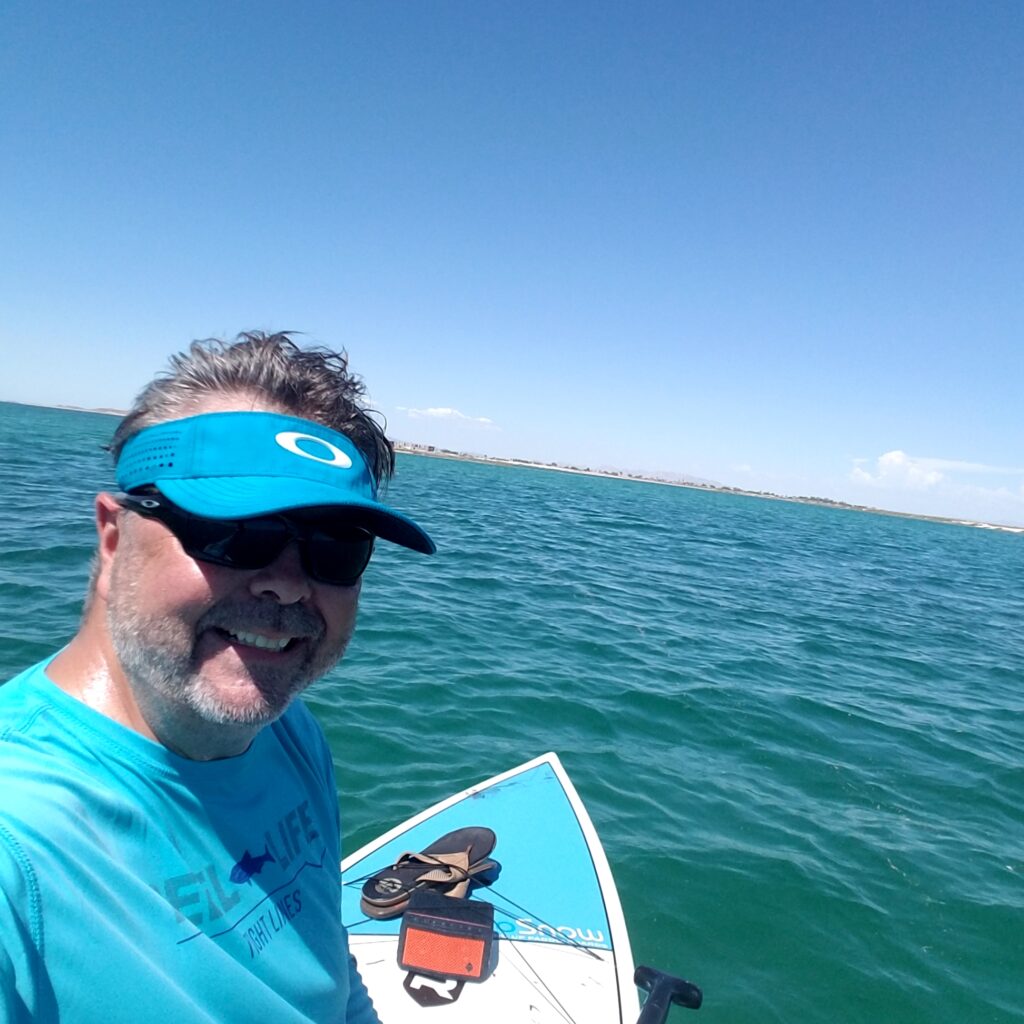
Behold the legendary paddle of Bacalar, Mexico—borrowed from a friend’s Airbnb empire of water fun. One glide across those turquoise waters and suddenly “amazing” doesn’t even begin to cover it. Truly unforgettable.

Here is the flight path from home in Phoenix, AZ, to Bacalar, Mexico.  

It is best to fly into Cancun or Chetumal and take the ADO shuttle bus to Bacalar.

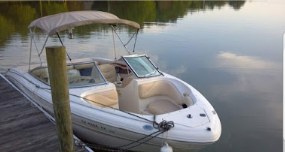
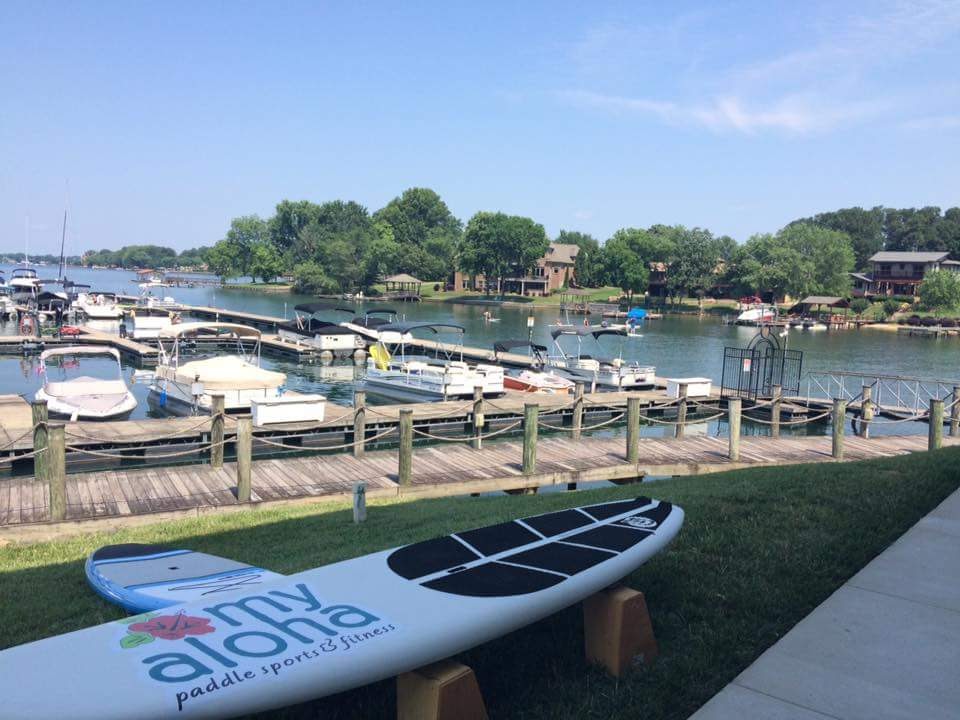
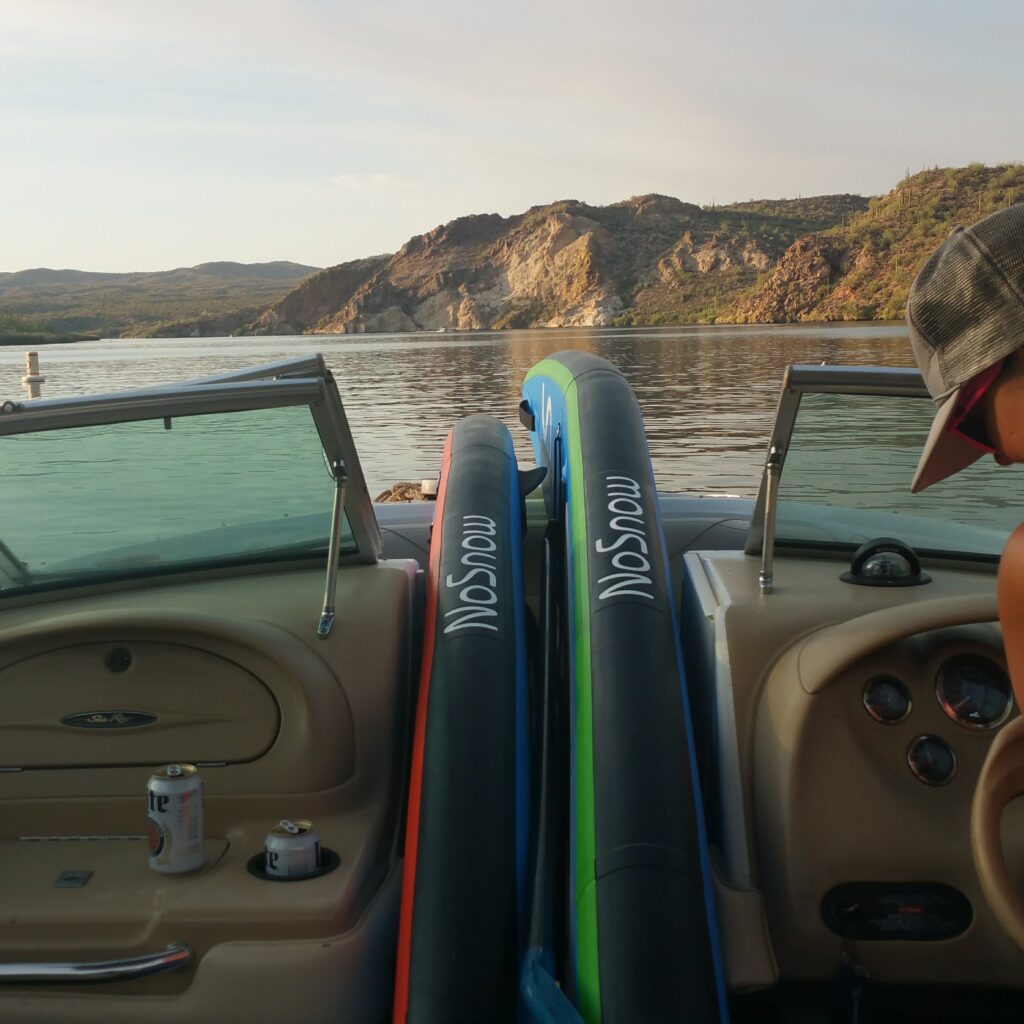
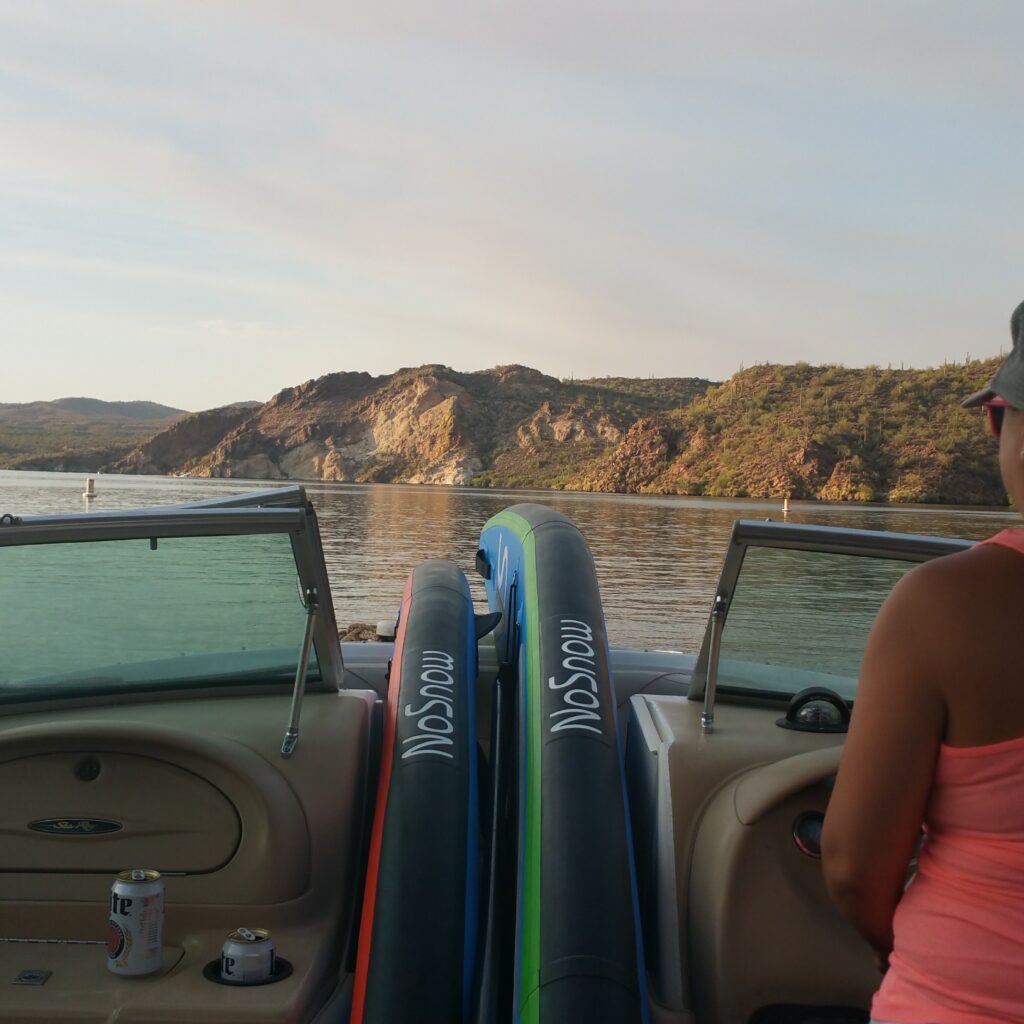
I first hopped on a paddleboard in 2010 after moving from Georgia to Mooresville, NC, chasing that sweet Aloha-on-the-water vibe I’d always loved about Hawaii. With Lake Norman just five minutes away, my board and boat became my weekly ritual in “the massive calm cove”—perfect for workouts. It was like pretending I was already on island time, living a young better looking and in shape lifestyle.

I lived five minutes away from Lake Norman and kept my boat docked there with my paddleboard.  It was an amazing workout in “the massive calm cove, and I would go a couple of times a week.

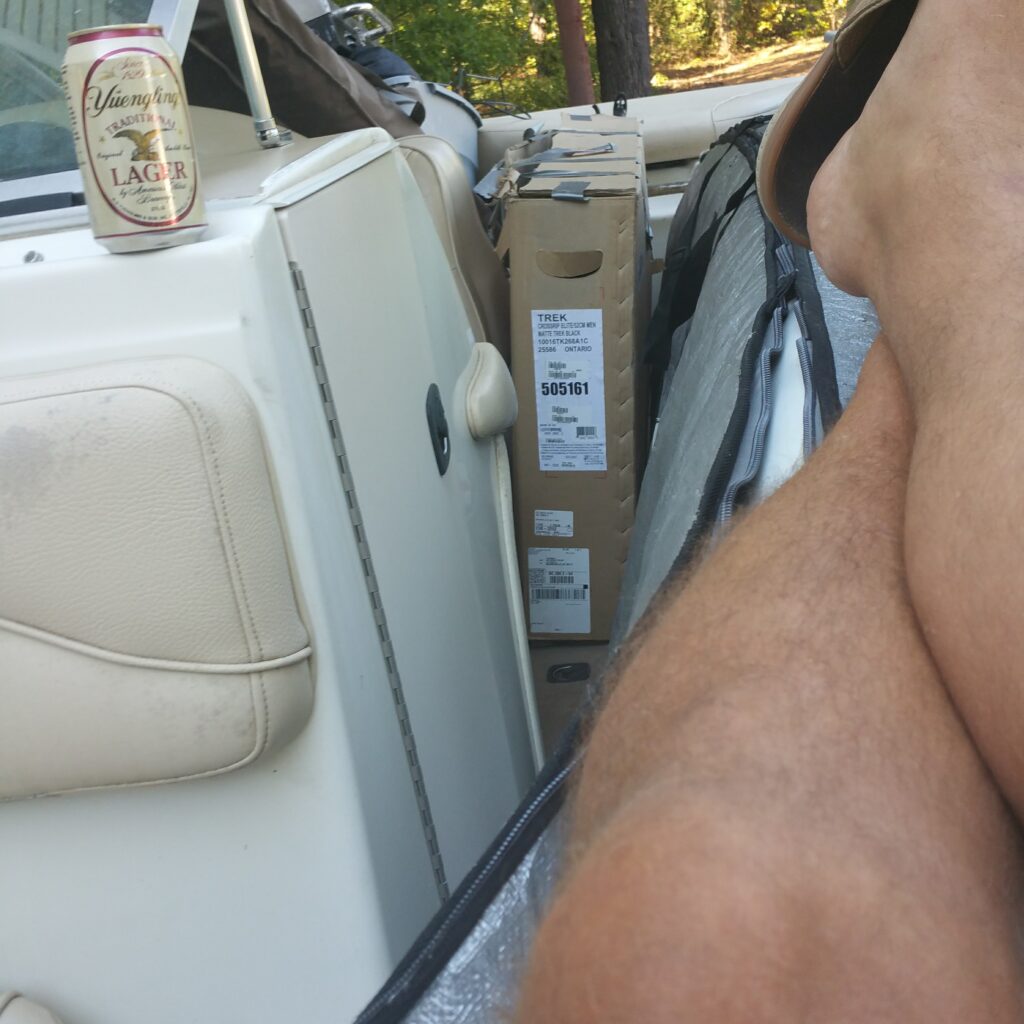
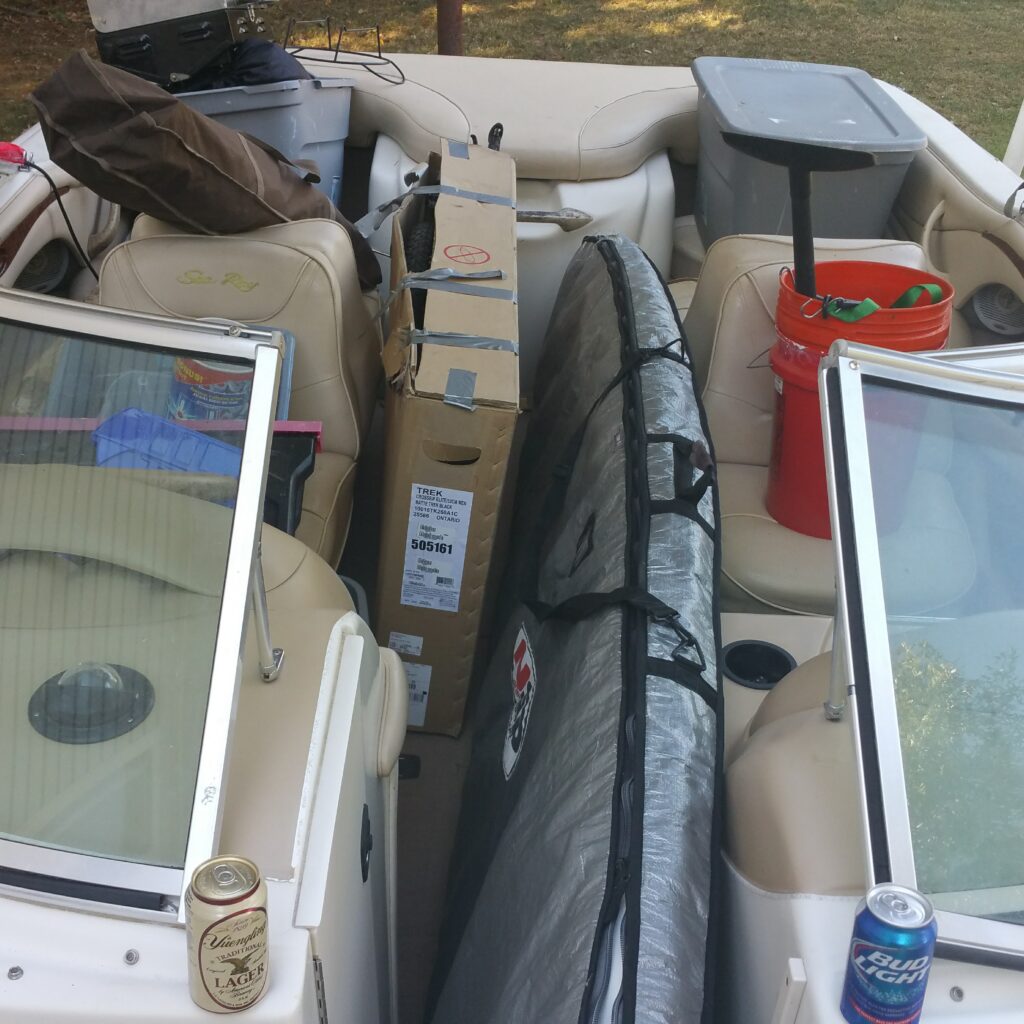
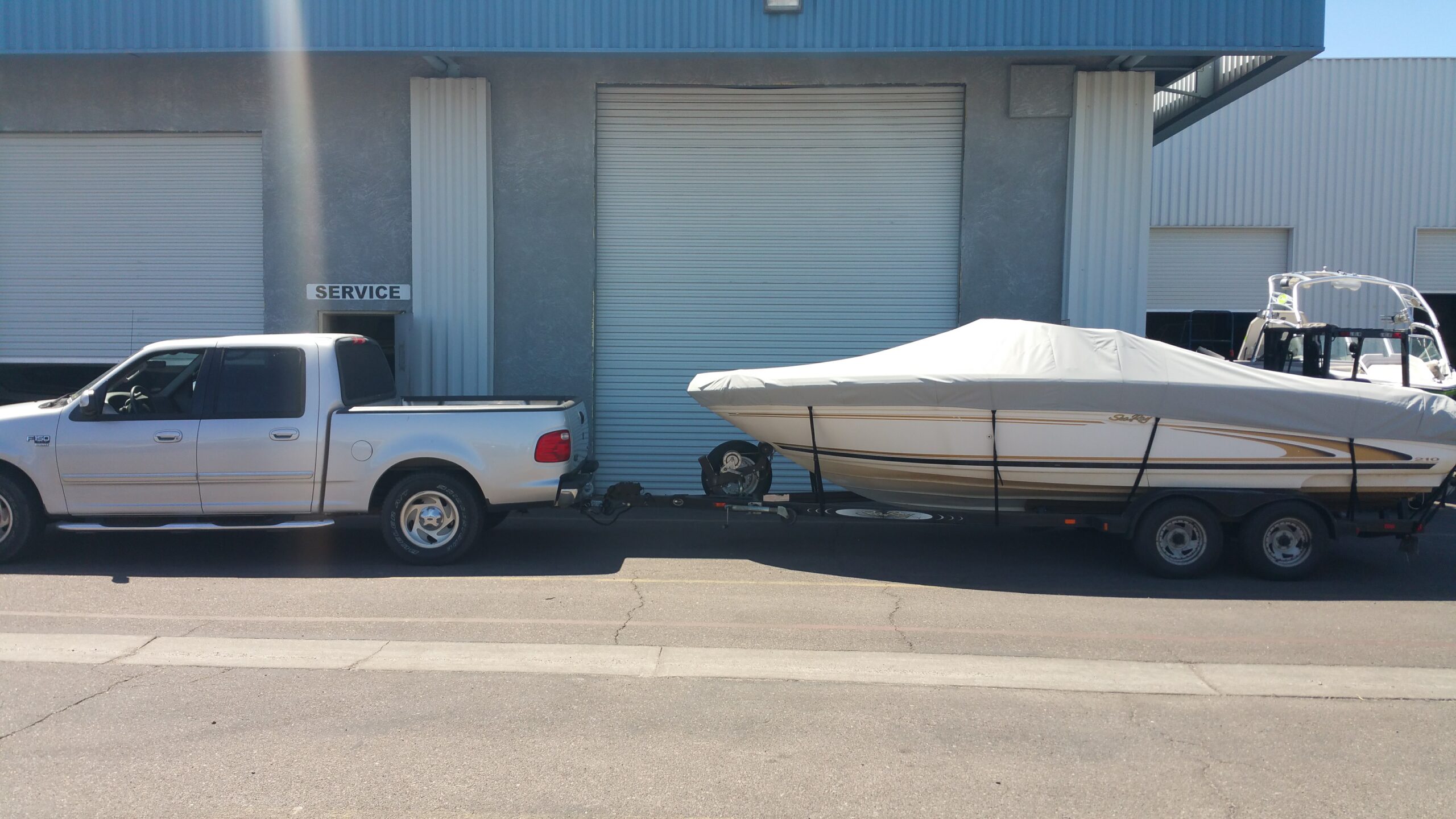
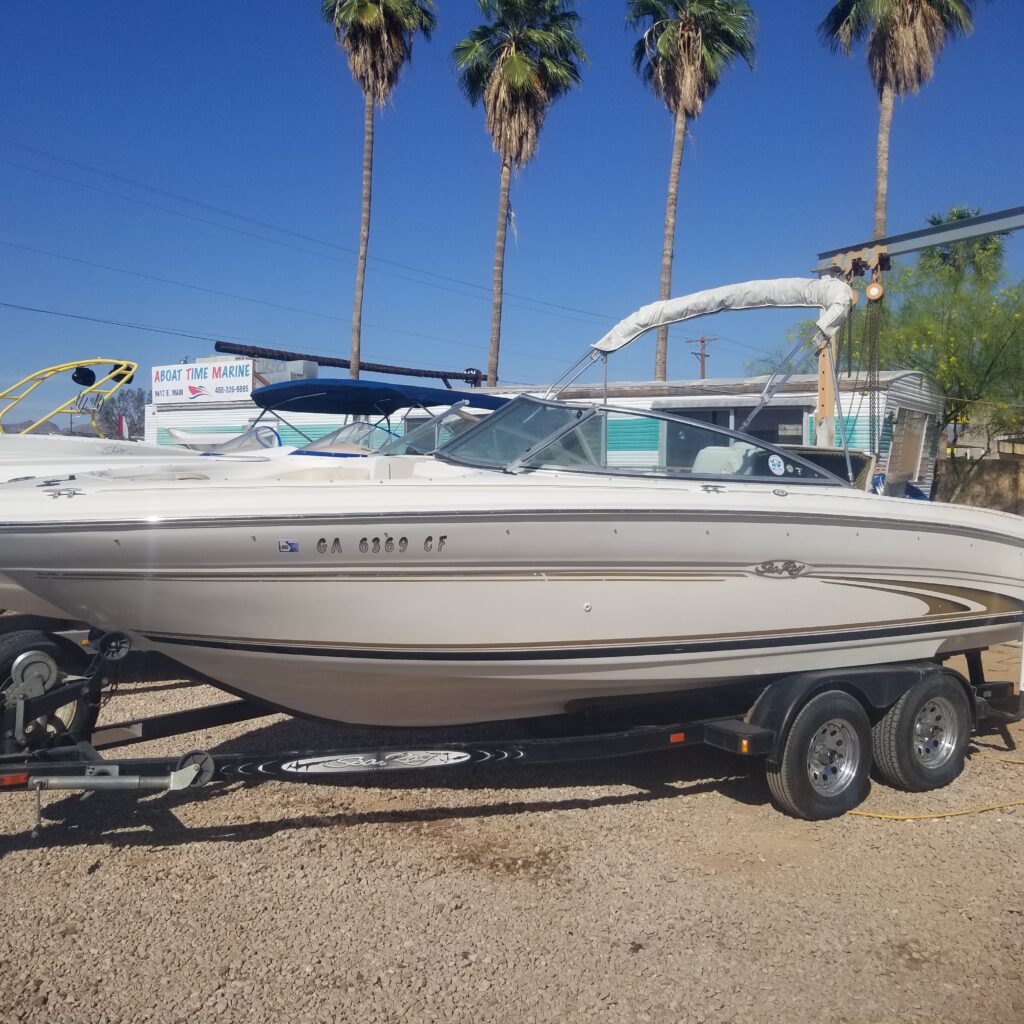
Fast forward to September 2015: my boat and two paddleboards were packed and ready for the epic trek from NC to AZ—because why leave your favorite toys behind?

It took me four long days of driving from NC to AZ. 

I dropped the boat off at storage, and sadly, that is where it stayed the majority of its years before selling it in 2022. 

It still looked so amazing for a 20-year-old boat and still trimmed out at 50+ M/PH when it sold. 😟

I should have pulled my UTV to AZ instead of my boat; I sold the wrong toy before I moved! 

A UTV would have gotten so much more use in the AZ mountains and/or making it street legal!

Let it go, Darrell, let it go! 😜

Well, I did let them go and lost my ass on both of them eventually! 

Just in the wrong order! 😎

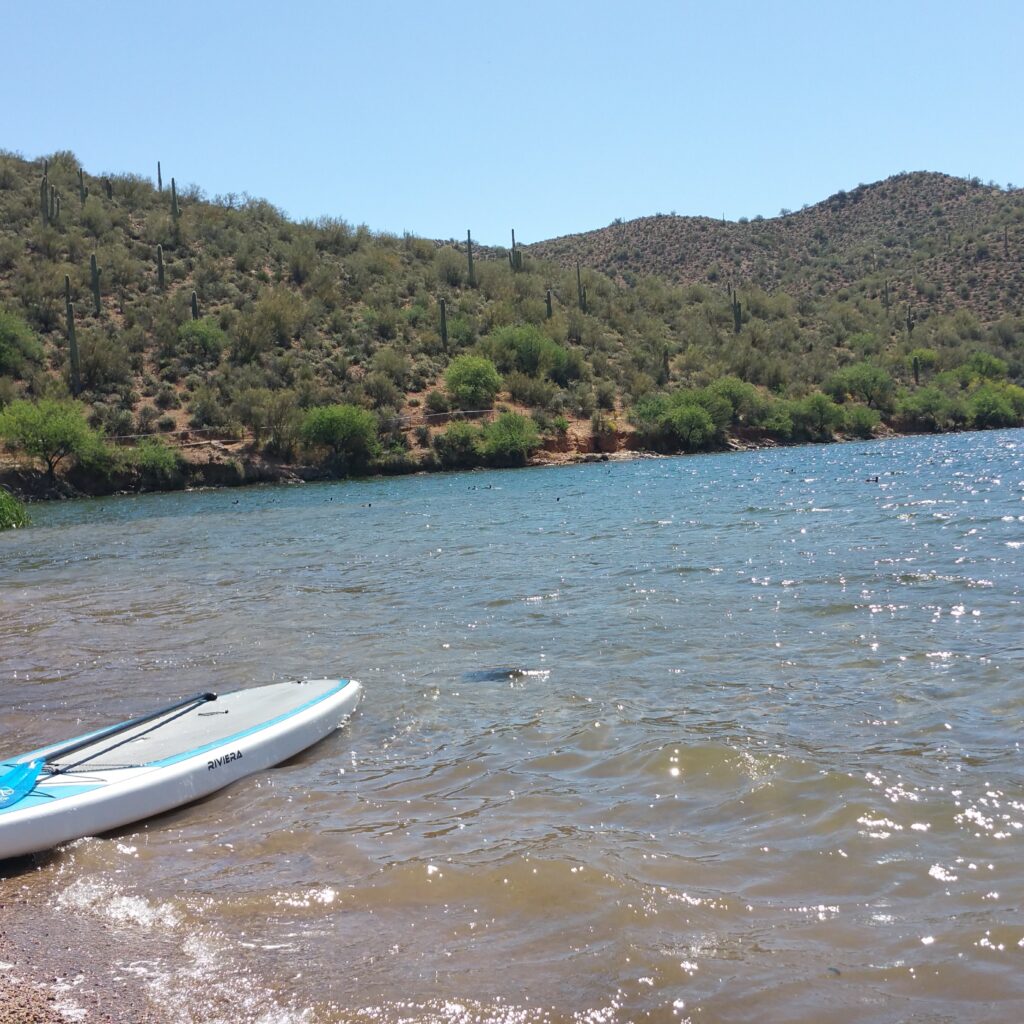
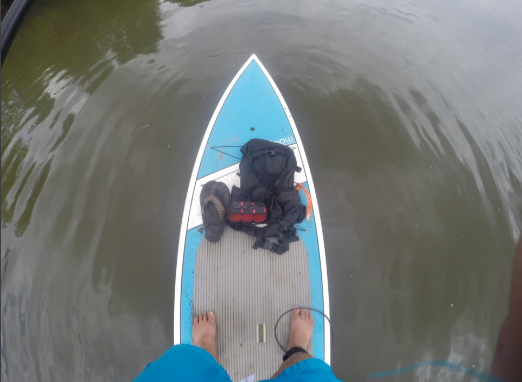
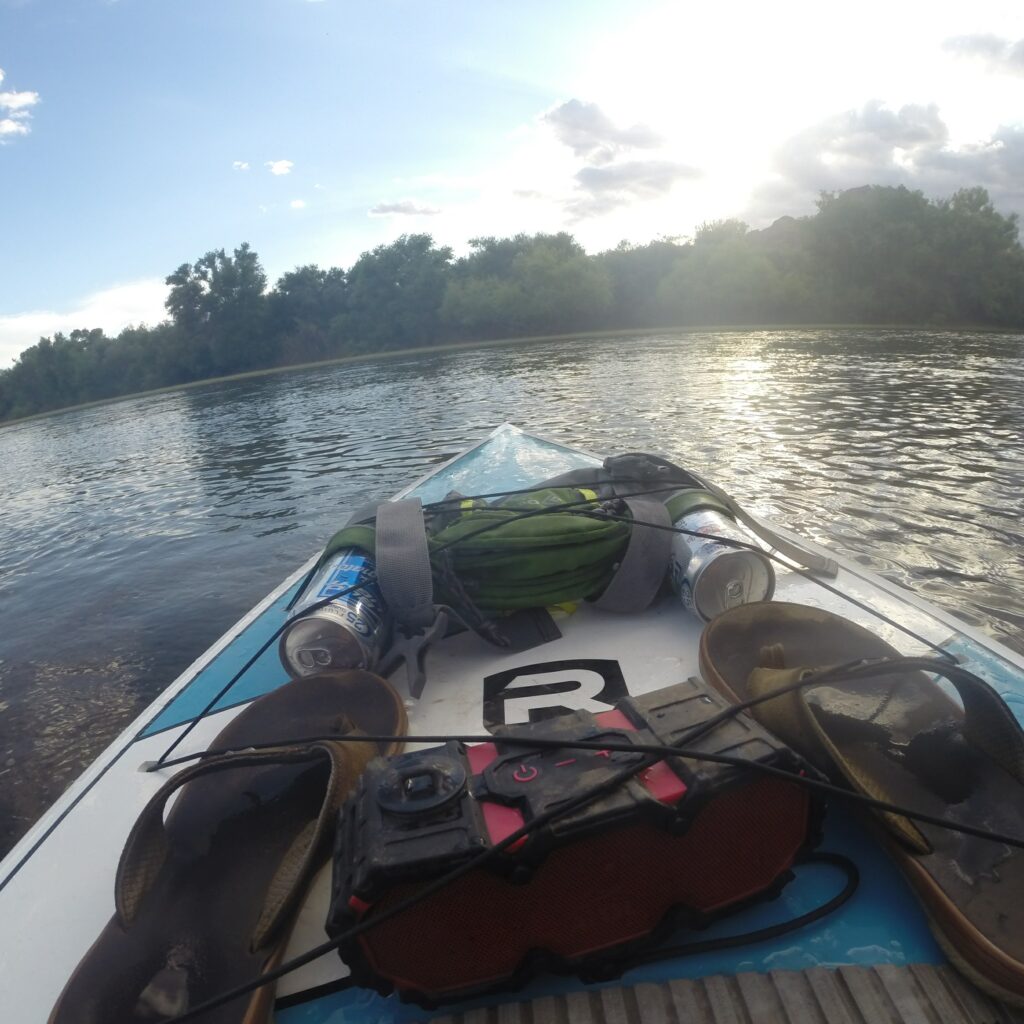
I knew East Mesa’s lakes were tiny, but I didn’t realize weekends meant waiting to launch, only to get spun around in a human-sized washing machine. Paddleboarding through the constant wake? Forget it—I kept falling. 

After hauling my “Bring Out Another Thousand” money pit from NC to AZ, it barely saw the water at all.  If you disagree, visit Lake Lanier or Lake Norman, where the coves are bigger than the lakes in AZ.  Excuse de jour … 

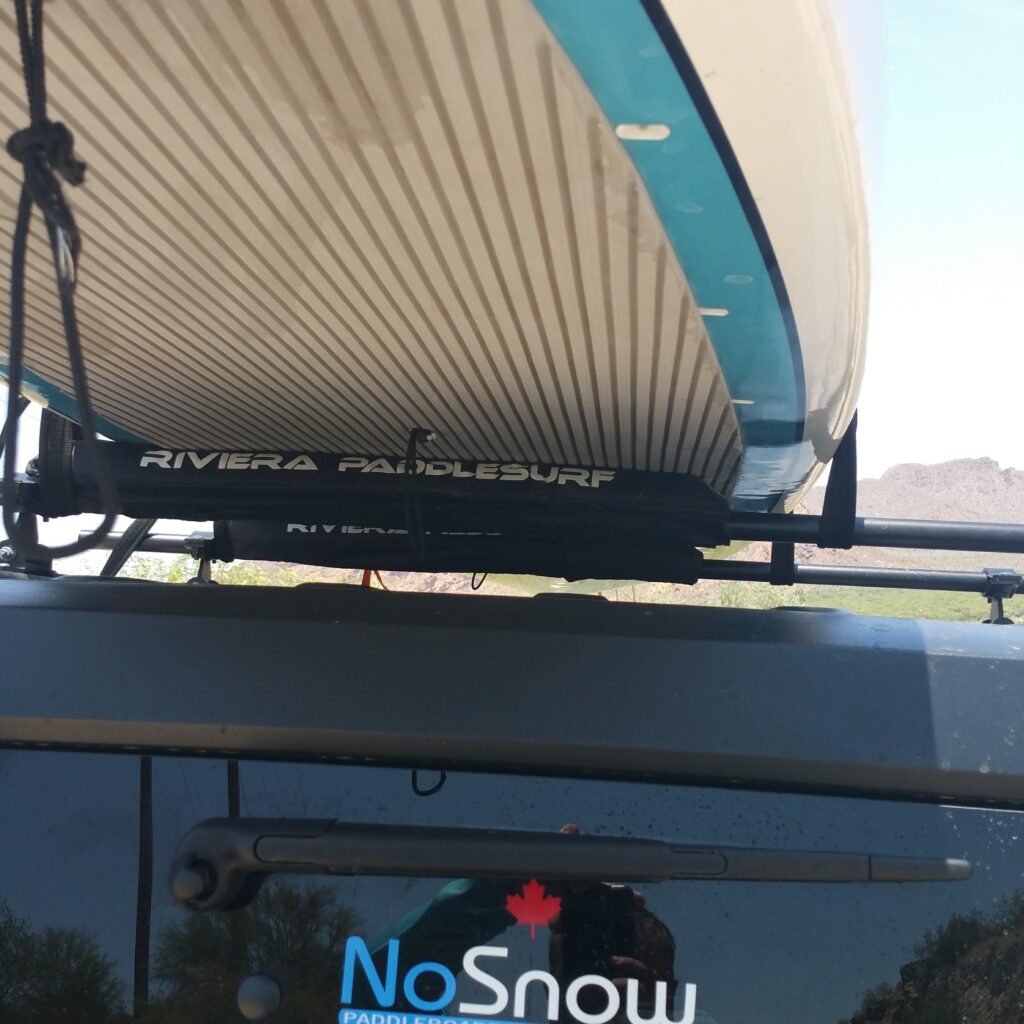
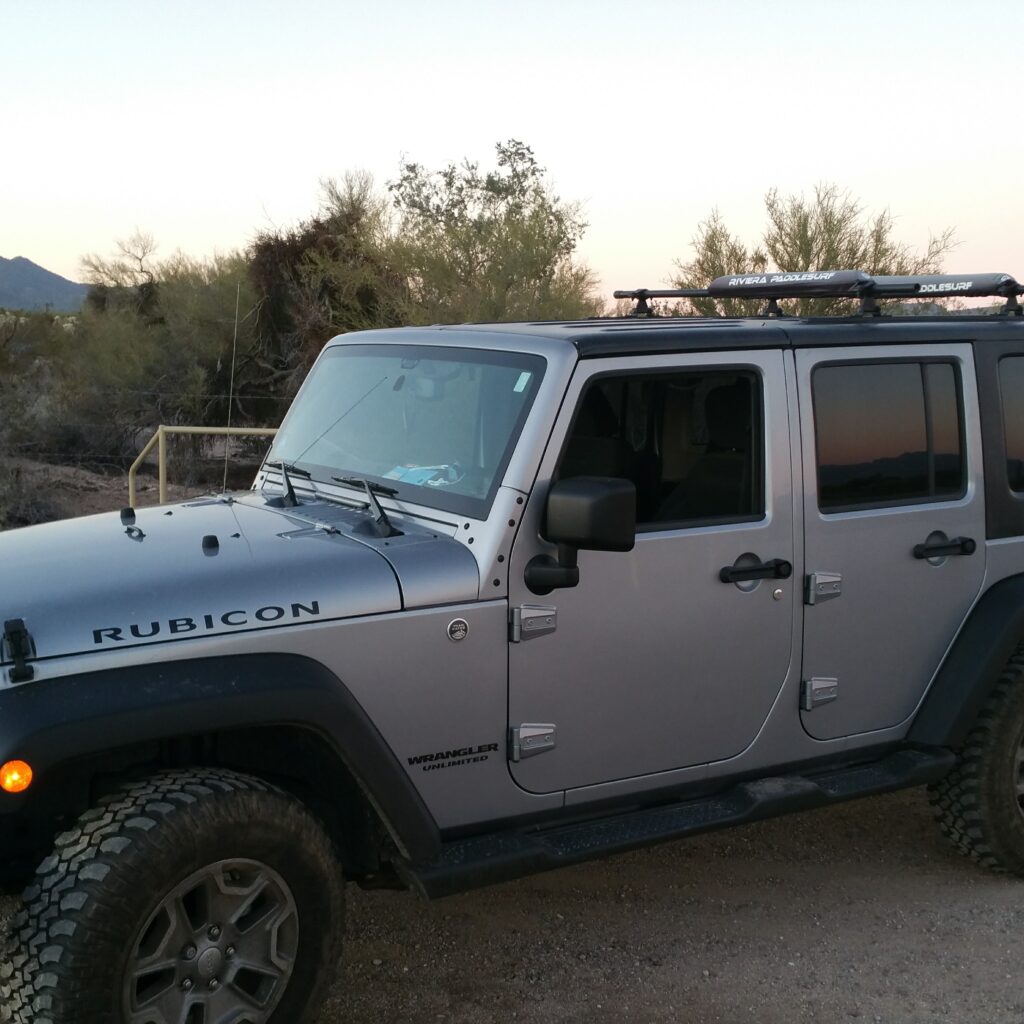
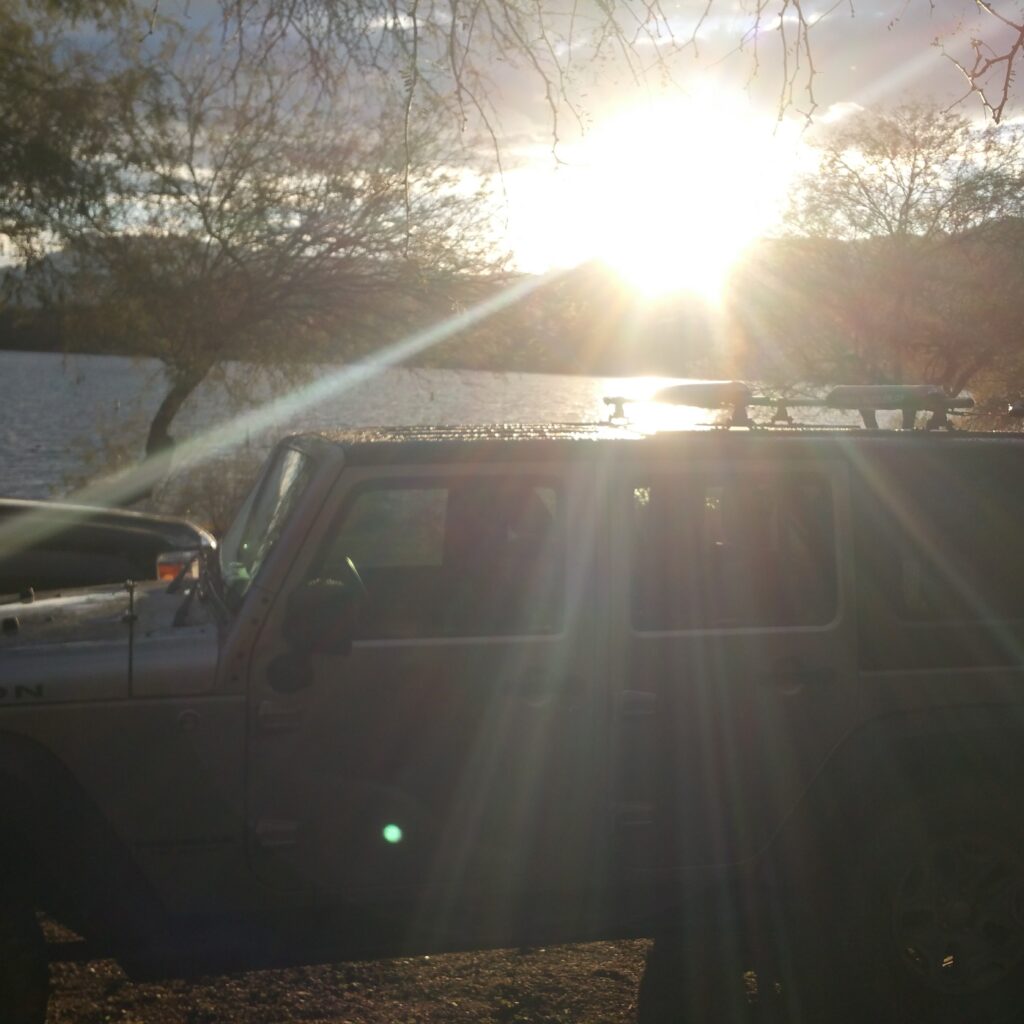
I preferred paddling the river because it involved exactly zero hassle. Toss the board on the Jeep, drive 20 minutes, and boom—adventure achieved.

You’d get a solid workout grinding upstream into the current, then enjoy the universally beloved reward: a free ride home provided by gravity and basic physics.

And let’s be honest—it didn’t hurt that the “commute back” involved cracking a beer, relaxing, and pretending this was all very intentional while the scenery did the work.

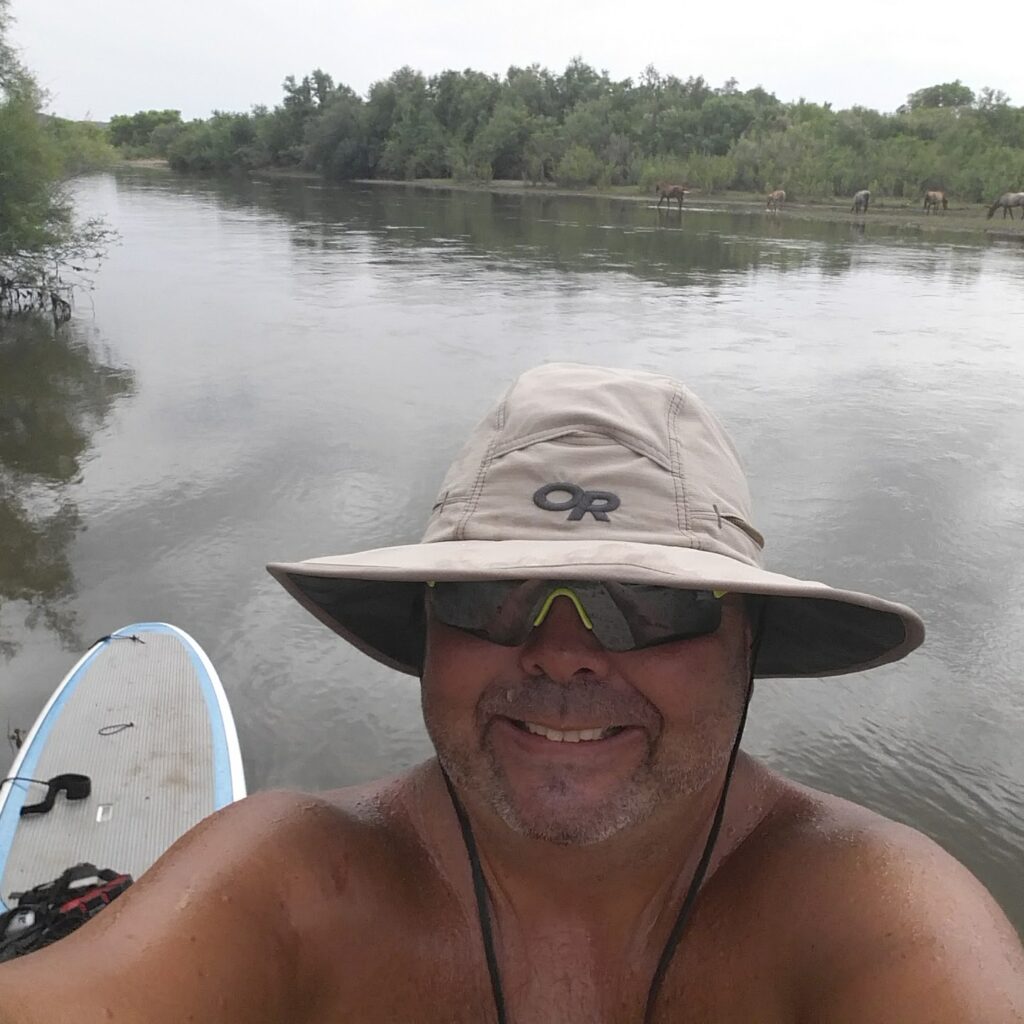
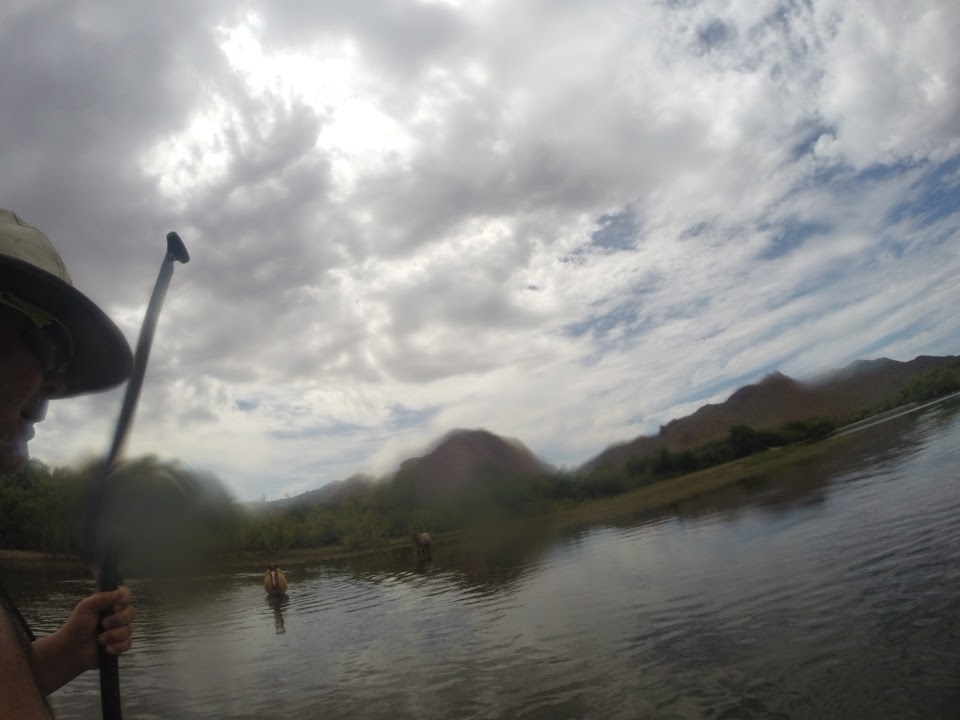
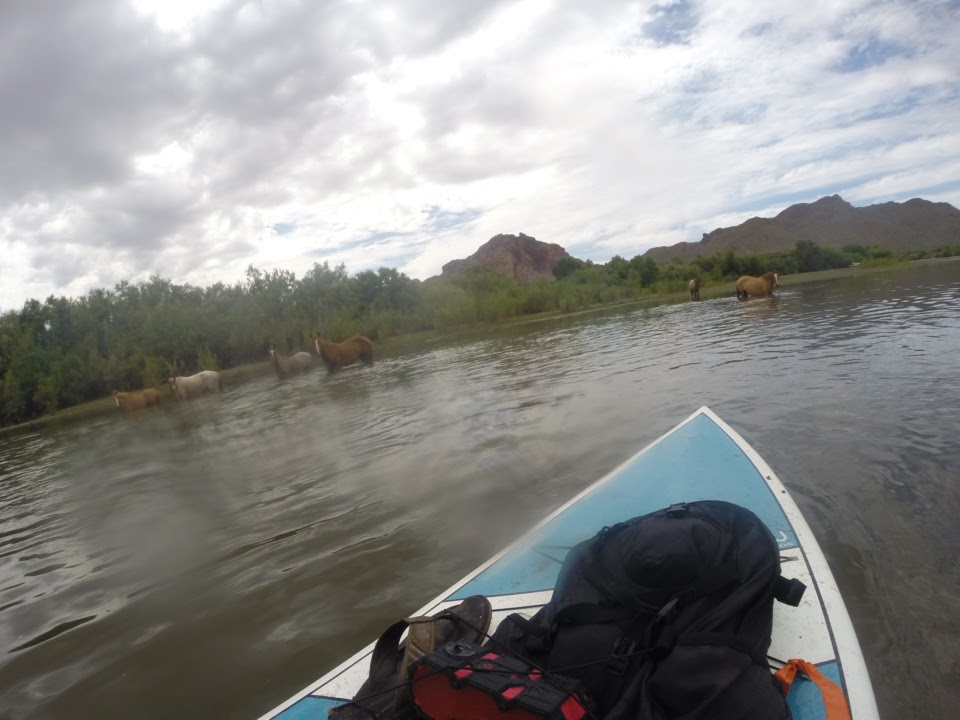
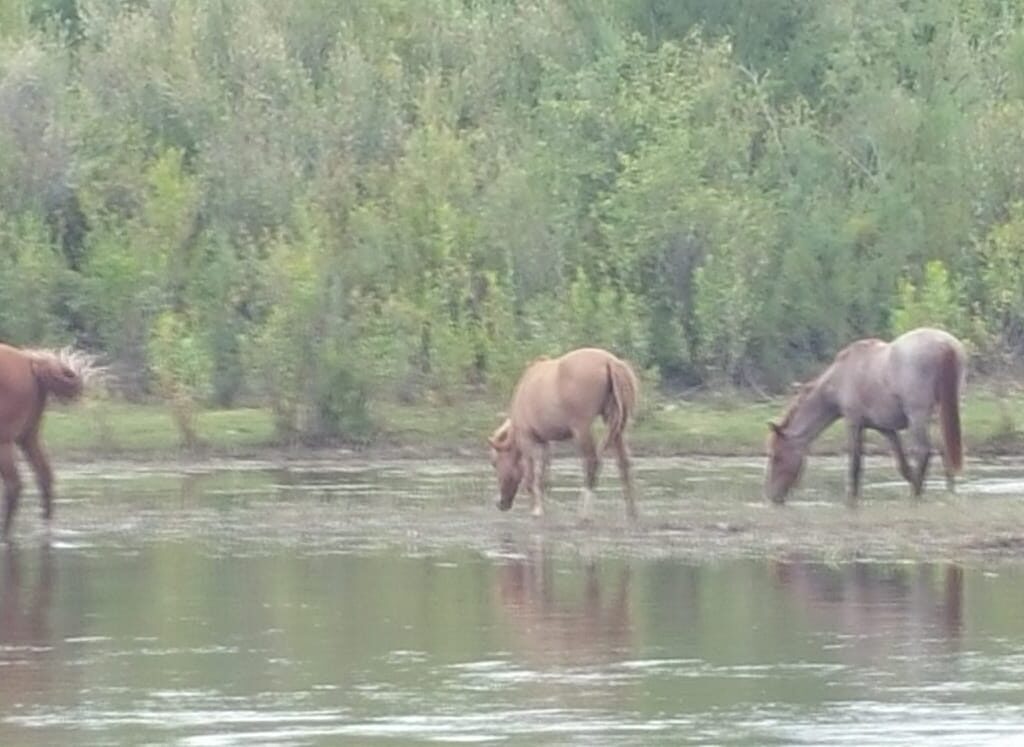
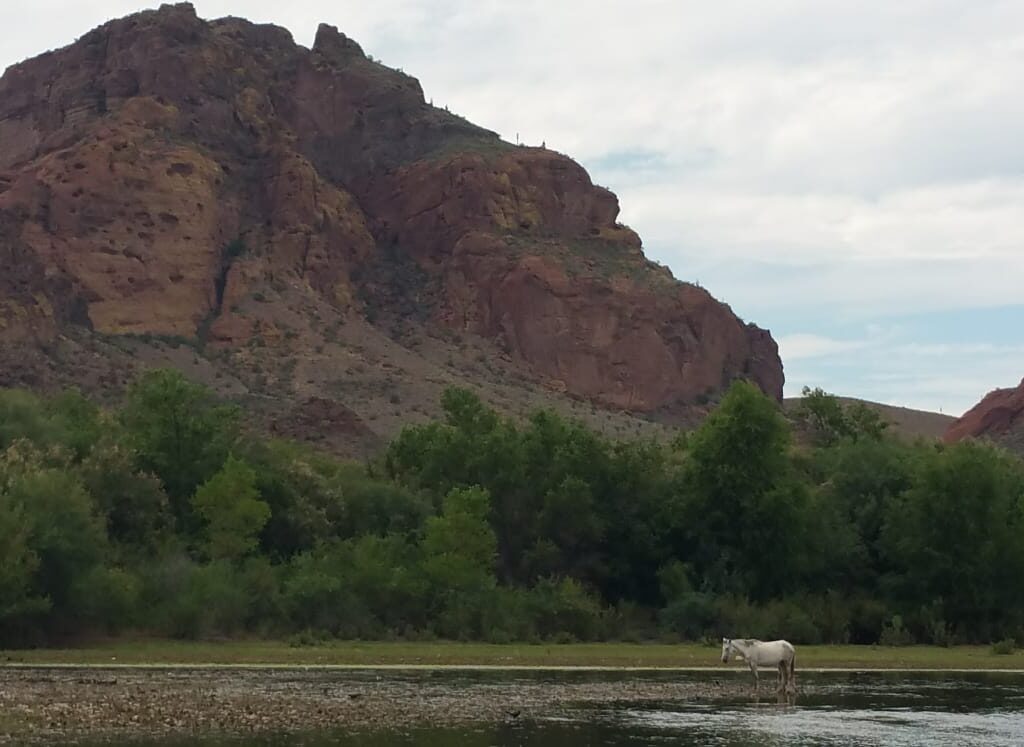
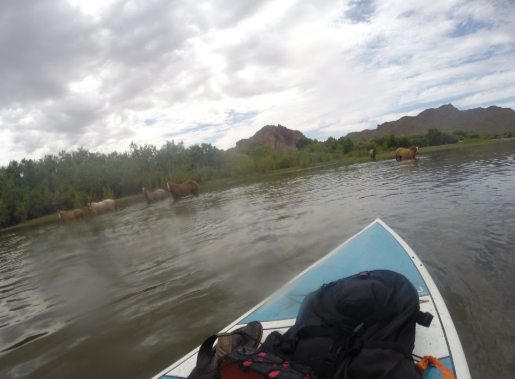
Passing the families of wild horses quietly from the water is always surreal—half nature documentary, half “is this real life or did I drink that beer too early?”

Kept one paddleboard at my place in Rocky Point, Mexico, and an inflatable in storage—because nothing says commitment like owning multiple versions of the same abandoned hobby.

I also used to paddle in a quiet ocean cove in Mexico, until the tides reminded me they do not care about my confidence or balance. That phase ended quickly.

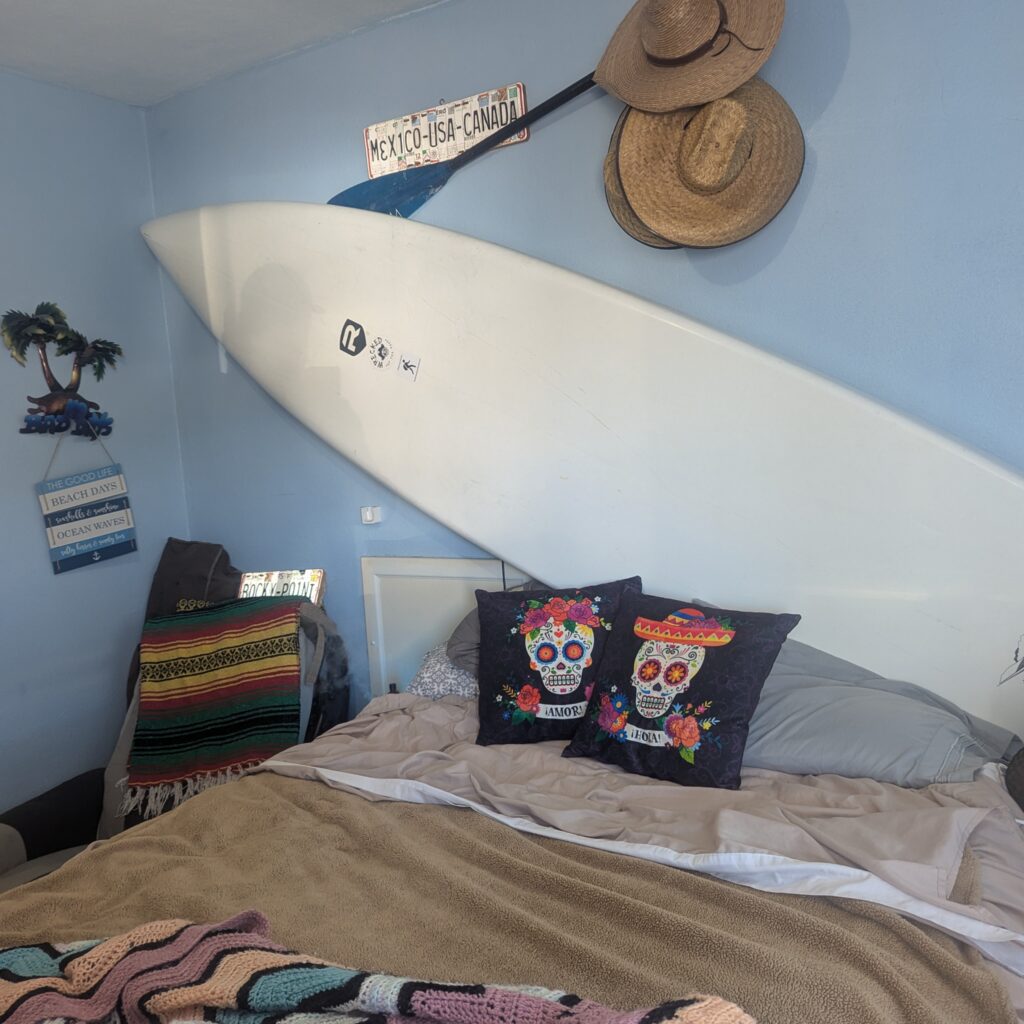
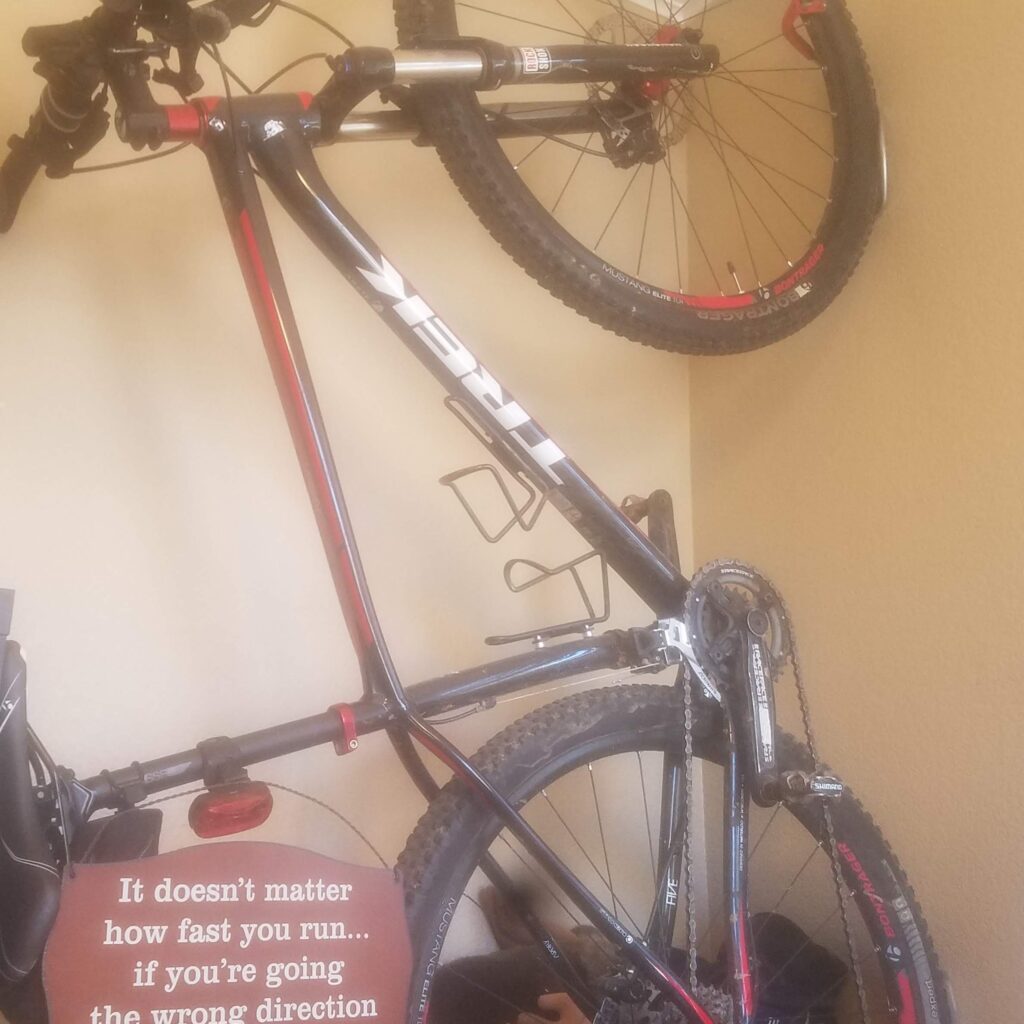
Over the years, the boards slowly evolved into tasteful wall art of days gone by, joining my golf clubs and bikes from other eras when I was sure this was my thing.

Looking back, the best part was the ~$2K “404 race board” I had mounted on my condo wall in Mesa. I couldn’t paddle it properly, but as dĂ©cor!?!

Flawless. Minimalist wannabe, very aspirational, trying to fool anyone who cared.  

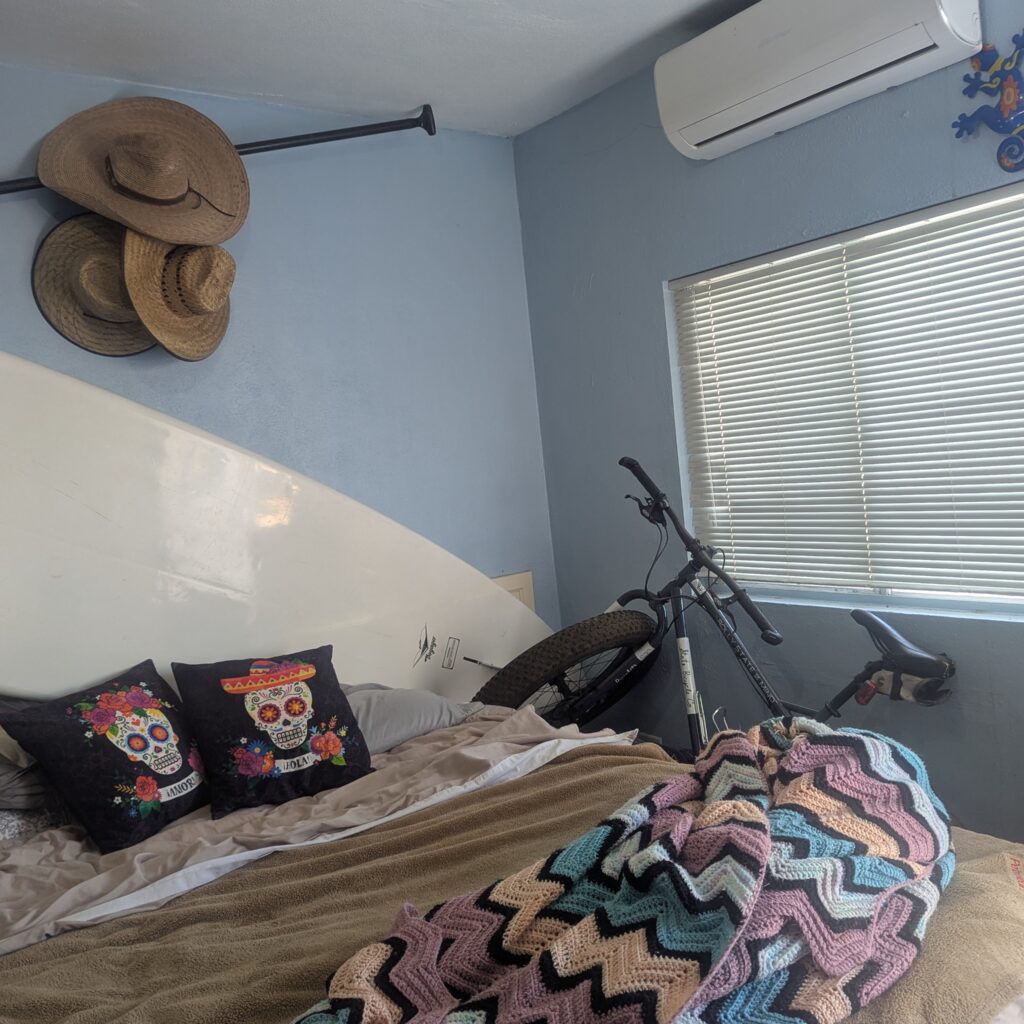
Just like the boards and bikes on the wall, my bike became art in the desert too! LOL

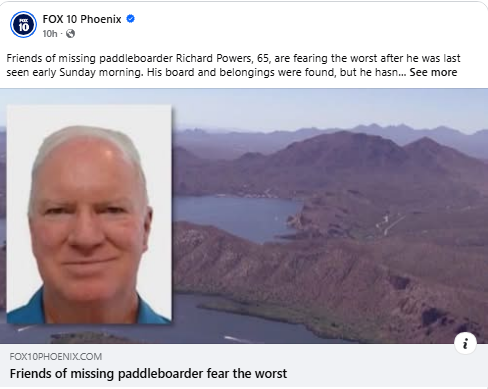
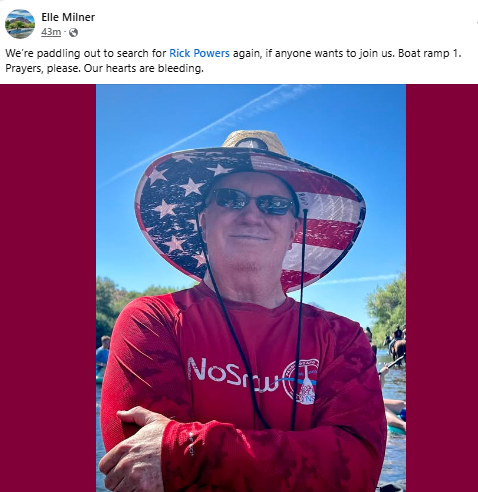
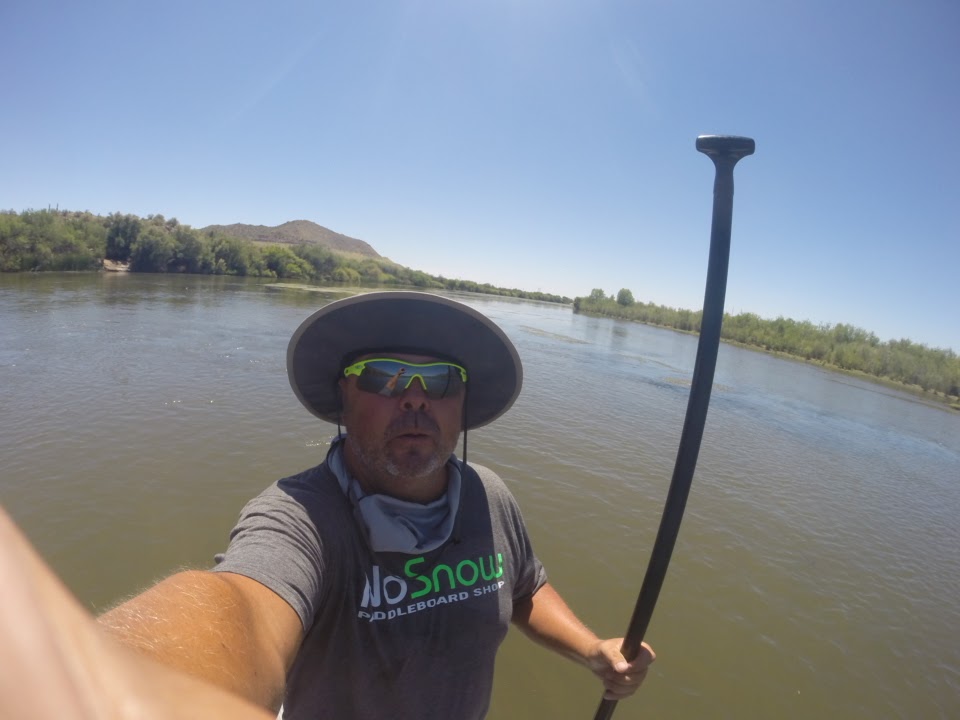
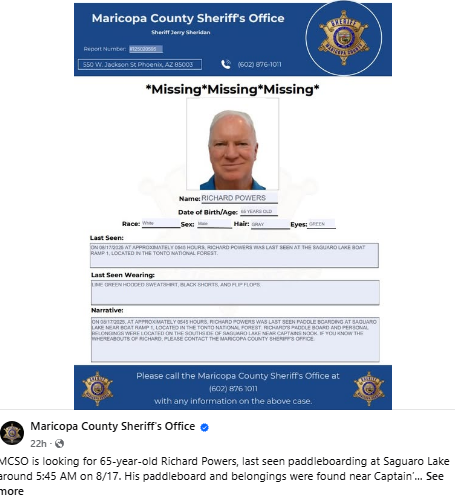
This blog was inspired by Rick Powers, his loved ones, and the AZ NoSnow paddle Family in Mesa, AZ.

It has been several years since I last saw Rick, but do not let his age fool you; he was an amazing paddler. He had hundreds of paddles and many races under his belt.  

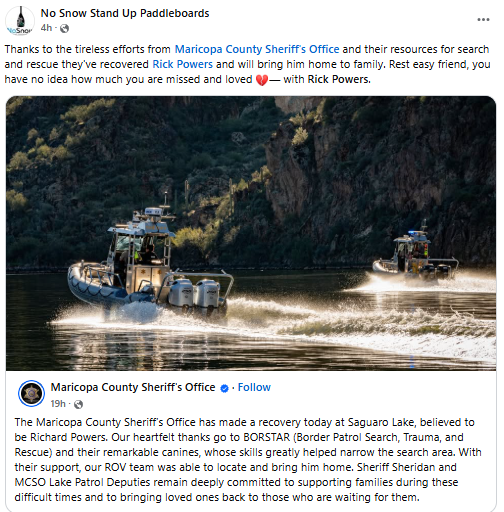
He didn’t turn up after his early morning paddle on August 17, 2025, and found his gear, but there was no sign of Rick. They found him on the afternoon of August 20th. There was so much emotion during the search for him!

He had been all over the news (<– click here for links) with his incredible story that touched so many people.

I will always remember Rick lapping me on the lake and being so pissed off at him as he was ten plus years older!

You were an absolute legend to the “older guys” trying not to hang it up. Ultimately, you helped put me into paddle retirement where I belonged, knowing you were uncatchable. 

That will be a memory I will laugh about forever.Â đŸ™đŸ»

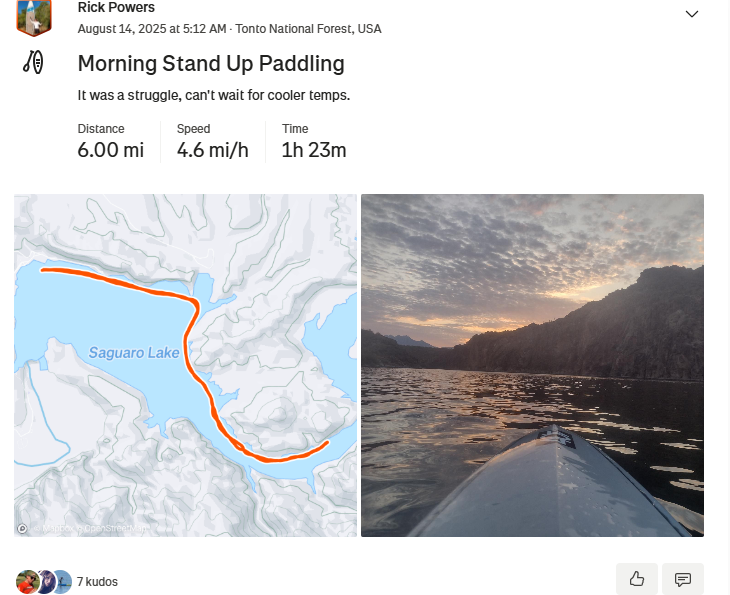
Here are Ricks’ Strava statistics (<- click the link to access stats). If you are interested in how being an older athlete can still be badass, consider that his last paddle would have been his 950th entry on Strava!

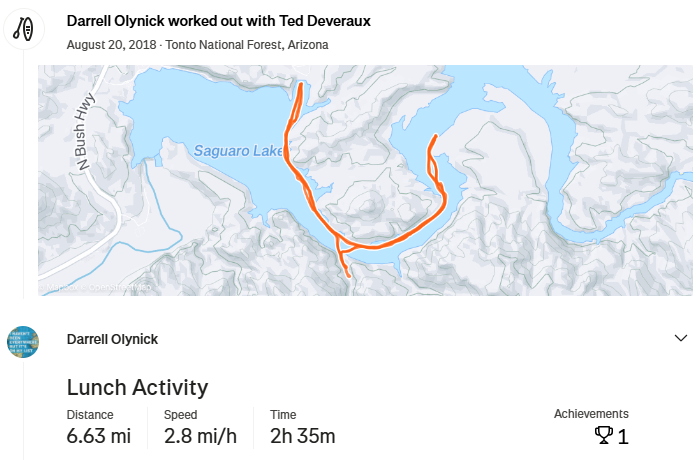
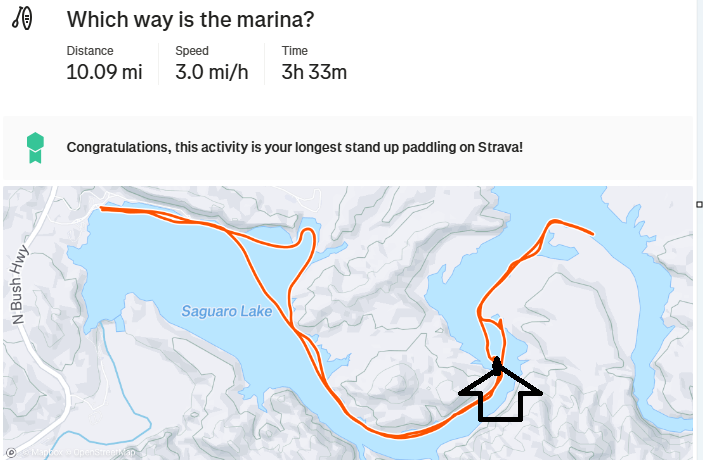
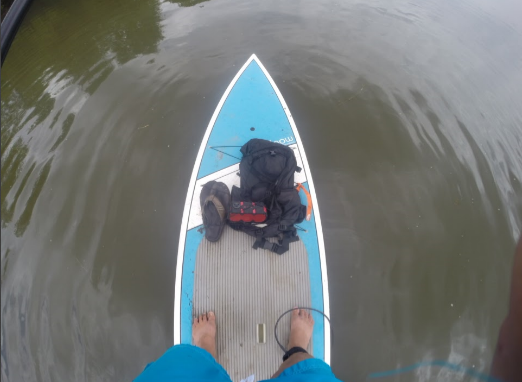
Below were our last recorded long paddles, with mine being exactly seven years ago, the day they found Rick. Ironically.  I was exhausted, I would never paddle alone again, and hung it up soon after.

Unlike Rick, I was just not good enough, and he belonged on the water! đŸ€™đŸ»

Paddle for your life was my thought that day, as I did not have much left in the tank the last couple of miles.

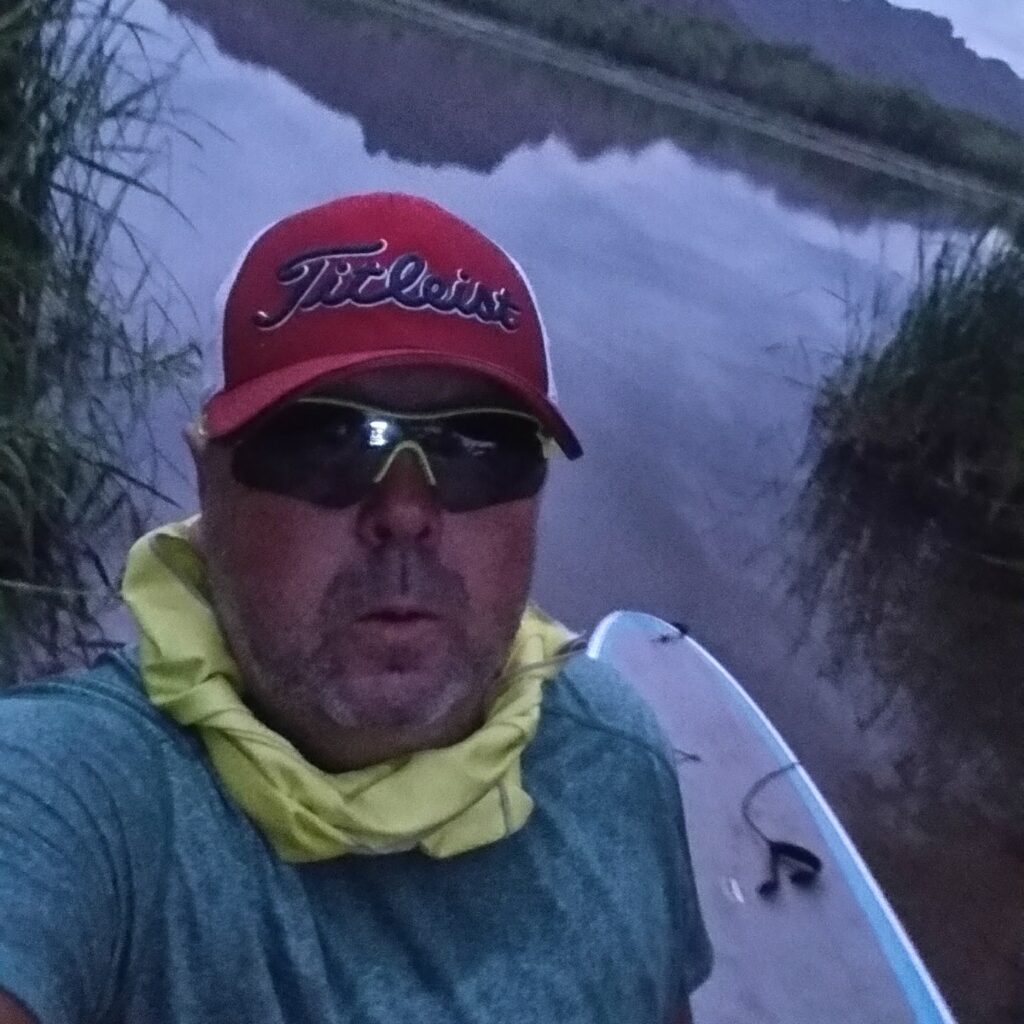
During my longest paddle on the same Saguaro Lake, I fell on my way home, which is marked âŹ†ïž on the map above. I got turned around and paddled further into the cove. I thought I was headed home, but was going the wrong direction, making my paddle home further.

I should never have paddled alone was my takeaway that day …

20150730_185313

Living the Arizona life!đŸœïž

One thing I’ll always be thankful for is buying a condo in Arizona during the housing market crash in 2009. At the time, it felt like a practical, almost conservative decision. In hindsight, it quietly set the foundation for everything that came later.

That gratitude sits alongside a bit of nostalgia. I’d already sold some incredible homes in Edmonton, Alpharetta, Georgia, and Mooresville, North Carolina—places tied to specific chapters of my life. Each move closed one door and opened another, even if I didn’t fully understand it at the time.

What I couldn’t see then was how the Arizona place would eventually become more than just a home. It became an anchor—a base that allowed me to take risks and travel literally elsewhere. Stability in one place made freedom possible in others. 

Knowing I had something solid to return to gave me the confidence to travel more, stay longer, and say yes to opportunities that didn’t come with guarantees.

Looking back, that condo wasn’t just a smart investment that pays me to travel through Airbnb. It was also permission to move, to explore, and to build a life that didn’t have to stay in one place to feel grounded.

From an investment standpoint, the timing was absurdly good. In 2009, the Phoenix market was still in full capitulation mode—single-family homes with pools were selling under $100K, and condos could be picked up for under ~$30K. Most of these were cash deals, with banks more interested in clearing defaulted inventory than maximizing price. Recovery mattered more than valuation.

At the time, I was working in Georgia and already owned a home there, so this wasn’t about replacing a primary residence or chasing a lifestyle fantasy. It was about positioning. A low-cost asset in a market that had clearly overshot to the downside and would, eventually, revert. While in Las Vegas that year, I took a day to fly to Arizona and look at opportunities in person—because listings are useful, but markets are easier to read when you’re standing in them.

We toured roughly ten condo properties. Living across the country forced discipline, which worked in my favor. I only considered turnkey units—no renovations, no surprises, no emotional projects. My criteria were unapologetically practical: strong amenities (pool, gym, hot tub), walkability to groceries and restaurants, and a layout that would work equally well for short-term stays and seasonal renters.

Rental potential wasn’t optional—it was the point. The goal was a property that could generate income from snowbirds while remaining usable as a personal base when needed. That dual-purpose flexibility capped downside risk and improved the return profile without adding complexity.

When we toured Solana later that day, it separated itself immediately. The location worked. The amenities worked. The condition worked. Everything aligned. By the end of the visit, it was clear this wasn’t a lifestyle purchase pretending to be an investment—it was a clean, well-timed asset with multiple usage paths.

Which is exactly what you want when markets are panicking, and patience is underpriced.

From an investment perspective, it checked every box.

The Solana community had two pools, a hot tub, and a gym—exactly the kind of amenities that matter to both renters and owners. A Safeway directly across the street, a Walmart down the road, and multiple restaurants within walking distance made it even more attractive. Convenience sells, especially for long-term renters and short-term guests.

I left Arizona with clear instructions for the agent:
One-bedroom, ground-floor unit, green space patio view in Solana.

He nailed it!

All wrapped up in a $52,500 all-cash deal—a low-risk entry price with real usability, solid demand, and strong rental upside. At the time, it felt like a smart move. Looking back, it turned out to be a foundational one.

In the summer of 2014, I was laid off while living in Mooresville. It was one of those moments that forces clarity whether you’re ready for it or not.

Instead of scrambling to stay put, I treated it as a clean break. No panic. No patchwork fixes. Just an honest look at what I wanted next. It was time to leave the South and head west—and the difference was, I already had a landing spot waiting for me in Arizona.

What could’ve felt like a setback turned out to be a pivot. Sometimes losing the plan is exactly what makes room for the right move.

Arizona—and **Solana in particular—**turned out to be the perfect landing spot. It gave me a property that could generate rental income while still supporting the kind of life I actually wanted to live.

Year-round access to pools, hiking, biking, paddling, and camping meant the place worked whether I was home or on the road. From an investment standpoint, it made sense. From a lifestyle standpoint, it made even more sense.

It wasn’t just a smart buy—it was the rare overlap where numbers and quality of life lined up.

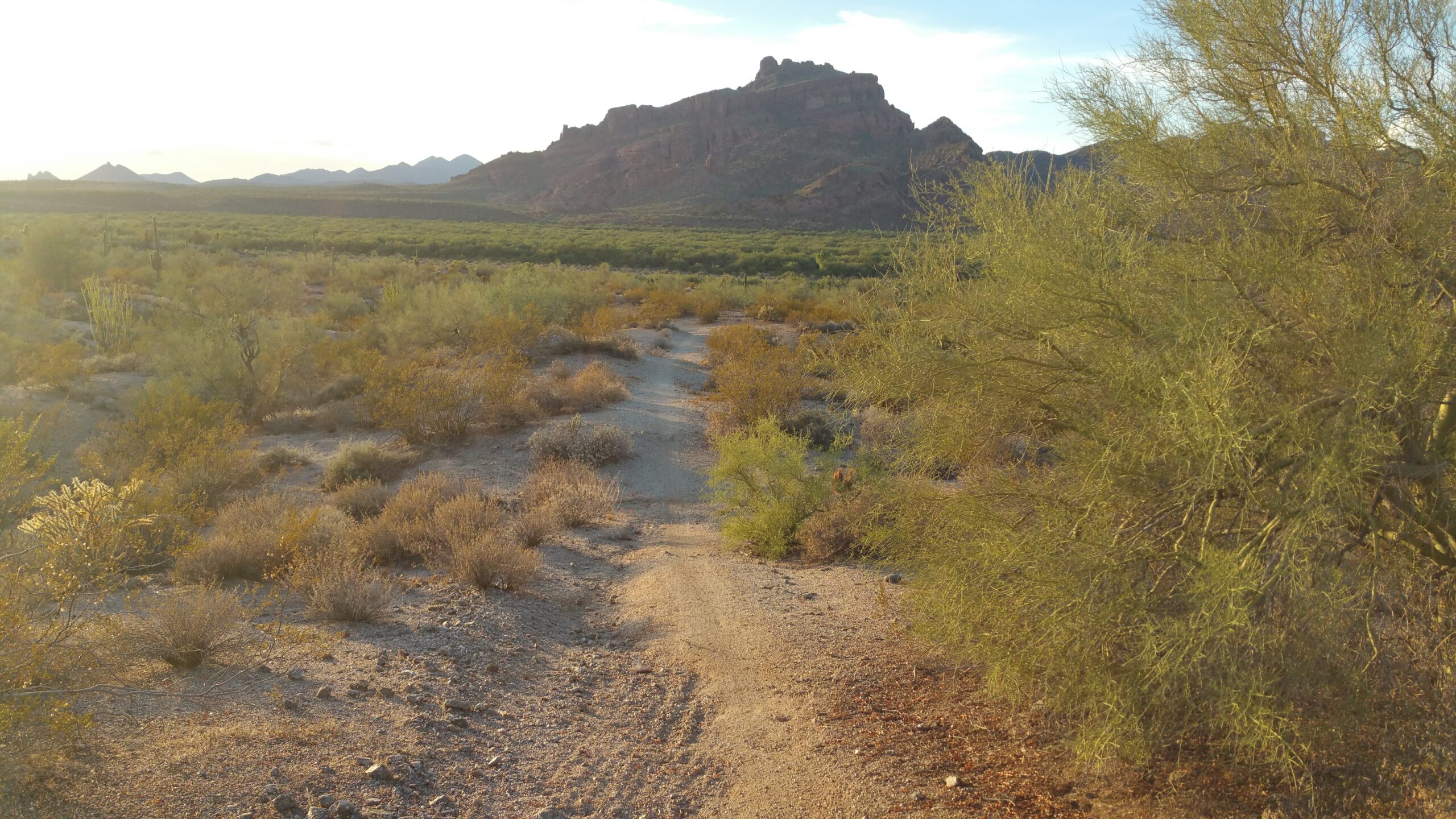
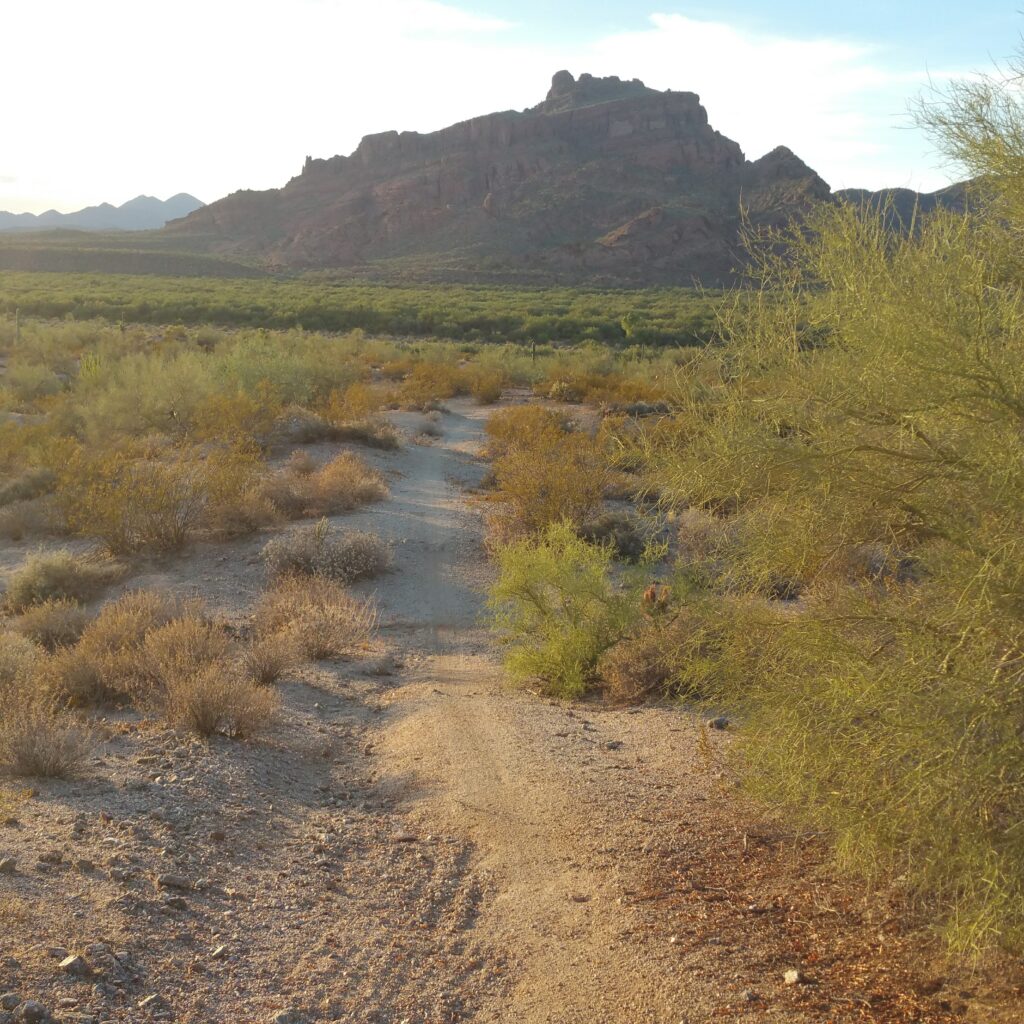
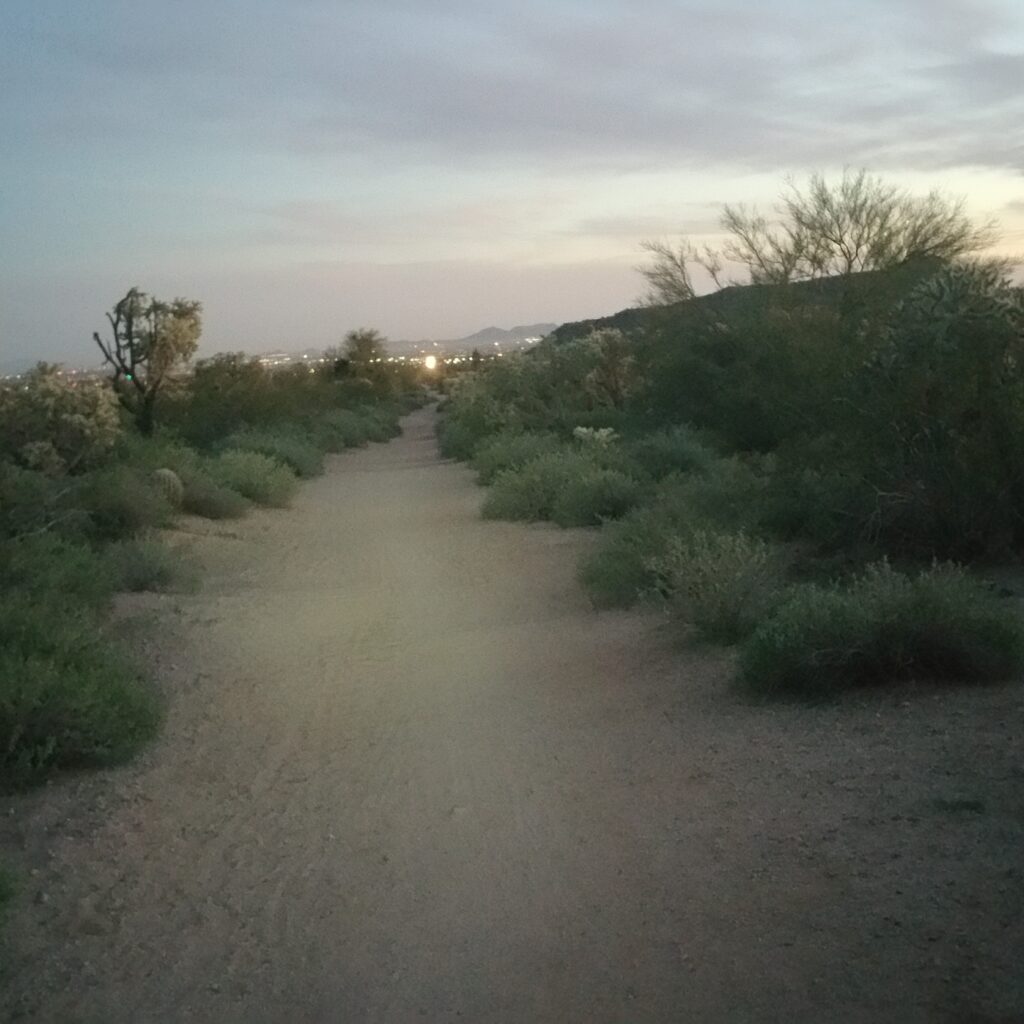
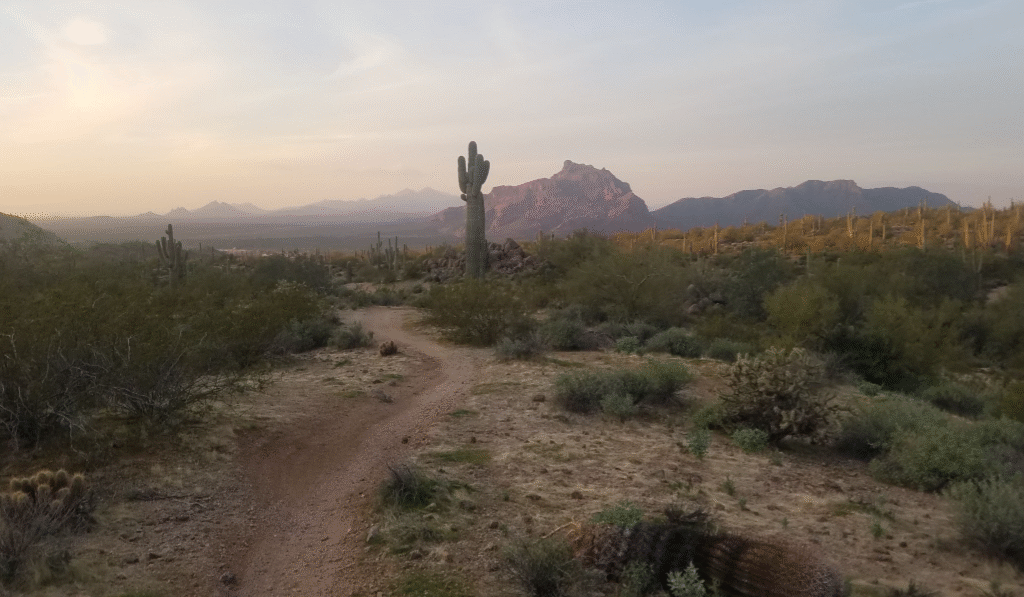
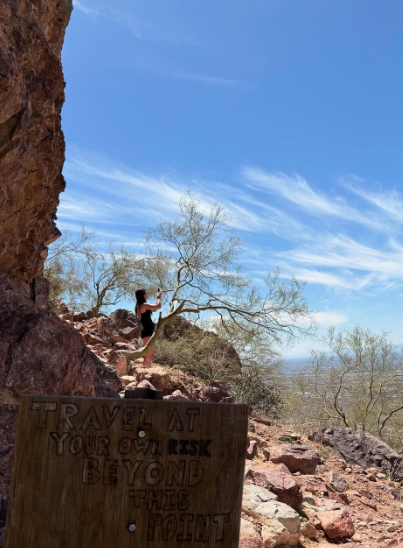
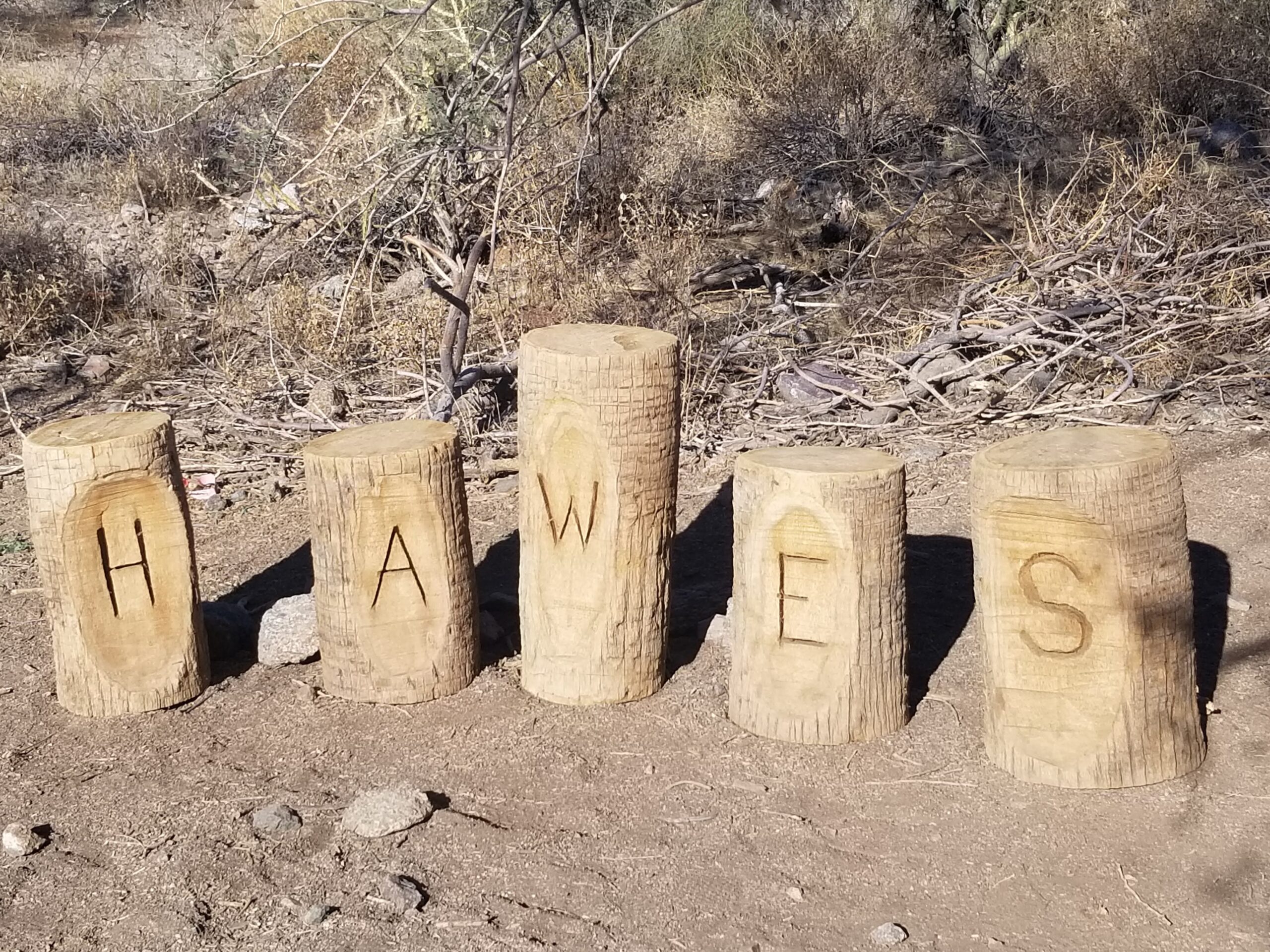
I’ve hiked the Hawes Trail System hundreds of times. Being just 15 minutes from home meant it was never something I had to plan around—it was simply there, ready whenever I needed it.

Over time, those trails became more than exercise. They turned into a reset button. A familiar place to think, to recalibrate, and to work things out one step at a time. No agenda, no pressure—just movement, space, and perspective.

Some places quietly heal you.
Those trails did exactly that.

I hope you enjoyed the pictures as much as I enjoy calling Arizona my part-time home, part-time Airbnb income generation—a place I return to when I’m not traveling.

IMG-20250507-WA0005

AZ: PT home, PT Airbnb & FT awesome!

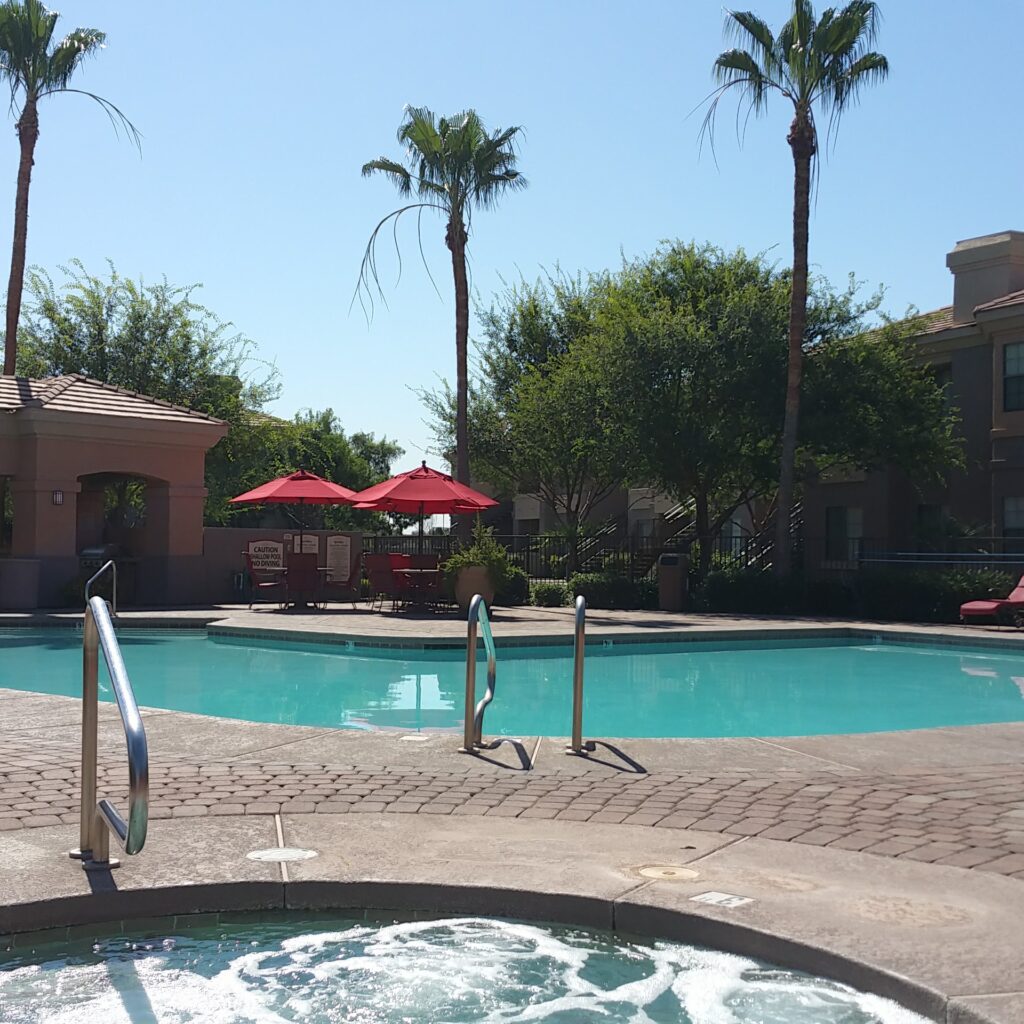
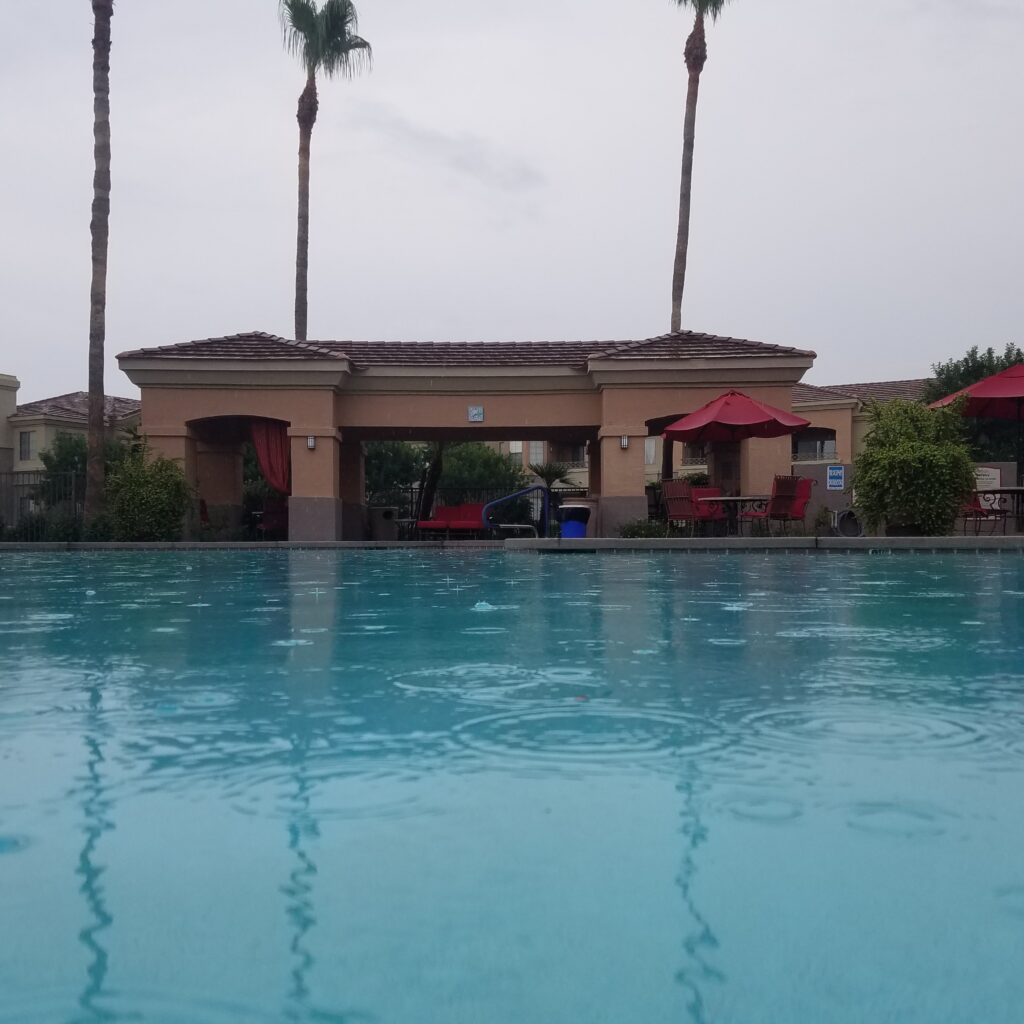
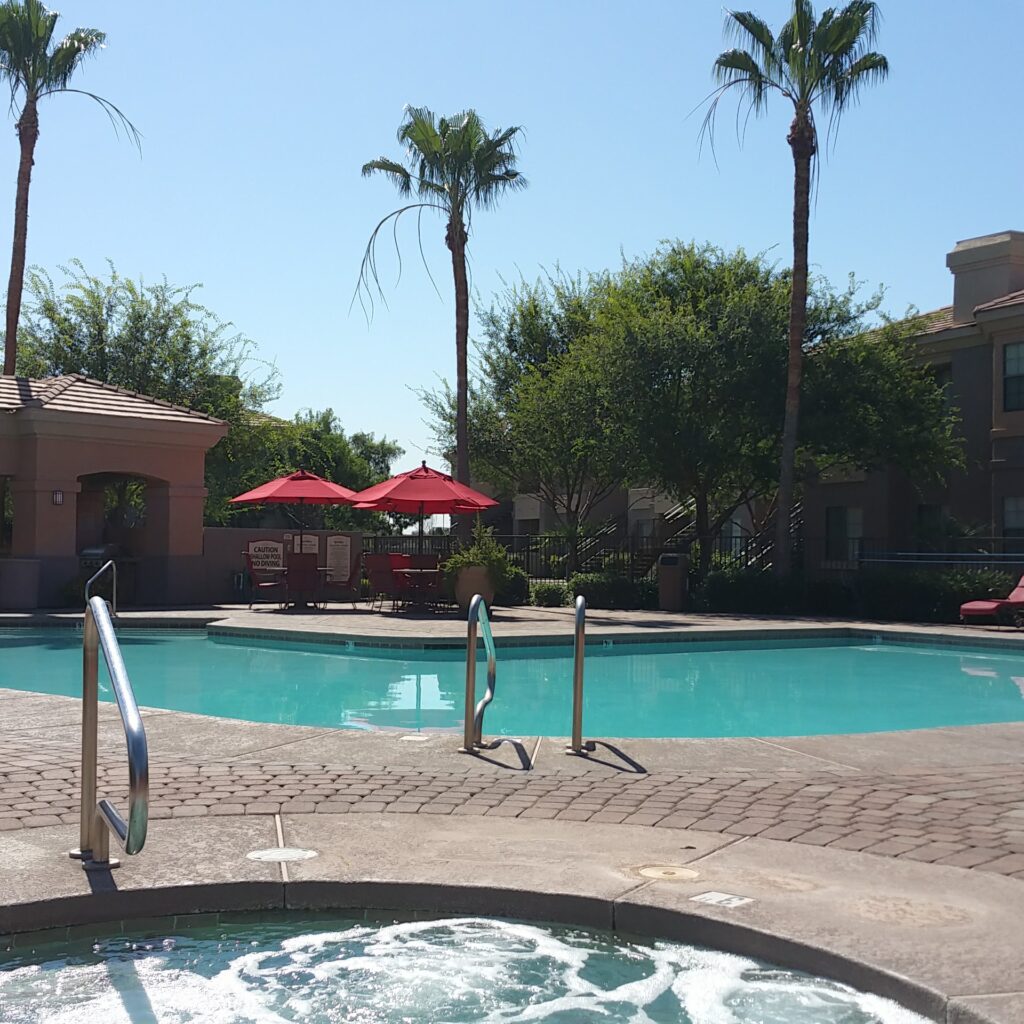
This is the large, heated pool and hot tub right at the front of the property. There’s also a smaller pool in the back, and my condo sits perfectly between the two—which is honestly the ideal setup. Maximum pool access, minimal effort.

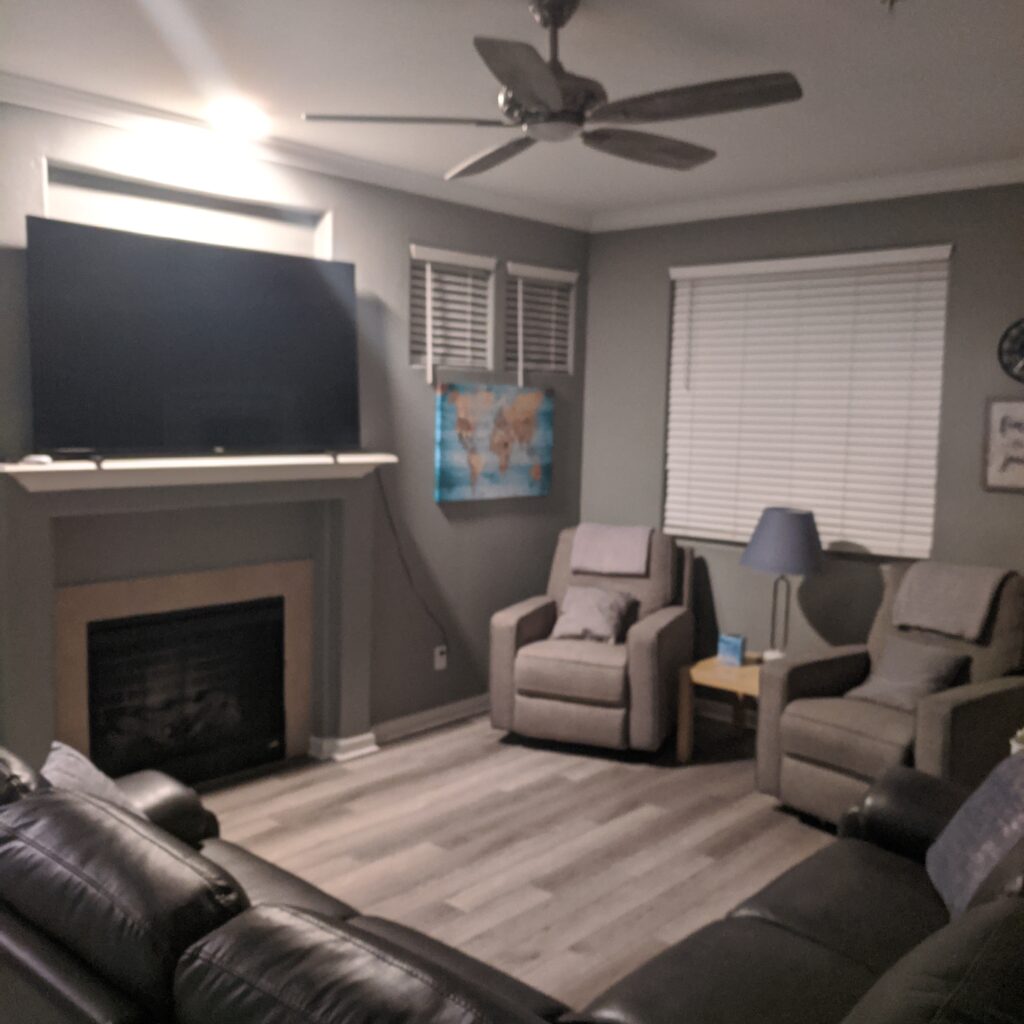
This is the view the moment you walk in the front door.
Pools. Palm trees. Adult beverages.

That instant “I’m definitely not at work anymore” feeling never gets old.

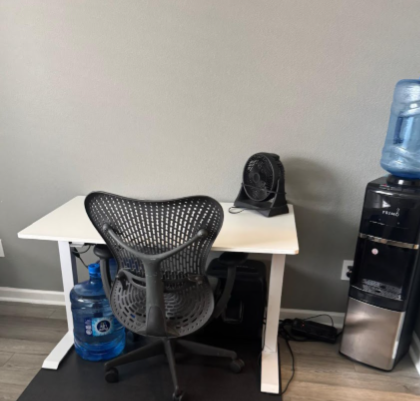
And if you want to work from paradise, I’ve got that covered, too.

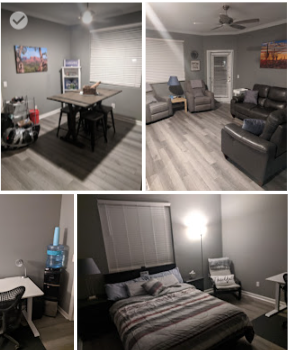
The setup includes a proper sit/stand desk and an ergonomic chair, so it’s an actual work-from-home space—not a balanced laptop on the couch pretending this is a fine situation. It’s comfortable, functional, and easy to settle into.

Now imagine the water-cooler conversations when people ask how work is going
 and you casually mention sunshine, pools, and palm trees.

Yeah—those stories tend to make friends, family, and coworkers just a little jealous. 😎

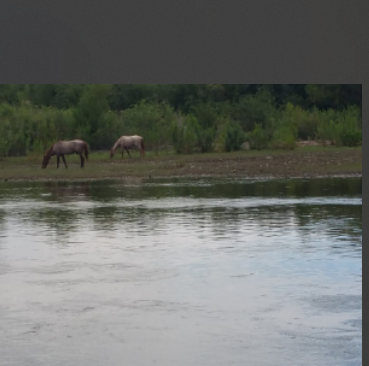
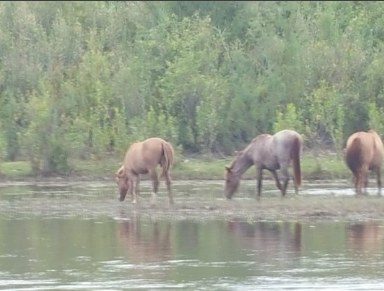
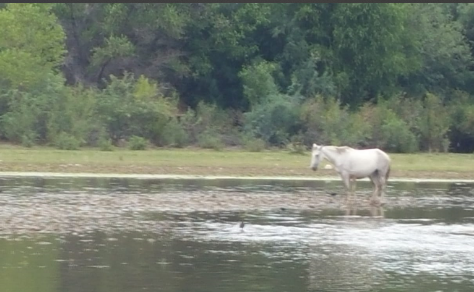
Less than a 30-minute drive puts you at the Salt River in the Tonto National Forest, where you’ll find one of Arizona’s coolest—and most unexpected—surprises: wild horses roaming freely along the river.

You can kayak, paddleboard, float, or just hang out by the water, and there’s a very real chance they’ll wander right past you like it’s no big deal. No fences. No zoos. Just horses doing horse things with desert cliffs in the background.

It’s one of those only-in-Arizona moments that sounds fake until you see it for yourself—and even then, it never really gets old.

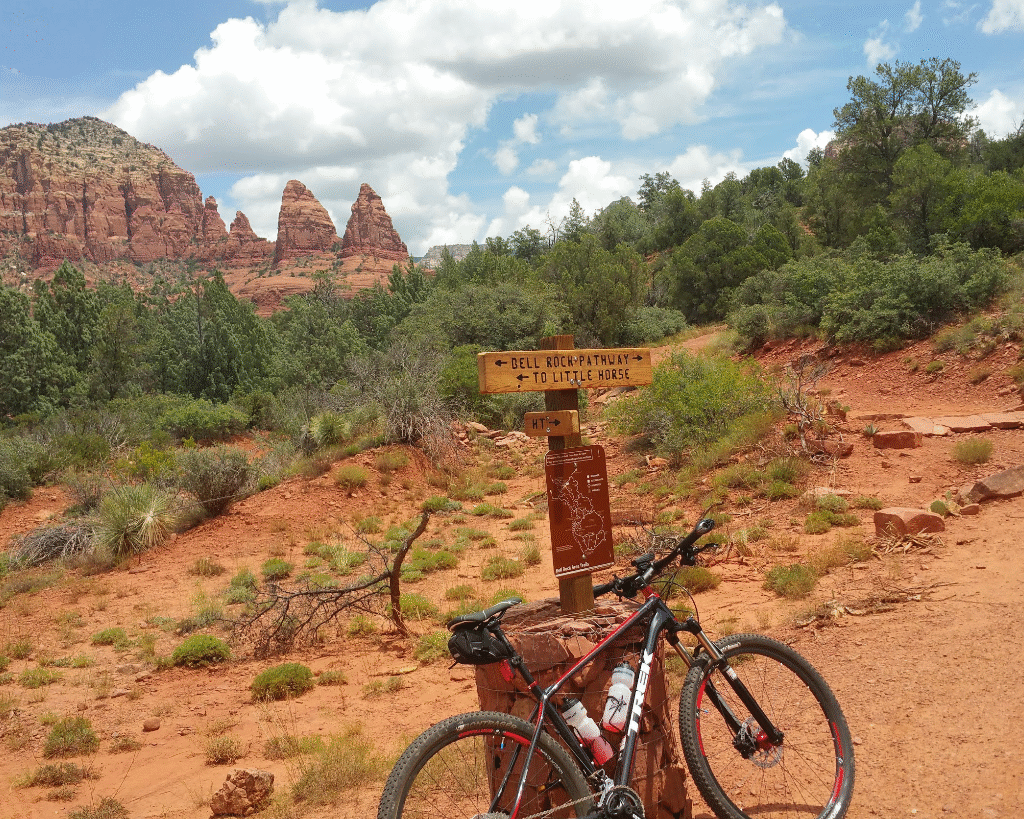
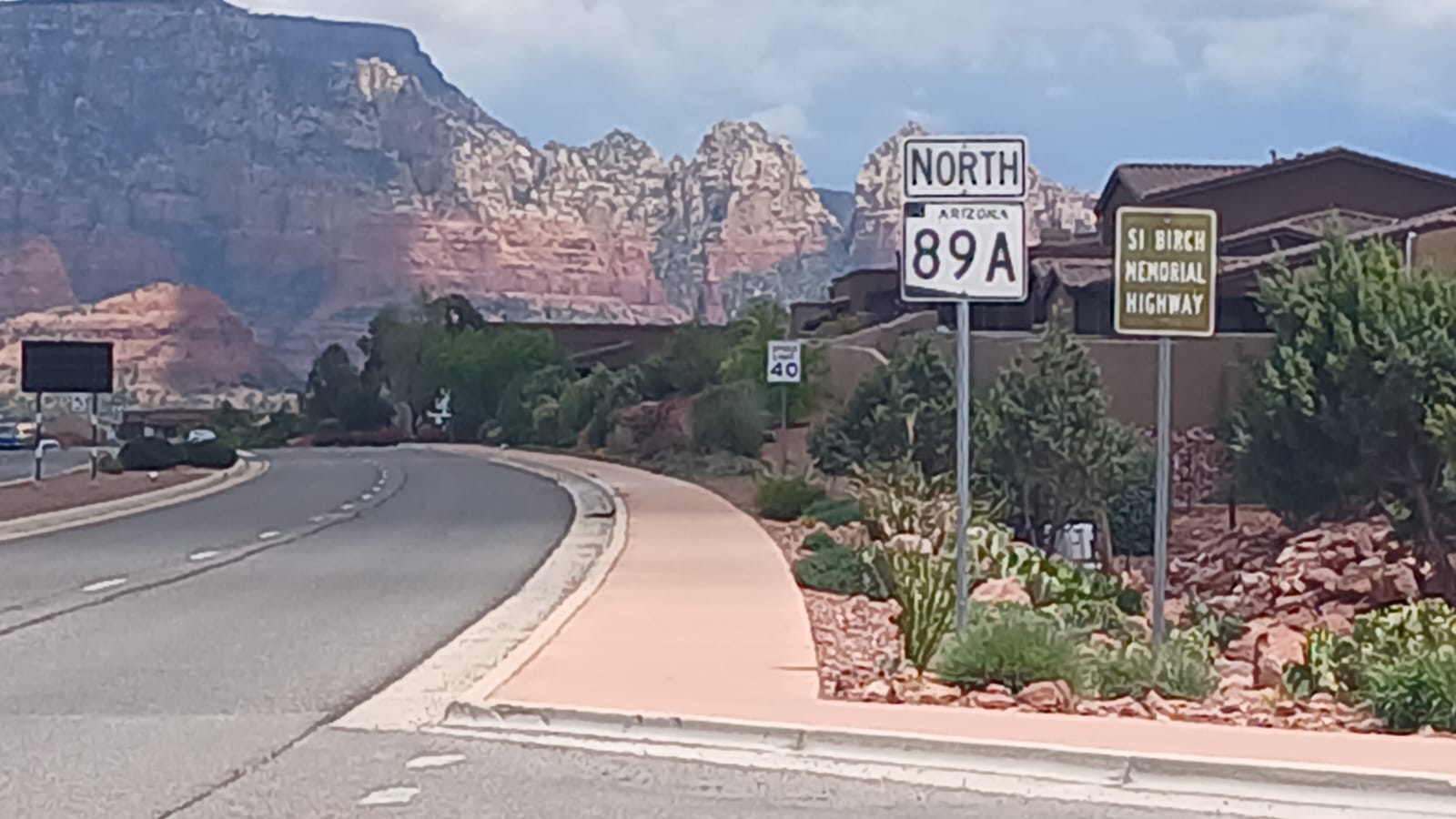
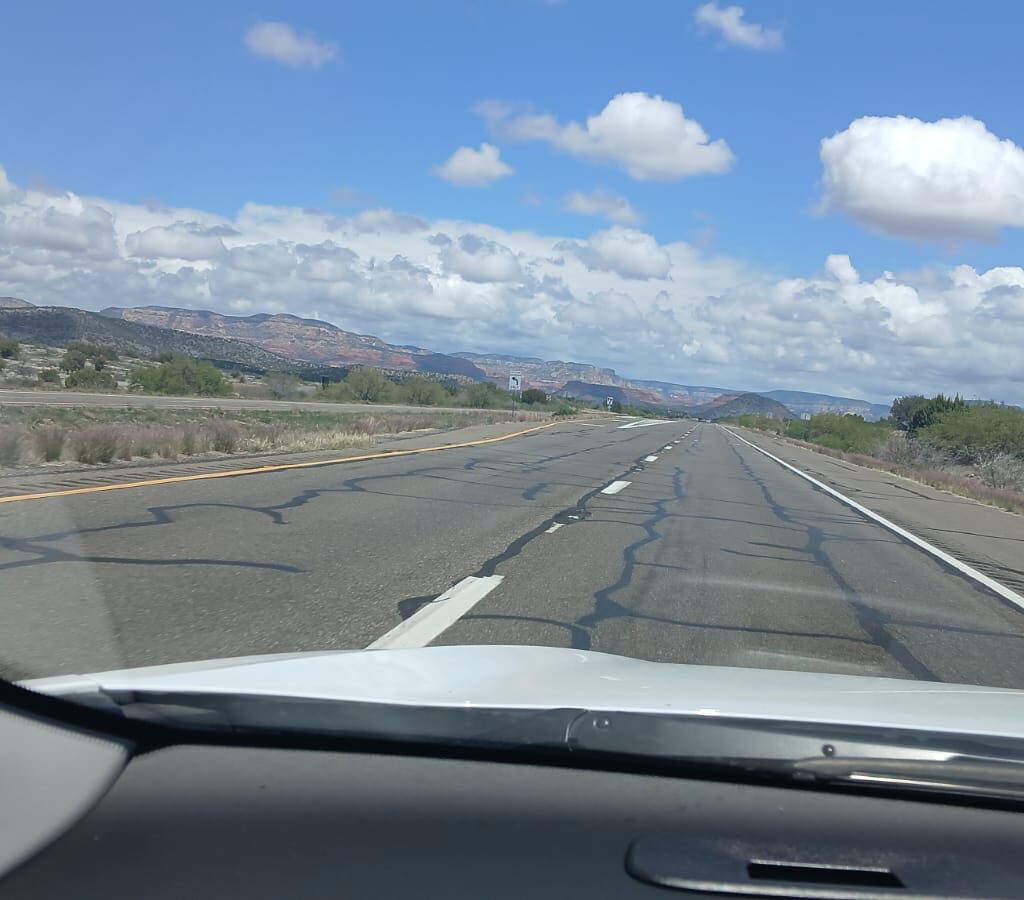
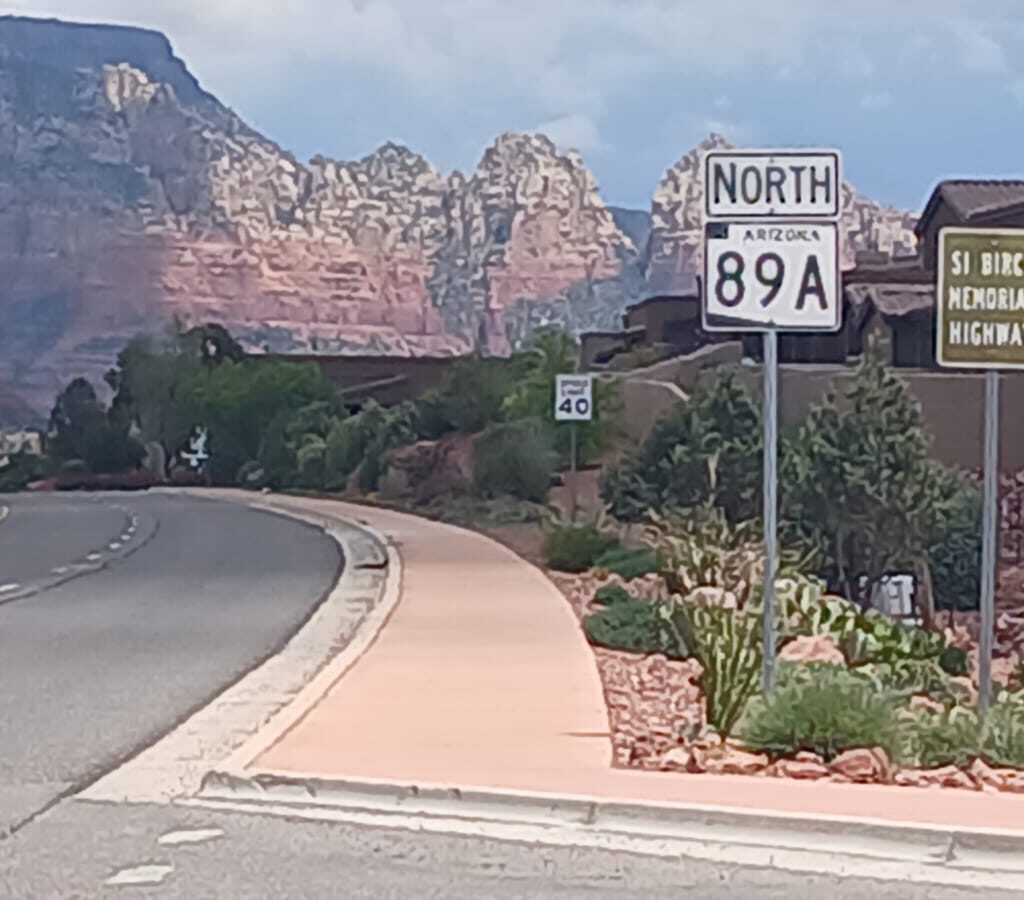
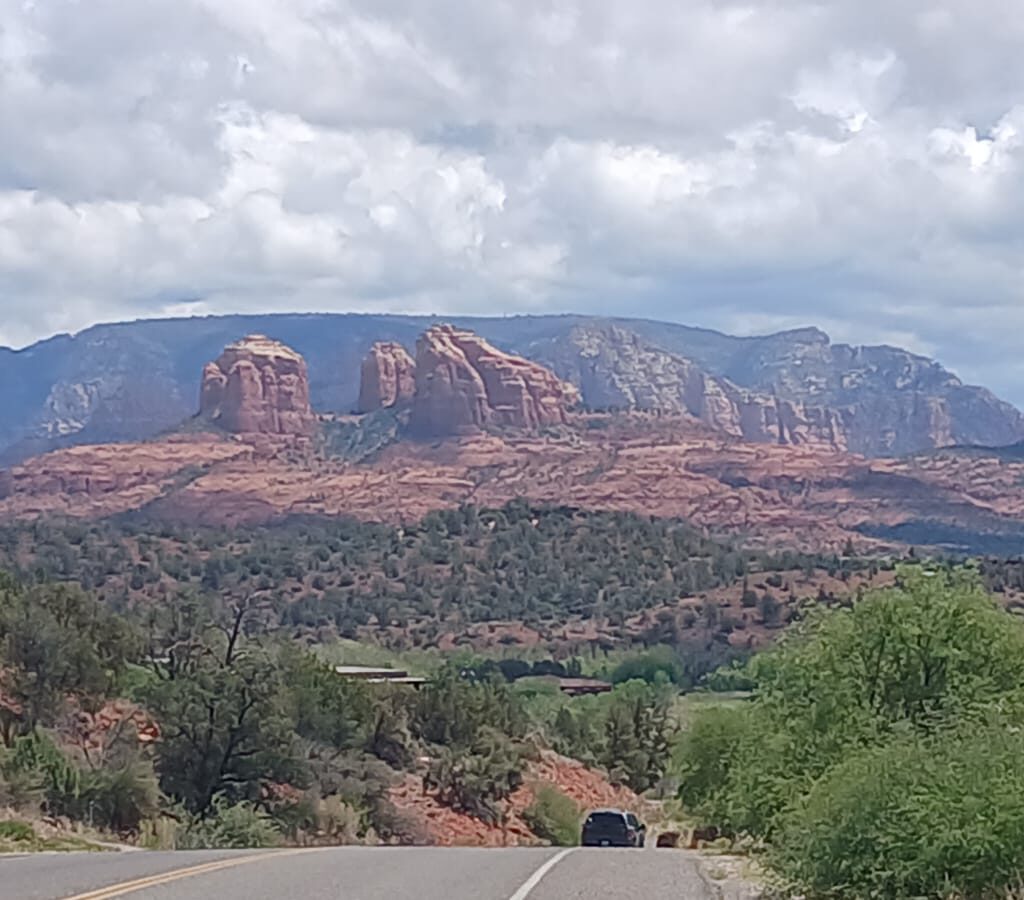
Less than a couple of hours’ drive from Mesa puts you in Sedona—a place that almost doesn’t feel real the first time you see it.

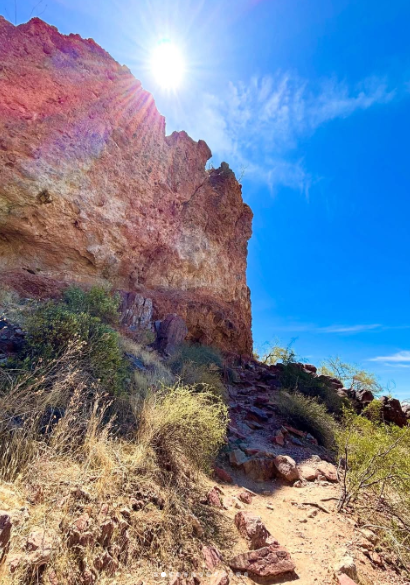
The red rock formations are absolutely captivating. Whether you’re hiking, driving through town, or just pulling over to stare at the scenery, Sedona has a way of slowing everything down. The light changes constantly, the views never repeat, and it somehow feels both grounding and otherworldly at the same time.

It’s one of those places that makes you grateful you didn’t stay home—and a perfect reminder of how much variety Arizona packs into a short drive.

Book on Airbnb—or reach out directly for Friends & Family pricing—and come experience Arizona for yourself.

Beautiful landscapes, endless adventure, warm weather, and wide-open space are all waiting. Arizona is ready when you are. đŸŒ”âœš

Photo tour – Listing editor – Airbnb

Wide-open space, warm weather, endless adventure—Arizona is ready when you are. đŸŒ”âœš

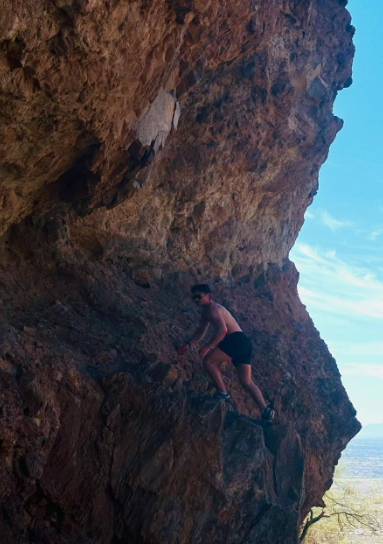
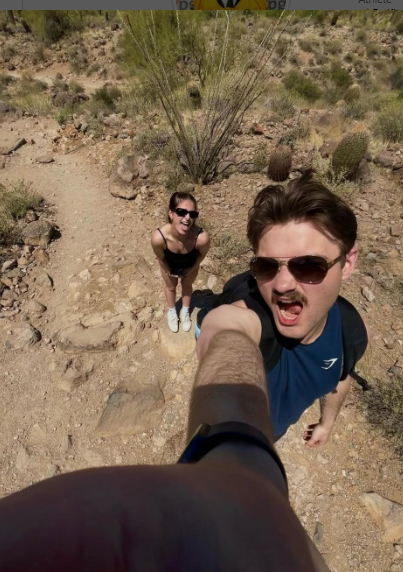
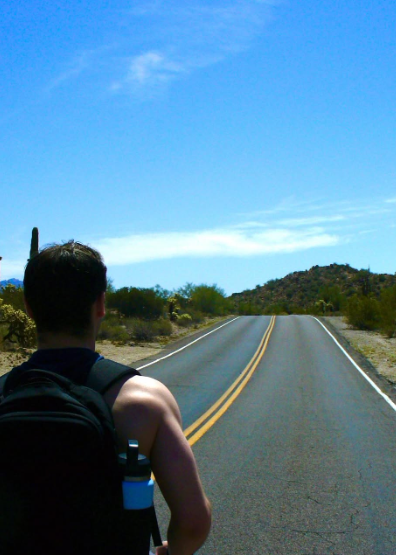
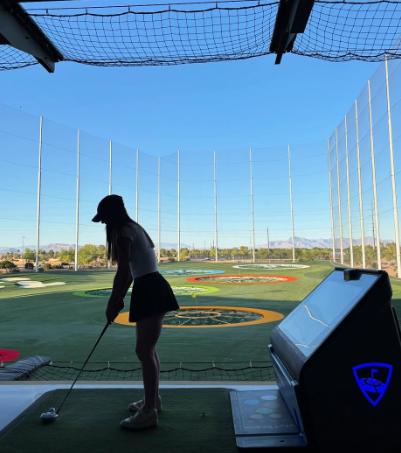
My nephew and his GF visited from Canada and had an amazing adventure during their visit in the Spring of 2025!

Click below to book your stay or send me a PM from the contacts on the homepage with any questions.

Photo tour – Listing editor – Airbnb

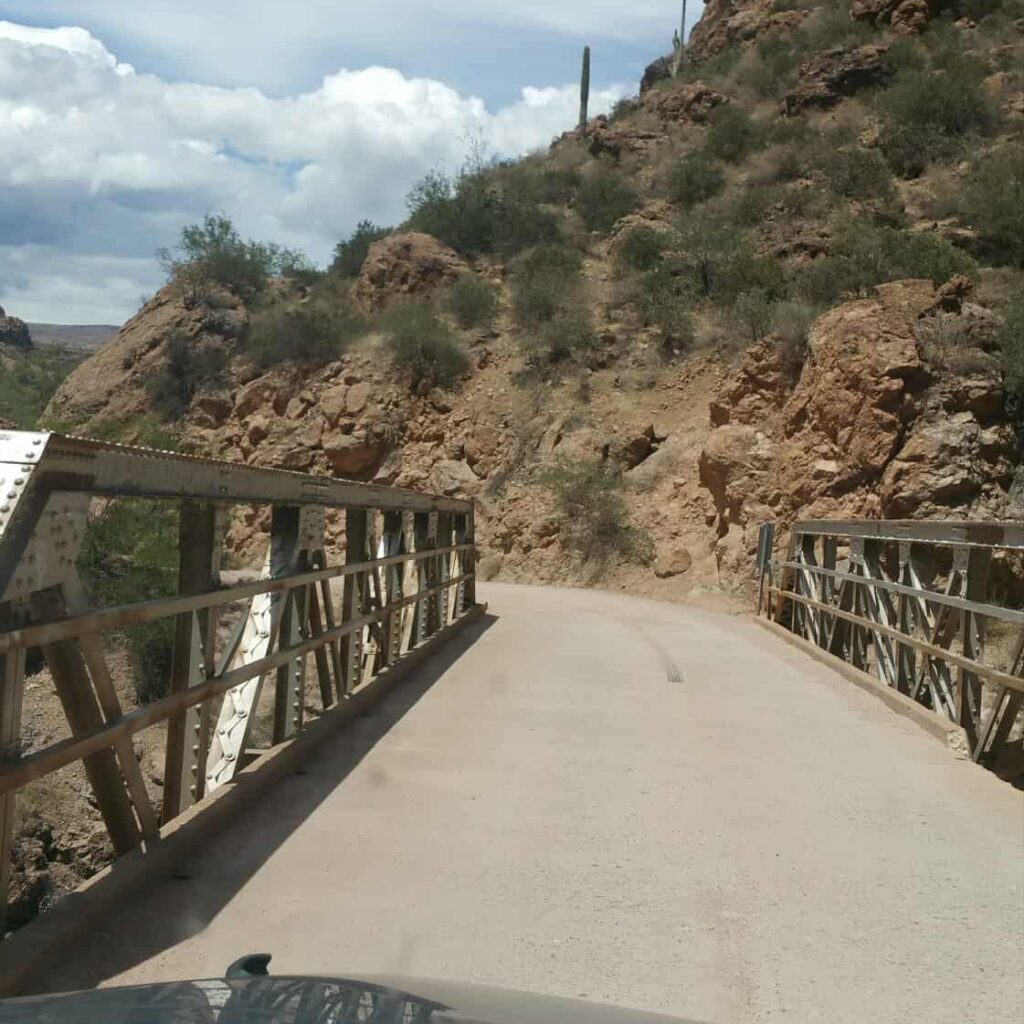
There is nothing like the top off a Jeep and driving through the AZ mountains with the tunes cranked.

Arizona can fix this situation—at least temporarily—if you’re lucky enough to stay at my Airbnb. 

Side effects may include:

 Constant happiness

Hiking locally or a road trip to Sedona

Paddling the Salt River with the wild horses

Cold pool drinks by the pools

Planning another trip here before you leave.

Photo tour – Listing editor – Airbnb

solana

My Airbnb in Mesa, AZ! đŸŒ„đŸŒ”đŸŒžđŸ˜Ž

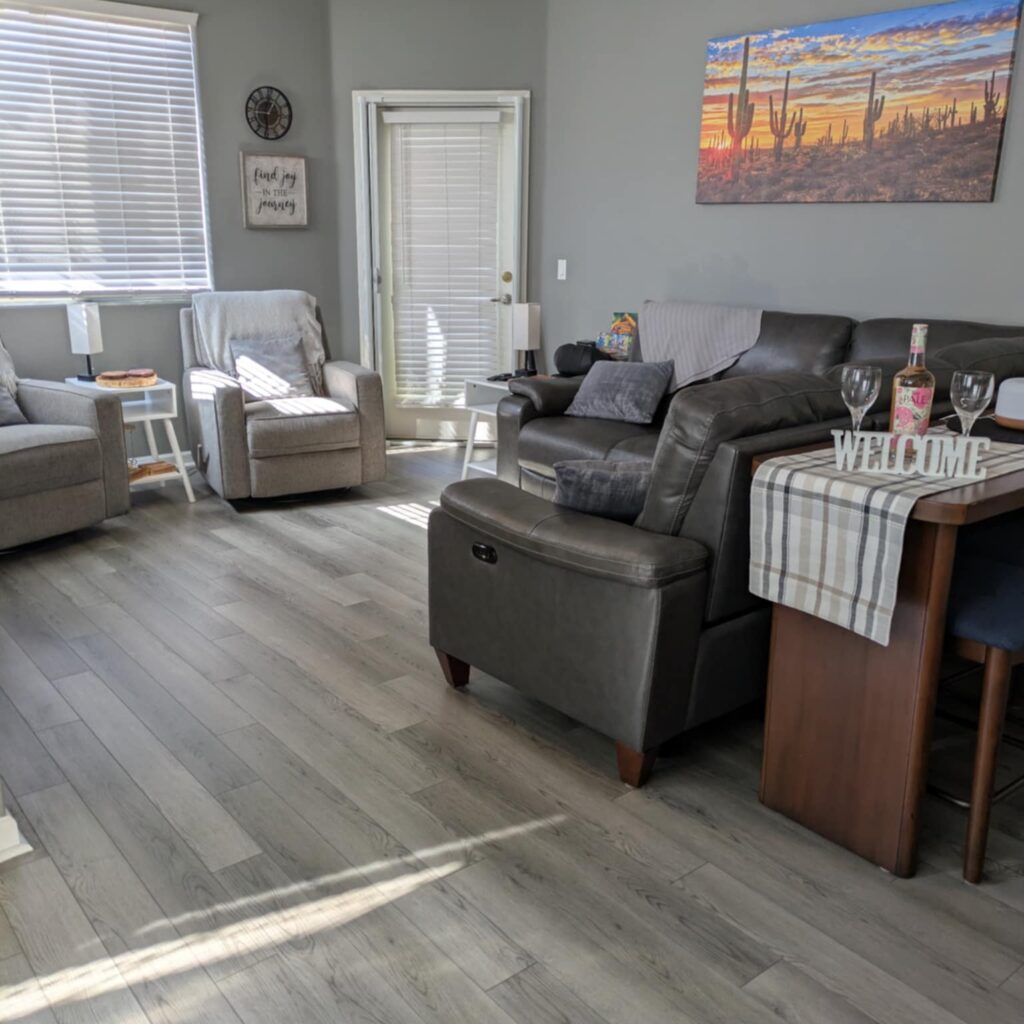
The heated pool, hot tub, and neighborhood are perfect for snowbirds or those looking to escape the cold! 

The link to my amazing condo:

âžĄïžâžĄïžÂ AirbnbÂ âŹ…ïžâŹ…ïž

Make sure you check out the weekly 10% and monthly 20% discounts.

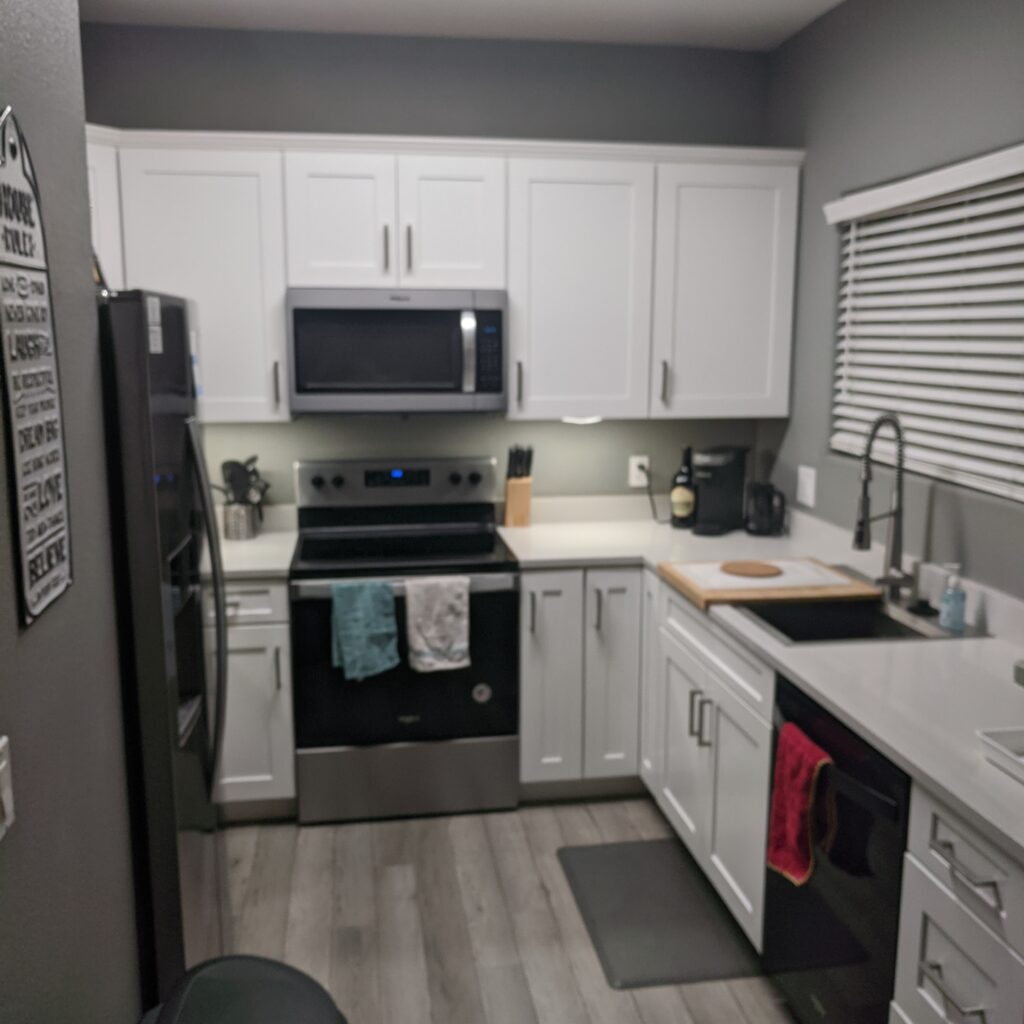
Gated community living at its finest with two pools (main pool heated), a hot tub, and a business center with a common area for printing or playing pool.

Check out the website for the exact location and more information on the property: 

Click hereâžĄïžÂ : Solana Luxury Condominium Rentals | Apartments in Gilbert, AZ

Perfect for working from home!

Ergonomic sit/stand desk
Ergonomic desk chair.
High-speed internet.
Black and white laser printer, shredder, and water cooler in the office area.

Guest access:

One covered parking spot.
Additional uncovered parking for guests.
Keyless entry to the complex and the condo.

Other things to note:

(Below links are from 85206 zip code)

Walking:
Safeway/Fry’s/Sprouts 10 minutes
Walmart 20 minutes
Restaurants near me – Search
A canal trail system for walking/biking is 5 minutes away – Search

Driving:
Sky Harbor airport: 30 minutes 

Mesa Gateway Airport: 15 minutes

ASU main campus: 30 minutes

Cardinals football: 1 hour+

Suns/Mercury basketball: 30 minutes

Valley light rail station: 15 minutes

Downtown Scottsdale: 30 minutes

Mountain hiking/biking: Hawes’s trail, 20 minutes.

I have stayed in over, click below to read my blog:

âžĄïž100 Airbnb’s around the worldâŹ…ïž

I try to use my experiences to pay it forward with my guests. 

There is no better feeling than ensuring my guests have a great stay!

I pride myself on a five-star rating!  

Here are some recent guest comments:

A happy guest is a potential repeat guest! 

One Of The Best Places For Retirees In 2025 Is A City In Arizona With Unparalleled Hiking And Outdoor Activities

Scottsdale is generally 20-30% higher than Mesa, AZ, for accommodations, so why pay the extra money?

Data provider Niche released its 2025 rankings of top places to retire, with Scottsdale, Arizona, topping the list. Scottsdale earned an A grade for its public schools, benefits to families, and its nightlife. Also, when you consider that Arizona had one of the best economies in 2024, it’s no wonder that the city has a median income that exceeds national rates. Scottsdale boasts a median income of $107,372, whereas, according to data from the Federal Reserve Bank of St. Louis, the national median income was $80,610 as of 2023.

Aside from the economic potential in the city, Niche also points out the bars, restaurants, and outdoor benefits of living in Scottsdale. The city not only provides a good blend of urban and rural offerings, but it also offers beautiful desert views that can add scenery to golfing, hiking, and arts and cultural experiences. As a bonus, per the U.S. Census Bureau, a retired person living in Scottsdale would have a hard time being lonely, considering 26.2% of the population is age 65 and above. With that in mind, there can be some financial considerations to keep in mind.

The cost of living can ultimately be a deterrent for some retirees hoping to move to Scottsdale. Per a Mortgage Bankers Association release, the national median mortgage payment for new buyers in the U.S. was $2,173 per month as of March 2025. And, according to the Federal Reserve Bank of St. Louis, the median sale price for homes in the first quarter of 2025 was $416,900. Meanwhile, the median asking rent in the 50 largest metros in the U.S., per March 2025 data from Realtor.com, was $1,694 per month. In Scottsdale, the median sale price of a home is closer to $941,000, well above the national median for the sale price of a home in the U.S. Meanwhile, according to Zillow, the average rental rate in Scottsdale was a whopping $3,090 — or between $1,800 to $2,500 for a one-bedroom.
According to Arizona-based Berkshire Hathaway realtor Michelle Miller, home values rose 14.4% in 2024. Similarly, she estimates that the average monthly expense for a single person in Scottsdale was around $3,639 in late 2024. Utilities, including internet, cost between $300 to $450 per month, while transportation costs were roughly $200 to $250 with insurance per month. Not to mention, a month of groceries costs between $300 to $400. However, you will avoid the cost of crime that comes with living in some of America’s most dangerous cities, since both violent and property crime in Scottsdale fall below national average rates.
While you will pay more for the benefits of living in Scottsdale, there are many benefits to enjoy. For one thing, it’s sunny almost every day of the year, with temperatures averaging around 69 degrees Fahrenheit in January, with highs of 105 degrees Fahrenheit in warmer months like August. The city also offers many free to attend events, like the Scottsdale location of the Arizona Community Farmers’ Market. 

Meanwhile, you can also take advantage of day trips to nearby Old Creek Canyon, the Grand Canyon, or even the San Francisco Peaks. You can also consider renting a cabin at Kartchner Caverns State Park, with guided tours of nearby caves. The Sonoita/Elgin area is considered Arizona’s wine country, where wineries like Sonoita Vineyards offer regular tours and tastings. These natural amenities make Arizona one of the best budget vacation destinations in the U.S.Â