



IMG_20240327_150237

Santiago, Chili – there was no chill here!

When I was laid off in February 2024, the very first thing I did was start planning a trip through Central America and South America. It felt like the right response—movement, perspective, and a chance to reconnect with places that had stuck with me before. Seeing South America again was just as incredible as I remembered.

The trip started in Phoenix and unfolded like this:

  • Phoenix → Los Angeles 🚌

  • Los Angeles → GuatemalaCosta RicaPeru ✈️✈️✈️

  • LimaChileArgentinaUruguayGuatemala → Los Angeles → Phoenix ✈️✈️✈️✈️✈️✈️

I visited several cities in each country along the way, letting the trip evolve naturally instead of rushing through it. Every stop had its own rhythm, but one city stood out enough that it deserved its own post:

Santiago.

Set against the Andes, Santiago surprised me—in good ways and a few unexpected ones. So rather than trying to cover everything at once, I wanted to slow it down and give the city its own space.

Santiago, Chile—that story comes next.

I took the bus to Los Angeles, then used my Volaris all-you-can-fly pass to work my way south:
Los Angeles → GuatemalaCosta RicaLima.

The Volaris pass costs about $200 per year and is based on availability. In reality, I rarely have any issues using it—there are usually seats open if you’re flexible.

Once you’ve invested the $200, the pricing becomes almost ridiculous. I could fly from Los Angeles to Guatemala for about $80, and that same plane continued on to San José for another $30. I’d already done both of those routes before, so I knew Volaris could reliably get me as far south as Lima.

From there, I switched airlines.

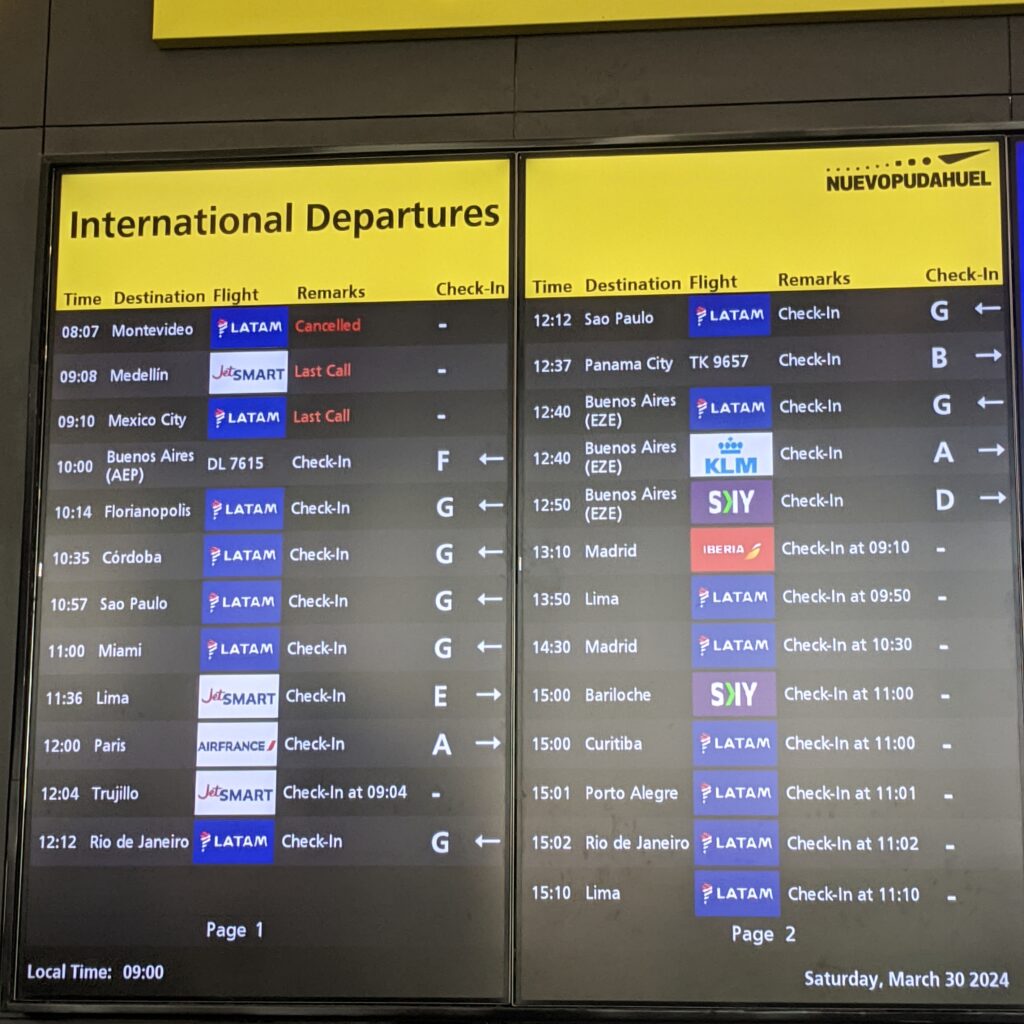
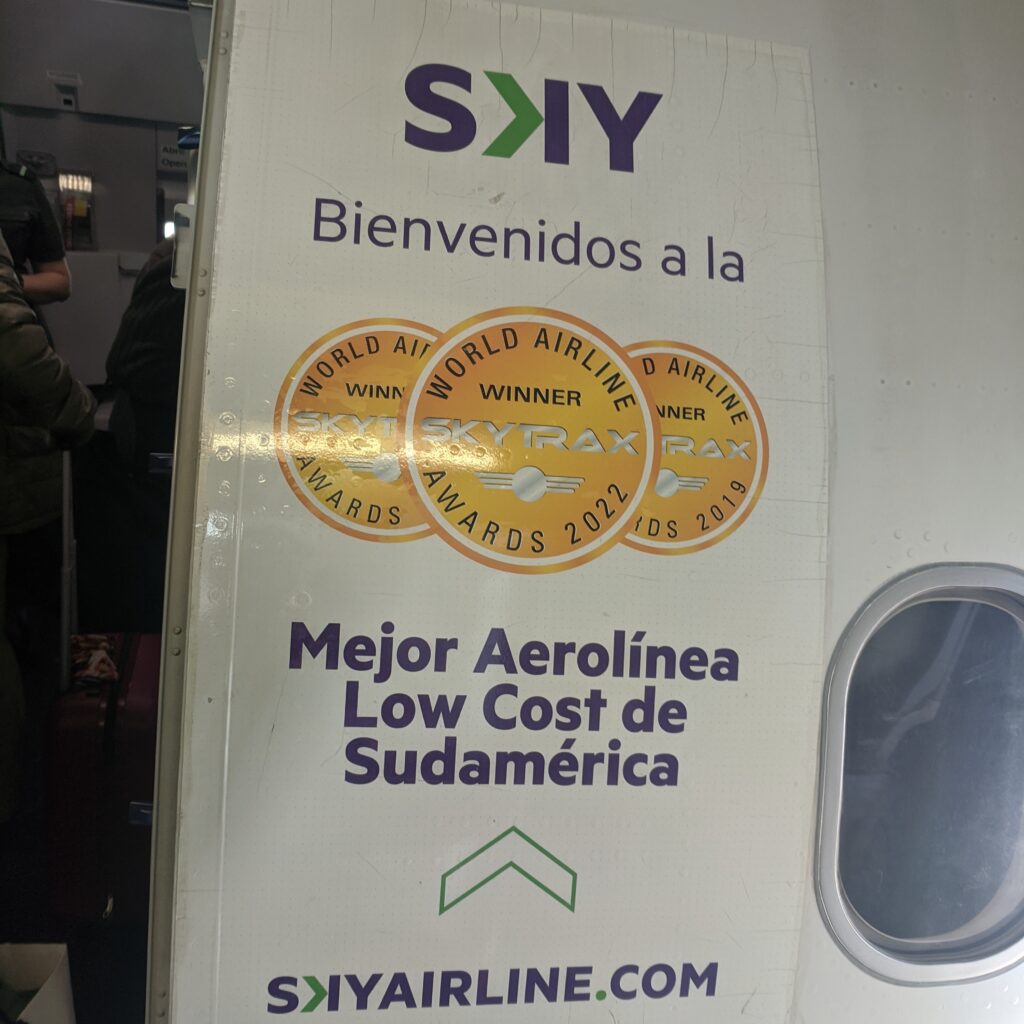
I used SKY Airline to fly from Lima to Santiago, and then on to Buenos Aires—which was an excellent leg of the trip.

After Buenos Aires, I took a ferry over to Uruguay for a few days, then headed back to Argentina and returned to Lima. From there, my Volaris pass kicked back in and carried me the rest of the way home.

By mixing an all-you-can-fly pass with low-cost regional airlines, I was able to move through Central and South America efficiently—and incredibly cheaply. It’s a perfect example of how flexible routing and inexpensive flights can turn a big trip into a very affordable one.

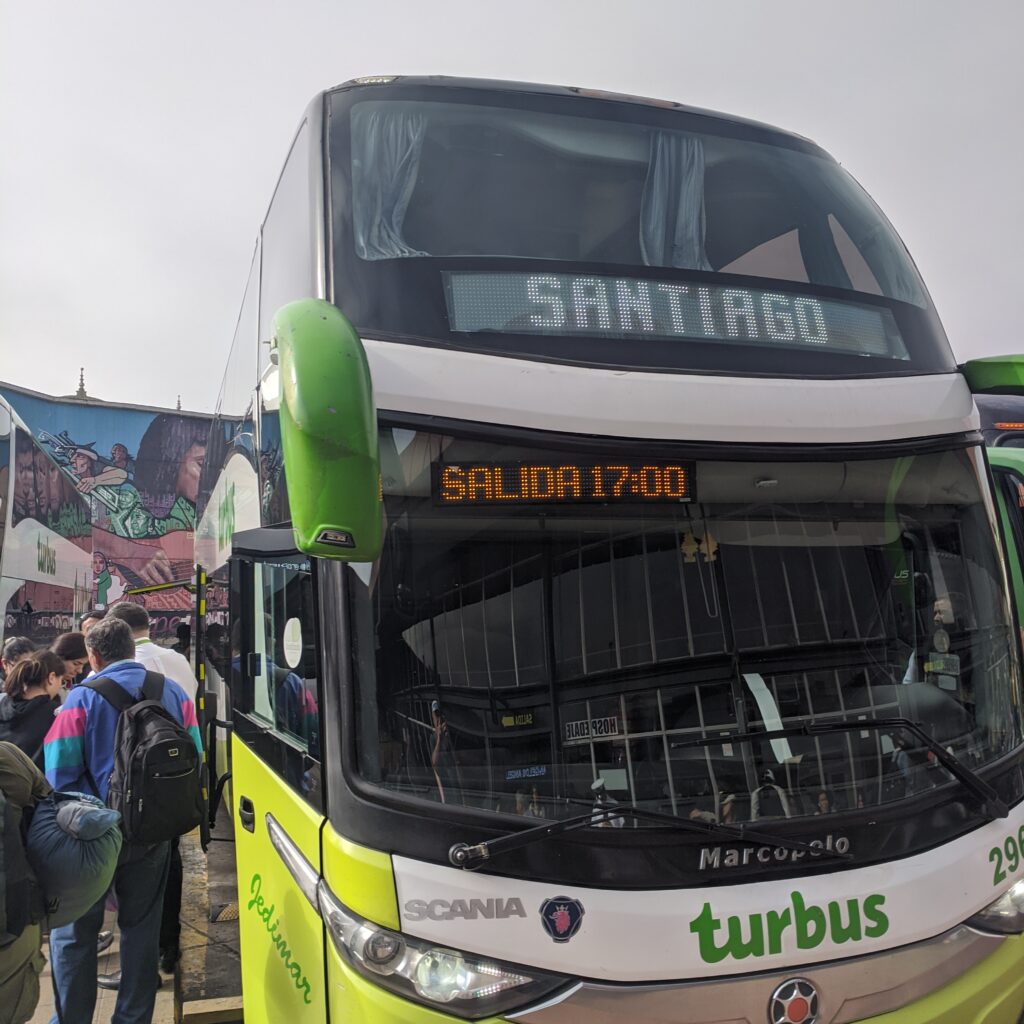
$57,950 Chilean Peso = $61.02 US Dollar

Santiago is a massive city, and one of the things that stood out to me immediately was the level of visible poverty. In some ways, it reminded me of my first experiences in Brazil—that sharp contrast between modern city life and deep, systemic hardship existing side by side.

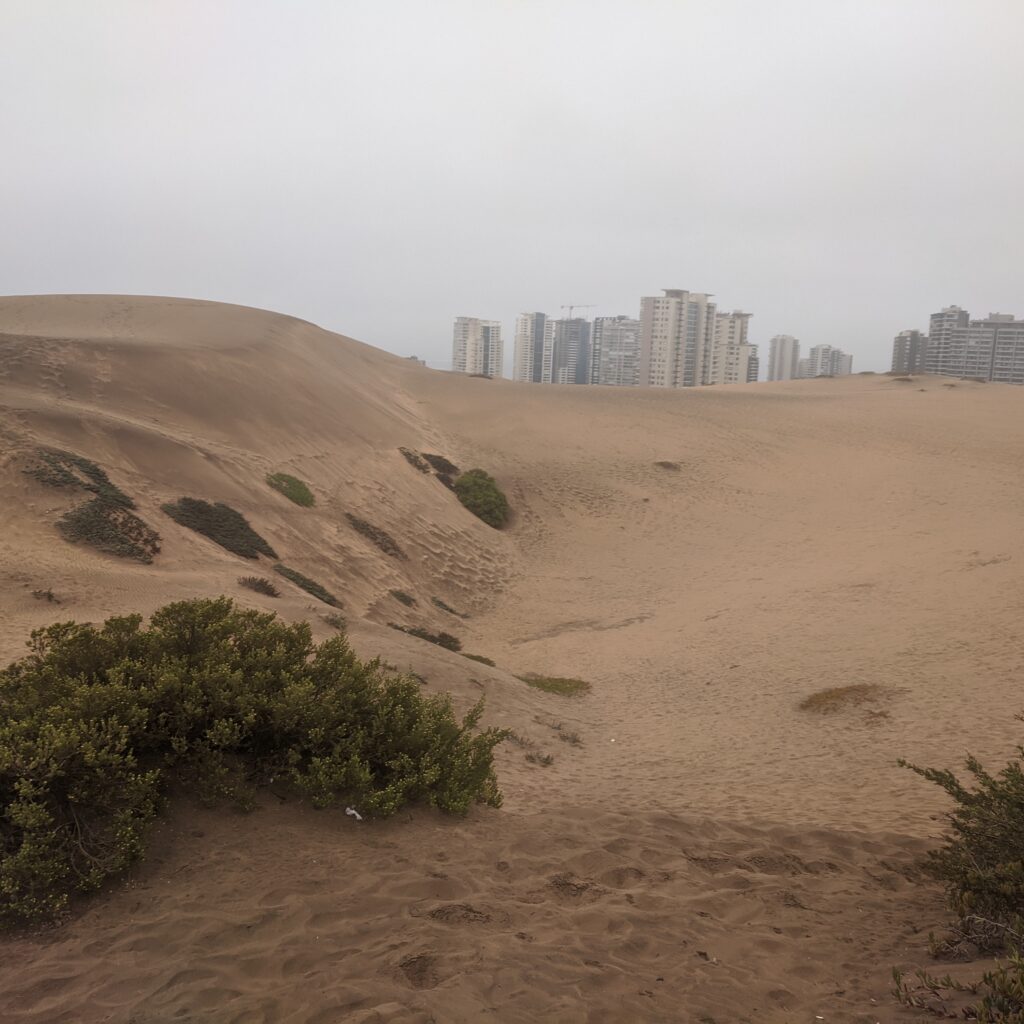
I took a day trip to Concón, a popular resort town known for its dunes, beaches, boardwalk, and nightlife. The destination itself was polished and relaxed, but the bus ride there told a different story.

We passed through several small towns along the way. Kids were playing soccer in open spaces surrounded by trash—laughing, running, fully present in the moment. It was striking and uncomfortable at the same time.

I’d seen this before in Brazil, and seeing it again was a reminder of how widespread poverty can be across parts of South America. Informal housing climbing hillsides, communities built wherever space allows, and families making the best of what they have—it’s impossible not to notice when you’re moving through the region by ground instead of flying over it.

Travel like this has a way of pulling you out of abstractions. The inequality isn’t theoretical—it’s right outside the bus window. And while places like Santiago and Concón have their beauty and energy, those moments in between are often what stay with you the longest.

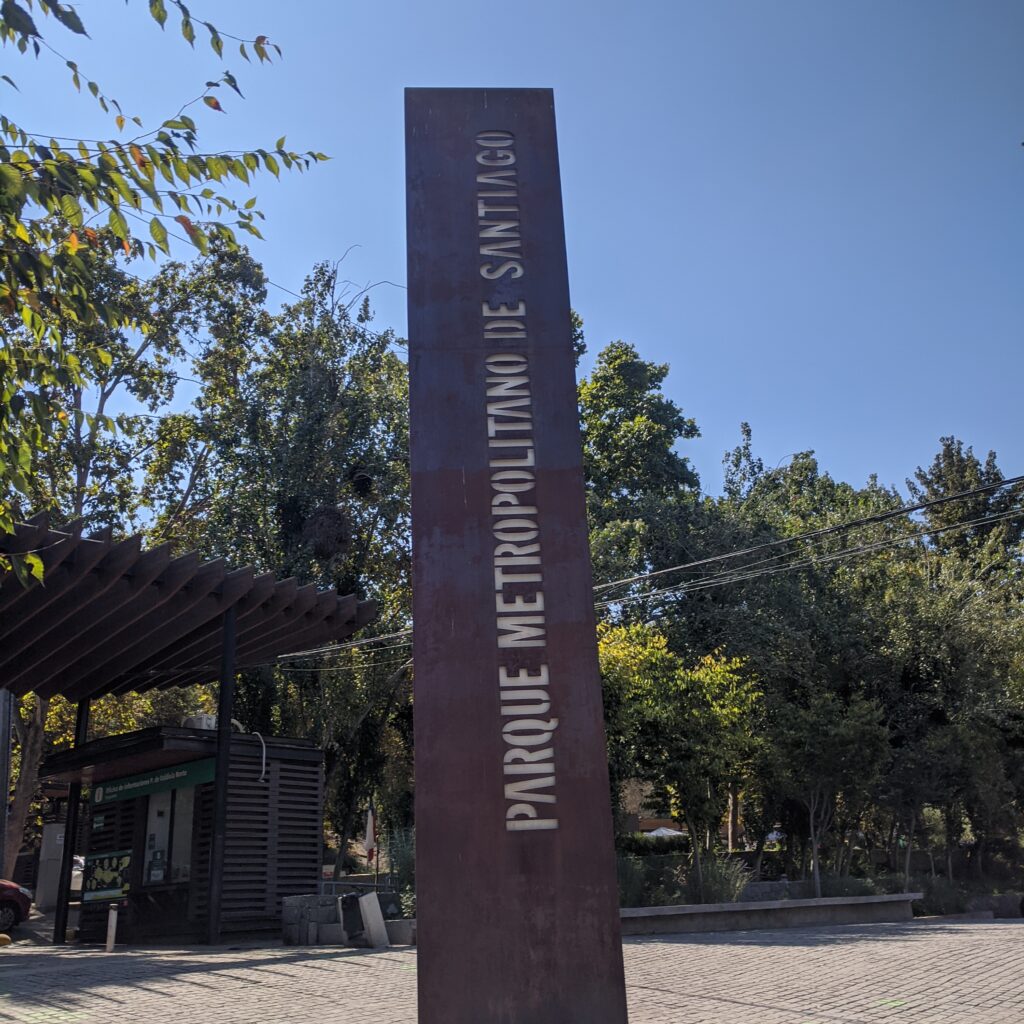
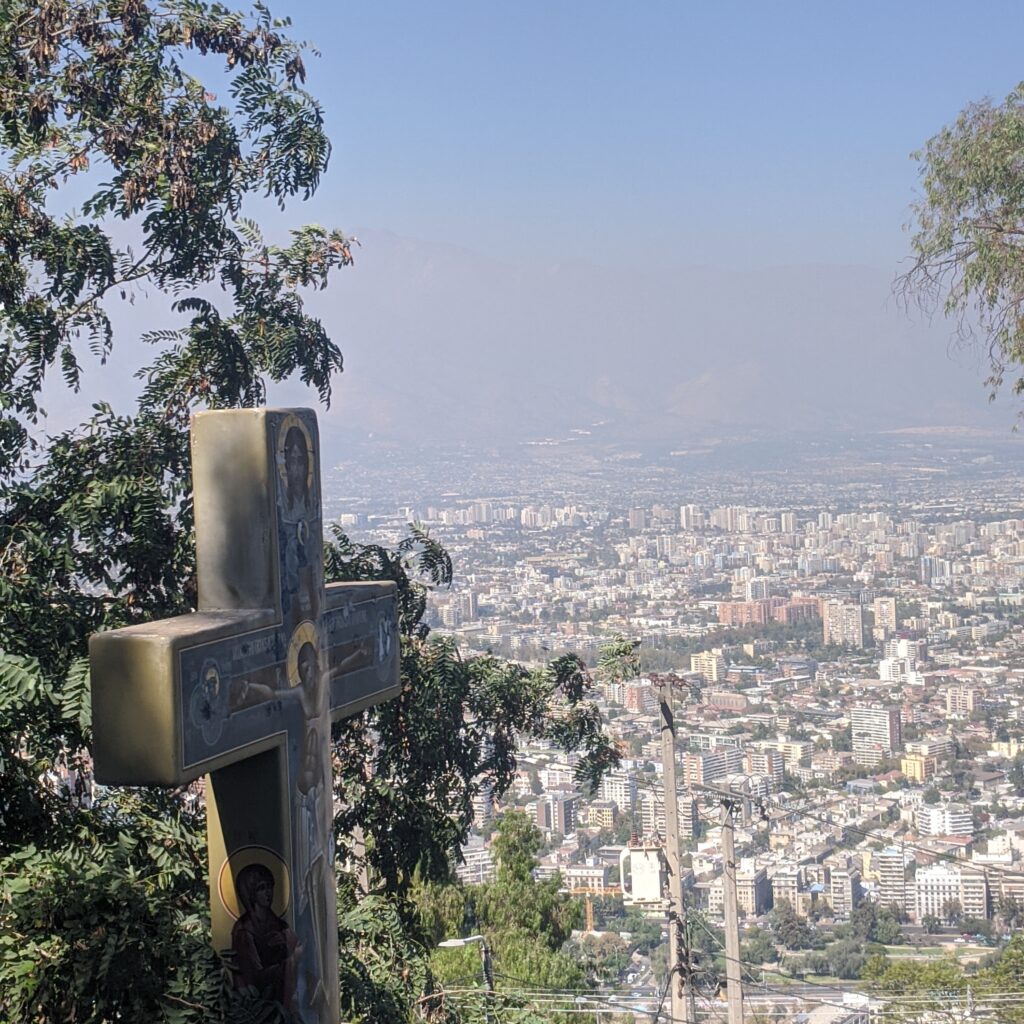
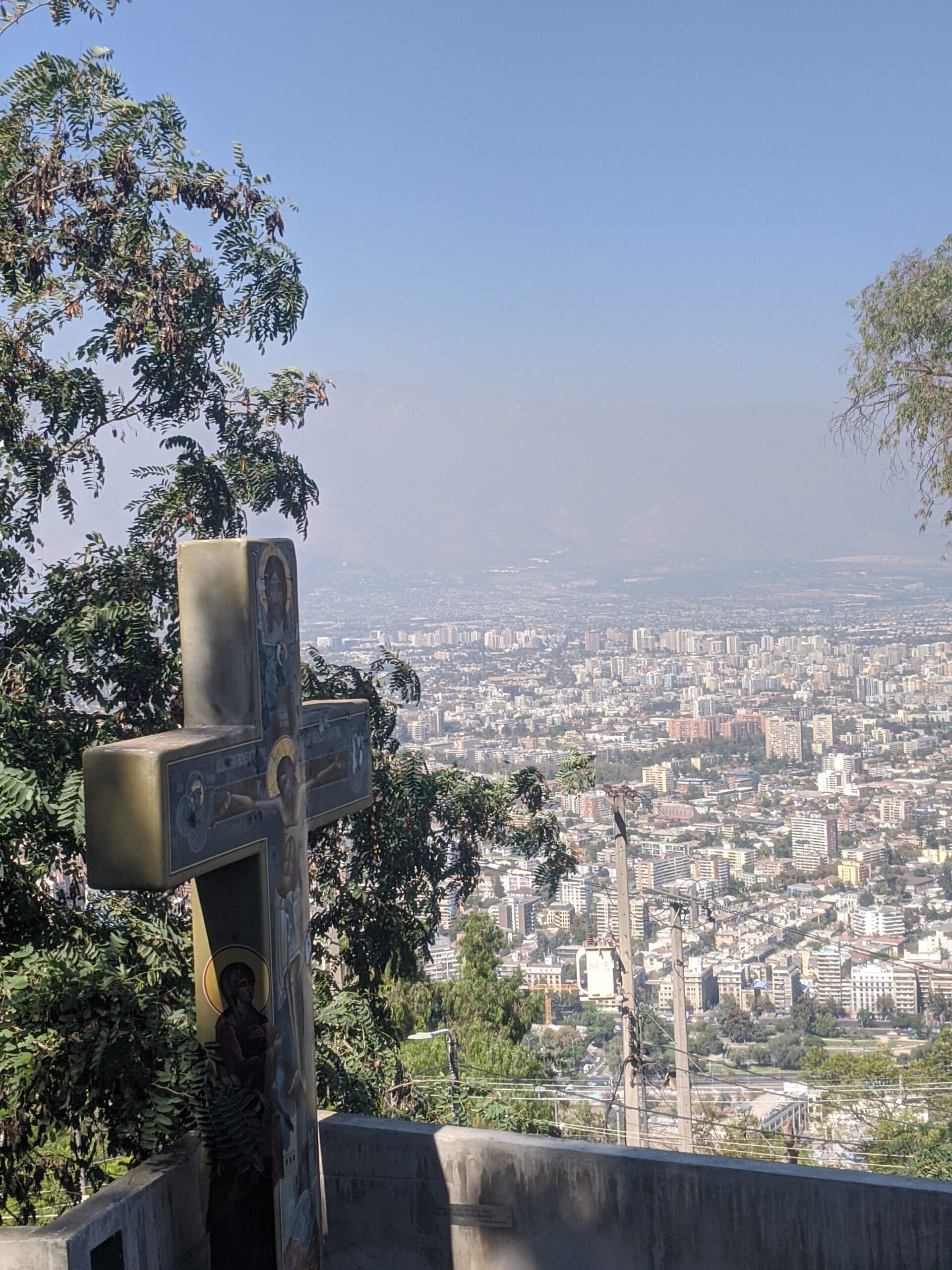
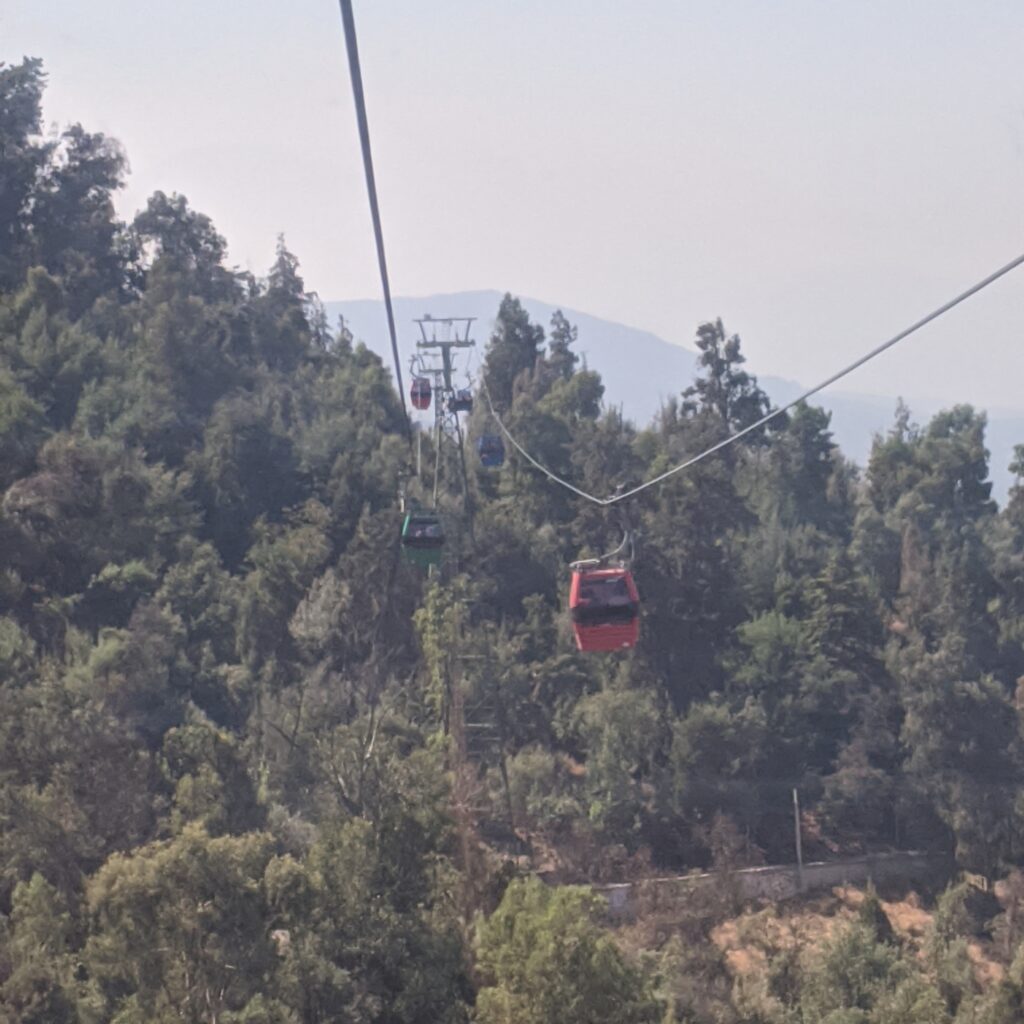
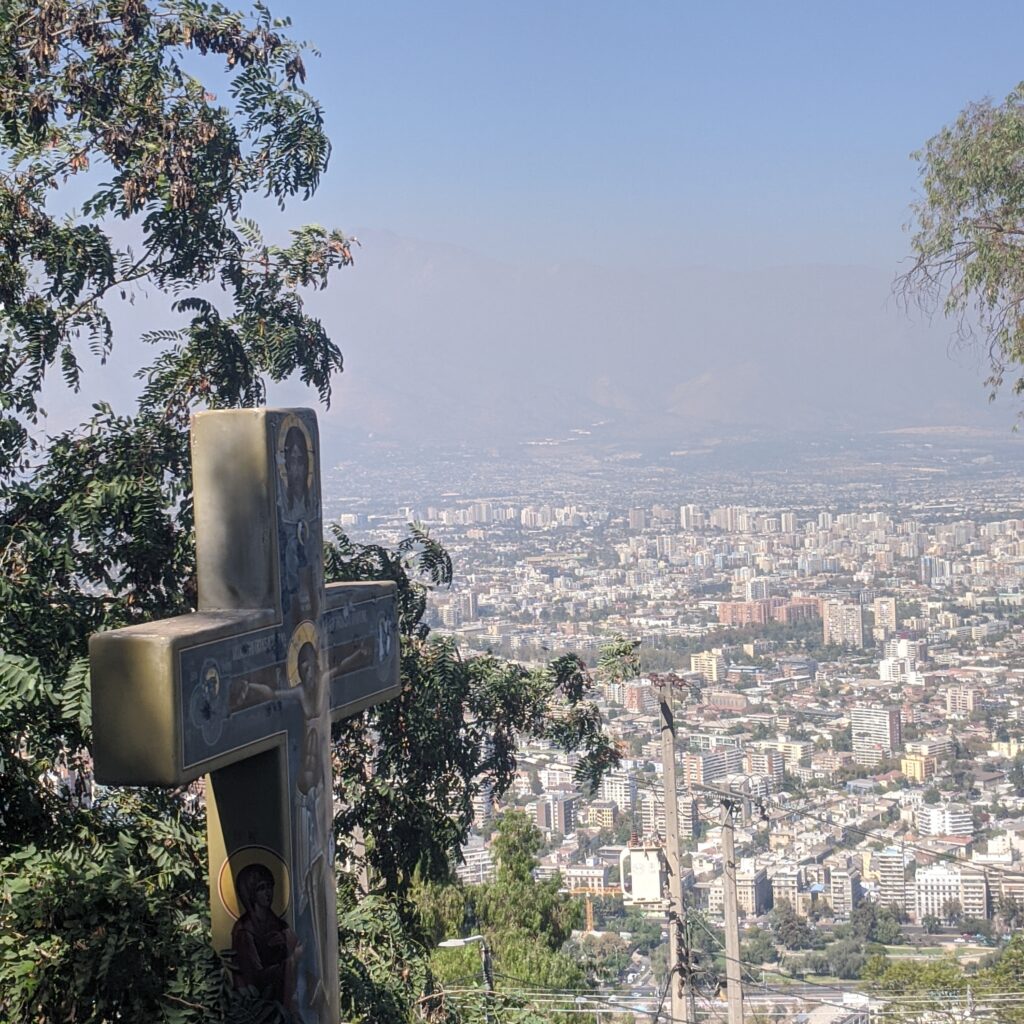
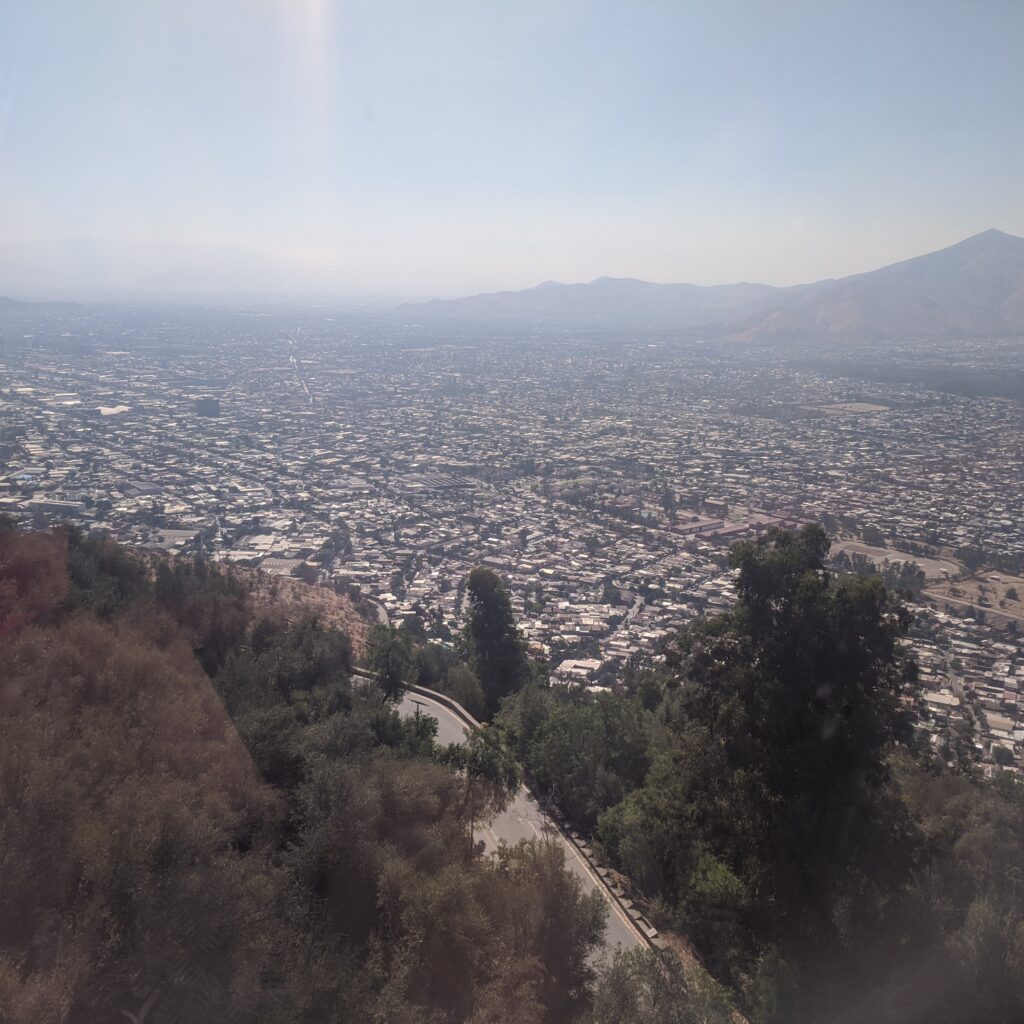
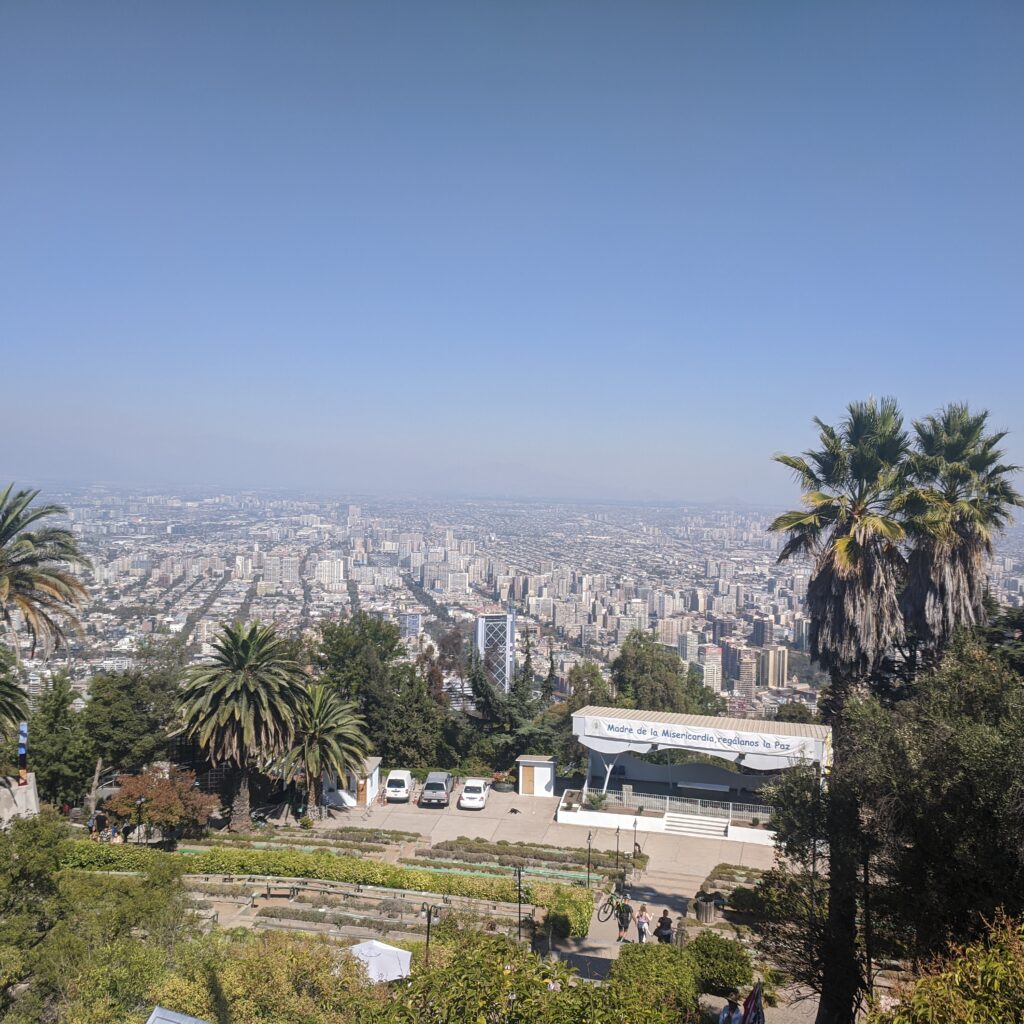
The biggest highlight of my time in Santiago was visiting Metropolitan Park of San Cristóbal Hill. Getting up high above the city completely changed my perspective and made it crystal clear just how massive Santiago really is.

From the top of San Cristóbal Hill, the city stretches endlessly in every direction, with the Andes looming in the background and neighborhoods blending into one another as far as the eye can see. It’s one of those viewpoints where everything clicks—the scale, the density, and the complexity of the city all at once.

Pictures never fully capture it, but they come close. I’ve included a few photos (and a video) here, and I hope they do it justice. Standing up there, looking out over Santiago, was one of those quiet travel moments where you just stop and take it all in.

After a fun ride up, we finally reached the top—and somehow, the view was even better than what we’d seen on the way up. Standing there above Santiago, with the city spread out in every direction, really put its scale into perspective.

It was one of those moments where you stop taking pictures, stop moving, and just take it in.

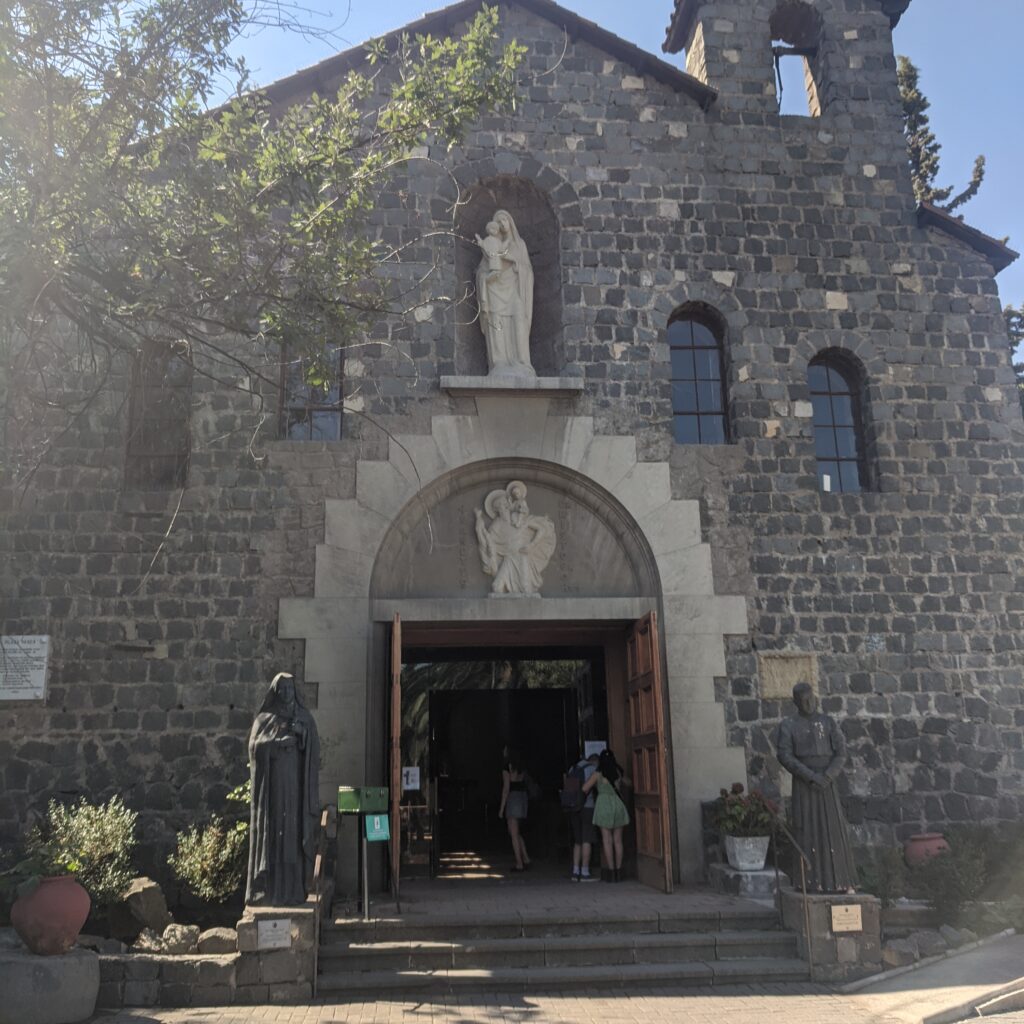
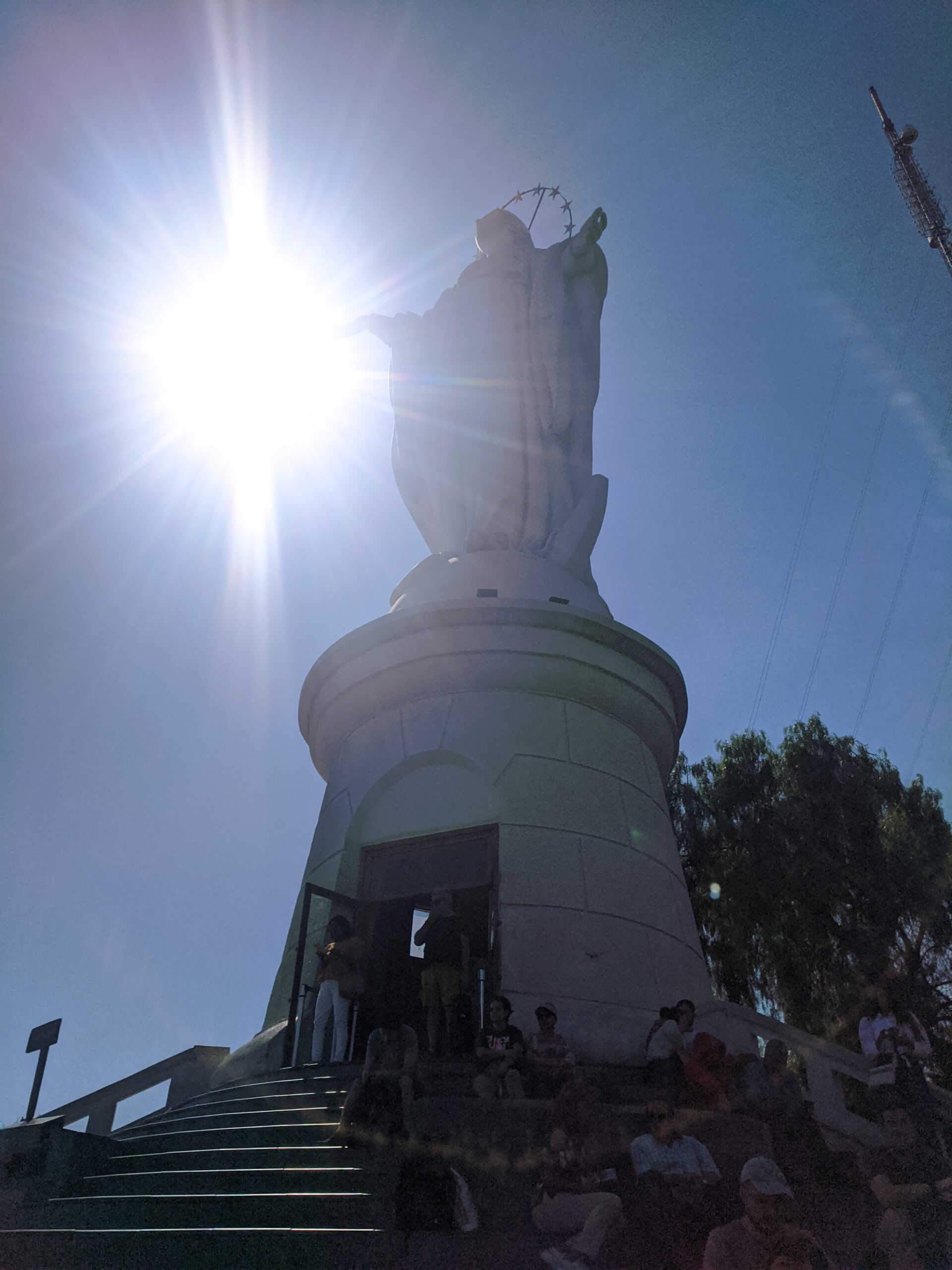
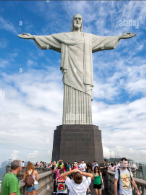
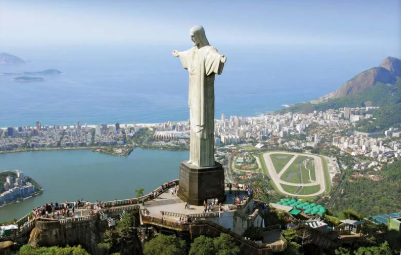
At the top of Cerro San Cristóbal, there’s a beautiful little church that feels quiet and understated compared to what comes next. Just beyond it stands the massive Virgen de la Inmaculada Concepción, watching over the entire city from above.

Seeing it immediately reminded me of Christ the Redeemer in Rio de Janeiro. Different scale and style, but the same feeling—these monuments aren’t just landmarks, they’re symbols. You feel their presence long before you understand their significance.

Standing up there, with Santiago spread out below, it was one of those moments where travel connects places in your memory. Chile and Brazil, different cultures and landscapes, but tied together by perspective, altitude, and awe.

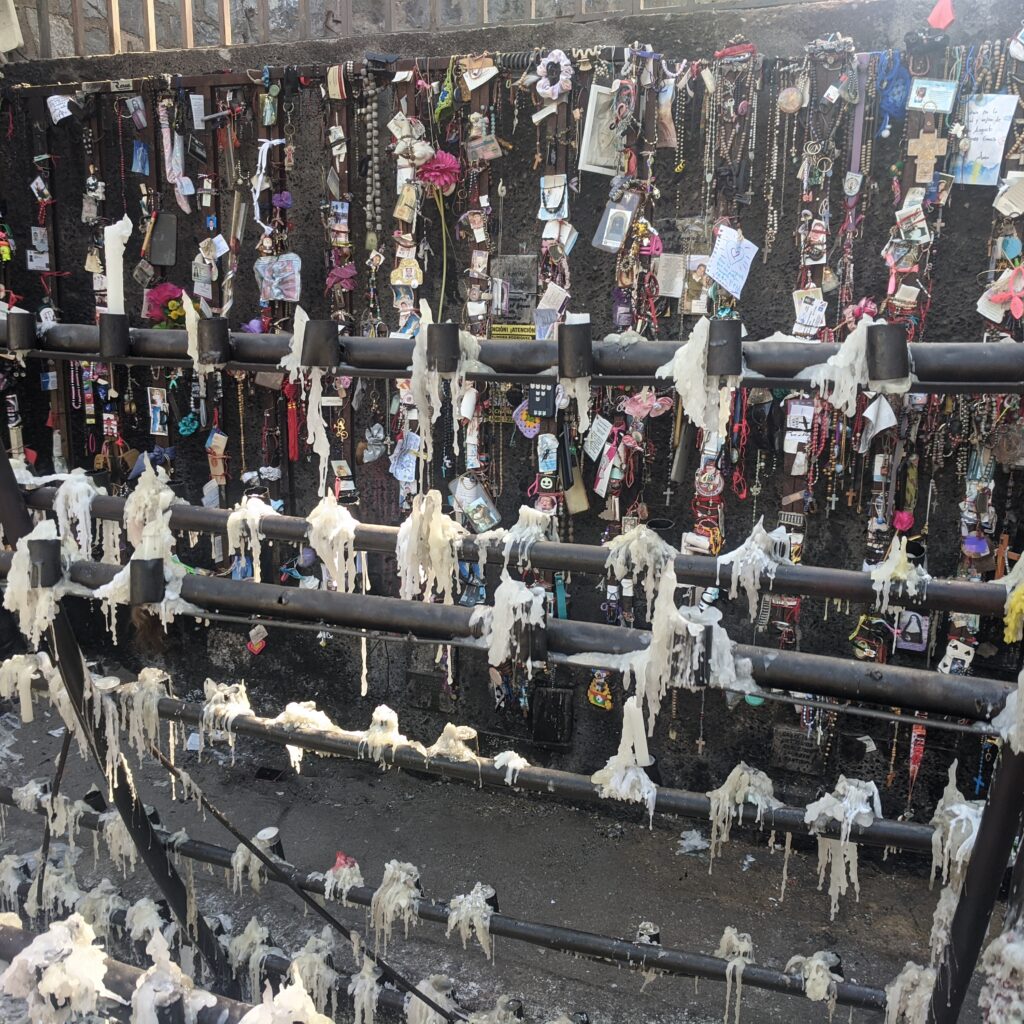
Every time I visit a church somewhere in the world, there’s that familiar ritual—lighting a candle for someone you want to pray for, and leaving a small donation. It’s simple, quiet, and grounding, no matter where you are.

My mom used to do this all the time, later in her life. Every church visit meant a candle lit, a pause, and a moment of intention.

And I know—without a doubt—that a lot of those candles were a prayer for me. 🙏🏻

Check out my YouTube channel for 1,500+ travel videos from around the world, focused on geoarbitrage, slow travel, and living well without overspending. Real cities, real costs, real movement—nothing rushed, nothing staged.

NorthAmericanDarrell – YouTube

Smash that subscribe button like it’s the last beer in the fridge on a Saturday night.

IMG_20240303_120125

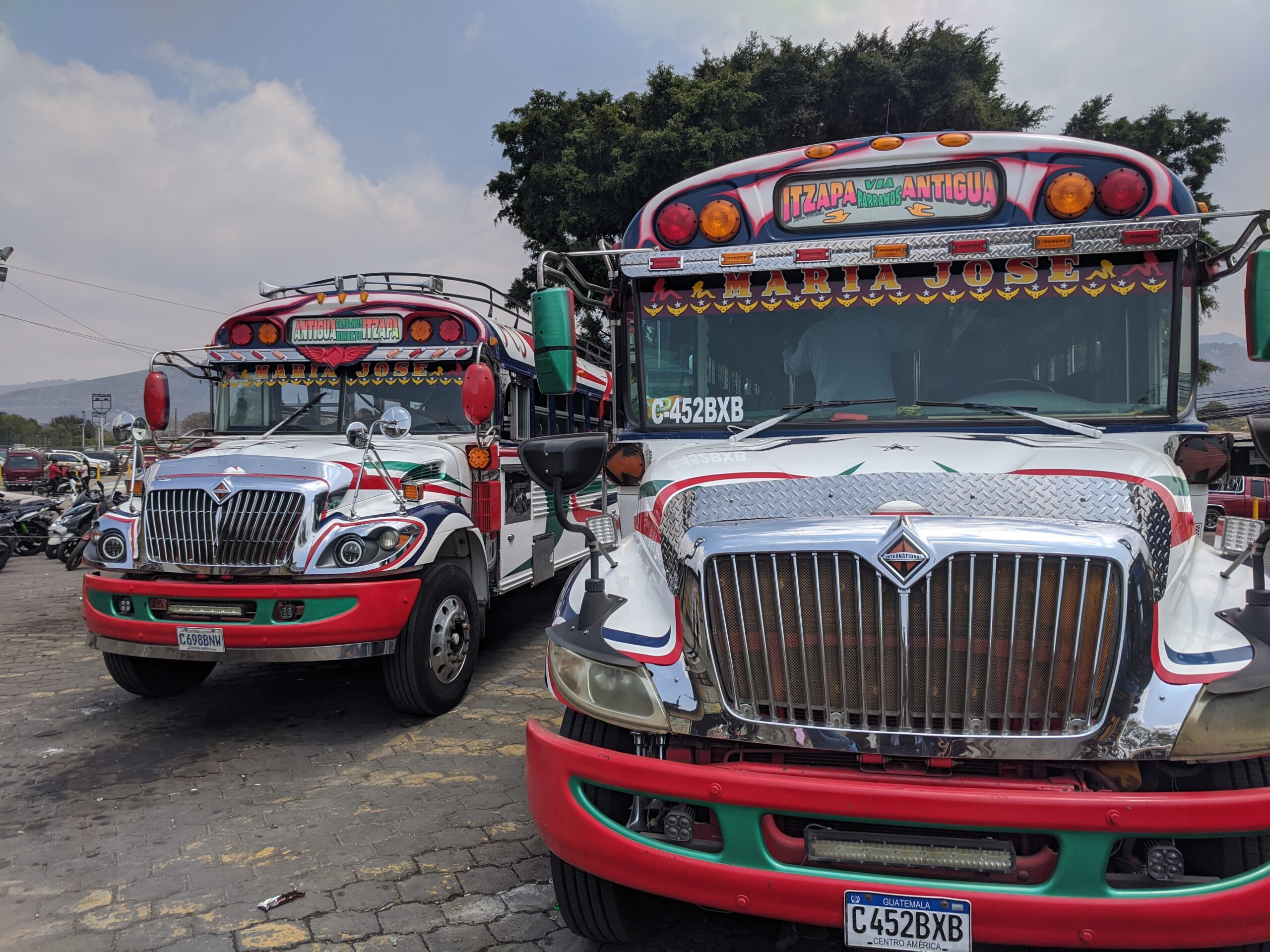
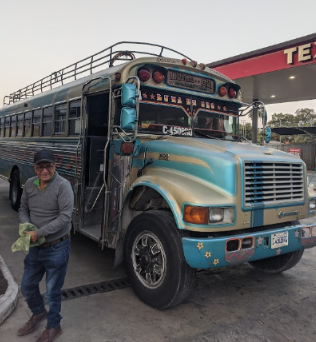
Riding the chicken bus around beautiful Guatemala!!🚌🐔🍗

I used my all-you-can-fly pass to get from Phoenix to Los Angeles for about $15. Once I was in Los Angeles, I tapped into my Volaris all-you-can-fly pass and flew to Guatemala for roughly $60 in taxes and fees.

That’s the real power of these passes when you stack them correctly—cheap positioning flights unlock much bigger opportunities together.

To be clear, you do need to purchase the airline passes to use this strategy. Each one has its own rules, quirks, and limitations, which I break down in the blogs linked below for each airline’s pass.

It’s not effortless.

But if you’re flexible and understand how the passes work, the travel opportunities can get very interesting very quickly.

Frontier All You Can Fly Blog

Volaris all you can fly blog

I have always heard the term “Chicken bus,” but I never really understood it until I visited Guatemala!

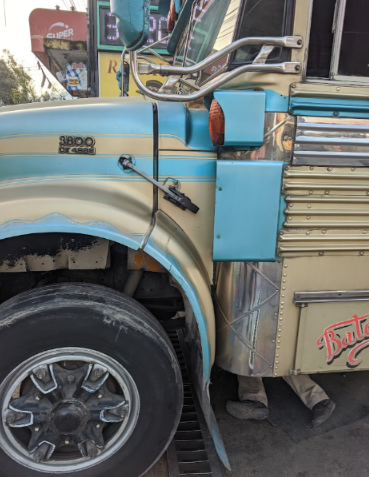
It does not take a big imagination to understand the term, as almost everyone uses the chicken bus as their main source of transportation within Guatemala. If you ever wondered what happened to the school bus you took as a kid, there is a good chance it ended there.


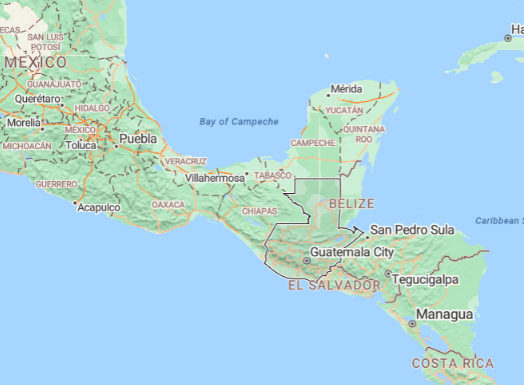
I visited Guatemala twice (San Jose and Antigua) on my Volaris All-you-can-fly pass (AYCF)

.There are direct flights out of Los Angeles, and in some cases the same plane continues on to San José—so I took advantage of that as well. Using my all-you-can-fly pass, the flight came out to around $60 in taxes and fees.

Once there, you can easily find an Airbnb in either city for $20–$30 a night. If you’re able to stay a full month, it gets even better—around $600 a month for a simple, clean place isn’t hard to find.

That’s the sweet spot where cheap flights meet slow travel.
Stay longer, spend less, and actually enjoy where you are instead of rushing through it.

My first-ever ride on a chicken bus was from San José up to Antigua—a loud, colorful, slightly chaotic introduction to Central America that immediately reminded me why slow travel beats convenience every time. It wasn’t fast. It wasn’t polished. But it was unforgettable—and exactly the point.

My first experience riding the chicken bus was from the capital of San Jose to the amazing city of Antigua.

It was a great way to start the crazy mode of transportation, as the road was relatively straight with no cliffs, LOL. Although nothing would prepare me for the trip to Lake Atitlan was a start.

Lake Atitlán is the deepest lake in Central America—and getting there from Antigua requires a three–chicken bus transfer.

I am not exaggerating when I say I was chicken-shit scared.

These drivers are absolutely fearless, and I swear everyone on the bus was hanging on for dear life as we carved along roads with cliffs on both sides—no guardrails, no mercy, just vibes.

And yes…
I’m fairly certain some of these buses are still running on the same tires they had when we were kids riding them to school.

I plan to write individual blogs about each of the cities I visited in Guatemala, but I wanted to start with the chicken bus—because it perfectly sets the tone for what traveling here is really like.

And somehow… absolutely worth it.

I remember vividly asking this guy if they checked the brakes! He no hablo English! LOL

Here are a few videos from inside the chicken bus
so you can experience the chaos, the cliffs, and the questionable life choices…

from the safety of your couch. 🚌🎢😄

No seatbelt.
No guardrails.
No problem (for you).

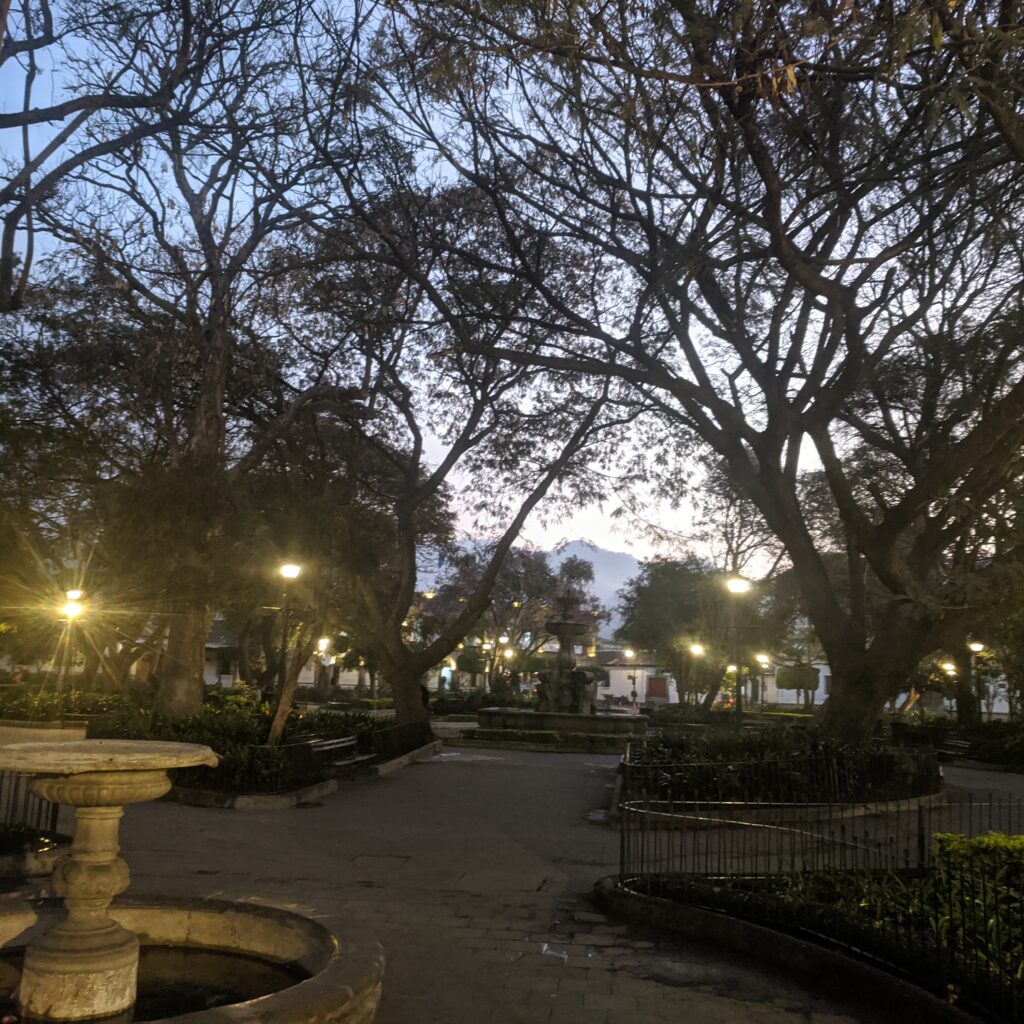
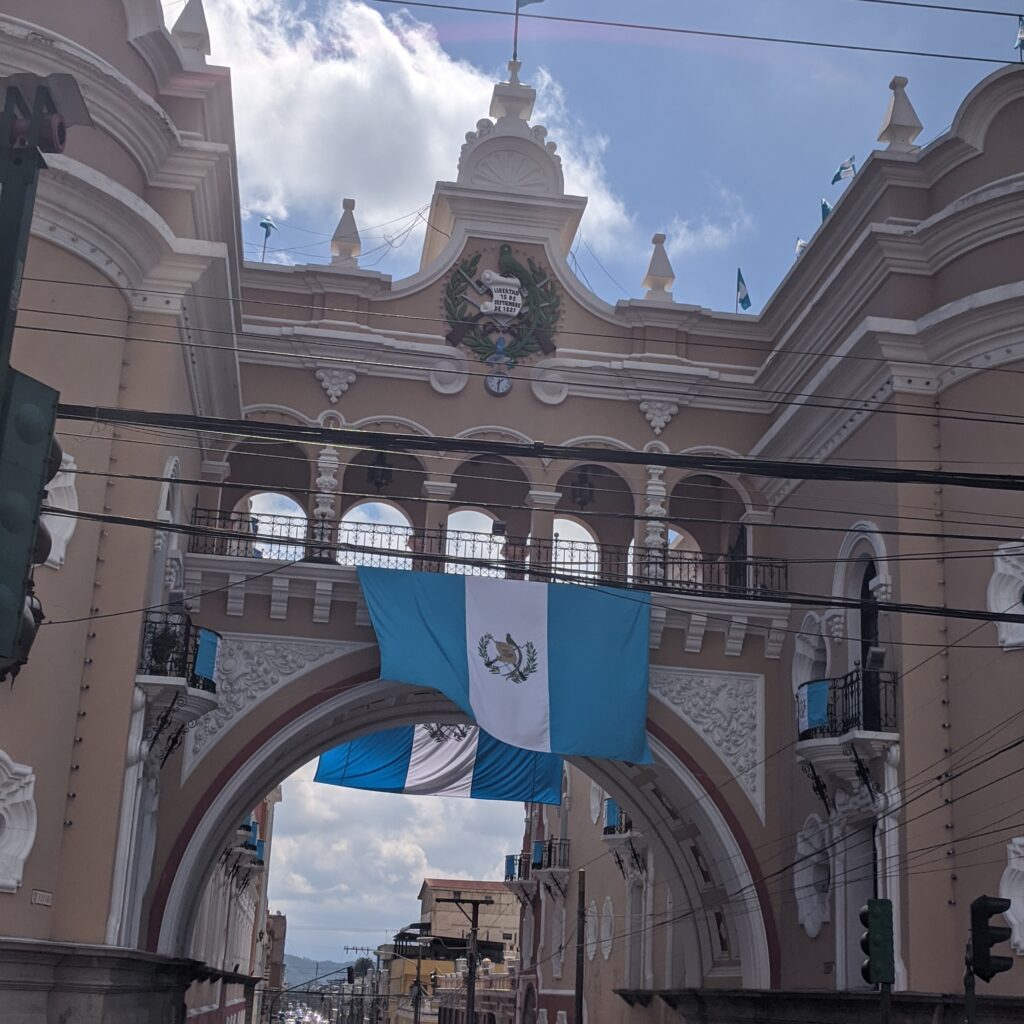
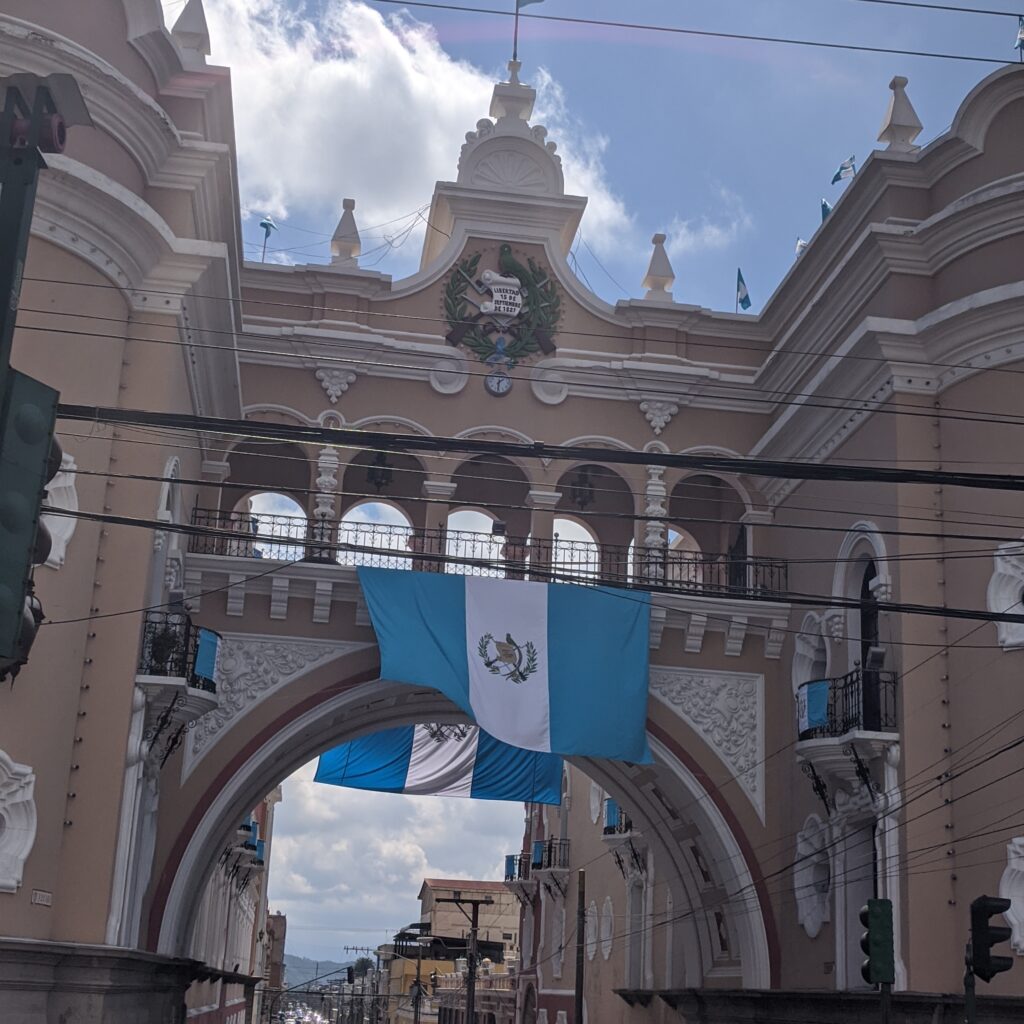
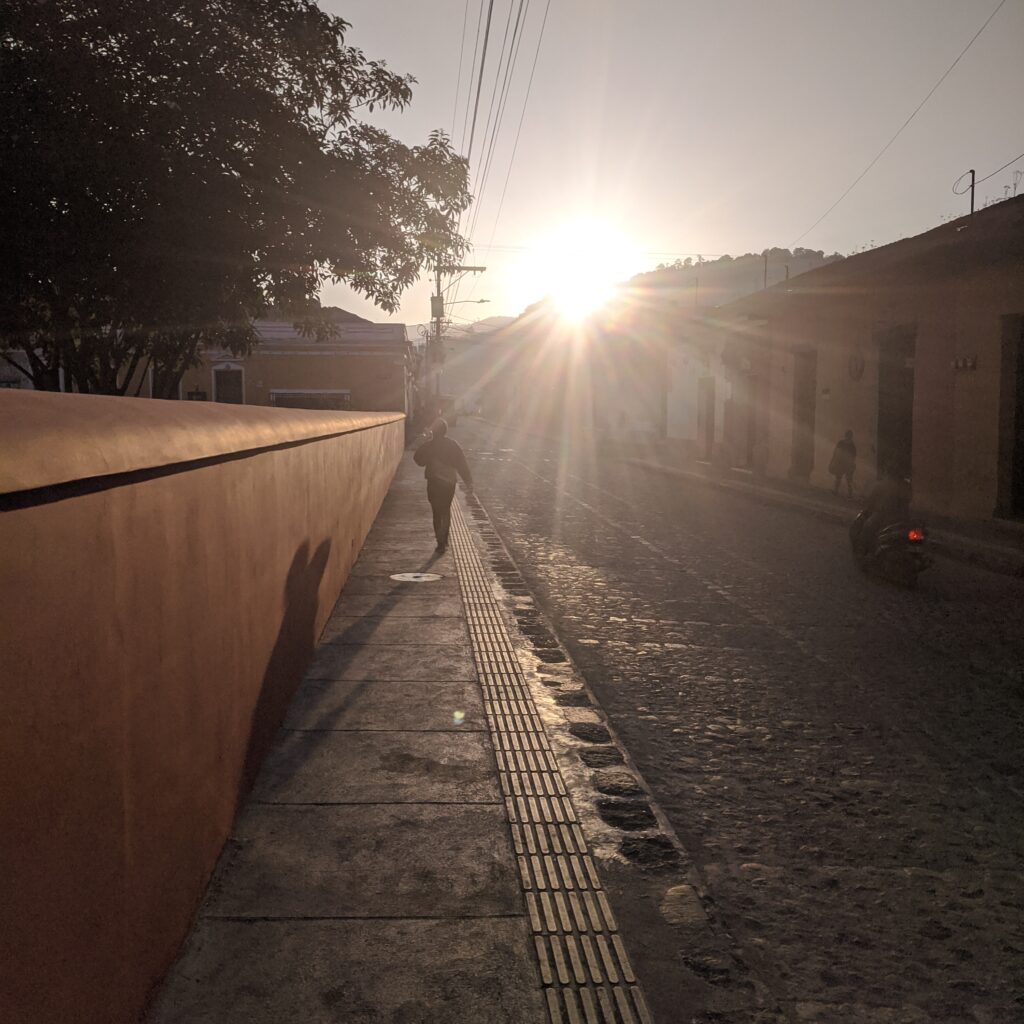
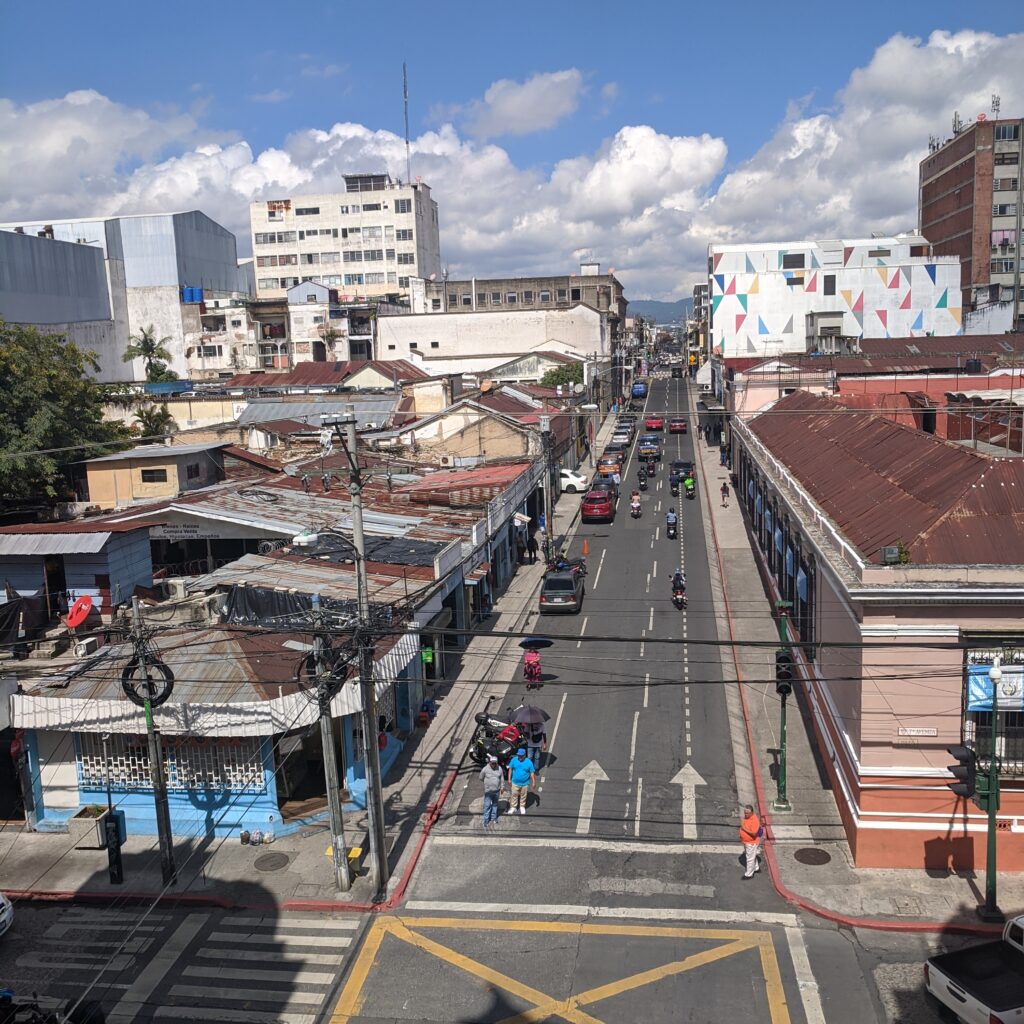
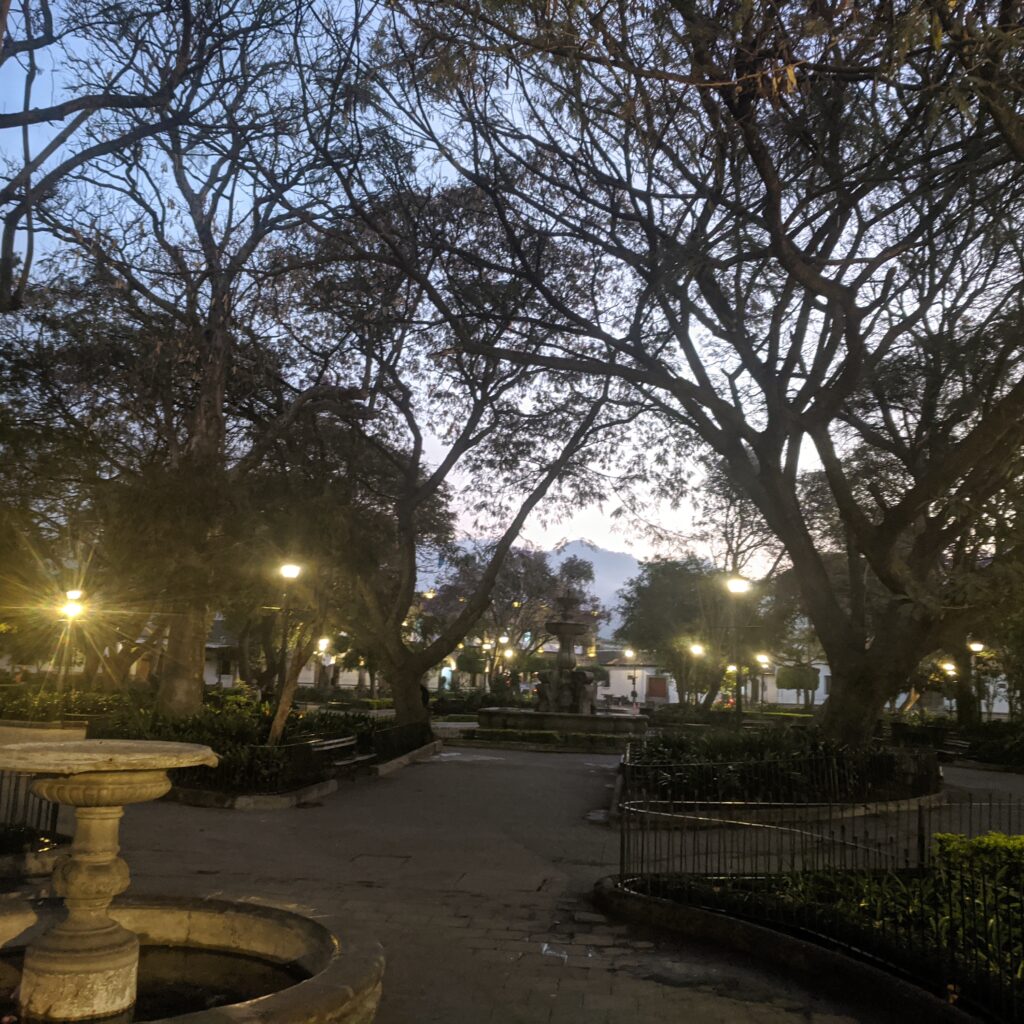
Guatemala has a way of pulling you in quietly. The pace, the people, the landscapes—it all feels grounded and real. But Antigua in particular stuck with me. Cobblestone streets, colorful facades, volcanoes looming in the background, and a rhythm that practically forces you to slow down and look around.
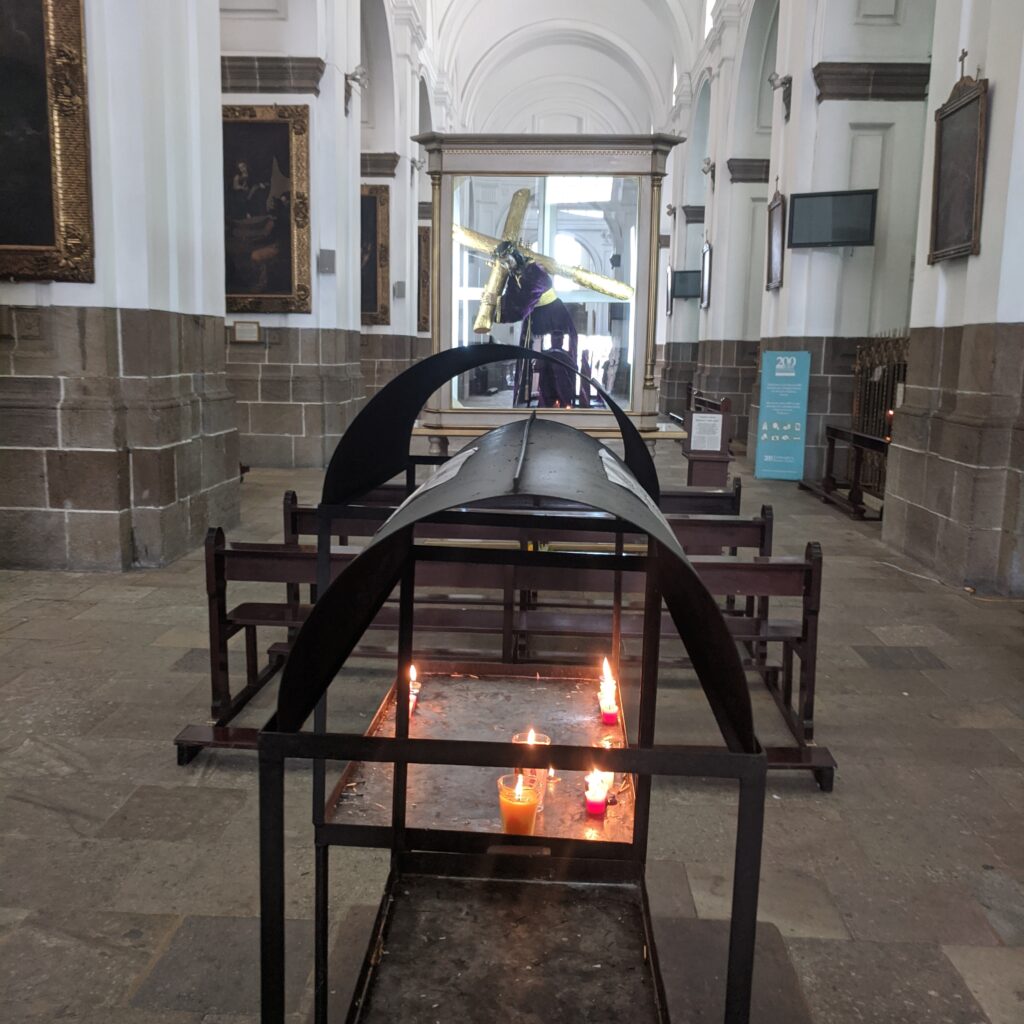
Here are a few moments from beautiful Antigua, Guatemala—one of those places that doesn’t need hype to be unforgettable.

One thing that really stood out to me was how Americanized parts of it have become.
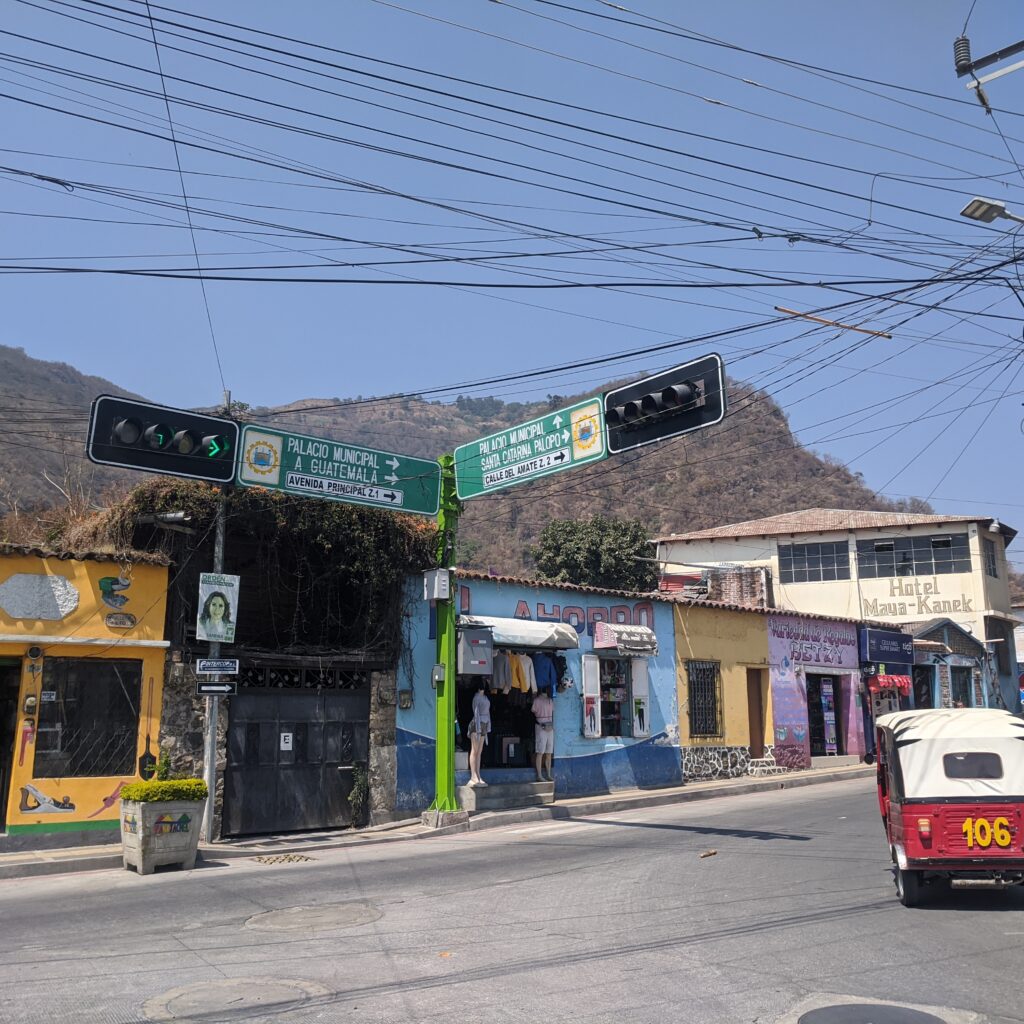
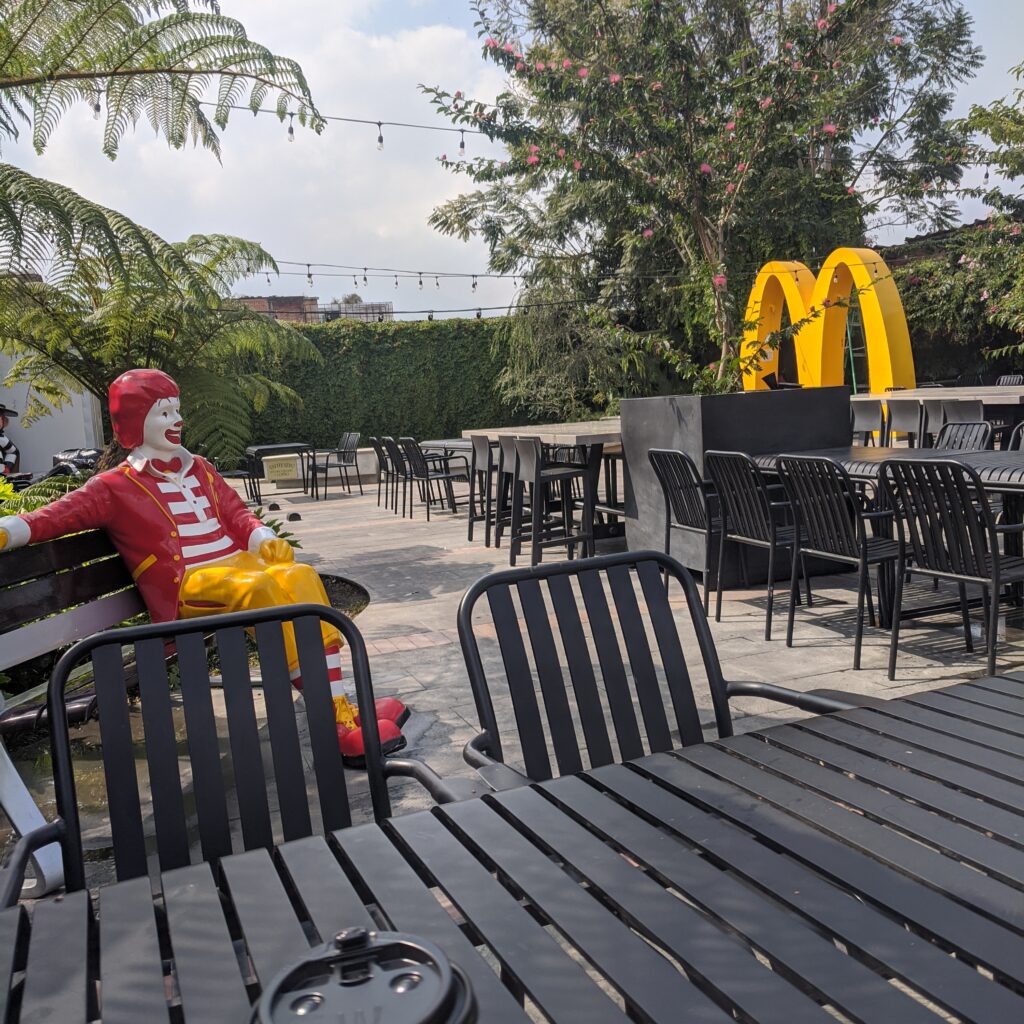
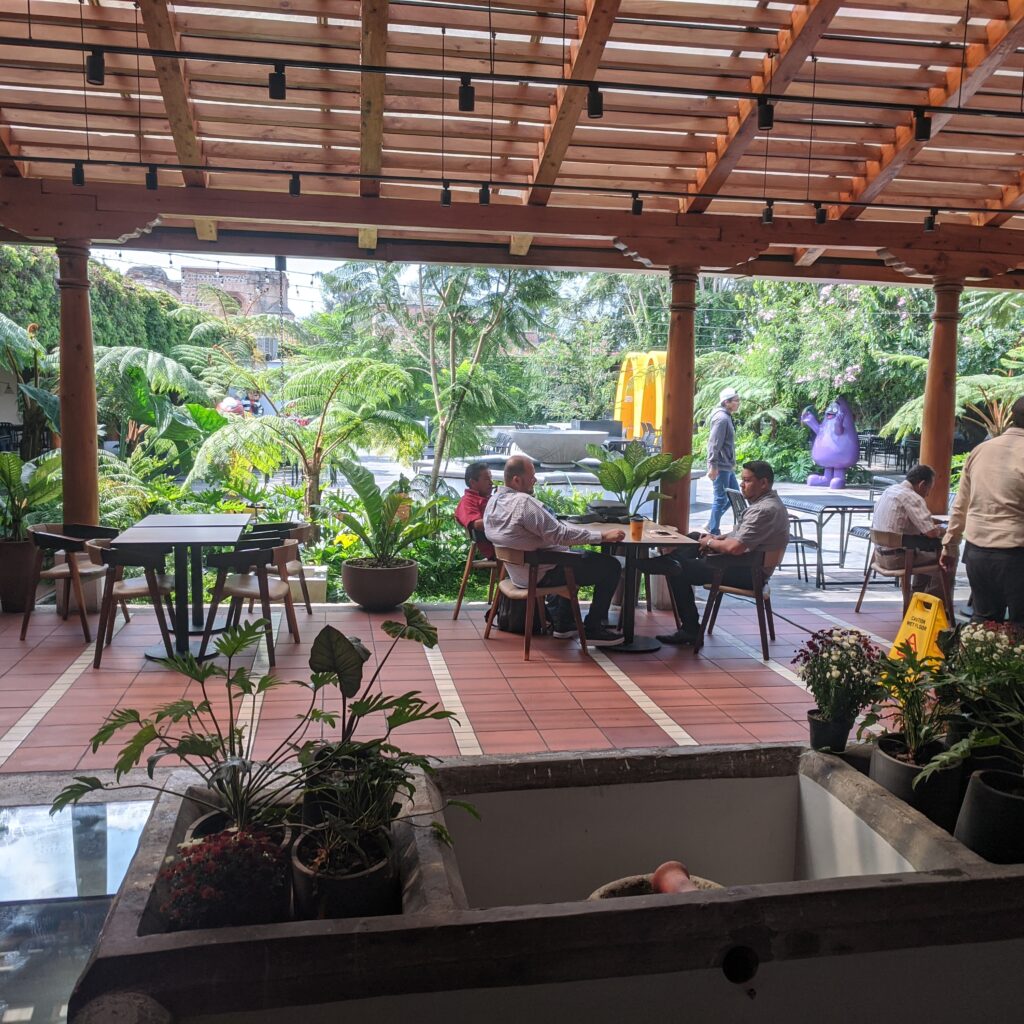
Walking through Antigua, I passed a massive McDonald’s, Taco Bell, and Burger King—all with outdoor seating, blending almost seamlessly into the colonial streetscape. There was even a Little Caesars that seemed to have a line ten people deep every single time I walked by.
It wasn’t necessarily good or bad—just noticeable. A reminder of how globalized even historic, culturally rich cities have become. The contrast was striking: centuries-old cobblestones and volcano views on one side, dollar pizza and combo meals on the other.

What surprised me most wasn’t that the chains were there—it was how busy they were. It really drove home how travel isn’t just about discovering new places anymore; it’s also about watching cultures overlap, adapt, and evolve in real time.

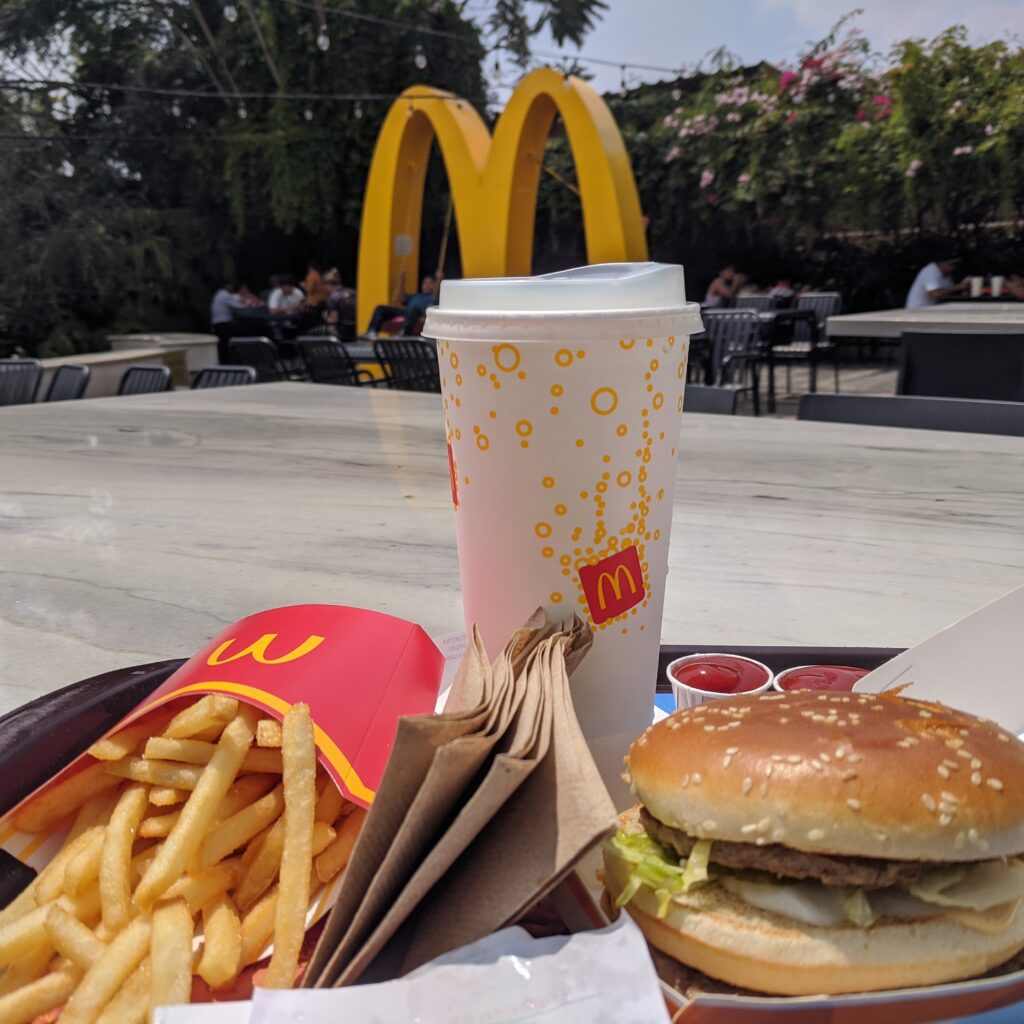
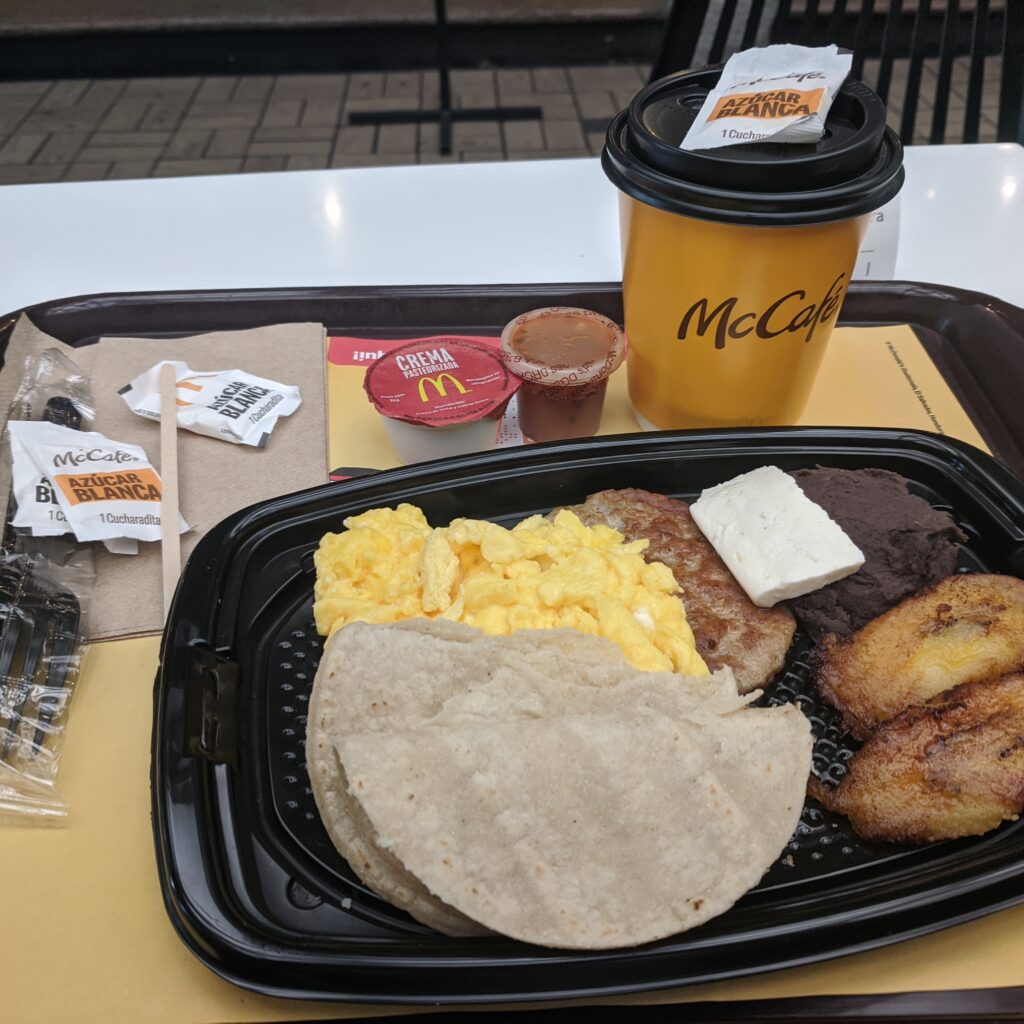
I normally only get McD for coffee but needed to try breakfast and had a Big Mac attack!

(The breakfast was under $5, and the Big Mac meal was $6ish)

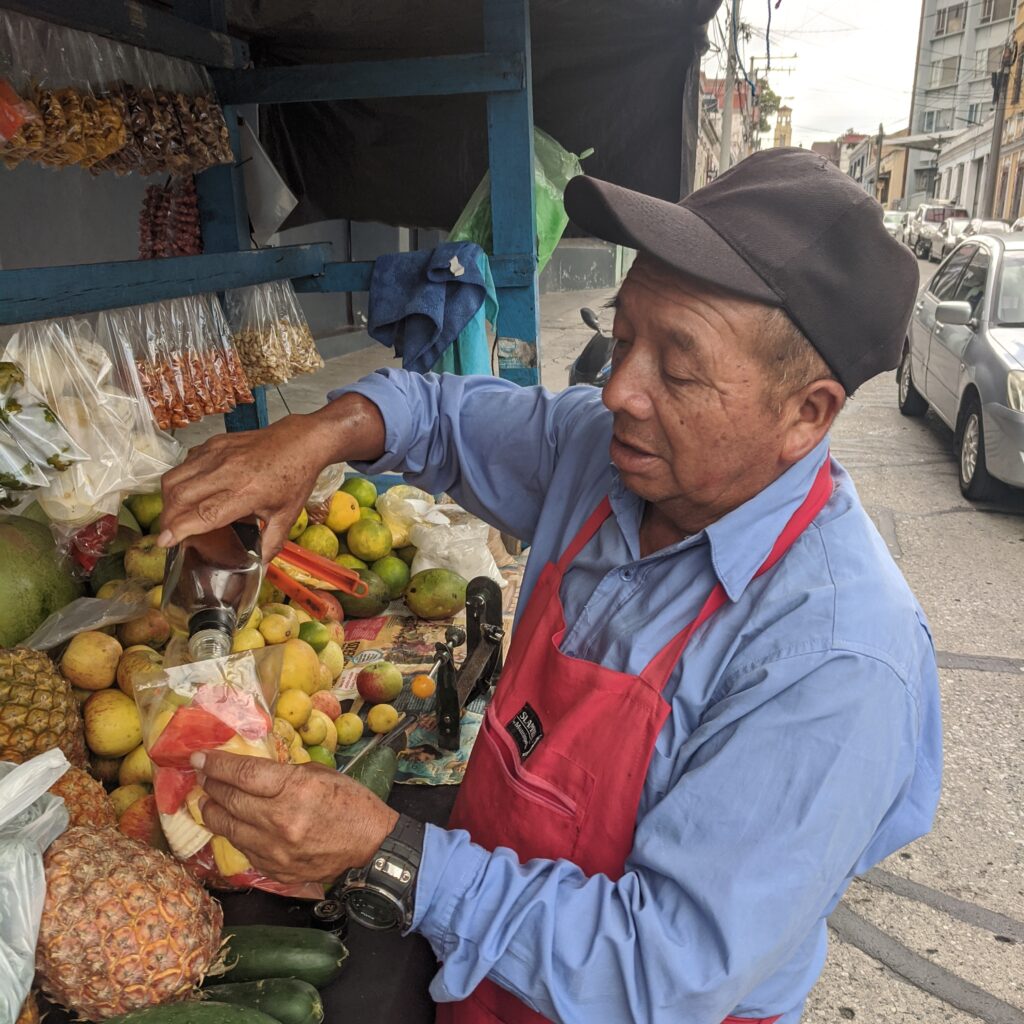
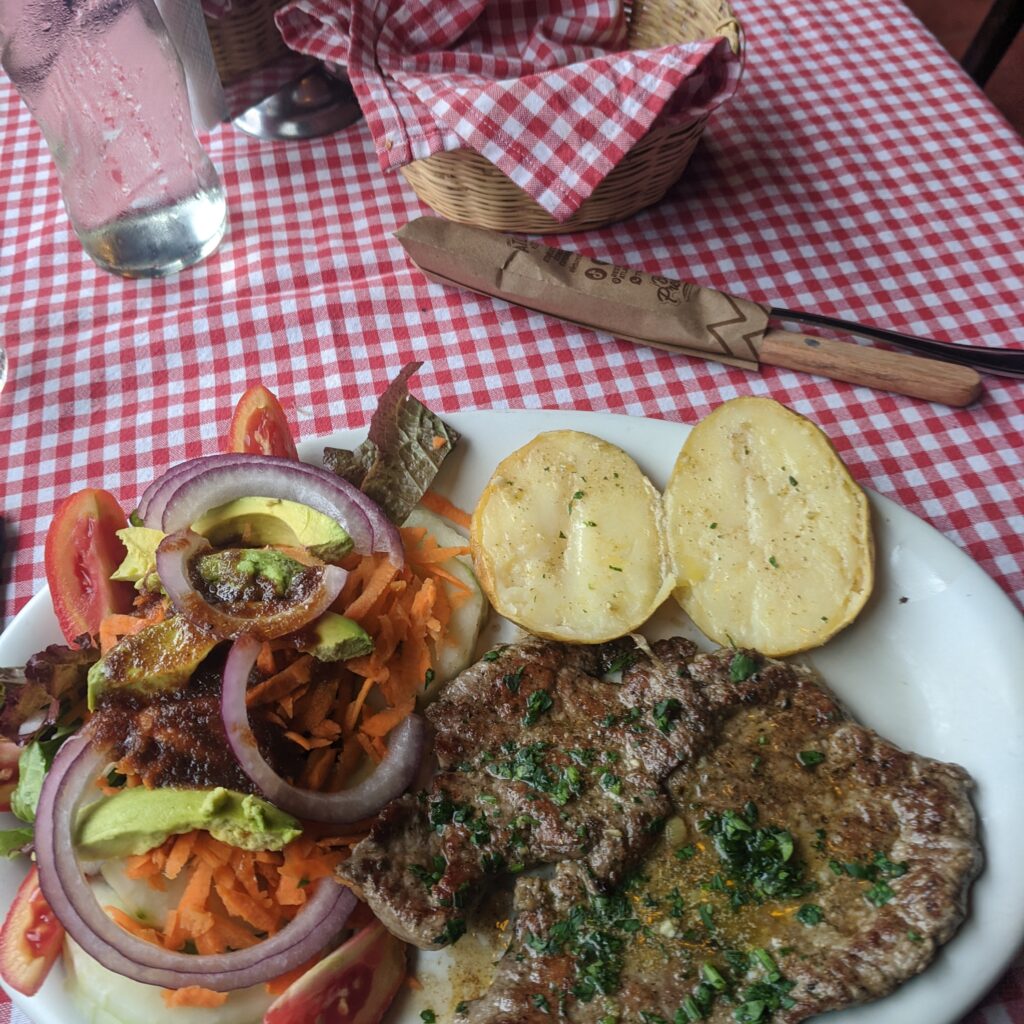
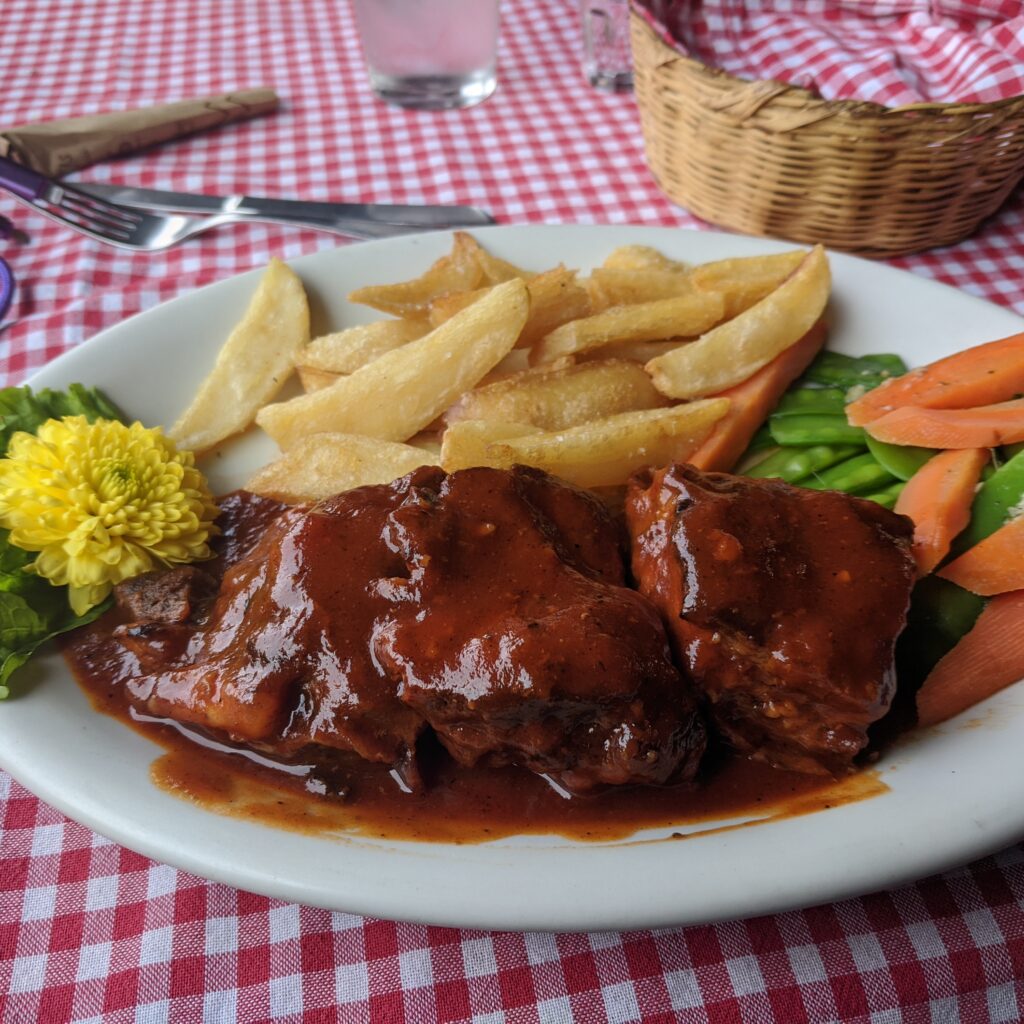
I never once ate at Burger King, Taco Bell, or Little Caesars—because the local food was incredible and ridiculously inexpensive. 🤑

When amazing meals cost less than fast food back home, the choice makes itself.
Eat local.
Spend less.
Enjoy way more.

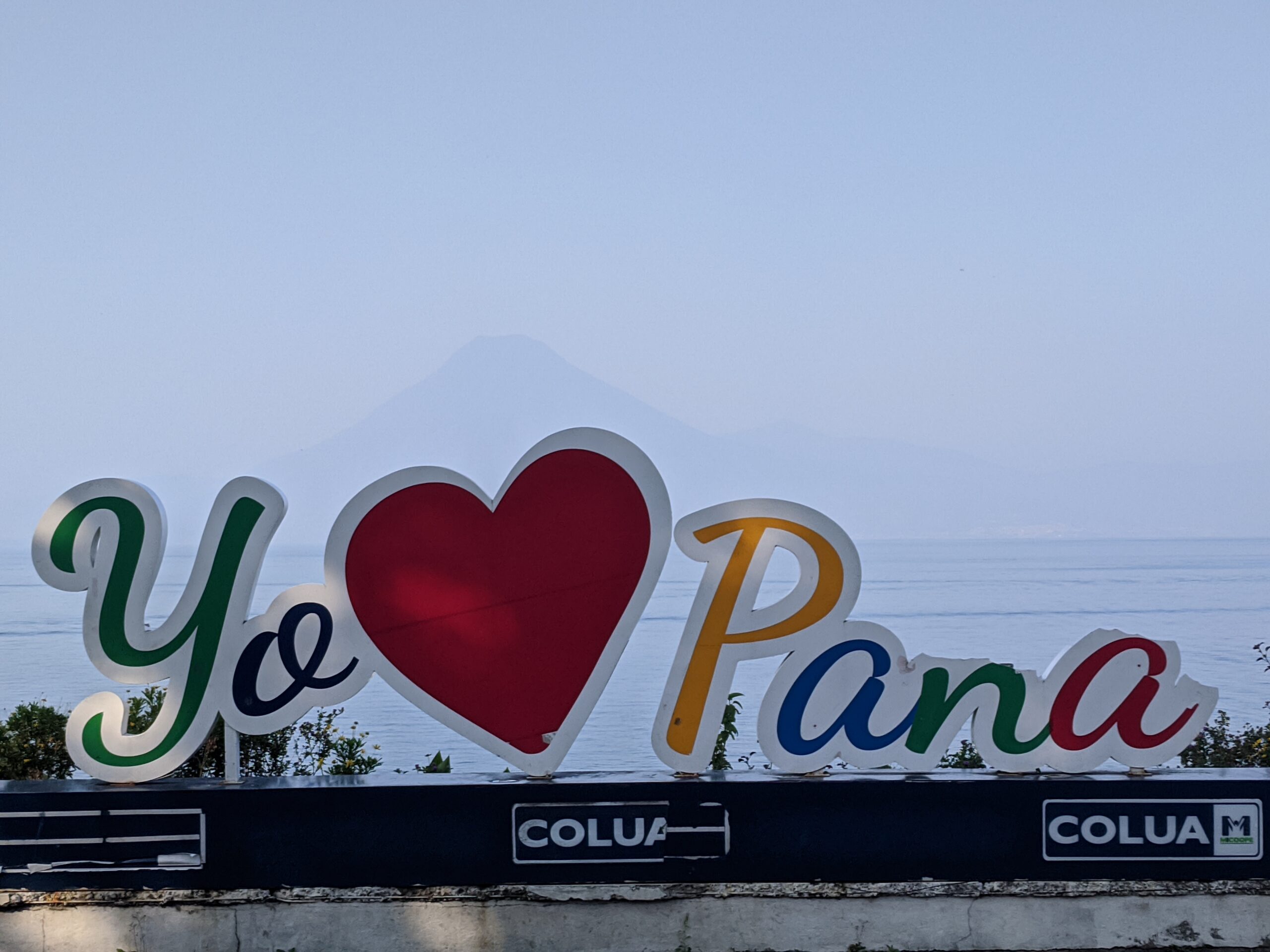
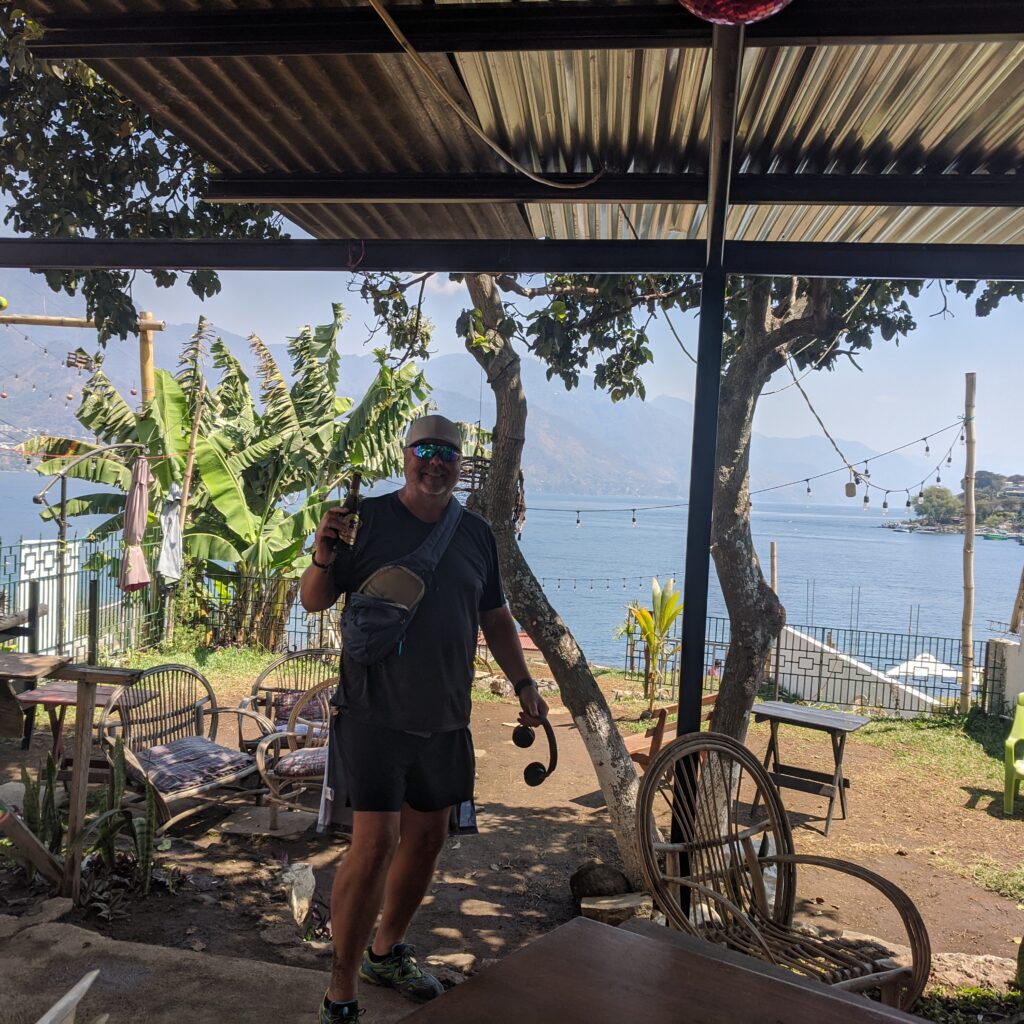
My favorite part of my experiences in Guatemala was going to Lake Titicaca, which is a hell of a ride from Antigua, as I already mentioned.

The lake has a maximum depth of about 340 metres (1,120 ft)[1] and an average depth of 154 metres (505 ft).[4] Its surface area is 130.1 km2 (50.2 sq mi).[1] It is approximately 18 km × 8 km (11.2 mi × 5.0 mi) with around 20 km3 (4.8 cu mi) of water. Atitlán is an endorheic lake, fed by two nearby rivers and not draining into the ocean. It is shaped by deep surrounding escarpments and three volcanoes on its southern flank. The lake basin is volcanic in origin, filling an enormous caldera formed by a supervolcanic eruption 79,500 years ago.[5] The culture of the towns and villages surrounding Lake Atitlán is influenced by the Maya people. The lake is about 50 kilometres (31 mi) west-northwest of Antigua. It should not be confused with the smaller Lake Amatitlán.

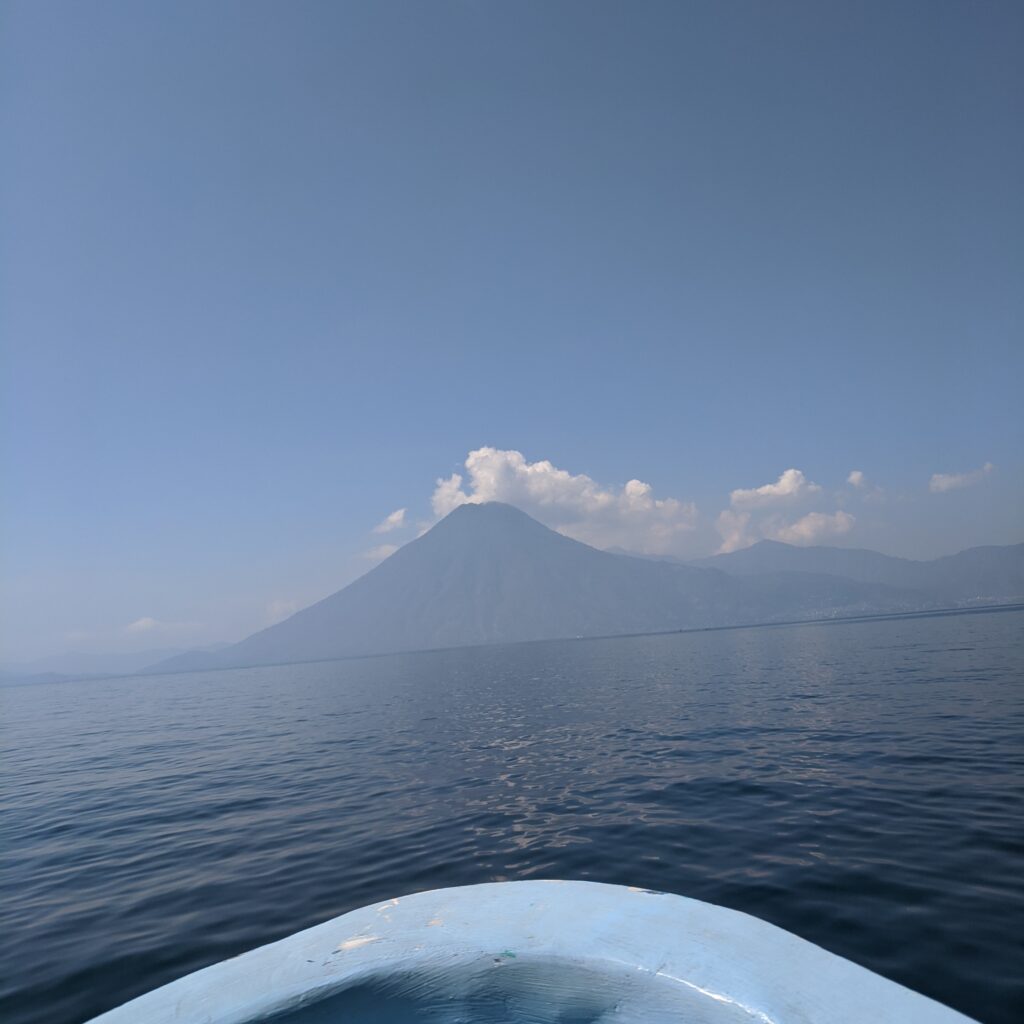
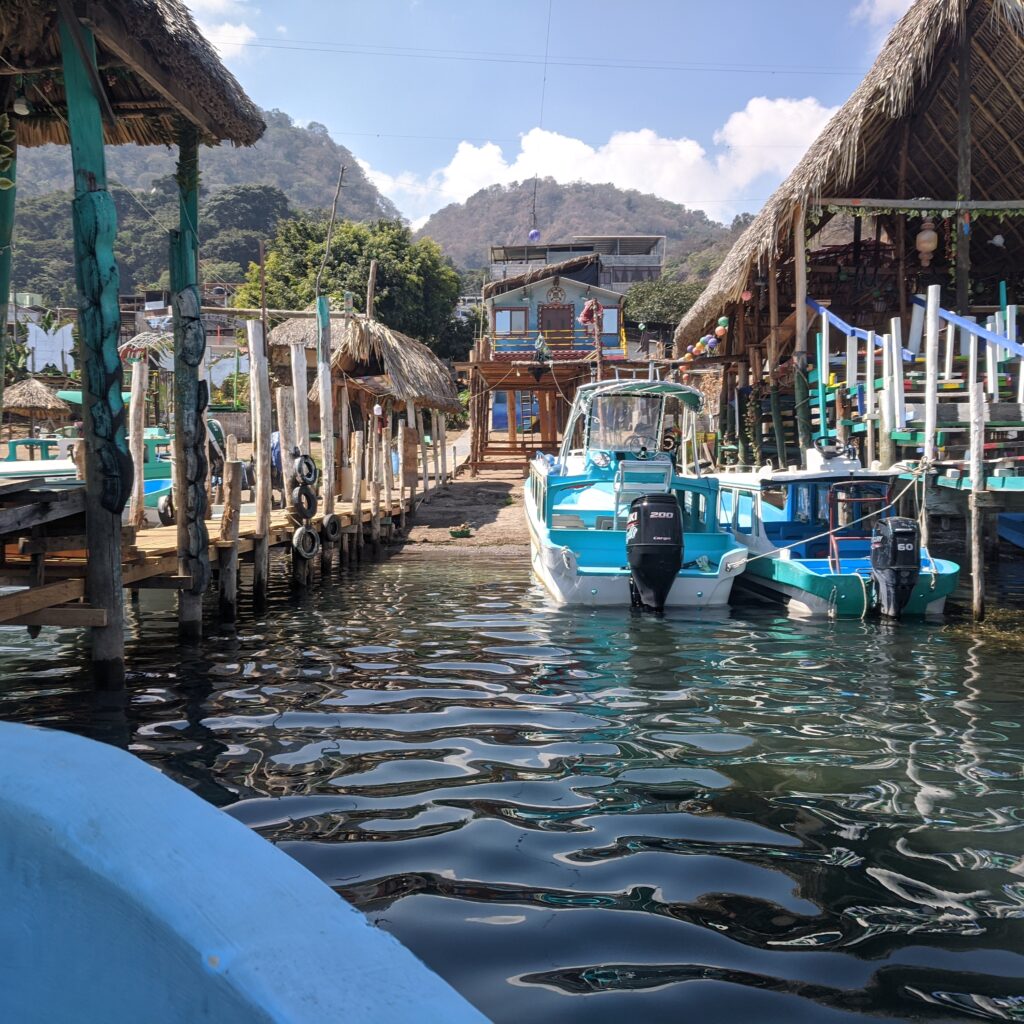
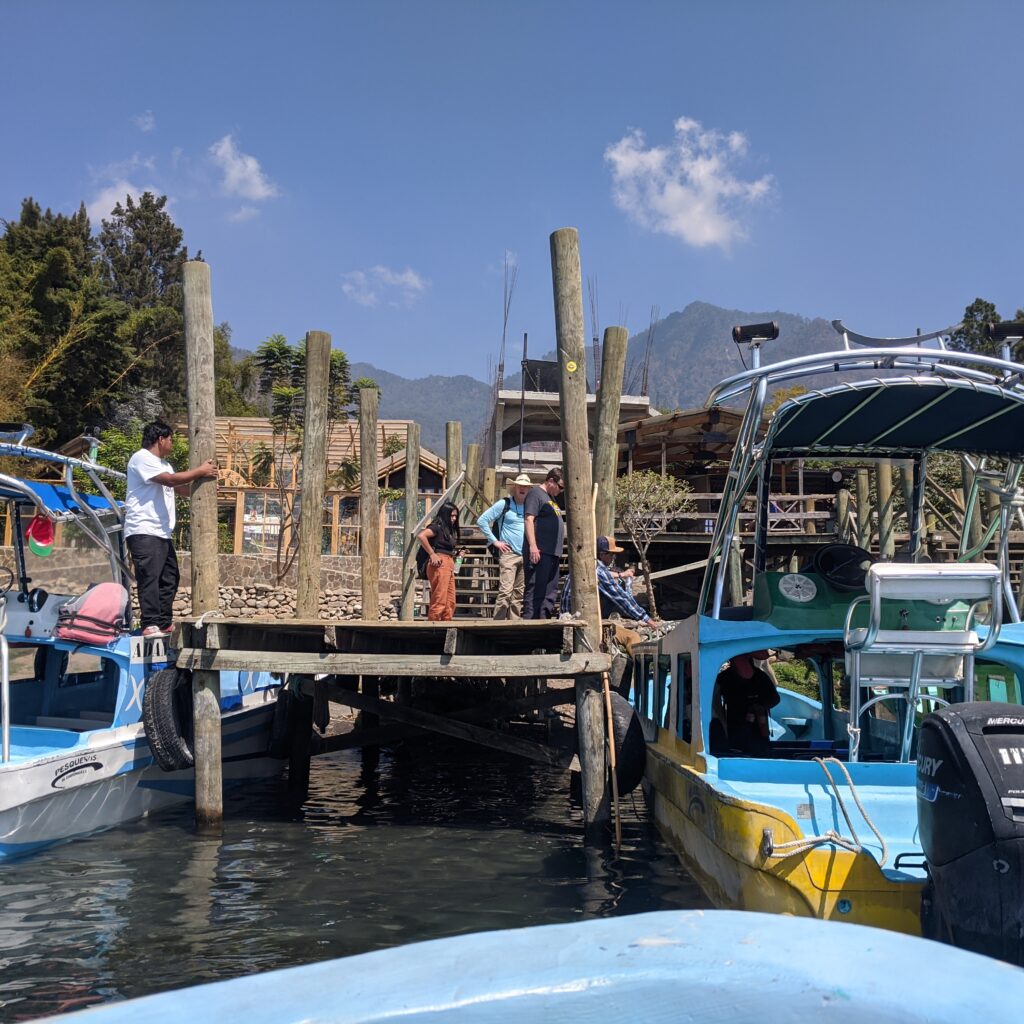
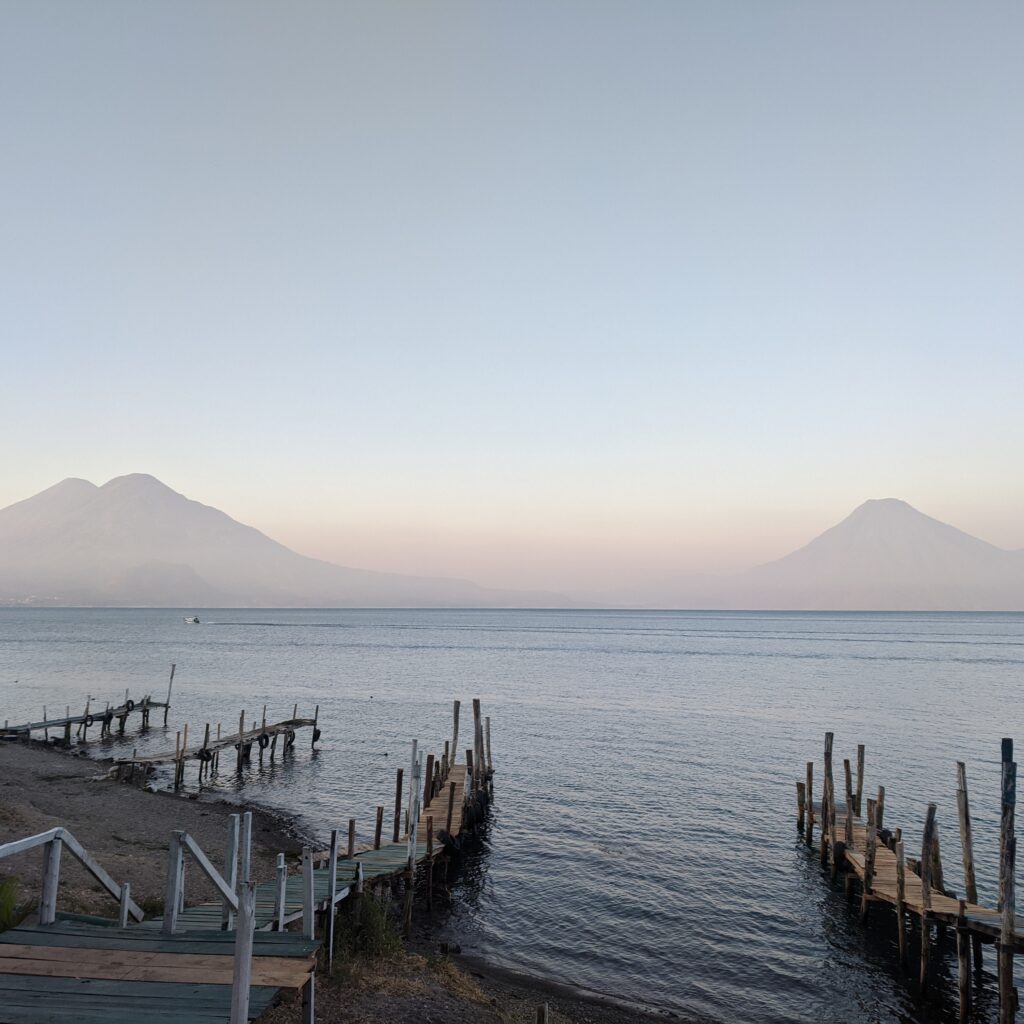
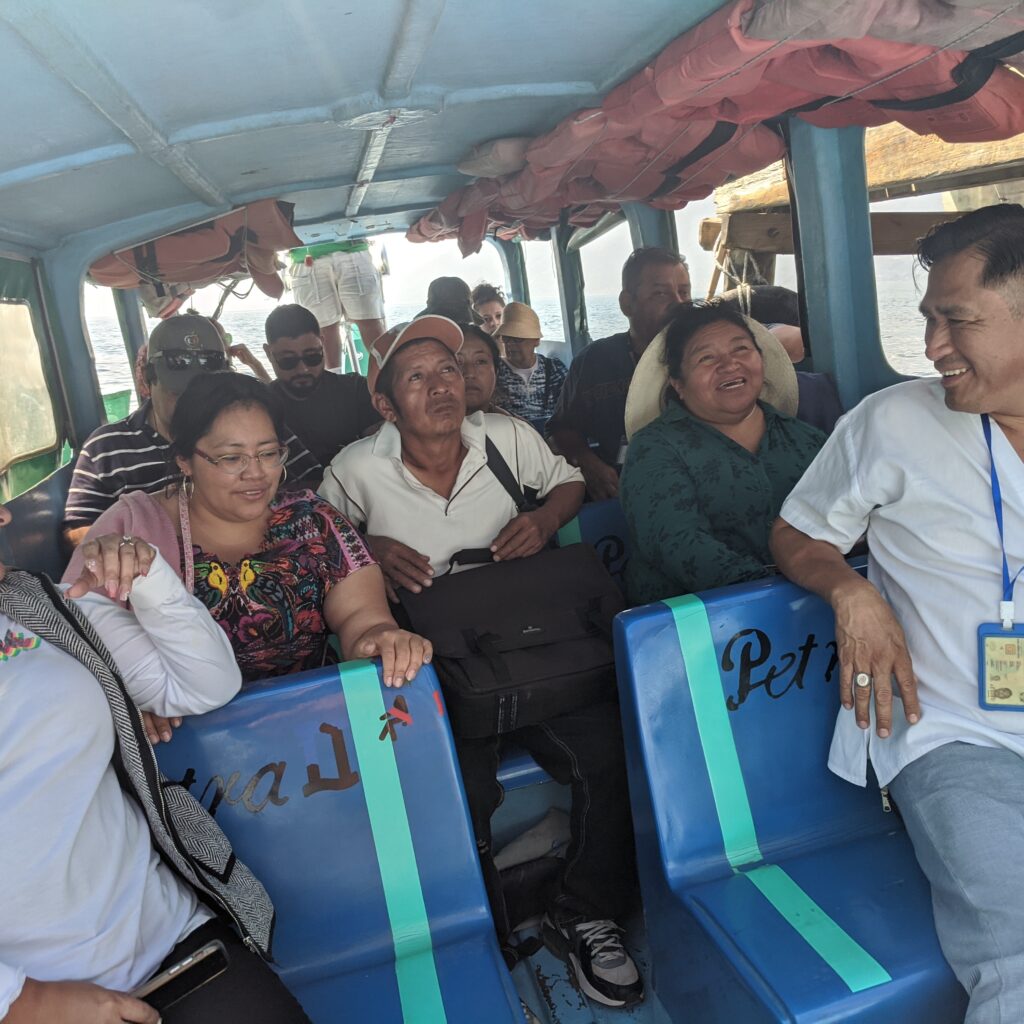
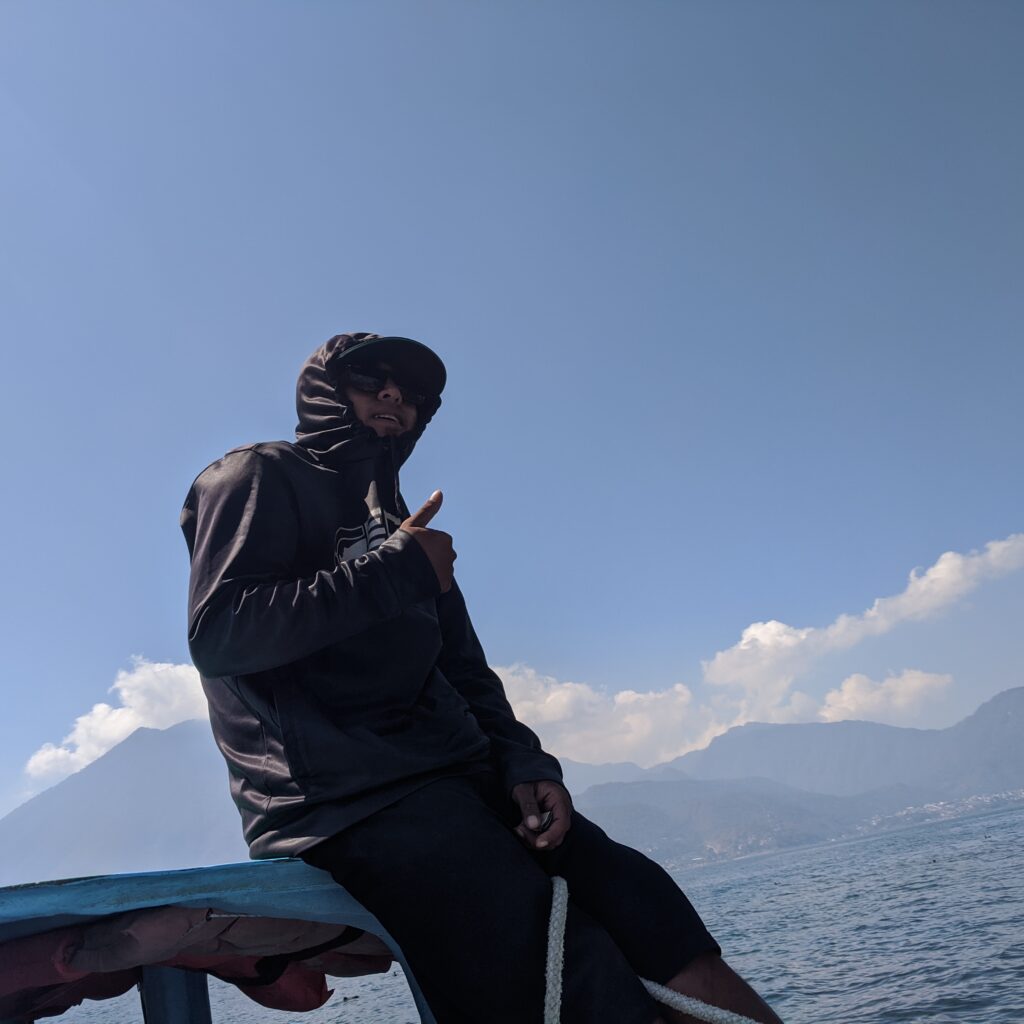
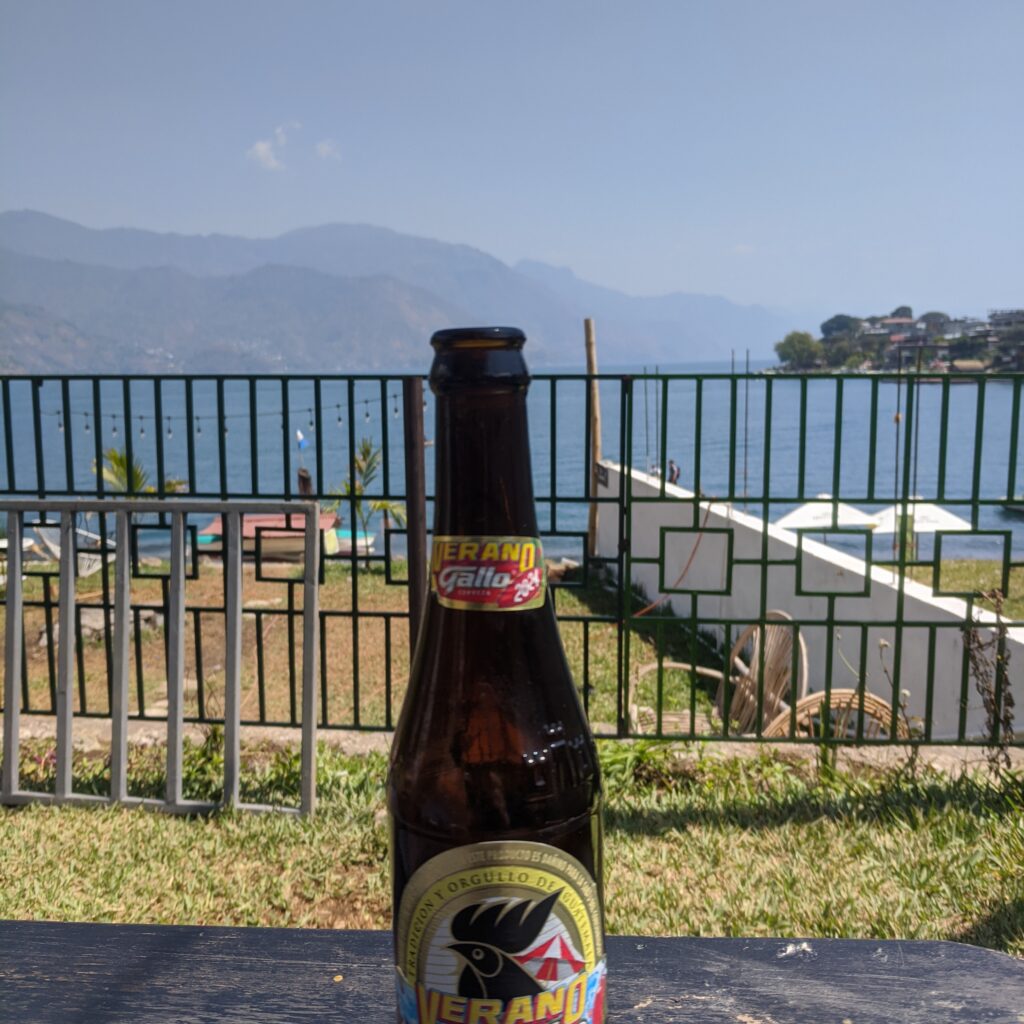
Here are some amazing pictures of the water taxi visiting the cities around the lake that are all surrounded by volcanoes. 

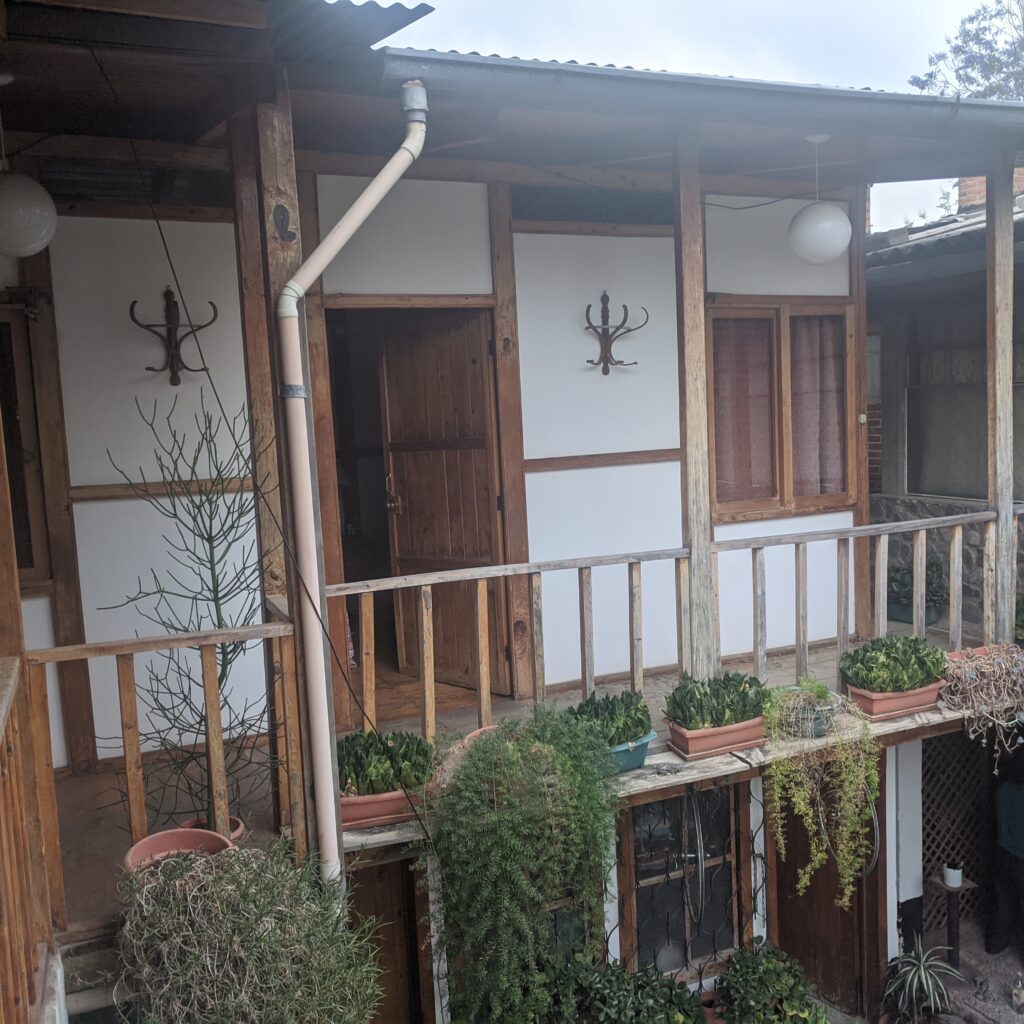
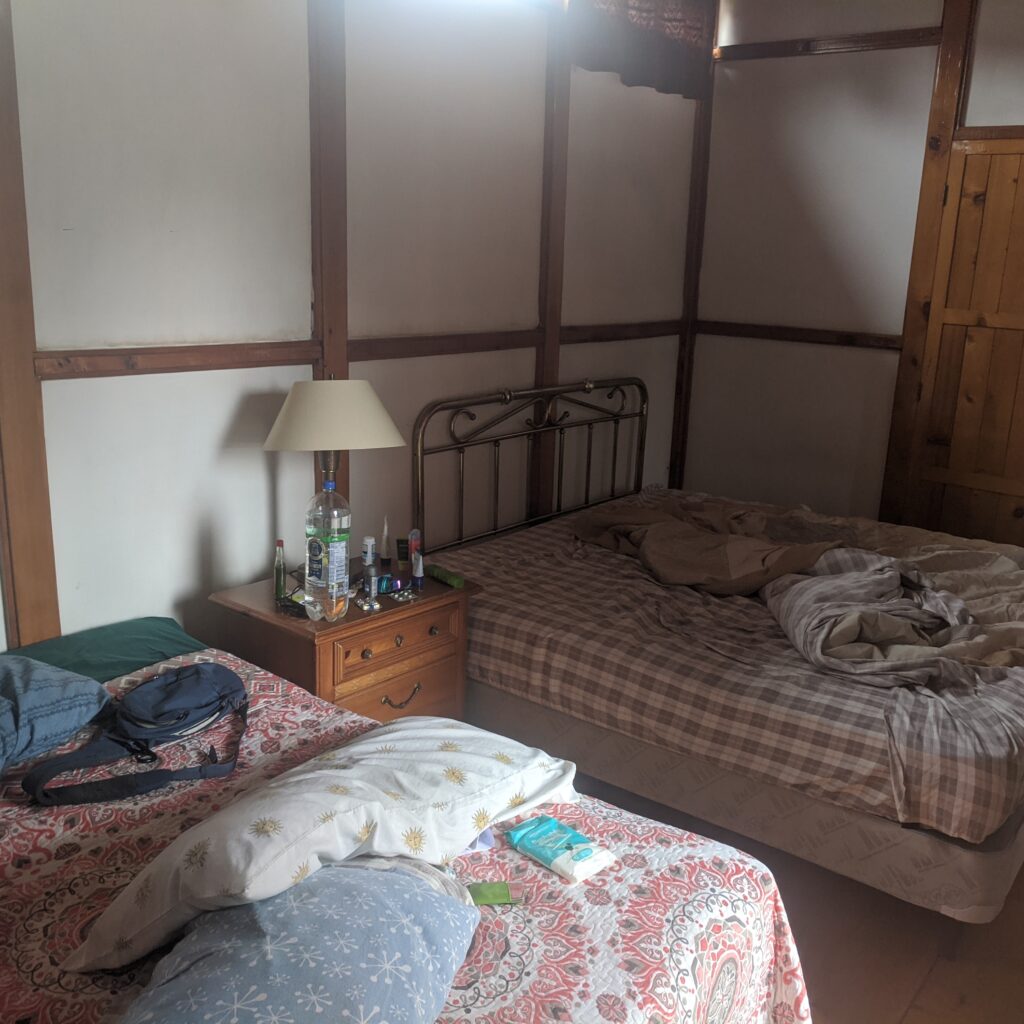
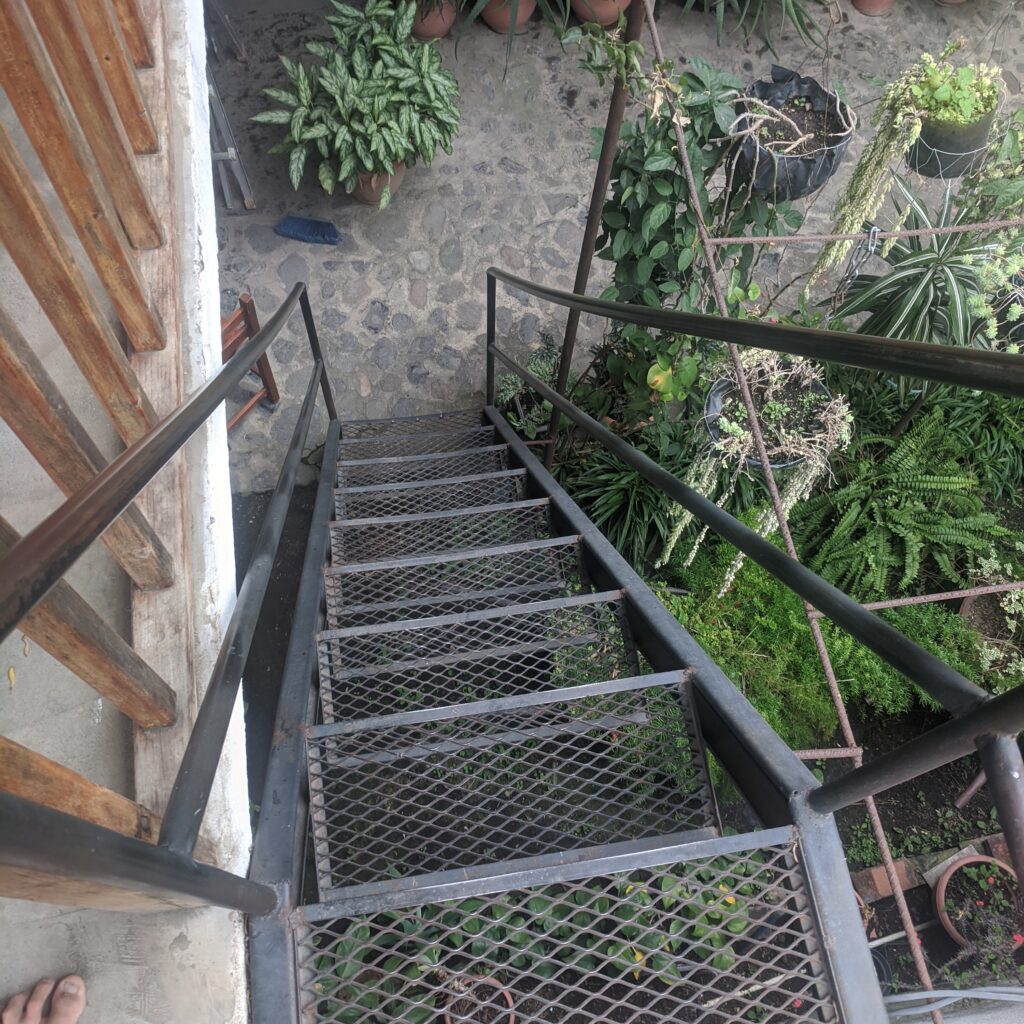
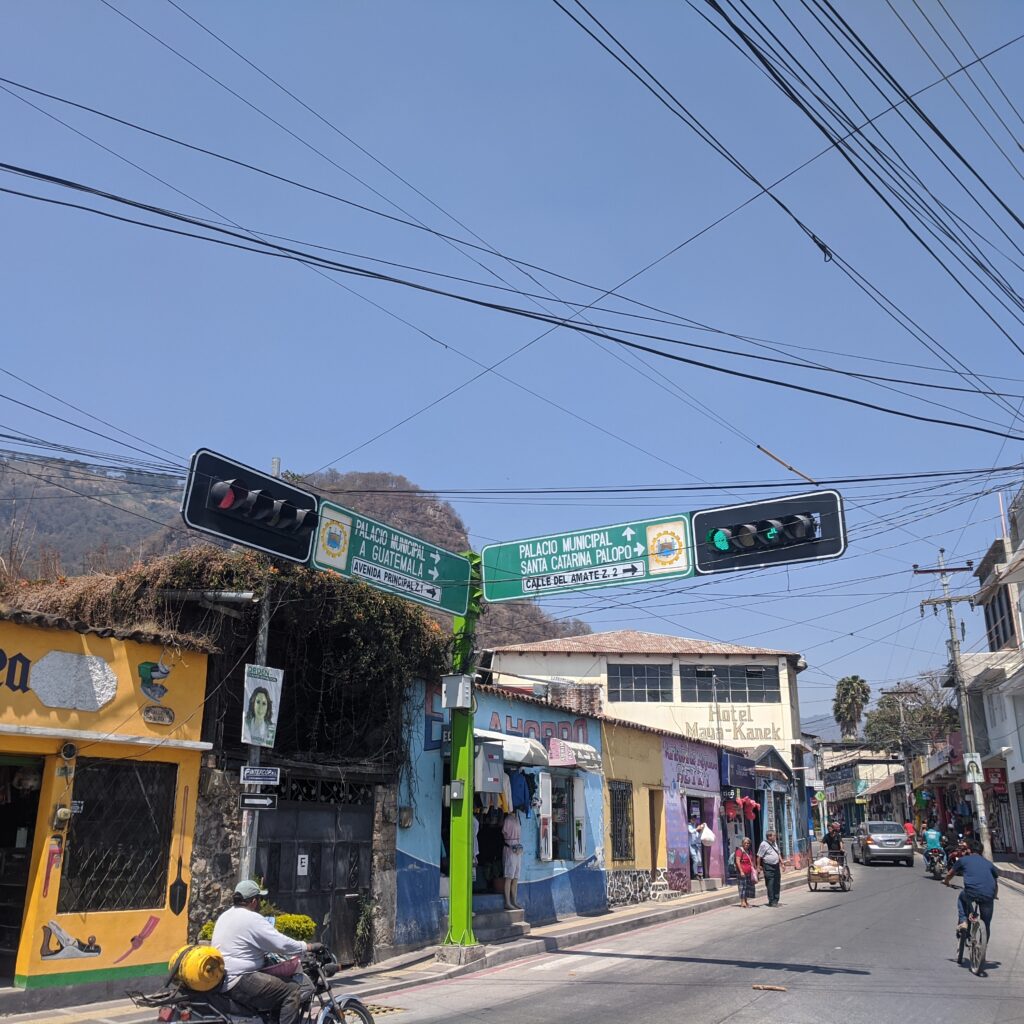
Here is my $15 a night Airbnb in Panajachel, Guatemala, which is the biggest town on Lake Atitlan. 

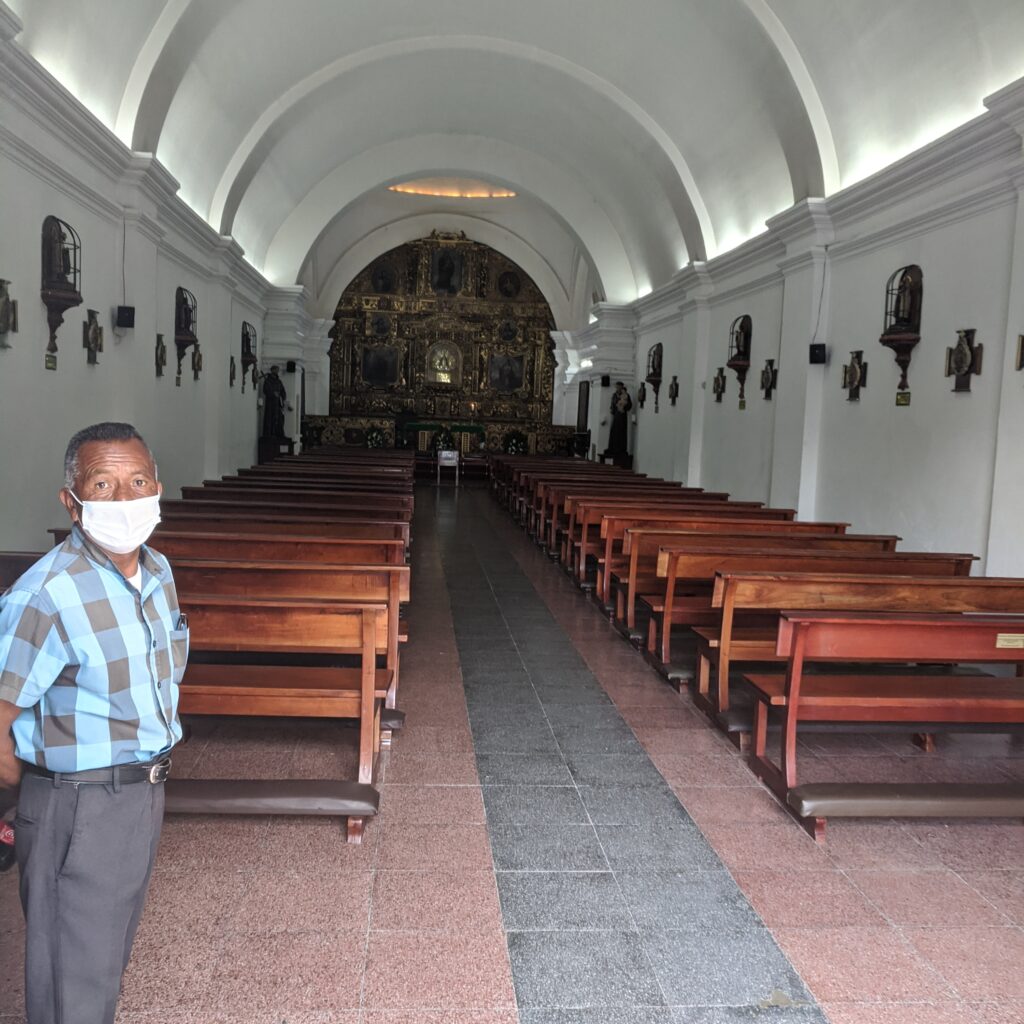
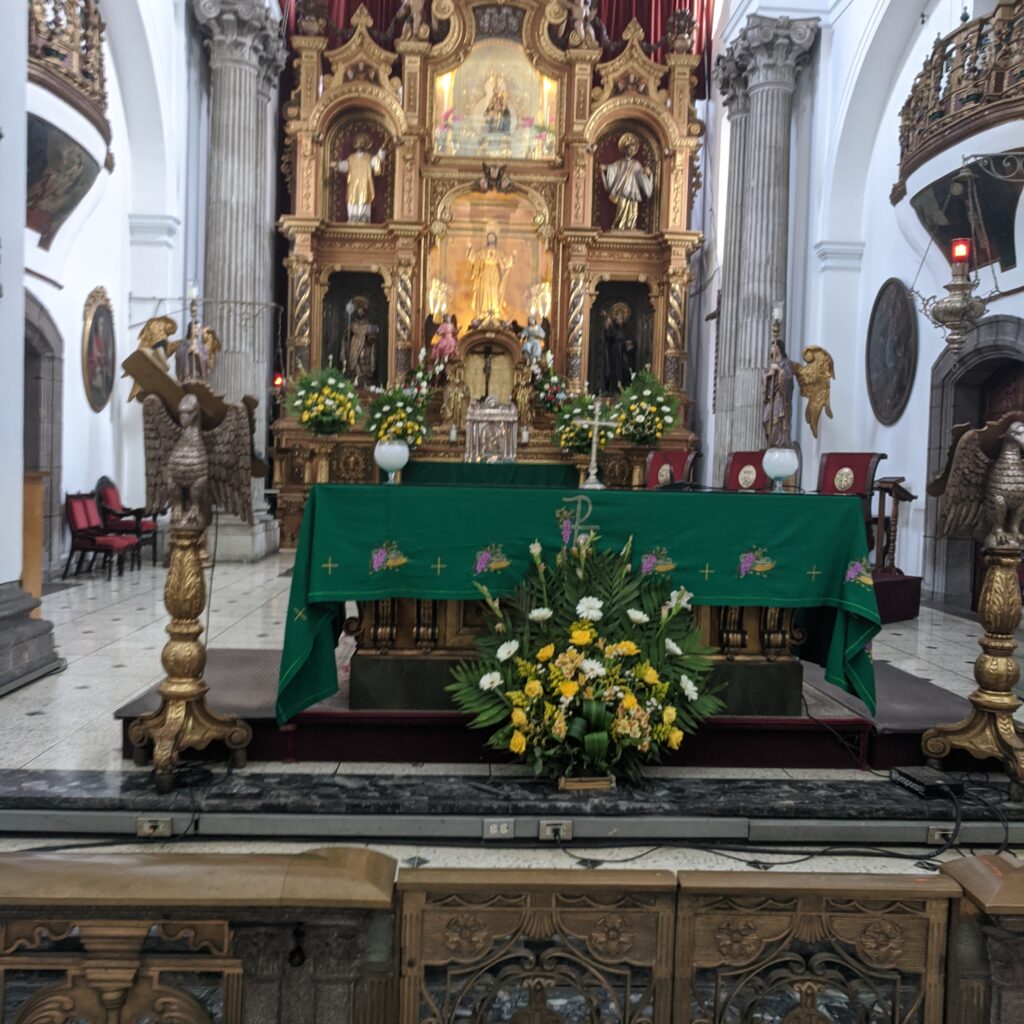
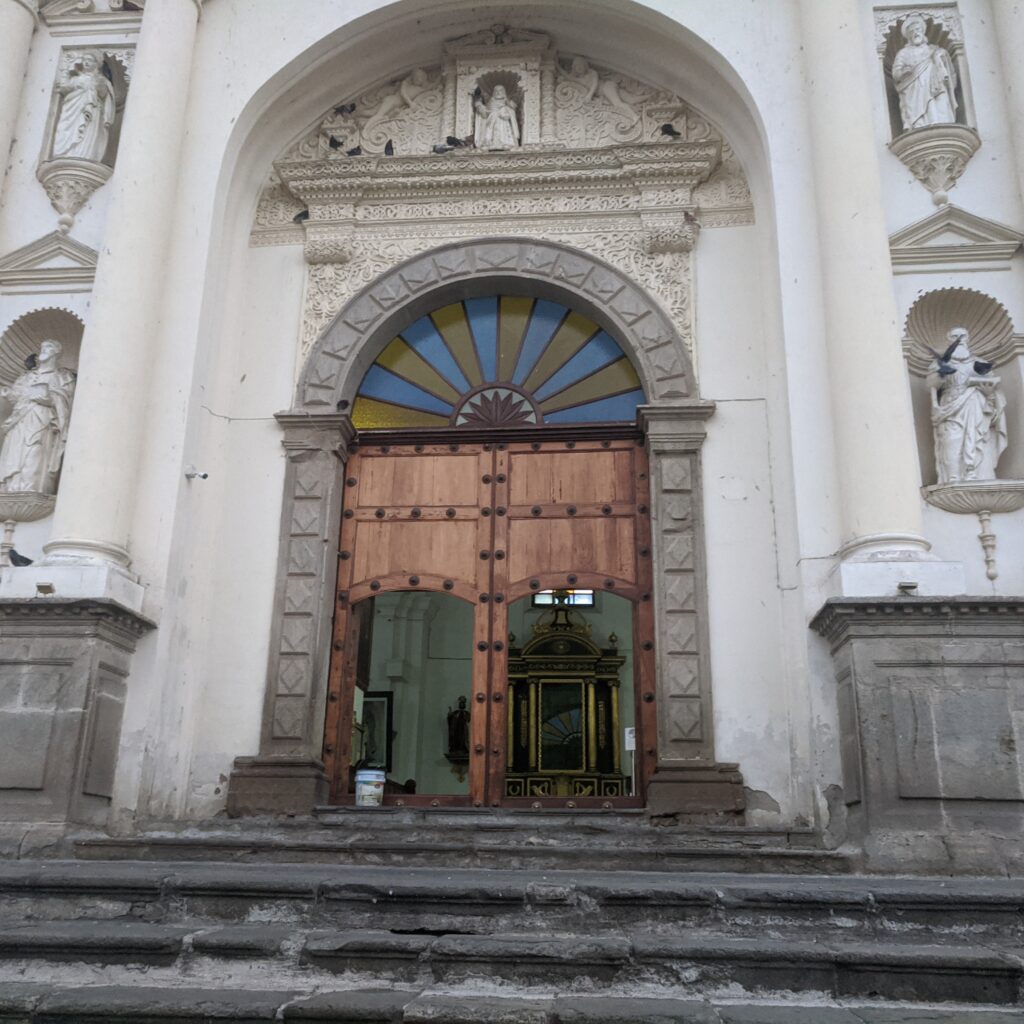
I met a local in Antigua that gave me a tour of some of the streets, attractions, parks and Churches.

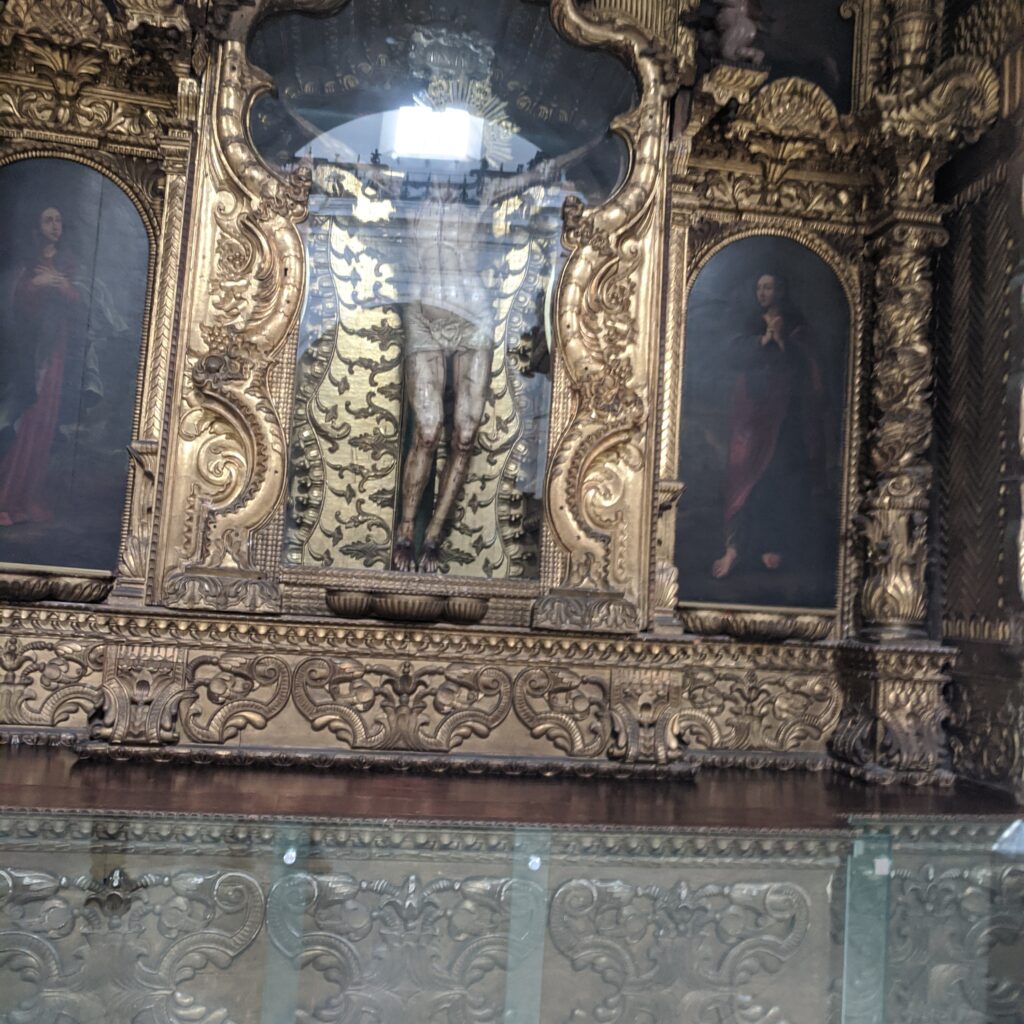
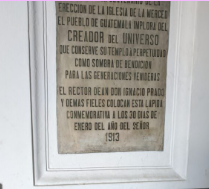
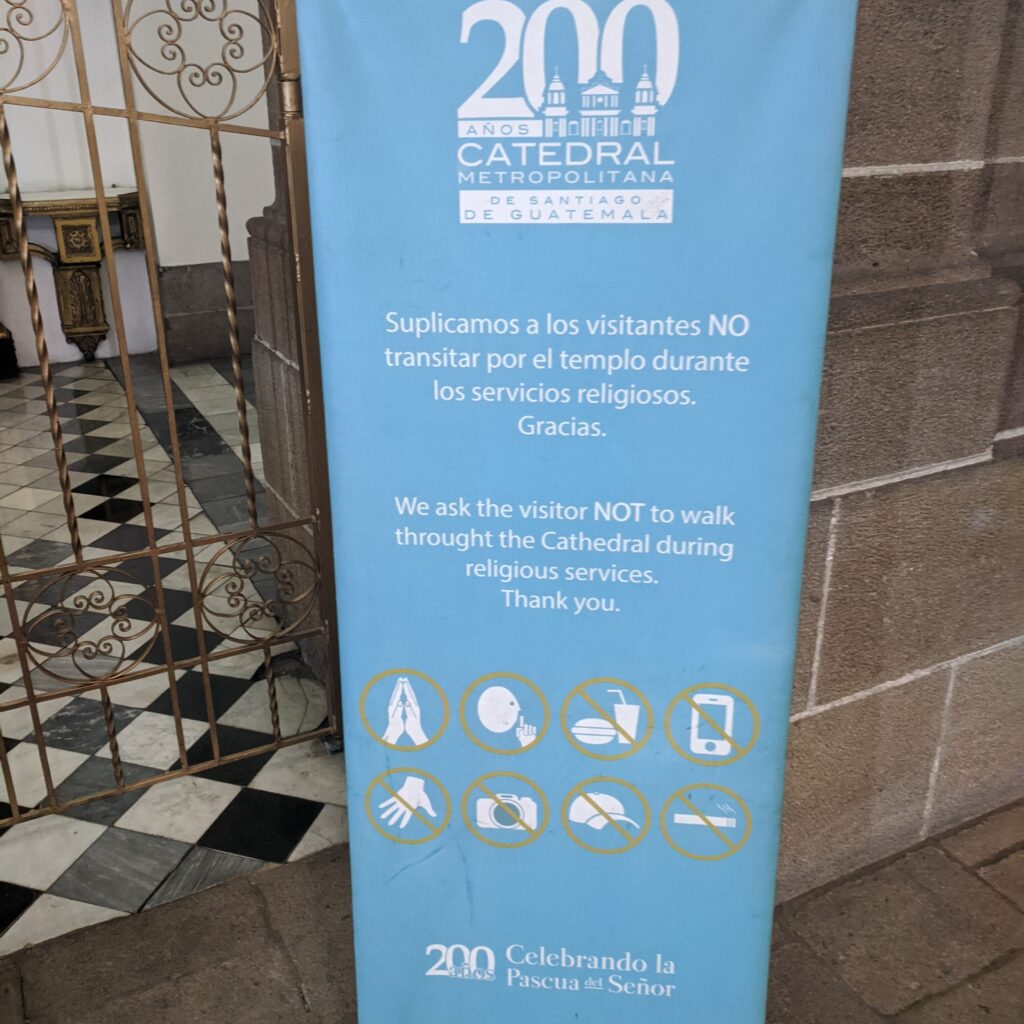
This Church is over 200 years old!  So amazing to set foot in there and imagine all the people before me who did the same. 

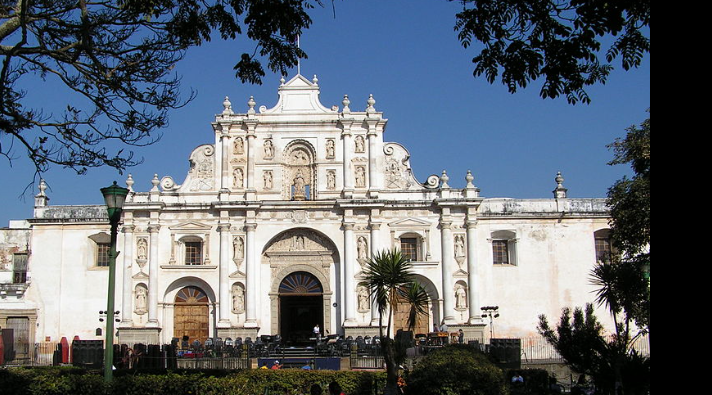
The Cathedral of Antigua Guatemala in 1894. Photo by Lindesay Brine.

See you again soon, Guatemala, as you are very top on my inexpensive travel list! 🤑