grinch

Christmas 2025 – You’re a mean one …

Christmas time is for kids, since I do not have any minions, it is not my favorite holiday.

We all have regrets, but again, we all have to play the cards we dealt ourselves!

It’s not meant as pity, pride, or judgment—just a sincere look at my life, told with a level of honesty most people rarely allow.

Thinking about having a family—and then creating a fake one on ChatGPT—hits a special kind of loneliness during the holidays, with just enough imaginary alimony and child support to keep it extremely real.

That’s part of why, most days, I am grateful for my life, as this is how it was supposed to work out.

Not because family is bad or wrong—but because forcing a life that didn’t fit would cost me more than it gave back. Freedom mattered more to me than appearances. Movement mattered more than checking boxes that society forces you to check whether you want them or not. 

I didn’t have a good father, and the fear of becoming anything like him was always front and center. He bailed on my mom and me in the worst possible way, and that kind of exit leaves a mark whether you want it to or not.

For a long time, that experience quietly shaped my decisions.

That awareness didn’t fix everything, but it ultimately changed my thought process. And sometimes, that’s enough to start choosing differently—on purpose.

Chasing a different dream became my outlet, my structure, and, honestly, my mission. I have lived life in many different cities, having a lot of conversations and many life experiences with people who saw life differently. It became pretty obvious that the way most people lived life was not the only option. 

It was not the same generational life, over and over. 

Go to College

Get married

Buy a house and have kids

Work until you’re 67+ 

Enjoy maybe five to ten years of retirement while your body starts to fail you.

I didn’t opt out of life—I opted into my version of it.

Less scripted.
Less predictable.
More honest with who I am

I’m learning to be good with that, and people who judge my alternative lifestyle should, too.👍🏻

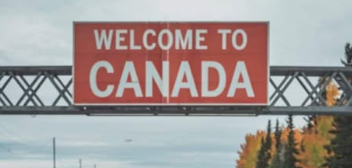
The Grinch that hated winter in Canada!

The cold. 

The snow. 

The shoveling. 

Driving on a skating rink.

The heating bills should feel normal.

Extreme taxes at every angle. 

(carbon taxes?!) 🫡

The lies people told themselves, “It was normal not to feel your face going outside.

While Family and friends in Canada scraped windshields, living a great Family life!

The Grinch did the math.

Sunshine was cheaper elsewhere.

A lot of money could also be made elsewhere.

So, while others layered sweaters, he booked a one-way ticket south. 

He turned in his snow boots for flip-flops.

He drank iced coffee in December.

They said he “You missed the reason for the season,” and called him a sellout!

The Grinch said, “I optimized my life,” in my own way!

He didn’t steal Christmas.
He *Geoarbitraged it!

*Geoarbitrage is the practice of living in a location with a lower cost of living while maintaining the same income, allowing individuals to save and invest more effectively. This concept is often associated with the FIRE (Financial Independence, Retire Early) movement, where individuals leverage geographic differences to maximize their financial resources.

⬇️Click to read more on my Geoarbitrage goals⬇️

Geoarbitrage – retire sooner 

PXL_20251216_115235116

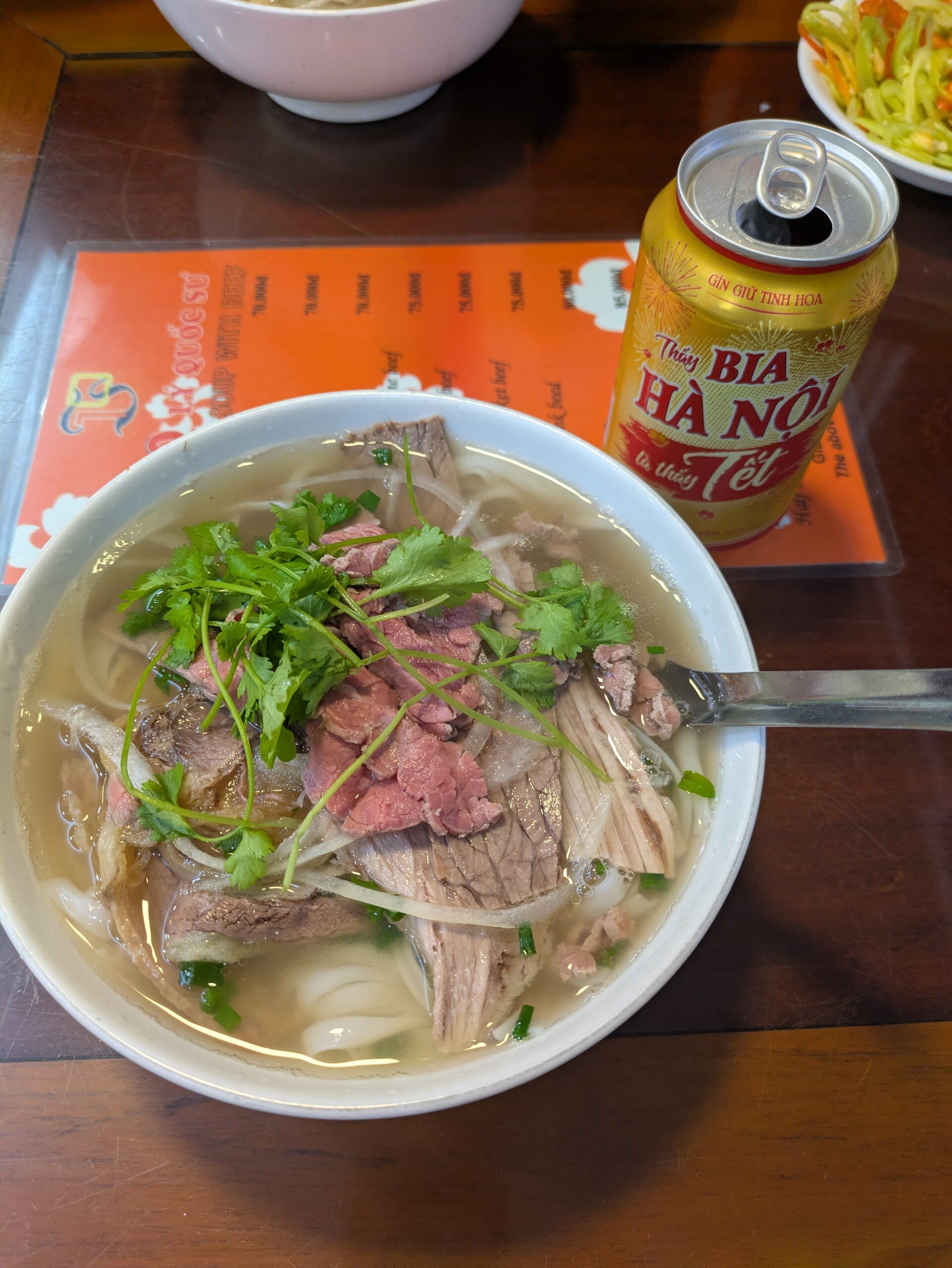
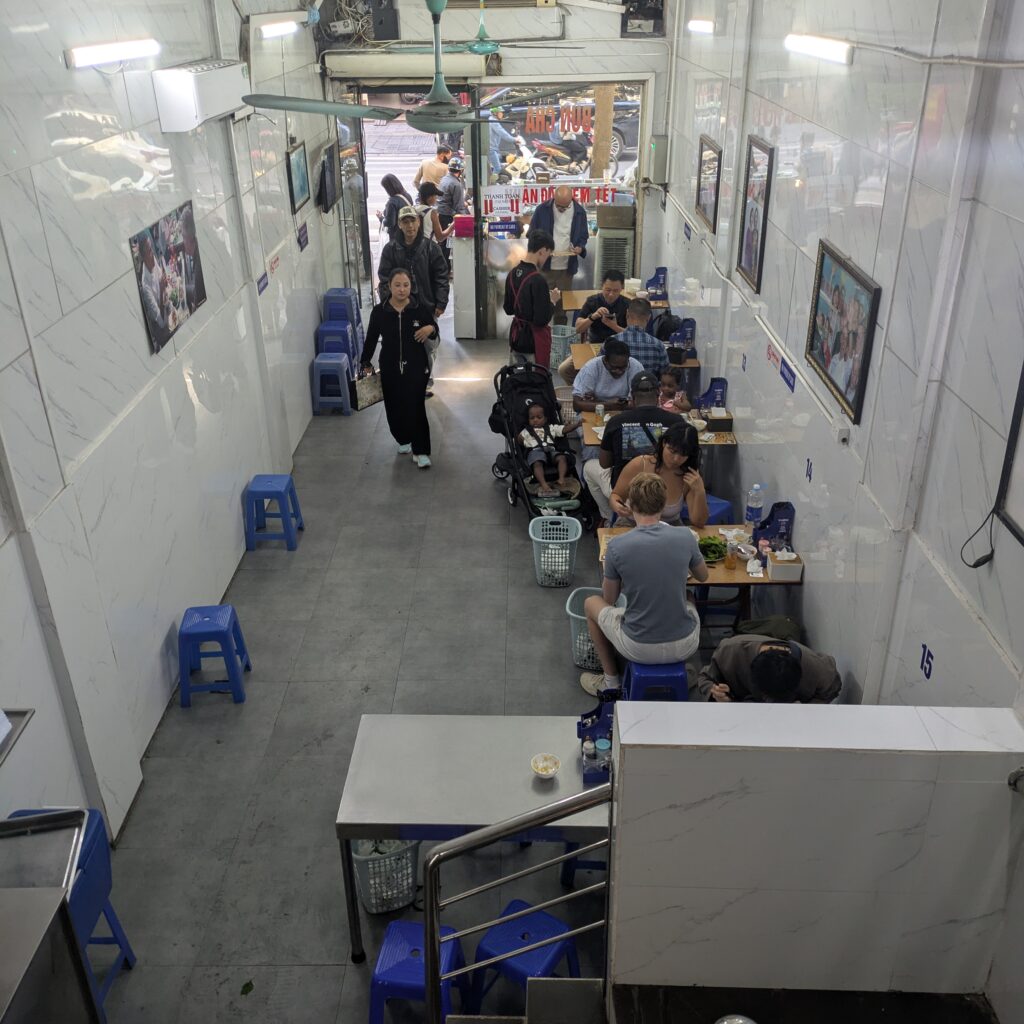
The quest for the best Pho … 😋🍜🤤

I do sometimes wonder how I’m not at least moderately famous with gems like this. Then I immediately remember (and genuinely don’t care anymore) that these blogs may never get read. And honestly? That realization was freeing.

Once I got past feeling like a total failure and a loser, everything else went downhill—in the best possible way. No pressure. No audience chasing. Just writing because I actually enjoy it. Even if this all ends up being an autobiography for myself, I’m good with that.

Phew.
That one came straight from the therapist’s chair.😆

Anyway… back to Pho

I remember when people used to pretend to like sushi, pho, dim sum, and whatever else was trendy at the time. They’d make sure you knew they were going, had gone, or had just returned from eating “the best ever,” while clearly forcing enthusiasm.

Well… look at me now.

That’s me.
I love pho.
I love sushi.

Turns out trying things for yourself beats talking about them from the sidelines. Funny how that works.

FOFO, indeed

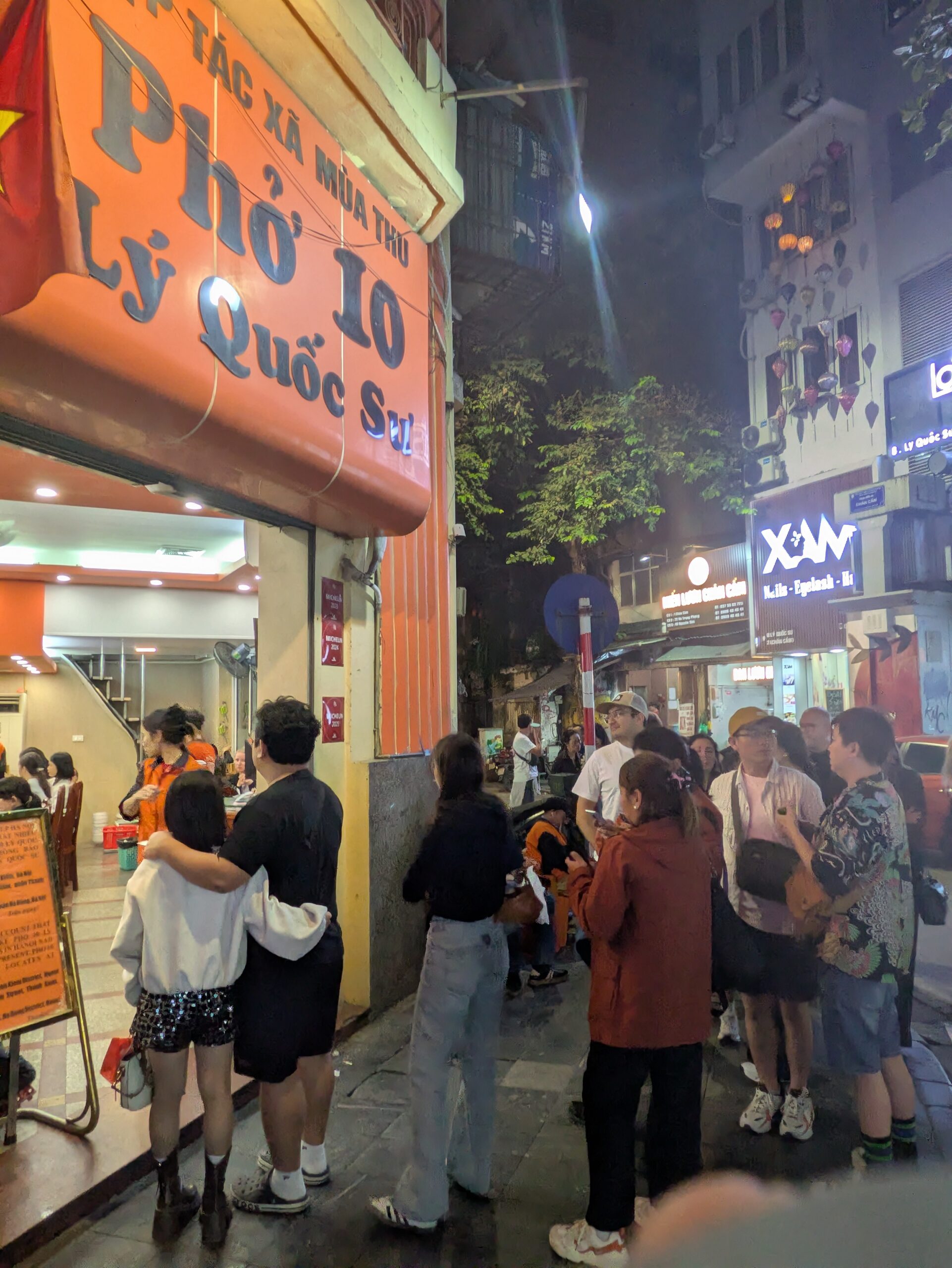
Other than Google, there’s a foolproof way to spot a great place to eat: look at the line—and more importantly, who’s in it.

This one was packed. And not with tourists holding cameras and guidebooks—this line was full of Asians, which is always a very good sign. A quick Google check confirmed what my instincts already knew: this spot was serving some of the best pho in the Hanoi Old Quarter.

Turns out it wasn’t just “one of the best.”

It was #1 on the list.

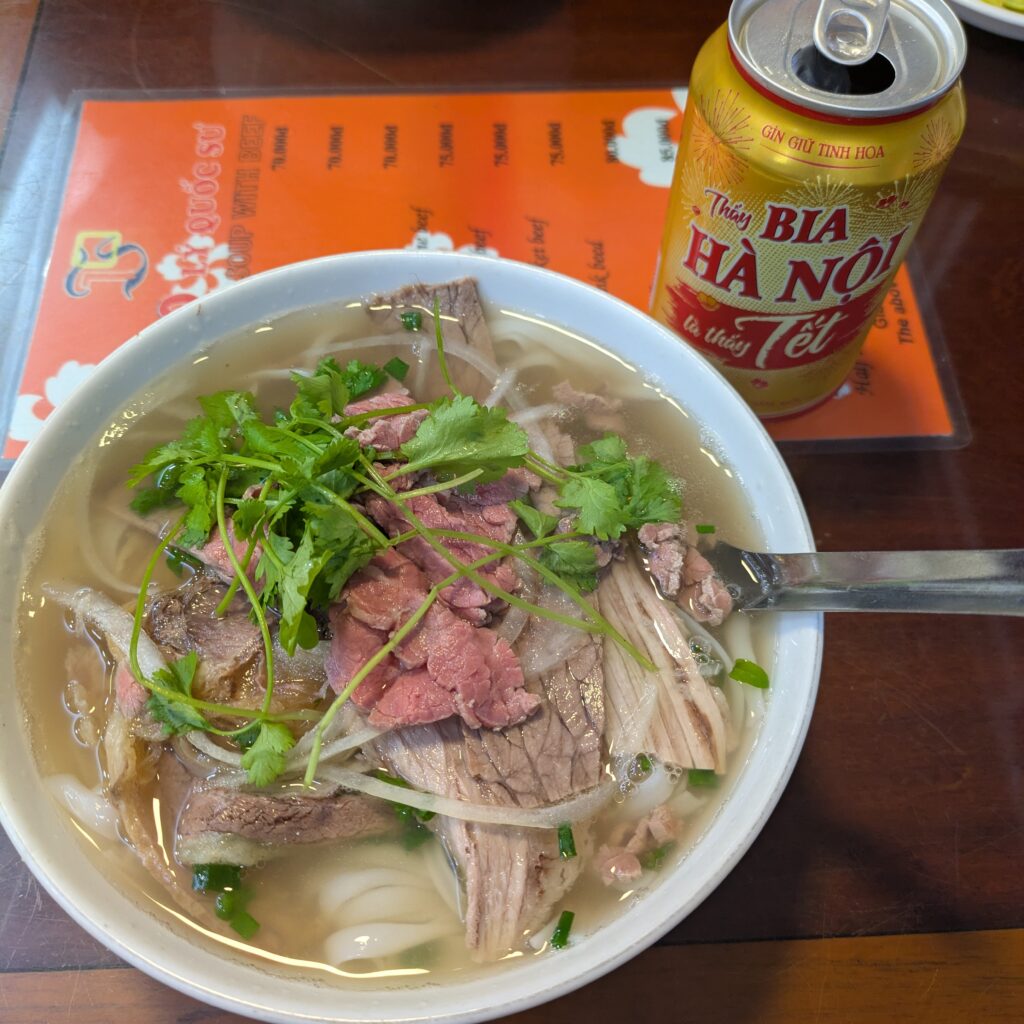
Rich broth, perfectly cooked noodles, tender meat, zero nonsense. The kind of bowl that makes you slow down halfway through because you don’t want it to end.

I’ll talk about #2—aka Obama Bun cha version of Pho (and yes, it absolutely nailed it too). But this one? 

Pho 10 was undoubtedly the benchmark.

Sometimes the line tells you everything you need to know.

I’ll talk about #2—aka Obama Bun cha version of Pho (and yes, it absolutely nailed it too). But this one? 

I’ll talk more about #2—aka the Obama Bún Chả version of pho—later in the blog (and yes, it absolutely nailed it too). But this place deserves its own moment.

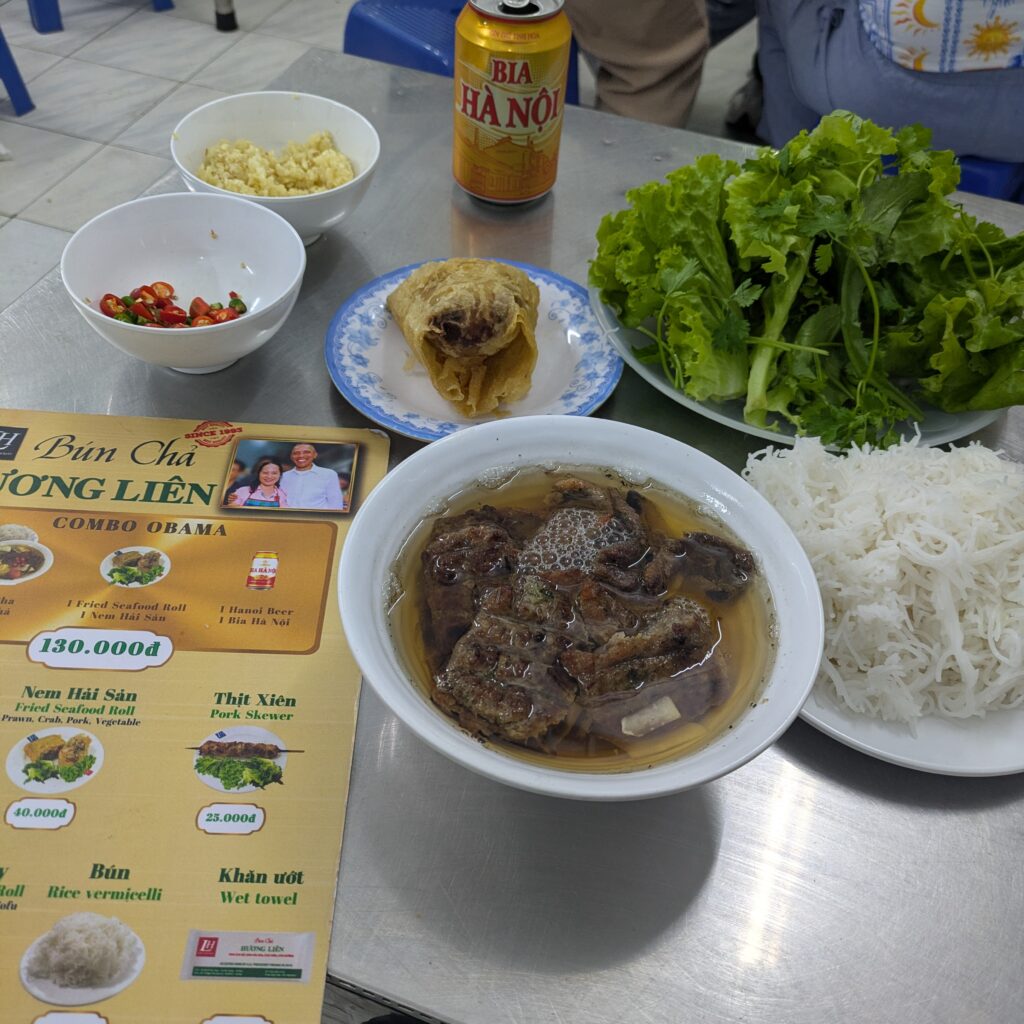
The visit gave rise to the now-iconic “Combo Obama”, which includes:

Bún Chả (grilled pork with noodles and herbs)

Crab spring rolls

A local Hanoi beer

Simple. Perfect. Universal.

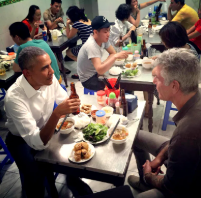
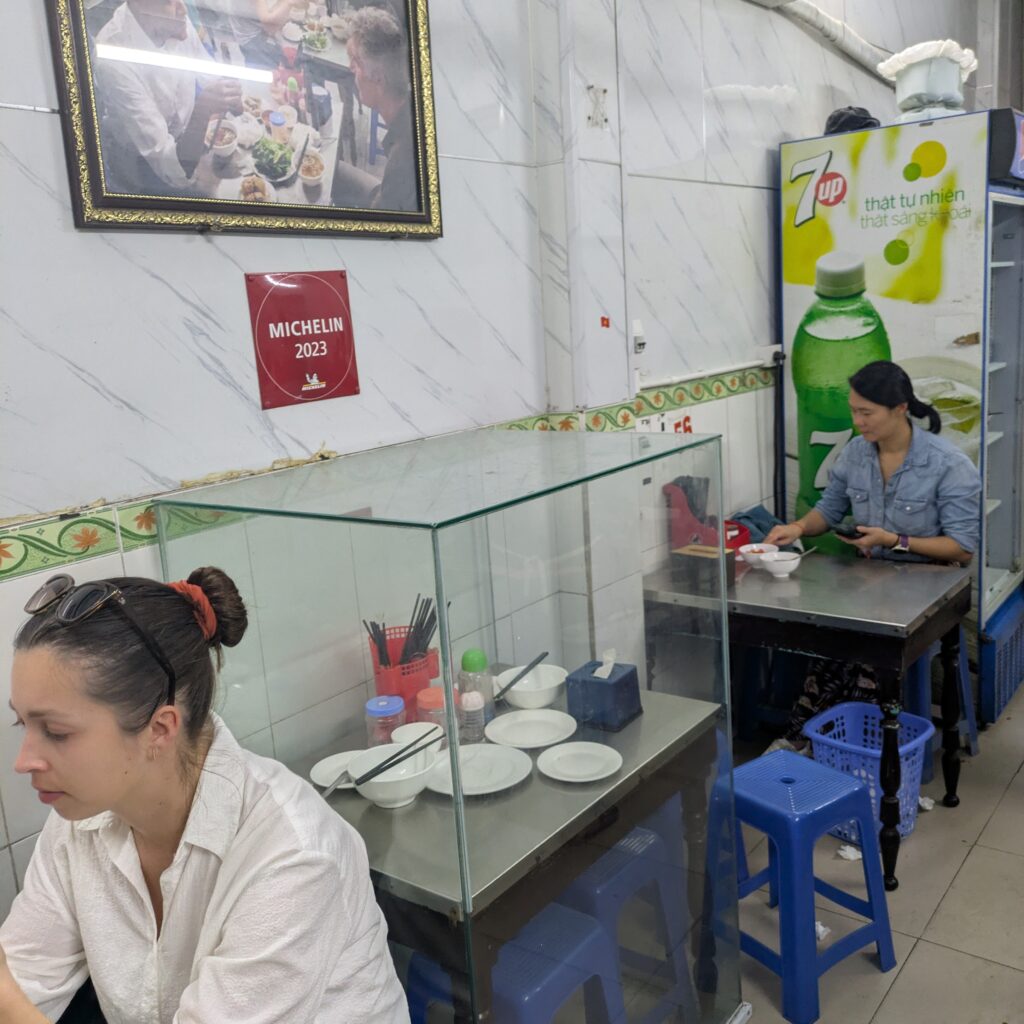
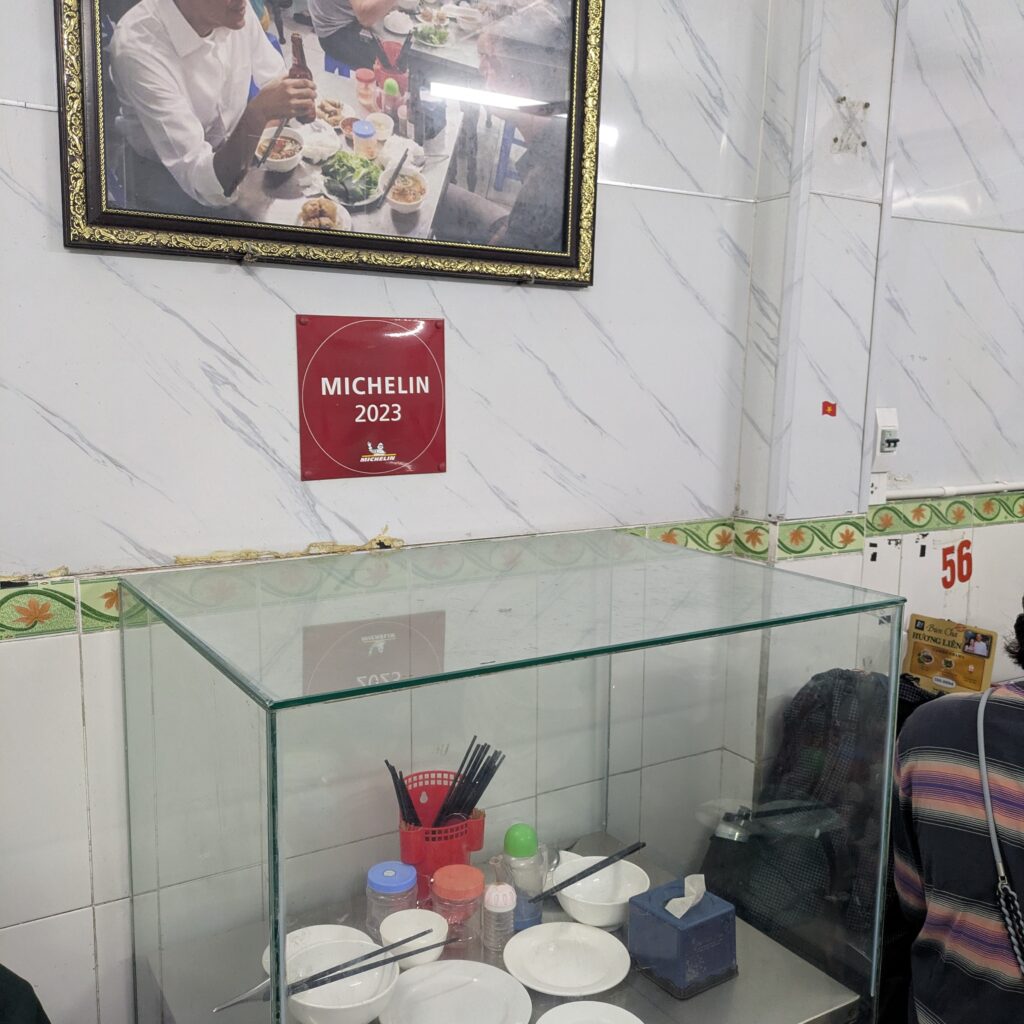
This spot became famous after Barack Obama shared dinner here in 2014 with Anthony Bourdain, during an episode of Parts Unknown. Obama was president at the time, Bourdain was doing what he did best—using food as a bridge between cultures.

Plastic stools.
Cold beer.
No security theater.
No ego.

Just two people eating great food in Hanoi, proving once again that the fastest way to connect across cultures isn’t politics—it’s dinner.

The food lives up to the story.
The story lives up to the moment.

Some meals are famous because they’re good.
Others are famous because they mean something.

This one managed to be both.

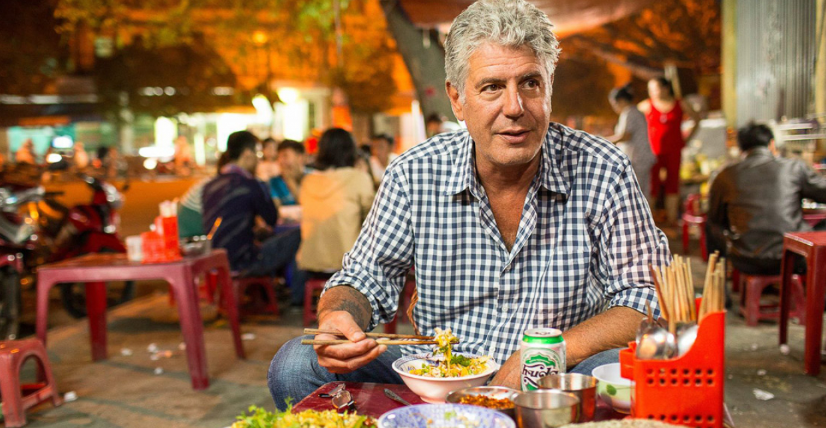
Honestly, visiting this restaurant wasn’t about Barack Obama for me—it was about Anthony Bourdain.

Vietnamese food—and pho in particular—was something Bourdain genuinely loved. He talked often about Vietnam as a place that shaped him, not just as a cook but as a traveler. What always stuck with me was how far he was willing to go for food: wandering down side streets, eating at hole-in-the-wall spots, and staying out until absurd hours just to find something real. The ironic part is that once he found something real, it turned into a tourist trap.

That mindset influenced how I travel. I’ve always tried to do the same—skip the polished places, follow instincts, watch where locals eat, and say yes to places that don’t look impressive on the outside.

So sitting there, eating Vietnamese food in Hanoi, felt less like a tourist stop and more like paying quiet respect to someone who showed a lot of us how to travel differently—through curiosity, humility, and a love of good food.

For me, that’s what made the place special. I try to live life the way he did, as he was such an absolute travel legend.

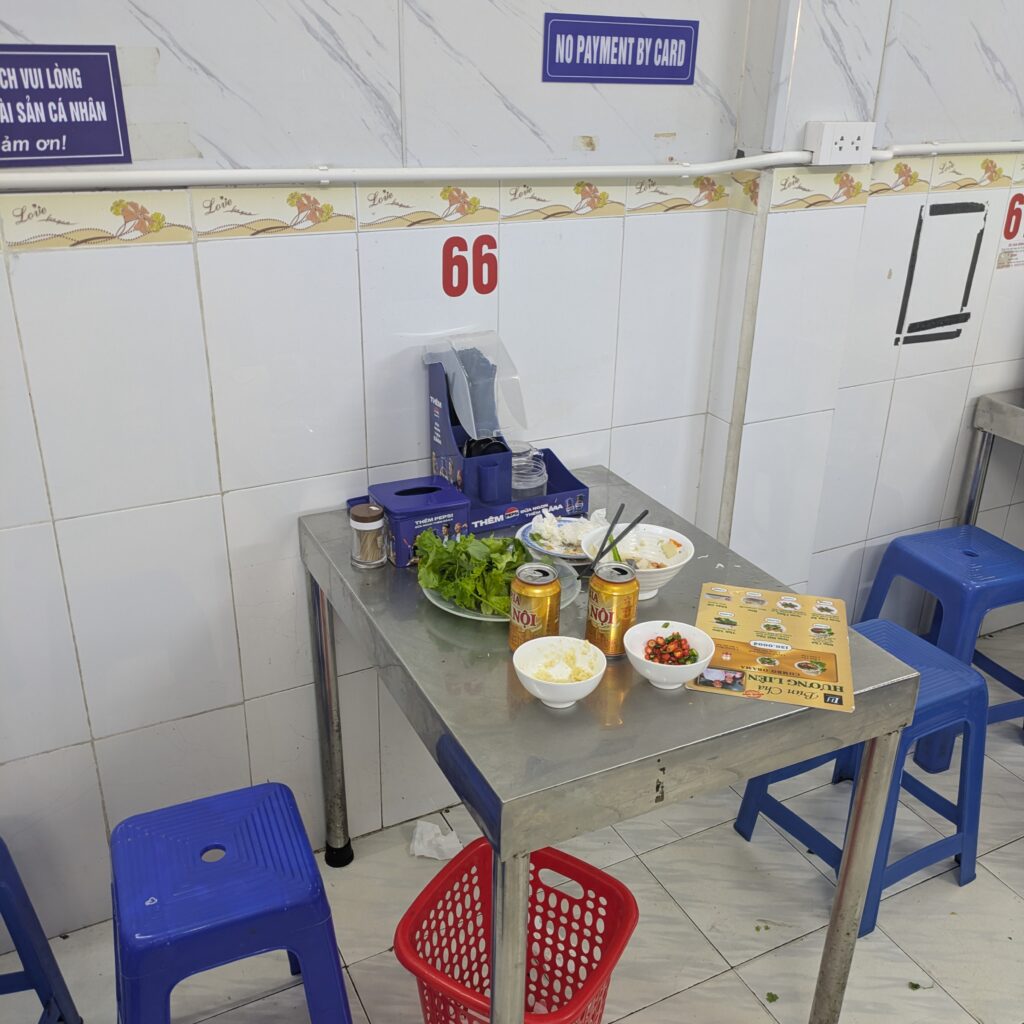
Here was my experience eating the “Bourdain” combo!

Only a few things make me happier than finding these kinds of places that fuel more travel.

acc3

Green card, Citizenship & travel visas🛂

I’ve been dealing with travel visas for over 25 years—long enough to know this topic is wildly misunderstood by anyone who’s never actually lived it.

You can’t just let people casually wander into a country…
unless, apparently, you’re shopping for votes.

Like it or not, visas are 100% necessary.
Not glamorous.
Not fun.
Necessary.

My travel saga started in the late 1990s, flying for work between Calgary, Canada and Dallas, Texas.

I regularly traveled from our manufacturing plant in Calgary to our U.S. headquarters in Dallas. And every trip began exactly the same way:
Me, arriving at the Calgary airport—already sweating—fully aware that my real journey was about to begin… with U.S. Immigration.

The script never changed.

Agent: Purpose of travel?
Me: Meetings.
Agent: How long?
Me: One week.
Agent: That’s a long meeting.
Me: We have meetings all week.
Agent: Go sit in our office.

Me (internally): Yes sir. Thank you sir. I respect the process and my fragile freedom.

Then came the waiting.

The agents would let me slowly marinate in anxiety—right up until five minutes before boarding.

Agent: You’re free to go.
Me: Immediately sprinting to the gate like I’d just been released from a minimum-security prison.

Every.
Single.
Time.

🏃🏻‍➡️✈️

Eventually, I graduated to actual work visas.
Real ones.
Laminated.
Official.
Very fancy.

I would calmly present my current visa to the immigration officer, exactly as instructed.

[“DO NOT ANSWER QUESTIONS.”]

The office rules were very clear:
Show the visa.
Say nothing.

Apparently, immigration officers are highly trained professionals whose primary job is to trick you into saying one wrong word, realize you have the wrong visa, and deny you entry—
purely by accident.
On your part.

This never happened to me.
I suspect it’s because they eventually recognized me.

“Oh. It’s this guy again.”

Somewhere along the way, I stopped being “potential international threat” and became “frequent flyer with anxiety.”

Eventually, I moved to the United States full-time, which—shockingly—required an entirely different visa.

I will forever clutch my citizenship like it’s a winning lottery ticket.

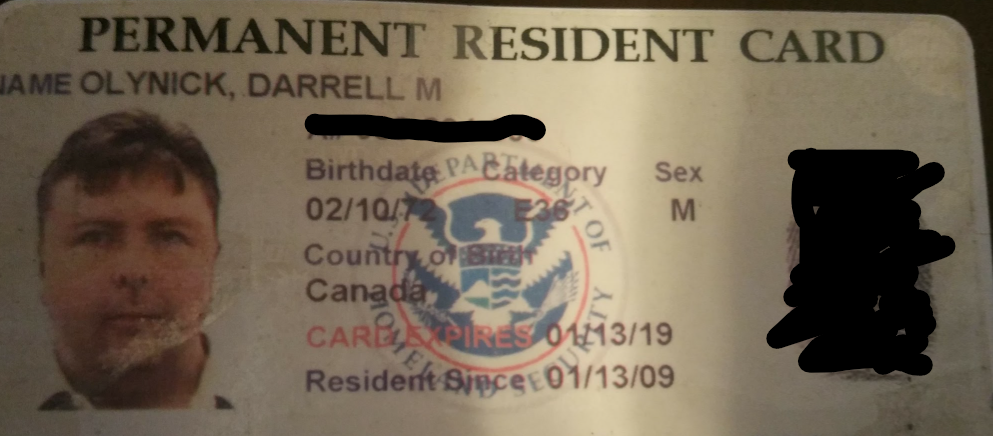
Ten years and dozens of visas later, I finally received my United States Permanent Resident card—
the government’s way of saying, “Fine. You can stay.”

“TEN YEARS LATER”

Another ten years passed, and—six months after my green card expired on January 13, 2019—I officially became a U.S. citizen on July 3, 2019.

Yes, there was a brief but thrilling period where I existed in pure bureaucratic limbo:
No longer green-card valid, not yet American enough.

USA Immigration has always loved a good cliffhanger.

Then, just in time for Independence Day sales, fireworks, and historically poor life choices…

I became a U.S. citizen.

Sworn in by DJT himself.

Roll credits. 🇺🇸🎆

My entire immigration journey took roughly 20 years.

Two decades of forms, fees, interviews, fingerprints, photos—and the low-grade terror of checking the mailbox.

So yes, I tend to notice immigration policy.

Between 2020 and 2024, under a Democratic administration, millions of migrants were allowed into the U.S. with what appeared to be minimal vetting. Many arrived with criminal records, some unvaccinated, and many had their expenses covered.

At the exact same time, Americans were required to get vaccinated while enduring shutdowns that hit them financially.

That contrast did not go unnoticed.

The current Republican administration, by contrast, treats border security as non-negotiable. Their 2025 immigration policies can best be summarized as FAFO—and they are the strongest I’ve seen.

And just for context—so this doesn’t sound like vibes-only commentary—I’ve also held travel visas for:

Thailand (three of them), Cambodia, and Vietnam (two).

Turns out, when you’ve played immigration on hard mode across multiple countries, you develop opinions.

Earned ones.

This pass was just after COVID and there were many hoops to jump through!

Cambodia Immigration — departing Vietnam

No computers.
No scanners.
No backup system.

Just pens, paper, and deeply suspicious vibes.

Everything was done by hand.
Every passport.
Every stamp.
Every long, silent glance that felt like a background check conducted telepathically.

The process took hours—not because anything was wrong, but because time itself had chosen to opt out.
The heat was oppressive.
The fans were decorative.
The concept of “boarding time” was aspirational.

This was immigration in its purest form:

slow, deliberate, and completely immune to deadlines.

And watching it all unfold, I realized something oddly comforting—

no matter the country,
no matter the technology,
no matter the system…

immigration always finds a way to remind you who’s really in charge.

These Asian visas are extremely strict.

As in: follow the rules… or enjoy a complimentary tour of the prison system.

There’s no confusion about the process.

No gray area.
No “I didn’t know.”

You follow the entry requirements, or there are consequences.

And somehow—miraculously—when you follow the immigration process wherever you go, you avoid those consequences entirely.

Seems 100% fair to me.

Legal immigration history:

It didn’t start with some fancy red carpet—it started when governments realized people moving freely could get… complicated. Back in the 19th century, countries like the U.S., Canada, and Australia were basically like, “Sure, come on in… as long as you check a box or two.”

Then came the U.S. Immigration Act of 1882, which basically said, “Not everyone’s invited to the party.” Fast forward to the early 1900s: Ellis Island became the ultimate checkpoint, where millions of hopeful immigrants faced the judgment of border agents, health inspections, and that ever-important first glimpse of America.

By the mid-20th century, things got organized: work visas, student visas, green cards… a whole bureaucratic buffet. Today, legal immigration is basically a government-approved, multi-step obstacle course—and yes, you can survive it, but only if you brought your paperwork, patience, and maybe a stiff drink. 🍹

20150730_185313

Living the Arizona life!🏜️

One thing I’ll always be thankful for is buying a condo in Arizona during the housing market crash in 2009. At the time, it felt like a practical, almost conservative decision. In hindsight, it quietly set the foundation for everything that came later.

That gratitude sits alongside a bit of nostalgia. I’d already sold some incredible homes in Edmonton, Alpharetta, Georgia, and Mooresville, North Carolina—places tied to specific chapters of my life. Each move closed one door and opened another, even if I didn’t fully understand it at the time.

What I couldn’t see then was how the Arizona place would eventually become more than just a home. It became an anchor—a base that allowed me to take risks and travel literally elsewhere. Stability in one place made freedom possible in others. 

Knowing I had something solid to return to gave me the confidence to travel more, stay longer, and say yes to opportunities that didn’t come with guarantees.

Looking back, that condo wasn’t just a smart investment that pays me to travel through Airbnb. It was also permission to move, to explore, and to build a life that didn’t have to stay in one place to feel grounded.

From an investment standpoint, the timing was absurdly good. In 2009, the Phoenix market was still in full capitulation mode—single-family homes with pools were selling under $100K, and condos could be picked up for under ~$30K. Most of these were cash deals, with banks more interested in clearing defaulted inventory than maximizing price. Recovery mattered more than valuation.

At the time, I was working in Georgia and already owned a home there, so this wasn’t about replacing a primary residence or chasing a lifestyle fantasy. It was about positioning. A low-cost asset in a market that had clearly overshot to the downside and would, eventually, revert. While in Las Vegas that year, I took a day to fly to Arizona and look at opportunities in person—because listings are useful, but markets are easier to read when you’re standing in them.

We toured roughly ten condo properties. Living across the country forced discipline, which worked in my favor. I only considered turnkey units—no renovations, no surprises, no emotional projects. My criteria were unapologetically practical: strong amenities (pool, gym, hot tub), walkability to groceries and restaurants, and a layout that would work equally well for short-term stays and seasonal renters.

Rental potential wasn’t optional—it was the point. The goal was a property that could generate income from snowbirds while remaining usable as a personal base when needed. That dual-purpose flexibility capped downside risk and improved the return profile without adding complexity.

When we toured Solana later that day, it separated itself immediately. The location worked. The amenities worked. The condition worked. Everything aligned. By the end of the visit, it was clear this wasn’t a lifestyle purchase pretending to be an investment—it was a clean, well-timed asset with multiple usage paths.

Which is exactly what you want when markets are panicking, and patience is underpriced.

From an investment perspective, it checked every box.

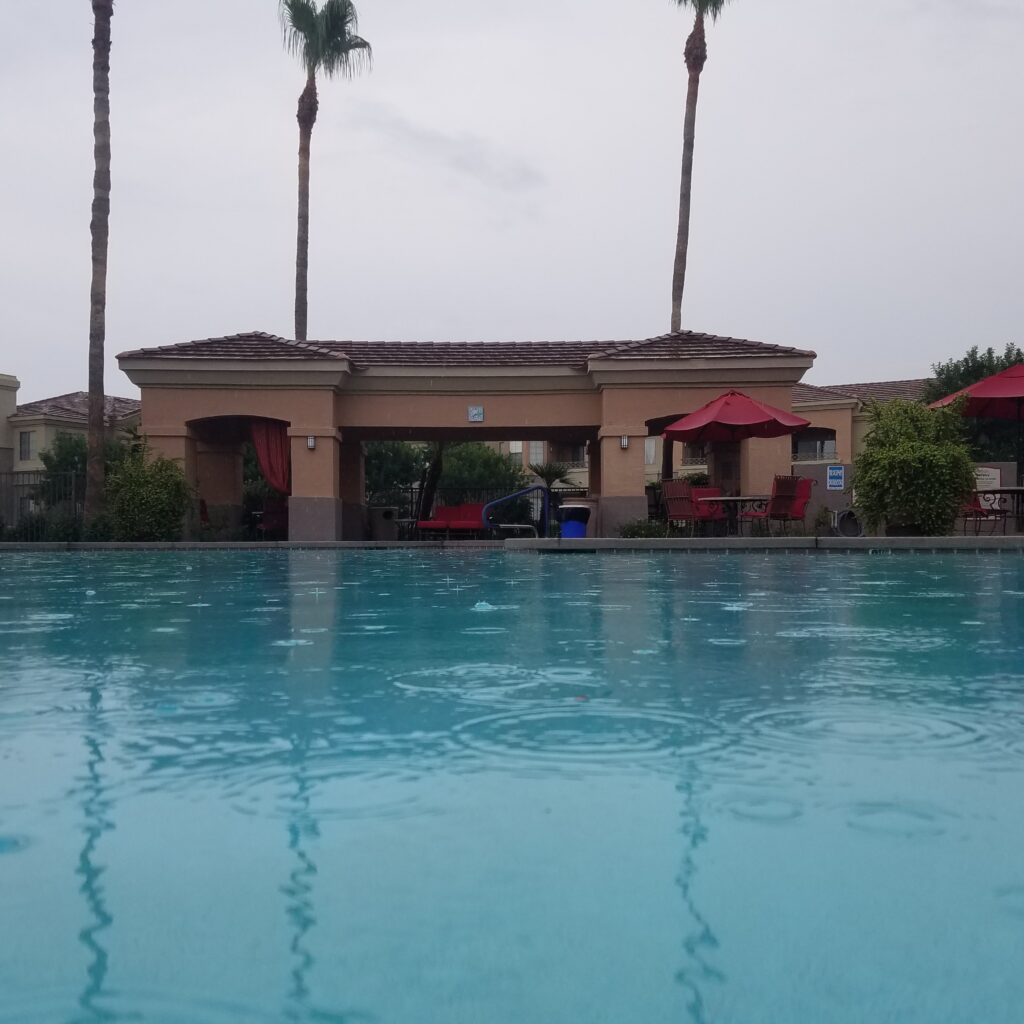
The Solana community had two pools, a hot tub, and a gym—exactly the kind of amenities that matter to both renters and owners. A Safeway directly across the street, a Walmart down the road, and multiple restaurants within walking distance made it even more attractive. Convenience sells, especially for long-term renters and short-term guests.

I left Arizona with clear instructions for the agent:
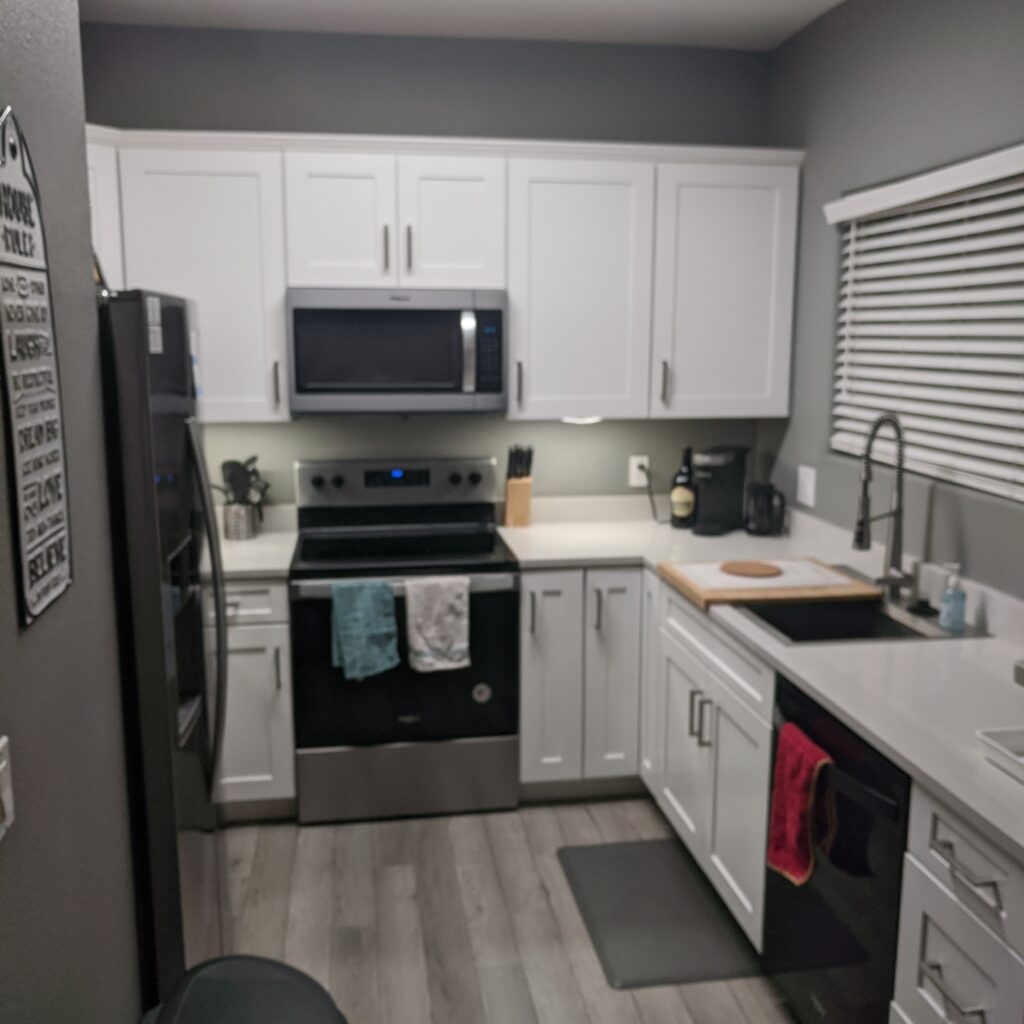
One-bedroom, ground-floor unit, green space patio view in Solana.

He nailed it!

All wrapped up in a $52,500 all-cash deal—a low-risk entry price with real usability, solid demand, and strong rental upside. At the time, it felt like a smart move. Looking back, it turned out to be a foundational one.

In the summer of 2014, I was laid off while living in Mooresville. It was one of those moments that forces clarity whether you’re ready for it or not.

Instead of scrambling to stay put, I treated it as a clean break. No panic. No patchwork fixes. Just an honest look at what I wanted next. It was time to leave the South and head west—and the difference was, I already had a landing spot waiting for me in Arizona.

What could’ve felt like a setback turned out to be a pivot. Sometimes losing the plan is exactly what makes room for the right move.

Arizona—and **Solana in particular—**turned out to be the perfect landing spot. It gave me a property that could generate rental income while still supporting the kind of life I actually wanted to live.

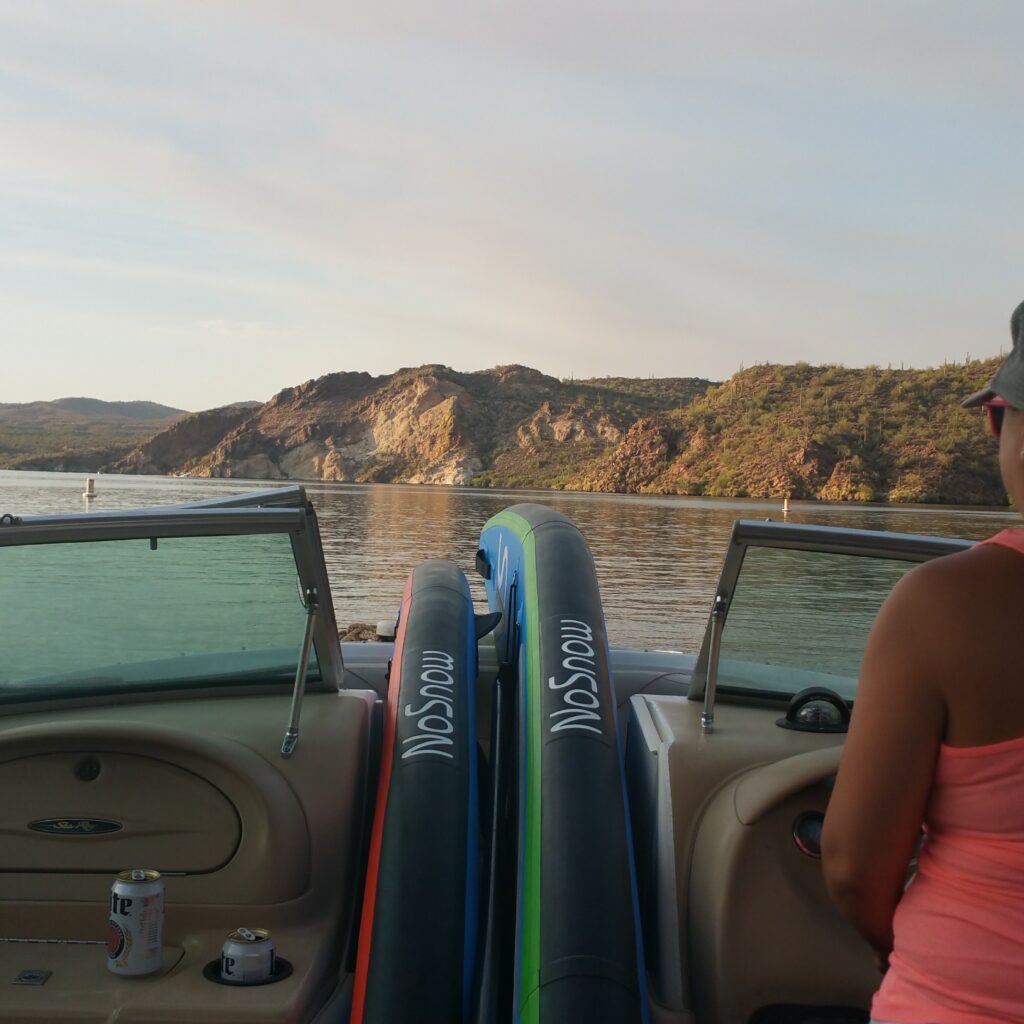
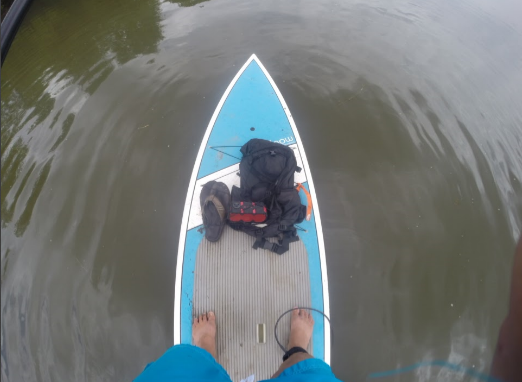
Year-round access to pools, hiking, biking, paddling, and camping meant the place worked whether I was home or on the road. From an investment standpoint, it made sense. From a lifestyle standpoint, it made even more sense.

It wasn’t just a smart buy—it was the rare overlap where numbers and quality of life lined up.

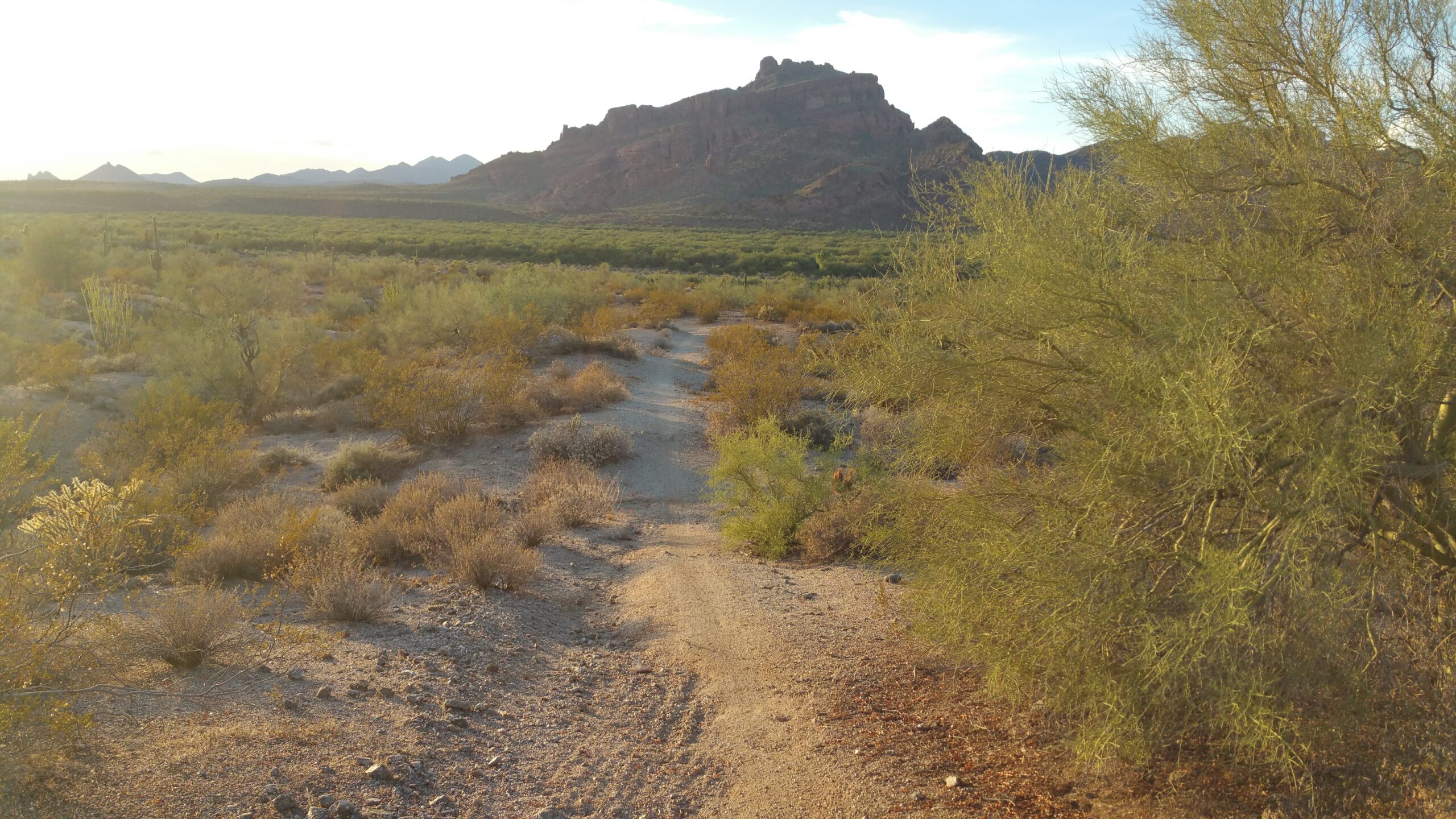
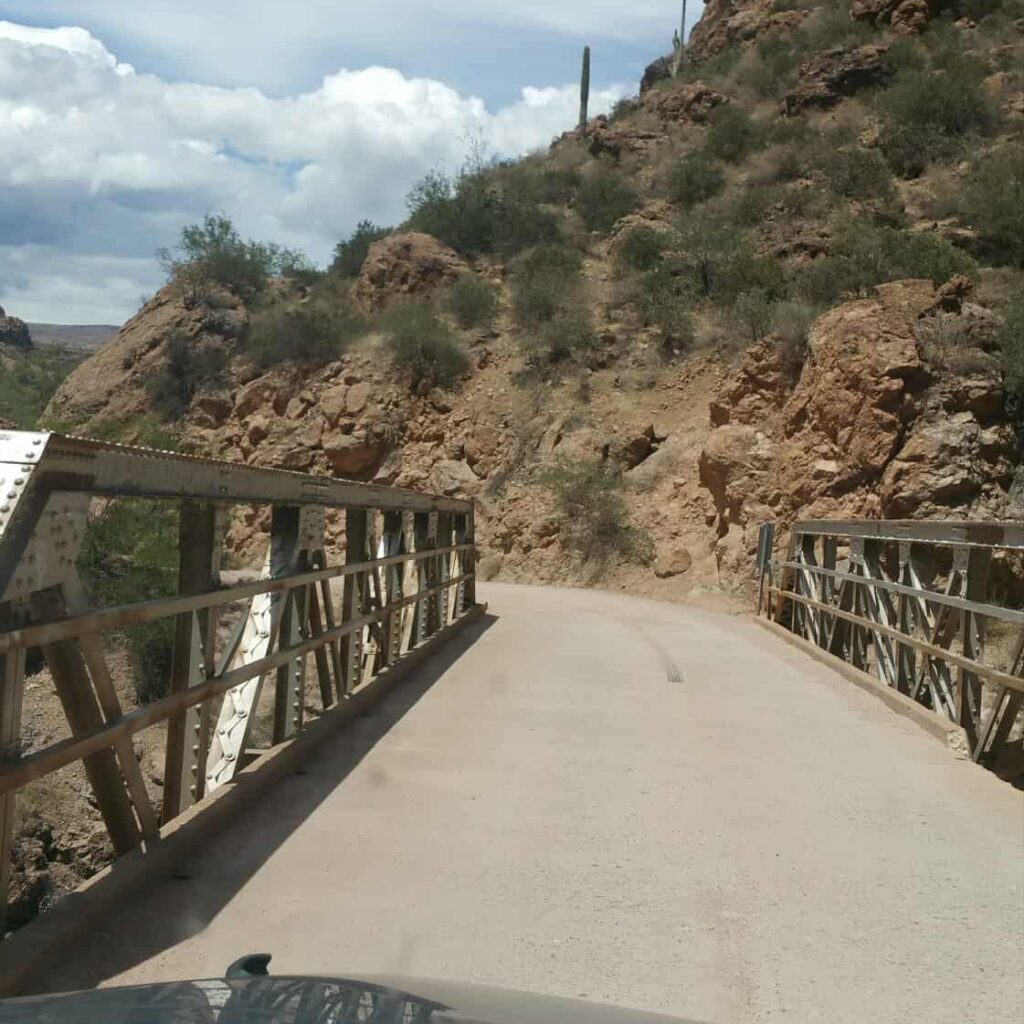
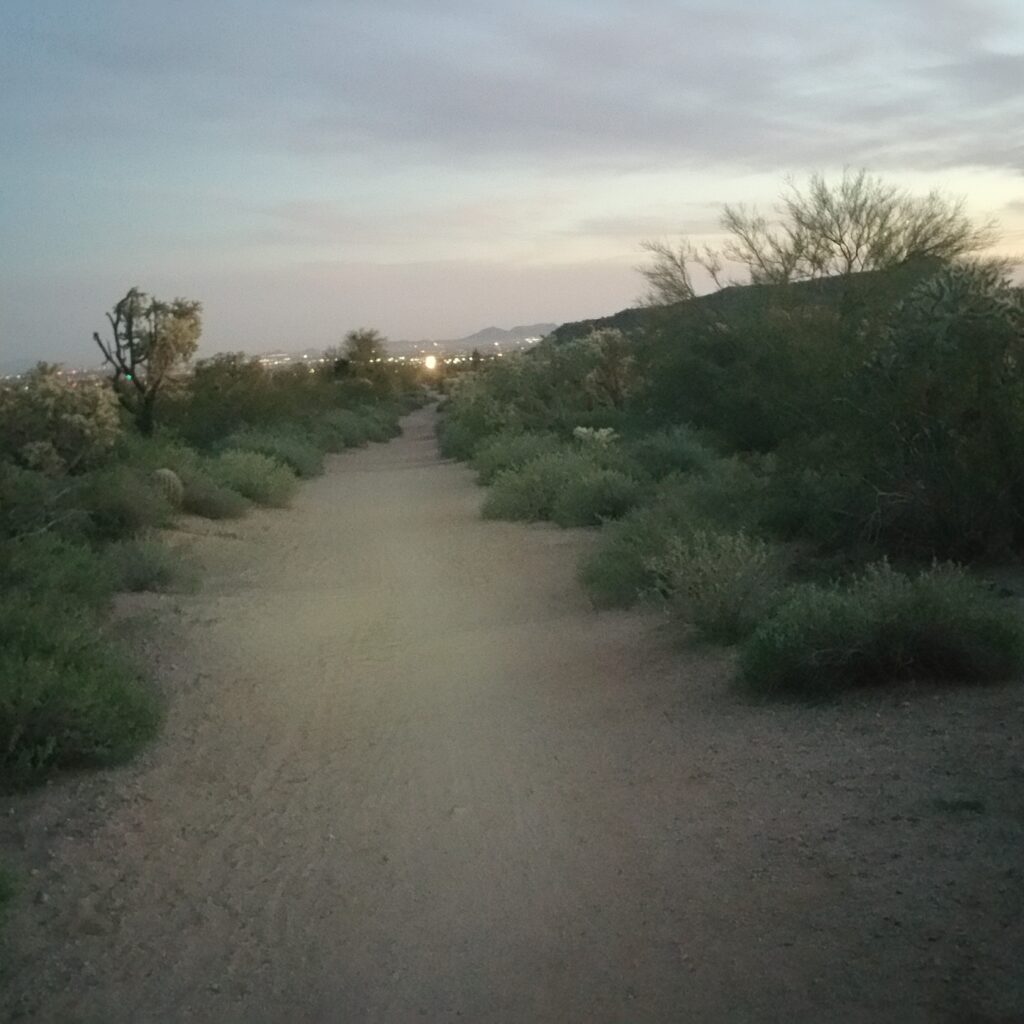
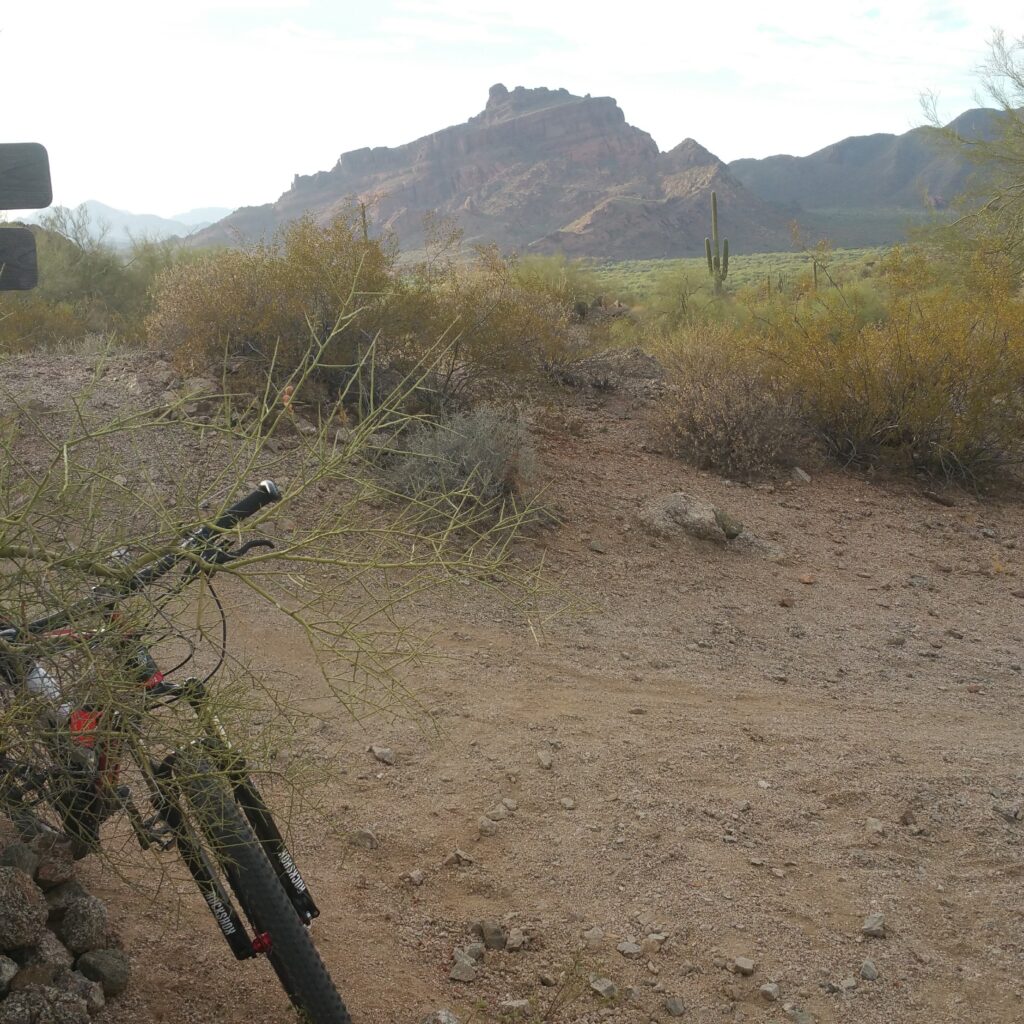
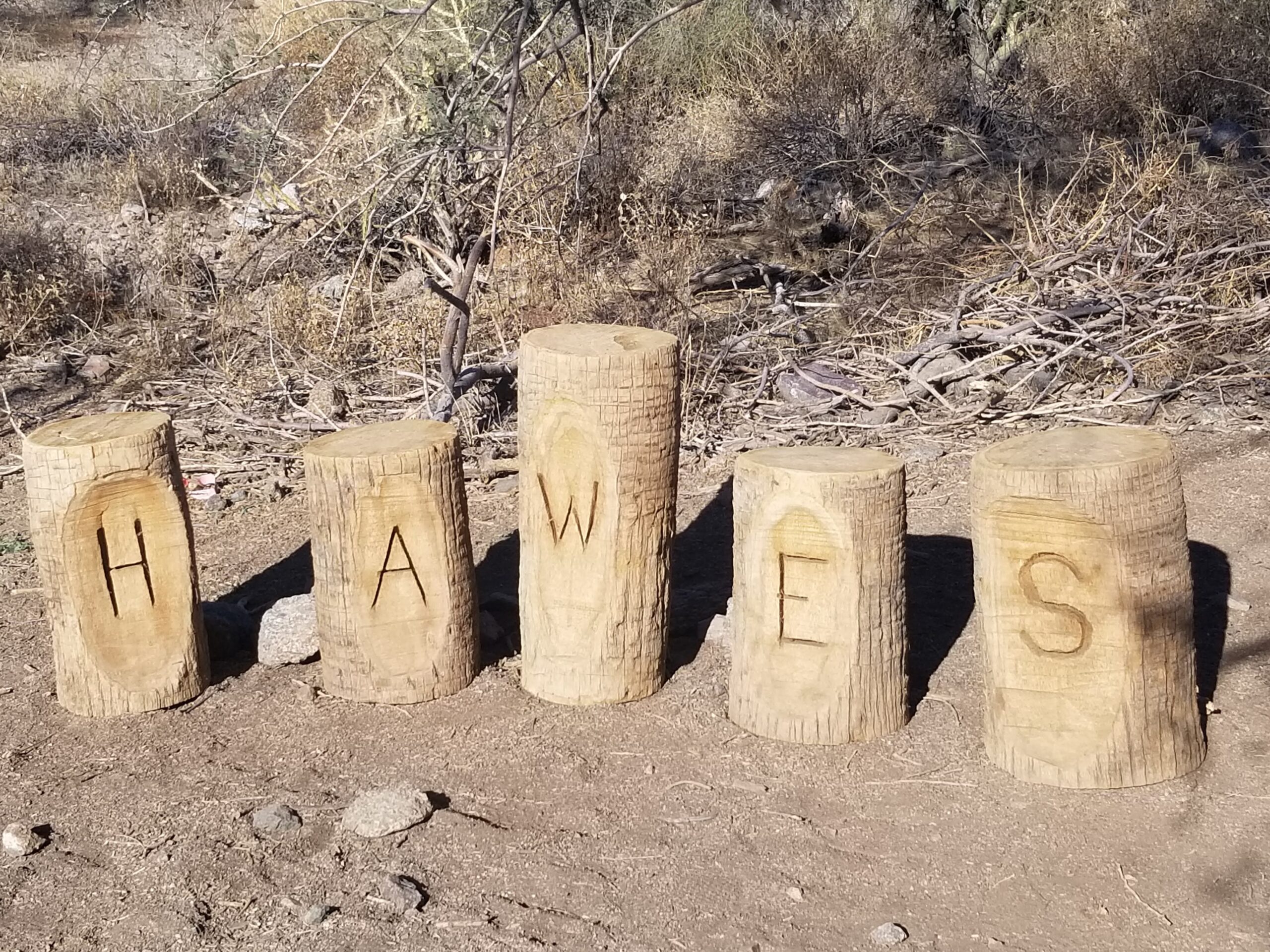
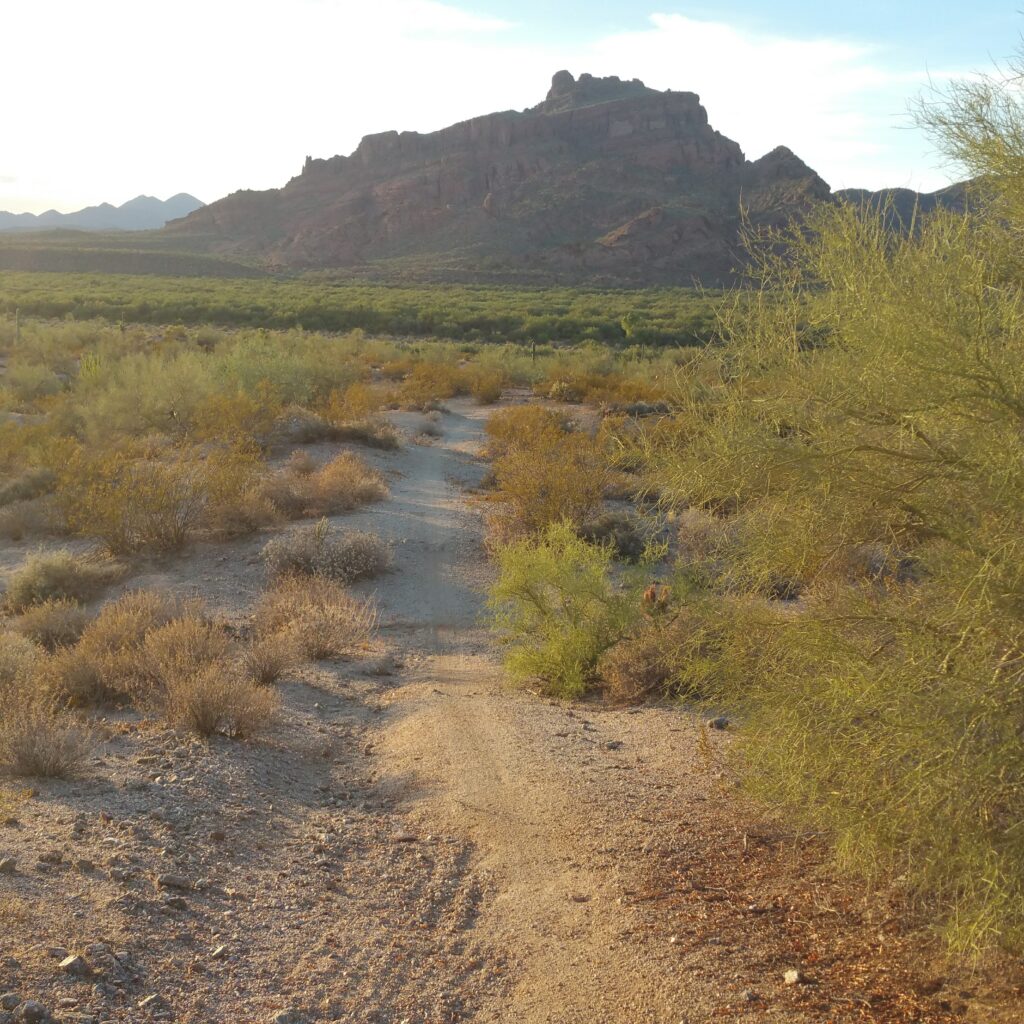
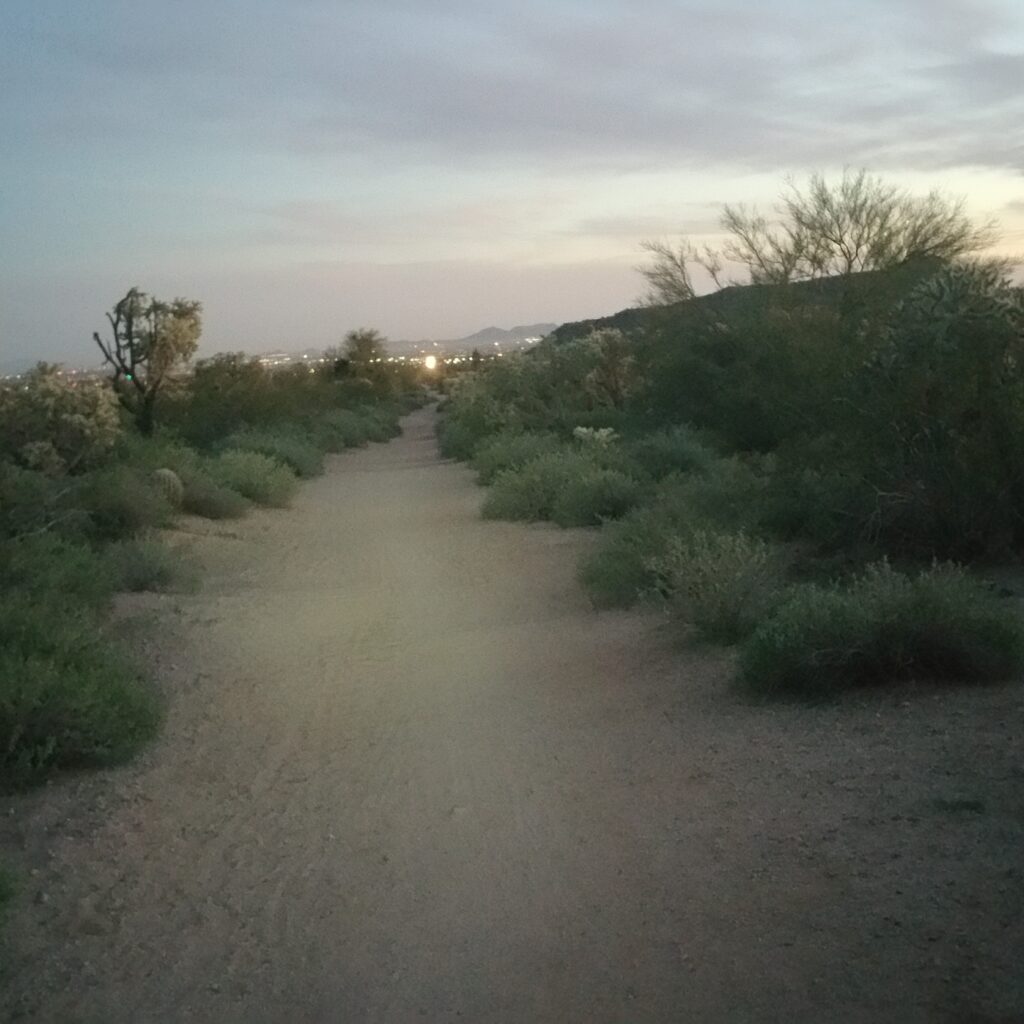
I’ve hiked the Hawes Trail System hundreds of times. Being just 15 minutes from home meant it was never something I had to plan around—it was simply there, ready whenever I needed it.

Over time, those trails became more than exercise. They turned into a reset button. A familiar place to think, to recalibrate, and to work things out one step at a time. No agenda, no pressure—just movement, space, and perspective.

Some places quietly heal you.
Those trails did exactly that.

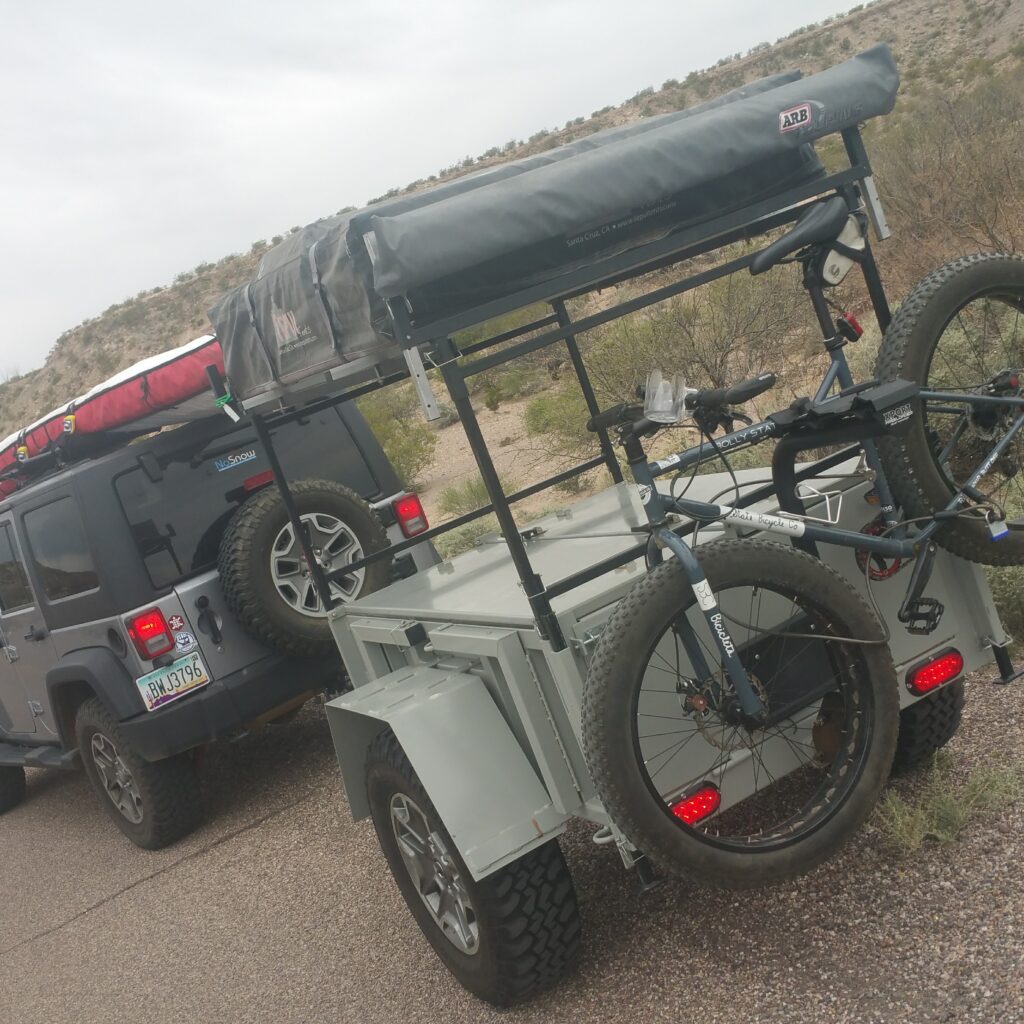
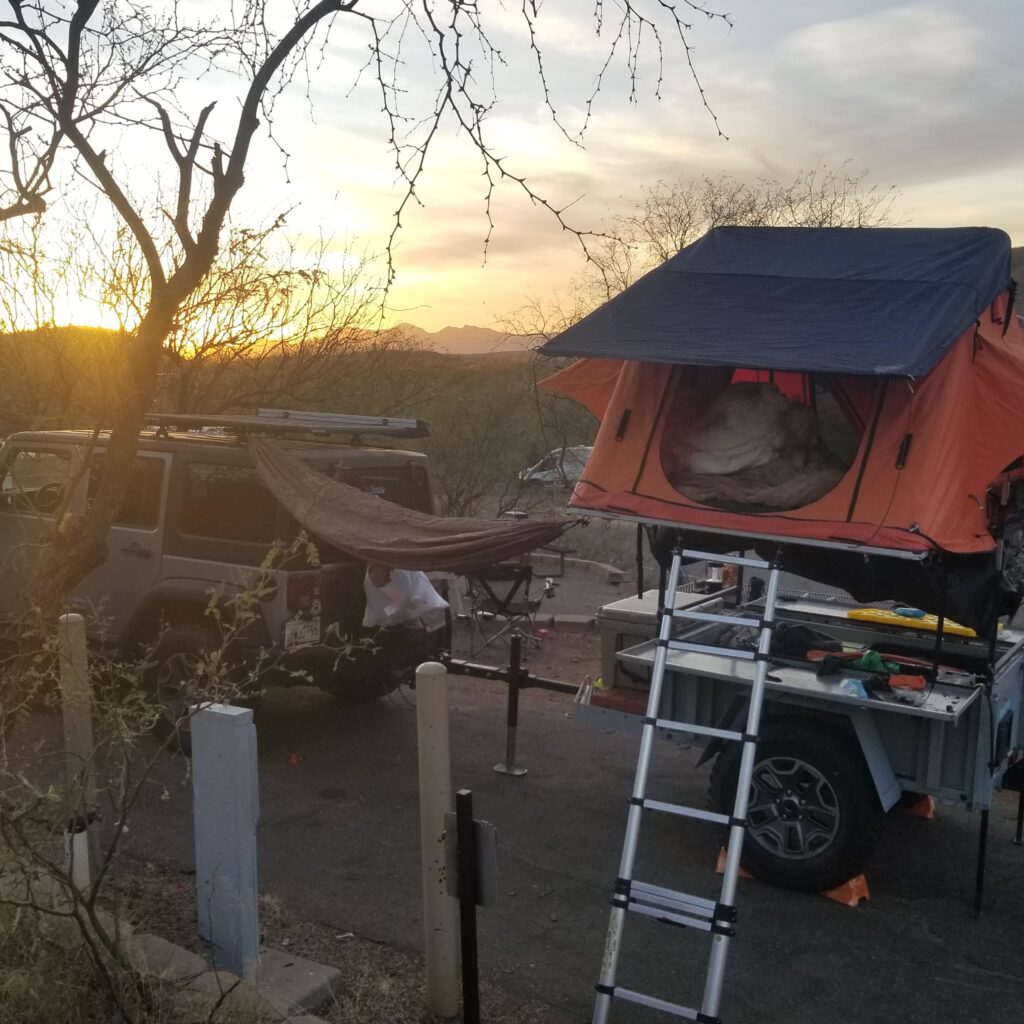
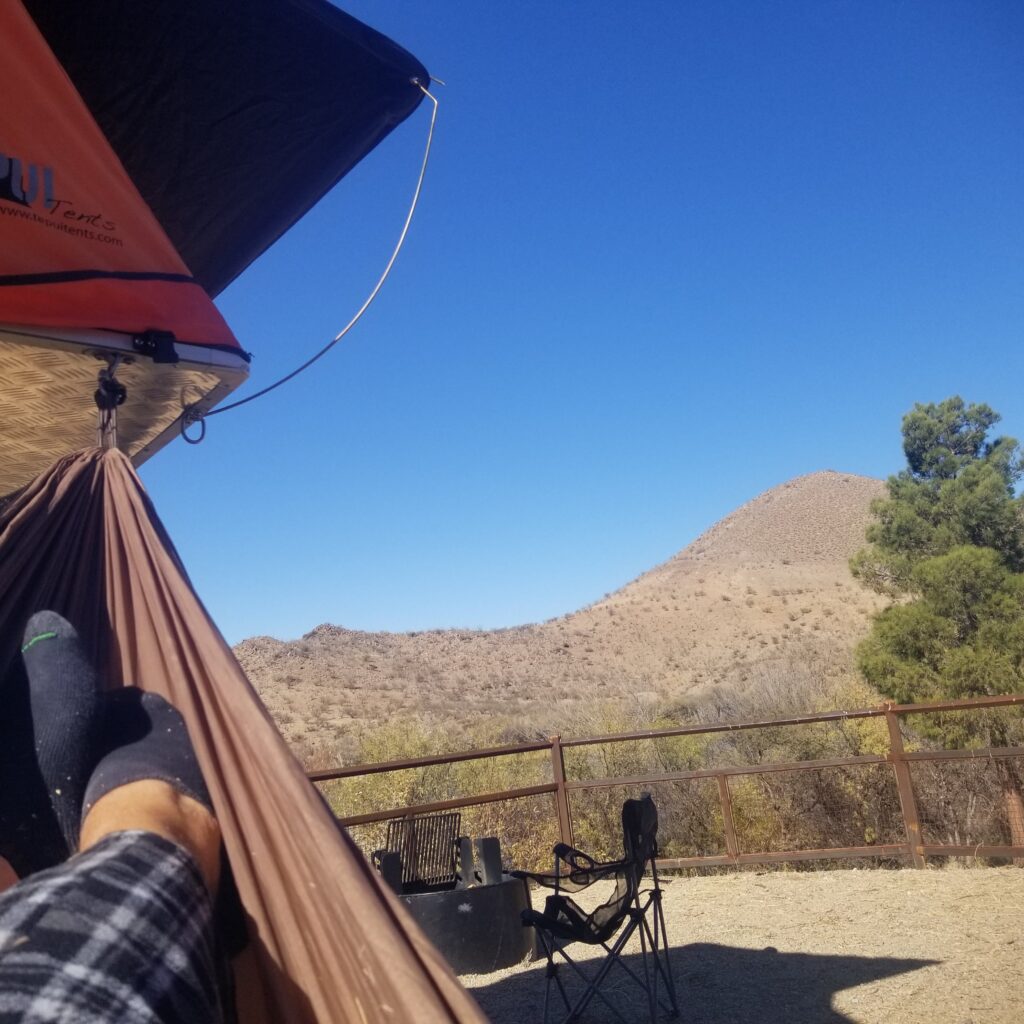
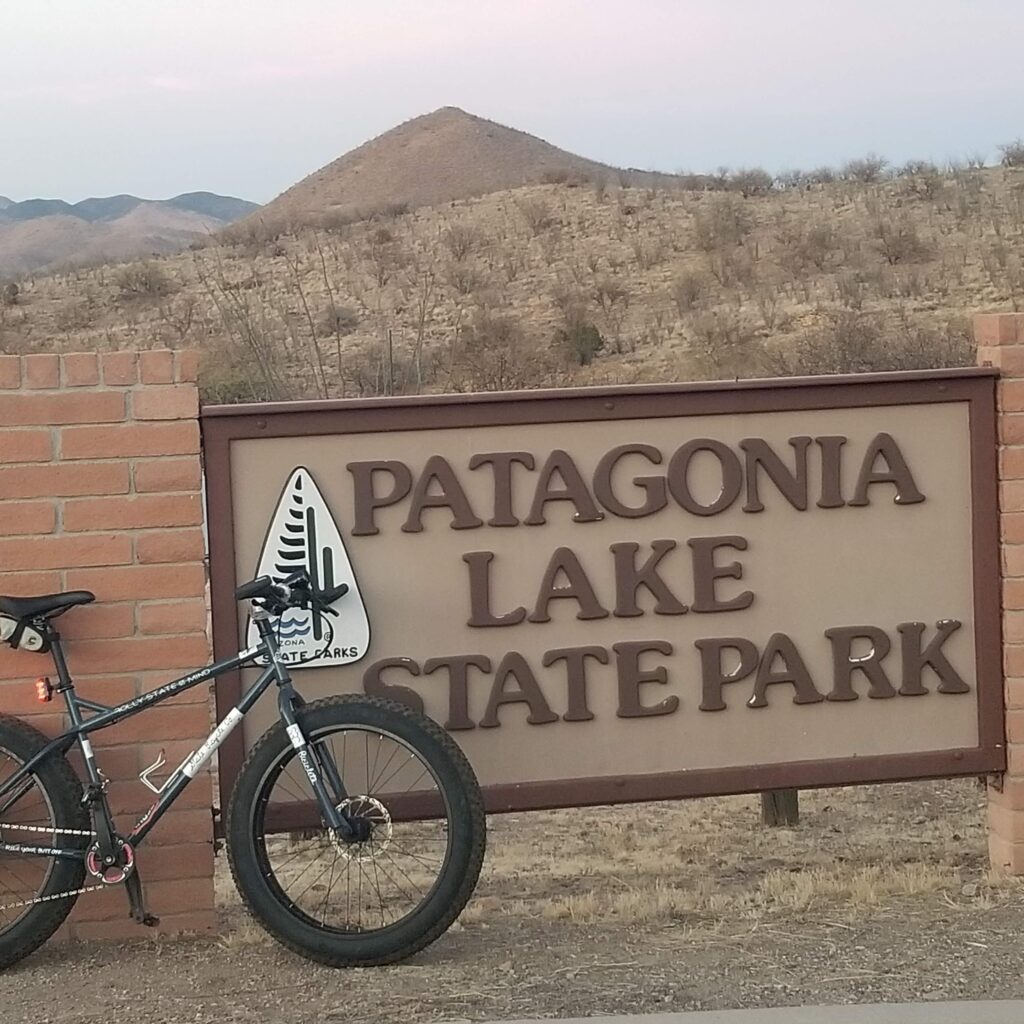
I hope you enjoyed the pictures as much as I enjoy calling Arizona my part-time home, part-time Airbnb income generation—a place I return to when I’m not traveling.