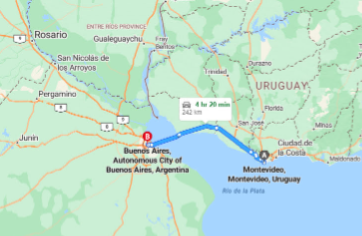
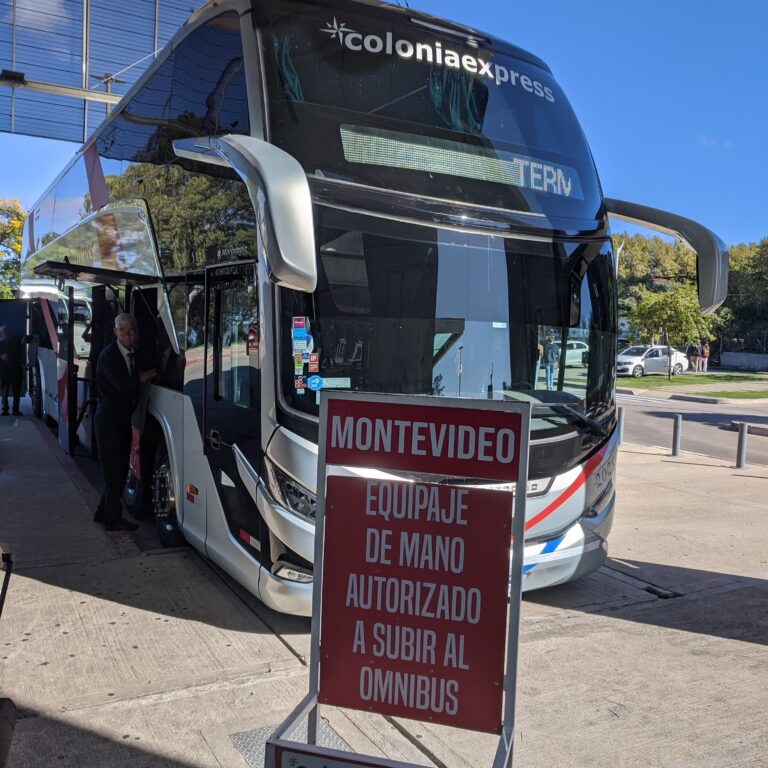
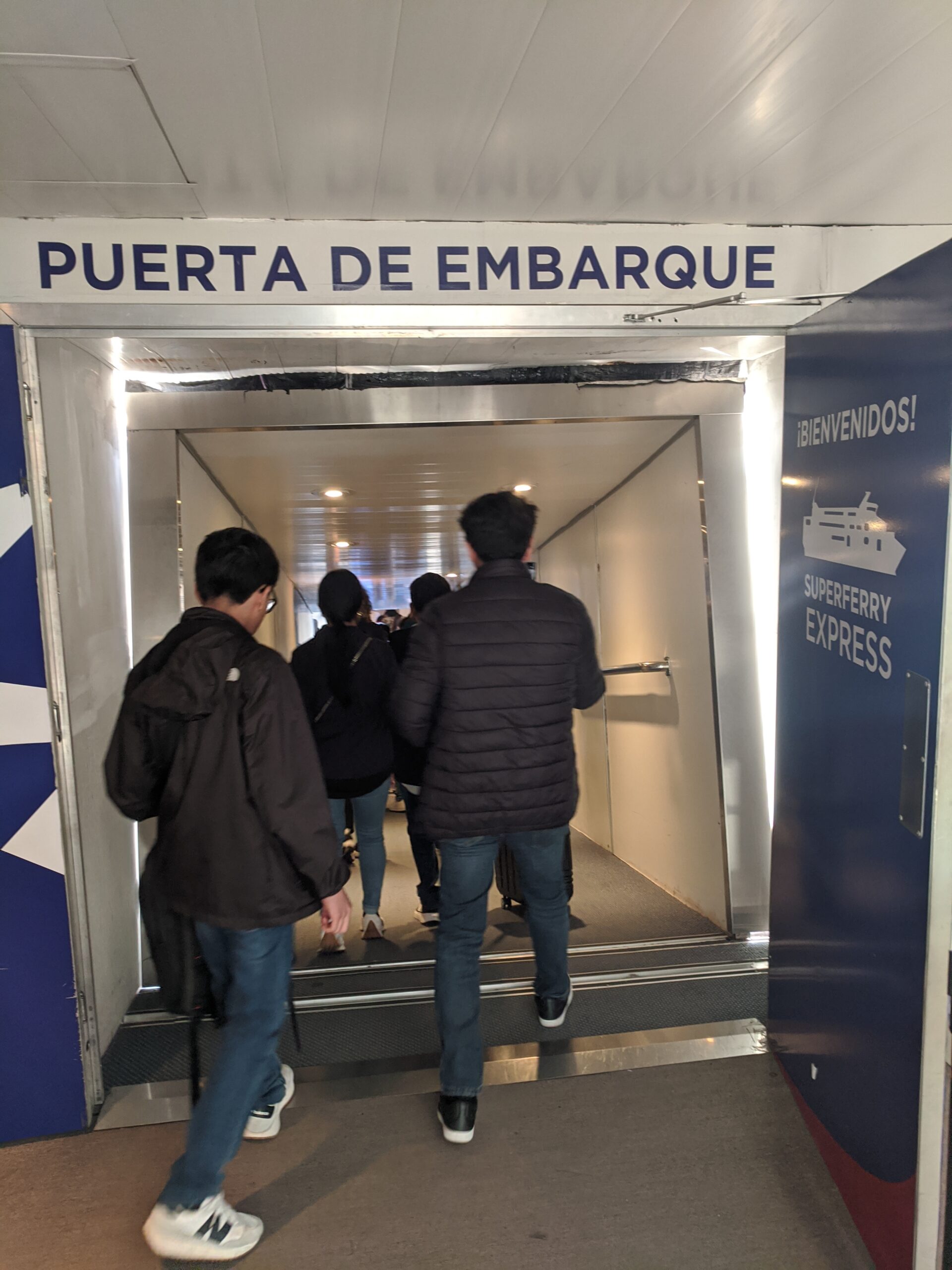
As part of my 2024 trip—which took me through Central America and into South America—I made a stop in Uruguay. Getting there was easy and inexpensive thanks to a short ferry ride from Buenos Aires across the Río de la Plata.
It was one of those classic travel decisions: cheap ferry, new country, zero downside. So… why not?
That’s one of the underrated perks of slow travel—when borders are close, transport is affordable, and curiosity wins.
I did not know what to expect as I had not read much about Uruguay. It was just the fact that I was so close to getting to experience it, and I took advantage of dropping another pin on the map. 📍🌏
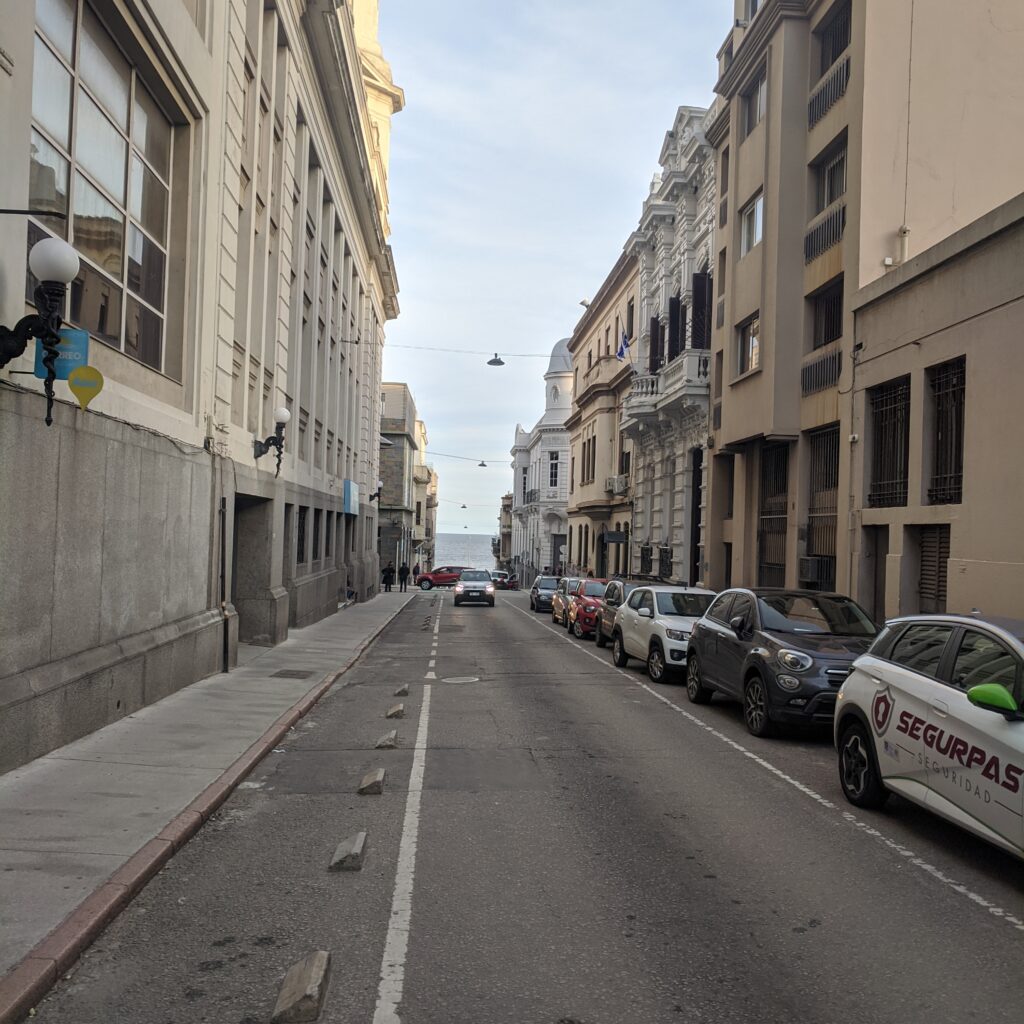
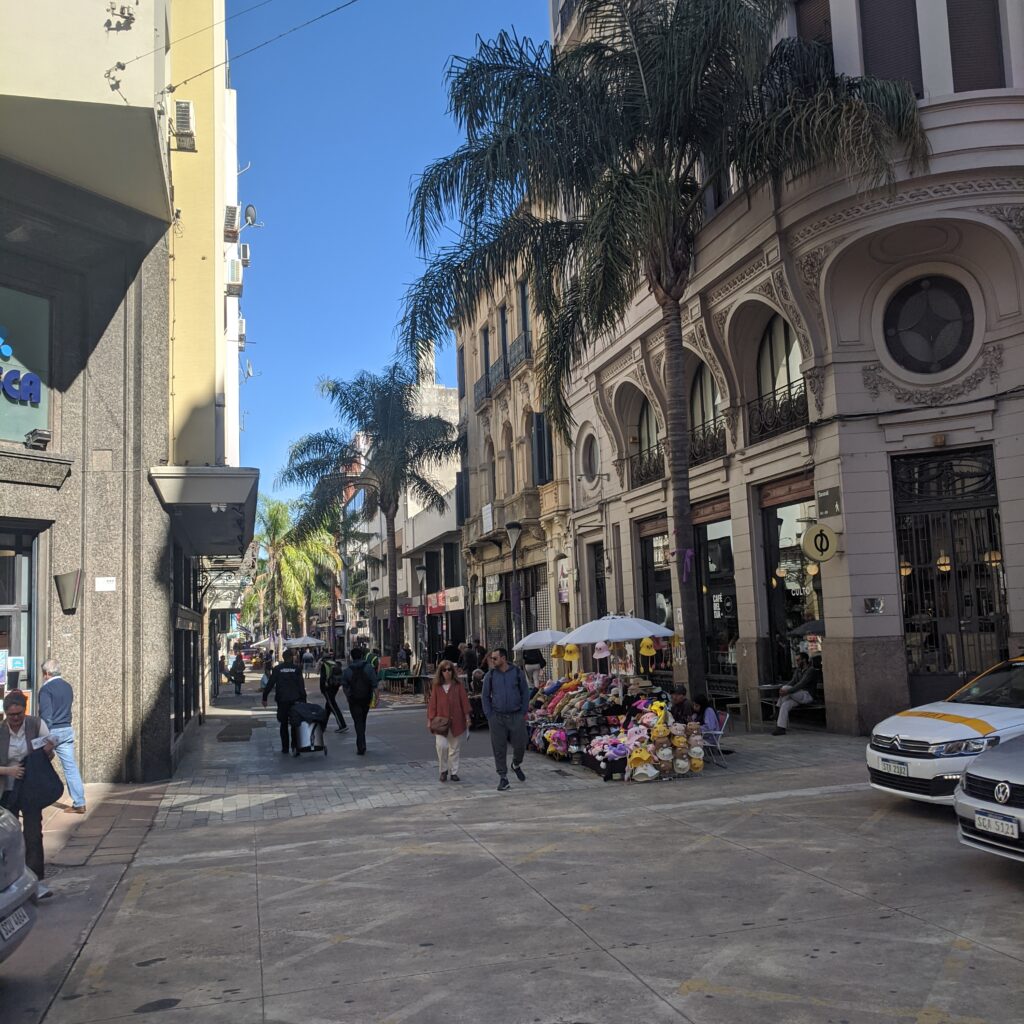
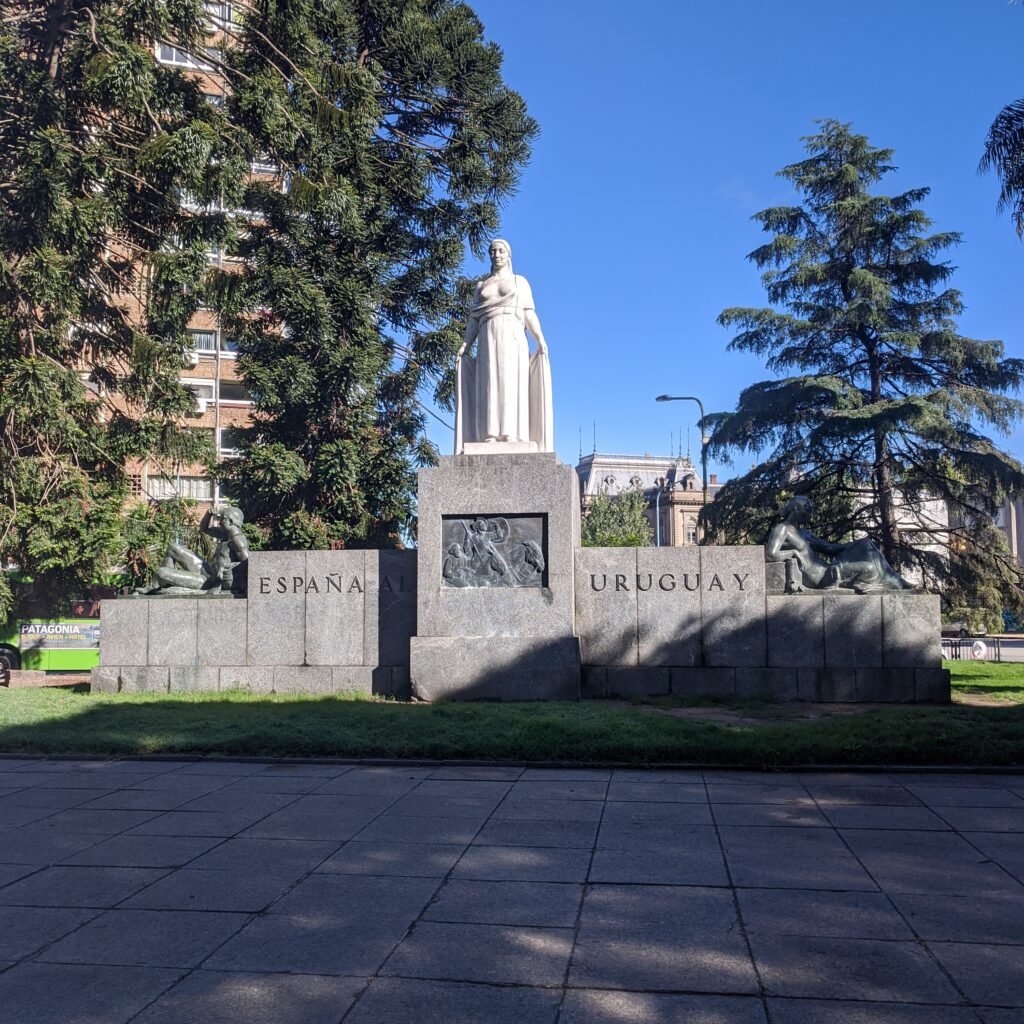
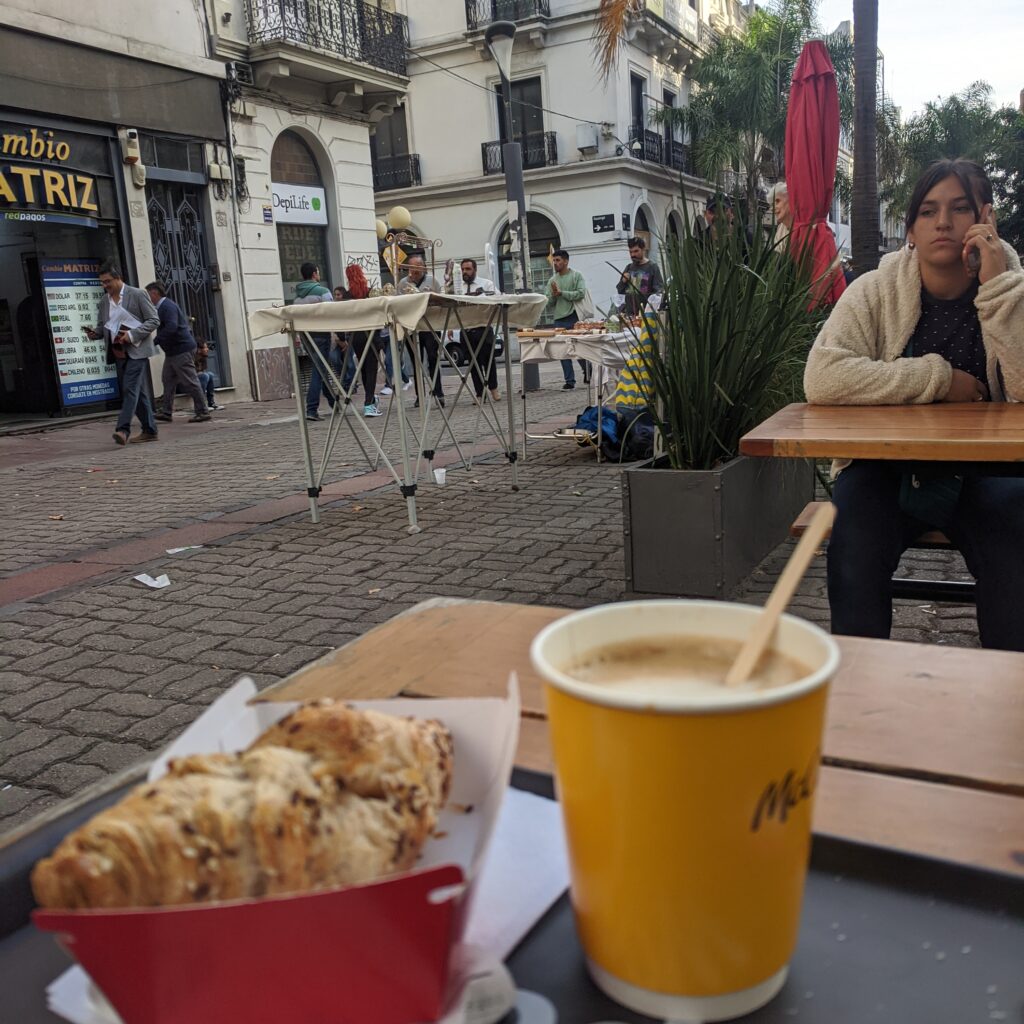
Montevideo has a great beach walk, very nice cobblestone downtown, and friendly people, but I do not need to go back. There was nothing that stood out like most Countries other than my Airbnb.
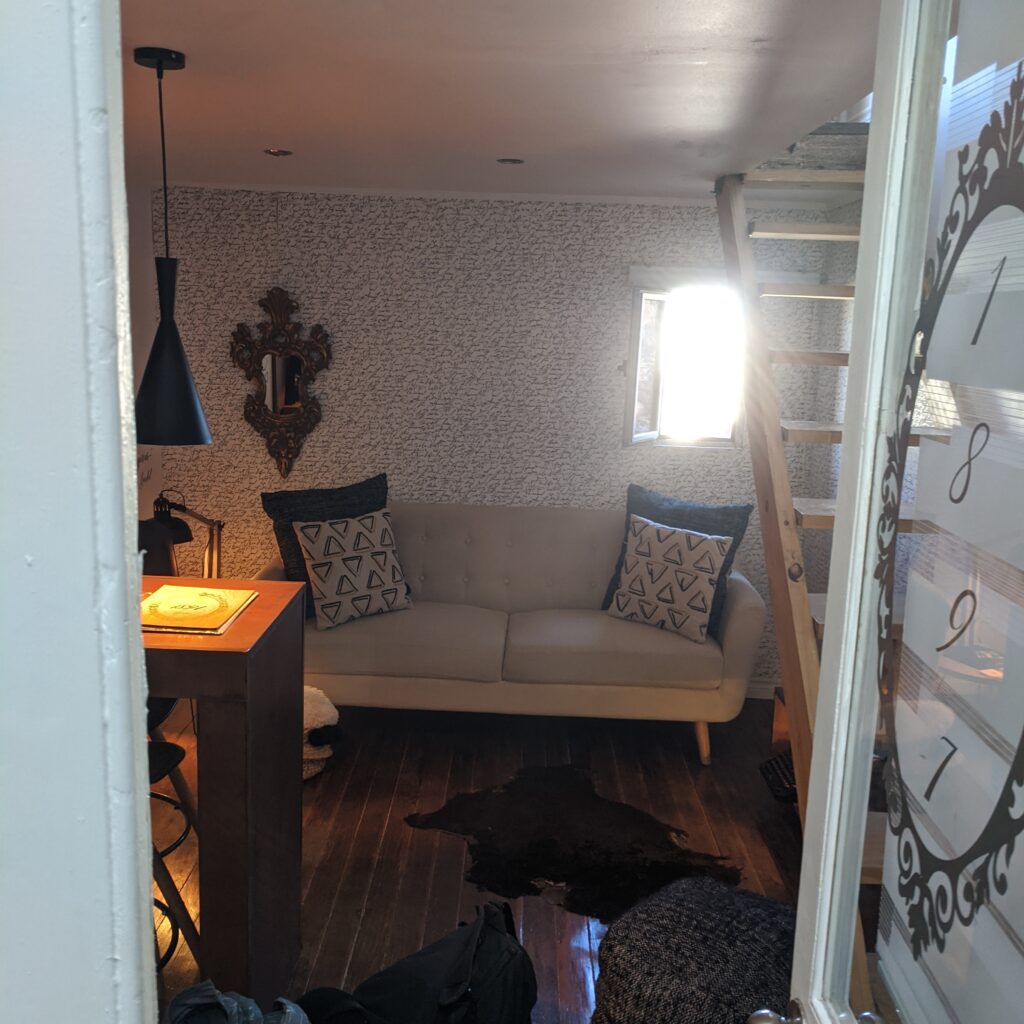
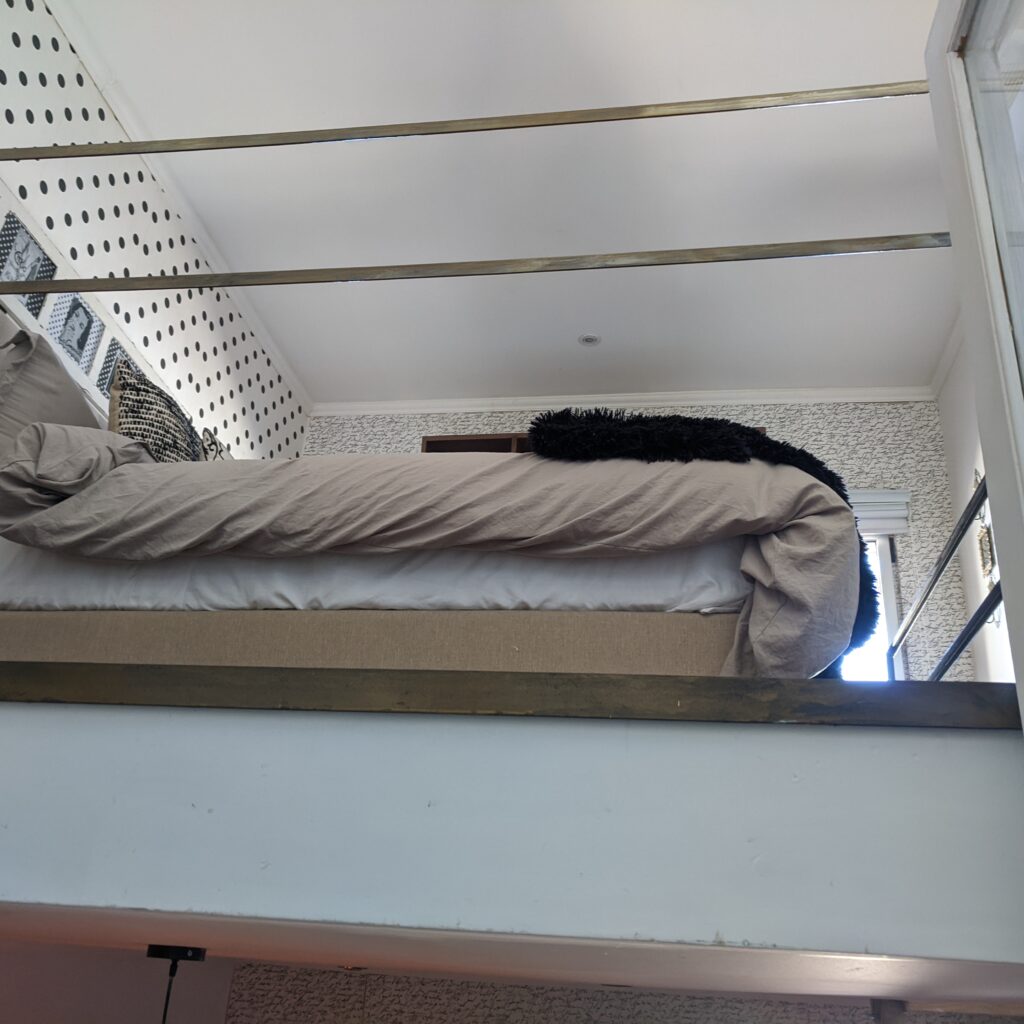
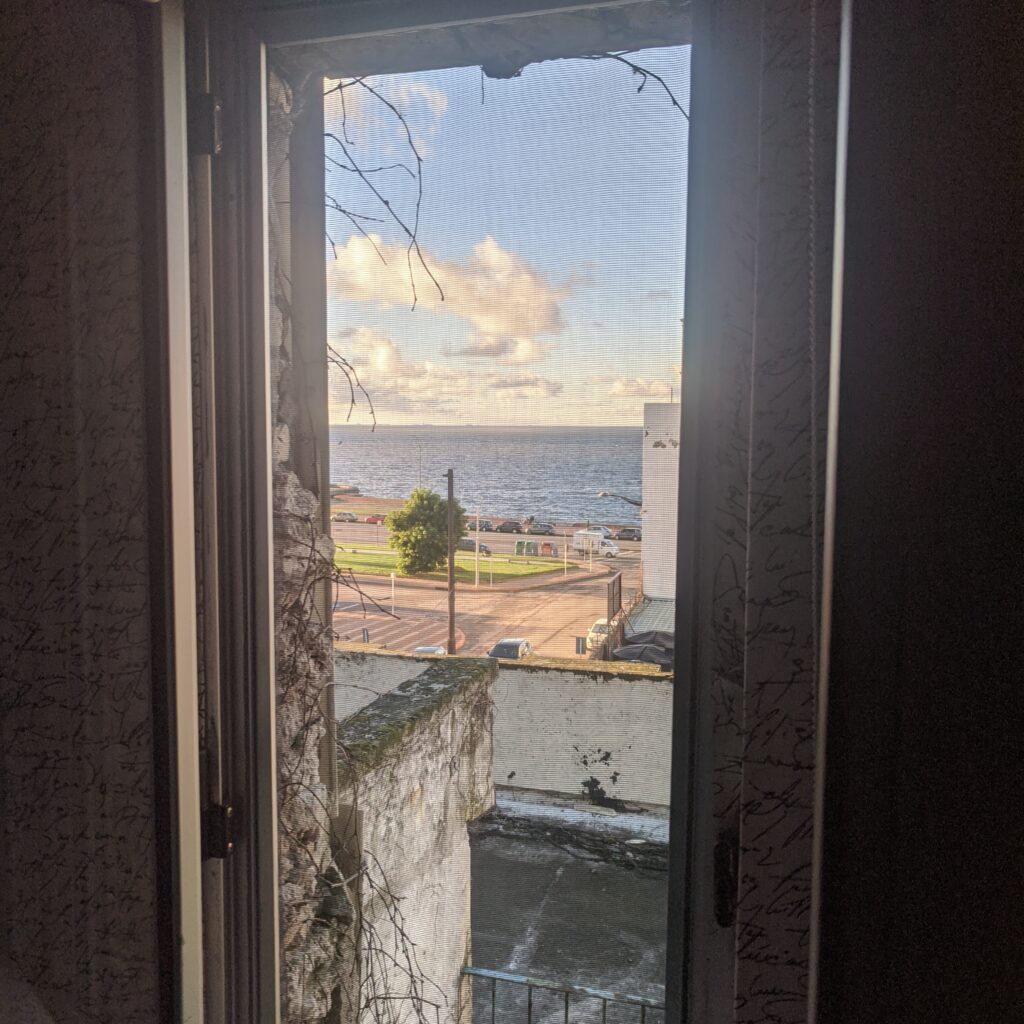
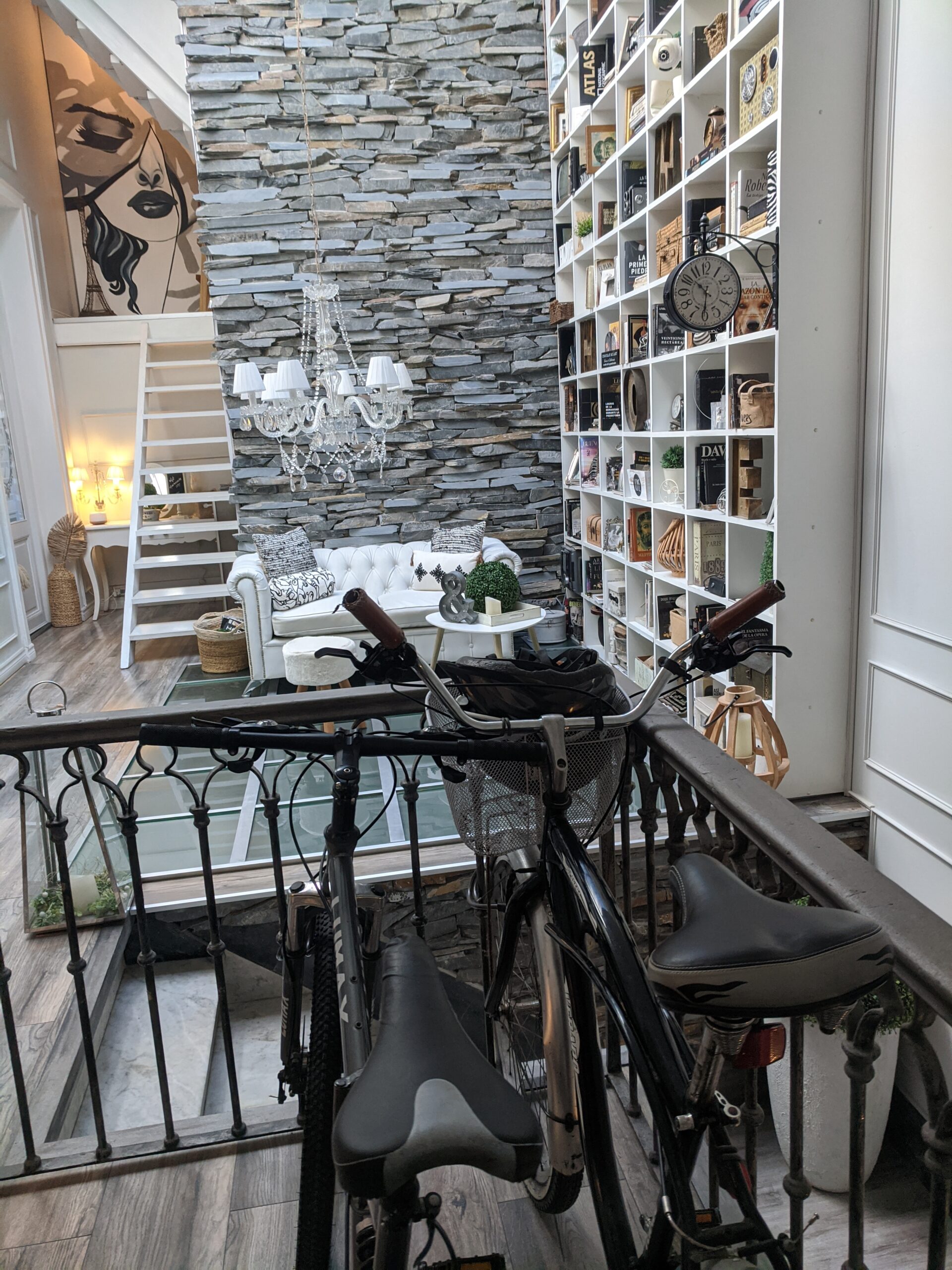
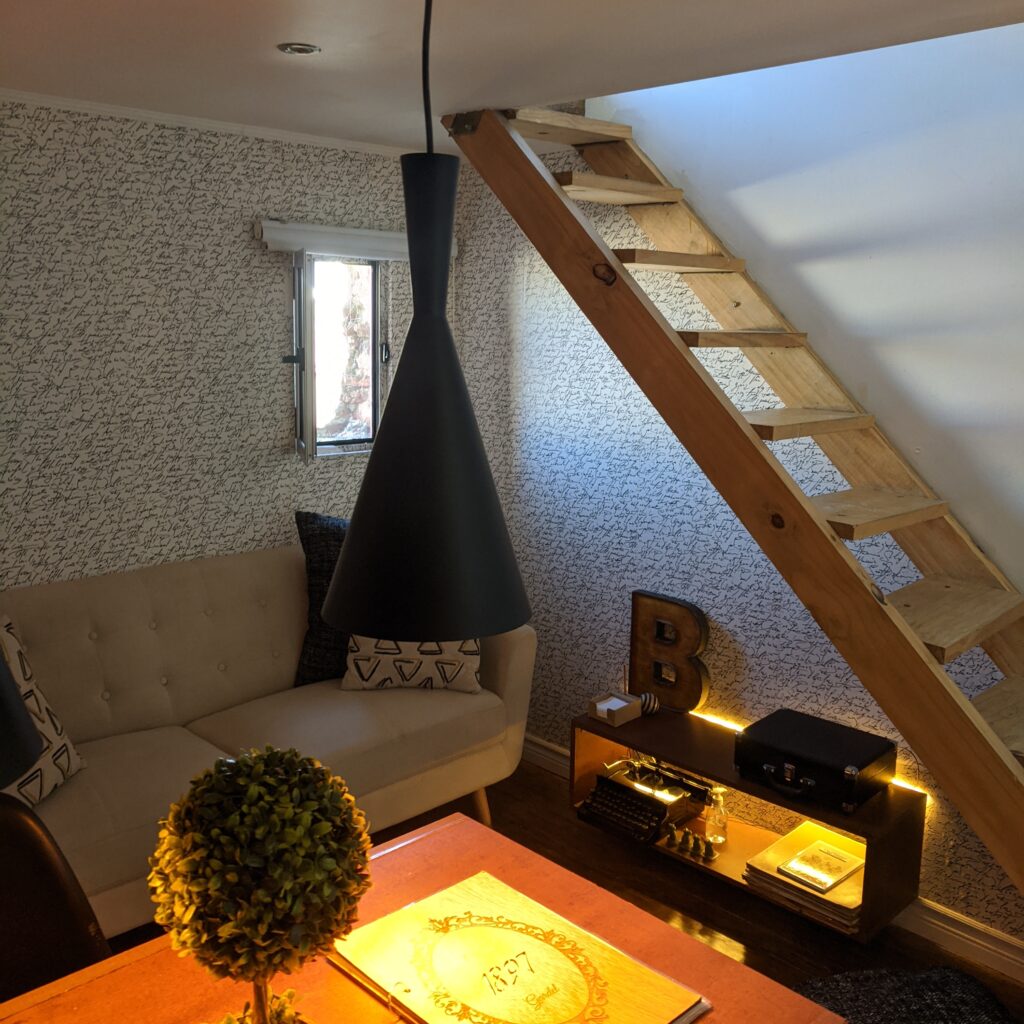
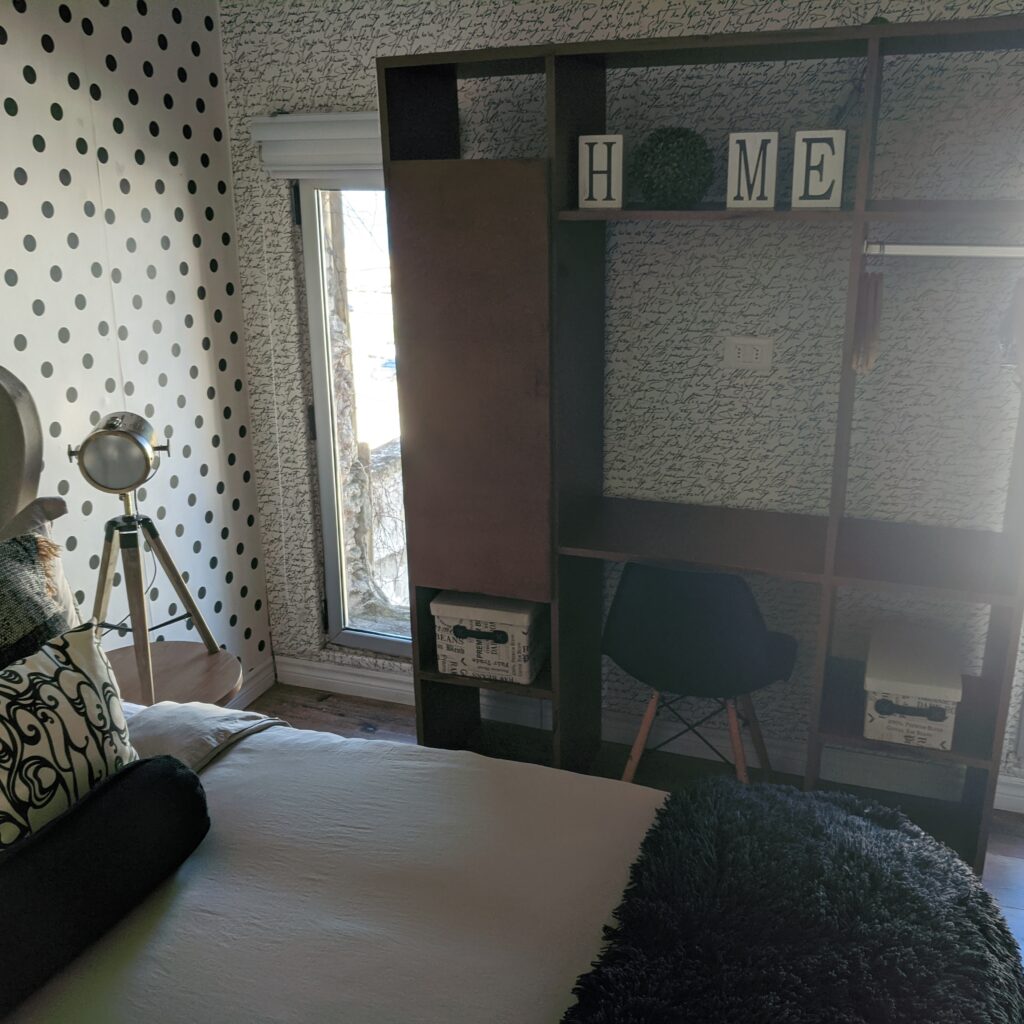
I have never experienced so much pride in the presentation of this place. Every little nook and cranny had something awesome displayed and check out the view from the bedroom!
The couple who ran the Airbnb were architecture lawyers from Argentina, and their background showed in every detail. Their shared love of music and antiques turned the place into an absolute gem—not flashy, just deeply thoughtful.
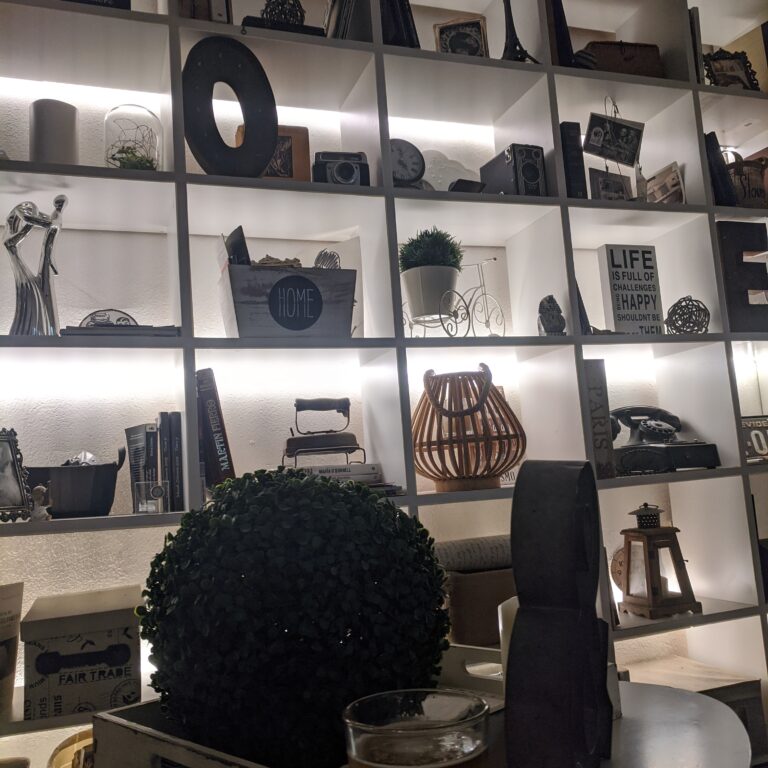
The lobby alone set the tone. A full wall of antiques, each piece clearly chosen with care, paired with calming music that made you slow down the moment you walked in. It didn’t feel like a rental—it felt like someone’s personal sanctuary that they happened to share.
It was one of those stays where the space itself becomes part of the travel experience. Honestly, that Airbnb left more of an impression on me than the city itself—and that says a lot.
There were hundreds and hundreds of trinkets throughout the property—every room, every corner, every shelf had something interesting to notice. During the day, jazz music played softly in the lobby, setting a calm, timeless mood. In my room, there was even a record player with a small collection of old jazz records. Sitting there, listening to vinyl and staring at the bookcase, felt almost meditative.
The Airbnb itself was about $25 a night, perfectly located between the main street and the ocean in Montevideo. You really couldn’t ask for a better setup.
It was hands down the best Airbnb experience I’ve ever had. Not because it was luxurious, but because it was thoughtful. Every detail felt intentional, personal, and cared for—and I’m genuinely glad I got to experience it. Some places stick with you because of what you see outside. This one stayed with me because of what was inside.
After spending the previous week in Argentina, the food scene in Montevideo was a bit of a shock—in the wrong direction.
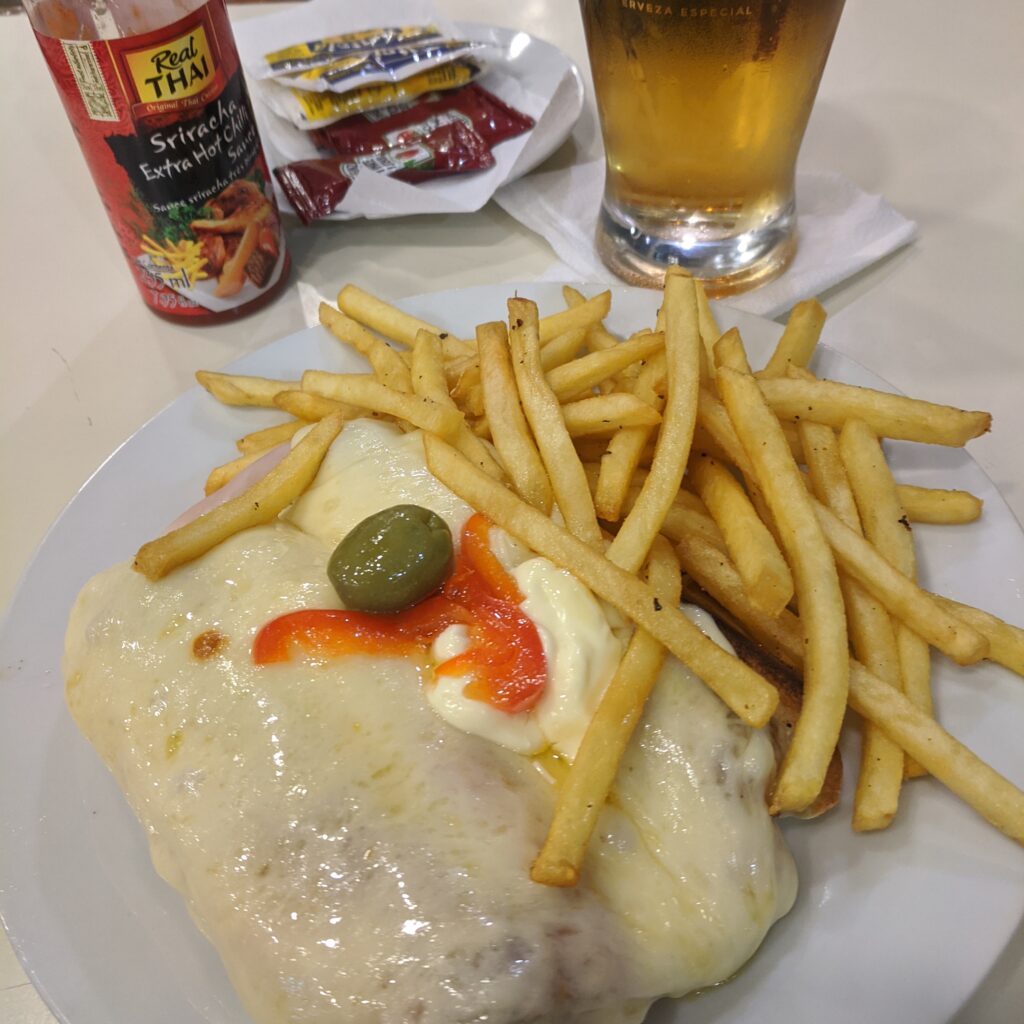
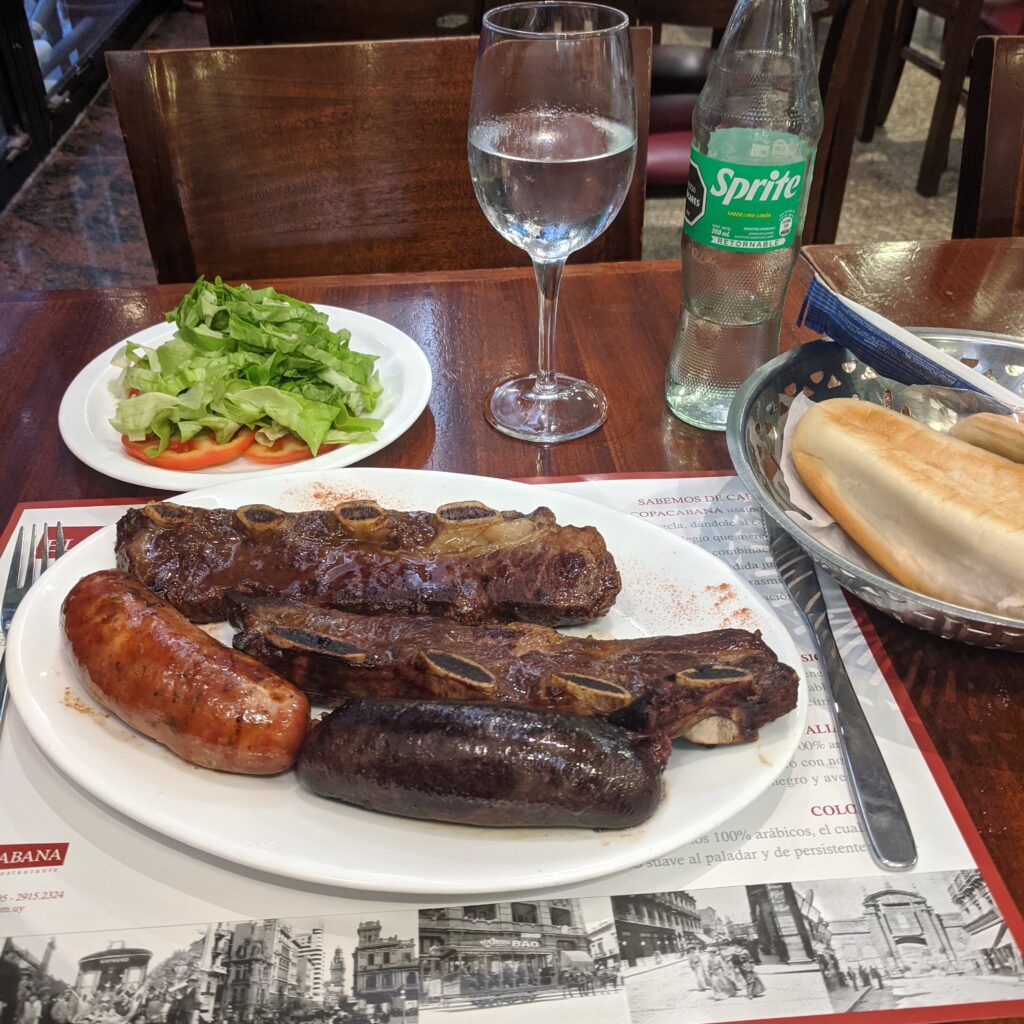
Coming off Argentina’s absolute paradise of steaks, flavor, and value, these two meals were both underwhelming and overpriced. Not terrible in a dramatic sense, just disappointing enough that you immediately stop ordering food with any enthusiasm.
To be fair, I didn’t go to Montevideo for the cuisine—and after Argentina, that became very clear. Sometimes travel is about incredible meals. Other times, it’s about the place, the stay, and the experience around it.
I played it safe both times and ordered the house special, mostly because I honestly didn’t know what else to order.
On the left: two hot dogs buried under what felt like five pounds of cheese. Just… not good. At all.
On the right: a meat plate that ran about $50, and when I cut into it, it was practically raw.
After a week of steak perfection in Argentina, this was a rough landing. I wasn’t expecting miracles, but I also wasn’t expecting hot dogs drowned in cheese or an expensive plate of meat that never met a grill properly.
It honestly may have just been bad luck both times. That said, after paying $50 for food that was raw and borderline inedible, I was beyond annoyed. I ended up calling my credit card company—and they refunded the charge without hesitation. It was the first time in my life I’d ever done that, which tells you how bad it was.
Thankfully, Montevideo redeemed itself in other ways. The city itself is relaxed and walkable, the coastline is beautiful, and that Airbnb more than made up for the food disappointment.
Between the thoughtful design, the music, the ocean proximity, and the price point, it was an incredible stay—especially considering how inexpensive it was. Sometimes travel works out that way: the meals miss, but the place, the vibe, and where you rest your head absolutely deliver.
A Brief History of Uruguay
Uruguay’s history is shaped by its position between two giants—Argentina and Brazil—and by centuries of struggle over who would control it.
Indigenous Roots
Before Europeans arrived, the region was inhabited primarily by the Charrúa people. They were semi-nomadic hunters and resisted colonization fiercely. Tragically, most of the Charrúa population was wiped out during the 19th century, making Uruguay one of the few South American countries with a very small remaining Indigenous population today.
Spanish vs. Portuguese Tug-of-War
Unlike much of South America, Uruguay wasn’t immediately colonized. Spain and Portugal both wanted it, largely because of its strategic location along the Río de la Plata.
Colonia del Sacramento was founded by the Portuguese in 1680
Spain countered by establishing Montevideo in 1726
For over a century, control of the region shifted back and forth between the two empires.
Independence & Artigas
Uruguay’s path to independence was complicated. The country’s national hero, José Gervasio Artigas, led resistance movements in the early 1800s, advocating federalism and local autonomy.
After periods of occupation by both Argentina and Brazil, Uruguay finally became an independent nation in 1828, largely as a buffer state to prevent conflict between its neighbors.
20th Century: Stability & Reform
In the early 1900s, Uruguay earned a reputation as one of the most progressive countries in the world:
Early adoption of free public education
Separation of church and state
Strong labor protections and social welfare programs
This era gave Uruguay the nickname “the Switzerland of South America.”
Dictatorship & Recovery
Like many Latin American countries, Uruguay experienced a military dictatorship from 1973 to 1985. Democracy was restored peacefully, and since then, Uruguay has been one of the most stable, democratic, and transparent nations in the region.
Modern Uruguay
Today, Uruguay is known for:
Strong democratic institutions
High quality of life
Liberal policies (early legalization of same-sex marriage and cannabis)
A calm, understated culture compared to its neighbors
It’s not flashy. It’s not chaotic. And for many people, that’s exactly the appeal.