


pope

Rome, Italy – Second visit to Vatican City!

I spent the last day of my recent travels in Rome, a place I’d already explored before. I’d checked off most of the major tourist traps on earlier visits, but it still felt essential to revisit the Colosseum and Vatican City—some places deserve more than one look.

Ironically, I chose a Sunday, which meant the Vatican Museums and the Sistine Chapel were closed. Not ideal—or so I thought at the time.

Unbeknownst to me, I was about to get a much bigger—and completely unexpected—treat that day.

Below is a video I took earlier in the week, showing St. Peter’s Basilica from the outside, walking inside, and soaking in the atmosphere. Even without the museums open, this place never disappoints.

It was simply a good feeling knowing I was there on a day when Pope Francis was well enough to make a public appearance. With Holy Week approaching, it felt like an important moment—likely a quiet test of strength and endurance ahead of what is normally an incredibly demanding time.

Sadly, I later learned that he had to cut his speech short due to shortness of breath—and that this appearance would turn out to be his final public speaking engagement before his passing. Knowing that now adds a weight to the experience that I didn’t fully understand in the moment.

As I walked through Vatican City, the atmosphere felt different—solemn, but meaningful. A massive crowd was lined up to enter St. Peter’s Basilica, far larger than anything I’d seen earlier in the week.

It was one of those rare travel moments where you realize you weren’t just visiting a historic place—you were quietly present for a small but significant piece of history.

How to get to Italy (cheap)

If you’re coming from North America, I highly recommend flying Norse Atlantic Airways from Los Angeles to Rome for around $220 USD.

Getting to Los Angeles is easy and inexpensive from almost anywhere in Canada or the U.S. if you use Google Travel. Even better—consider staying in LA for a day or two. You essentially double your vacation while still saving a ton of money overall.


Where I stayed

I stayed at Freedom Traveler, which offered a single bed for €40 a night. Hotels in Rome can easily run $150+, so this was a no-brainer.

If dorms aren’t your thing, they also have private studio-style rooms for under $100, which is excellent value if you just want a quiet place to sleep. I stayed here twice—once before and once after my trip to Barcelona—and the staff were fantastic, always helping me get the best room available.


Best local meal & drink

Pizza. Obviously. 🍕

Rome is packed with corner spots selling freshly made pizza, and walking past them without stopping should honestly be illegal. While wine dominates in Italy (vino everywhere), I kept laughing because I’d walk into places with 10 taps, and every single one was wine. Beer lovers, adjust expectations accordingly.

My favorite pizza spot was just around the corner from Vatican City. I grabbed three slices (yes, all at once—you can see them stacked in the photo), and it was hands-down the best pizza I had in Italy.


Would I return?

To Rome specifically? Probably not.

Once I spent a full day at Vatican City and the Colosseum, I was ready to move on. I’d originally planned to stay a full week, but instead booked a last-minute trip to Barcelona to break things up.

That said, Italy absolutely deserves more time—just maybe not all in Rome. Cities like Venice, Sicily, Milan, Capri, and the Amalfi Coast are all worth visiting. One important lesson learned the hard way: book train tickets early. Last-minute fares were over $200, sometimes 5× the normal price, which is no different than flights.

If you plan to stay within one country, trains are amazing—but procrastination is expensive.

ItSMoreAffordableSamusPaulicelliGIF-2

Hawaii ~$99 one-way? $35 a night Airbnb!

I’ve also flown to Hawaii for as little as $5.60—using free points from my Hawaiian Airlines credit card.

There’s no minimum spend to earn the 70,000-mile signup bonus, which immediately puts Hawaii on the table. I’ve seen one-way flights as low as 12,500 points, though 17,500 points is a more realistic expectation. That still works out to four free one-way trips—with taxes being the only thing coming out of pocket.

This is what I mean by leverage: keep fixed costs low, stack points, and let geography stop being a constraint.

Apply here:

If you are not interested in free flights with the card.

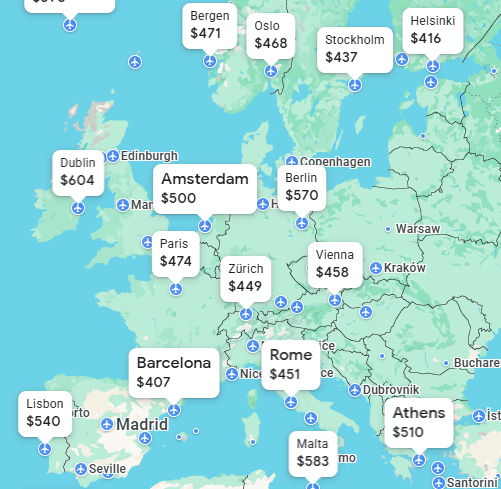
Here are some of the latest flights on sale that I was emailed on 01/07/24:


This is the $34-a-night, single-occupancy Airbnb I’ve stayed in three separate times in Honolulu, which should tell you everything you need to know. I’ve written about it in more detail on the blog here: Honolulu, as blogged here:   

If you need double occupancy, there are other rooms available in the same house. Just keep in mind this is a shared kitchen and shared bathroom setup—no illusions, no surprises.

DCIM101GOPROGOPR1216.JPG

Can you really live on $500 USD a month? ☑

My travel budget runs about $2,000–$2,500 USD a month, and I have all the time in the world. That combination turns out to be a cheat code at 53.

On that budget, I can slow travel through most parts of the world quite comfortably. I can’t help you with time—but I can help you with the money part. If you’re willing to embrace the slow-travel, nomadic lifestyle (full-time or even part-time). 

It’s a great way to escape the snow, prepare for retirement
 or better yet, escape your nagging EX.🙌

Slow travel lets you actually live somewhere instead of just visiting it. You immerse yourself in a new culture, eat local food, make questionable transportation choices, and become a legend—at least in your own mind like me. 😆

I’ll be the first to admit it’s not for everyone, but then again, neither is the constant bullshit in North America.  

I was introduced to slow travel through YouTube and eventually stumbled onto Dan’s website and YouTube channel. I was immediately hooked. How could someone travel so inexpensively and visit so many incredible places? It sounded impossible. 

Turns out—it’s not even close to impossible!

The video below shows Dan interviewing someone who’s living on under $500 USD a month and genuinely loving life. That level of minimalism isn’t for me—and it might not be for you either—but it’s still impressive as hell.

If this lifestyle intrigues you, Dan has 900+ videos covering everything from retiring abroad to cutting costs and choosing destinations wisely.

I actually chatted with Dan, and he gave me permission to share information from his site. You’ll see it pop up in other posts too—so you might as well go straight to the source. Go get the milk from the cow and bookmark him.

Below is Dan’s website and YouTube channel with TIPS on dozens of countries. If you would like to see more interviews of people living on the cheap, he also has a lot of interviews on his website.

cruise

All-inclusive vacations – I do not get it?

I’ve never been a fan of all-inclusive vacations—and it’s not just because of the eye-watering cost.

Here’s the standard script:

You head to the airport, grab a few drinks in the lounge, and convince yourself the vacation has already started.
You land in Puerto Vallarta, get funneled into a van, and delivered straight to a stunning resort.
You mostly mingle with people from your own country, overeat at the buffet, and optimize drink size so you can tip less.
If you’re lucky, you score one reservation for steak or lobster.
Anything outside the gates costs hundreds of dollars.
Seven days later, you’re back in the van, back at the airport, back home.

And the only thing you really learn about Mexico comes from the resort staff.

Now—to be clear—the resorts are amazing. If your goal is pure relaxation, zero decisions, and floating between pool, bar, and buffet all week, I get it. There’s nothing wrong with that.

But here’s the question I keep coming back to:

What if you did it a little differently?

What if instead of being delivered somewhere, you arrived somewhere?
What if you stayed long enough to learn a neighborhood, find a favorite coffee spot, recognize faces, and build a routine?
What if your days weren’t scheduled—but unfolded?

That’s the difference between vacationing at a place and actually being in it.?

A Different Way to do it!

You still start the same way—airport lounge, a couple of drinks, the usual pre-flight ritual.

Then things change.

You land and grab local transport or an Uber to your Airbnb. No vans. No wristbands. No schedule was handed to you at check-in.

For about $0.50, you take the bus—or spend around $10 on an Uber—downtown. You unpack in one of hundreds of Airbnbs for $50–$75 a night, or well under $1,000 a month if you stay longer.

You eat where locals eat: $2 tacos from street carts, $2 drinks from the OXXO on the corner. Nothing fancy. Nothing curated. Just good, normal food.

Most mornings, you wake up and hop on a bus to explore different areas—letting curiosity, not an itinerary, decide the day.

And if you want the resort experience? Take it in small doses. Buy a $50 day-pass, float in the pool, eat the buffet, enjoy it—then leave. No long-term commitment required.

It’s not anti-resort.
It’s a “pro-choice”.

Screenshot 2024-12-01 091612

Travel bank fees, I hate them!🏧💾

Imagine this for a second: banks charge you fees to access your own money
 while they earn interest on it.

ATM fees 💾

Monthly “maintenance” fees unless you park $10K earning garbage interest 💾

Wire transfer fees 💾

Foreign transaction fees 💾

According to a Bankrate.com survey, more than 25% of Americans with checking accounts pay an average of $24 a month in banking fees. And I can promise you—I pay a lot more than that while traveling. It feels like a rigged game.

Here’s how it usually plays out on the road:

Wells Fargo charges me $5 for using a non-Wells Fargo ATM

Except
 Wells Fargo ATMs don’t exist outside the U.S.

The ATM owner then slaps on $3–$10

Then the bank adds a foreign exchange fee to “hedge” my money

That’s $15–$22 gone before I even see my cash.

You always get f#cked in the ATM drive-thru. 😂

Sure, there are ways to reduce the damage—pull out more cash at once and eat fewer fees—but that means carrying more money and increasing the risk of getting robbed. I hate carrying cash. I travel with backup cards for a reason.

Recently, I found a partial solution: banking with Charles Schwab in the U.S.

They never charge ATM fees

They reimburse any ATM fees you incur worldwide

It’s not perfect. The downside is that moving money into Schwab can take up to two business days, which can hurt in an emergency.

So yeah—win some, lose some.

But for fuck’s sake

It’s my money.

Screenshot_20210821-083121_Facebook

Keeping up with the Joneses! 💳

There was a time in my life when I was one of the Joneses.

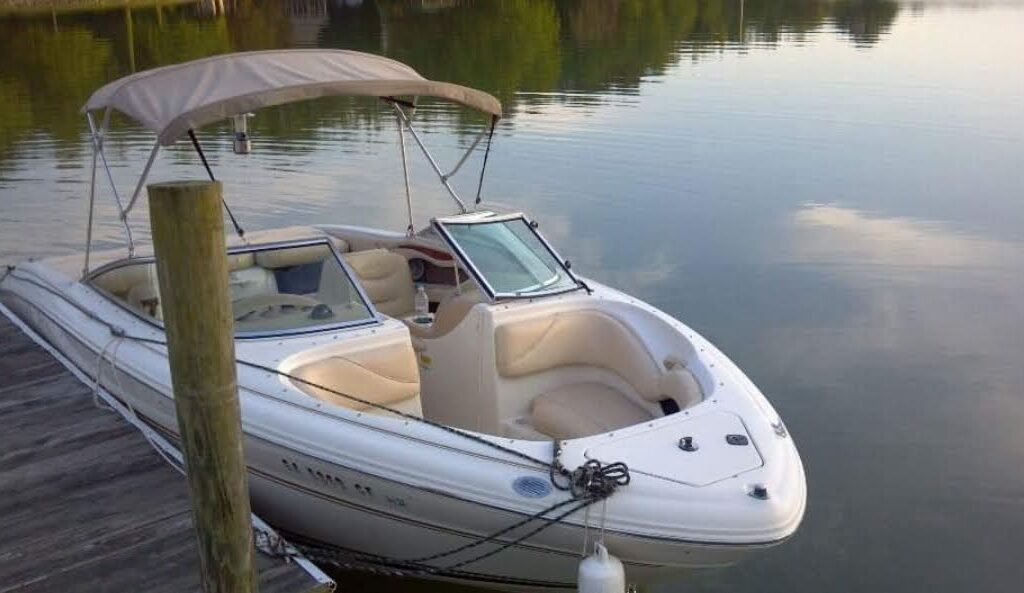
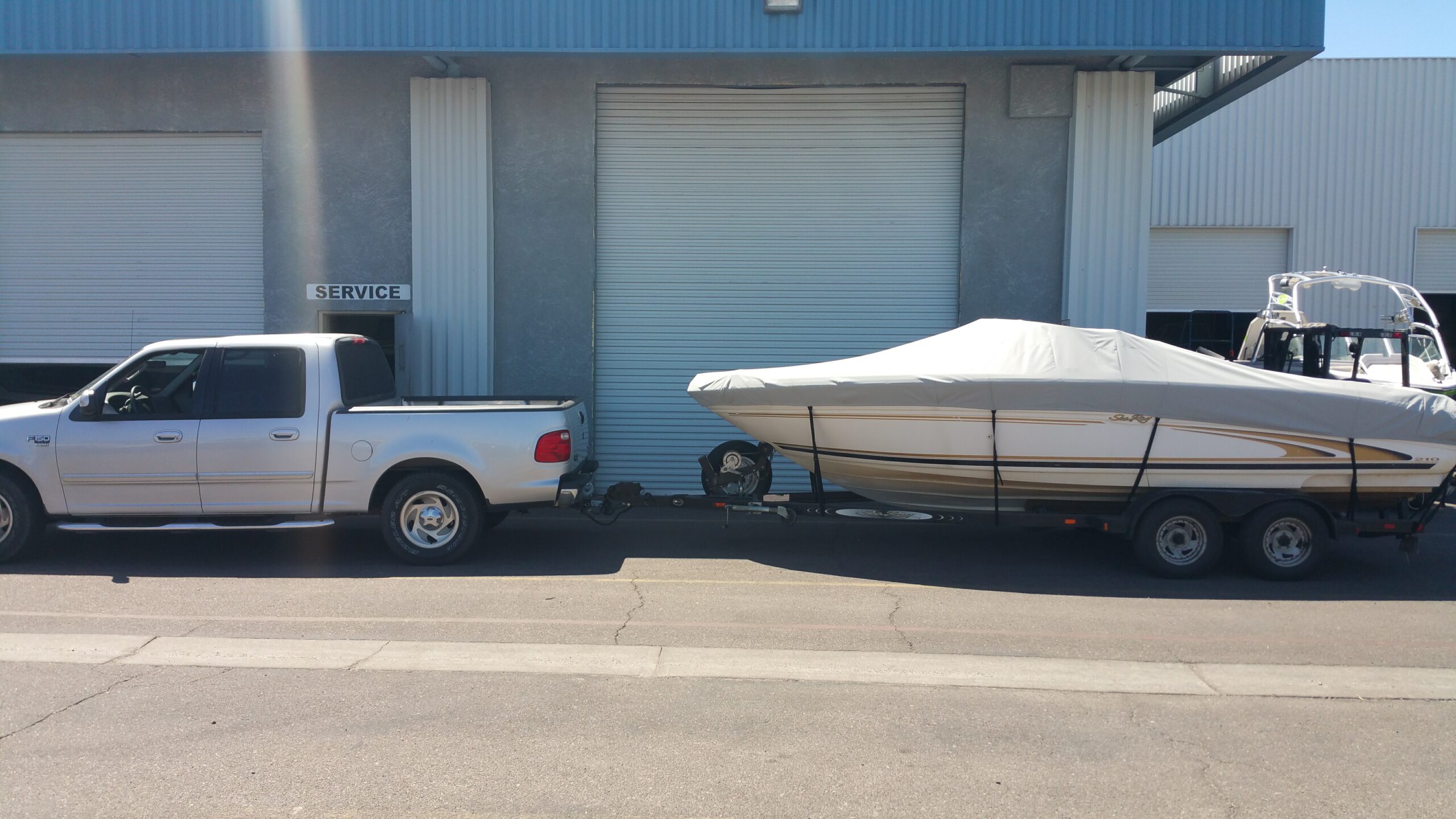
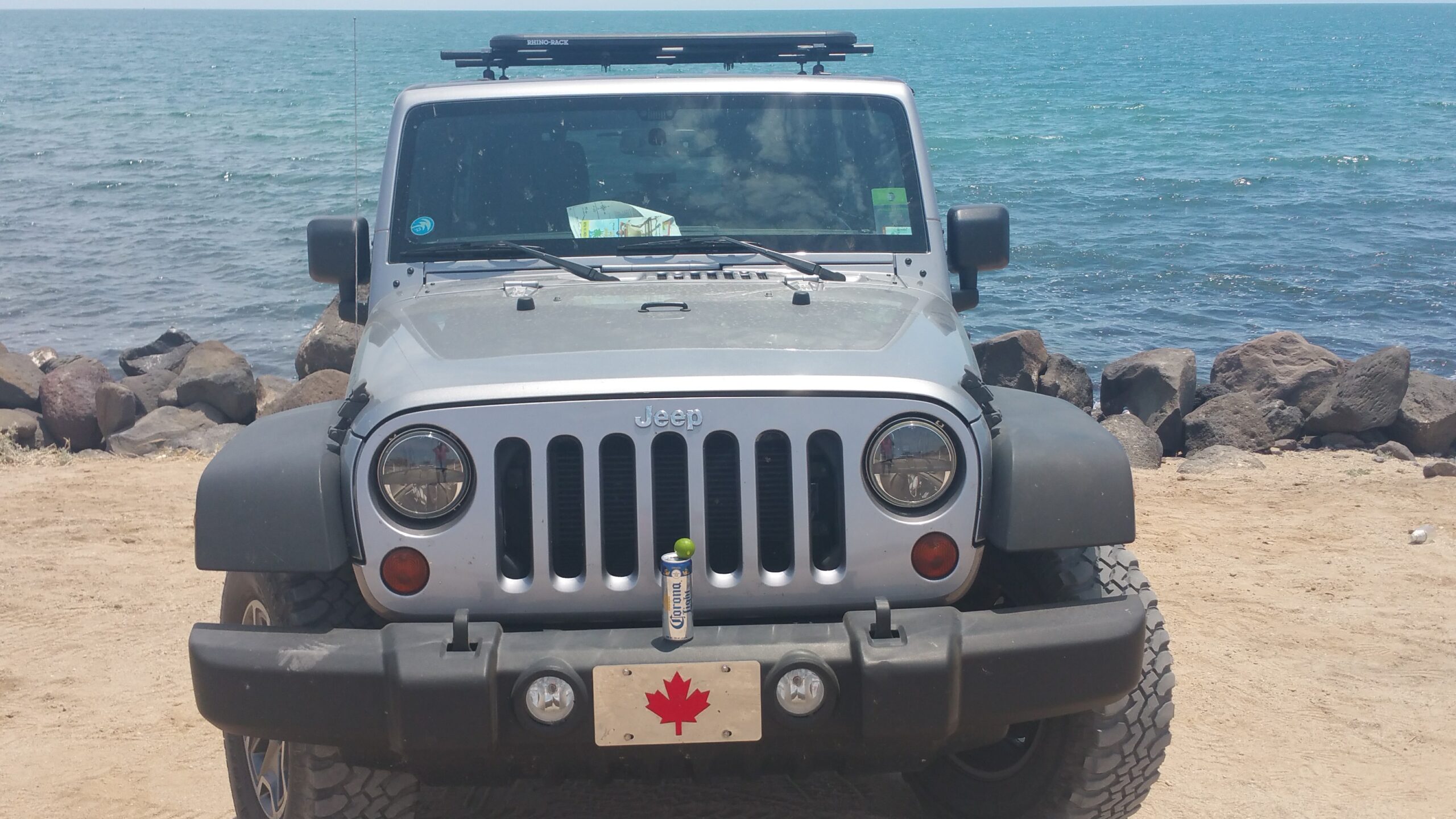
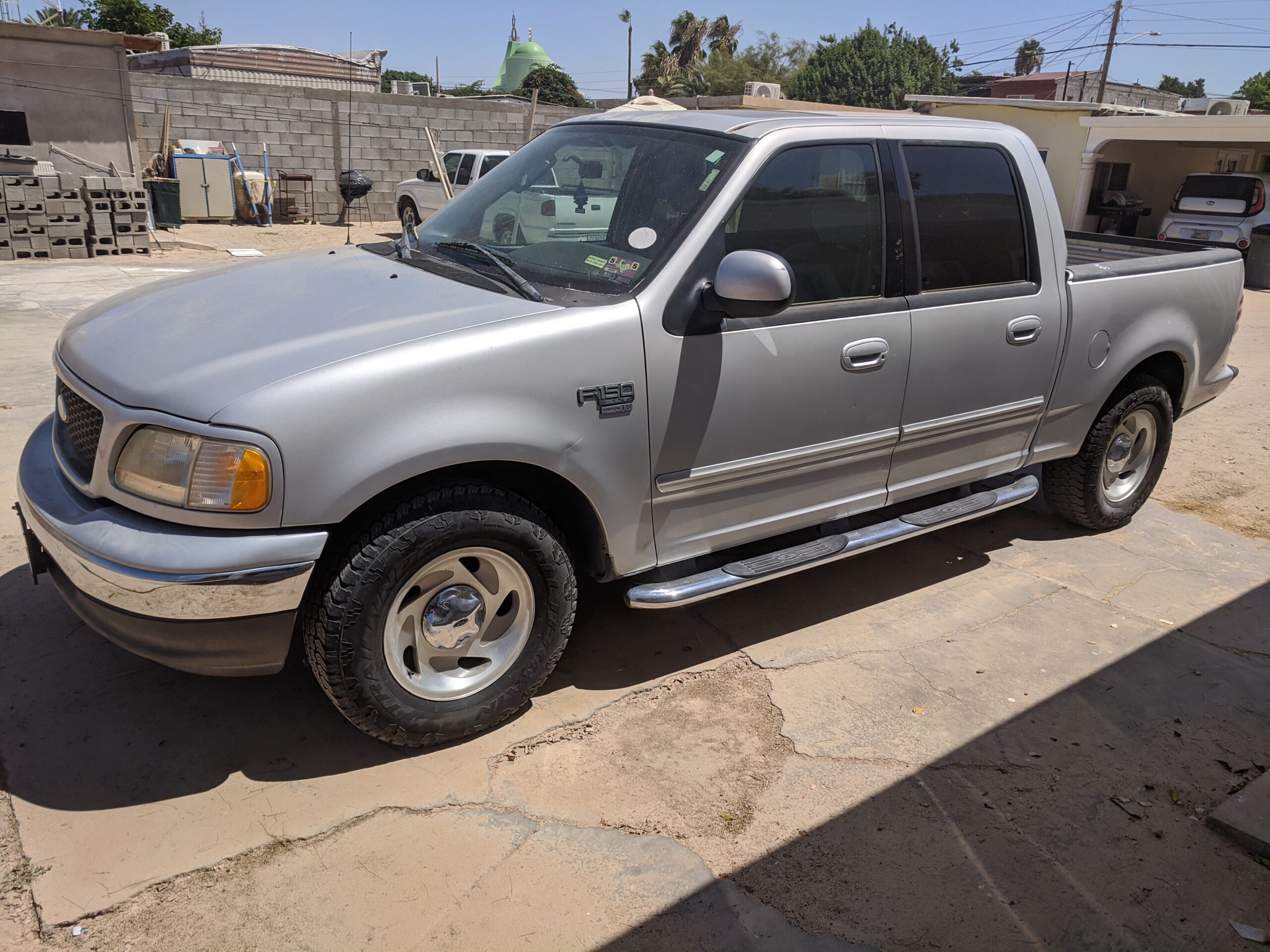
I had a truck, a Jeep, and a Cadillac
An amazing boat.
A side-by-side UTV
A house in Georgia.
Three acres in North Carolina.
A condo in Mesa, Arizona.
Trailer for my mom in Yuma, AZ

All at the same fucking time.

From the outside, it may have looked like success. On the inside, it felt like maintenance—constant, expensive, and exhausting. The more I bought, the more I worried. The more I owned, the more I was owned by it.

It took me longer than I’d like to admit, but eventually it clicked:

None of that stuff was buying me freedom.
It was giving me stress.

Letting go wasn’t a loss—it was a release.

A Cadillac CTS, a Ford F-150, a Jeep Rubicon, a Sea Ray 220 boat, utility trailers, and a Polaris side-by-side UTV—all lined up like some personal dealership. Add in three properties, and it turned into a private parking lot paired with a full-time insurance nightmare.

At the time, it felt like progress. Like proof, I was “doing well.”In reality, it was just layers of obligation—payments, maintenance, insurance, storage, stress—stacked on top of each other.

Nothing about it felt light.
Nothing about it felt free.

The pictures below aren’t nostalgia for me anymore—it’s a reminder of how easy it is to confuse accumulation with success, and how heavy life gets when everything you own starts owning you back.

Three car garage full of junk!

I’m grateful I figured it out earlier than most: I didn’t actually want stuff—I wanted freedom, and travel was the clearest path to it.

I watch so many people stuck in the same cycle I was in before. Month to month. Payment to payment. Always chasing the next thing, yet somehow there’s never enough. More income just leads to more obligations, and the finish line keeps moving.

That pattern isn’t unique to one place. You see it everywhere—especially in Canada and the United States, but plenty of other places too.

Once I stepped off that treadmill, things got lighter. Less ownership, fewer anchors, more flexibility. I stopped measuring progress by what I accumulated and started measuring it by how freely I could move.

For me, choosing travel over stuff wasn’t about sacrifice.
It was about choosing the life I actually wanted.


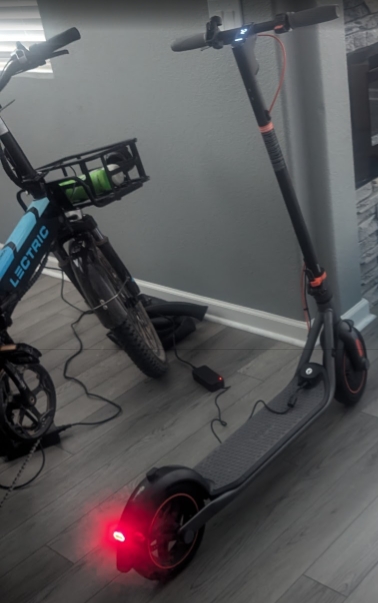
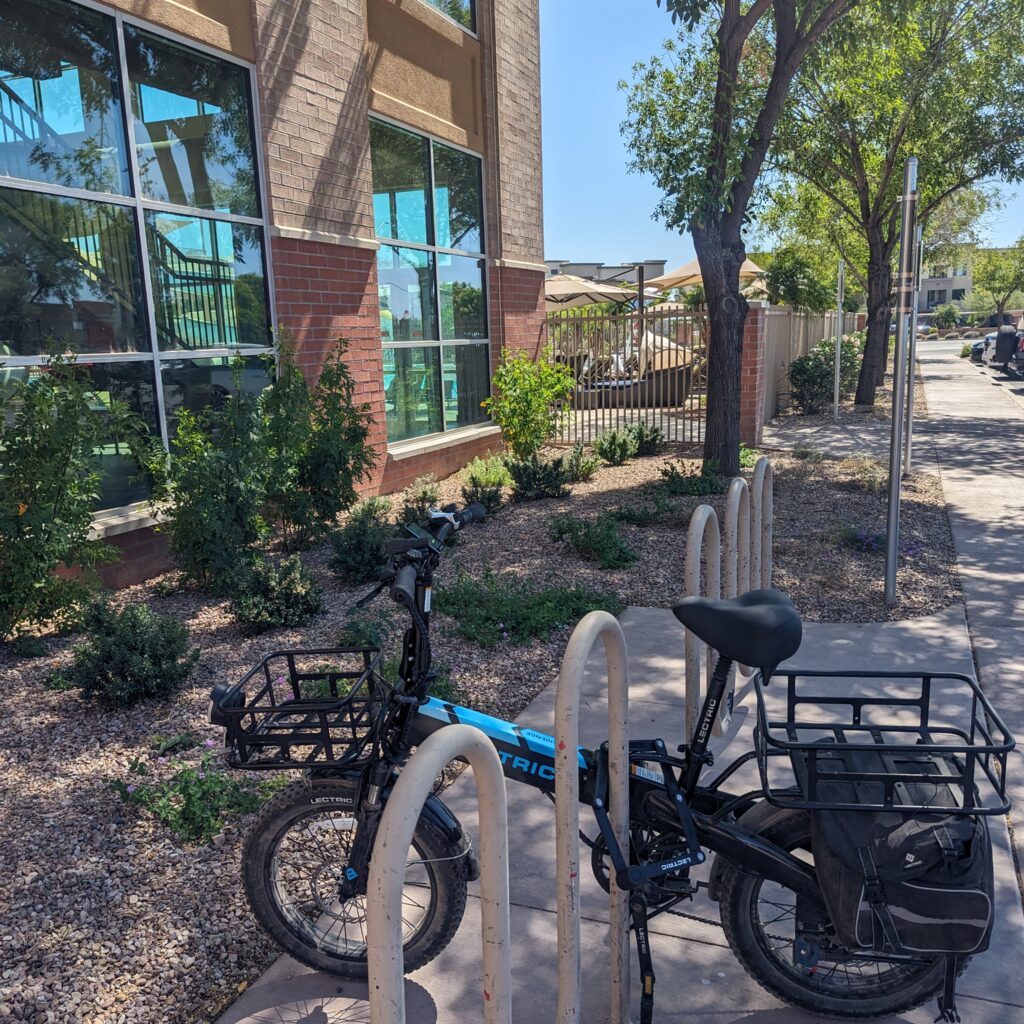
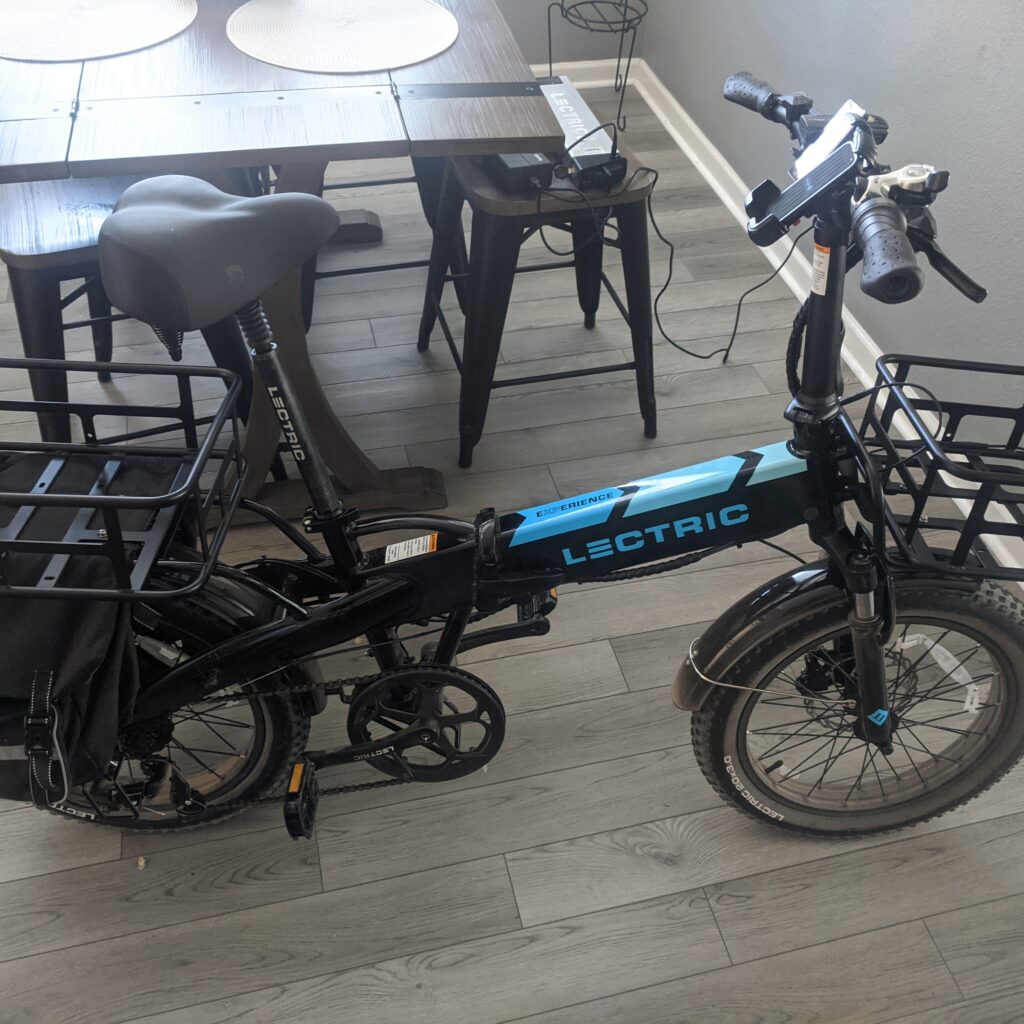
I have downsized substantially, keeping only my Jeep in AZ, my truck in Mexico, an eBike, and a scooter.

It’s a hell of a lot less stressful having time-freedom flex instead of just more stuff.

Stuff demands attention.
Time gives it back.

One ties you down.
The other lets you move.

I’ll take time—every single time.

TravelGIF

Saving money booking one-way tickets! đŸ€‘

I recently found a flight from home in Phoenix, AZ, to Saskatoon, Saskatchewan, using this method.

See examples below if you want to save money! 

Have you even considered flying home from a different airport to save money? I use this strategy to check if booking two one-way trips is cheaper than a round trip every time I book a flight. It works!!

Example: You’re flying from Phoenix to Dallas.

(Remember, Dallas has two airports to save even more money.).

Check the one-way flights each way instead of a round trip. Maybe you want to visit Austin and San Antonio. Fly to Austin and home from San Antonio, as they are a short distance apart. Use the money saved to rent a car!

This theory also allows you to take advantage of using different airlines each way, too, as round-trip travel booking normally uses the same airline.  Keep in mind, some airlines have better baggage rules, too, which may also change the overall cost.

I wrote a blog on how to book inexpensive flights here.  

My favorite search tool is Google/travel https://www.google.com/travel/flights/

Make sure you change it to one-way and leave “where to?” blank and click explore to see the maps.  Add your dates if they are specific, or leave them blank to display the best dates to travel for the lowest price.

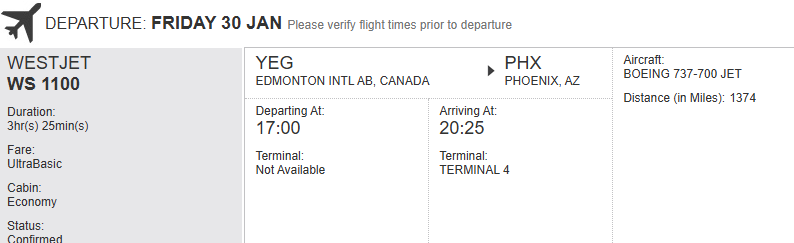
I recently found a flight from home in Phoenix, AZ, to Saskatoon, Saskatchewan, using this method:

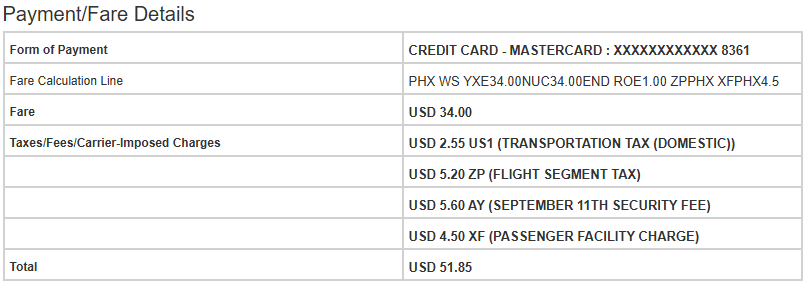
The direct flight from Phoenix to Saskatoon was $53 USD

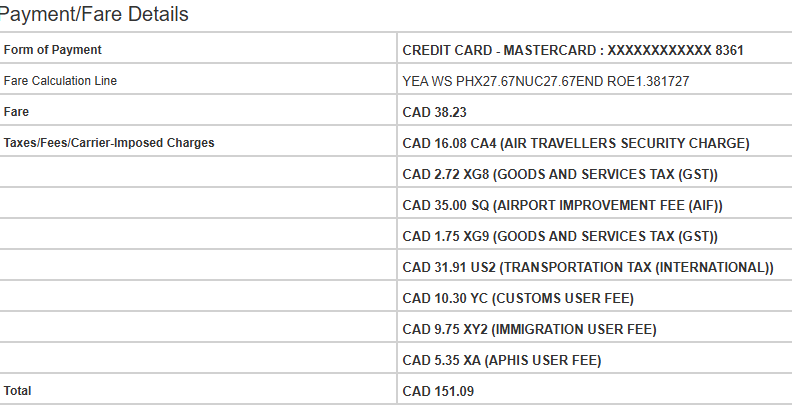
I booked my return ticket from Edmonton back home to Phoenix for $109 USD!

That is about $165 USD return, and I get to visit two cities!

If I had booked a round trip to either city, it would have cost a lot more money.

volaris

Volaris all you can fly (AYCF) pass!✈

Why the Volaris Pass Is My Favorite AYCF Pass

The Volaris Annual Pass is my favorite all-you-can-fly option—and honestly, it’s not even close. I mean
 it’s Mexico. And who doesn’t love Mexico?

This was the second AYCF pass I purchased (after Frontier Airlines, and alongside Wizz Air), and it’s the only one I’ve kept. At $200 per year, it can easily pay for itself with just one or two flights.  

I did renew my Frontier AYCF, as it dropped down to $299.

You can read that blog by clicking 

âžĄïžHEREâŹ…ïž

I’m currently on my third year using the pass—and it’s the only AYCF pass of the three that I’ve renewed. The value, the geography, and the flexibility just work for how I travel.


Volaris Annual Pass — The Basics

Includes all domestic and international routes (subject to seat availability)

Domestic flights: book up to 24 hours before departure

International flights: book up to 3 days before departure

The earlier you search, the better your chances of finding seats

Flexibility with routes and dates greatly improves availability

Valid to book flights on any day of the year

Flights include one personal item only (no carry-on or checked bag)

One-way, nonstop flights only (no connections)

Flights must be booked via: www.annualpass.volaris.com

Seats are always subject to availability

You pay taxes and fees on every booking

It’s not a luxury product—it’s a flexibility product. If you understand that going in, it’s incredibly powerful.


Where the Volaris Pass Has Taken Me

Using the Volaris pass, I’ve flown to:

Puerto Vallarta (3×)

Lima (2×)

San JosĂ© (2×)

Guatemala (2×)

CancĂșn (2×)

Mexico City

Guadalajara

Tijuana

Querétaro

That’s real use—not theoretical value.

frontier

GoWild! Frontier all you can fly!✈

This was the first all-you-can-fly (AYCF) pass I bought back in 2023 and 2024, and I paid $499 USD for it. Solid value—but when the price went up, I decided not to renew for a third year. I just wasn’t using it enough to justify the increase.

Then
 plot twist.

UPDATE: The pass went on sale for $299 for 2027.

At that price?
No spreadsheets.
No internal debate.

Renewed. đŸ™ŒđŸ»

Sometimes the best travel decisions are the easiest ones—especially when the math suddenly starts working very hard in your favor.

A full summary of everything covered here can be found at the link below.

GoWild! All You Can Fly Passℱ | Frontier Airlines

Below are the destinations that I visited with the pass:

Los Angeles 5X

San Diego 2X

Las Vegas 3X

Baltimore

Denver

Dominican Republic

St. Croix, BVI

Cancun, Mexico