




When I was laid off in February 2024, the very first thing I did was start planning a trip through Central America and South America. It felt like the right response—movement, perspective, and a chance to reconnect with places that had stuck with me before. Seeing South America again was just as incredible as I remembered.
The trip started in Phoenix and unfolded like this:
Phoenix → Los Angeles 🚌
Los Angeles → Guatemala → Costa Rica → Peru ✈️✈️✈️
Lima → Chile → Argentina → Uruguay → Guatemala → Los Angeles → Phoenix ✈️✈️✈️✈️✈️✈️
I visited several cities in each country along the way, letting the trip evolve naturally instead of rushing through it. Every stop had its own rhythm, but one city stood out enough that it deserved its own post:
Santiago.
Set against the Andes, Santiago surprised me—in good ways and a few unexpected ones. So rather than trying to cover everything at once, I wanted to slow it down and give the city its own space.
Santiago, Chile—that story comes next.
I took the bus to Los Angeles, then used my Volaris all-you-can-fly pass to work my way south:
Los Angeles → Guatemala → Costa Rica → Lima.
The Volaris pass costs about $200 per year and is based on availability. In reality, I rarely have any issues using it—there are usually seats open if you’re flexible.
Once you’ve invested the $200, the pricing becomes almost ridiculous. I could fly from Los Angeles to Guatemala for about $80, and that same plane continued on to San José for another $30. I’d already done both of those routes before, so I knew Volaris could reliably get me as far south as Lima.
From there, I switched airlines.
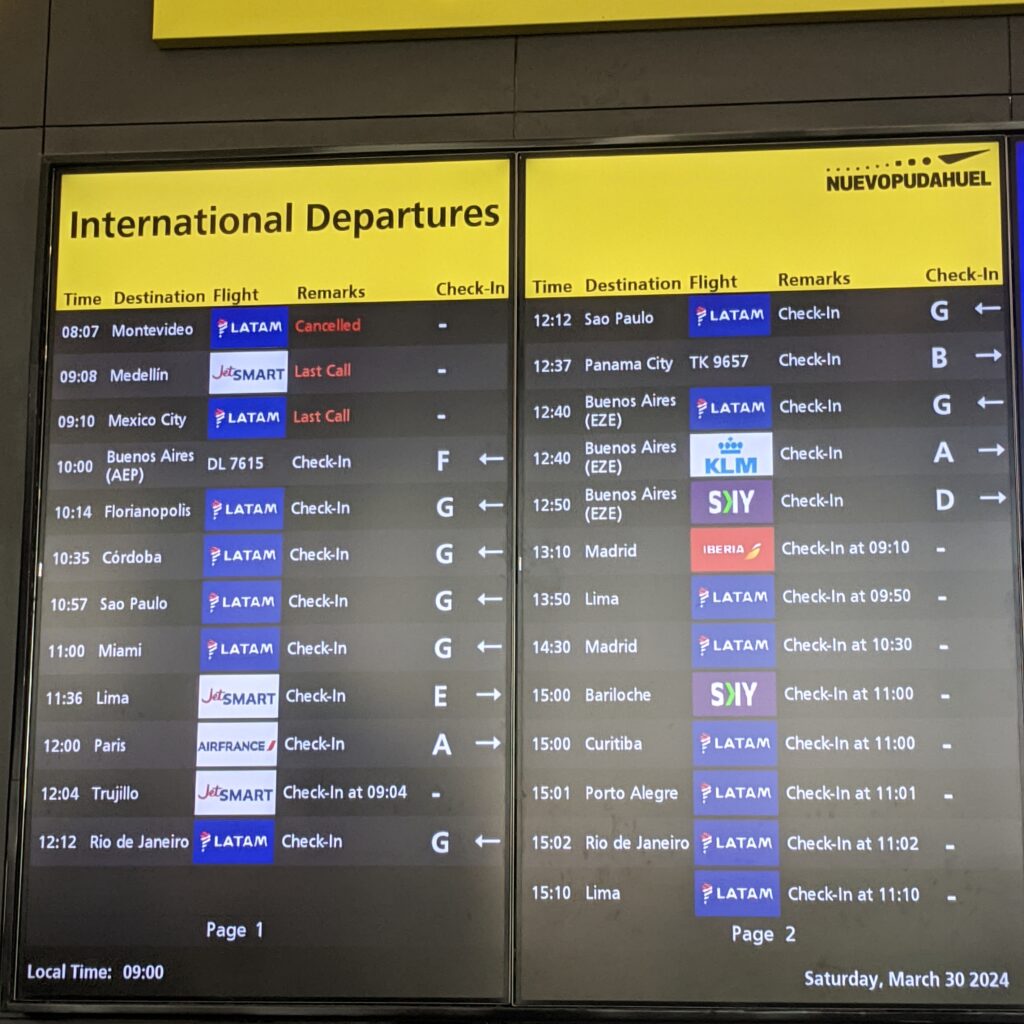
I used SKY Airline to fly from Lima to Santiago, and then on to Buenos Aires—which was an excellent leg of the trip.
After Buenos Aires, I took a ferry over to Uruguay for a few days, then headed back to Argentina and returned to Lima. From there, my Volaris pass kicked back in and carried me the rest of the way home.
By mixing an all-you-can-fly pass with low-cost regional airlines, I was able to move through Central and South America efficiently—and incredibly cheaply. It’s a perfect example of how flexible routing and inexpensive flights can turn a big trip into a very affordable one.
Santiago is a massive city, and one of the things that stood out to me immediately was the level of visible poverty. In some ways, it reminded me of my first experiences in Brazil—that sharp contrast between modern city life and deep, systemic hardship existing side by side.
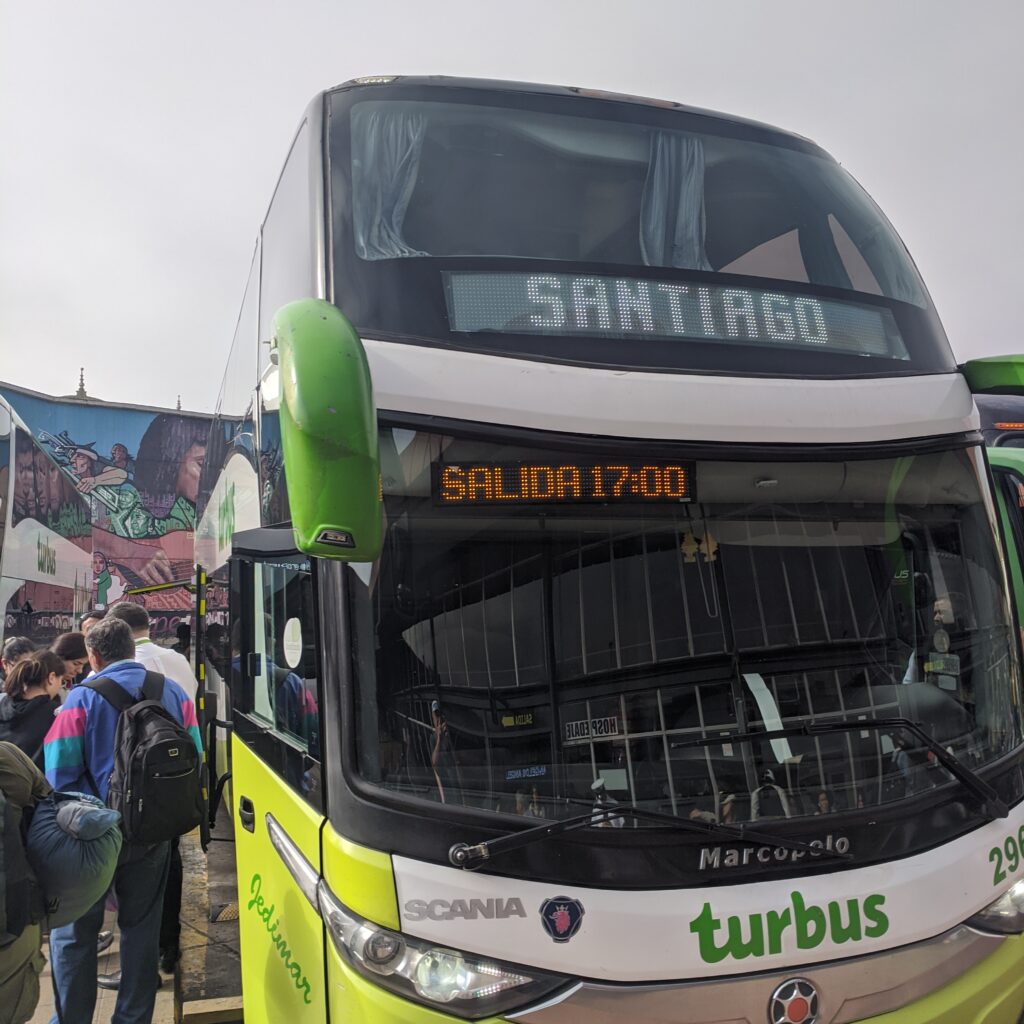
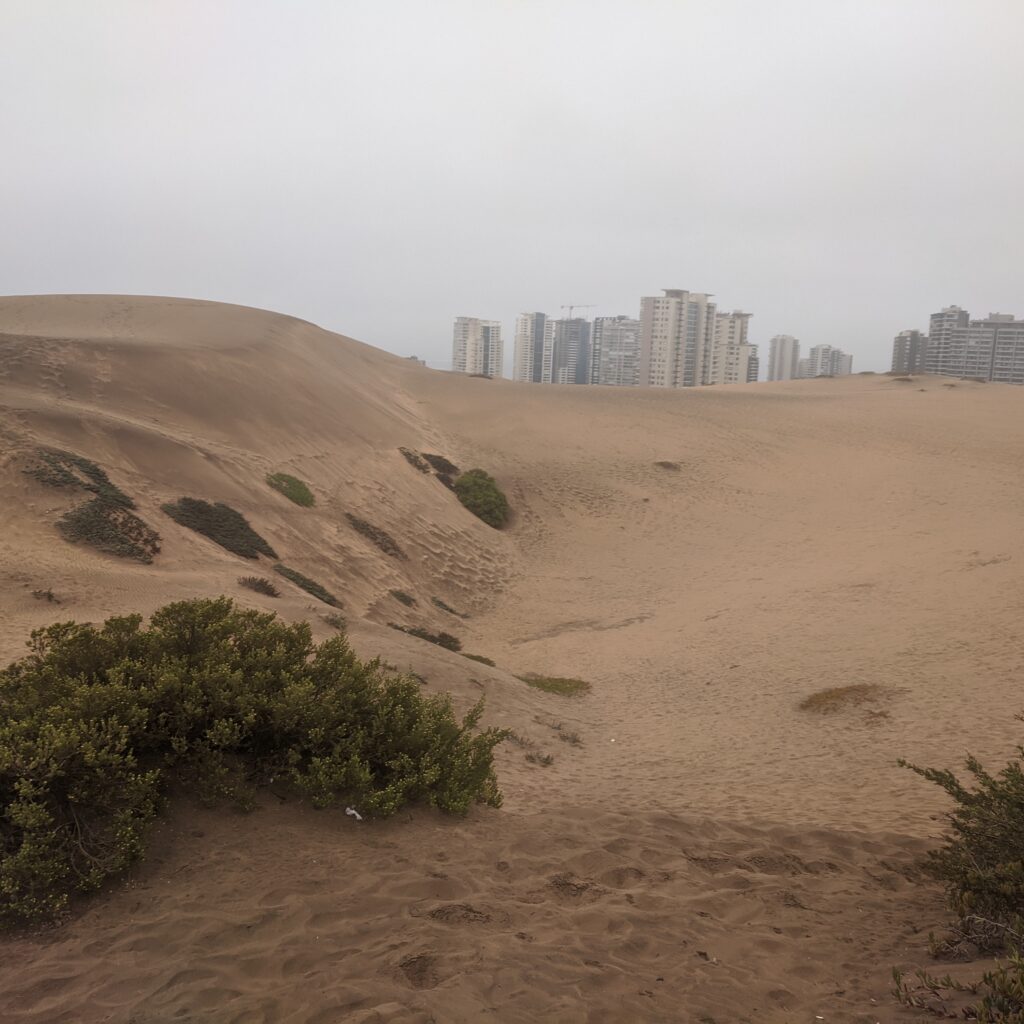
I took a day trip to Concón, a popular resort town known for its dunes, beaches, boardwalk, and nightlife. The destination itself was polished and relaxed, but the bus ride there told a different story.
We passed through several small towns along the way. Kids were playing soccer in open spaces surrounded by trash—laughing, running, fully present in the moment. It was striking and uncomfortable at the same time.
I’d seen this before in Brazil, and seeing it again was a reminder of how widespread poverty can be across parts of South America. Informal housing climbing hillsides, communities built wherever space allows, and families making the best of what they have—it’s impossible not to notice when you’re moving through the region by ground instead of flying over it.
Travel like this has a way of pulling you out of abstractions. The inequality isn’t theoretical—it’s right outside the bus window. And while places like Santiago and Concón have their beauty and energy, those moments in between are often what stay with you the longest.
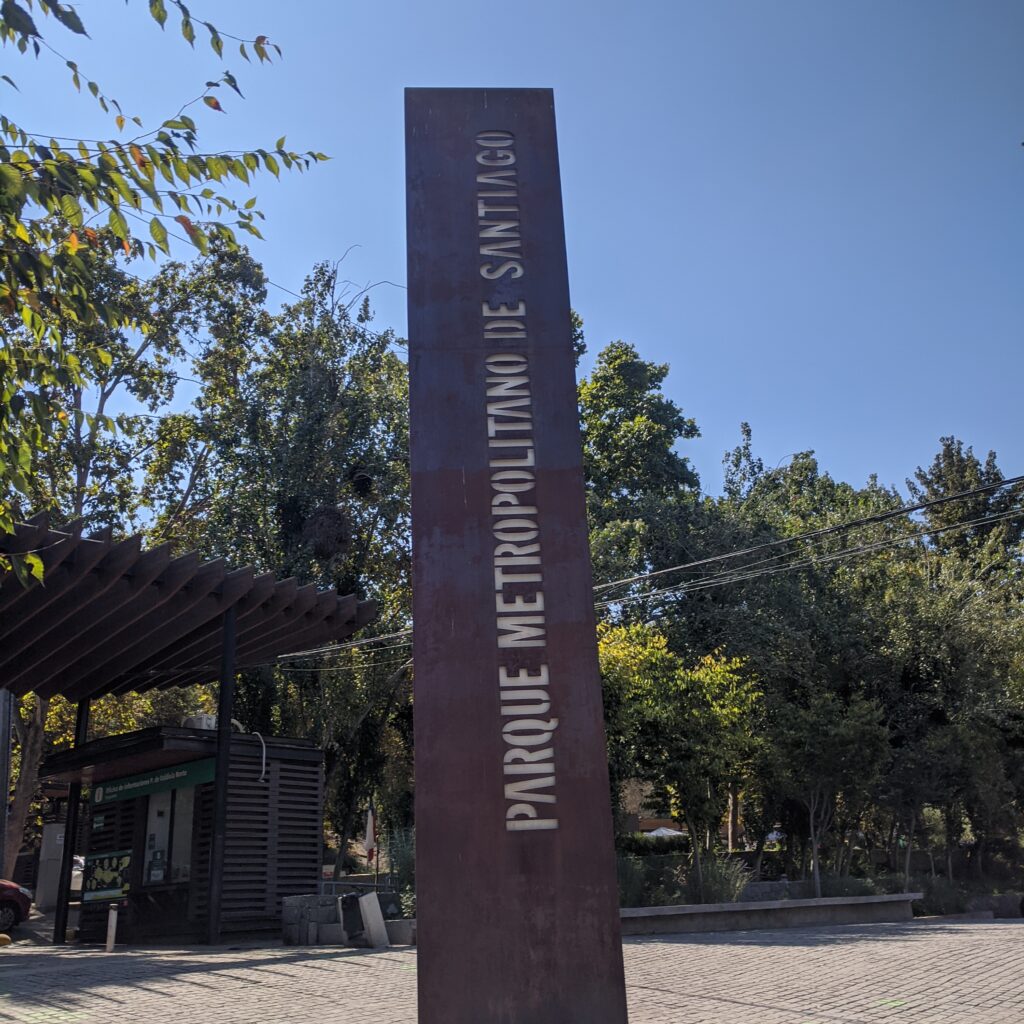
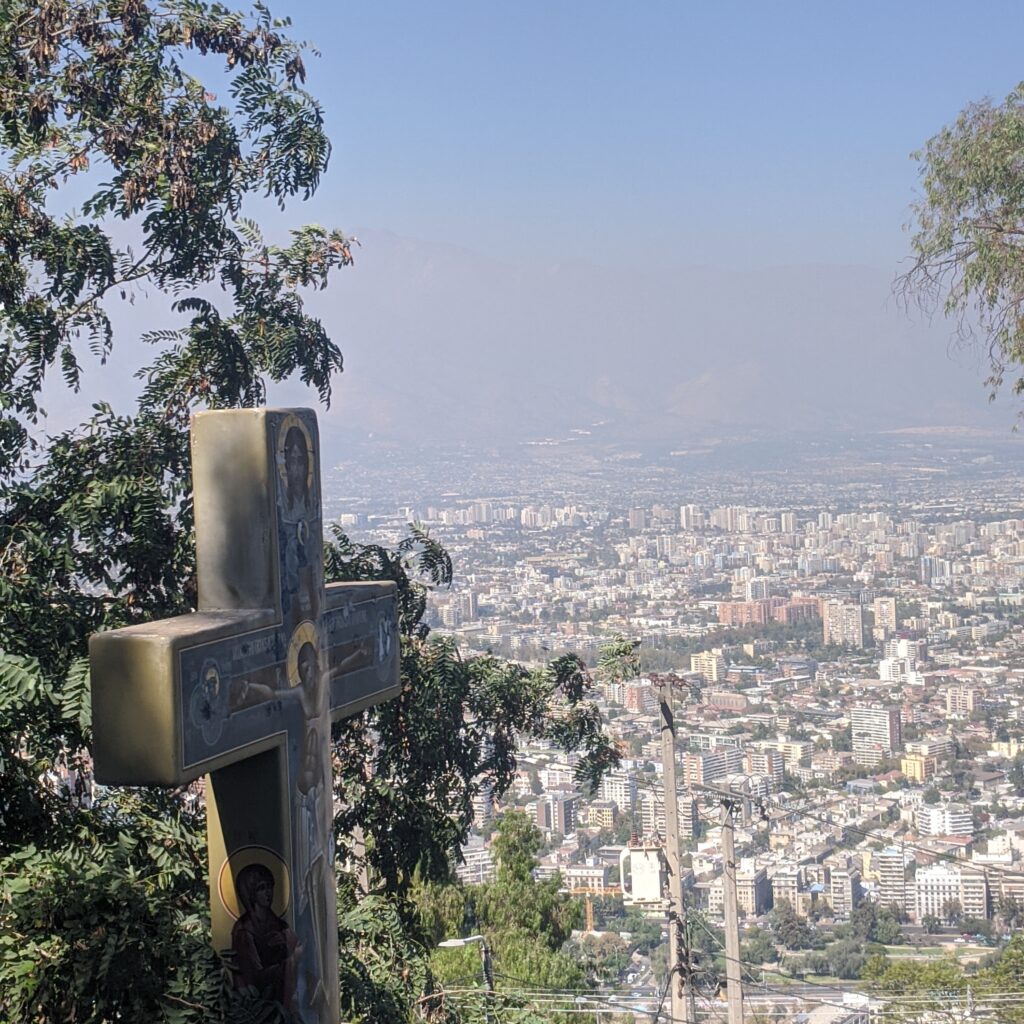
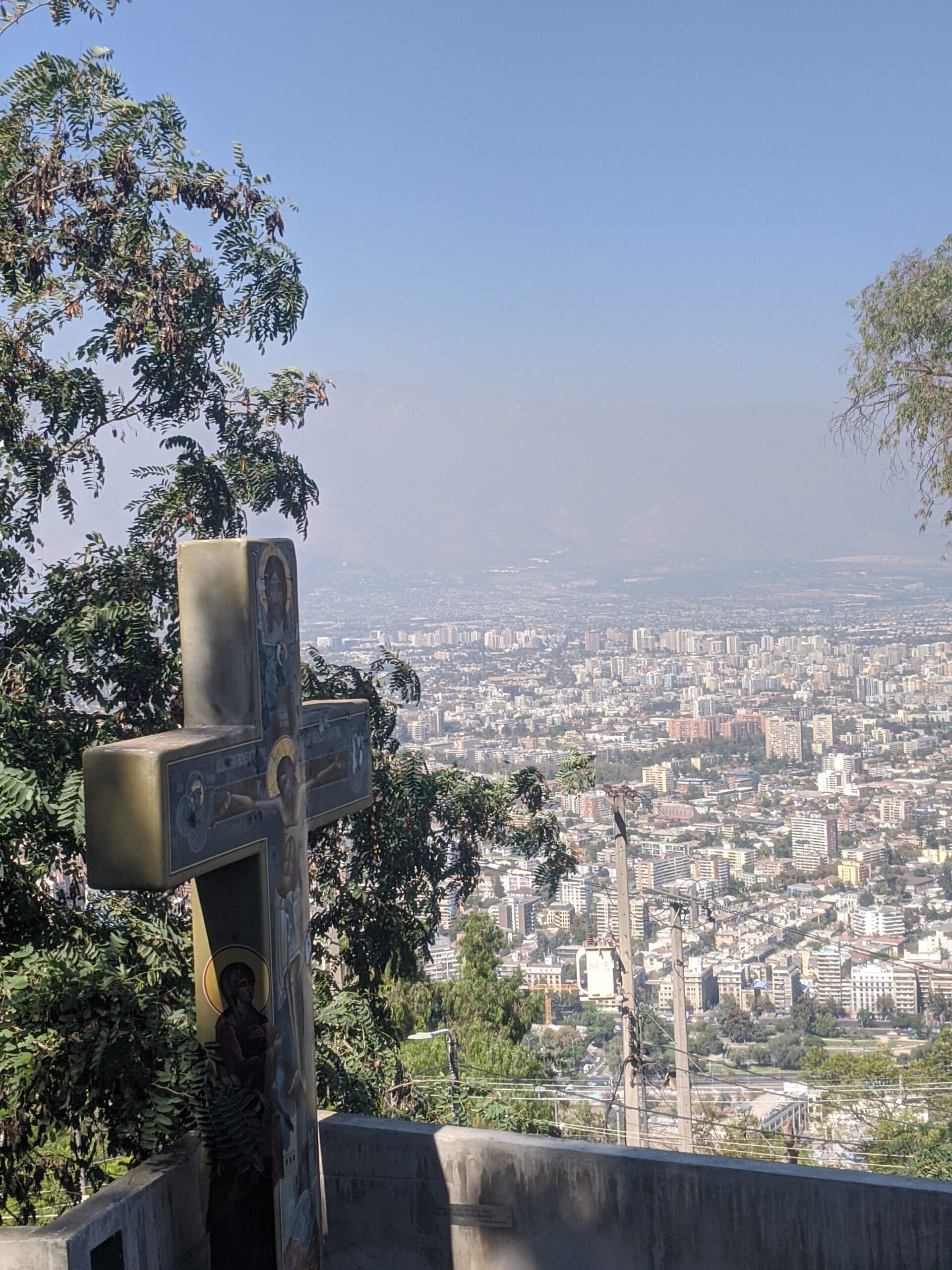
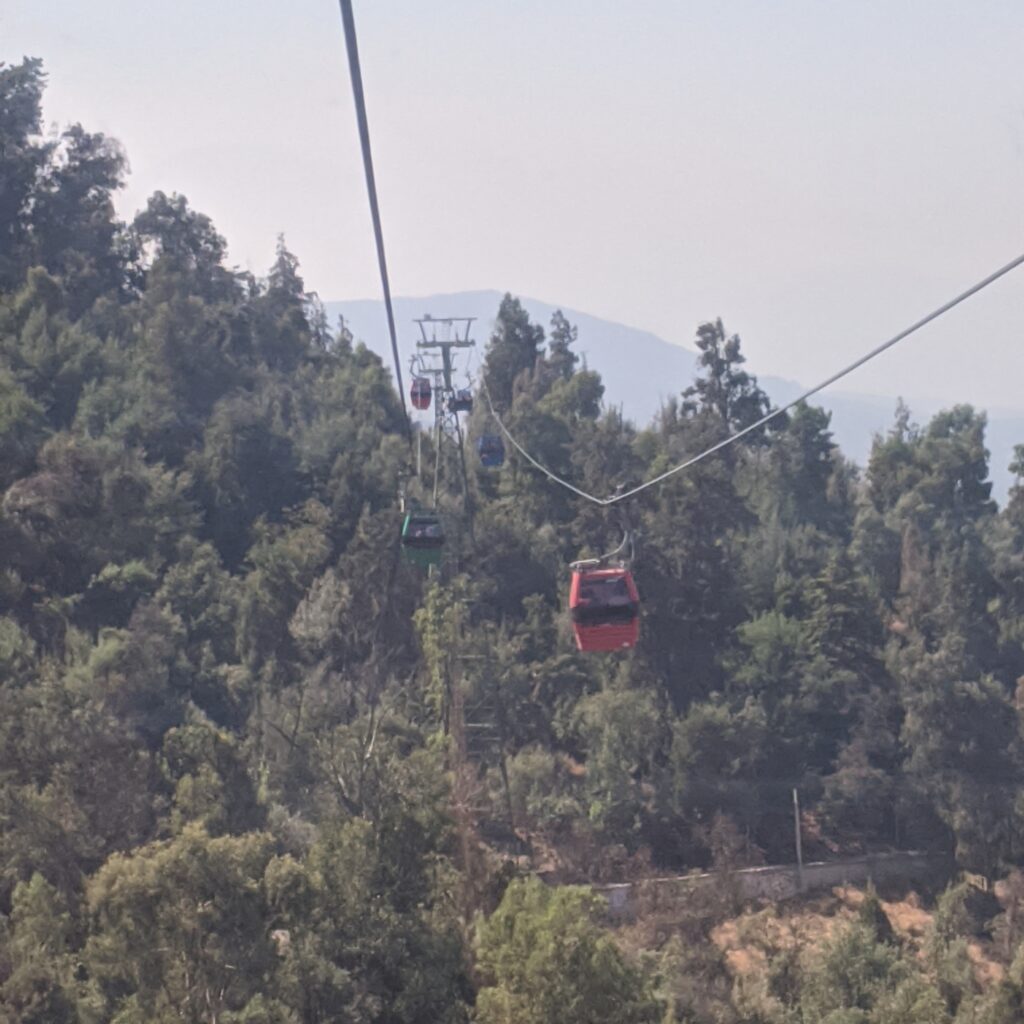
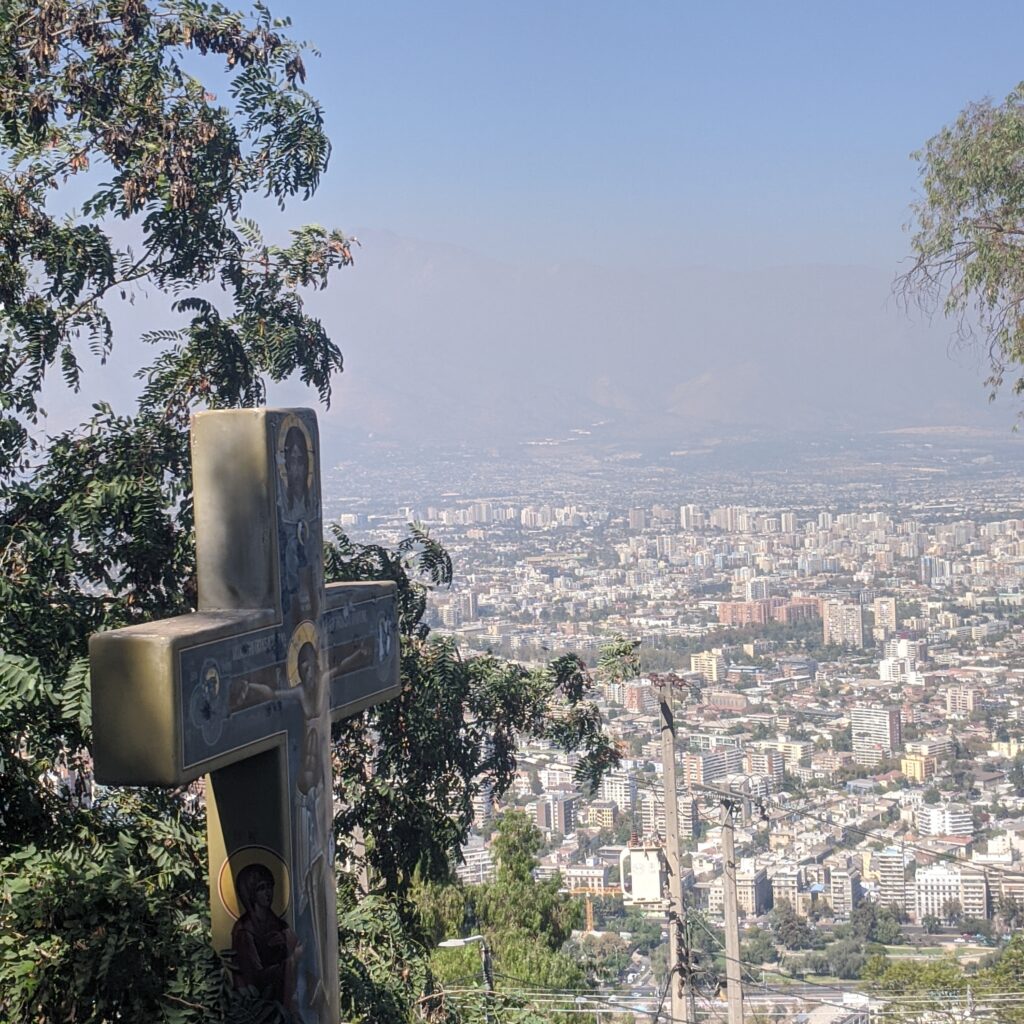
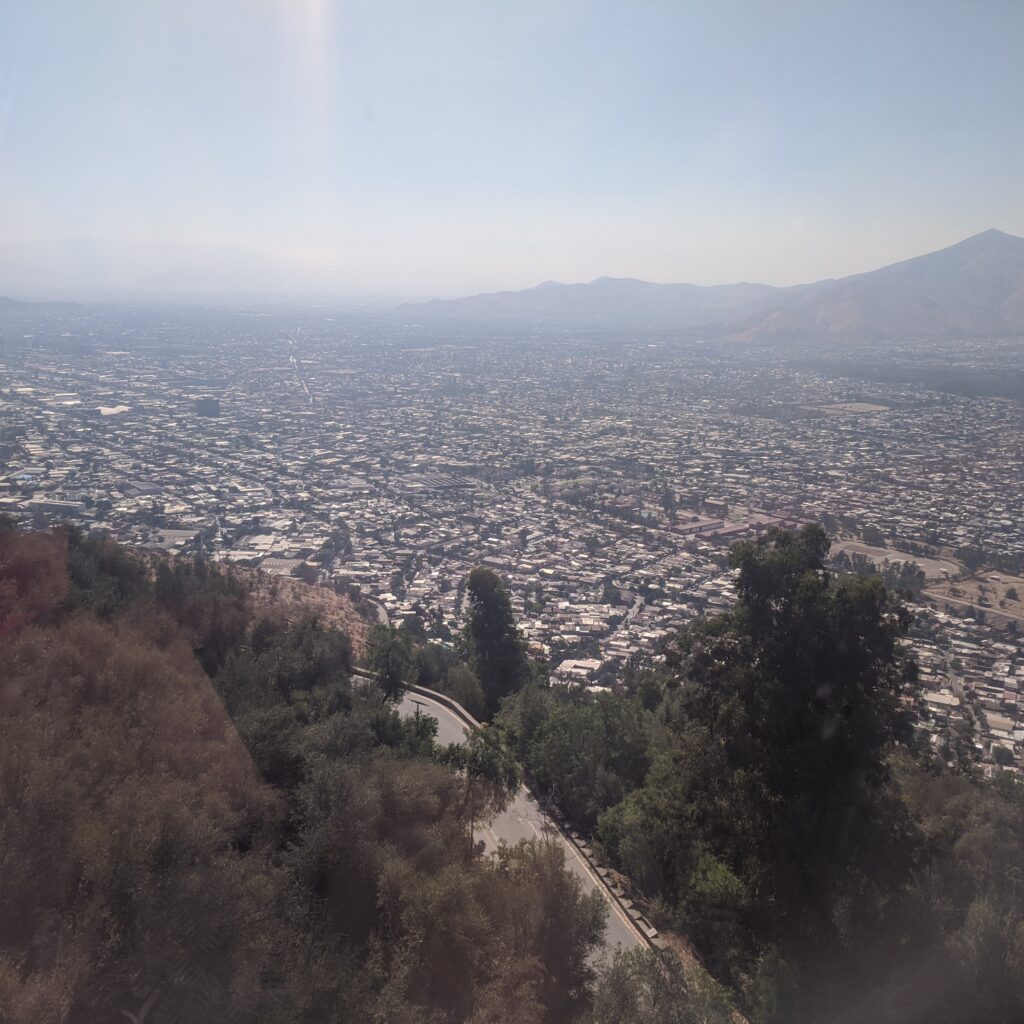
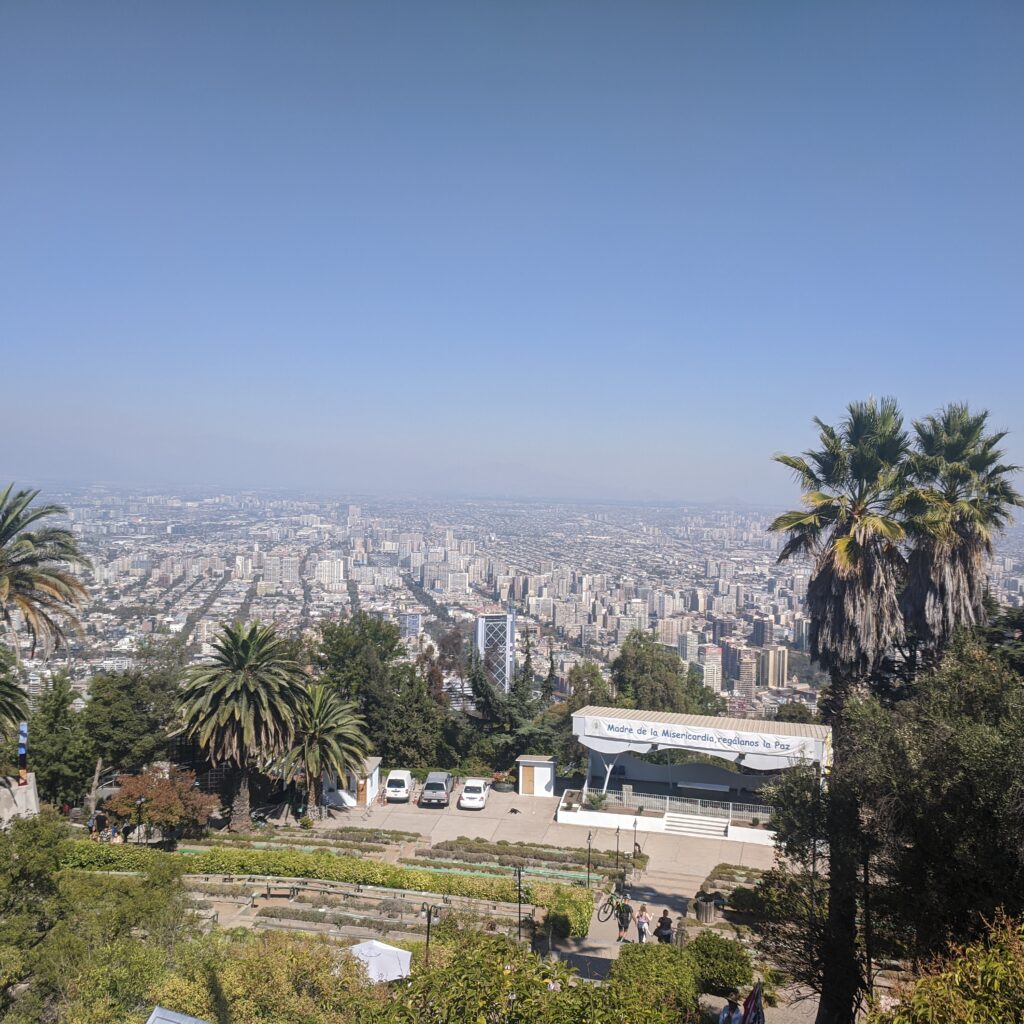
The biggest highlight of my time in Santiago was visiting Metropolitan Park of San Cristóbal Hill. Getting up high above the city completely changed my perspective and made it crystal clear just how massive Santiago really is.
From the top of San Cristóbal Hill, the city stretches endlessly in every direction, with the Andes looming in the background and neighborhoods blending into one another as far as the eye can see. It’s one of those viewpoints where everything clicks—the scale, the density, and the complexity of the city all at once.
Pictures never fully capture it, but they come close. I’ve included a few photos (and a video) here, and I hope they do it justice. Standing up there, looking out over Santiago, was one of those quiet travel moments where you just stop and take it all in.
After a fun ride up, we finally reached the top—and somehow, the view was even better than what we’d seen on the way up. Standing there above Santiago, with the city spread out in every direction, really put its scale into perspective.
It was one of those moments where you stop taking pictures, stop moving, and just take it in.
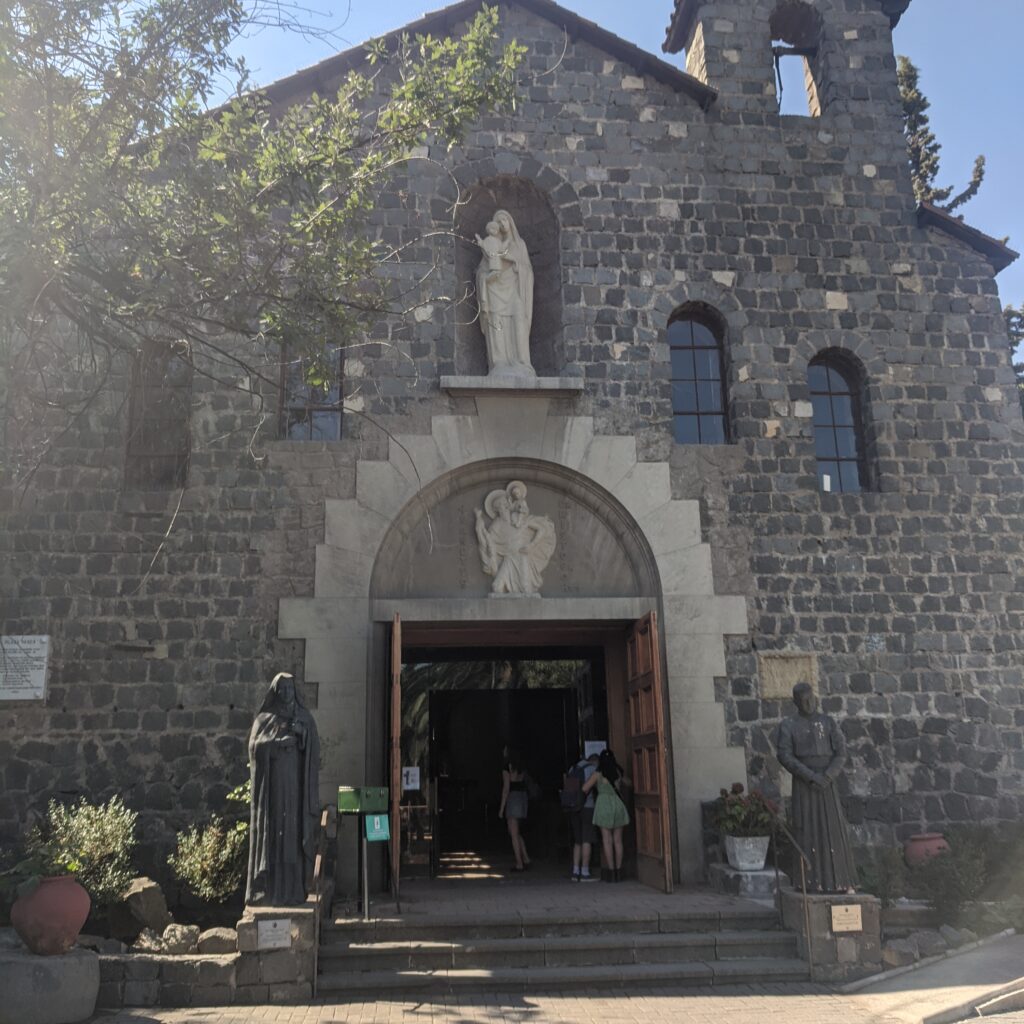
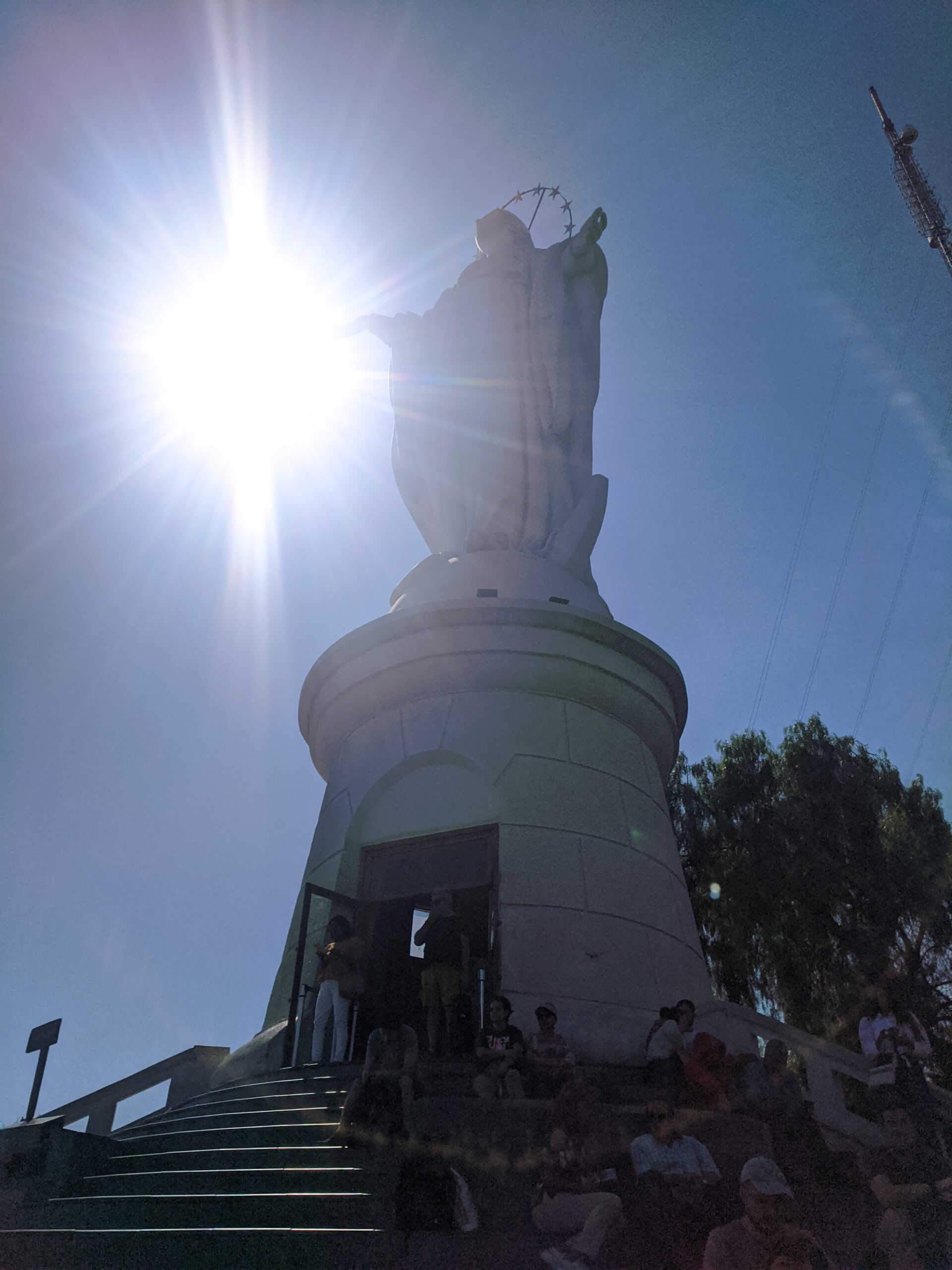
At the top of Cerro San Cristóbal, there’s a beautiful little church that feels quiet and understated compared to what comes next. Just beyond it stands the massive Virgen de la Inmaculada Concepción, watching over the entire city from above.
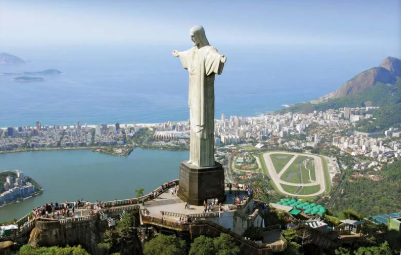
Seeing it immediately reminded me of Christ the Redeemer in Rio de Janeiro. Different scale and style, but the same feeling—these monuments aren’t just landmarks, they’re symbols. You feel their presence long before you understand their significance.
Standing up there, with Santiago spread out below, it was one of those moments where travel connects places in your memory. Chile and Brazil, different cultures and landscapes, but tied together by perspective, altitude, and awe.
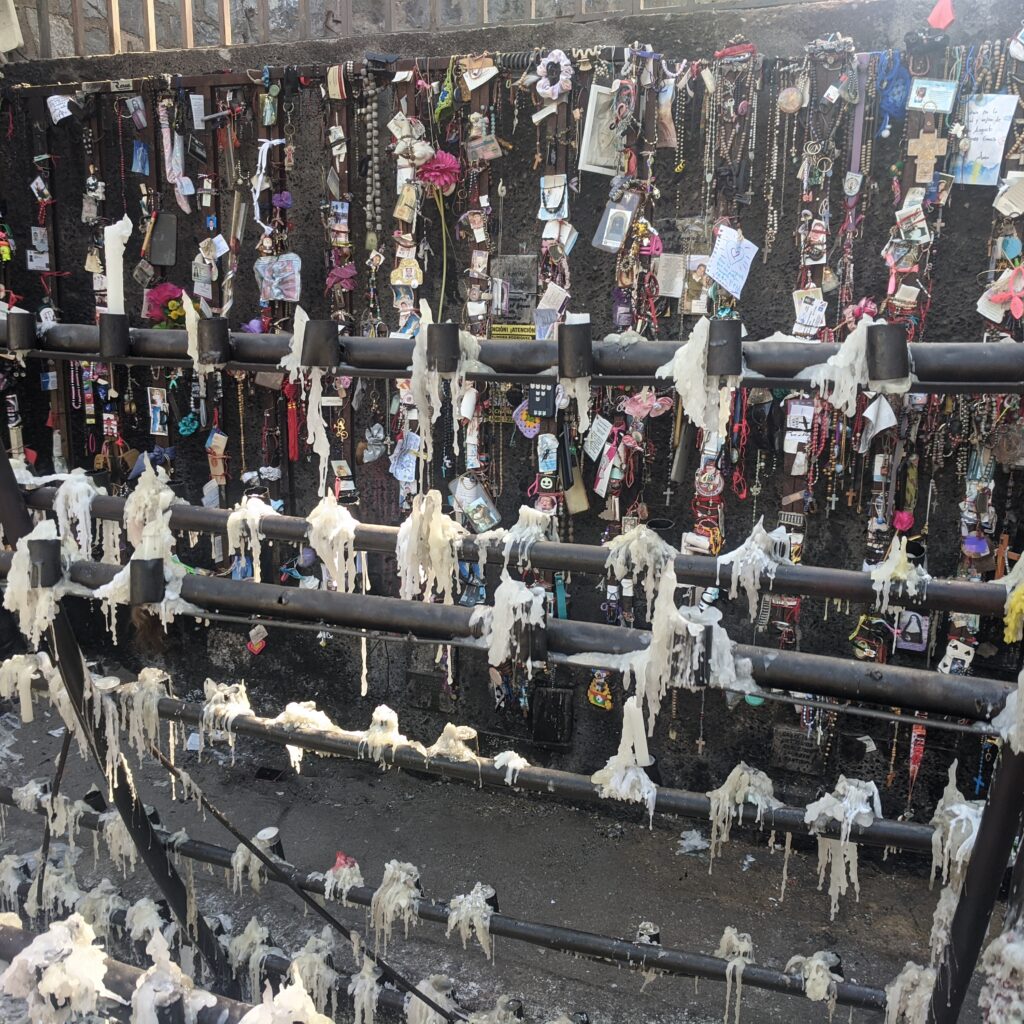
Every time I visit a church somewhere in the world, there’s that familiar ritual—lighting a candle for someone you want to pray for, and leaving a small donation. It’s simple, quiet, and grounding, no matter where you are.
My mom used to do this all the time, later in her life. Every church visit meant a candle lit, a pause, and a moment of intention.
And I know—without a doubt—that a lot of those candles were a prayer for me.
Check out my YouTube channel for 1,500+ travel videos from around the world, focused on geoarbitrage, slow travel, and living well without overspending. Real cities, real costs, real movement—nothing rushed, nothing staged.
NorthAmericanDarrell – YouTube
Smash that subscribe button like it’s the last beer in the fridge on a Saturday night.