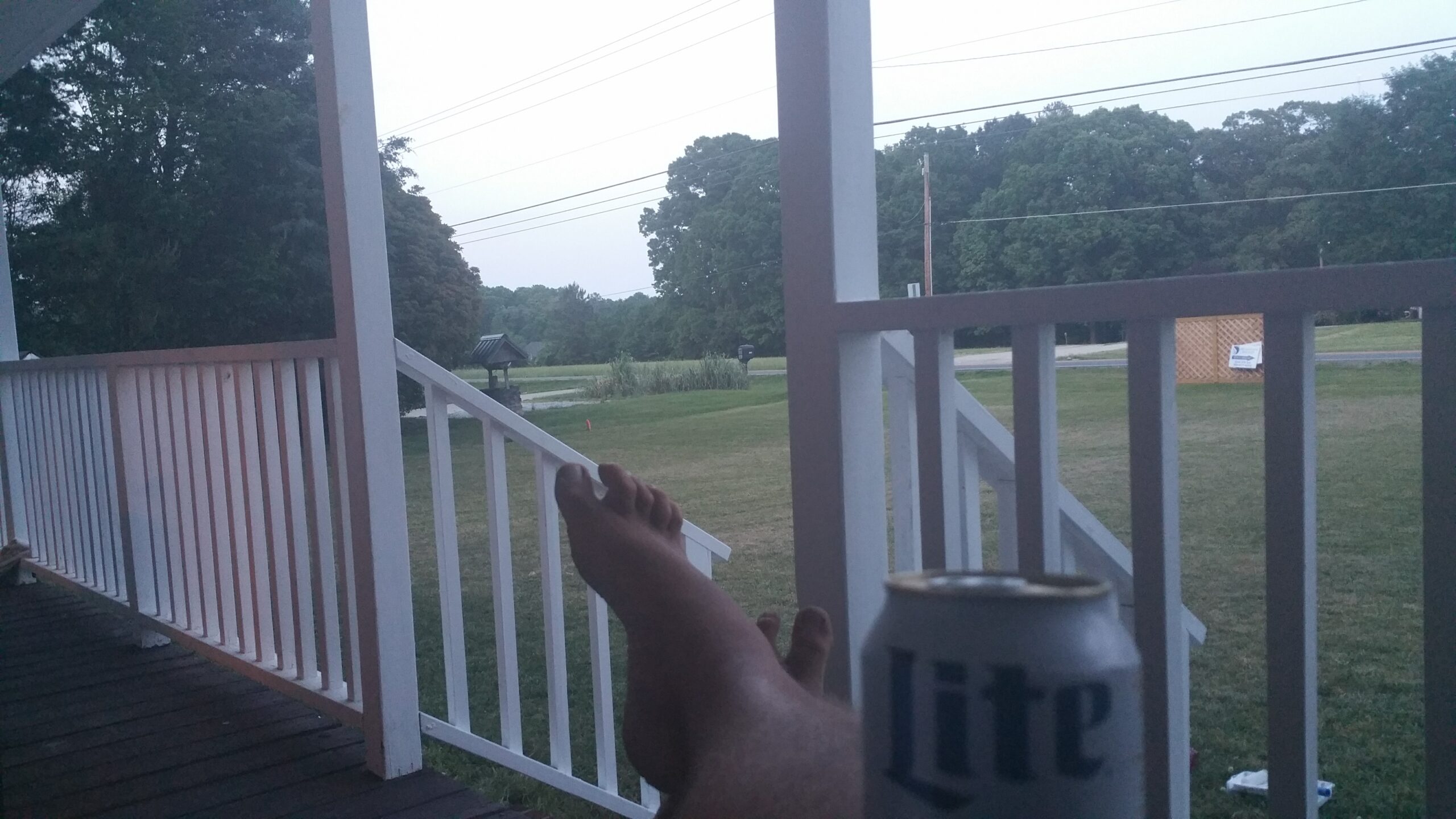
20150507_202125

Moorseville, NC – Home 2010-2015 (Acerage life)

In 2003, after nearly five years on the road in telecommunications, I transitioned into a desk role in Alpharetta, Georgia. The move provided stability, but more importantly, it set the foundation for more deliberate financial decisions.

I was brought in to support Verizon Wireless 3G operations across Georgia and Alabama as a Customer Support Account Manager (CSAM). The role was operationally demanding—24/7/365 availability—and involved outage response, root-cause analysis, network upgrades, and ensuring system reliability. It was high accountability work, but it also came with consistent income and upward mobility.

By 2010, the company secured the 4G contract for North Carolina, South Carolina, and Tennessee, and I was promoted to manage all three states. That promotion triggered a relocation to Mooresville, North Carolina, a growing area near Lake Norman.

Rather than renting, I took an asset-first approach.

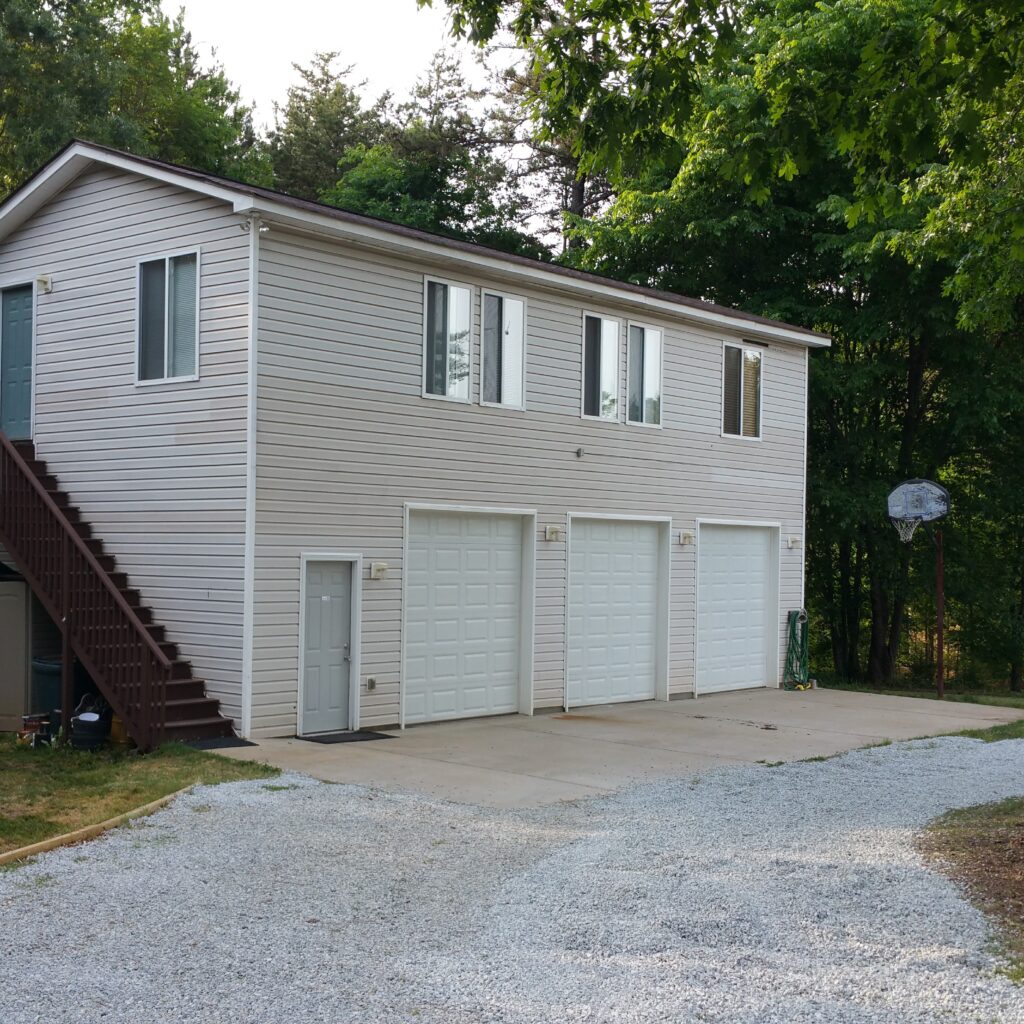
I purchased acreage with an existing manufactured home and a three-car garage with a loft. The strategy was straightforward:

Rent the front house to cover the mortgage

Live in the loft above the garage at minimal cost

Maintain flexibility while building equity

I later acquired the adjacent lot, bringing the total to three acres, increasing long-term land value and optionality.

At the same time, I kept my Georgia property as a rental, using the tenant’s payments to aggressively pay down that mortgage. That tenant remained for over 13 years and eventually purchased the property as-is, eliminating renovation costs and maximizing net return. Rising home values and higher interest rates later made that outcome even more favorable.

This approach wasn’t about lifestyle—it was about leverage:

Stable W-2 income

Cash-flowing real estate

Minimal personal housing costs

Long-term appreciation

Living near Lake Norman was a bonus, not the goal. The real value was in structuring housing as an asset rather than an expense—something that has quietly supported every major move I’ve made since.
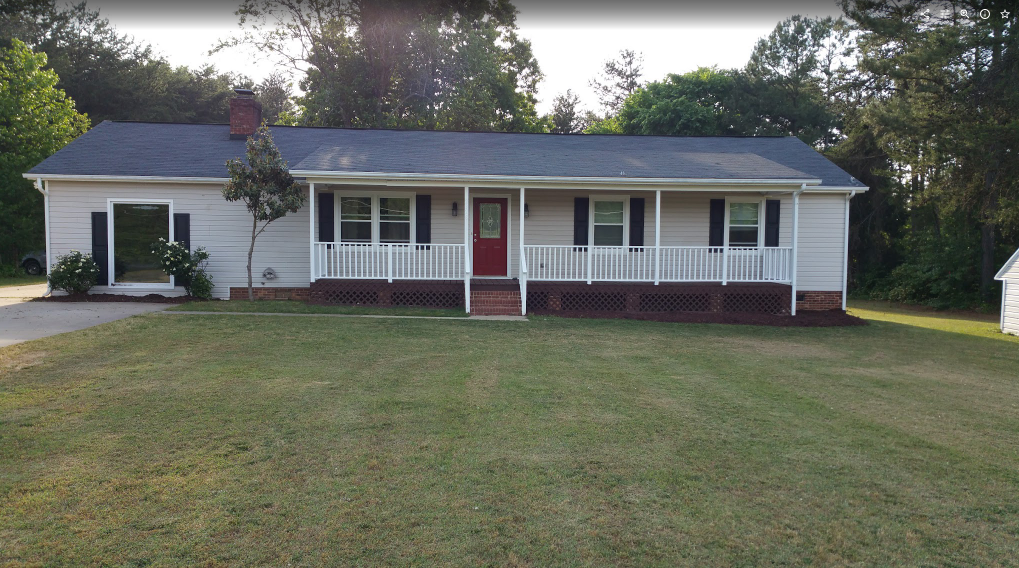
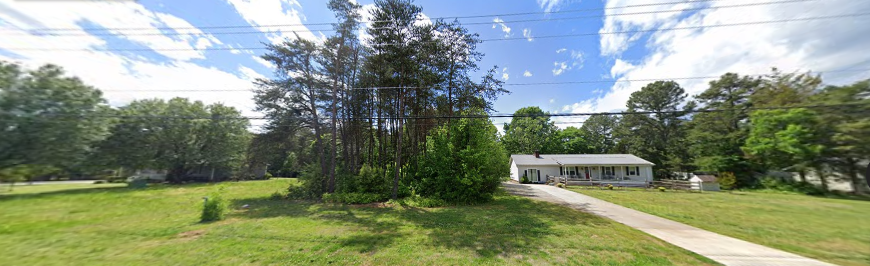
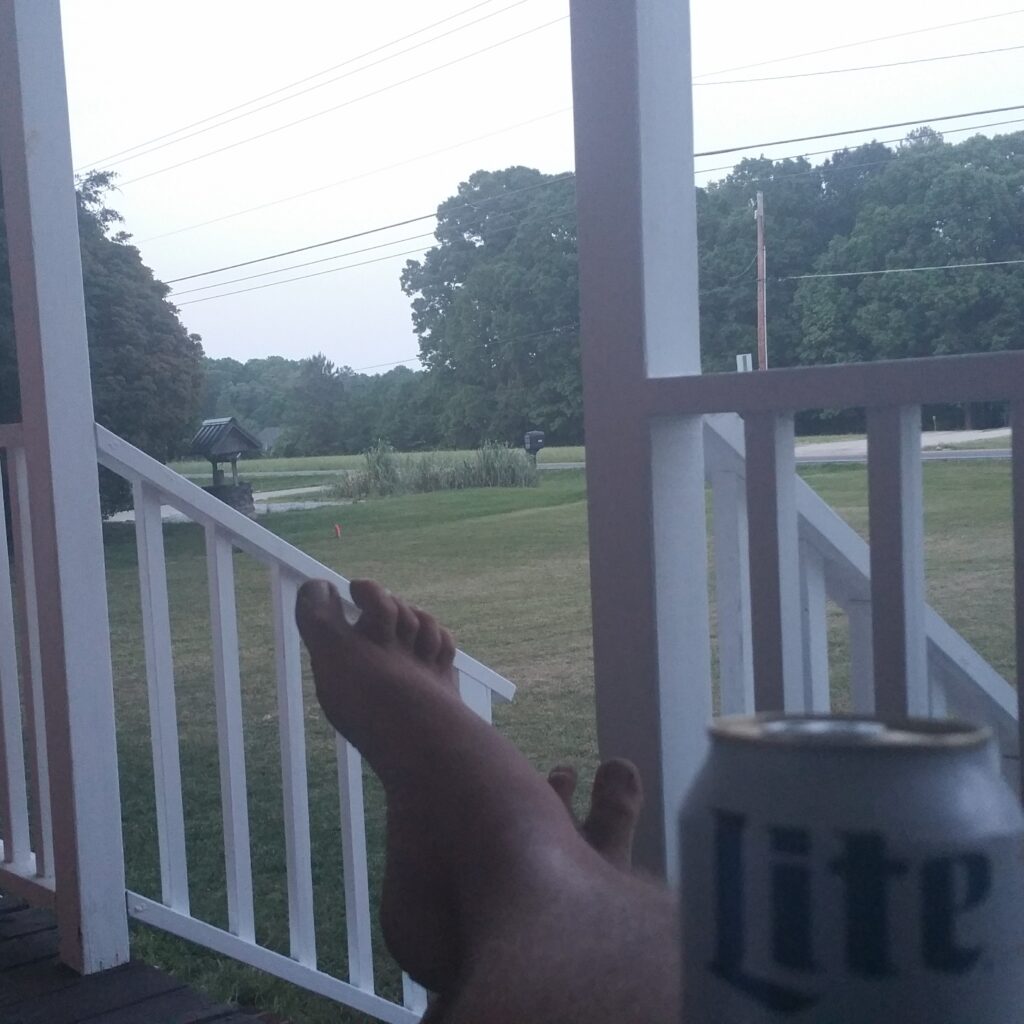
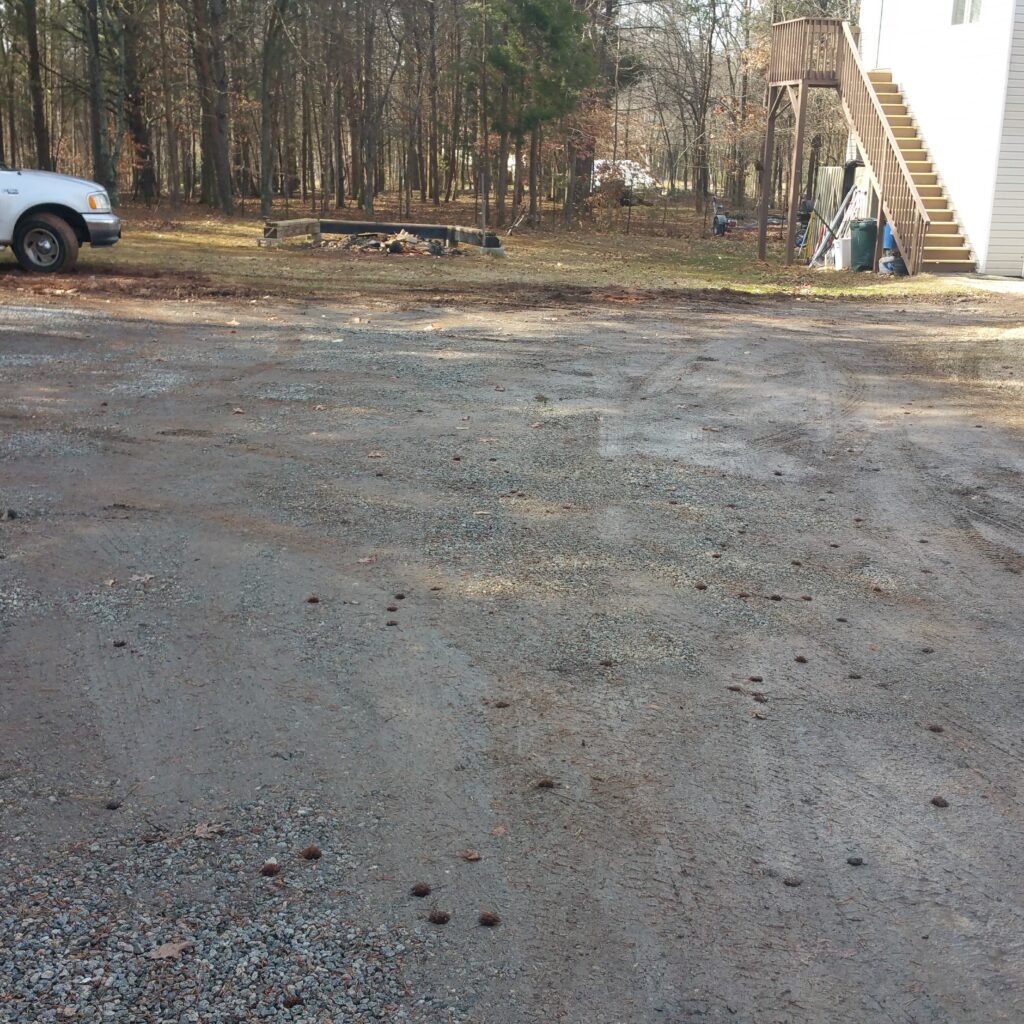
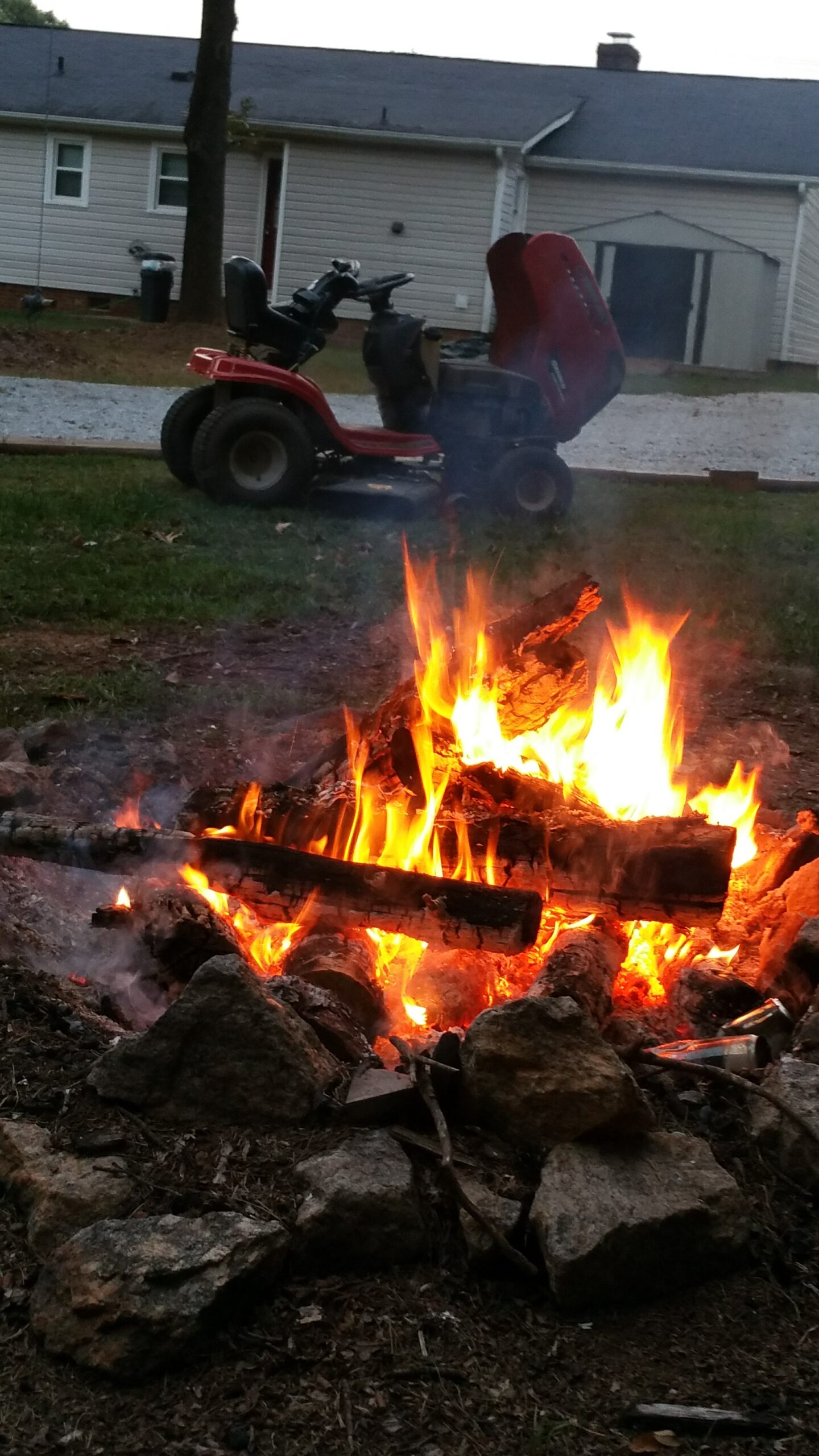
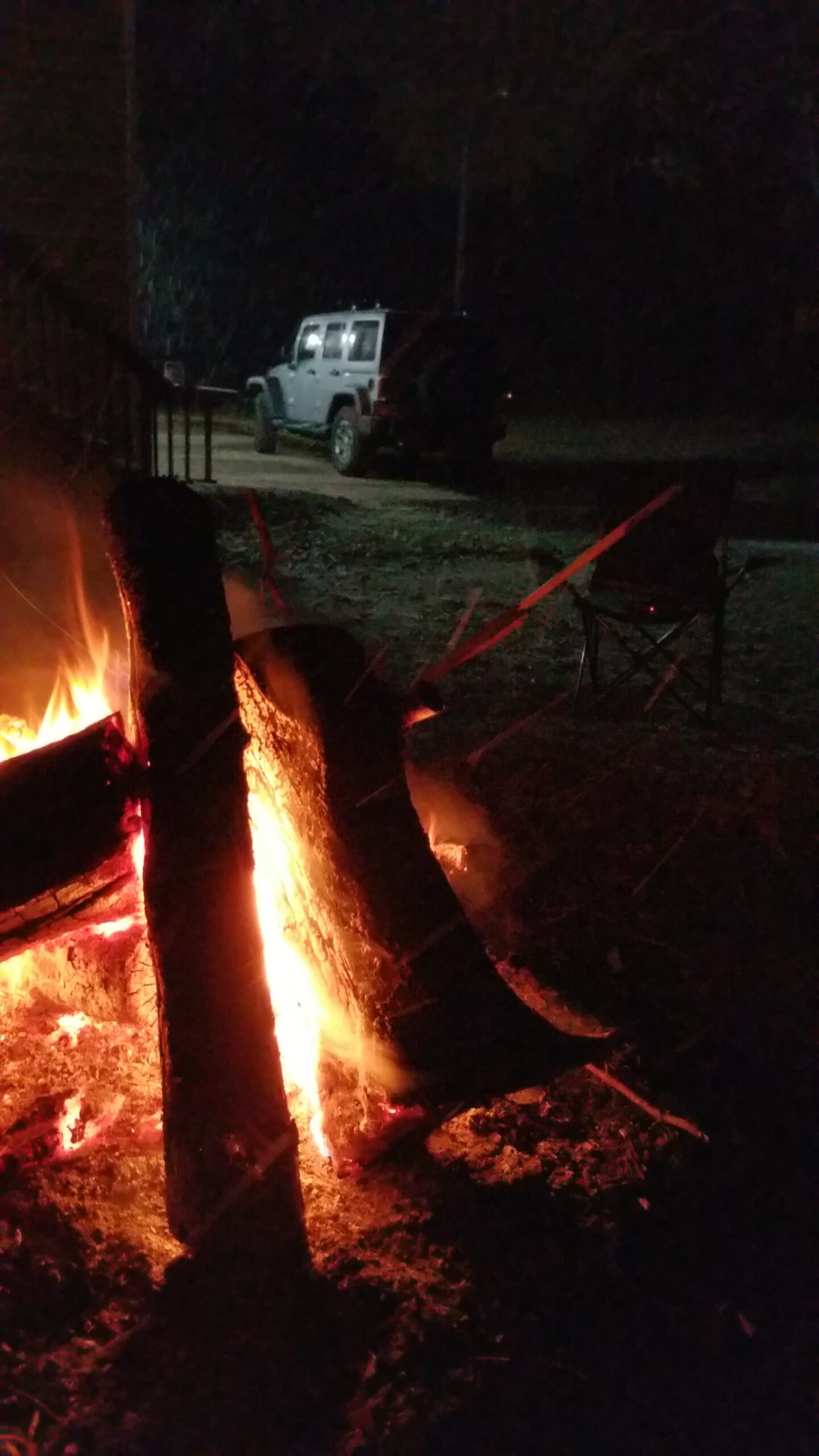
Bonfires, riding mowers, lake life, and a lot of beer, working on the yard!

The loft above the garage turned out to be an incredible setup—two bedrooms and a full kitchen overlooking the common area. It was functional, comfortable, and honestly better than most apartments I’d lived in, with the added bonus of costing me almost nothing to live there.

I poured a meaningful amount of capital—and even more sweat equity—into preparing the property for an eventual flip. I knew the 4G assignment had a shelf life, so the strategy was always clear: improve the asset while I was living there basically for free while waiting for the phone call from HR.

I also picked up the adjacent lot, pushing the total footprint to just over three acres. That added real utility—room to maintain, expand, and justify an endless stream of projects. More space meant more optionality, both operationally and on resale options.  I could move them together or separately, which is what eventually happened.

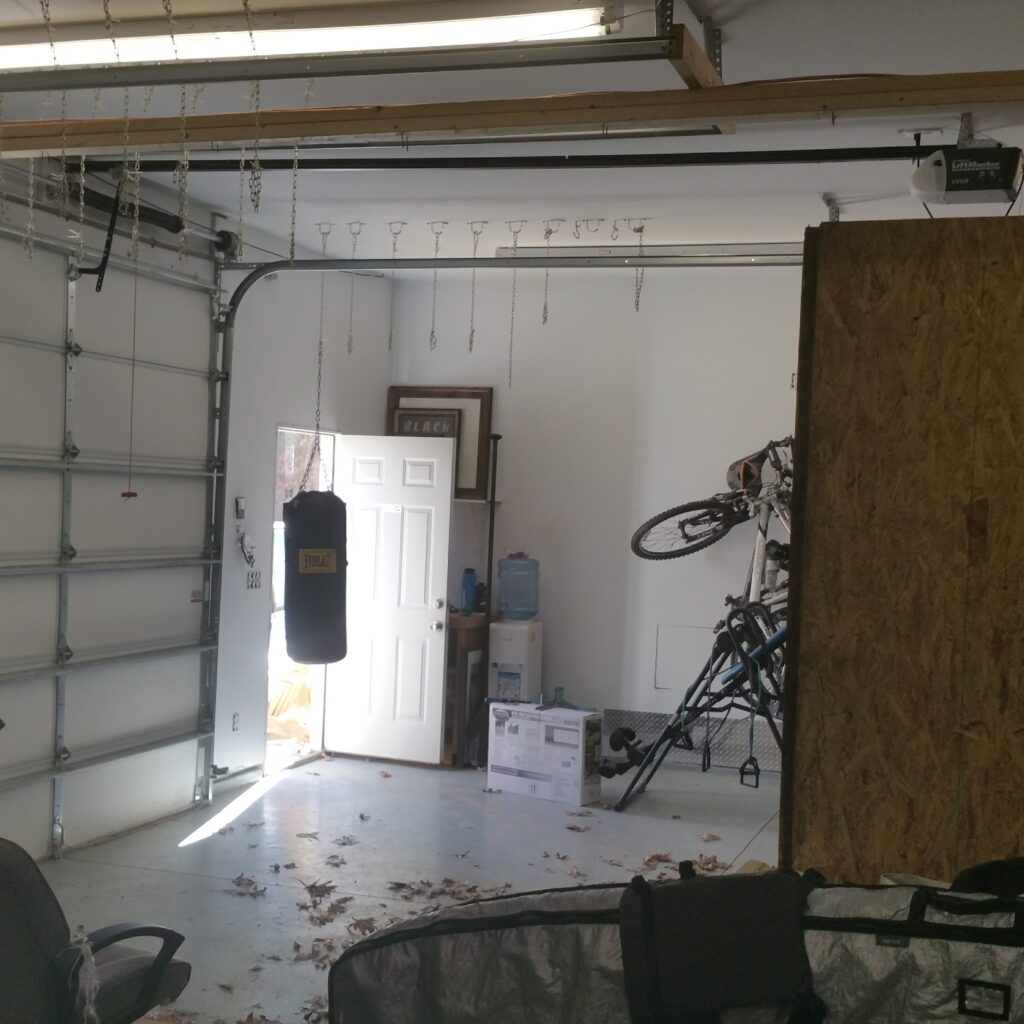
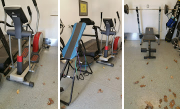
But the real differentiator was the garage. Three full-sized bay doors and a bathroom turned it from storage into infrastructure. A legitimate man cave, yes—but more importantly, a flexible, future-proof space that made the property easier to live in and easier to sell for a tradesperson.

That’s the throughline: every upgrade pulled double duty. Livability on the front end. Liquidity on the back.

I eventually rented out the loft, so I added a temporary wall and split the garage accordingly. Two bays stayed with the house; one bay—with a washer and dryer—went with the loft. It was an absurdly good setup. Honestly, if Airbnb had been a thing back then, I would’ve printed money. And given where the market went, the property has probably doubled by now anyway.

But at some point, scale stops being impressive and starts being exhausting.

I was working 60-hour weeks, traveling across the Carolinas and Tennessee on short notice. At the same time, I was managing a rental in Georgia and had my Arizona condo leased out to snowbirds. I used to joke that I had “seven toilets for one asshole,” which was funny right up until it wasn’t.

The day I officially decided to sell is burned into my memory.

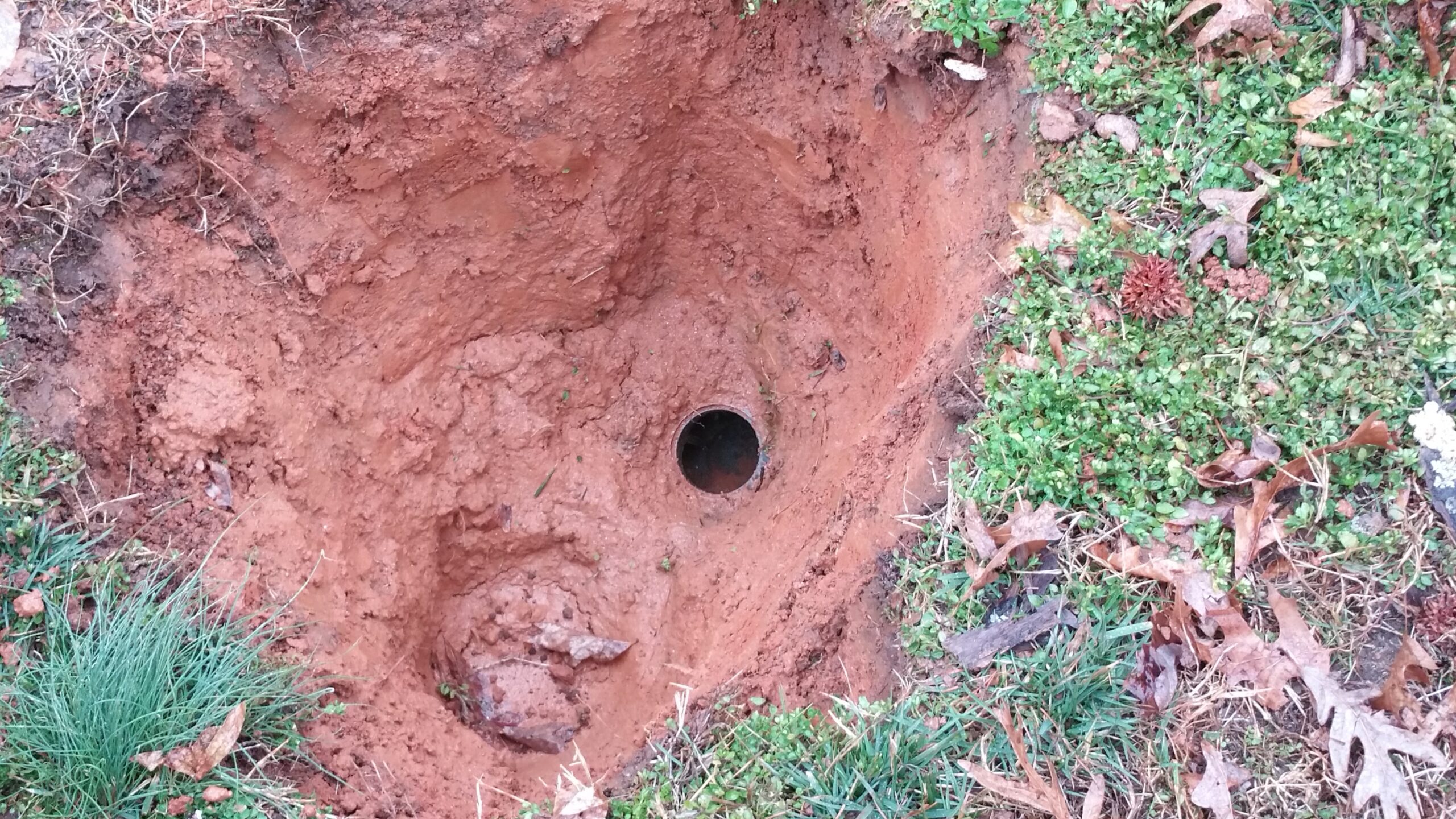
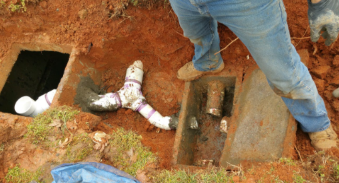
The septic tank was seeping. The yard smelled awful. I could see pools forming, and I knew that whatever was happening wasn’t going to be cheap or simple. I called someone out, and sure enough, the yard had to be dug up. One of the two septic fields wasn’t working properly—turns out a switch had failed, leaving one field to do all the work until it overflowed.

On top of that, the tank itself was full and needed to be pumped.

Shitter. Was. Full.

That was the moment it clicked: this wasn’t about money anymore. It was about bandwidth. I’d built something impressive—but I was managing it alone, and the margin for error had vanished. Selling wasn’t a failure. It was triage.

And honestly? It was the right call.

The septic repair itself ran about $5K, but the real cost was psychological. The idea that it could turn into a $50K full replacement was enough. On top of that, both the front and back houses needed new roofs, and every spring came with the annual termite situation. It was always something. Manageable in isolation—exhausting in aggregate.

Not long after, I was laid off after 18 years with the same company, which effectively decided for me. After more than 12 years in the South, I was done. I packed it up and moved to Arizona, where my condo was already waiting.

I knew my telecom days were winding down, which is exactly why I’d bought that condo in the first place—a soft landing spot closer to home in Canada. The timing worked. I was able to bank the sale of the acreage, move west, and reset without scrambling.

All told, it was a great run: seven years in Georgia and five more living the acreage life in North Carolina. I wouldn’t trade it. Especially not my time in Mooresville, better known as Race City USA, where most of the drivers and garages are based.

Dale Earnhardt Jr. lived about 15 minutes from me on his western ranch. No invites for me—but proximity counts for something, right?

Thanks for the memories, Mooresville.
No regrets. Just chapters, and those five years were amazing!

Comments are closed.