
Please take the time to read the blog below. If you would rather listen, I have also provided an audio version below. Thanks for visiting NorthAmericanDarrell.com
I have only been taking a serious run at retirement for the past two years, but one thing has become crystal clear:
Maintaining good credit is just as important after retirement as it was while I was working.
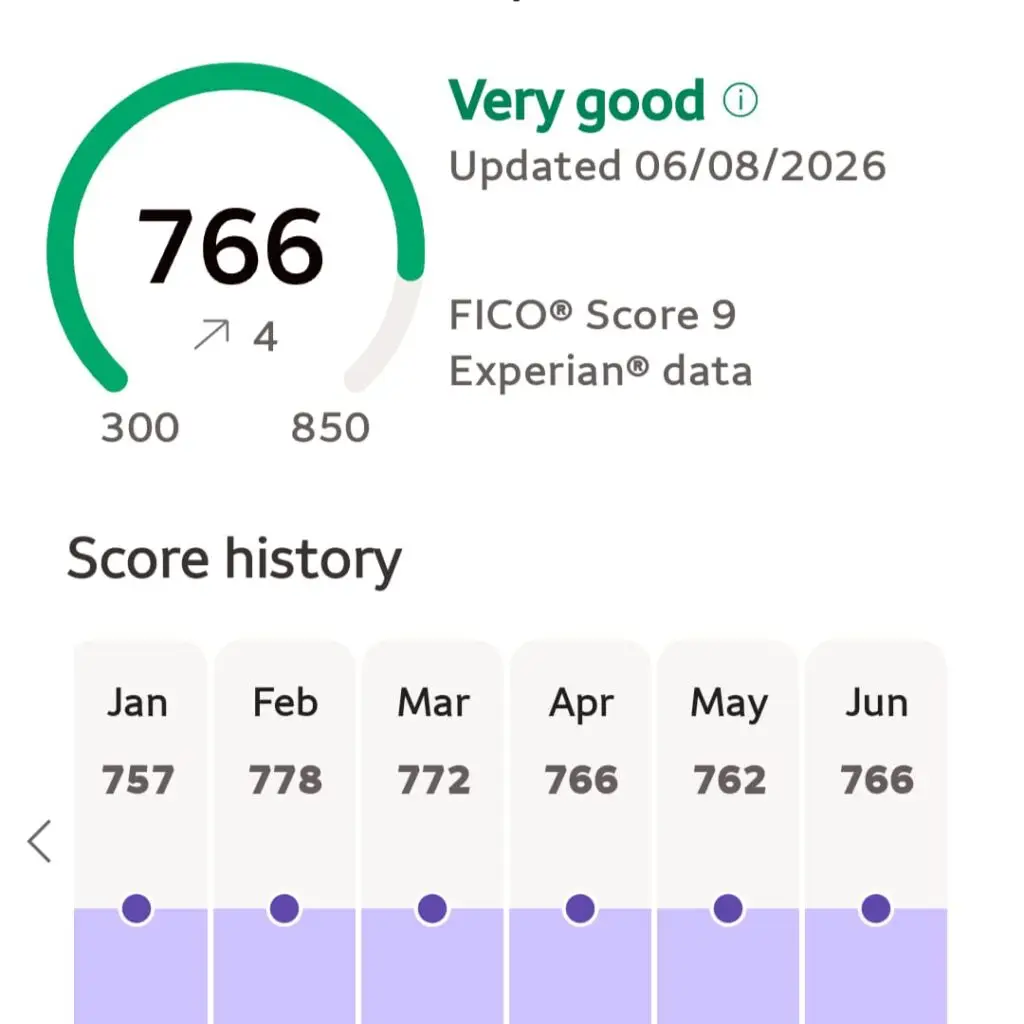
My credit score has consistently remained between 750 and 775 for as long as I can remember. I am glad I made good credit a priority, and I continue to keep a close eye on it.
I regularly monitor the information reported by Experian, Equifax and TransUnion, along with my available FICO scores, so there are no major surprises.
A strong credit history takes years to build, and I have no intention of letting mine slip simply because I am no longer collecting a regular paycheck.
I am paying myself now.
Retirement does not mean my financial reputation retires with me. In many ways, good credit becomes even more valuable when I no longer have traditional employment income.
It gives me options.
And options are important when I am still figuring out what retirement really costs.
One tool I have used is a promotional credit-card balance transfer.
Ideally, I would not need one. But if a bank offers me temporary flexibility at a reasonable cost, why would I automatically refuse to consider it?
I am still learning what consistent retirement spending looks like. There have been times when I have used credit more than I probably should have while adjusting to travel expenses, home bills and the loss of a paycheck every two weeks.
Occasionally, one of my credit-card companies sends me a balance-transfer offer worth considering. It normally includes a promotional interest rate for a specific period and an upfront transfer fee.
A balance transfer is not the same as a cash advance.
Cash advances usually come with high interest rates that begin accumulating immediately, along with additional fees. A promotional balance transfer may offer a much lower rate for a set period.
I still read the terms carefully because checks, direct deposits and transferred balances may be treated differently by each credit-card company.
Used responsibly, a balance transfer can provide temporary breathing room.
Used without a payoff plan, it can become another expensive pile of debt.
Here is a real example.
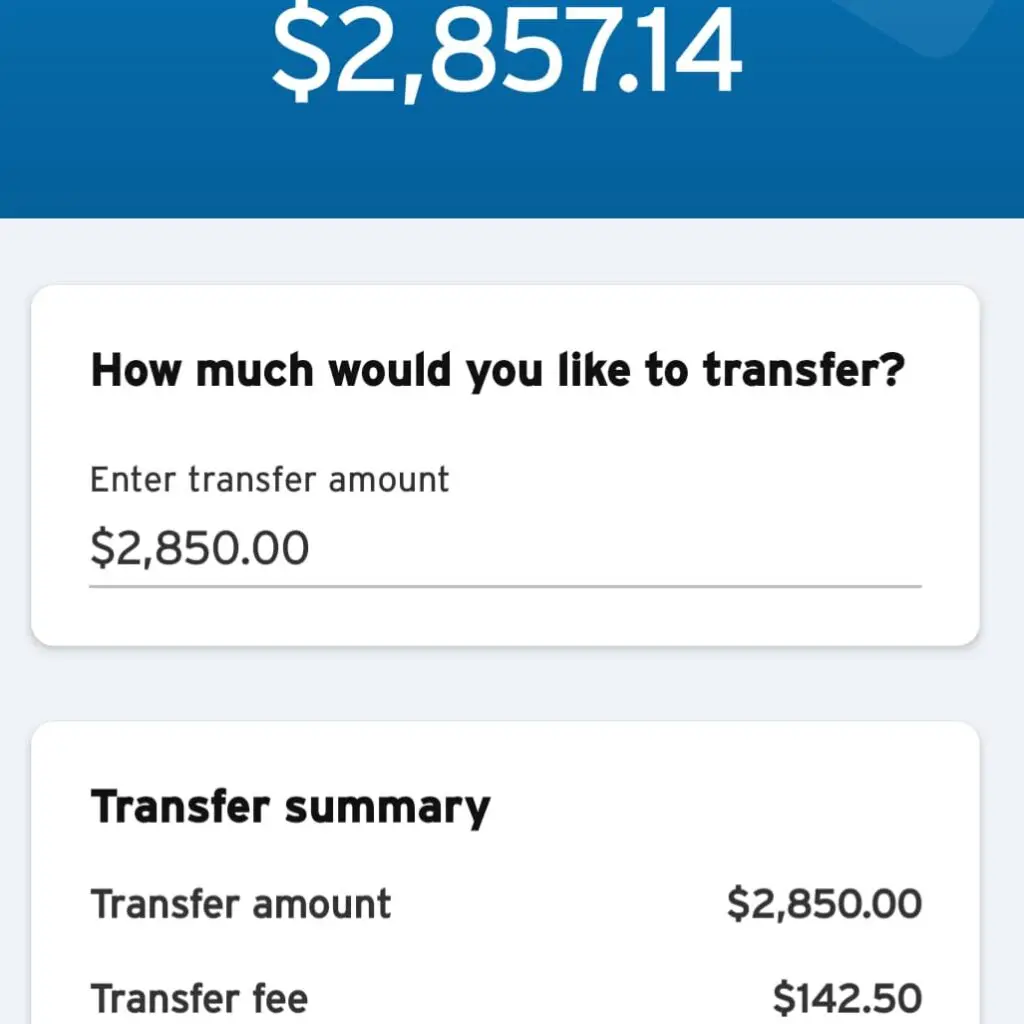
I received a balance-transfer offer with a $3,000 limit and a 5% transfer fee. I wanted the transfer and fee to remain below that limit, so I requested $2,850.
The math looks like this:
Balance transferred: $2,850
Transfer fee at 5%: $142.50
Total balance: $2,992.50
I am paying $142.50 for up to twelve months of financial flexibility. Broken down over one year, that is approximately $11.88 per month.
As long as I follow the terms and pay the entire balance before the promotional period expires, that should be my total financing cost.
I understand that I am spending $142.50 that I could avoid by using my own cash.
In one sense, I am flushing it down the toilet.
However, compared with the size of my investment portfolio and what it has recently been earning, $142.50 is a flyspeck. Leaving $2,850 invested for another year may earn more than the fee, although there is no guarantee.
The market could fall.
My investments could earn less than 5%.
Taxes could reduce the return.
If I miss the payoff deadline, the strategy could become considerably more expensive.
That is why this only works if I already have a repayment plan.
My plan is to use Airbnb income to pay off the balance within the twelve-month promotional period. That gives me time to slow my spending, catch up on expenses and refine my retirement budget without immediately withdrawing more from my investments.
Is it ideal?
No.
Is it free money?
Definitely not.
Is it a strategy everyone should use?
Absolutely not.
But for me, it can be a useful short-term tool. I am paying roughly $12 per month for flexibility while learning what my retirement lifestyle truly costs.
A balance transfer does not fix overspending. It does not create income, and it does not make debt disappear.
It simply gives me time.
The danger would be using that time as an excuse to keep spending. My goal is to tap the brakes, pay down the balance and tighten my budget.
That is the lesson for me.
Good credit gives me options, but those options still still require discipline.
After spending decades building my credit, I want it working for me in retirement—not against me.
This is not financial advice or a recommendation to borrow money. It is simply an honest example of how I am managing my transition into retirement.
I am still learning.
I am still adjusting.
And I am still figuring out what retirement really costs.
But strong credit gives me more flexibility while I work through it.
Live life to the fullest—but read the fine print first!
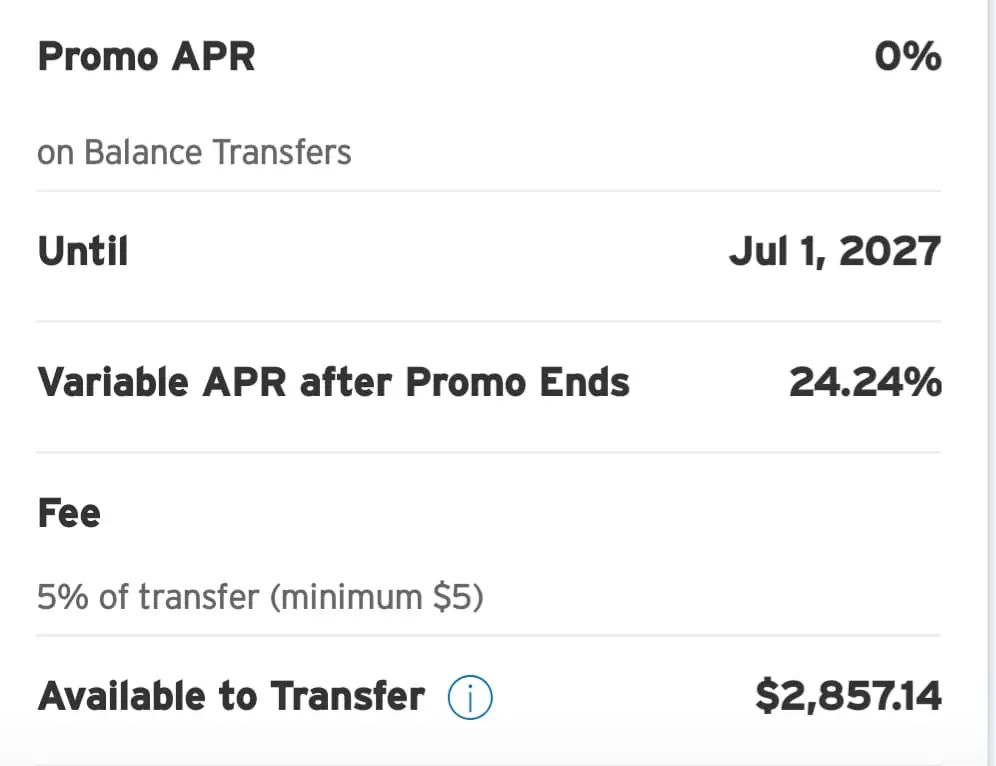

Many promotional balance transfers, interest isn’t necessarily retroactively charged, but once the promo ends, the remaining balance is subject to the regular APR.
The difference would be tragic if you were left with ~$700 in interest plus whatever remaining amount is left on the loan.
That is why retail store often do to their Customers!
Eventually a $3000 couch, TV etc is $3800, OUCH!!
As with any financial tool, the key is understanding the fine print and having an exit plan before you ever sign up.