


Geoarbitrage Taken to the Extreme: Asia
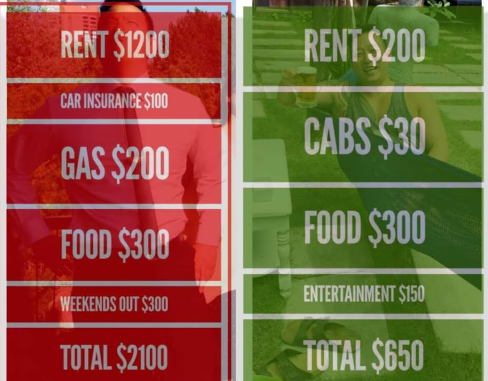
If you really want to see geoarbitrage at work, Asia is where the concept goes from interesting to undeniable.
People with income in USD, Euros, or Pounds regularly take advantage of this by living full-time or part-time in places like Thailand, Vietnam, Philippines, Colombia, Peru, and across Eastern Europe and Central America. Many do it on Social Security, CPP, or seasonal income—and they live extremely well doing it.
Now imagine this.
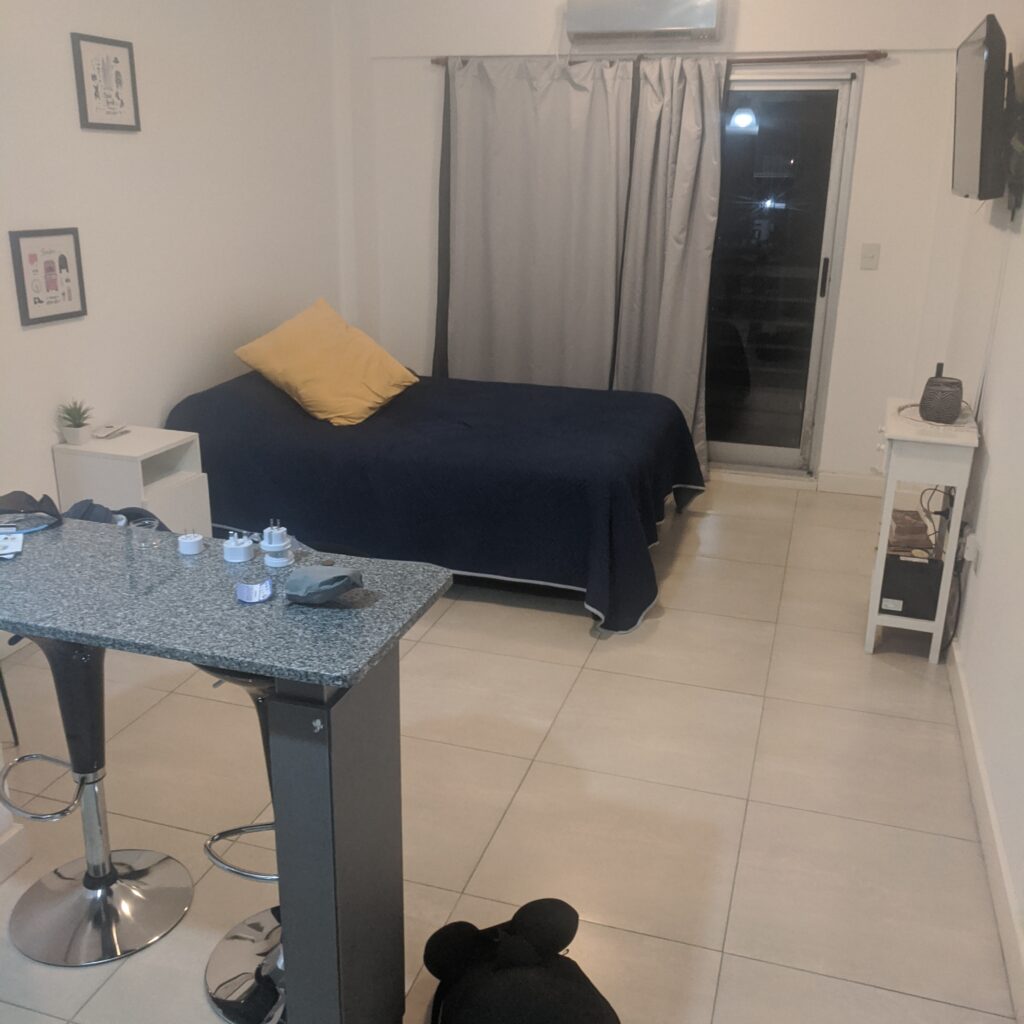
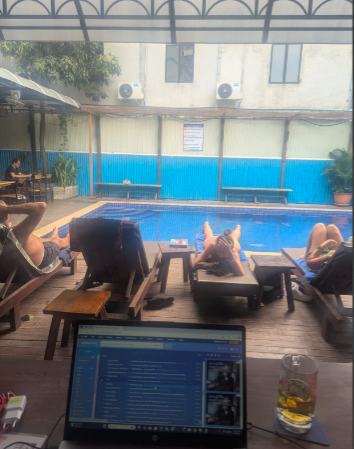
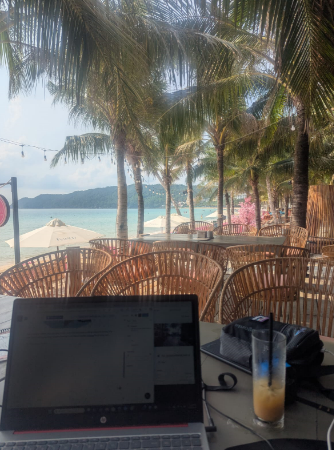
You’re living in a brand-new, furnished studio apartment with air conditioning, a full kitchen, hot water, reliable internet, and often a balcony view for your morning coffee or evening nightcap. Downstairs? A resort-style pool that makes hot days a non-issue.
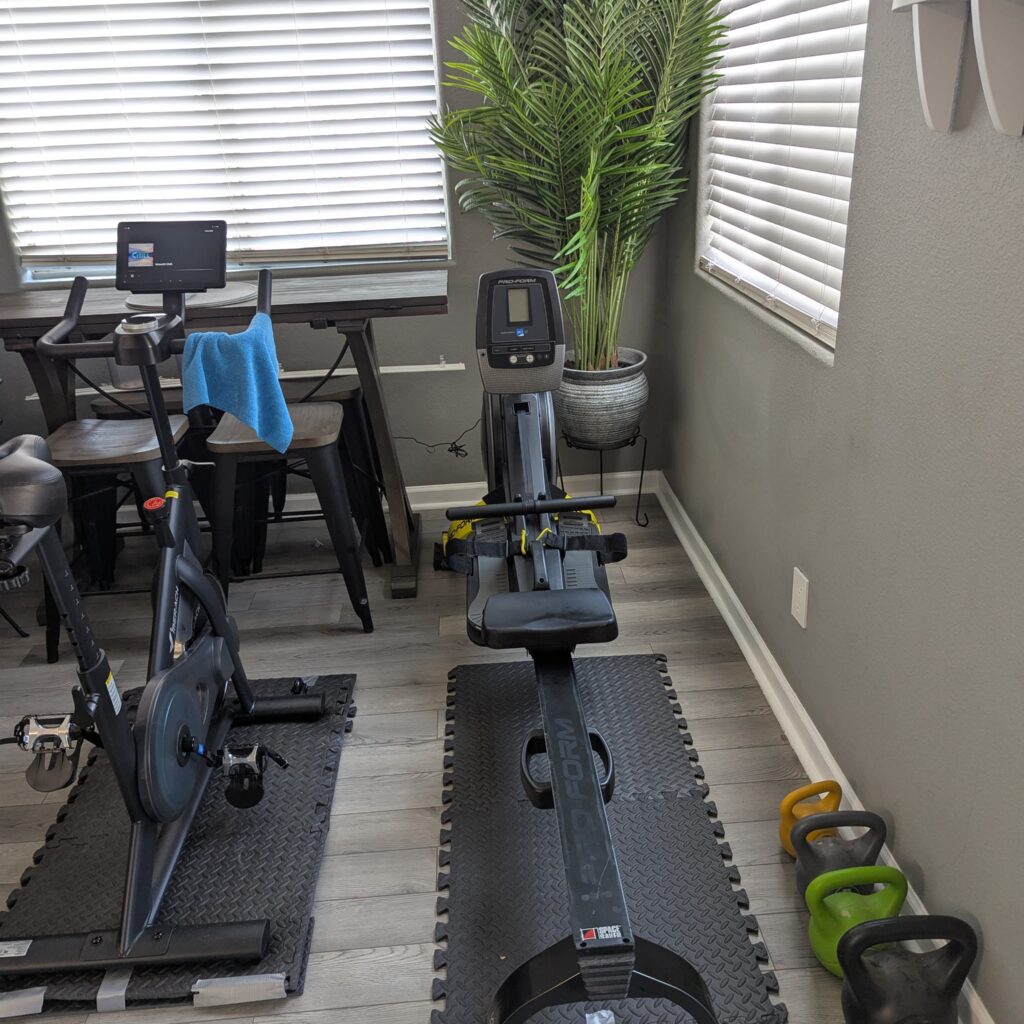
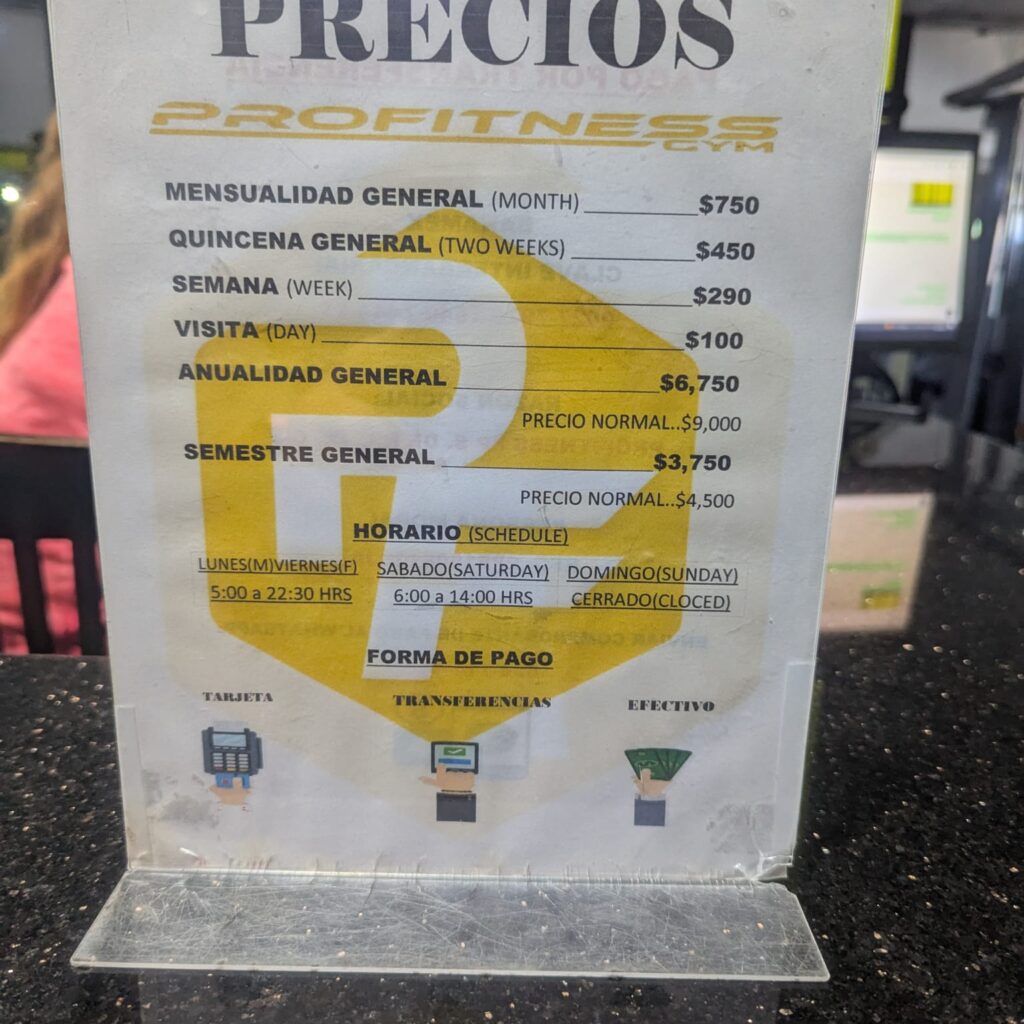
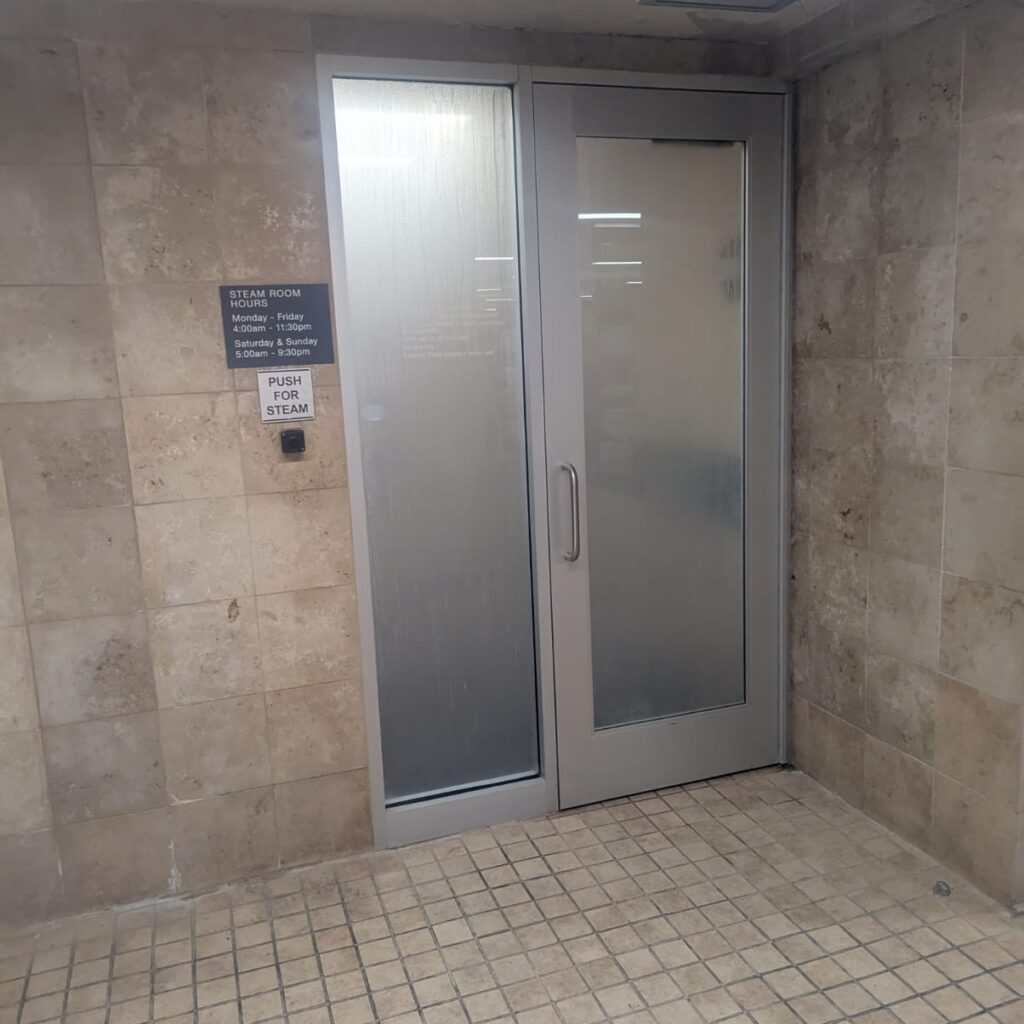
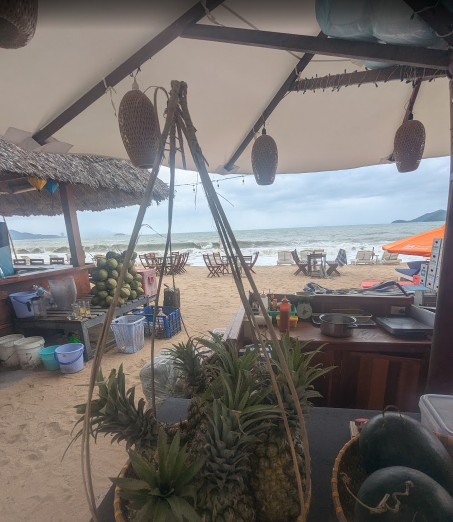
You wake up without an alarm. Walk ten minutes to a gym that feels more like a resort—free weights, machines, pool, sauna, steam room. Afterward, you grab a massive garden-fresh salad and a freshly squeezed juice made right in front of you. Not shipped across continents. Not $25+. Just food.
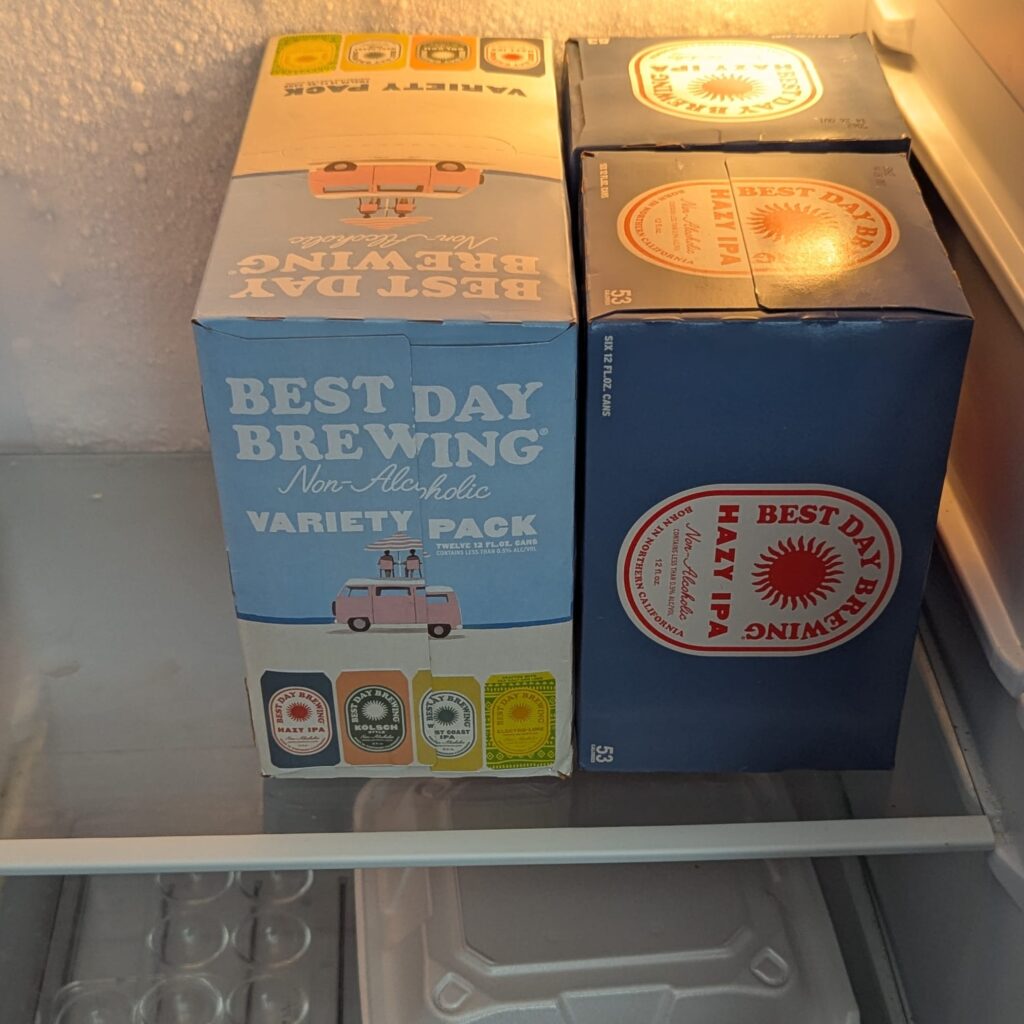
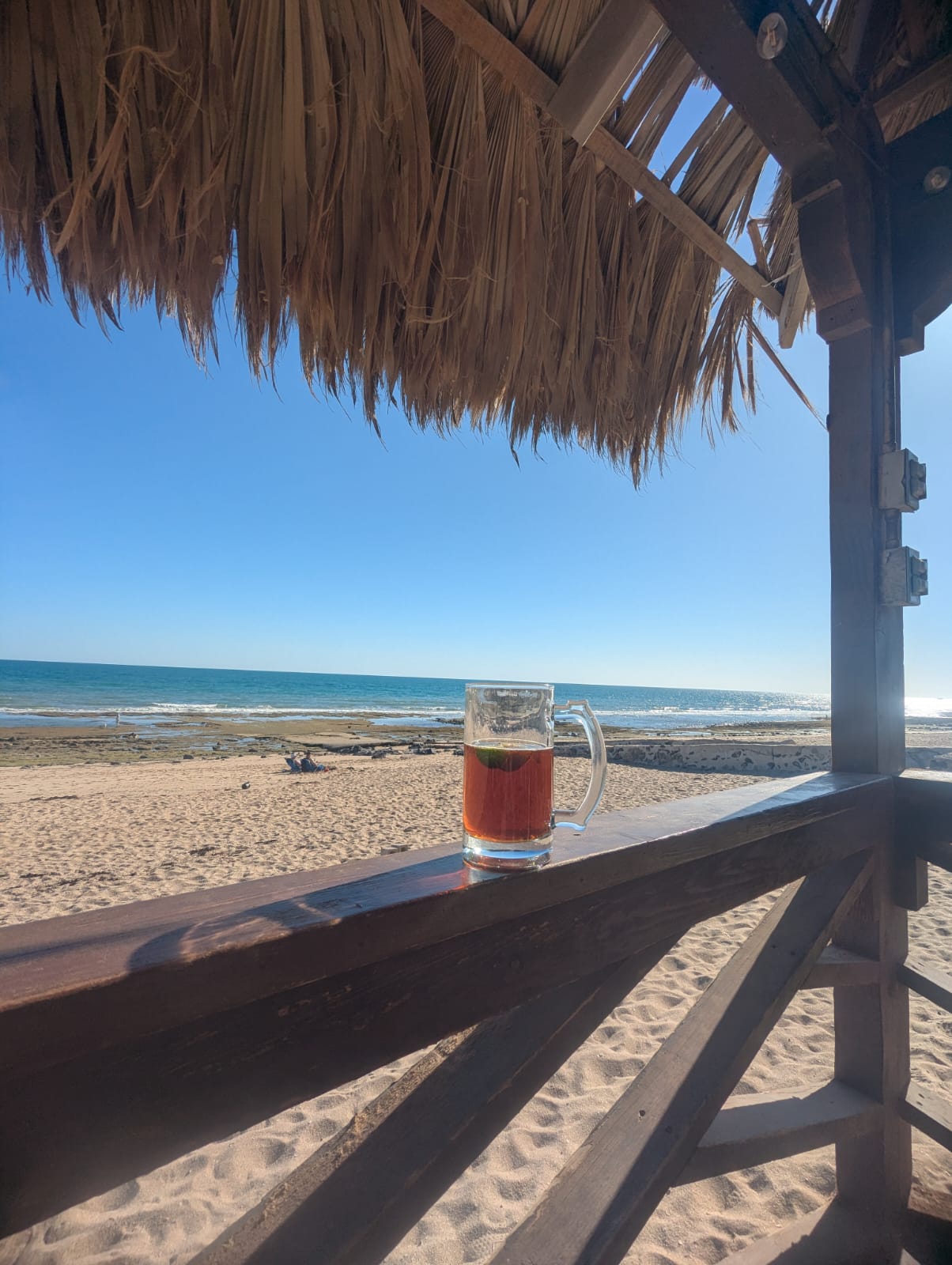
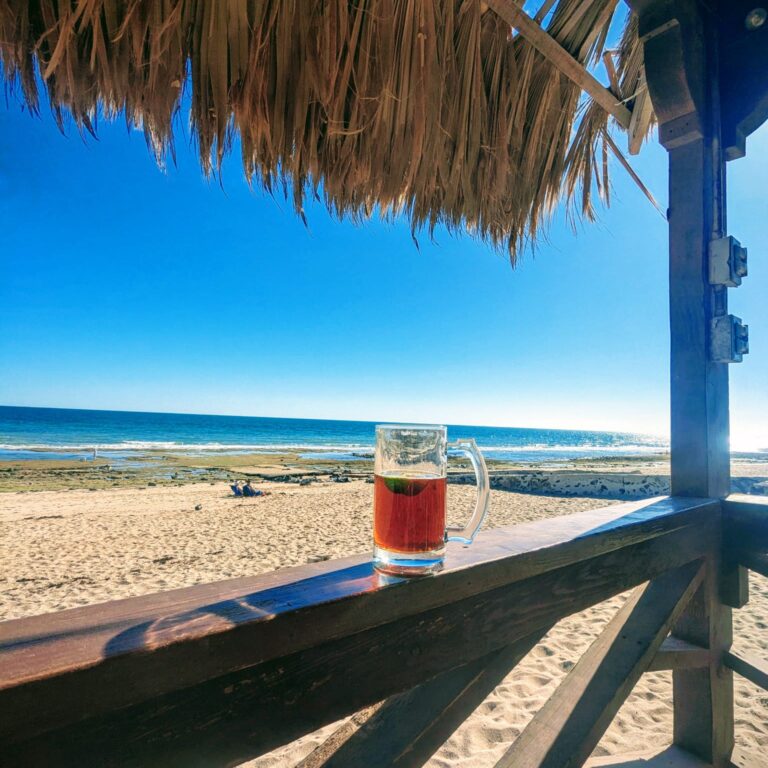
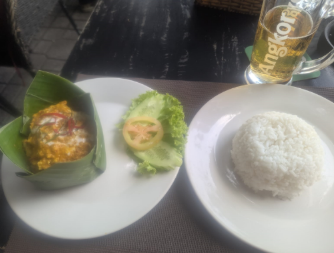
Lunch happens while you work—or don’t. You walk home, drop your laptop, then head out again for dinner at either a local spot or a North American-style restaurant. After that, you meet friends—expats or locals—for drinks at a bar within walking distance. A good beer? Often under a couple of dollars.
Then you go to sleep.
No alarm.
Rinse. Repeat.
You stop thinking about money—not because you’re rich, but because you can’t realistically overspend. As long as you’re not living like a drunken sailor (different blog post  ), it’s almost impossible.
What Does This Actually Cost?
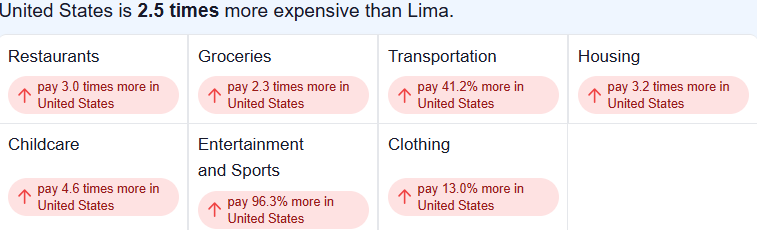
In places like Thailand, Vietnam, Peru, Colombia, and the Philippines, this lifestyle typically runs $1,000–$1,500 USD per month. Many people do it for $700–$800 by living slightly outside city centers and cooking more at home.
That number is often less than a monthly pension or Social Security check. Some people split the year—six months abroad, six months back home—and still come out ahead.
Vietnam: A Concrete Example
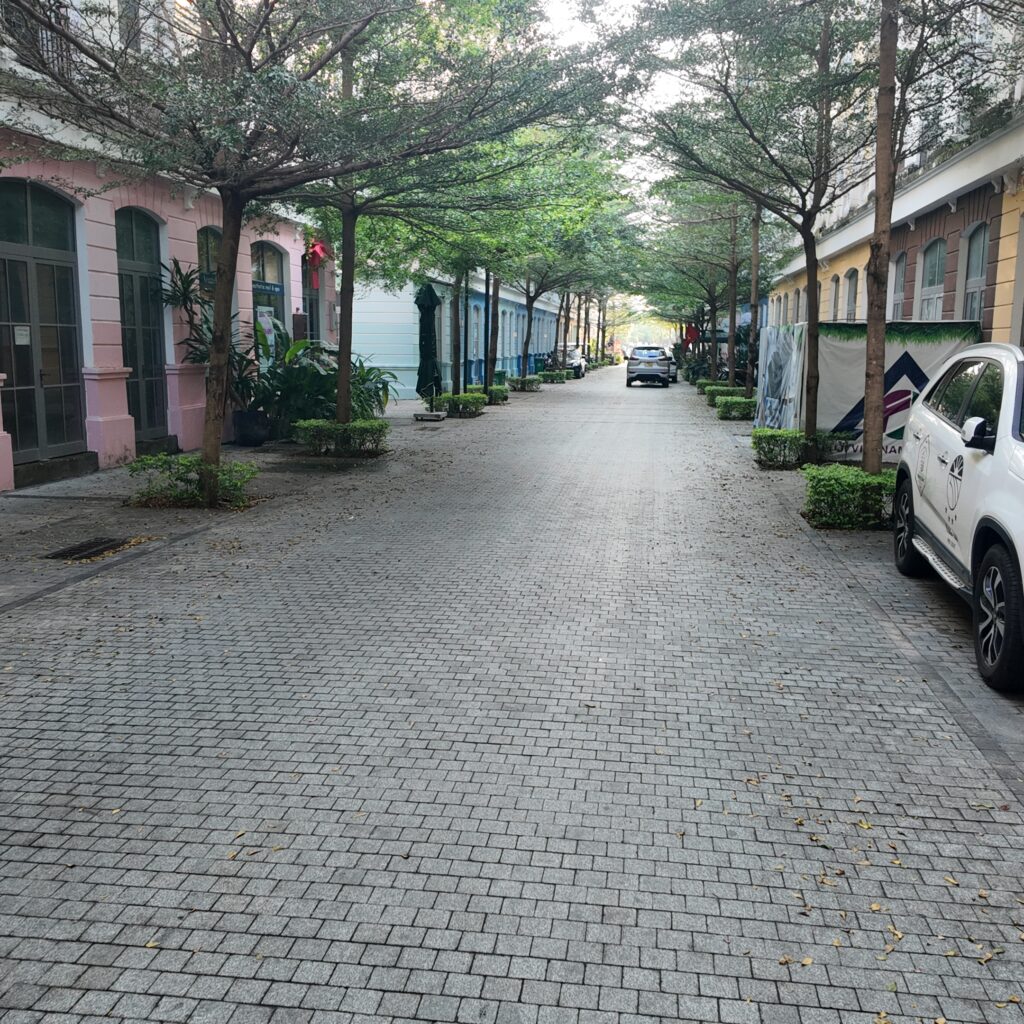
Vietnam is one of the clearest examples I’ve experienced.
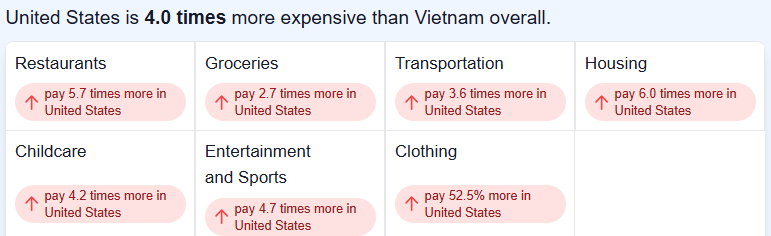
$500/month on a 6–12 month lease (slow travel) gets you an apartment with a pool and full gym
My month-to-month rent was about $300 USD (more expensive than long-term)
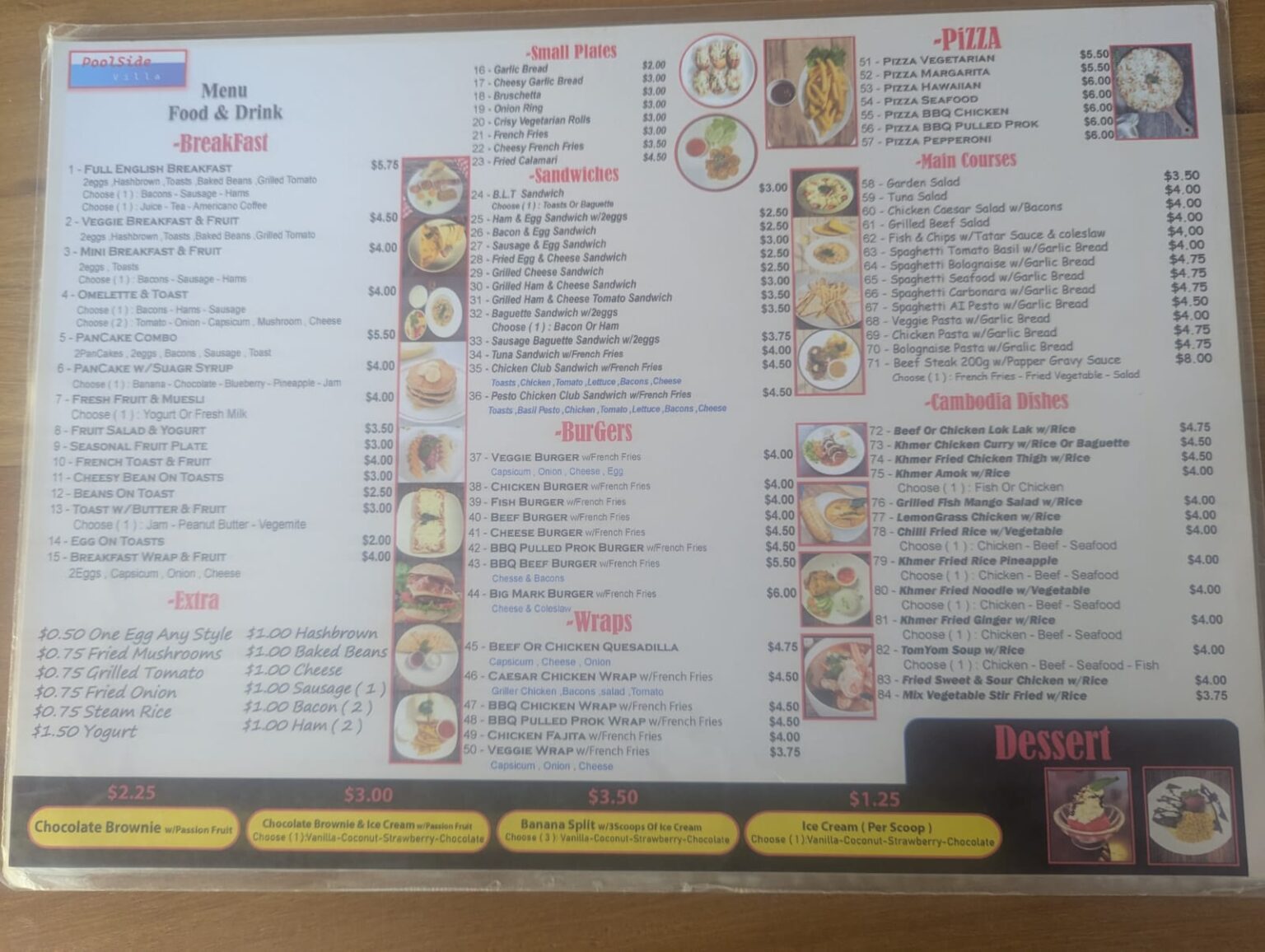
Pho: ~$2
Bánh mì: ~$0.85
North American-style meal (burger + fries): ~$5
Beer: ~$1
I could live comfortably under $1,000 USD per month.
Live very well at $1,500.
Live like a king at $2,000.
The Real Lesson
This isn’t about luxury.
It’s about leverage.
When your income comes from a strong currency and your expenses exist in a lower-cost environment, life opens up. Time, freedom, health, and choice replace budgeting apps and financial anxiety.
That’s geoarbitrage—taken to its logical extreme.
Here’s a great way to introduce YouTube examples of geoarbitrage for early retirement on your site — with context, value, and a smooth transition:
Geoarbitrage in Action: YouTube Examples That Inspire Early Retirement
If you want to see geoarbitrage in real life, there are a ton of great YouTube creators who explain how living abroad or in low-cost regions can accelerate retirement goals. Below are some channels and videos I recommend checking out — whether you’re curious about spending less, earning smart, or retiring early.
 Recommended Geoarbitrage YouTube Examples
1. Nomad on a Budget
Focus: Living abroad cheaply while earning remotely or on savings.
What you’ll learn: realistic cost breakdowns in Asia, Central America, and Eastern Europe.
2. Retire Early Overseas
Focus: Retiring early in affordable countries.
What you’ll learn: how retirees use pensions, Social Security, or remote income for long-term low-cost living.
3. The Expat Money Show
Focus: finances for expats and digital nomads.
What you’ll learn: geoarbitrage basics, tax considerations, and investment strategies for location-independent living.
4. Cheap Living Abroad
Focus: detailed city guides and monthly budget videos.
What you’ll learn: exact prices for housing, food, transportation, and entertainment.
Why Watch These
Watching real videos from people doing this gives you:
Real cost comparisons between countries
Day-in-the-life insights (not just theory)
Budget breakdowns that reflect real choices
Inspiration for your own retirement or travel plans
Here are two of the many you’ll find with a simple search:























































































































 Godspeed.







 Clickity CLICK


























 , neon nights in Tokyo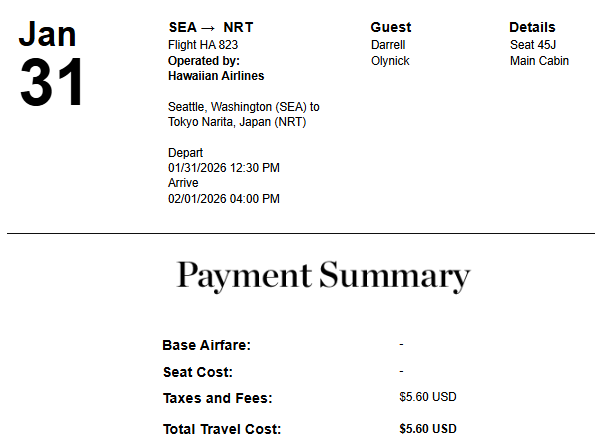















































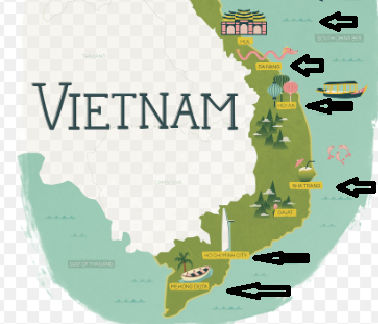
 Saigon → Nha Trang
 Saigon → Phú Quốc
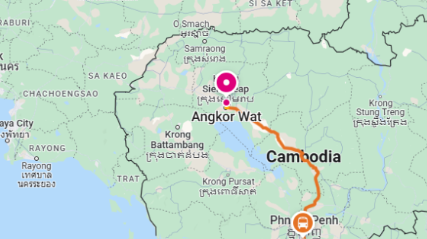
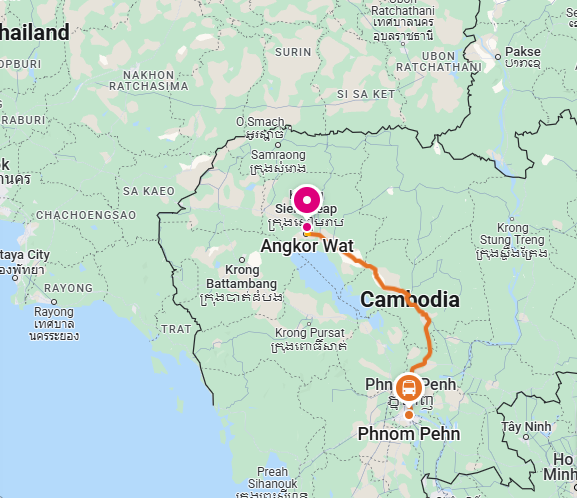
 Saigon → Phnom Penh









































































































 There’s a fine for that


































































































 NAD for the bounce-back win in extra time!!